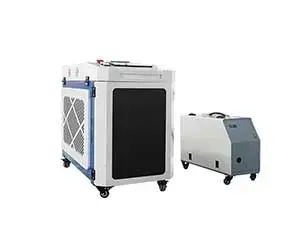
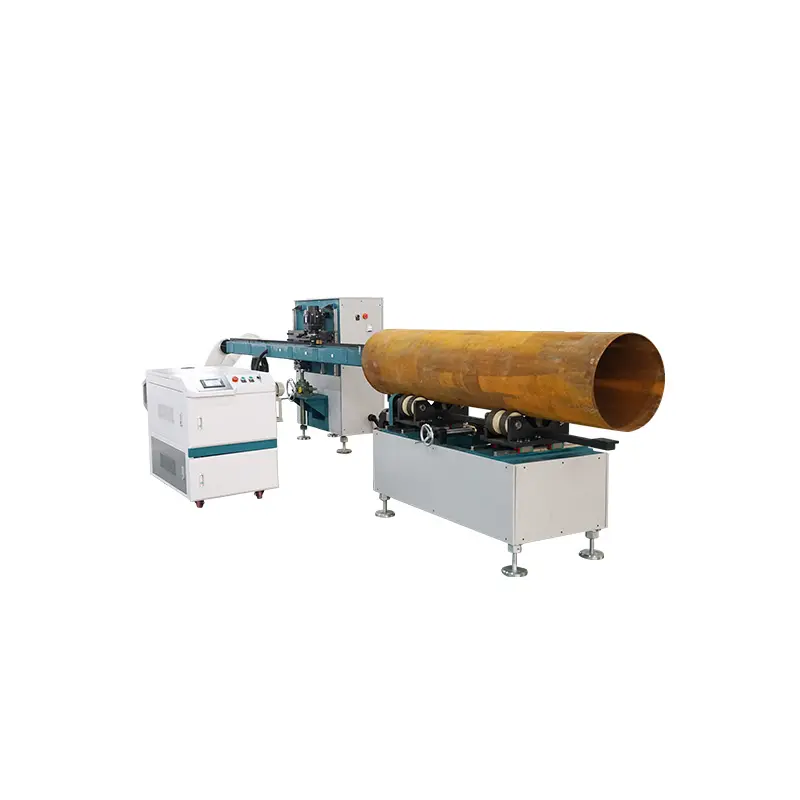
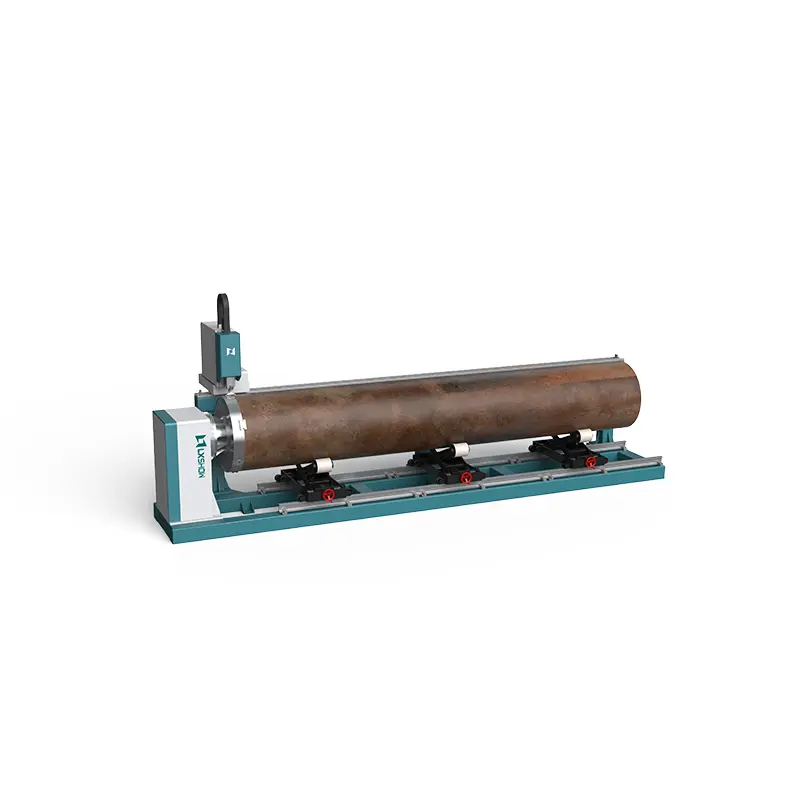
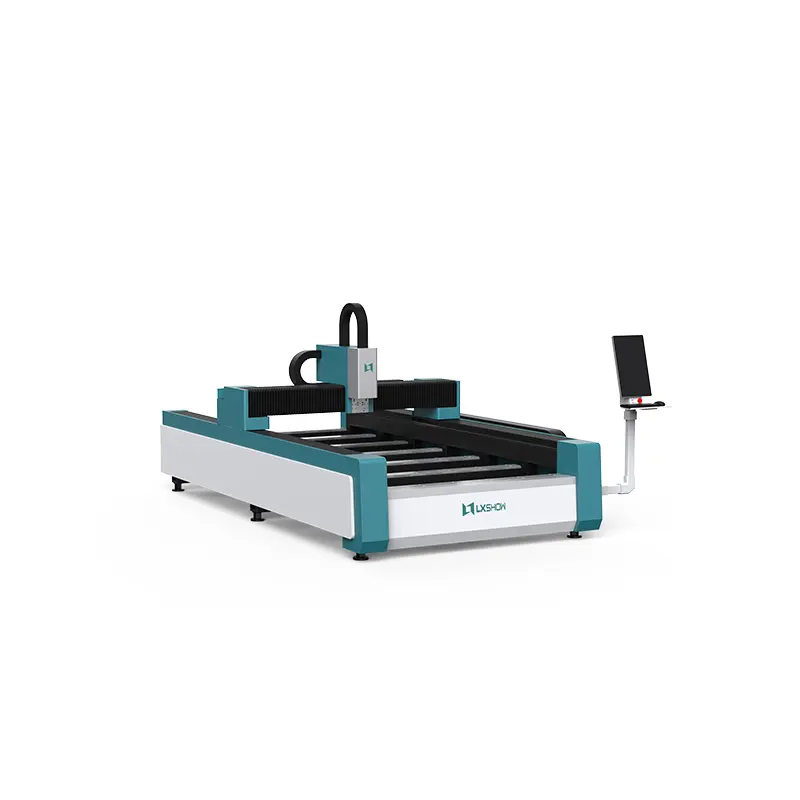
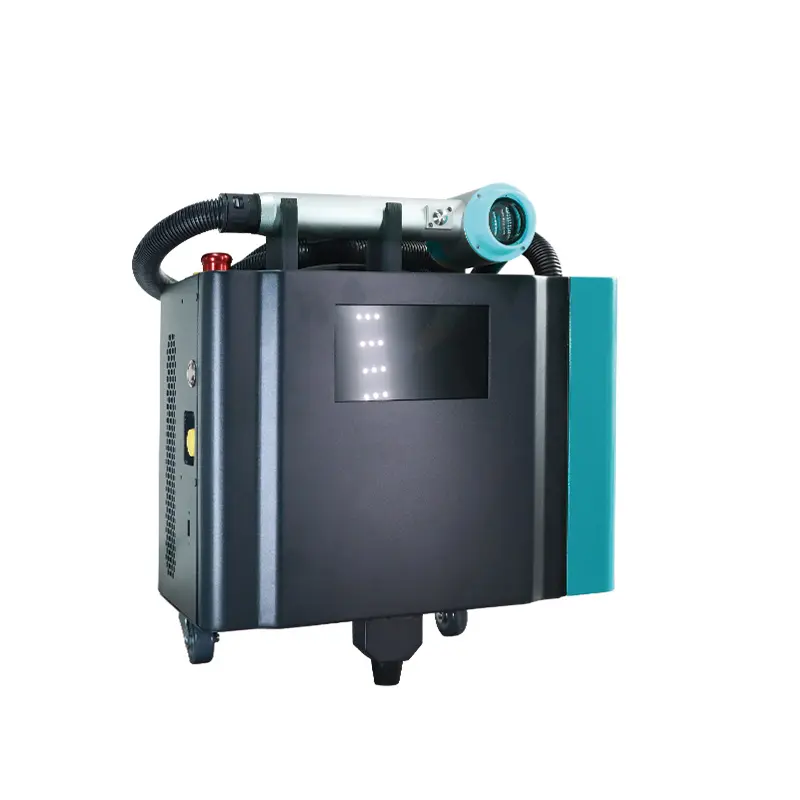
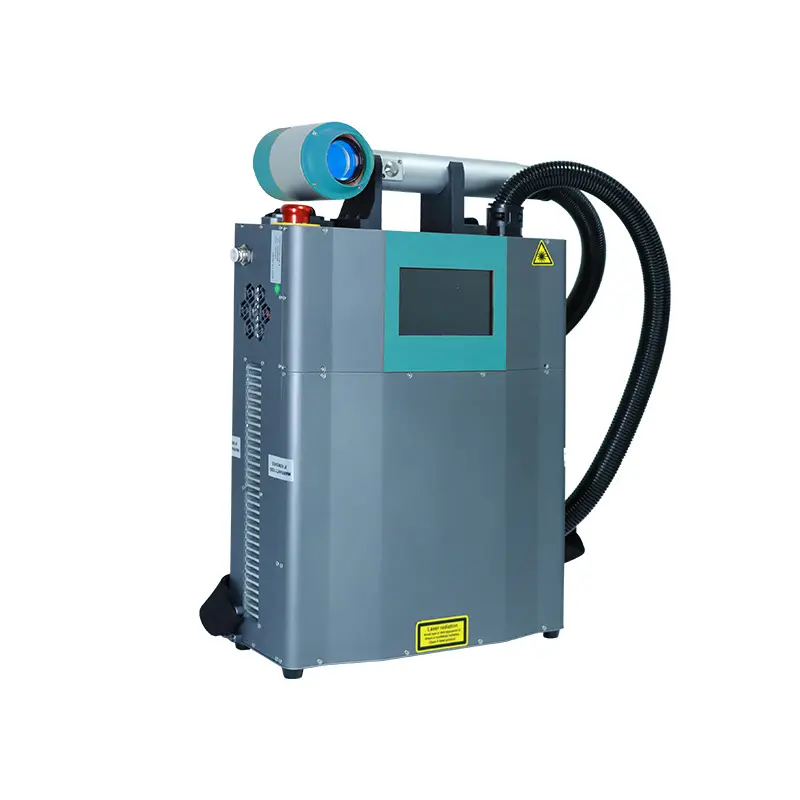
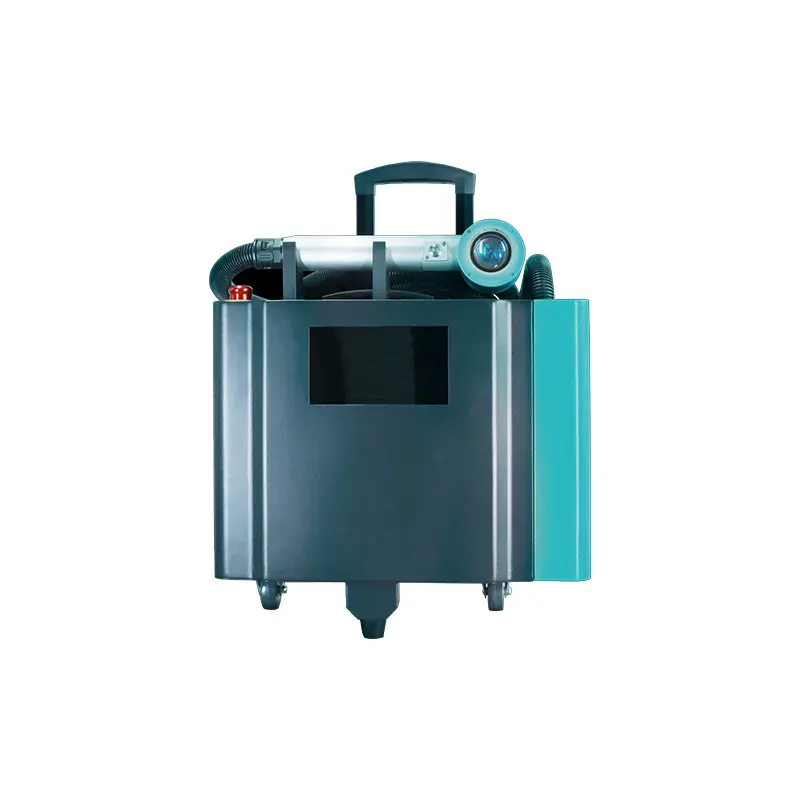
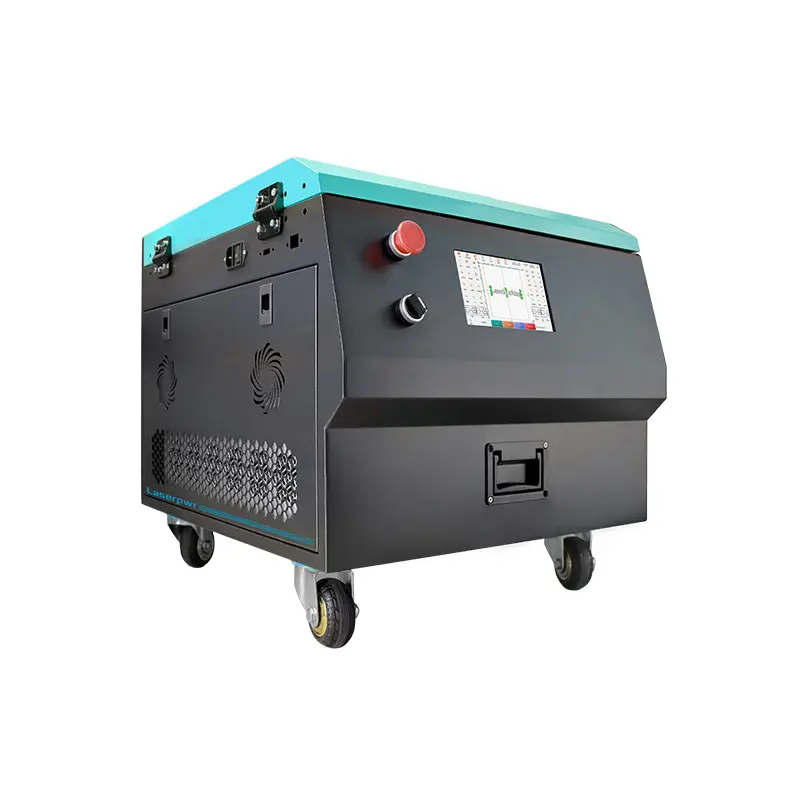
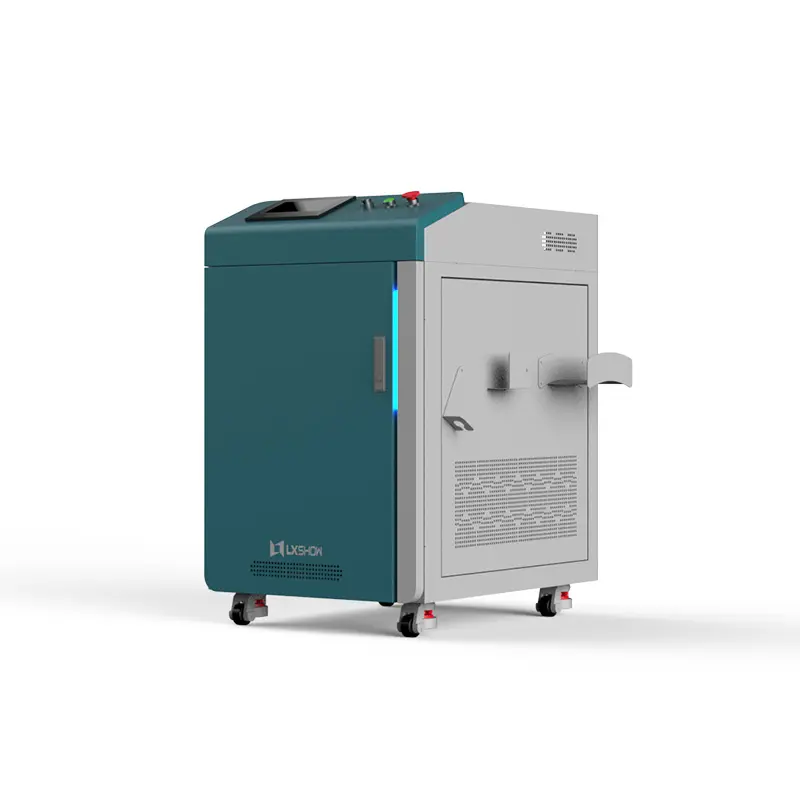
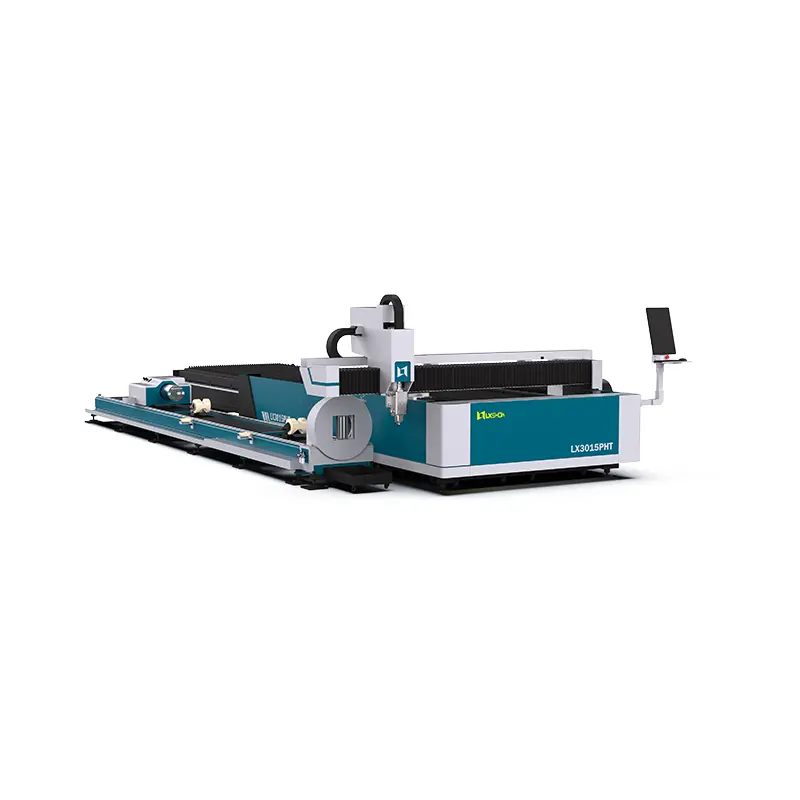
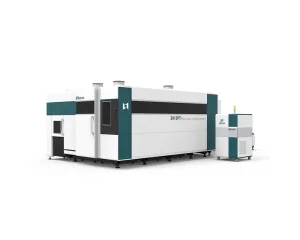
Explore our flagship ODM laser equipment engineered for superior sheet metal processing, high-speed pipe cutting, structural welding, and surface treatment.
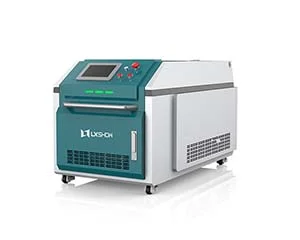
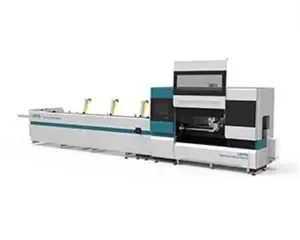
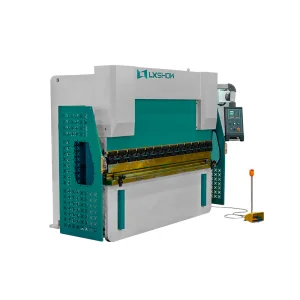
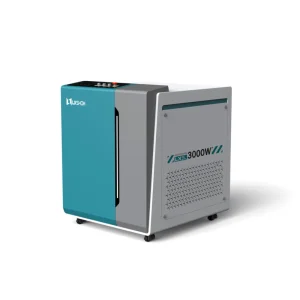
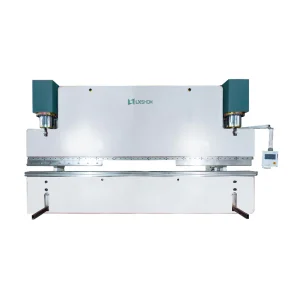
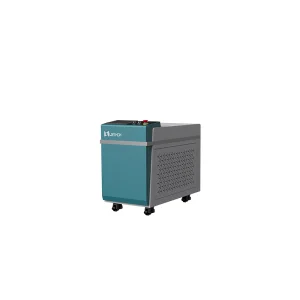
Analyzing procurement dynamics, industry alignment, and cost matrices for modern heavy industrial operations.
The commercial landscape of ODM (Original Design Manufacturer) metal laser cutting machines is heavily dependent on a variety of overlapping variables, including optical power configurations, bed structures, component selections, and import/export compliance frameworks. A standard fiber laser system represents a significant capital expenditure, where structural integrity directly correlates with long-term processing accuracy. Industrial buyers must look beyond initial acquisition costs to analyze the Total Cost of Ownership (TCO), which includes energy consumption, gas consumption (such as switching from Nitrogen/Oxygen to high-pressure compressed air), maintenance cycles, and optical alignment wear.
For instance, when procuring an ODM system configured for heavy sheet metal, the choice of gantry material (extruded aviation-grade aluminum vs. cast iron gantries) dictates the acceleration parameters (ranging from 0.8G to 2.5G) and precision limits over a decade of continuous operational cycles. Similarly, laser sources—whether sourced from Tier-1 providers like IPG or leading domestic suppliers like Raycus, JPT, and MAX—represent approximately 35% to 50% of the total machine cost. Sourcing through qualified ODM partners allows global enterprises to customize configurations that bypass unnecessary auxiliary systems, thereby optimizing the price-performance ratio.
Modern fiber laser cutting systems serve as the bedrock of global smart factories. Diverse industrial sectors rely on custom configurations to process specific material classifications, ensuring seamless downstream assembly and structural reliability.
Each sector demands tailored processing routines. For example, processing Aluminum requires high-frequency pulsed power matrices to counteract its high thermal conductivity and reflective properties. Meanwhile, cutting thick Carbon Steel relies heavily on stable oxygen auxiliary gas pressures to support exothermic chemical reactions, producing smooth, dross-free edges. Copper and brass demand advanced optical isolators in the fiber laser head to protect the resonator from back-reflections that can damage critical optical components.
Engineered configuration maps designed to optimize laser parameters across diverse metal classifications.
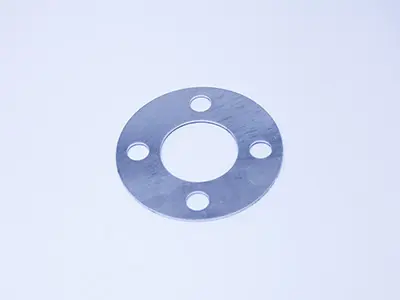
Aluminum Sourcing
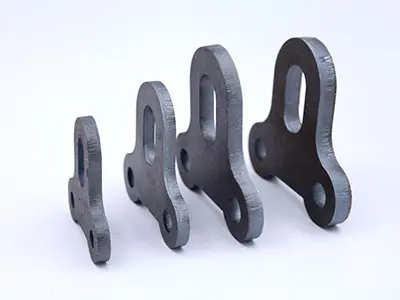
Carbon Steel Processing
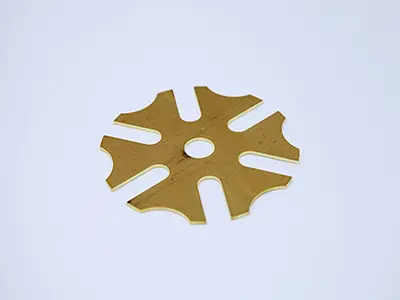
Reflective Copper
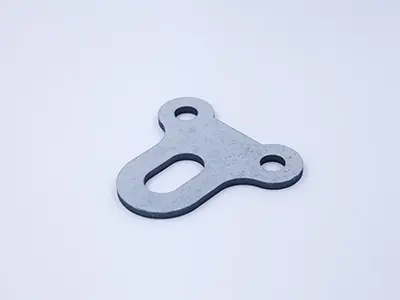
Galvanized Sheets
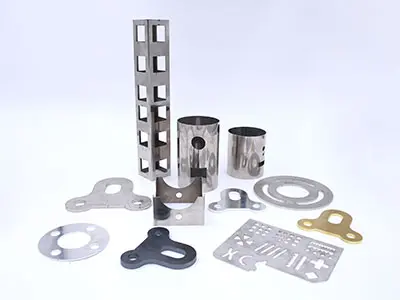
Special Alloys
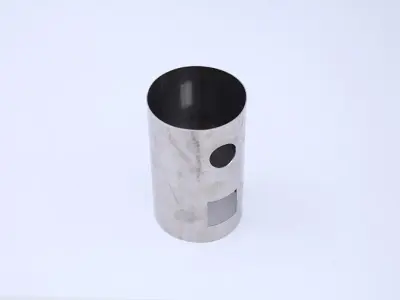
Round Tube Profiling
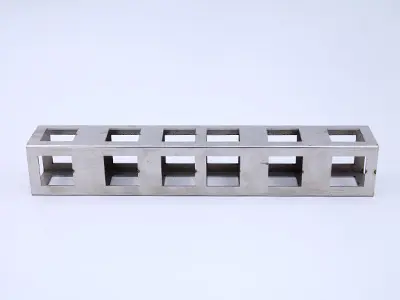
Square Tube Processing
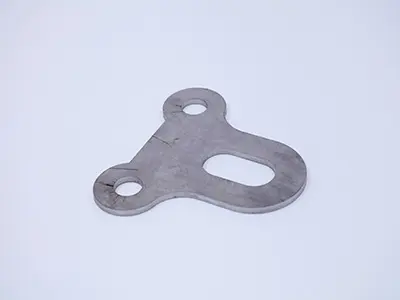
Stainless Steel Profiles
Exploring the transition from stand-alone CNC machines to interconnected, AI-driven autonomous factory floors.
The global manufacturing sector is shifting rapidly from low-power systems (1kW - 3kW) toward ultra-high power configurations (12kW - 40kW+). Dynamic beam shaping allows the machine to adjust the laser beam's energy profile in real time. This ensures sharp, high-speed cuts in thin sheets and stable, gas-assisted cutting in thick plates without requiring manual lens changes.
Modern ODM cutting heads integrate active capacitive sensors and real-time thermodynamic diagnostics. These technologies prevent collisions by instantly detecting tilted cut parts and raising the Z-axis. This system reduces downtime, eliminates nozzle damage, and protects delicate optical elements.
Looking toward 2040, the goal of laser cutting technology is complete integration. Systems will transition from isolated setups into automated production lines. Raw material loading, dynamic nesting, optical cutting, robotic sorting, bending, and subsequent handheld or robotic laser welding will operate under a centralized MES (Manufacturing Execution System), laying the groundwork for true dark-factory automation.
To reduce operational costs, modern fiber laser systems are moving toward high-pressure air cutting. Using compressed and filtered air in place of liquid Nitrogen or Oxygen reduces the gas cost per part by up to 75%, making operations more competitive and resource-efficient.
Discover our world-class manufacturing facilities, precision testing laboratories, and global engineering team.
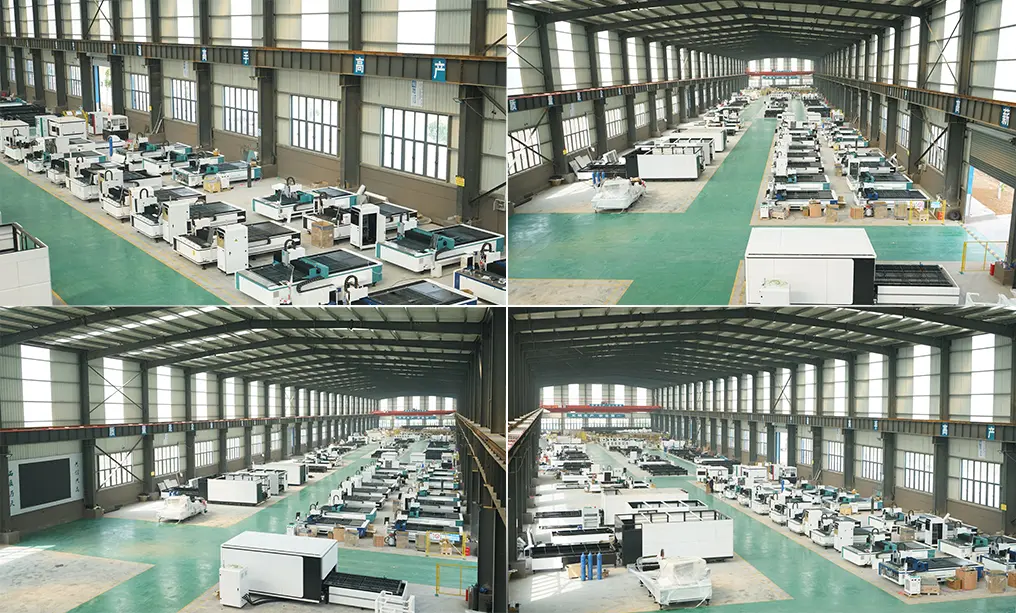
Assembly Workshop
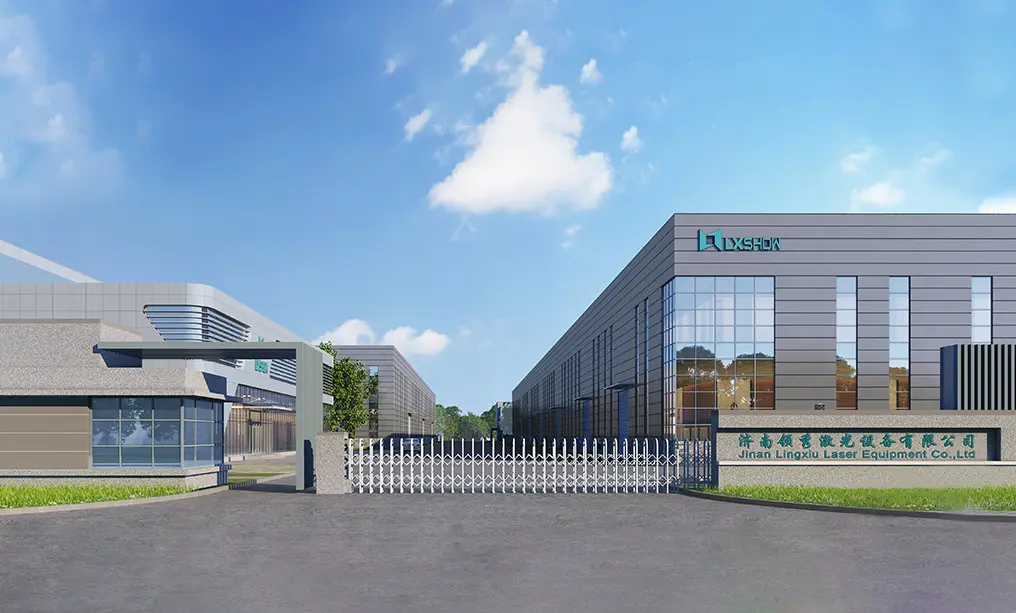
Production Plant

Corporate Front Desk
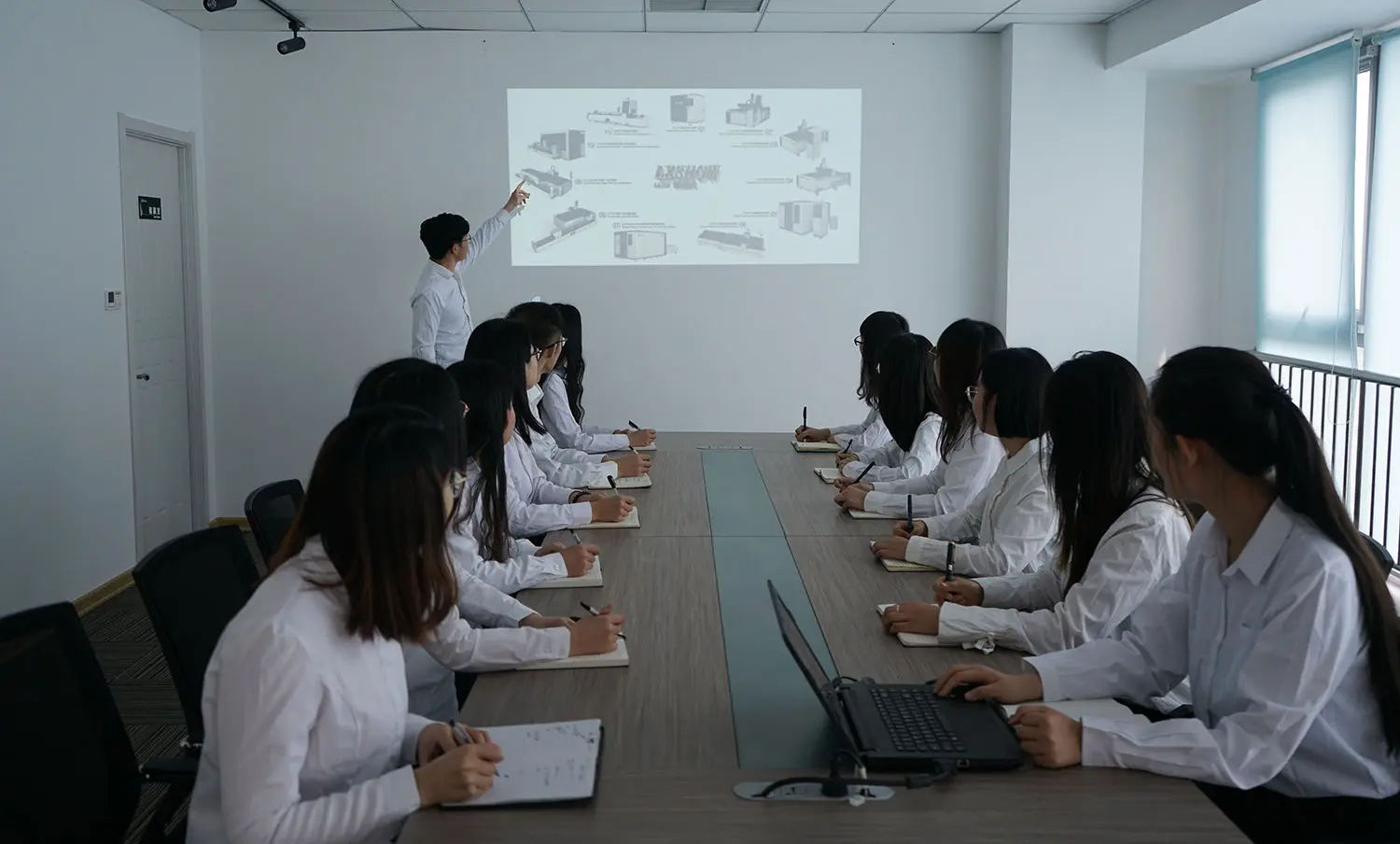
Conference Room
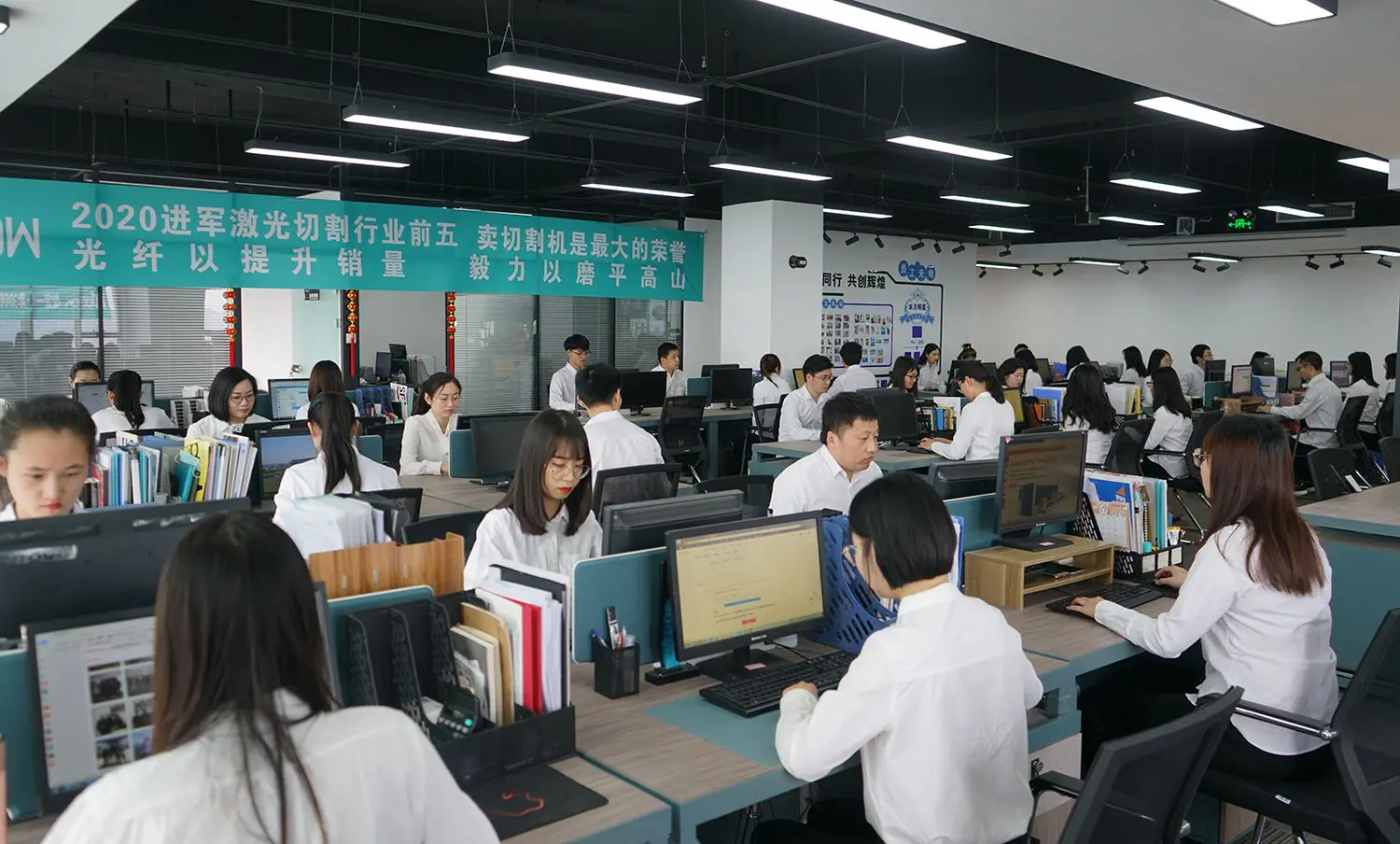
Engineering Office
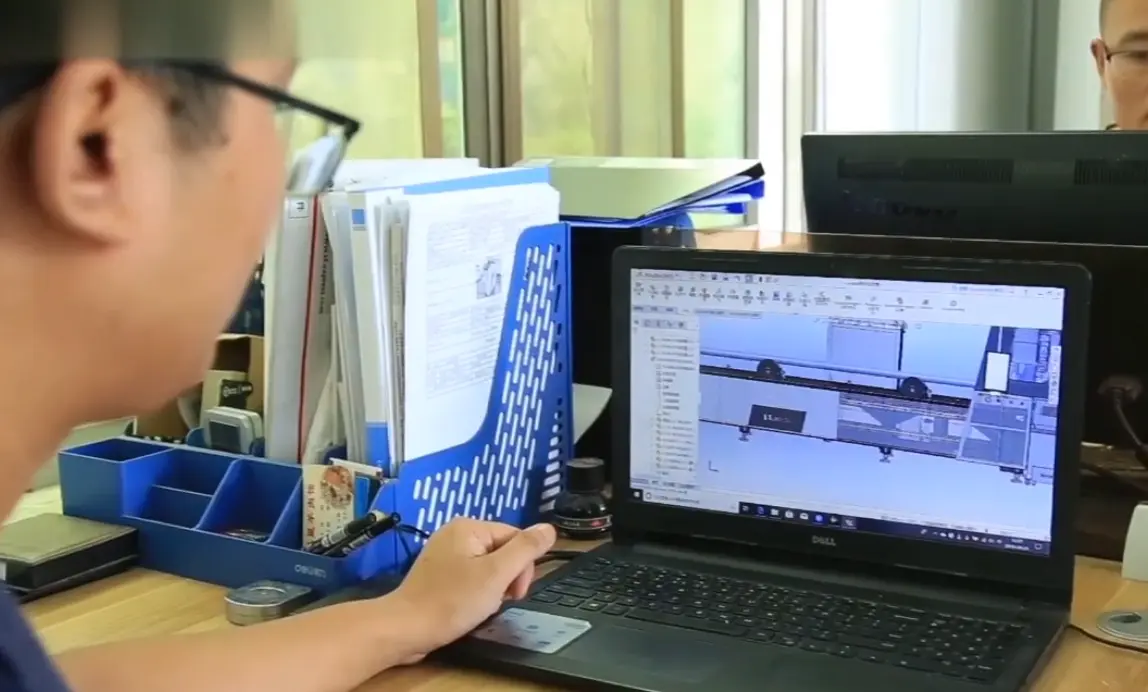
Machine Design Team
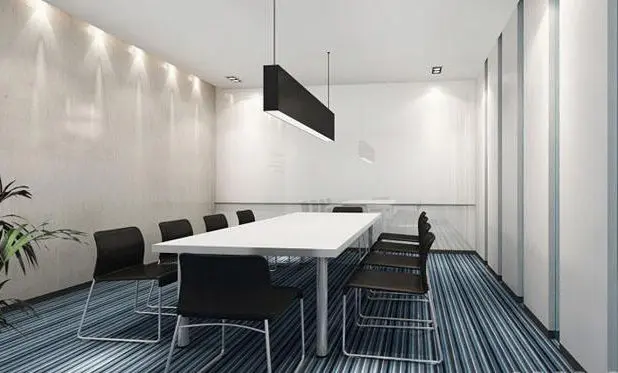
Reception Office
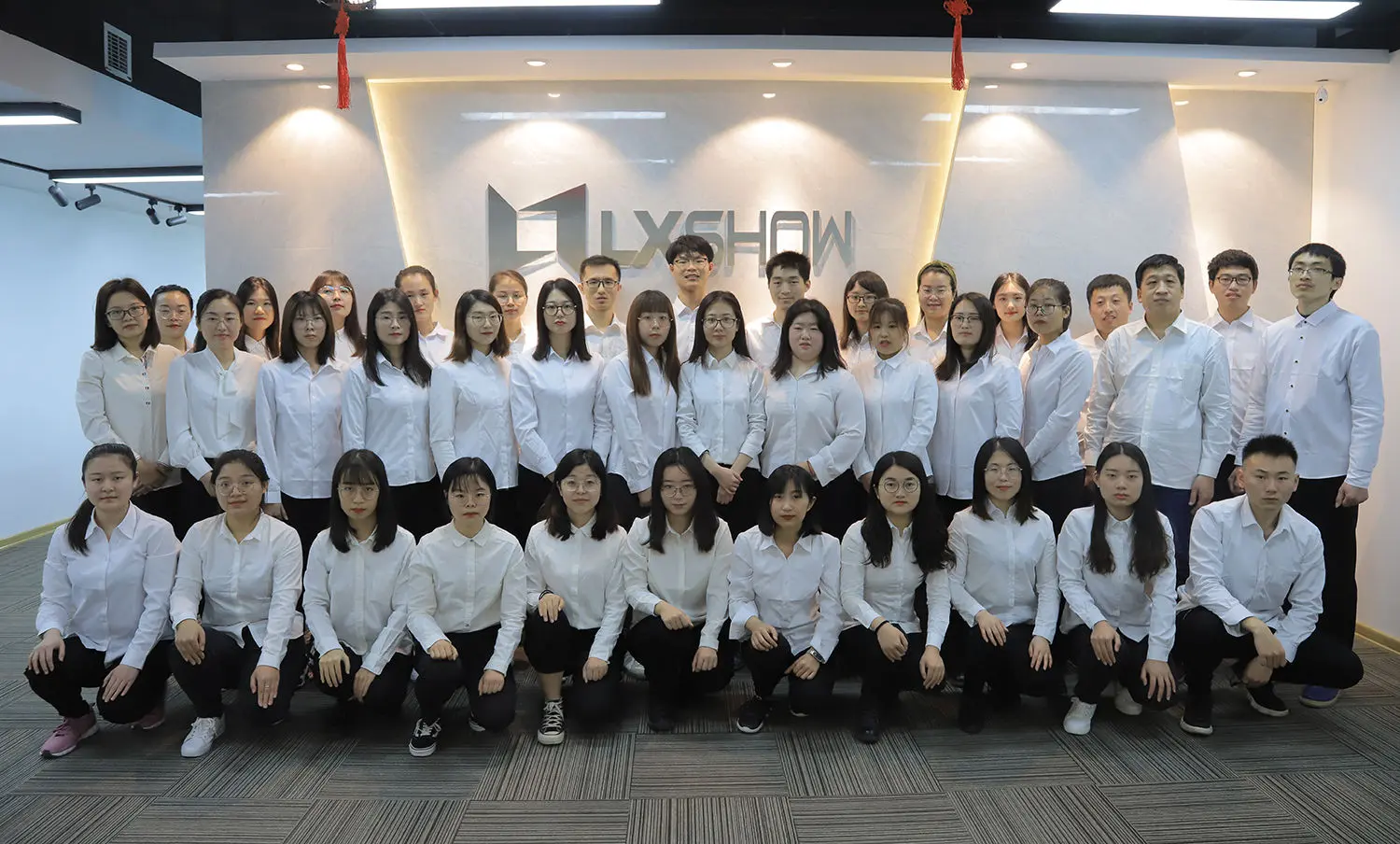
Global Sales Team 1
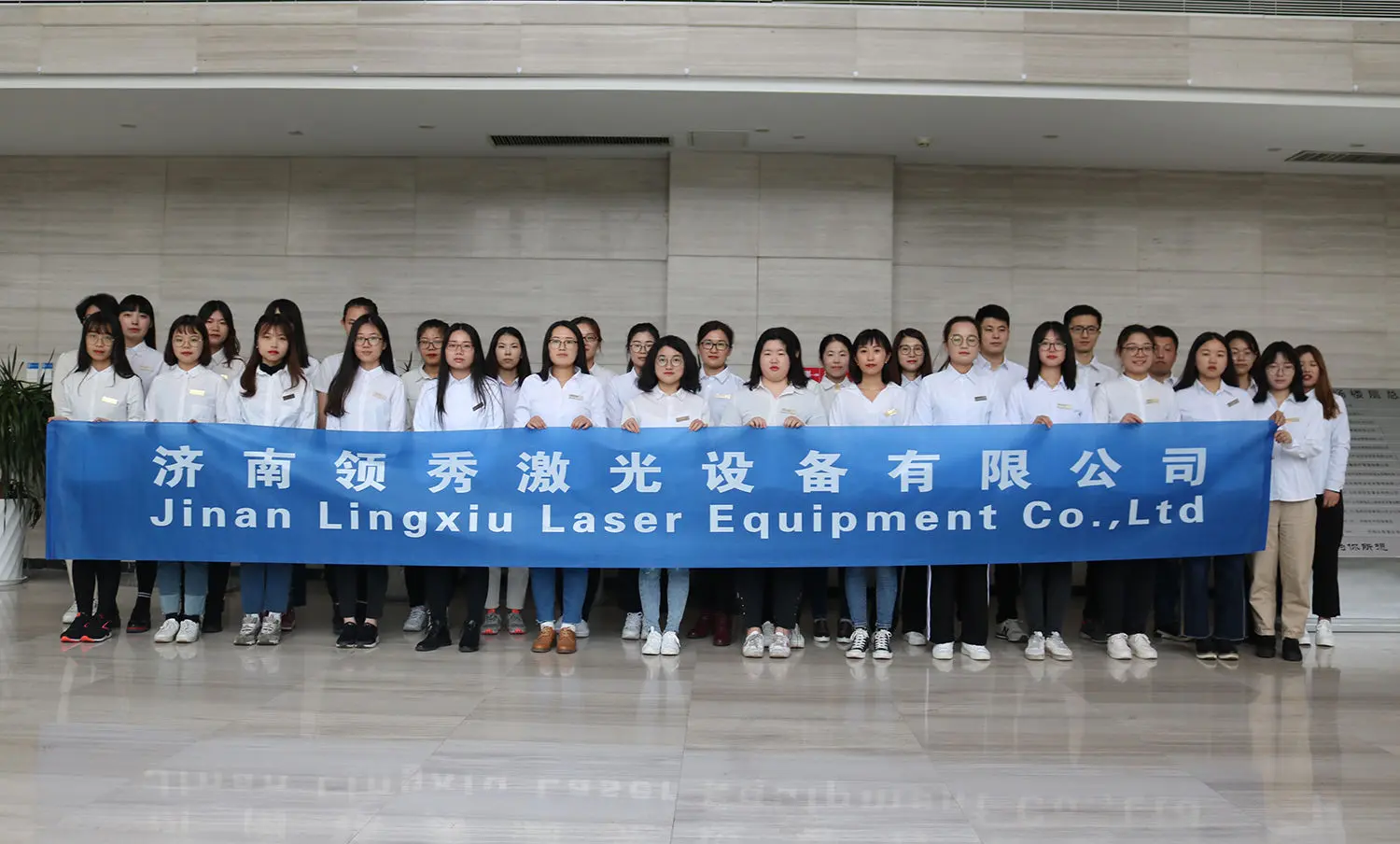
Global Sales Team 2
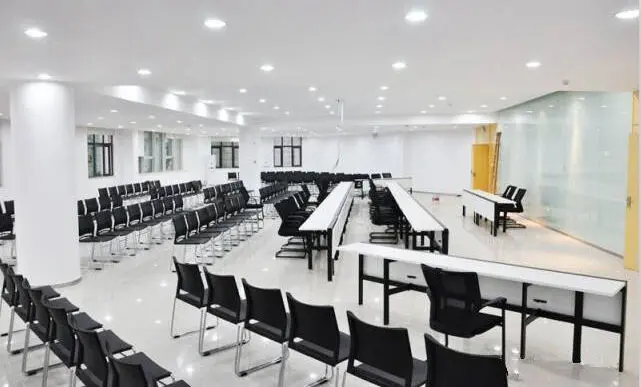
Technical Training Room
Established in July 2004, our organization has spent two decades pioneering high-precision optical technologies for sheet metal and pipe fabrication. With a state-of-the-art facility spanning over 32,000 square meters and an active 500-square-meter R&D headquarters, we integrate global manufacturing expertise with customized engineering. We design, calibrate, and manufacture premium fiber laser cutters, high-precision press brakes, compact laser cleaning systems, and dynamic laser welders.
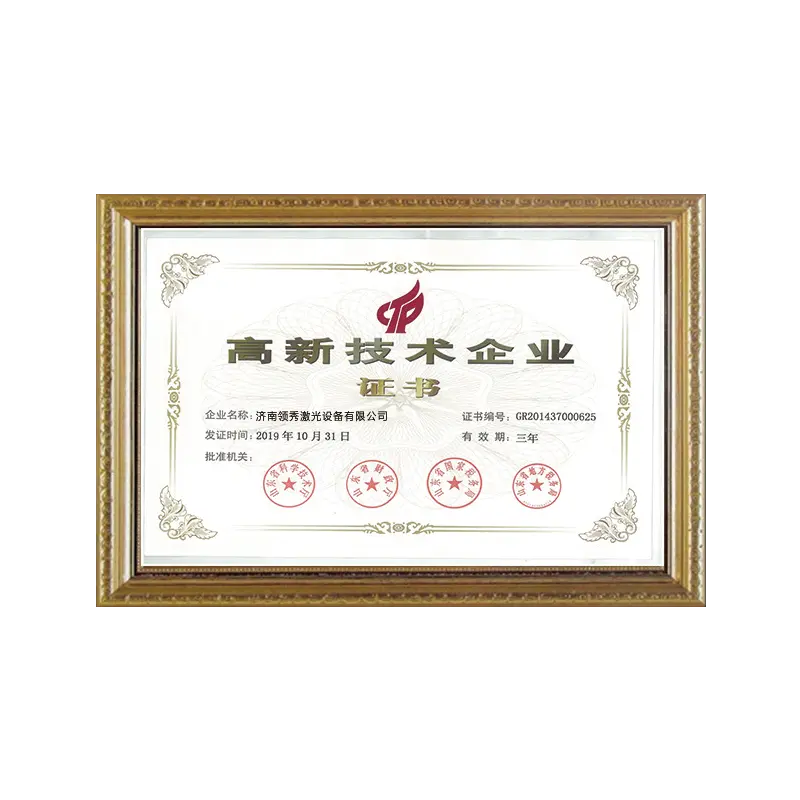
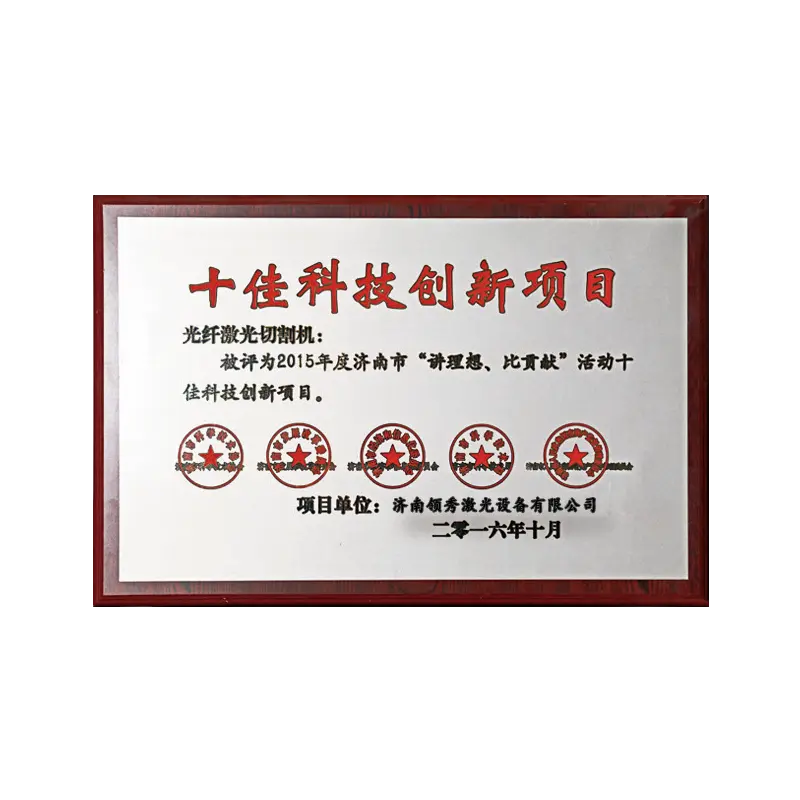
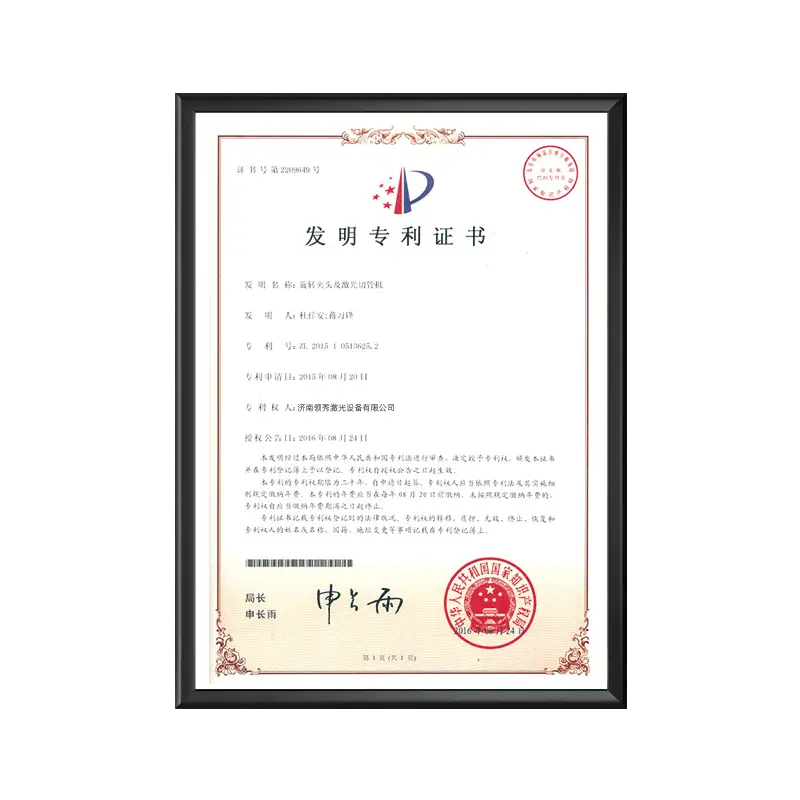
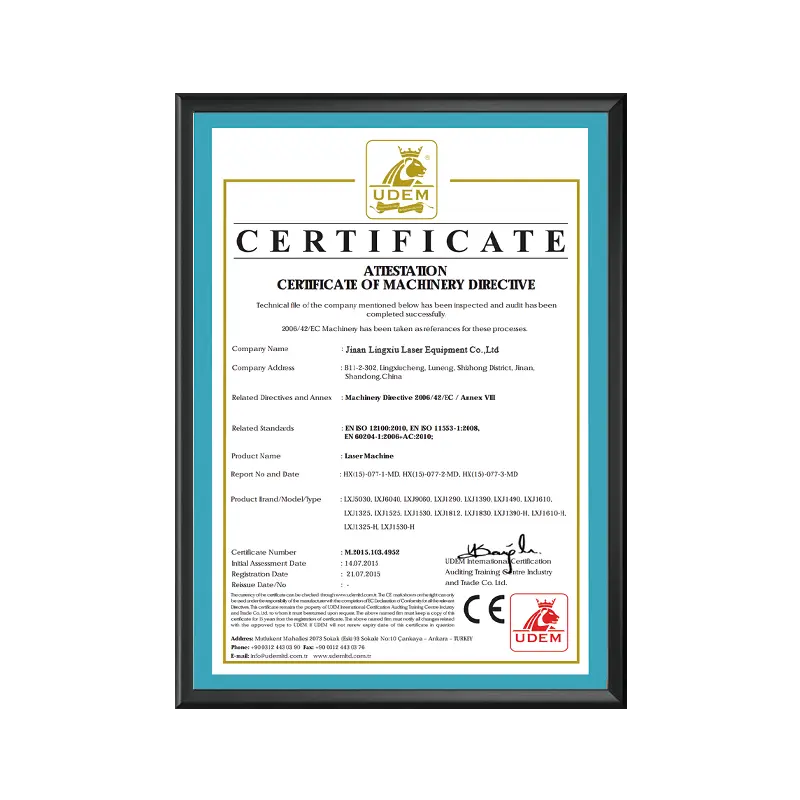
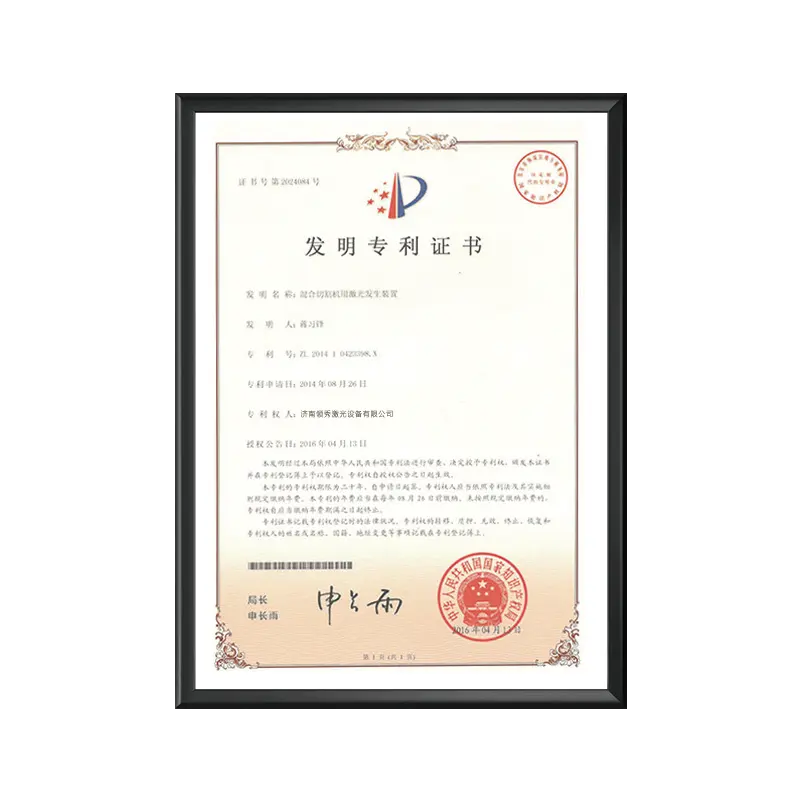
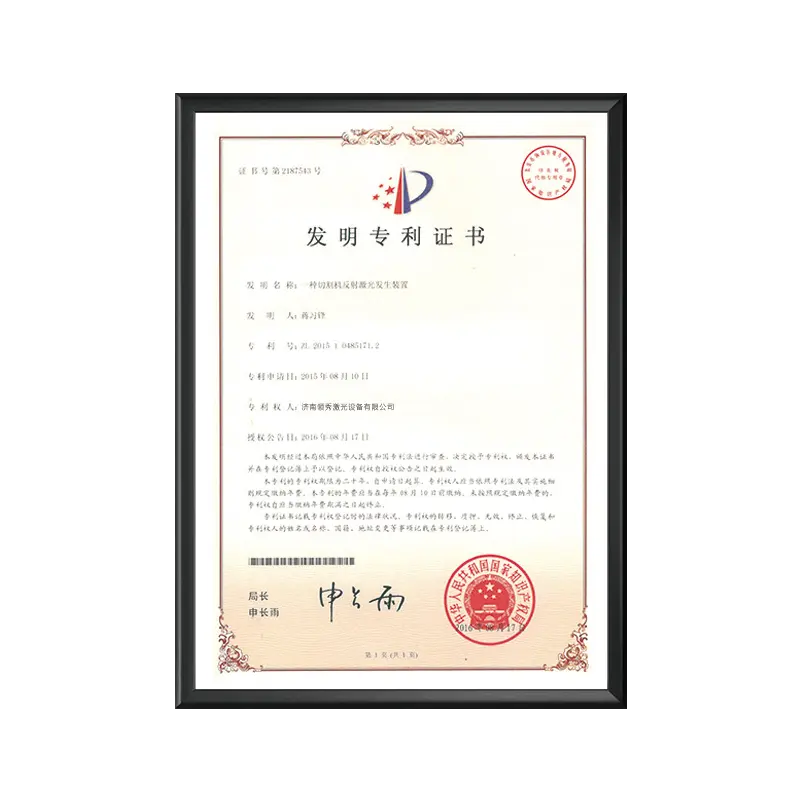
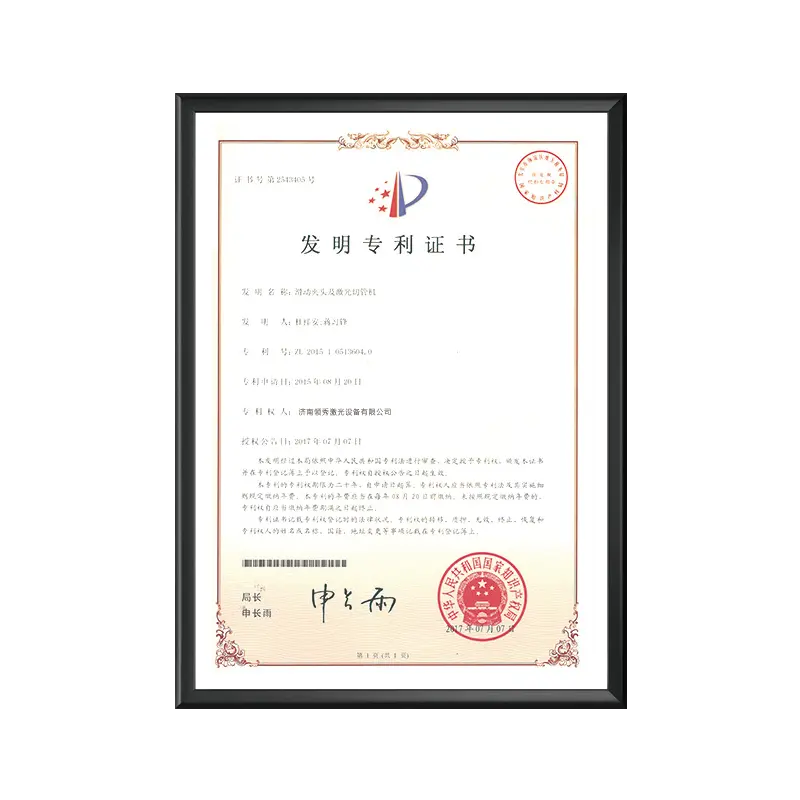
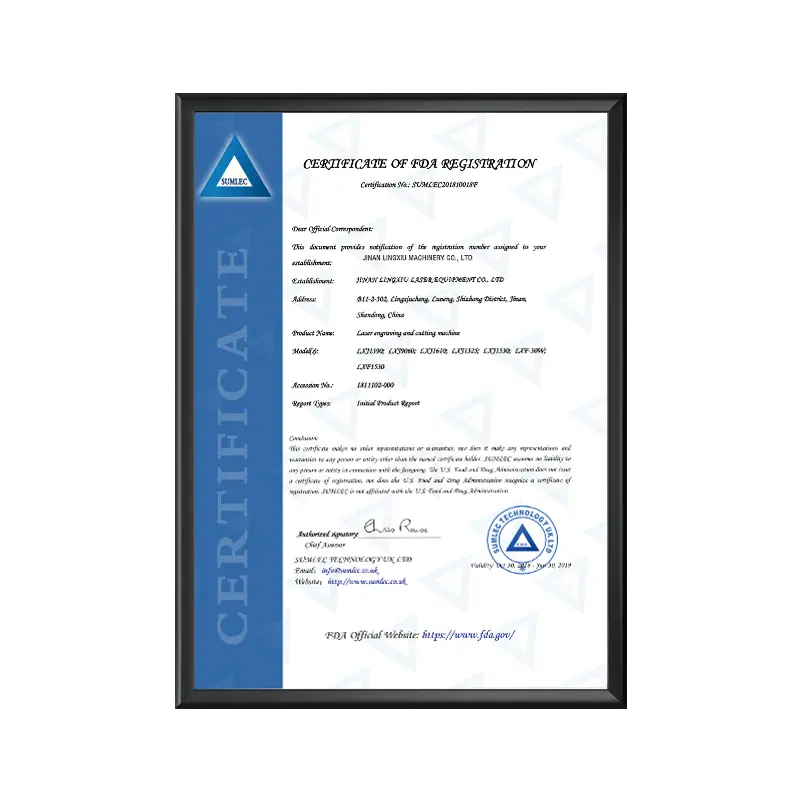
Our manufacturing processes comply with strict international regulatory and quality frameworks. Every piece of equipment undergoes rigorous testing to earn European Union CE certification, American FDA registration (for Class I and Class IV optical devices), and ISO 9001 quality management system certification. This adherence to international standards has enabled us to export our products to over 120 countries and regions—including the USA, Canada, Australia, Europe, Southeast Asia, and Africa—while serving as a trusted ODM/OEM partner for more than 30 global industrial machinery brands.
From precision laser cladding and high-speed cutting to advanced robotic bending and shearing systems.
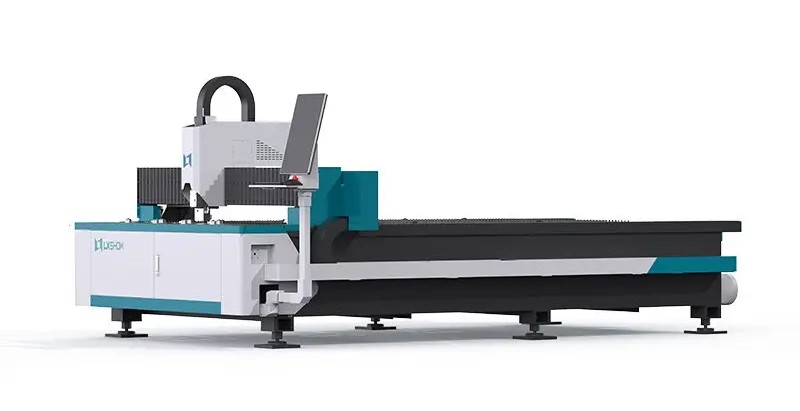
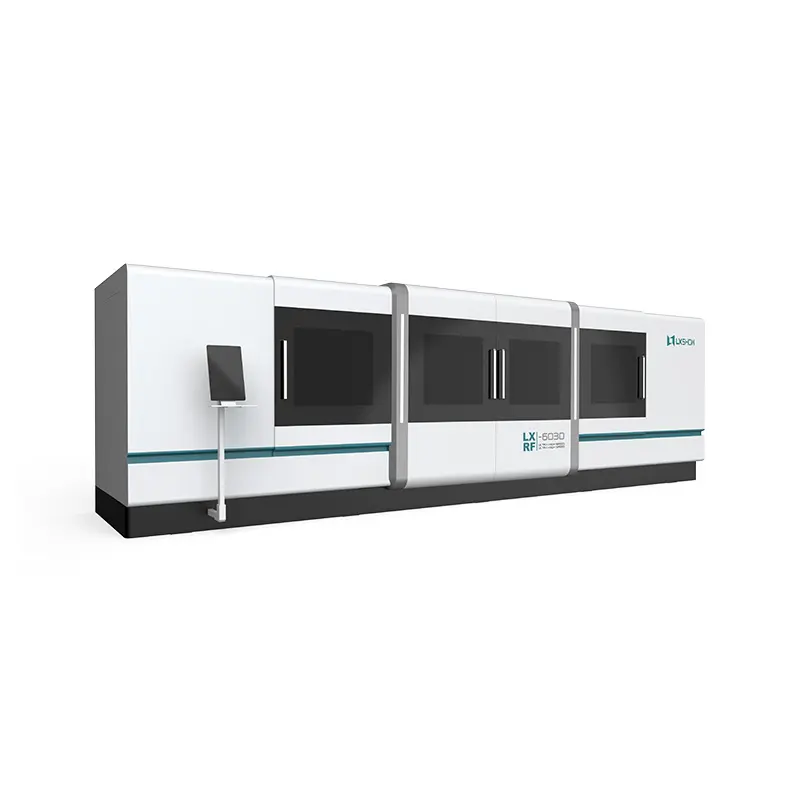
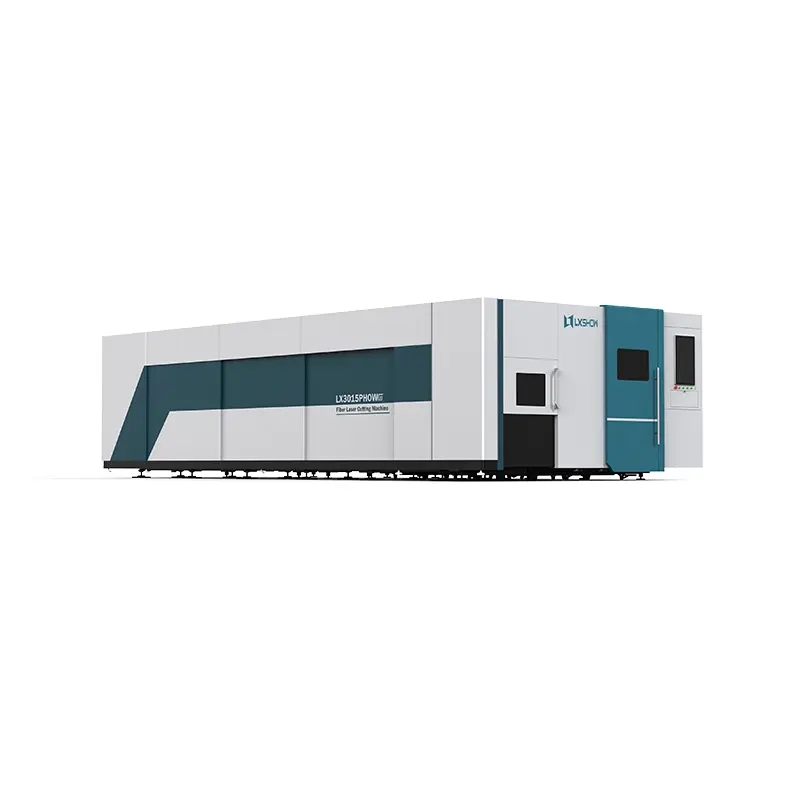
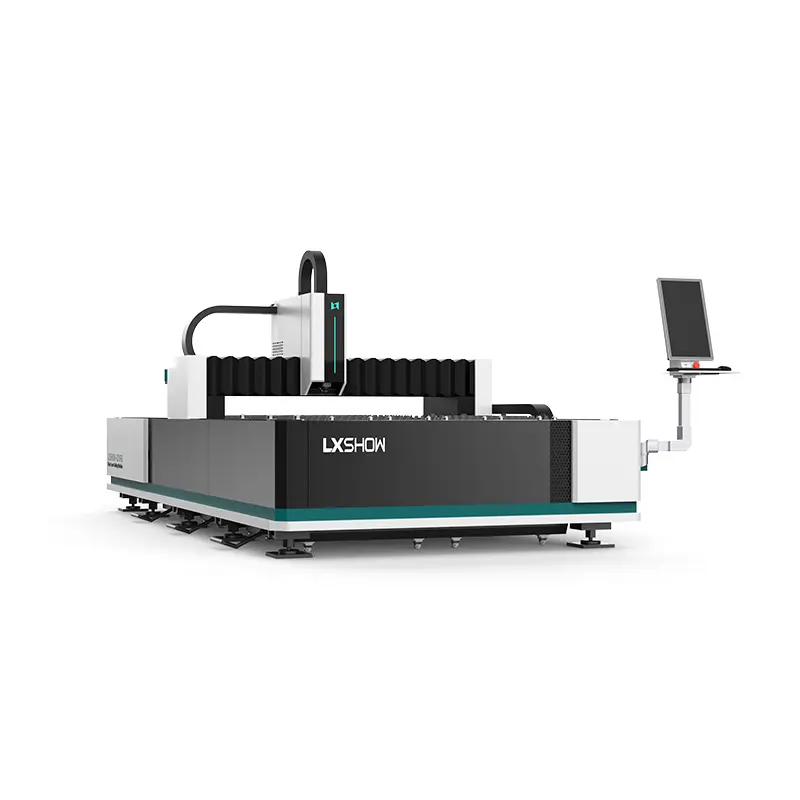
Engineered for high-volume, high-precision flat metal sheet processing. Ideal for carbon steel, stainless steel, and aluminum.
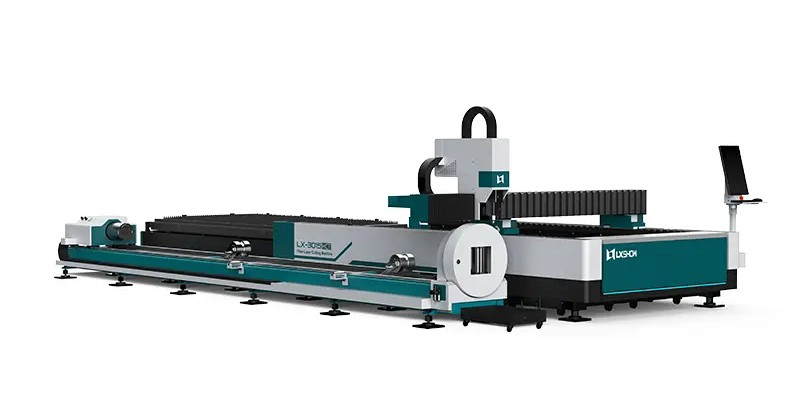
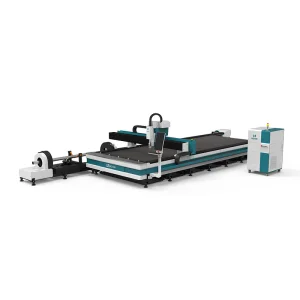
Dual-purpose production systems integrating a flat table and a side rotary attachment for maximum processing flexibility.
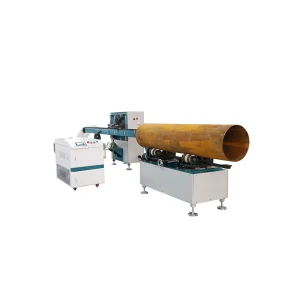
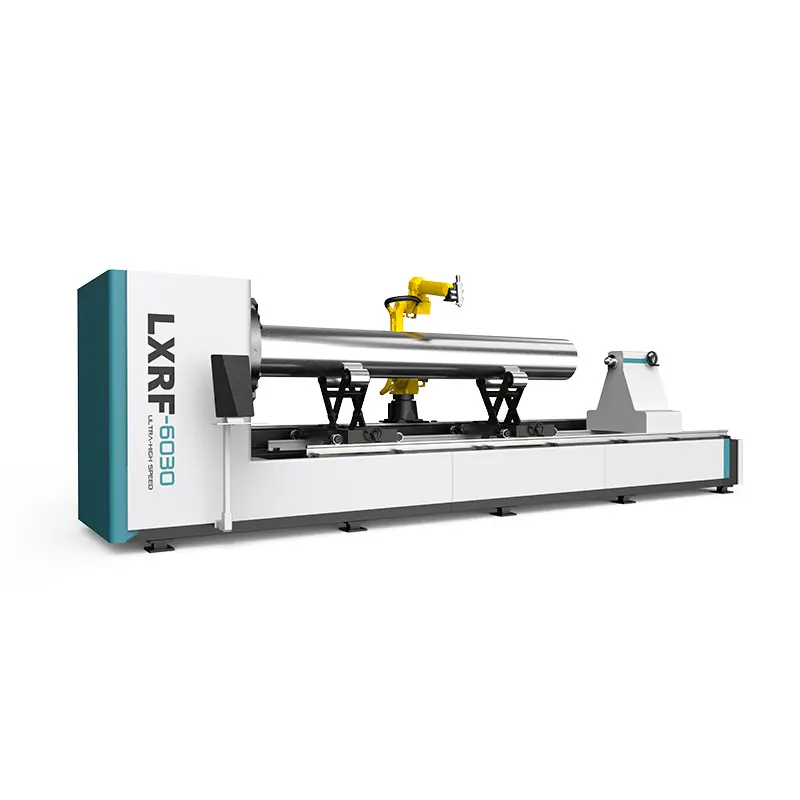
Dedicated high-speed tube laser systems featuring pneumatic self-centering chucks for precise round and square pipe profiling.
Advanced 3D laser chuck design for processing complex contours and H-beams in structural steel fabrication.
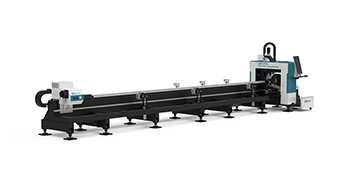
High-load capacities designed for infrastructure and heavy machinery fabrication plants.
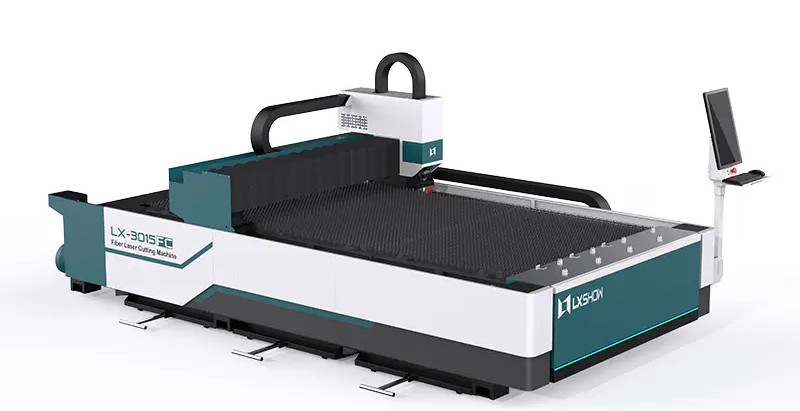
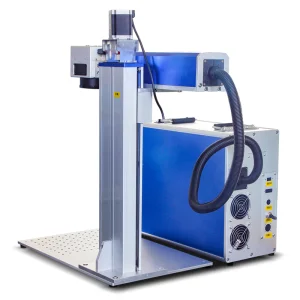
High-precision alloy deposit systems designed to repair components, restore surfaces, and improve wear resistance.
A reference guide detailing how power options, control software, and structural components affect the overall ODM system price.
To help global procurement officers select the right configuration, our engineering team has developed this structural guide. It details the relationship between specific component choices and the final pricing of the laser cutting machinery.
| Laser Source Power | Primary Material Focus | Estimated Core Components | Price Impact Factor | Recommended Software |
|---|---|---|---|---|
| 1,000W - 2,000W | 0.5mm - 6mm Carbon Steel, Stainless Steel | Single-table, Air cooling ready | Baseline Economy | CypOne / CypCut Lite |
| 3,000W - 6,000W | Up to 12mm Stainless Steel, 20mm Carbon Steel | Exchange Table, Dual drive gantry | Medium Industry Grade | CypCut CNC System |
| 8,000W - 12,000W | Up to 30mm thick steel plate processing | Fully Enclosed Cabin, Pallet Exchanger | High Performance / Heavy Industry | CypCut / HypCut Automation |
| 20,000W - 30,000W+ | Ultra-thick plate (40mm+), High-speed air cutting | Heavy-duty heat insulated frame, Precitec zoom head | Premium High-Output | HypCut / CNC Integration |
Additional factors affecting procurement include structural options such as fully enclosed safety covers. Enclosures protect operators from class IV scattered radiation and maintain a vacuum environment for dust filtration, which is essential for meeting strict OSHA and European safety standards. Automatic exchange tables allow operators to load new raw sheets while the machine cuts, improving overall operational throughput by up to 45%.
A detailed directory of our advanced industrial machinery, keeping all original product references and URLs intact.
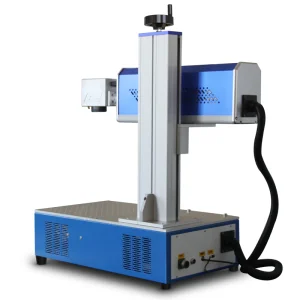
High-performance cladding systems designed for metal surface rebuilding, alloying, and wear-resistant applications.
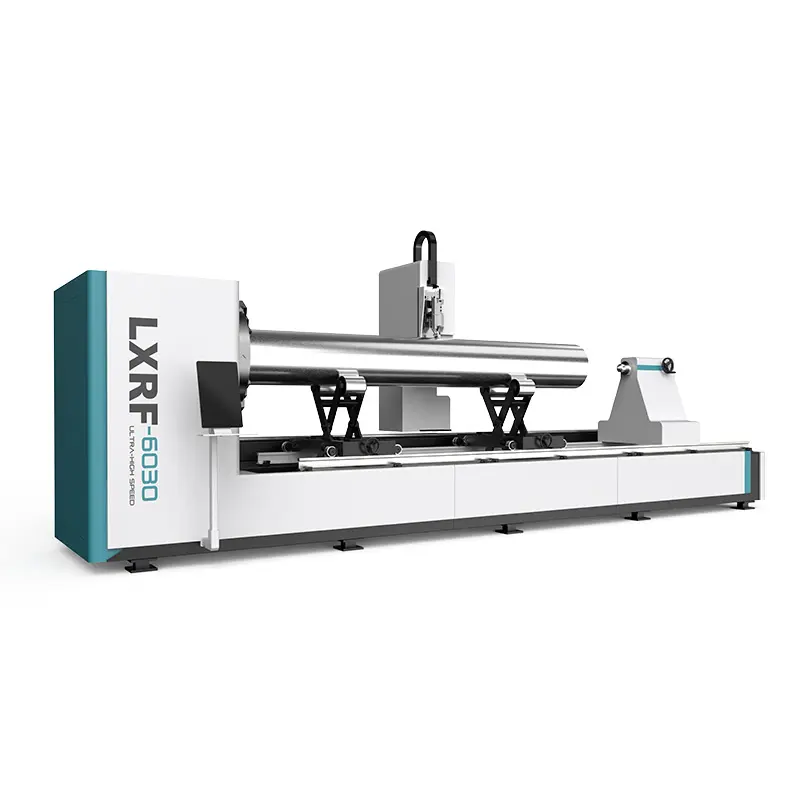
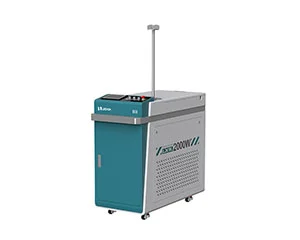
Eco-friendly surface treatment systems for rust, paint, oxide, and residue removal.
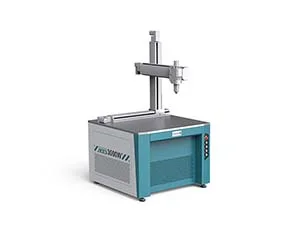
High-speed welding systems designed for thin sheet metal fabrication, offering deep penetration and minimal thermal distortion.
High-speed CNC machinery engineered for carbon steel, stainless steel, and aluminum fabrication.
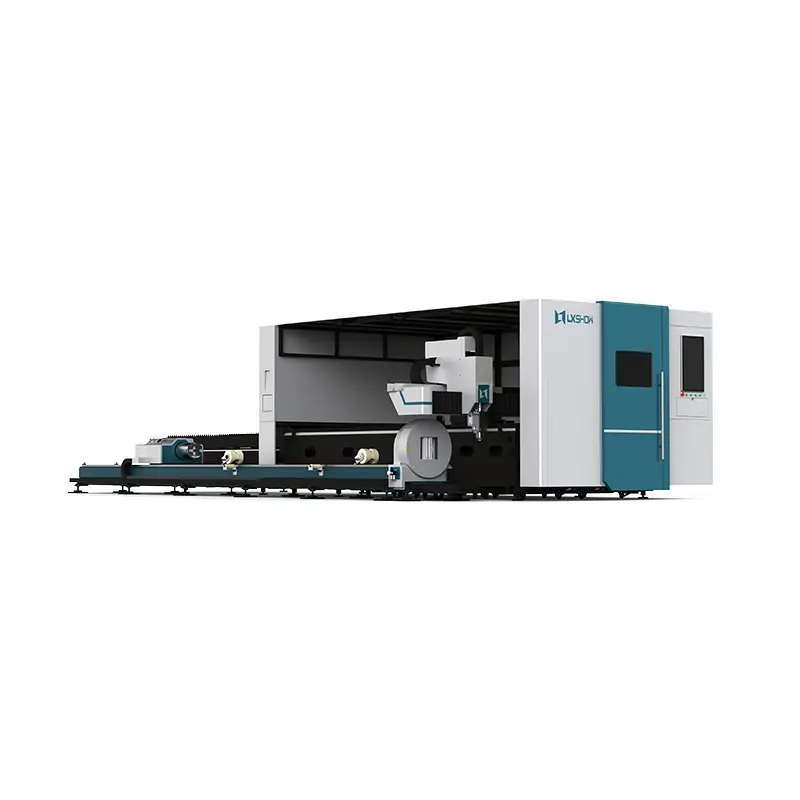
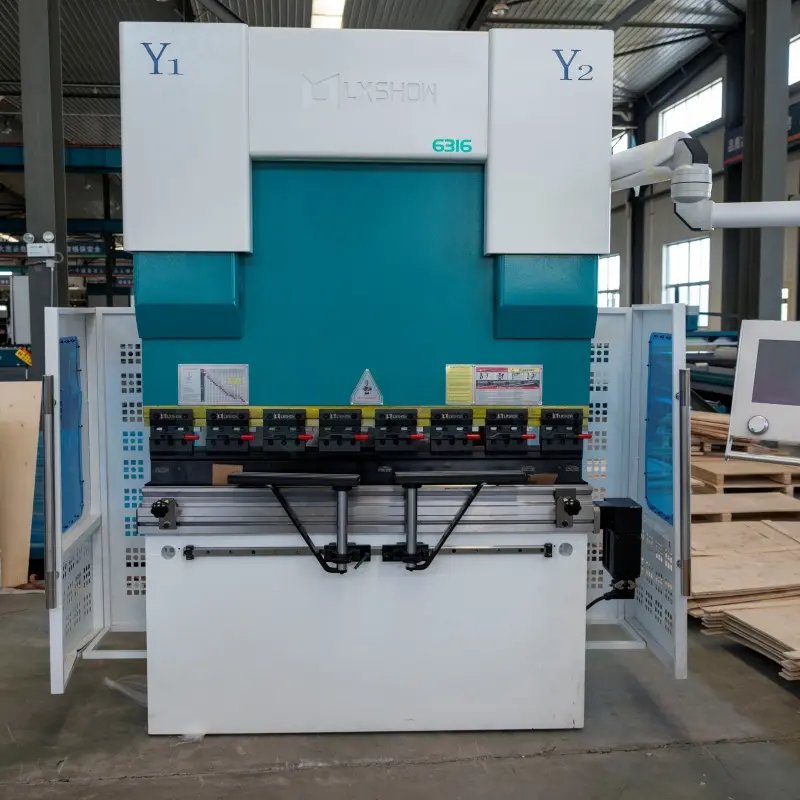
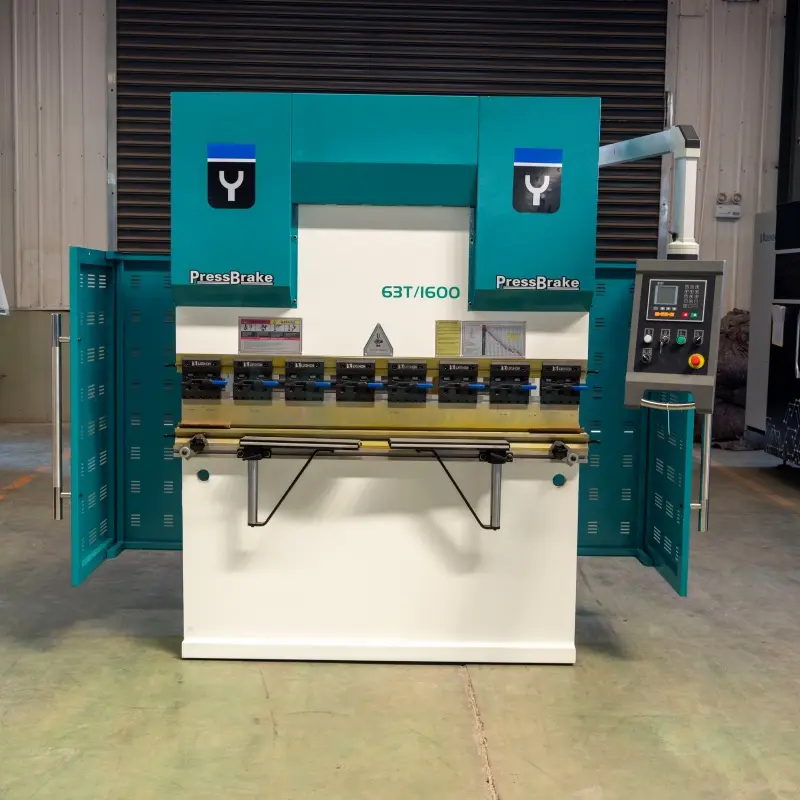
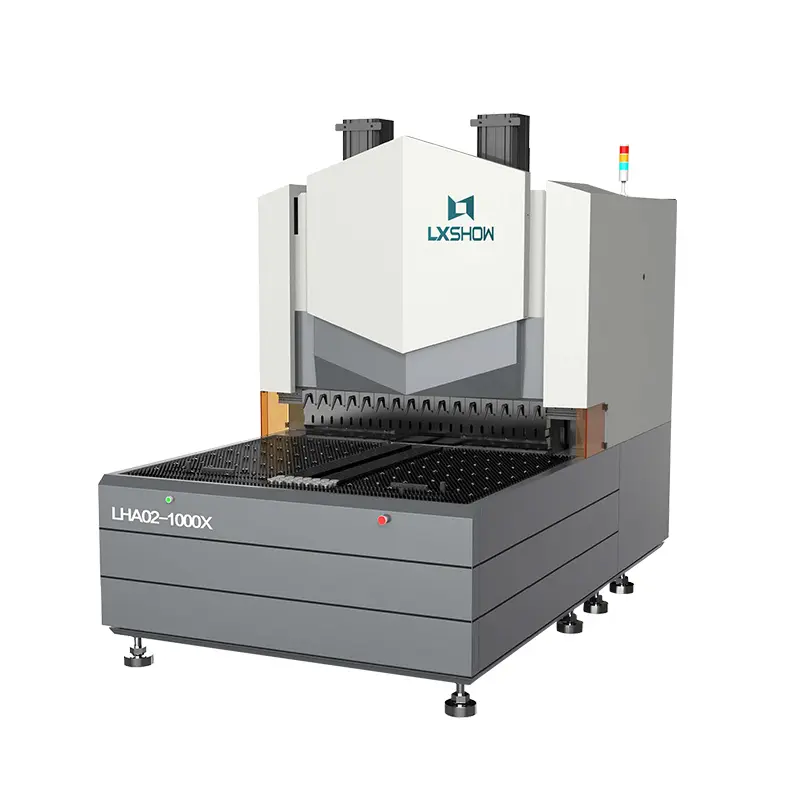
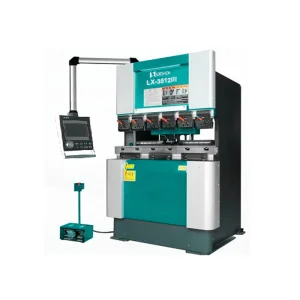
Precision CNC press brakes and servo bending systems designed for high-accuracy metal forming.
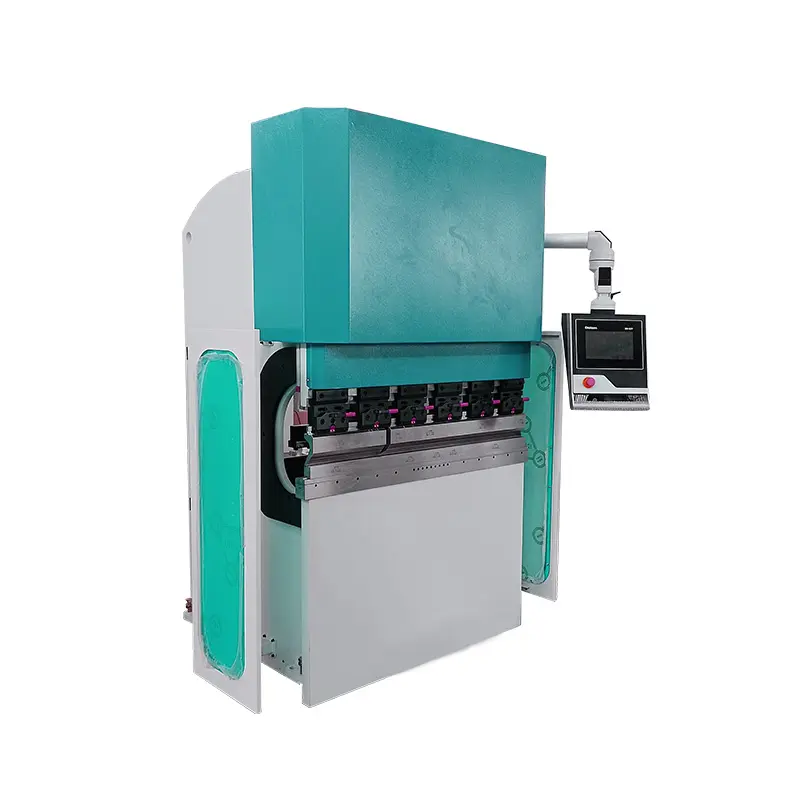
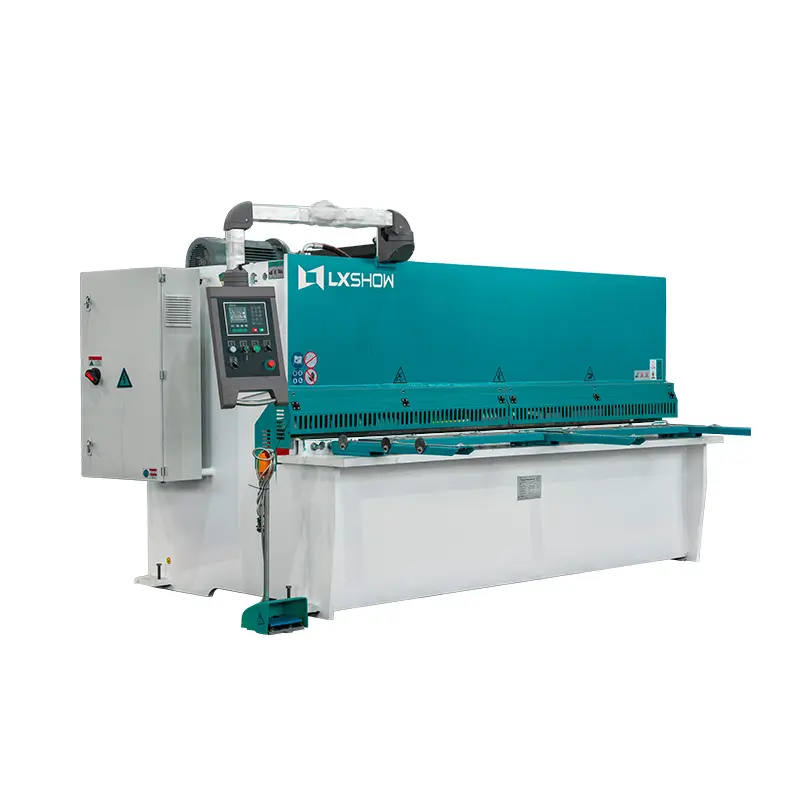
Heavy-duty hydraulic and pendulum shears engineered for clean, rapid cuts across various plate thicknesses.
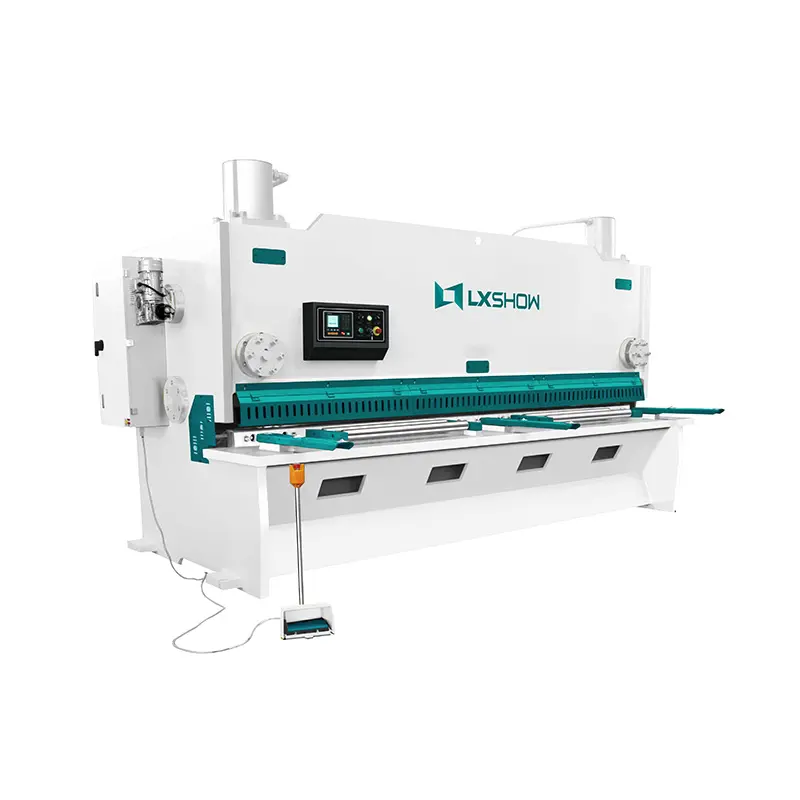
Get professional answers to common questions about configuration, pricing, and system operations.
We work with leading international brands to ensure reliability, performance, and compatibility.


Explore our selection of heavy-duty machinery, ensuring you find the right fit for your facility's requirements.
 Lxshow