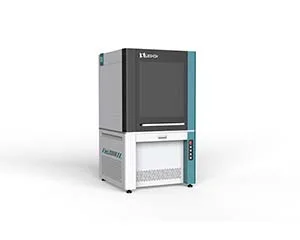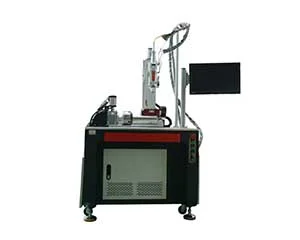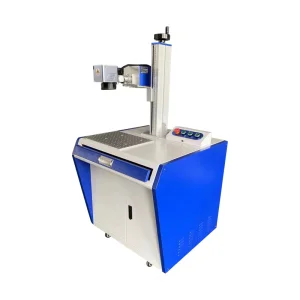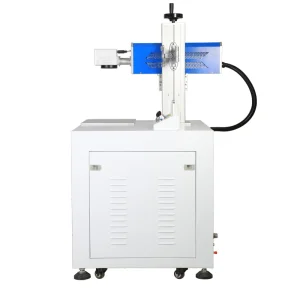
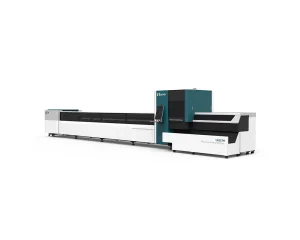
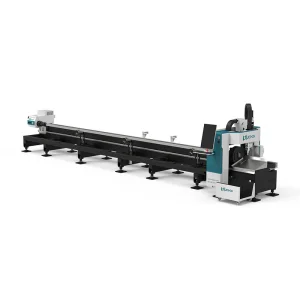
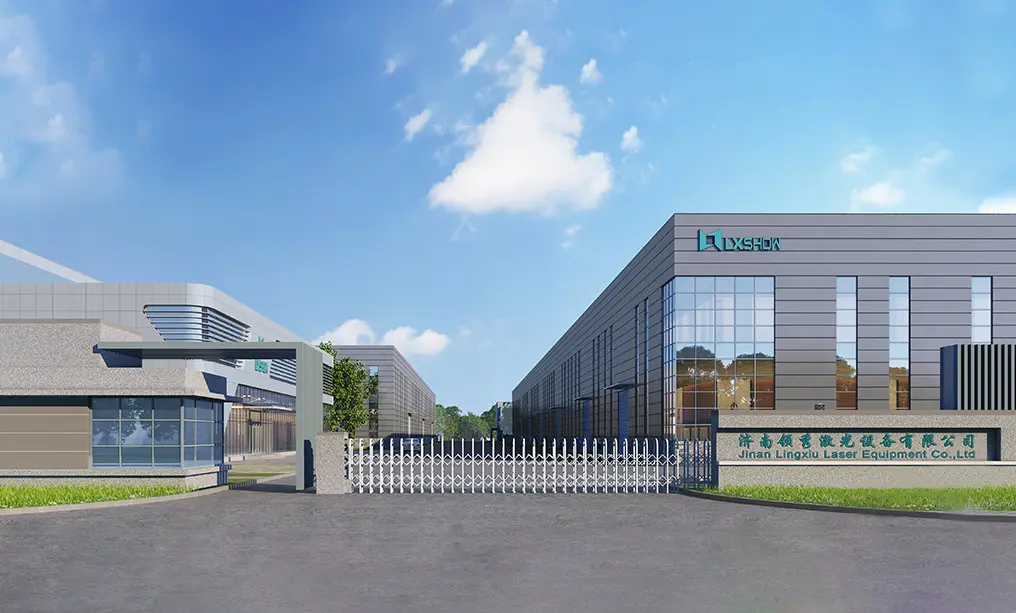
The global metal fabrication landscape has undergone a tectonic shift, driven by the replacement of mechanical presses and CO2 lasers with advanced fiber laser cutting systems. Since our establishment in July 2004, LXSHOW has stood at the vanguard of this engineering revolution. Spanning a state-of-the-art 32,000 square meter factory floor and backed by over 18 years of focused research and development, we supply robust solutions designed for heavy-duty operational cycles, high precision tolerances, and exceptional cost efficiencies.
Fiber laser technology represents the peak of thermal separation technology for sheet metal and structural pipe fabrication. Operating at a wavelength of approximately 1.06 μm—ten times shorter than the traditional CO2 laser wavelength—fiber lasers achieve significantly higher absorption rates in metallic materials, particularly highly reflective metals such as copper, brass, and aluminum. This physical advantage translates directly into three primary operational benefits:
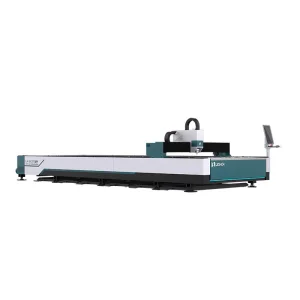
Our manufacturing base in Jinan, China, offers global clients a major competitive edge. The local region hosts a highly integrated optical and industrial machinery ecosystem, allowing us to source premium materials and key mechanical components at optimal costs. This ensures that every high-power closed exchange table machine or tube cutter features top-grade CNC components, Japanese Yaskawa or Fuji servo drives, Swiss Raytools autofocus cutting heads, and robust Cypcut control software. By engineering these components locally and scaling production across our 32,000m² factory, we deliver E-E-A-T compliant industrial machinery at a fraction of the cost of European or domestic US equivalents.
Established in July 2004, LXSHOW maintains over 500 square meters of specialized research and office space alongside our 32,000+ sqm manufacturing facility.
Our client portfolio spans 150+ countries and regions, including the US, Canada, Australia, Europe, Southeast Asia, and Africa, providing OEM services to over 30 leading global manufacturers.
Helping World Metal Cutting
Workshop floor
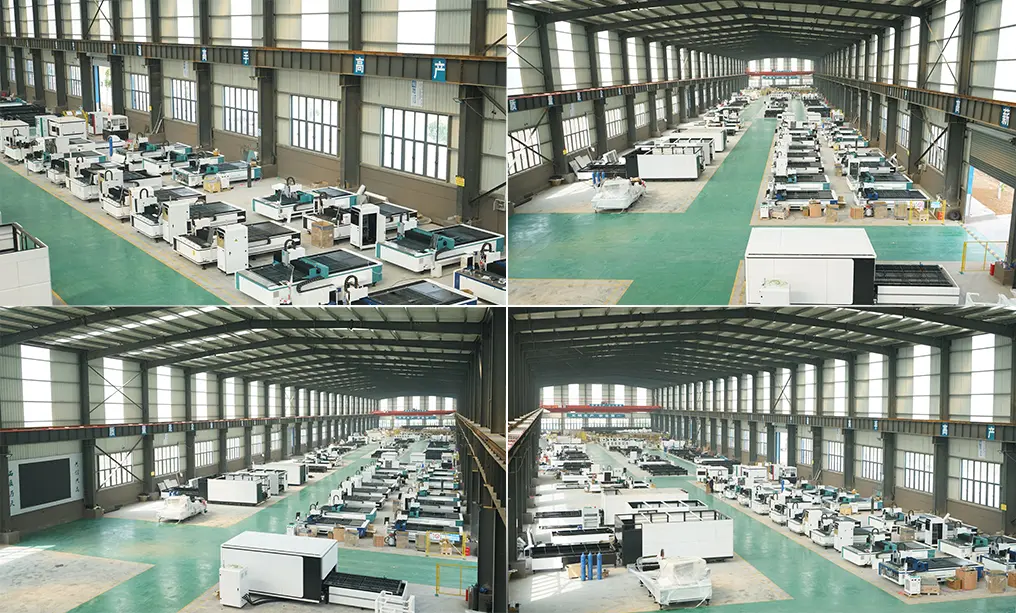
LXSHOW Factory
Real-time telemetry, remote cloud diagnostics, and MES system API integration come pre-configured.
Buying heavy industrial equipment internationally presents common bottlenecks: long response delays, complex customs procedures, and challenging troubleshooting. At LXSHOW, we have built a comprehensive support infrastructure designed to address these concerns. Our dedicated support team consists of field engineers who speak multiple languages and possess over a decade of collective field-operation experience. Through localized service partnerships, we offer on-site machinery calibration, initial operation training, and rapid spare parts replenishment hubs in key regions across Europe, the USA, Australia, and Southeast Asia.
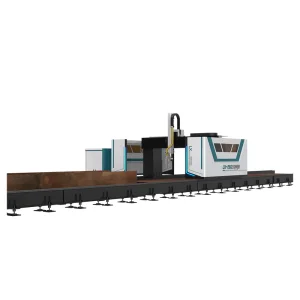
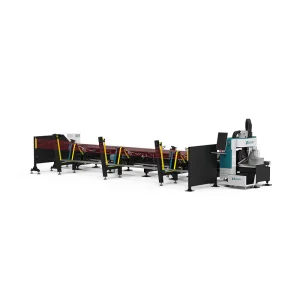
For large-scale enterprise contracts, we provide tailormade engineering adjustments. This includes customizing safety enclosures to meet distinct regional standards, configuring automated double-exchange tables for high-volume factories, and designing customized loading systems for heavy steel profiles (such as our professional H-Steel cutting platforms). From installation planning to training and commissioning, our engineers work alongside your manufacturing teams to ensure quick setups and minimized downtime.
Operating a sheet metal laser cutter requires custom processing parameters. Below is a comprehensive look at the metals our systems support:
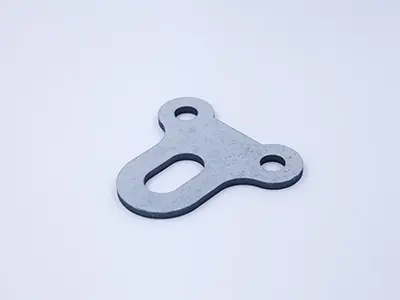
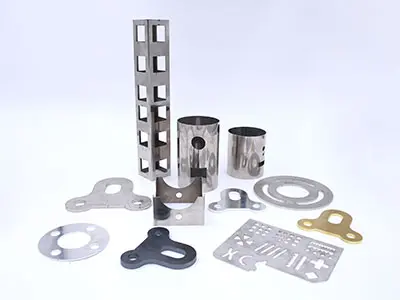
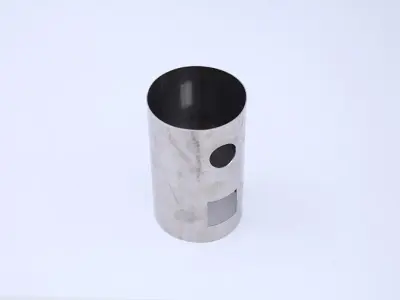
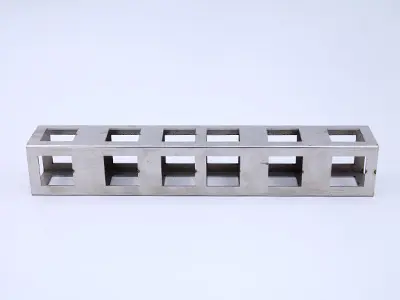
LXSHOW fiber laser machines are utilized globally in high-end manufacturing fields, ensuring high accuracy across diverse metals.
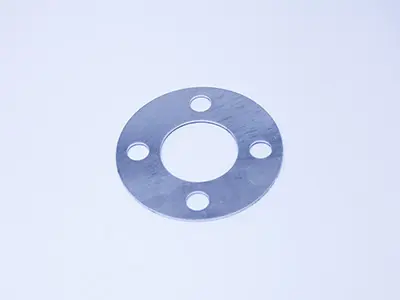
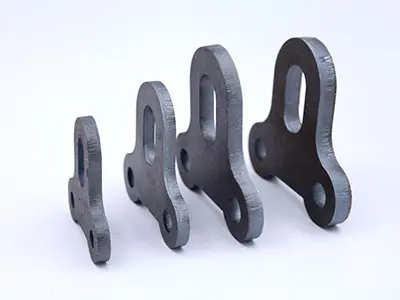
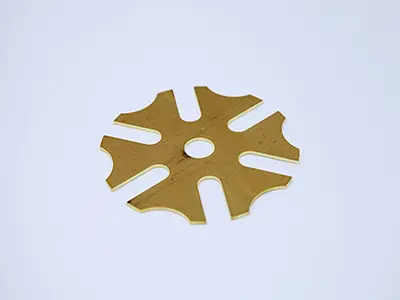
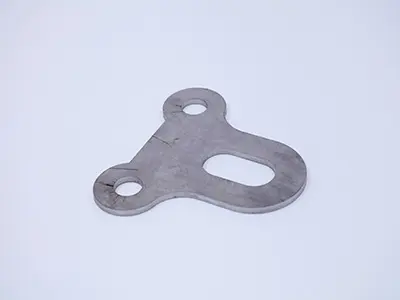
When selecting a high-power CNC laser cutting machine, enterprise procurement teams must look past basic pricing to assess long-term operational costs and equipment configuration. Key components to analyze include:
High gantry acceleration (up to 1.5G or 2.0G) requires a stable machine frame. LXSHOW gantries undergo stress-relieving annealing at over 600°C, followed by high-precision milling. This prevents frame deformation over years of continuous operation, ensuring positioning accuracies within ±0.03mm.
Laser power needs are determined by material thickness and production volumes:
Using the correct cutting gas is essential for clean edges. Oxygen is typically used for carbon steel, nitrogen for stainless steel to prevent oxidation, and compressed air as a cost-effective alternative for thin sheets. Combining these with automatic nozzle cleaning and calibration systems keeps production moving efficiently with minimal manual intervention.
LXSHOW supplies OEM/ODM services for over 30 leading global brands. We handle custom electrical configurations, specific safety enclosures, and localized CNC software translations directly from our manufacturing base.
Modern production lines rely on real-time data. Our machines feature integrated IoT control modules, allowing manufacturing directors to track gas usage, monitor laser module performance, and schedule predictive maintenance remotely.
Beyond cutting, LXSHOW designs and builds laser cleaning, welding, bending, and shearing machinery to cover the entire production cycle.
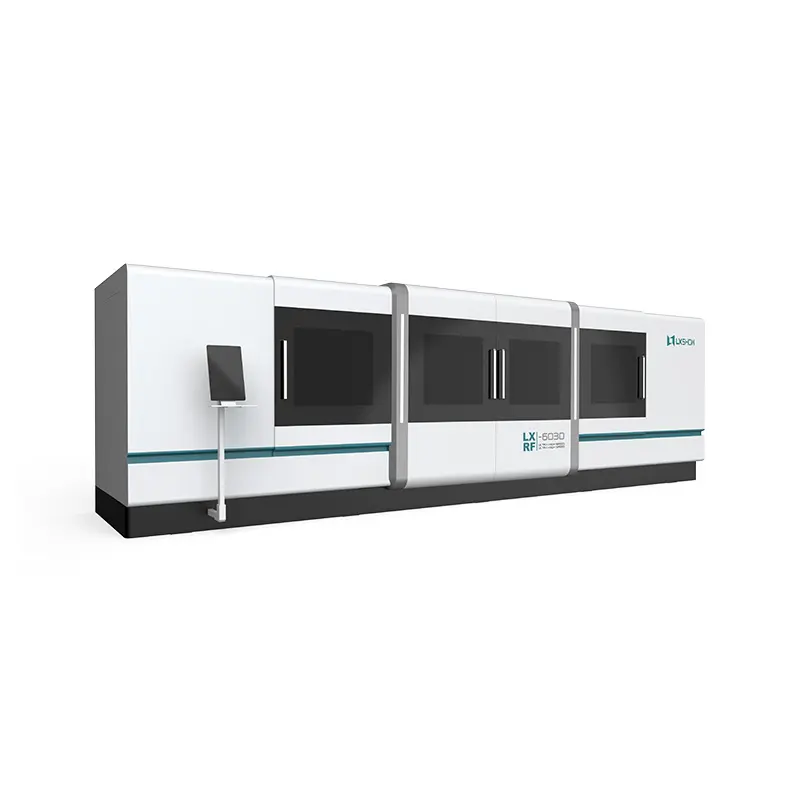
Ideal for surface hardening, repairing engine components, and metallic coating applications.
Learn More
High-speed precision welding with minimal heat distortion, ideal for stainless steel cabinetry.
Learn More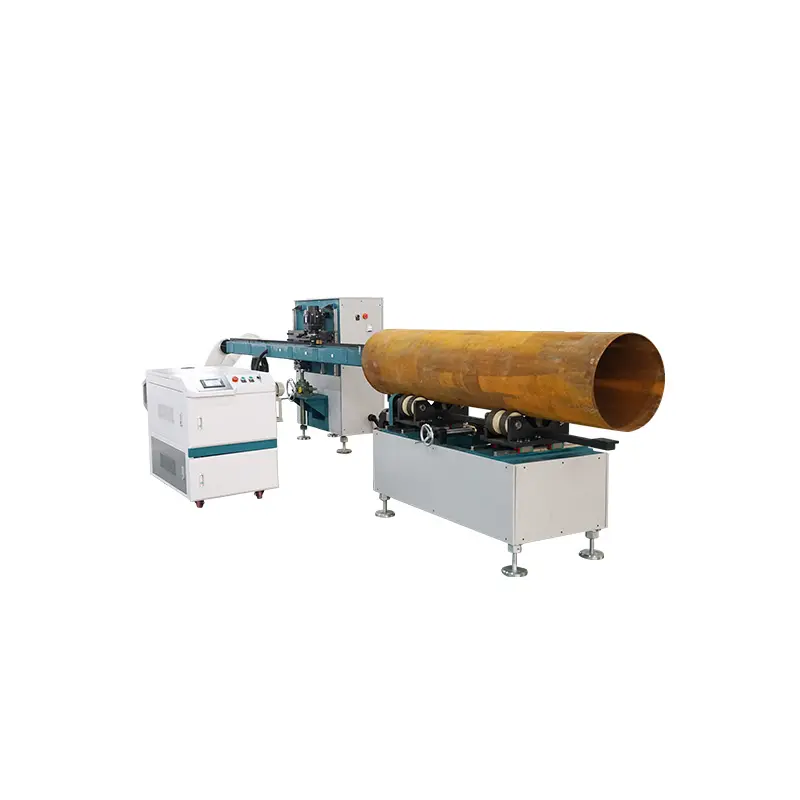
Efficiently removes rust, paint, and surface oxides from internal and external tube surfaces.
Learn More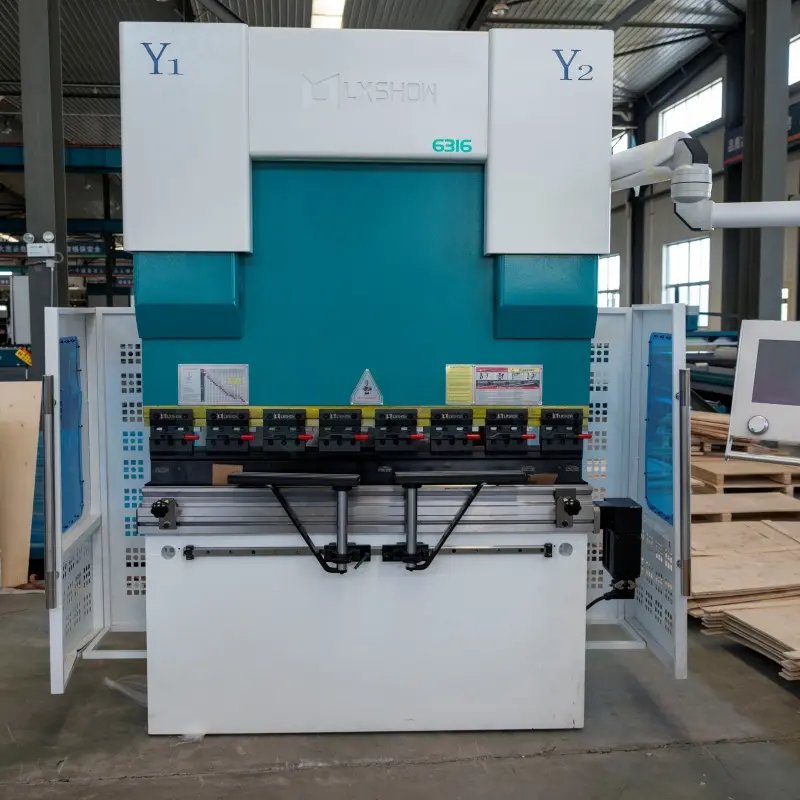
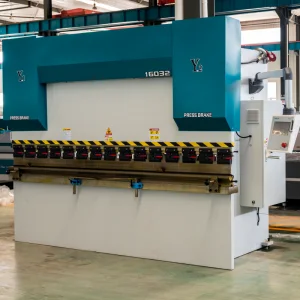
Multi-axis backgauge systems paired with DELEM CNC controls for high bending repeatability.
Learn More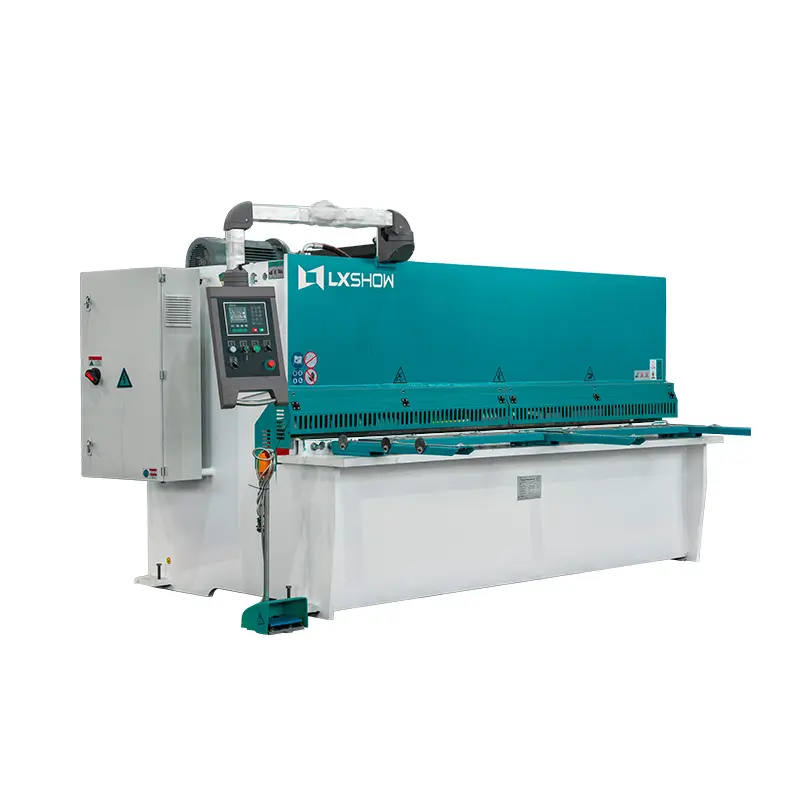
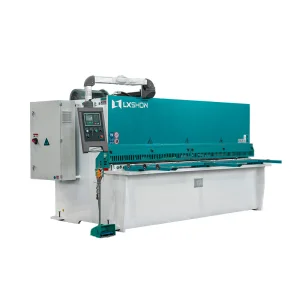
Rugged shear frames with quick-adjust blade gap features for efficient plate preparation.
Learn More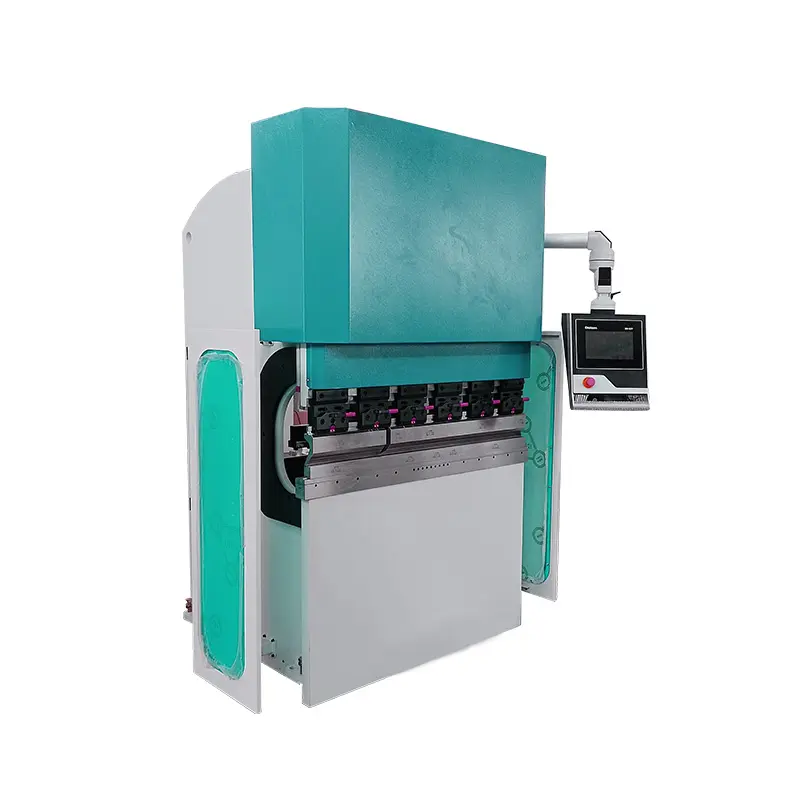
100% electric actuator technology for rapid cycle times and low energy footprints.
Learn MoreMost leading fiber laser sources (such as Raycus, Maxphotonics, or IPG) feature an expected operational lifespan of roughly 100,000 hours, which translates to over 10 years under dual-shift production cycles. Maintenance is minimal compared to CO2 models: there are no internal optics to align or clean. Maintenance is restricted to changing cooling water filters, keeping the protective windows on the cutting head clean, and lubricating the linear guide rails.
The choice of cutting gas affects both the edge finish and operating costs. Oxygen cuts carbon steel through an exothermic reaction, allowing lower-power lasers to cut thicker plates, though it leaves an oxide layer that must be removed before painting. Nitrogen cuts through high-pressure melt expulsion, leaving an oxide-free edge that is ready to weld, making it ideal for stainless steel. Compressed air is the most economical option, using high-pressure air to cut thin-gauge sheets quickly, though it requires dry, oil-free air to protect the lens.
Reflective metals like copper and aluminum can reflect laser energy back into the delivery optics, potentially damaging the laser source. To prevent this, our systems include back-reflection isolation protection. To manage thermal expansion during tight nesting layouts, our Cypcut CNC software uses advanced cut path planning (such as cooling passes and loop-rounds) to prevent heat buildup from distorting the sheet.
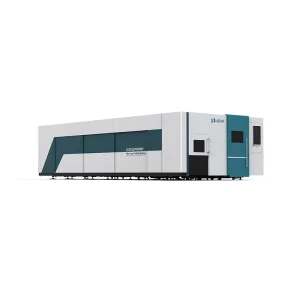
Fiber lasers emit light at a 1.06 μm wavelength, which can cause permanent damage to human eyesight. For high-power operations (over 3kW), we recommend using a fully enclosed machine body (Class 1 laser rating) with protective viewing windows. The exhaust system must be matched to a dust collector capable of handling fine metallic dust, which is particularly important when cutting materials like galvanized steel.
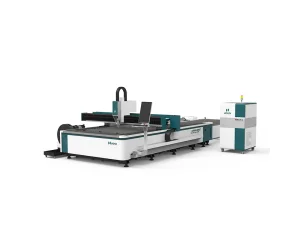
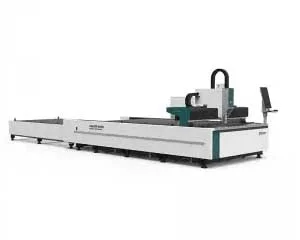
A dual-station automatic exchange table design allows the operator to load new sheets and unload finished parts while the machine is cutting. The swap cycle takes about 15 to 20 seconds. This setup increases machine utilization by up to 50% to 60% compared to single-bed systems, making it highly effective for high-volume manufacturing lines.
 Lxshow