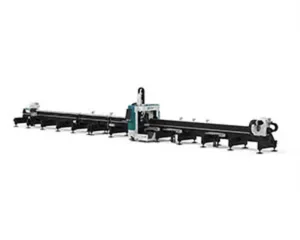
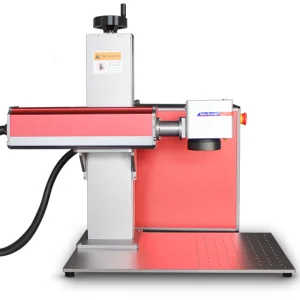
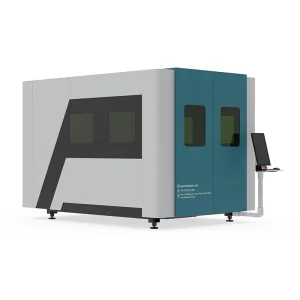
Select high-performance fiber laser systems and fabrication components configured for heavy production cycles and superior precision tolerances.
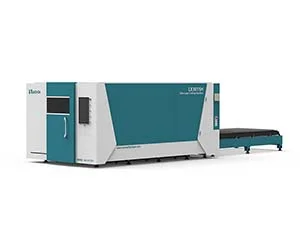
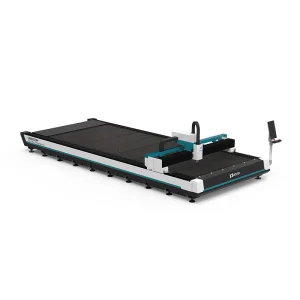
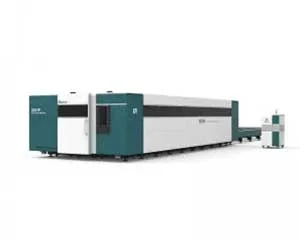
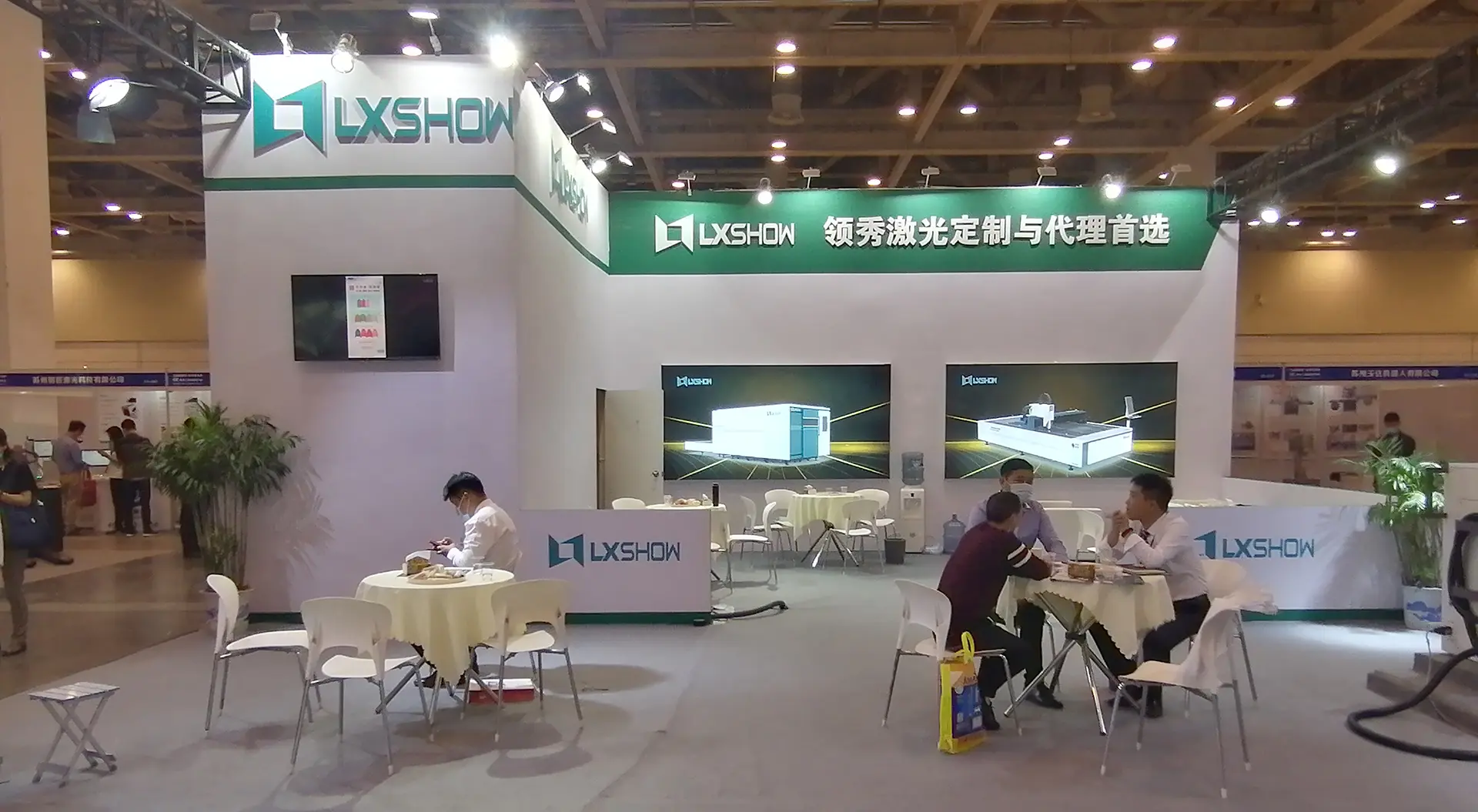
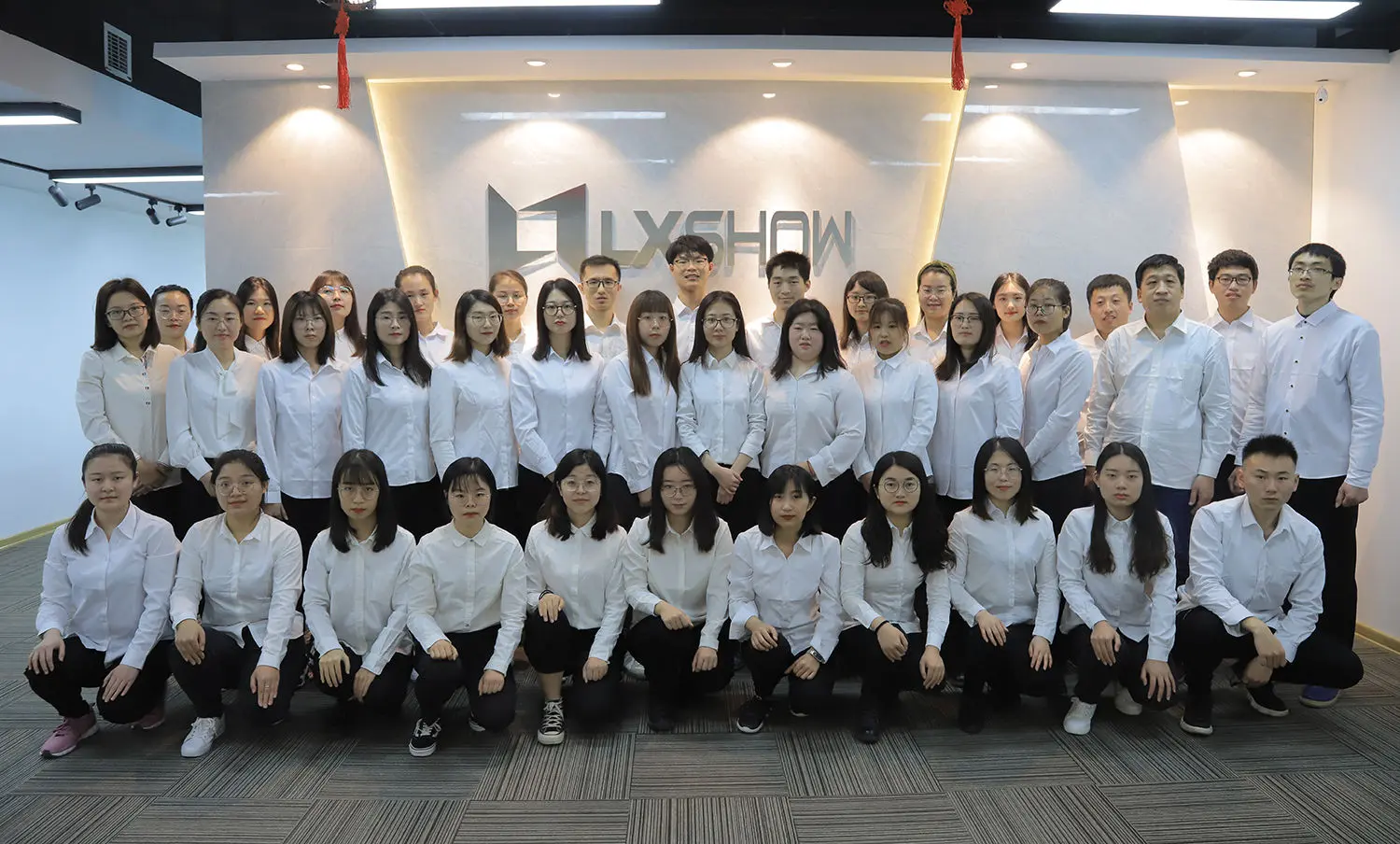
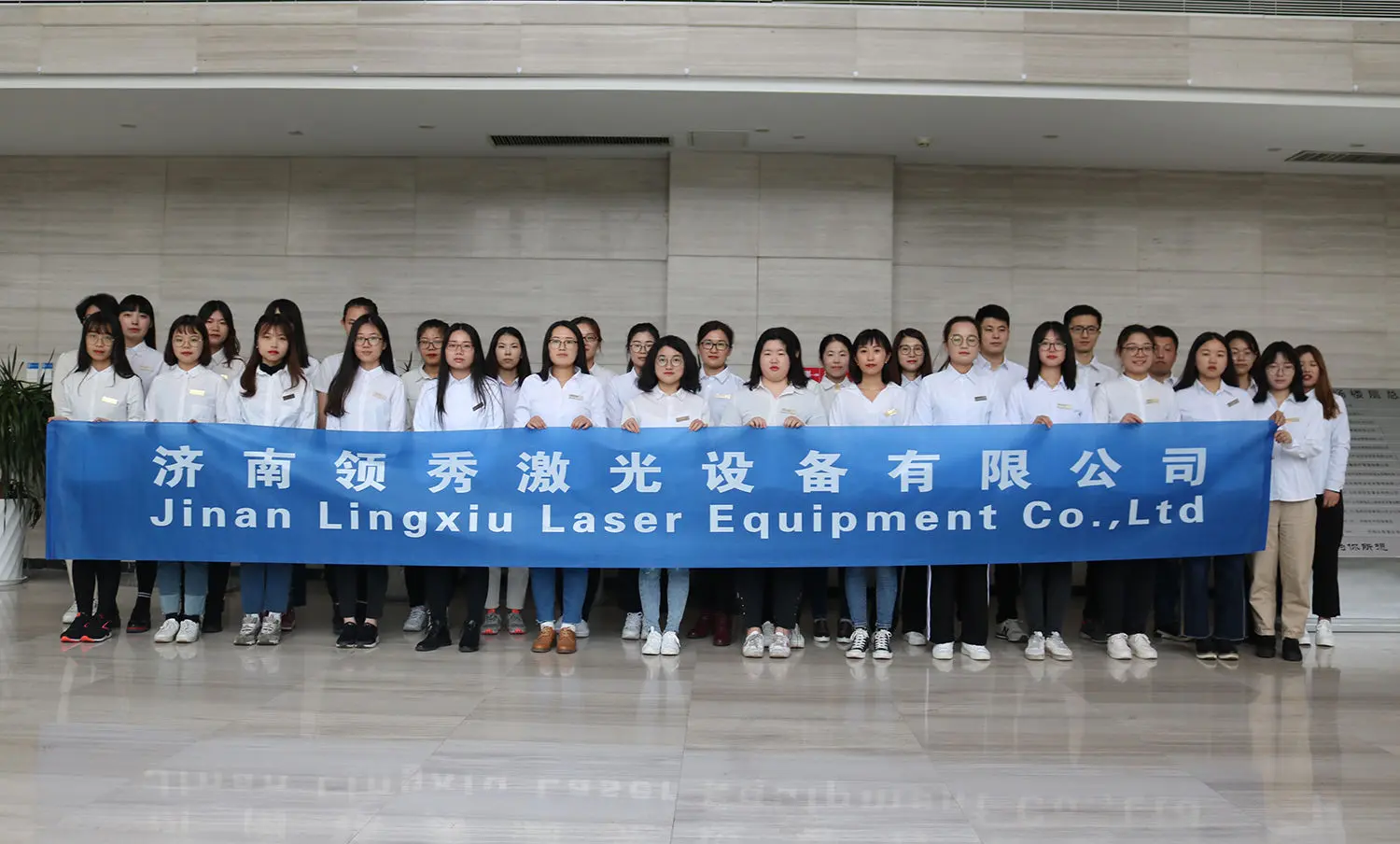
Established in July 2004, we have committed ourselves to structural research and industrial innovation in the laser fabrication field. Starting with a dedicated 500 square meter research suite, our infrastructure has scaled into a massive 32,000 square meter state-of-the-art production plant. This allows us to handle full-scale manufacturing, custom OEM requirements, and structural testing under rigorous industrial protocols.
Every piece of machinery in our facility passes strict international verification processes. Our production systems are fully compliant with European Union CE authentication, United States FDA certification, and are certified under the ISO 9001 quality management framework. These certifications ensure that the mechanical structural stability, electrical design, radiation levels, and software configurations meet the strictest global standards.
Our solutions span over 120 countries and regions including the United States, Canada, Australia, Europe, Southeast Asia, and Africa. In addition to marketing our signature product lines, we act as a vital OEM partner to more than 30 major mechanical manufacturing groups globally.
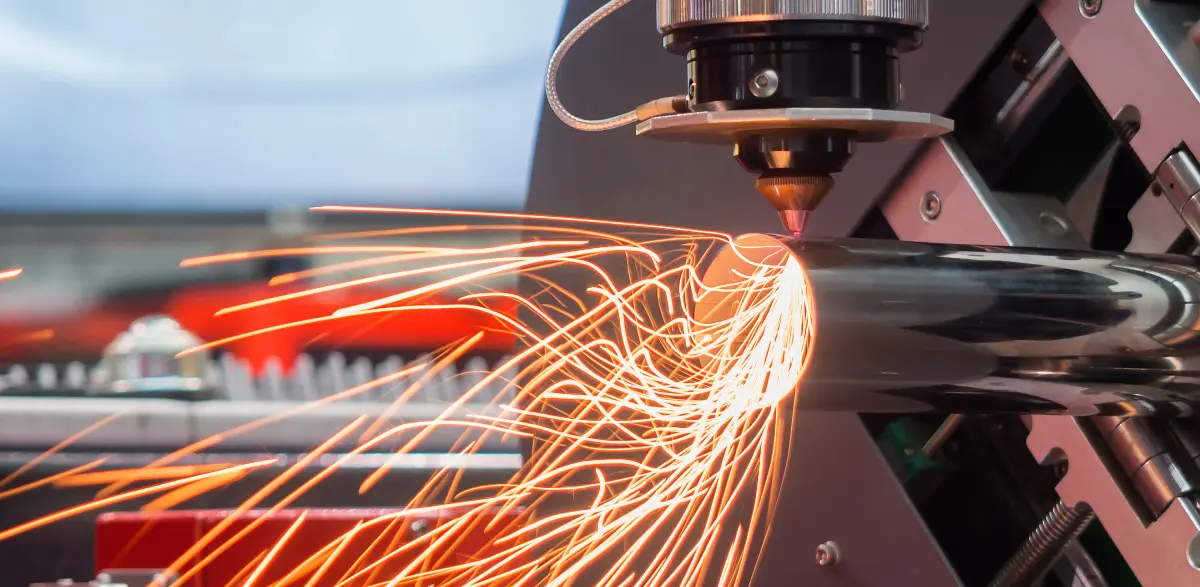
A technical examination of high-efficiency photon emission and spatial manipulation within modern metalworking machinery.
Fiber laser modules utilize solid-state diode configurations to pump light into active optical fibers. Doped with rare-earth elements like ytterbium, the fiber core acts as the gain medium, generating highly intense, narrow, coherent beams with a 1.06-micron wavelength ideal for metal absorption.
To convert this laser beam into precise parts, mechanical systems use dual-drive gantry frames made from tempered structural castings. Helical racks, linear guides, and AC servo motors drive the cutting head along X, Y, and Z axes with positioning accuracies measured in microns.
The cutting process relies heavily on pressurized assist gases ejected through coaxial nozzles. Nitrogen (N2) provides a clean, oxide-free edge on stainless steel by blowing away molten metal, whereas Oxygen (O2) initiates an exothermic reaction to speed up thick carbon steel cuts.
Compared to historical CO2 systems, fiber laser configurations offer up to three times higher wall-plug efficiency (often exceeding 35%). Their structural simplicity eliminates the need for complex internal mirrors and beam delivery bellows, reducing standard maintenance overheads by up to 50%. The combination of high-density energy concentration and fast mechanical travel results in narrow kerf widths and a minimal heat-affected zone (HAZ), preventing part distortion on thin materials.
Sourcing your industrial laser cutter directly from a vertically integrated manufacturer offers significant strategic advantages. Our manufacturing facility leverages regional production clusters, giving us direct access to components like tempered steel plates, cast iron frames, and optical lenses.
How we address the complex integration requirements of international buyers, focusing on safety compliance, structural modifications, and after-sales support.
We configure our systems to comply with CE Machinery Directives (2006/42/EC) and FDA laser product safety requirements (21 CFR Part 1040). Our fully enclosed laser workstations feature OD6+ safety glass viewing windows and interlocked access doors to ensure maximum protection during high-power operations.
We offer customized mechanical systems configured to integrate directly into your production lines. This includes custom table sizes, automatic loading automation, special duct extraction systems, and tailored power levels from 1,000W to 30,000W+.
Operational reliability is critical. Our international service infrastructure provides remote diagnostics, rapid parts dispatch, and on-site setup support. This ensures your fabrication systems achieve high uptime and consistent efficiency.
Modern manufacturing requires processing varied materials with consistent quality. Our advanced fiber laser cutting systems adjust peak power levels, frequency settings, and duty cycles in real time to match the thermal properties of different metals.
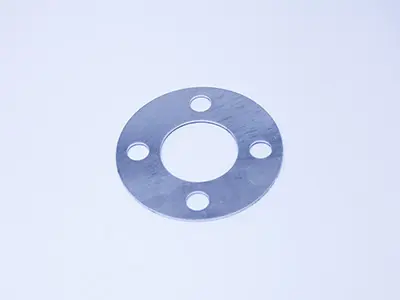 Aluminum
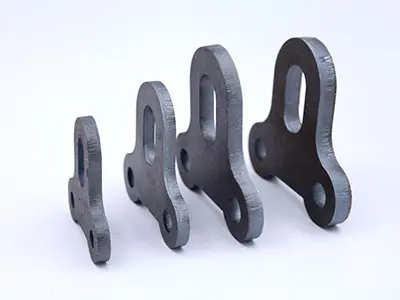 Carbon Steel
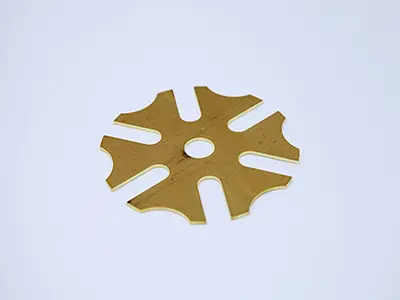 Copper
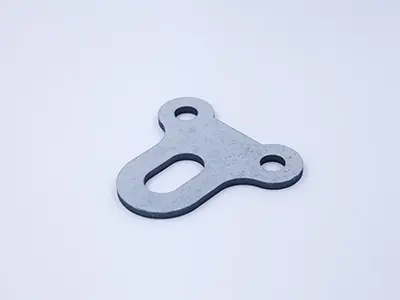 Galvanized
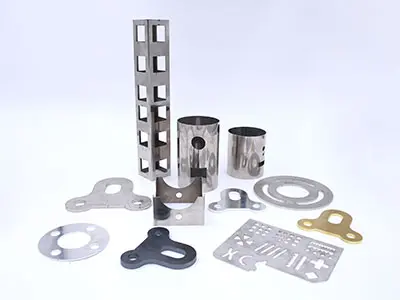 Other Metal
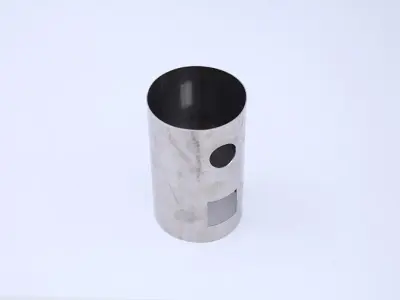 Round Tube
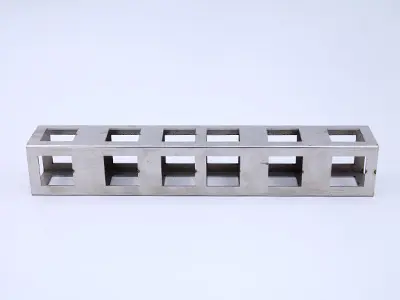 Square Tube
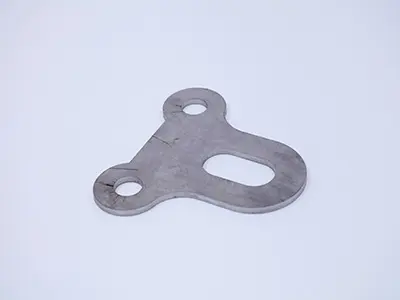 Stainless Steel
By balancing peak laser output with precise focal positions and specialized assist gases, these machines cut highly reflective materials like copper and aluminum with minimal risk of back-reflection damage to the resonator cavity.
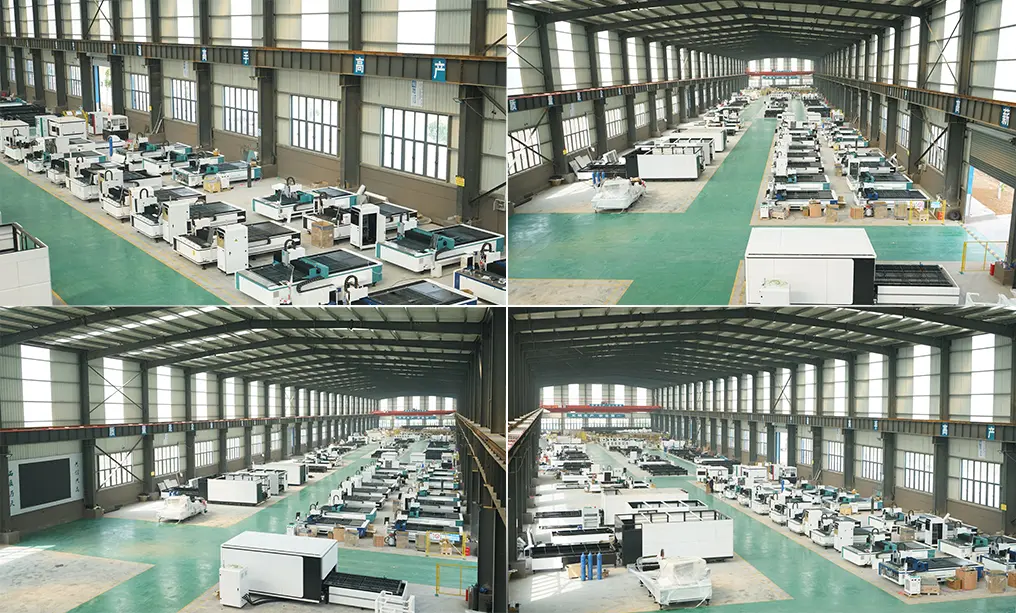
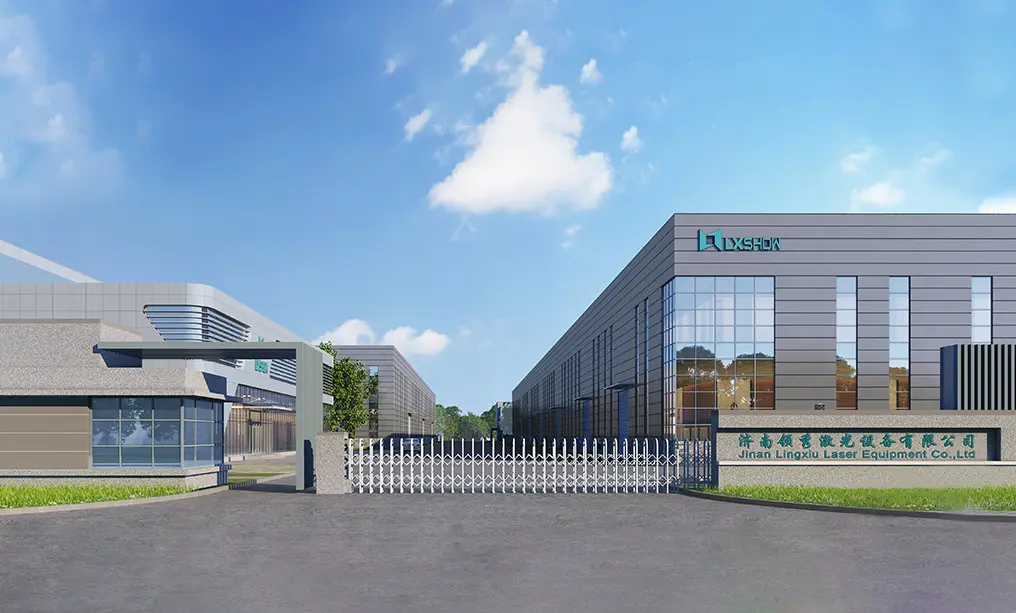
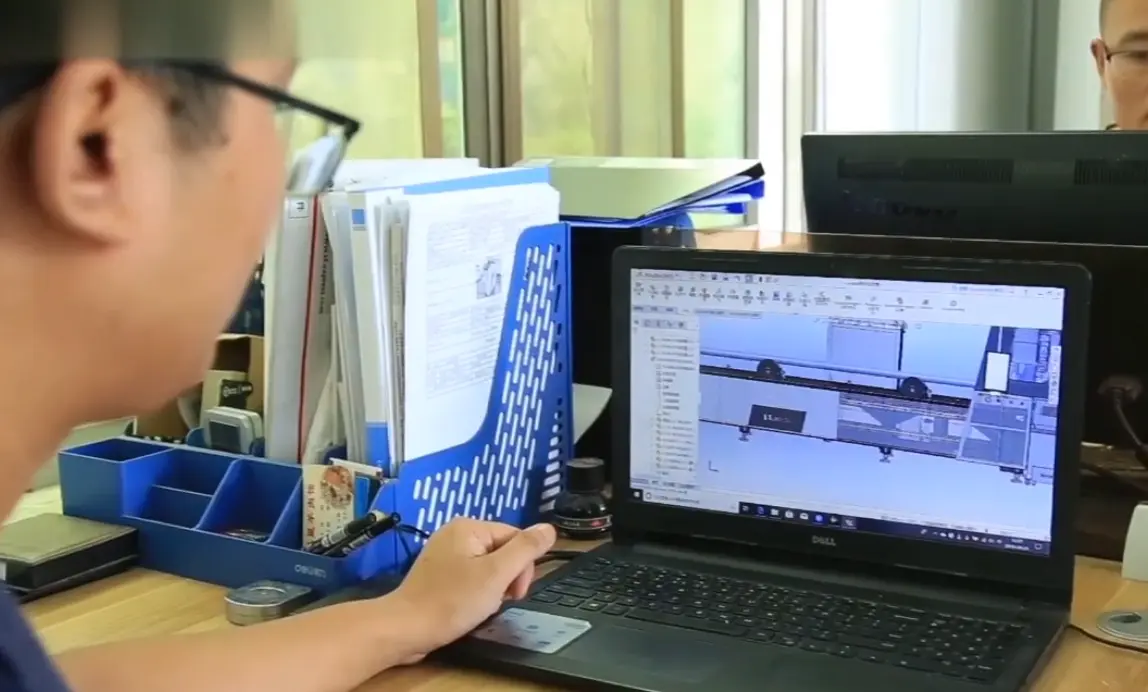
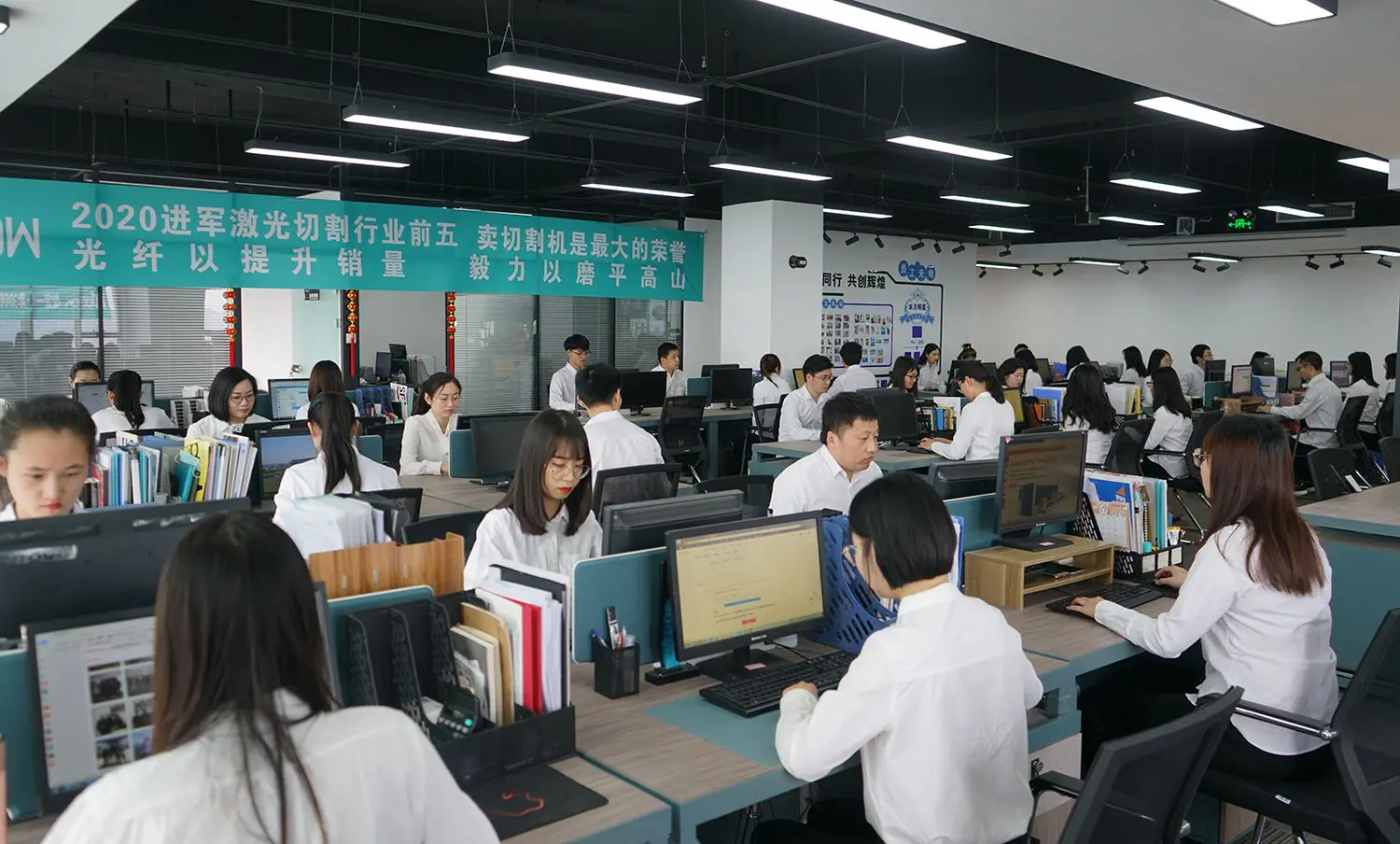
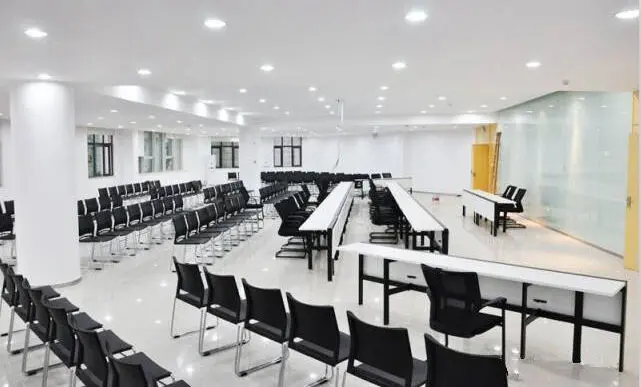
Take a virtual tour of our 32,000 square meter factory floor, our technical testing facilities, and our customer support offices.

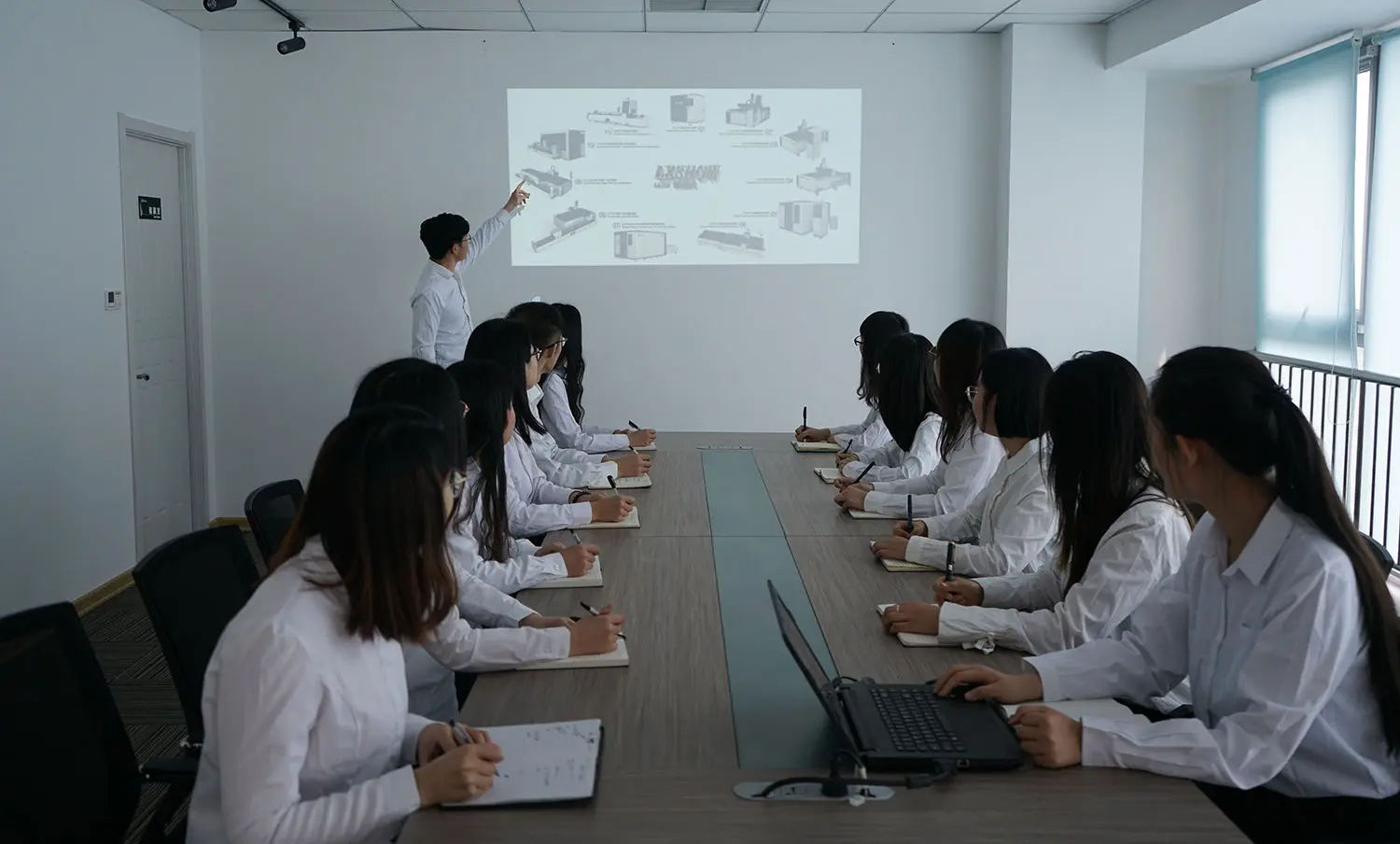
Exploring how automation, smart manufacturing, and eco-friendly technologies shape modern sheet metal production.
The industry is transitioning toward ultra-high optical outputs (30kW to 50kW+). These systems allow manufacturers to cut thick plates up to 100mm, replacing traditional plasma cutting methods by offering faster processing speeds and superior edge finishes.
Modern facilities integrate automated material loading towers, robotic picking cells, and dynamic nesting software. Automating raw sheet handling and part sorting enables continuous operation, maximizing machine utilization rates.
Energy-efficient components and intelligent gas-delivery systems reduce operating costs. In modern laser cutting setups, smart control networks cycle gas flows based on real-time feedback, cutting gas consumption by up to 40%.
Our long-term development roadmap targets 2040, aiming to lead in automated laser technology, smart factory designs, and AI-driven processing. By building modular machinery platforms and integrating advanced industrial IoT features, we enable our users to build smart factories that optimize energy use, schedule preventative maintenance, and manage production workflows remotely.
Technical answers to help procurement teams and engineers select, install, and optimize high-power laser systems.
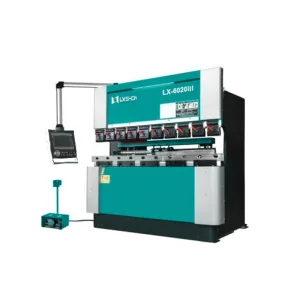
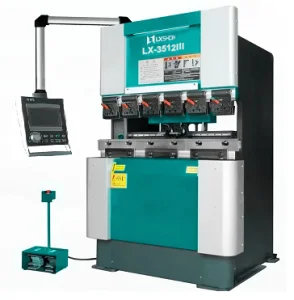
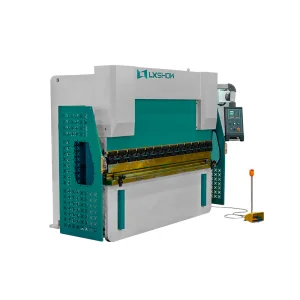
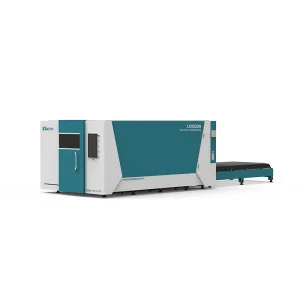
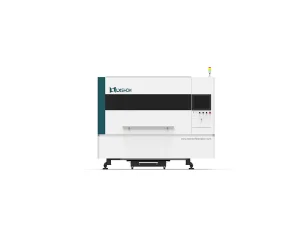
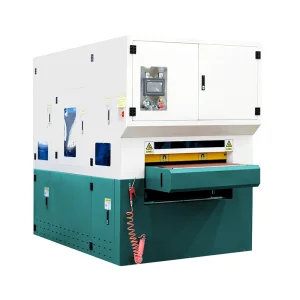
Explore our line of metal bending systems, mini-CNC platform cutters, and localized laser cleaning configurations.
 Lxshow