Explore our flagship solutions, serving over 20,000 users globally across aerospace, heavy industrial engineering, and precision fabrication.
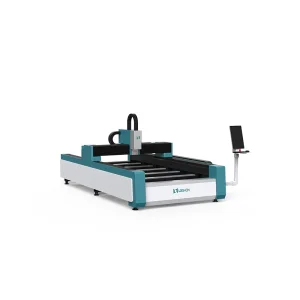
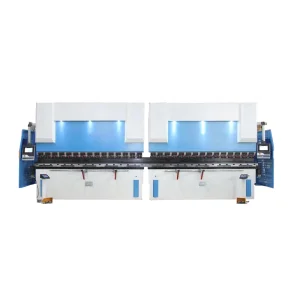
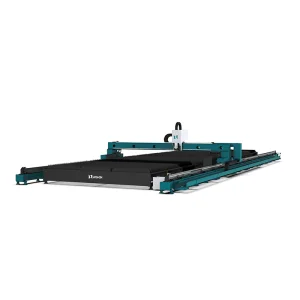
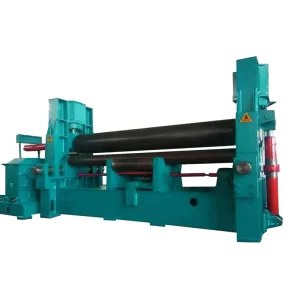
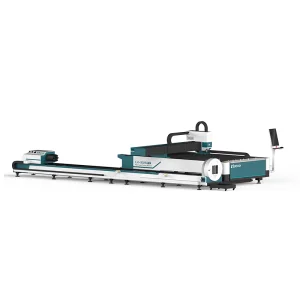
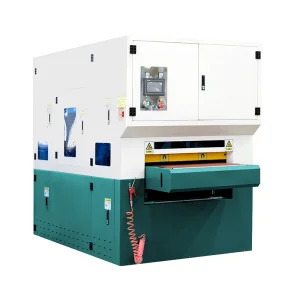
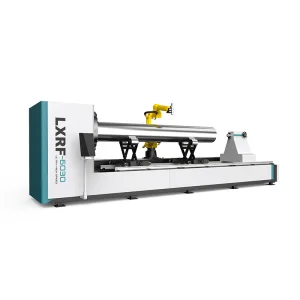
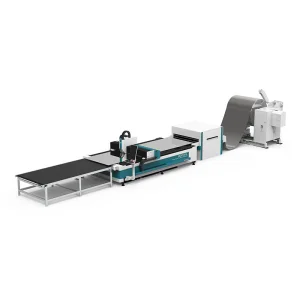
Since our inception in July 2004, LXSHOW Laser has spearheaded the development of industrial-grade laser machinery, combining innovative optical technology with heavy mechanical automation.
For nearly two decades, the international metal manufacturing industry has undergone a deep transformation. The demand for sub-millimeter precision, flexible batch manufacturing, and rapid cycle times has positioned fiber laser technology at the core of structural metal fabrication. As a certified leader holding CE authentication, FDA certification, and ISO 9001 quality management standards, we operate with a singular mission: helping the world cut metal with unprecedented efficiency and precision.
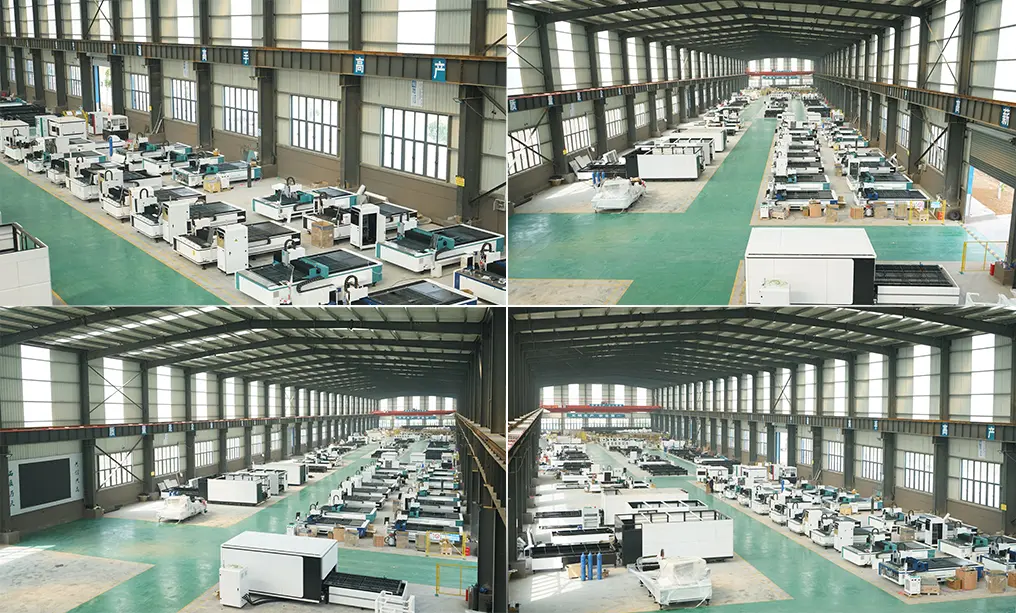
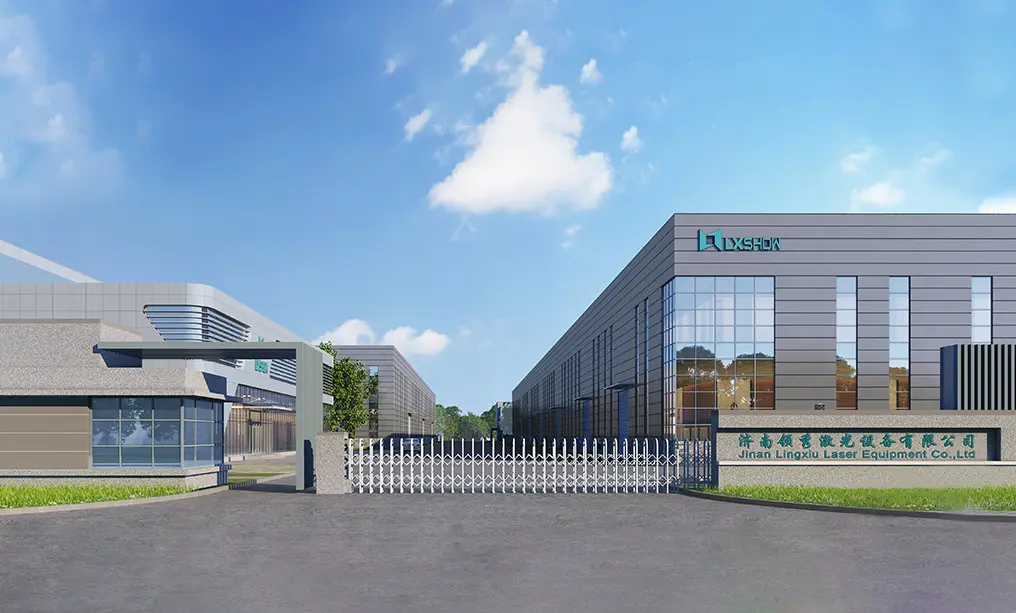
From our initial 500 square meters of R&D labs to our current 32,000 square meter intelligent production complex, we have designed, manufactured, and exported thousands of laser systems. Our equipment is deployed across 120 countries, from demanding North American aerospace facilities to critical automotive and infrastructure pipelines across Europe and Australia. Beyond manufacturing standard systems, we act as a strategic OEM provider for over 30 leading global machinery brands, affirming our status as a trusted partner in high-precision engineering.
"Our objective is clear: before the year 2040, we will establish our position as one of the most critical manufacturing and design hubs in the global laser industry, empowering companies worldwide to build Smart Industry 4.0 factories."
At our central production complex in Jinan, China, we have fully integrated the principles of Industry 4.0. Our factory relies on real-time data monitoring, automated parts retrieval, and mechanical stress-relieving thermal processing chambers for machine frames. This level of optimization allows us to guarantee high structural accuracy and long-term durability. Unlike standard assemblers, we leverage a highly localized supply chain, ensuring that every optical component, linear motor guide, and electronic control cabinet undergoes a multi-phase inspection process prior to assembly.
The benefits of this integrated supply chain are passed directly to our clients. By manufacturing our structural frames, mechanical gantries, and motion controllers in-house, we reduce the production lead time of custom systems by up to 35% compared to European or North American builders. We maintain close partnerships with leading laser source developers, ensuring direct access to the latest optical chips and fiber delivery cables. This secure supply chain guarantees that replacement parts, optional modifications, and high-capacity upgrades remain available throughout the lifetime of the machine.
The field of industrial lasers is transitioning from standard cutting applications to smart, multi-axis automation systems. LXSHOW's long-term technology strategy is built on four core research divisions:
Designing optical path setups that allow fiber lasers to scale past 30kW, enabling clean, dross-free cuts through 100mm carbon steel plates.
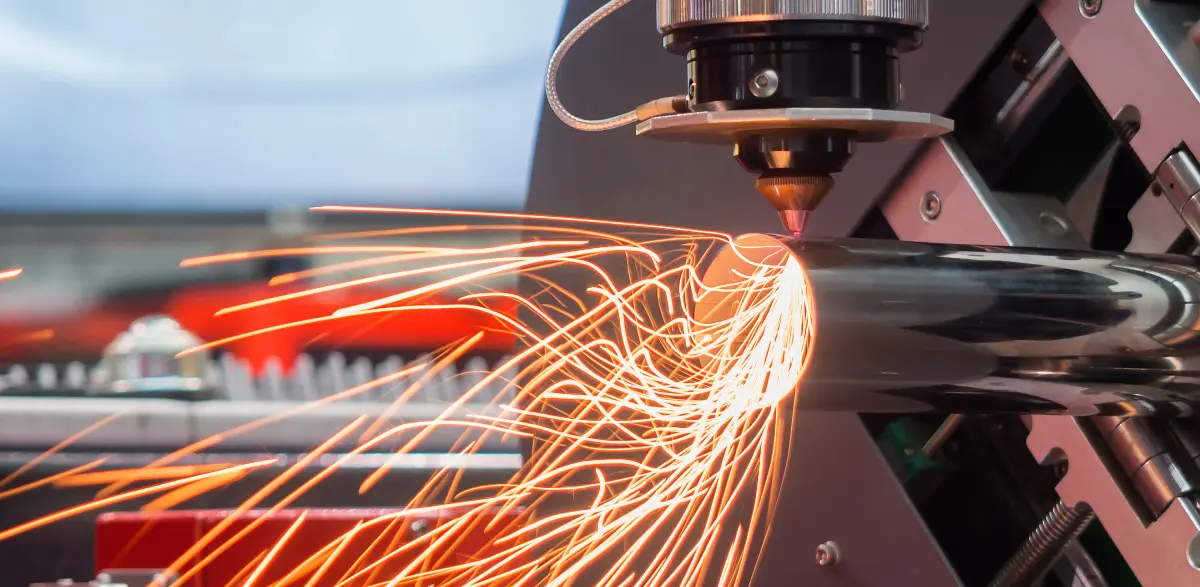
Real-time machine vision systems integrated with CNC software to analyze thermal feedback and adjust cutting speeds and gas pressure in fractions of a second.
Combining additive cladding mechanisms, fiber laser cutting heads, and automated deburring processes into singular structural platforms.
Lowering the electro-optical conversion costs of our generators to reduce aggregate energy consumption by up to 25% across large production runs.
We look forward to expanding our core platforms to support these changing requirements. Our Machine Design Team and R&D divisions are currently prototyping the next generation of enclosed, high-speed exchange table systems that operate within completely autonomous material loading stations. This ensures your capital investment remains highly competitive and relevant for decades to come.
Industrial sheet metal processing requires highly targeted configurations depending on the end-use market. Standard off-the-shelf lasers often fall short when processing varied alloys or handling high-mix, low-volume job shop environments.
High-precision processing demands parts with zero edge contamination. Our ultra-high-speed fiber systems cut aircraft-grade aluminum and titanium alloys without introducing thermal micro-fractures, maintaining material compliance for aerospace sub-assemblies.
Processing structural plates for earthmovers, chassis frames, and agricultural implements requires high power and high load capacity. Our large-format systems support multi-ton steel plates, and our CNC hydraulic benders handle bending operations up to 300 Tons.
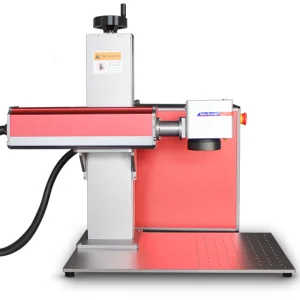
For semiconductors, medical enclosures, and consumer electronics, we provide compact, high-speed cutting systems and precision marking platforms. These systems deliver micrometer-level accuracy, creating custom enclosures without edge burrs or distortions.
Optimizing cutting parameters requires a deep understanding of metal properties. The reflective nature of red metals, the toughness of carbon steel, and the springback properties of stainless steel demand specialized laser delivery systems.
High thermal conductivity cutting optimized with premium auxiliary gas management.
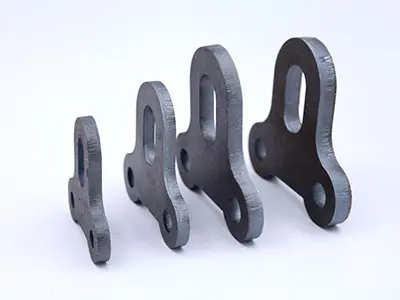
Oxygen-assisted clean cuts for thick structural plates up to 50mm.
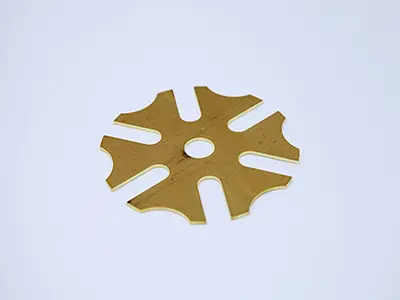
Back-reflection isolation systems protect optical elements when cutting yellow metals.
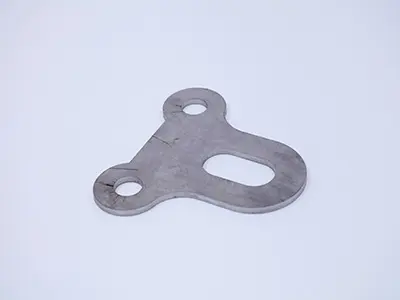
High-pressure nitrogen cuts yield oxide-free edges ready for immediate welding.
Purchasing high-power industrial machinery involves evaluating several key factors beyond initial capital costs. Global procurement departments focus on minimizing Total Cost of Ownership (TCO) and mitigating supply chain risks.
Heavy fabrication runs demand cast-iron or stress-relieved welded steel frames that prevent deformation under high speeds. Ensure structural designs are built to handle intense acceleration loads.
Look for machines that run industry-standard CNC software (like CypCut, CypNest, or custom PC-based interfaces) to ensure compatibility with your existing CAD/CAM nesting workflows.
Sourcing replacement protective windows, nozzles, and ceramic rings from local depots prevents downtime. Verify your supplier maintains rapid spare-parts distribution.
Operating industrial lasers in North America, the European Union, and Asia-Pacific requires compliance with safety and electrical directives. Our systems are engineered and documented to meet local standards:
Fully compliant with the Machinery Directive 2006/42/EC, Electromagnetic Compatibility (EMC) 2014/30/EU, and Low Voltage Directive (LVD) 2014/35/EU.
Enclosed class 1 laser housings protect operators from direct beam contact, featuring active safety interlocks to meet North American workspace regulations.
We provide training programs covering operating techniques, safety practices, laser path calibrations, and simple preventive maintenance.
A complete manufacturing floor requires clean cuts, precise bends, and smooth post-processing. Explore our integrated machine classes.
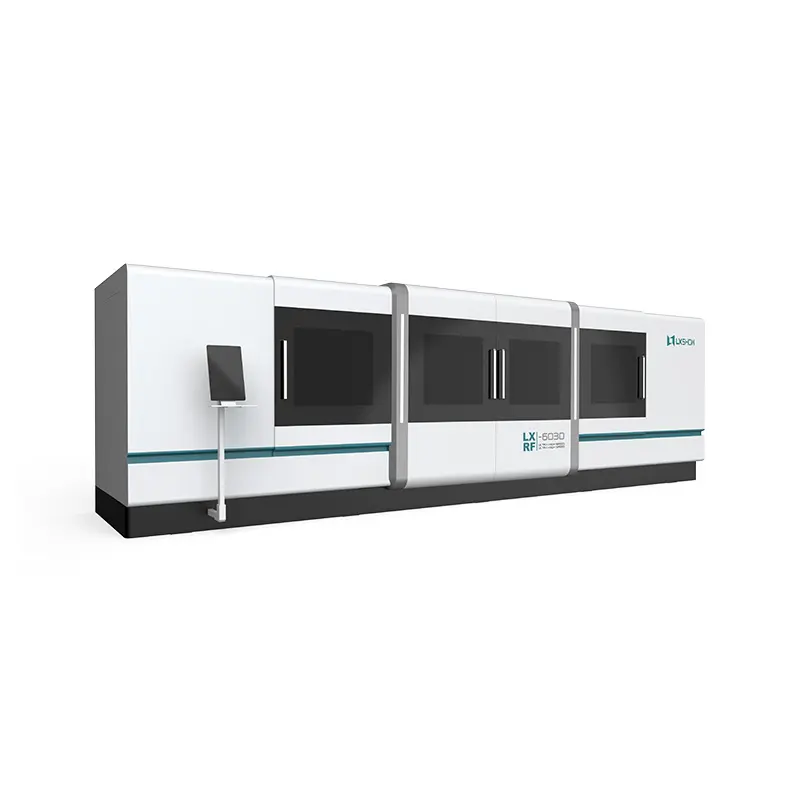
Designed for surfacing and repairing heavy shafts, gear columns, and wear-prone components.
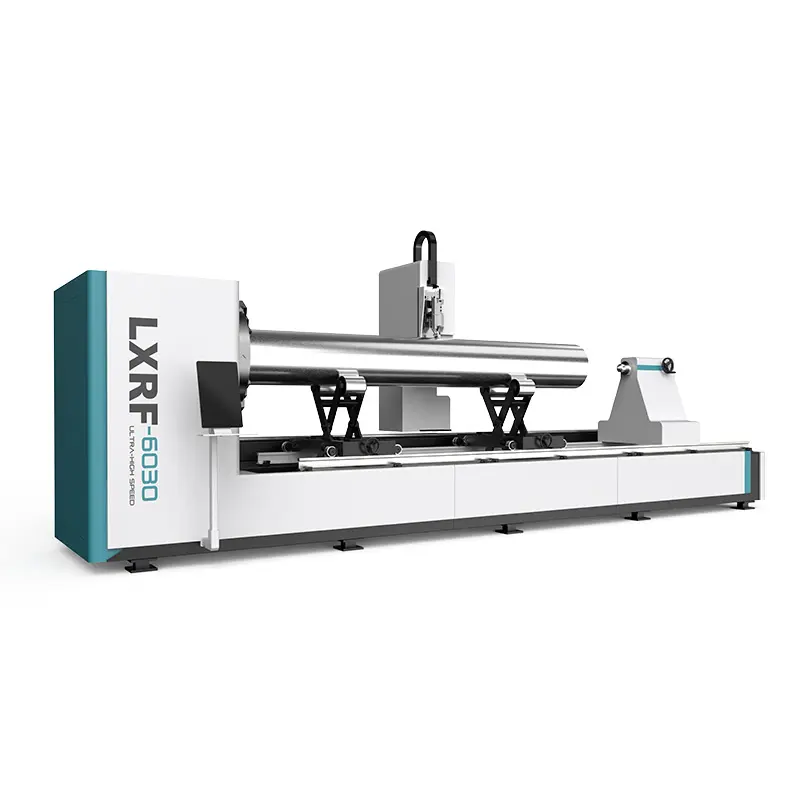
High-precision rotating axes for surface hardening and alloy coatings.
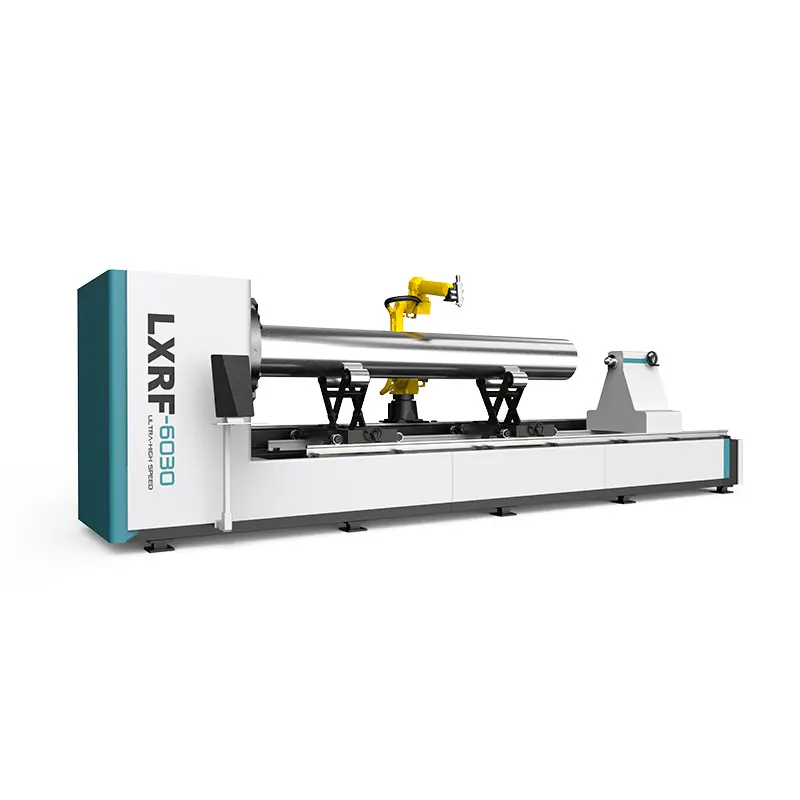
Integrated 6-axis robot for automated cladding paths on complex components.
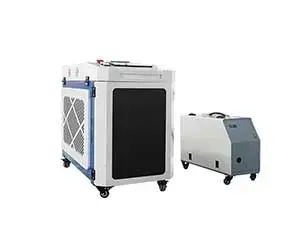
Dual-purpose handheld system for welding and seam cleaning.
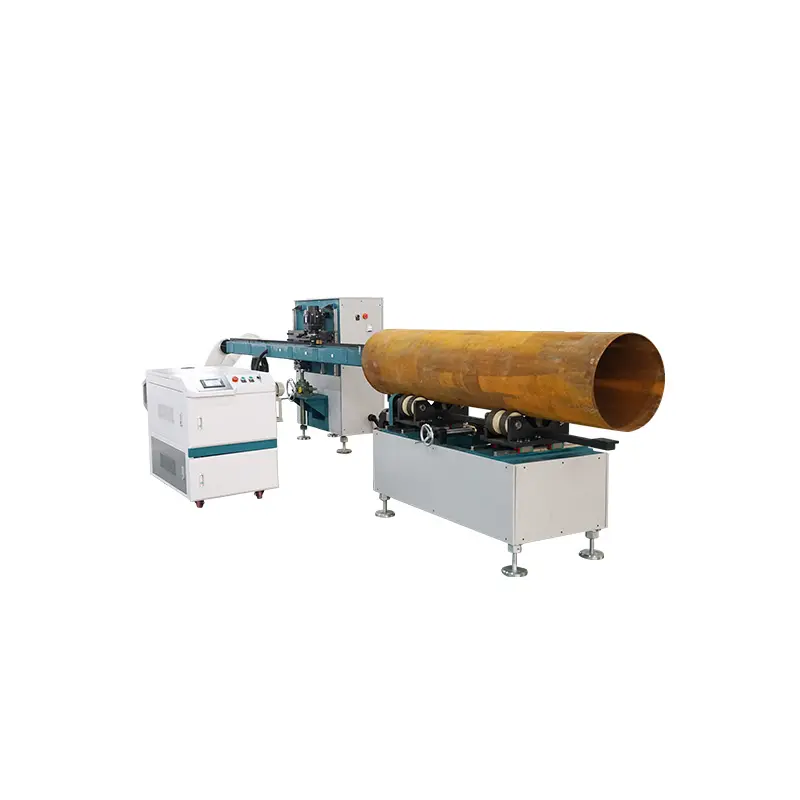
Internal optical configuration for cleaning rust inside tubes.
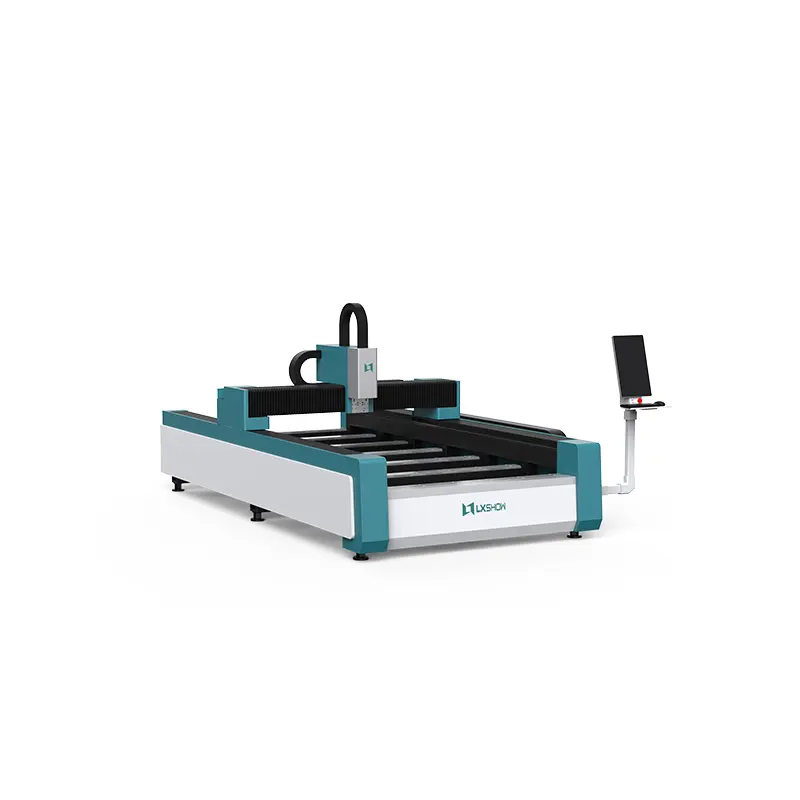
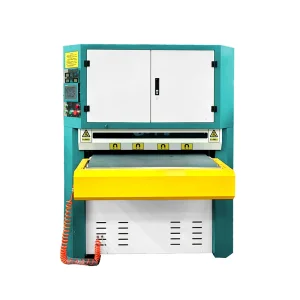
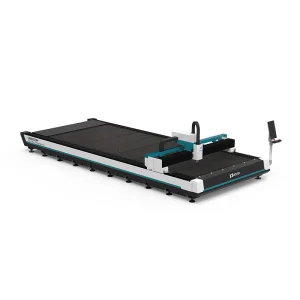
Clean structural steel plates over wide working areas.
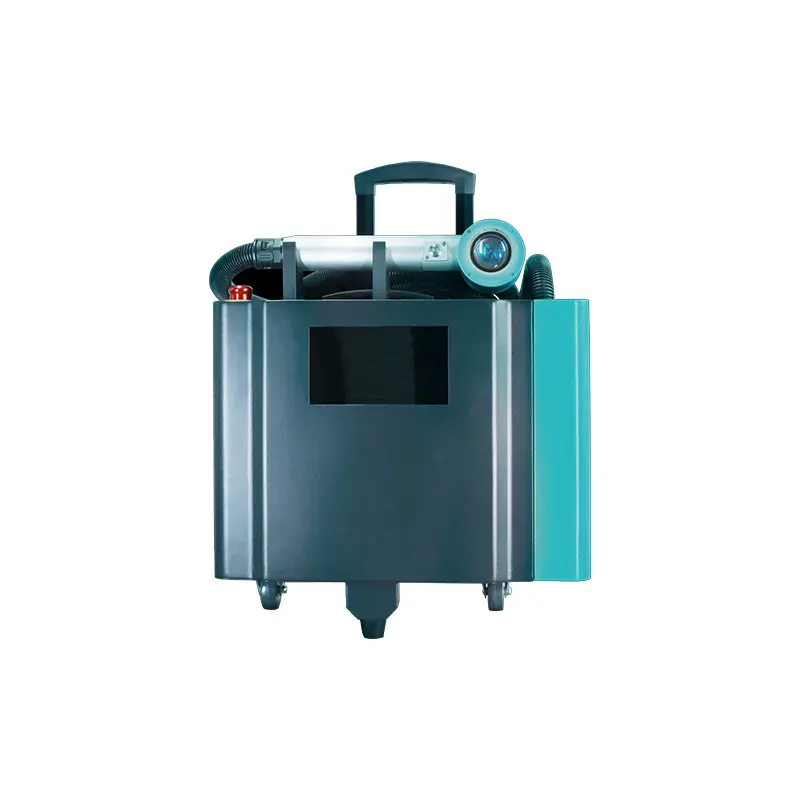
Mobile pulsed cleaning systems for delicate paint and oxide layers.
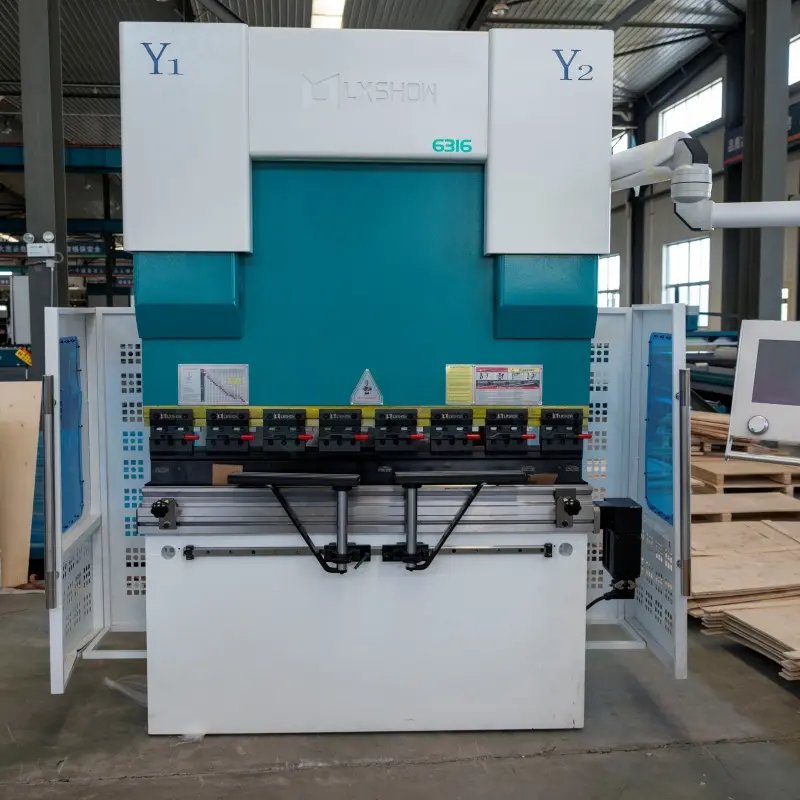
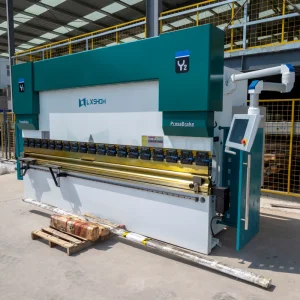
High-precision dual-axis backgauge and hydraulic crowning compensation.
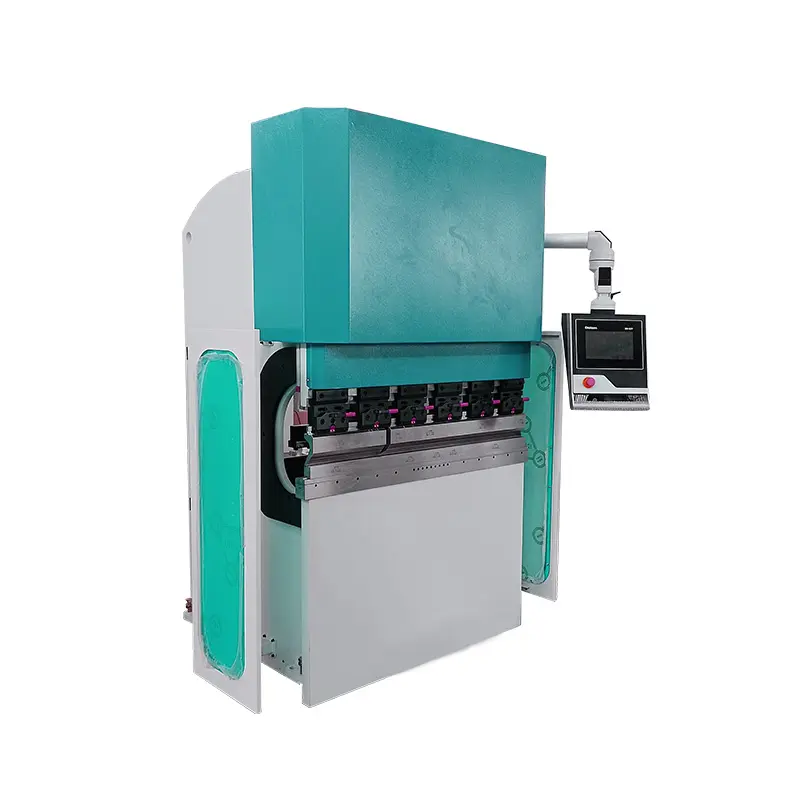
Fast cycle times, low energy consumption, and high repeatability with electric motor drives.
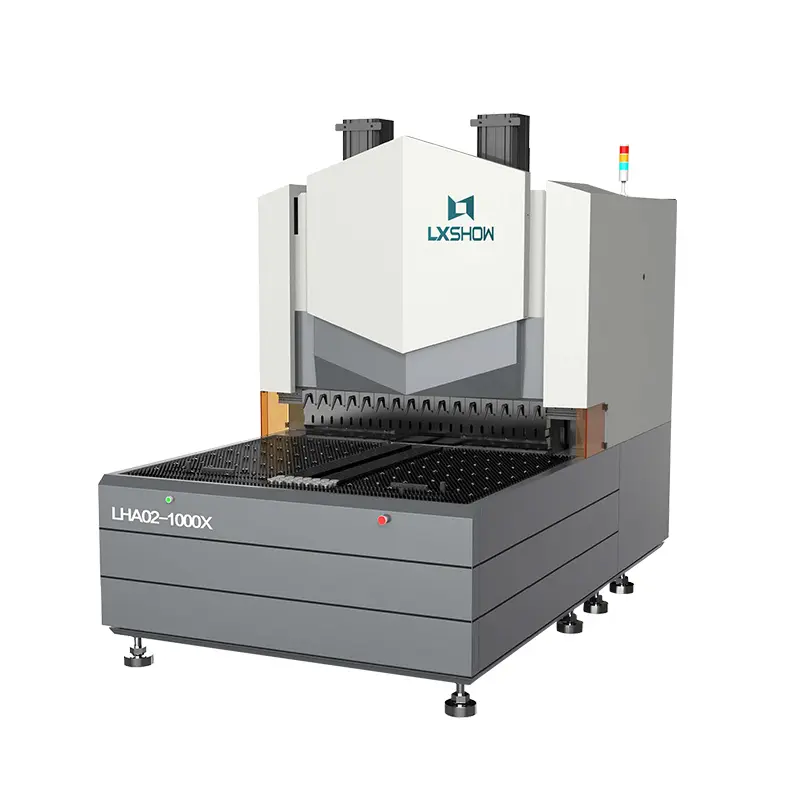
Fully automated panel bender for complex box-profiles and multi-fold panels.
Technical answers to help buyers evaluate capital investments, performance parameters, and setup configurations.
A: Fiber lasers use a solid-state gain medium, offering electrical efficiency near 35-40% compared to 10% for CO2. Their 1.06-micrometer wavelength is highly absorbed by metals, enabling cutting speeds up to 3 times faster on thin-to-medium sheets while requiring no mirror alignments.
A: Oxygen creates an exothermic reaction, speeding up thick carbon steel processing but leaving an oxide layer that must be removed before painting. Nitrogen relies on laser energy to melt the metal, producing clean, oxide-free edges ready for powder coating or welding.
A: A dual shuttle exchange system swaps the cut sheet for a fresh plate in under 20 seconds. This allows unloading and loading to occur while the machine is cutting, maximizing laser uptime.
A: Regular inspections of the protective cover slide are necessary to prevent contamination of the focusing lens. Maintaining gas nozzle centration, checking calibration values, and keeping the cooling system free of contaminants are essential for stable performance.
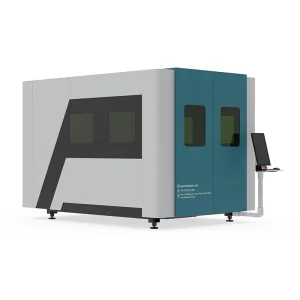
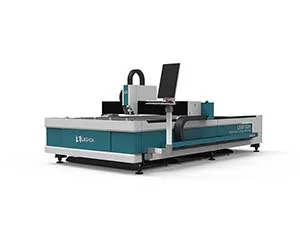
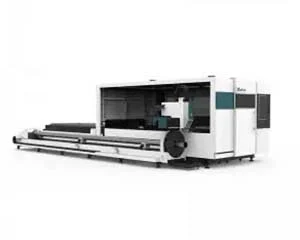
High-load plate-bending systems and high-precision fiber laser cutting setups for high-capacity fabrication shops.
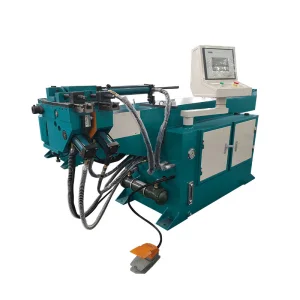
 Lxshow