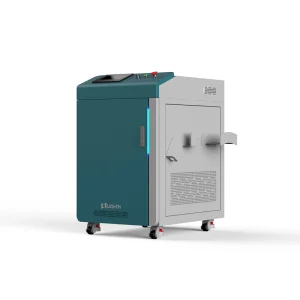
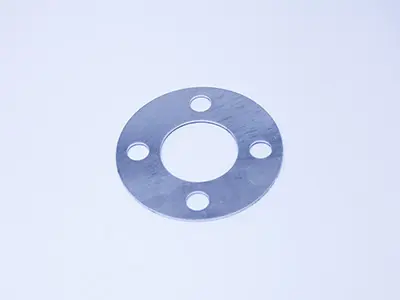
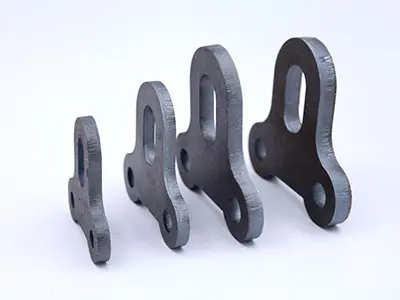
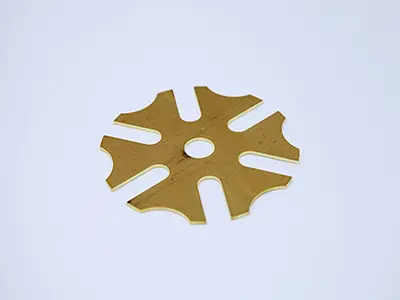
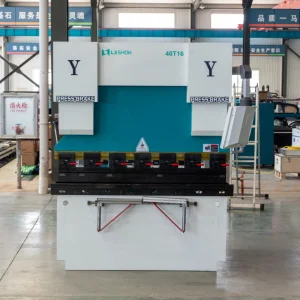
Explore our elite collection of high-performance fiber laser systems, fully electric servo bending brakes, and industrial clean-tech machinery.
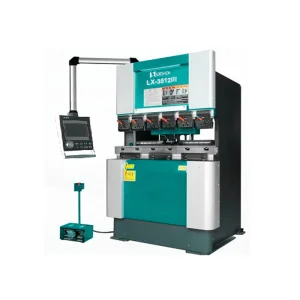
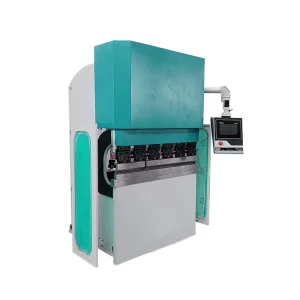
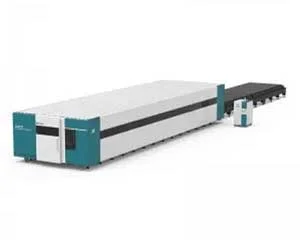
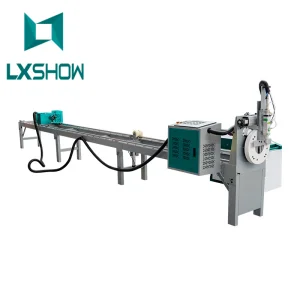
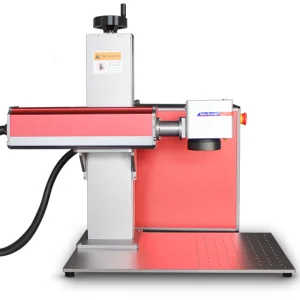
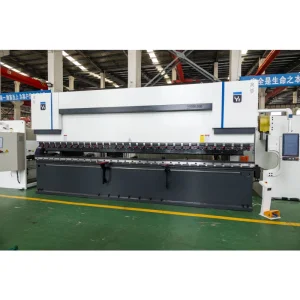
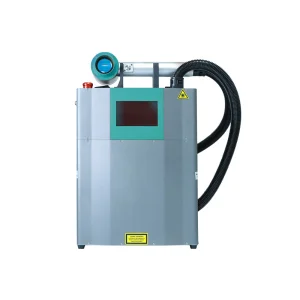
An authoritative analysis of structural trends, performance indicators, and supply resilience within sheet metal laser fabrication networks.
The international landscape of laser cut metal sheet fabrication is shifting rapidly away from low-cost sourcing toward absolute accuracy, process traceability, and integrated digital workflows. Industrial buyers—ranging from Tier-1 automotive firms to specialist aerospace engineers—no longer look at unit price in a vacuum. Instead, procurement strategies prioritize overall yield efficiency, structural tolerances, and compliance certifications. Sourcing departments demand machinery and materials that prevent secondary machining. By choosing fiber laser machinery certified to EU CE and US FDA protocols, enterprises guarantee their production lines function within optimal tolerance parameters, avoiding costly downstream assemblies.
When searching for reliable manufacturers, industrial buyers encounter a "wall of identical text." To establish true authority, a manufacturer must provide tangible data points: beam quality index (M² < 1.1), thermal distortion coefficients, gas-saver nozzles, and real-time monitoring software. True authority is forged through transparency—evidenced by our 32,000+ square meter facility and our ability to support over 30 OEM partnerships globally. This detailed blueprint represents an expert analysis designed to answer specific engineering issues, ensuring that engineers and procurement officers obtain exact technical configurations for their production facilities.
To align with Google's E-E-A-T (Experience, Expertise, Authoritativeness, Trustworthiness) criteria, our credentials must be demonstrable. Operating actively since 2004, LXSHOW maintains an established track record spanning 18+ years of dedicated laser development. Backed by certified ISO 9001 quality management, our metal sheet fabrication and bending machinery consistently deliver on reliability. Our systems are approved under global standards such as the European Union CE and the American FDA, offering international clients certified safety protocols and reliable technical compliance.
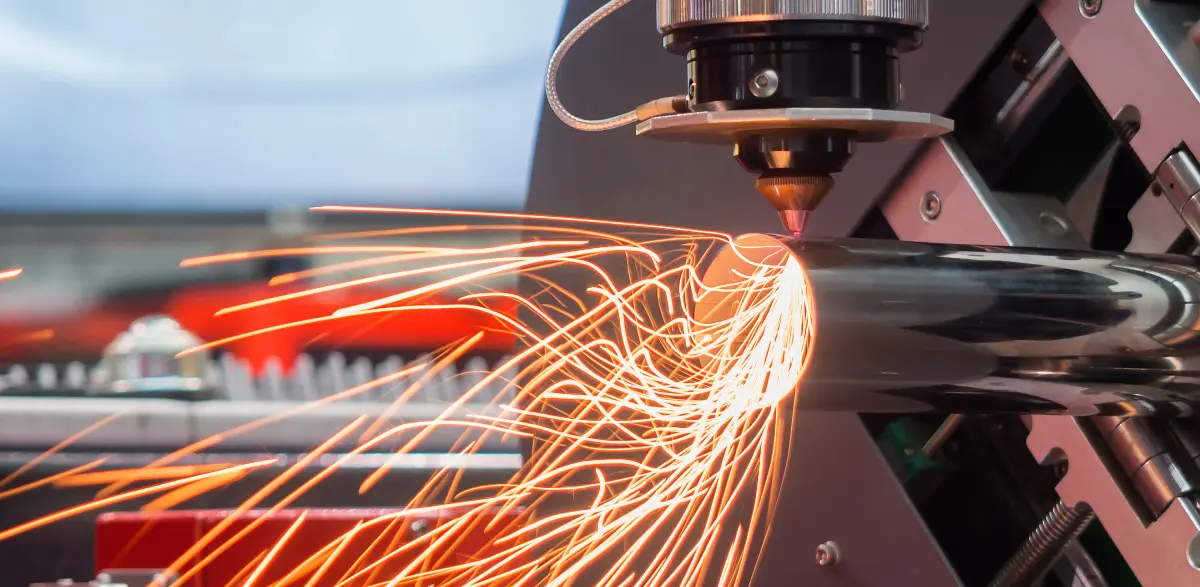
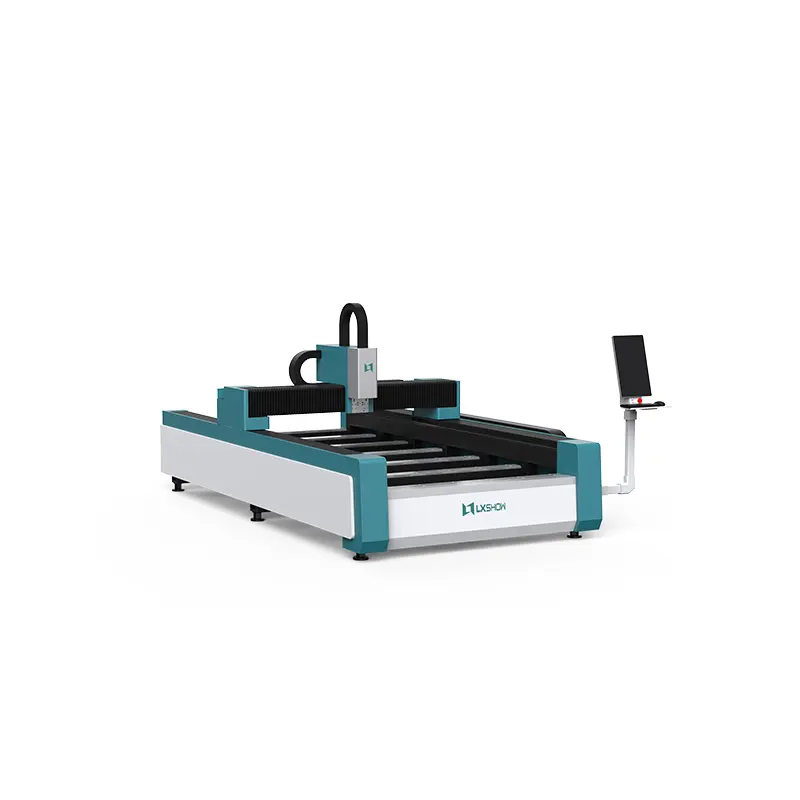
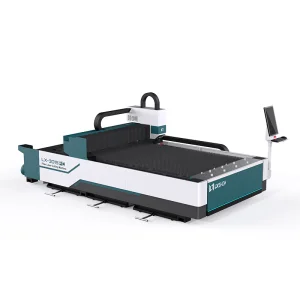
The mechanical processing domain has shifted dramatically with the emergence of high-power fiber laser cutting technology. Standard CO2 cutting mechanisms are being replaced by ultra-focused fiber optic delivery pathways. Operating at a wavelength of approximately 1.06 microns, fiber lasers deliver energy absorption rates that are 3 to 4 times higher than their CO2 counterparts when processing ferrous and non-ferrous metals like copper, brass, and aluminum.
LXSHOW’s fiber laser lines utilize advanced CAD/CAM software to nesting algorithms that minimize scrap generation, driving material utilization up to 92%. Active collision avoidance sensors protect the processing head, ensuring uninterrupted operation during overnight runs. Our systems support nitrogen, oxygen, and compressed air assist gas routes, allowing operators to prioritize speed or edge finish based on project needs.
By integrating professional grade CNC controllers with optical feedback loops, our machines calibrate focal positions within milliseconds. This guarantees clean cuts even when handling challenging structural steel plates of variable density.
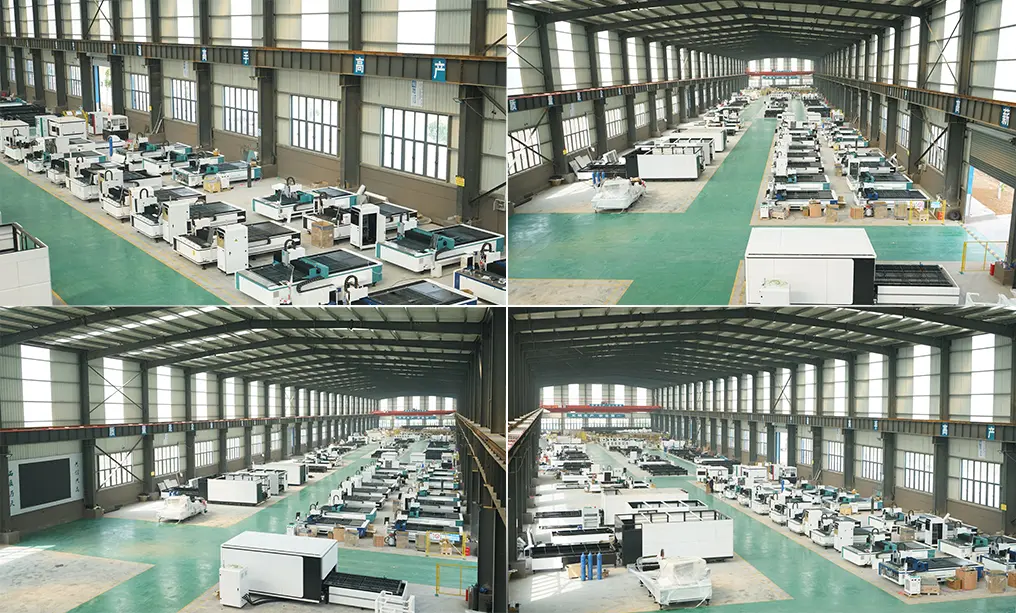
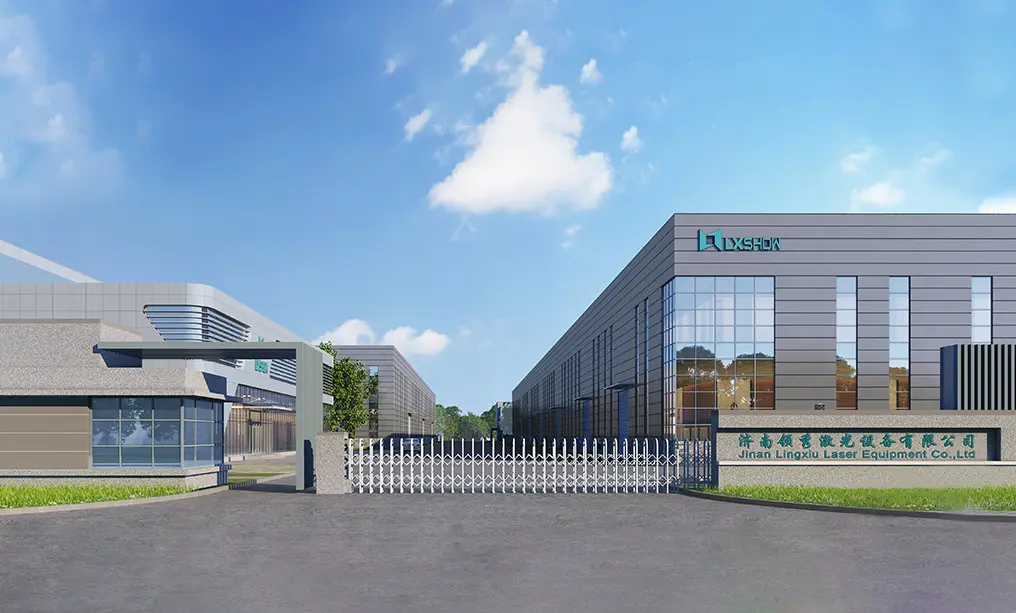
Navigating the modern global market requires resilient manufacturing partnerships. The LXSHOW industrial base in China stands at the forefront of the Industry 4.0 revolution. Established in July 2004, our facility features over 500 square meters of specialized R&D offices alongside a massive 32,000 square meter factory space.
Our production workflow centers on strict precision assembly. From structural frame stress relief to double-collimated laser alignment check stages, every step is built to last. Our machinery features premium global components, including Precitec cutting heads, IPG and Raycus laser sources, Shimpo gearboxes, and Yaskawa servo drives, ensuring long-term mechanical reliability.
By centralizing design, structural stress-relieving, assembly, and testing in our 32,000 sqm plant, we bypass supply chain bottlenecks. This integration allows us to offer custom OEM services to more than 30 global brands, guaranteeing quick turnaround times and strict quality control.
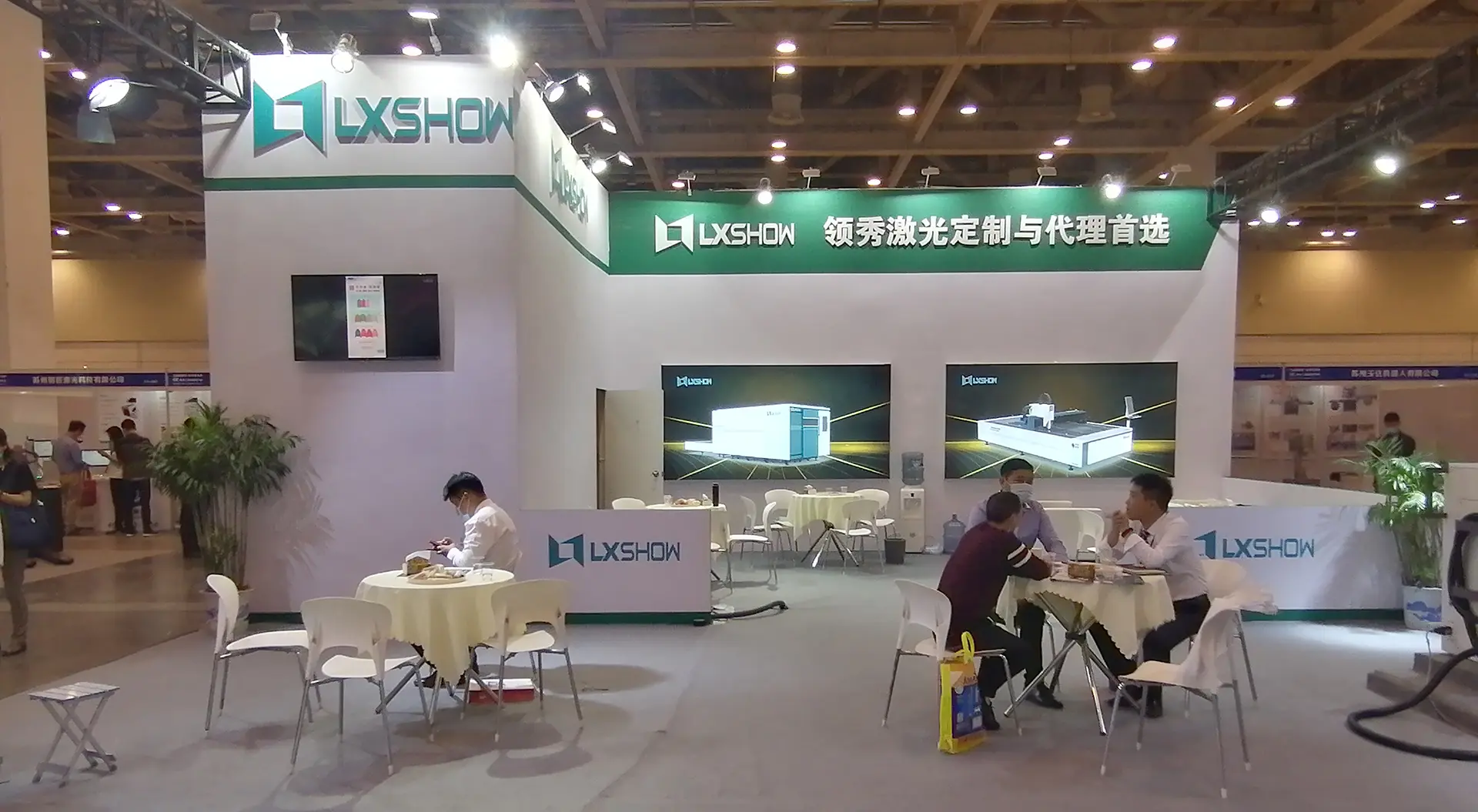
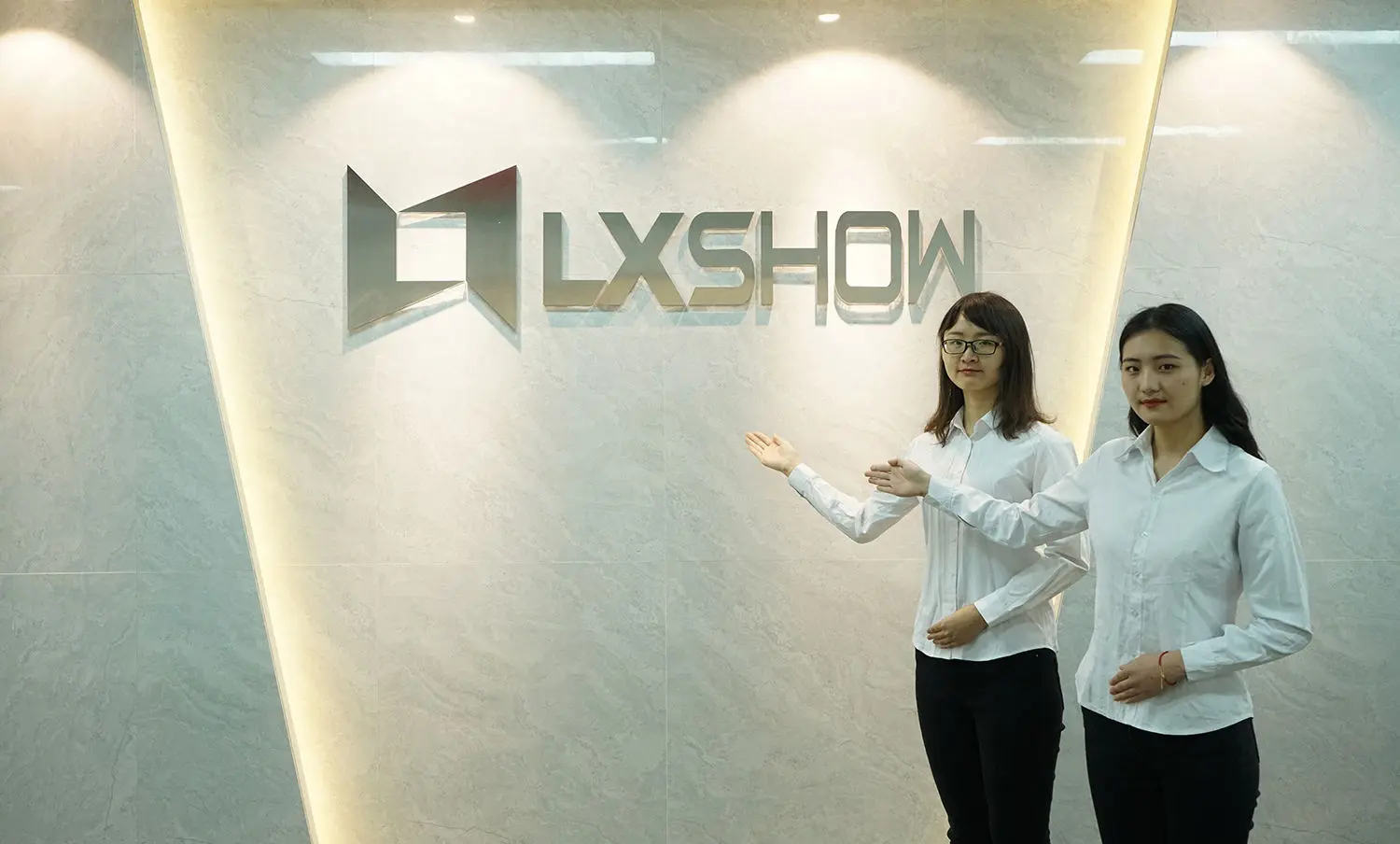
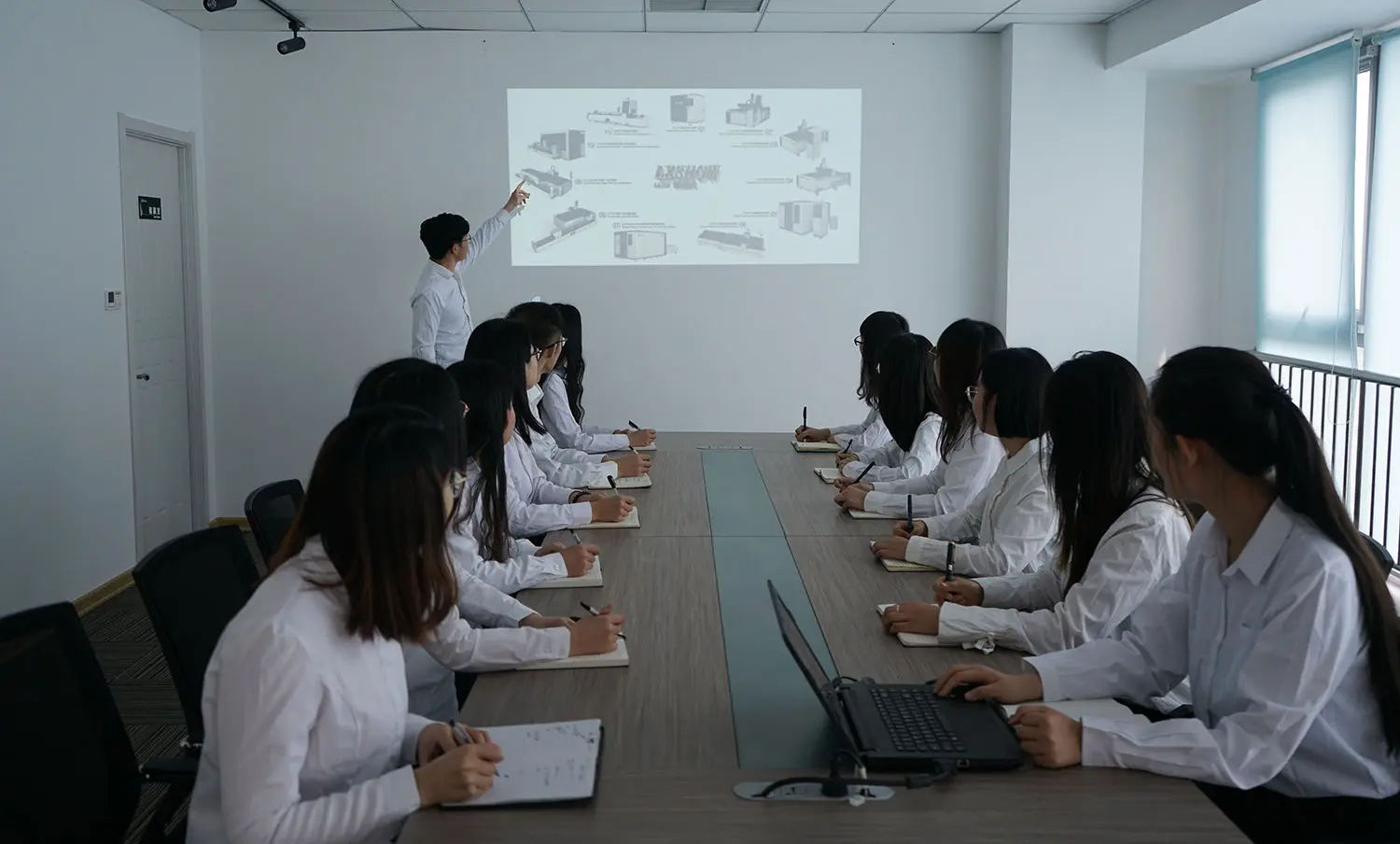
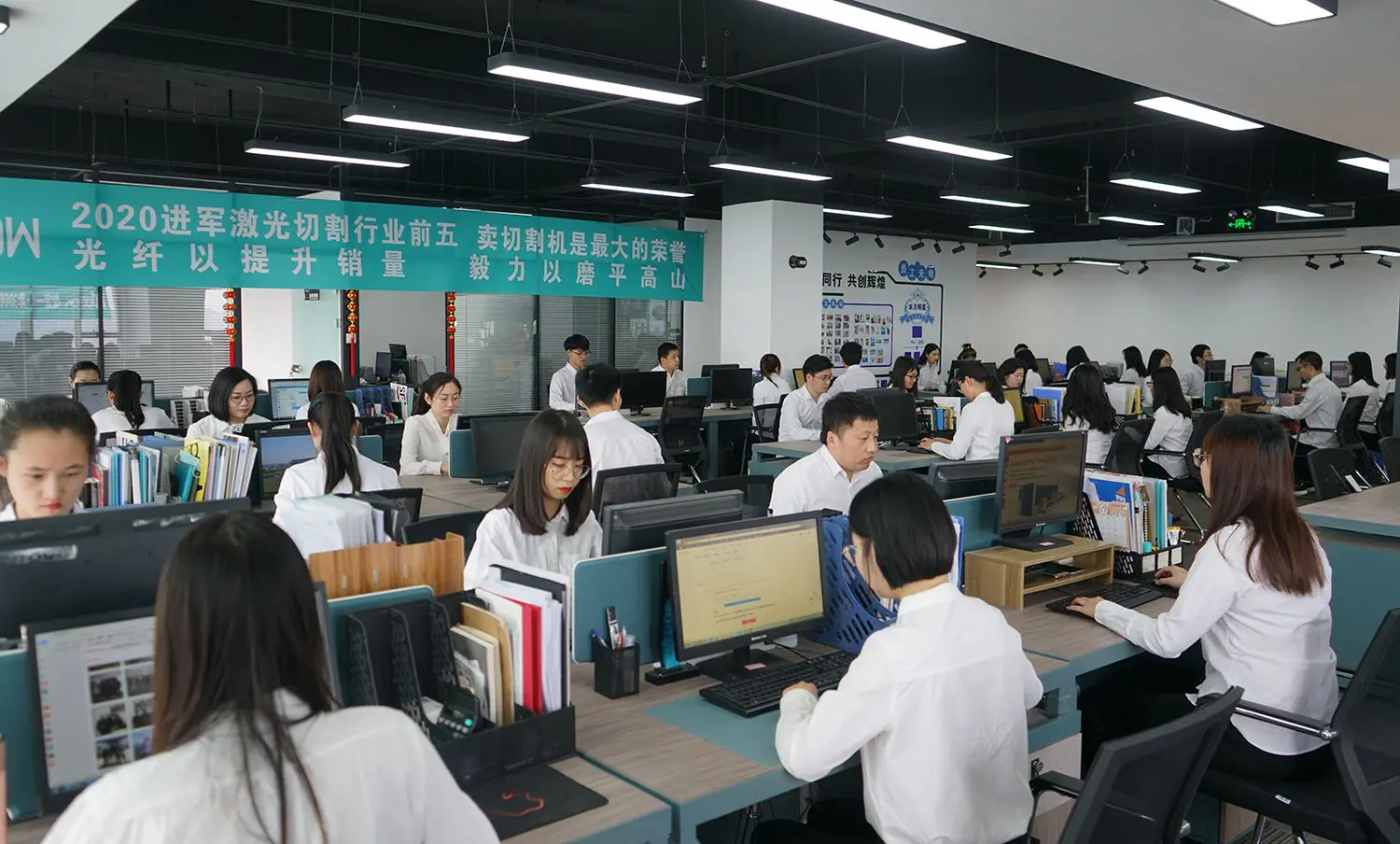
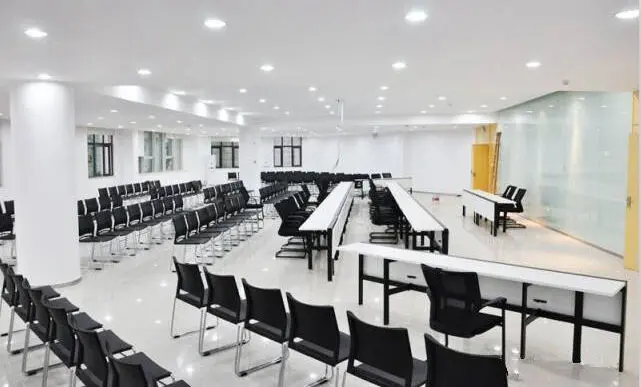
Experience our engineering facilities, modern administrative office blocks, and R&D centers.
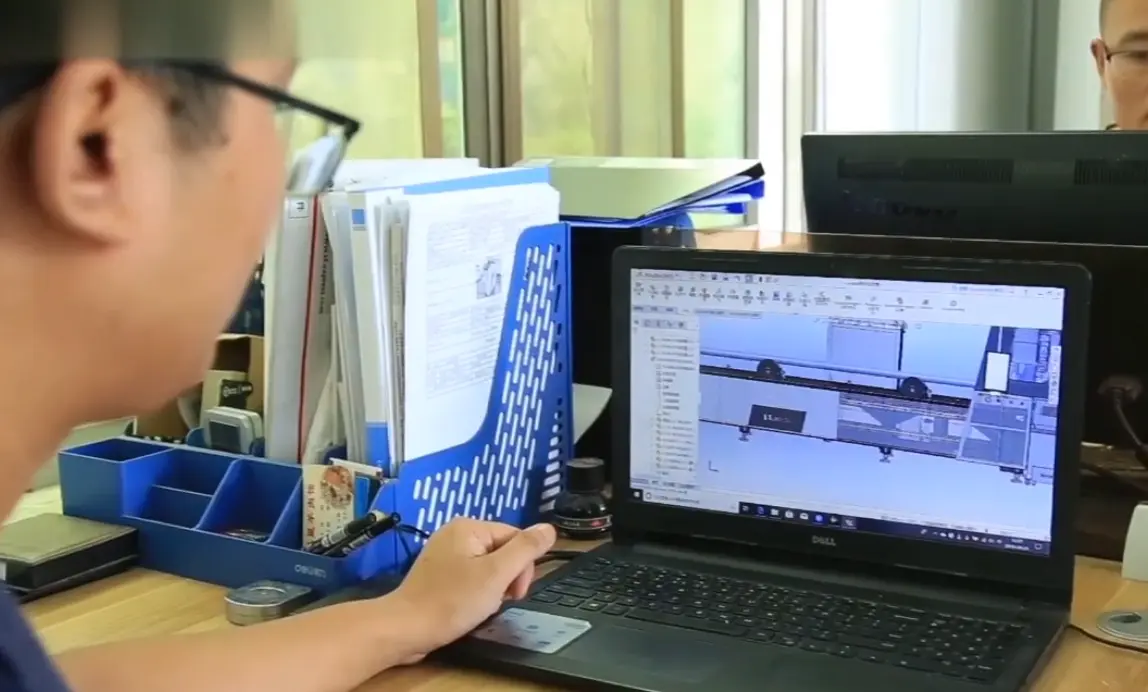
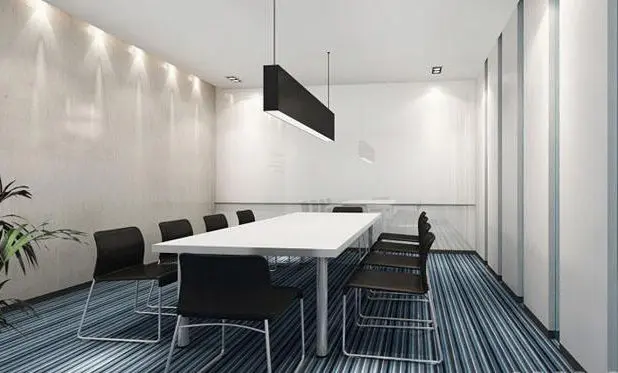
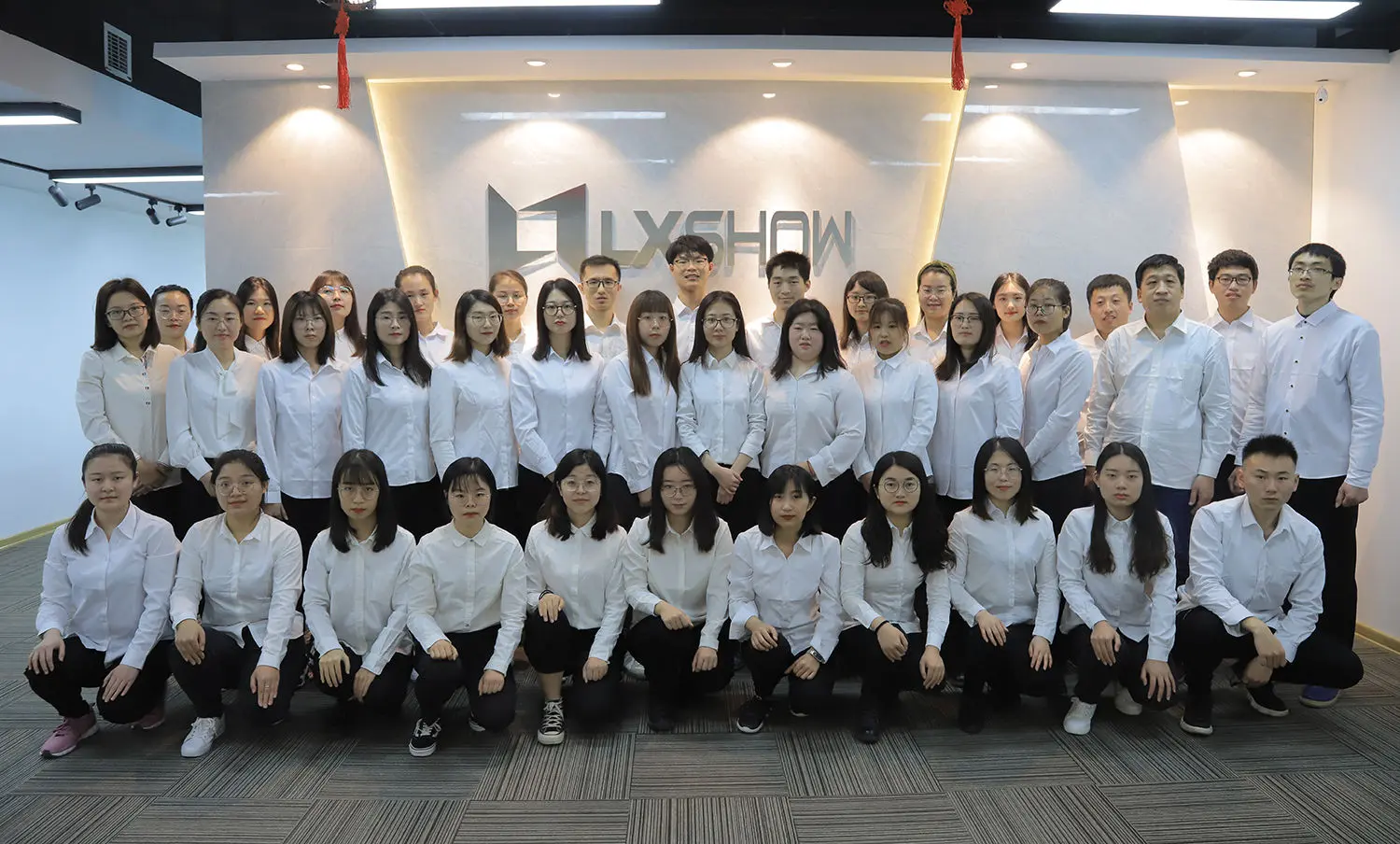
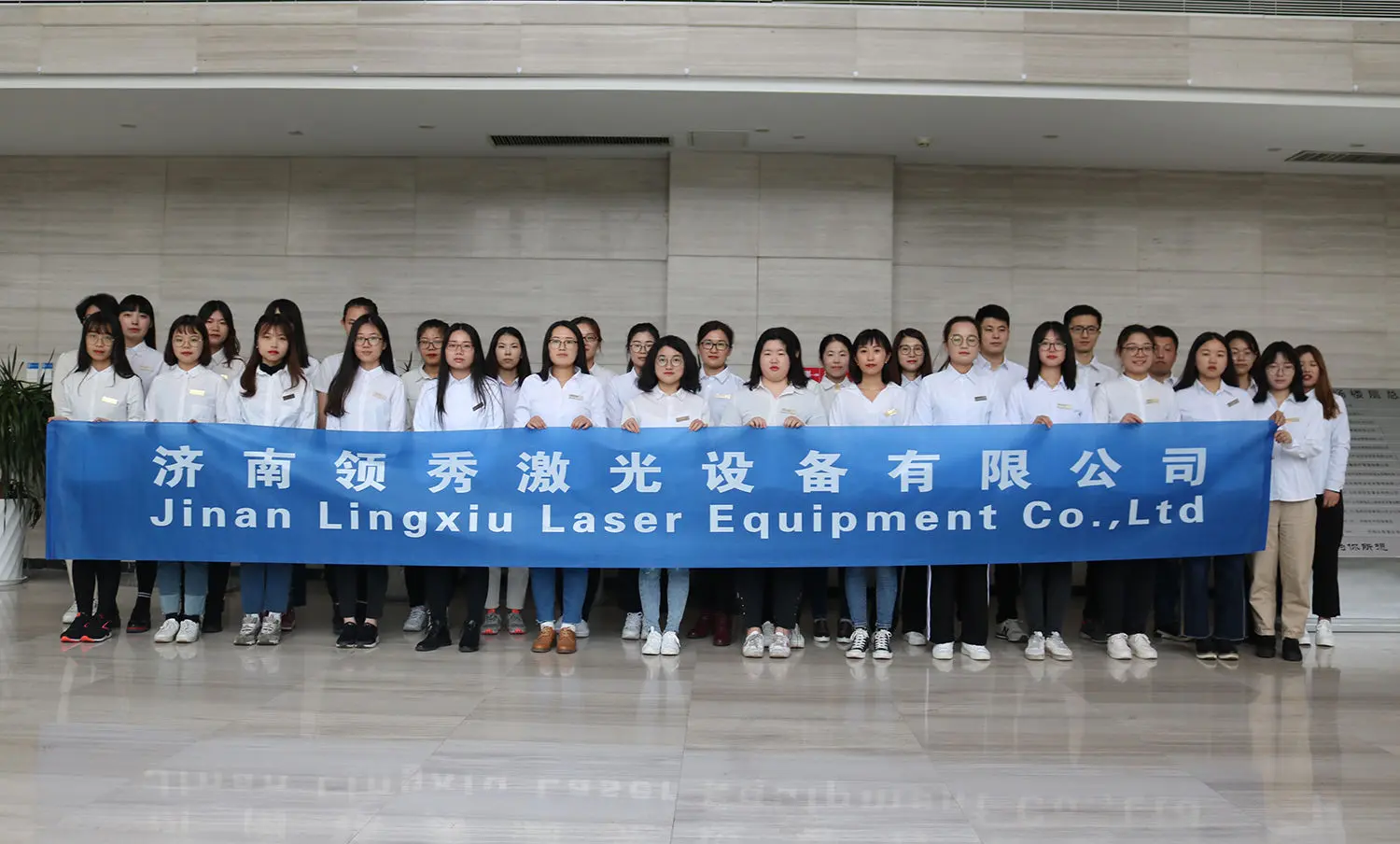
Our machinery is engineered to cut, weld, clean, and bend a wide range of metals and structural profiles.
Compare specific processing models built to integrate directly with automated production floors.
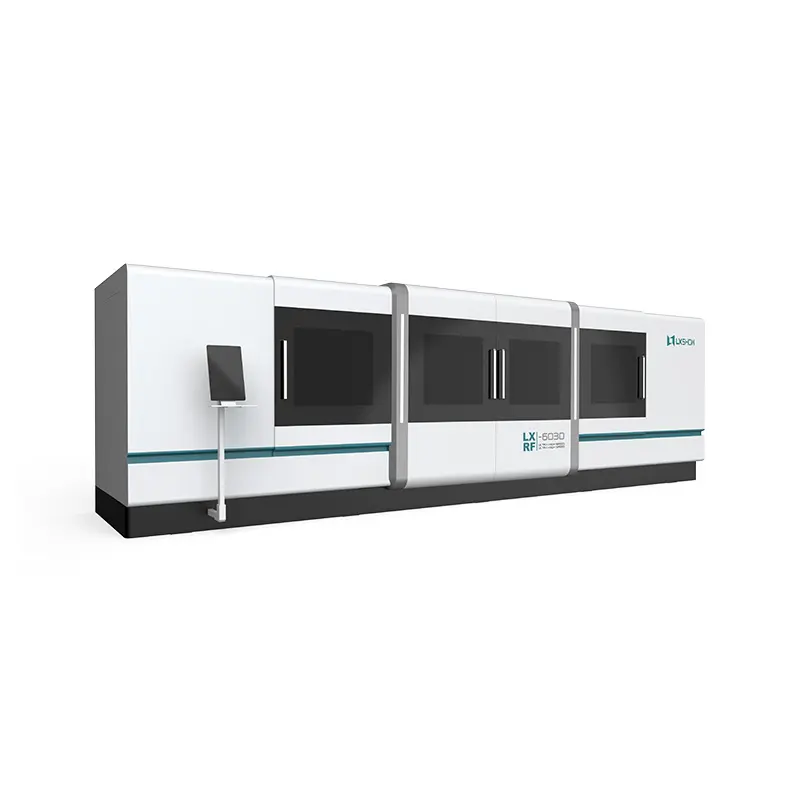
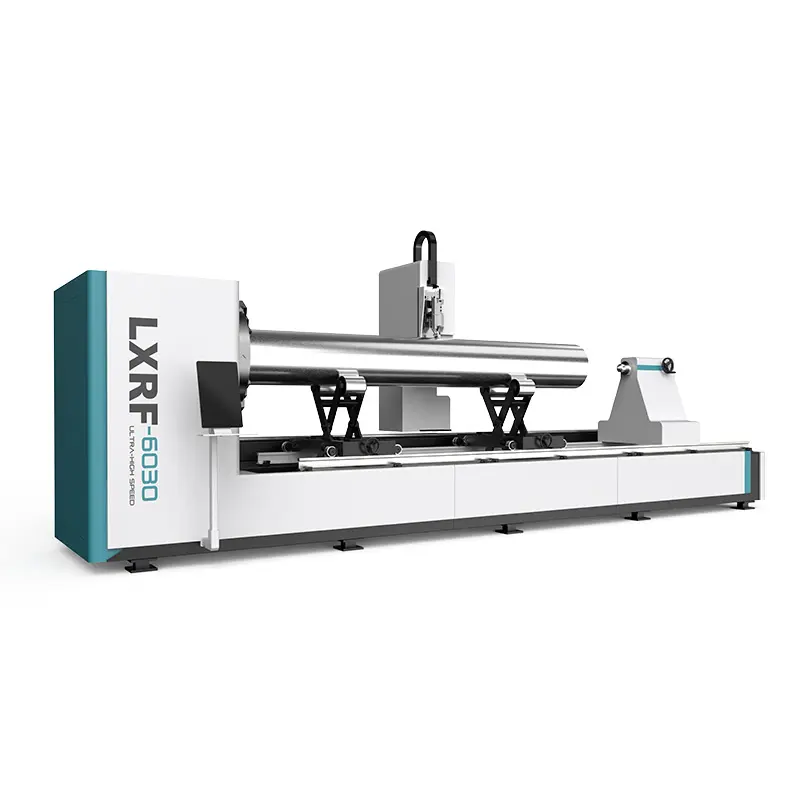
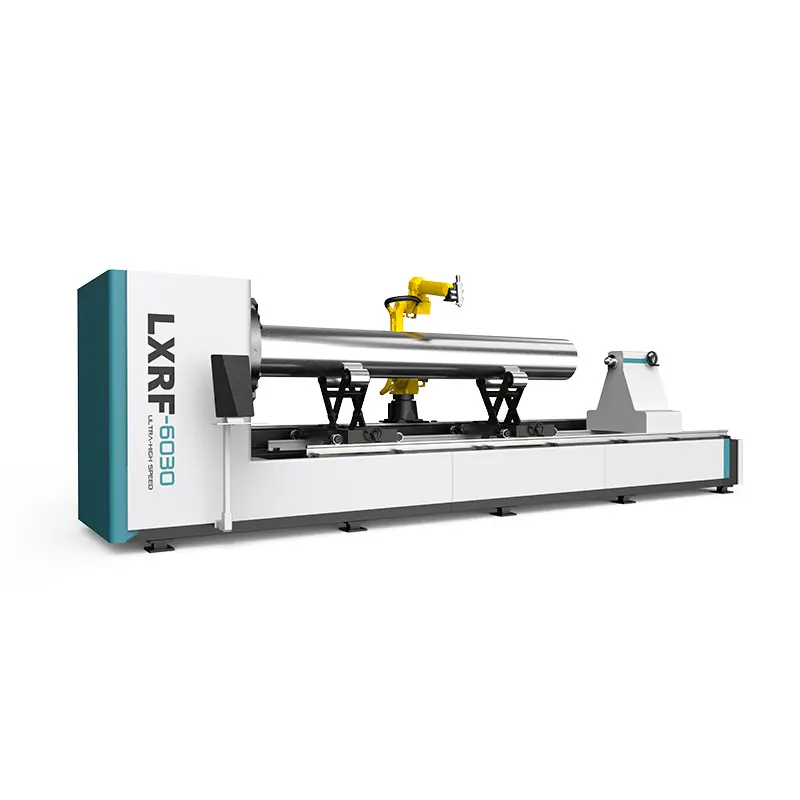
Model: LXRF-6030-Robot
Inquiry Details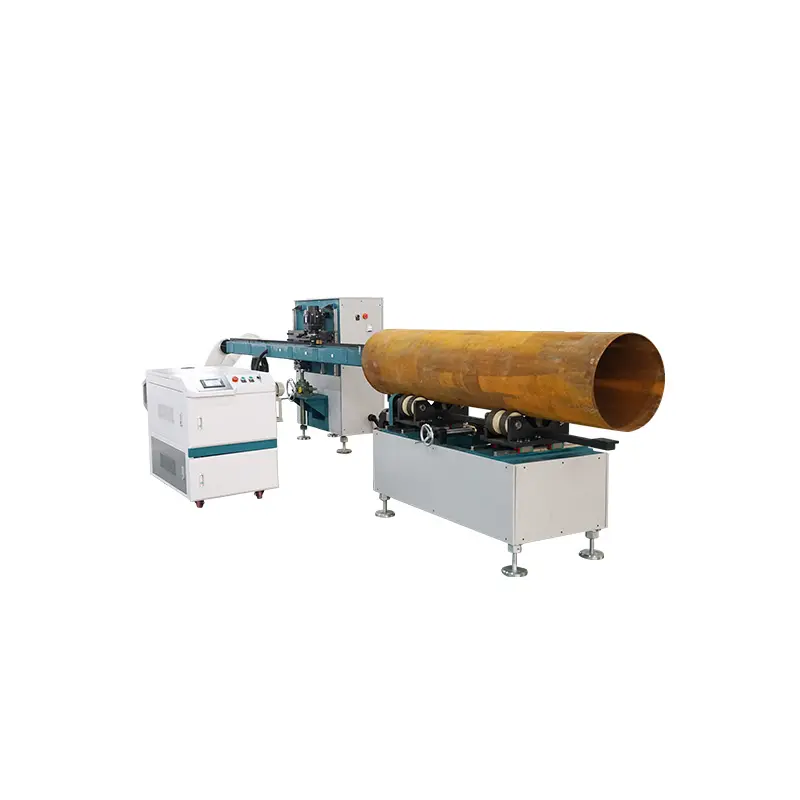
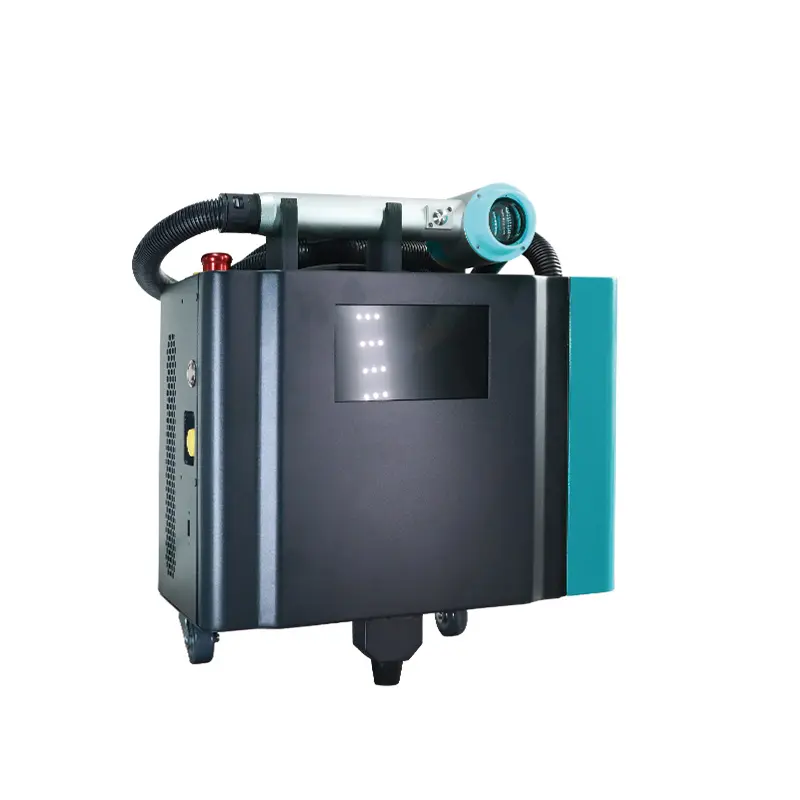
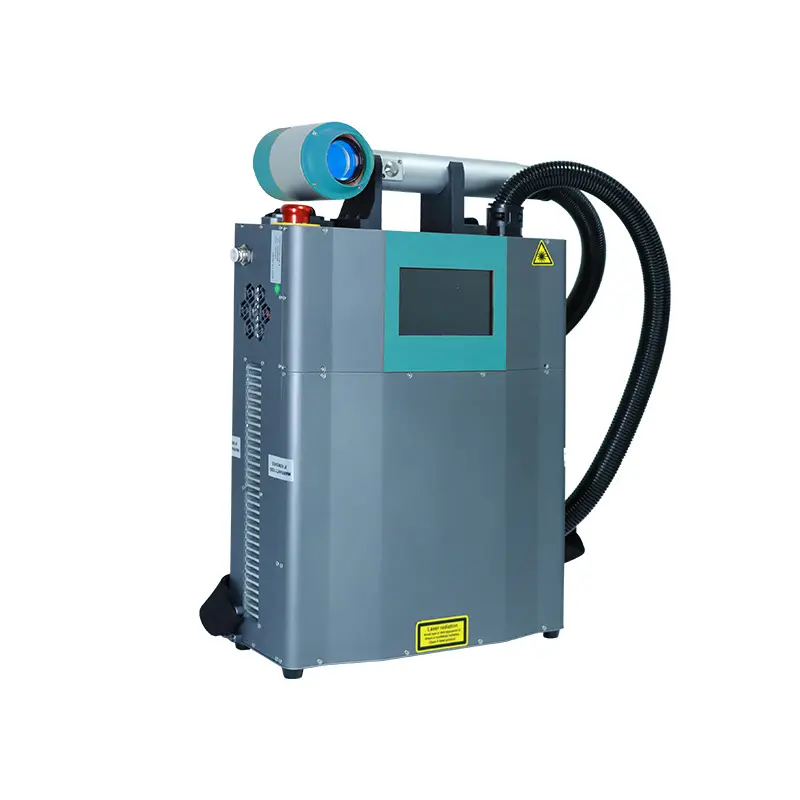
Model: LXC-Backpack-100
Inquiry Details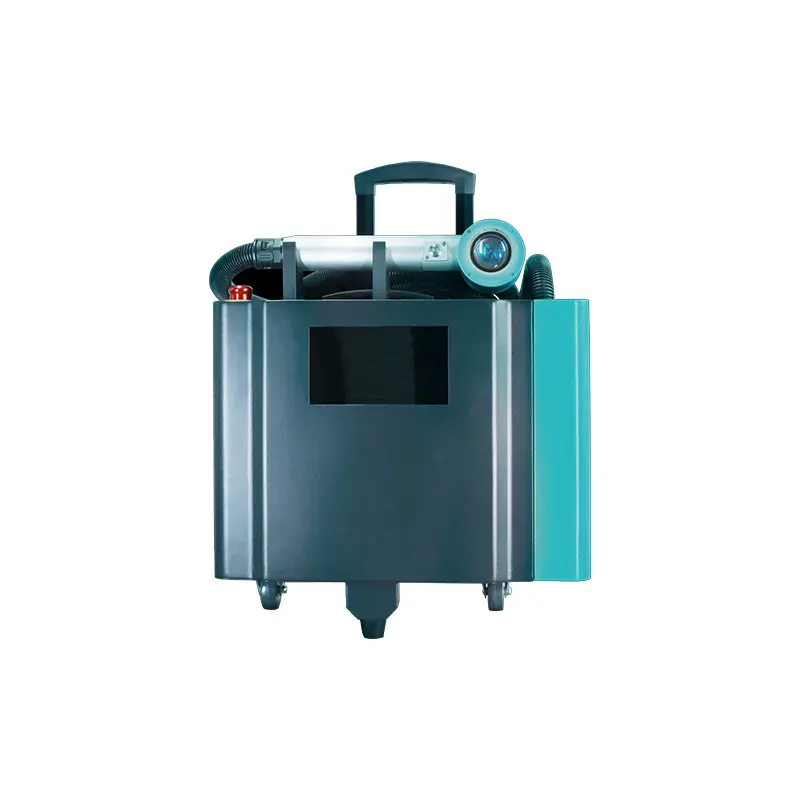
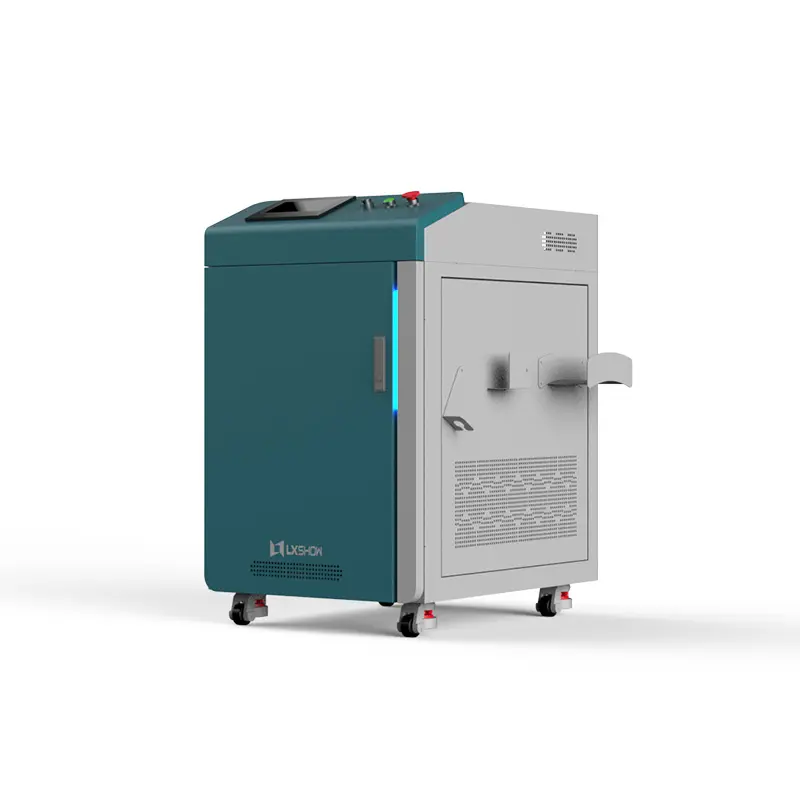
Model: LXW-1500W-Eco
Inquiry Details
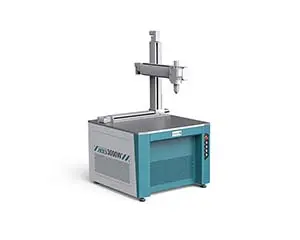
Model: LXW-Tabletop-1000/2000W
Inquiry Details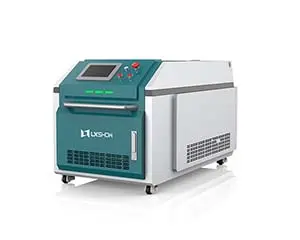
Model: LXW-3000W-HH
Inquiry Details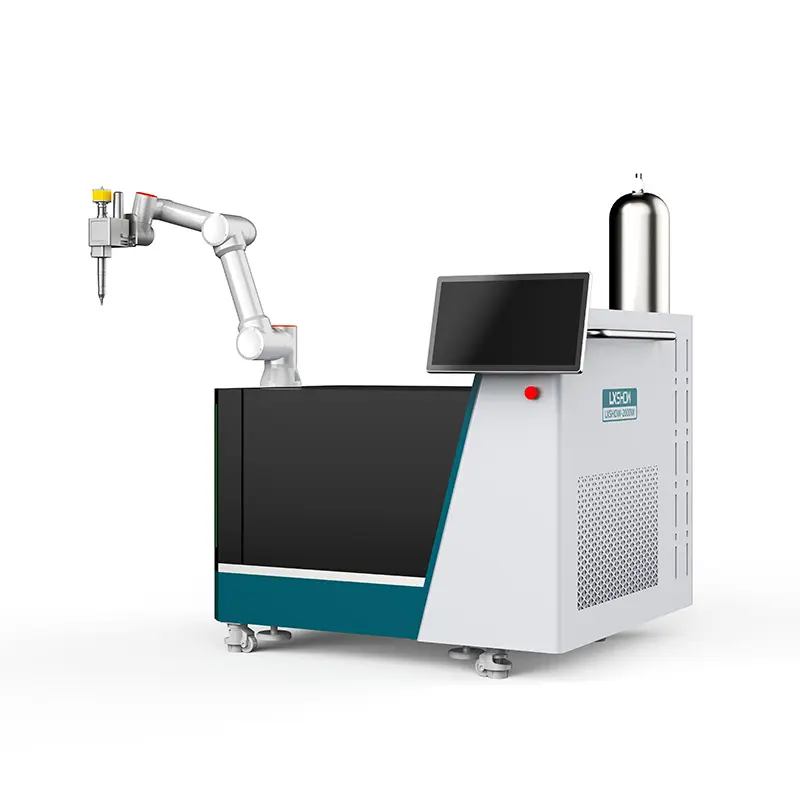
Model: LXW-Robot-2026
Inquiry Details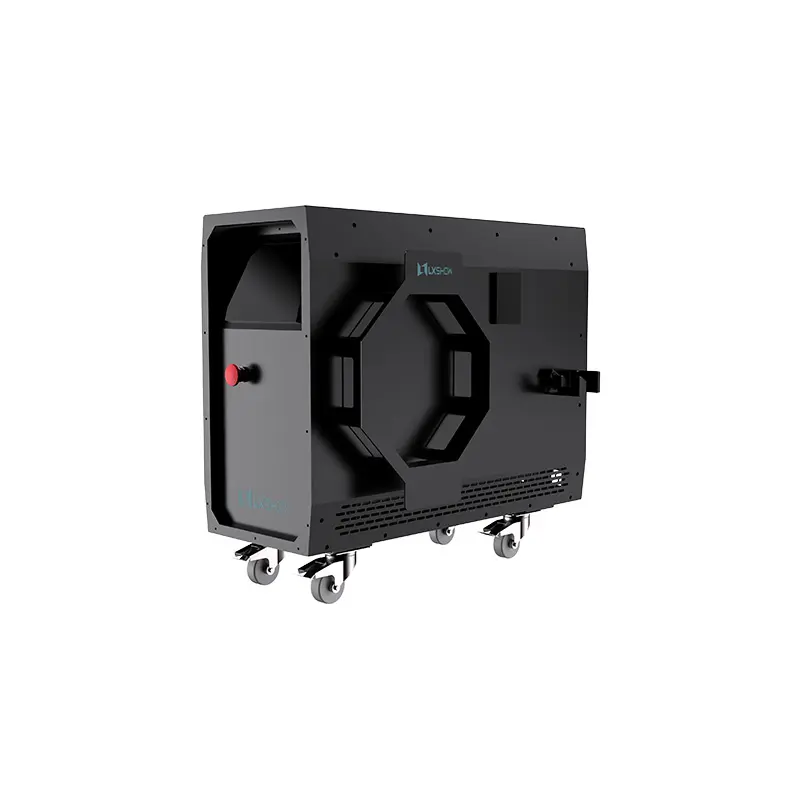
Model: LYQH-ACX-1500W
Inquiry Details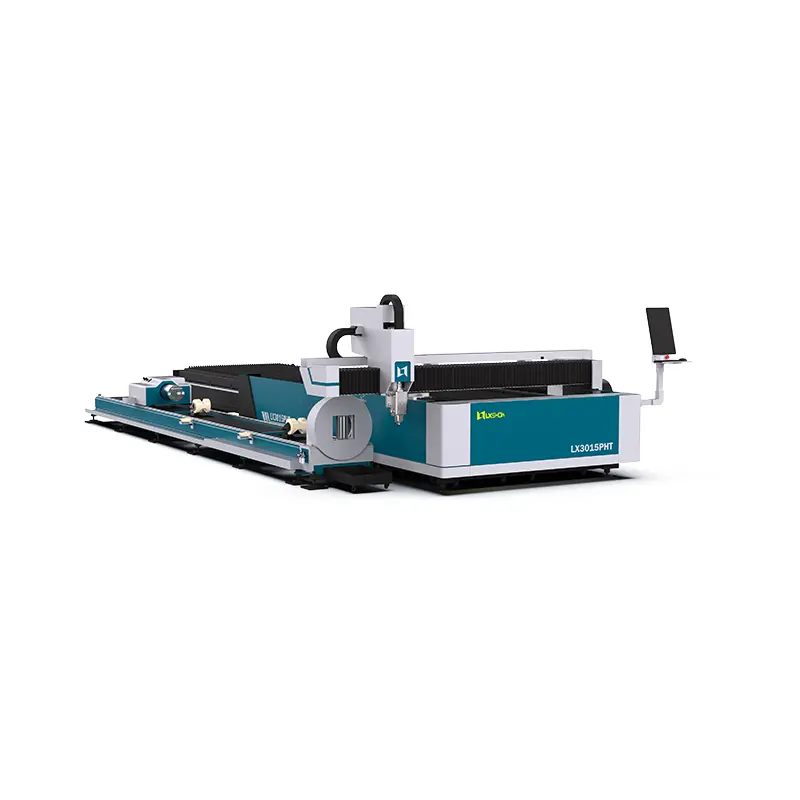
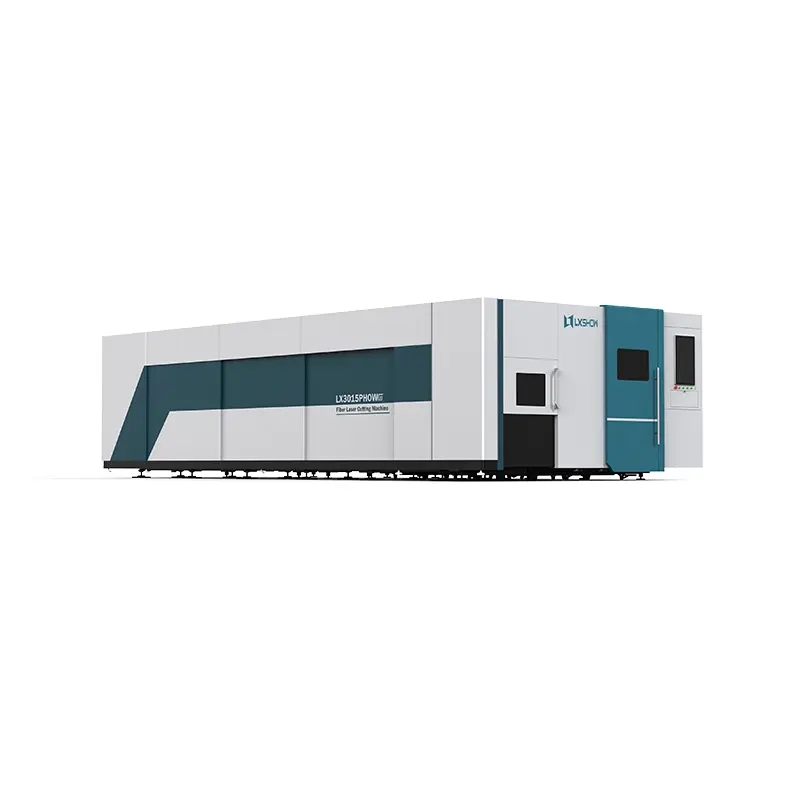
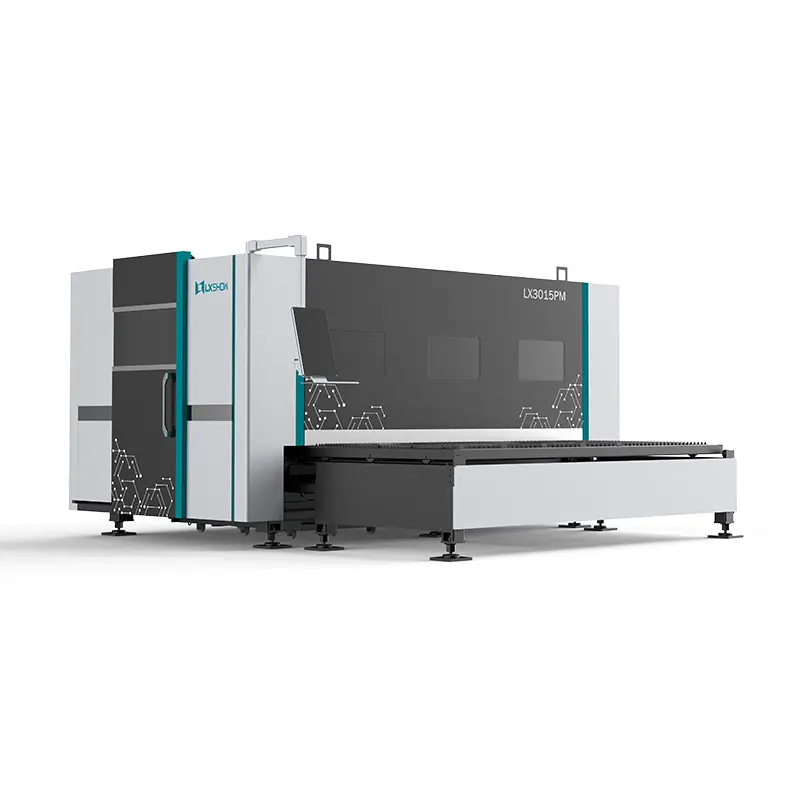
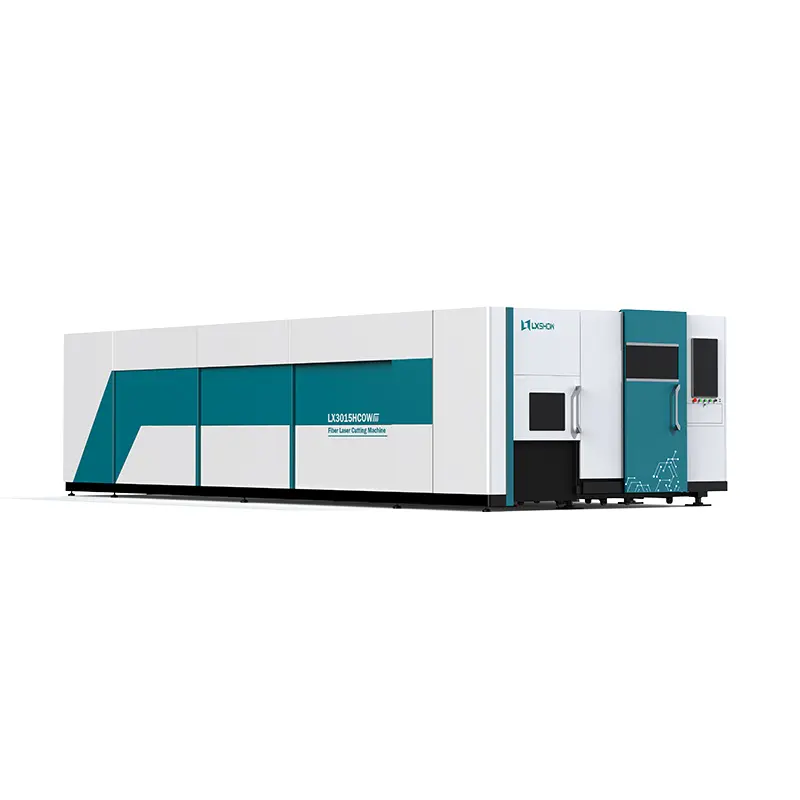
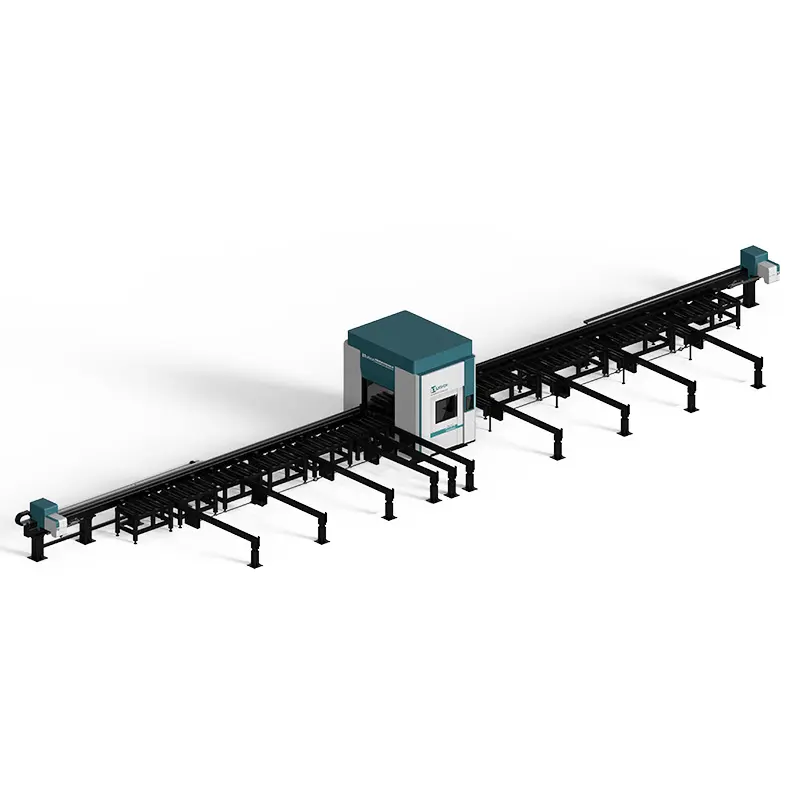
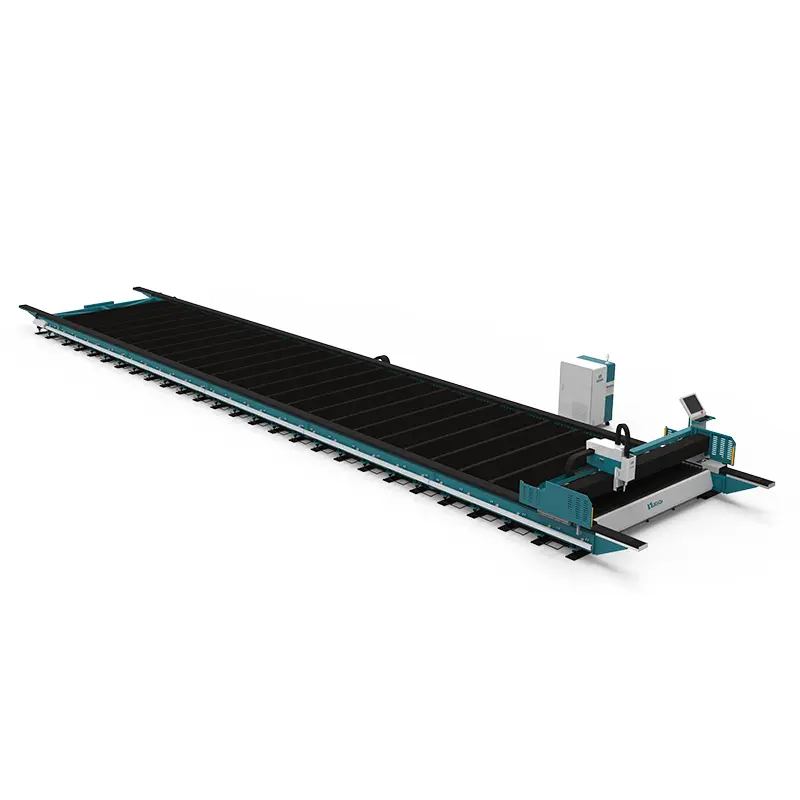
Model: 20035LD
Inquiry Details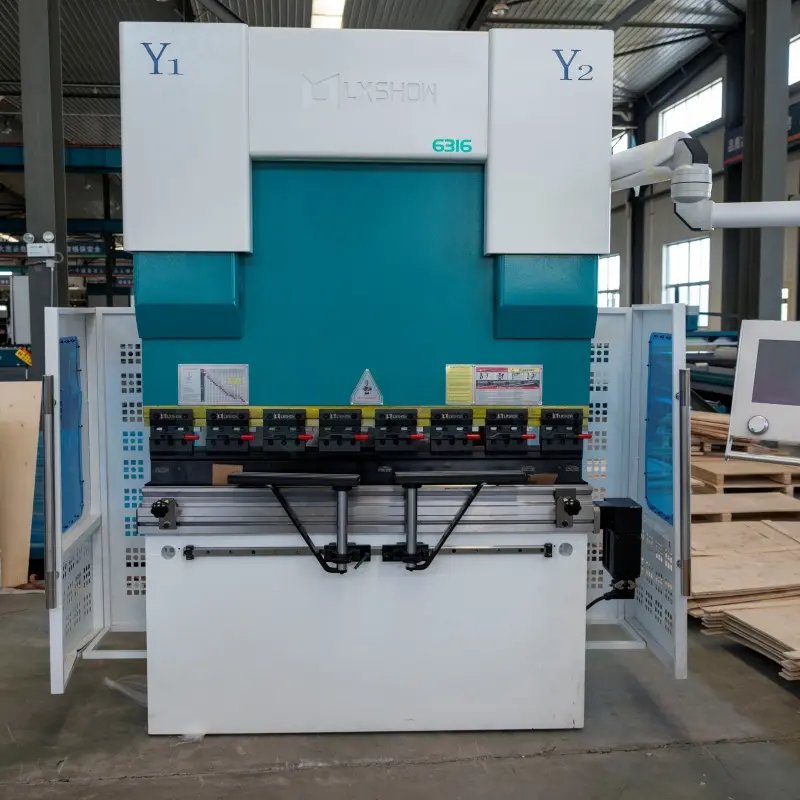
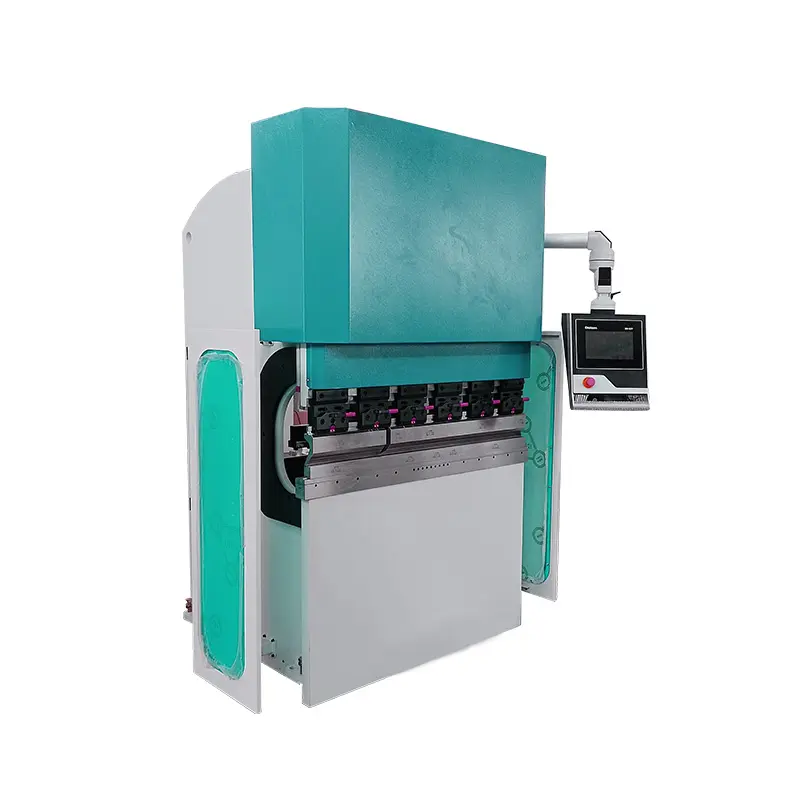
Model: ES-Pure-Electric
Inquiry Details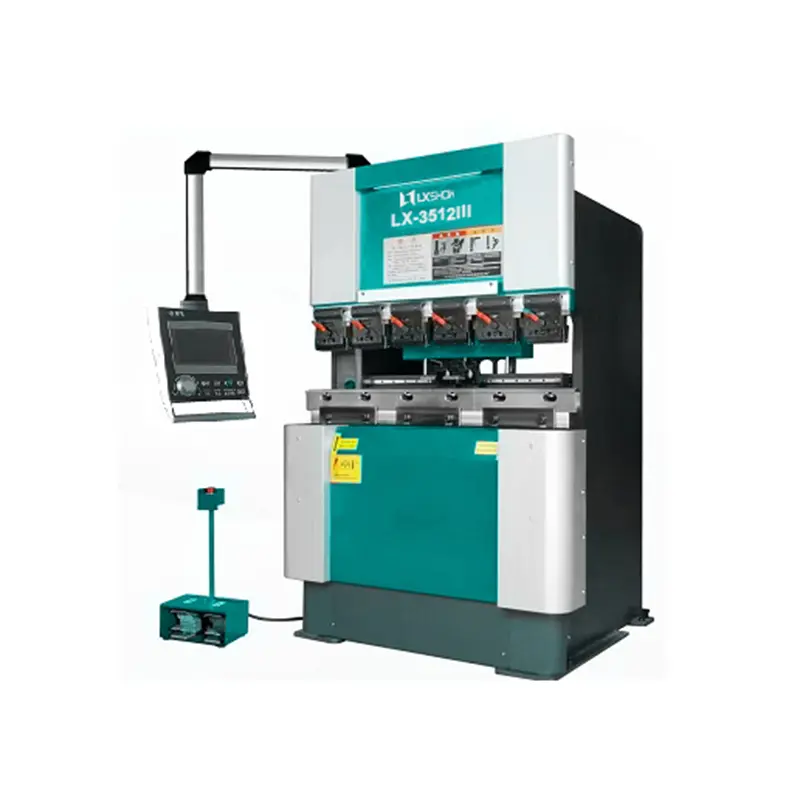
How our integrated laser lines solve technical challenges across the global manufacturing landscape.
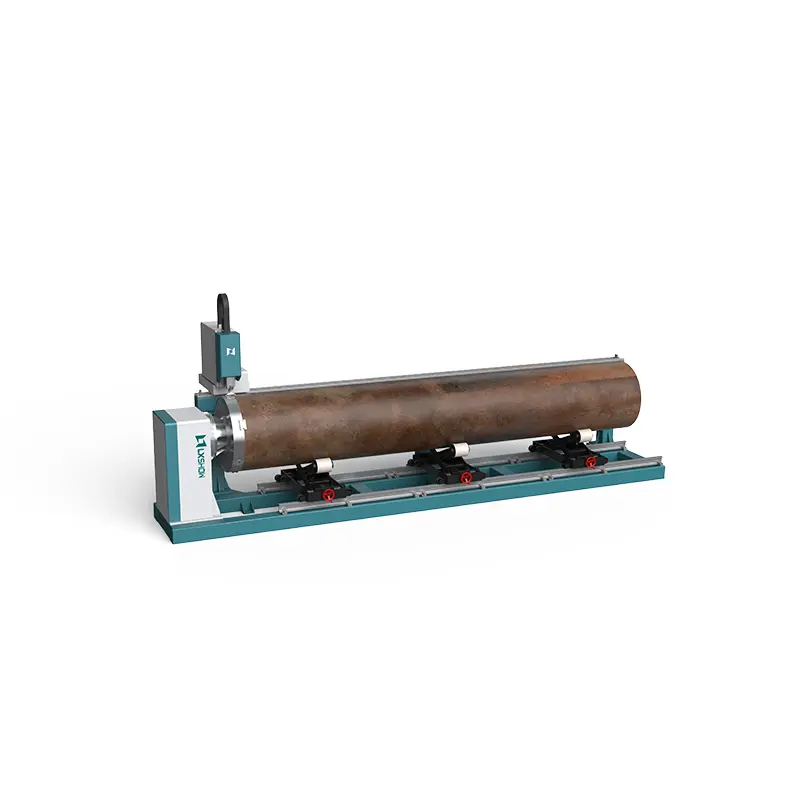
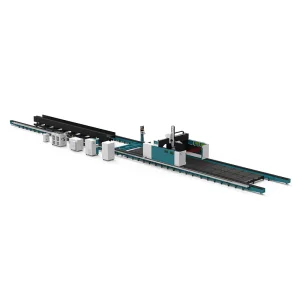
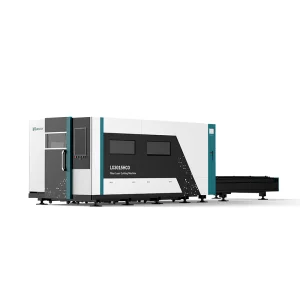
In heavy machinery manufacturing and steel construction, structural frames must sustain static loads without weld-line cracking. By utilizing our ultra-high-power fiber laser machines (such as the 20035LD 30kW series), fabricators process H-beams and thick carbon steel plate panels with clean bevel angles. This ensures that downstream manual or robotic welding procedures are completed without needing edge grinding.
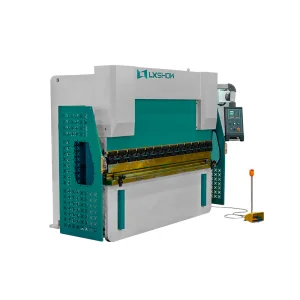
Mass transport systems demand lightweight structural sheet metal. Our fully electric servo bending brake systems offer precise angle validation down to ±0.2 degrees, ideal for aluminum sheet metal parts. Additionally, our high-speed laser marking systems ensure parts traceability from factory assembly lines to global supply chain hubs.
Precision kitchenware, custom packaging structures, medical devices, and semiconductors require micro-tolerance finishes. Handheld laser welders (like the LXW-1500W) allow operators to weld thin sheets of stainless steel without thermal deformation. Combined with our portable cleaning machines for oxide removal, production lines can cut and weld stainless steels with clean, defect-free finishes.
Engineered to handle complex fabrication challenges with high efficiency and lower cost of ownership.
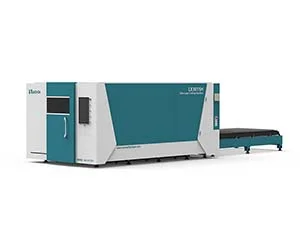
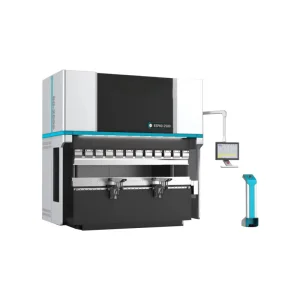
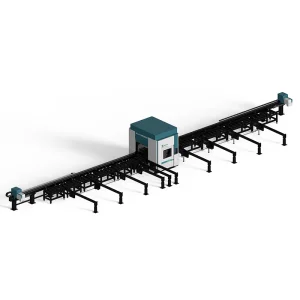
Direct, highly-technical answers to critical engineering, manufacturing, and sourcing questions.
Fiber lasers operate at a 1.06µm wavelength, which is absorbed far more efficiently by metallic compounds compared to the 10.6µm wavelength of CO2 lasers. This allows for significantly higher cutting speeds when processing materials up to 10mm thick. In addition, fiber systems achieve electro-optical conversion efficiencies of up to 40%, reducing electric utility costs during heavy-duty operations.
All-electric bending brakes utilize dual-servo actuators coupled with heavy-duty belt-pulley drive lines. This configuration removes the hydraulic thermal variance associated with hydraulic systems, enabling precise ram positioning tolerances down to ±0.001mm. Additionally, they consume energy only during the active bending cycle, resulting in significant energy savings.
Nitrogen acts as an inert shielding agent, displacing ambient oxygen at the cutting front. This prevents oxidation on the cut edge, eliminating the need for post-processing cleaning or chemical pickling before welding. For applications where minor edge discoloration is acceptable, high-pressure compressed air systems can be used to lower running costs.
Long press brakes experience natural bed deflection under load, which can lead to angle deviations in the center of the sheet metal. To prevent this, our systems utilize CNC-controlled motorized crowning systems. The controller automatically calculates the tool deflection based on plate thickness and material strength, adjusting the compensation wedge system in real time to ensure consistent bending angles.
Fiber laser sources feature solid-state designs with no moving internal components or optical mirrors, eliminating the alignment procedures required by CO2 systems. Standard maintenance involves inspecting dust seals, cleaning cooling loop filters, and verifying chiller performance. This reduces operating costs and ensures long-term system reliability.
Laser cleaning uses high-energy pulses to create rapid thermal expansion on the metal surface. The surface oxides, coatings, and organic residues absorb this energy and vaporize. Because the underlying steel substrate has a much higher damage threshold, it reflects the energy without absorbing heat, keeping the structural properties of the base metal intact.
 Lxshow