Explore our elite range of fiber laser cutting and metal bending machinery tailored for high-reflectivity aluminium alloys and structural steel fabrications.
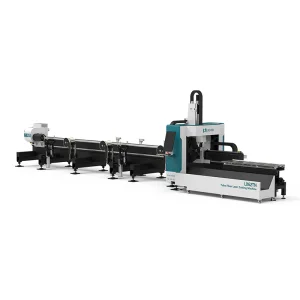
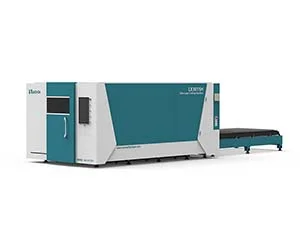
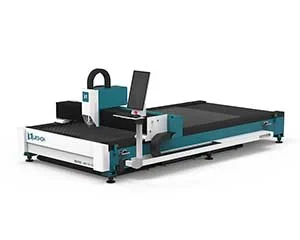
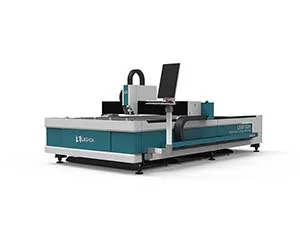
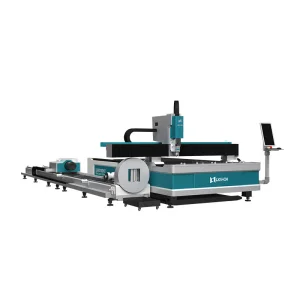
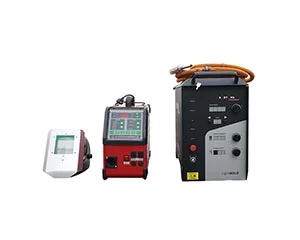
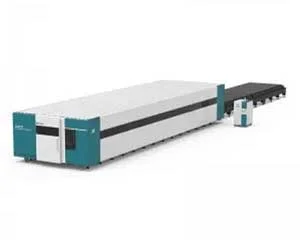
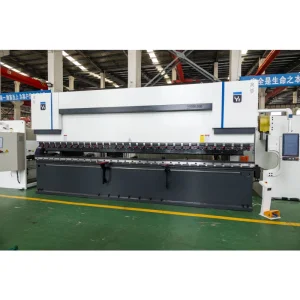
In the domain of modern metal processing, aluminium is both highly prized and technically challenging. Distinguished by its high strength-to-weight ratio, exceptional corrosion resistance, and superb electrical conductivity, aluminium has become the backbone of advanced structural manufacturing. However, these identical material strengths pose significant processing challenges for conventional thermal cutting systems. Aluminium’s extreme reflectivity and high thermal conductivity demand specialized industrial machinery engineered specifically to mitigate beam back-reflection and manage local thermal distribution.
As a premier global manufacturer and exporter of laser technologies established in July 2004, our corporation has spent eighteen years refining the technology behind aluminium laser processing. Utilizing state-of-the-art high-frequency fiber resonators, advanced CNC controls, and reflection-absorption optical setups, we provide turnkey solutions that empower manufacturers worldwide to achieve clean, burr-free cuts, rapid cycle times, and minimal mechanical deformation.
Aluminium alloys (including the 1000, 5000, and 6000 series commonly utilized in aerospace and automotive applications) naturally reflect up to 90% of infrared radiation when in a solid state. When a traditional laser beam hits the surface, the initial energy absorption rate is extremely low. If the cutting system fails to deliver sufficient power density immediately to melt the surface, the reflected laser beam returns straight through the optical delivery system, causing catastrophic damage to the laser source resonator.
Furthermore, aluminium acts as a highly efficient heat sink. It dissipates thermal energy rapidly away from the localized cutting spot, meaning that low-power laser systems cannot sustain a consistent melt pool. This results in wide heat-affected zones (HAZ), micro-cracking, and dross formation along the bottom edges of the cut. To overcome these barriers, modern manufacturing processes require a combination of high-density laser energy, adaptive back-reflection isolation modules, and optimized auxiliary gas delivery systems.
Analyzing performance factors across various aluminium alloy series when utilizing our advanced fiber cutting systems.
| Alloy Series | Common Applications | Optimal Gas Type | Edge Quality Metric | Recommended Laser Power (kW) |
|---|---|---|---|---|
| 1000 Series (Pure Al) | Electrical Busbars, Reflectors | Nitrogen (N2) / High Press. | Burr-Free, High Luster | 2.0 kW - 6.0 kW |
| 5000 Series (Mg Alloy) | Marine Hulls, Pressure Vessels | Nitrogen (N2) | Satin Finish, Clean Slag | 3.0 kW - 12.0 kW |
| 6000 Series (Mg-Si Alloy) | Structural Frames, Extrusions | Oxygen (O2) or Nitrogen | Smooth Cut, Minimal Kerf | 3.0 kW - 20.0 kW |
| 7000 Series (Zn Alloy) | Aerospace Structures, High Strength | High-Pressure Nitrogen | Strict Microstructure Integrity | 6.0 kW - 30.0 kW |
The choice of auxiliary gas is a critical parameter in the laser cutting process. When cutting aluminium, Nitrogen (N2) is generally the standard. Acting as an inert shielding gas, Nitrogen expels the molten aluminium from the kerf without allowing oxidization to take place. This maintains a clean, shiny, oxide-free edge that is instantly ready for welding or surface treatment. High-pressure Nitrogen is required to match the speed of the fiber laser, especially in thin sheets.
In contrast, when cutting very thick aluminium plates, some industrial applications use Oxygen (O2) to leverage exothermic chemical reactions to add heat to the cutting process. However, this produces a thin oxide layer along the cut edge, which typically requires mechanical removal prior to secondary finishing. Our engineering team assists procurement managers in designing the optimal gas delivery system based on targeted end-product assembly specifications.
Positioning high-power laser infrastructure within the global manufacturing supply chain.
As the automotive sector transitions rapidly toward electric vehicle (EV) architectures, lightweight materials like aluminium are critical to extending driving ranges. Our high-power fiber laser cutters enable high-volume production of battery trays, structural chassis reinforcements, and body panels, maintaining tight geometric tolerances across millions of parts.
Aerospace manufacturing demands unmatched precision and complete material traceability. Our systems minimize the heat-affected zone (HAZ), preserving the mechanical properties of aerospace-grade aluminium alloys (e.g., 7075). Our cutting platforms deliver clean contours, eliminating the micro-fissures that can cause structural fatigue.
Modern architecture relies heavily on decorative and functional aluminium panels for exterior cladding and framing systems. With precision laser paths and complex geometries easily managed by integrated software, manufacturers can produce complex patterns and custom dimensions rapidly without tooling re-investment.
Global procurement teams looking for metal processing machinery prioritize total cost of ownership (TCO), factory automation capabilities, and equipment reliability. We analyze our clients' regional logistics, power infrastructure, and material profiles to supply tailor-made machinery configurations. From medium-sized machine shops to Tier-1 manufacturing facilities, we deliver high-performance tools configured for maximum ROI.
Our solutions feature automated loading/unloading stages, pallet exchange units, and integrated safety enclosures, ensuring our customers reduce overhead costs while complying with strict labor protection regulations.
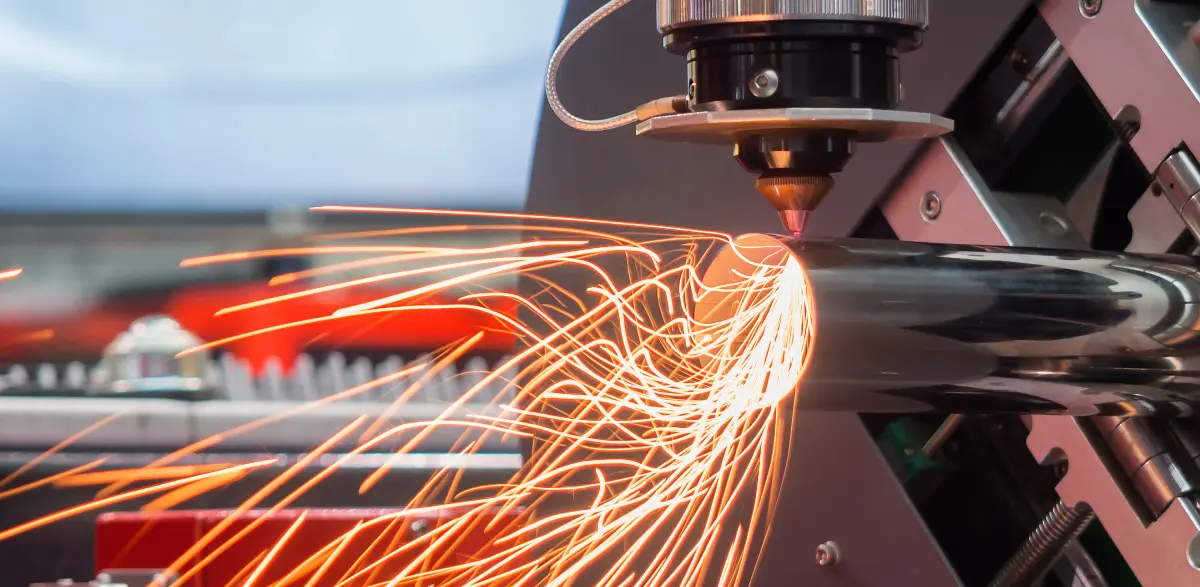
The future of sheet metal fabrication relies on predictive algorithms, automated material flows, and energy efficiency.
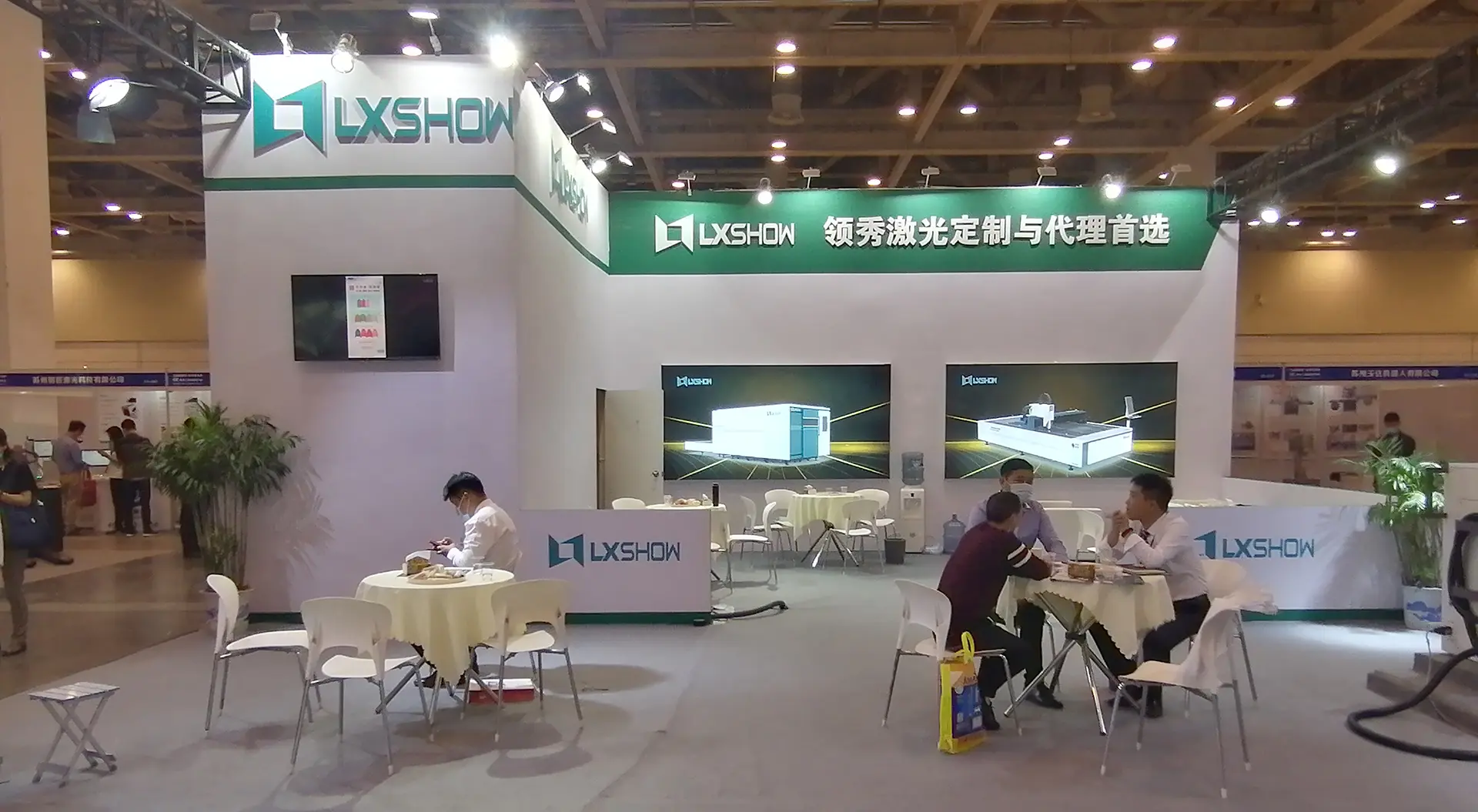
The manufacturing landscape is undergoing a digital transformation. Our technical roadmap aims to build fully integrated Industry 4.0 plants. This incorporates smart nesting algorithms that optimize material utilization to reduce aluminium scrap rates to less than 4%. By utilizing integrated IoT gateways, our laser cutters stream real-time operational data, detailing cutting nozzle wear, oxygen/nitrogen pressure fluctuations, and optical temperature curves directly to cloud dashboard systems.
Predictive maintenance systems monitor collimator lens thermal expansion, alerting operators to clean optical components before focus drift compromises cut quality. These advancements are aimed at realizing dark-factory operation, where automated material handlers feed plates into the laser, process the shapes, clean the edges, and stack them without direct human contact.
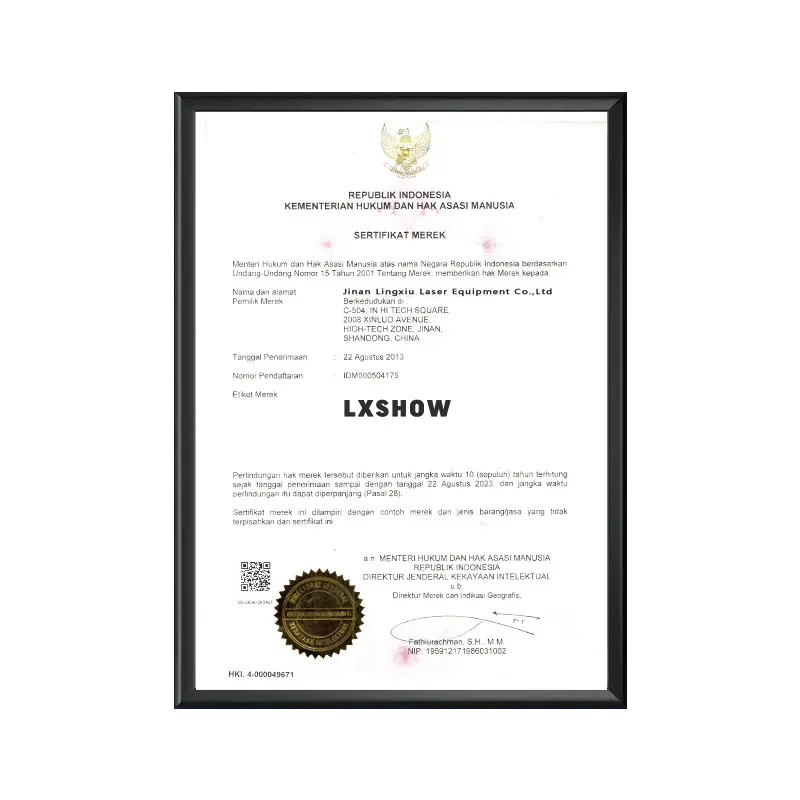
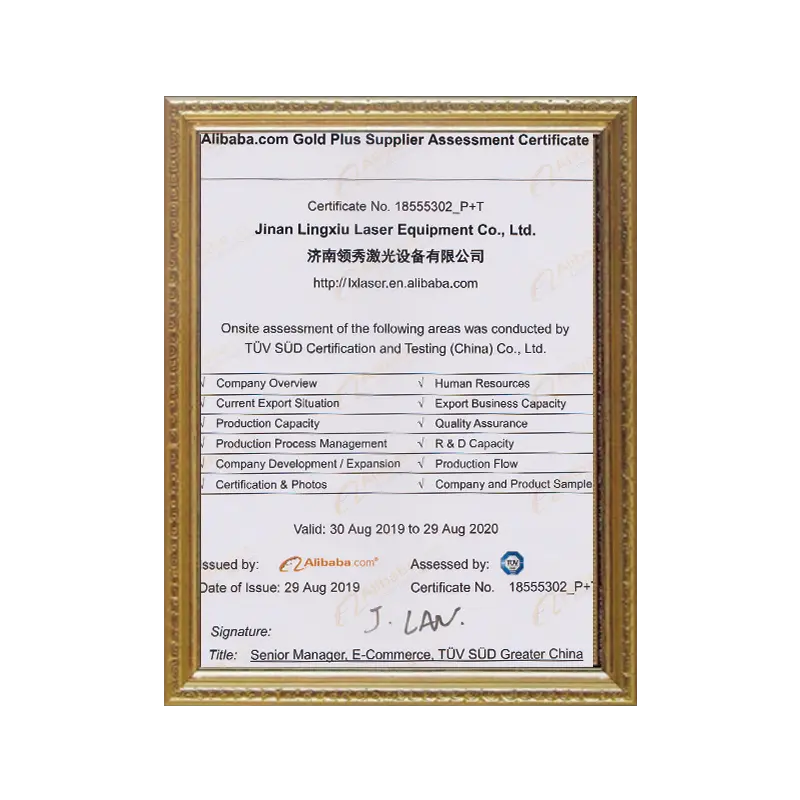
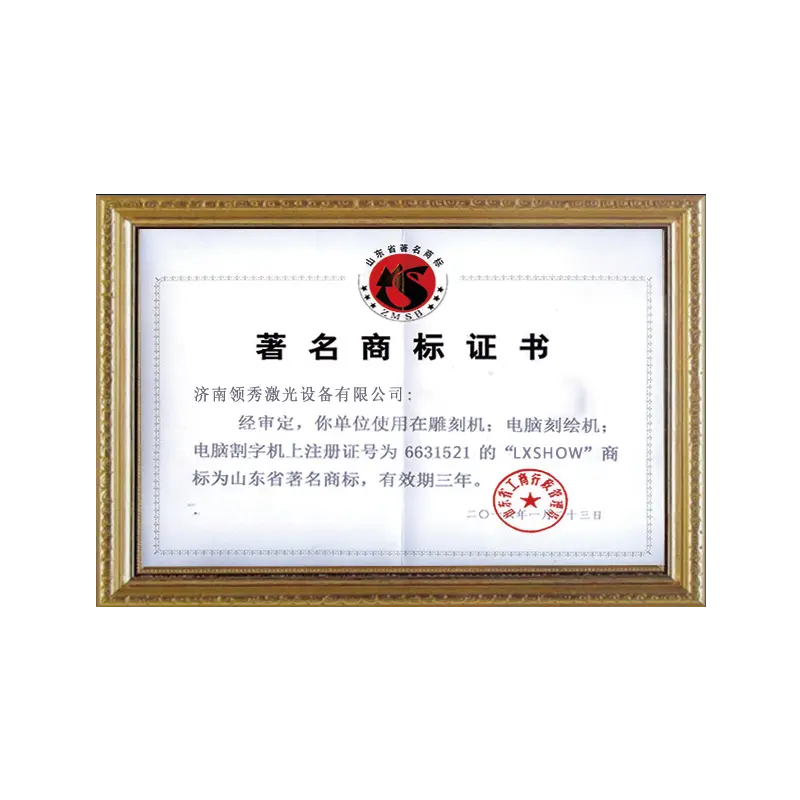
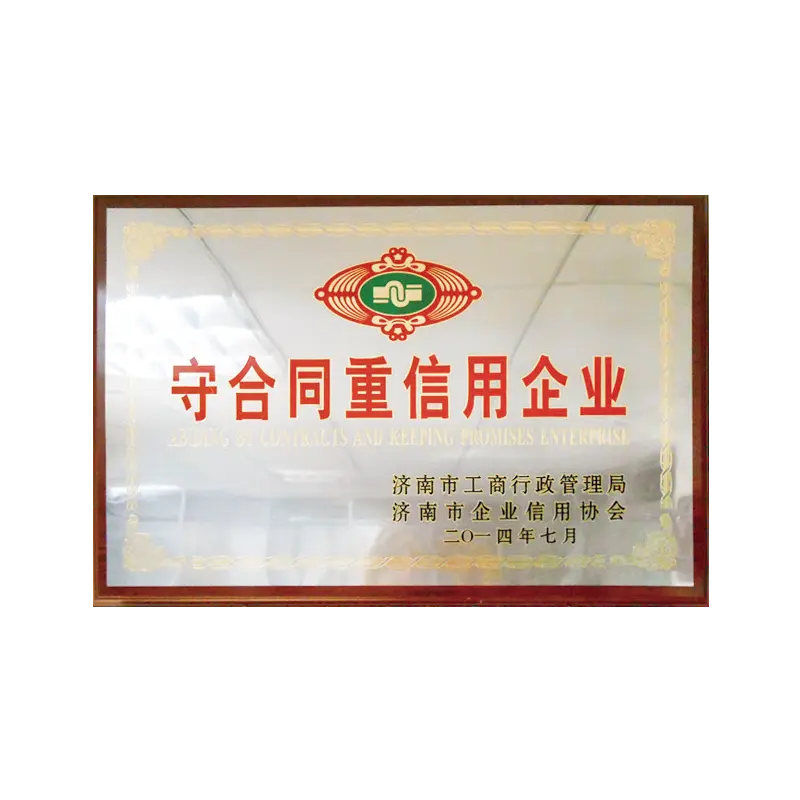
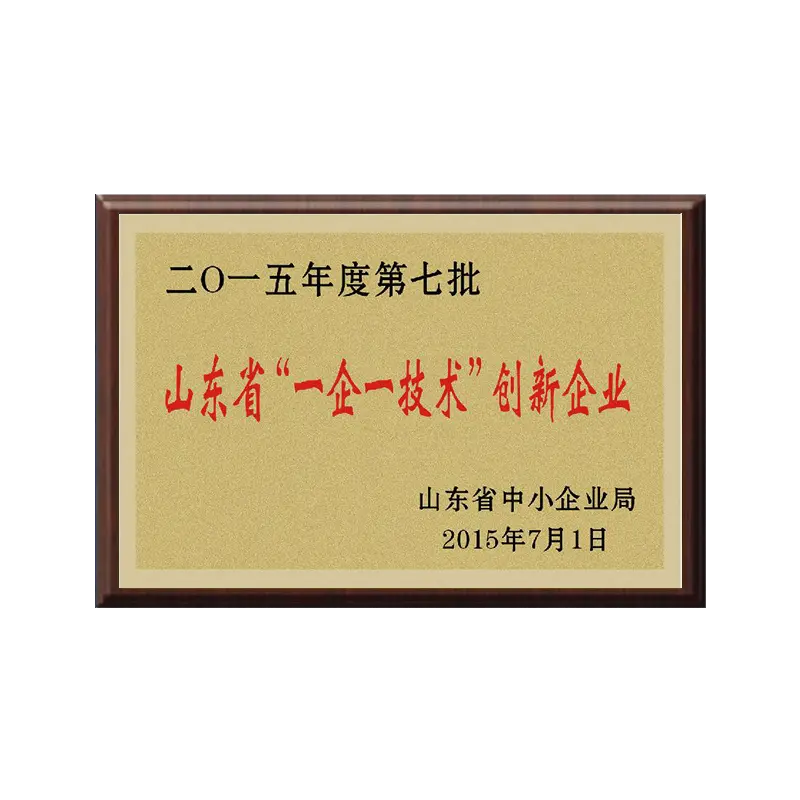
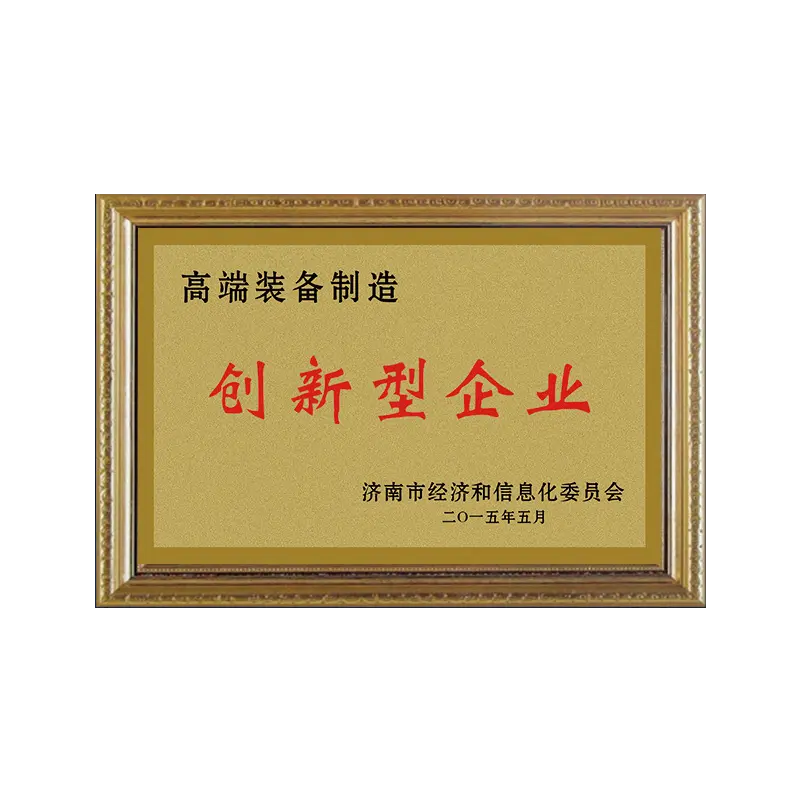
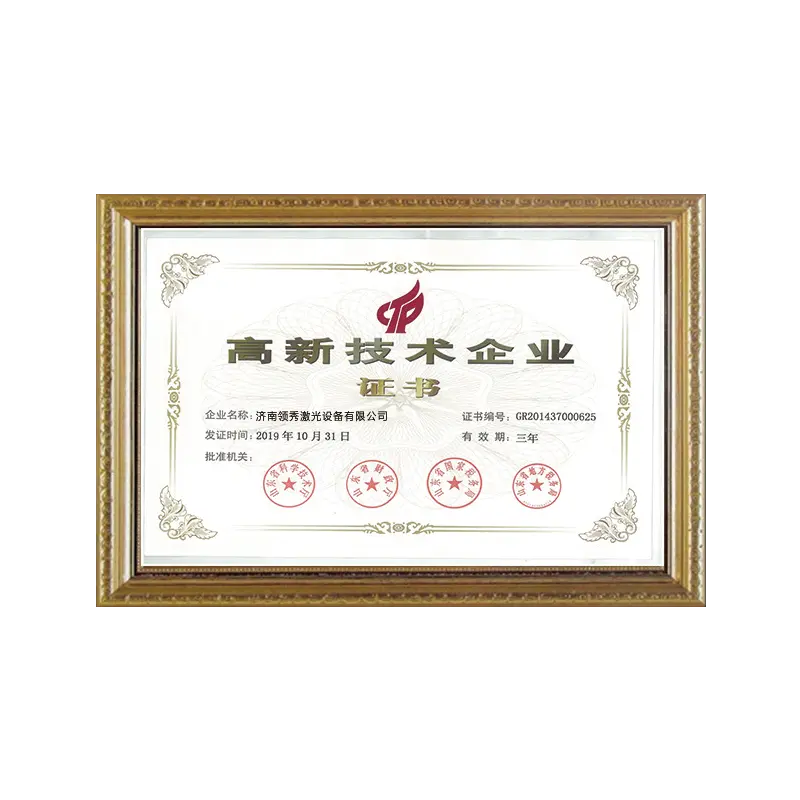
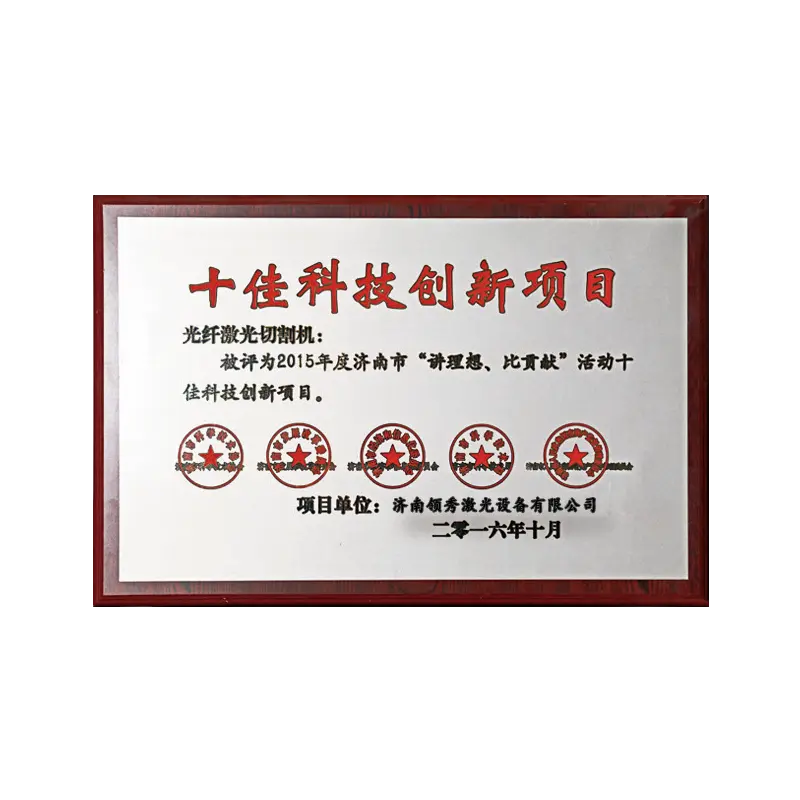
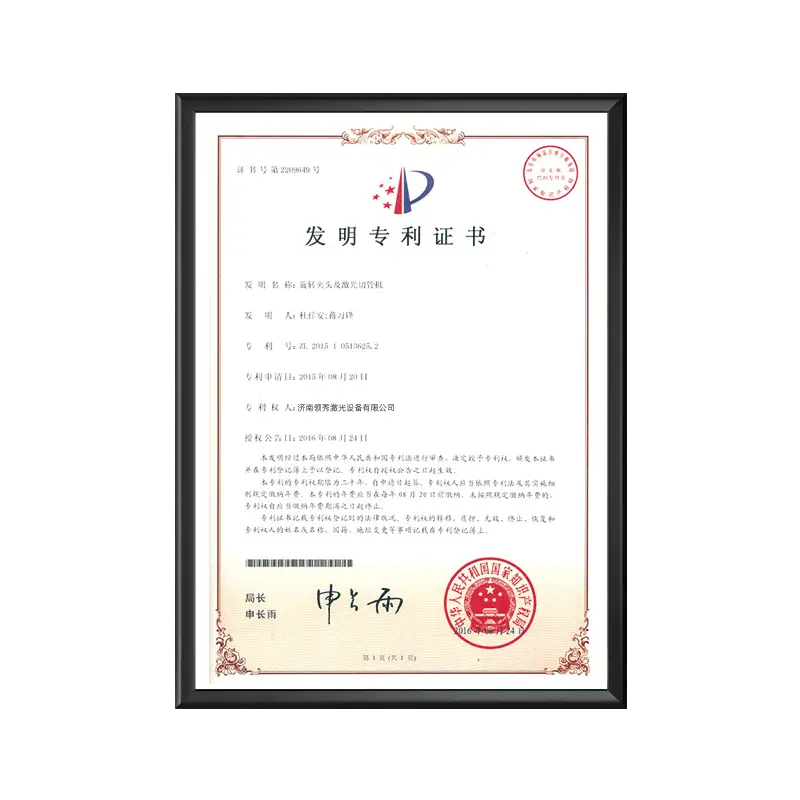
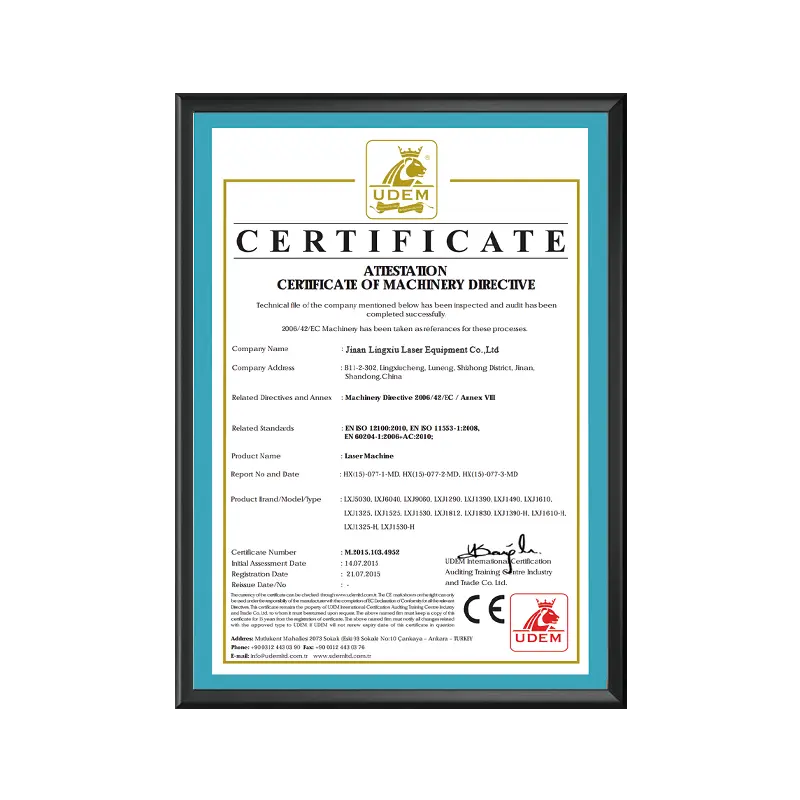
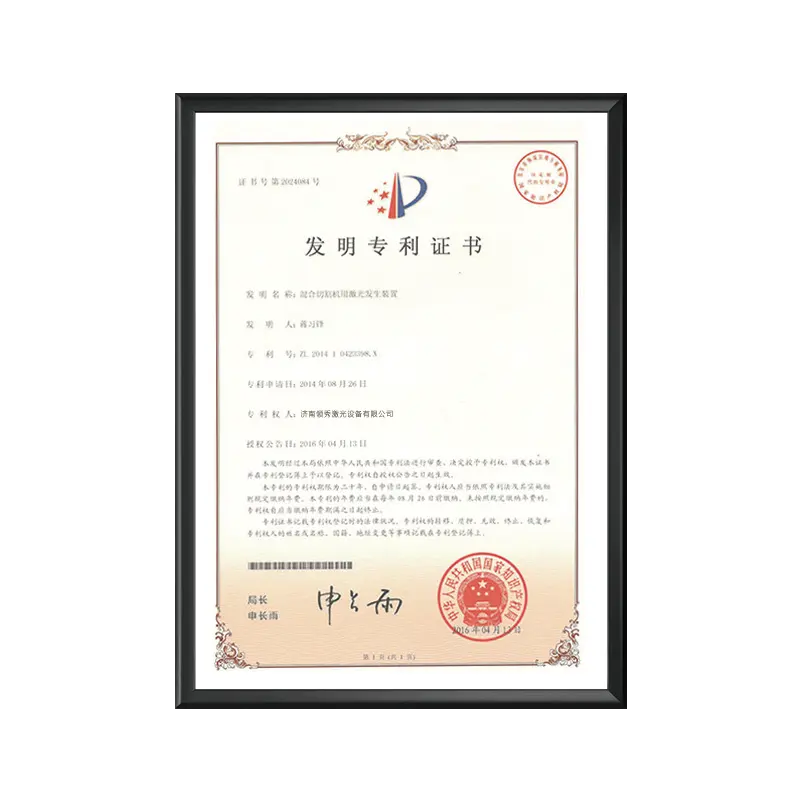
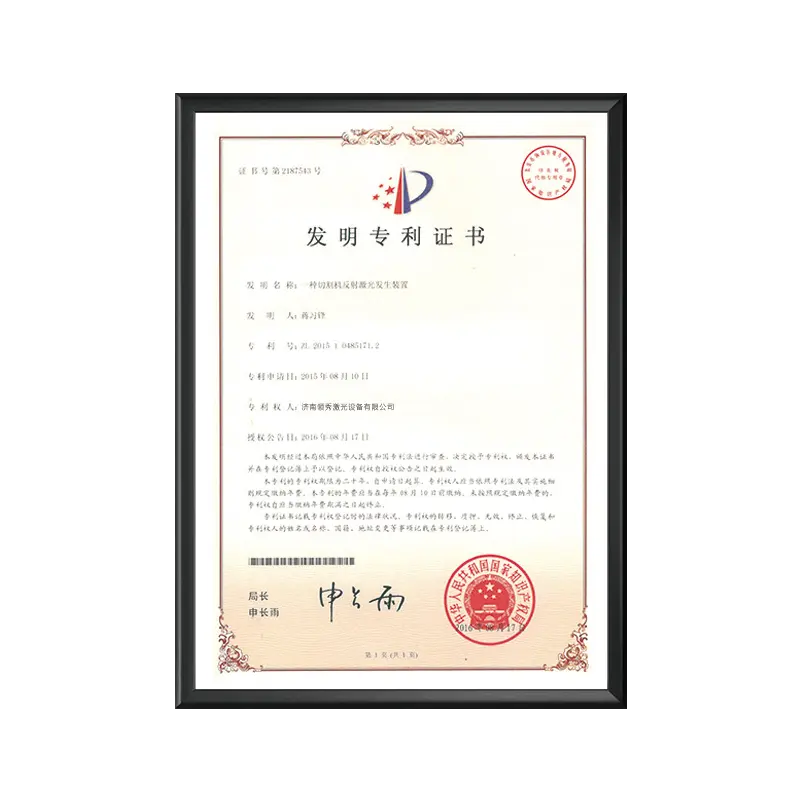
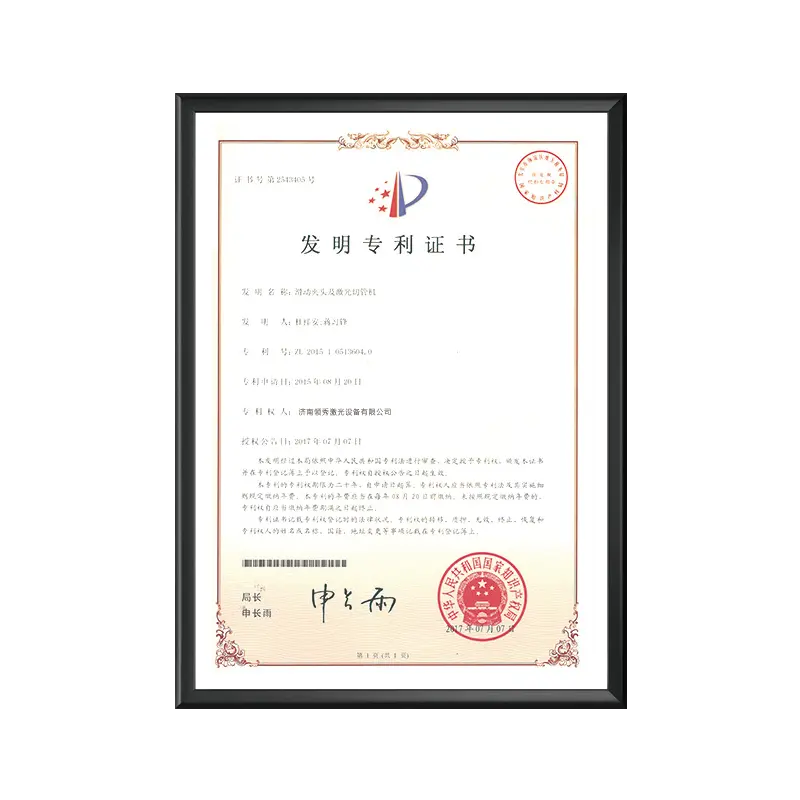
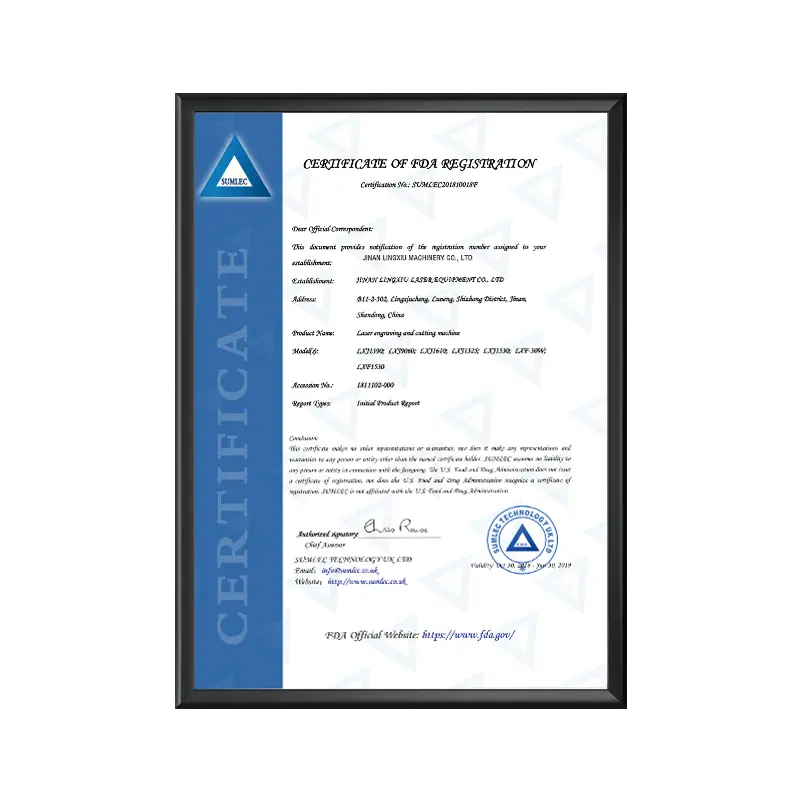
Our commitment to quality is validated by international regulatory compliance. Since our inception in 2004, all machinery has undergone testing to meet international safety and performance criteria. We maintain certified European Union CE authentication, American FDA certificates, and adhere closely to the ISO 9001 quality management framework. This guarantees that our manufacturing parameters, engineering designs, and customer service departments operate to the highest industrial standards.
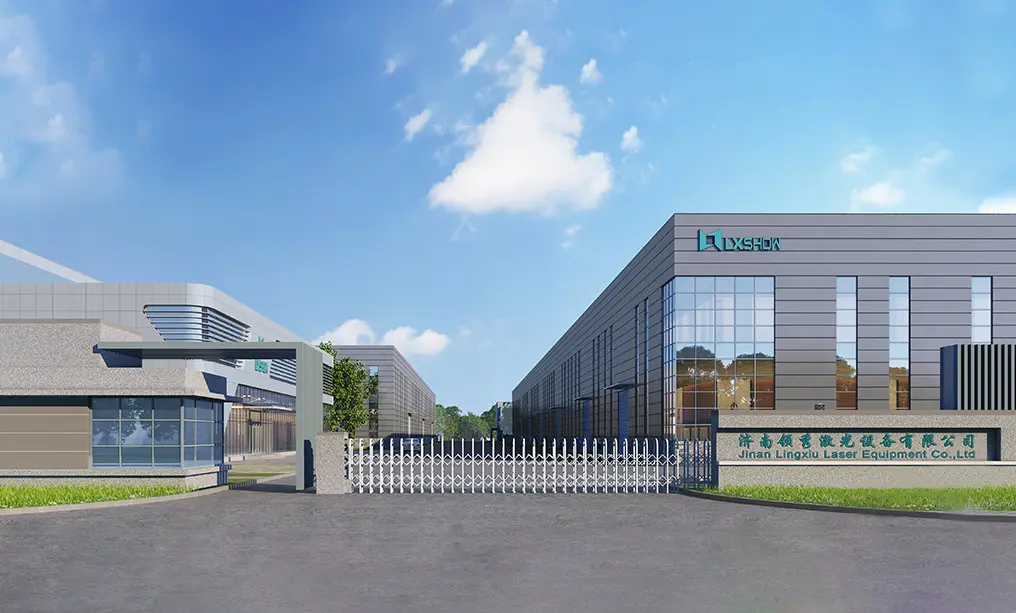
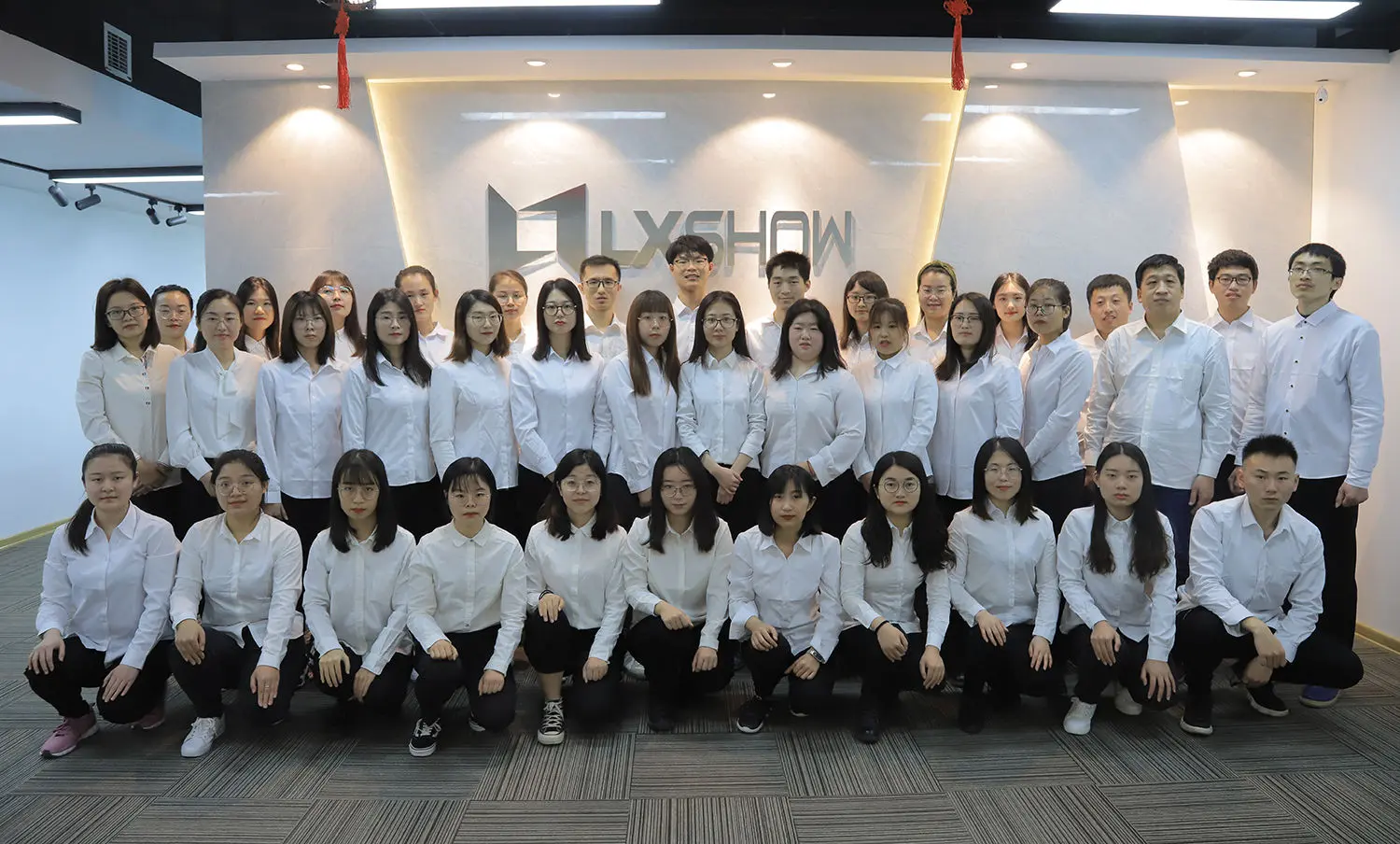
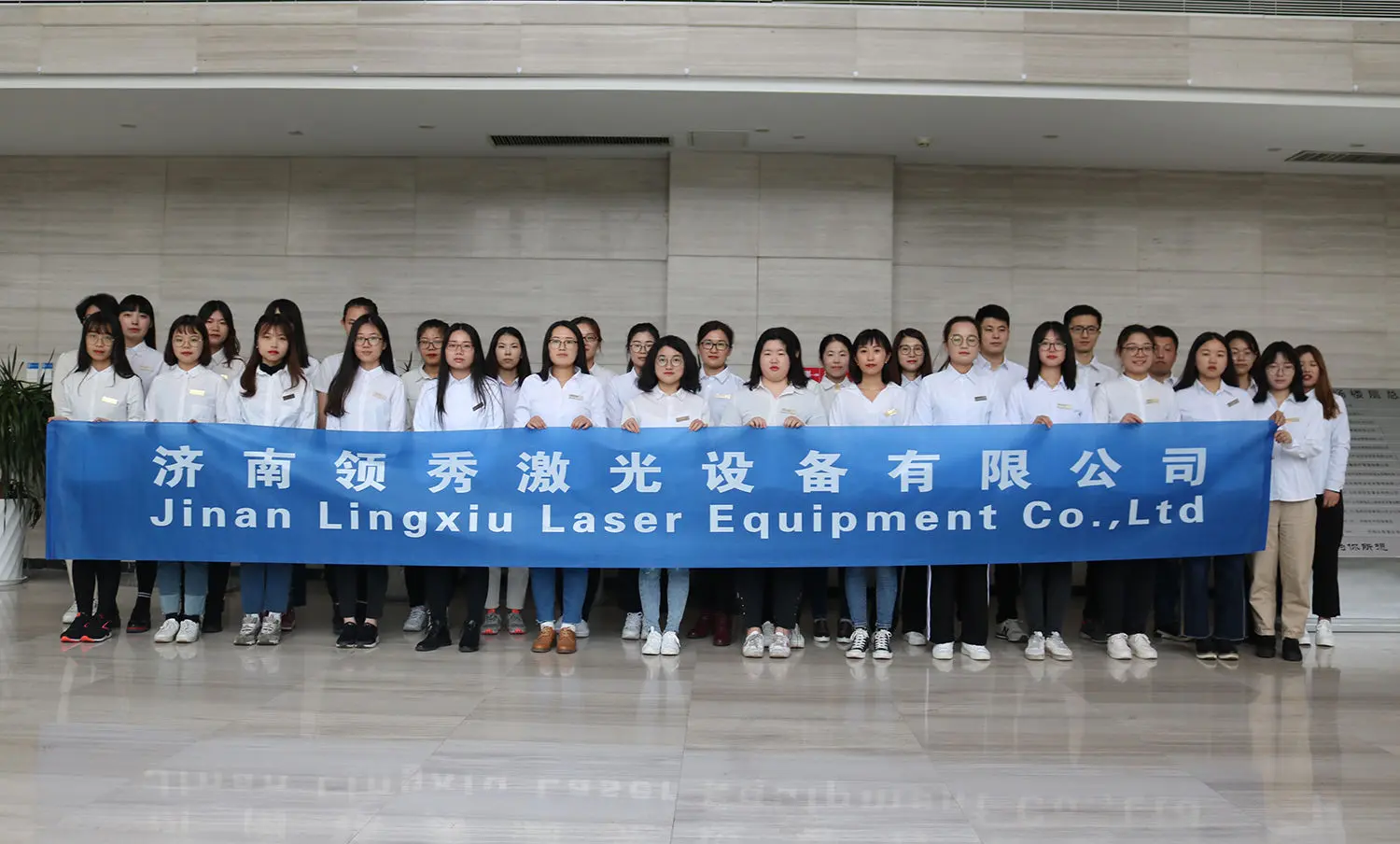
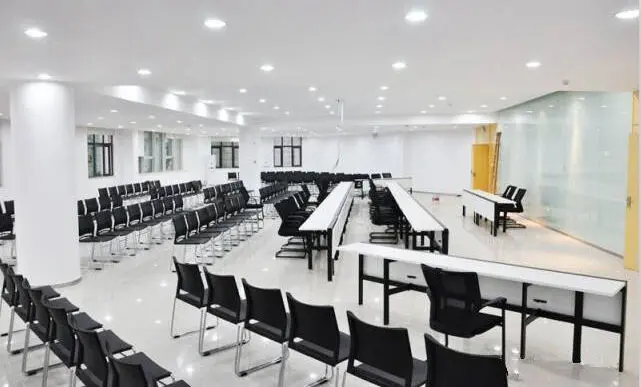
Operating out of a 32,000 square meter state-of-the-art production base, we host research, assembly, and training environments.
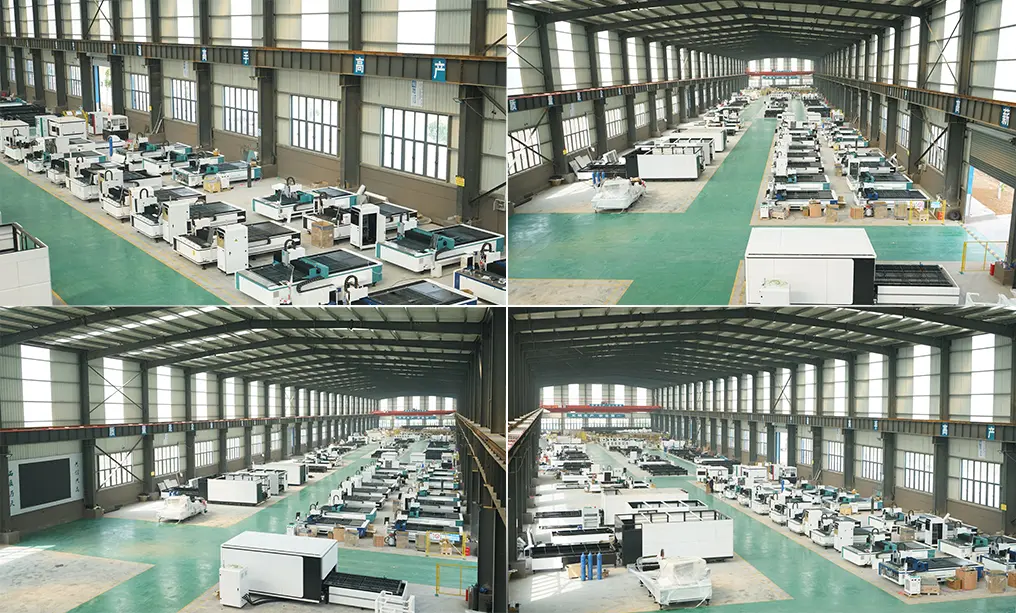

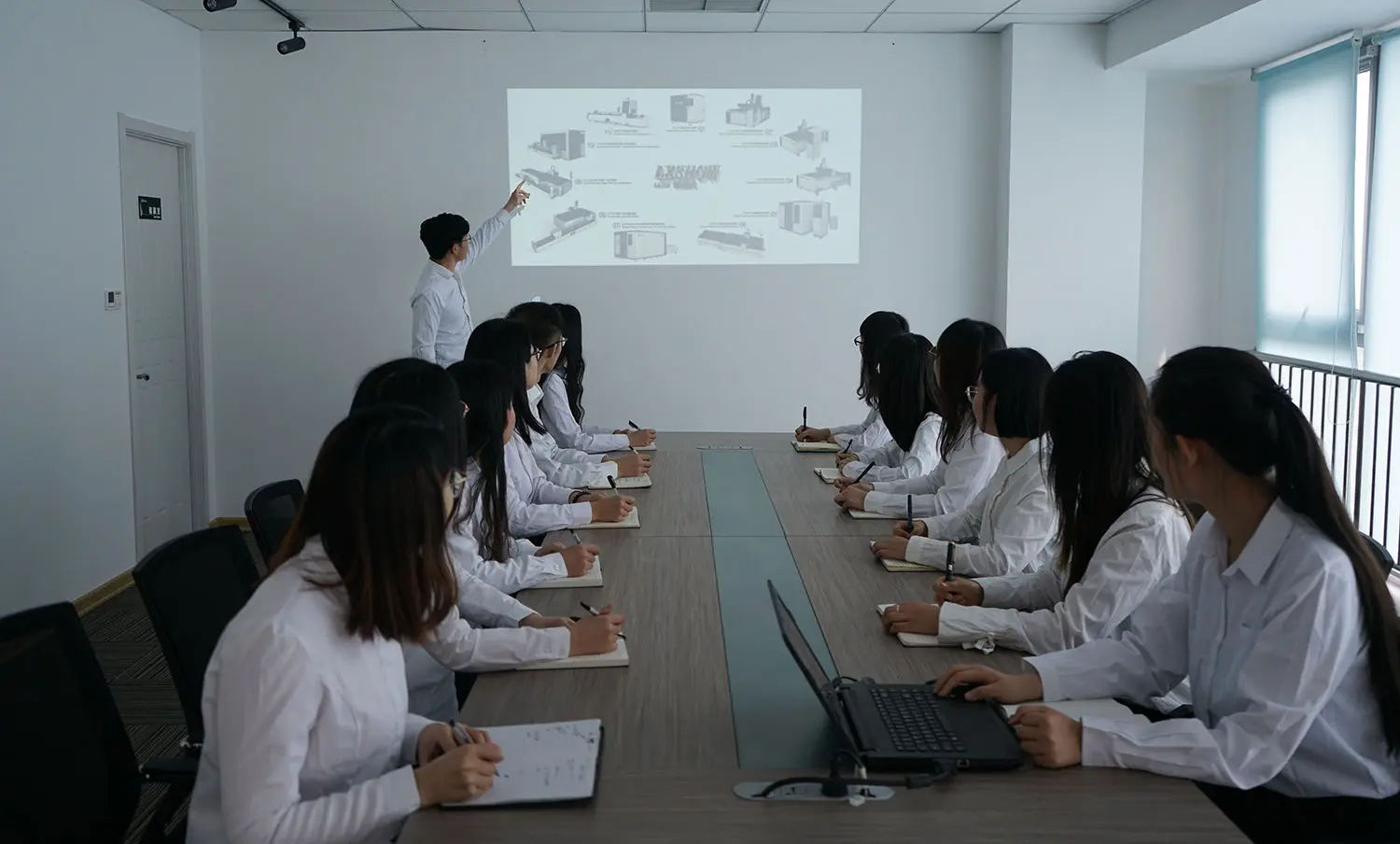
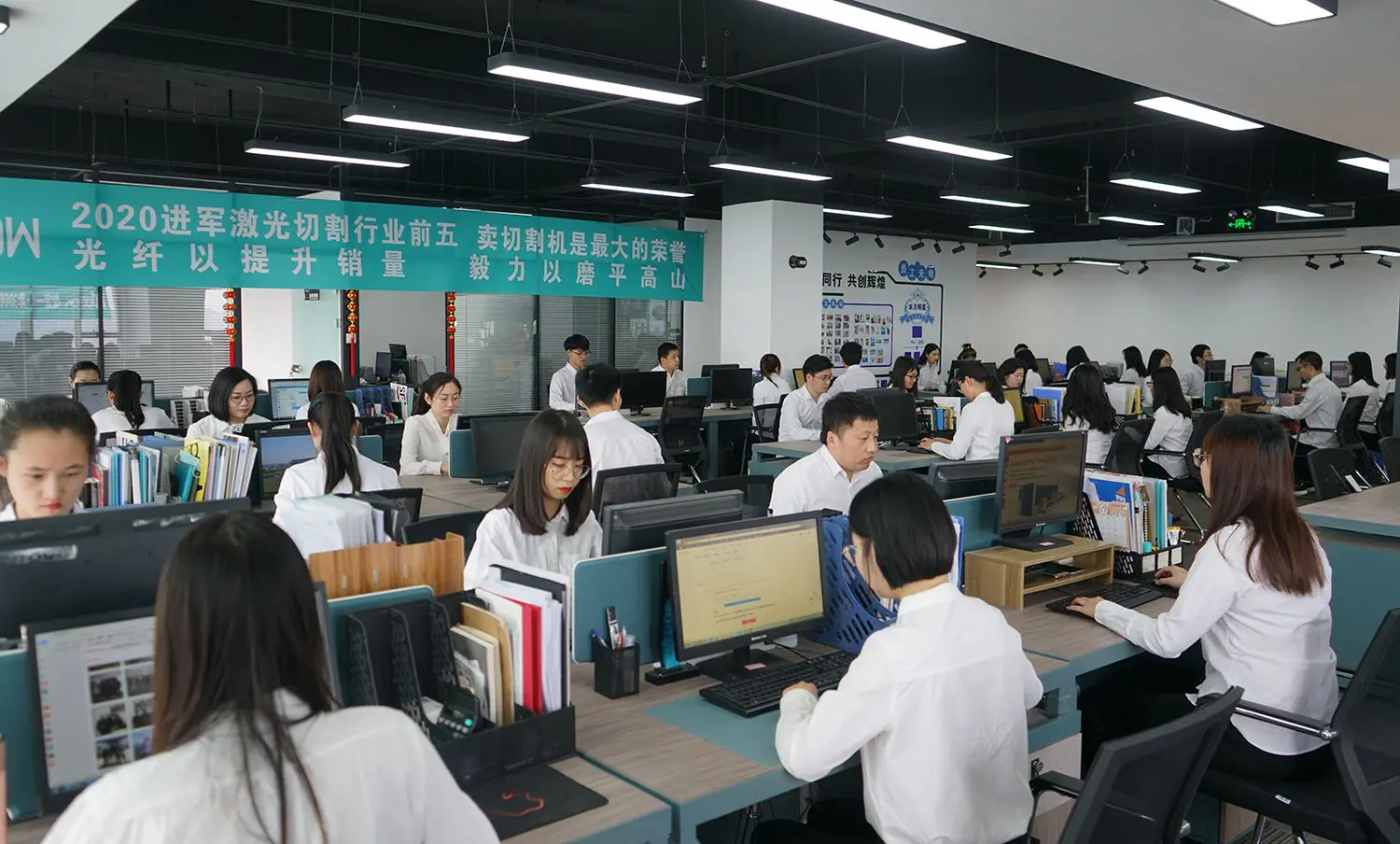
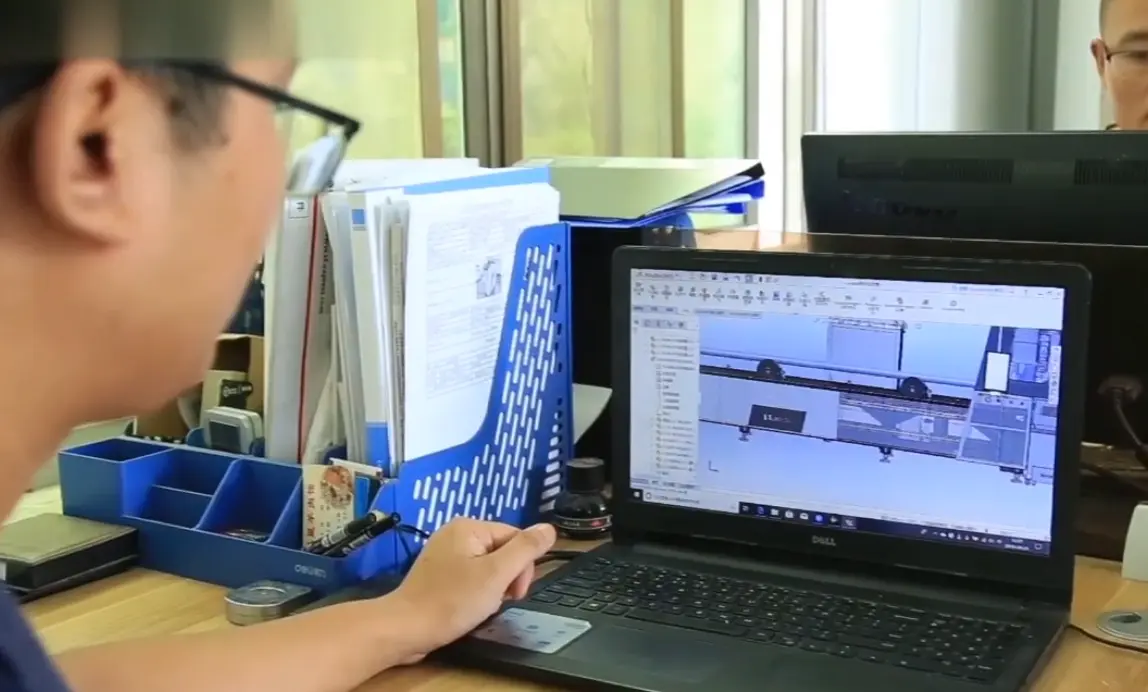
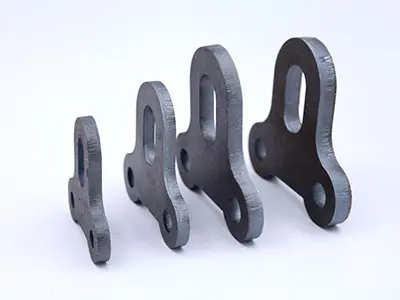
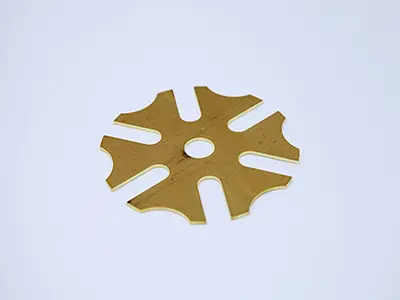
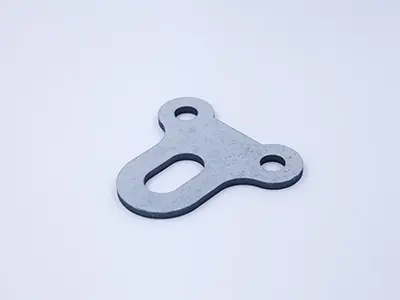
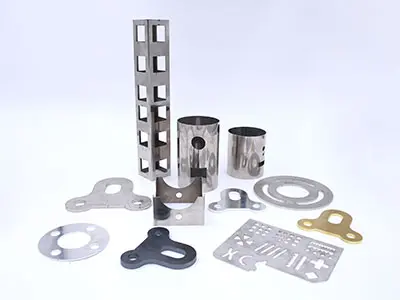
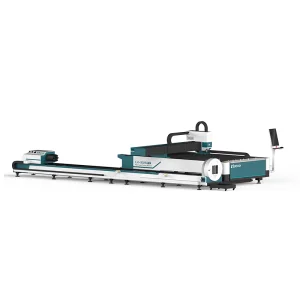
Our high-power CNC laser cutting platforms are configured to process a broad range of raw materials.
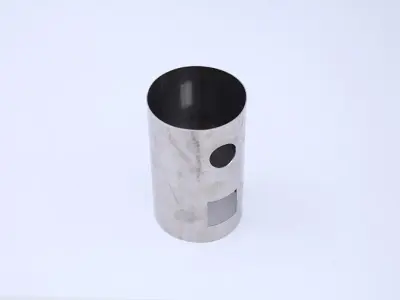
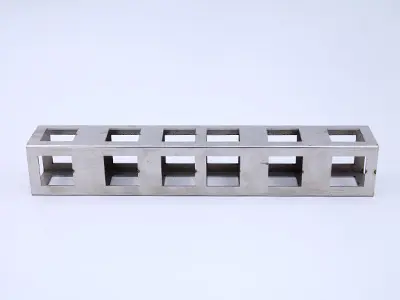
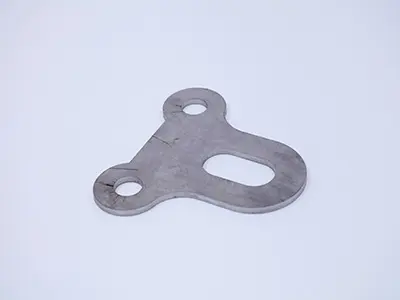
Get answers to the most common questions regarding aluminium fiber laser processing and machine selection.
Helping companies across Europe, North America, Southeast Asia, and Africa transition to Industry 4.0 smart manufacturing.
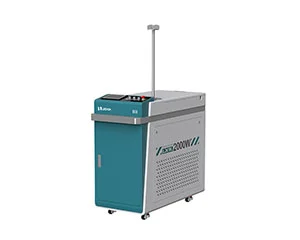
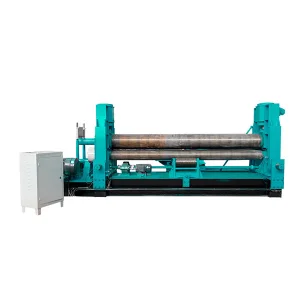
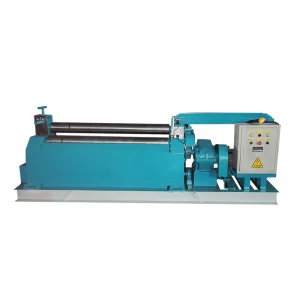
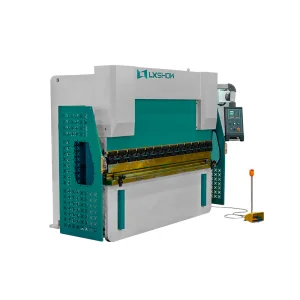
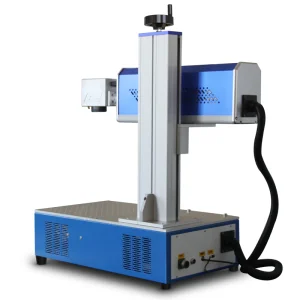
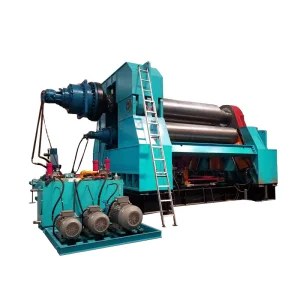
High-capacity bending units, handheld welding heads, and structural plate rolling equipment for dynamic industrial applications.
 Lxshow