Engineered to meet the exact requirements of global heavy metal sheet processing industries, our premium equipment handles extreme thicknesses with micron-level tolerance.
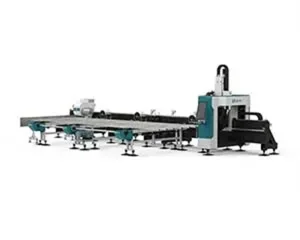
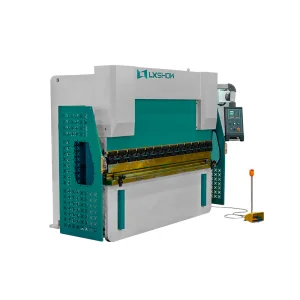
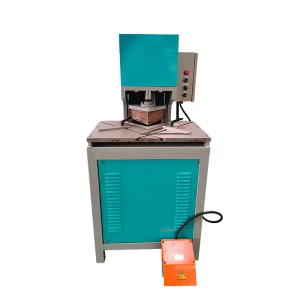
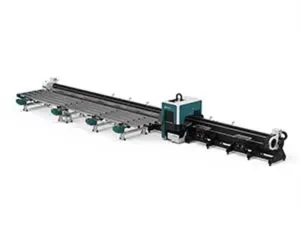
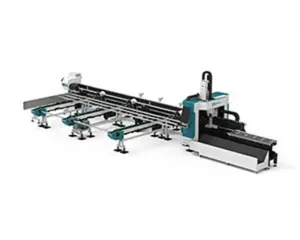
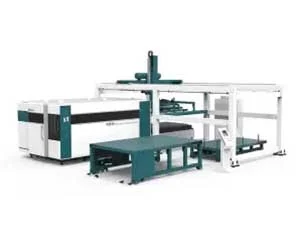
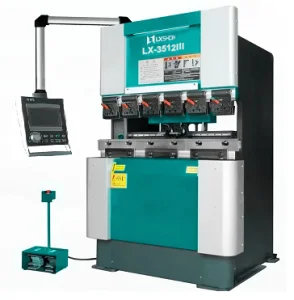
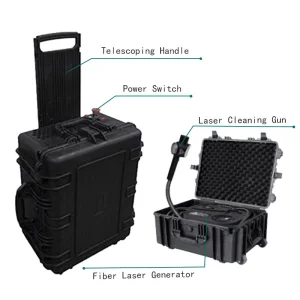
In modern industrial fabrication, the dynamics of laser-matter interaction represent the cutting edge of manufacturing efficiency. Over the past decade, high-power fiber laser machines have evolved from niche cutting devices for thin metal sheets into robust heavy-industrial engines capable of penetrating massive structural materials. As a global leading laser cutter factory and exporter, we focus not only on selling machinery but also on outlining the physical mechanics of steel sheet thickness cutting, optimization of assist gases, thermal deformation control, and systemic ROI values.
Historically, CO2 lasers dominated the thick sheet metal market, whilst early fiber lasers were restricted to thin-gauge metals due to the short wavelength's absorption properties. Today, modern industrial fiber lasers powered by multi-kilowatt engines (up to 40kW and beyond) operate at a 1.06-micron wavelength, offering unprecedented power densities. This high energy concentration allows current fiber lasers to pierce and cut carbon steel plates up to 50mm, stainless steel up to 40mm, and structural aluminum alloys up to 30mm with outstanding surface finish quality.
The core factor enabling this progress is the beam quality parameter, M². High-quality optical fiber engines coupled with dynamic beam shaping (DBS) allow operators to change the beam diameter, energy profile, and focus positioning on the fly. This optimization ensures that high-power fiber lasers can switch from a narrow, high-intensity spot for thin sheets to a wider, donut-shaped mode (ring mode) for thicker plates. This creates a wider kerf that assists in the smooth expulsion of molten metal via pressurized assist gases.
Scaling up power changes the fundamental physics of the laser cut. When dealing with medium to thick steel plates, selecting the correct laser power and tuning parameters determines whether the final product suffers from heavy dross, rough striations, or severe taper. Below is a professional industrial guidance reference mapping fiber laser power capacities to the recommended maximum thickness and cutting configurations.
| Laser Power (kW) | Material Type | Recommended Production Thickness (mm) | Maximum Piercing Limit (mm) | Optimal Assist Gas Choice |
|---|---|---|---|---|
| 3 kW | Carbon Steel / Stainless Steel / Aluminum | 8 / 4 / 3 | 12 / 6 / 4 | Oxygen (CS) / Nitrogen (SS & Alum) |
| 6 kW | Carbon Steel / Stainless Steel / Aluminum | 16 / 8 / 6 | 20 / 12 / 8 | Oxygen (CS) / High-Pressure Air or Nitrogen |
| 12 kW | Carbon Steel / Stainless Steel / Aluminum | 25 / 16 / 12 | 30 / 22 / 16 | Oxygen (CS) / High-Pressure Air / Nitrogen |
| 20 kW | Carbon Steel / Stainless Steel / Aluminum | 35 / 25 / 20 | 40 / 30 / 25 | Oxygen (CS) / Nitrogen (Bright-Surface Cutting) |
| 30 kW+ | Carbon Steel / Stainless Steel / Aluminum | 45+ / 35+ / 30+ | 50+ / 40+ / 35+ | Oxygen (CS) / Nitrogen / Custom Mixed Gases |
Understanding these parameters is critical for calculating long-term operational efficiency. Although a 3kW machine can pierce and slowly cut a 12mm carbon steel plate under highly tuned laboratory conditions, in a continuous factory production environment, a 6kW or 12kW system is required to maintain consistent quality, avoid thermal runaway, and ensure high yield without nozzle wear.
Assist gas selection is as critical as laser power itself. The gas acts as both a cooling medium to prevent surface oxidation/melting and a mechanical broom to flush the liquefied metal out of the cut zone. There are three primary options for high-power laser steel cutting:
Oxygen (O₂): Used primarily for carbon steel (mild steel). The oxygen reacts exothermically with the iron in the steel, generating additional heat that supports the cutting process. This reaction allows lower laser powers to cut thick plates, but leaves an oxide layer that must be cleaned before welding or painting, and is speed-limited to prevent burning.
Nitrogen (N₂): Used for stainless steel, aluminum, and high-strength alloy steels. Nitrogen provides a purely physical expulsion mechanism, preventing any oxidation of the cut edge. This yields a clean, bright, weld-ready surface. However, cutting thick plates with Nitrogen requires high pressures (often up to 20 bar) and high volume flow rates, which raises gas costs.
High-Pressure Compressed Air: An increasingly popular cost-saving option for fiber systems above 10kW. Since air contains roughly 78% nitrogen and 21% oxygen, it provides a hybrid dynamic: slight exothermic assistance coupled with physical flushing. It is highly effective for thin and medium thickness metals, offering high speed at a fraction of the cost of pure nitrogen bottle systems, provided the air filtration system delivers oil-free, dry air.
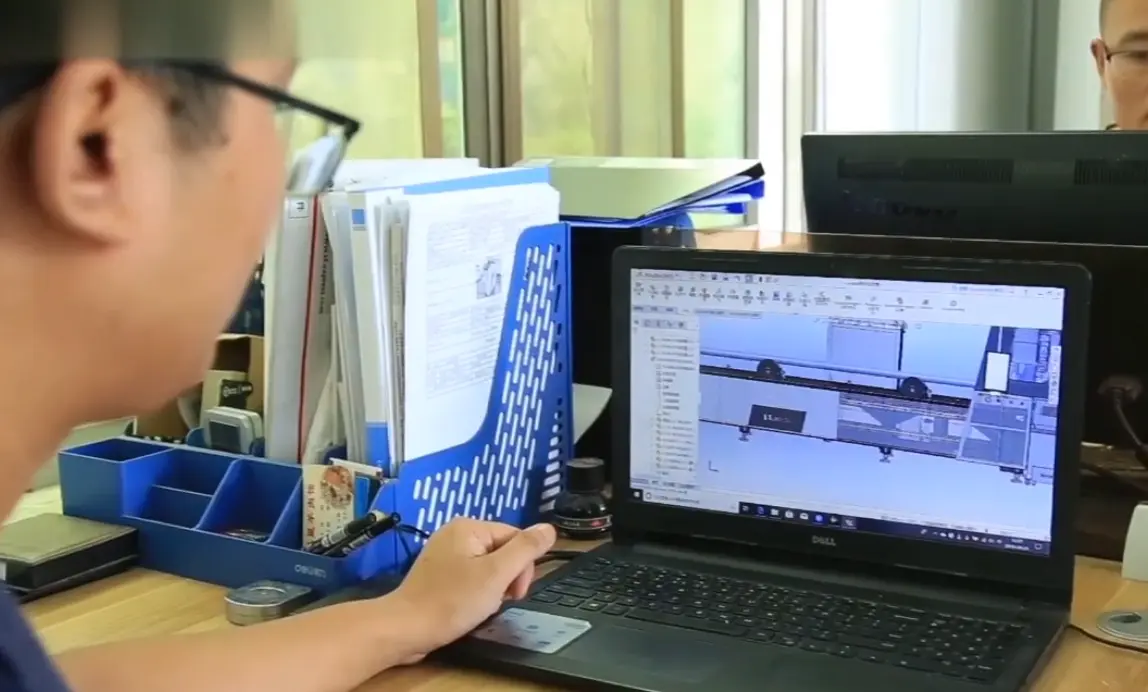
Founded in July 2004, our enterprise has spent over 18 years refining the integration of CNC precision machinery and industrial fiber laser applications. Spanning an office and research center of over 500 square meters and a modern factory floor of over 32,000 square meters, our facility represents the transition to Industrial 4.0 manufacturing. Our manufacturing floor integrates IoT-enabled automated systems, digital component tracking, and standardized assembly protocols certified by international bodies including the European Union CE authentication, American FDA certificate, and the ISO 9001 quality management framework.
Supply chain resilience is the cornerstone of our global delivery framework. By manufacturing the key structural components of our gantry-style fiber cutters, bending machines, and shearing systems in-house, we eliminate reliance on third-party supply chains. This allows us to offer custom-tailored OEM design services to more than 30 global manufacturers. Whether dealing with heavy I-beam tube processing configurations or dual exchange tables, our production system ensures that precision, heat treatment, and stress relief of the machine beds are executed under rigorous factory supervision.
Our industrial solutions cover the entire lifecycle of metal processing, enabling companies across 150+ countries to build smart factories. The target industries include:
We supply specialized laser systems designed to manage different material characteristics, ensuring optimal cutting speed and clean edge finishes:
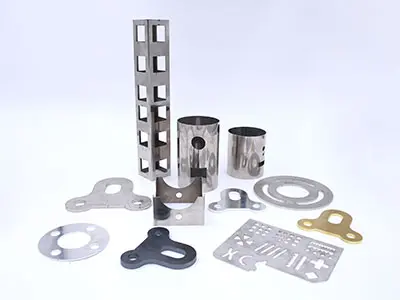
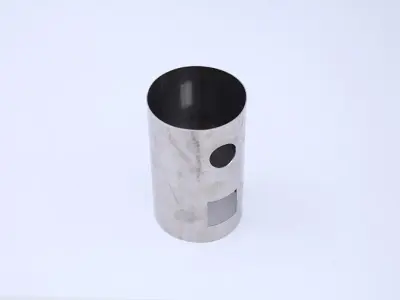
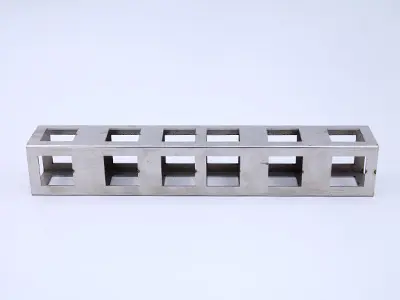
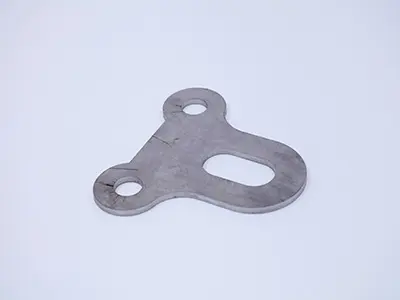
Purchasing heavy laser machinery requires evaluating more than the initial acquisition cost. Global procurement managers must analyze the Total Cost of Ownership (TCO), which includes gas consumption, power efficiency, maintenance, floor space optimization, and the availability of local technical support. Moving from traditional CO2 systems to high-power fiber lasers reduces electrical consumption by up to 50% and raises production speeds in thin-to-medium metals by 200% to 400%.
Additionally, selecting the correct laser wattage is a balance between your current thickness profile and projected growth. Purchasing a machine that constantly operates at its absolute maximum thickness limit will accelerate optical degradation and nozzle wear. We recommend specifying systems where 80% of your daily workload is within 60% of the machine's maximum thickness rating, leaving a 40% performance margin for handling heavier structural materials.
Shipping precision laser equipment globally requires strict adherence to international safety standards. All our machinery carries verified CE, FDA, and ISO 9001 certifications, indicating compliance with safety, health, and environmental protection guidelines. To support our machines across USA, Canada, Australia, Europe, Southeast Asia, and Africa, we provide remote diagnostics and maintain regional service centers for parts supply, hands-on training, and emergency technical support.
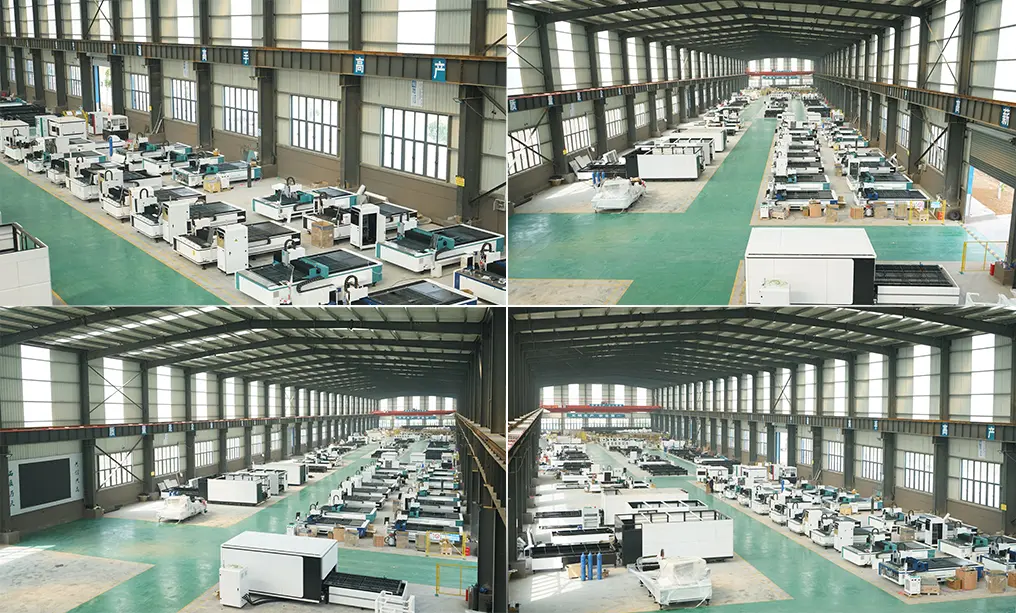
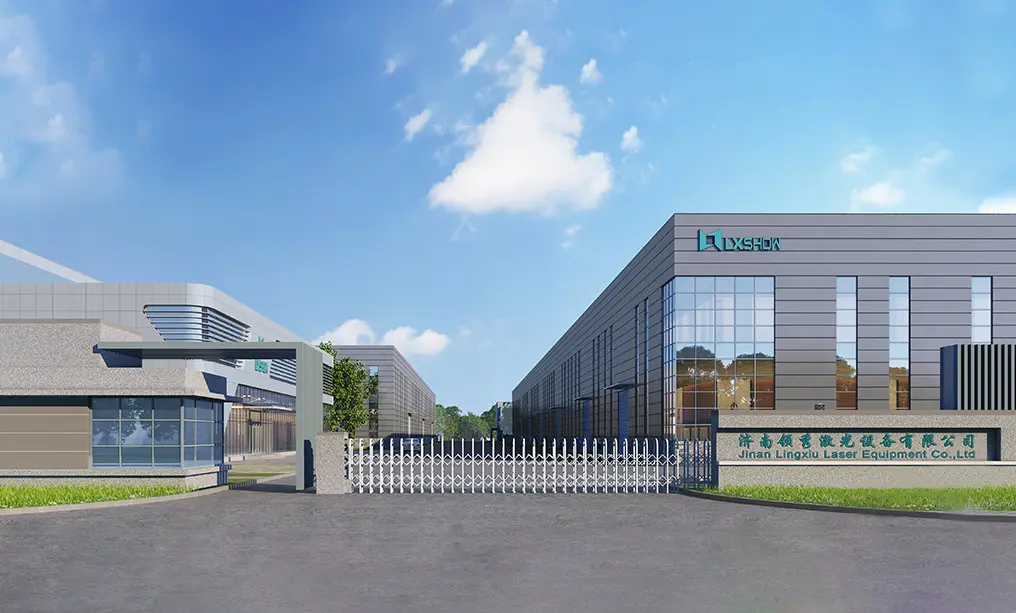

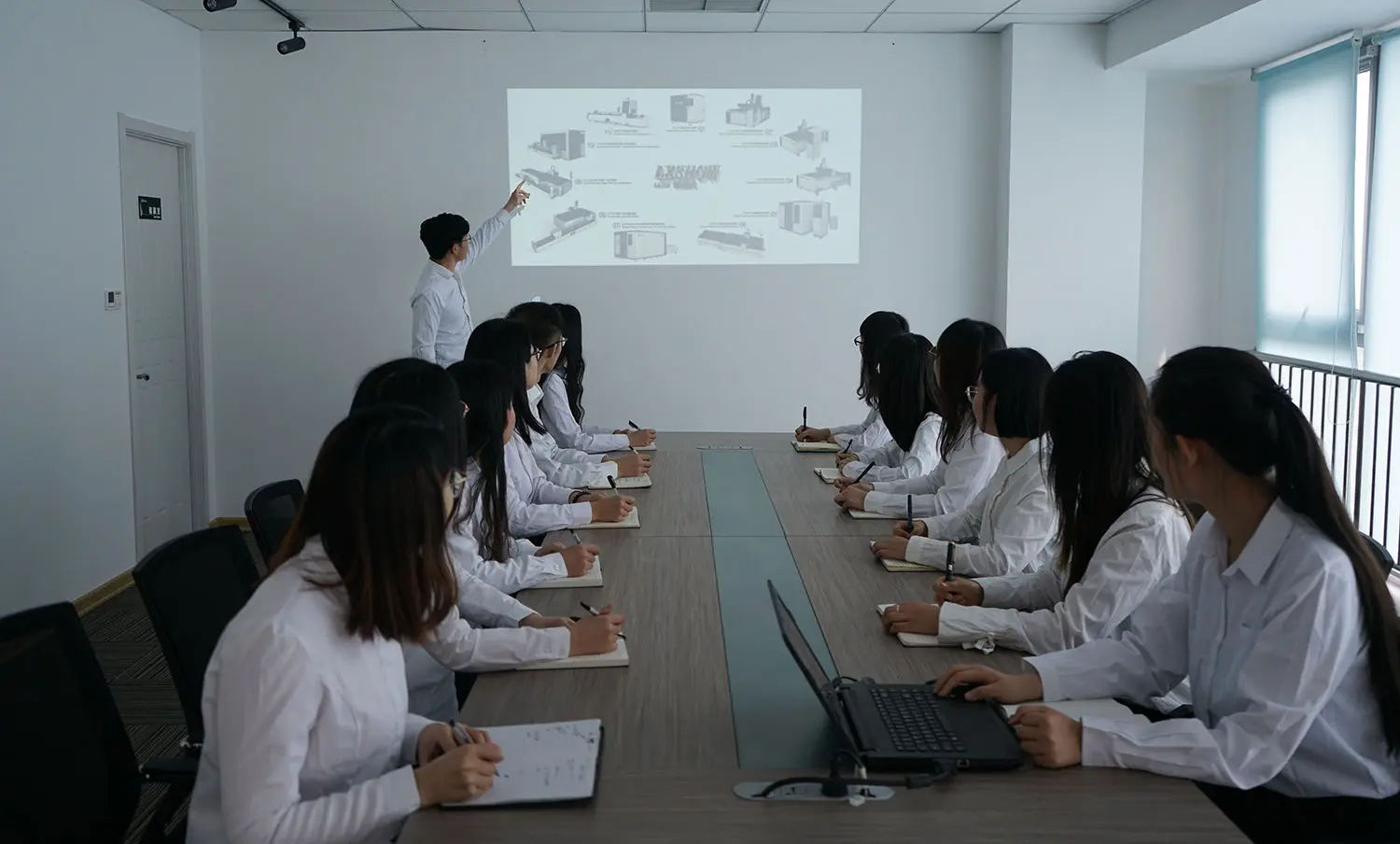
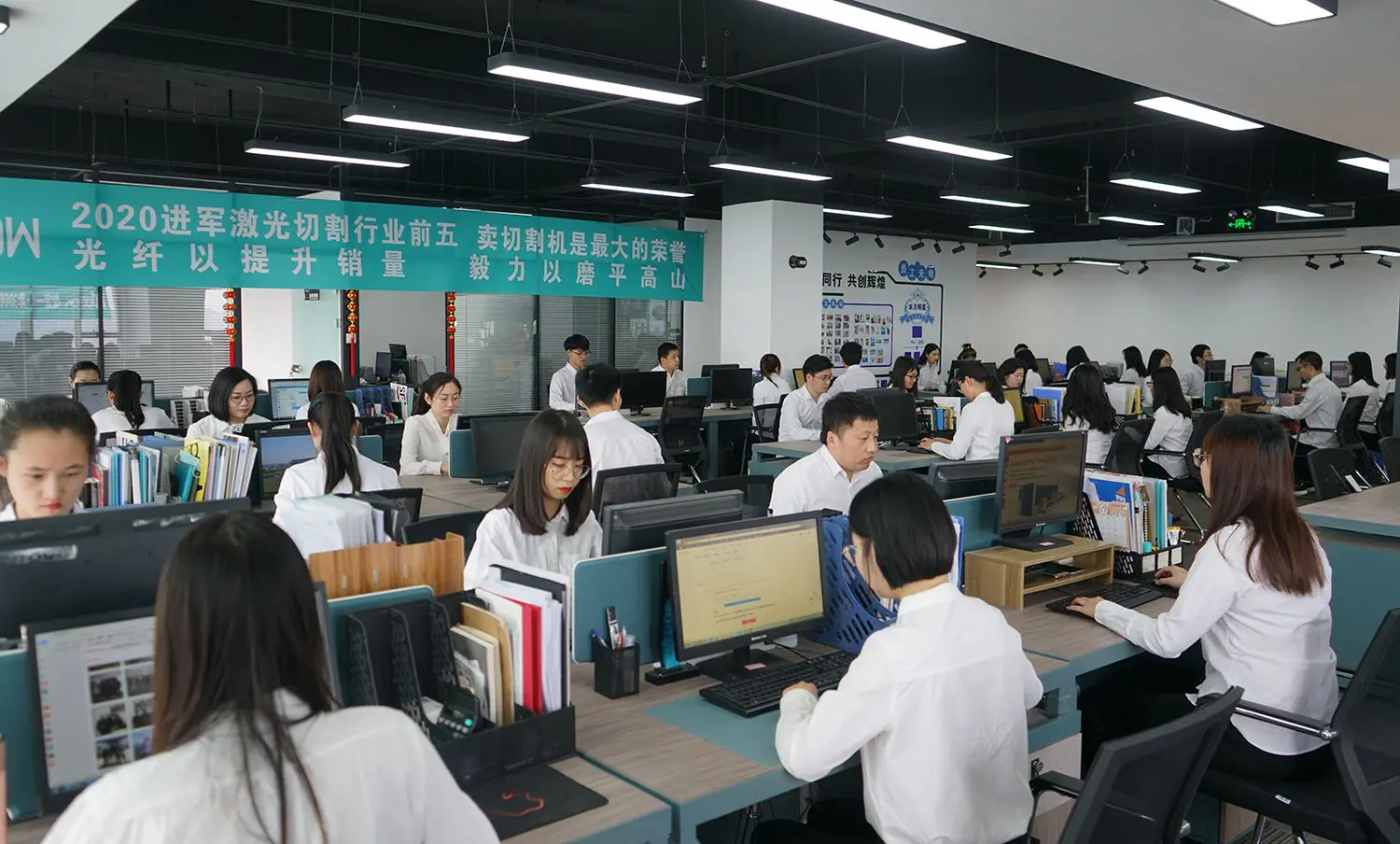
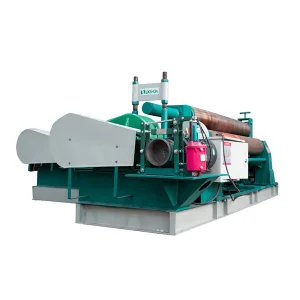
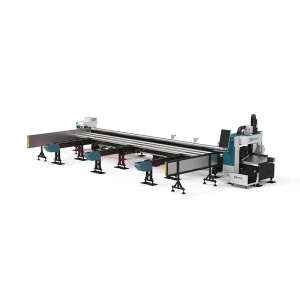
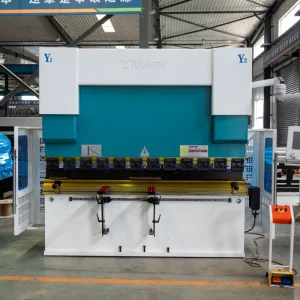
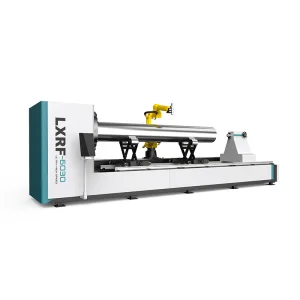
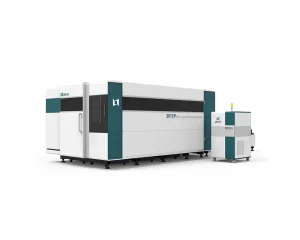
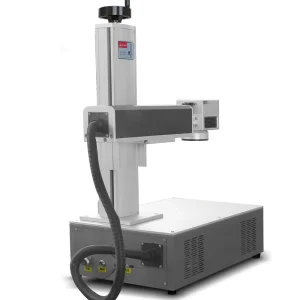
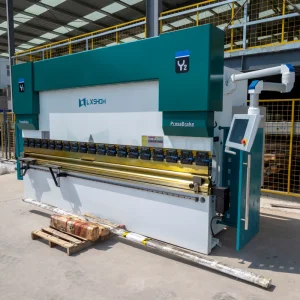
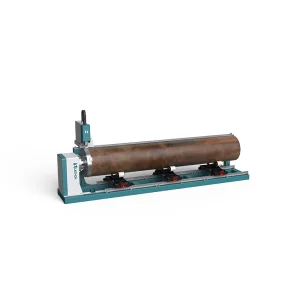
Our complete product ecosystem covers cutting, bending, rolling, cleaning, and cladding, ensuring seamless integration across your factory floor.
 Lxshow