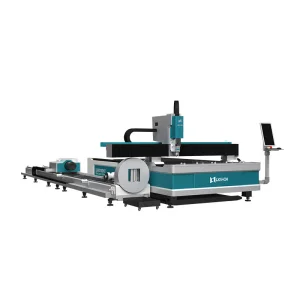
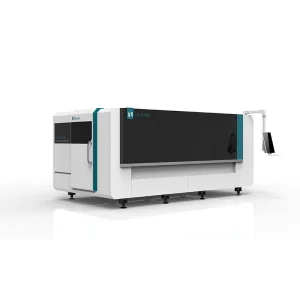
Explore our state-of-the-art CNC bending, laser cleaning, welding, and tube cutting machines engineered for maximum operational throughput.
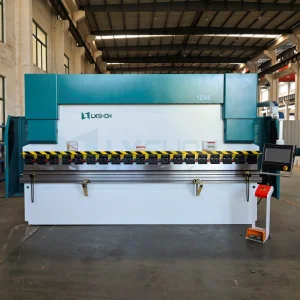
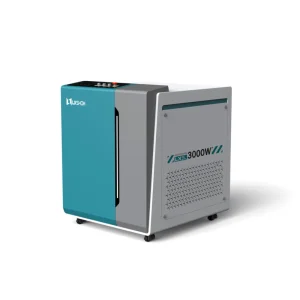
In modern metal manufacturing, the term Laser Cutting Sheet Price represents more than the initial acquisition cost of a machinery unit. For capital procurement managers, plant engineering heads, and executives, calculating the true lifecycle value of a high-performance fiber laser cutting system requires a granular analysis of technological subsystems, energy yields, maintenance profiles, and macro-industrial supply chains.
Industrial fiber lasers have largely replaced legacy CO2 and plasma systems due to their superior wall-plug efficiency (typically exceeding 35% compared to 10% for CO2 systems) and negligible maintenance requirements. However, the initial capital expenditure (CapEx) can fluctuate widely based on four key operational pillars:
The selection of the fiber laser engine (ranging from 1kW to 30kW) remains the largest cost-driver. High-power sources (12kW+) scale exponentially in price but offer unparalleled cutting speeds on thick carbon steel and stainless steel sheets, drastically lowering the cost-per-part in heavy production regimes.
Precision linear motors and double exchange worktables allow for continuous, high-speed processing. The integration of intelligent cutting heads with autofocusing systems, automatic nozzle changers, and active anti-collision sensors directly impacts the device's reliability and pricing structure.
Operating expenditure (OpEx) is heavily influenced by assist gas choices. Selecting advanced air-cutting capabilities or localized nitrogen/oxygen generation loops can significantly alter daily operating costs, neutralizing high power grid tariffs over a 36-month amortization period.
Note for Global Buyers: When comparing global manufacturers, the cheapest upfront invoice price often hides hidden components like subpar guide rails, low-tier chillers, and a lack of local compliance certifications. A reliable partner ensures that internal components meet regional expectations of stability and endurance.
| Laser Source Power | Ideal Sheet Thickness (Carbon Steel) | Maximum Feed Rate (Cutting) | Assist Gas Strategy | Target Industries |
|---|---|---|---|---|
| 1kW - 3kW | 1.0mm - 8.0mm | Up to 35m/min | Nitrogen / Clean Compressed Air | Cabinets, Lighting, Crafts, Glasses |
| 4kW - 8kW | 1.0mm - 16.0mm | Up to 60m/min | Nitrogen (High Quality) / Oxygen | Kitchenware, Hardware, Automotive Parts |
| 12kW - 20kW | 2.0mm - 40.0mm | Up to 90m/min | Oxygen (Deep Piercing) / Compressed Air | Heavy Machinery, Steel Structures, Aerospace |
| 30kW+ | 3.0mm - 80.0mm+ | Exceeding 120m/min | Intelligent Dynamic Mixed Gas | Shipbuilding, Energy Generation, Locomotives |
The manufacturing sector is undergoing an aggressive transformation driven by Industry 4.0 initiatives. Procurement teams are moving away from decentralized machinery purchasing toward integrated production cells. Today, a laser cutting machine is expected to interface seamlessly with robotic press brakes, automated storage systems, and cloud-based MES software.
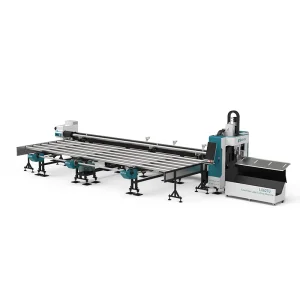
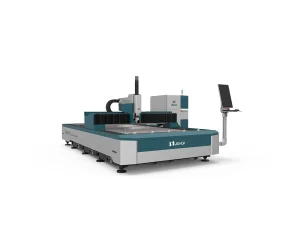
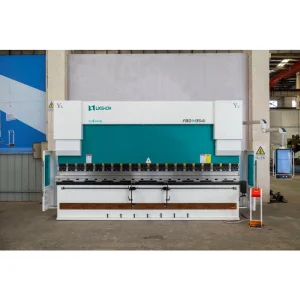
This shifts the focus of procurement managers to seek suppliers who can offer end-to-end lines. For example, matching a high-speed fiber laser cutter like the LX3015H with an electro-hydraulic CNC bending machine such as the WE67K ensures that the material output rate of the cutting bed aligns with the duty cycle of the bending cell.
Modern plants demand real-time data streaming via OPC UA protocols. Every piece of equipment must log error states, temperature metrics, and cutting-time data to help operators run predictive maintenance cycles, thereby lowering downtime by up to 40%.
The industrial demand for thick-plate processing is expanding. Infrastructure development in the US and Europe requires heavy steel structure fabrication, prompting suppliers to focus on high-power (12KW+) fiber laser systems with advanced gas flow systems that minimize dross.
Green manufacturing is no longer optional. Modern fiber lasers reduce energy consumption, carbon footprints, and hazardous waste. Advanced exhaust filtration systems are now mandatory to meet rigorous regional environmental guidelines.
LXSHOW Laser Equipment Empowering Heavy Metal Fabrication Worldwide
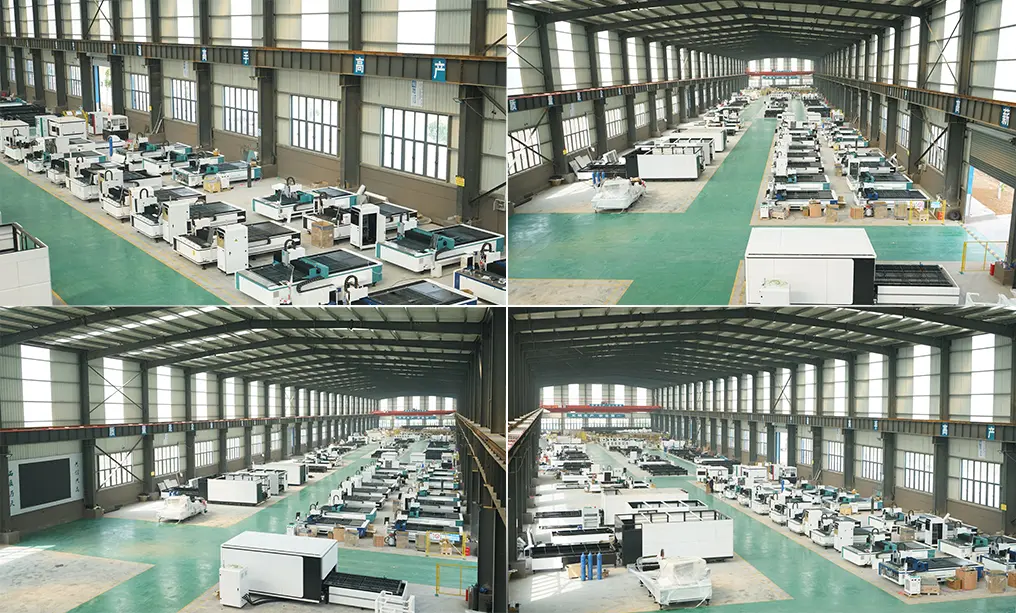
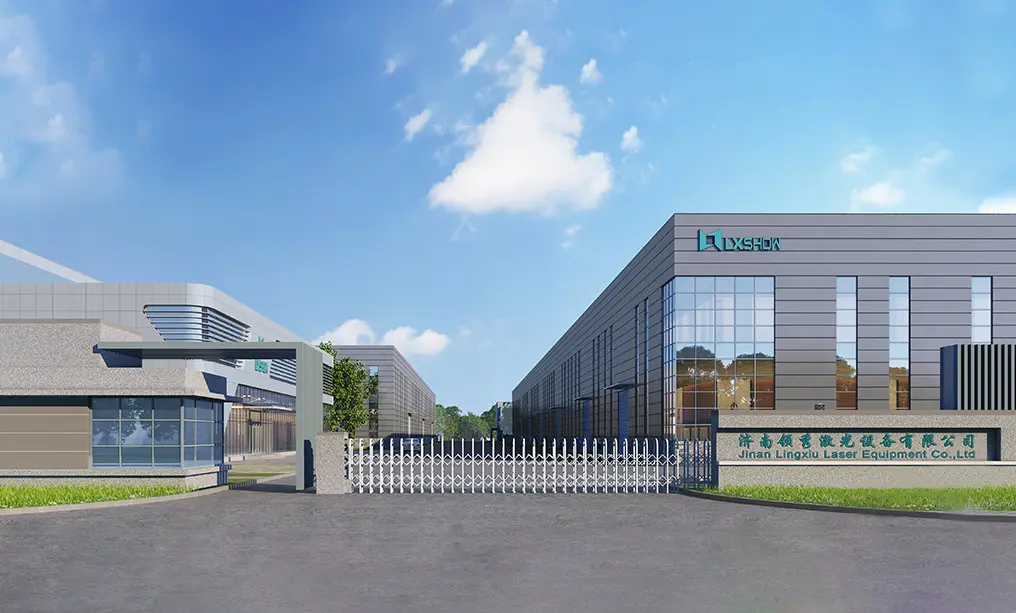
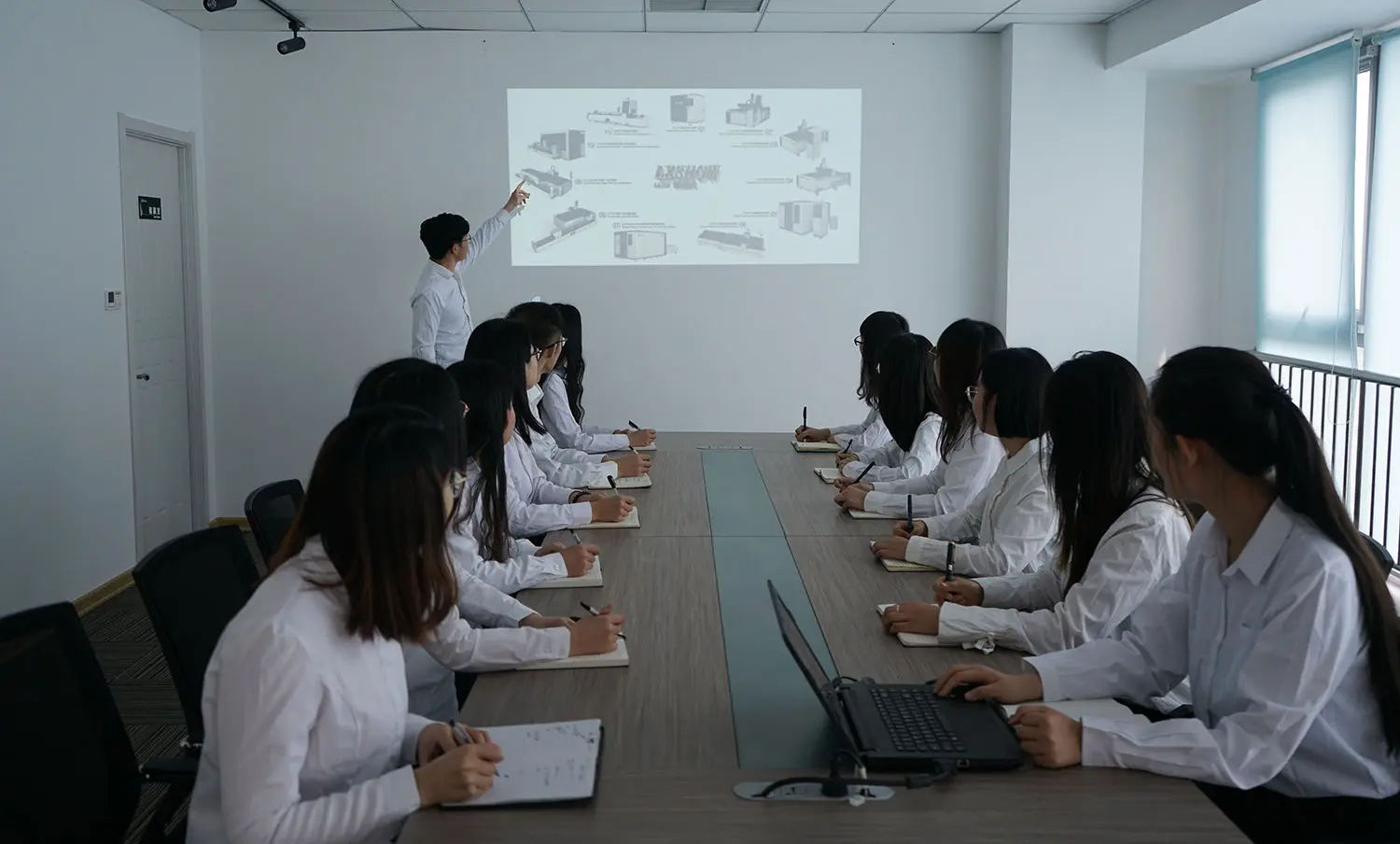
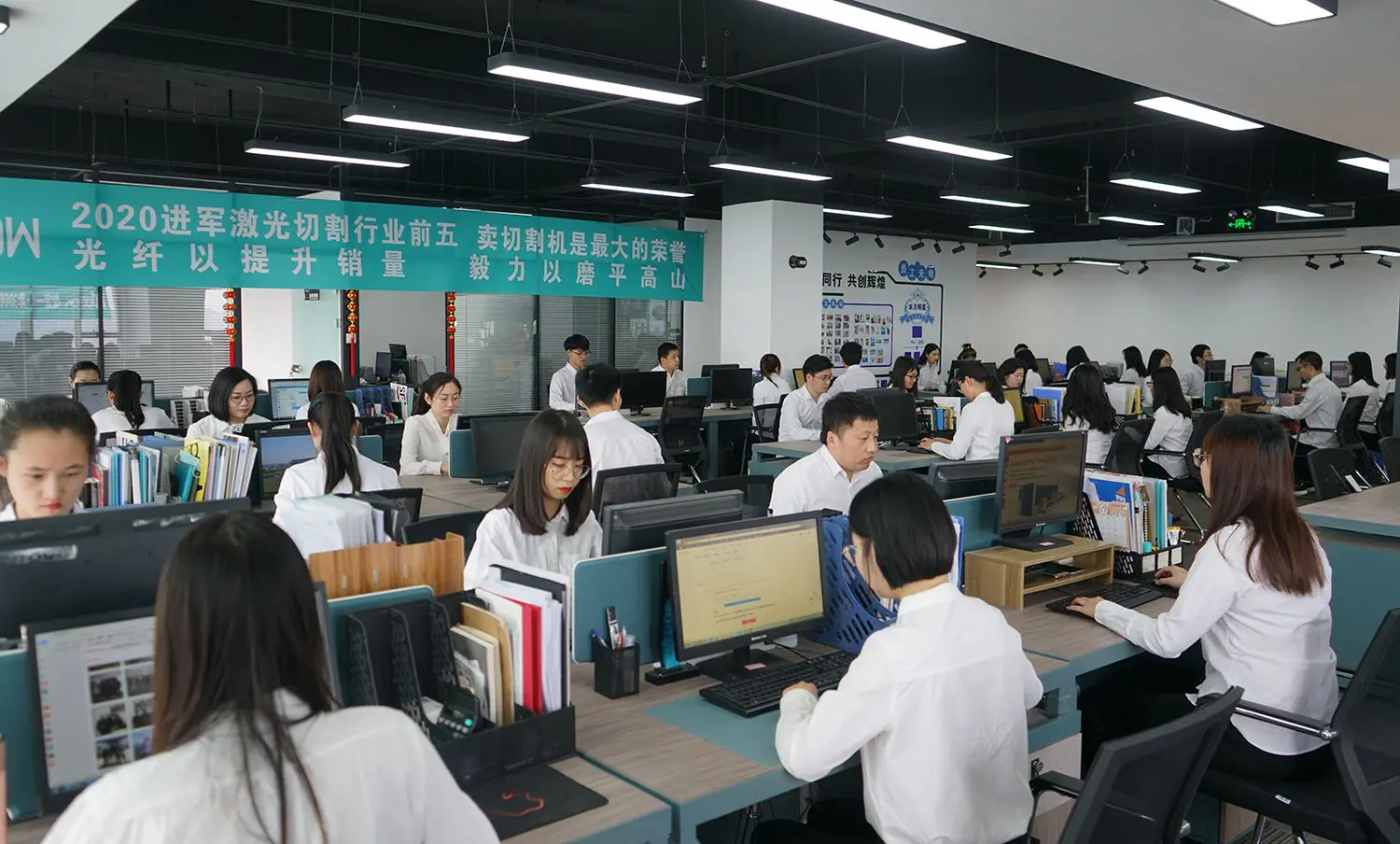
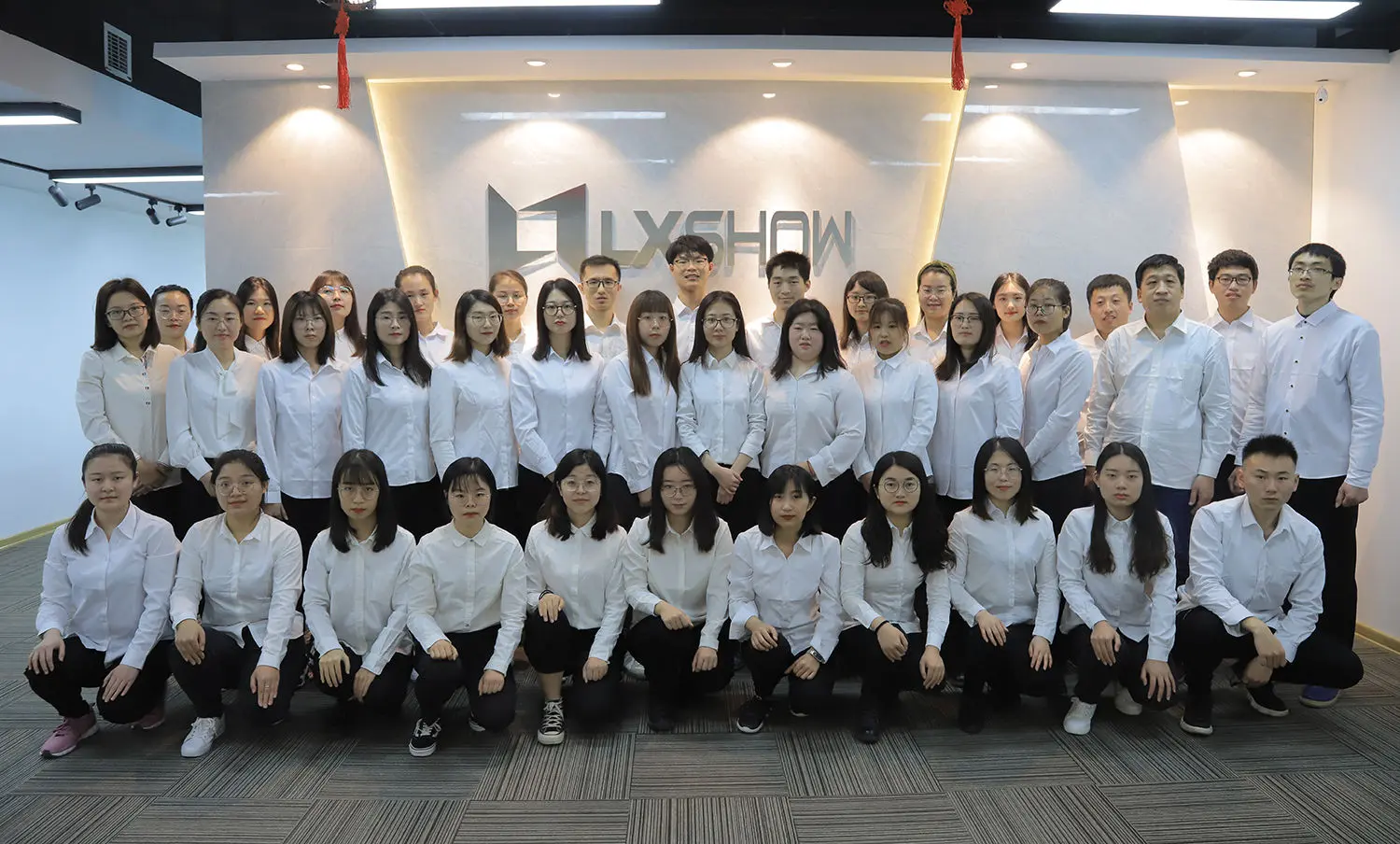
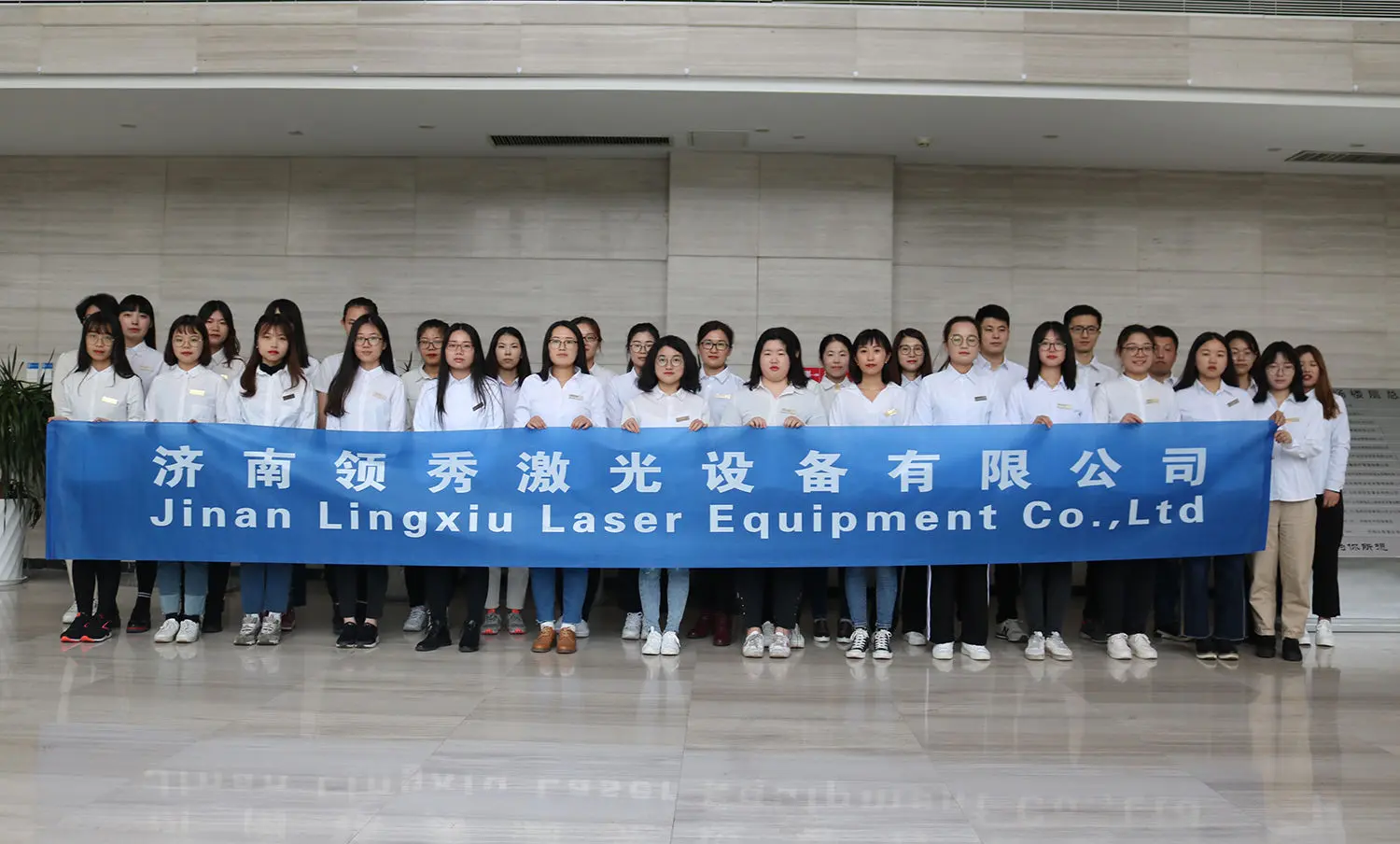
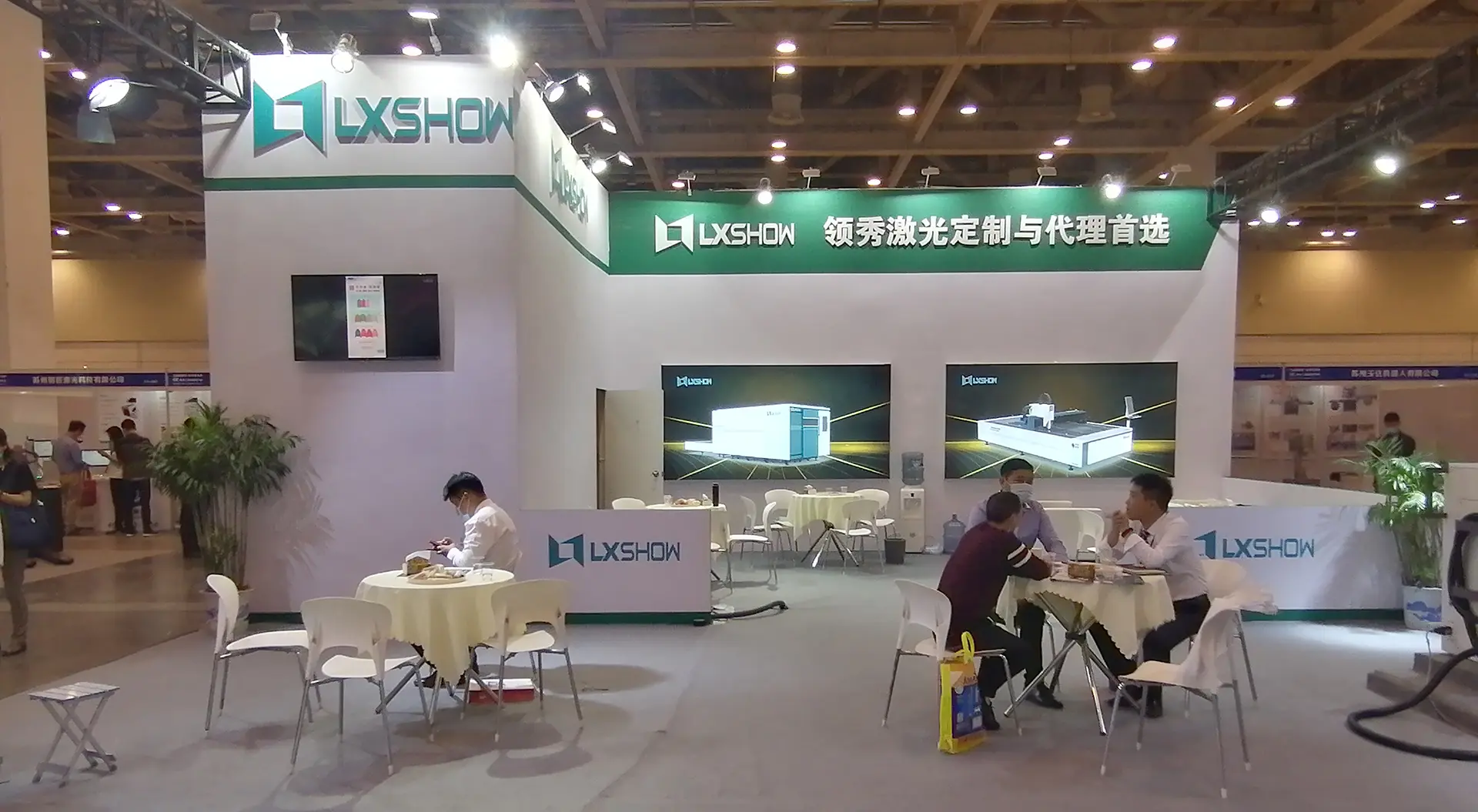
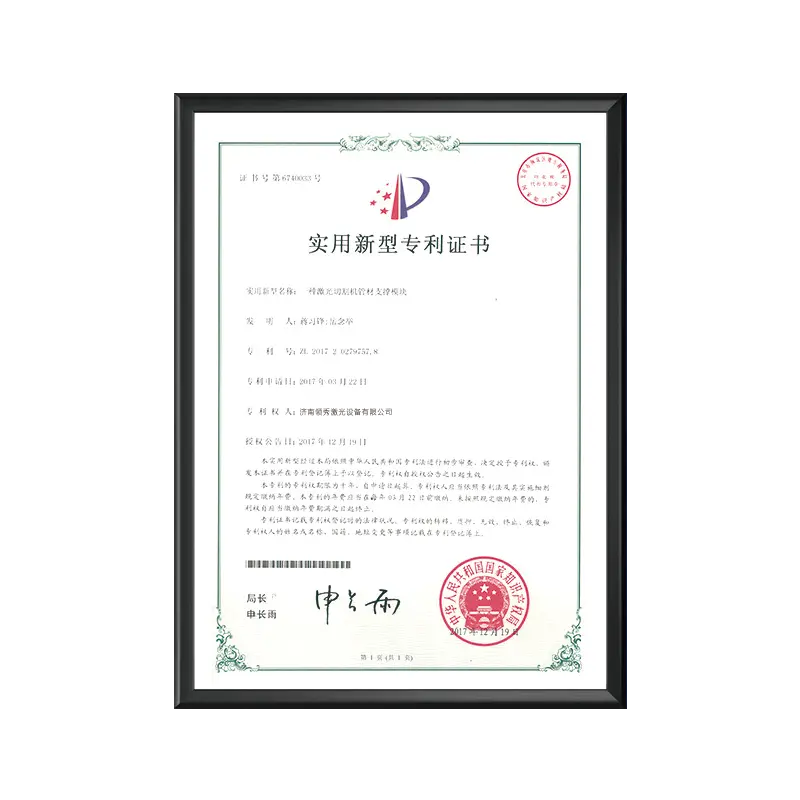
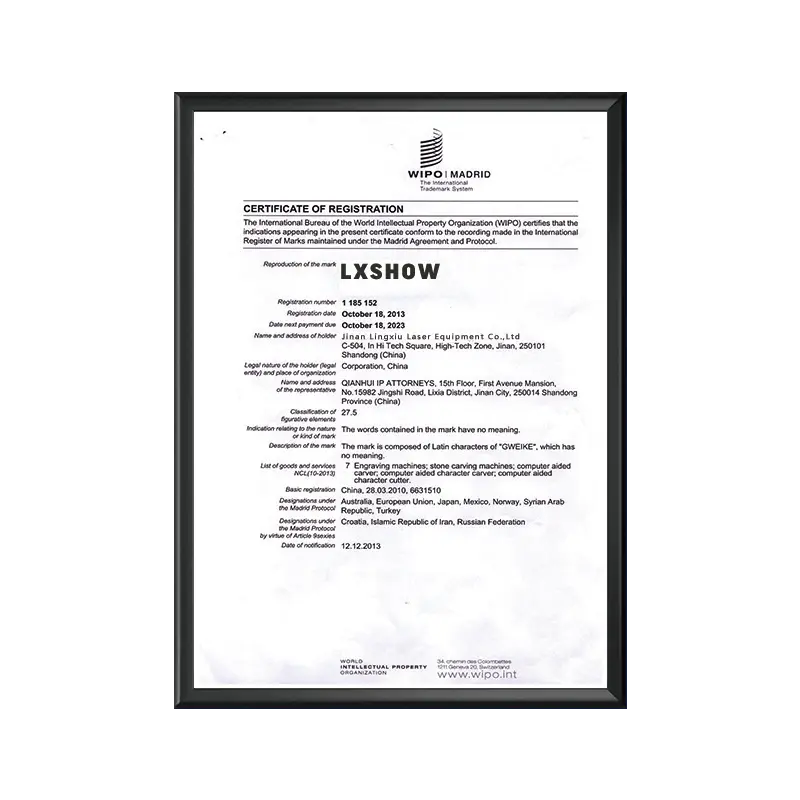
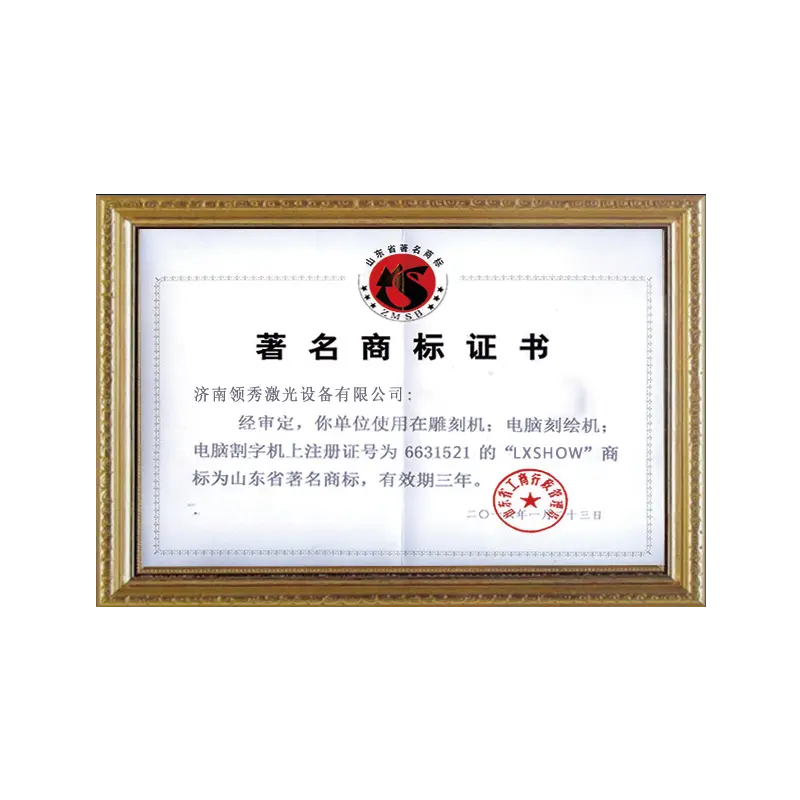
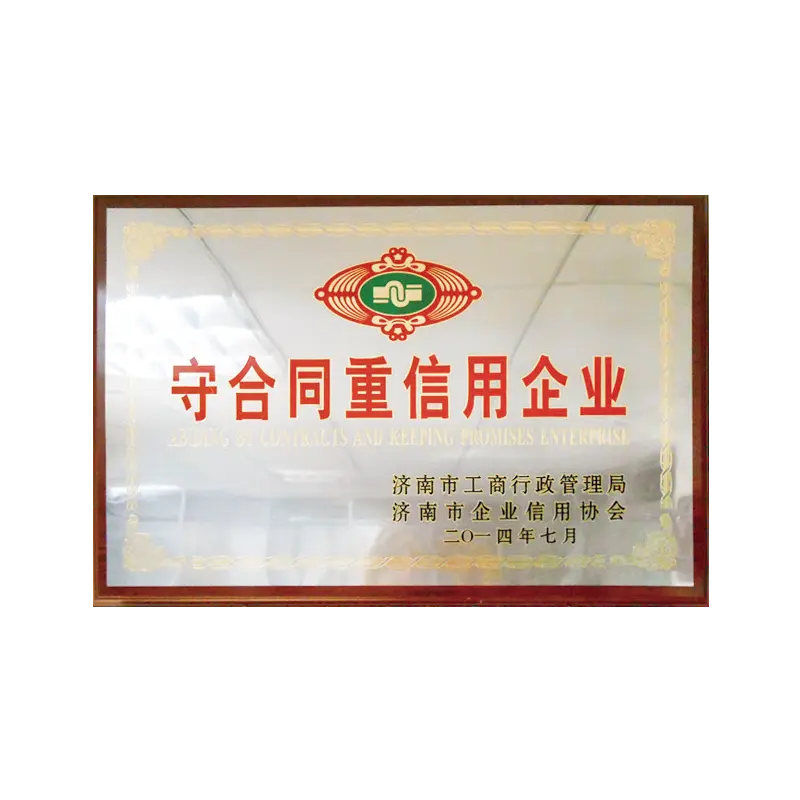
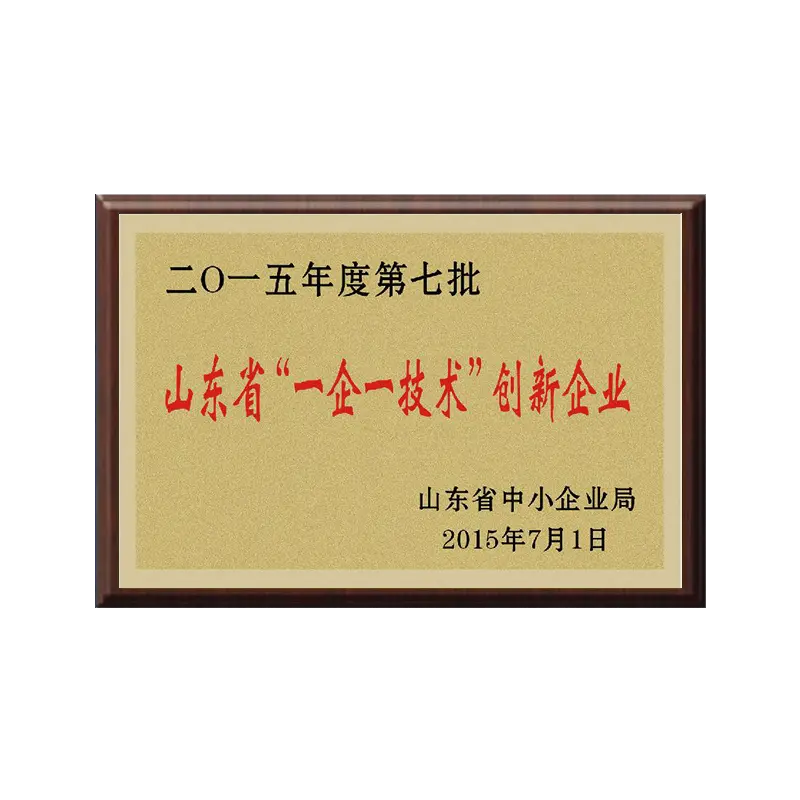
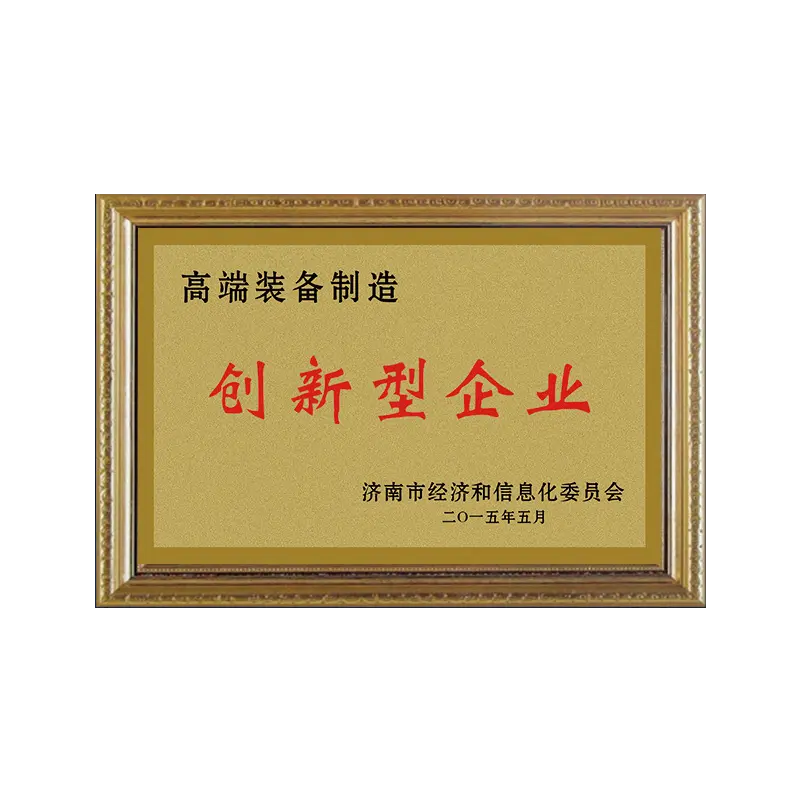
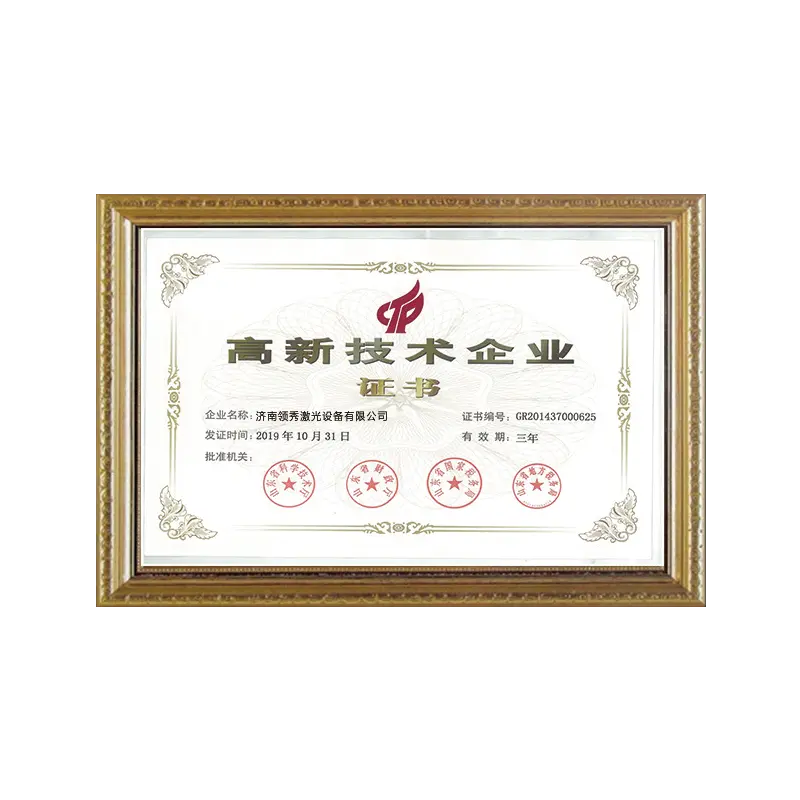
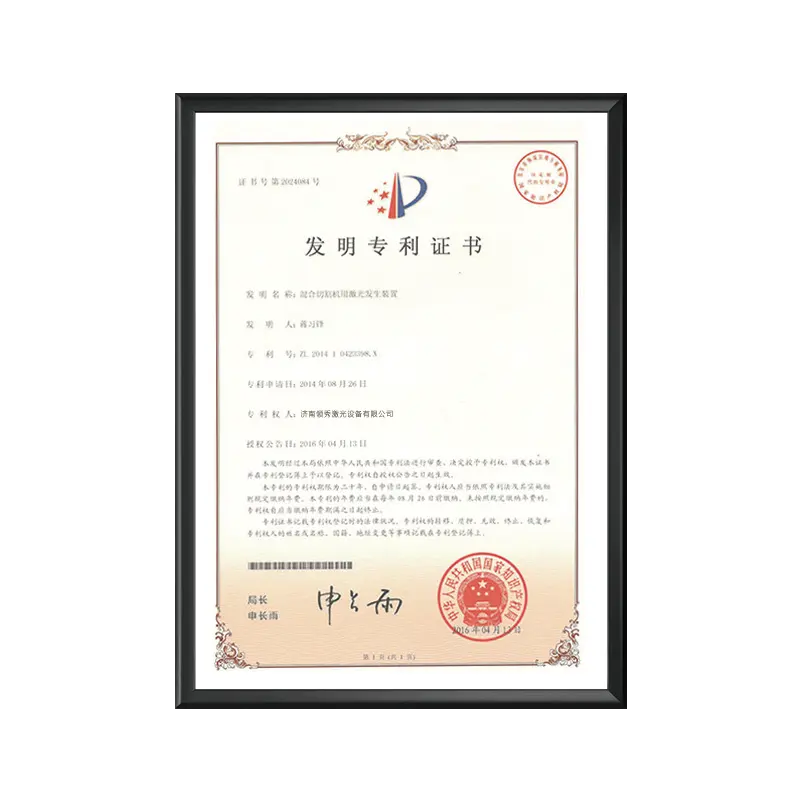
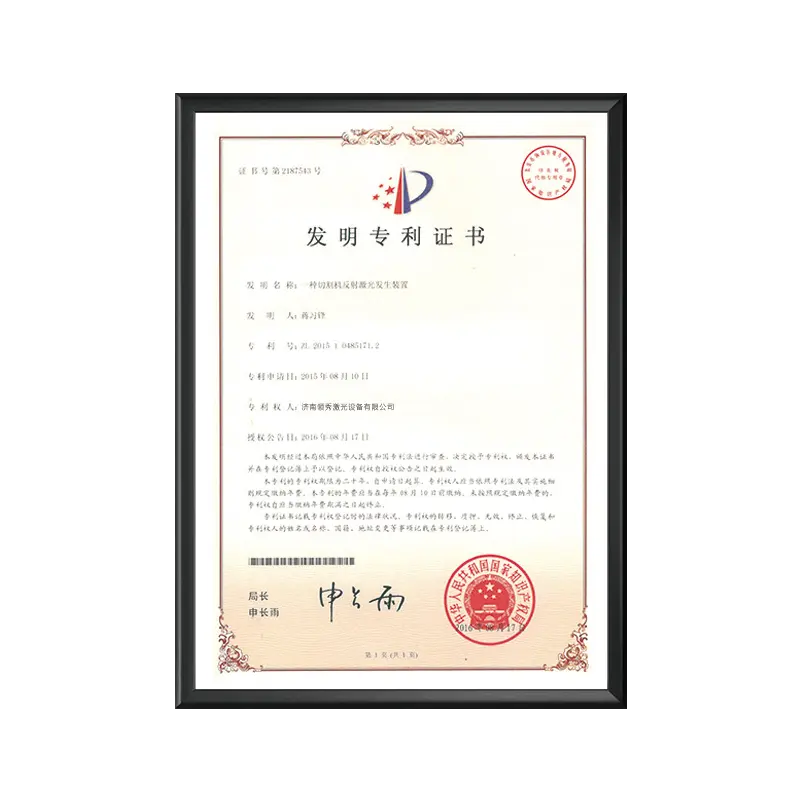
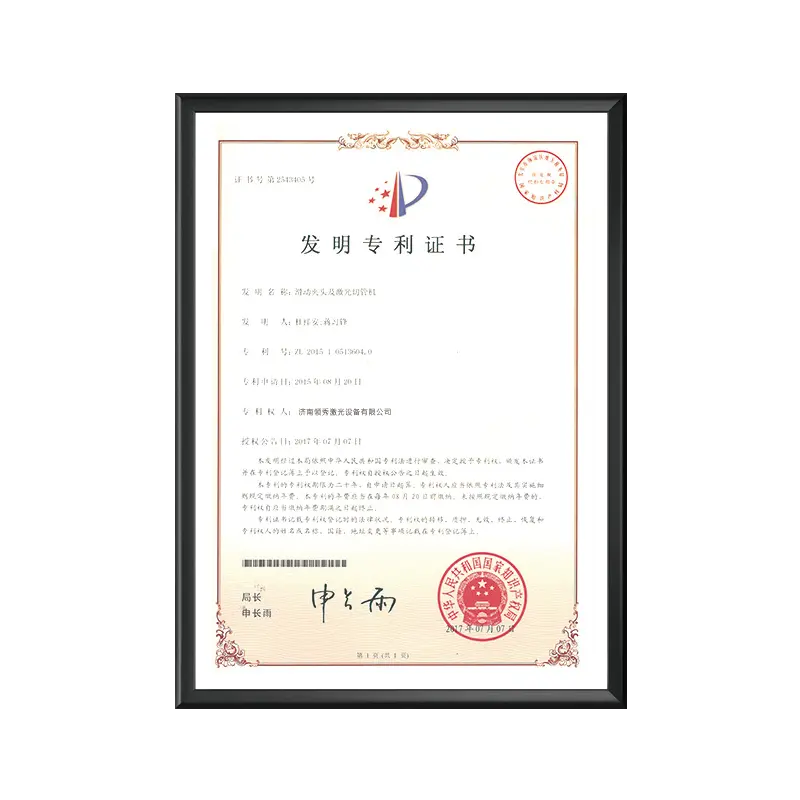
Established in July 2004, our production capacity, certified standards, and international office spaces validate our global operational excellence.
Professional specialization in laser technology development, engineering, and global logistics systems.
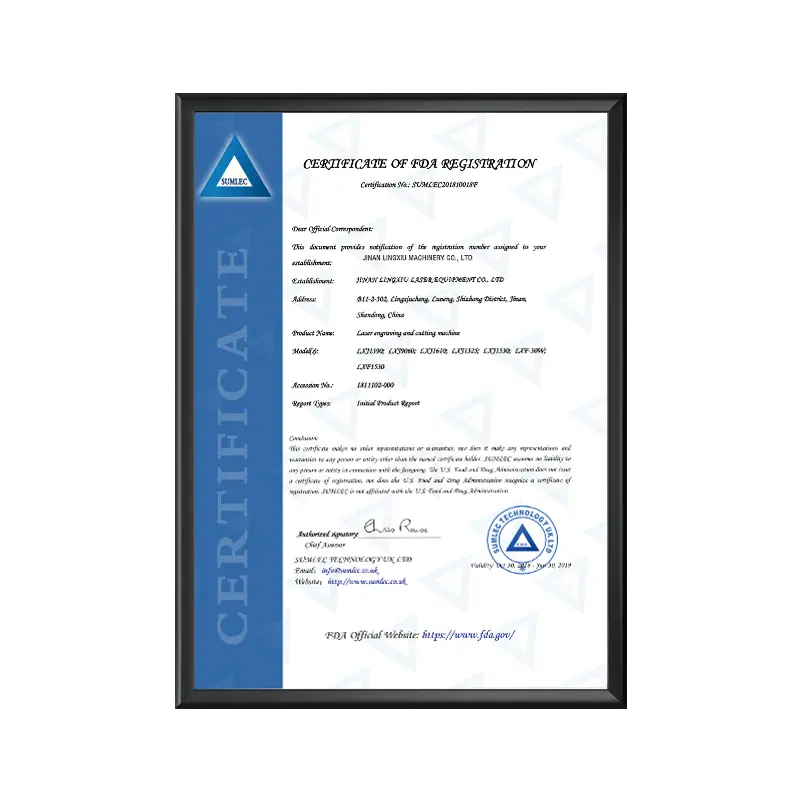
All machines have passed the European Union CE authentication, American FDA certificate, and are certified to ISO 9001.
Providing custom engineering and OEM services for more than 30 global manufacturers and brands.

Optimized cutting performance depends on mapping high-energy density beam parameters to the physical properties of metals.
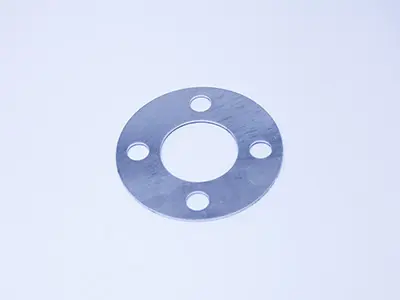
Requires high-frequency modulation and nitrogen shielding to control burr formation on raw edges.
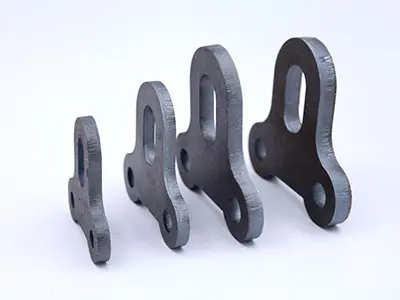
Oxygen assists in generating an exothermic reaction, significantly increasing cutting speed on thick plates.
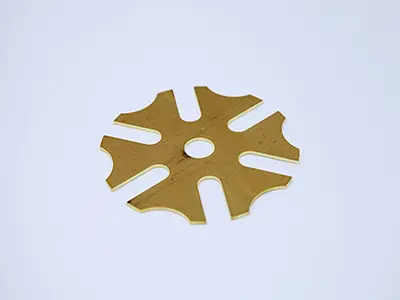
Highly reflective material. Back-reflection protection devices prevent damage to the optical path.
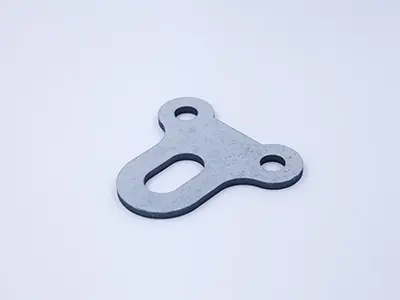
Proper auxiliary air pressure is necessary to blow away vaporized zinc and prevent edge contamination.
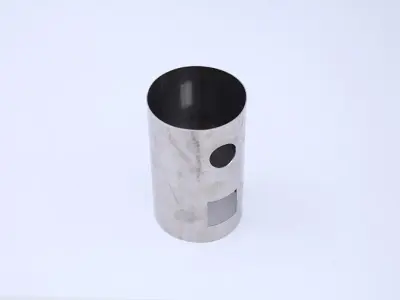
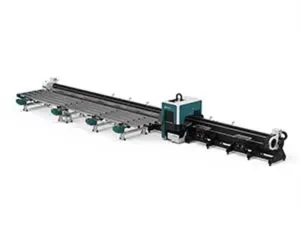
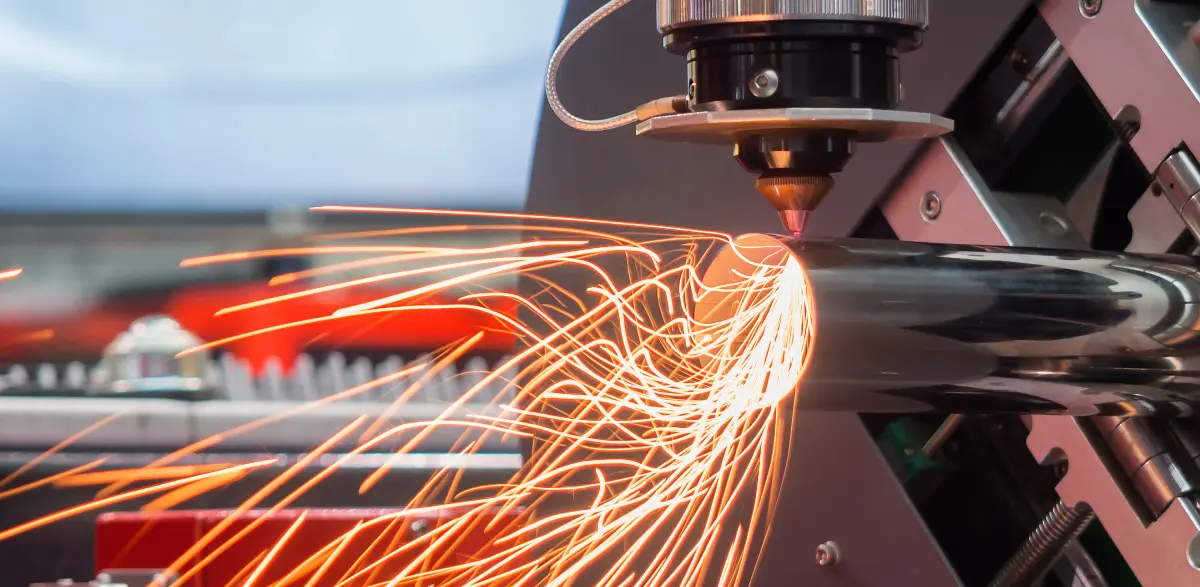
3D dynamic rotating chucks align the raw tube body with the laser cutter head coordinate space.
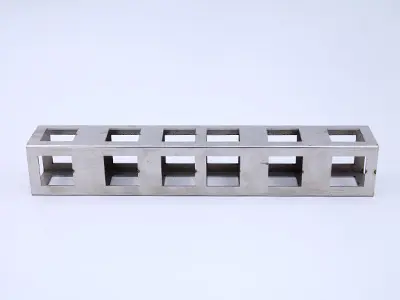
Accurate corner cutting algorithms dynamically adjust power levels to prevent over-burning.
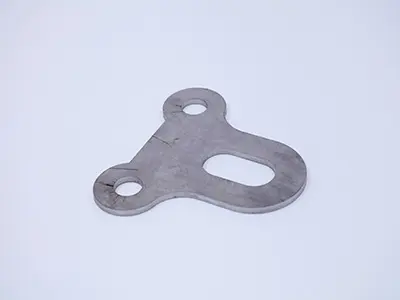
Processed with nitrogen to ensure bright, oxide-free edges that do not require post-process cleaning.
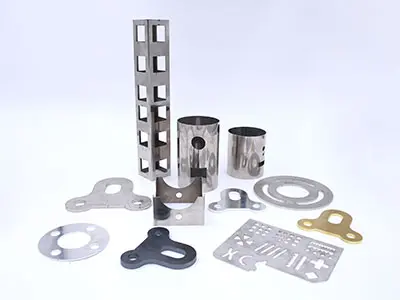
Adjustable pulse width profiles and multi-gas supply units can process custom industrial alloys.
For enterprise purchasing teams, the physical location of the equipment is only half the battle. Maximizing uptime requires immediate access to local engineering support, standardized warranty components, and clear compliance pathways.
LXSHOW has built a comprehensive localized network covering 150+ countries. Our dedicated communication centers host localized engineering teams capable of troubleshooting CNC systems in multiple languages. We support international engineering teams by stocking critical consumables (nozzles, protective windows, ceramic rings, and fiber cables) in regional warehouses across the Americas, Europe, and Asia.
Our machinery platforms comply with regional safety frameworks, including the European Union Machinery Directive (CE) and the American FDA laser radiation regulations. This ensures fast customs clearance and simple OSHA inspections at your facility.
Operator performance directly influences machine longevity. LXSHOW provides ongoing virtual and on-site operator training, focusing on parameter optimization, daily maintenance routines, and standard safety practices.
Every piece of equipment is backed by comprehensive warranty agreements. Regional field engineers are dispatched quickly to resolve physical outages, minimizing operational disruption.
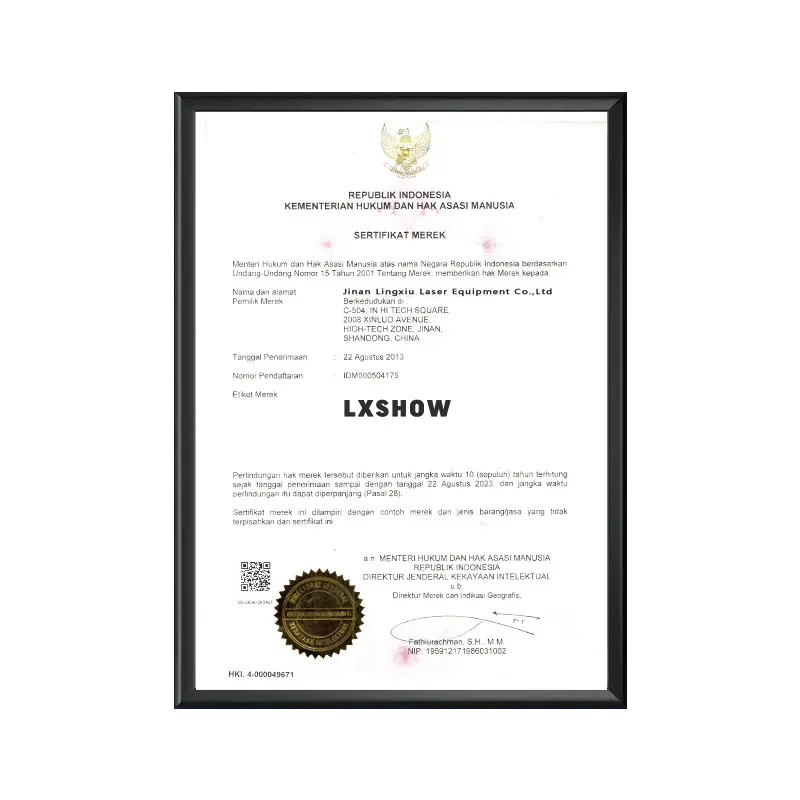
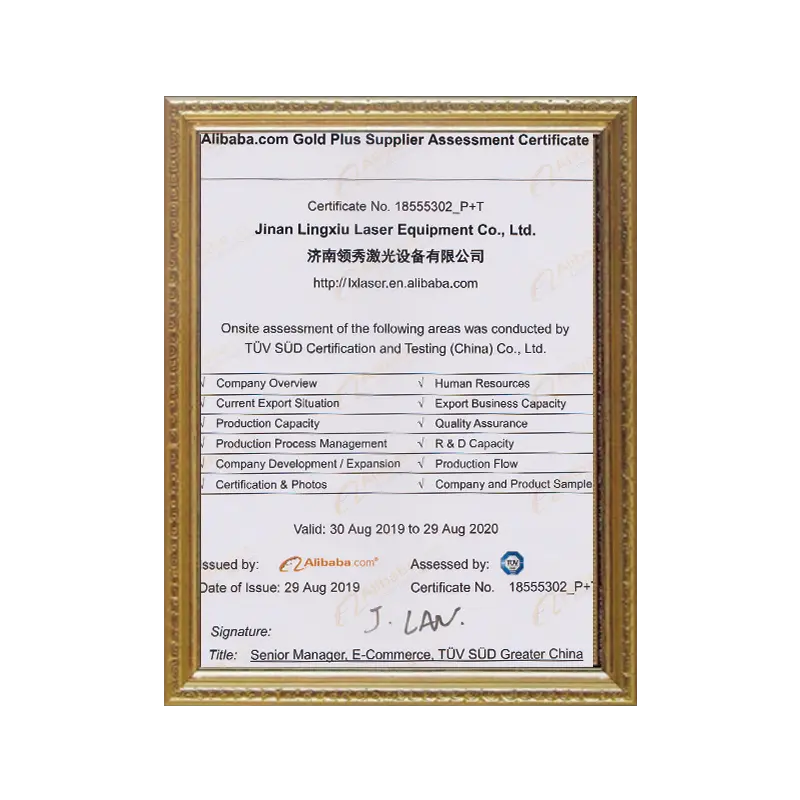
Verified process images detailing our standard manufacturing workflow, machinery tolerances, and client verification processes.
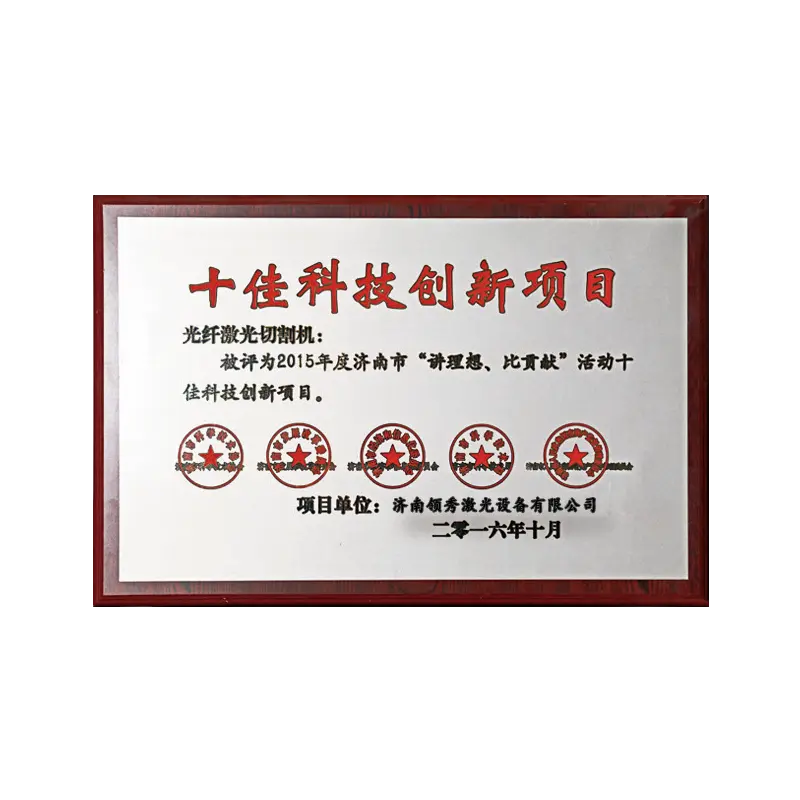
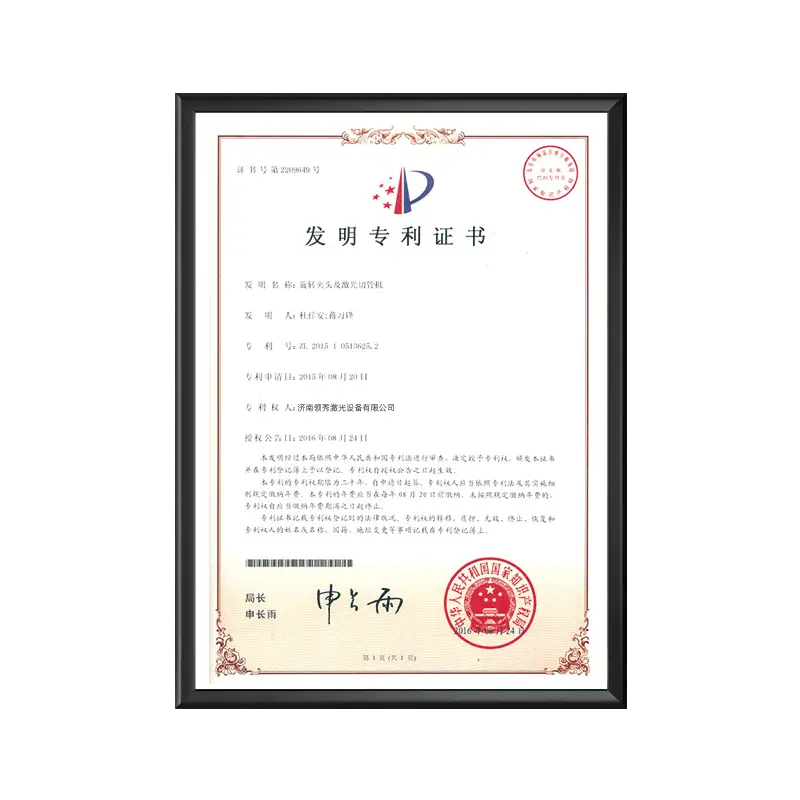
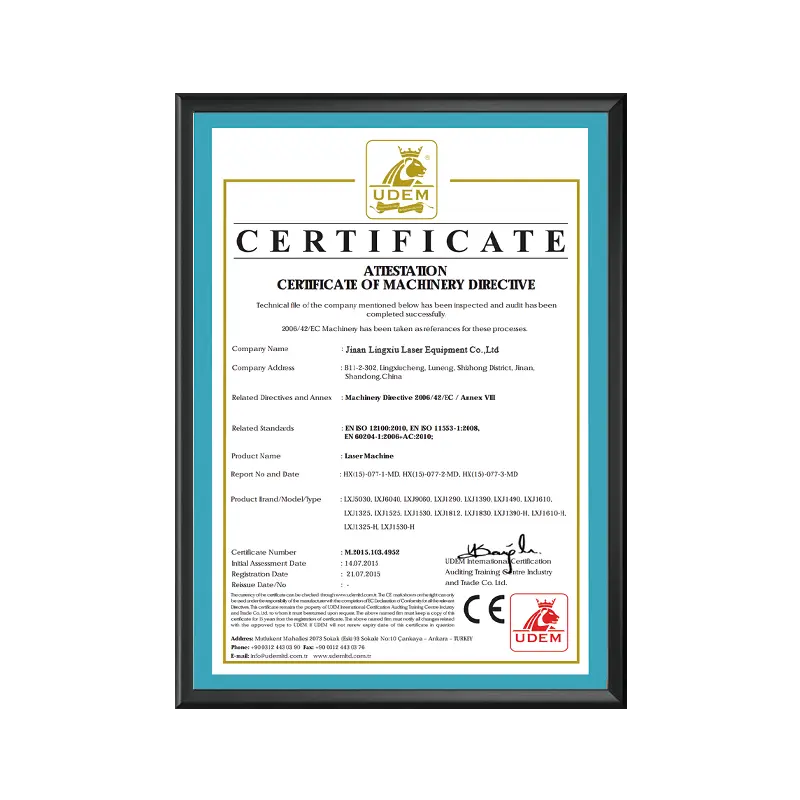
Targeted technical solutions designed for cladding, cleaning, welding, and high-performance bending.
Provides a reliable platform for applying wear-resistant surfaces on thick structural metal components during extended batch cycles.
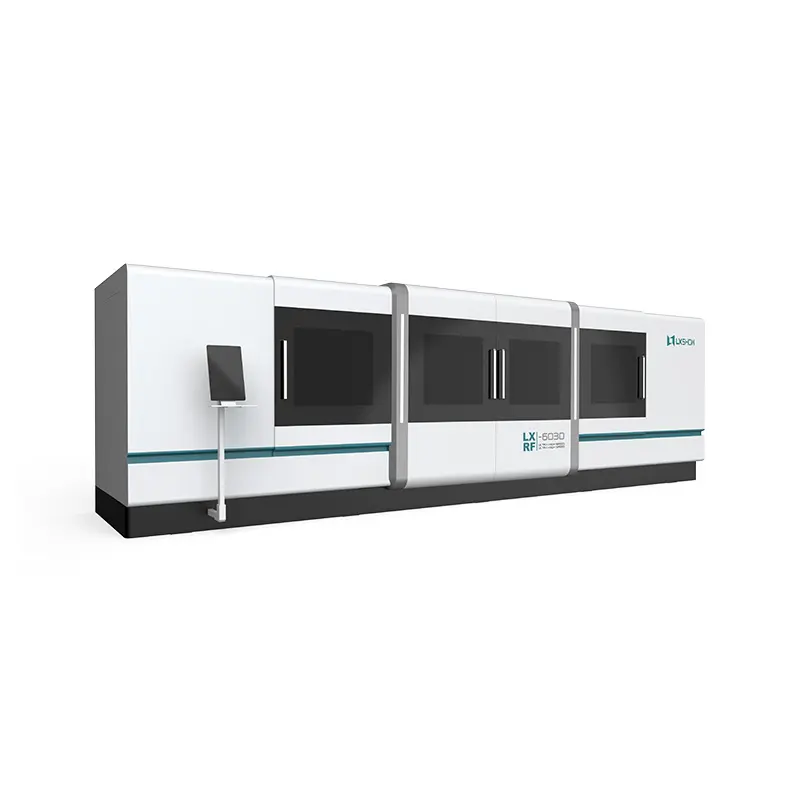
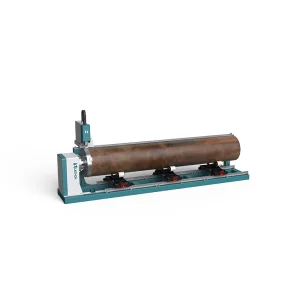
Hot-selling single-axis surround cladding machine for heavy metal restoration.
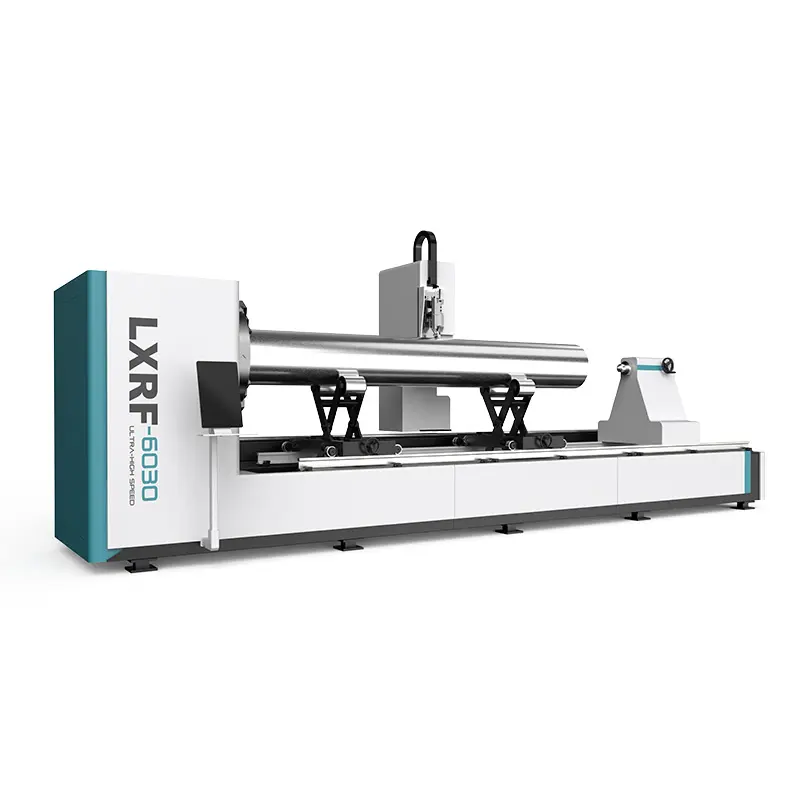
Equipped with high-torque single-axis positioners for cylindrical workpieces.
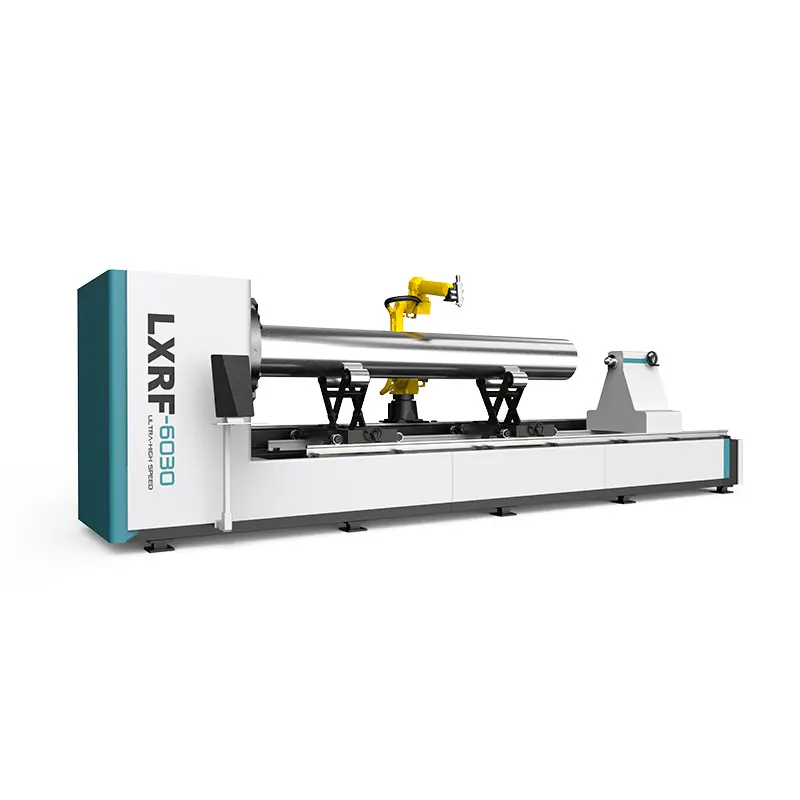
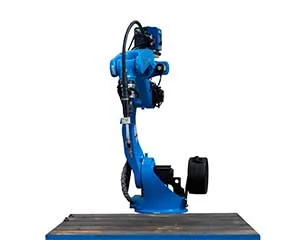
High-precision multi-axis industrial CNC robotic arm for complex parts.
Non-contact surface rust, paint, and oxide layer removal systems designed to optimize prep-and-weld operational steps.
Integrated layout optimizing both cleaning and welding operations.
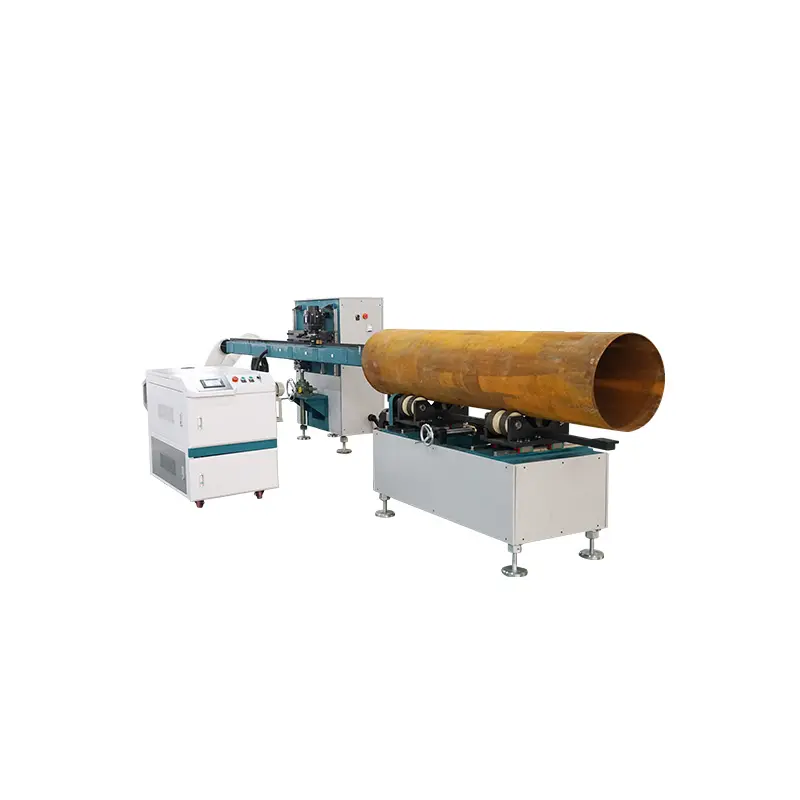
Designed specifically for rust removal inside complex piping.
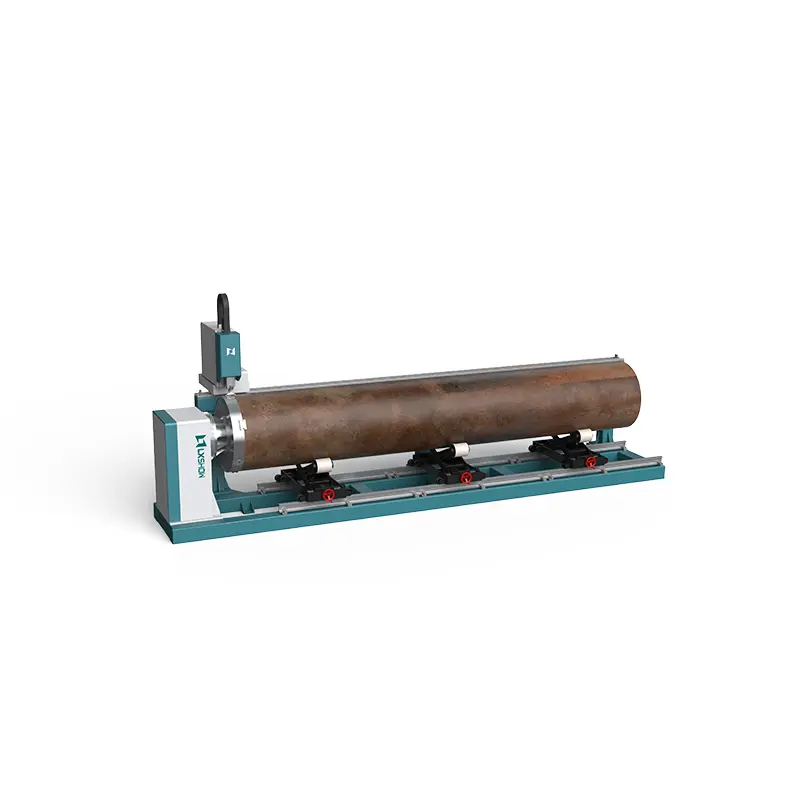
High-speed external pipe surface cleaning and prep system.
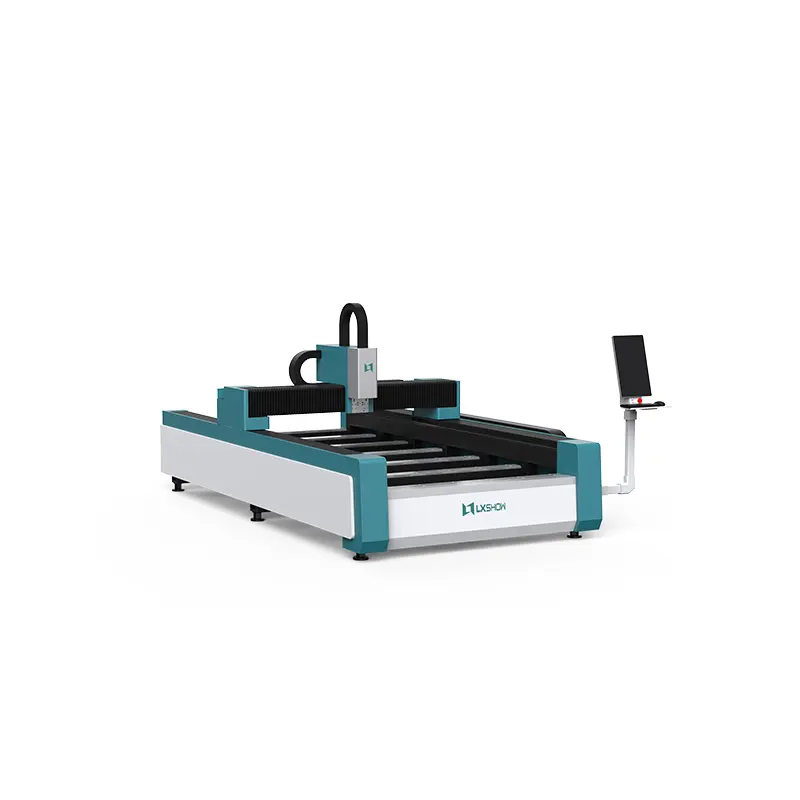
Wide-beam design for rapid cleaning of large sheet metal components.
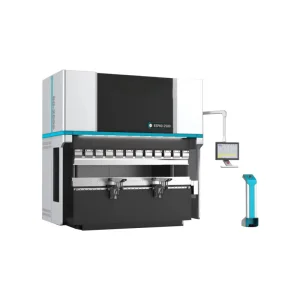
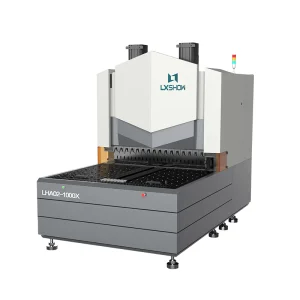
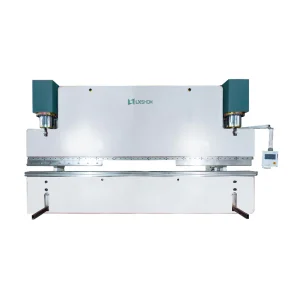
Electro-hydraulic servo press brakes that deliver highly repeatable angles and precise structural geometries.
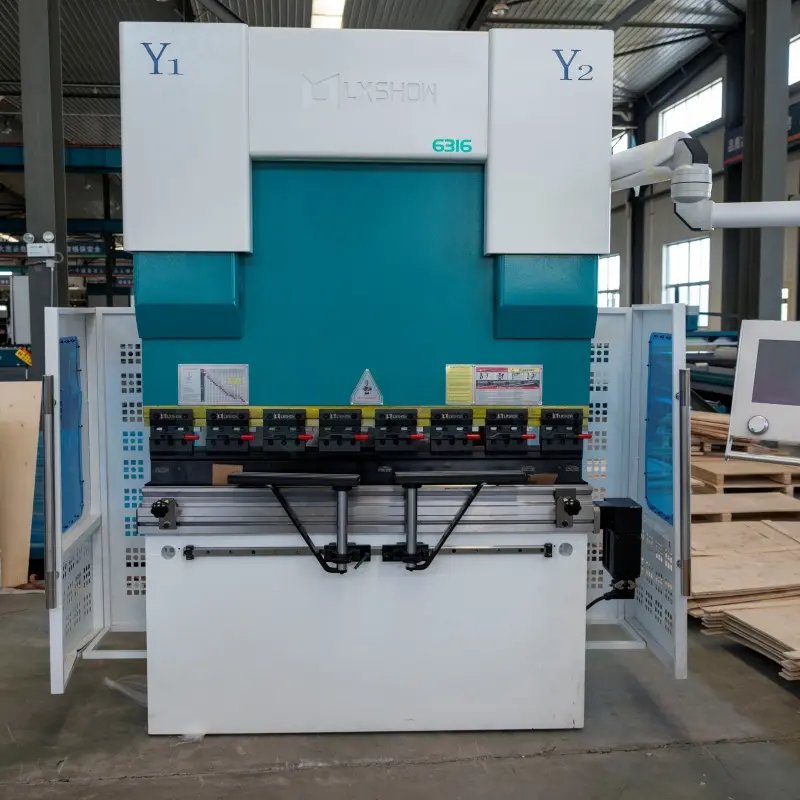
Precision electro-hydraulic servo design for accurate, repeatable bends.
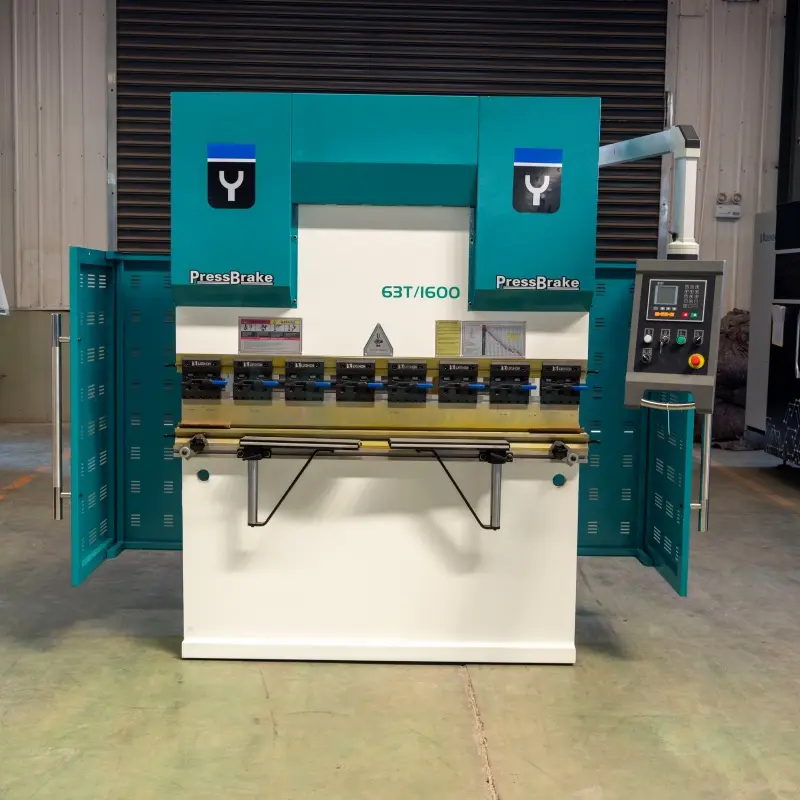
Torsion bar synchronized design optimized for large bending tasks.
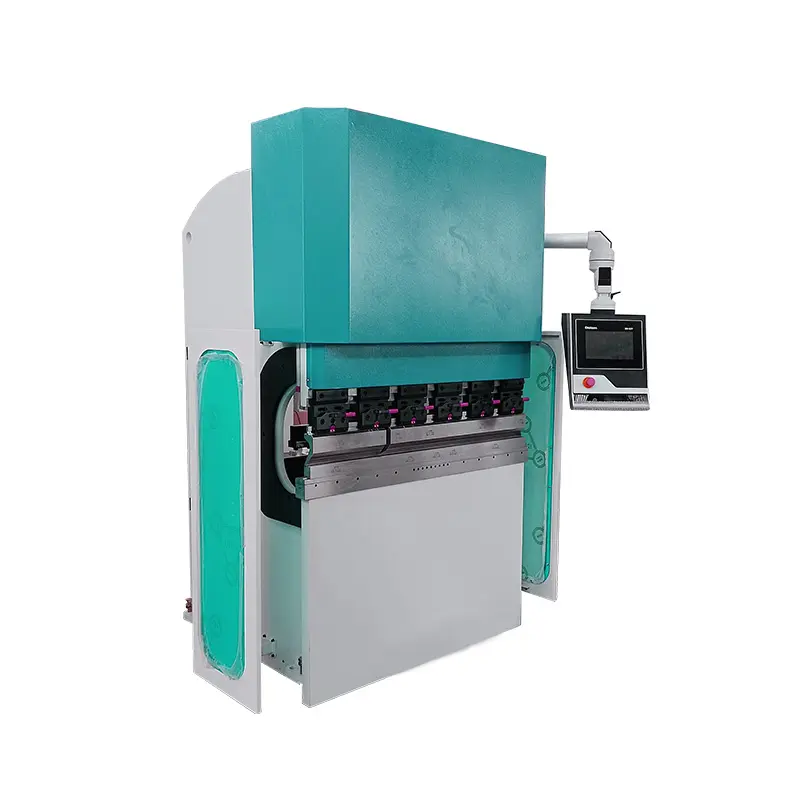
Pure electric system delivering fast cycle times and low energy use.
The sheet metal processing sector is moving toward complete automation. By 2040, we project that manual adjustment of beam shapes, focal spots, and gas ratios will be fully replaced by real-time closed-loop sensing.
The next wave of innovation focuses on the integration of AI-driven vision systems. Camera arrays placed inside the cutting enclosure monitor raw metal sheets for imperfections, surface rust, and flatness, adjusting cutting parameters on the fly to prevent scrap. Furthermore, nesting programs have evolved from basic shape grouping to complex algorithms that minimize residual sheet web, pushing material yields past 90%.
Strategic Direction: At LXSHOW, our R&D roadmap focuses on high-brightness fiber laser engines, ultra-speed double exchange mechanisms, and cloud-native manufacturing execution system (MES) integration. This ensures your capital investment remains highly competitive for the next 15 to 20 years.
Adapting the laser energy distribution profile in real time to match metal composition changes, reducing edge roughness on complex contours.
Real-time visual monitoring systems that auto-correct cutting and feed speeds during runtime to eliminate micro-cracks and dross.
Integrated robotic arms that automatically sort and stack cut parts while moving waste scrap to collection bins.
Get authoritative answers to your common questions regarding fiber laser sheet cutting machines, pricing structures, and maintenance protocols.
The ultimate pricing structure is determined by laser power rating (ranging from 1kW to 30kW+), bed sizing configurations (such as 3015 or 4020 formats), motion system components (precision linear motors vs. helical rack-and-pinion setups), and functional features like double exchange tables, dust collectors, and loading/unloading automations.
Energy density increases with power. For instance, a 12kW system cuts 20mm carbon steel plates more than three times faster than a 6kW system, and delivers a cleaner edge profile with minimal dross. This significantly reduces the cost-per-part on thicker plates.
Fiber lasers require zero mirror alignments, consume less electricity (wall-plug efficiency of 35% vs. 10% for CO2), cut thin sheets significantly faster, and have lower maintenance costs due to fewer consumable optical elements.
Nitrogen is the preferred option because it prevents oxidation, leaving a clean, bright edge ready for painting or welding. Oxygen is typically used for carbon steel thick plates to create an exothermic reaction that aids the cutting process.
Modern fiber lasers incorporate optical isolators and back-reflection protection systems. These devices detect returning light and deflect it safely away from the laser diode array, allowing for reliable cutting of highly reflective metals.
Importing to the EU requires a valid CE declaration of conformity (machinery directive, low voltage directive). North American markets look for FDA accession numbers for laser devices and compliance with UL/CSA standards for the electrical enclosures.
A double exchange worktable allows the operator to unload cut parts and load a new raw metal sheet while the machine cuts inside the enclosure. This reduces cycle times and increases daily sheet throughput.
Operators require training in nesting software, laser parameter configuration (frequency, duty cycle, focus location), lens cleaning, gas flow setting, and basic safety procedures. LXSHOW provides online and on-site training to get your team up to speed.
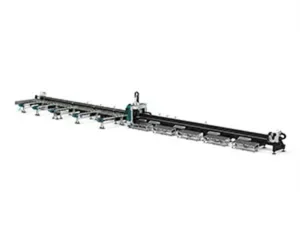
Discover our highly rated fiber laser cutting sheets, fully covered exchange tables, and heavy-duty sheet cutters designed for reliable production cycles.
 Lxshow