Explore our state-of-the-art catalog of fiber lasers, folding brakes, cleaning technologies, and custom industrial manufacturing machinery.
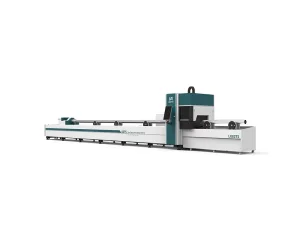
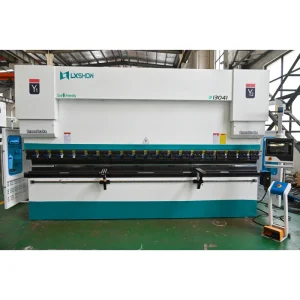
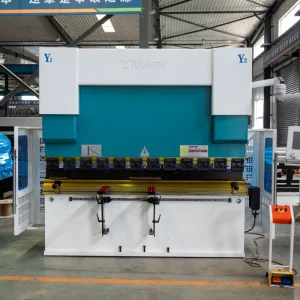
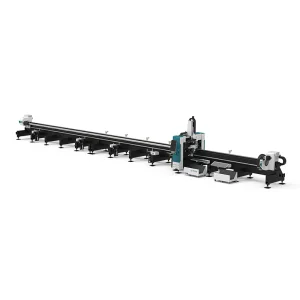
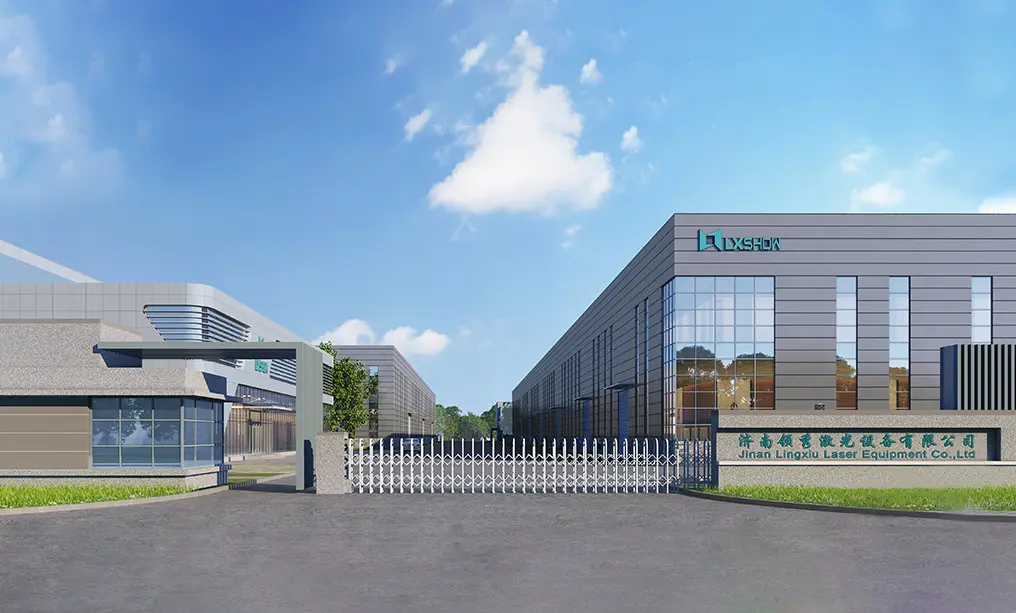
The global metal fabrication industry is experiencing a profound paradigm shift driven by advancements in industrial lasers, CNC automation, and intelligence systems. At the center of this revolution is the laser cutting machine metal technology, which has redefined the boundaries of production speed, manufacturing flexibility, and dimensional tolerances. As a leading brand established in July 2004, our enterprise boasts over 500 square meters of high-tech researching and executive office space alongside a state-of-the-art manufacturing plant exceeding 32,000 square meters. Our operational footprint spans 150+ countries and helps thousands of factories realize their transition toward smart manufacturing and Industry 4.0 paradigms.
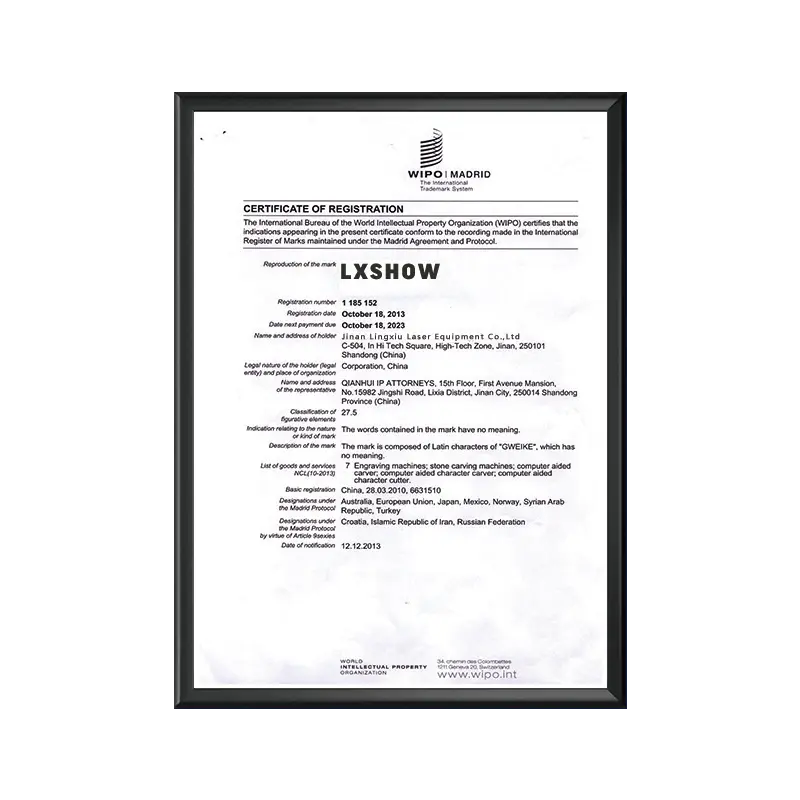
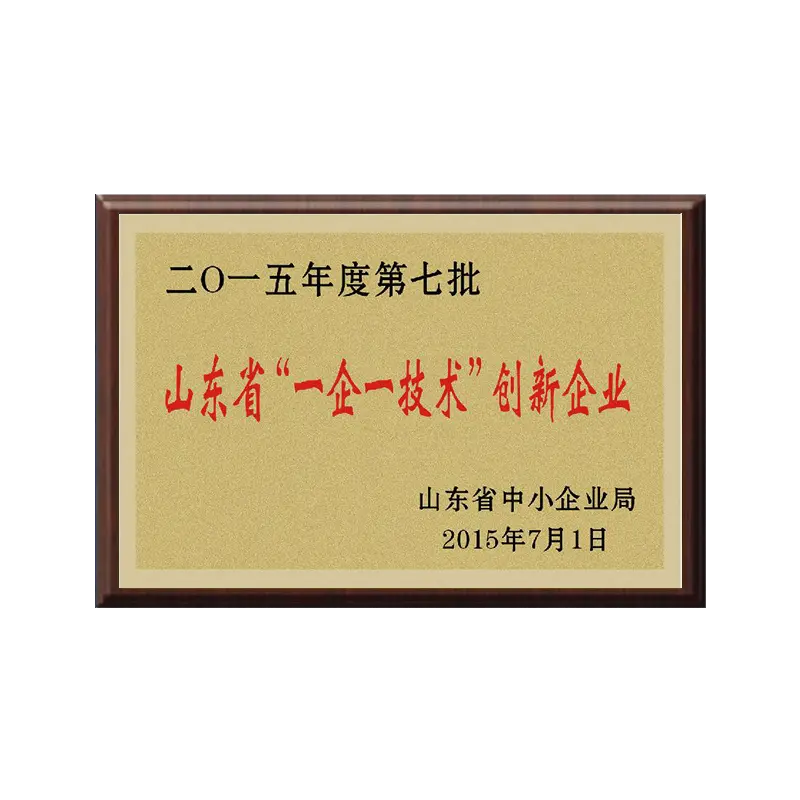
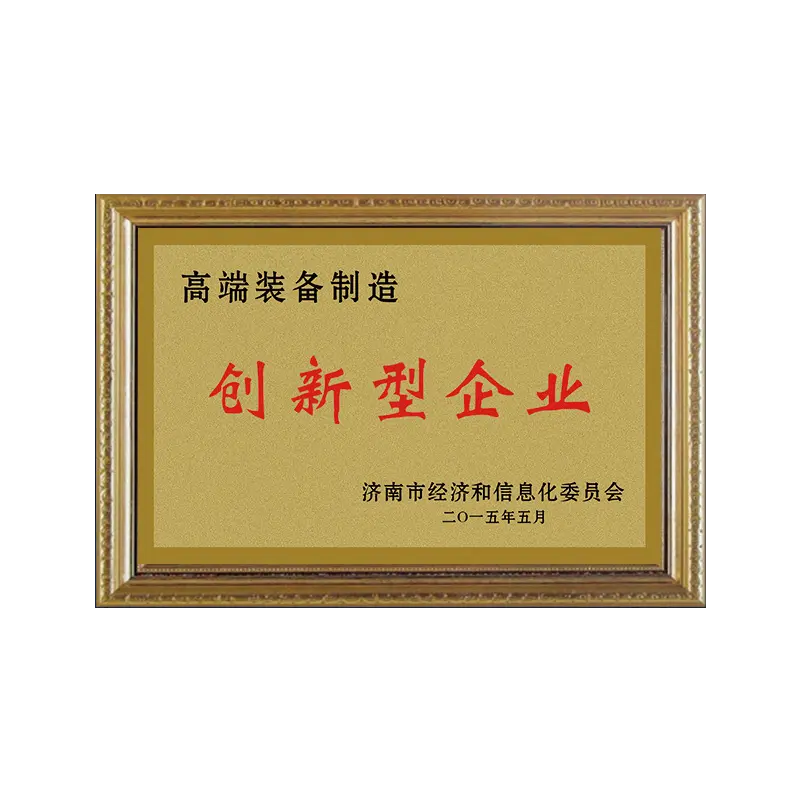
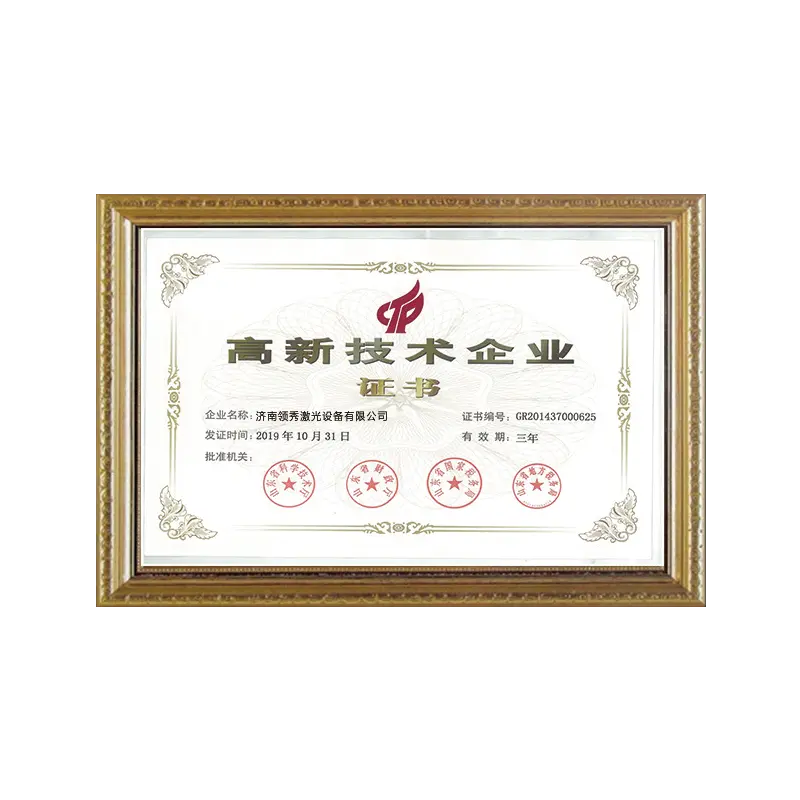
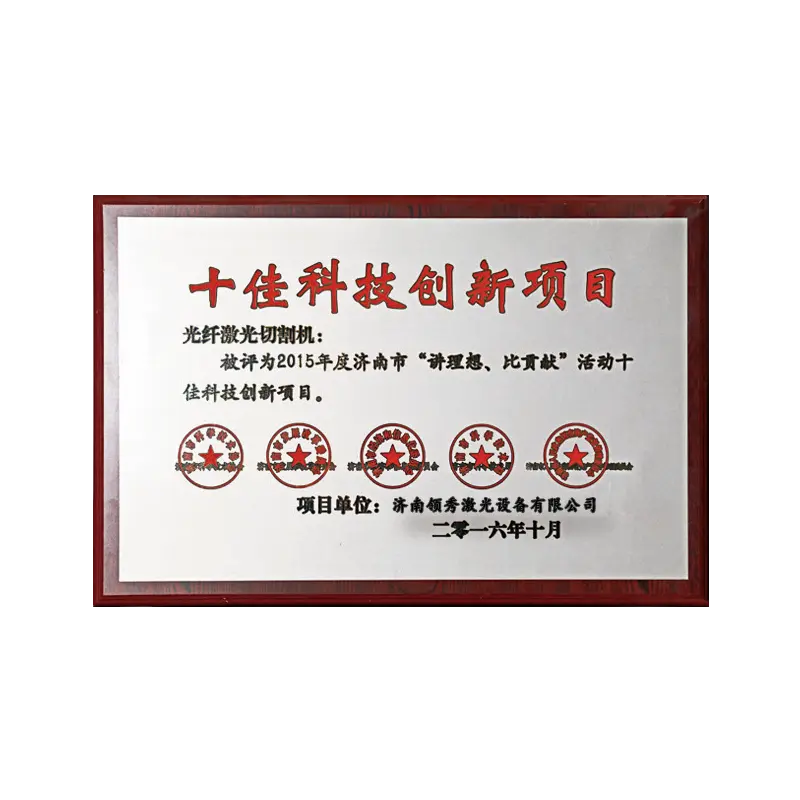
“All of our engineering platforms have successfully attained European Union CE authentication, American FDA certificates, and are certified under the ISO 9001 global quality management framework. By integrating advanced optical layouts and rugged mechanical engineering, we supply critical OEM services to more than 30 global brands and continue to pioneer new standards in thermal laser cutting, precision bending, and industrial rust removal.”
Modern commercial metal fabricators face rigorous market pressures: a demand for smaller production runs, highly customized geometries, and minimized material waste. In sectors such as aerospace, automotive assembly, transport equipment manufacturing, and machinery construction, traditional mechanical punching and shearing methods are increasingly obsolete. Fiber laser systems utilize Ytterbium-doped active fibers to produce a high-intensity, coherent laser beam that is delivered via a flexible optical fiber directly to the cutting head. This structural framework reduces maintenance overheads, eliminates delicate mirror-based delivery optics, and increases the electro-optical conversion efficiency to over 35%-40% (compared to a mere 8%-10% in vintage CO2 cutting systems).
Across North America, Western Europe, and Asia-Pacific, the growth of heavy manufacturing infrastructure has pushed the demand for ultra-high-power fiber systems ranging from 12kW to upwards of 40kW. High-power systems allow rapid nitrogen-assisted cutting of extremely thick plate stock, minimizing the heat-affected zone (HAZ) and leaving a polished finish that does not require secondary deburring. Simultaneously, specialized industries are incorporating mini high-precision fiber laser systems, featuring linear motors and ball screw transmission architectures. These components guarantee high structural rigidity and ultra-fast acceleration curves for medical and electronics applications.
Our long-term operational objective is aligned to secure a leading technological status within the global optoelectronics field before 2040. To achieve this, our R&D team targets four primary growth vectors:
Moving past standard power caps to deploy stabilized 30kW+ systems that utilize custom-engineered nozzle dynamics, preventing dross build-up and optimizing gas flow.
Integrating closed-loop sensor architectures within the laser head. This technology monitors cut status in real time and automatically calibrates cutting parameters dynamically.
Minimizing electricity and auxiliary gas consumption (Nitrogen, Oxygen, Compressed Air) by integrating high-efficiency eco-nozzles and optimized cutting paths.
The integration of Industry 4.0 technologies allows factories to connect laser cutting tools directly to MES (Manufacturing Execution Systems) and ERP systems. Through real-time telemetry, machinery operators monitor gas consumption, cutting hours, electrical draws, and diagnostic alerts. This network structure ensures that preventative maintenance routines are scheduled automatically, preventing unexpected downtime and boosting shop floor profitability.
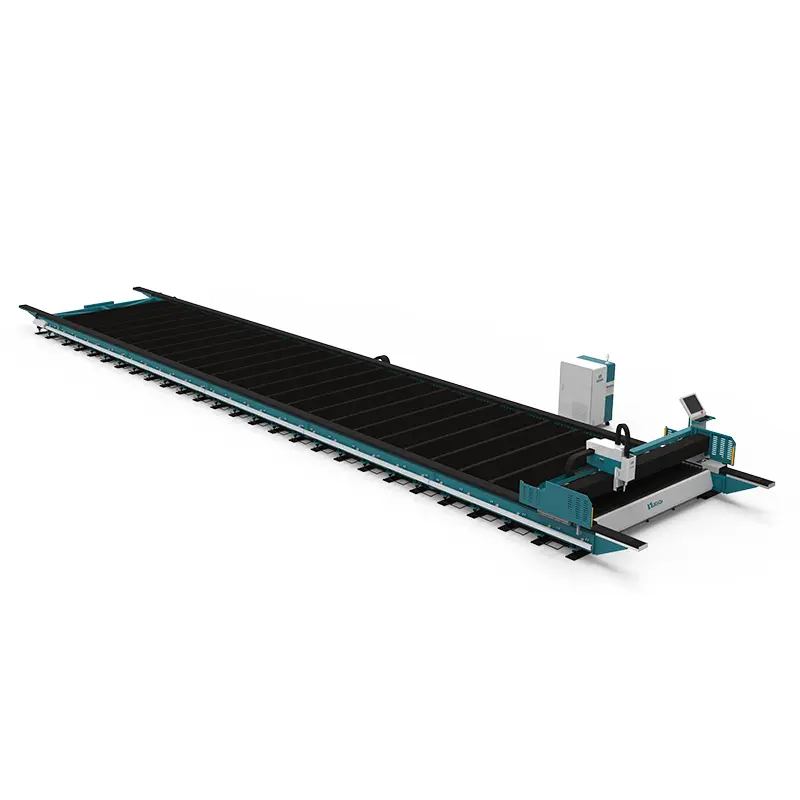
Our solutions cater directly to varied regional industrial sectors. In regions characterized by intensive steel production, construction equipment assembly, and marine engineering, our large-format sheet metal cutting and cleaning installations manage structural steel plates with extreme accuracy. In highly focused regions like Southern Europe, East Asia, and the Americas, our clients use localized setups to process highly reflective non-ferrous metals like copper, brass, and aluminum. The structural integration of back-reflection protection modules protects the fiber laser source from retro-reflected laser light, safeguarding the machine during copper and aluminum cutting operations.
Specially tuned laser wavelengths and beam shapes optimized for diverse structural alloys
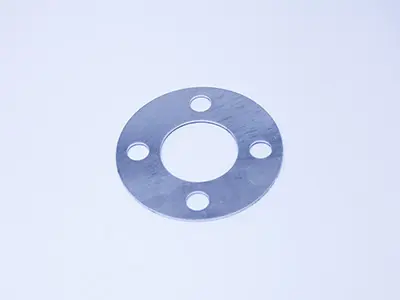
Aluminum Alloys
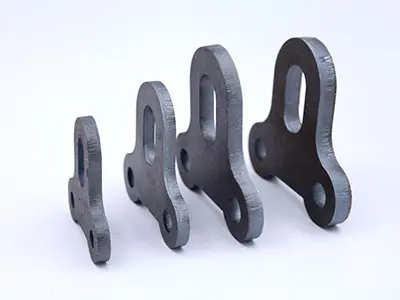
Carbon & Mild Steel
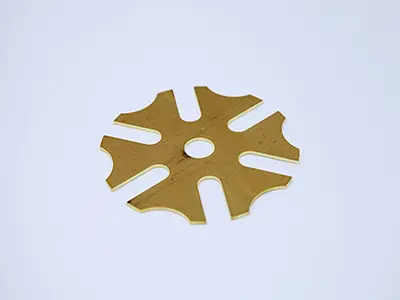
High-Reflective Copper
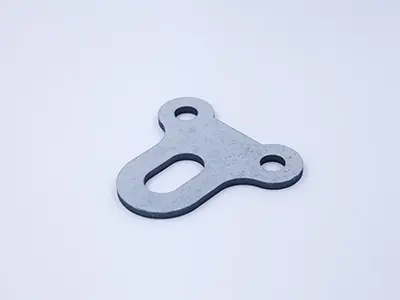
Galvanized Sheet Metal
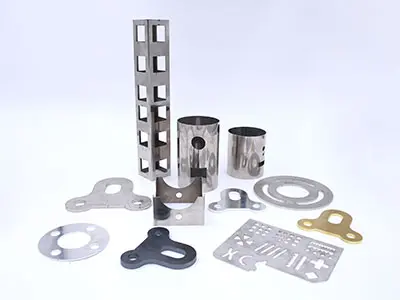
Specialty Alloys
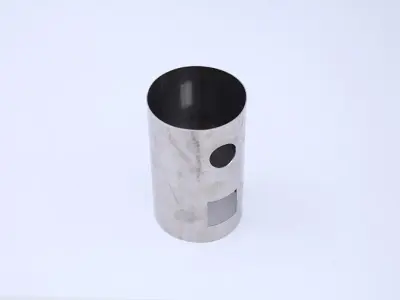
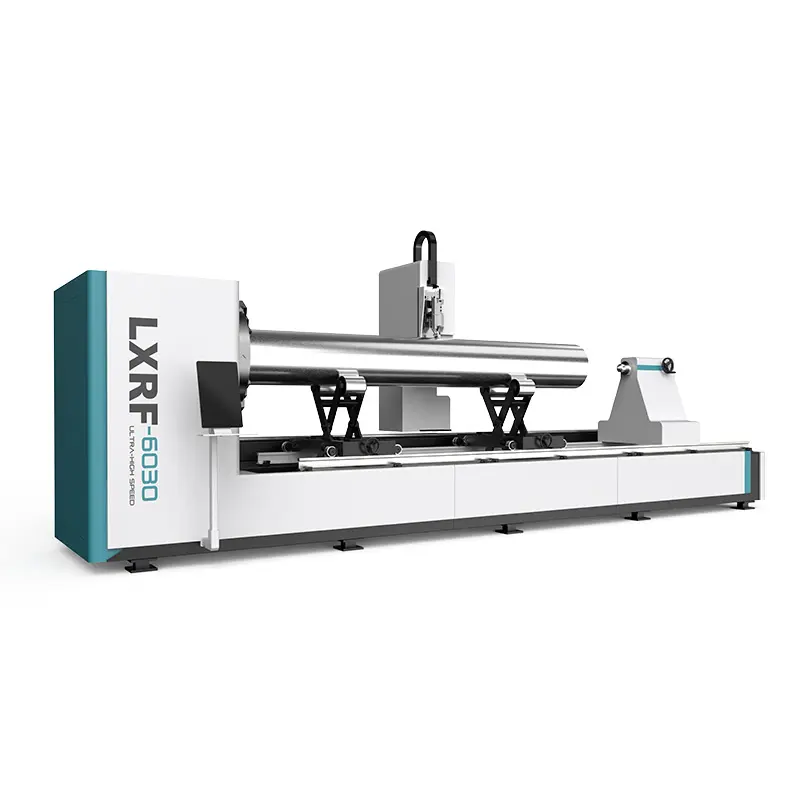
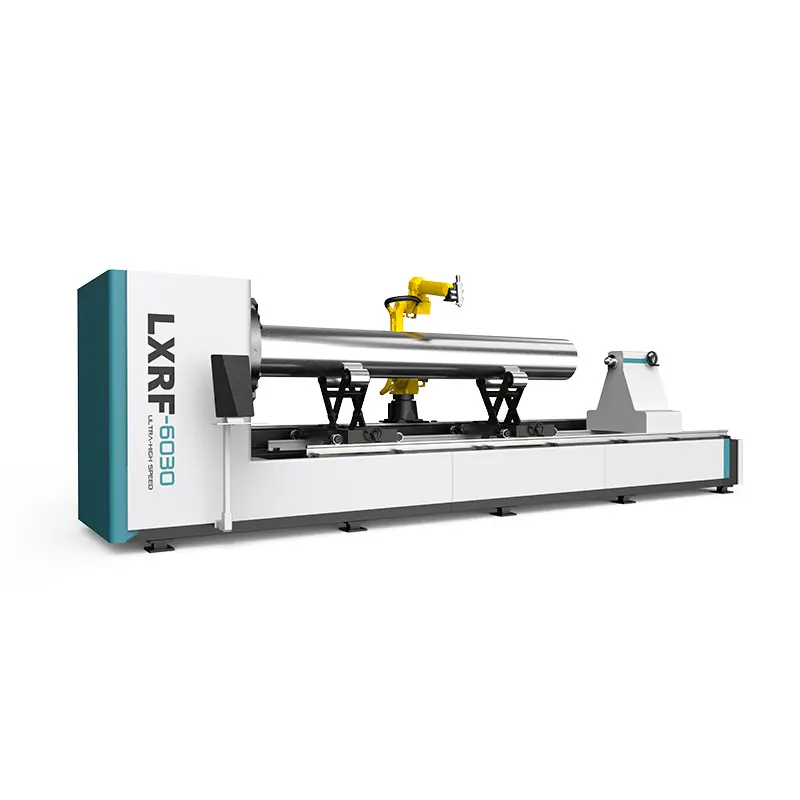
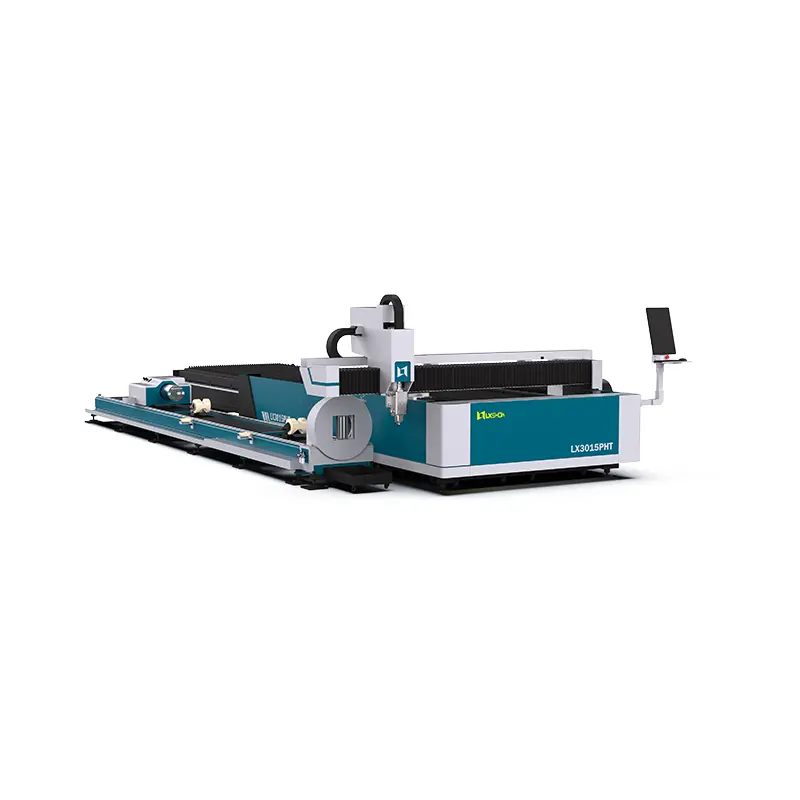
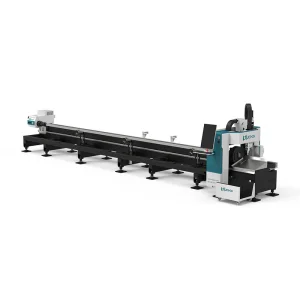
Round Structural Tube
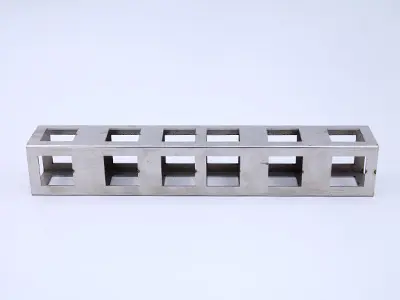
Square Profile Tubing
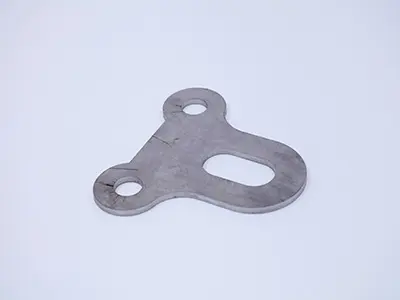
Austenitic Stainless Steel
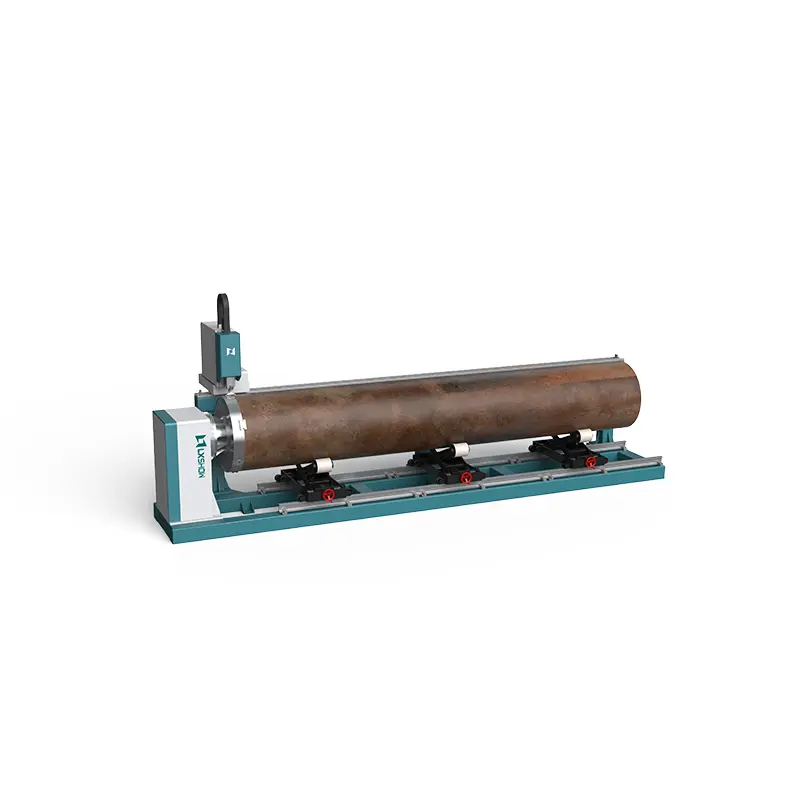
Our systems cut complex patterns across diverse raw material profiles, including round tubes, square tubes, and flat sheets. This performance is critical for structural metal shops, commercial kitchenware fabricators, hardware manufacturers, agricultural equipment plants, automotive parts factories, custom signage shops, and aerospace suppliers.
Our research and development program focuses on long-term technological reliability. Our 32,000 square meter factory contains specialized testing labs, precision measurement bays, and clean assembly rooms. This infrastructure supports our engineering team, which is split into specialized divisions to ensure quality at every stage of production: from the initial CAD/CAM layout to final assembly, commissioning, and quality control.
Inside our ISO 9001 certified manufacturing and testing complex
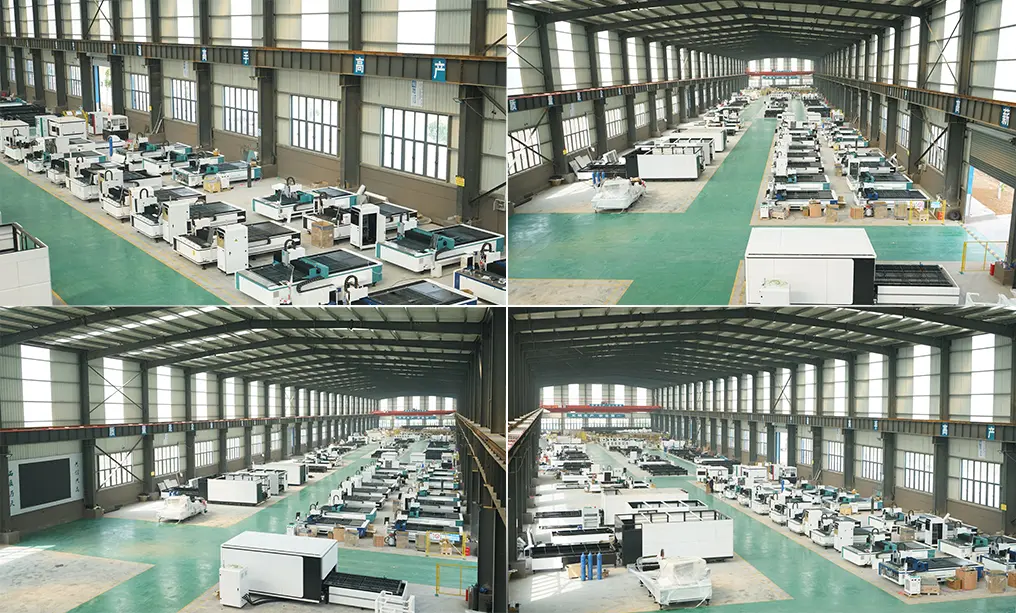

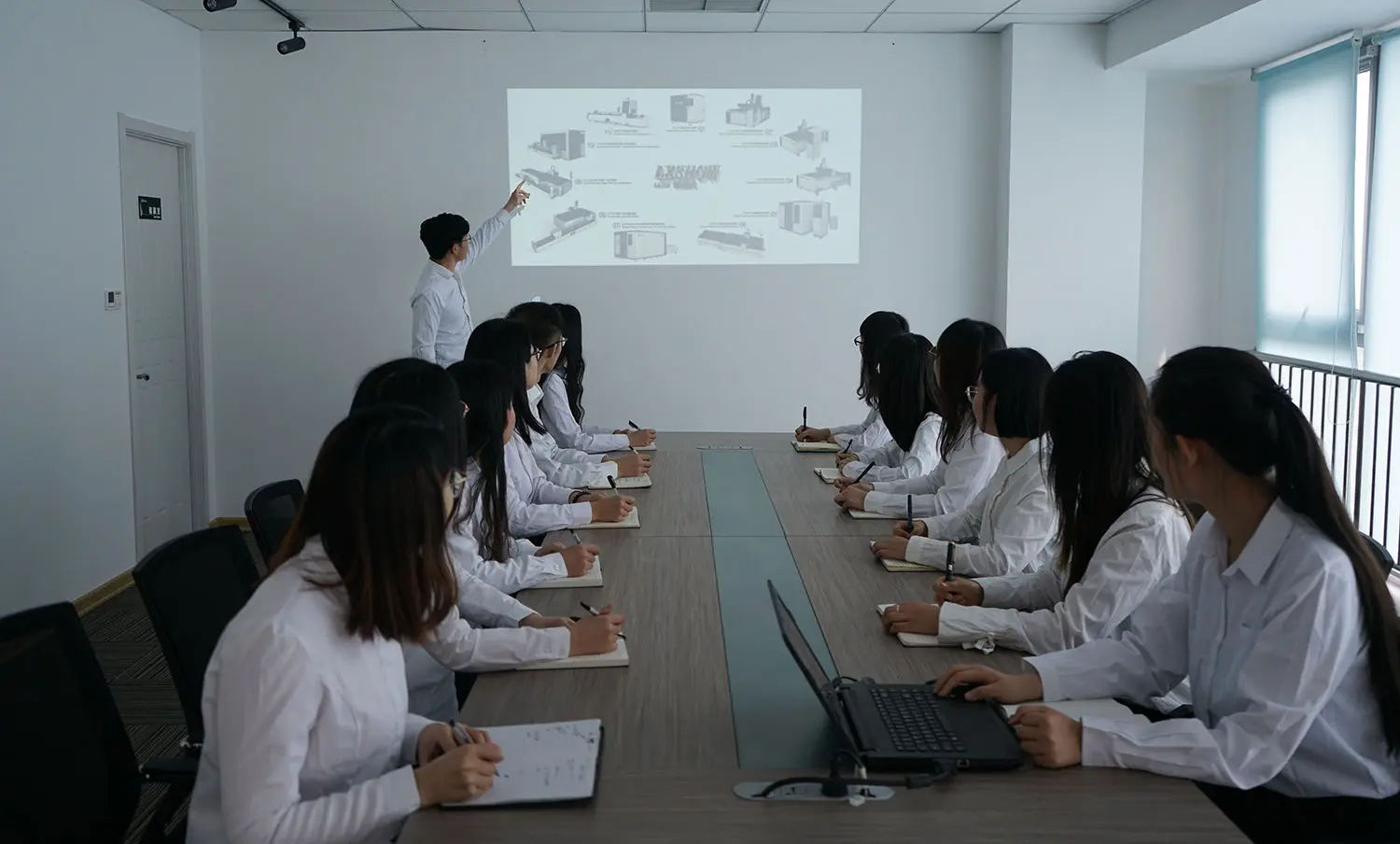
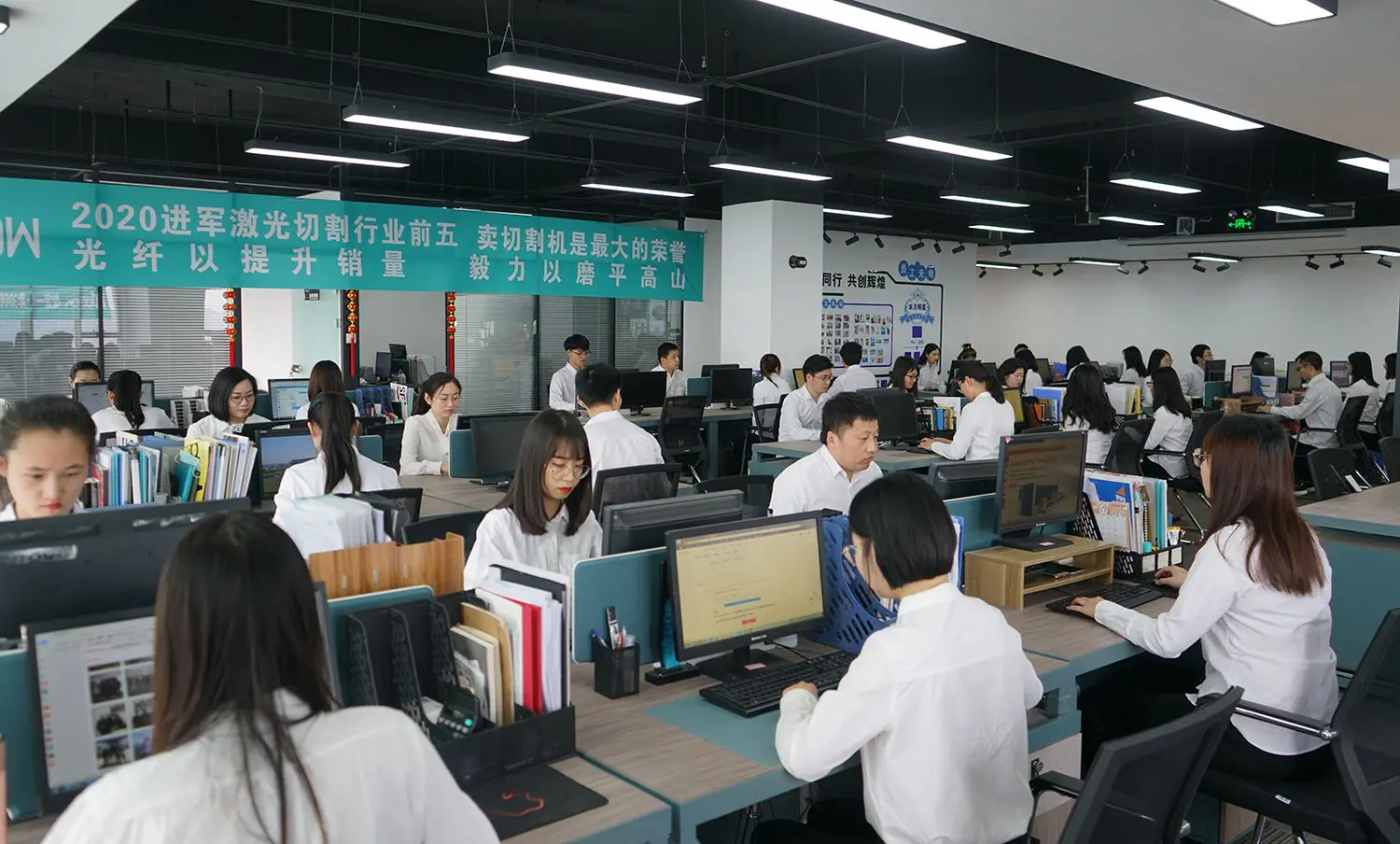
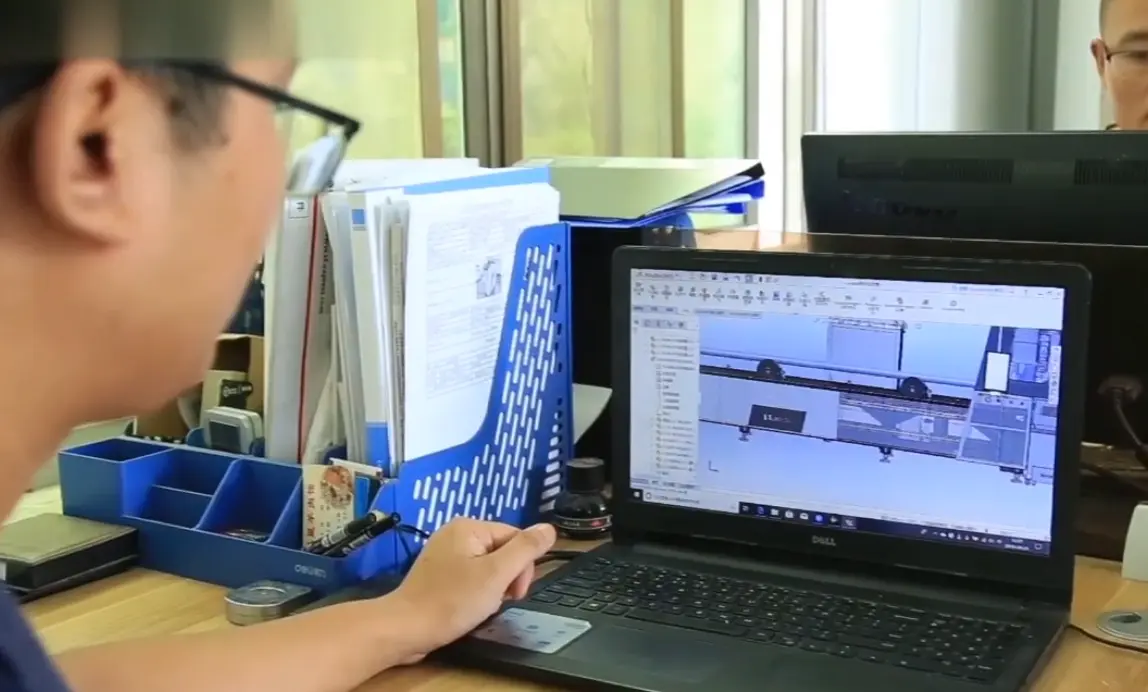
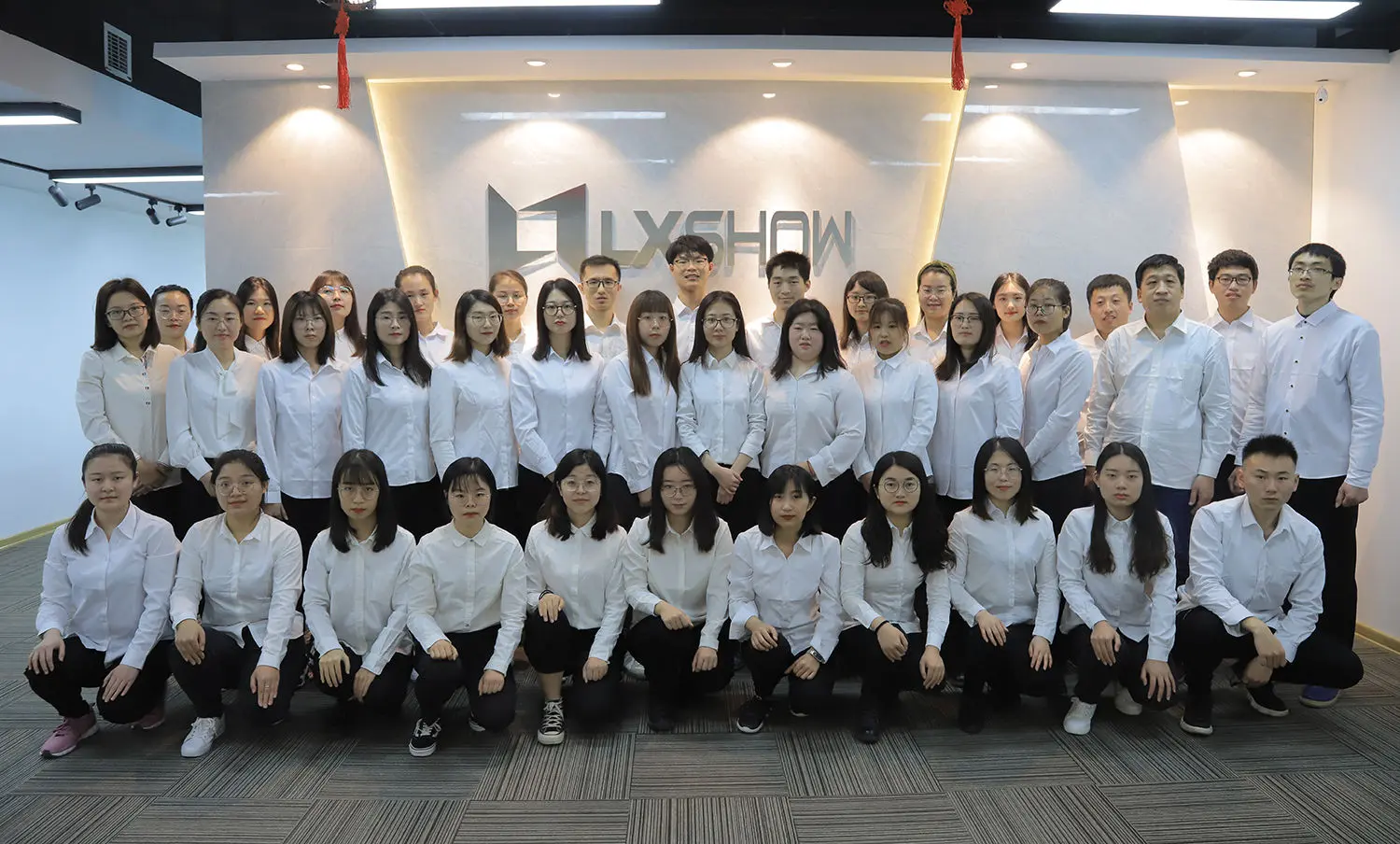
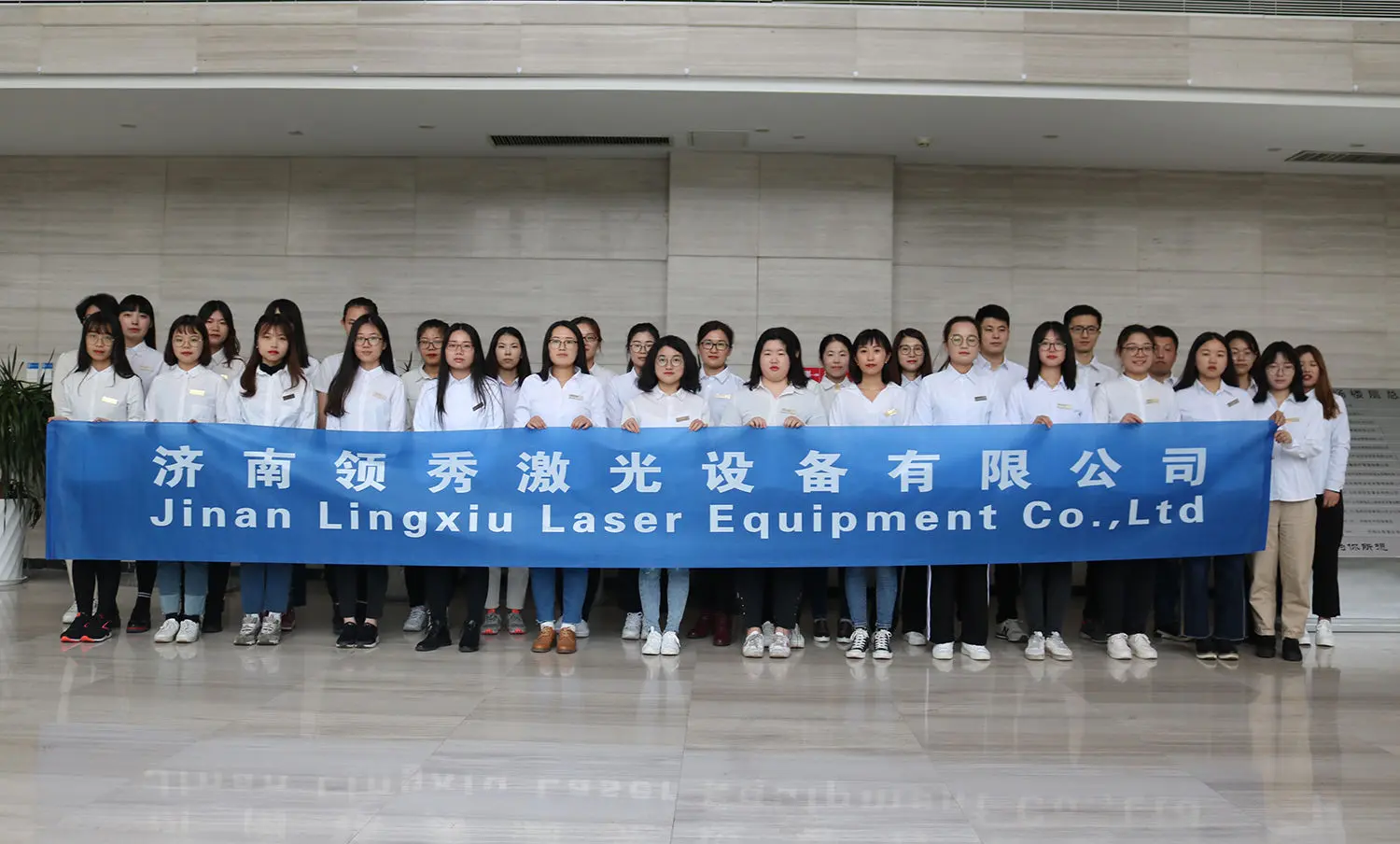
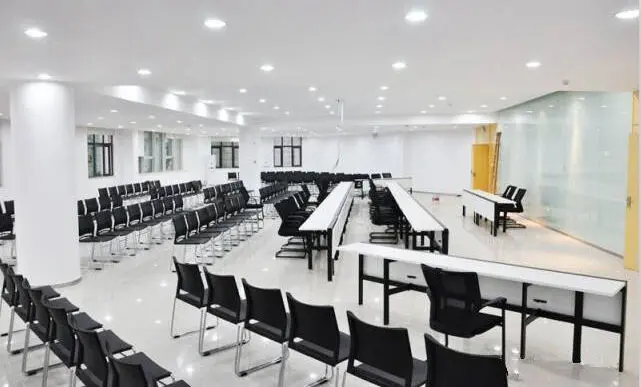
A functional modern fabrication facility requires more than just high-speed cutting. Optimal productivity depends on a balanced, end-to-end processing chain. Once raw sheet metal or tubing is sliced by our fiber lasers, it undergoes immediate post-processing: deburring, bending, joining, and surface conditioning. This integrated workflow helps prevent production bottlenecks.
To support this entire manufacturing process, we design and produce a comprehensive line of industrial metalworking systems:
Provides structural reinforcement, material deposit, and surface hardening for heavy wear components.
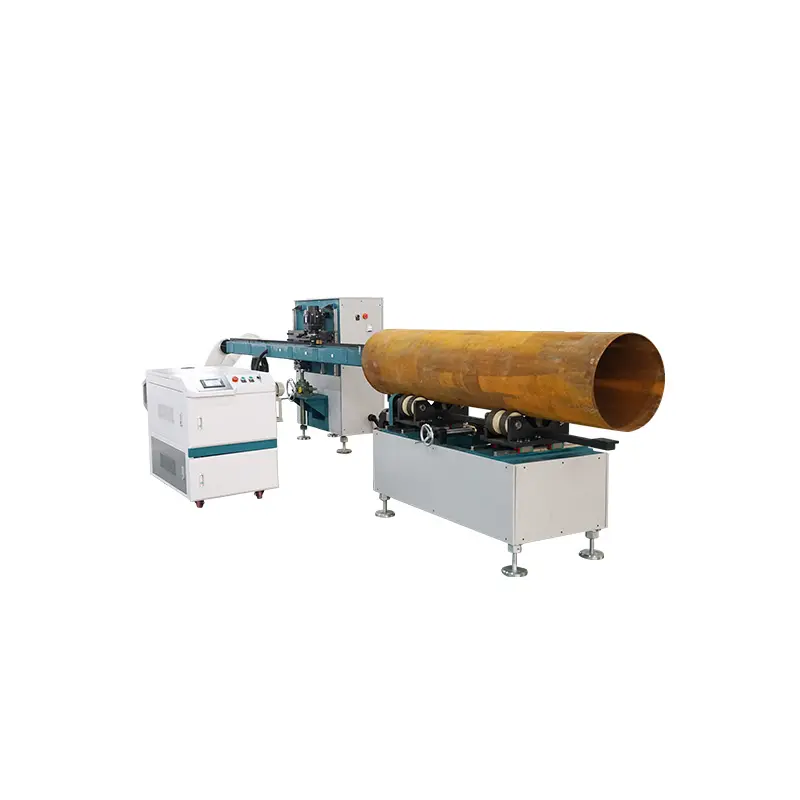
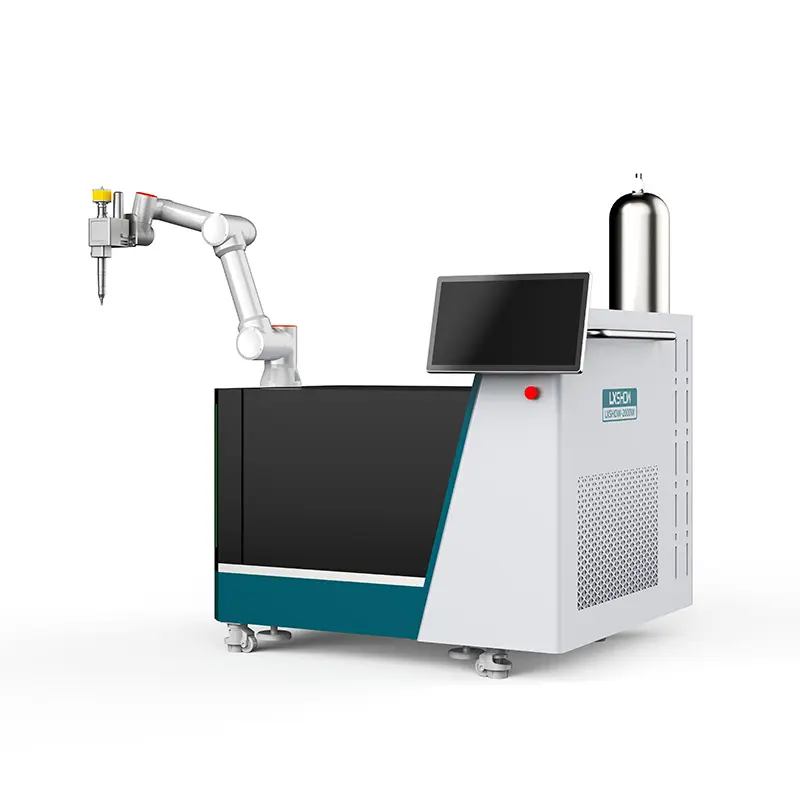
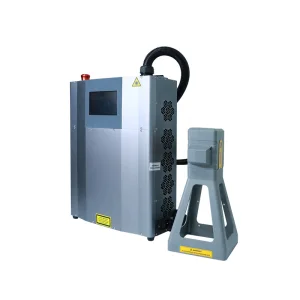
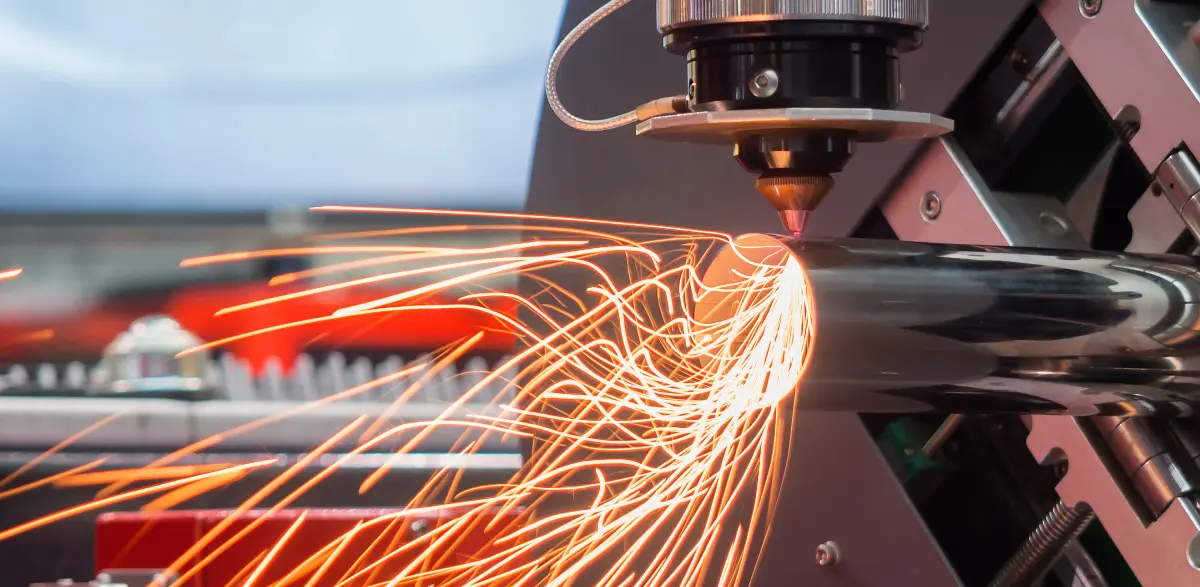
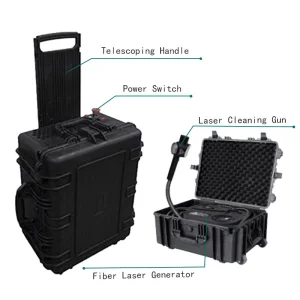
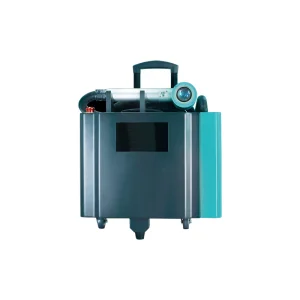
Pulsed fiber systems designed for ecological rust removal, paint stripping, and pre-weld surface prep.
High-speed handheld, automatic, and robotic structural welding systems for stainless, carbon steel, and copper.
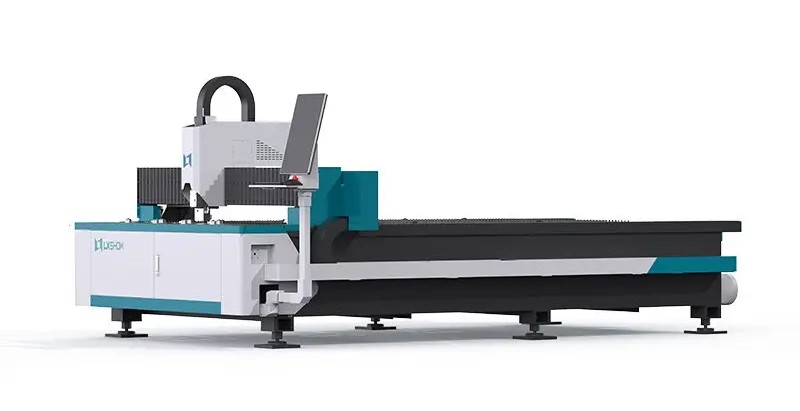
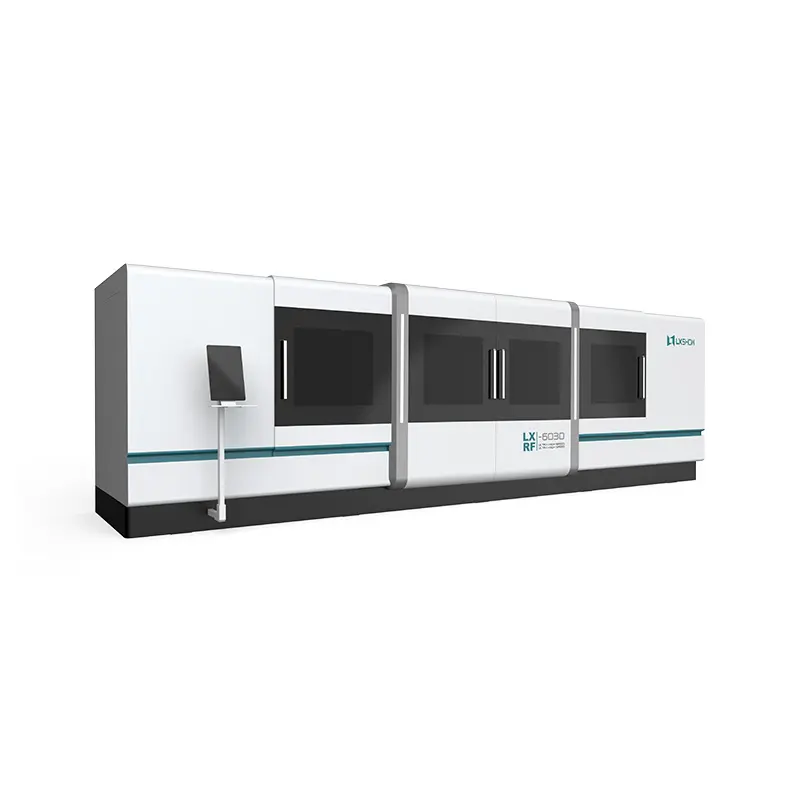
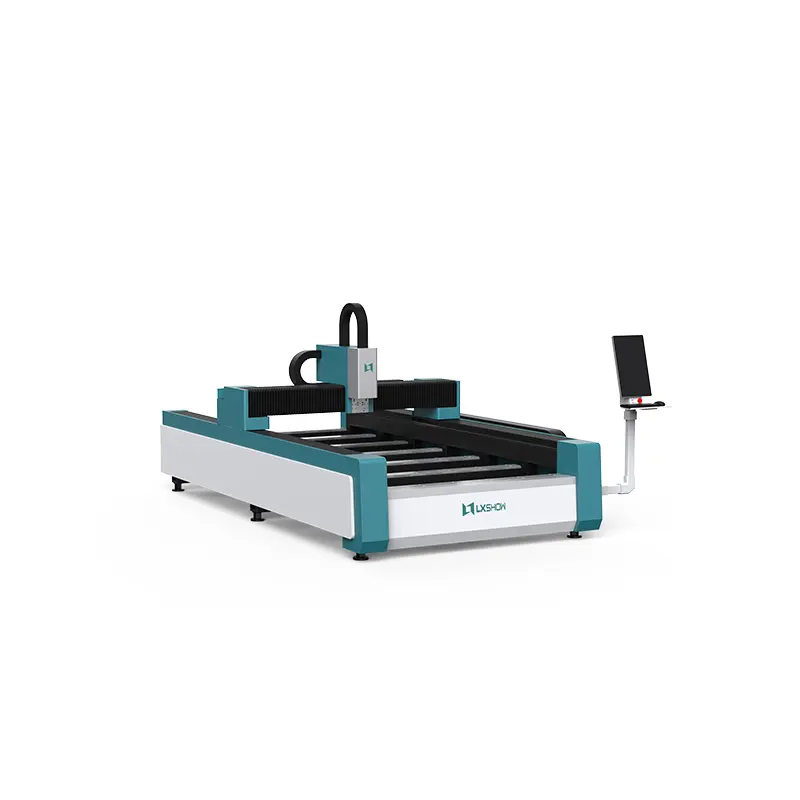
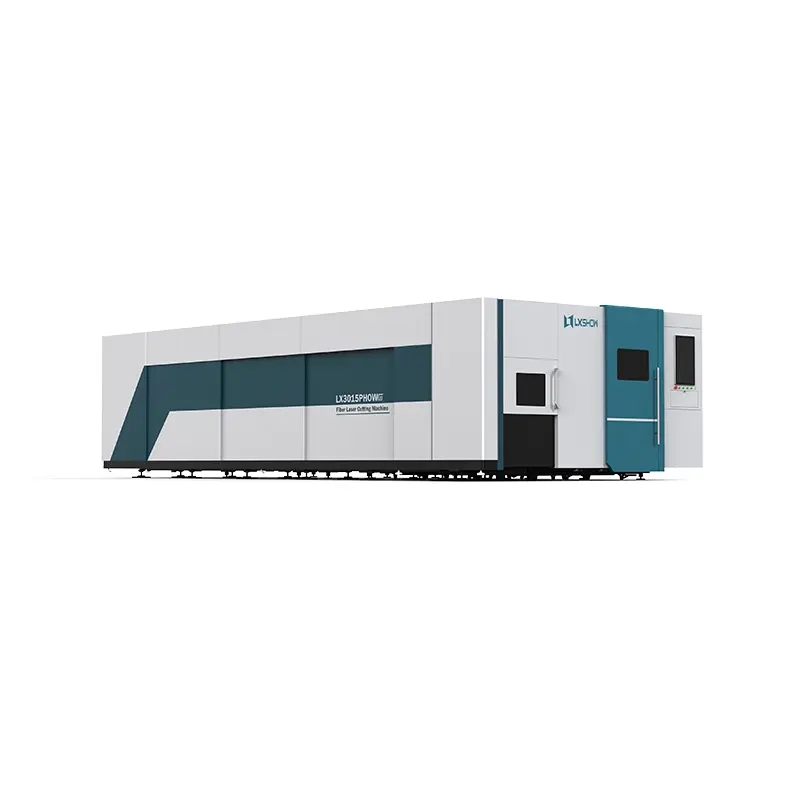
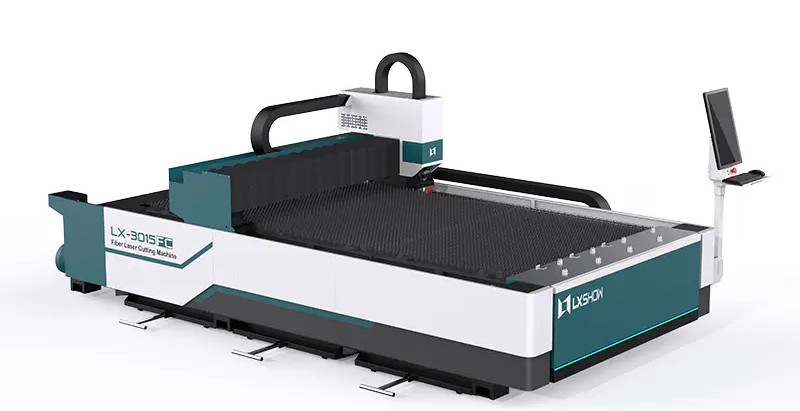
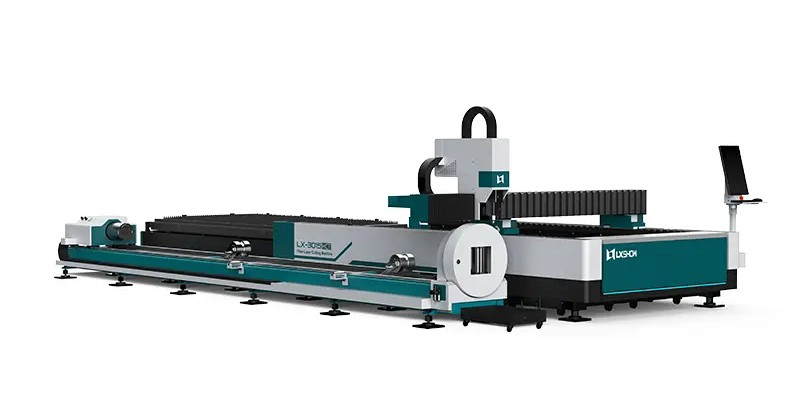
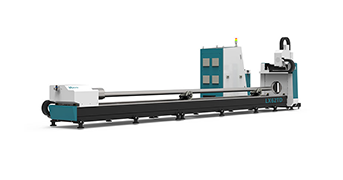
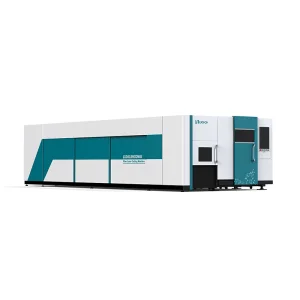
Our core industrial systems featuring high-power fiber sources, dynamic exchange tables, and enclosed safety structures.
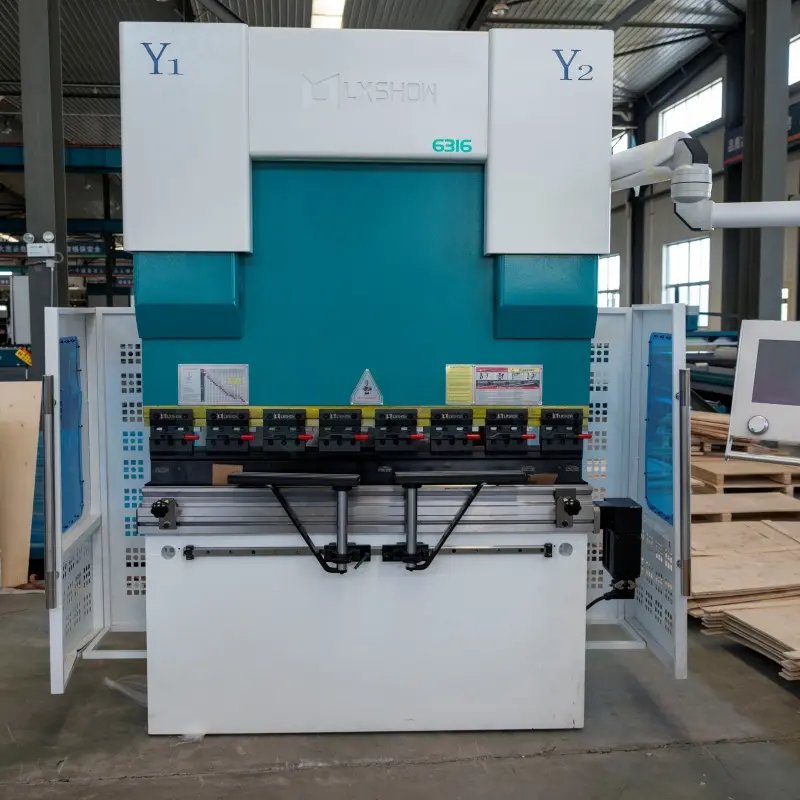
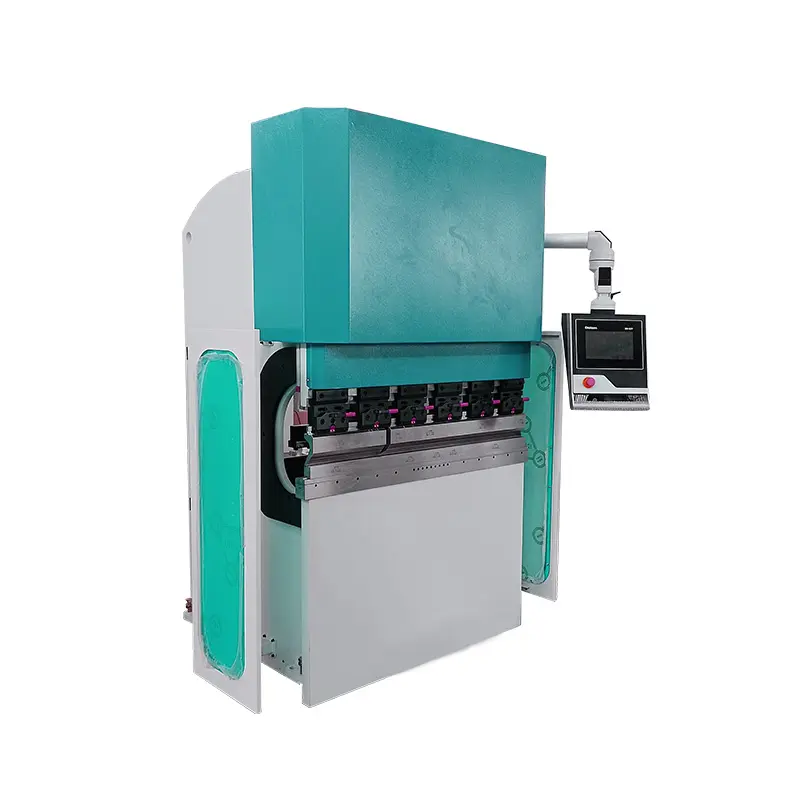
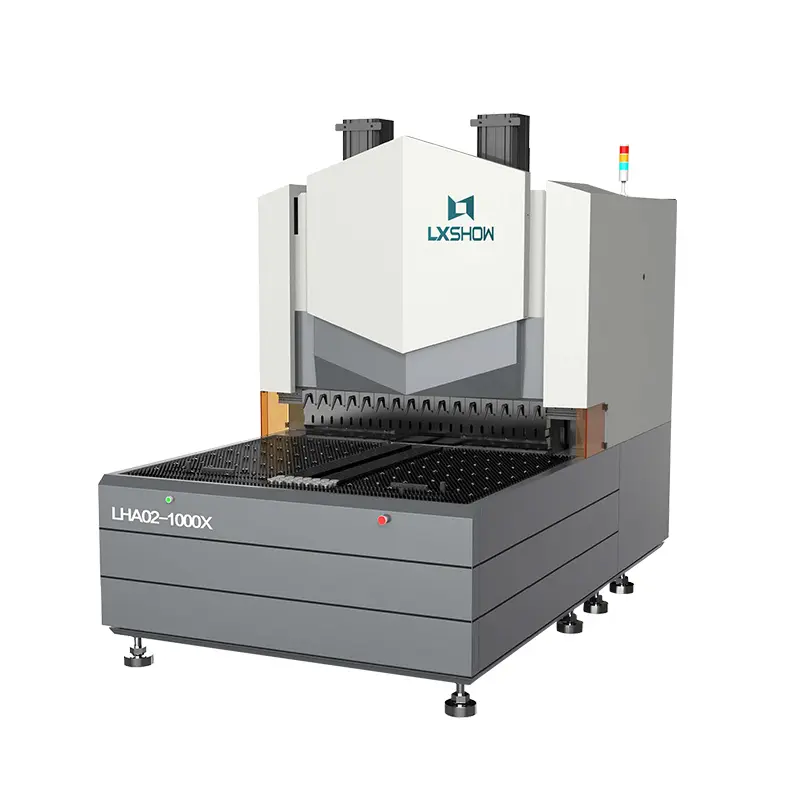
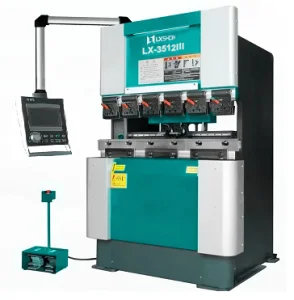
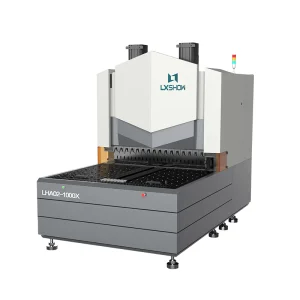
Electro-hydraulic servo press brakes and automated bending centers designed for precise sheet metal shaping.
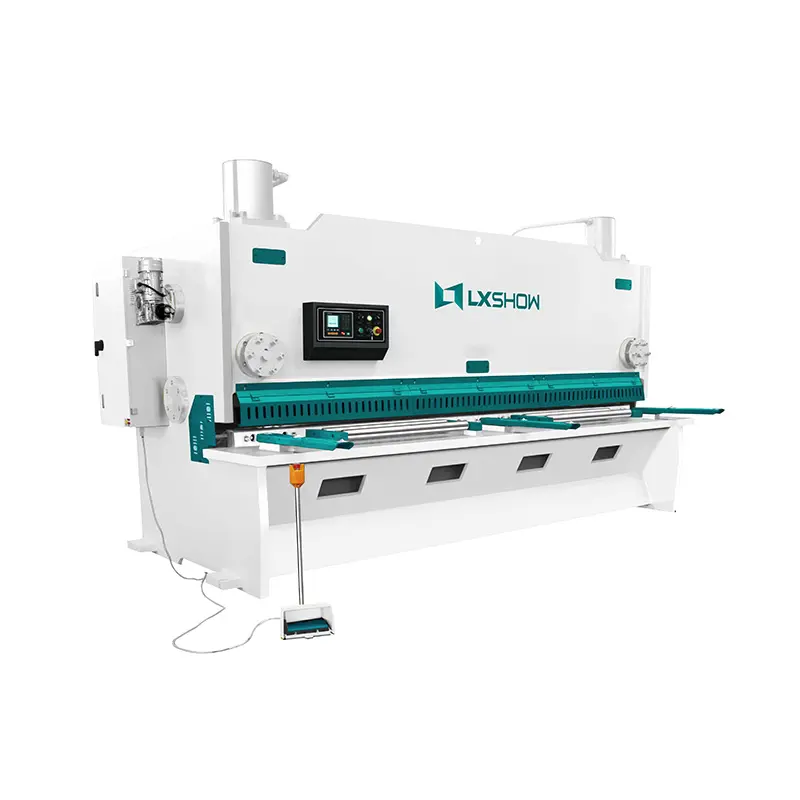
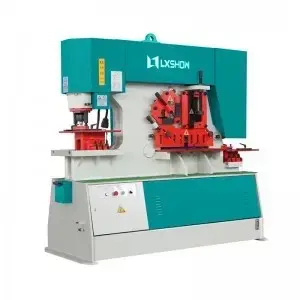
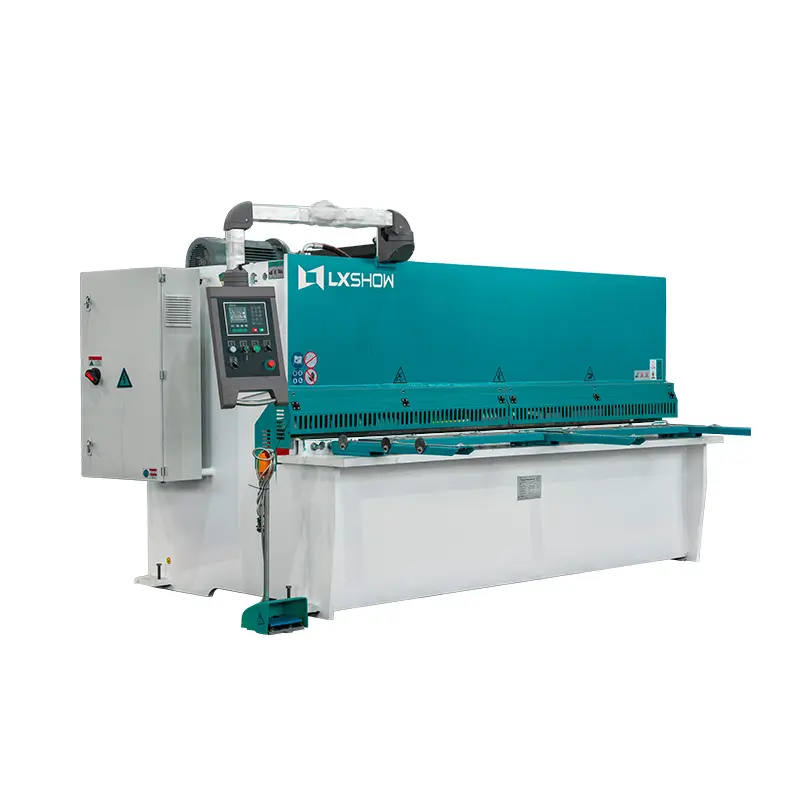
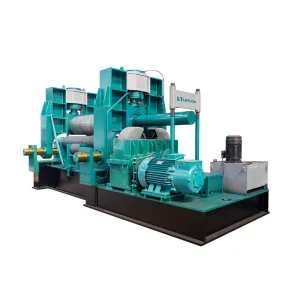
Heavy-duty hydraulic gates and combined multi-functional punch-and-shear systems for structural beams and plates.
In mechanical shearing and bending lines, tool wear and structural deformation introduce dimensional variance. In contrast, fiber lasers provide a non-contact cutting method, eliminating tool degradation and mechanical stress on the workpiece. The beam spot, concentrated to fractions of a millimeter, generates high localized energy density, vaporizing metal instantly. As the cutting head travels along the pre-programmed CNC path, a coaxial auxiliary gas stream (typically nitrogen for clean edges, or oxygen for carbon steels) ejects the molten kerf. This process results in extremely precise cuts with narrow kerfs and minimal heat dissipation.
Similarly, in surface preparation, traditional sandblasting or chemical cleaning processes present safety and environmental challenges. Our portable fiber laser cleaning systems emit rapid, high-power nanosecond pulses. The rust, oxides, paints, or oils absorb this energy, causing thermal expansion and instant ablation without damaging the underlying metal substrate. This environmentally safe process is widely used across marine engineering, automotive refurbishment, and aerospace structural maintenance.
Ytterbium fiber lasers utilize solid-state gain media and deliver light via flexible optical fiber cables, achieving a 1.06-micron wavelength that is highly absorbed by metals. This allows for significantly higher cutting speeds through thin-to-medium sheets compared to CO2 lasers (10.6-micron wavelength). Additionally, fiber lasers achieve an electro-optical conversion efficiency of over 35%, drastically reducing shop electrical overheads and eliminating beam alignment maintenance.
For high-precision mini systems, traditional rack-and-pinion transmission can introduce backlash and mechanical wear over time. By incorporating linear motors directly coupled with high-precision ball screw transmission systems, we eliminate structural backlash. This engineering design ensures sub-micron resolution, high acceleration rates, and long-term repeatability, which are critical for medical, electronics, and semiconductor components.
Assist gas selection is determined by the material and performance requirements. Oxygen acts as an active gas, reacting exothermically with carbon steel to generate heat, which assists in cutting thick plate stock at the cost of forming a slight oxide layer. Nitrogen acts as an inert shield, purging the molten metal from the kerf without allowing oxidation. This produces a clean, shiny edge ready for immediate welding or painting without secondary treatment.
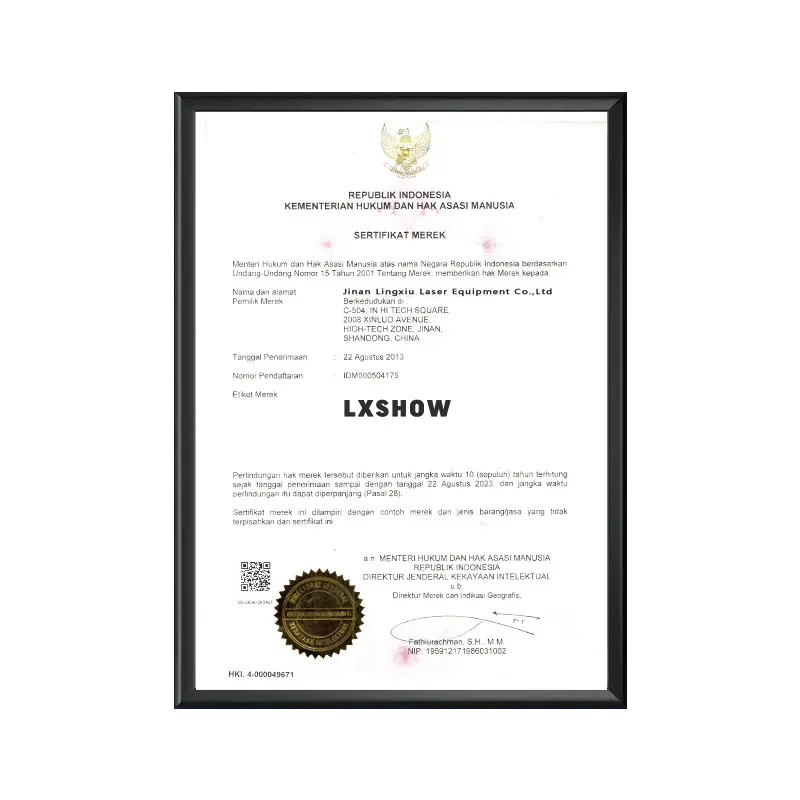
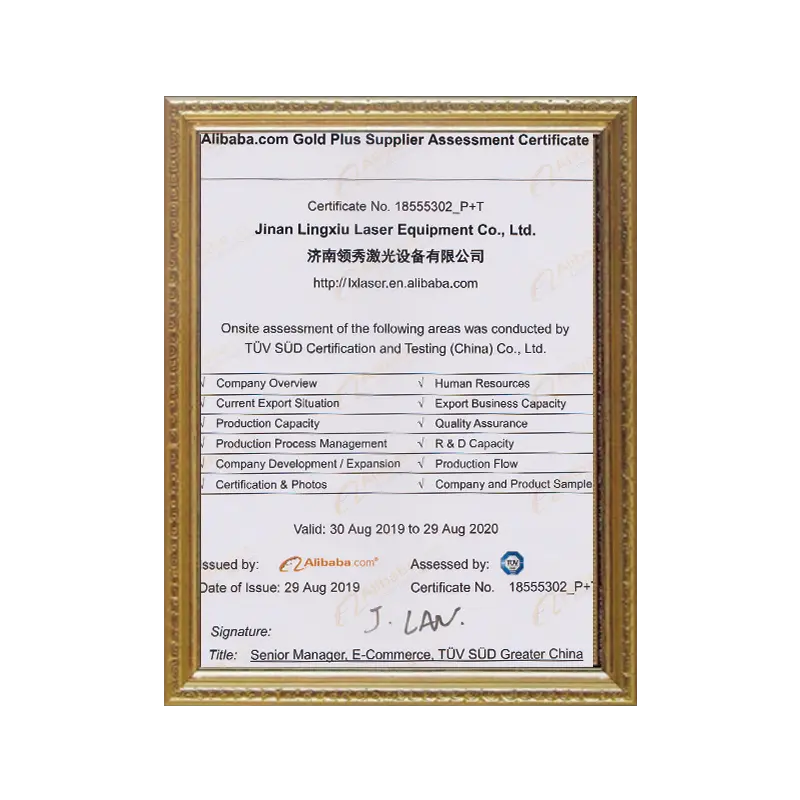
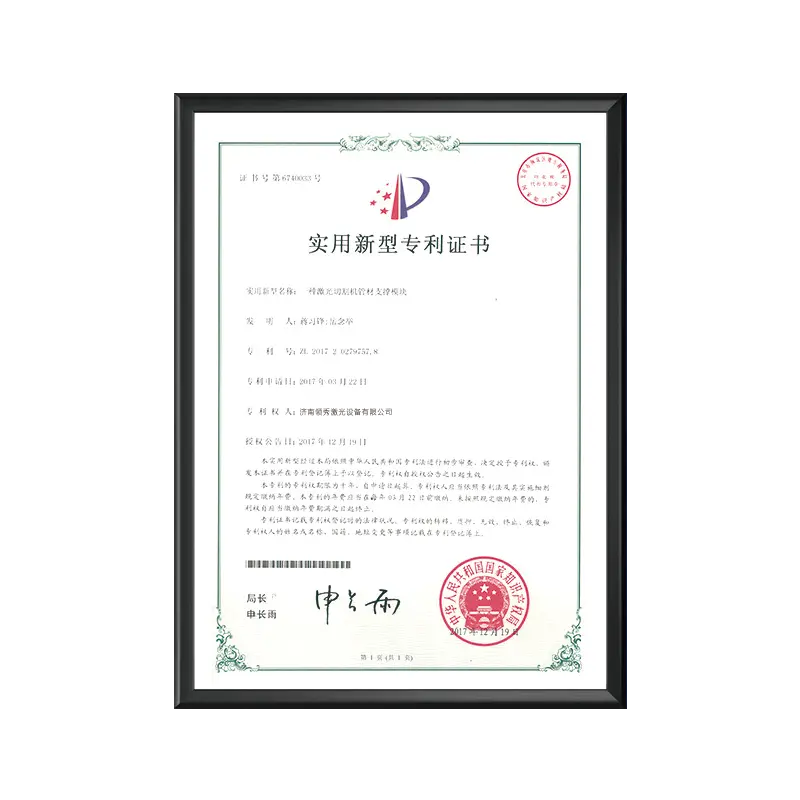
Importing machinery into industrial markets requires strict adherence to international safety protocols. For European markets, European Union CE authentication is mandatory. For North American distribution, compliance with American FDA regulations (especially regarding Class 4 laser safety, interlocks, and light-tight enclosures) is required. Additionally, factories must be certified to ISO 9001 to guarantee systematic assembly and component tracing.
Heavy-duty structural tools, hand-portable cleaners, and multi-axis CNC bending systems engineered for industrial reliability.
 Lxshow