Explore our state-of-the-art catalog of CNC sheet & pipe cutters, hybrid deburring centers, and automated fiber laser systems engineered for high-duty factory operations.
For 18 years, we have provided high-performance CNC smart laser and metalworking equipment to manufacturers worldwide, ensuring process automation and reliability.
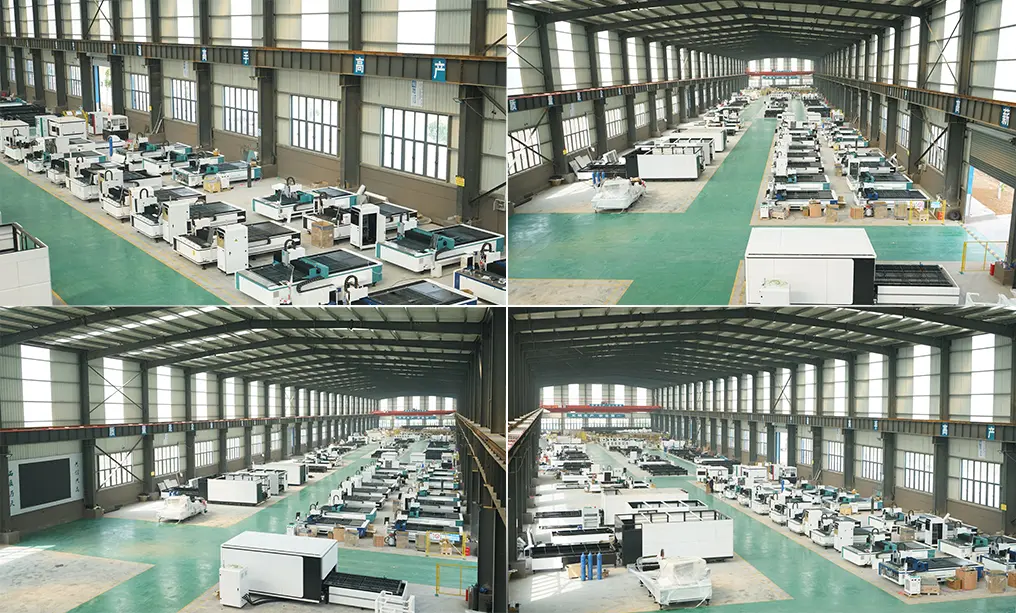
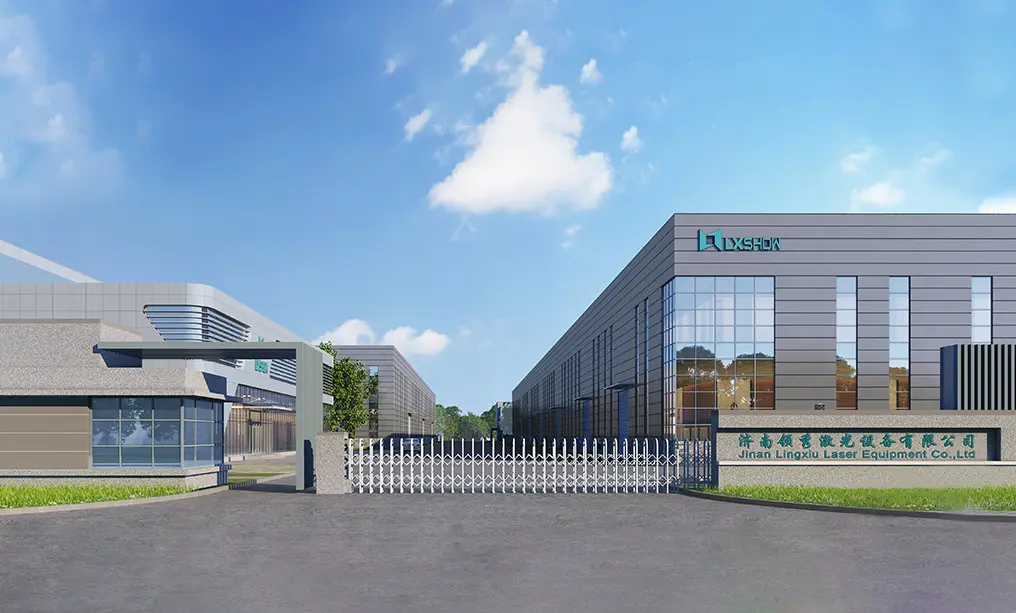
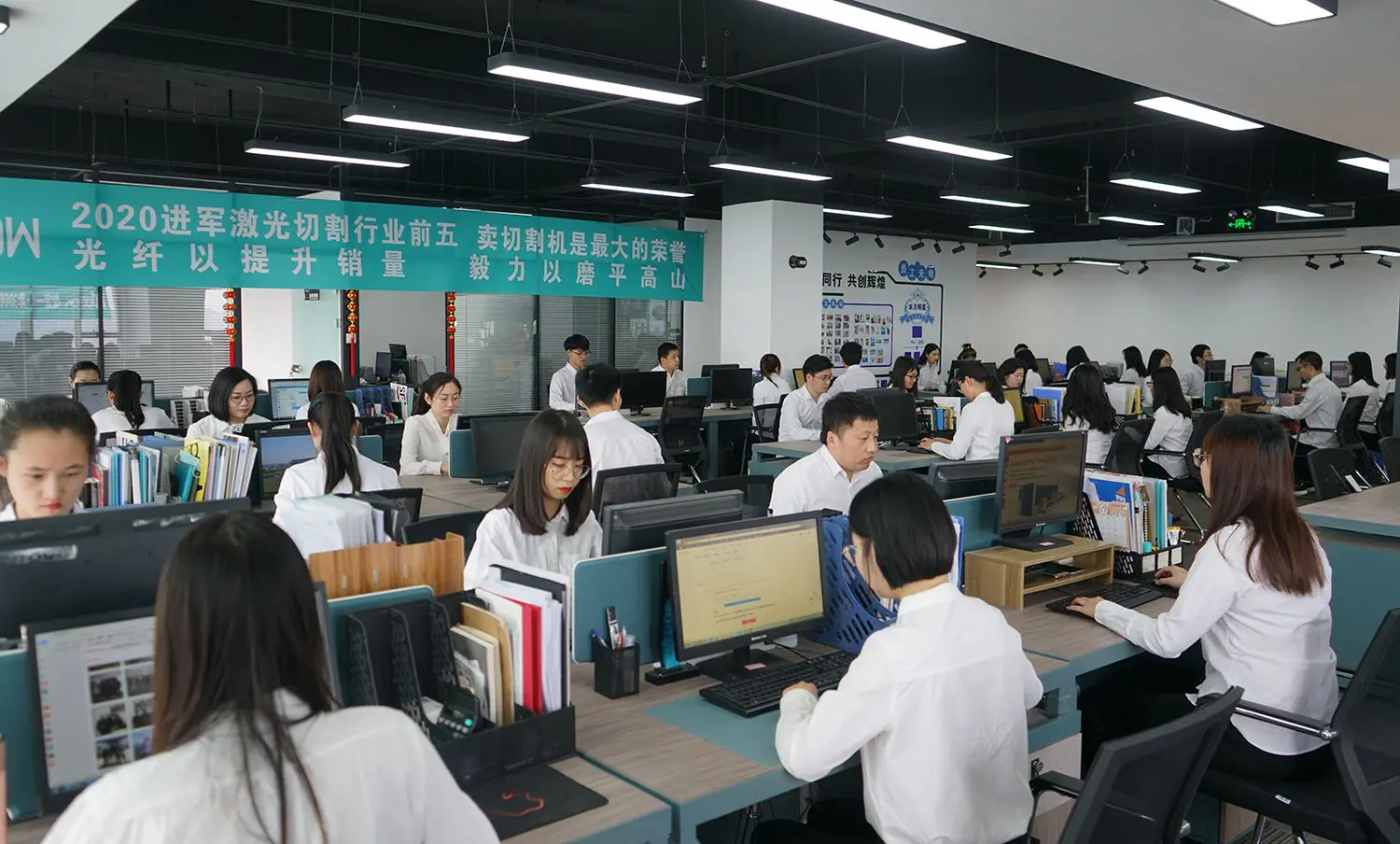
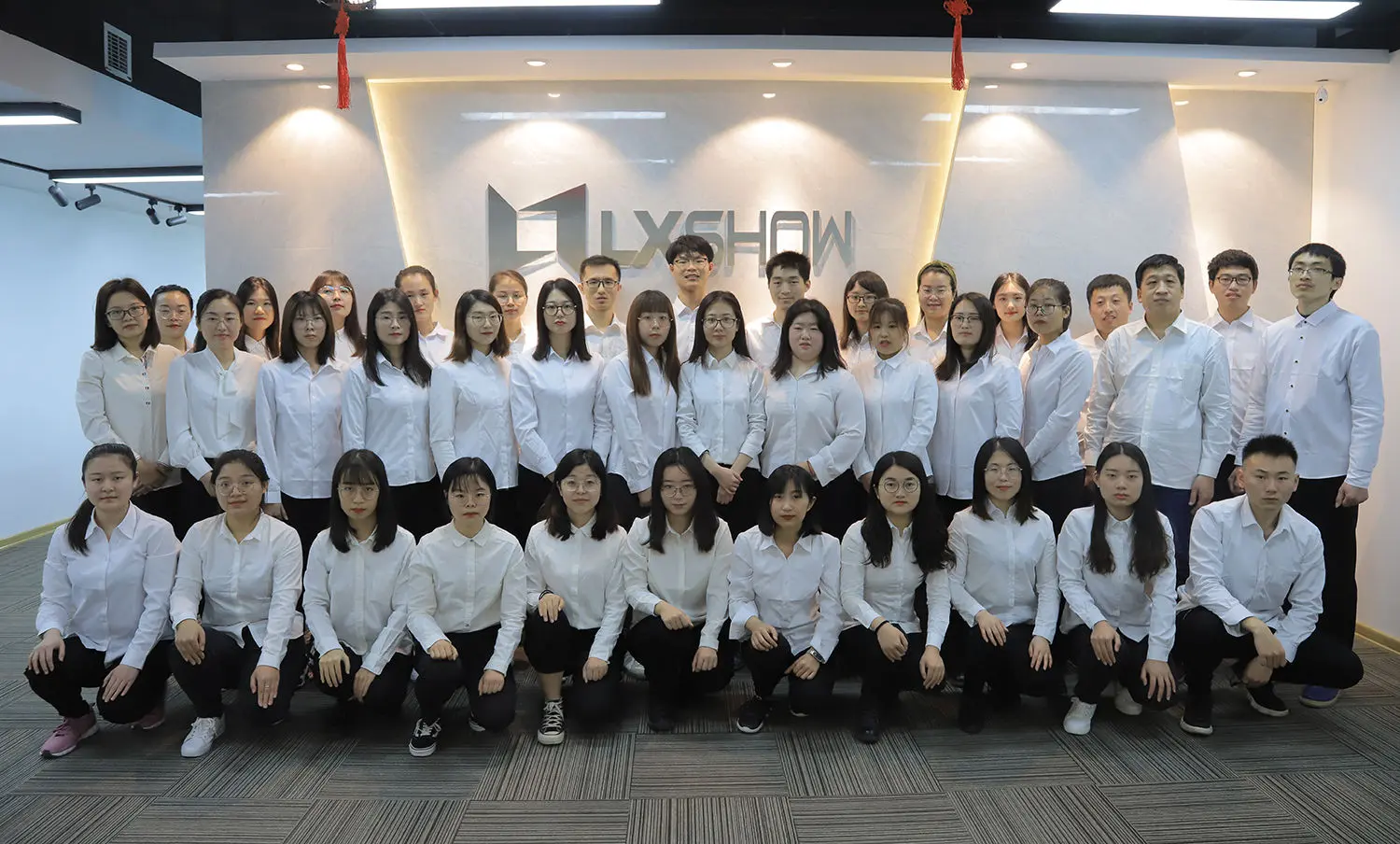
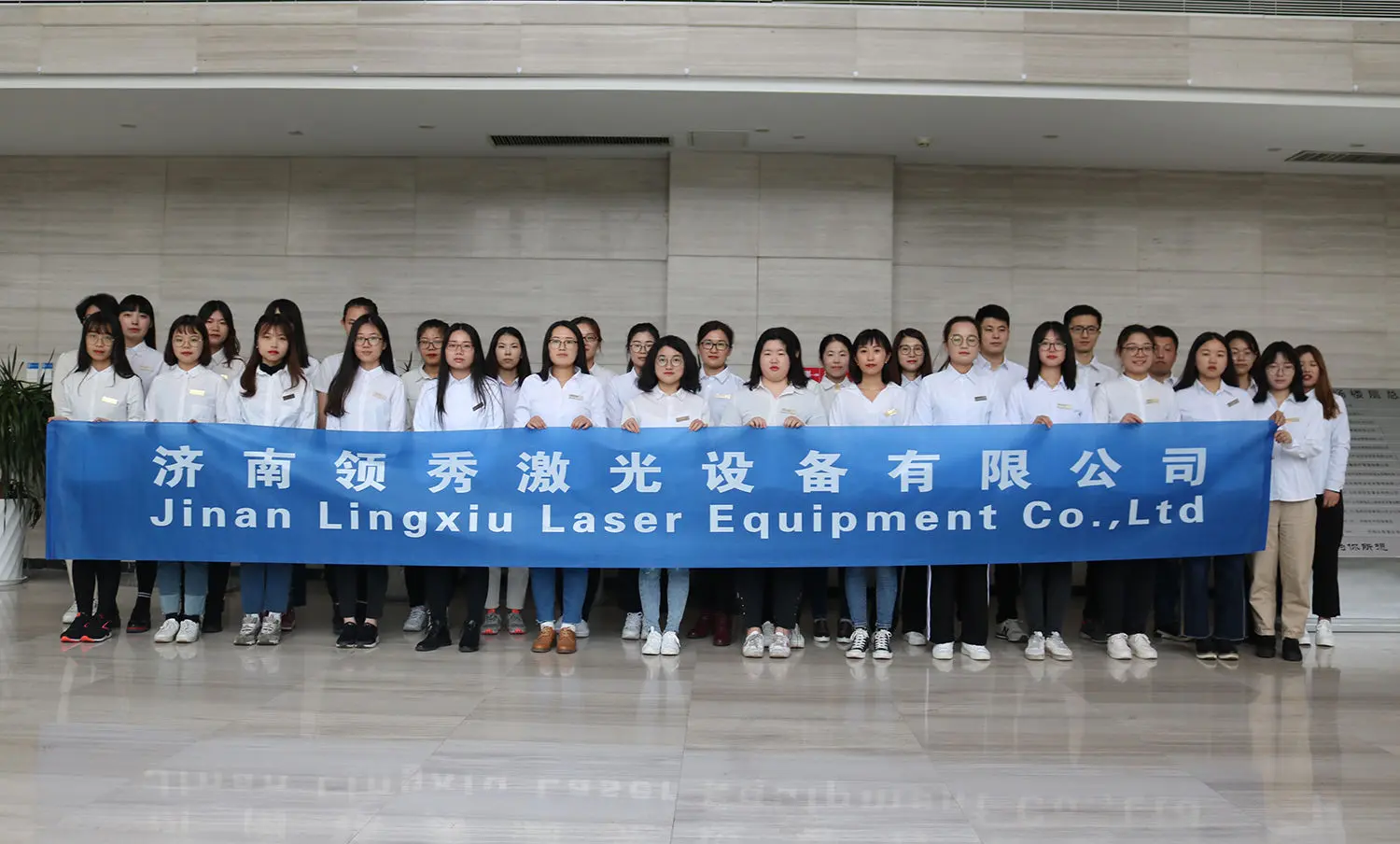
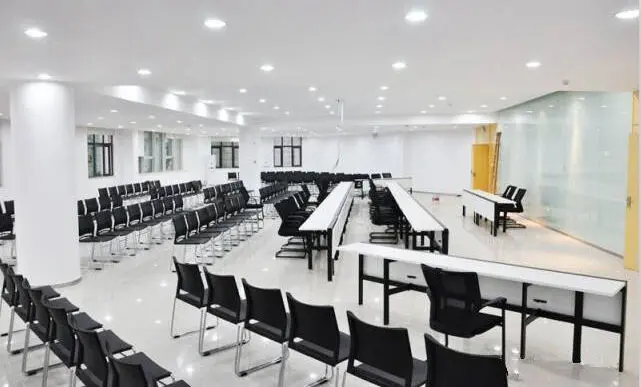
Established in July 2004, LXSHOW owns more than 500 square meters of dedicated R&D and office space, along with a massive 32,000 square meters manufacturing facility. Our processes are governed strictly by ISO 9001 quality criteria, with all mechanical products passing rigorous test gates to secure European Union CE authentication and American FDA certification.
Our solutions target extreme uptime and continuous three-shift operations, helping medium and large-scale manufacturing facilities move away from traditional tool-and-die methodologies toward fast, dynamic digital metal fabrication.
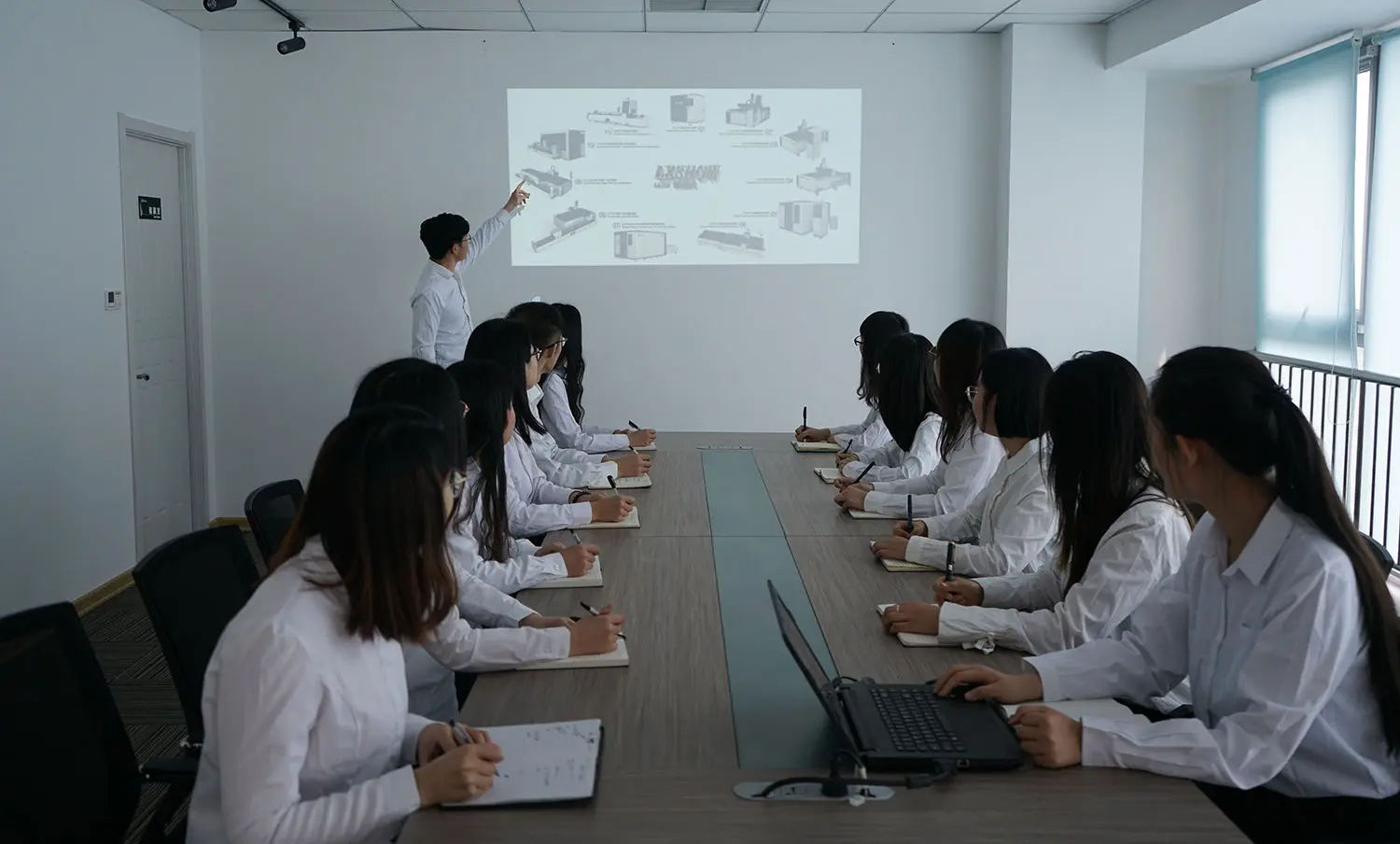
As an undisputed leader in smart laser equipment, we focus heavily on technical support, running a dedicated communication and training network. By deploying cyber-physical hardware across the CNC pipeline, we empower factories to implement smart manufacturing protocols.
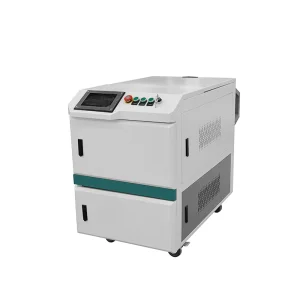
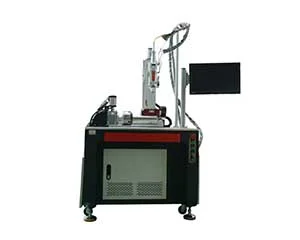
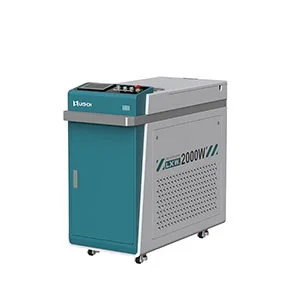
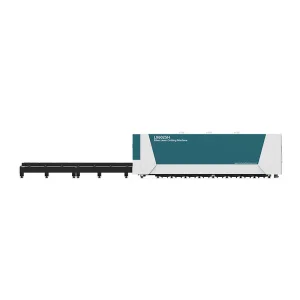
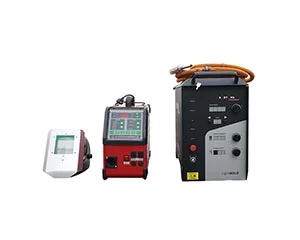
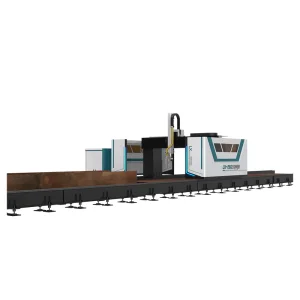
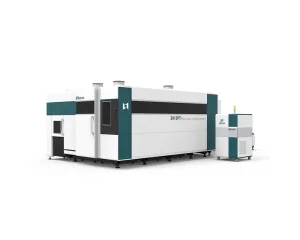
Our modular approach connects Fiber Laser Cutting Machines, CNC Bending Machines, and Laser Welders directly into unified MES networks, allowing for automated job queueing, real-time telemetry extraction, and predictive maintenance intervals.
An authoritative analysis of fiber laser kinematics, multi-kilowatt advancements, and the integration of artificial intelligence in cutting path optimization.
The industrial landscape is pivoting rapidly toward 12KW to 30KW ultra-high-power fiber systems. These machines use wavelength beam combining (WBC) technology to deliver high-brightness laser outputs. Scaling the power allows factories to cut thick carbon steels up to 80mm with nitrogen assist gas, eliminating oxide formation and the need for downstream grinding.
Future cutting heads feature motorized collimator adjustments that alter the beam spot diameter and Rayleigh length in real time. During piercing, the beam profile widens to allow rapid penetration without spatter; during high-speed cutting, it narrows to concentrate energy density, maximizing travel velocity while keeping kerf widths minimal.
Smart cutting heads are now fitted with spectral sensors that monitor light back-reflections during cutting. By analyzing plasma color temperature and optical back-scatter, the machine controller detects slag build-up or micro-cracks instantly. The CNC controller adapts nozzle distance, gas flow rate, and laser output to maintain clean cuts.
Nesting algorithms have moved past traditional heuristic models to neural networks that calculate thermal distribution across the metal plate. By optimizing cut patterns to dissipate heat evenly, AI-driven paths prevent metal warping. This minimizes structural scrap, helping factories reduce waste and energy consumption in line with global sustainability requirements.
Different industries demand specific cutting dynamics. We engineer solutions optimized for the unique metallurgical behaviors of industrial alloys.
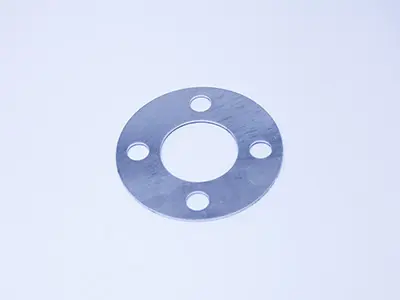
Highly reflective alloy. Requires high energy density and protective nitrogen shield to prevent dross and oxidized boundaries.
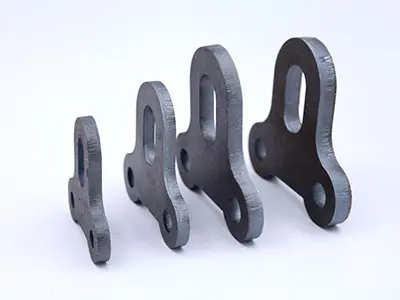
Oxygen assist gas facilitates chemical reaction to speed up the cutting process in thick plates, maintaining straight edges.
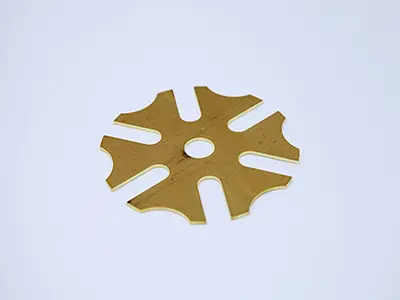
Excellent thermal conductivity. Requires back-reflection protection modules to safeguard optical components.
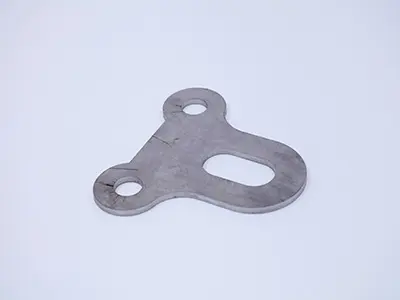
High-pressure nitrogen cutting preserves corrosion resistance and provides a clean, weld-ready surface finish.
Understanding how Jinan's industrial laser clusters deliver price-to-performance advantages to global metal fabricators.
By operating inside Jinan, China, the world's most dense cluster for CNC optical machines, LXSHOW leverages vertical manufacturing efficiency. We design our machine frames, source optical components directly, and run gantry milling machines in-house. This cluster lowers component transport times and reduces supply chain vulnerabilities, allowing us to source premium materials at lower costs.
This localized efficiency translate directly into cost savings for global metal manufacturers, who get heavy-duty dual-drive gantry beds and smart controller modules at a lower price point than Western competitors.
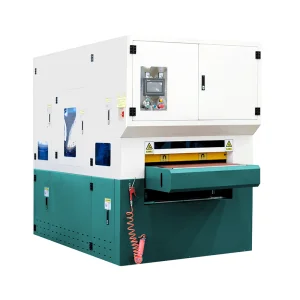
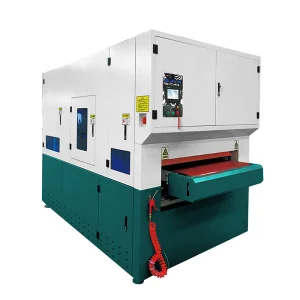
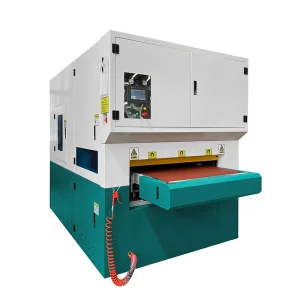
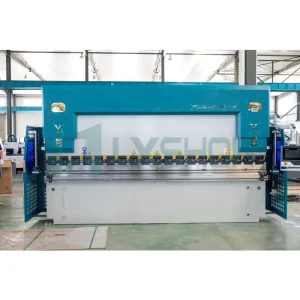
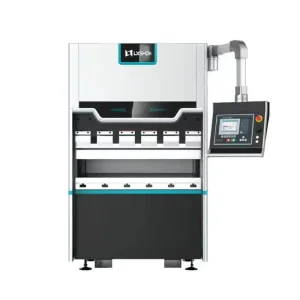
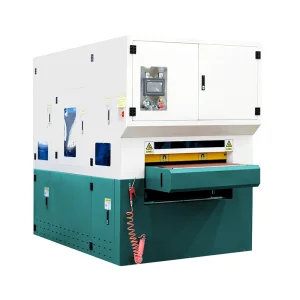
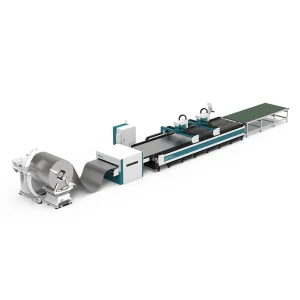
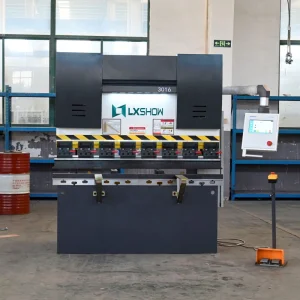
Our smart factory blueprints integrate three processes: Laser Cutting, Precision Press Bending, and Automated Finishing/Deburring. These are connected using digital control protocols. Instead of handling plates manually, modern factories run automated shuttle tables that carry nested cut components directly to CNC press brakes (such as our WE67K series), before feeding them to deburring machines (like our LX-RRS-A-1000) for final polishing.
This automated flow cuts processing times from hours to minutes, reducing labor costs and improving part accuracy across large production runs.
Key criteria for procurement departments evaluating high-capacity capital equipment investments.
Evaluating energy conversion efficiency is essential. Our fiber laser sources deliver over 40% electro-optical efficiency, lowering electric bills compared to older CO2 laser installations.
We partner with world-leading component manufacturers: IPG, Raycus, and MAX laser engines, combined with Japanese Yaskawa servo drives and French Motoreducer gearboxes.
Fully enclosed cabins with OD6+ rated laser protective viewing glass block harmful scattered reflections, keeping operators safe and meeting European occupational health standards.
We provide regional support, remote diagnosis capabilities, and document compliance for international import standards.
Operating in global markets requires strict compliance. All LXSHOW machines carry certified declarations of conformity:
We minimize machine downtime through local partnerships and digital support tools:
High-efficiency welding, structural cutting, multi-axis bending, and precision deburring systems.
Expert technical answers to common engineering questions regarding fiber laser setups, machine settings, and processing materials.
 Lxshow