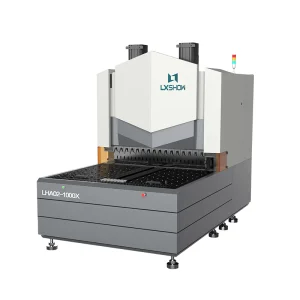
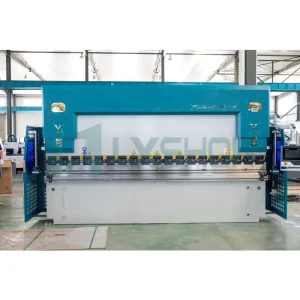
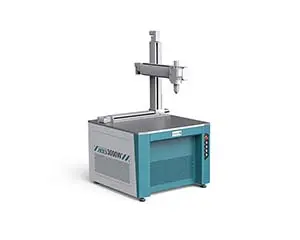
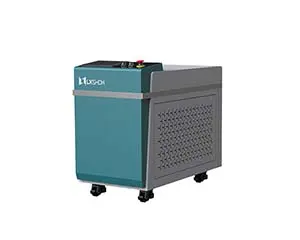
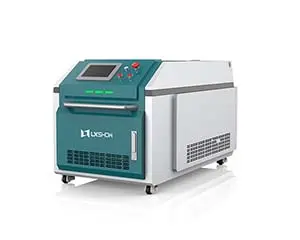
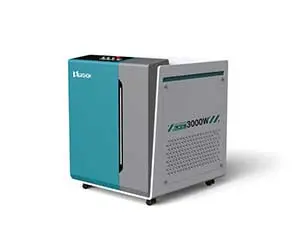
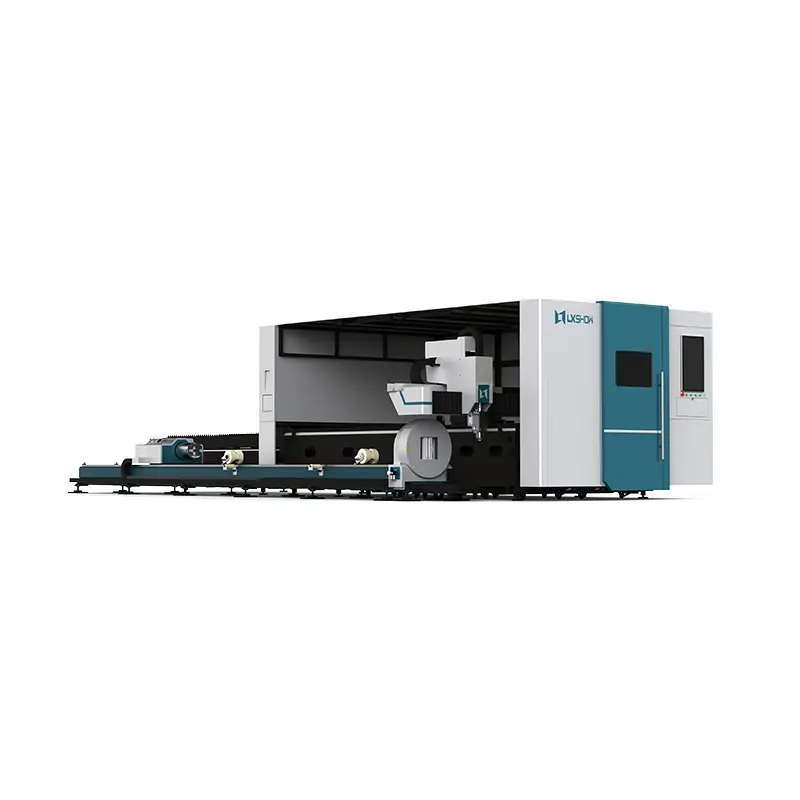
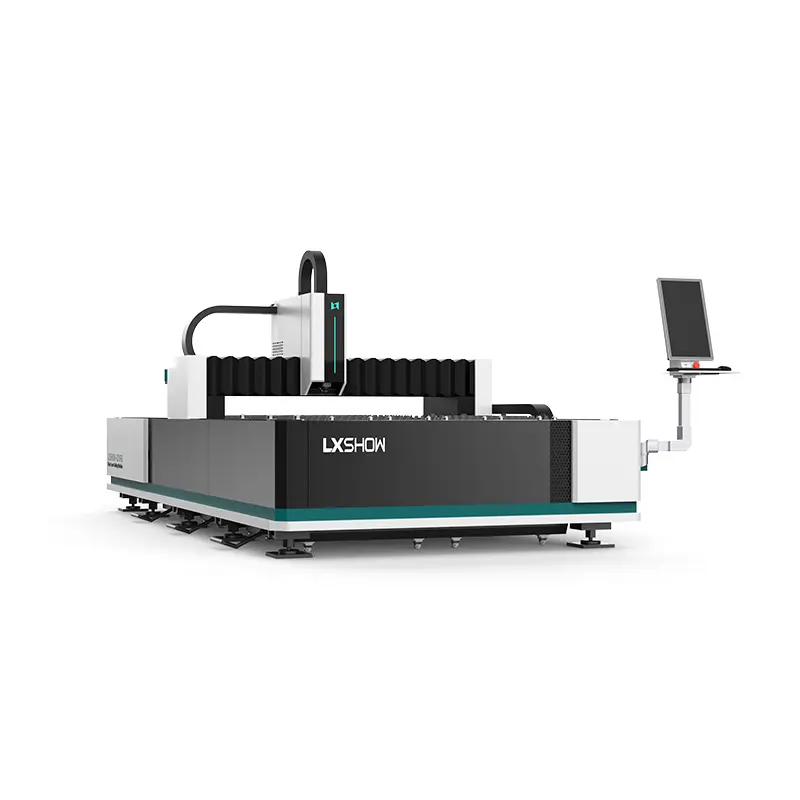
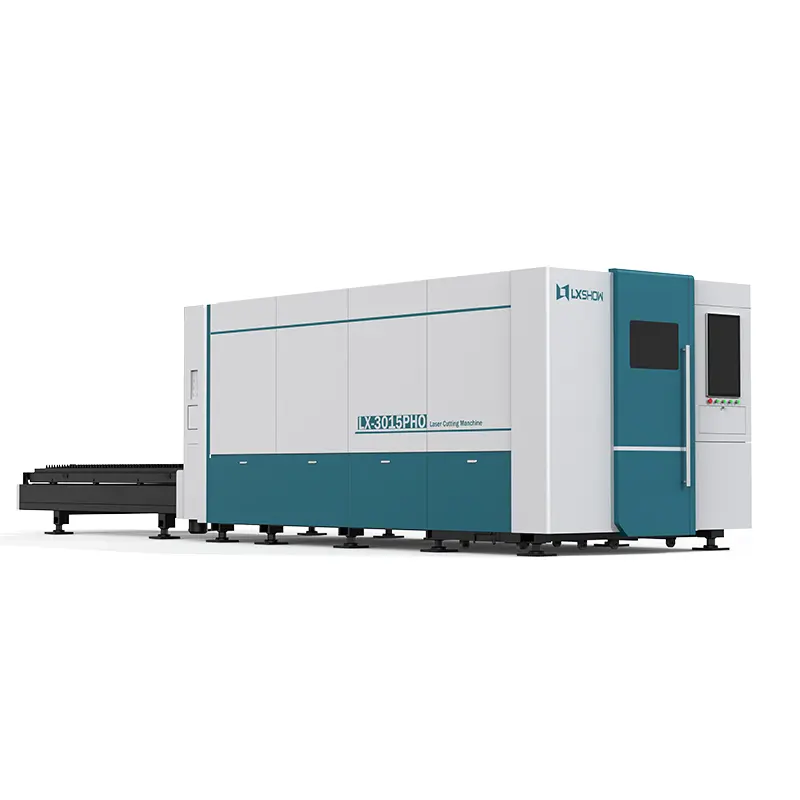
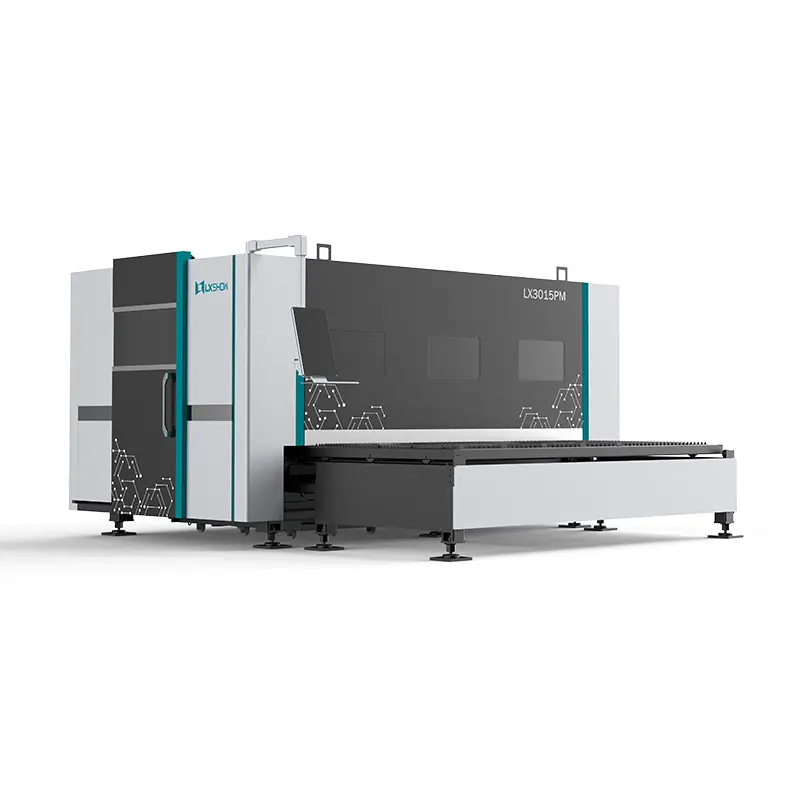
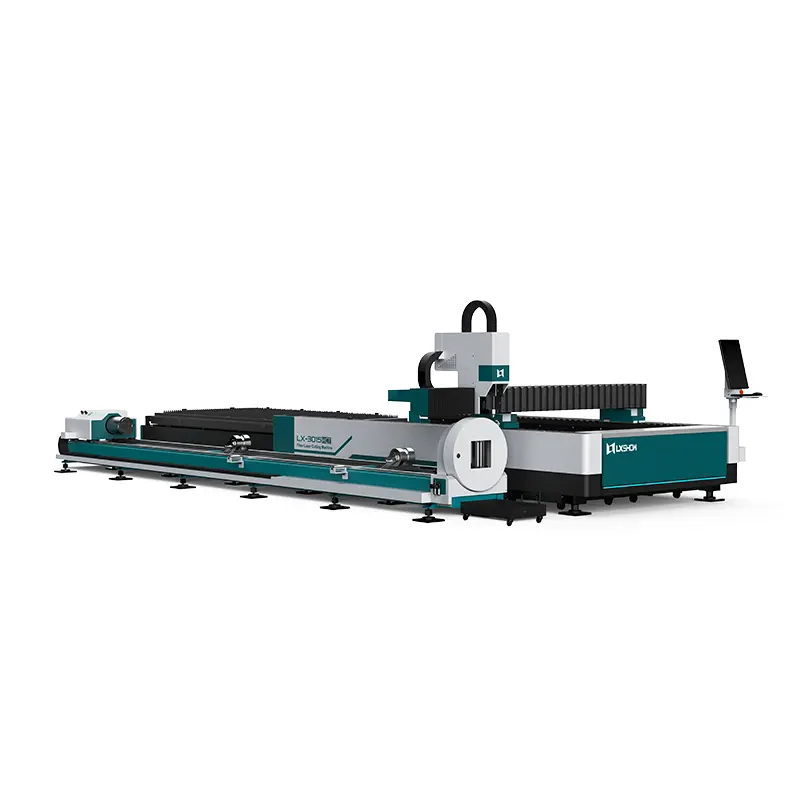
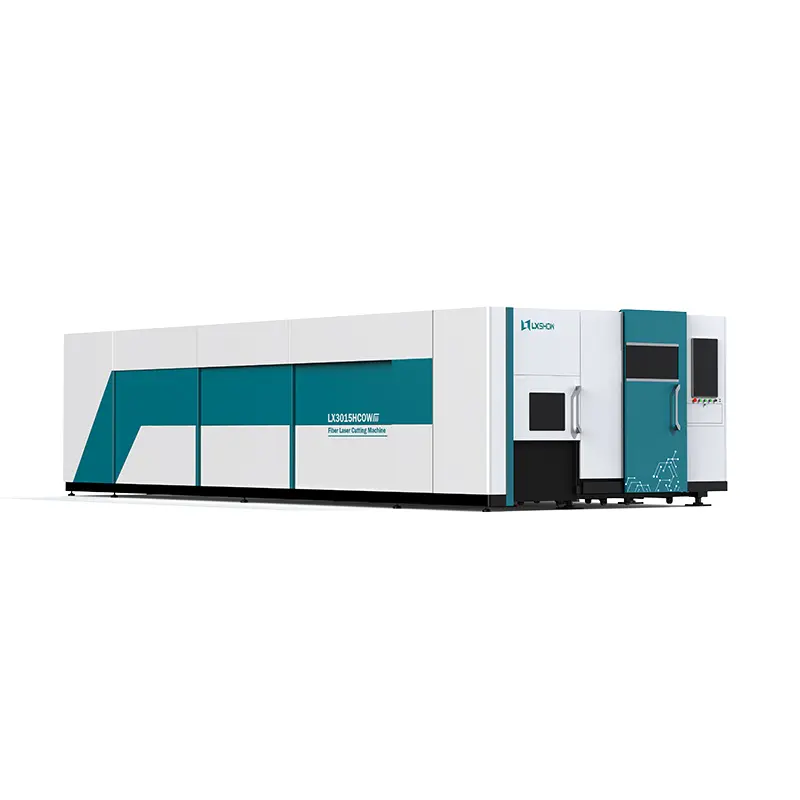
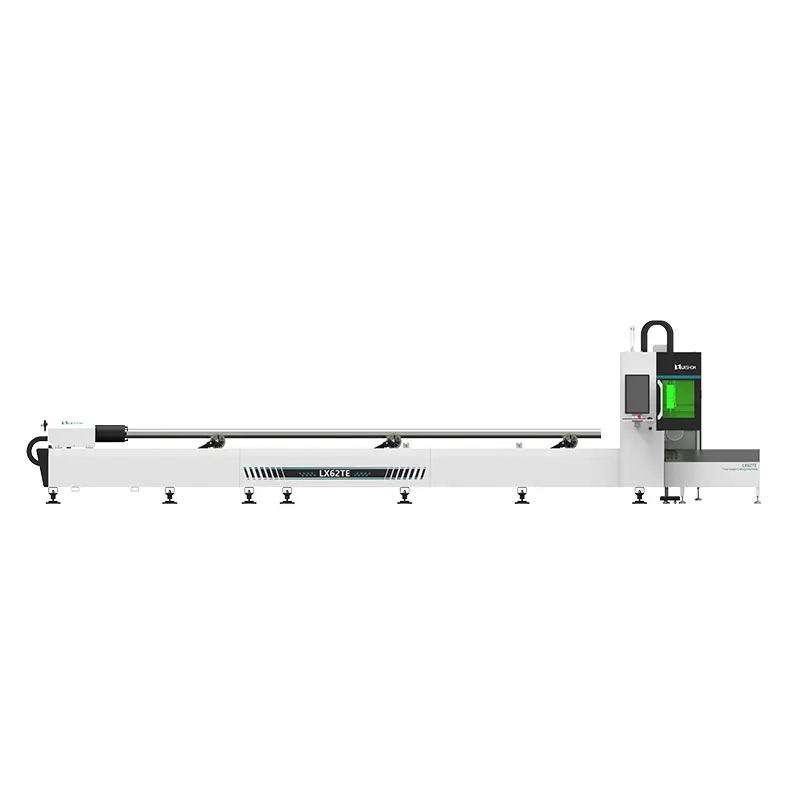
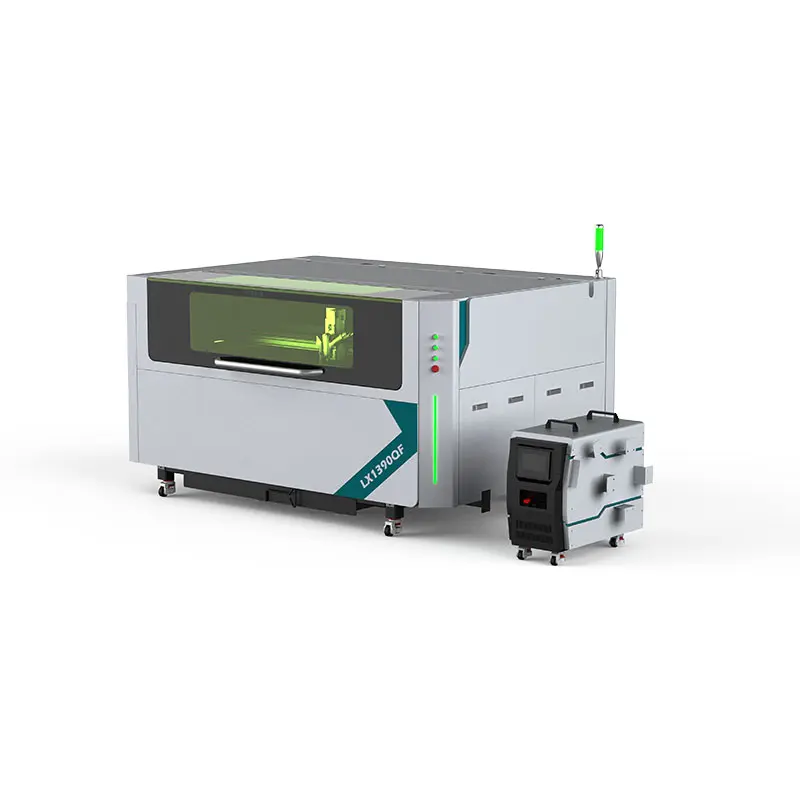
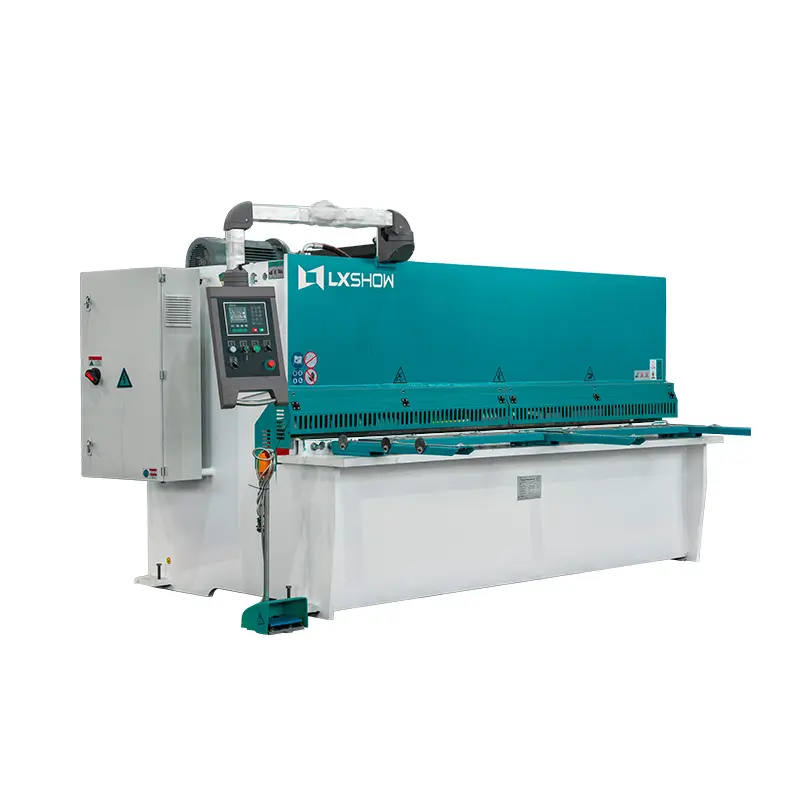
Engineered to deliver exceptional processing accuracy, high efficiency, and robust industrial reliability.
In the contemporary industrial manufacturing matrix, the 1kW (1000W) fiber laser has emerged as the definitive benchmark for thin-to-medium sheet processing and precision fabrication. Functioning as a cornerstone of modern smart manufacturing, 1kW fiber systems strike an unparalleled equilibrium between capital expenditure (CAPEX), operational cost-efficiency, and spatial footprint. The transition from legacy gas-based CO2 lasers to solid-state fiber laser configurations represents one of the most critical paradigm shifts in manufacturing engineering over the past two decades.
Globally, the integration of 1kW laser engines enables manufacturers to achieve micron-level positioning tolerances while executing processing operations at feeds exceeding standard mechanical velocities. The high energy density inherent to fiber-coupled laser optics (specifically when configured with high beam quality parameters where M² < 1.1) allows for localized heat-affected zones (HAZ). This localized thermal profile is essential for avoiding component warpage in thin-gauge assemblies, a performance characteristic critical to industries ranging from automotive bracket fabrication to intricate healthcare equipment assembly.
The concentration of fiber laser manufacturing infrastructure in China has drastically lowered the entry barrier for high-tier industrial automation worldwide. Chinese manufacturers, leveraging hyper-localized component ecosystems, offer unprecedented structural efficiency without sacrificing raw processing accuracy. The capability to manufacture custom 1kW systems hinges on localized clusters for optical fibers, diodes, collimating units, and structural CNC beds.
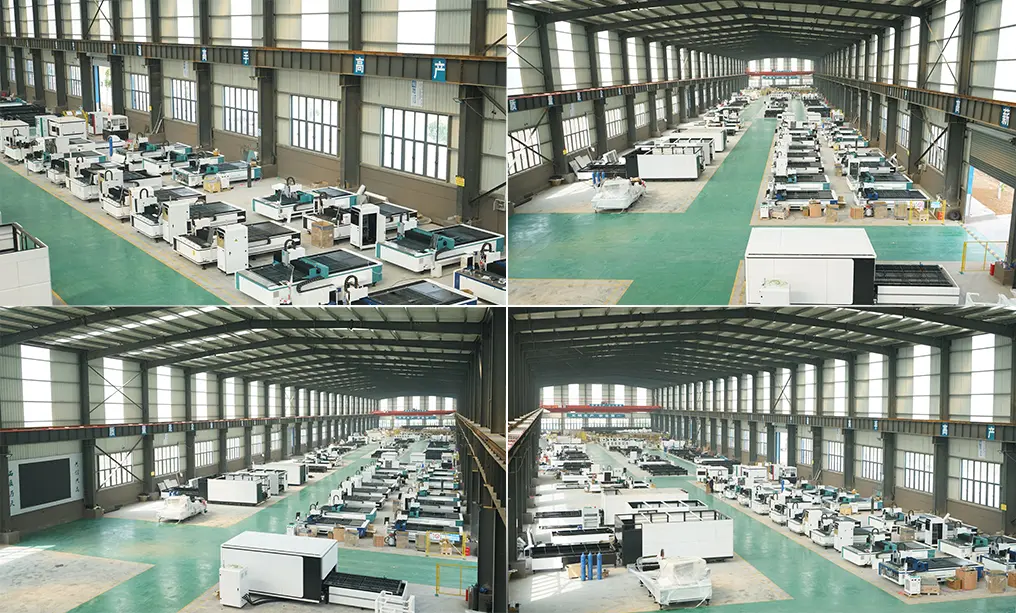
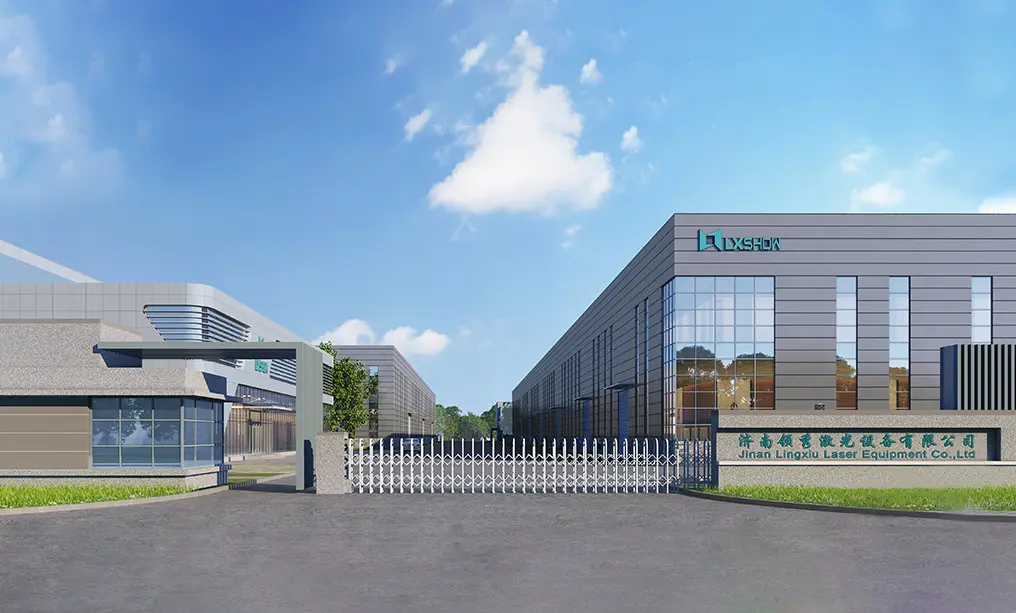
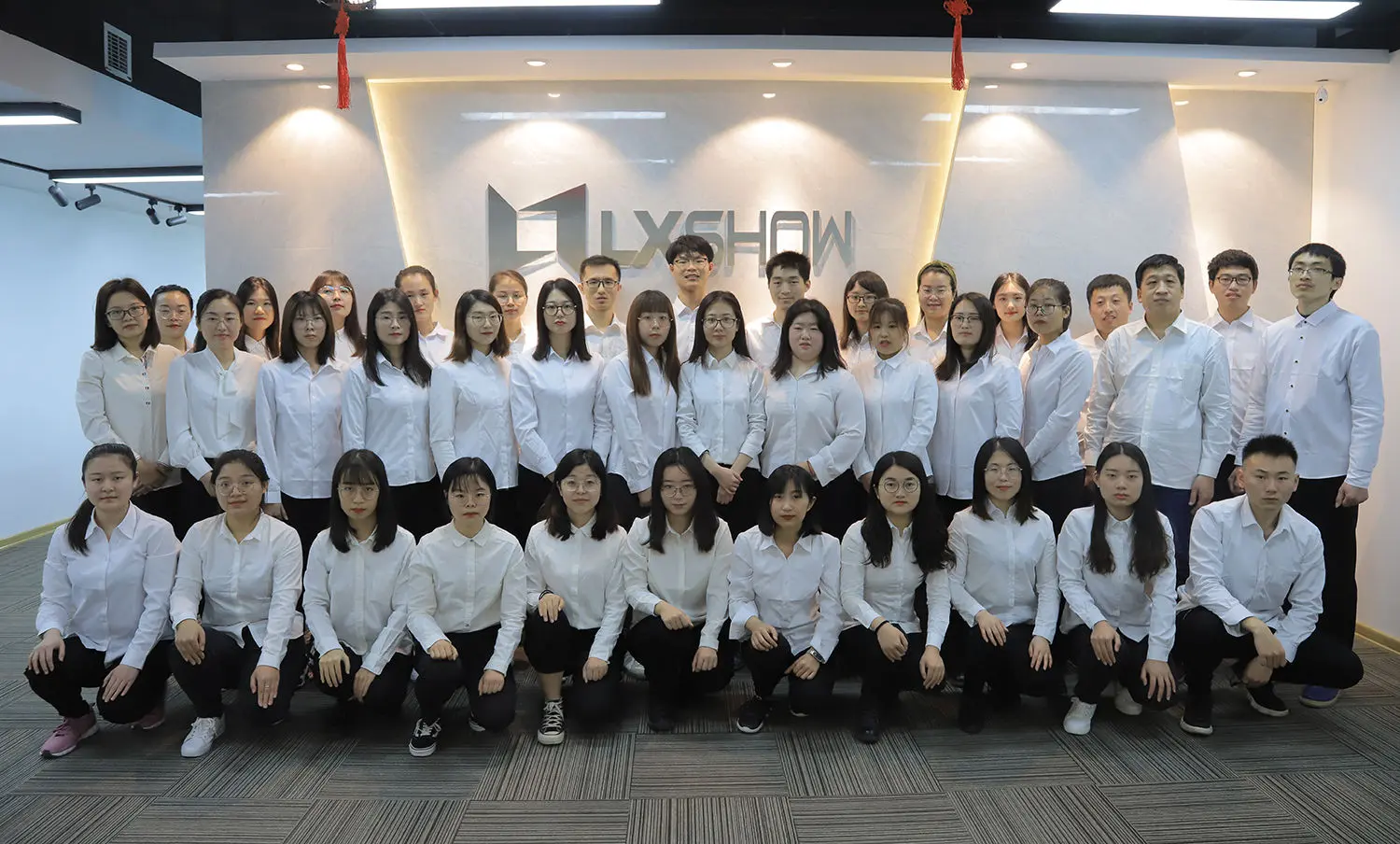
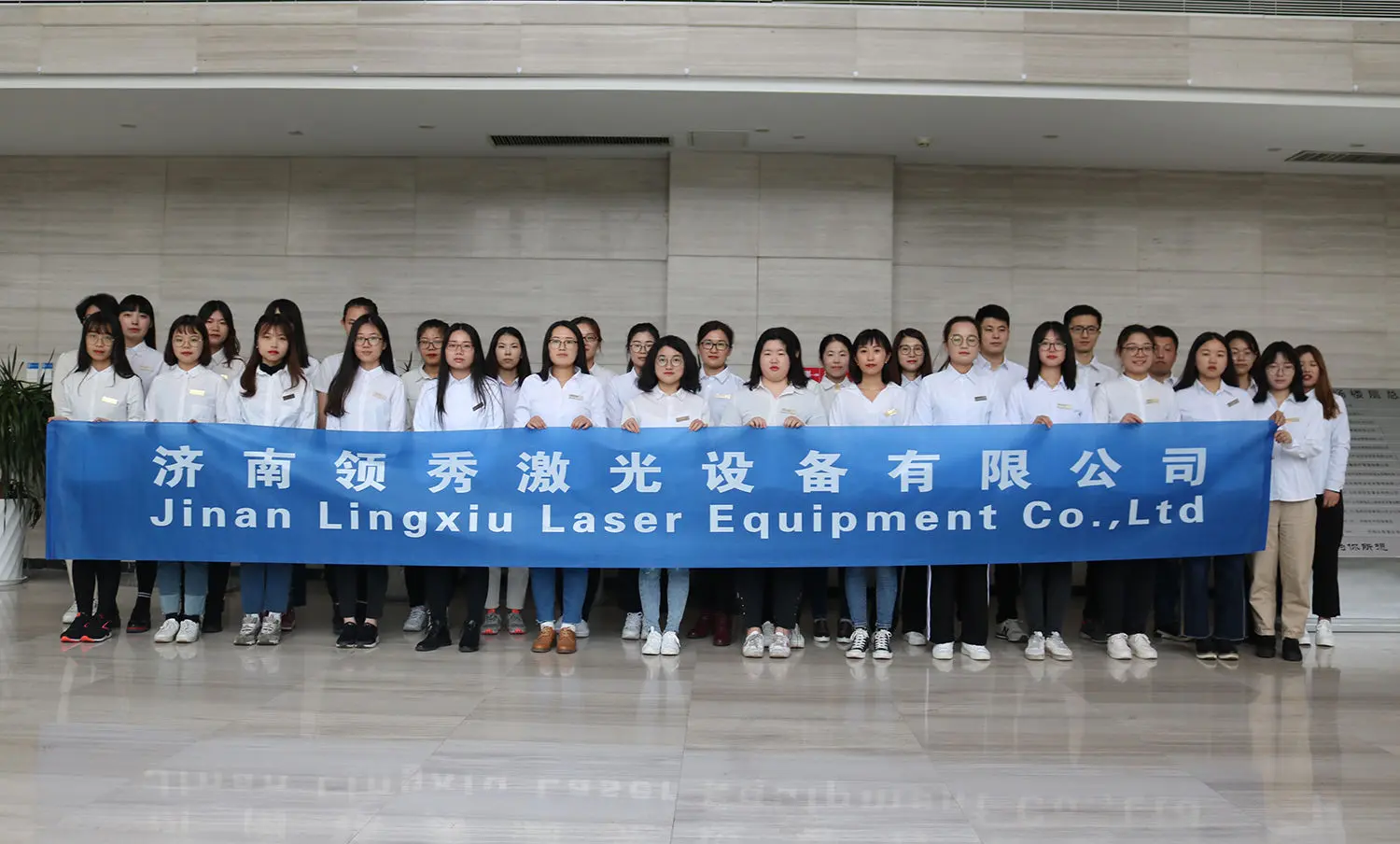
Our centralized manufacturing headquarters in Jinan, China, integrates over 32,000 square meters of specialized production space, combining dedicated optical assembly Cleanrooms, structural welding floors, and stress-relief heat treatment facilities. By maintaining direct ownership of the manufacturing ecosystem, we manage supply-side logistics with maximum efficiency, facilitating rapid customization programs that integrate specific laser sources (such as IPG, Raycus, Maxphotonics, and JPT) with bespoke CNC controllers to meet distinct export requirements.

A primary factor driving the integration of 1kW fiber systems is their flexibility across multiple materials and industries. Unlike CO2 systems, which struggle with back-reflections when cutting non-ferrous metals, 1.07-micron wavelength fiber lasers process highly reflective alloys efficiently when equipped with optimal optical isolation setups.
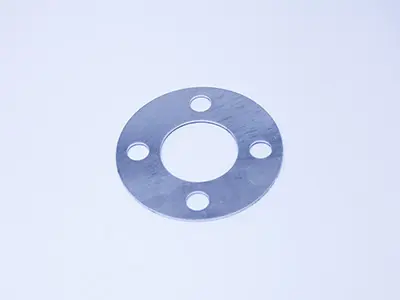
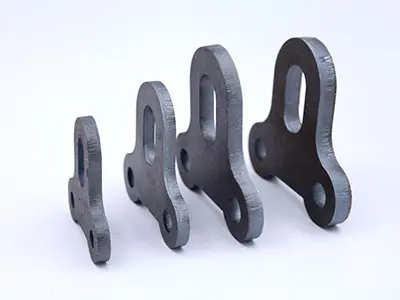
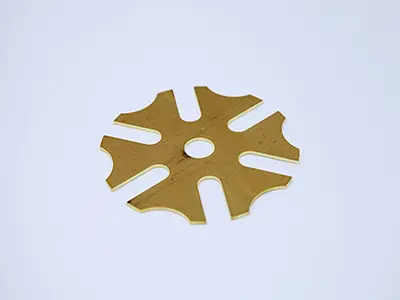
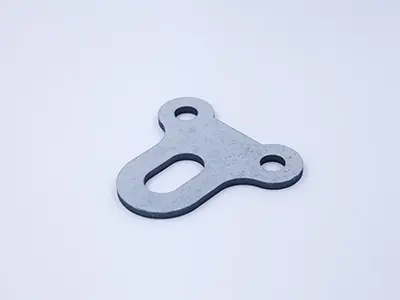
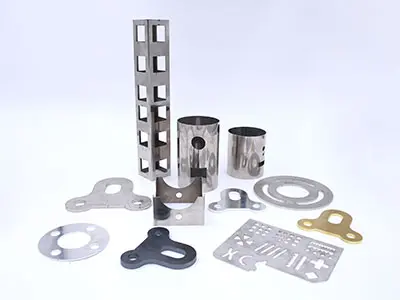
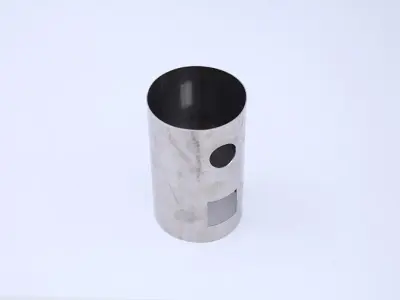
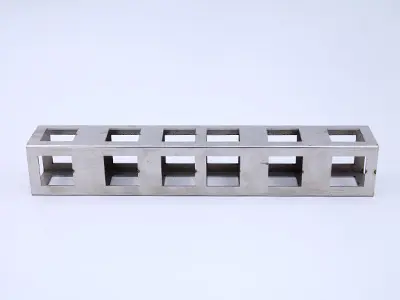
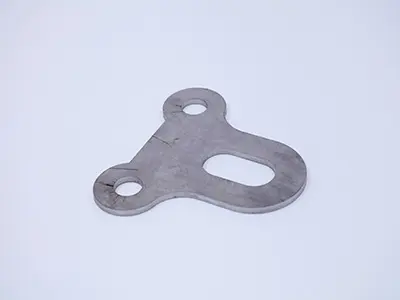
Our solutions target high-growth sectors, ensuring integration with Industry 4.0 standards. Key processing environments include:
The operational value of fiber laser configurations centers on their high optical electro-conversion efficiency (often exceeding 35%, compared to 8-10% for traditional CO2 setups). This high efficiency lowers electrical overhead and minimizes waste heat, reducing the cooling load on integrated chillers.
At the center of a 1kW fiber laser is an array of single-emitter laser diodes that pump energy into an active fiber doped with ytterbium ions. As the light passes through this active core, it stimulates the emission of highly coherent light at 1.07 microns. This output is delivered through a flexible process fiber directly to the cutting head, eliminating the need for reflective mirrors, alignment checks, and purge gases. This direct delivery path prevents optical drift and minimizes power loss across the optical train.
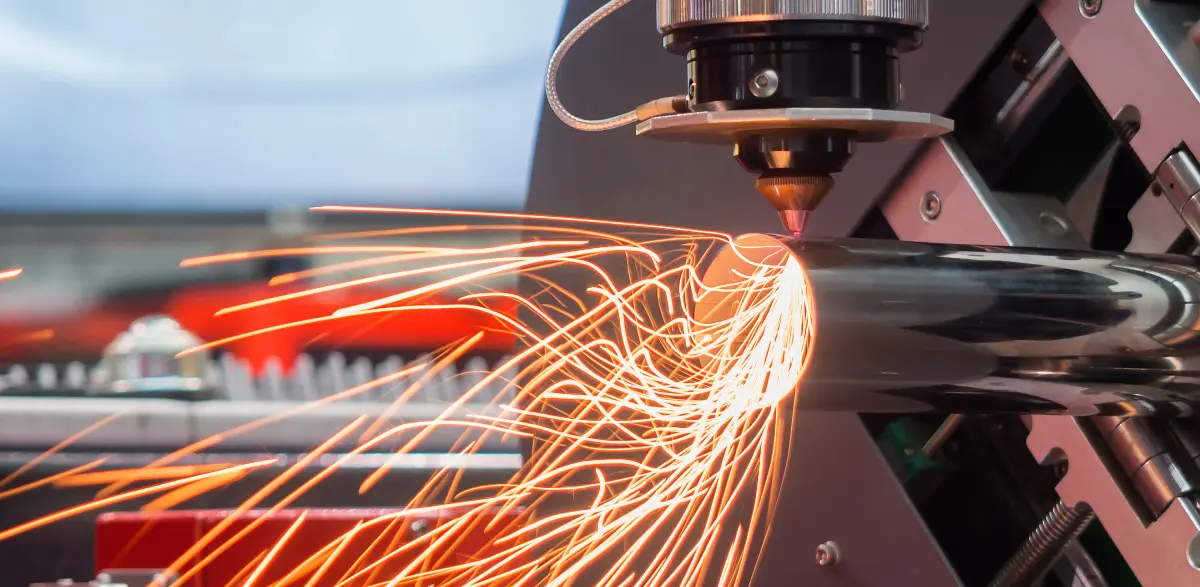
Additionally, the option to configure processing nozzles with various auxiliary gases allows users to tailor cut characteristics to target materials:
Modern industrial operations require smart machinery that integrates with network management interfaces. Under our developmental roadmaps heading toward 2040, we are building systems compatible with the Industry 4.0 paradigm, incorporating real-time telemetry, remote diagnostics, and preventative maintenance systems.
This integration uses digital twin software architectures and edge-computing sensors inside the cutting and welding heads. By tracking variables like collimator temperature, cover-glass status, gas pressure, and optical back-reflection in real time, the control system can adjust parameters automatically. This real-time optimization reduces downtime and prevents damage to expensive optical components, keeping operations running smoothly.
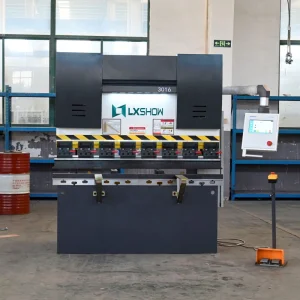
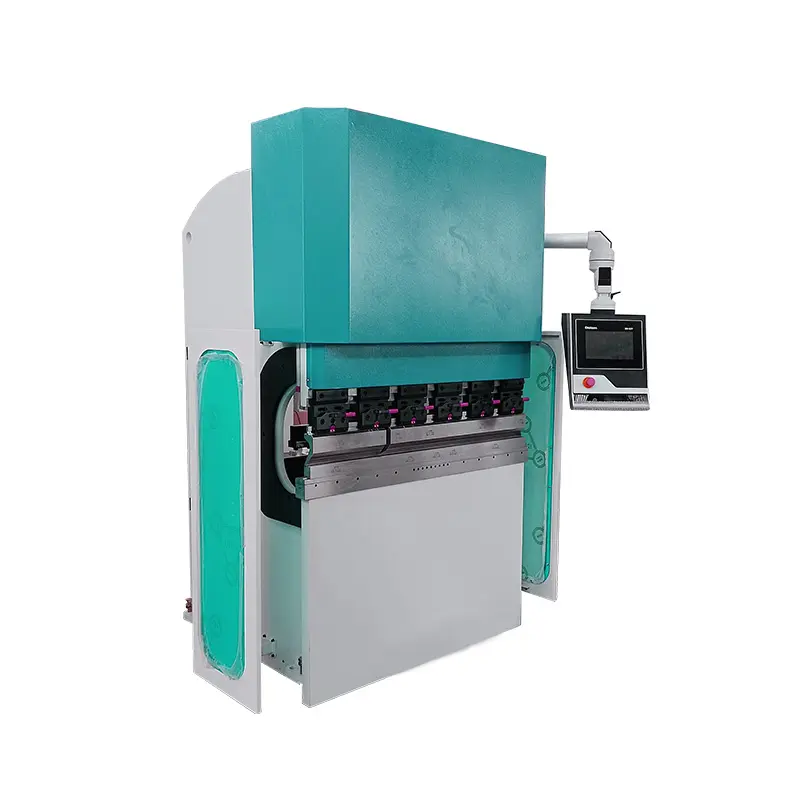
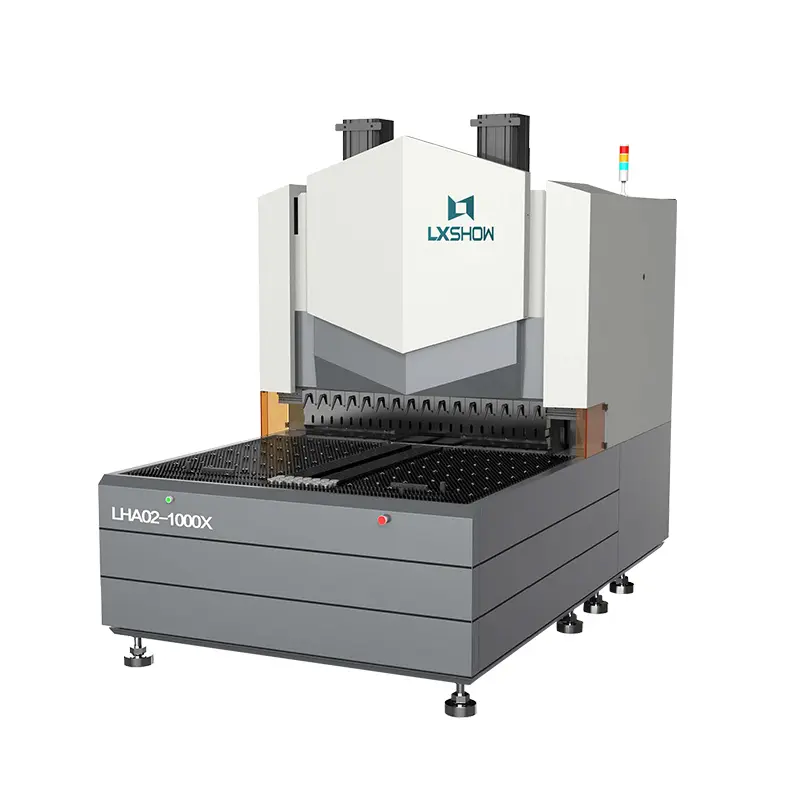
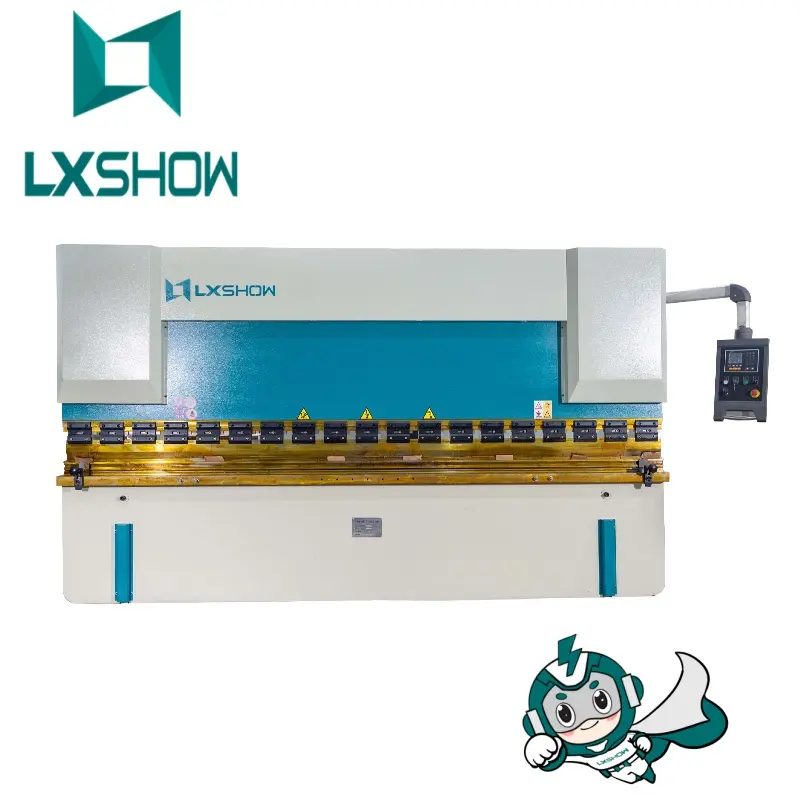
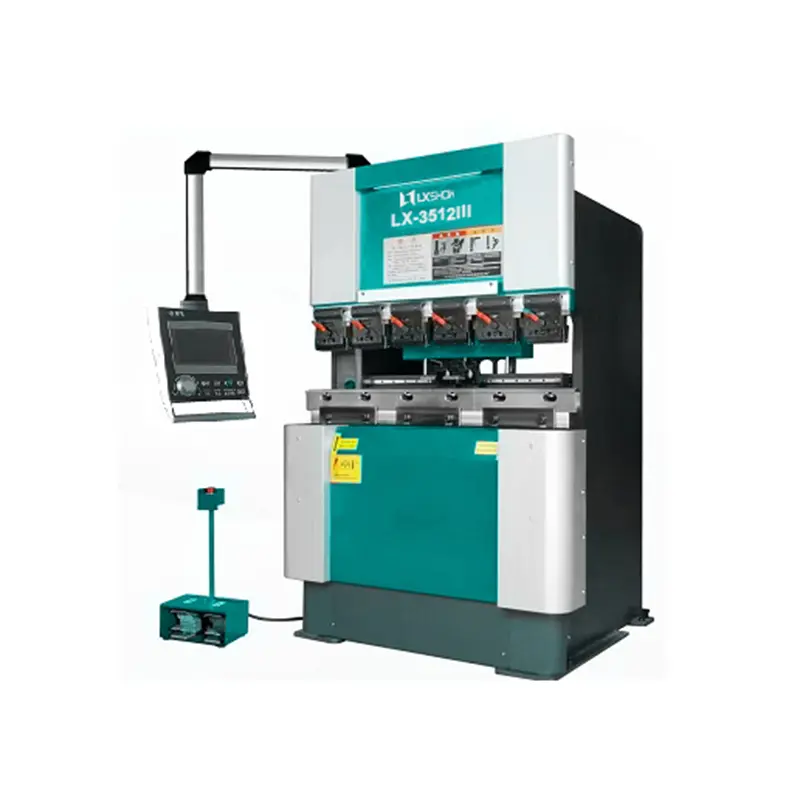
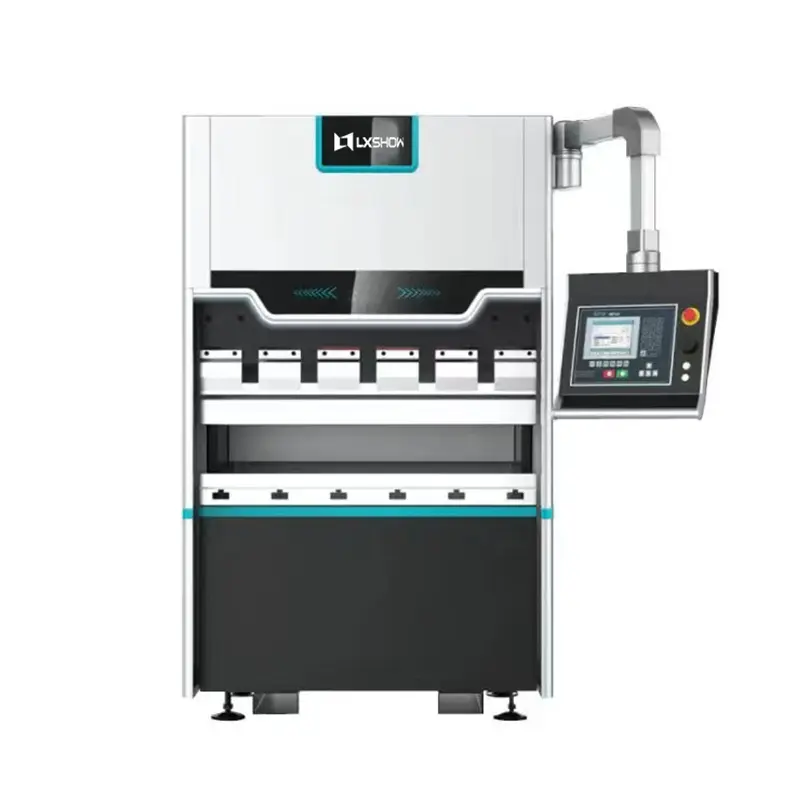
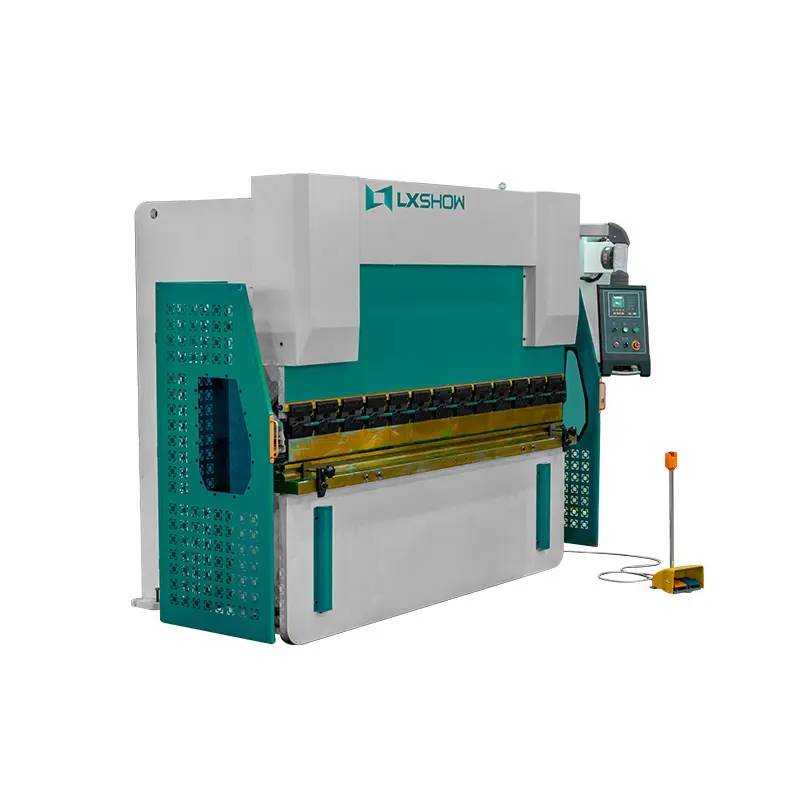
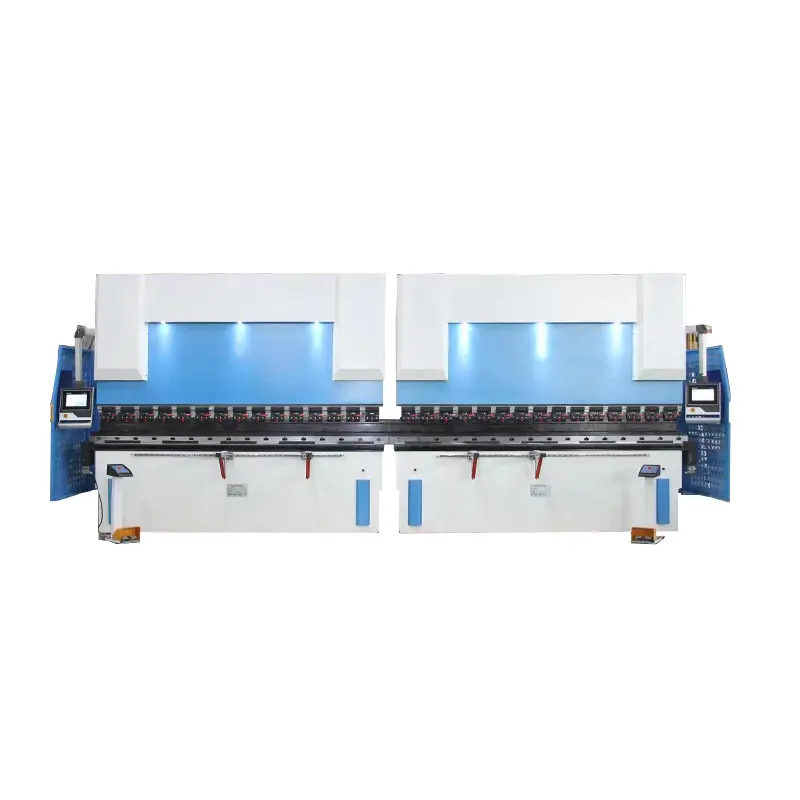
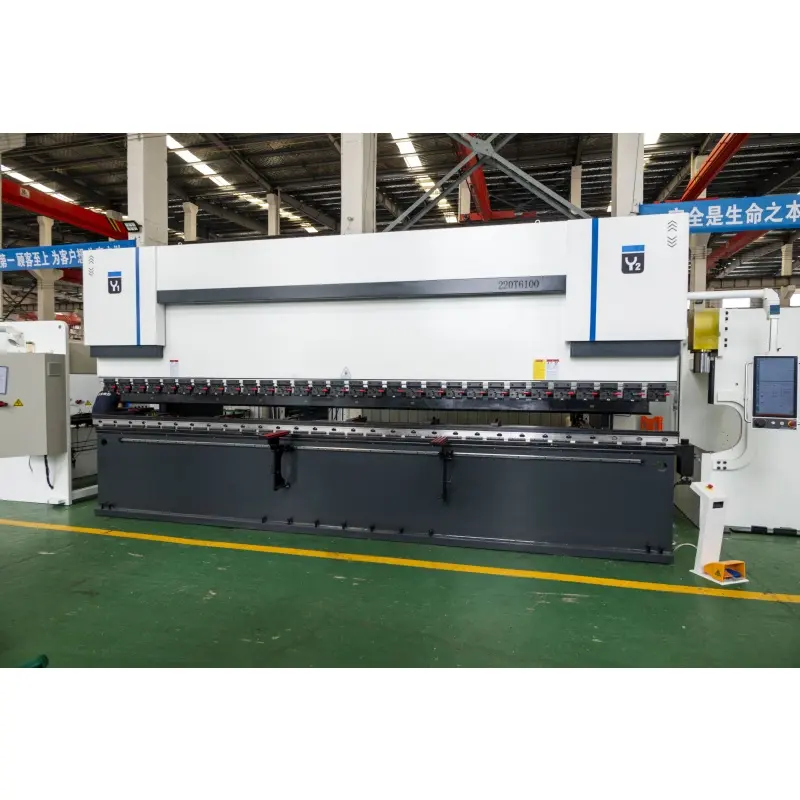
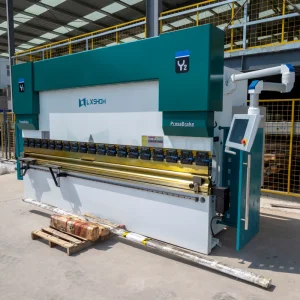
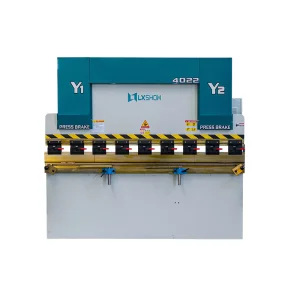
Explore our specialized sub-categories developed to support cutting, welding, cleaning, cladding, and bending operations.
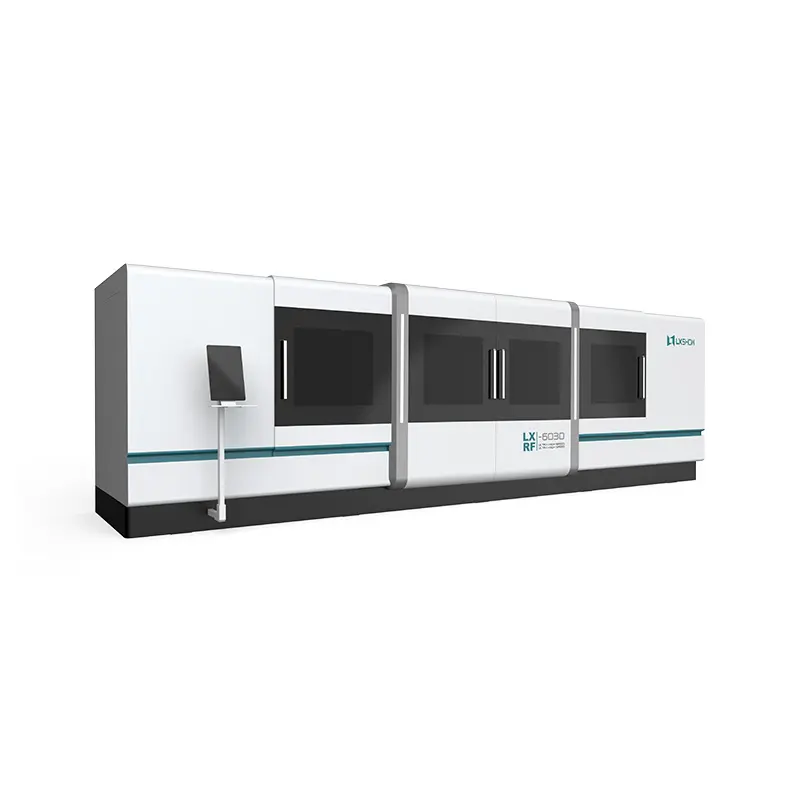
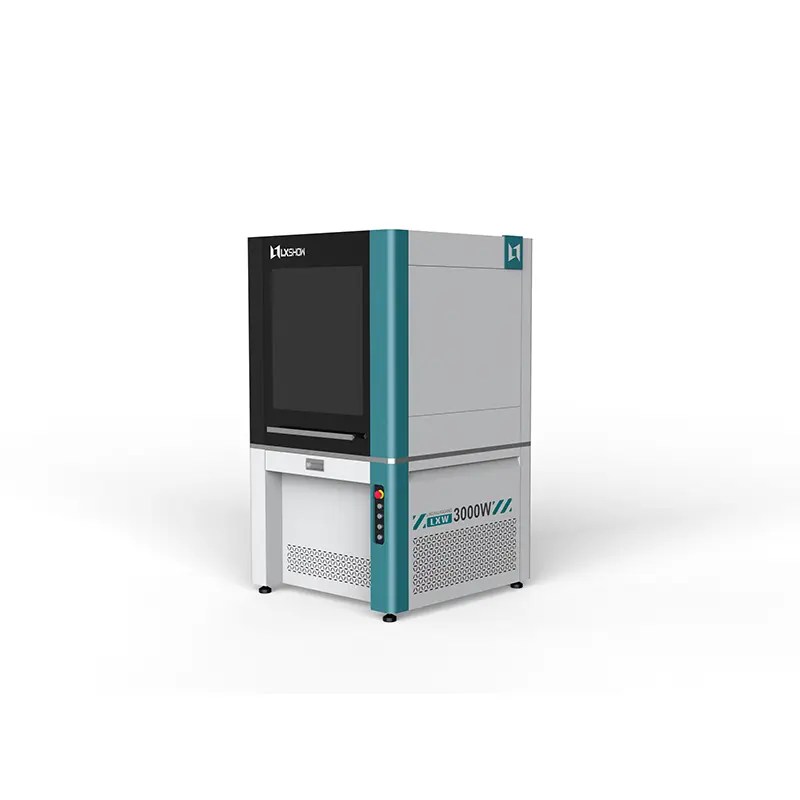
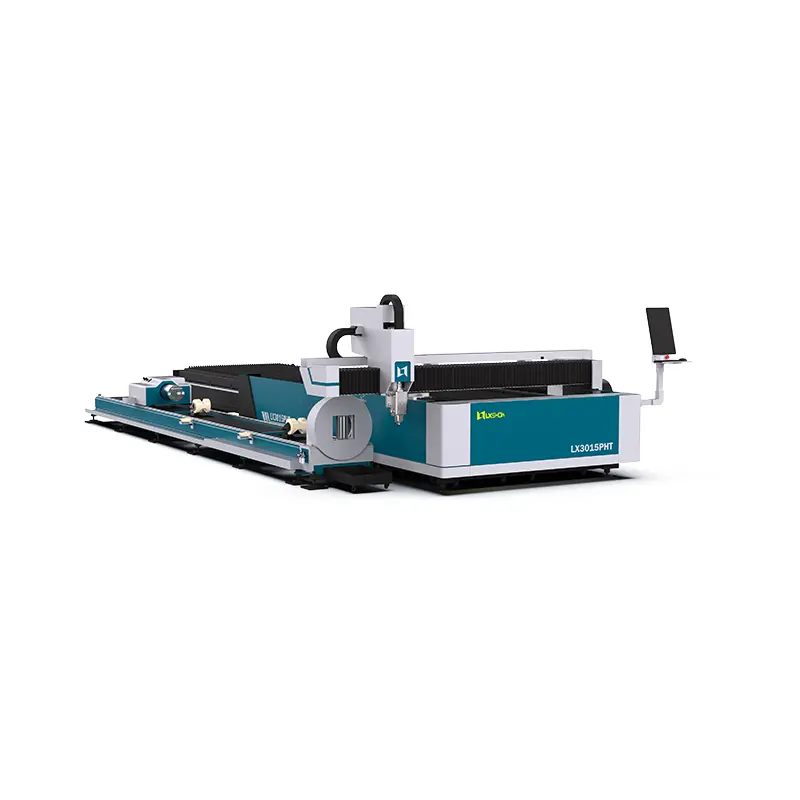
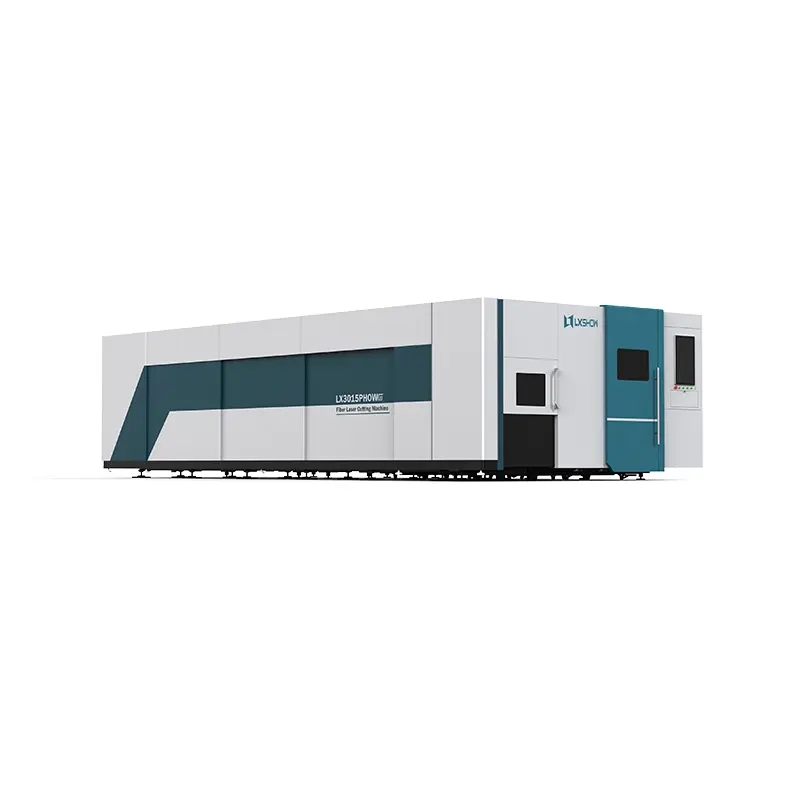
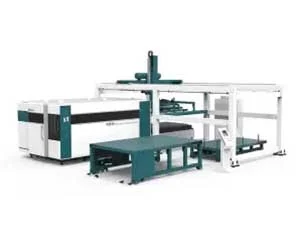
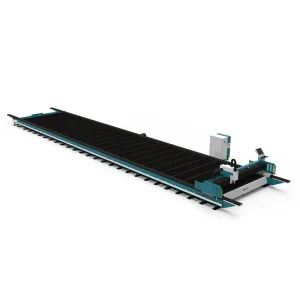
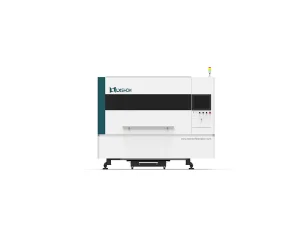
Designed to achieve high-precision cuts in structural steel, aluminum, brass, and copper. Available in single table, closed cabinet, and tube-integrated configurations.
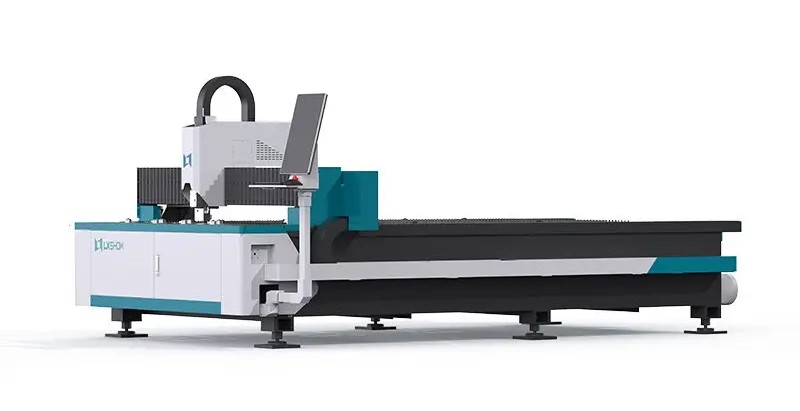
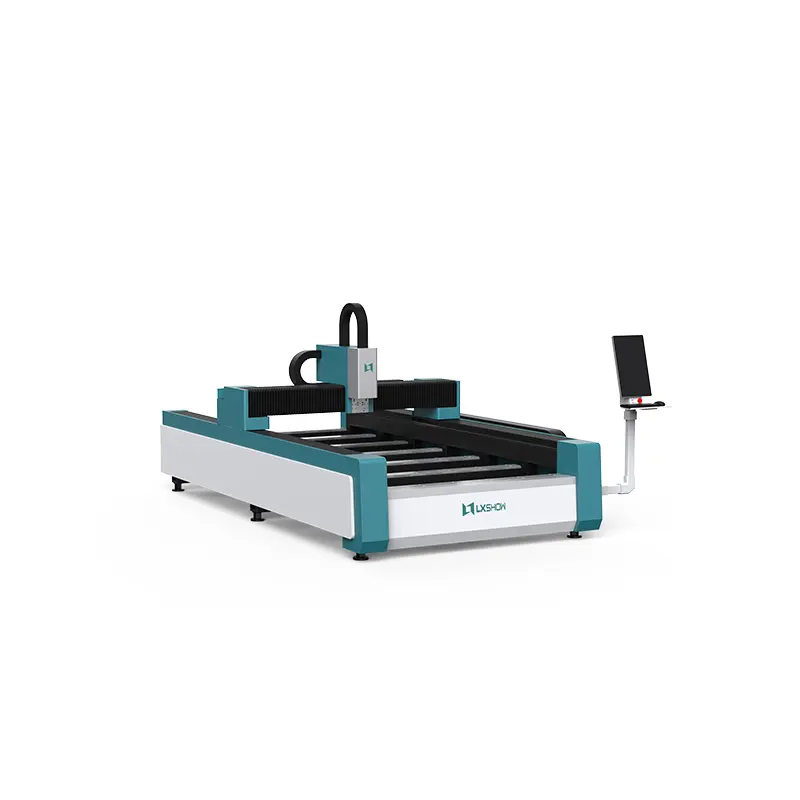
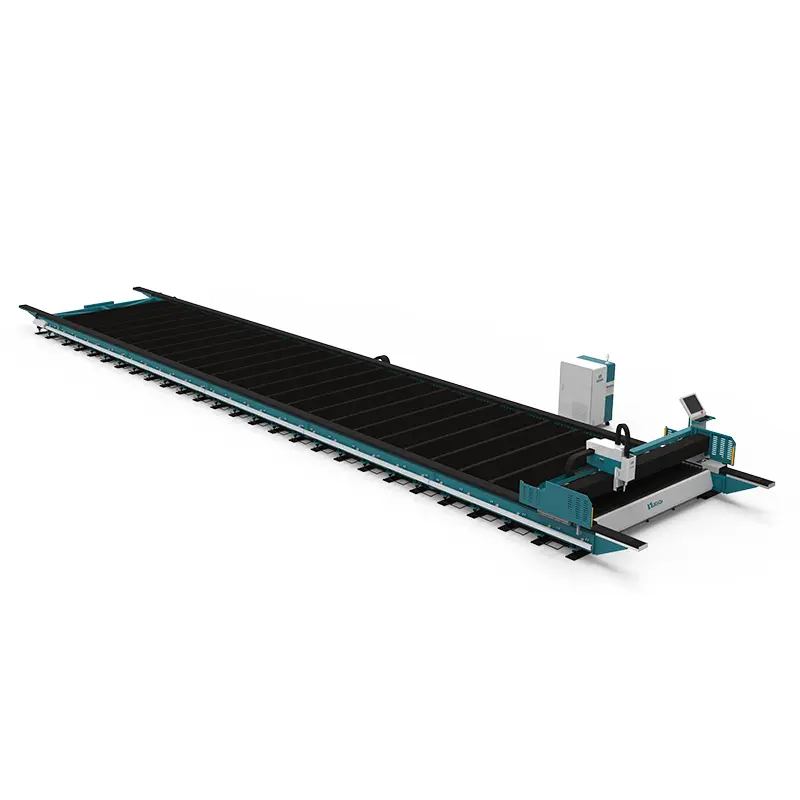
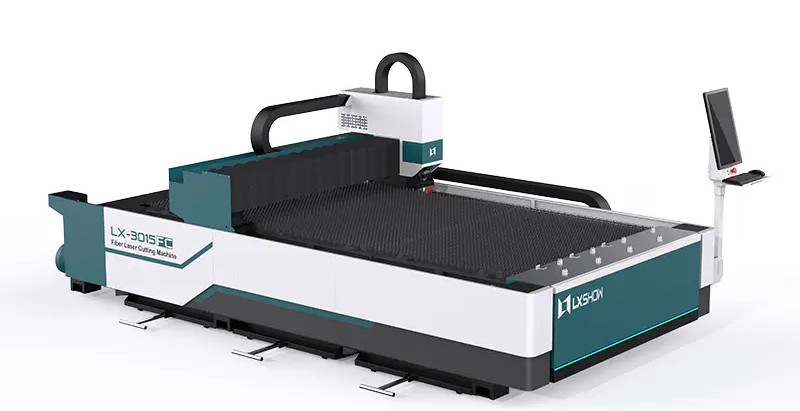
Standard flatbed laser systems for mild and stainless steel sheets.
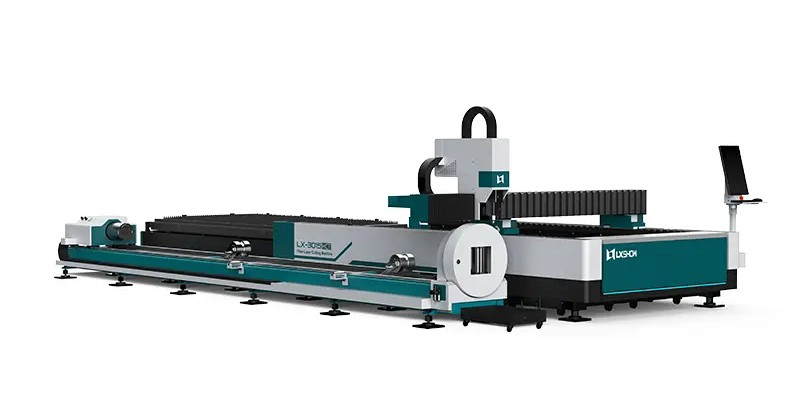
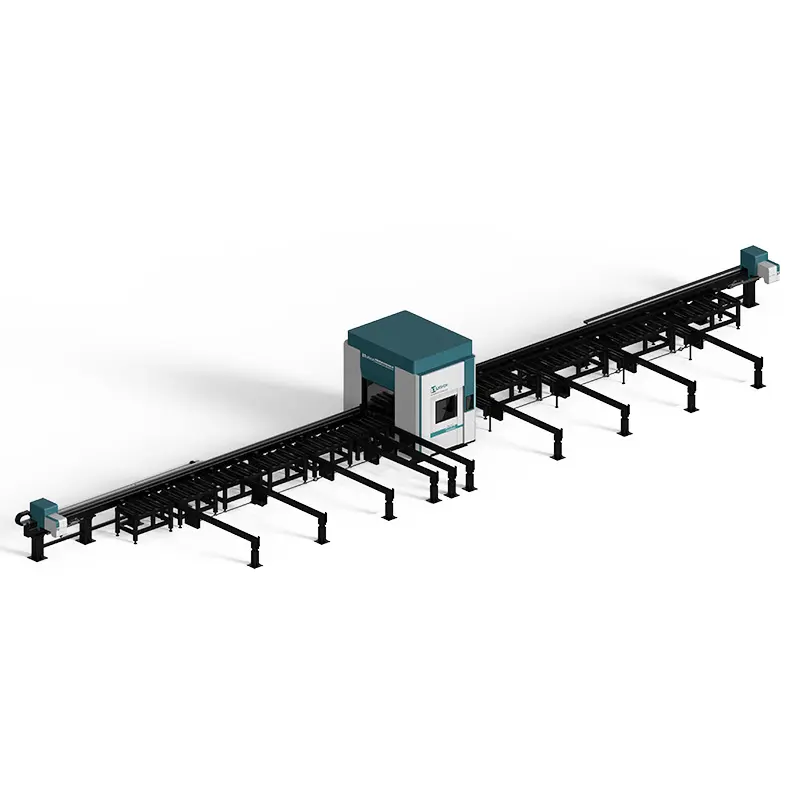
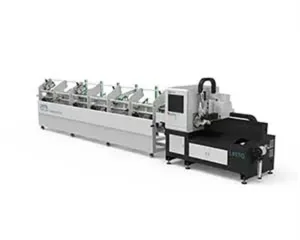
Hybrid systems configured for flatbed cutting and structural tube profiling.
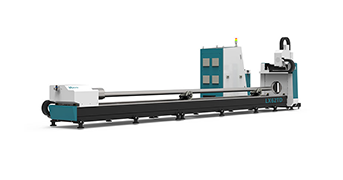
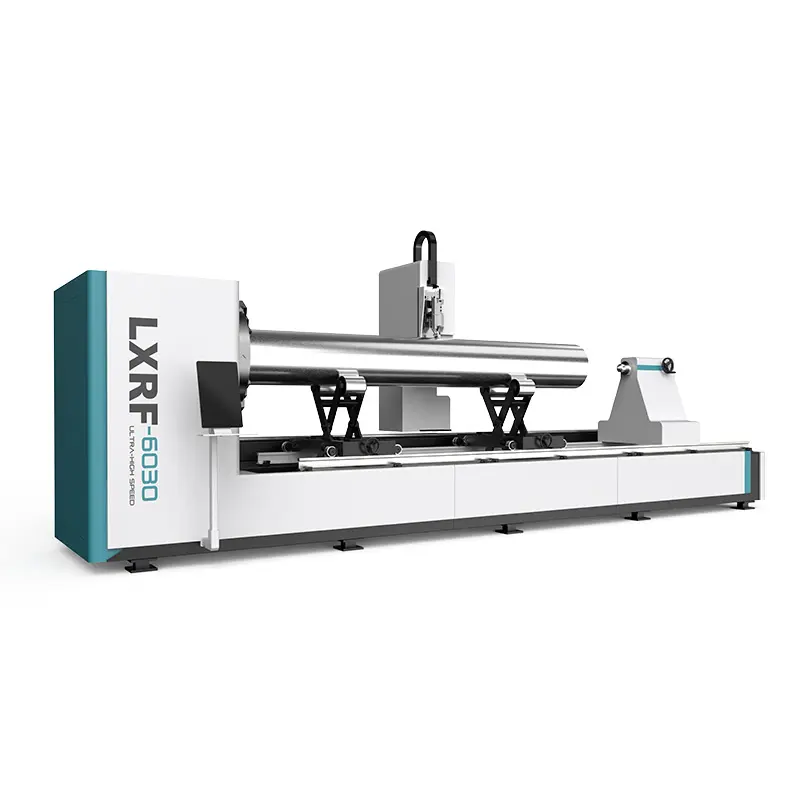
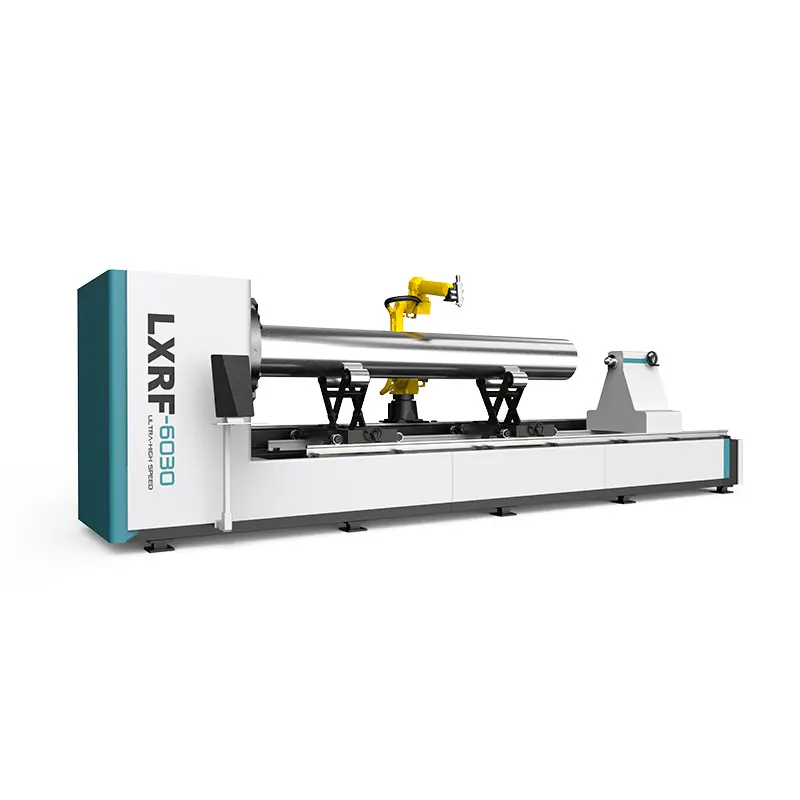
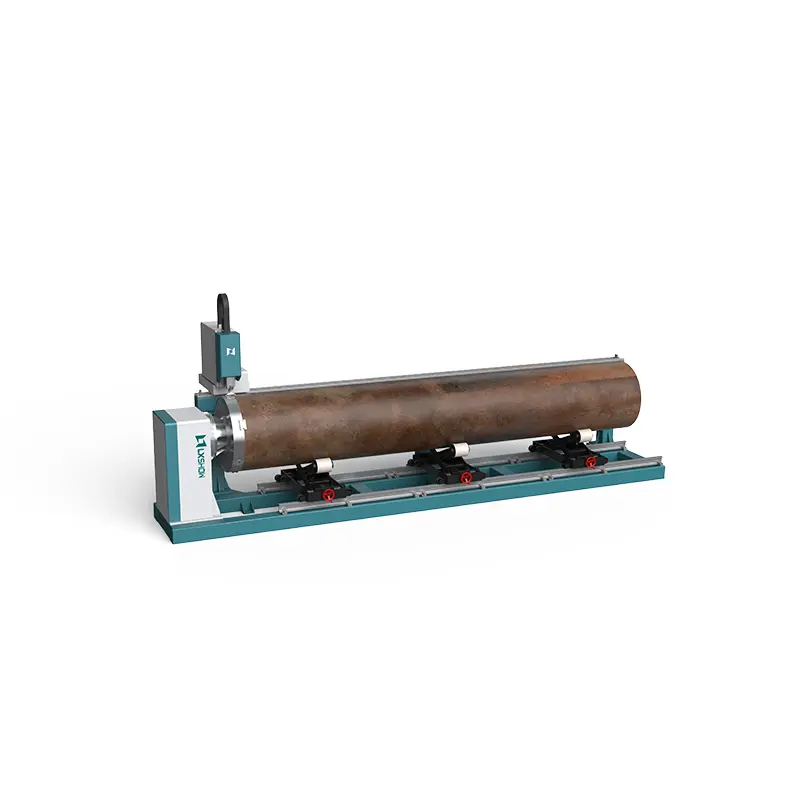
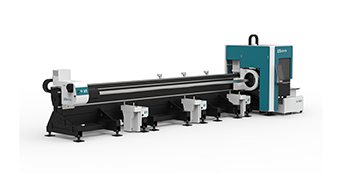
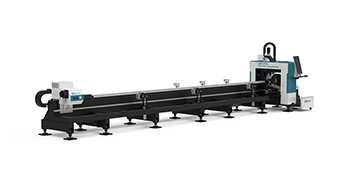
Dedicated pipe profiling lasers equipped with chuck configurations.
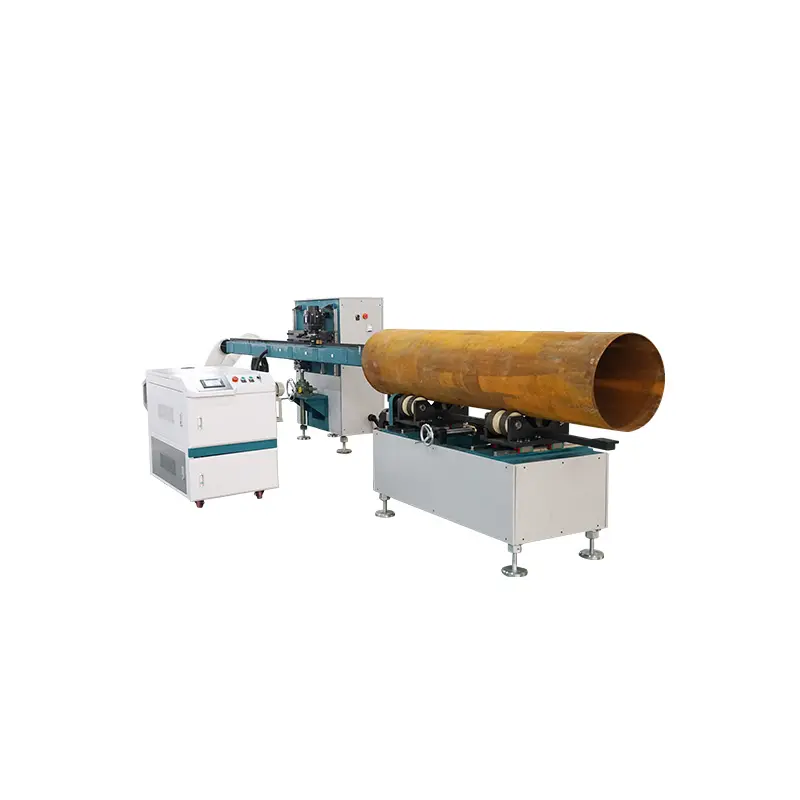
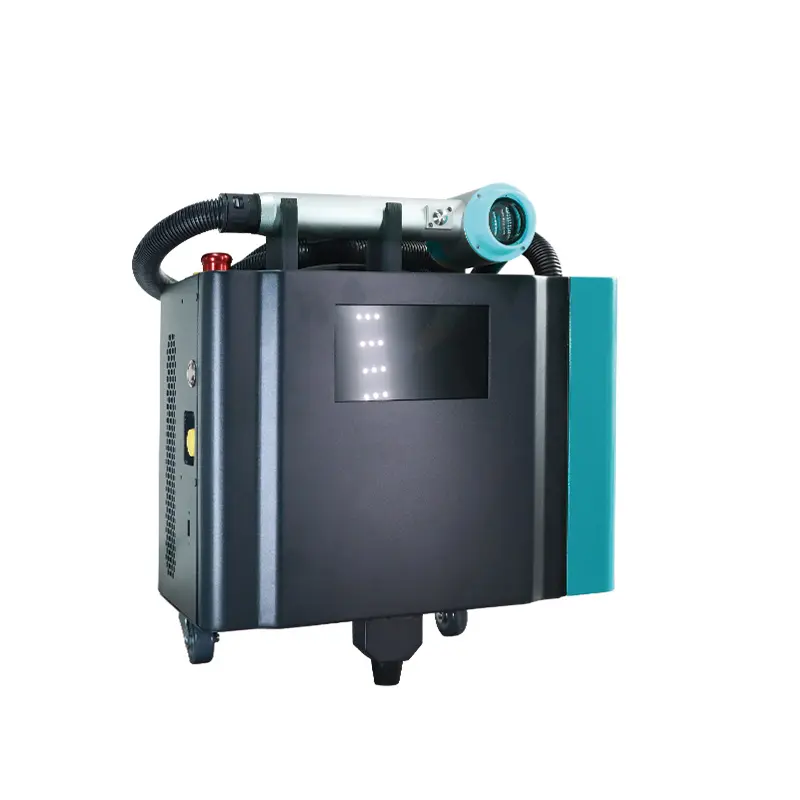
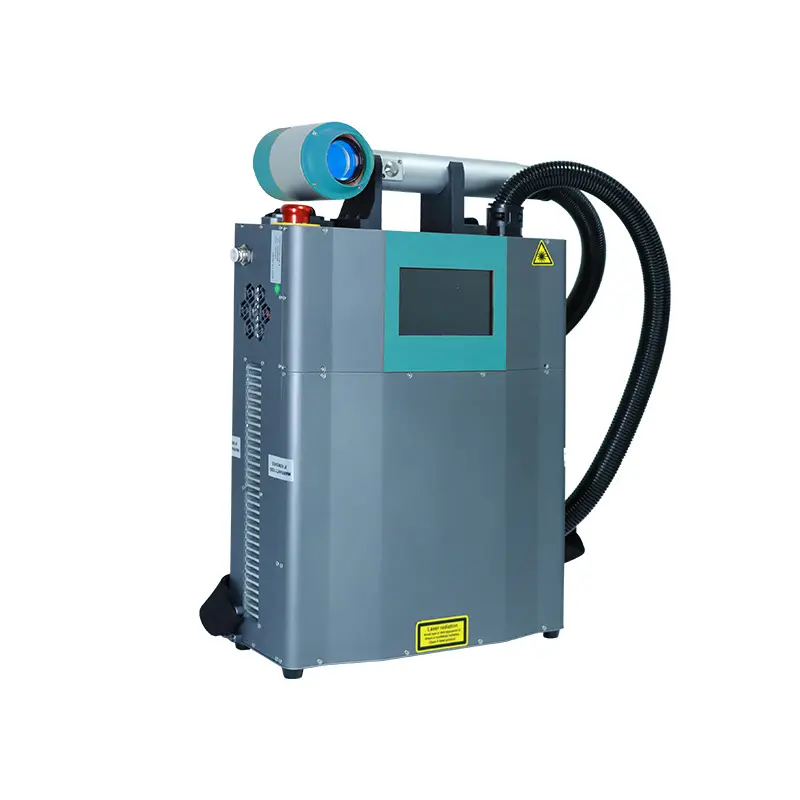
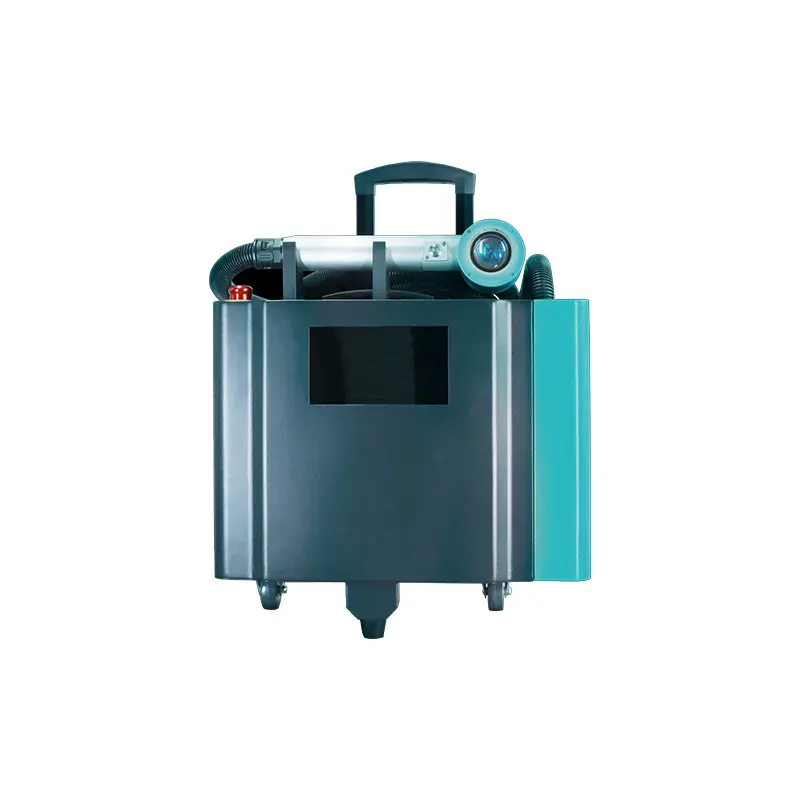
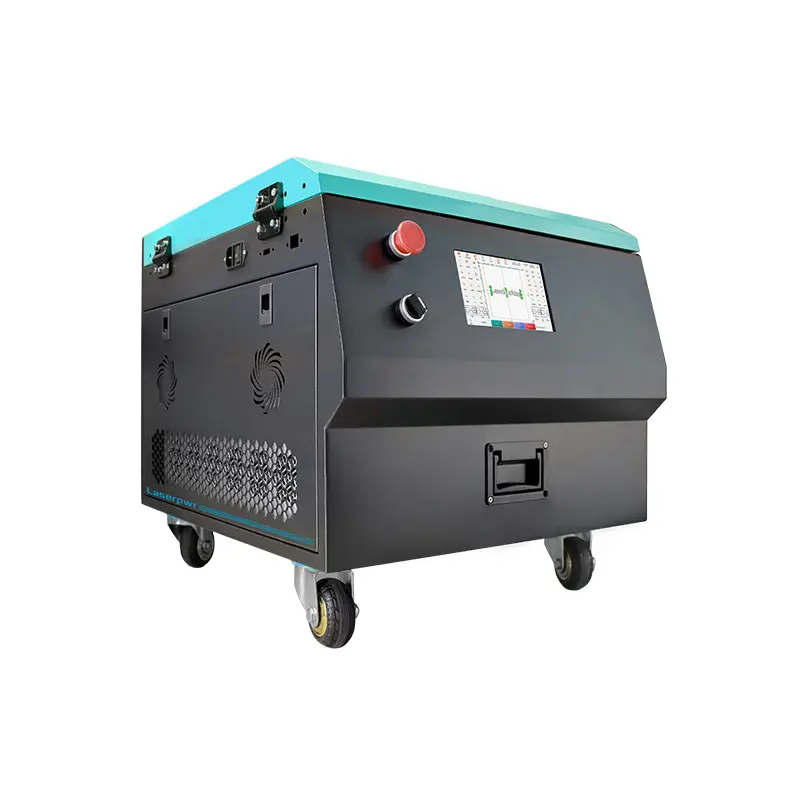
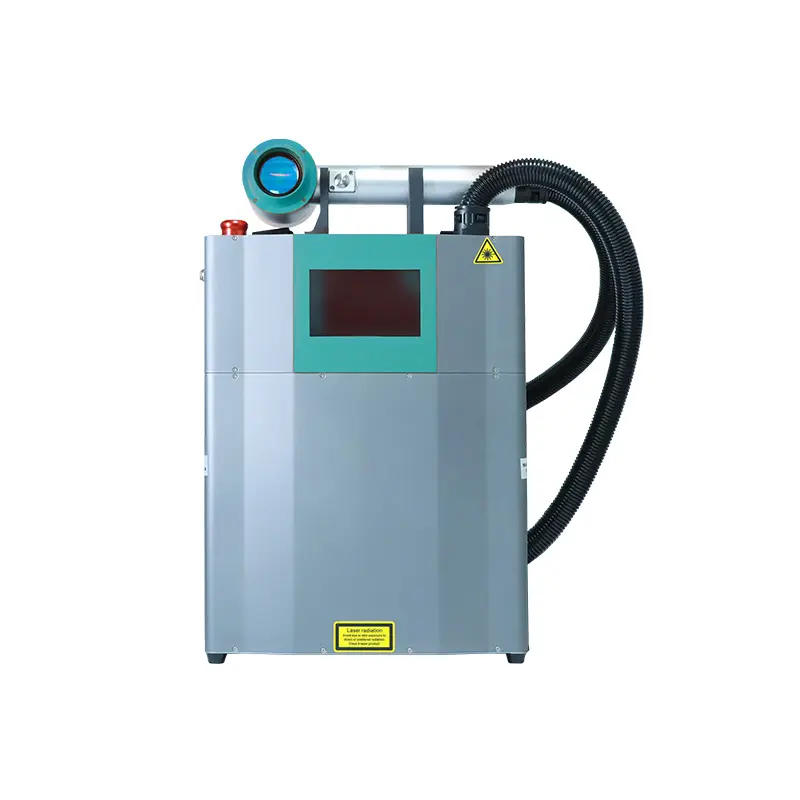
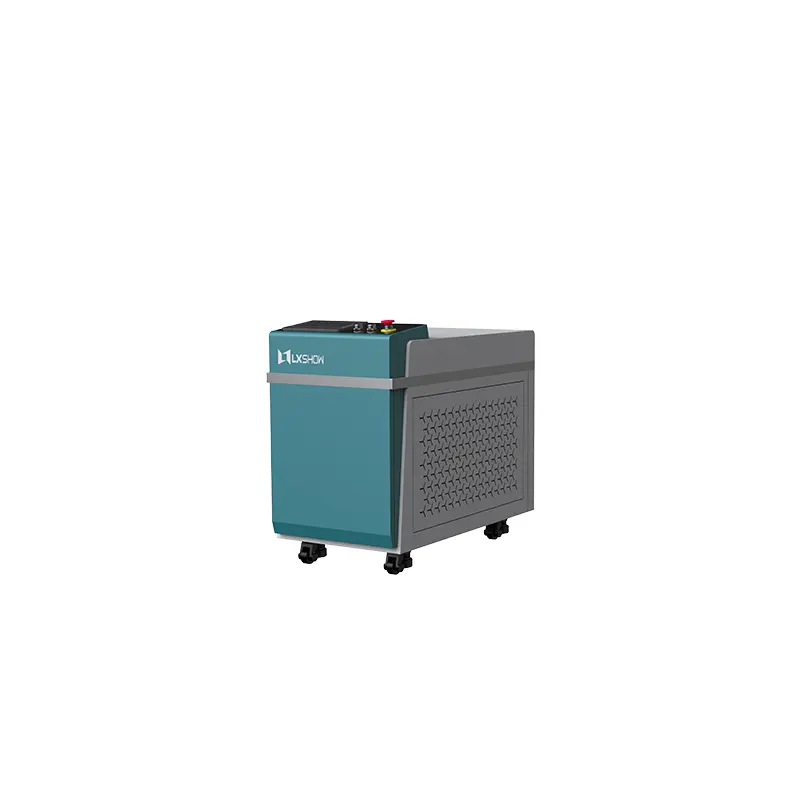
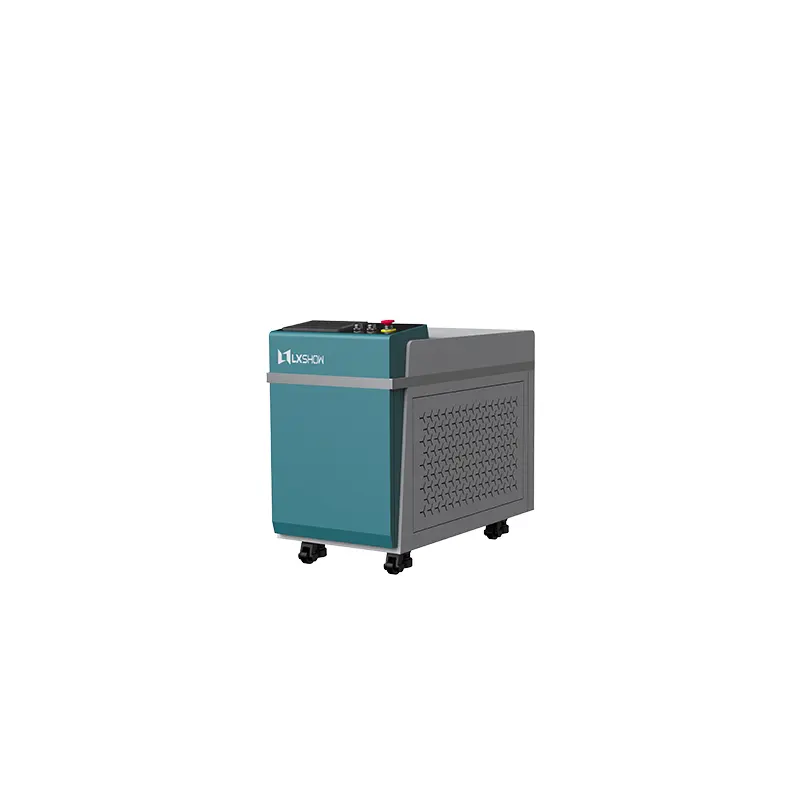
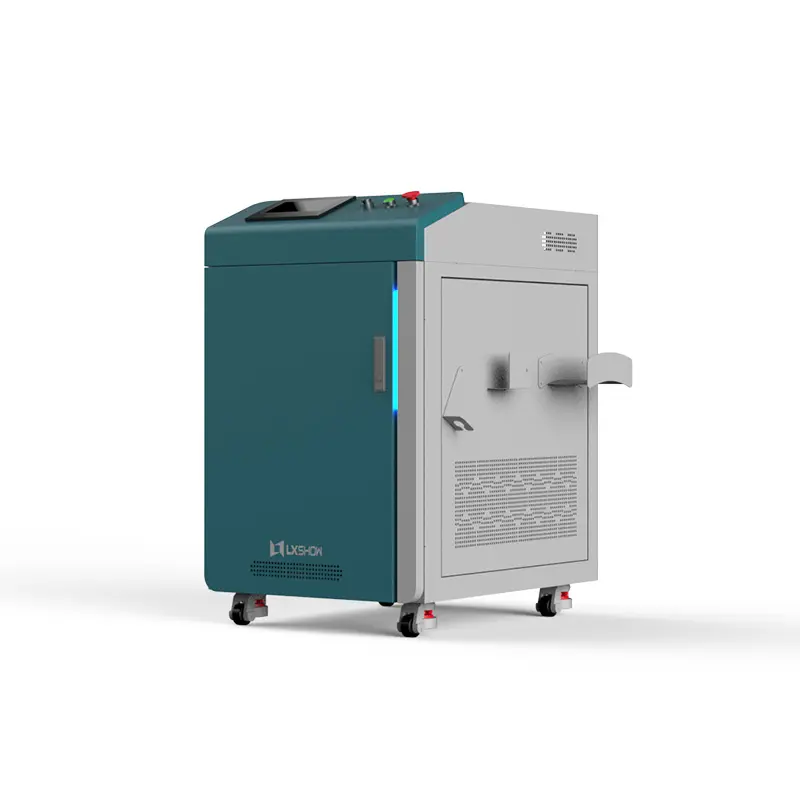
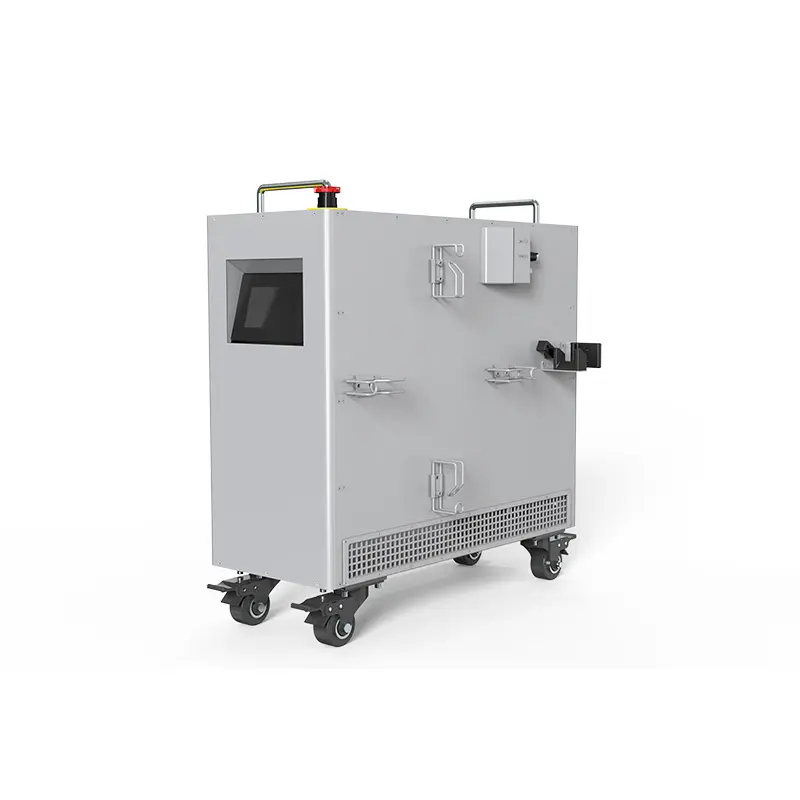
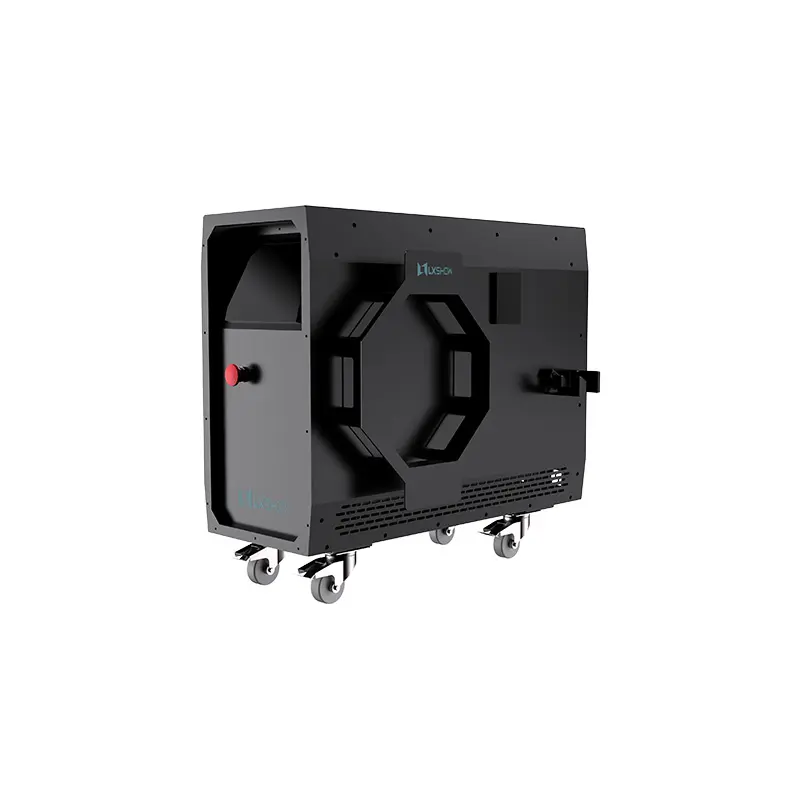
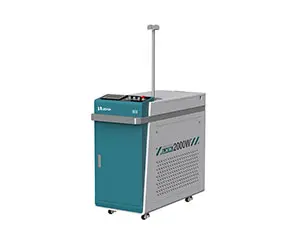
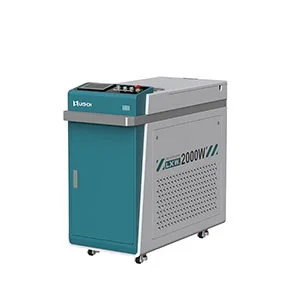
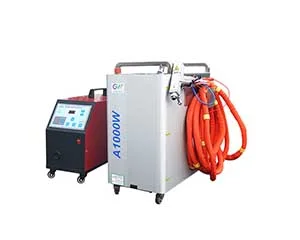
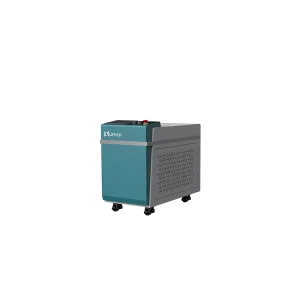
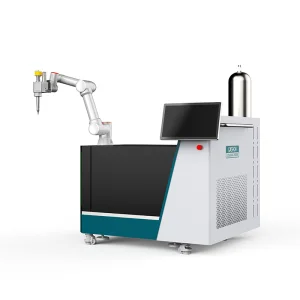
Lightweight, air-cooled, or water-cooled handheld lasers designed for metal restoration, rust stripping, and seam welding.
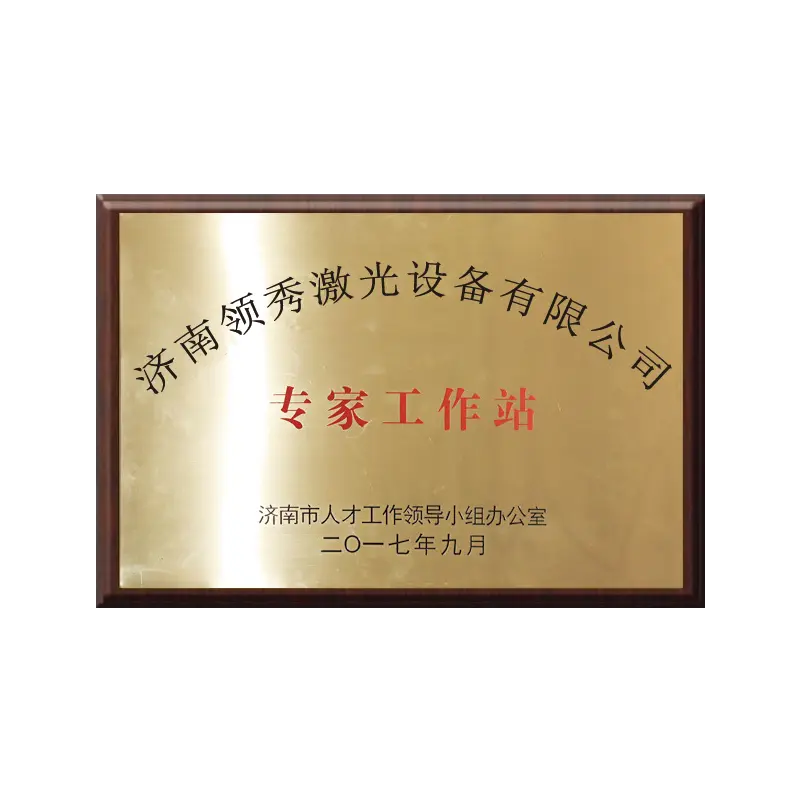
Get clear answers to your design, operation, configuration, and export questions, written by our engineering team.
A 1kW (1000W) fiber laser is optimized for processing thin-to-medium sheet metals. The maximum cut thickness depends on the material type and the assist gas used:
Fiber lasers have distinct advantages for sheet metal processing. At 1.07 microns, their beam wavelength is ten times shorter than CO2 lasers, resulting in a smaller spot size and higher power density. This lets fiber systems cut thin sheets up to three times faster than CO2 systems at equivalent power levels. They also have an electro-optical efficiency of 30-35% compared to CO2's 8-10%, reducing electrical costs and eliminating the need for optical mirrors, alignment checks, and gas purges.
Choosing the right laser source depends on budget and application requirements:
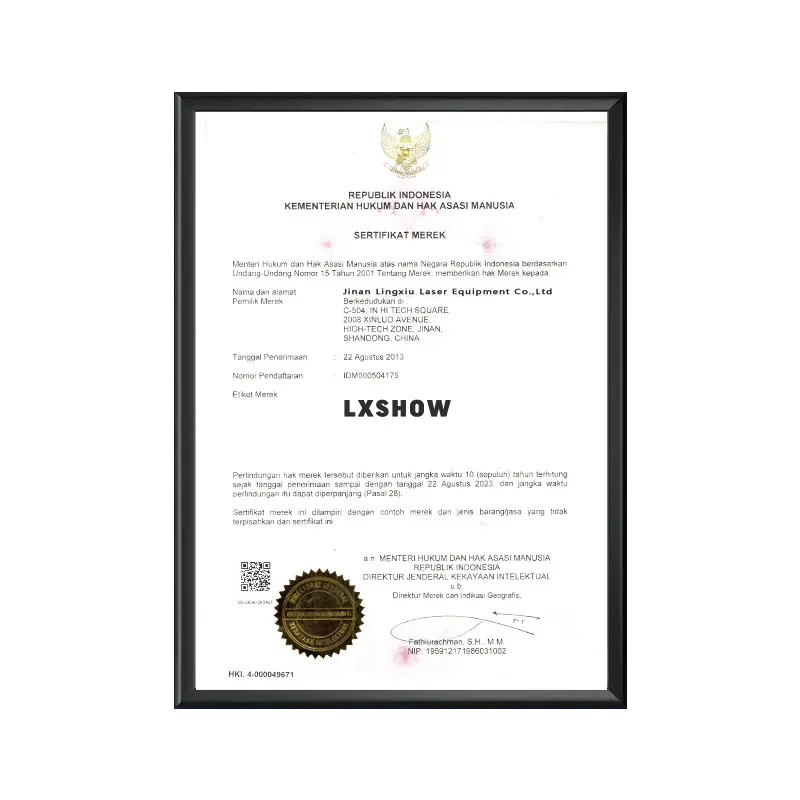
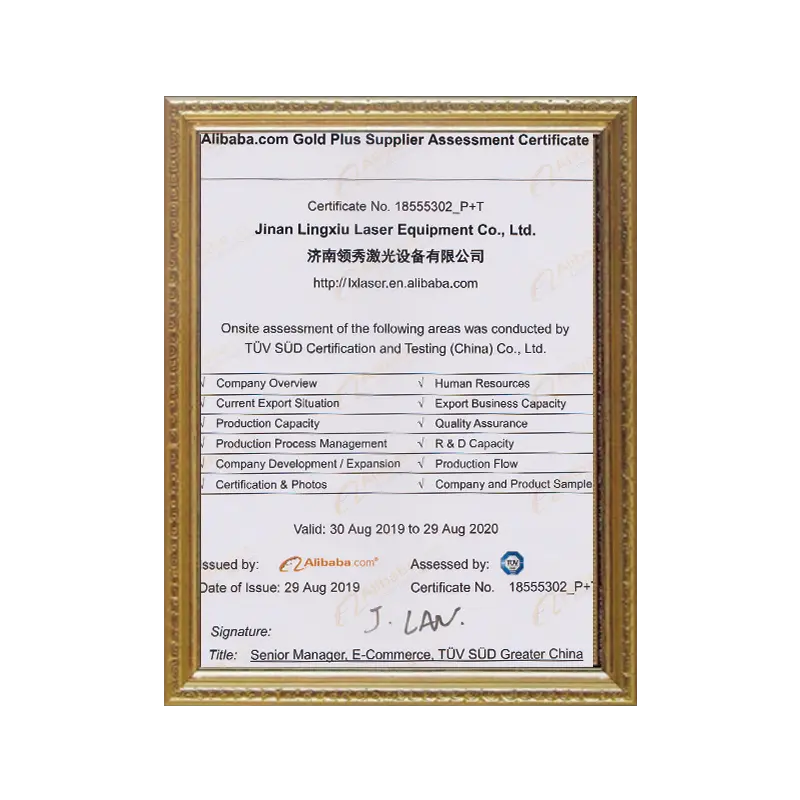
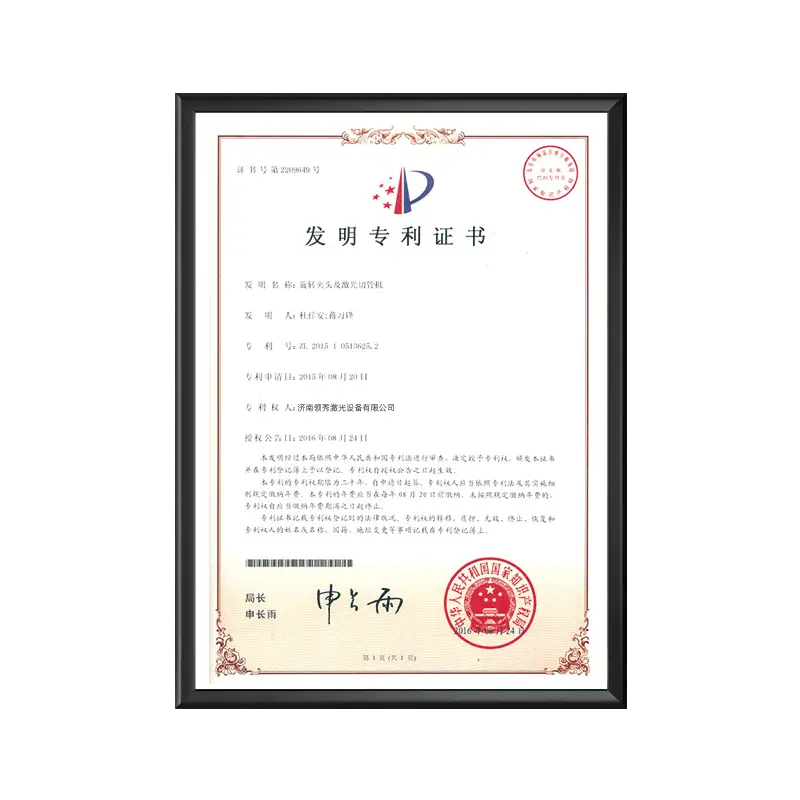
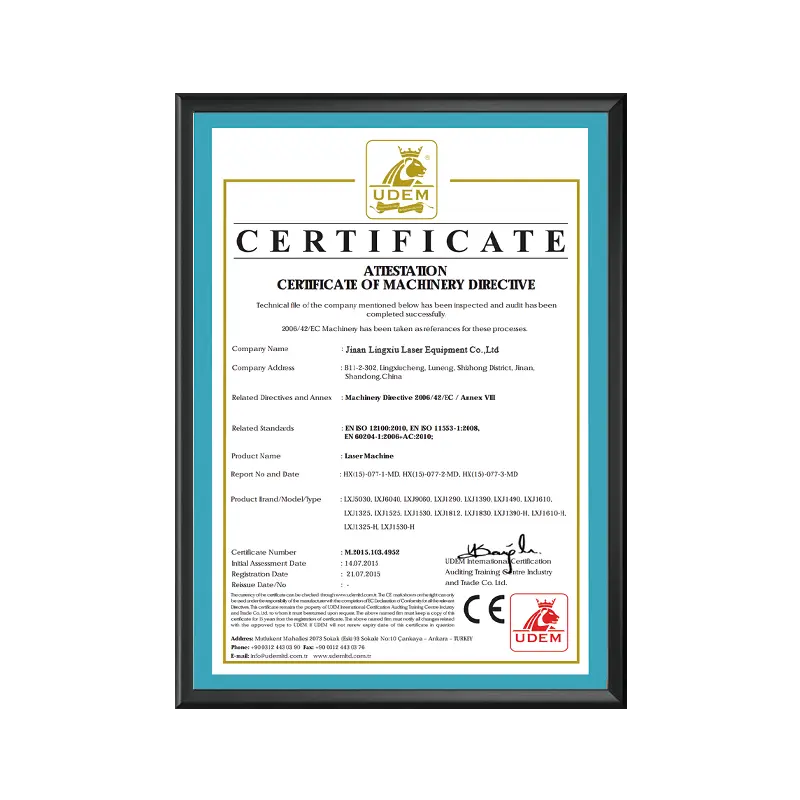
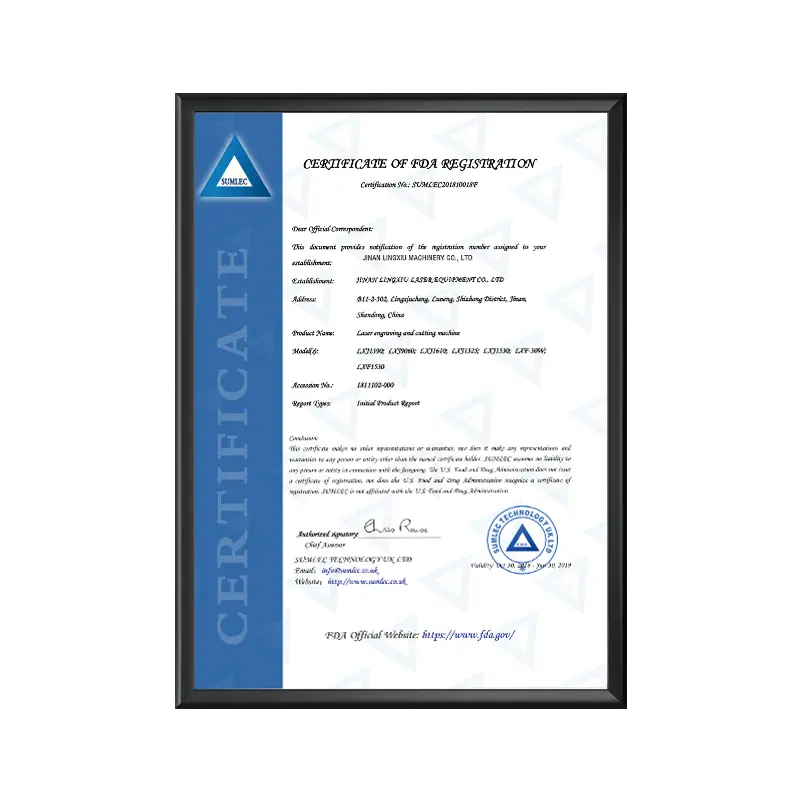
Exporting to highly regulated regions requires specific compliance certifications:
Fiber lasers are designed for low maintenance, but keeping the optical path and mechanics clean is essential. Daily checks should include inspecting the protective window/cover glass on the laser head for dust or contamination and cleaning it with optical-grade wipes if needed. Weekly maintenance includes clearing metal dust from the linear guide rails and ball screws. Monthly or bi-monthly, check the dual-stage water chiller's electrical connections and change the deionized water to prevent scale buildup in the cooling lines.
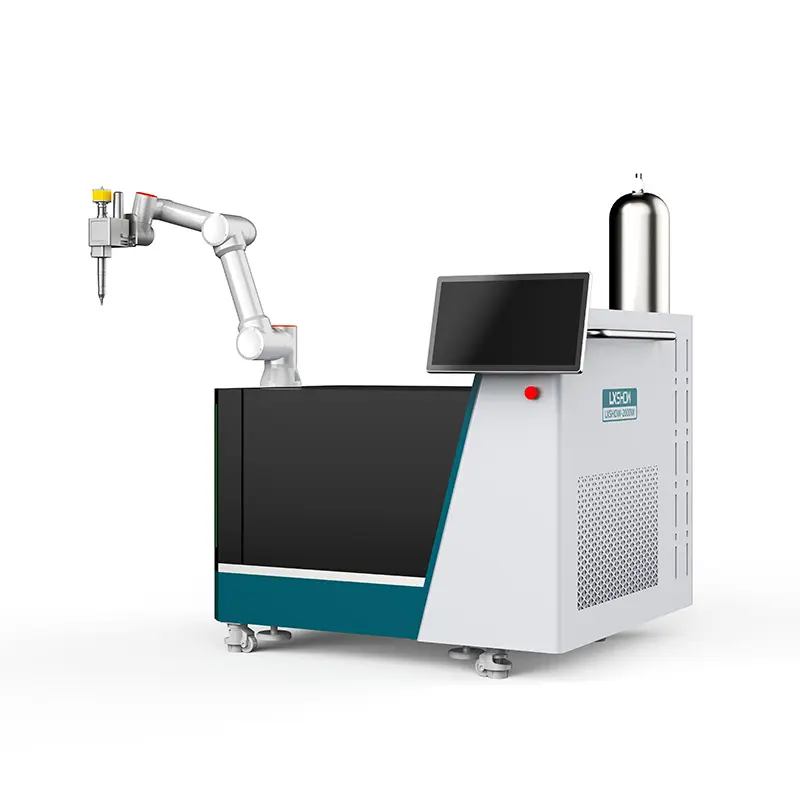
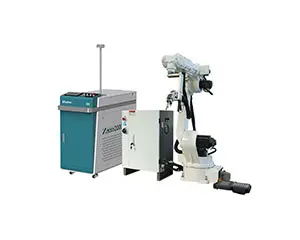
A 1kW laser is ideal for precision welding of thin sheets (typically up to 3mm for stainless steel, mild steel, or galvanized sheets). When configured with a handheld torch and wire feeder, it produces clean, narrow weld seams with minimal thermal distortion, which reduces post-weld finishing. For welding materials thicker than 5mm, a higher power rating (such as 2kW or 3kW) is recommended to ensure deep joint penetration.
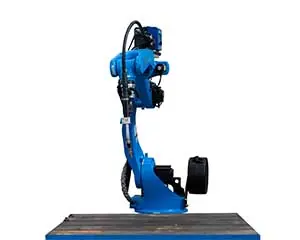
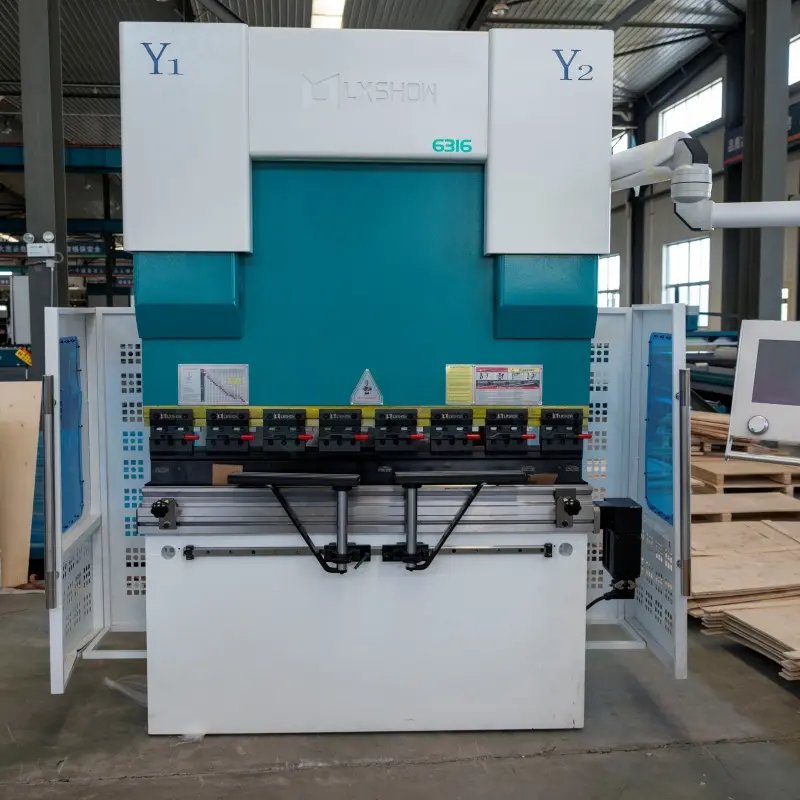
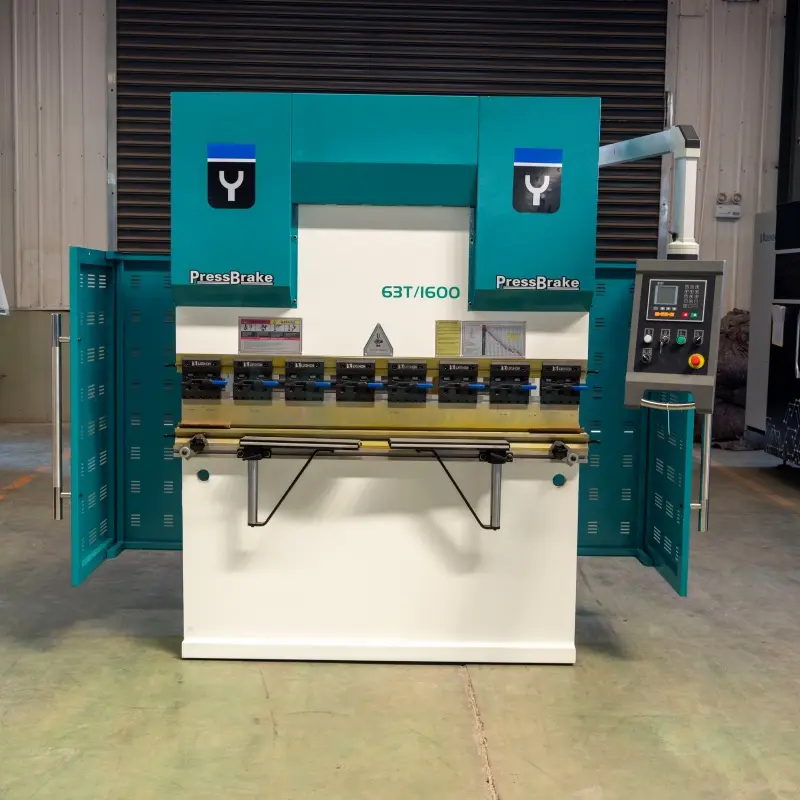
Engineered to support modern manufacturing demands, from bending and shearing to precision laser welding.
 Lxshow