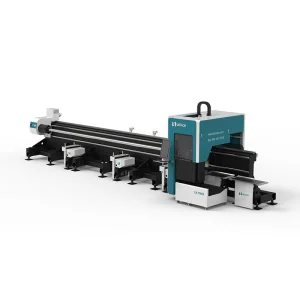
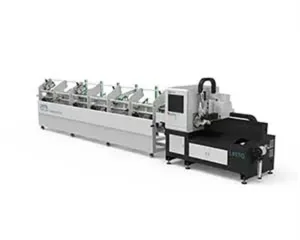
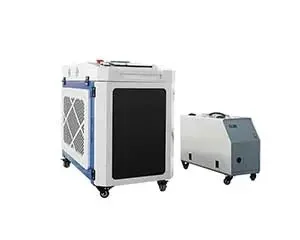
Direct from our state-of-the-art manufacturing plant. High-efficiency cutting, cleaning, and welding solutions engineered to global industrial criteria.
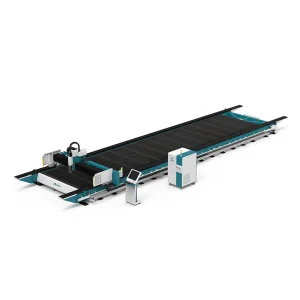
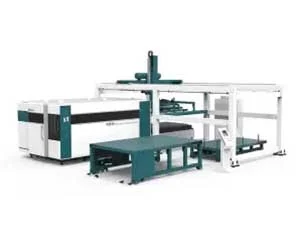
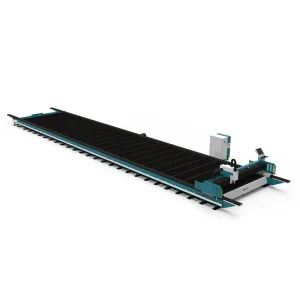
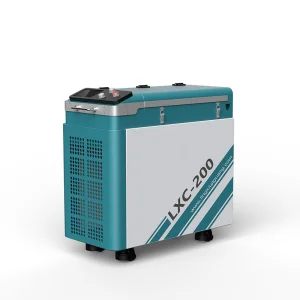
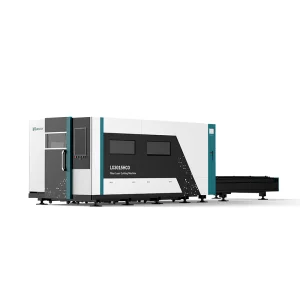
A trusted manufacturer guiding the metal fabrication sector into the Era of Smart Factories (Industry 4.0).
Demystifying key pricing elements to help procurement managers balance CapEx and OpEx.
Fiber laser resonator power scales from 1,000W to 20,000W+. An entry-level 1.5kW source cuts thin steel tube profiles economically, whereas heavy-duty structural steel lines require 6kW to 12kW setups, which changes the core module cost significantly.
Standard 2-chuck configurations offer robust handling at a mid-range budget. Advanced 3-chuck (heavy-duty) and 4-chuck mechanisms provide complete dynamic material transfer, yielding true zero-tailings scrap wastage, lowering total cost per cut.
Semi-automatic pipe feeding tables fit smaller job shops. Fully automated bundle loaders with structural gravity sensors reduce human labor overhead, optimizing batch operation runs while shifting the upfront investment tier.
In the contemporary CNC machinery landscape, buying a tube laser cutter from a Chinese manufacturer offers an optimization path for Capital Expenditure (CapEx). While standard Western manufacturing units with similar specifications (fiber laser head, servo configurations, CNC control systems) run upwards of $250,000, reliable Chinese factories supply equivalent systems within a $40,000 to $120,000 bracket.
This pricing delta does not represent compromised quality, but rather stems from cluster supply chains in provinces like Shandong, localized manufacturing of optical fiber delivery systems, and state-backed infrastructural advantages. Procurement directors are shifting to this cost structure to speed up their Return on Investment (ROI).
Engineered for high-volume execution across diverse industrial sectors and structural materials.
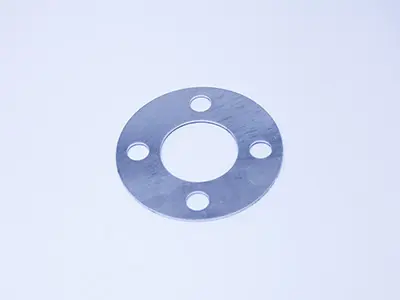 Aluminum Profiles
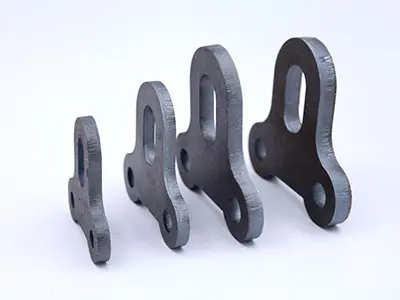 Carbon Steel
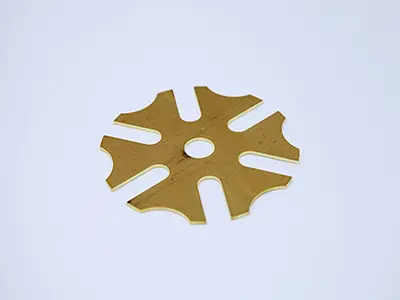 Copper & Alloys
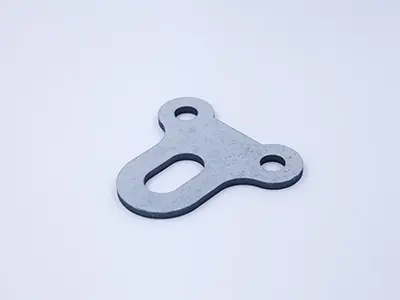 Galvanized Sheet
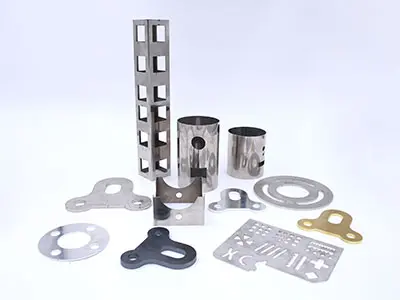 Alloy Metals
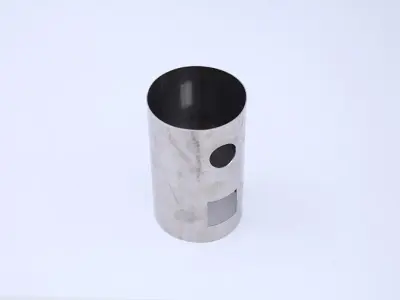 Round Tubes
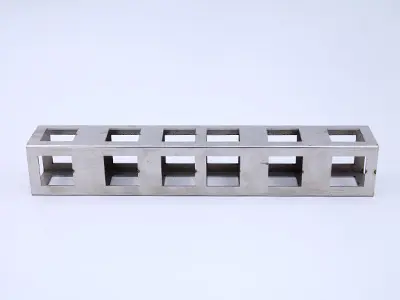 Square & Rectangular
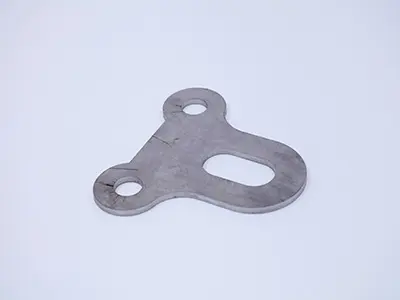 Stainless Steel
Our laser system configurations are integrated into multiple manufacturing sectors:
Pioneering mechanical systems backed by global certifications to guarantee safe and stable operation.
Fully compliant with the European Machinery Directive (2006/42/EC) and Low Voltage safety regulations.
Engineered with protective enclosures, interlocks, and safety light paths meeting Class IV laser specifications.
Standardized factory test lines ensuring component durability and structural frame alignment.
A Commitment to Long-Term Precision: Standard structural steel stress-relief operations involve thermal annealing at temperatures exceeding 600°C. This eliminates internal physical stresses in welded bed frames, preventing mechanical drift or precision loss over a decade of continuous factory operation. This key step distinguishes true industrial-grade equipment from low-cost generic alternatives.
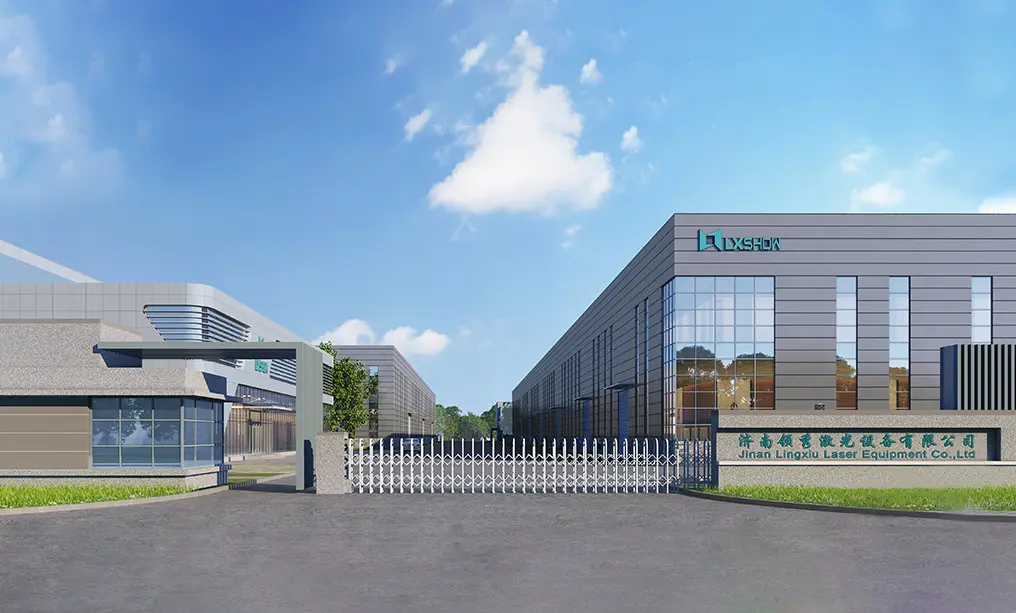
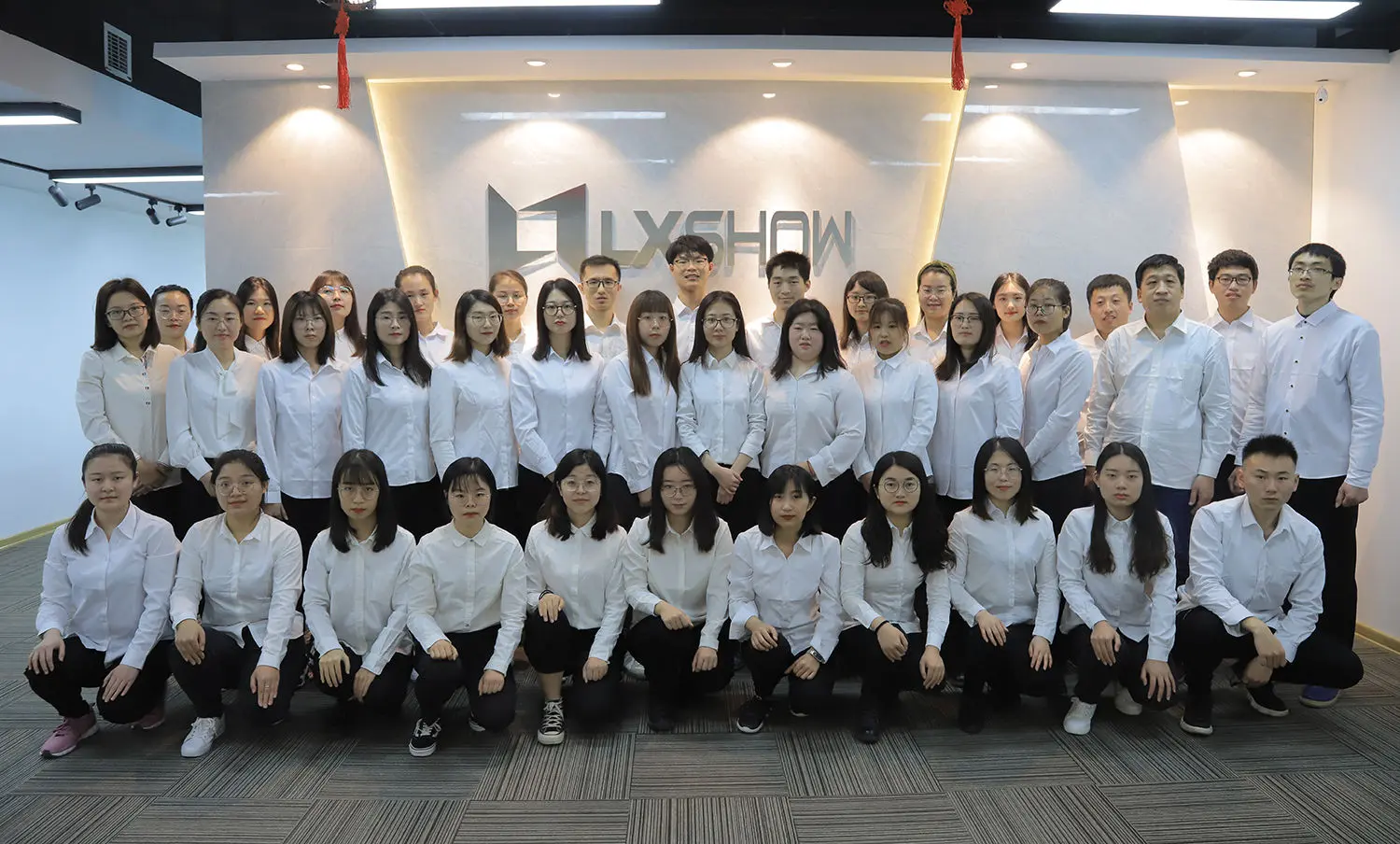
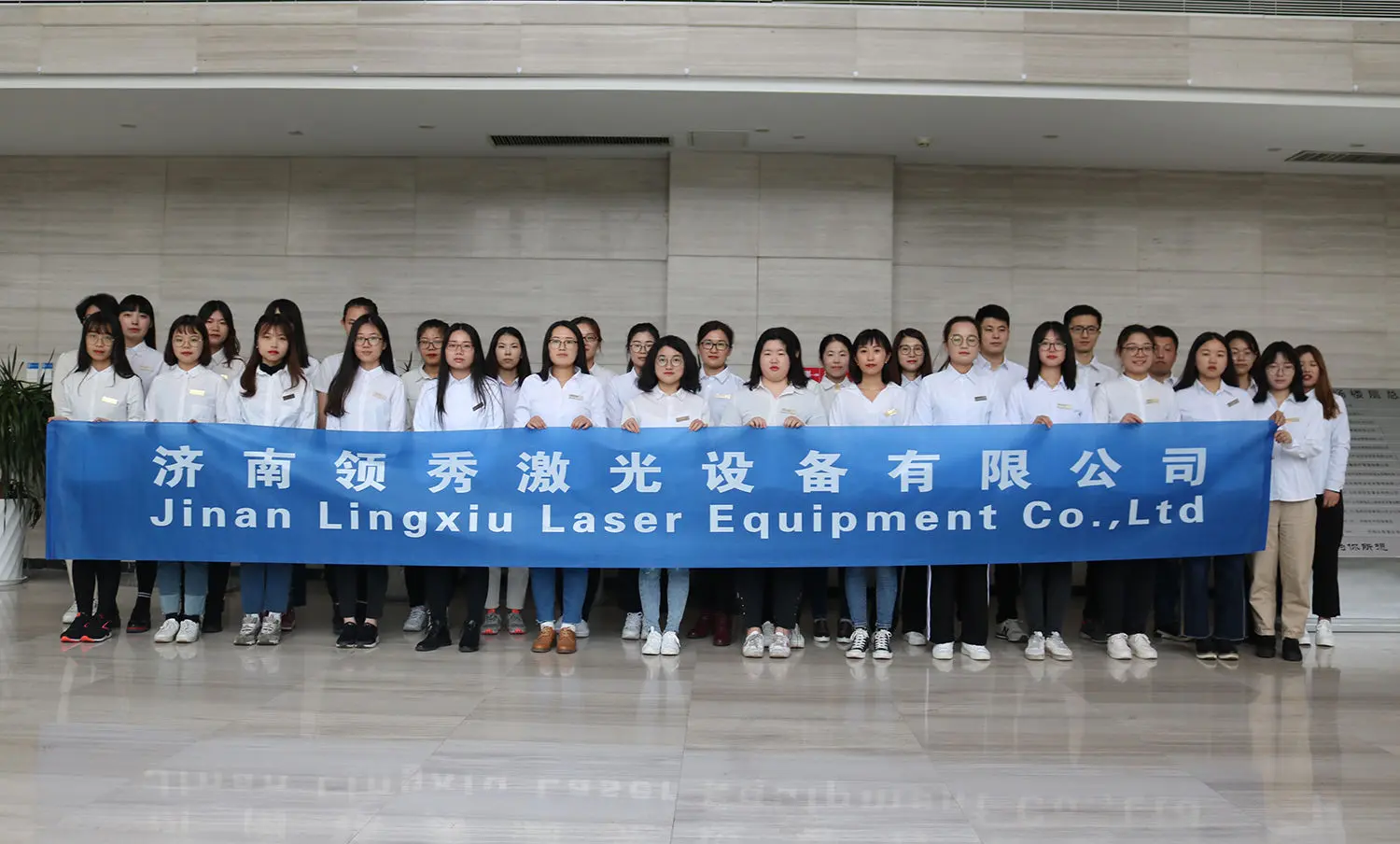
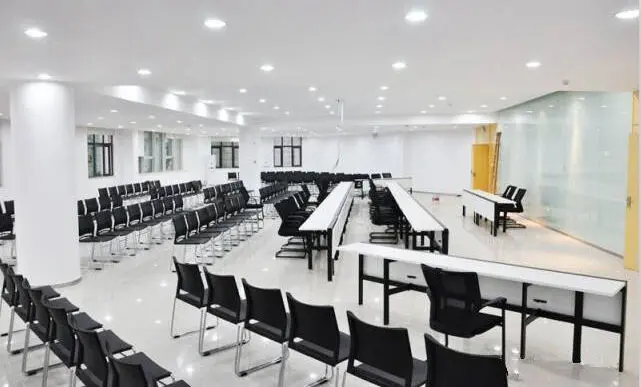
Take a virtual look inside our ISO-certified manufacturing site and support offices.
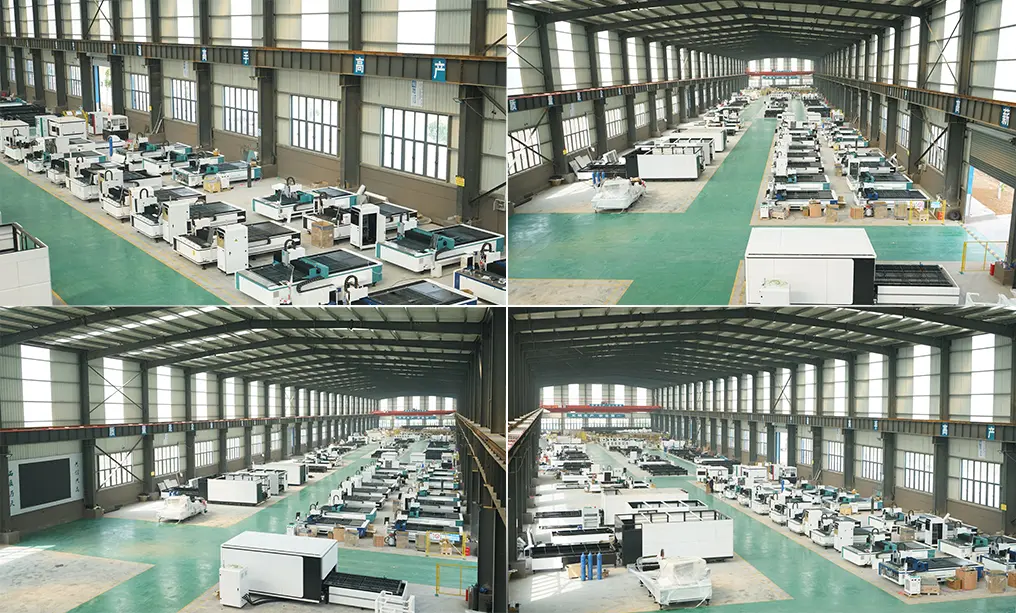
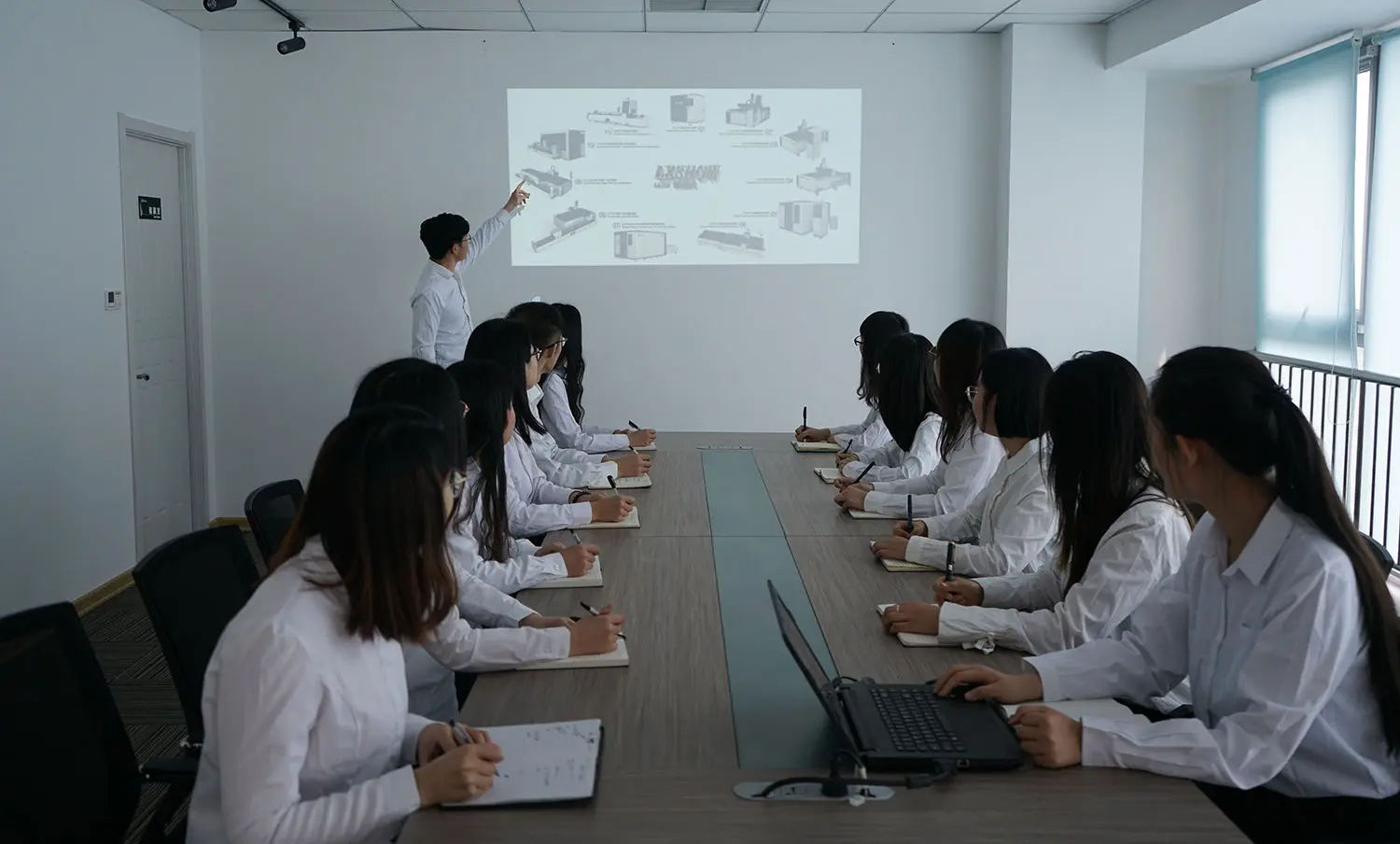
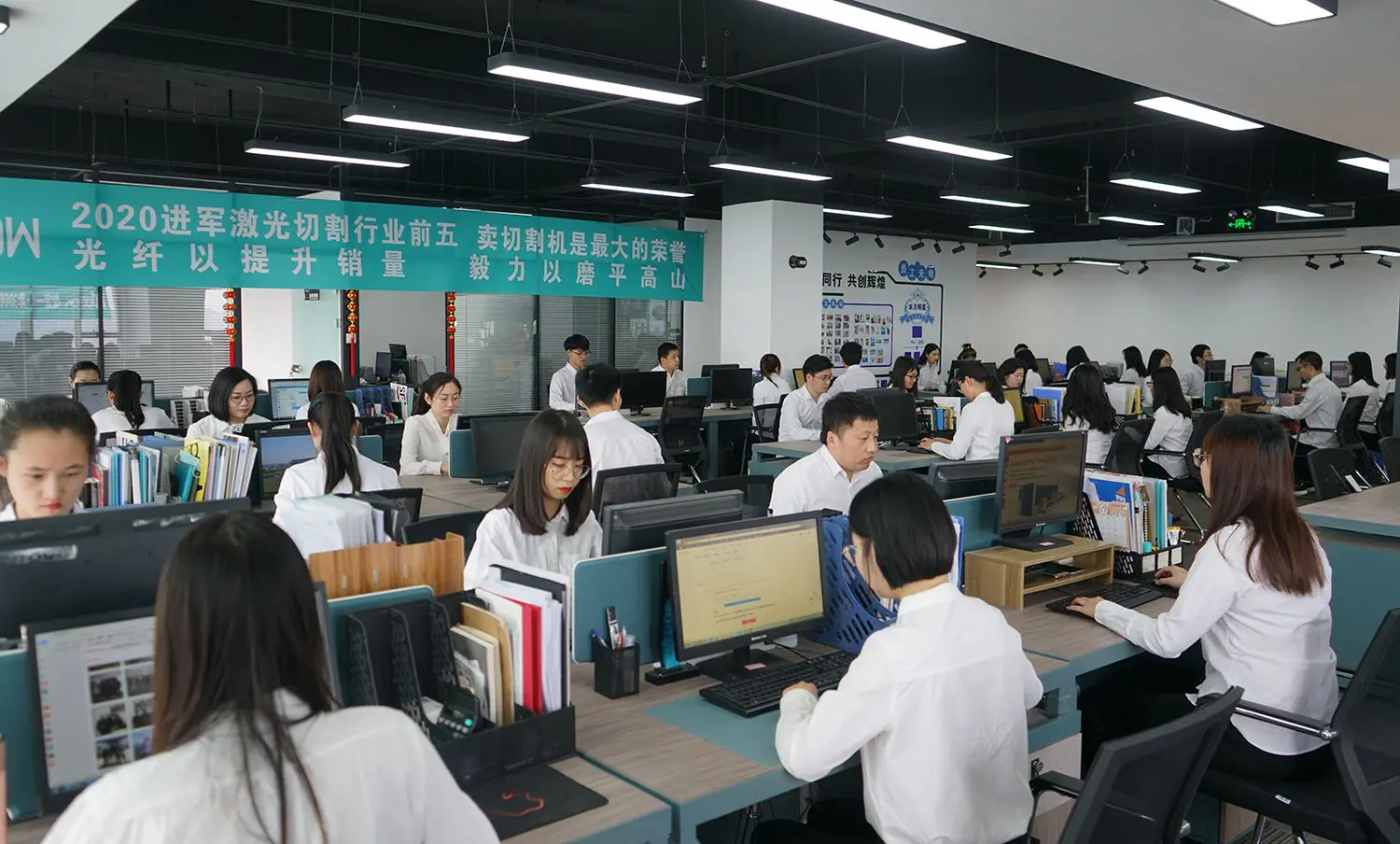
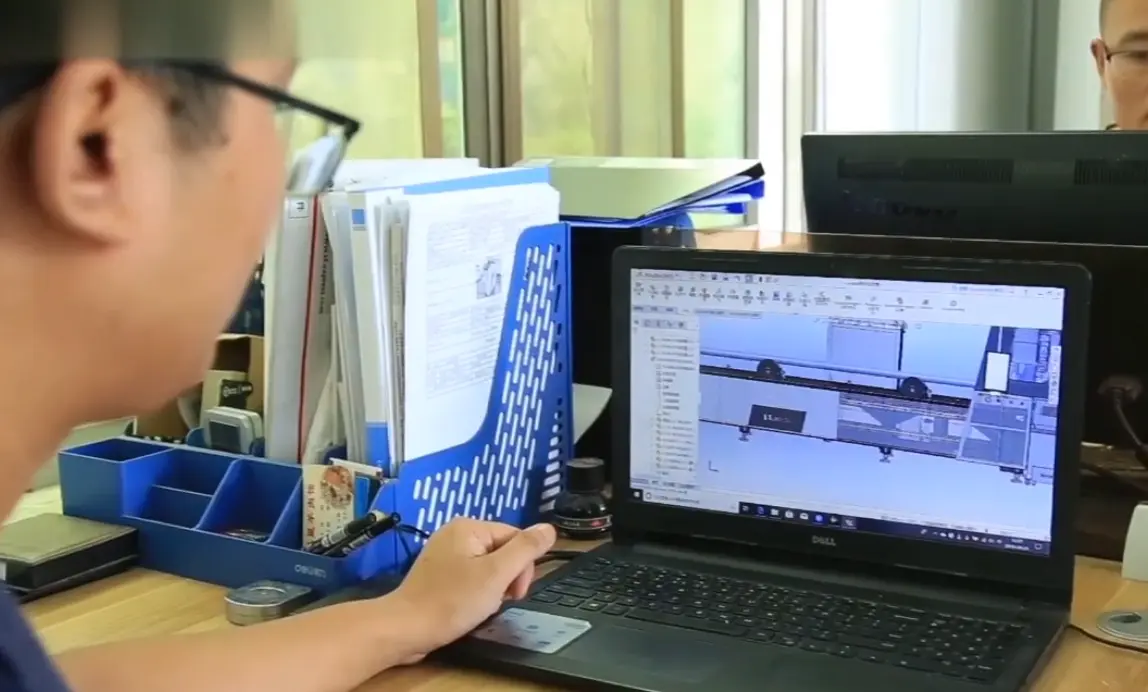
Critical specifications to verify when comparing factory quotes for CNC laser pipe cutters.
We configure systems with reliable brands (Raycus, IPG, JPT, Maxphotonics). Opting for IPG provides high electrical-optical conversion efficiency (up to 40%), while Chinese local leaders like Raycus provide cost-effective maintenance profiles for high-performance runs.
Selecting pneumatic self-centering double or triple chuck assemblies determines geometric roundness tolerances. For tube sizes above 200mm, we utilize heavy pneumatic chuck mechanisms to eliminate structural droop under high rotations.
We deploy CypCut and TubesT nesting systems. Advanced features like auto-edge seeking, dynamic profile collision protection, and corner power adaptation reduce setup time and material scrap by up to 22%.
Insights from our engineering department regarding cost, performance, and international shipment parameters.
Pricing depends heavily on specific configurations. Entry-level 2-chuck models with a 1.5kW source typically range from $25,000 to $45,000 FOB. Mid-range systems with a 3kW source and semi-automatic loading setups fall between $45,000 and $75,000. Large-format, heavy-duty 3-chuck zero-tailings lines with 6kW to 12kW laser power range from $75,000 to over $150,000.
A 2-chuck system grips and guides the tube from behind and front, leaving a tailing waste of roughly 150mm to 200mm at the pipe's end. A 3-chuck system moves the middle chuck dynamically to support zero-tailing cuts (almost 0mm scrap waste). This reduces material waste for high-value alloys and prevents tube bowing on heavy structural profiles.
Oxygen (O2) acts as an active cutting gas, generating chemical heat, which is ideal for carbon steel. Nitrogen (N2) is an inert gas used to prevent oxidation, creating clean, weld-ready edges on stainless steel and aluminum. High-pressure dry compressed air is an economical option for thin steel profiles, significantly reducing operating costs.
We provide comprehensive support, including remote diagnosis, local service engineer dispatches through regional partner agencies in 50+ countries, detailed visual training resources, and guaranteed critical part dispatches (such as nozzles, protective windows, and lenses) within 24 to 48 hours to minimize production downtime.
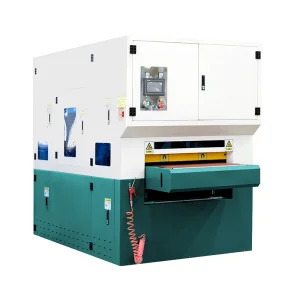
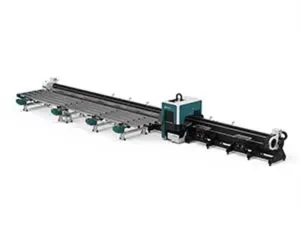
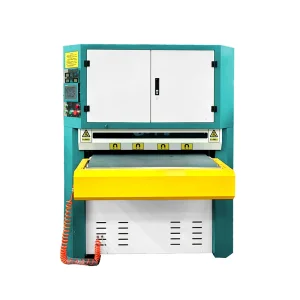
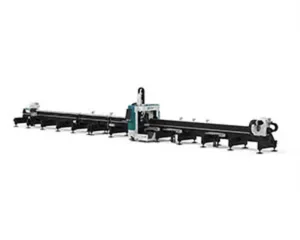
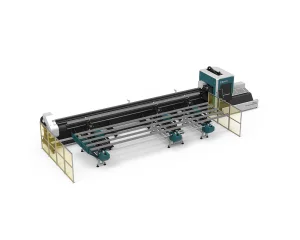
Optimized systems built for precise heavy-industry tube cutting, corner cleaning, and mechanical deburring.
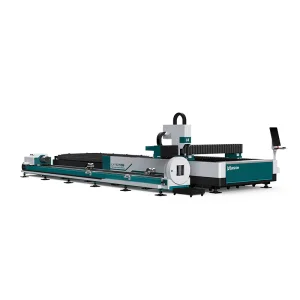
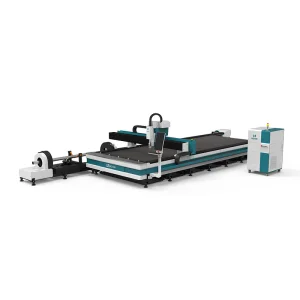
 Lxshow