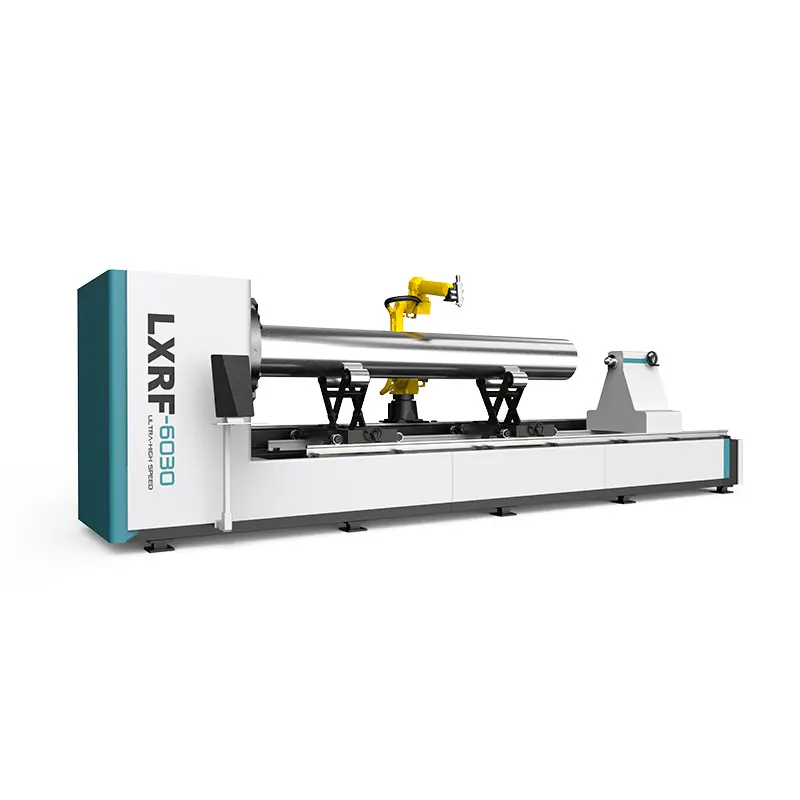
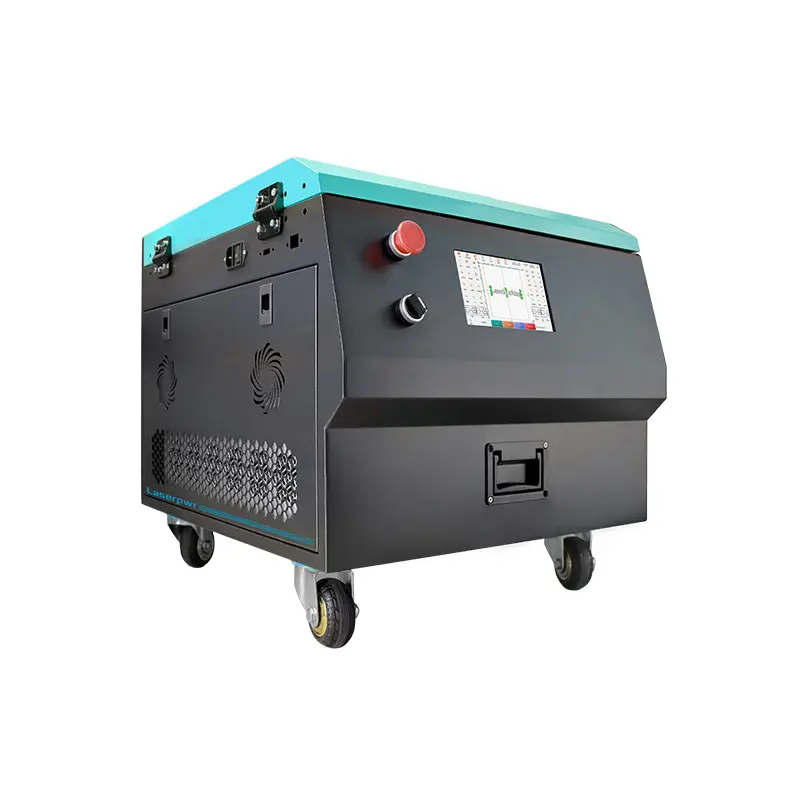
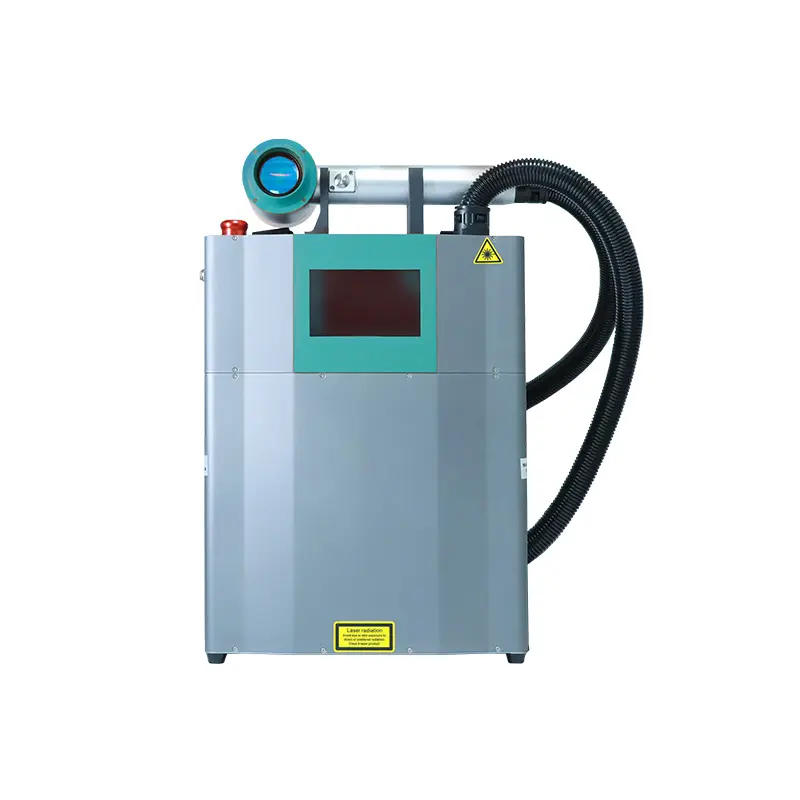
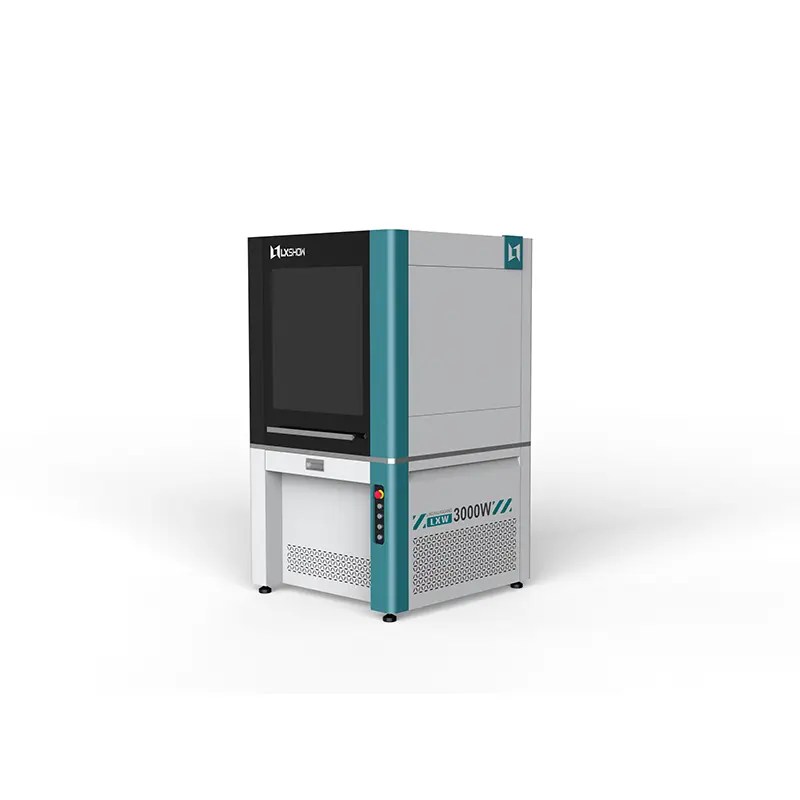
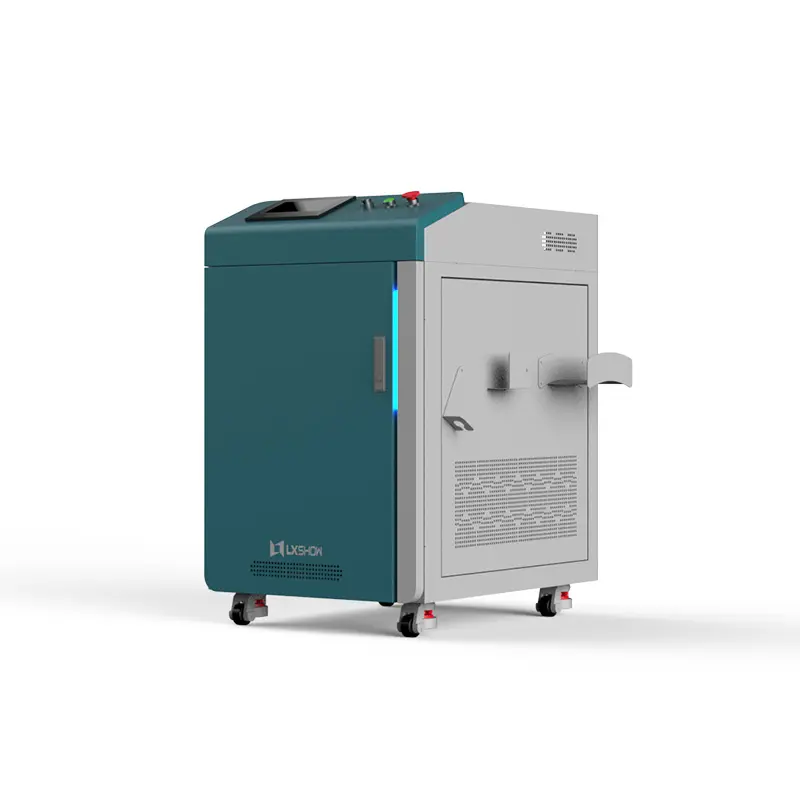
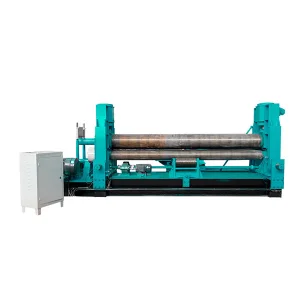
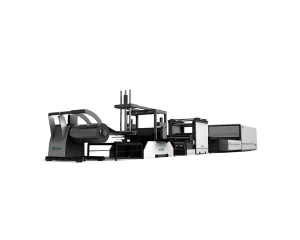
Direct sourcing from China's smart manufacturing plant. Preserved original models, guaranteed premium output.
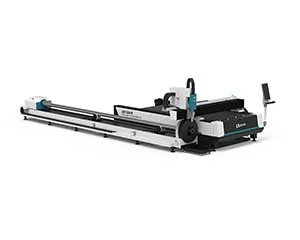
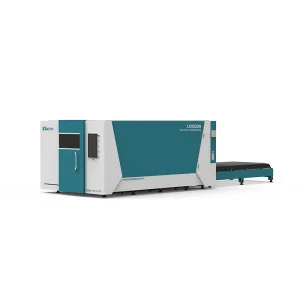
Understanding the physics, complexities, and industrial parameters of laser processing pure and alloyed silver materials.
Industry Expertise (Since July 2004)
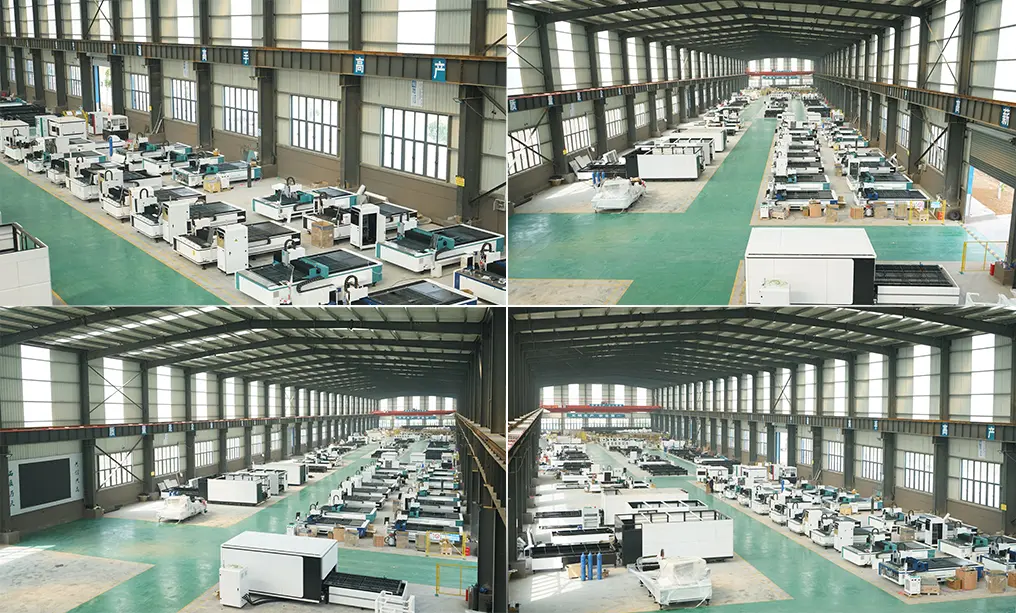
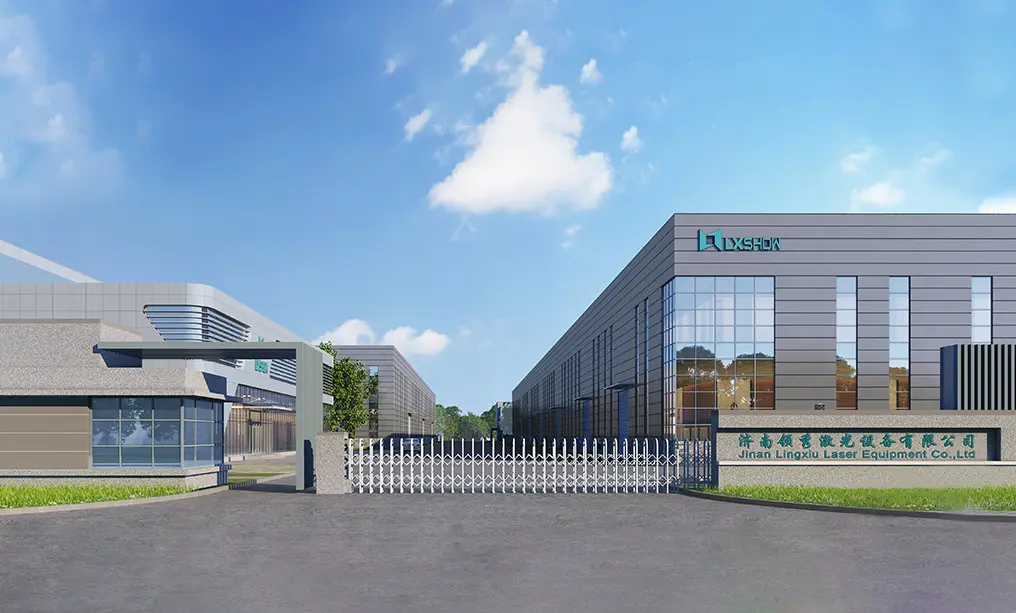
Modern Smart Manufacturing Facility
Countries and Regions Reached
Global Industrial Users
In the era of micro-electronics, ultra-high-efficiency photovoltaics (PV), electric vehicle (EV) power grids, and precision medical engineering, silver (Ag) has transitioned from being primarily a luxury decorative medium to a critical industrial material. Silver has the highest electrical conductivity, thermal conductivity, and optical reflectivity of any metal. However, these identical physical parameters render it one of the most challenging elements to cut using lasers.
Historically, standard laser sources could not process silver sheets without suffering from catastrophic back-reflection, which travels directly back into the optical path and destroys laser modules. With advances in fiber laser technology, single-mode optics, back-reflection isolators, and custom gas dynamics, China has emerged as the premier manufacturing hub for heavy-duty laser equipment. Leading suppliers have unlocked micro-level laser processing of silver. This paper examines the technical requirements, equipment paradigms, and sourcing strategies for global buyers seeking reliable China-based partners for laser-cut silver and associated smart machinery.
Silver reflects over 96% of infrared light at the common 1.06 µm wavelength under cold, ambient states. Processing silver requires lasers with extremely high power density to immediately breach the material's reflectivity barrier and establish a stable keyhole melt pool. Once the melt pool forms, absorption rises dramatically, enabling high-speed profiling.
To source successfully from China, procurement engineers must evaluate the supplier's mastery over three crucial processing dynamics:
Purchasing laser-cut silver components or dedicated machinery from China offers a structural edge due to:
From laser sources, CNC controllers, and gas flow regulators to mechanical gantry beds, China’s industrial ecosystem coordinates components seamlessly, reducing sourcing lead times and costs.
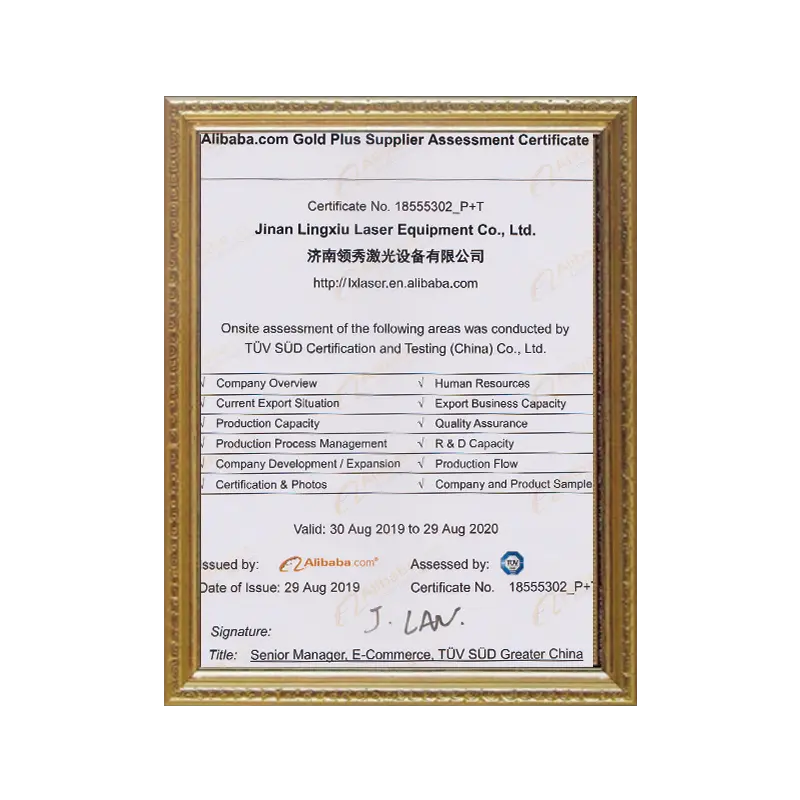
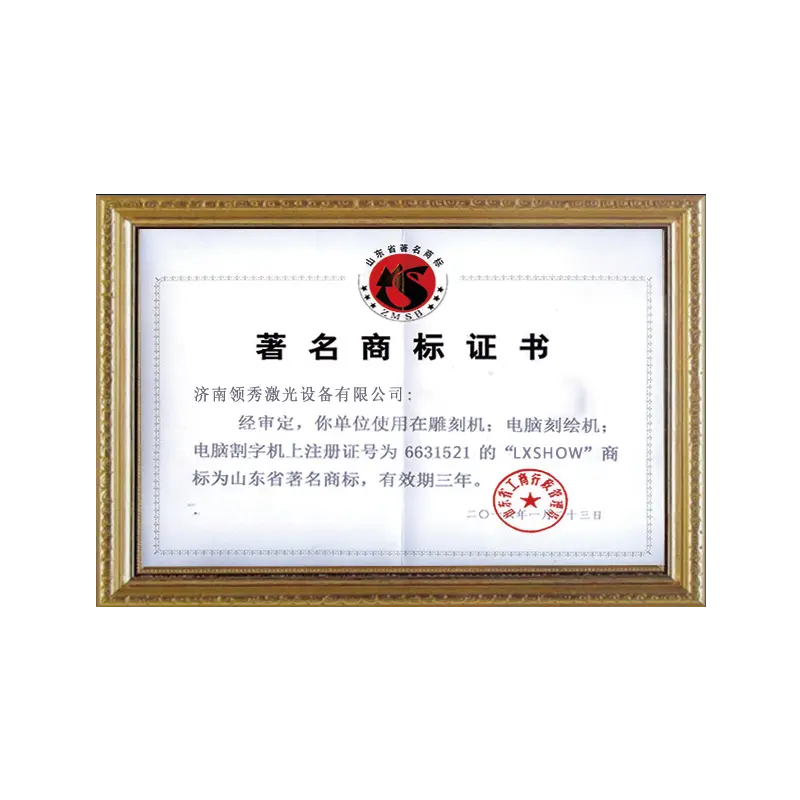
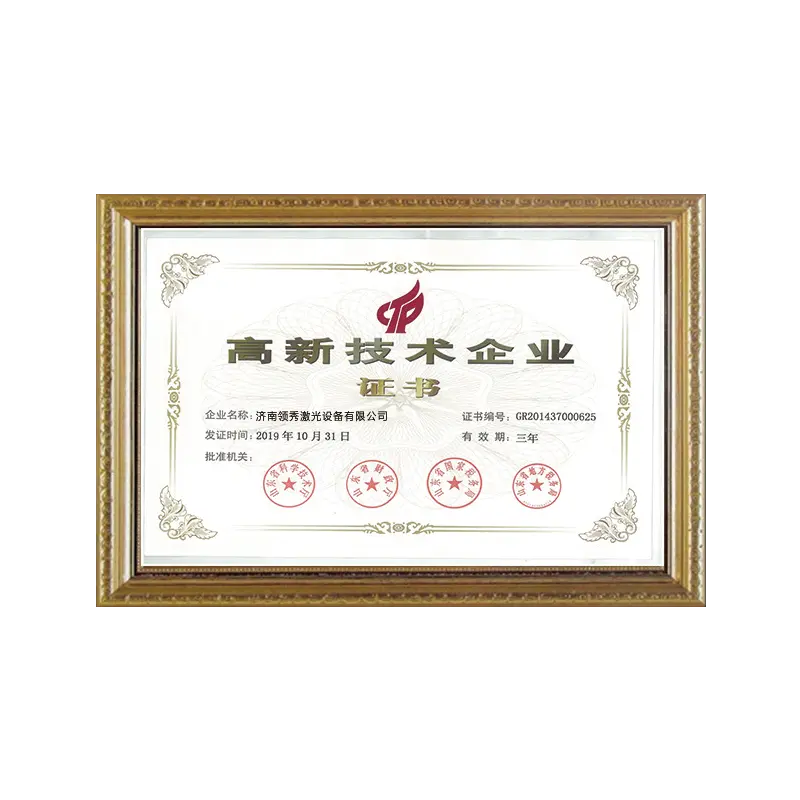
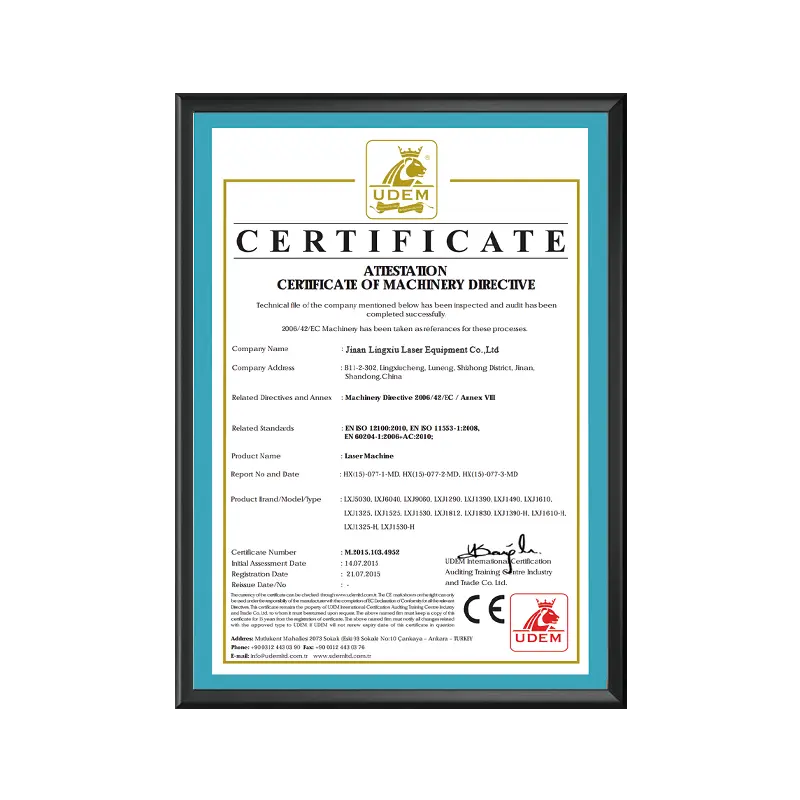
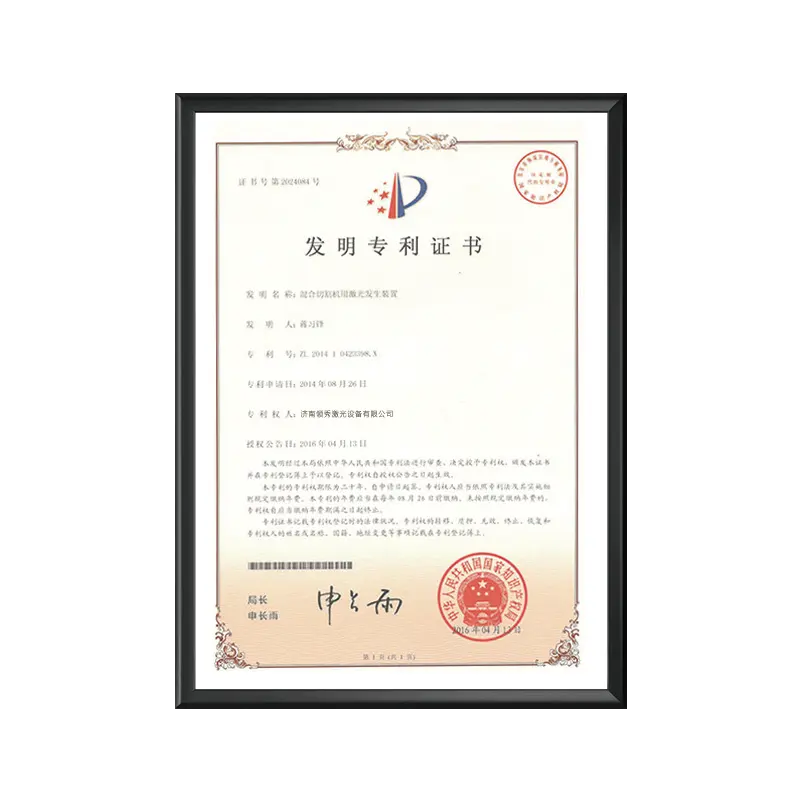
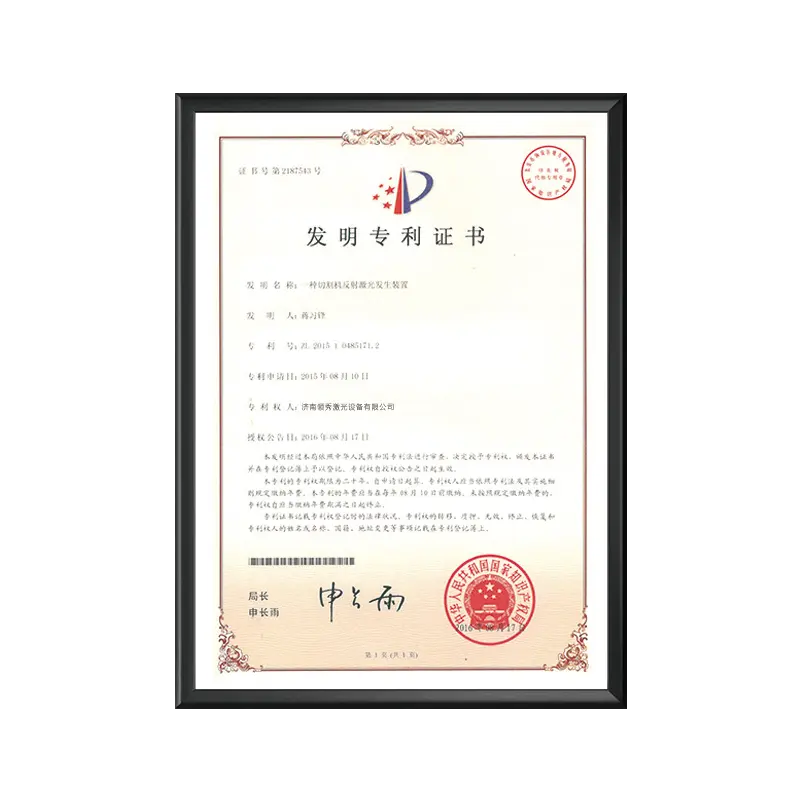
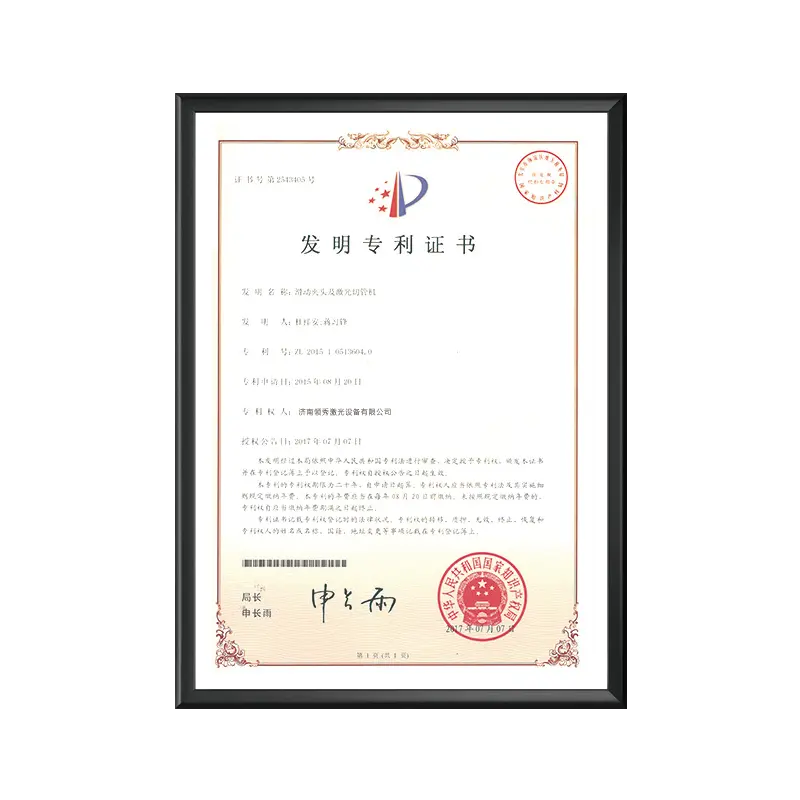
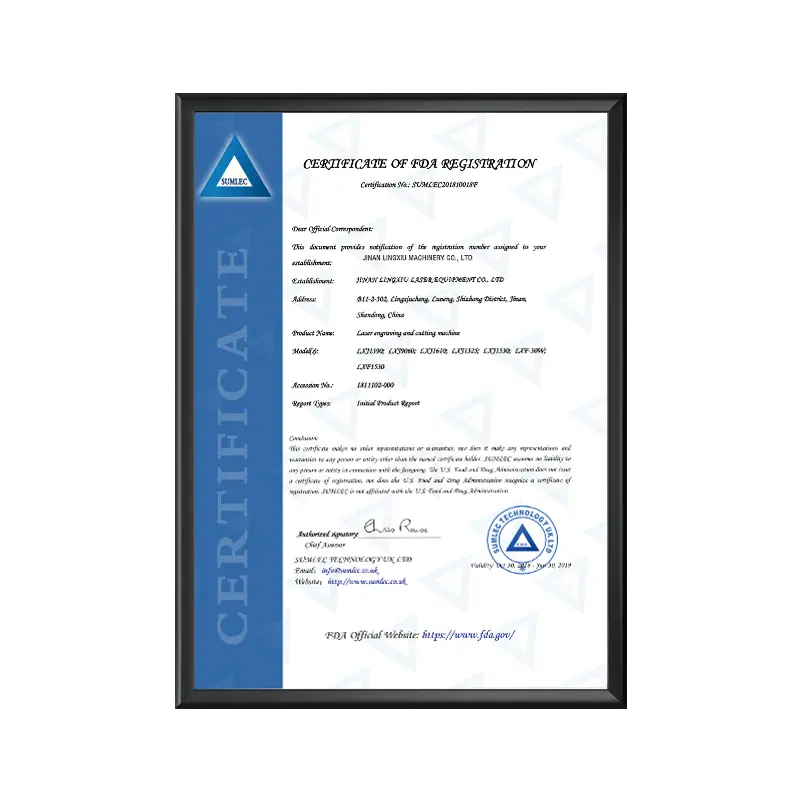
All production systems are engineered under rigorous quality standards. The machines have passed the European Union CE authentication, American FDA certificate, and are fully certified to ISO 9001.
Whether it is integrating automated visual alignment systems for precious metal strips or building specialized chambers to capture micro-silver scrap, suppliers offer tailored options to minimize waste.
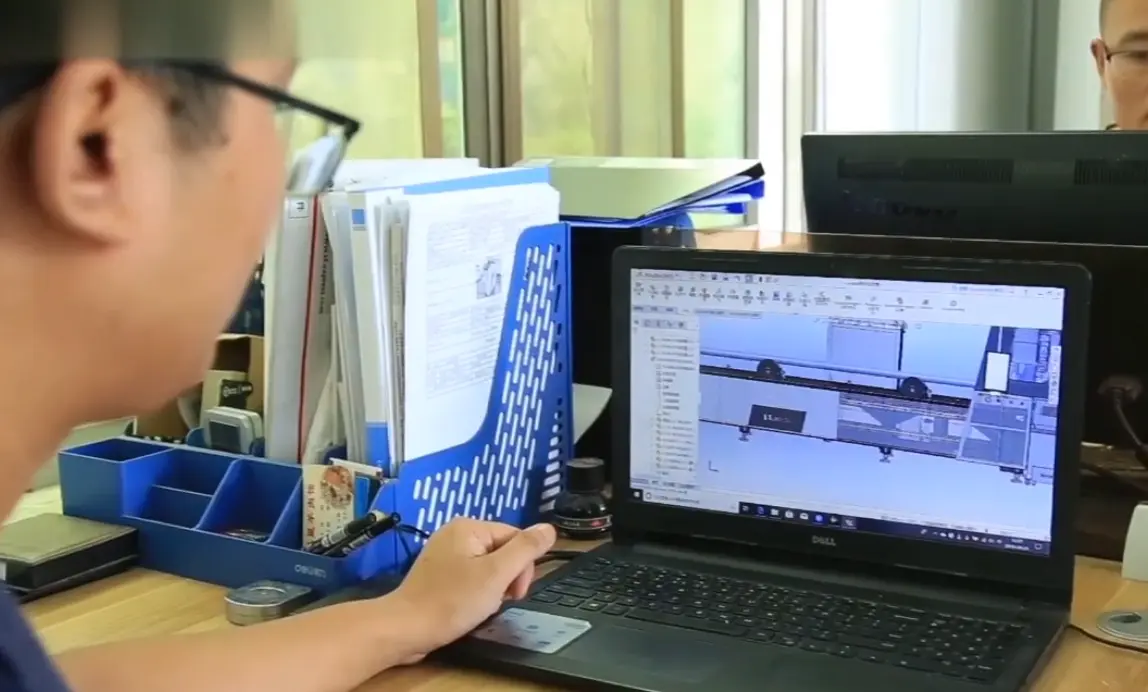
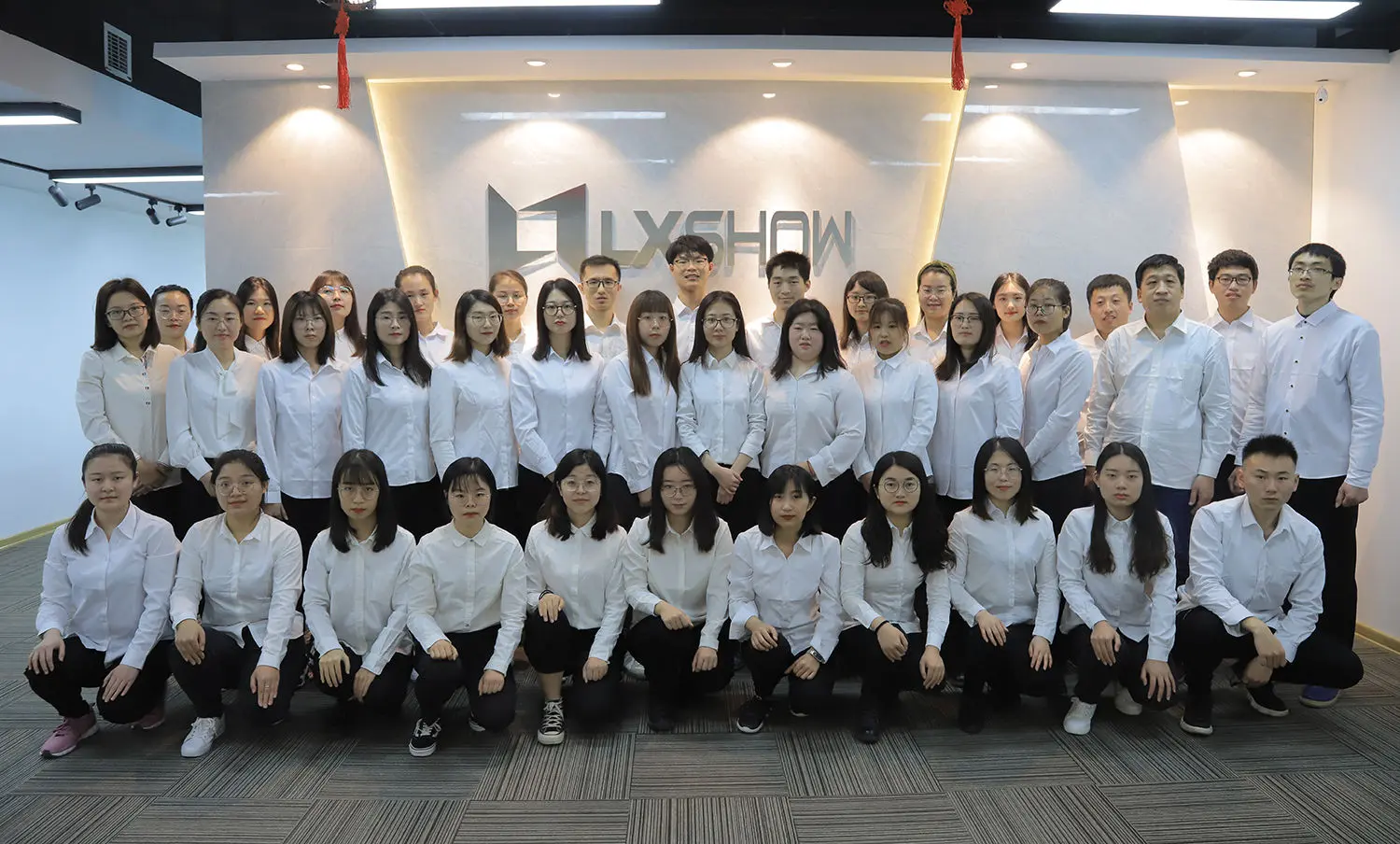
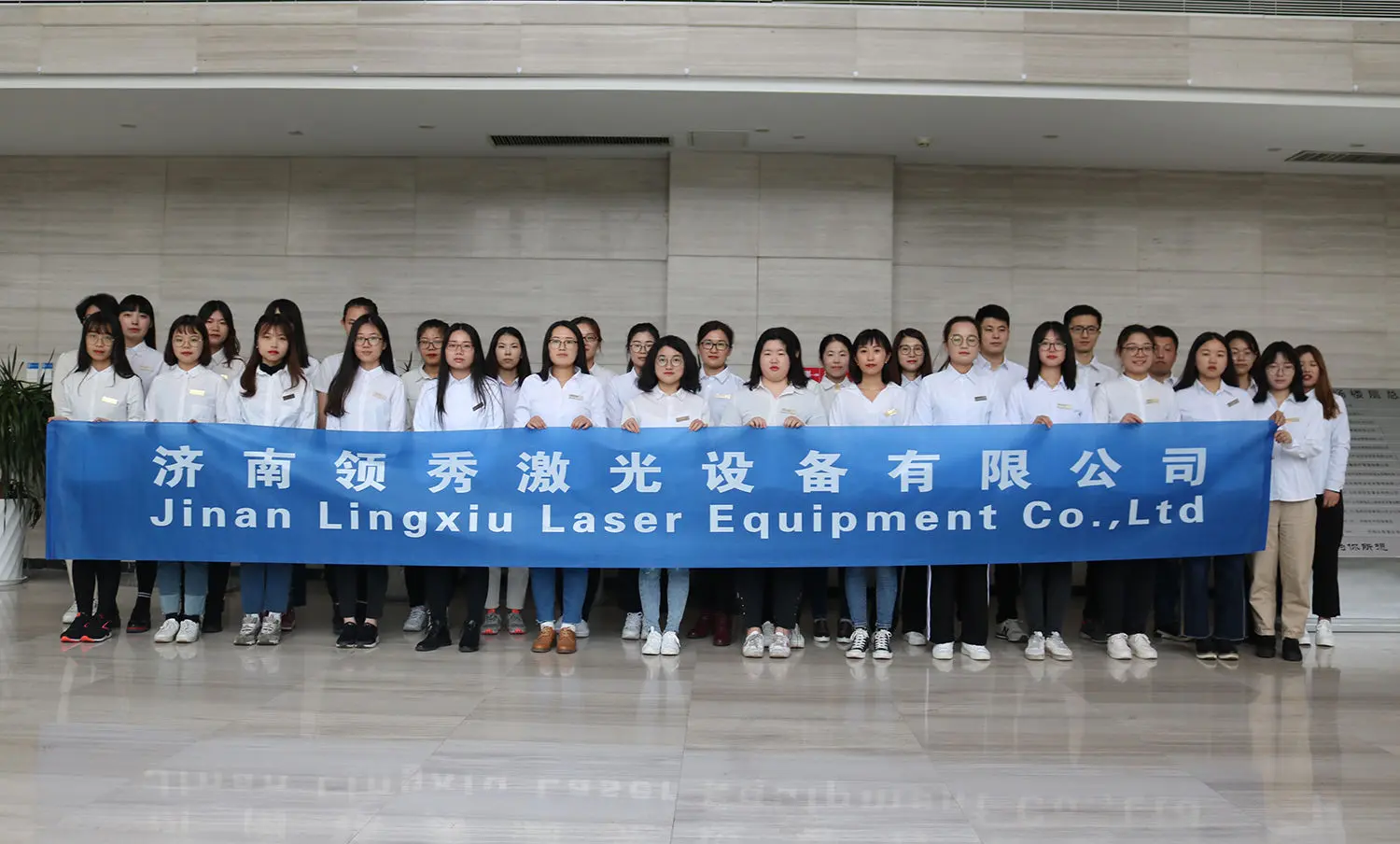
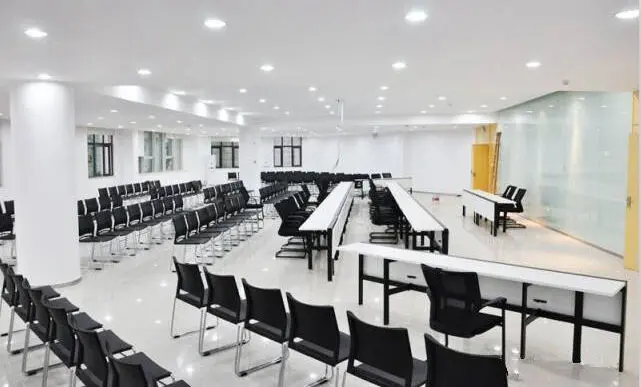
Operating a 32,000 m² modern facility designed to engineer high-precision laser equipment.

Laser-cut silver sheets and components find utility across major strategic sectors. Selecting the right setup is essential to maximize speed and quality while minimizing material loss:
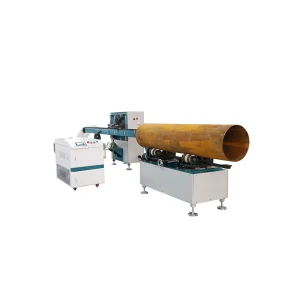
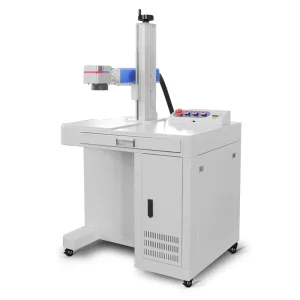
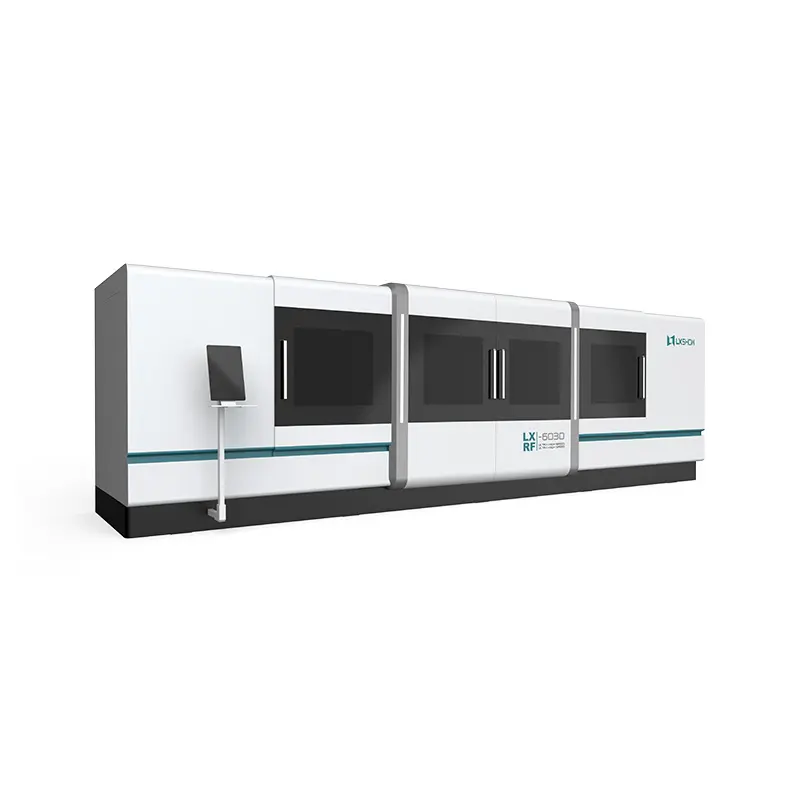
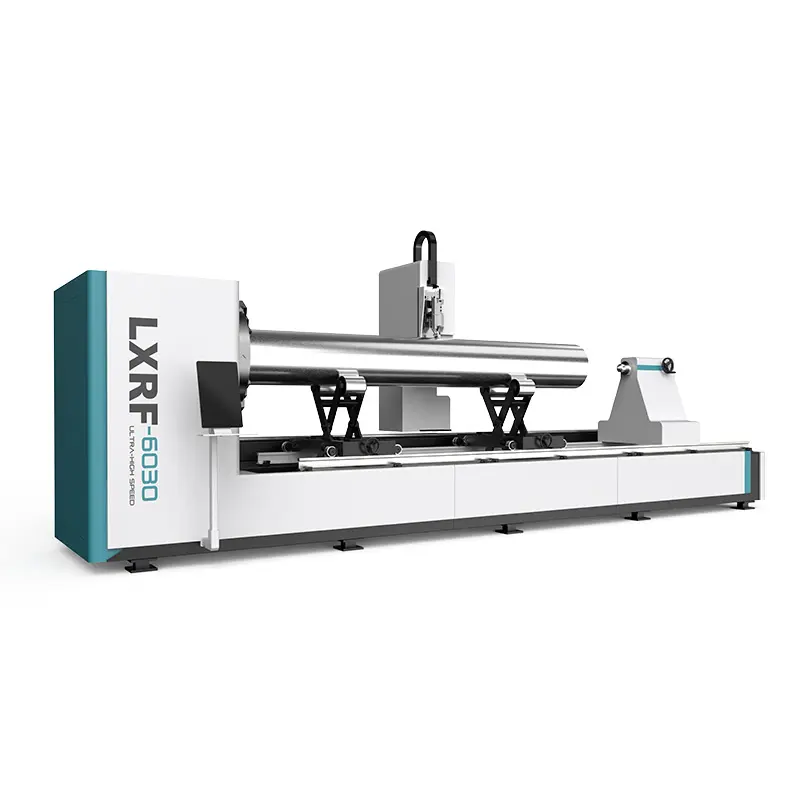
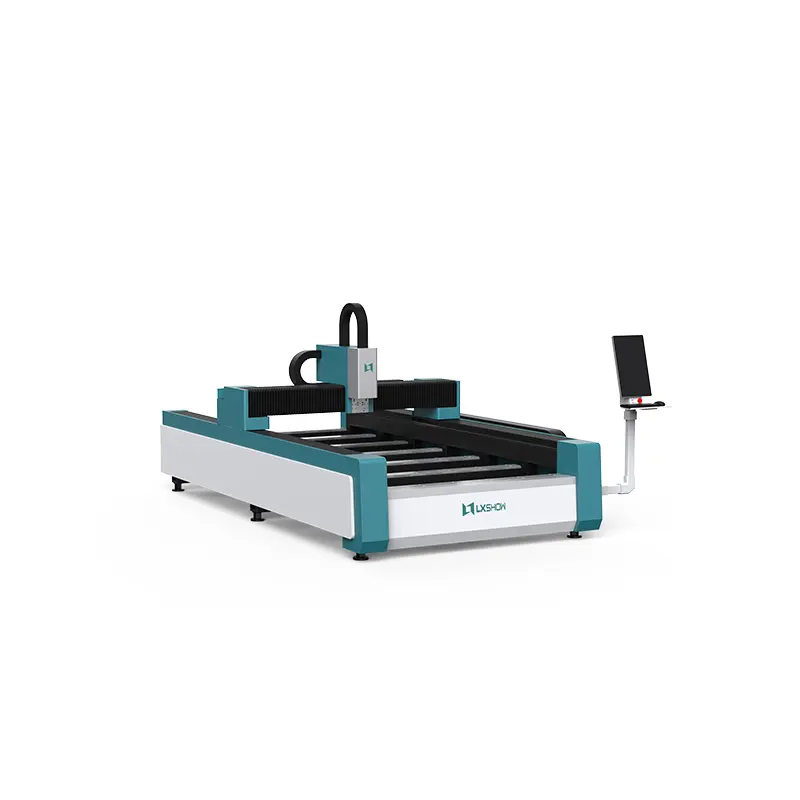
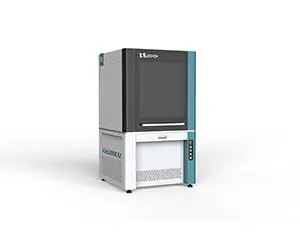
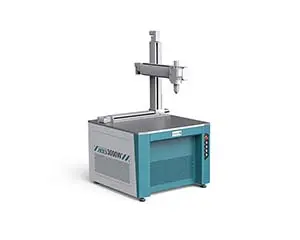
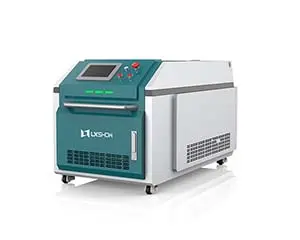
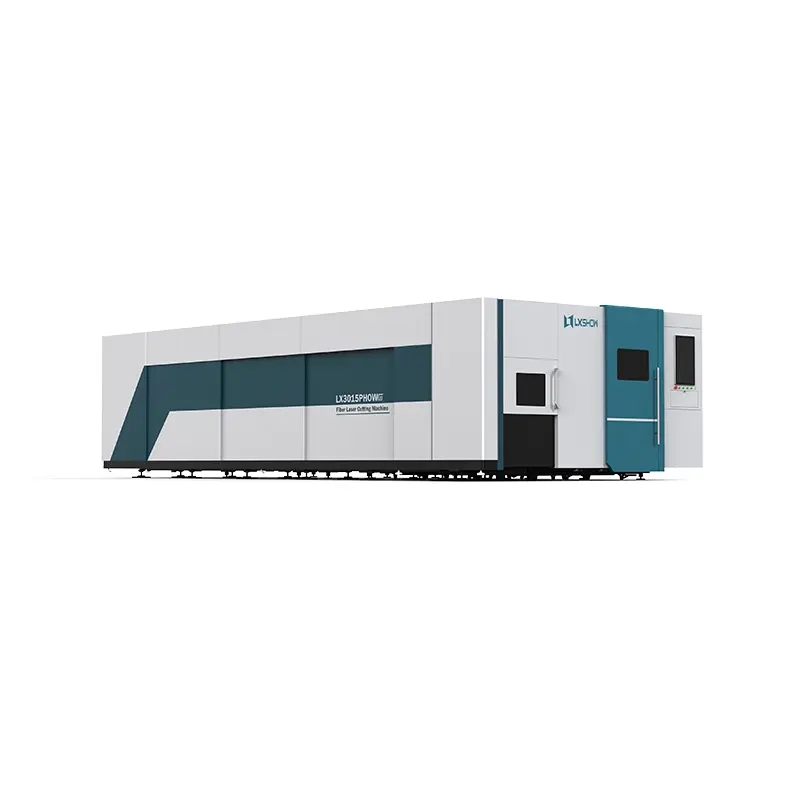
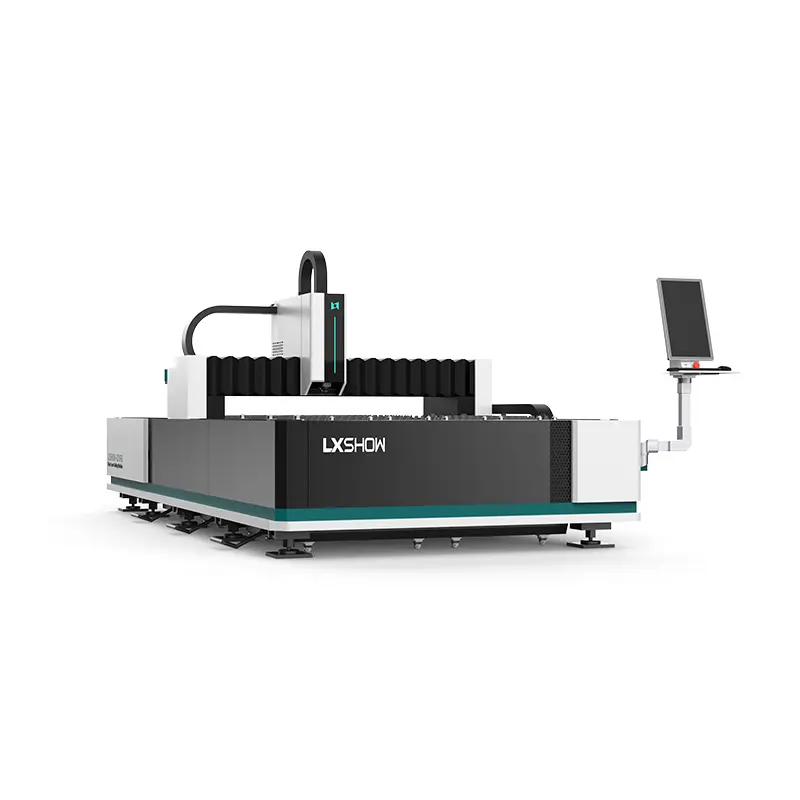
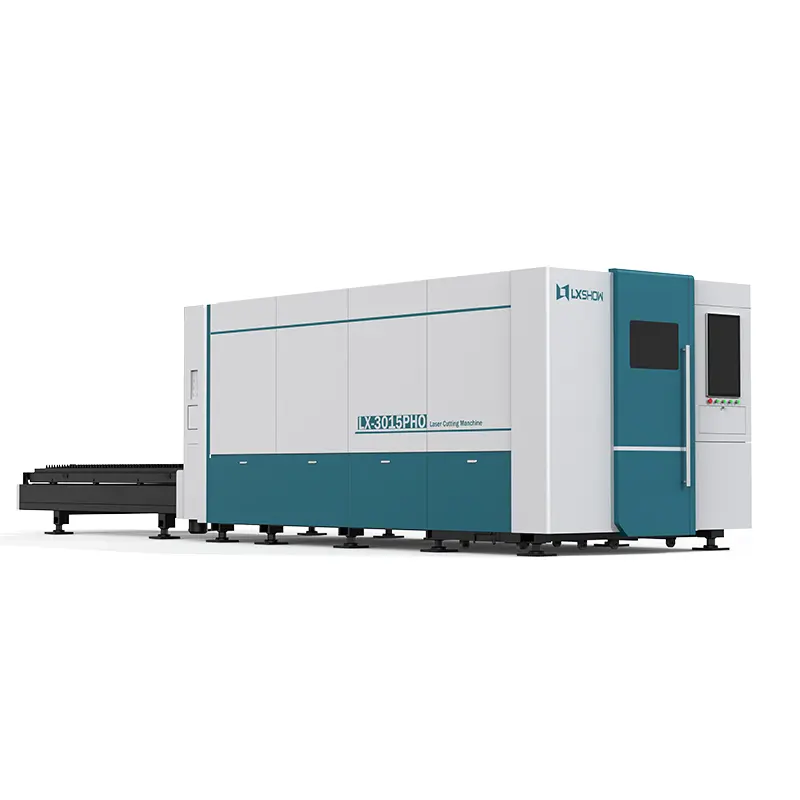
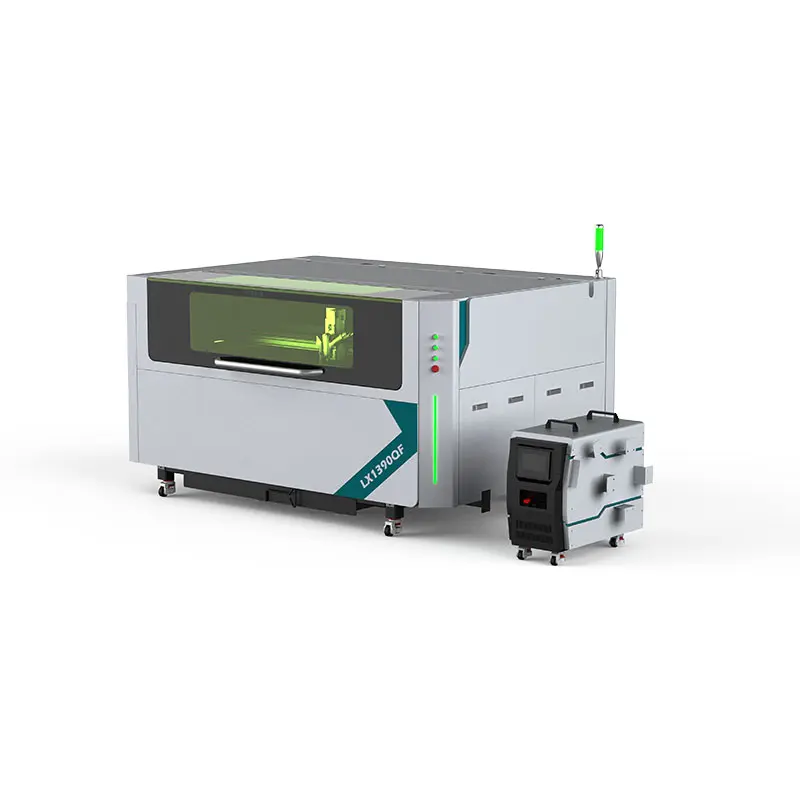
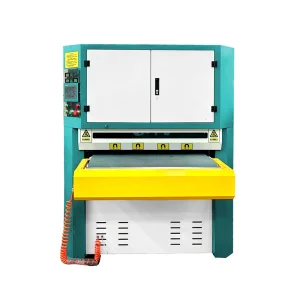
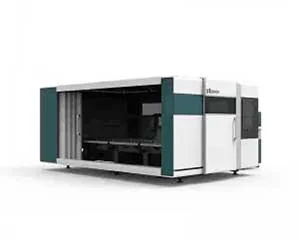
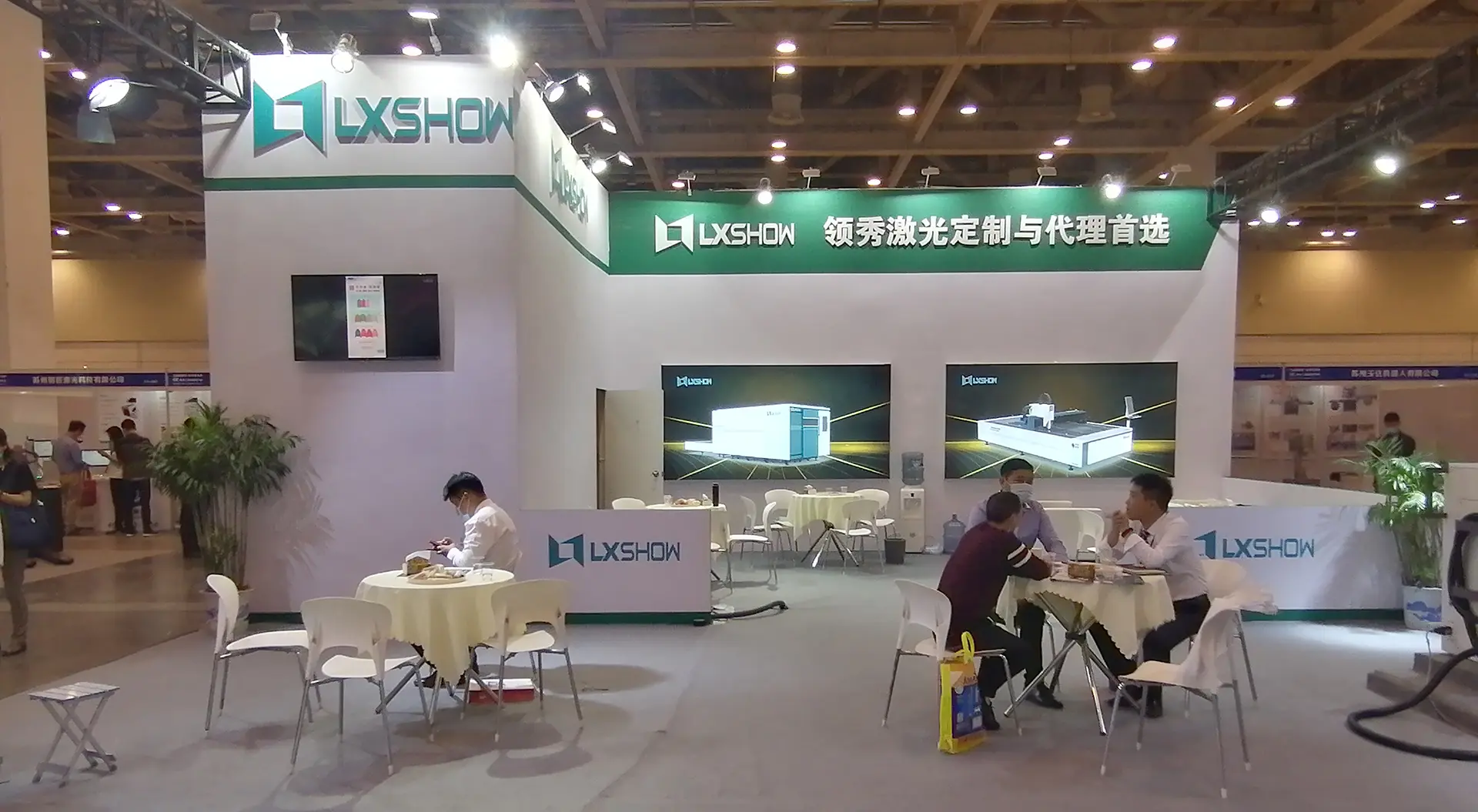
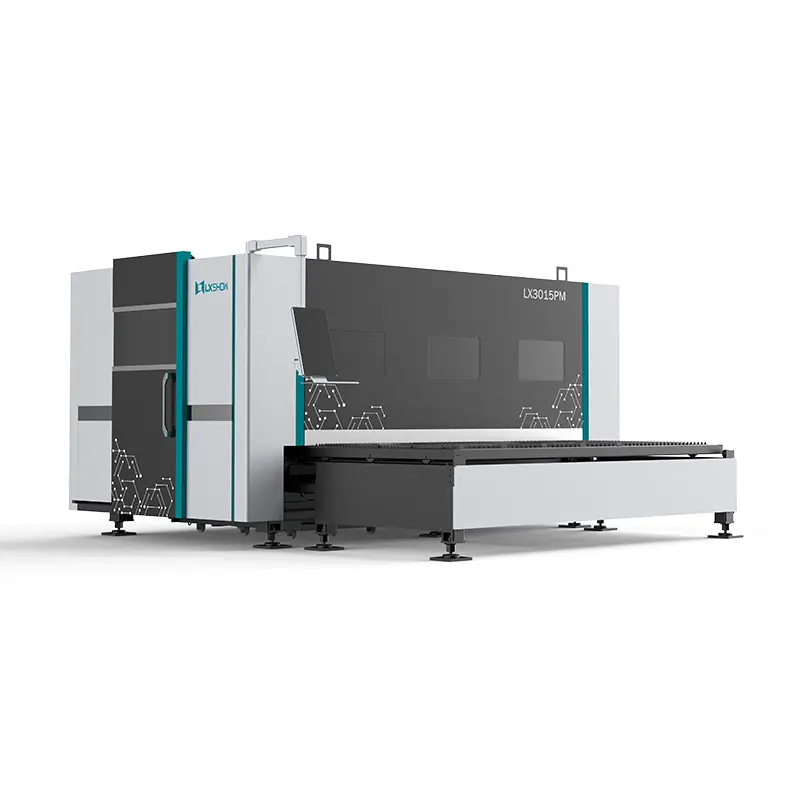
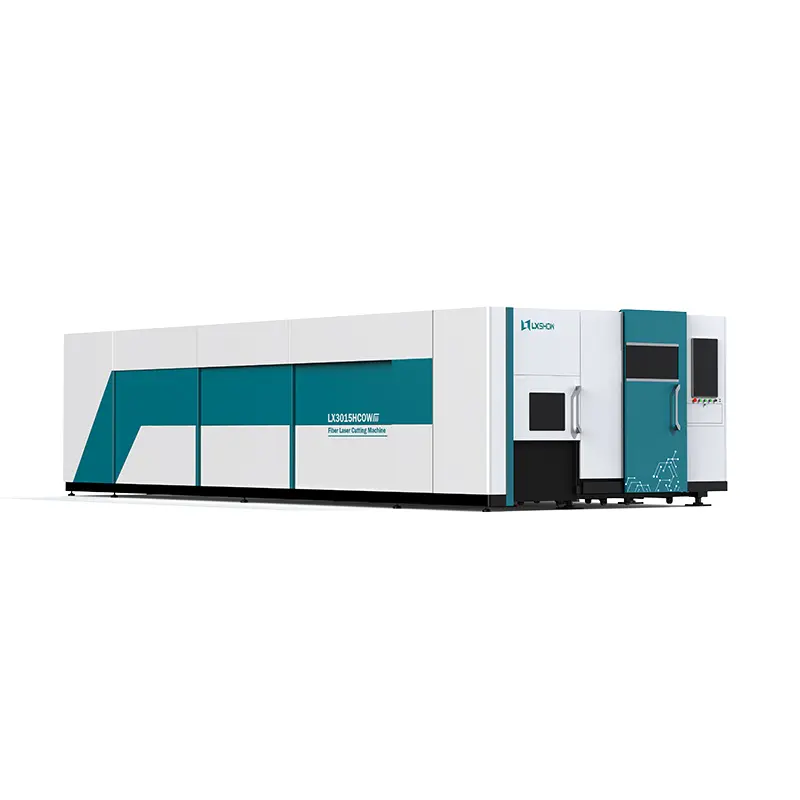
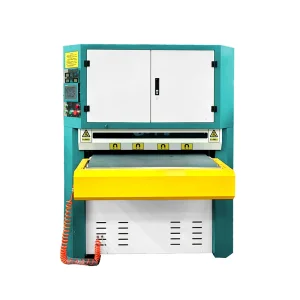
Our machines are widely implemented in the steel industry, packaging industry, craft gifts, automotive industry, jewelry industry, aerospace industry, machinery manufacturing industry, mold industry, integrated circuit industry, semiconductor industry, plastics and rubber industries. For high-volume manufacturing environments, we provide holistic production line solutions. For instance, pairing a high-speed fiber laser cutter like the LX3015C-O Enclosed CNC Laser Machine with dedicated automated loading tables and the LX-RRW-450 Precision Smart Deburring Machine forms a continuous, hands-free workcell that achieves precision tolerances down to ±0.03mm.
While our specialized optics enable stable cutting on highly reflective materials like silver and copper, our machinery is universally optimized for a broad array of metals. This guarantees that your factory investment can serve multiple roles across carbon steel, stainless steel, and alloy projects.
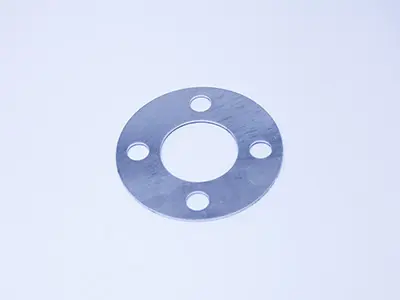 Aluminum
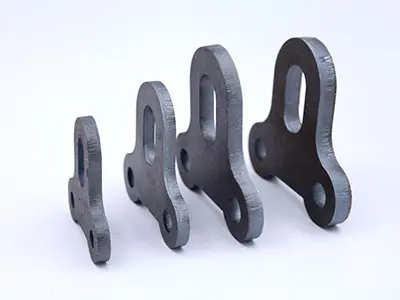 Carbon Steel
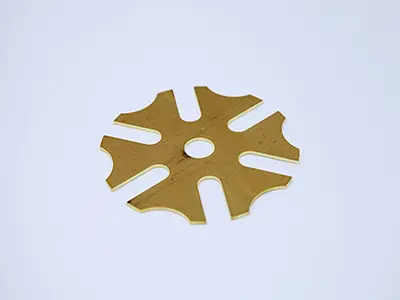 Copper
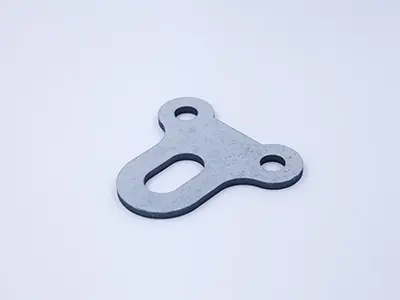 Galvanized
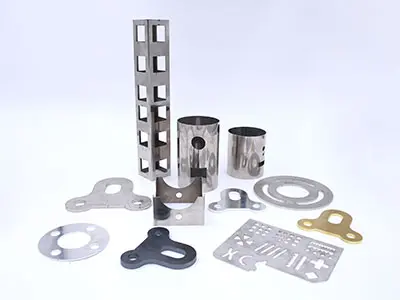 Other Metal
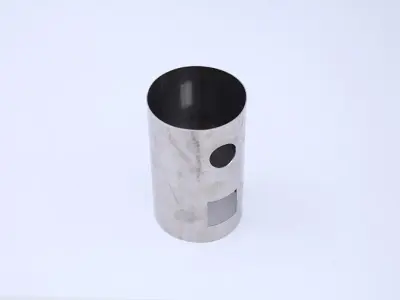 Round Tube
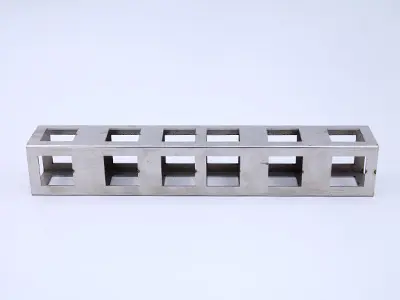 Square Tube
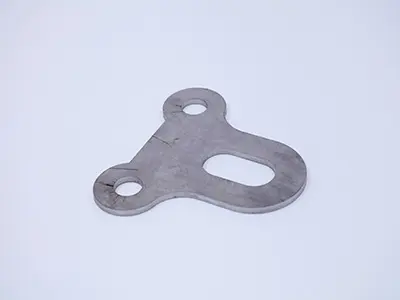 Stainless Steel
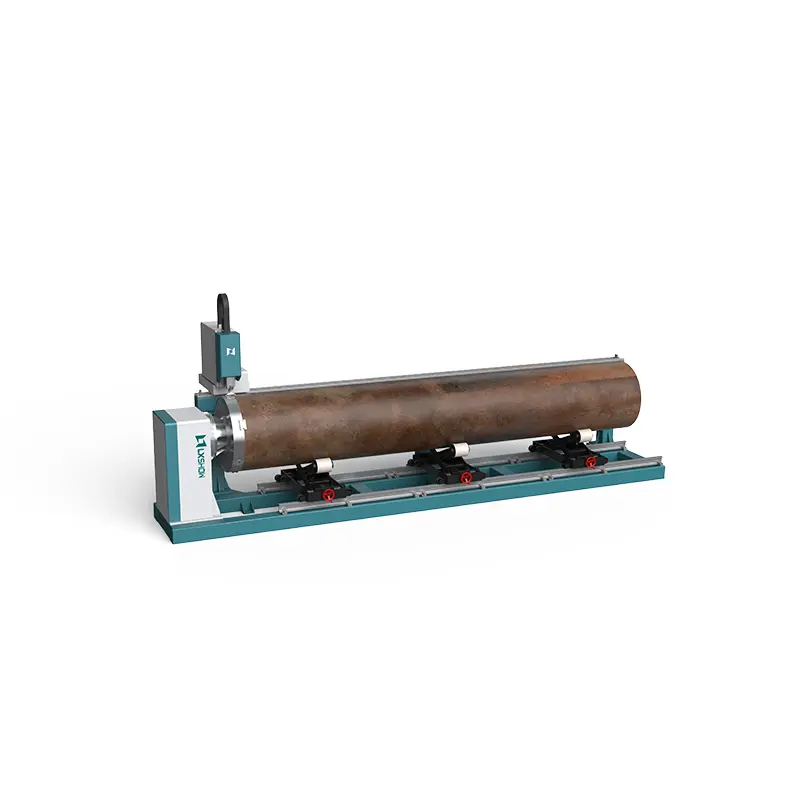
Preserved primary catalogs providing highly integrated laser and structural forming systems.
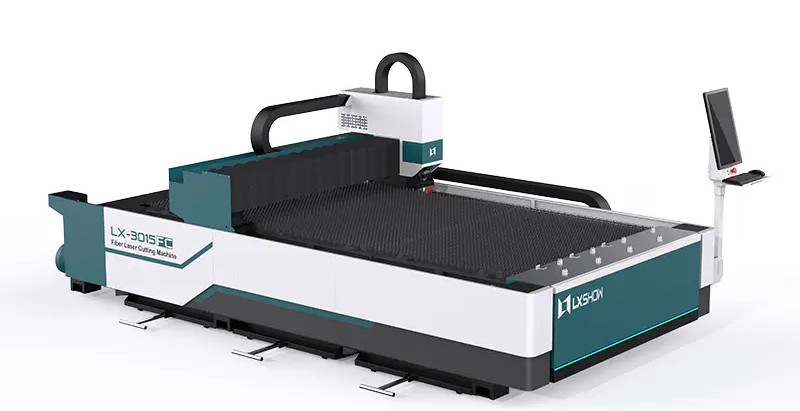
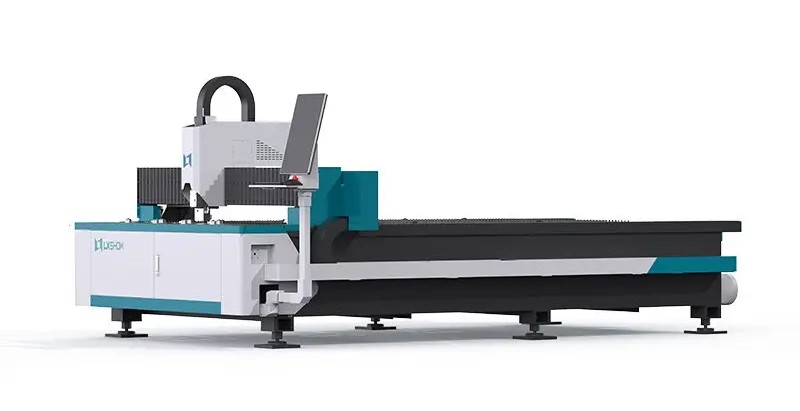
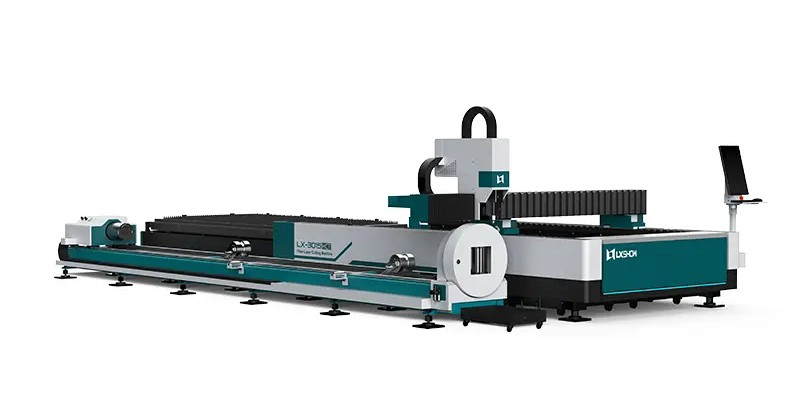
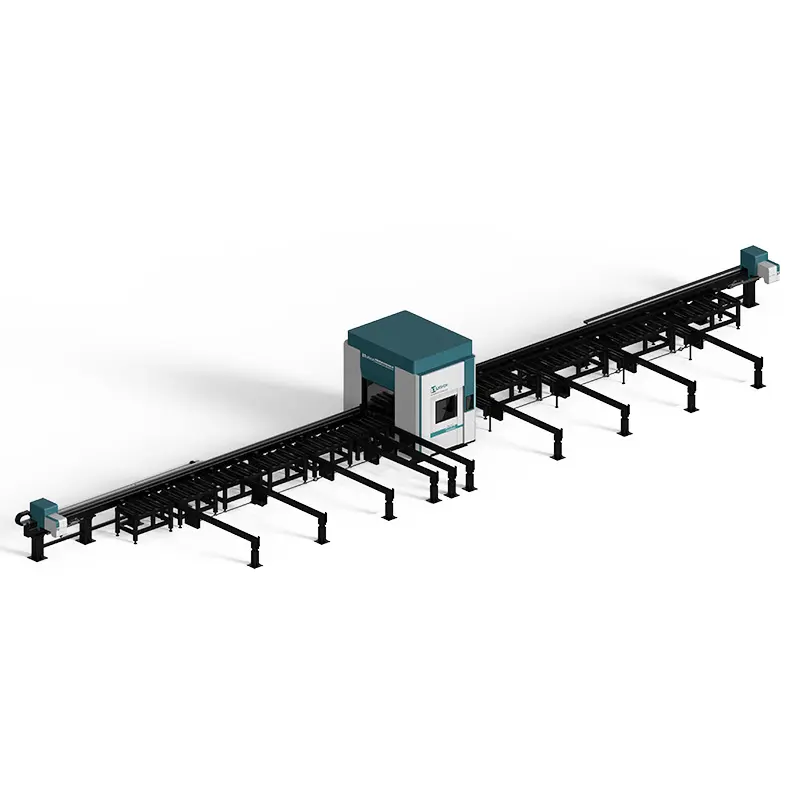
High-efficiency fabrication systems designed to deliver stable batch-cutting, cladding, cleaning, and bending.
Provides a strong guarantee for users to realize stable surface modification and cladding of structural parts for a long time.
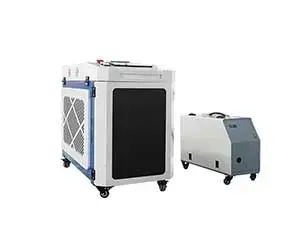
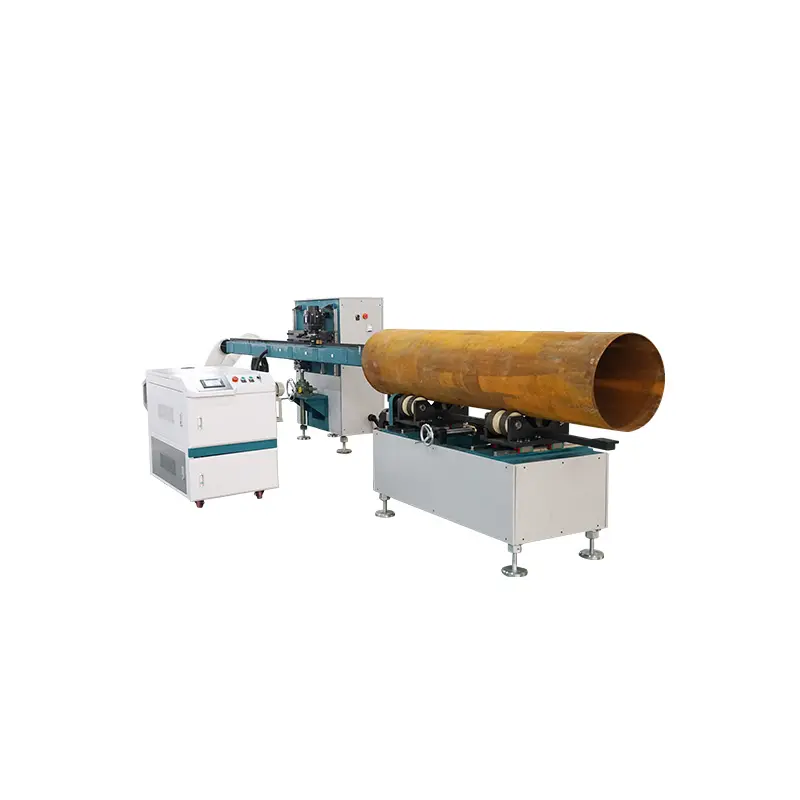
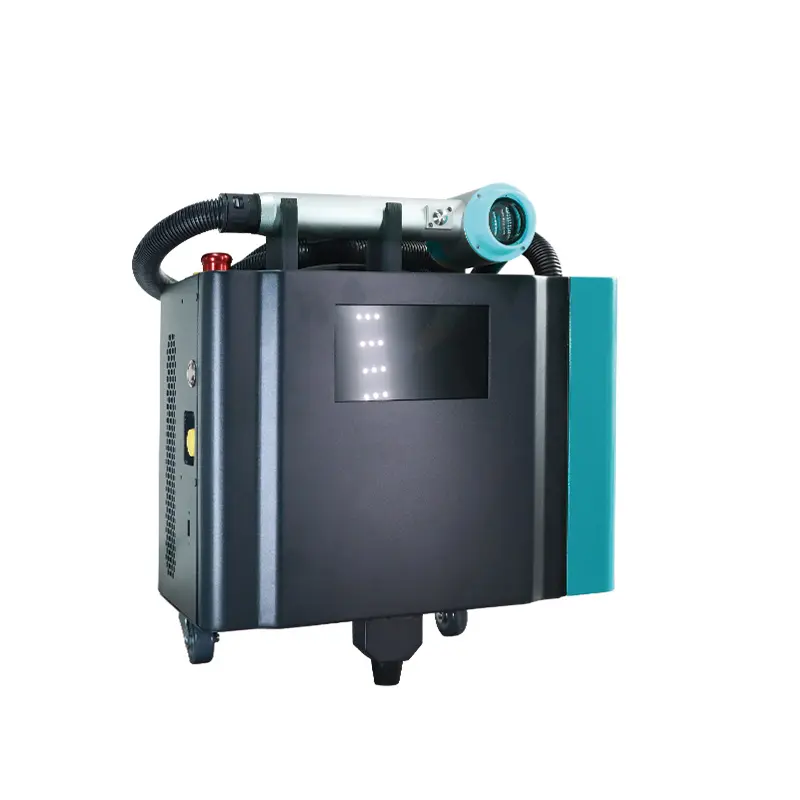
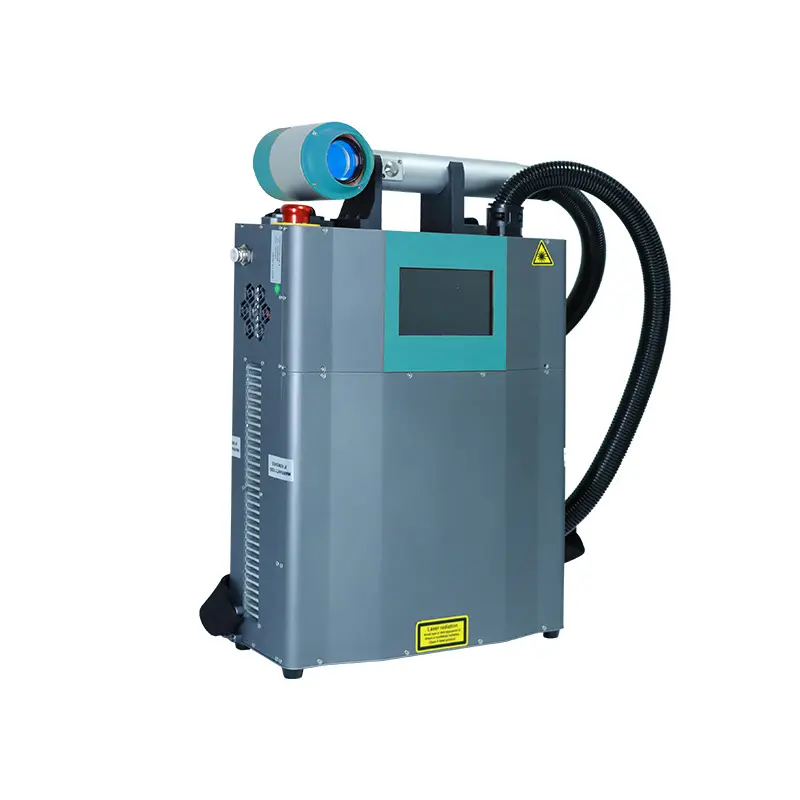
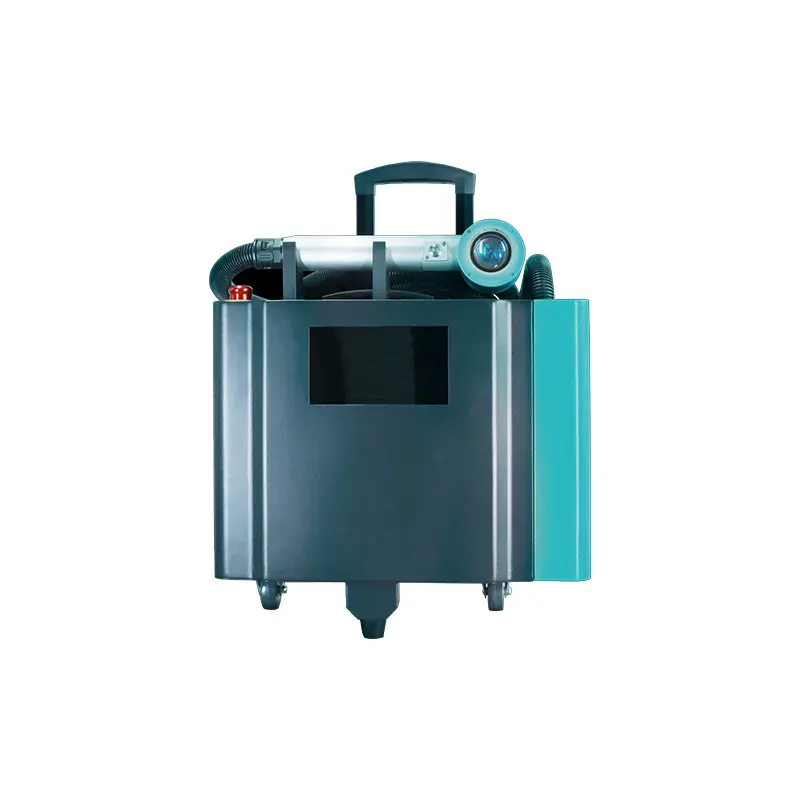
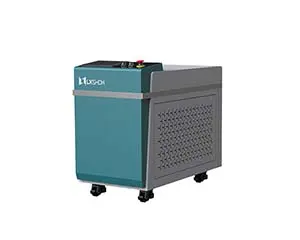
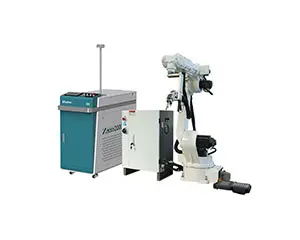
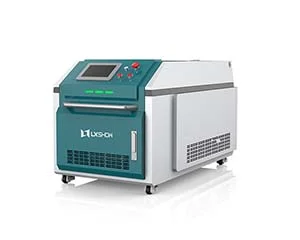
High-efficiency surface cleaning solutions. Enables fast paint, rust, and oxide film removal prior to reflective sheet metal processing.
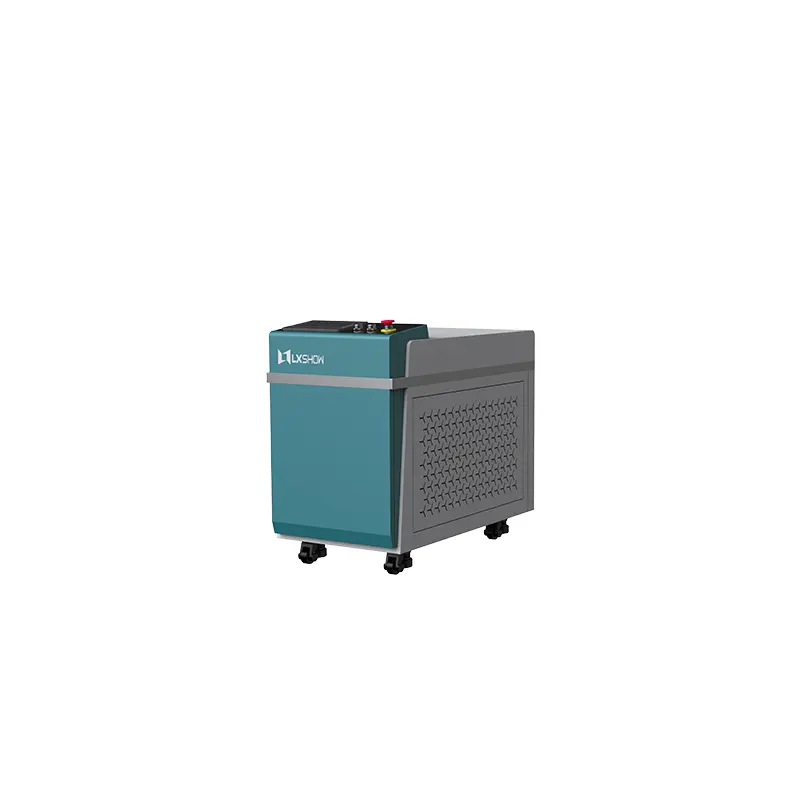
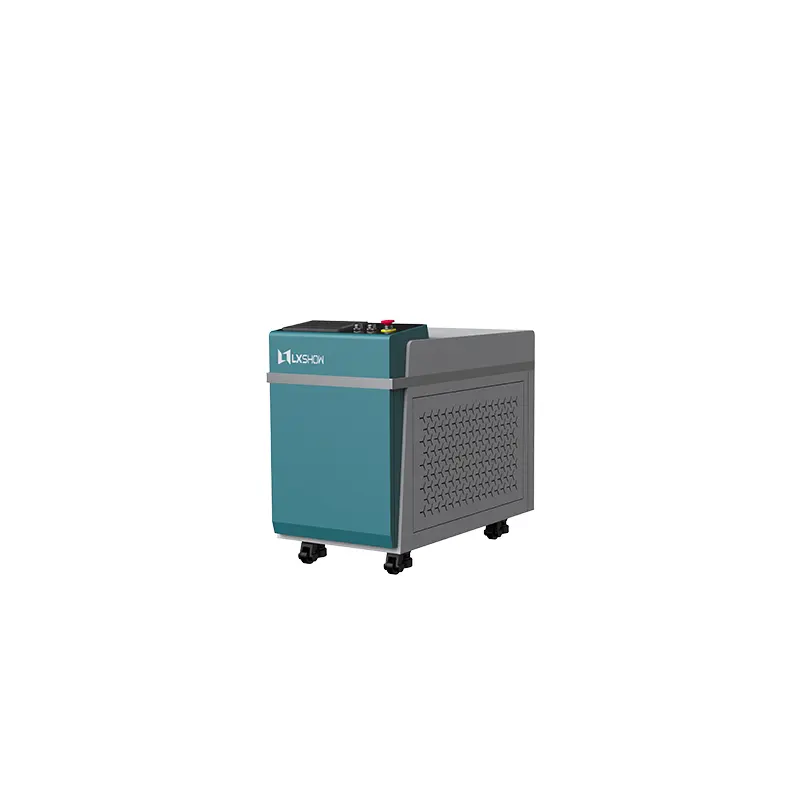
Continuous wave and pulse welding generators for precision component joining without thermal deformation.
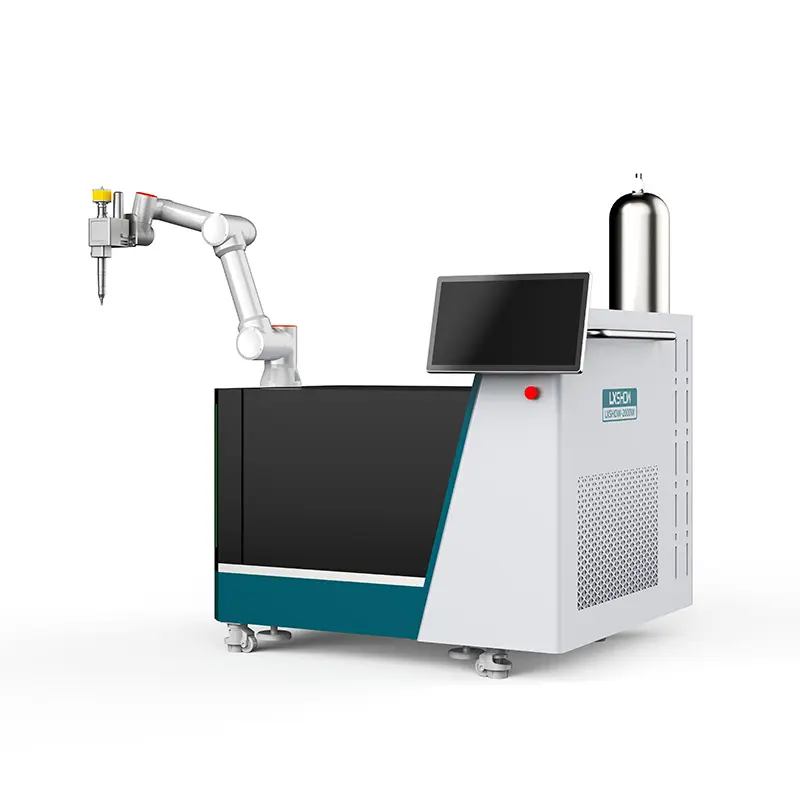
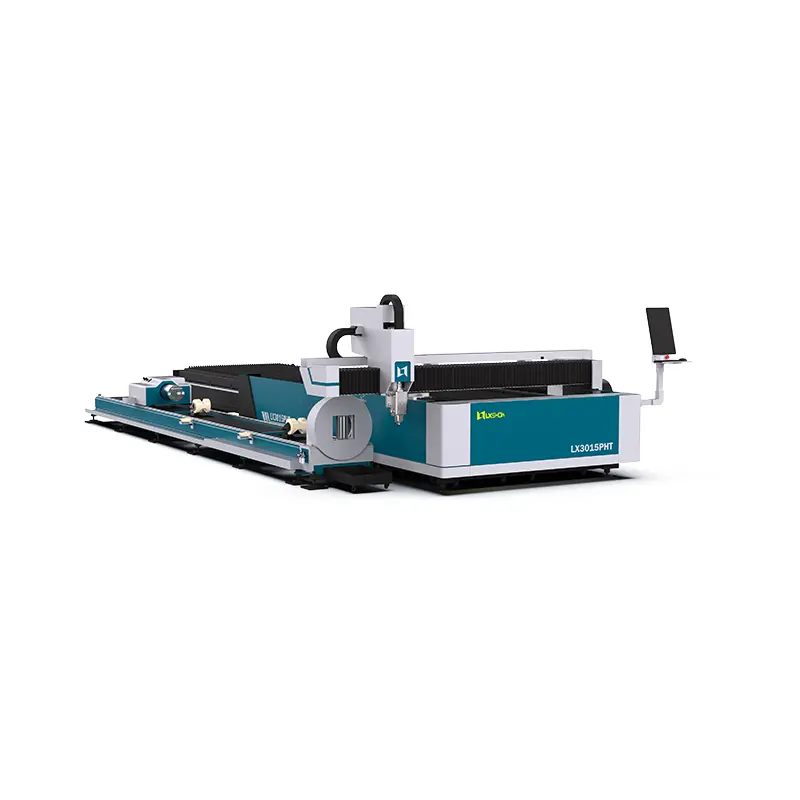
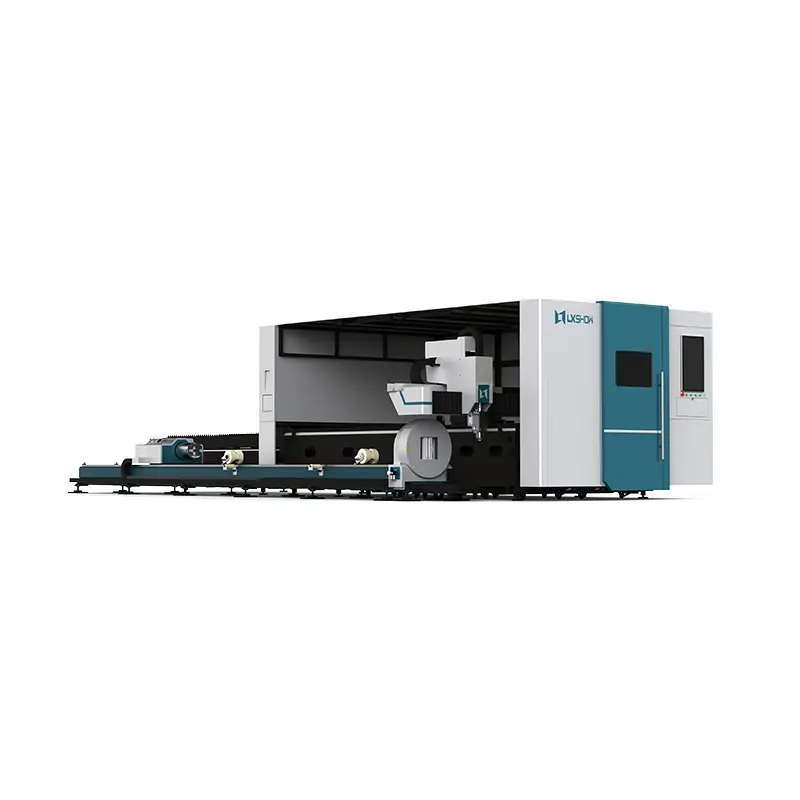
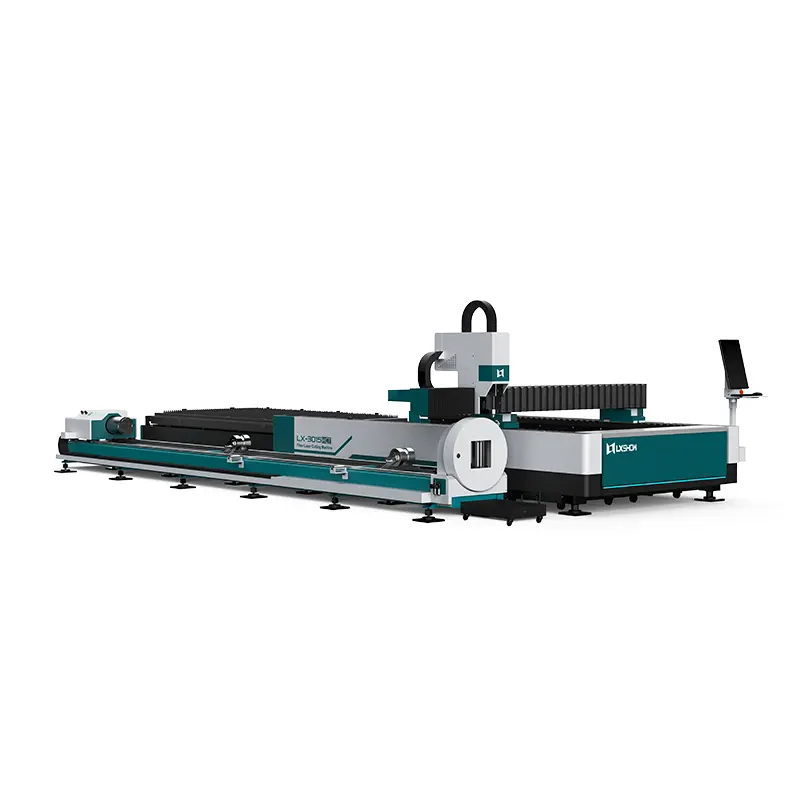
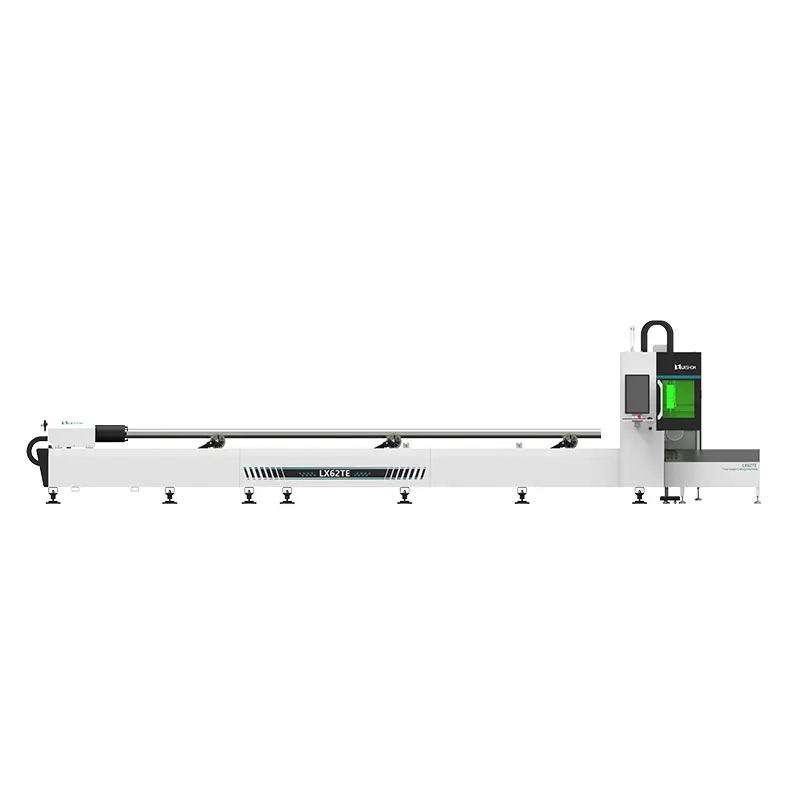
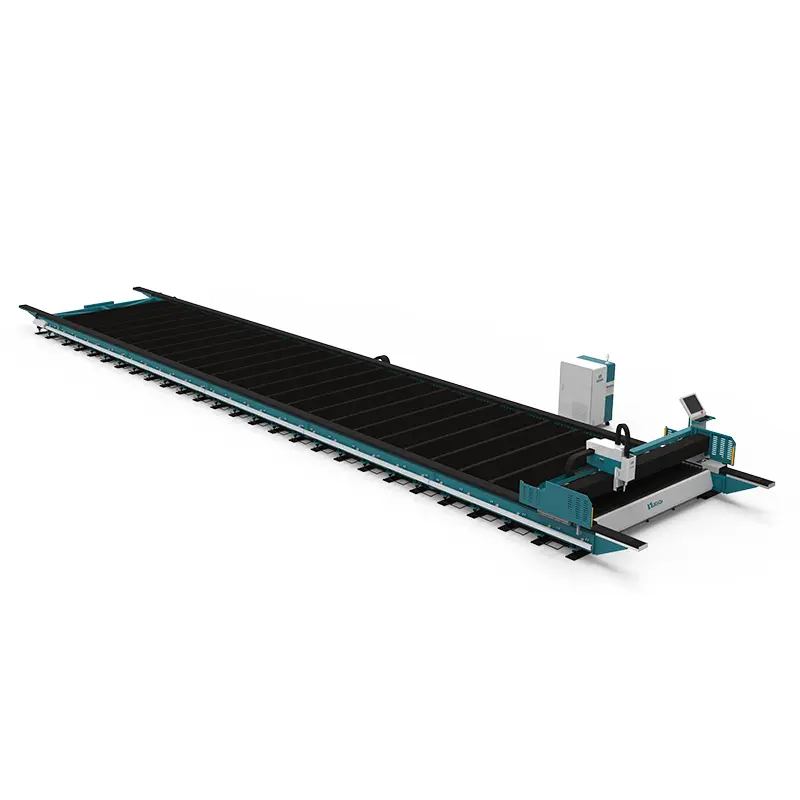
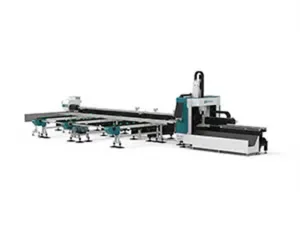
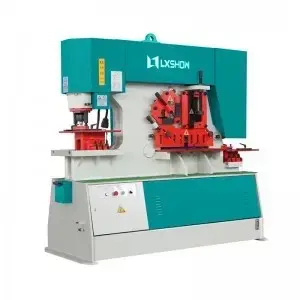
Our flagships. Heavy-duty structures delivering high-speed thermal slicing of thick plates with active anti-collision profiles.
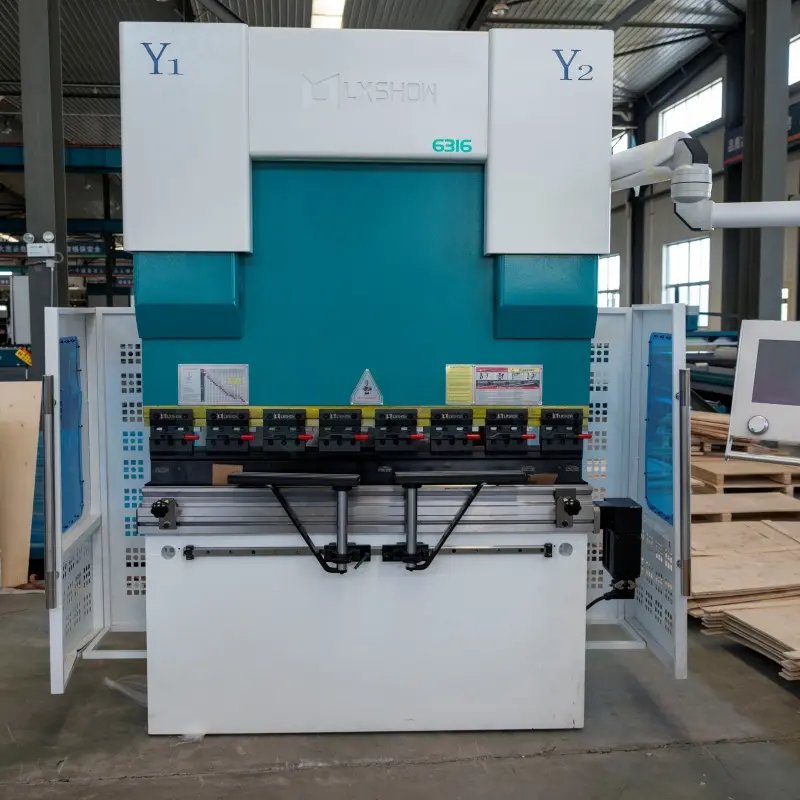
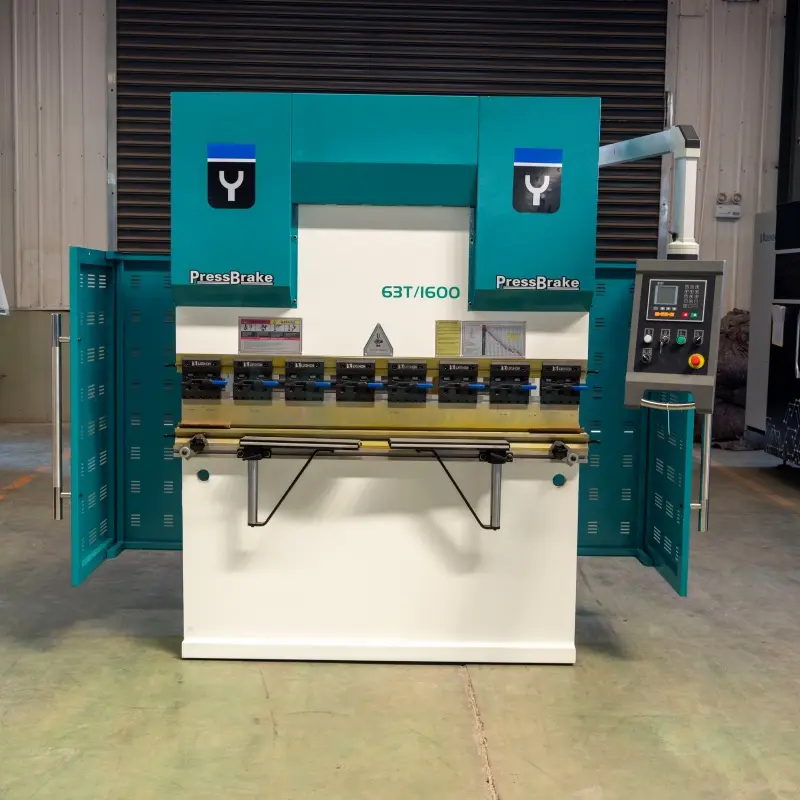
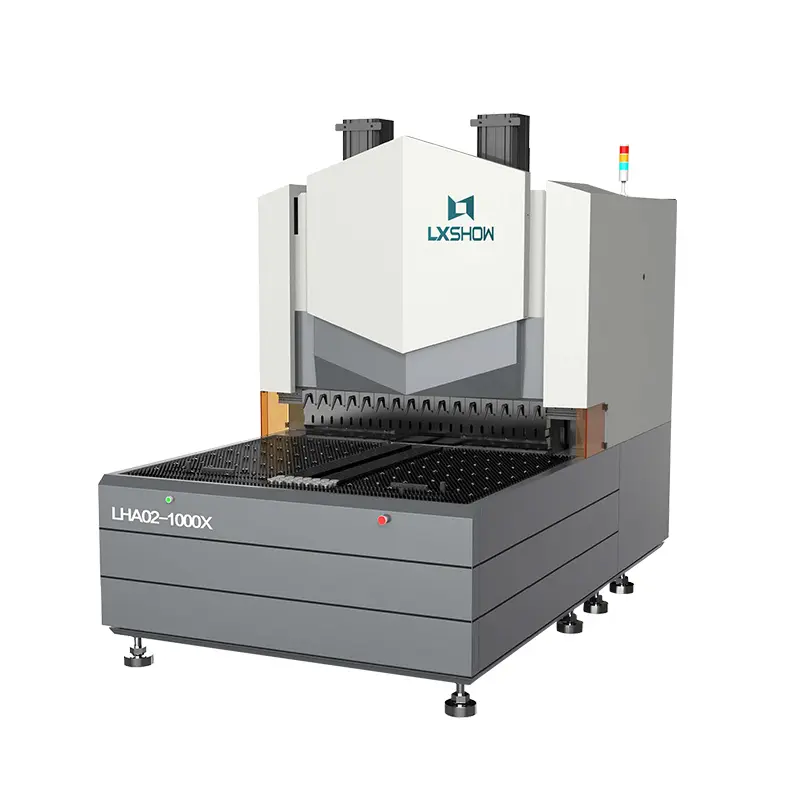
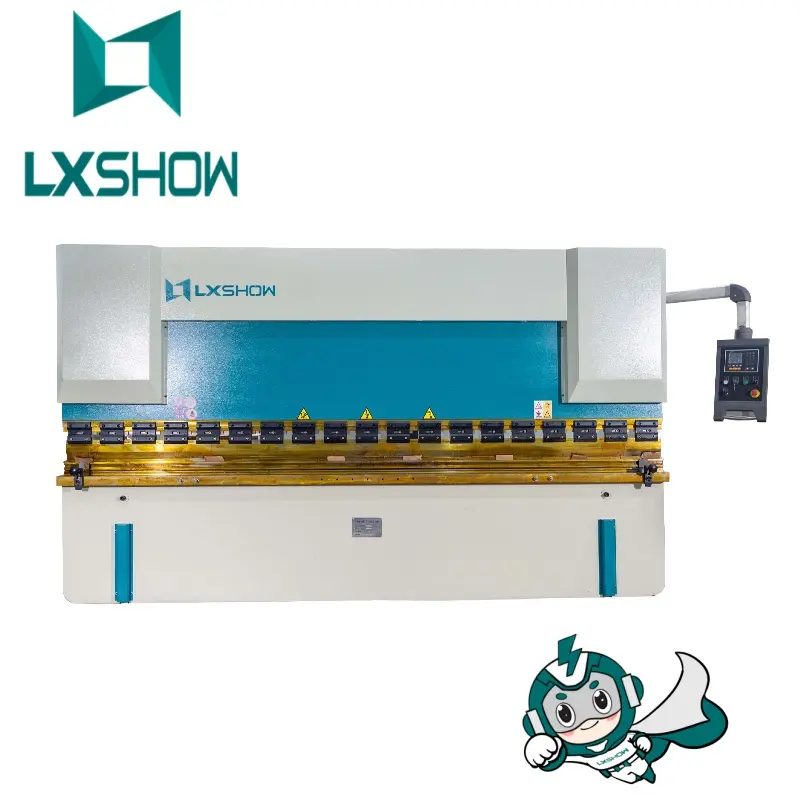
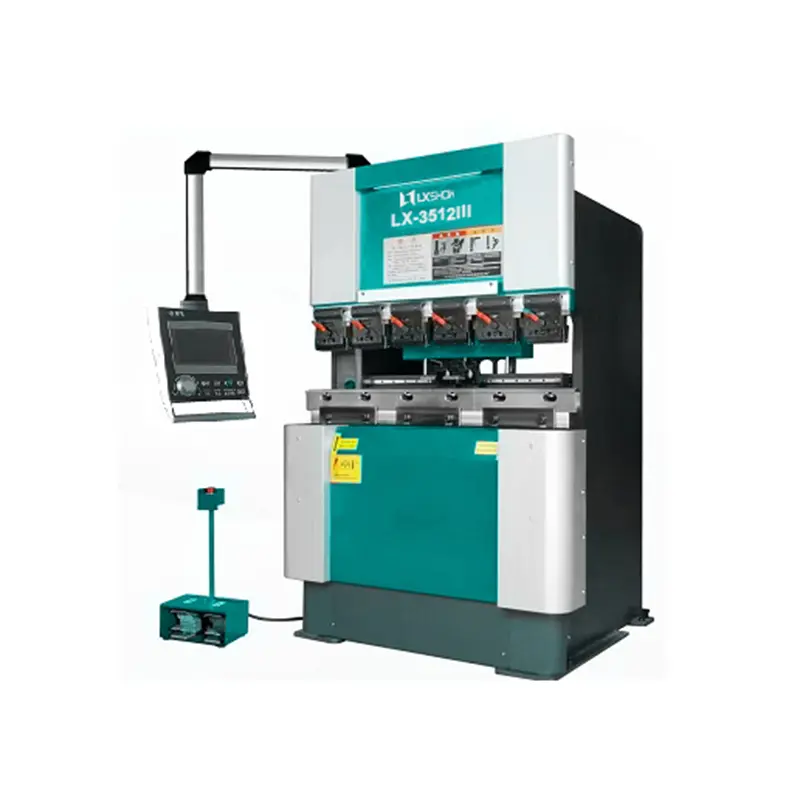
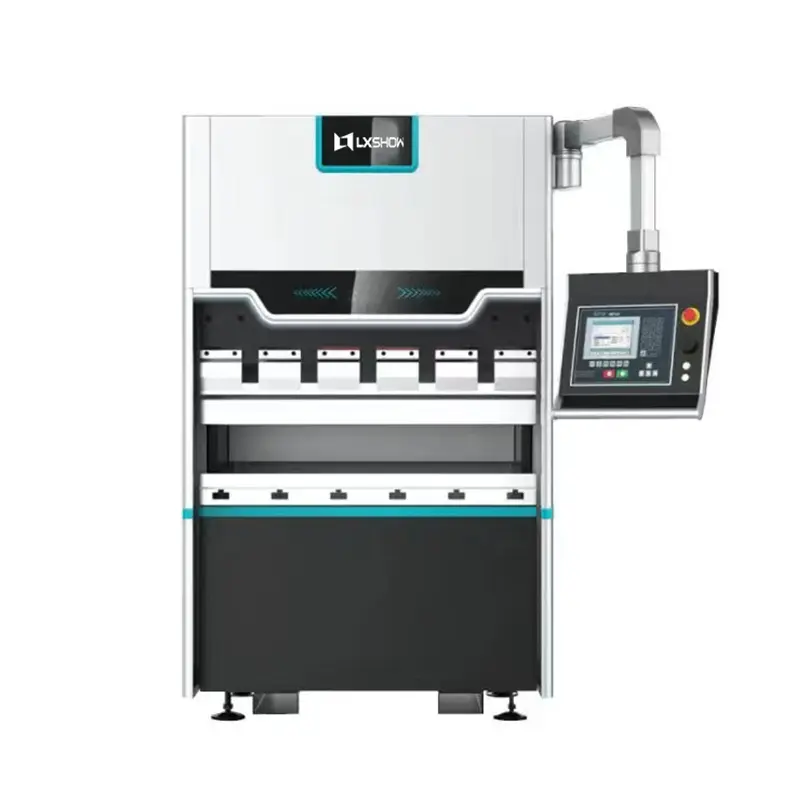
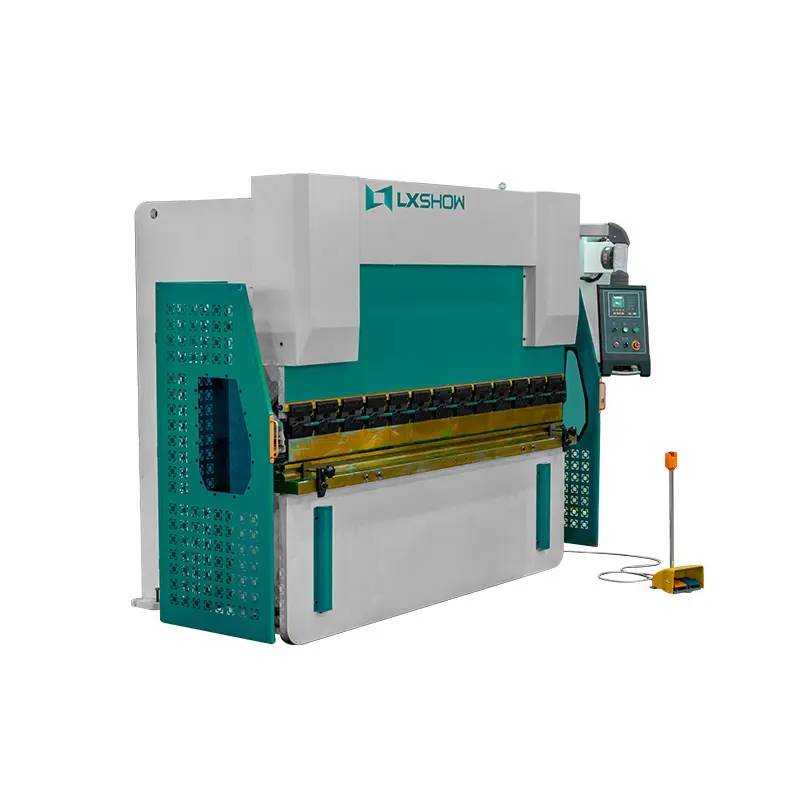
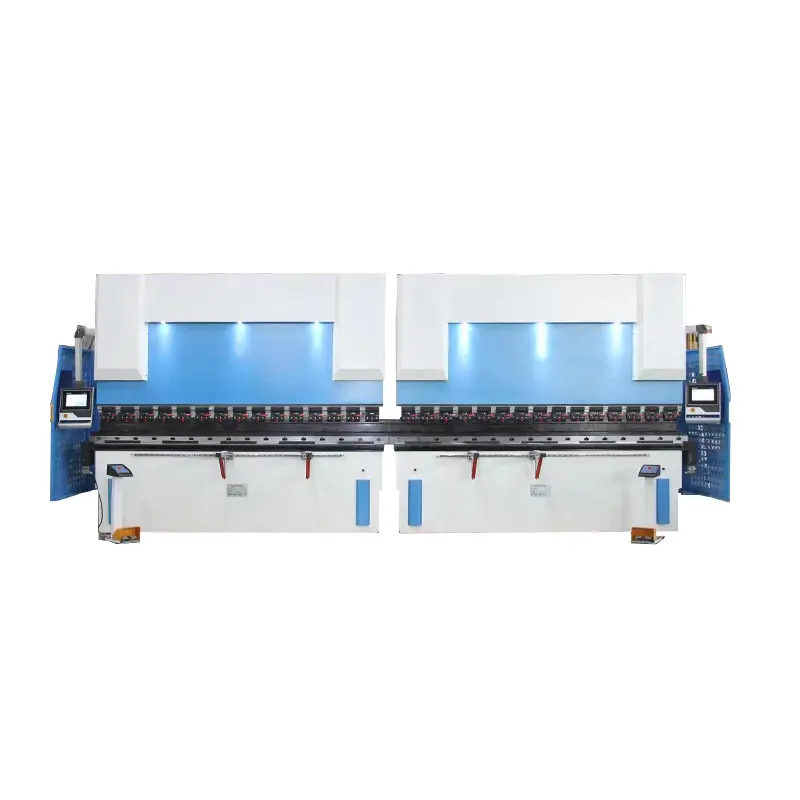
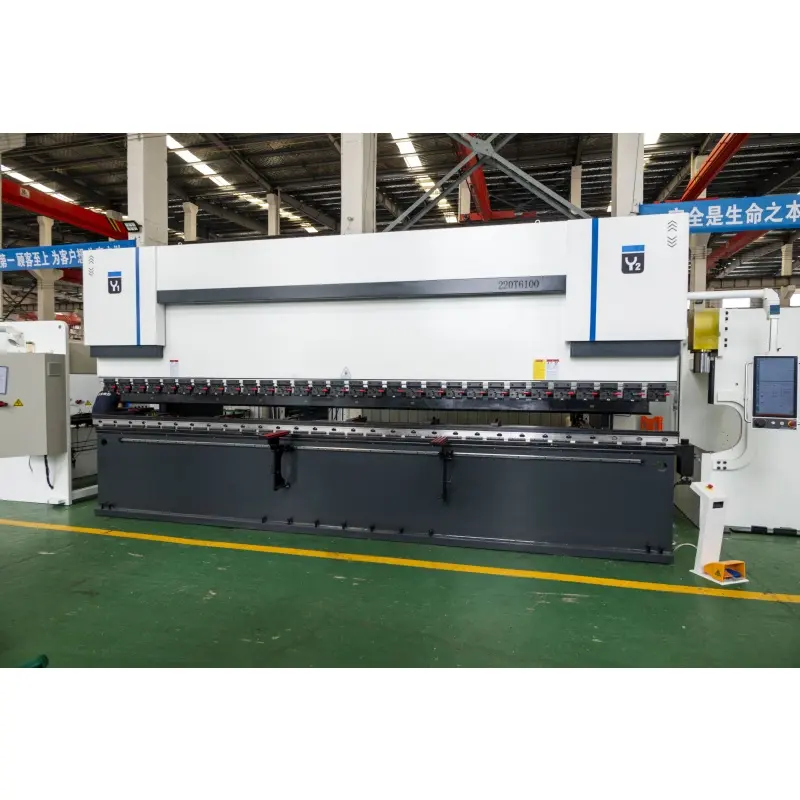
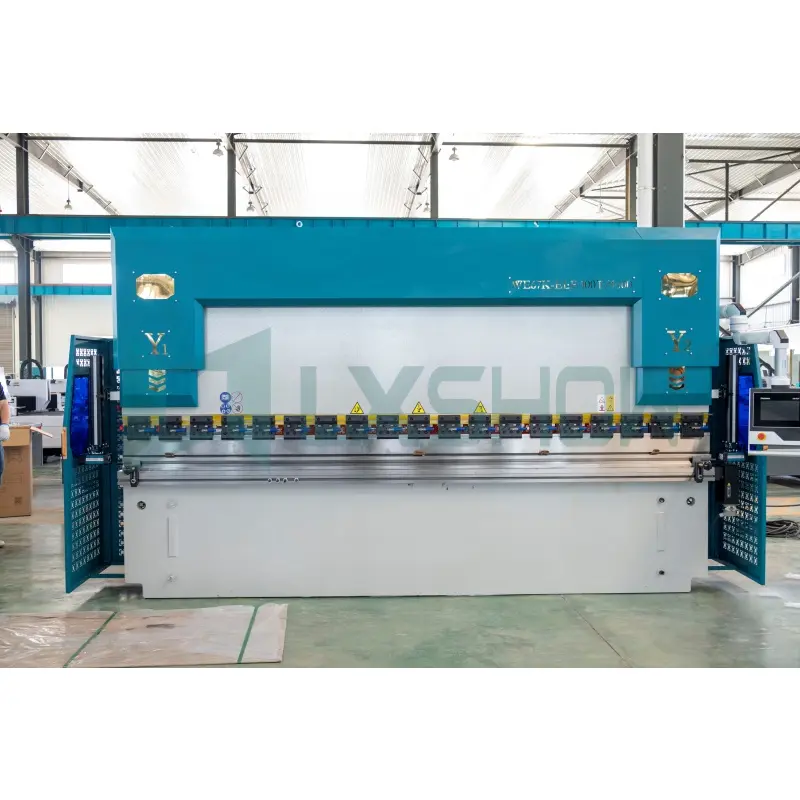
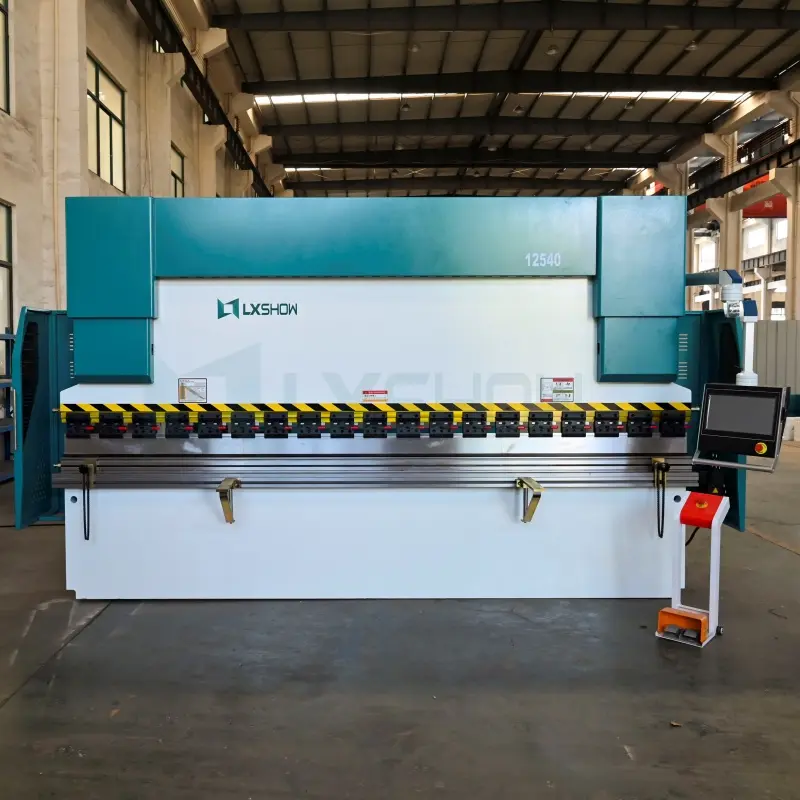
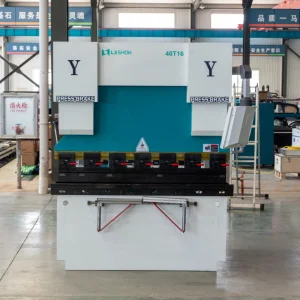
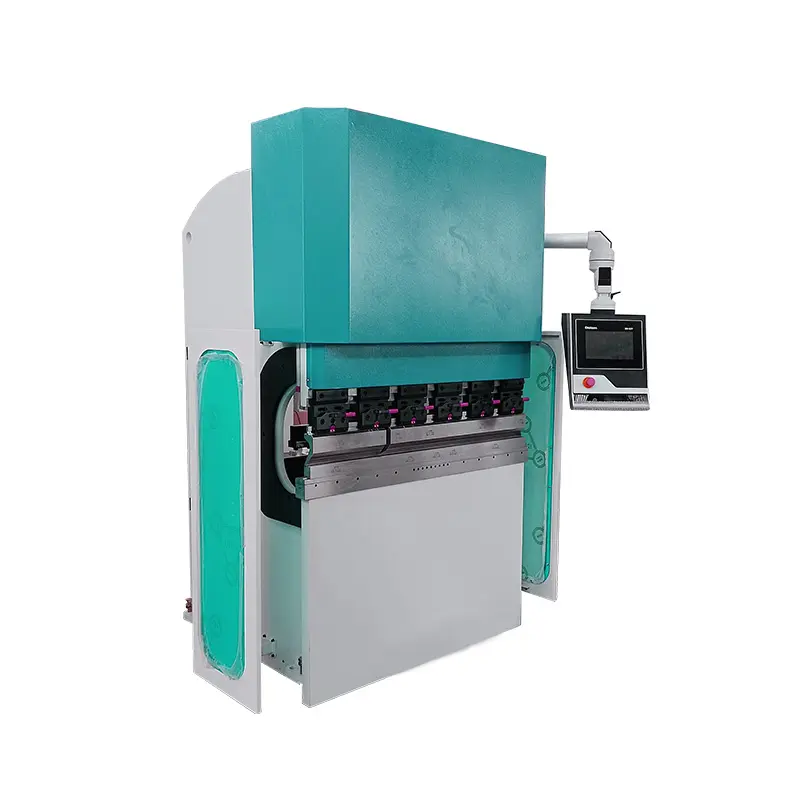
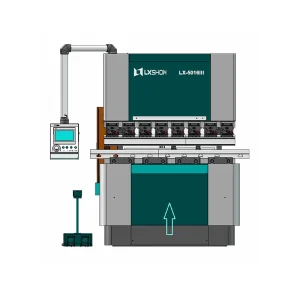
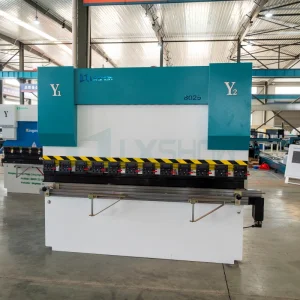
Precision hydraulic and electric servo-driven press brakes designed to form complex metal profiles without crack propagation.
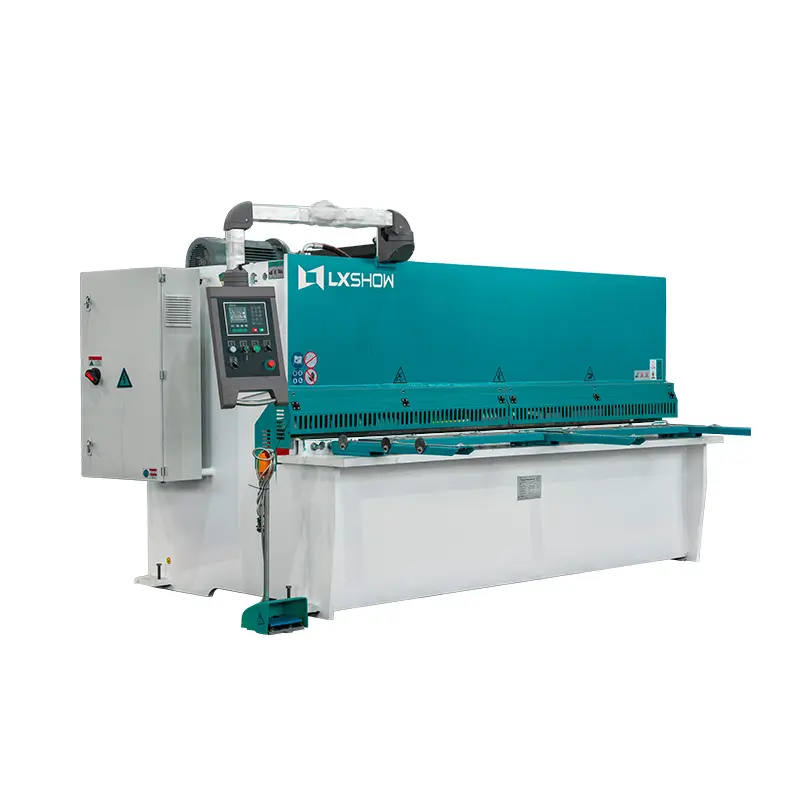
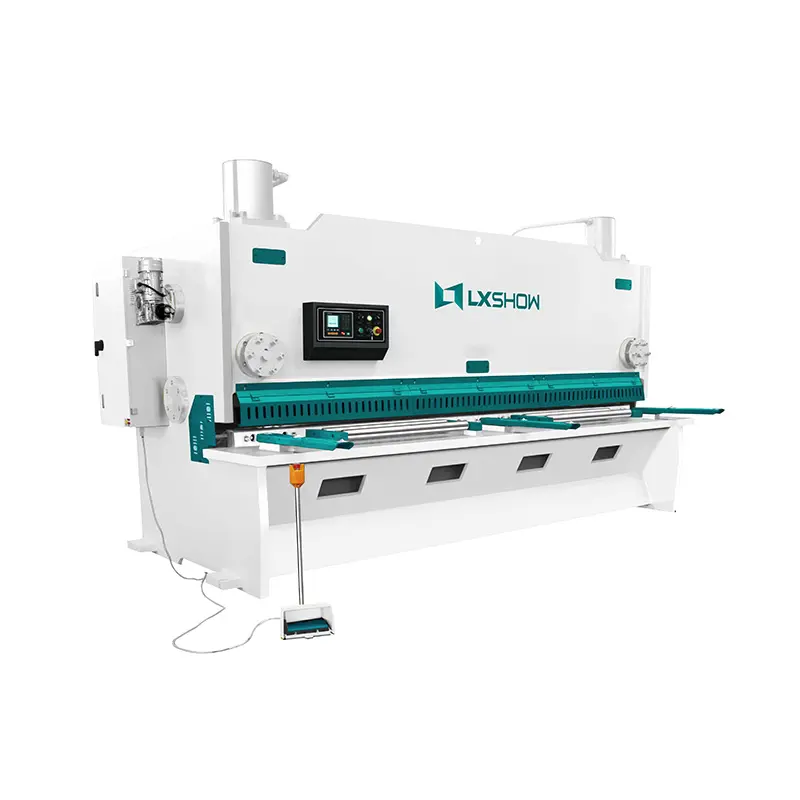
Hydraulic swing-beam and guillotine shears engineered for fast, clean, high-precision straight-line cuts.
As we approach 2040, the laser industry is pivoting toward higher wavelengths, shorter pulse widths, and deep software-hardware integration. For precious metals like silver, the global industry trends center on three major movements:
By anchoring our research on these vectors, we empower global brands to build highly efficient, waste-minimized smart manufacturing plants. The focus is to deliver not only individual cutters but a complete processing pipeline. This includes automated feeding, precision laser cutting, smart robotic deburring, and CNC controlled mechanical bending.
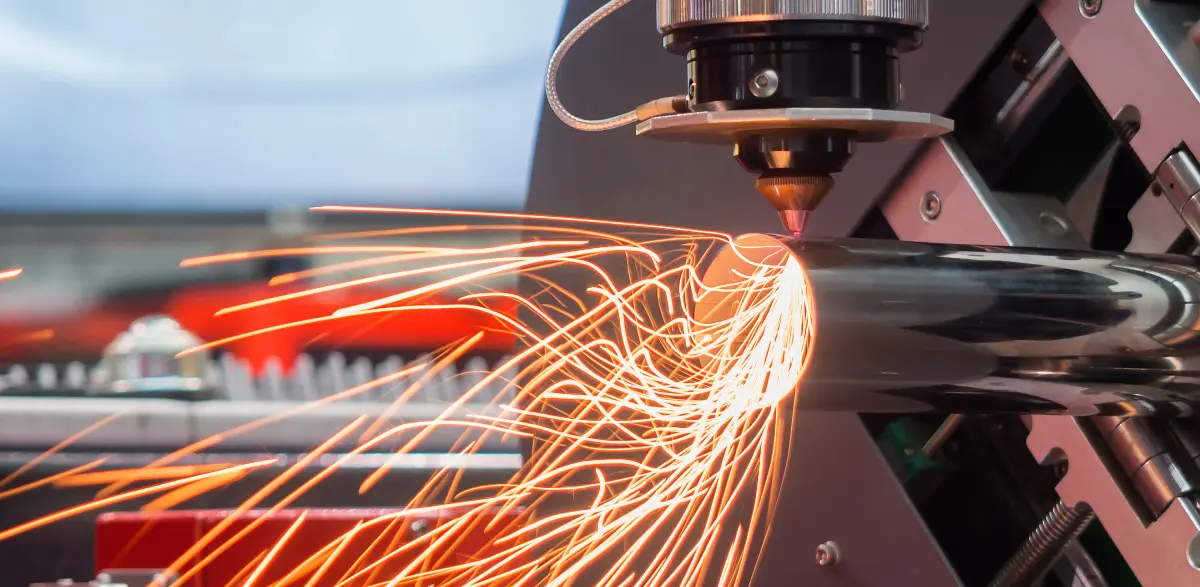
Helping World Metal Cutting: Integrating Advanced Industrial Laser Solutions Internationally.
When evaluating suppliers of laser-cut silver or sourcing heavy industrial equipment, international procurement officers should inspect the following benchmarks to ensure high reliability and consistent return on investment:
Ensure seamless post-cutting processing. Preserved original models from certified workshops.
Answering technical queries commonly raised by international sourcing managers and laser operators.
A: Silver has a very low absorption rate of infrared light (absorbing less than 4% under cold state at 1.06 µm wavelength) and extremely high thermal conductivity. It reflects laser energy away and dissipates any heat it does absorb rapidly. This prevents the spot from reaching melting temperature without very high starting energy density.
A: Modern fiber systems use hardware optical isolators (e.g. QBH output heads with integrated sensors). This redirects reflected light back out of the fiber core into water-cooled dump absorbers. Safe operation also requires tilt-cutting parameters (usually 5 to 10 degrees offset) to prevent normal reflections from bouncing straight up into the nozzle.
A: Oxygen is commonly used for silver cutting because it creates an instant oxide layer on the metal surface, which drastically reduces reflectivity and aids the thermal melt process. However, oxygen causes slight oxidation on the cut edge. For oxide-free edges (such as micro-electronics and luxury jewelry), High-Pressure Nitrogen is preferred, though it requires a higher starting laser power density.
A: With a 3kW to 6kW laser source, you can cut silver sheets from 0.5mm up to 4.0mm with stable, industrial repeat accuracy. Thicker sheets require larger power ratings and optimized focal tracking controllers to avoid excessive micro-burring at the bottom edges.
A: Yes. Because silver is a precious metal, our engineering team can integrate specialized suction tables and dust-collecting cyclones to recover fine silver particulates and slag. This minimizes total material waste and improves overall project economics.
A: Absolutely. Our equipment is certified under the European Union CE authentication and the American FDA certificate. The production processes conform strictly to ISO 9001 quality management standards, making them ready for factory floors worldwide.
Serving over 20,000 industrial sites globally. Supported by decades of manufacturing excellence.
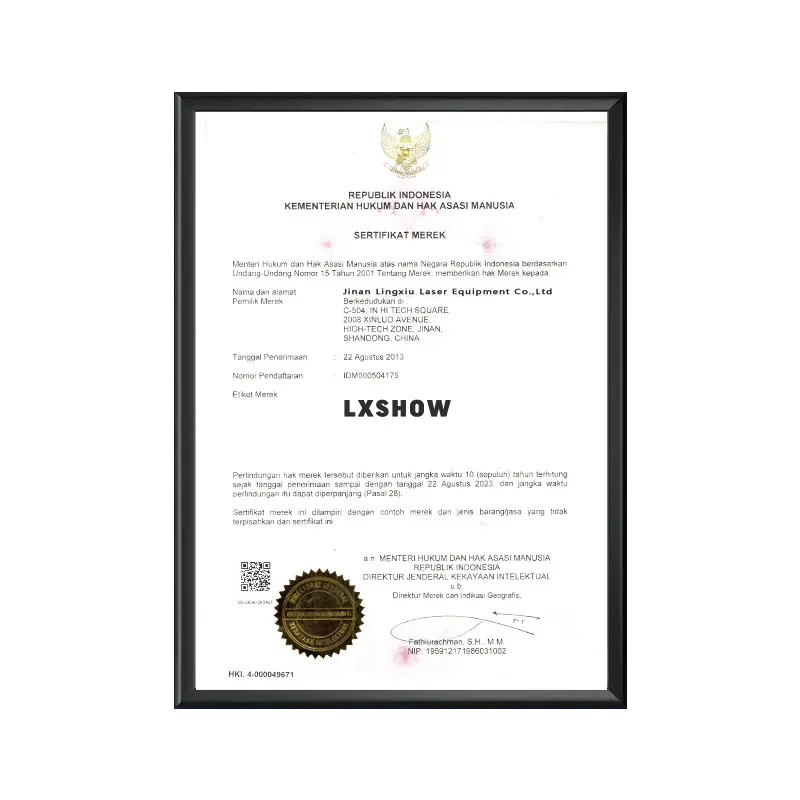
 Lxshow