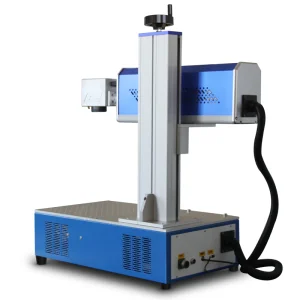
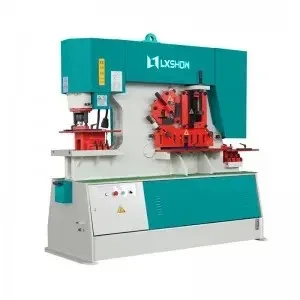
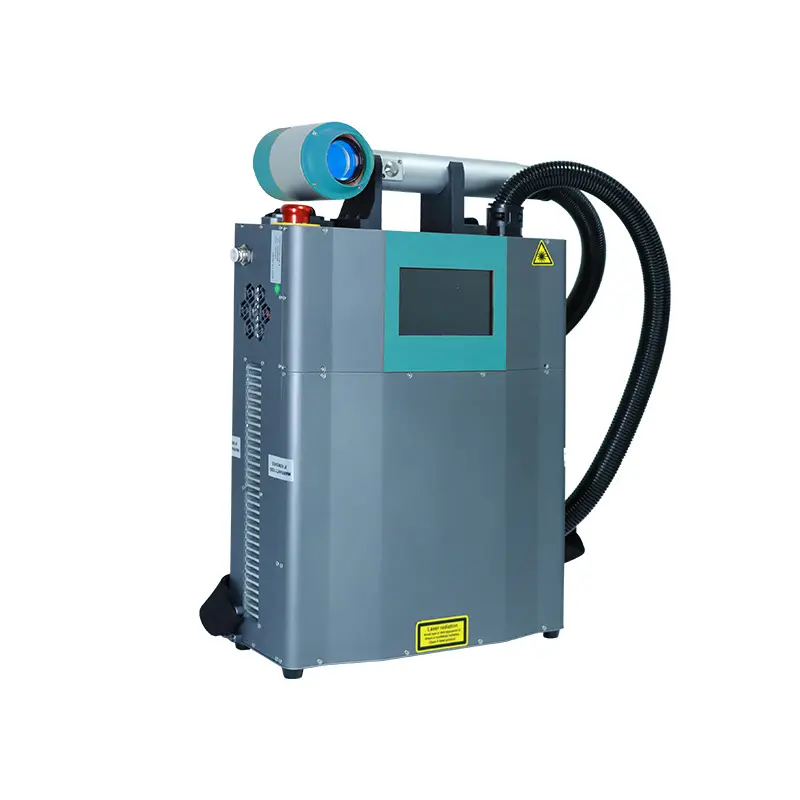
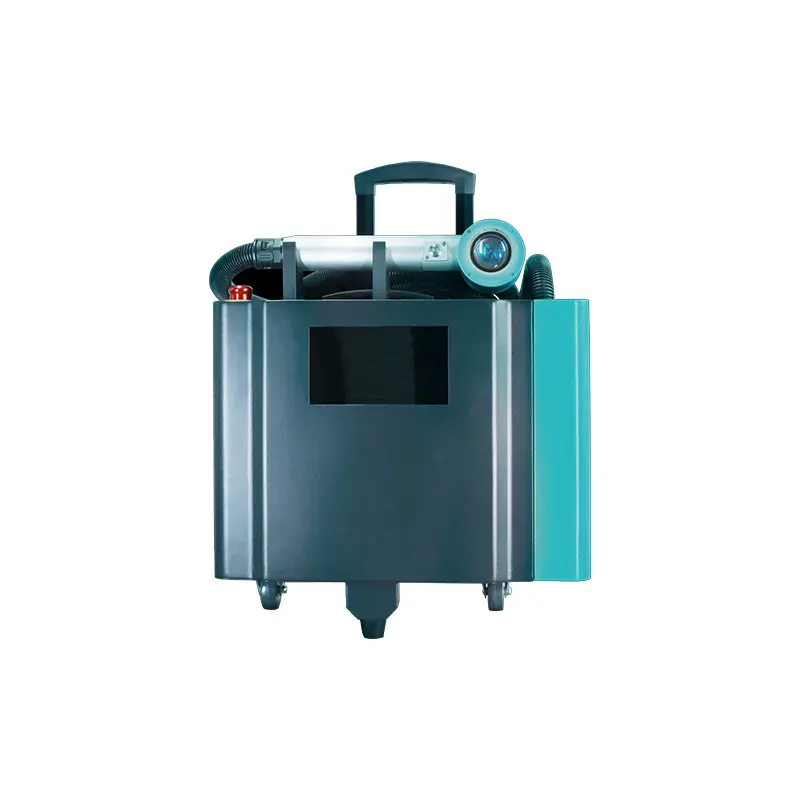
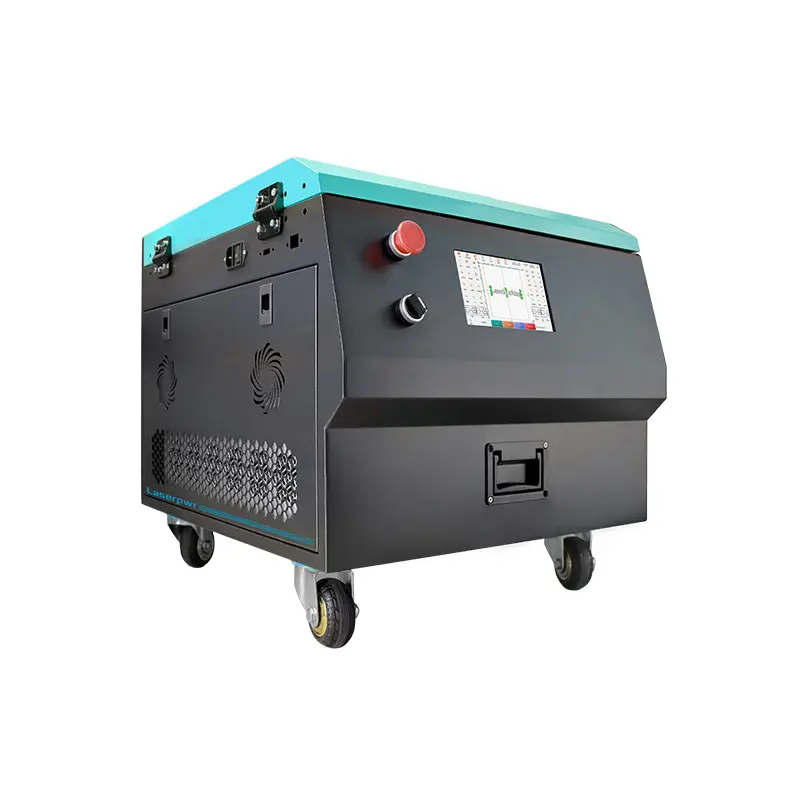
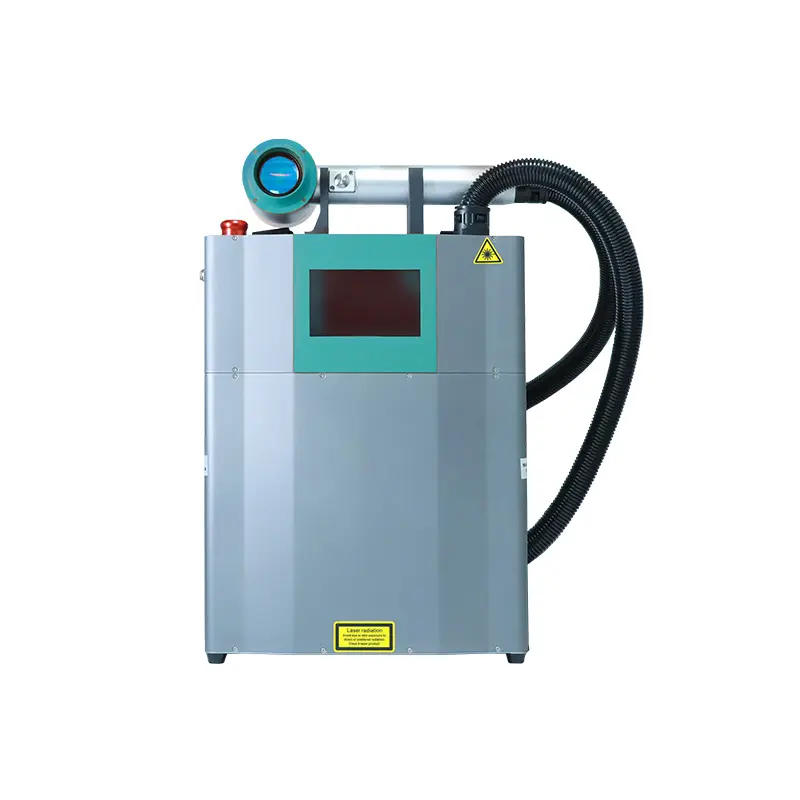
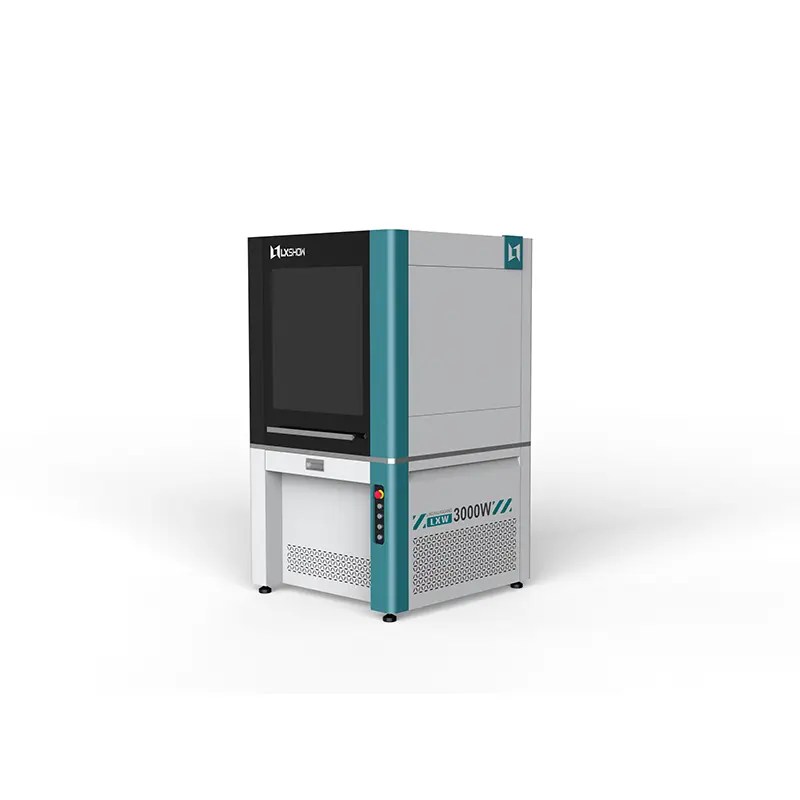
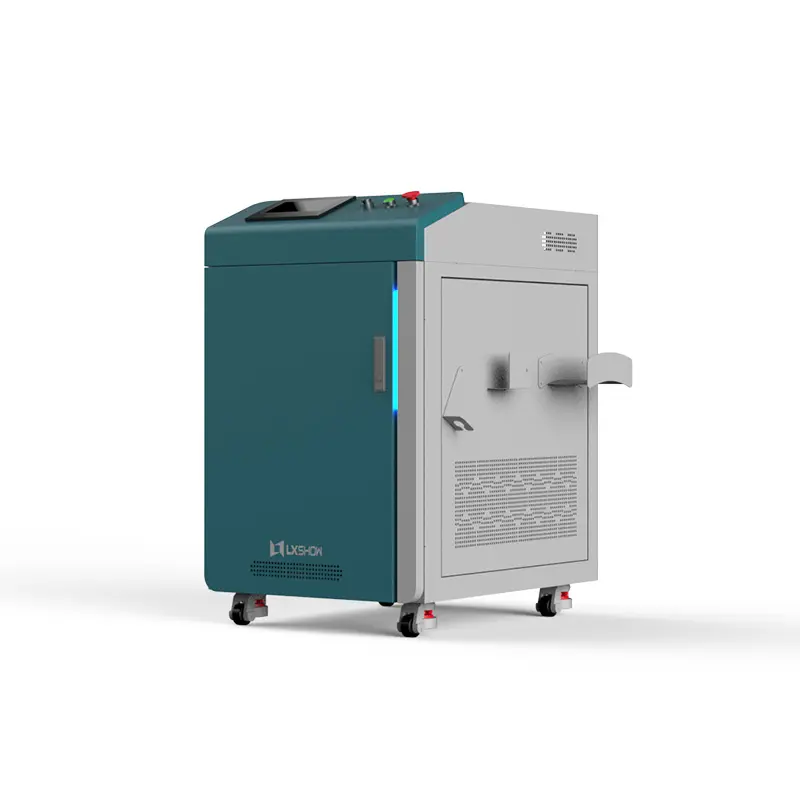
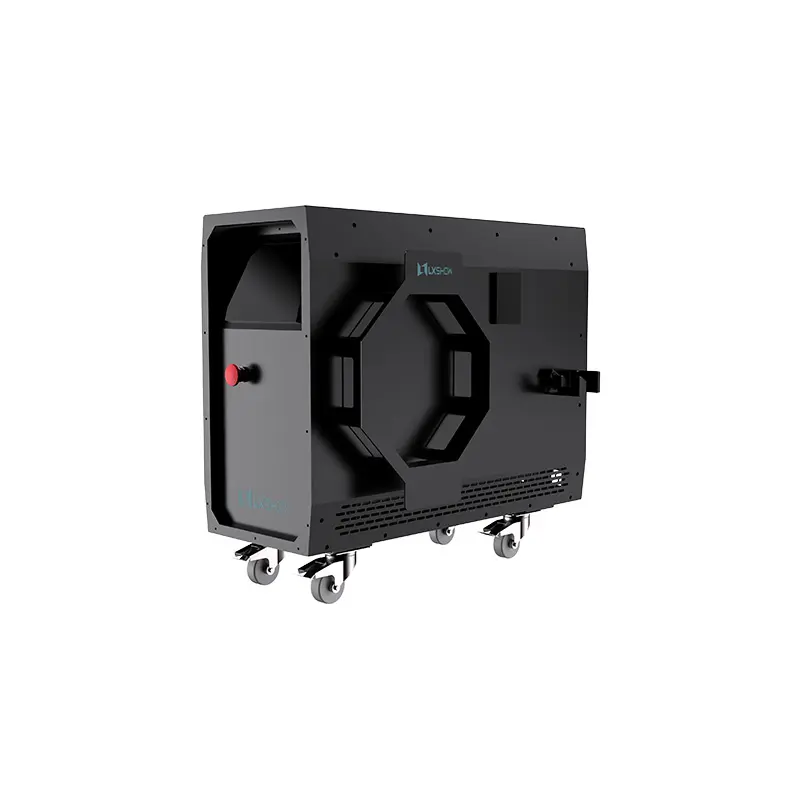
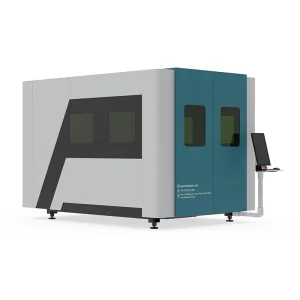
Explore our leading industrial processing systems, matching global compliance with high-yield productivity.
In the contemporary landscape of high-precision heavy industry, metal processing requires an unprecedented synthesis of speed, cost-effectiveness, and metallurgical preservation. As a premier China laser cutting metal machine manufacturer & exporter, we recognize that selecting industrial CNC equipment extends beyond mere mechanical procurement. It represents a long-term integration into your enterprise's smart factory ecosystem. The implementation of high-power fiber laser sources (ranging from 1kW to 30kW+) has transformed standard raw-material fabrication, rendering traditional mechanical punches and legacy CO2 systems obsolete. By analyzing key operational matrices, this whitepaper details the structural advantages, localized compliance frameworks, and technological breakthroughs governing the modern laser cutting landscape.
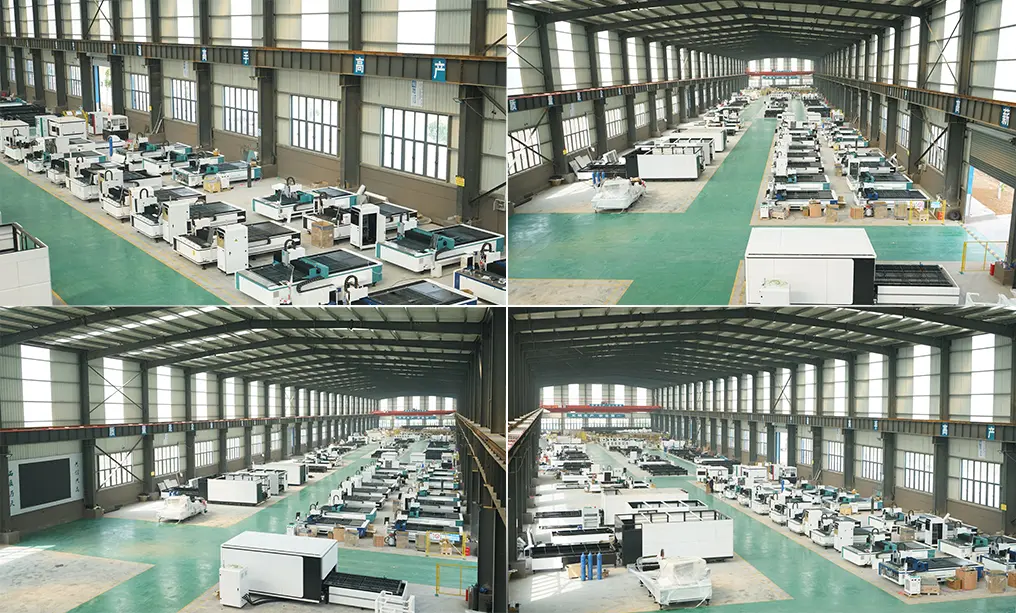
The global dominance of Chinese fiber laser machinery is built on complete industrial integration. Our manufacturing facilities, occupying over 32,000 square meters of specialized development space, benefit from the regional consolidation of laser optics, precision gear racks, gantry casting lines, and motion control technologies. This concentration allows us to achieve cost efficiencies that are passed directly to our clients without compromising mechanical reliability. Key supply chain benefits include:
Selecting a CNC laser system requires analyzing the specific mechanical work required by the buyer's material profile. Below is an engineering overview of critical system choices:
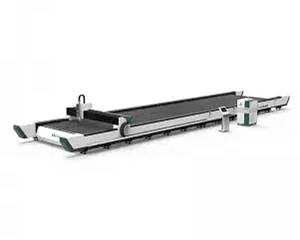
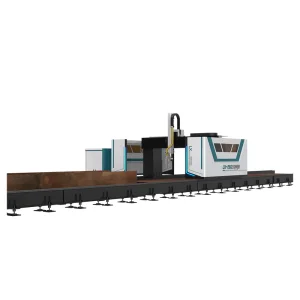
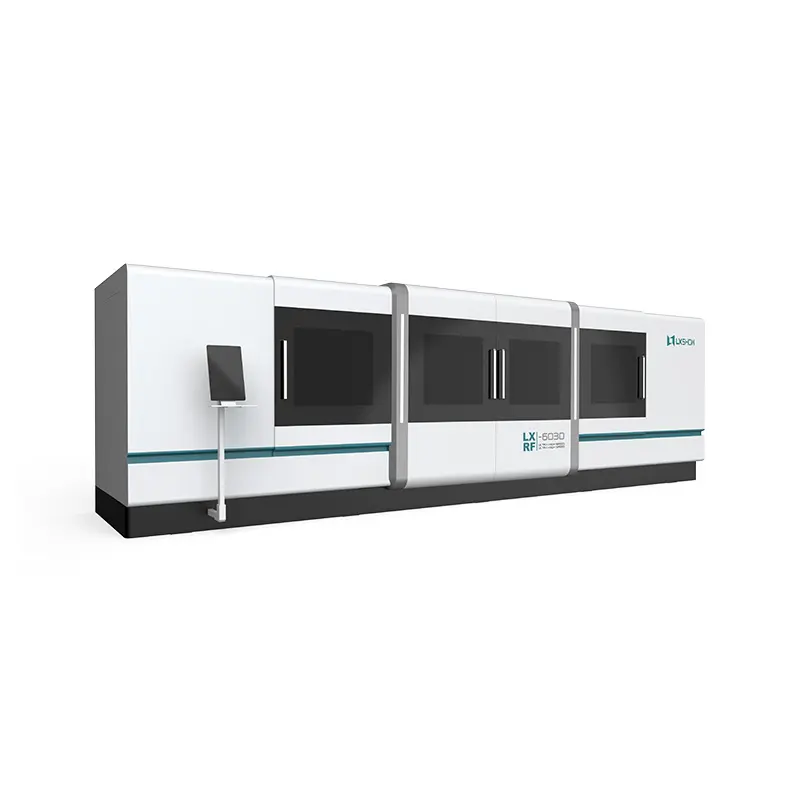
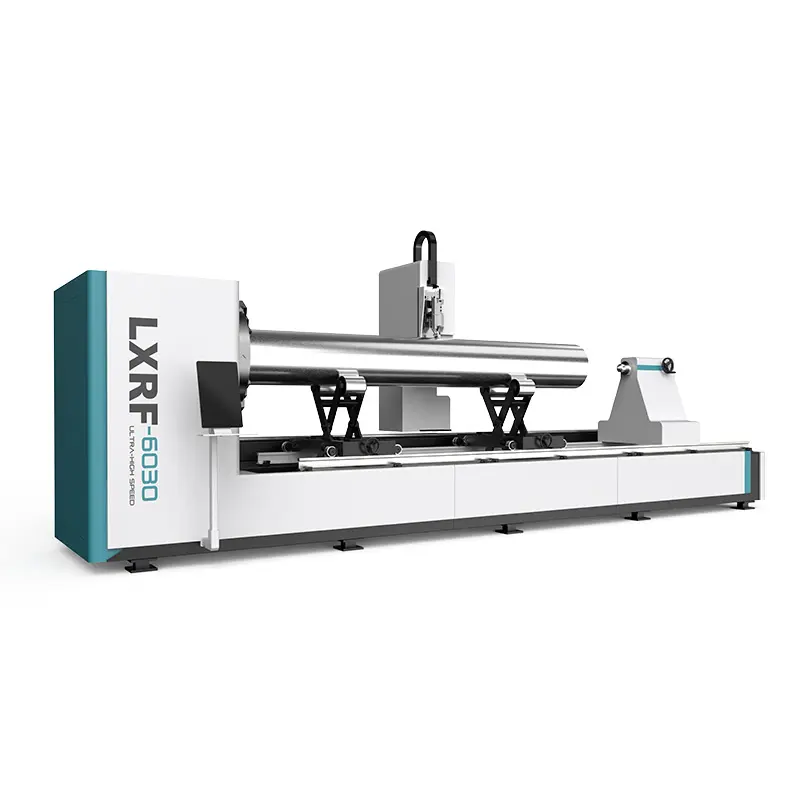
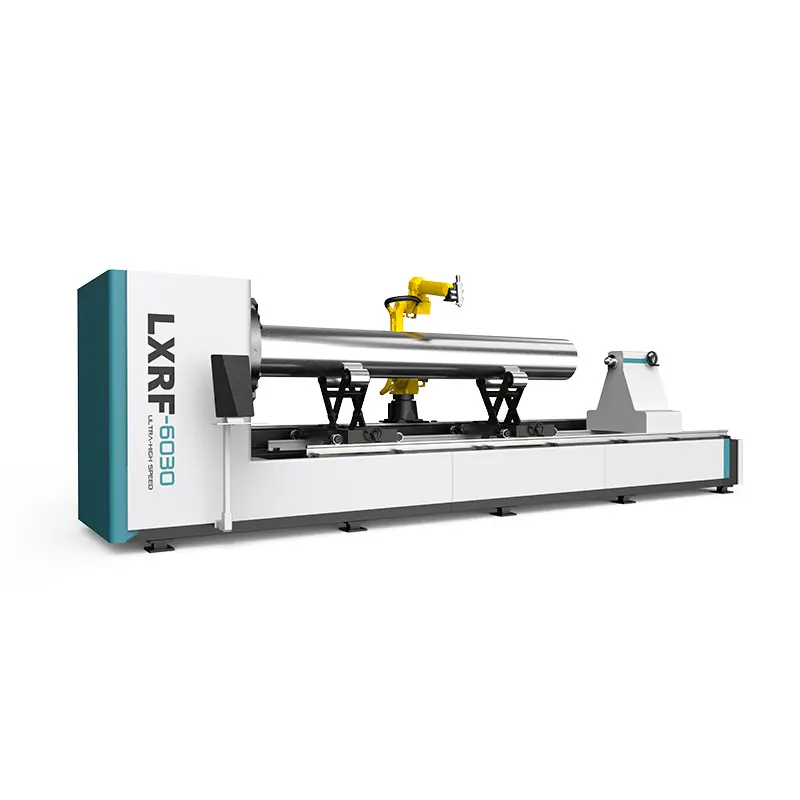
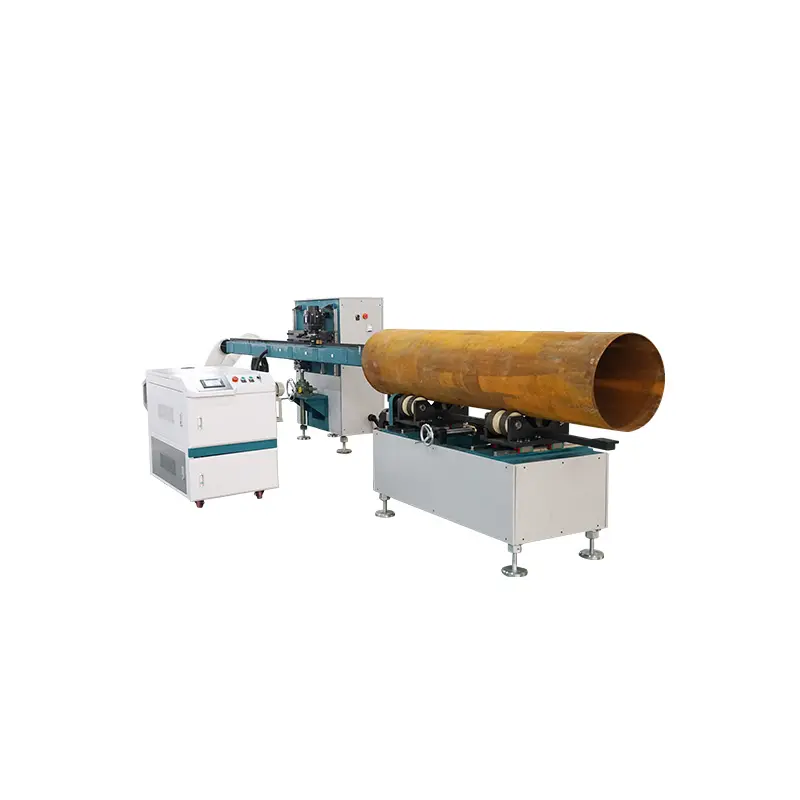
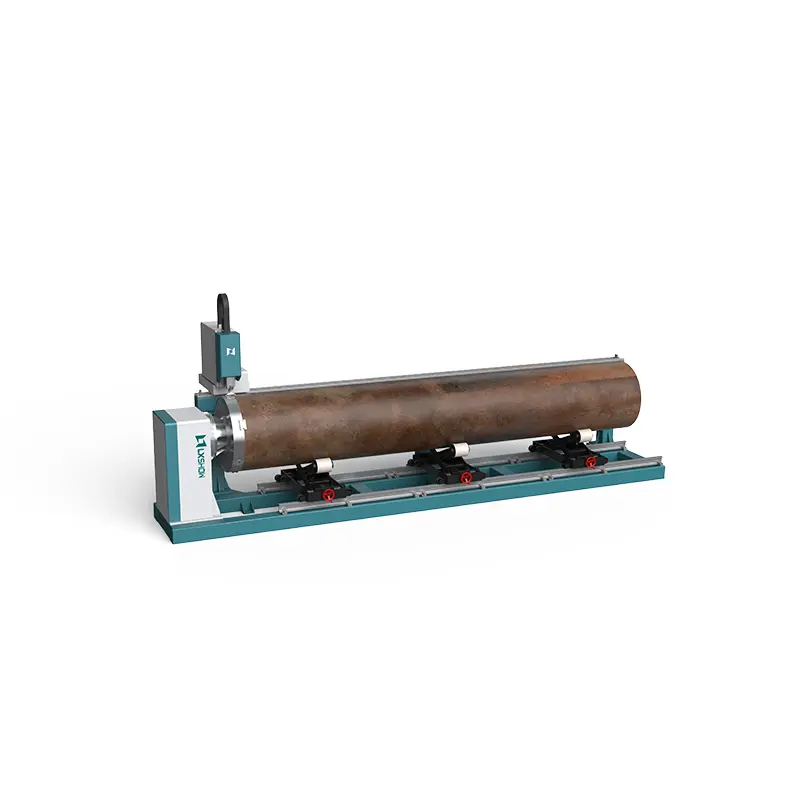
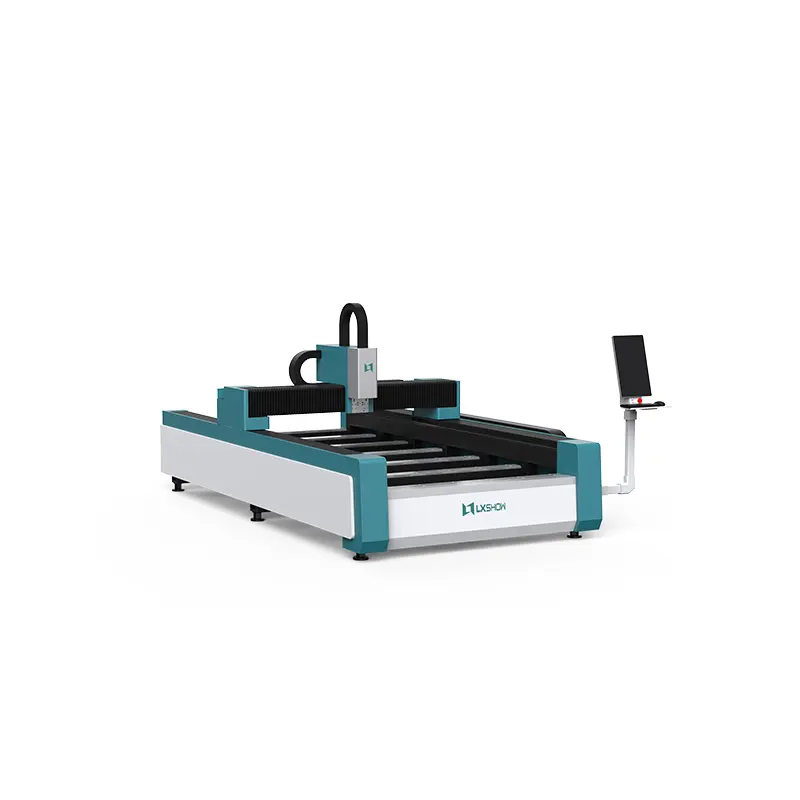
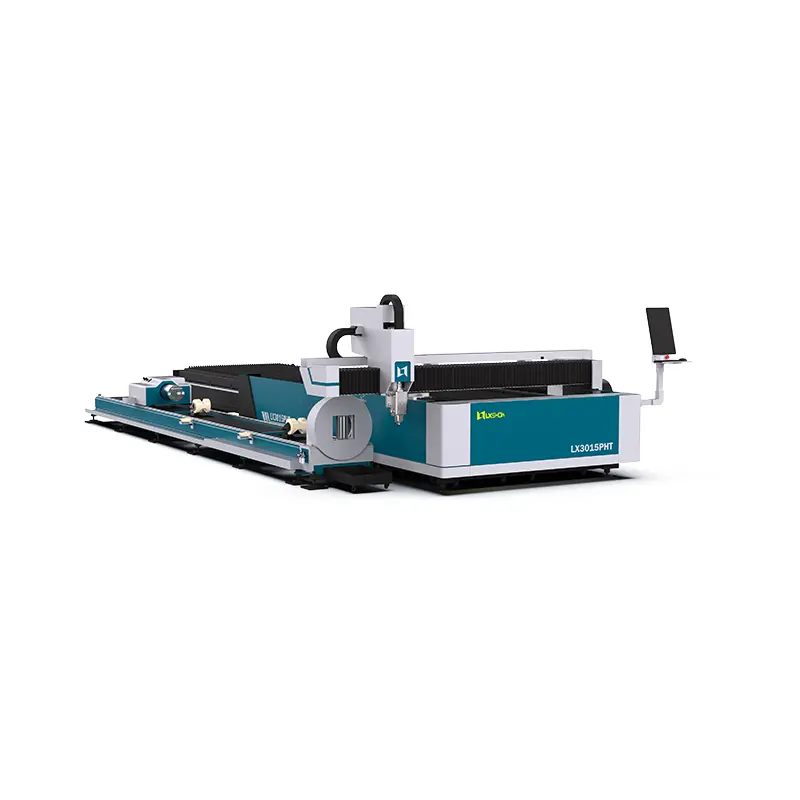
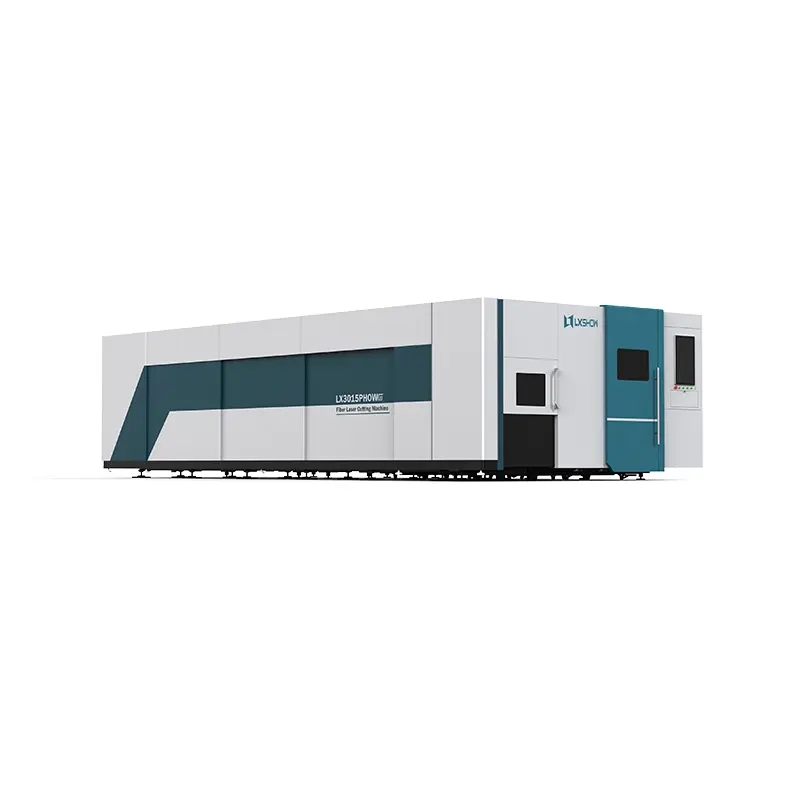
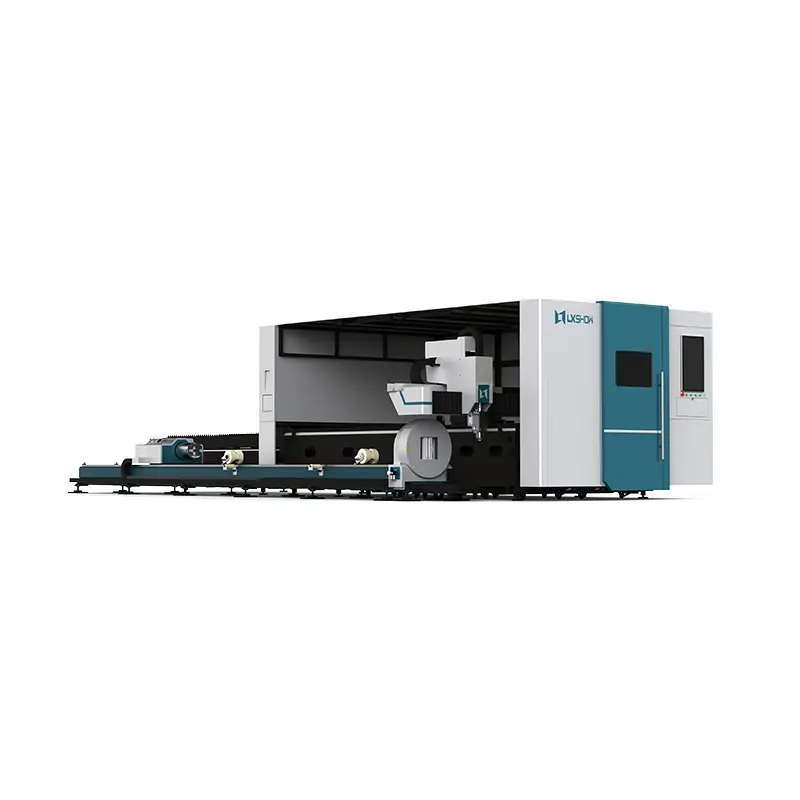
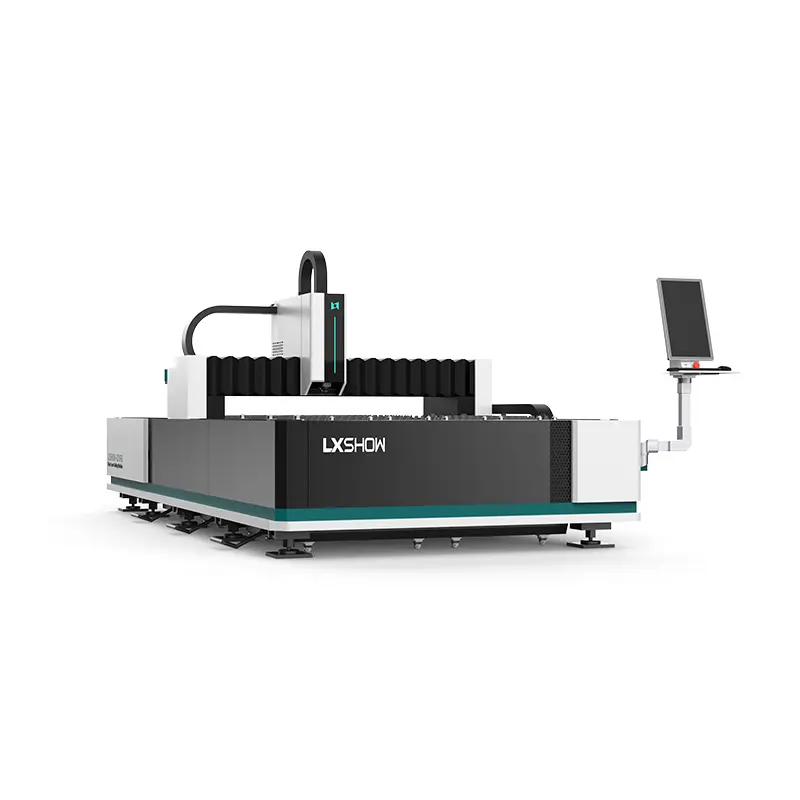
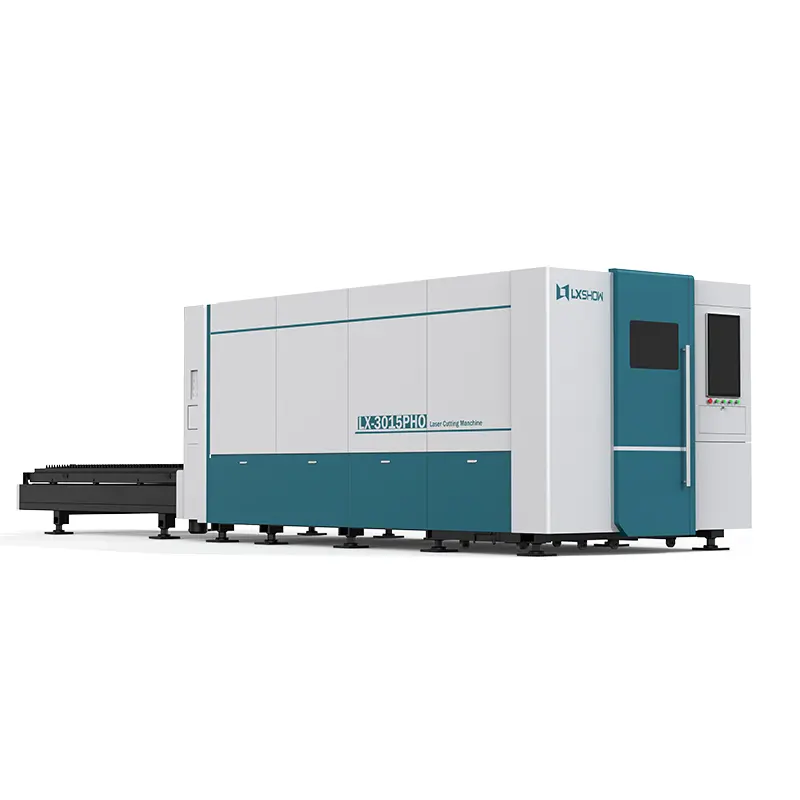
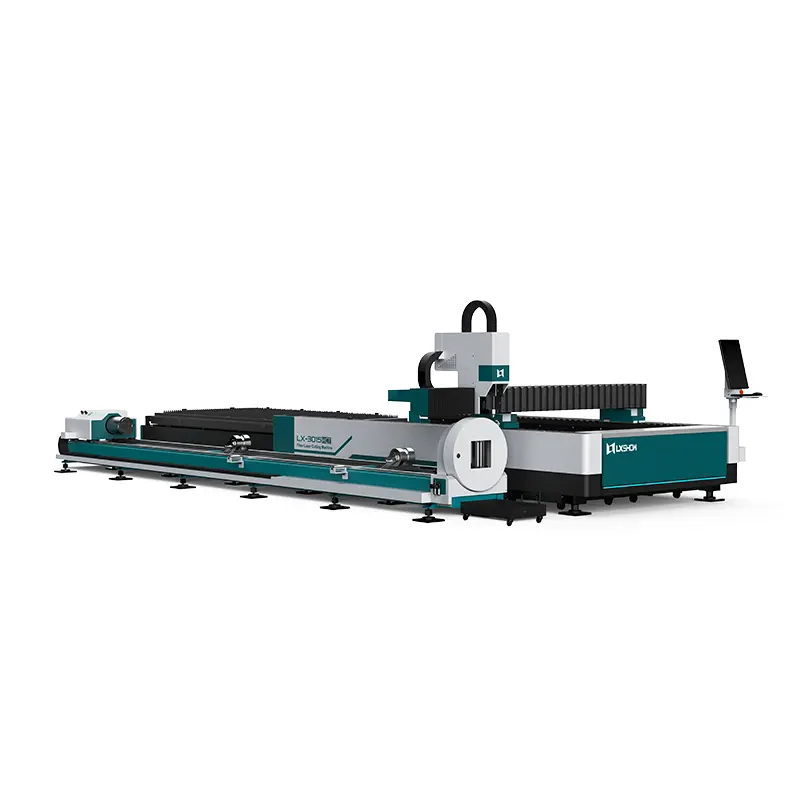
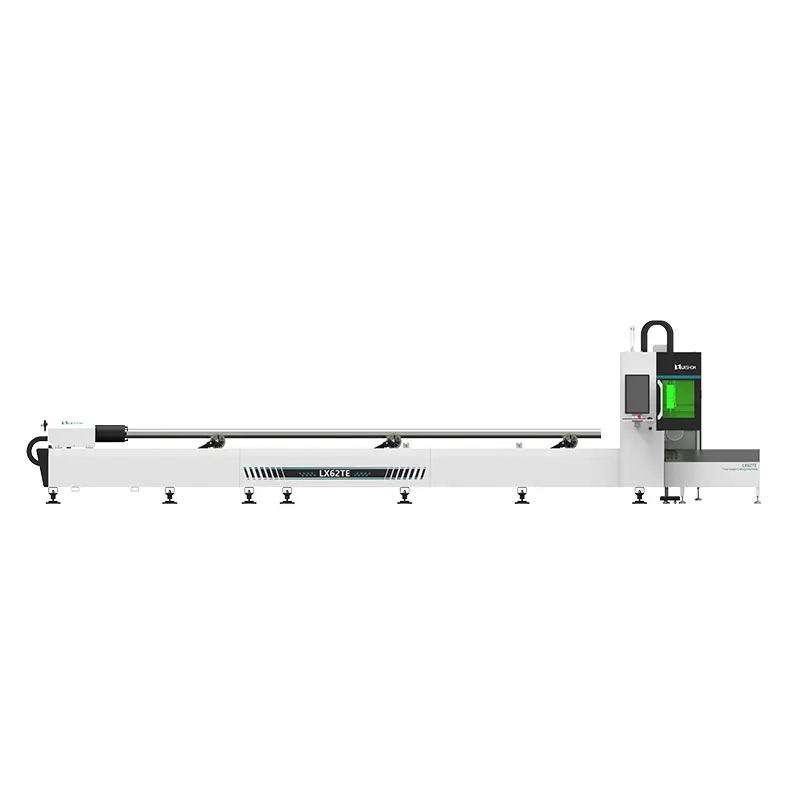
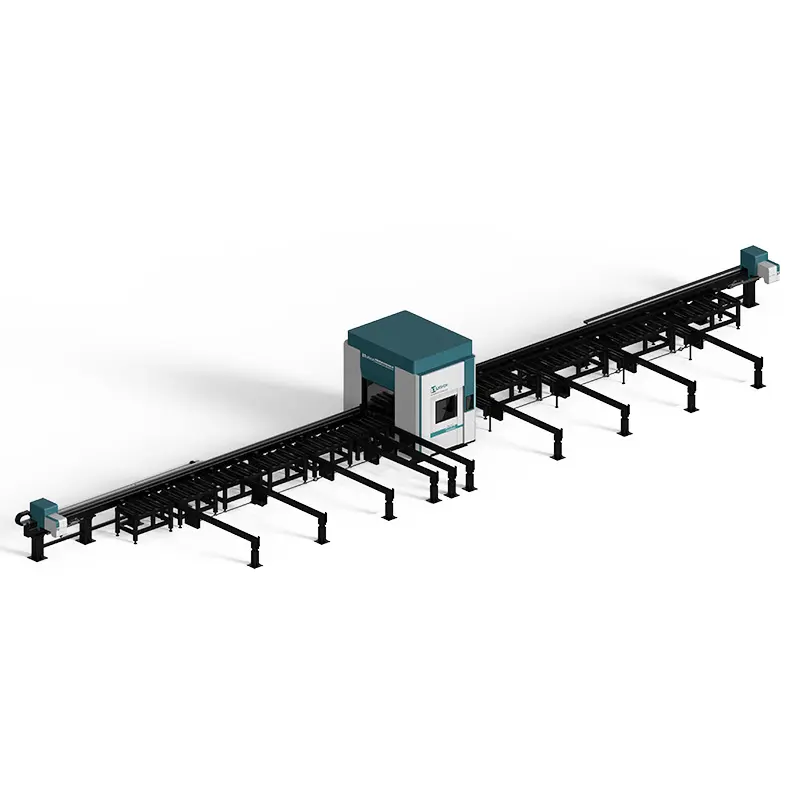
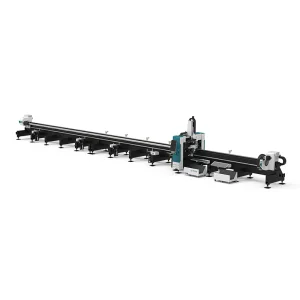
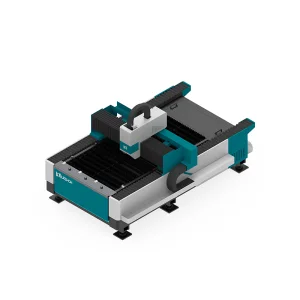
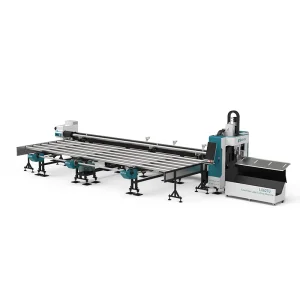
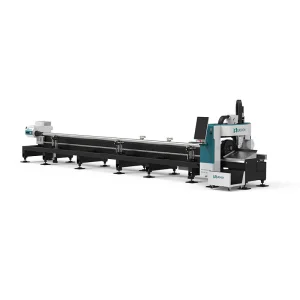
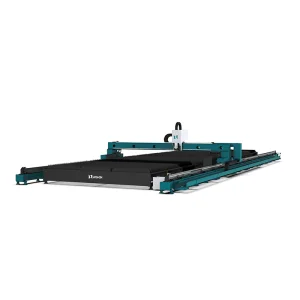
For standard flat plates, open or fully enclosed exchange table machines (such as the 3015PHO) offer rapid material loading. For profiles, structural H-beams, and complex pipes, multi-chuck automated tube laser cutters (like the LX122TXA) prevent dynamic slipping and minimize waste.
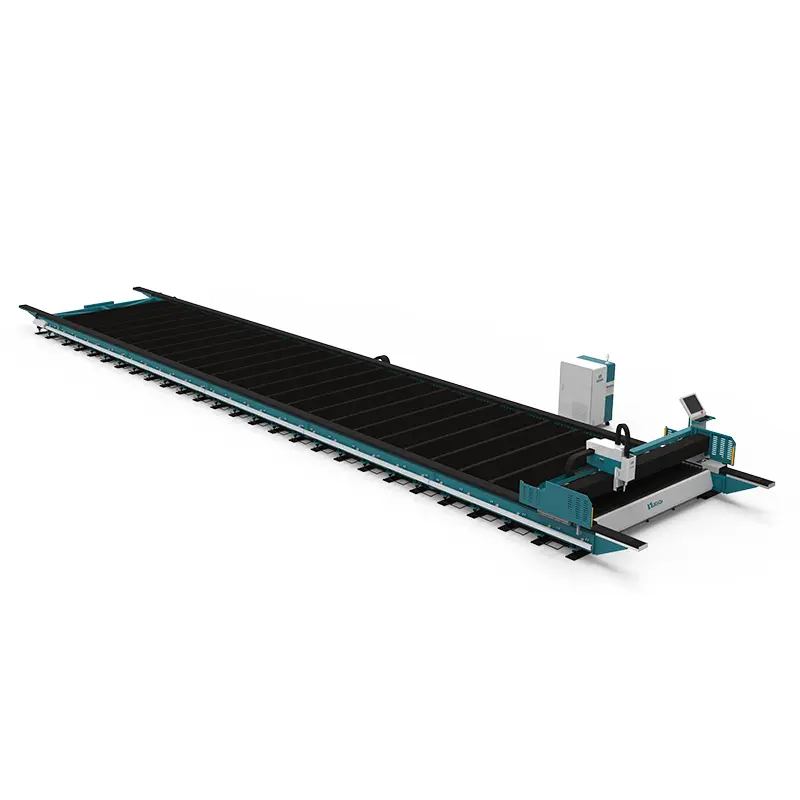
Power choices must align with material thickness. A 3kW to 6kW source is ideal for high-speed processing of thin sheet metals. For thick plates of mild steel, stainless steel, or highly reflective materials (like brass and copper), ultra-large format systems using 12kW to 30kW laser sources are necessary.
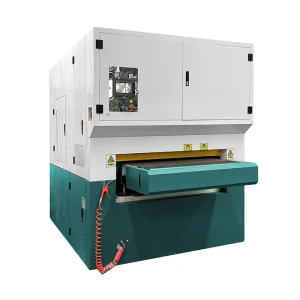
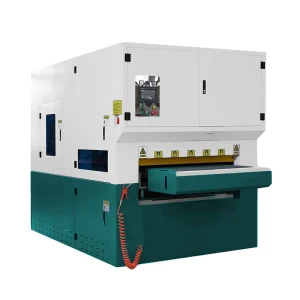
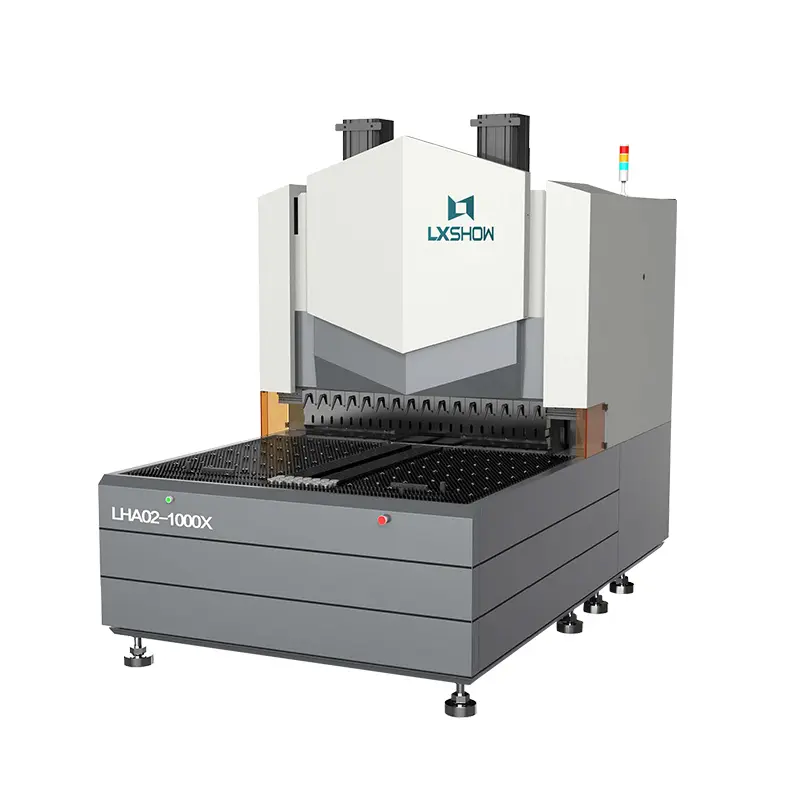
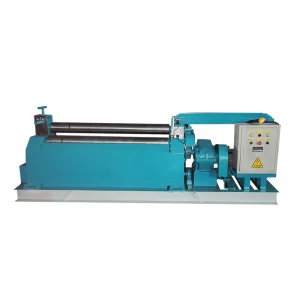
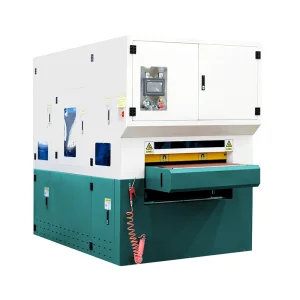
A high-performance laser cutter requires high-quality deburring, chamfering, and bending systems. Integrating machines like the LX-RRS-M-450 double belt deburring system ensures clean, burr-free edges that are ready for structural welding.
Entering international markets requires strict adherence to safety and quality regulations. Every CNC fiber laser cutting, welding, and cleaning system we export is certified to meet international standards, simplifying local installation and customs clearance:
The manufacturing sector is transitioning toward fully integrated production lines. Our development roadmap aligns with Industry 4.0 standards, focusing on key innovations:
EtherCAT Bus Control and Real-time Monitoring: Transitioning from traditional pulse-type controllers to high-speed EtherCAT bus architectures allows for real-time monitoring of gas flow, laser power modulations, and nozzle height control. This enables stable cutting at high acceleration rates.
Automated Loading/Unloading Systems (FMS): By combining tower storage systems, vacuum lifters, and conveyor lines, our sheet metal cutting systems run unattended for extended periods, maximizing machine utilization.
Predictive Maintenance via IoT: Built-in sensors monitor optical head temperature, lens wear, and axis vibration. This data is transmitted to the cloud to schedule maintenance before components fail, preventing unexpected downtime.
Our machinery is designed to address specific industrial application needs across multiple sectors:
Since 2004, serving 150+ countries and 20,000+ users worldwide
Focused on the development and production of laser cutting, welding, and cleaning machines.
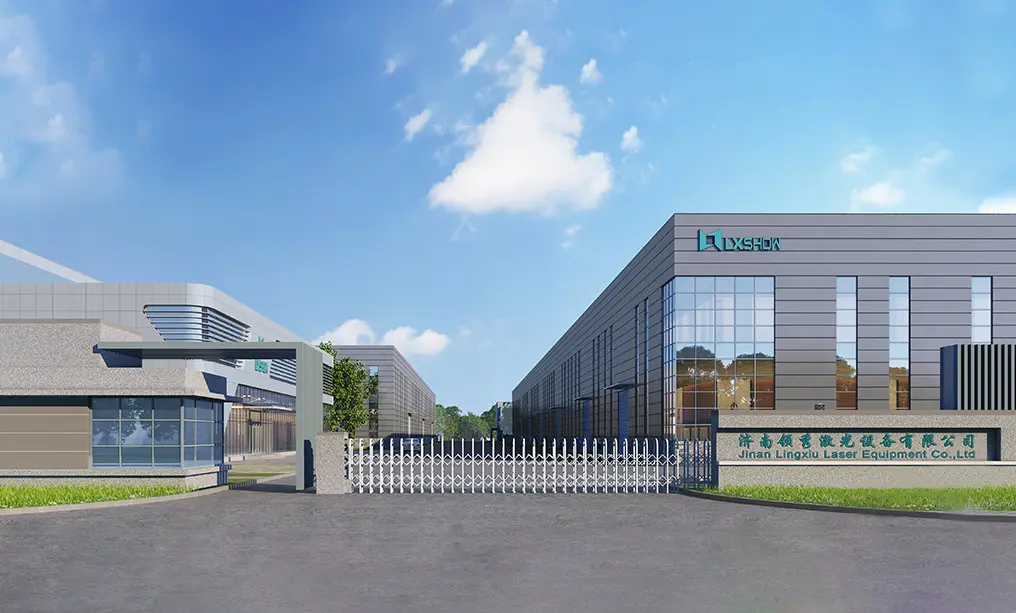
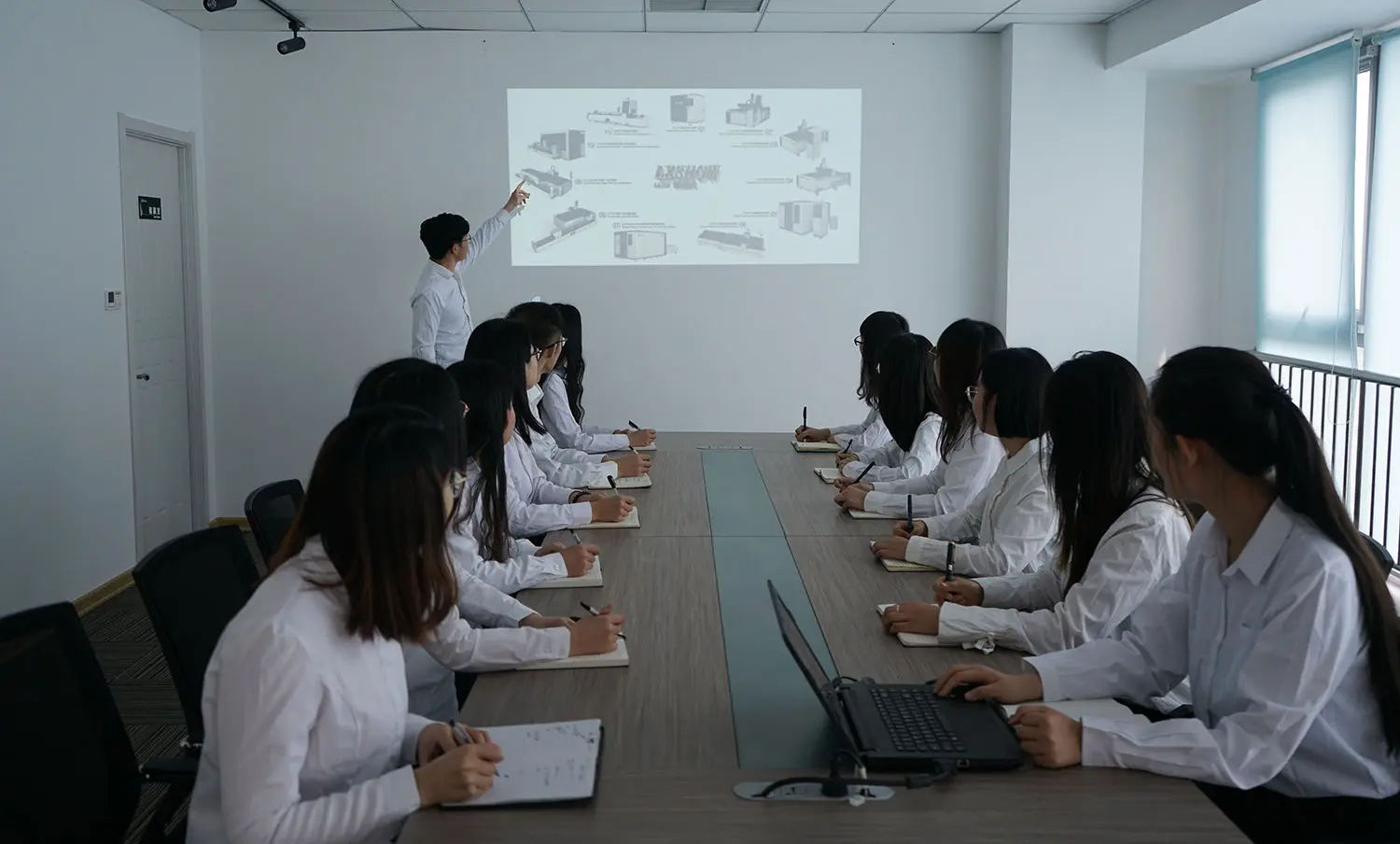
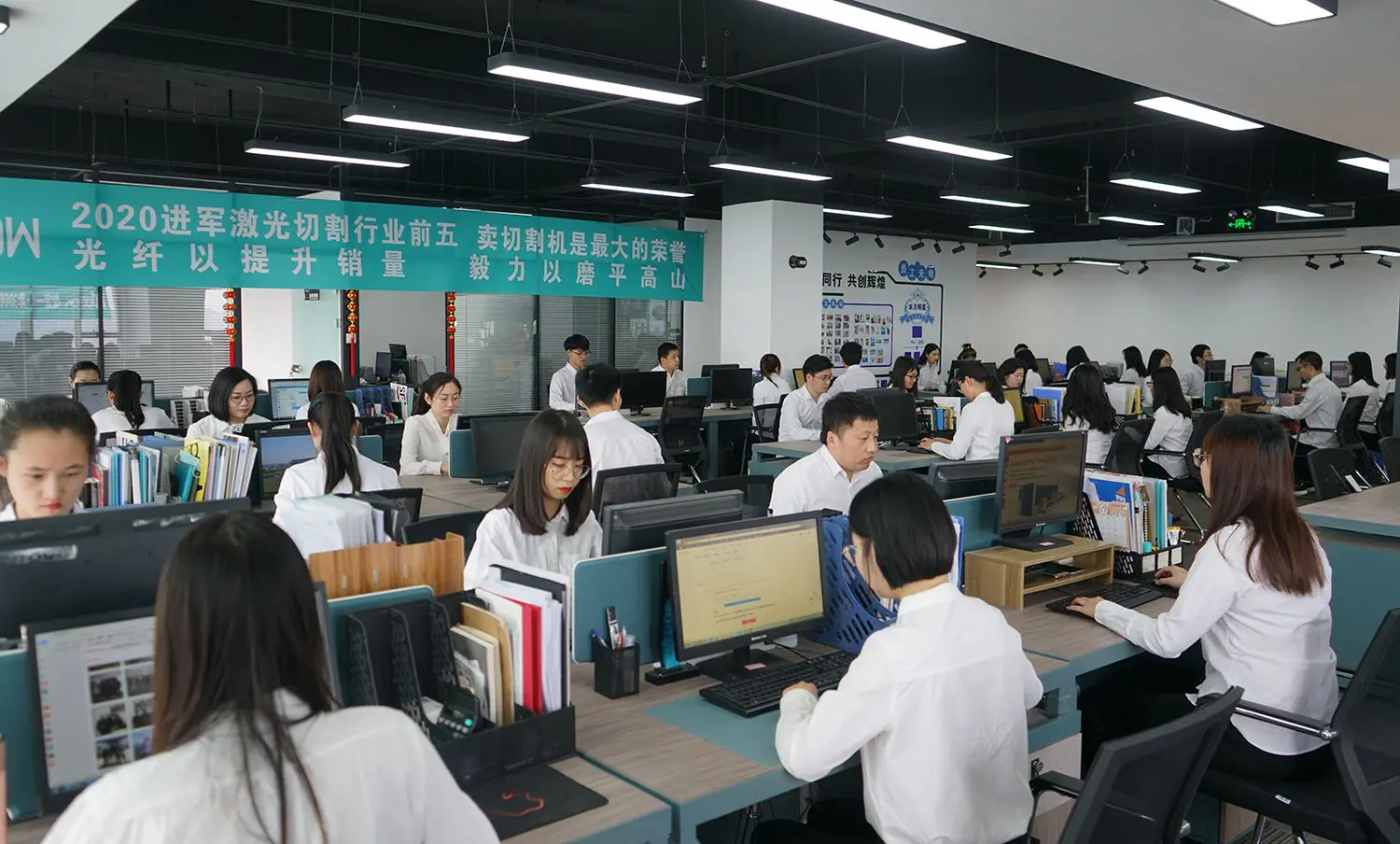
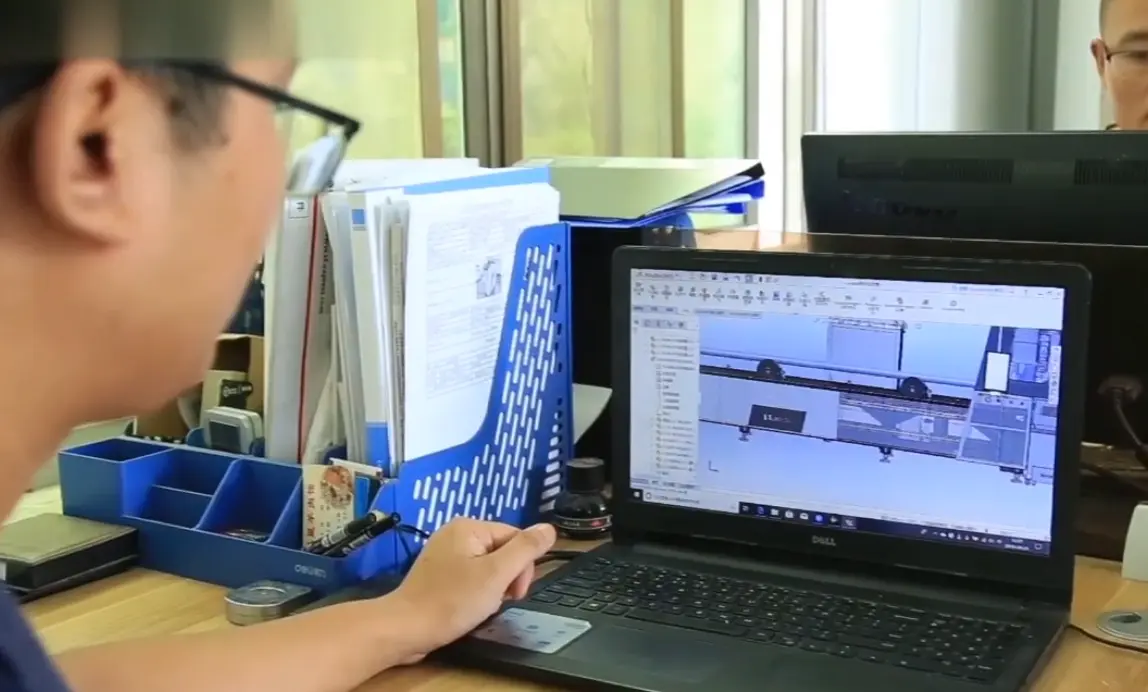
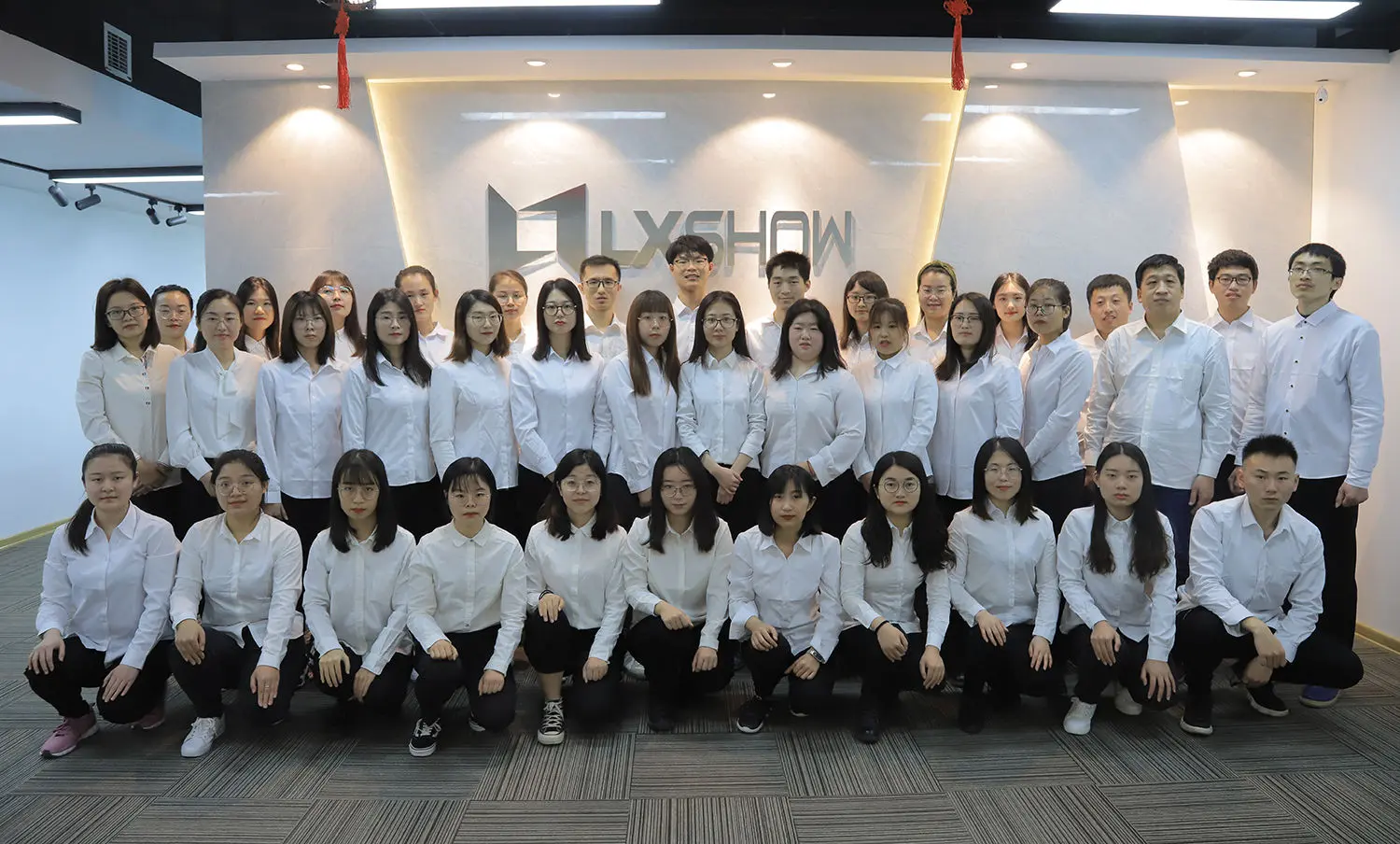
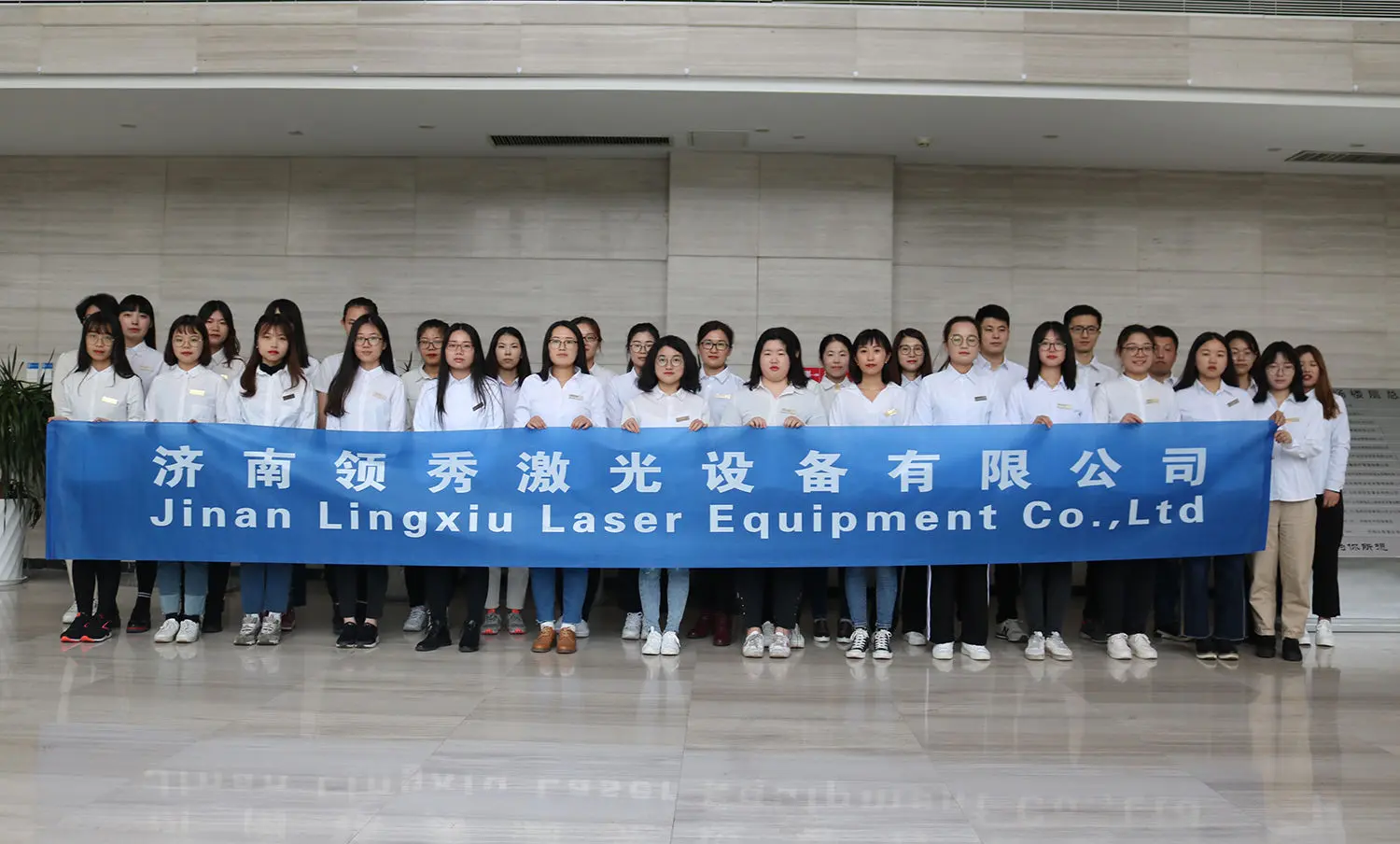
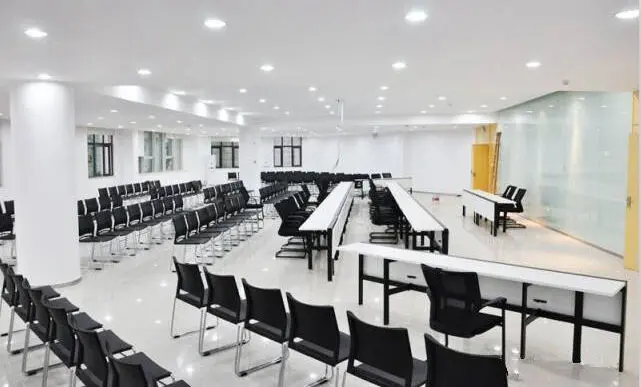
Established in July 2004, our facility features over 500 square meters of dedicated R&D space and a 32,000 square meter manufacturing plant. We focus on providing comprehensive technical support and operate a professional laser research and communication center. By building Industry 4.0-ready facilities, we help businesses transition to smart manufacturing.
All systems carry European Union CE authentication, American FDA certification, and ISO 9001 quality management certification. Our products are exported to the USA, Canada, Australia, Europe, Southeast Asia, Africa, and beyond, spanning more than 120 countries and regions. We also provide OEM manufacturing services for over 30 global brands.
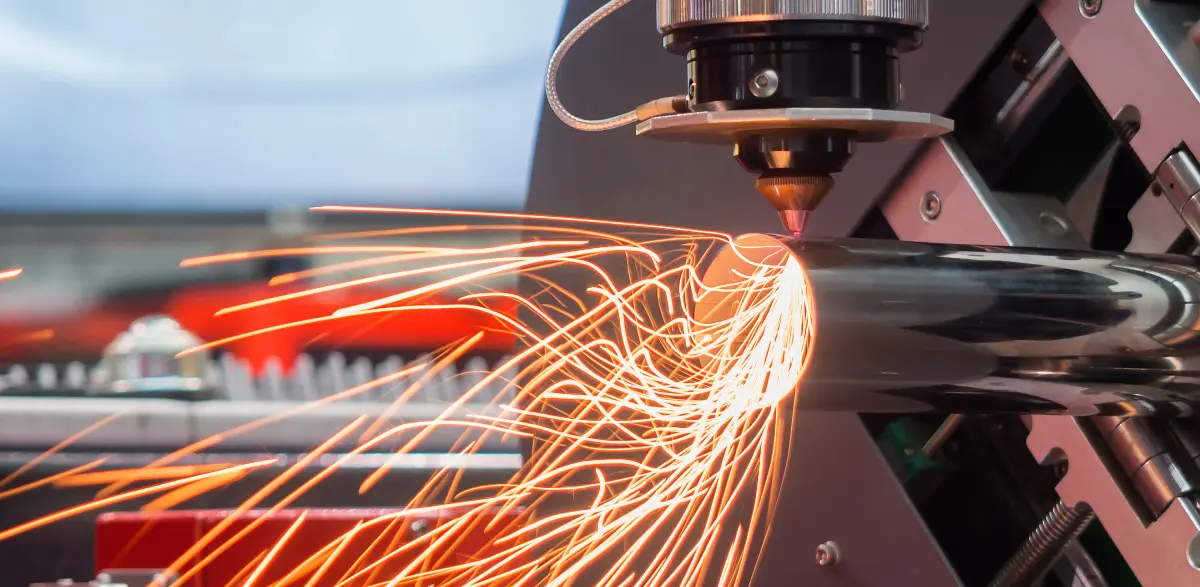

Optimized for processing a wide range of metals across diverse manufacturing environments.
Our systems are widely used in steel production, packaging, gifts, automotive, jewelry, aerospace, machinery fabrication, electronics, semiconductors, and plastics/rubber industries.
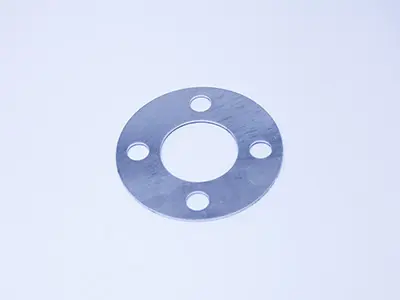 Aluminum
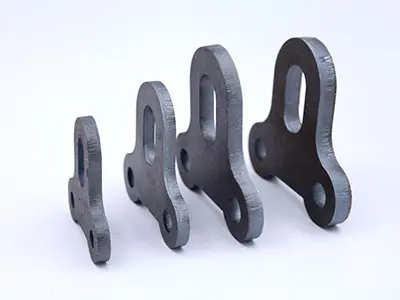 Carbon Steel
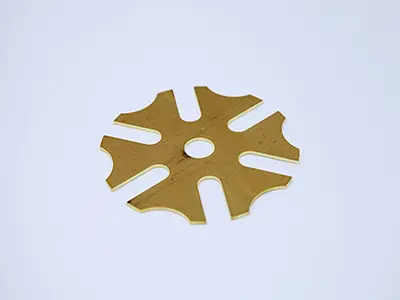 Copper
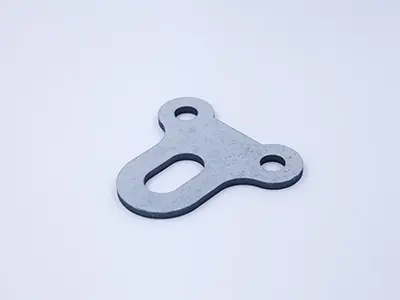 Galvanized
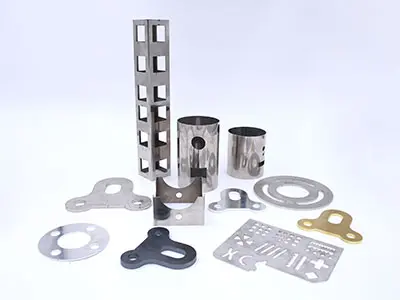 Other Metal
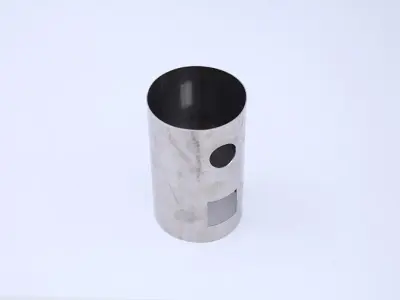 Round Tube
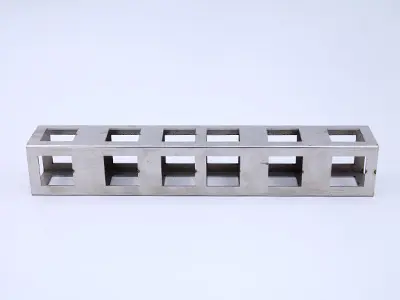 Square Tube
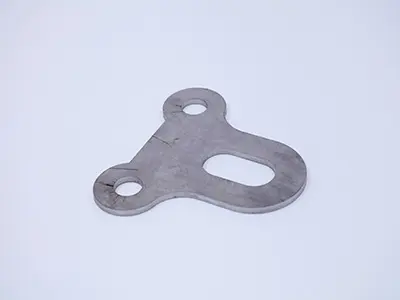 Stainless Steel
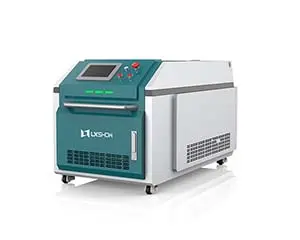
Reliable systems designed to support thick-plate processing and high-volume cutting workflows.
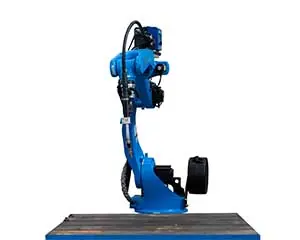
Provides stable performance for automated surface reinforcement of heavy-duty components.
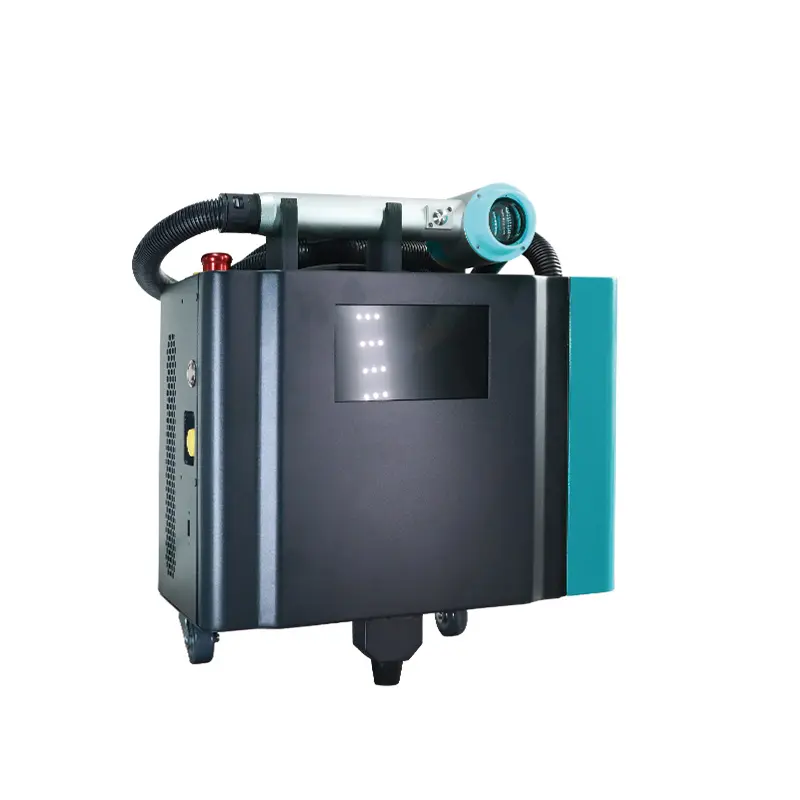
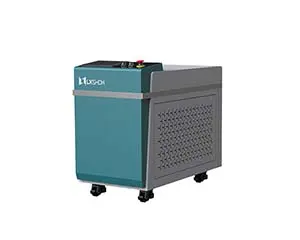
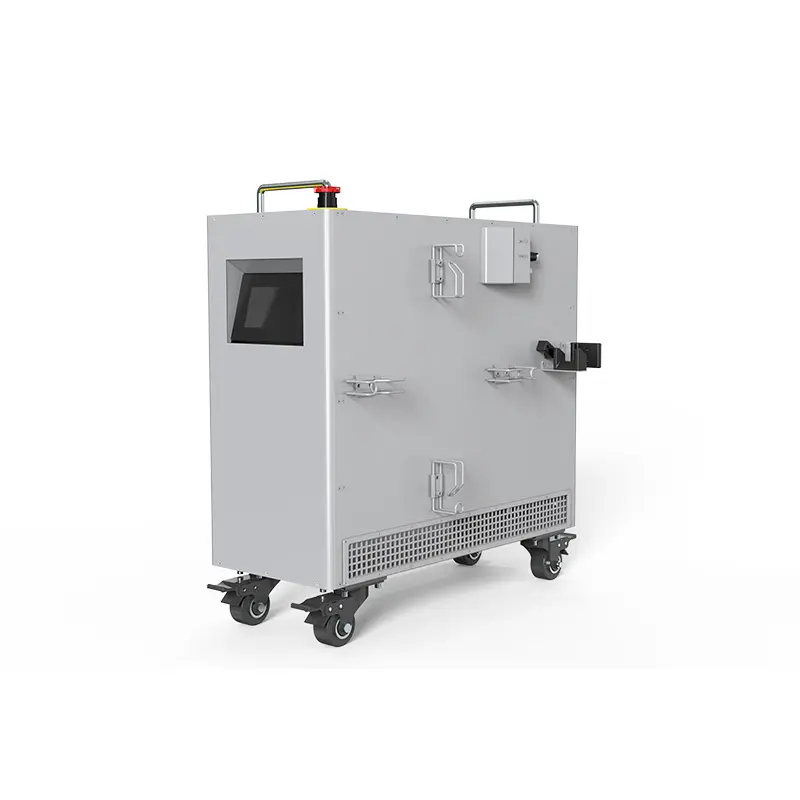
Eco-friendly, chemical-free solutions for high-efficiency metal surface prep and rust extraction.
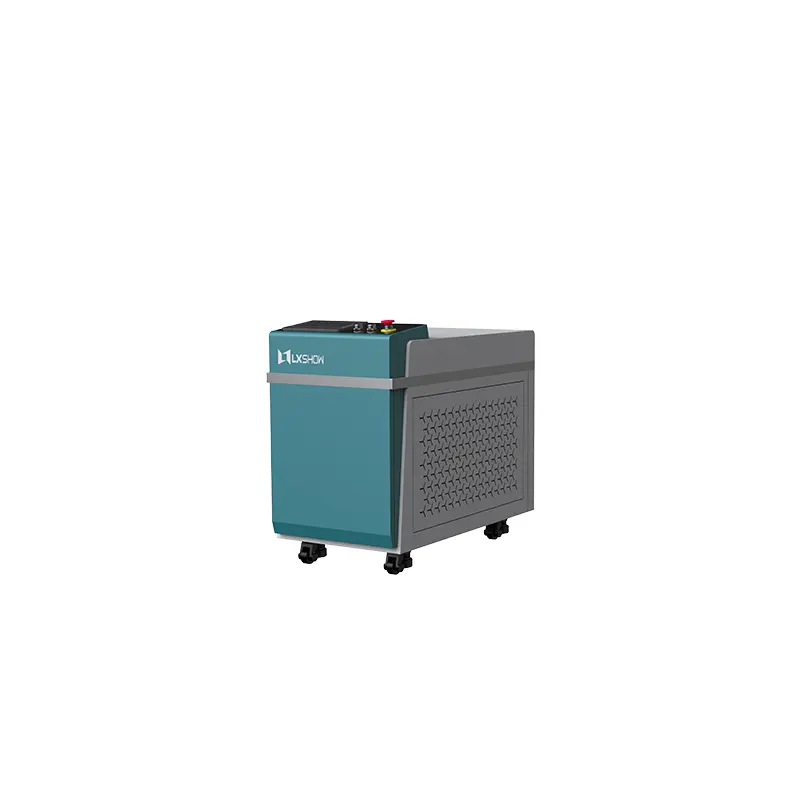
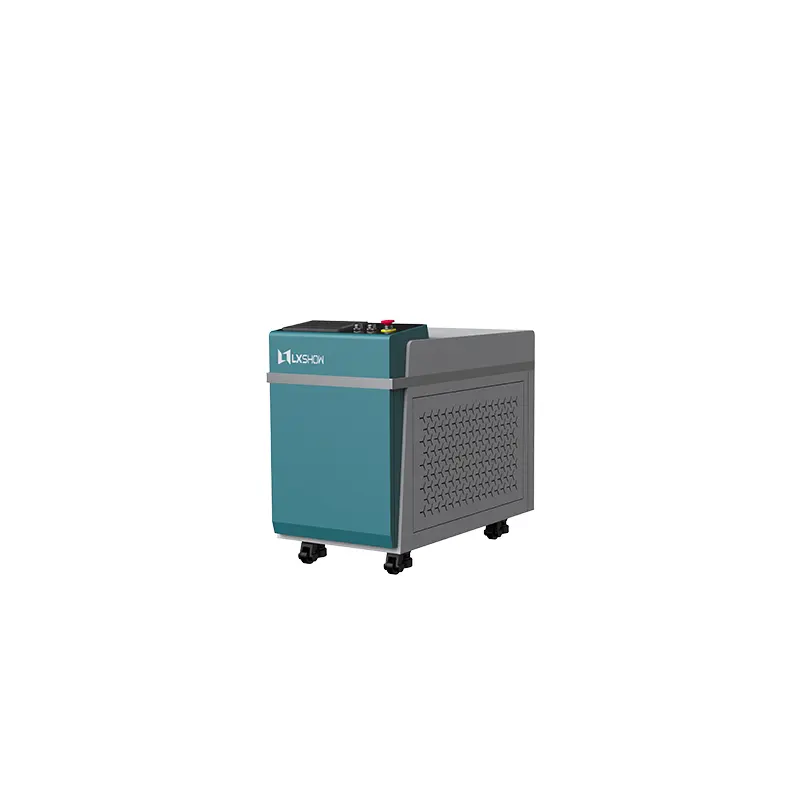
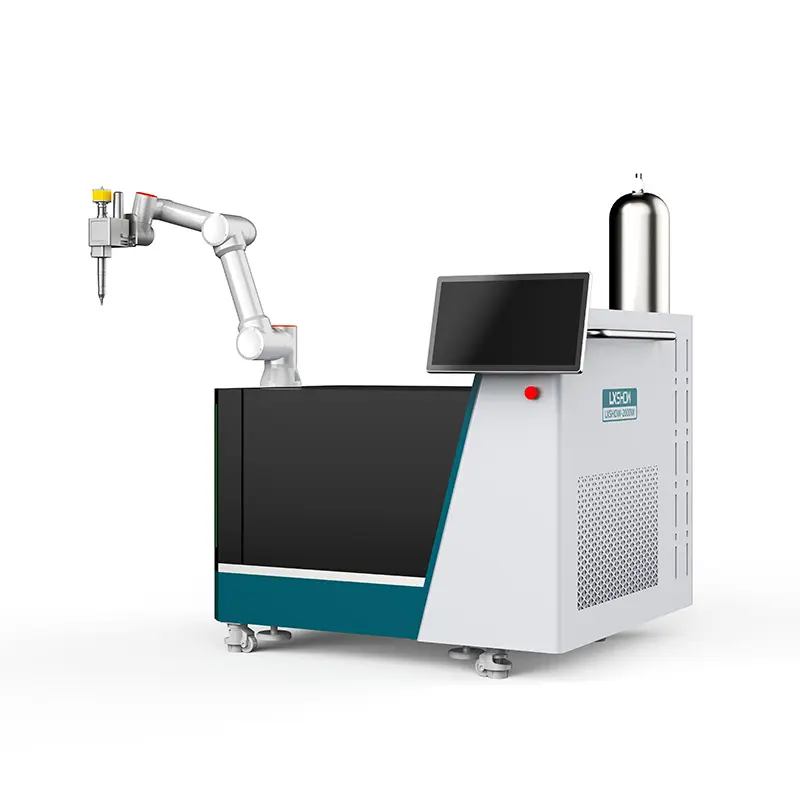
High speed joint penetration with reduced deformation on light sheets and structures.
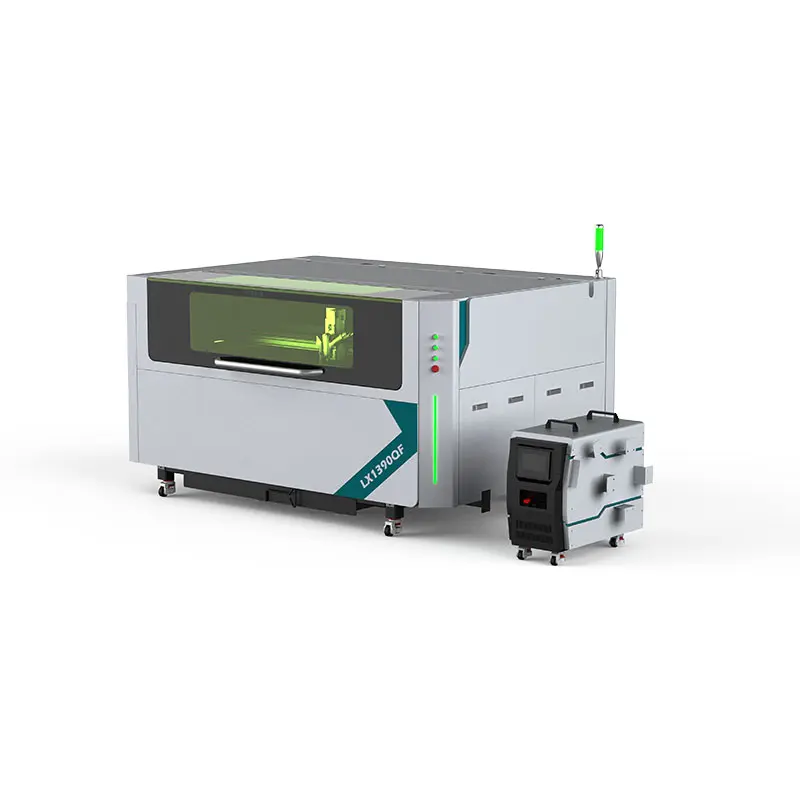
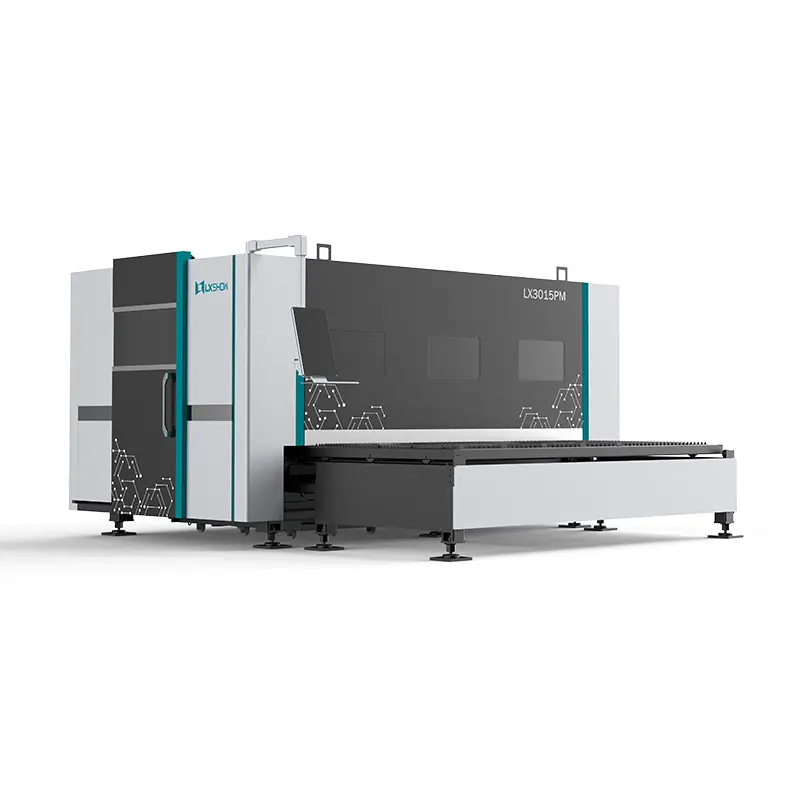
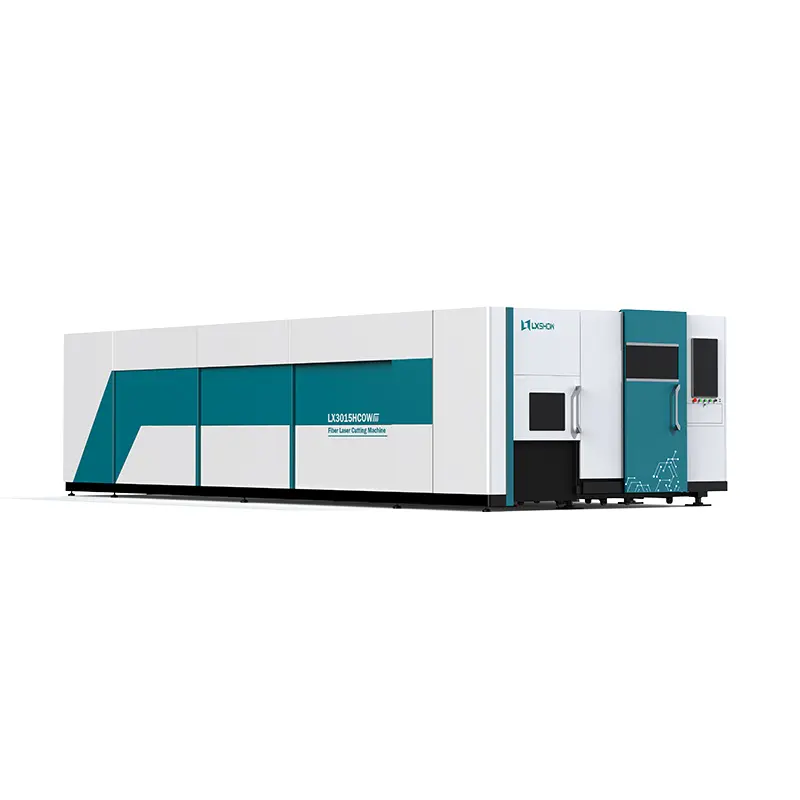
Our core range of high-efficiency laser cutting machines for processing sheet metals and tubes.
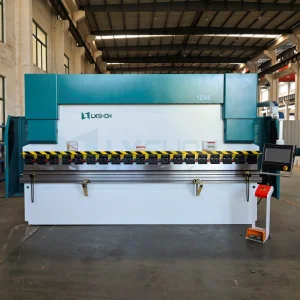
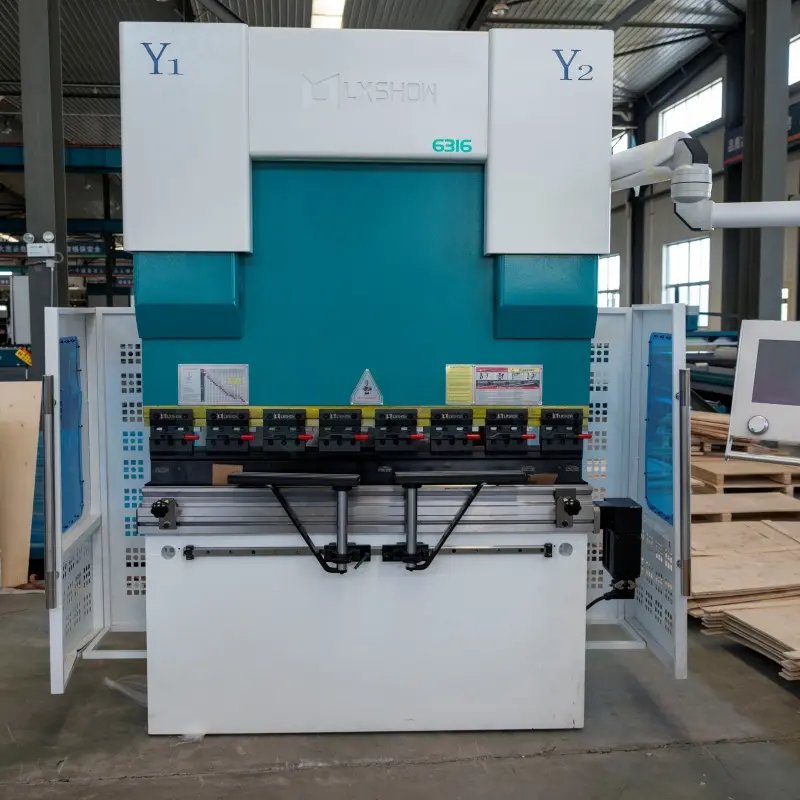
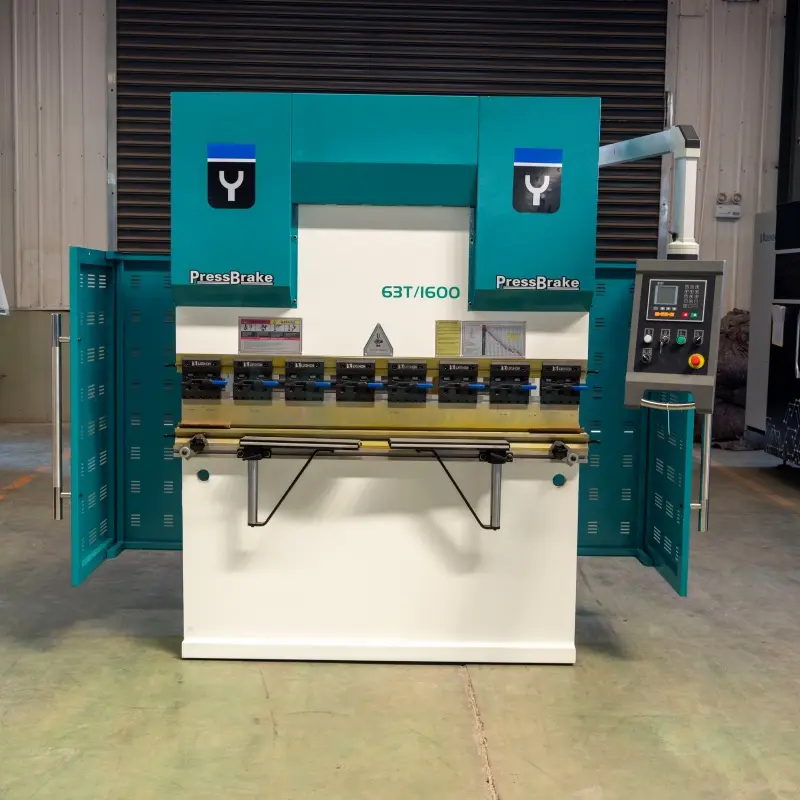
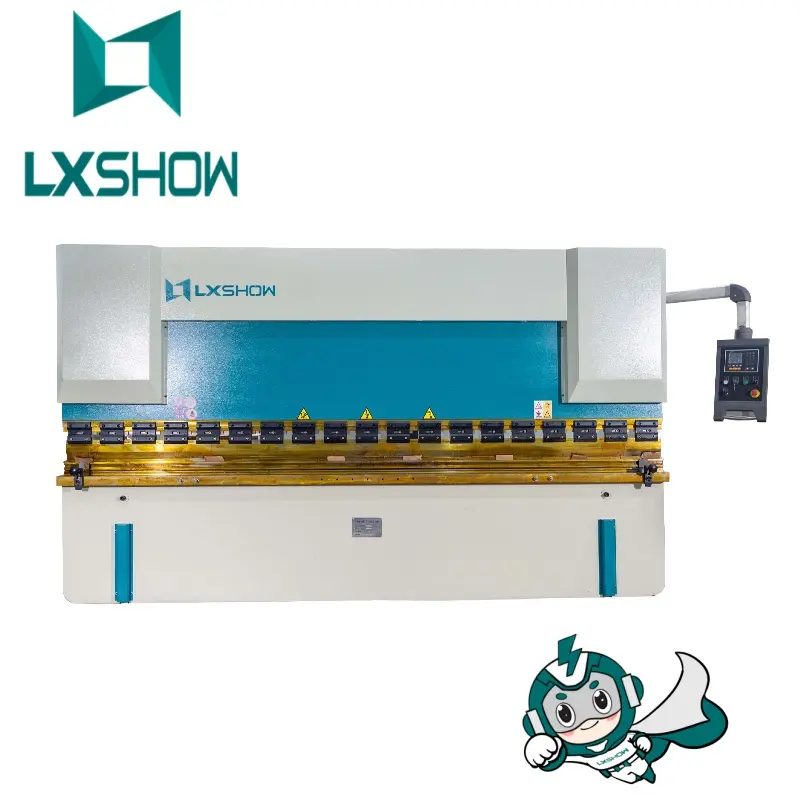
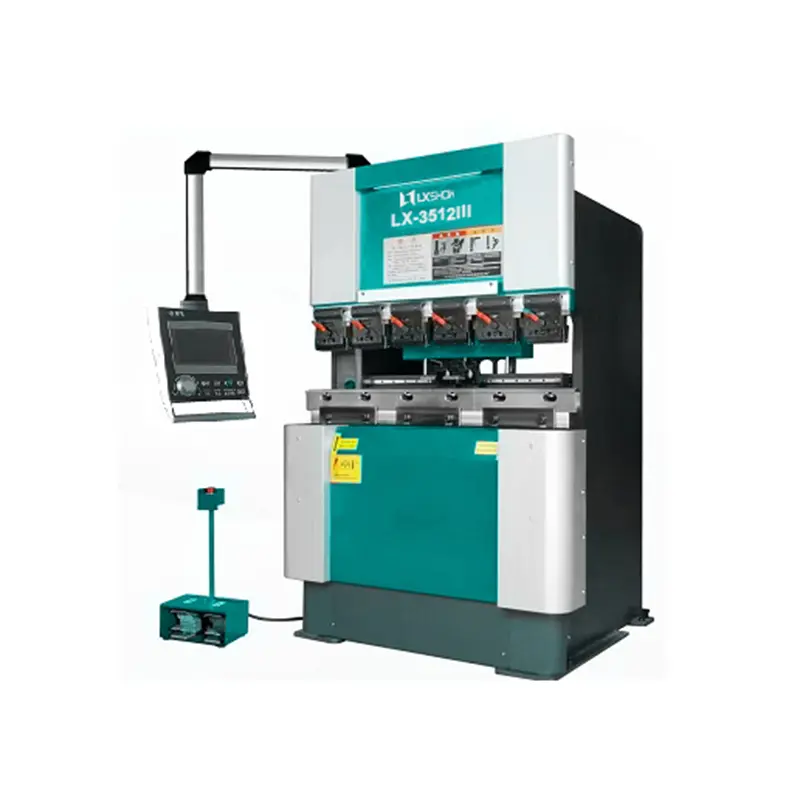
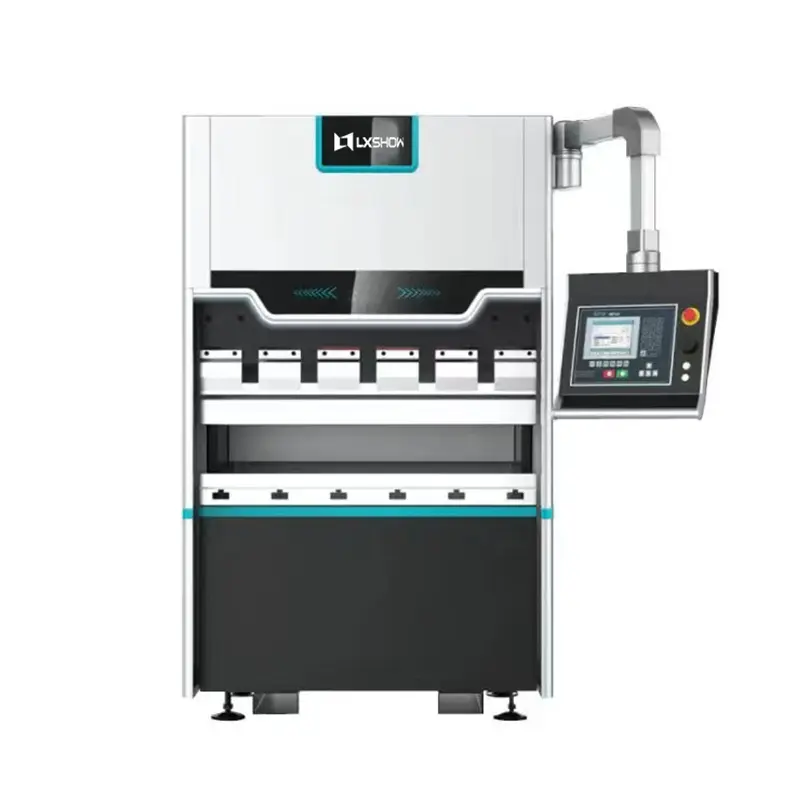
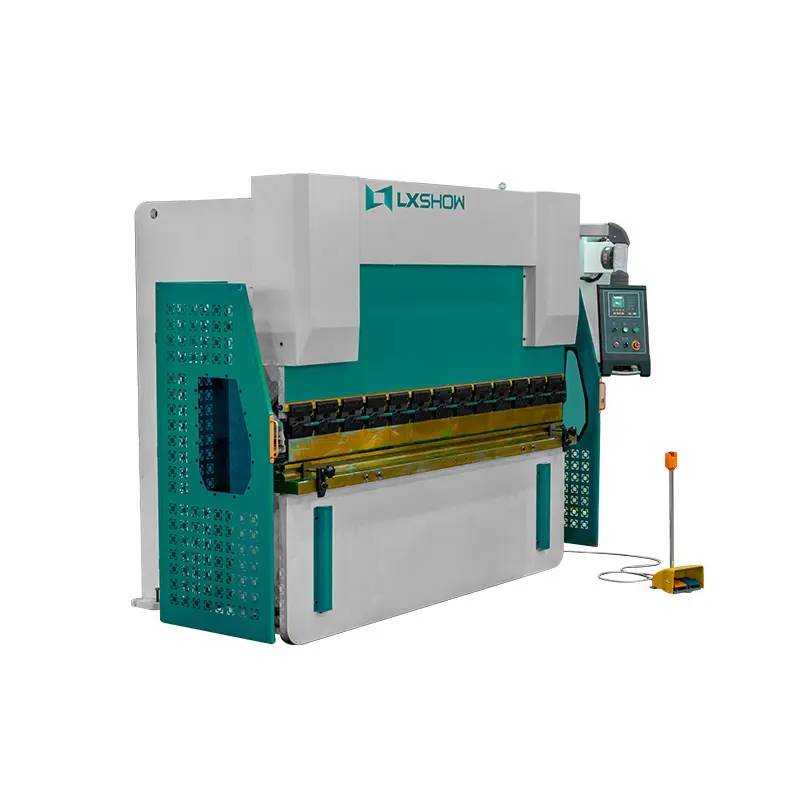
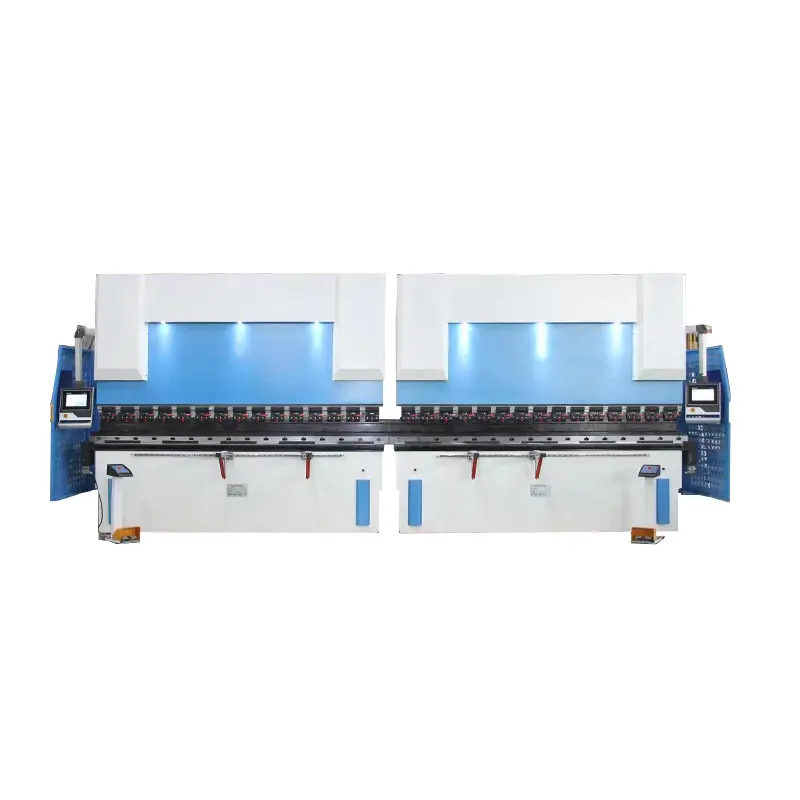
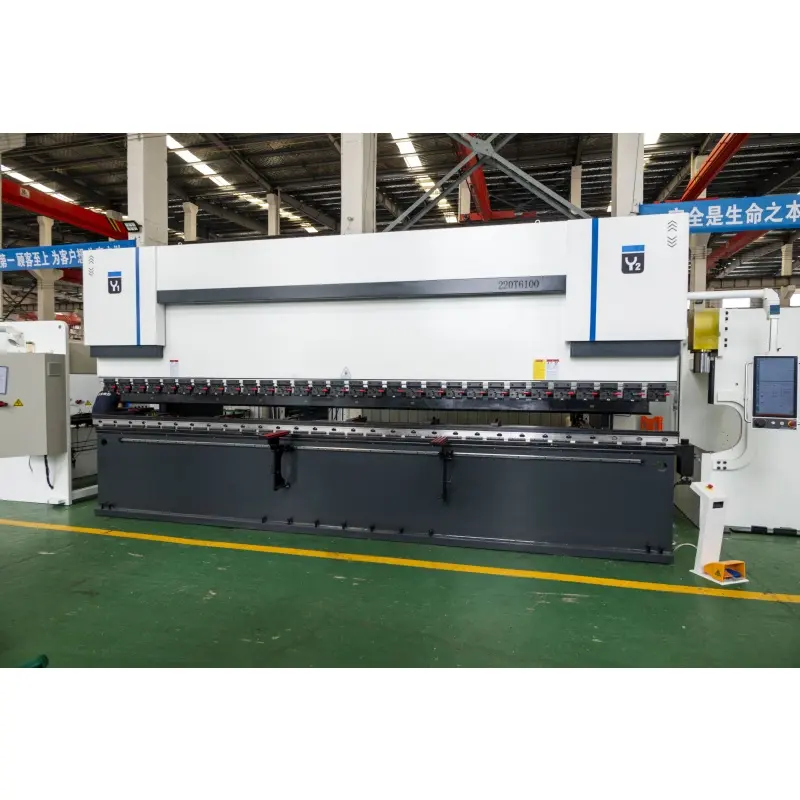
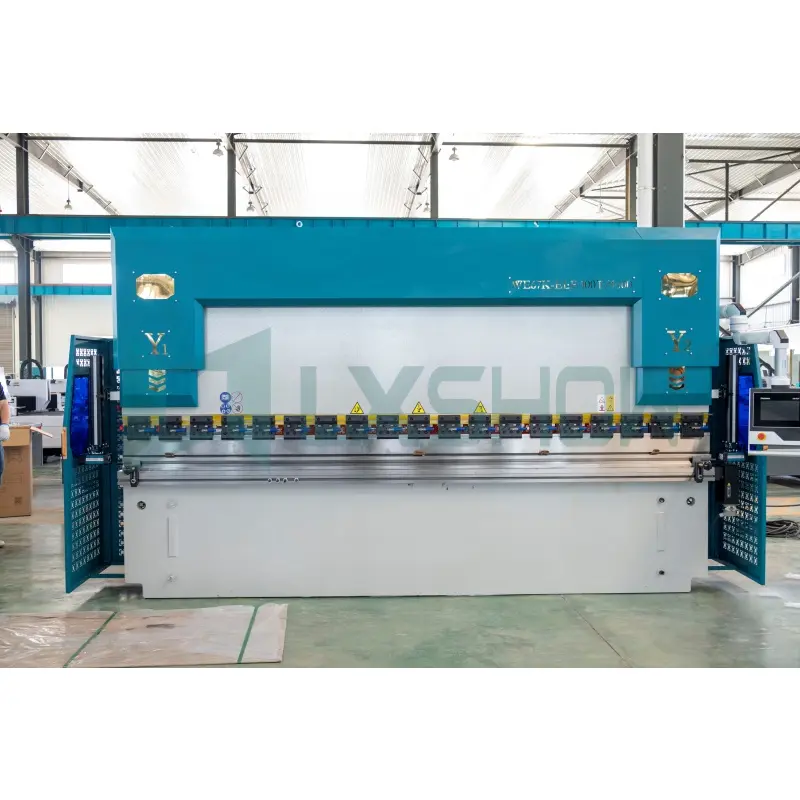
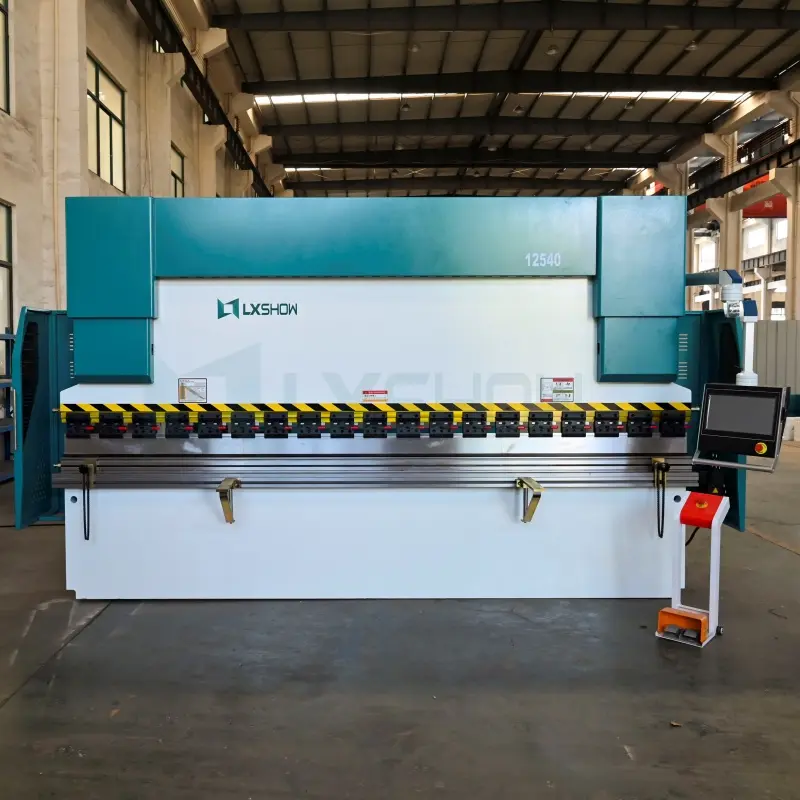
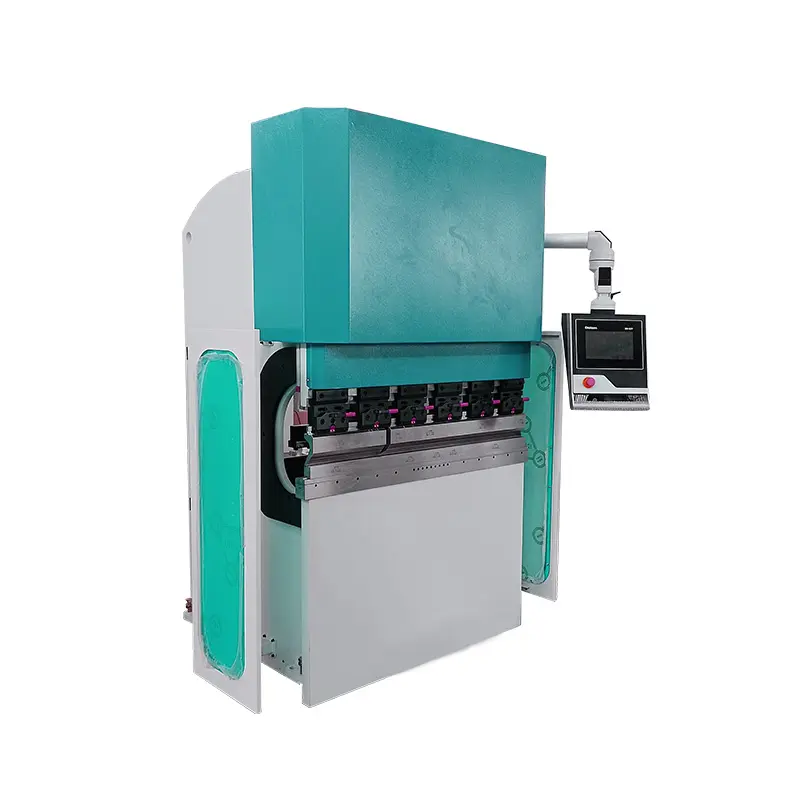
Electro-hydraulic servo press brakes offering high angle control and structural repeatability.
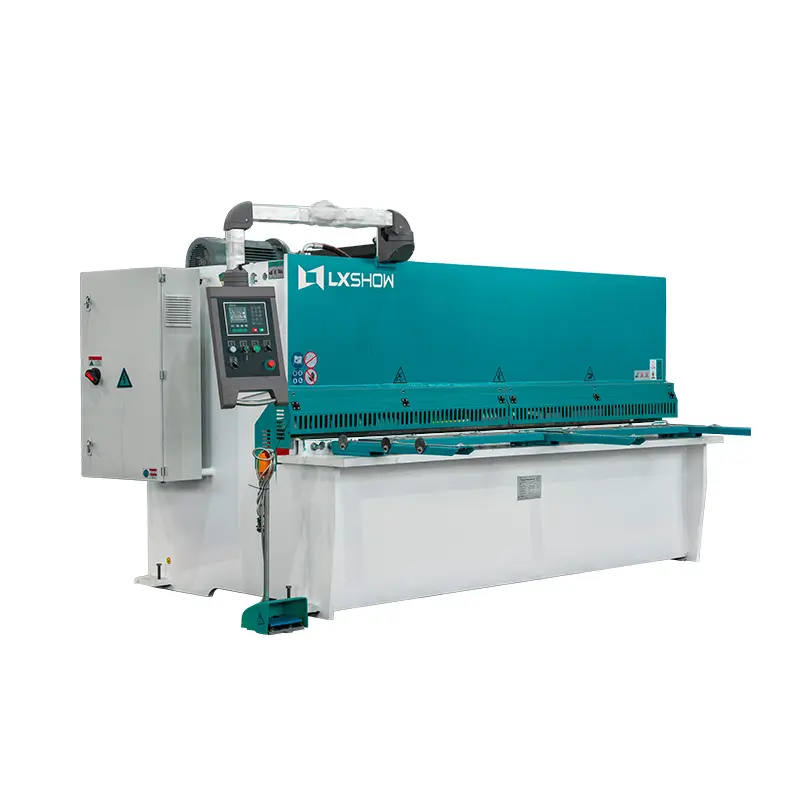
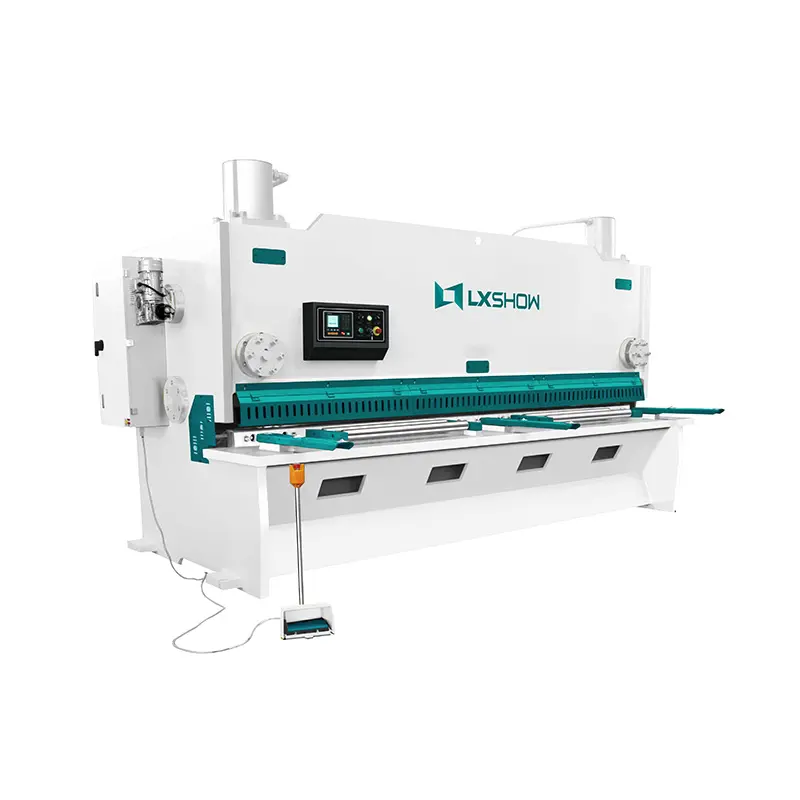
Heavy duty hydraulic gate shearing systems engineered for reliable edge cutting.
Expert answers resolving technical concerns, compliance queries, and after-sales support protocols.
The choice is based on material thickness and cutting speed goals. A 3kW to 6kW laser source is cost-efficient for processing mild steel up to 20mm and stainless steel up to 10mm. For consistent processing of thick metals (25mm+ mild steel or stainless steel) with clean edges, 12kW to 20kW systems are recommended. These higher-power sources also allow for high-speed nitrogen-assisted cutting of thin sheet metal, improving processing throughput.
We provide global technical support through local field service partners and remote diagnostics. Our systems feature built-in IoT controllers that allow our engineers to access the CNC system remotely (with the user's permission) to update software, configure cutting parameters, and identify sensor faults. For physical maintenance, we maintain a network of local engineers who are trained to handle optic alignment and guide rail calibration.
Under CE and FDA standards, high-power fiber lasers (Class 4 laser systems) must be operated with appropriate safety measures to prevent eye damage from scattered light. Fully enclosed systems with certified protective viewing windows (OD6+ protection level) are recommended. Dual-circuit safety interlocks, emergency stop switches, active light-barrier protection, and integrated dust extraction systems (complying with EN ISO 15012 standards) are required to maintain a safe working environment.
The assist gas affects both the cutting speed and the edge finish. Oxygen is used for carbon steel cutting, using an exothermic reaction that allows for lower laser power but leaves an oxidized edge that requires treatment before welding. Nitrogen is used for stainless steel and aluminum, cooling the cut zone to produce a clean, oxide-free edge. Compressed air (filtered and dried to high standards) is a cost-effective alternative for thin sheets, offering high cutting speeds at lower operational cost.
A cast-iron bed offers superior thermal stability and vibration dampening compared to welded structures. The casting process minimizes internal stresses, preventing deformation during high-speed, high-acceleration cutting (up to 1.5G). This maintains mechanical alignment and processing accuracy (within 0.02mm) over years of industrial use.
Complete selection of precision laser cutting, tube processing, and surface finishing machinery.
 Lxshow