Explore our top-tier manufacturing systems engineered for high efficiency, dimensional precision, and structural endurance across global production networks.
The global metal fabrication sector is undergoing a profound structural shift, characterized by transition from mechanical processing to high-precision thermal photonics. Industrial demand for speed, design flexibility, and material utilization has positioned laser cutting as the primary standard across the automotive, aerospace, structural architecture, and medical electronics sectors. Globally, the sheet metal fabrication market is projected to expand significantly, driven by lightweight design directives and the integration of smart factory paradigms (Industry 4.0).
As dynamic supply chain models demand faster turnaround cycles, procurement managers increasingly turn to China laser cut metal manufacturers and exporters. China has established integrated manufacturing clusters (particularly in Shandong, Jiangsu, and Guangdong) that combine localized component ecosystems (such as laser generators, cutting heads, gas systems, and bed structures) with advanced manufacturing practices. This integration enables domestic suppliers to deliver high-quality, high-speed machines globally at optimized cost levels.
The rise of fiber lasers (1um wavelength, delivery via fiber optic cables) has largely replaced older CO₂ gas laser systems (10.6um). High power density allows for processing of thin materials at speeds five to ten times faster than gas lasers. This also reduces overall power usage and removes the need for complex mirrors. This breakthrough has enabled industries to design complex geometric configurations in structural steels and reflective metals like copper and aluminum, which were previously difficult to cut due to back-reflections.
| Technology Variable | Fiber Laser Cutting (1kW - 60kW) | CO2 Laser Cutting (Standard) | Mechanical Stamping / Punching |
|---|---|---|---|
| Processing Speed | Ultra-High (Up to 100m/min on thin sheets) | Moderate (Limit 15-20m/min) | High (Only for repetitive geometry) |
| Material Capability | Carbon Steel, SS, Brass, Copper, Aluminum | Non-conductive, Carbon Steel, Stainless | Limited to specific sheet thickness |
| Operating Costs | Low (High electrical efficiency ~30%) | High (Low electrical efficiency ~8%) | Moderate (Heavy tool wear/retooling cost) |
| Dimensional Accuracy | ±0.03mm to ±0.05mm | ±0.1mm to ±0.15mm | ±0.2mm |
| Setup/Tooling Cost | Zero (CNC, CAD-to-Cut Direct) | Zero (CNC, CAD-to-Cut Direct) | Very High (Custom molds/dies required) |
Our long-term engineering vision targets full factory automation and the development of intelligent, self-correcting optical platforms.
Moving beyond basic cutting to high-thickness processing. With 30kW+ fiber heads, manufacturers can bypass oxygen gas cutting, utilizing high-pressure air or nitrogen to cut through 50mm carbon steel. This reduces oxidation layers and eliminates secondary grinding steps.
Integrating real-time vision algorithms into the laser cutting head. These systems monitor the kerf and plasma emission, adjusting cutting feed rate, gas pressure, and nozzle alignment on the fly. This prevents slag build-up and maintains quality over long production runs.
Transitioning from standalone machines to fully automated processing lines. Standardized communications connect CNC fiber cutters, automatic pallet changers, metal bending cells, and laser cleaning setups for continuous operation.
Different metals require distinct thermal strategies to maintain structural integrity and prevent stress cracking. Below is our engineering classification guide.
1. Stainless Steel Cutting: Standard operations use high-pressure Nitrogen (N₂) gas to shield the melt pool. This prevents metal oxidation, ensuring clean, weld-ready edges. High beam quality is critical to avoid micro-burr formations along the lower edge of the kerf.
2. Carbon Steel Cutting: Oxygen (O₂) auxiliary gas is typically used to support exothermic reactions, allowing lower-power systems to cut thicker plates. For thick materials, pulse modulation parameters are balanced to prevent thermal runaway and maintain consistent dimensions.
3. Highly Reflective Alloys (Copper, Brass, Bronze): Because these materials reflect 1um laser wavelengths, they can damage optical assemblies. Modern fiber lasers feature integrated optical isolators and back-reflection absorption systems to protect the fiber laser module.
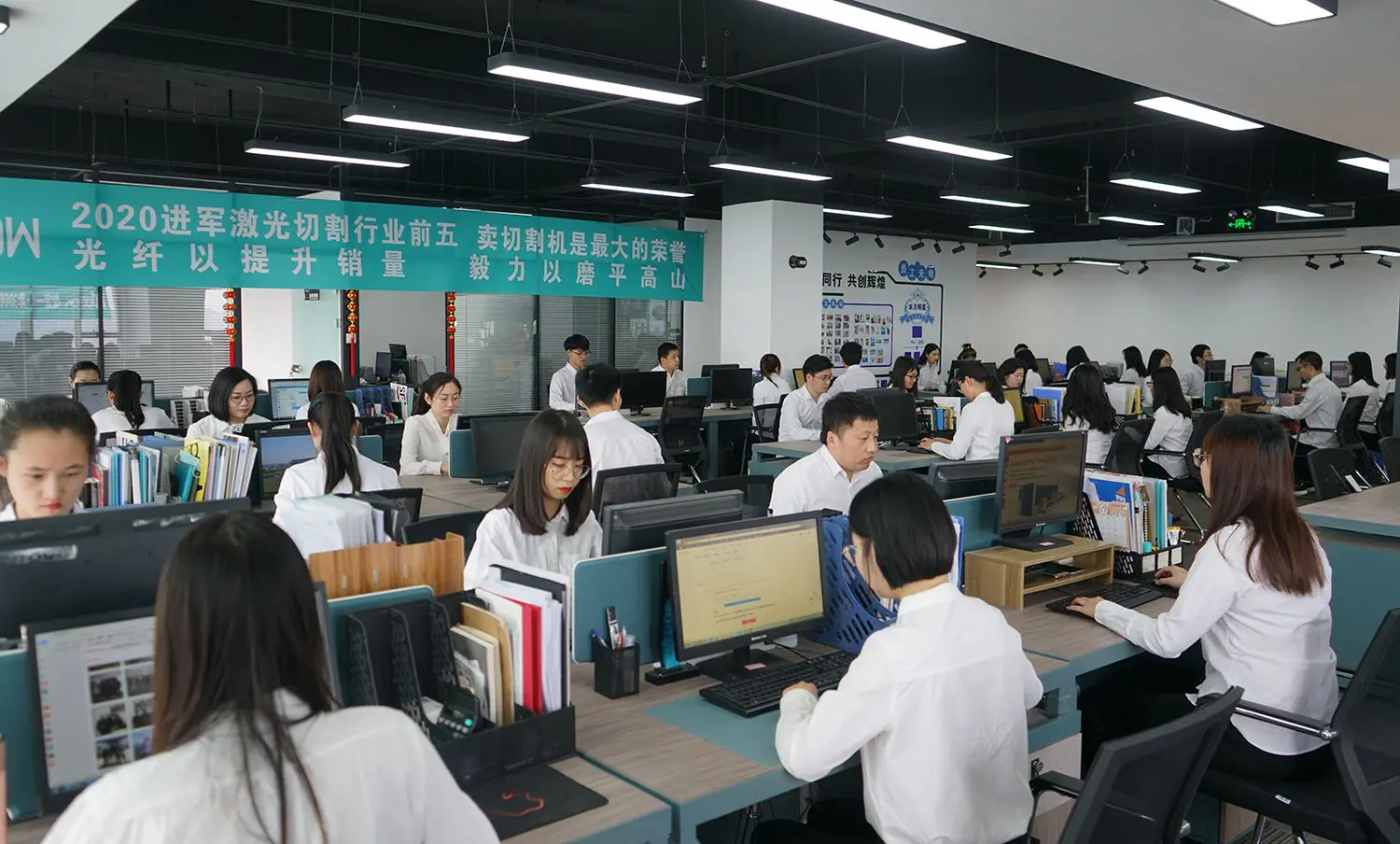
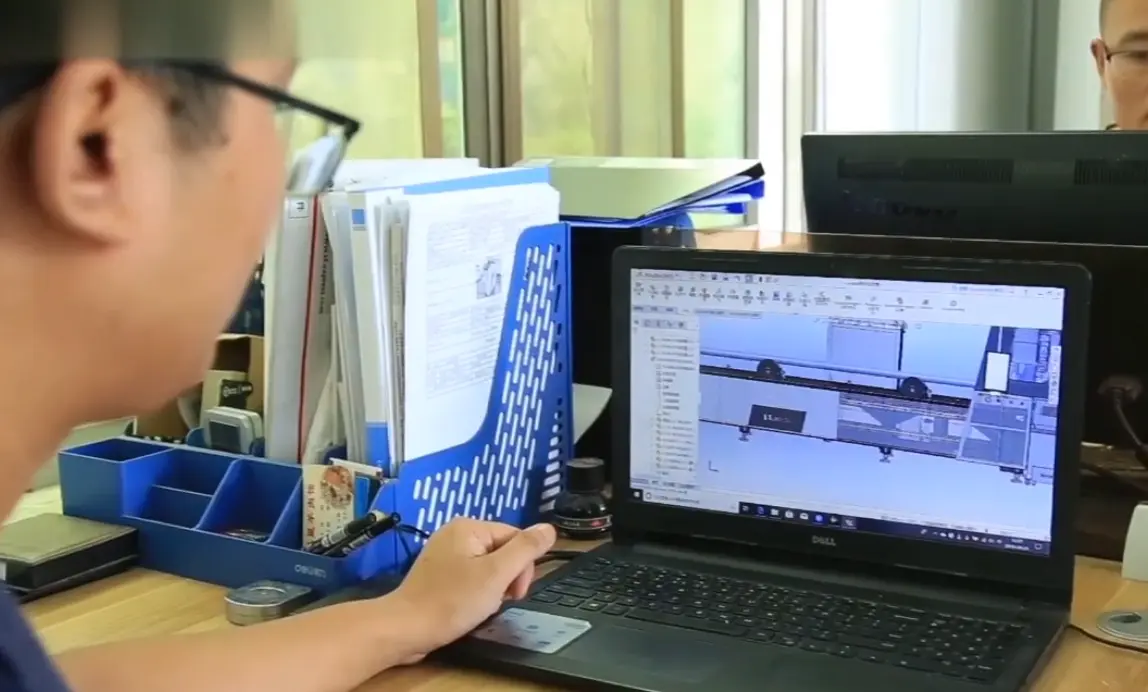
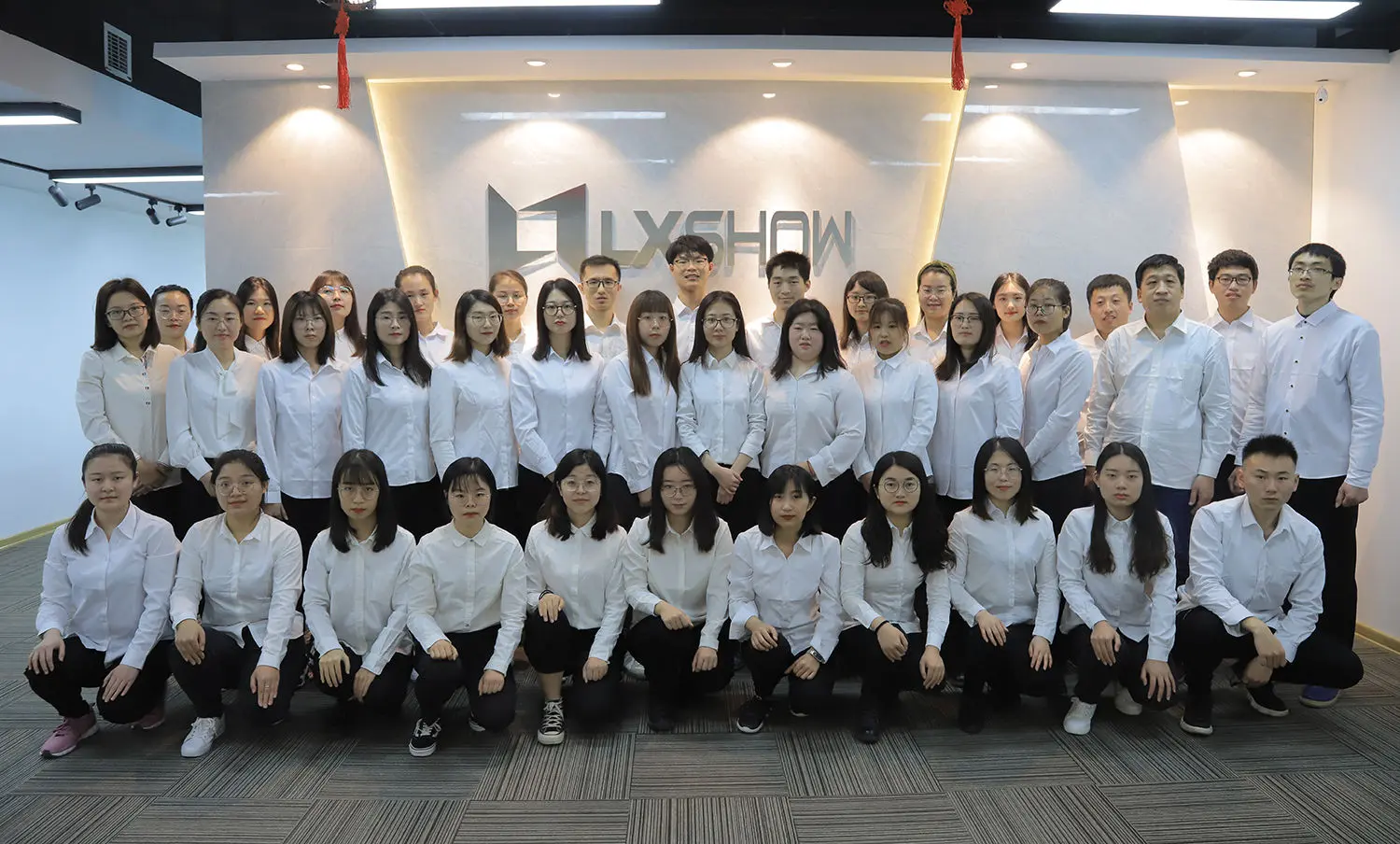
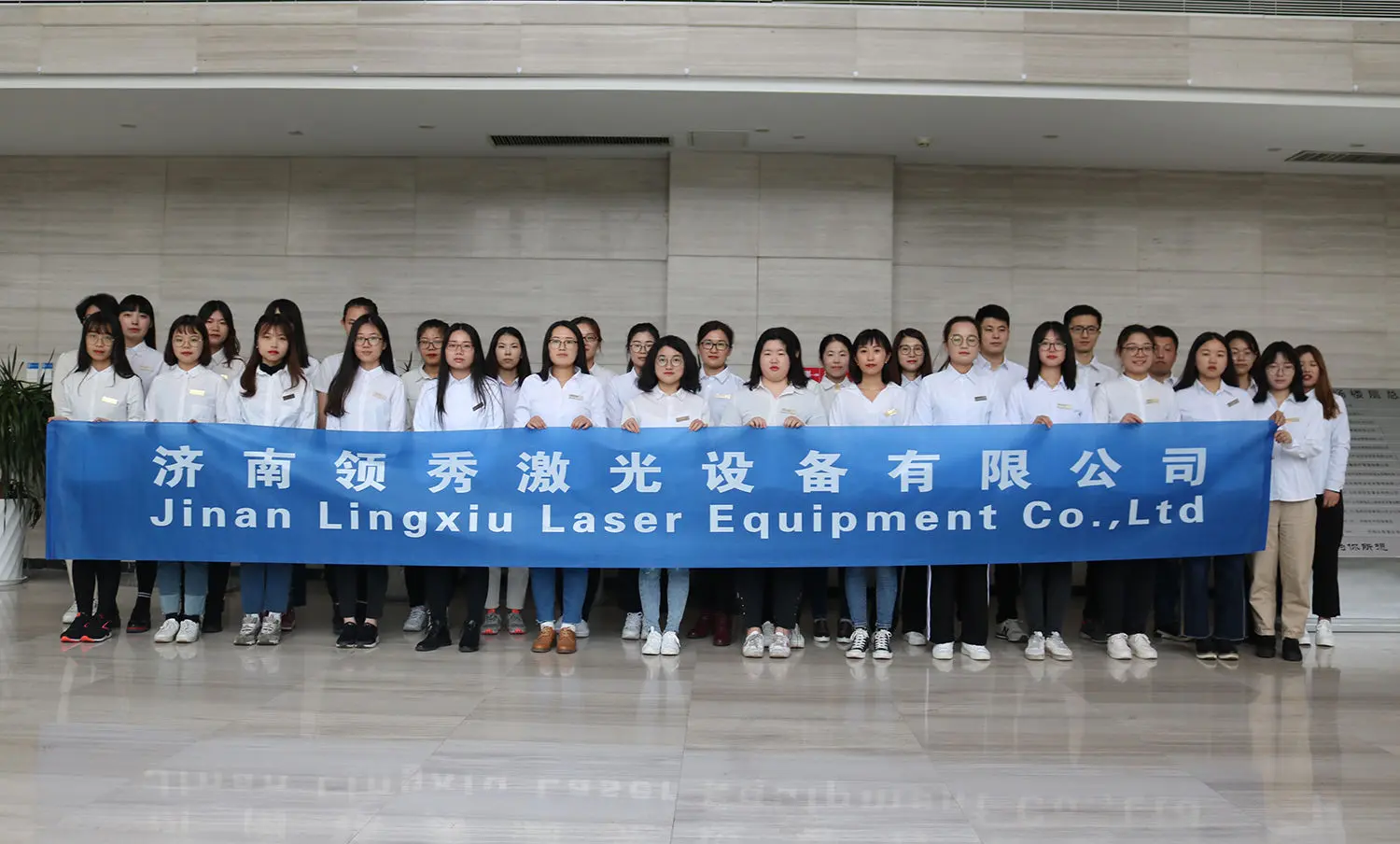
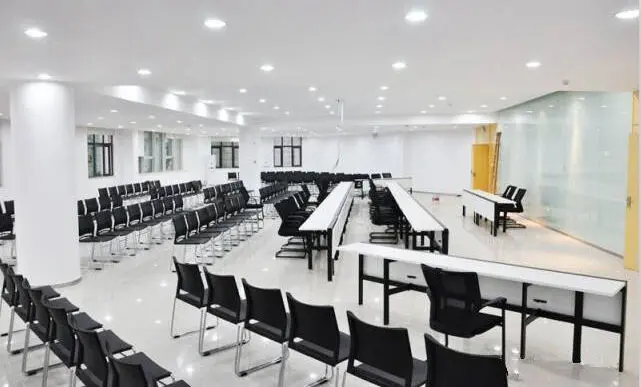
Established in July 2004, our facility covers more than 32,000 square meters of production space, supported by 500+ square meters of dedicated research and engineering space.
We focus on providing comprehensive technical support through our specialized laser cutting, laser welding, and laser cleaning communication center. All machines have passed the European Union CE authentication, American FDA certificate, and are certified to ISO 9001 standards.
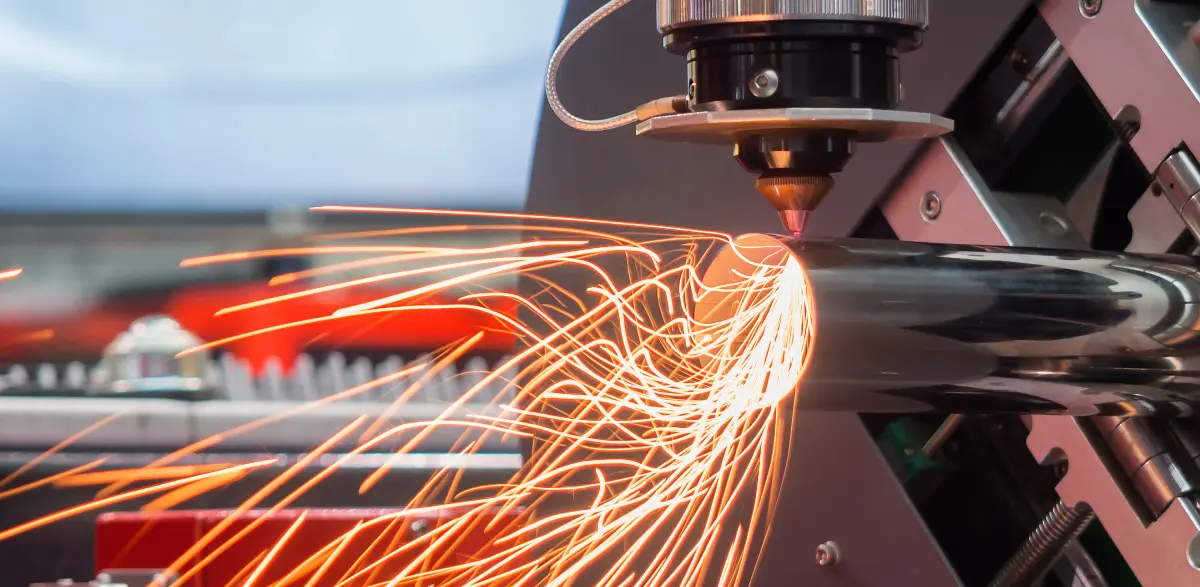
Our products are exported to the USA, Canada, Australia, Europe, Southeast Asia, Africa, and other regions—covering more than 120 countries and areas. We also supply OEM services for more than 30 major global manufacturing brands, ensuring quality and engineering compliance with diverse international electrical standards.
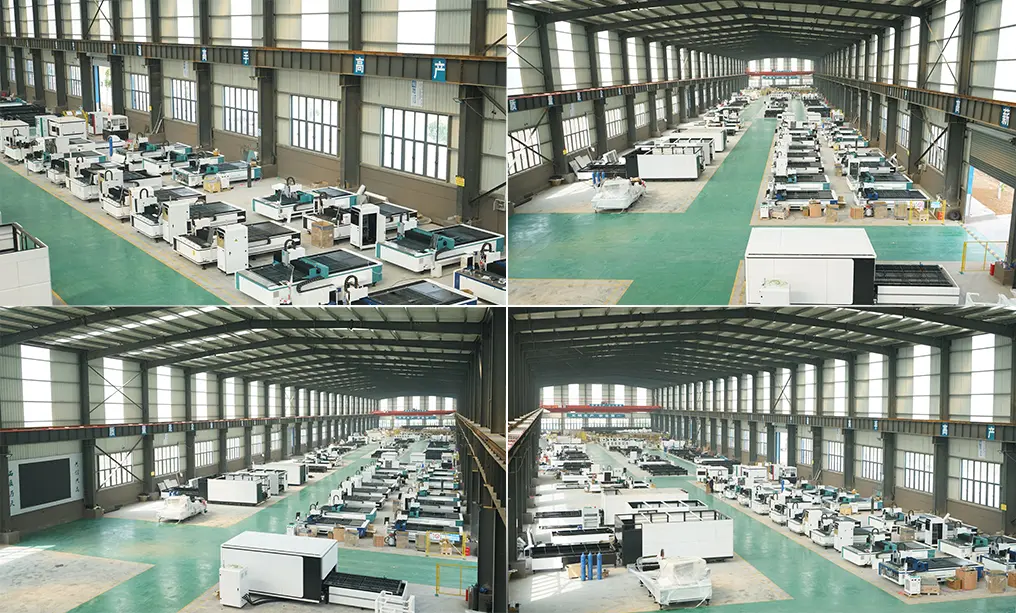
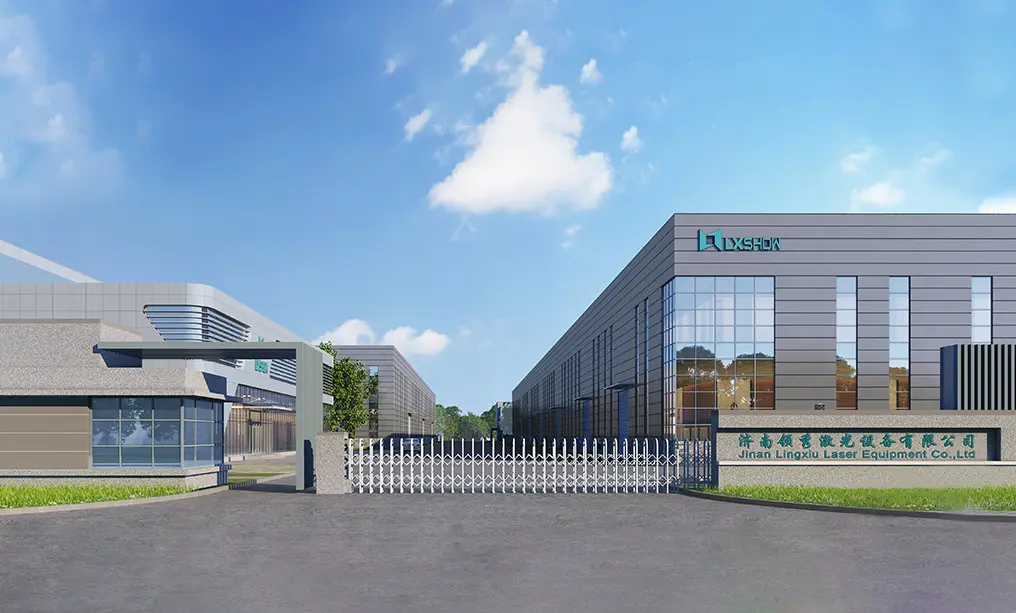

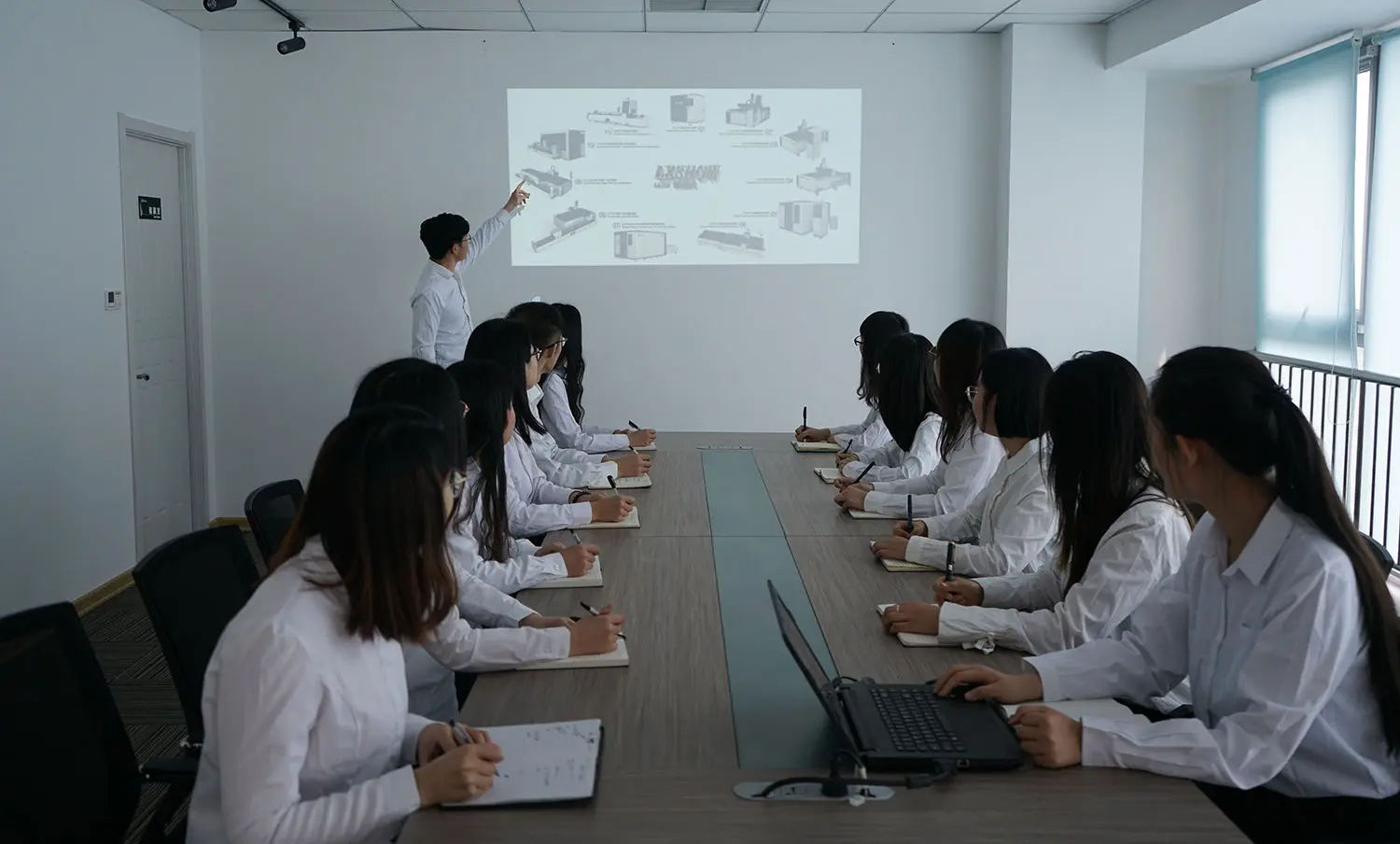
We offer a complete suite of solutions for metal fabrication, processing materials from raw sheets to finished, polished components.
Our systems are deployed across diverse sectors, including steel fabrication, packaging, custom gifting, automotive assembly, jewelry design, aerospace, machinery manufacturing, integrated circuits, and plastics processing.
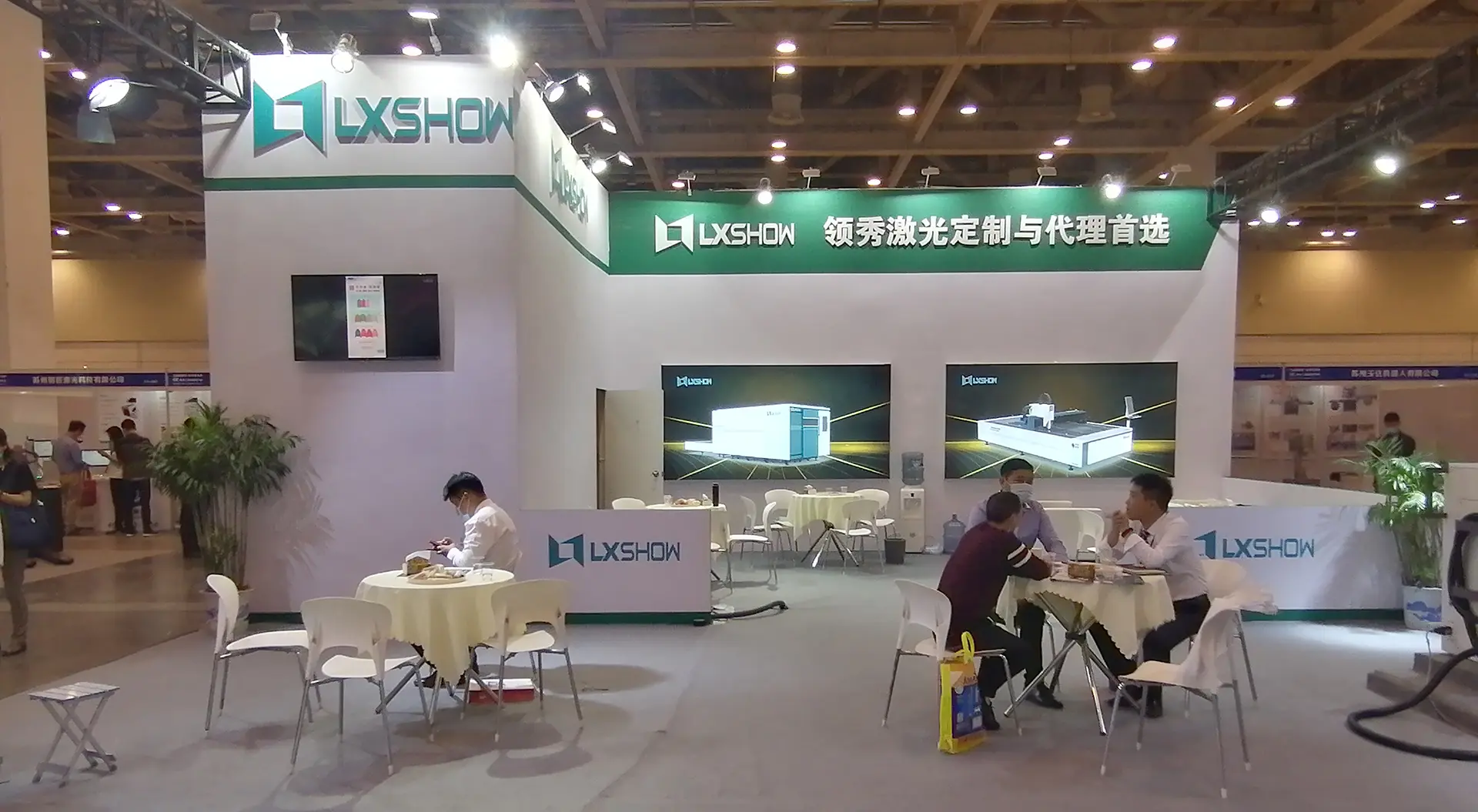
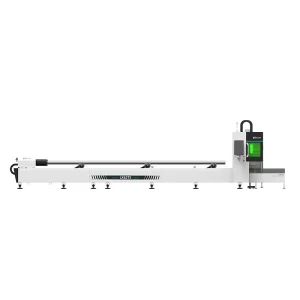
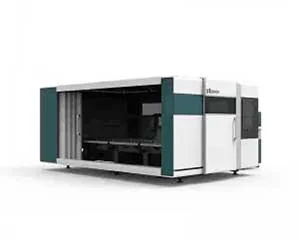
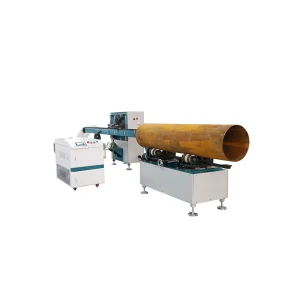
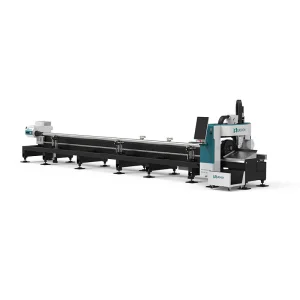
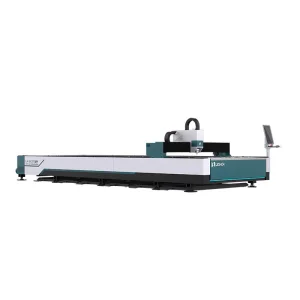
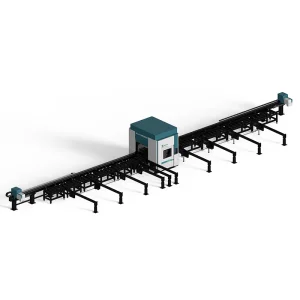
1. Laser Cutting Systems: Includes open-frame and enclosed sheet cutters, specialized tube and pipe systems, and multi-axis units for complex profiles.
2. Laser Welding Systems: High-speed handheld and robotic fiber laser welders that provide strong joints with minimal thermal distortion, reducing post-weld cleanup.
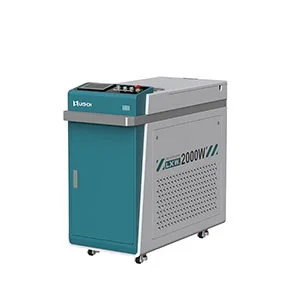
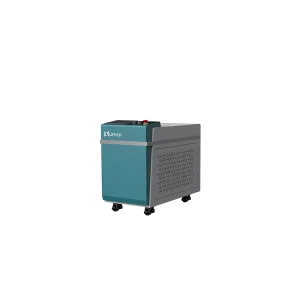
3. Laser Cleaning Systems: Advanced rust, paint, and oxide removal units using pulsed and continuous-wave lasers to clean substrates without damaging the base metal.
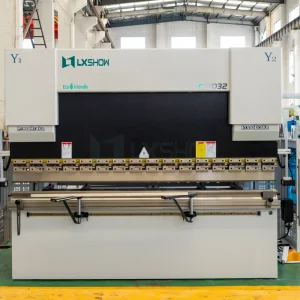
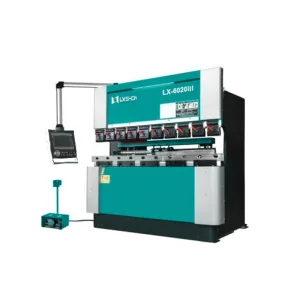
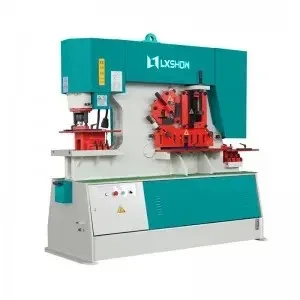
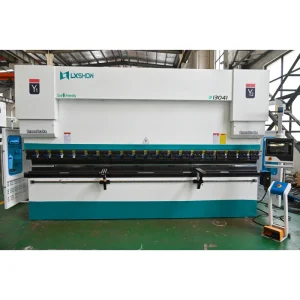
4. Hydraulic Bending & Shearing: CNC press brakes and shearing machines designed to work in tandem with our laser cutters for precise bending and sizing.
Expert answers to common engineering, procurement, and operation questions about fiber laser equipment.
The choice depends on your target material and edge finish requirements. Nitrogen is used for stainless steel and aluminum, acting as an inert shield that prevents oxidation for a bright, weld-ready edge. Oxygen is used for carbon steel, reacting exothermically to help cut through thick plates, though it leaves an oxide layer that must be removed before painting. Compressed Air is an economical option for thin sheets, providing fast cuts on carbon and stainless steels.
High-quality fiber laser sources have an operational lifespan of approximately 100,000 hours, which equates to about 10 to 12 years of continuous multi-shift operation. Unlike CO2 systems, fiber systems do not require regular tube replacements, gas refills, or optical mirror alignments, reducing ongoing maintenance costs.
Reflective metals like copper, brass, and gold can reflect laser energy back up the delivery fiber, potentially damaging the optical components. Modern fiber systems incorporate optical isolators and sensors that detect back-reflections, automatically adjusting power or shutting down the beam within microseconds to protect the laser source.
Exporters must meet the regulatory requirements of the destination country. In the European Union, machines must have CE marking, which verifies compliance with mechanical, electrical, and laser safety standards (EN ISO 11553-1). For the United States, FDA registration and compliance with CDRH (Center for Devices and Radiological Health) guidelines are required to ensure safe laser radiation levels.
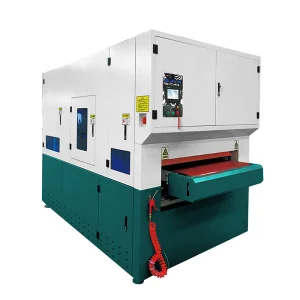
Our high-power CNC laser cutting systems, heavy-duty press brakes, and edge-finishing machinery are built for continuous, high-volume production.
 Lxshow