Best Stainless Steel Laser Cutting Supplier & Suppliers

Precision Engineering, Intelligent CNC Processing, and Industrial Smart Manufacturing Solutions Since 2004

18+ Years
Deep Industry Experience
32,000 m²
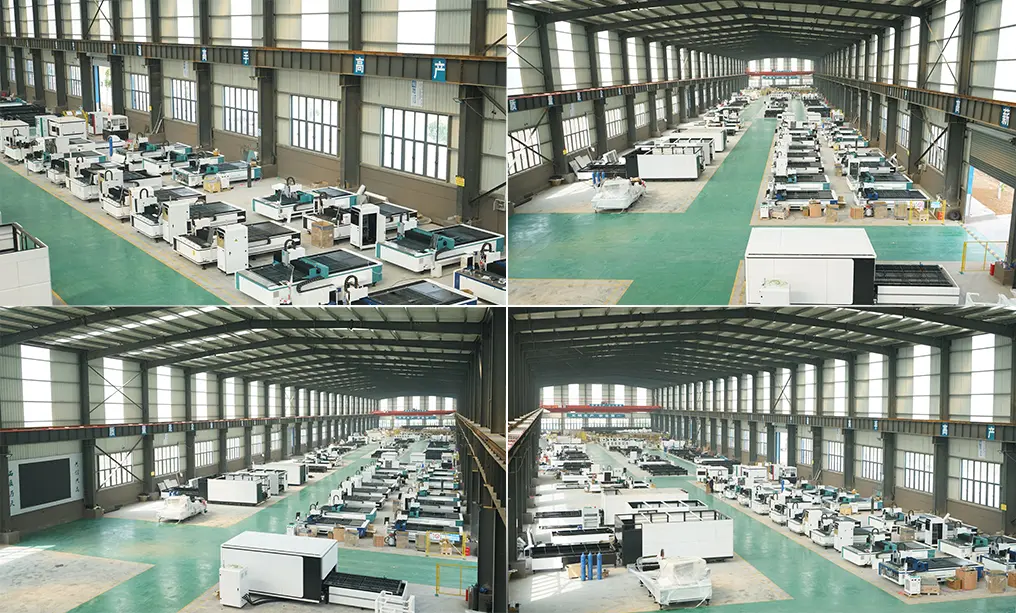
Modern Smart Factory
150+
Countries Reached
20,000+
Global Active Users

About LXSHOW Laser

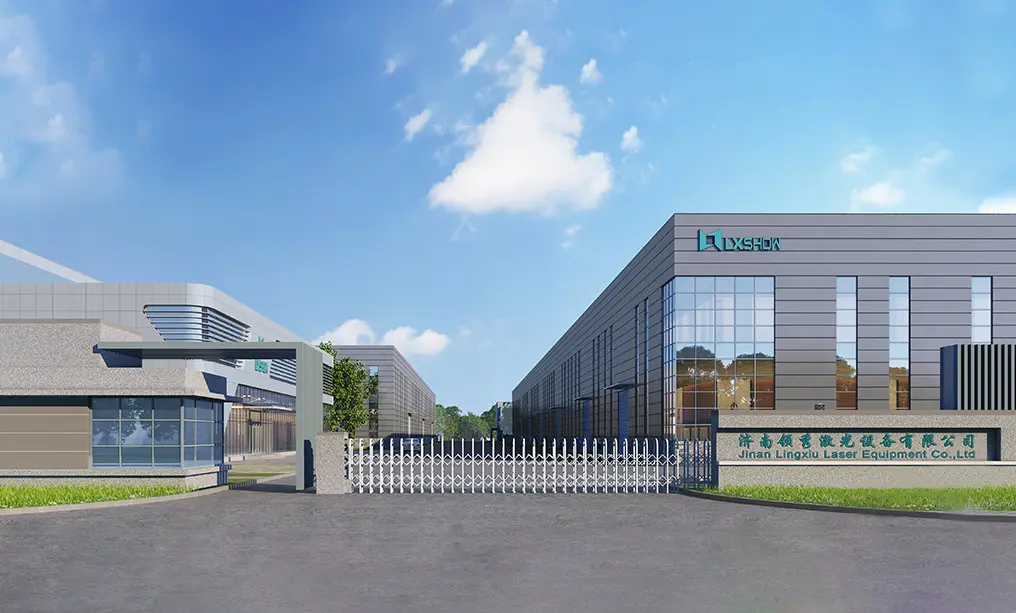
Established in July 2004, our company stands as a pioneer in the laser smart equipment manufacturing sector. With more than 500 square meters of specialized R&D and office space, paired with a massive 32,000+ square meter state-of-the-art production factory, we have committed ourselves to engineering the world's most reliable laser solutions. Over the past 18 years, we have dynamically expanded our global footprint, catering to over 20,000 users in 150+ countries, while offering robust OEM services for more than 30 leading international manufacturers.

All our machinery has obtained the rigorous European Union CE authentication, American FDA certificate, and are certified under the ISO 9001 Quality Management System. As a leader in smart laser equipment, we focus heavily on technical support, running a dedicated laser cutting, laser welding, and laser cleaning machine communication center to build a foundation for Industry 4.0 and smart future factories.

Deep Analysis: Stainless Steel Laser Cutting & Sourcing Strategy

Stainless steel laser cutting has become the cornerstone of modern manufacturing due to its unbeatable precision, speed, and clean finish. Industries ranging from automotive and aerospace to food production and medical technology rely on laser cutting for complex geometries, close-tolerance components, and high-integrity parts. Understanding the engineering, production benefits, and sourcing dynamics of laser cutting is essential for procurement managers looking to maximize efficiency and build a resilient supply chain.

"Procuring stainless steel components requires more than finding a vendor; it requires selecting a manufacturing partner that integrates advanced CNC optics, robust structural frames, and rigorous quality inspection protocols (ISO 9001, CE, FDA) to ensure absolute dimensional accuracy and zero batch deviation."

The Technical Excellence of Fiber Laser Cutting for Stainless Steel

Unlike traditional mechanical stamping or plasma cutting, modern fiber laser systems deliver highly concentrated beams that instantly vaporize the stainless steel. When combined with nitrogen (N2) as an assist gas, the process yields clean, oxidation-free edges that eliminate the need for secondary polishing or finishing. This is crucial for grade 304 and 316 stainless steel used in sanitary applications like medical tooling, pharmaceutical equipment, and food prep surfaces.

By leveraging high-power fiber lasers ranging from 1kW up to 40kW, modern manufacturers can easily slice through thick plates while maintaining tight kerf widths (often under 0.1mm) and limiting the Heat-Affected Zone (HAZ). This preserves the mechanical properties and corrosion-resistance profiles of the alloy, ensuring structural stability throughout the component's operational life.

Why Partner with a Chinese Factory for Laser Fabrication?

Global procurement teams are increasingly choosing mature Chinese manufacturers for several reasons:

  • Integrated Supply Chain: Chinese manufacturing hubs cluster raw steel production, advanced gantry machining, optical components, and logistics providers in close proximity. This slashes lead times and production overhead.
  • Cost Efficiency: Thanks to manufacturing scale, localized laser source technology (such as Raycus and Maxphotonics), and optimized labor forces, Chinese factories offer an exceptional price-to-performance ratio without compromising on hardware quality.
  • Advanced Automation: Top-tier Chinese factories utilize automated sheet loading/unloading, multi-chuck rotary pipe systems, and multi-axis robotics to minimize human error and guarantee batch uniformity.
  • Custom OEM and ODM Services: Manufacturers like LXSHOW provide custom configuration options, customized software interfaces, and specialized enclosure setups designed for specific regional safety and electrical standards.

Emerging Global Industry Trends

The global metal fabrication landscape is shifting rapidly, driven by technological evolution and supply chain optimization:

  1. High-Power Escalation (12kW to 40kW+): High-power fiber lasers are replacing plasma and waterjet cutting for thick-plate metals, drastically accelerating throughput.
  2. Process Integration: Modern production floors combine cutting, welding, bending, and automatic deburring into unified manufacturing cells to reduce parts handling and overall lead times.
  3. Smart Monitoring and AI Integration: Smart cutting heads with real-time sensor feedback adjust focus positions, detect nozzle damage, and optimize nesting patterns automatically to minimize scrap metal.

Advanced Automation

Fully integrated Industry 4.0 capabilities, automatic loading platforms, and intelligent nesting to slash material waste.

Certified Integrity

Strict quality control processes compliant with CE, FDA, and ISO 9001 ensure safe, reliable operations globally.

Global Network

Reliable logistics, remote troubleshooting, and localized technical training support across 150+ countries.

Comprehensive Material & Industry Coverage

Our technologies process diverse metals and serve dynamic global industry verticals.

From industrial framework structures to minute medical tools, our engineering systems are built to process a wide variety of metal categories. Different materials present unique challenges—for example, the high reflectivity of copper requires advanced beam modulation and protective optics, while carbon steel processing relies on oxygen cutting to maintain rapid execution speed. Below, explore the classification of metals routinely processed by our machines:
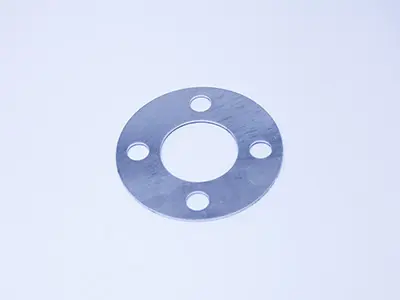
Aluminum Aluminum
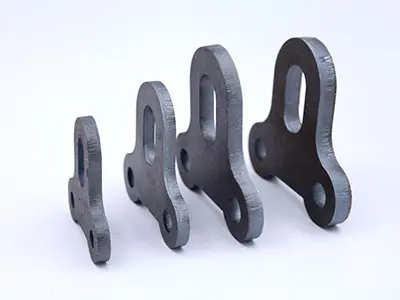
Carbon Steel Carbon Steel
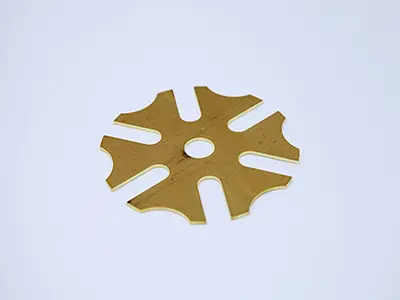
Copper Copper
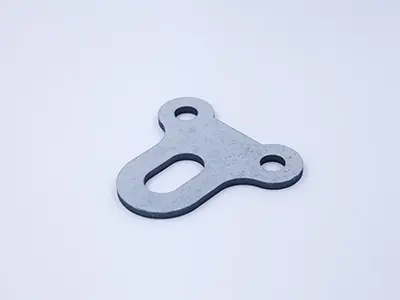
Galvanized Steel Galvanized Steel
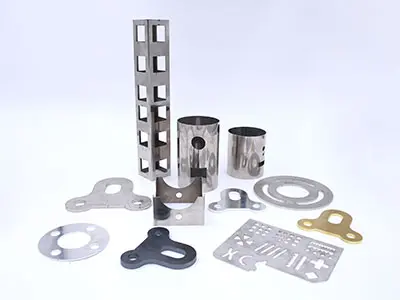
Other Metal Other Metal
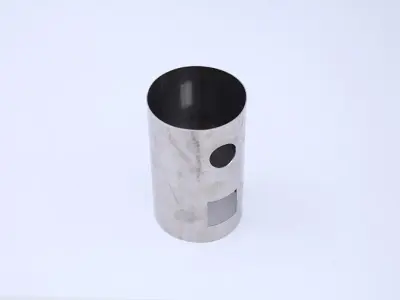
Round Tube Round Tube
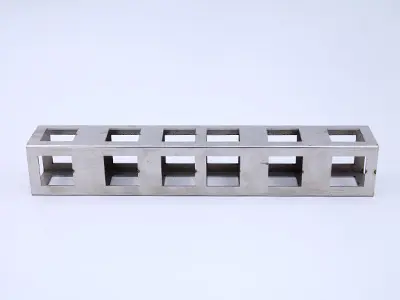
Square Tube Square Tube
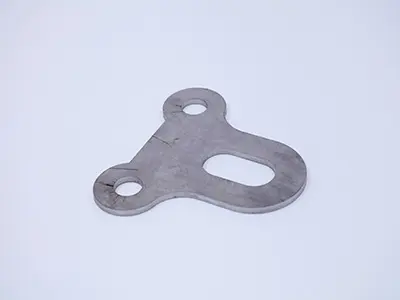
Stainless Steel Stainless Steel

Macro Industry Solutions

Our manufacturing and processing technology finds critical applications across diverse global sectors:

  • Aerospace & Defense: Cutting high-grade alloys, fabricating internal engine components, and manufacturing lightweight airframe structural assemblies with zero room for structural defects.
  • Automotive & Transport: Precision sheet metal fabrication for body panels, exhaust channels, engine chassis mountings, and specialized component integration.
  • Food & Medical: Sanitary grade 316L stainless steel cutting for cleanrooms, pharmaceutical preparation tanks, commercial kitchens, and surgical implements.
  • Heavy Machinery: Processing structural steel beams, thick plates for structural frameworks, H-beams, and heavy industrial plant construction.
  • Consumer Electronics: High-precision cutting for micro-enclosures, control panels, heat sinks, and battery terminals.

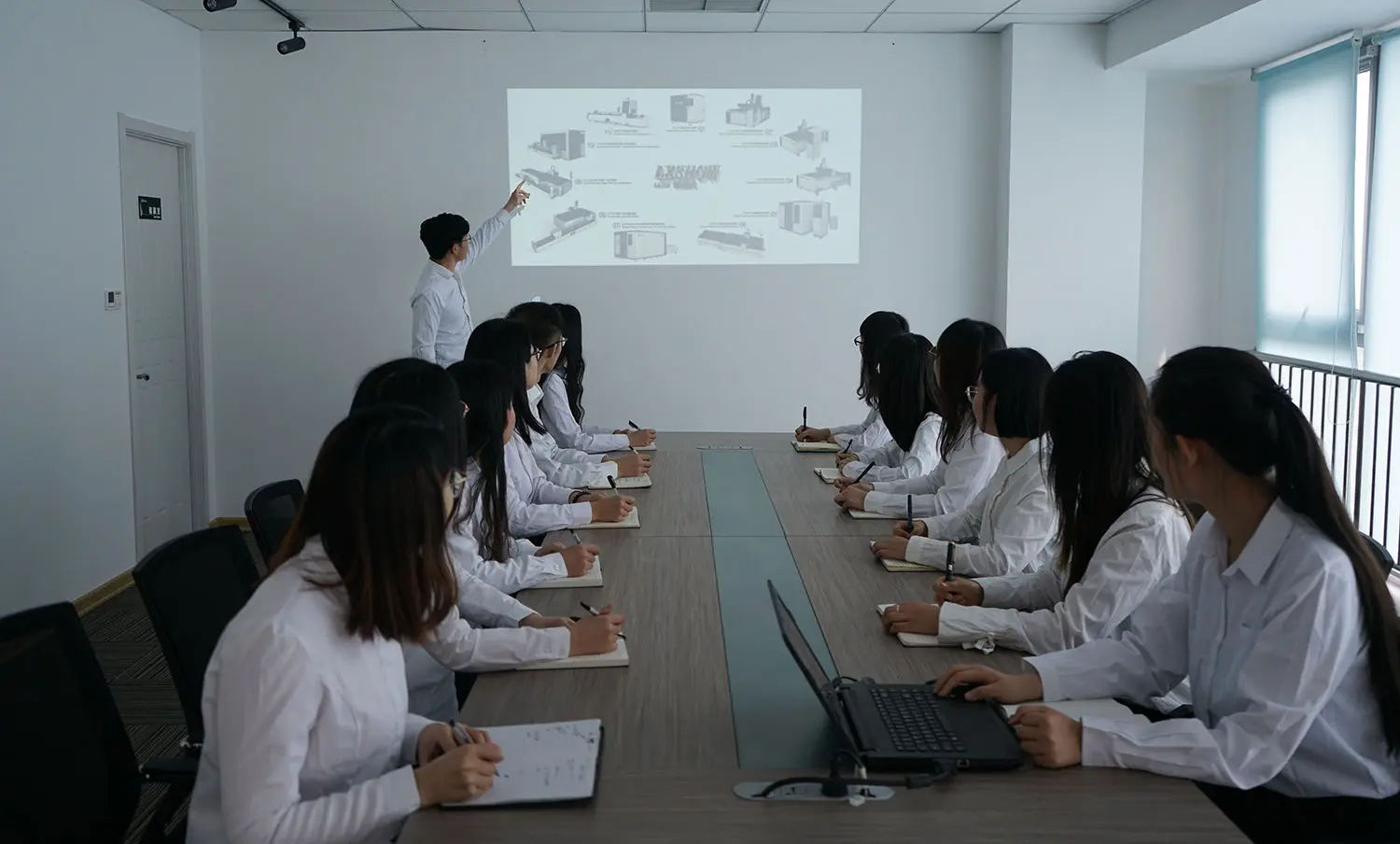
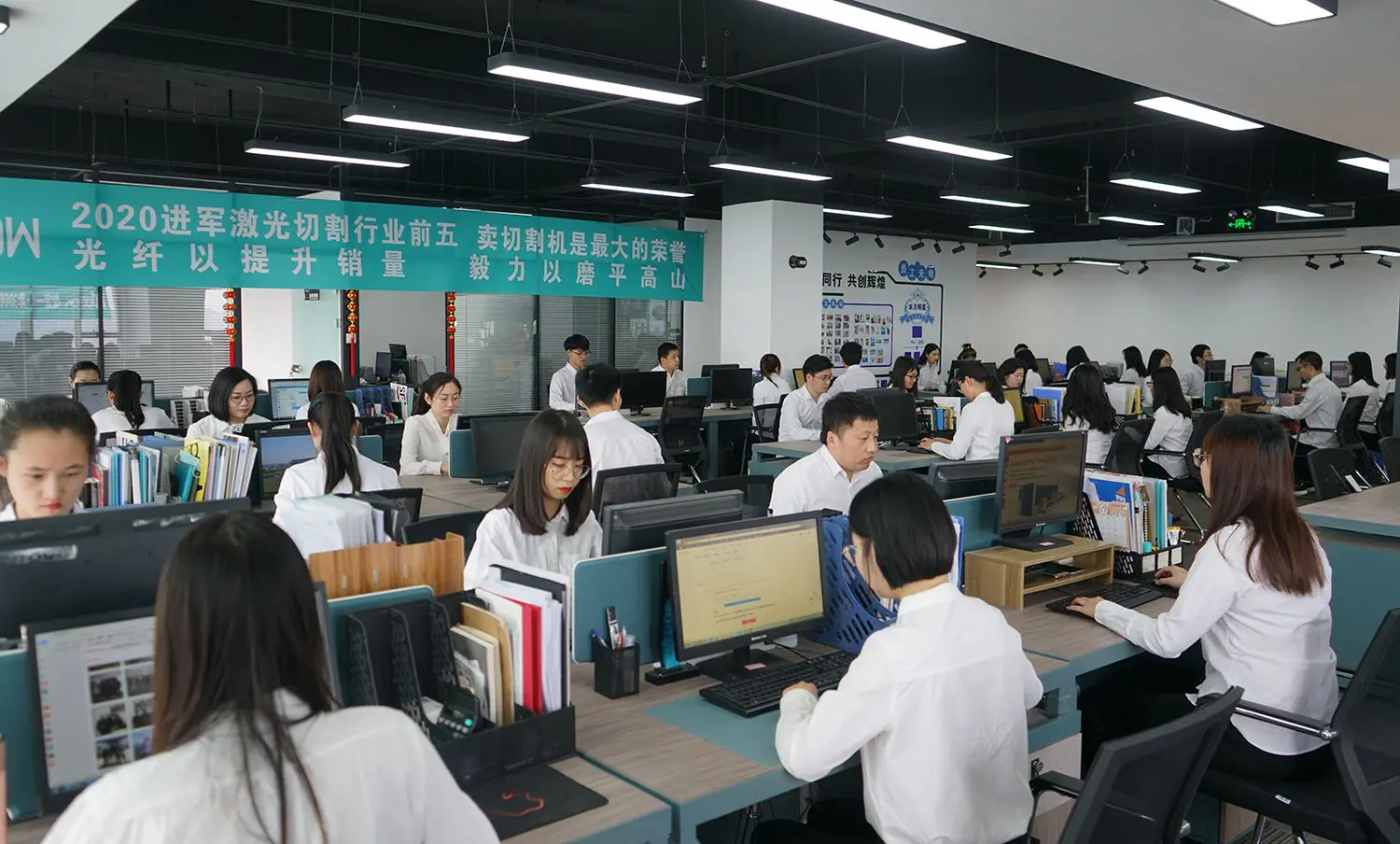
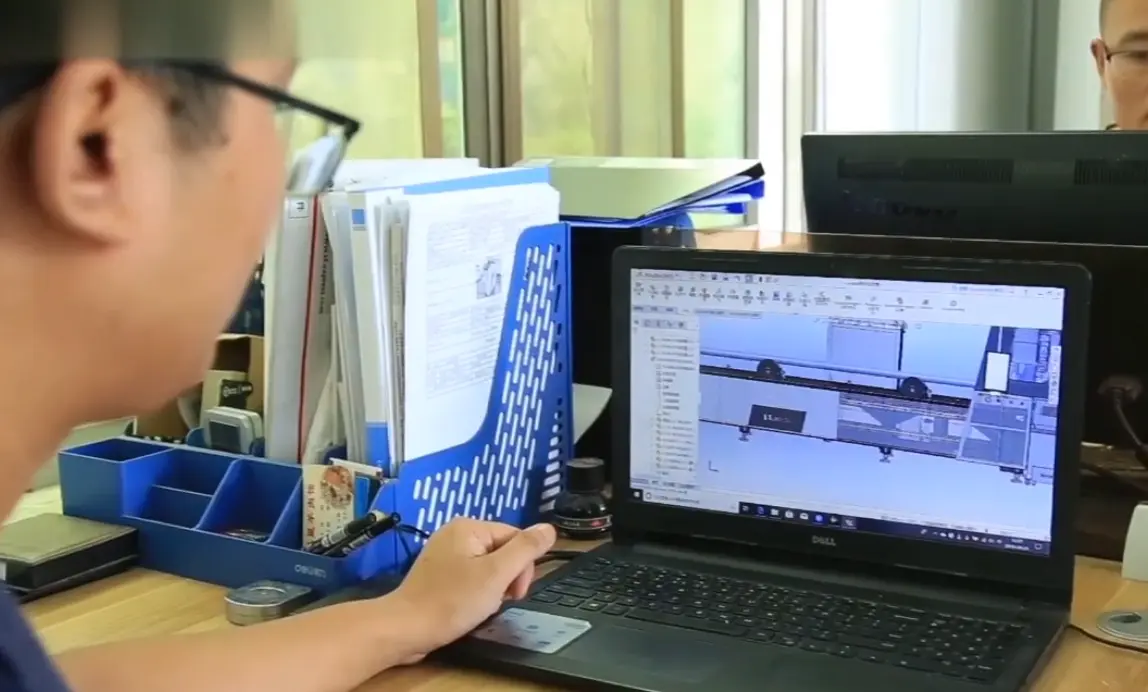
Enterprise Facilities & Professional Teams

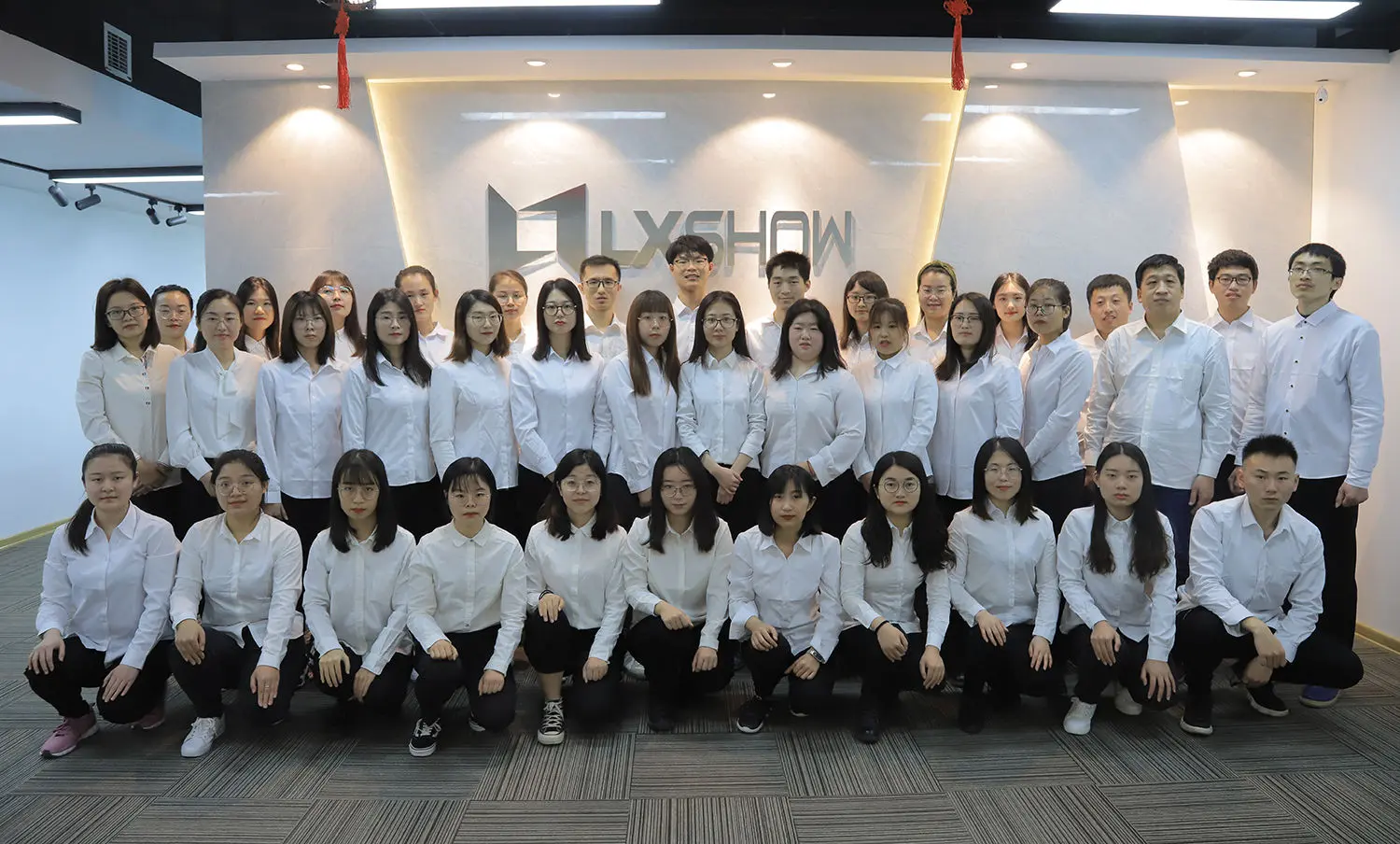
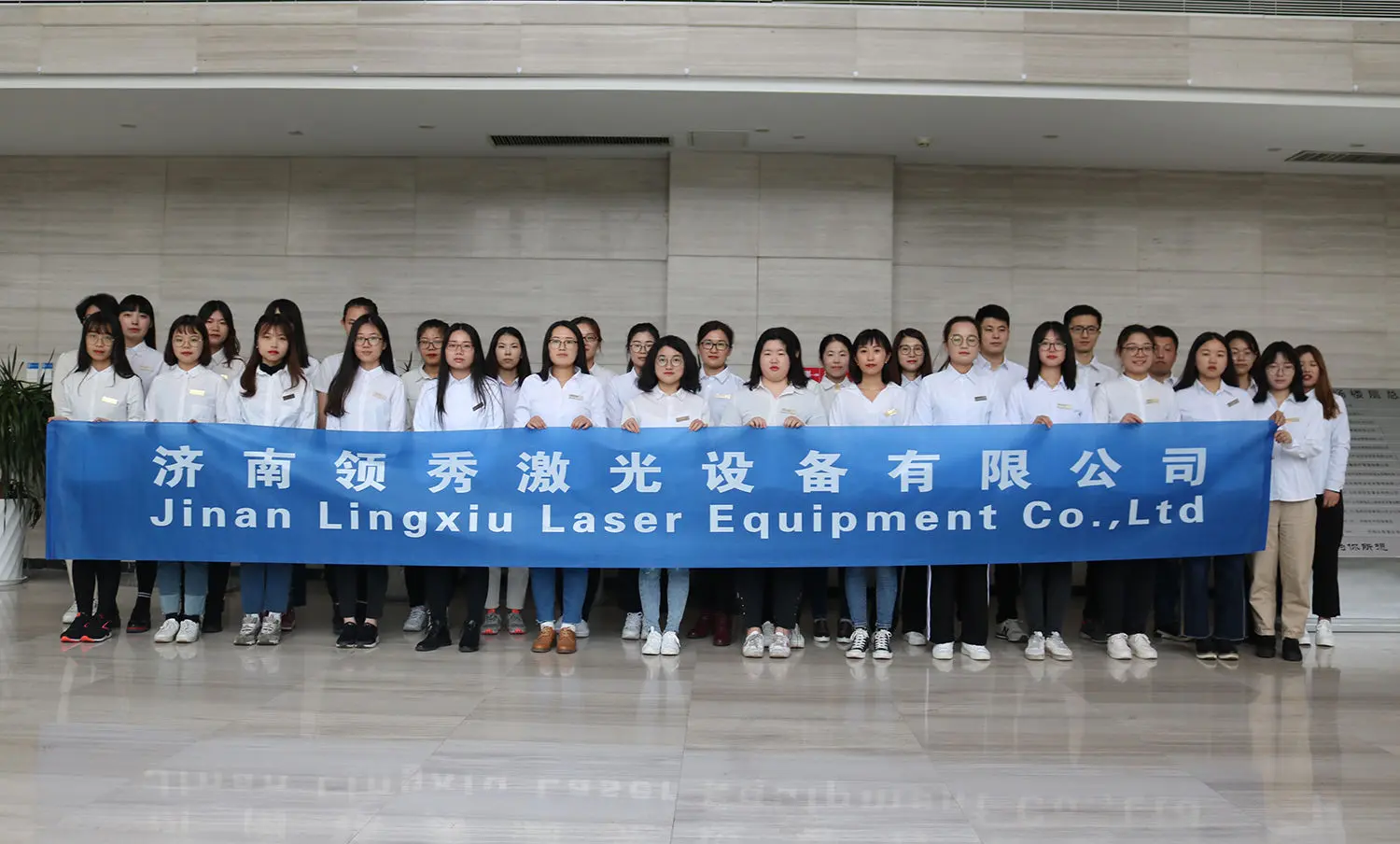
Inside our production facilities, R&D design center, and operations headquarters.
Expert Procurement Q&A

Find answers to critical technical questions regarding stainless steel cutting, machinery specifications, and supplier capabilities.

Why is nitrogen (N2) preferred over oxygen (O2) for cutting stainless steel?
Nitrogen is an inert gas that acts as a cooling agent and physical purging agent to expel molten metal without chemically reacting with the alloy. This prevents oxidation, keeping the cut edge bright, clean, and rust-resistant, which is essential for medical and food-grade applications. Oxygen, on the other hand, triggers an exothermic reaction (burning), which accelerates the cut speed in carbon steel but results in a dark, carbonized oxide layer on stainless steel that must be ground off later.
What mechanical and structural designs ensure your machines cut thick plates with high accuracy over long periods?
Our machine bases undergo high-temperature tempering and vibration stress relief to eliminate internal stress in the welded steel plate structures. This guarantees that the bed frame will not deform over decades of heavy-duty operation. Coupled with aerospace-grade aluminum gantries, high-precision helical rack-and-pinion transmission systems, and Japanese Yaskawa or Delta servo motors, our machines maintain positional accuracy of ±0.02mm and repeat positional accuracy of ±0.01mm.
Can your factory support custom configurations (OEM/ODM orders) for global industrial clients?
Yes, we provide extensive OEM and ODM customization services. We currently supply custom machines for over 30 global brands. We can customize the machine body enclosures, electrical voltages (e.g., 220V 3-phase, 440V, or 380V), laser power configurations (1kW to 40kW), CNC software control interfaces (such as CypCut, CypOne, or Beckhoff), and integrate automatic loading/unloading robotic gantries tailored to your manufacturing floor layout.
How does your factory manage quality control and global certifications?
We implement a strict quality control workflow that conforms to ISO 9001 management standards. Every single component—from the linear guides and servo motors to the laser source and electrical relays—undergoes detailed inspection before assembly. After assembly, the machines undergo a continuous 72-hour stress test and laser interferometer calibration to verify dynamic mechanical accuracy. All machines carry full European Union CE authentication and American FDA registration.
What post-sale technical support and training resources do you offer to overseas buyers?
We offer a complete service ecosystem. Our technical support team consists of experienced bilingual field engineers. We provide detailed operation manuals, video guides, and remote online diagnostics via TeamViewer/Zoom. For large installations, we can dispatch engineers to your facility for on-site commissioning and training, ensuring your operators can run the CNC systems safely and at maximum output efficiency.