Best Sheet Metal Laser Cutting Machine Price, Manufacturers & Factory

Deciphering the global ROI dynamics, component standards, and system pricing variables of high-precision fiber laser installations for modern metal fabrication.

18 YEARS

Laser Innovation & R&D Excellence

150+

Global Exporting Countries & Regions

20,000+

Active Industrial Operators Globally

32,000 m²

Advanced Production & Testing Base

Chapter 1: The Economics of Fiber Laser Systems — Breakdown of Price Drivers

Investing in a high-power sheet metal laser cutting machine is one of the most critical decisions for a modern metal fabrication enterprise. The pricing range of these CNC-controlled fiber laser systems varies drastically, ranging from $20,000 USD for entry-level 1kW-2kW open-bed machines to well over $350,000 USD for ultra-high power (30kW+), enclosed exchange-table production lines.

To accurately evaluate sheet metal laser cutting machine pricing, procurement managers must distinguish between structural hardware cost and operational value output. The cost architecture is determined primarily by five critical components:
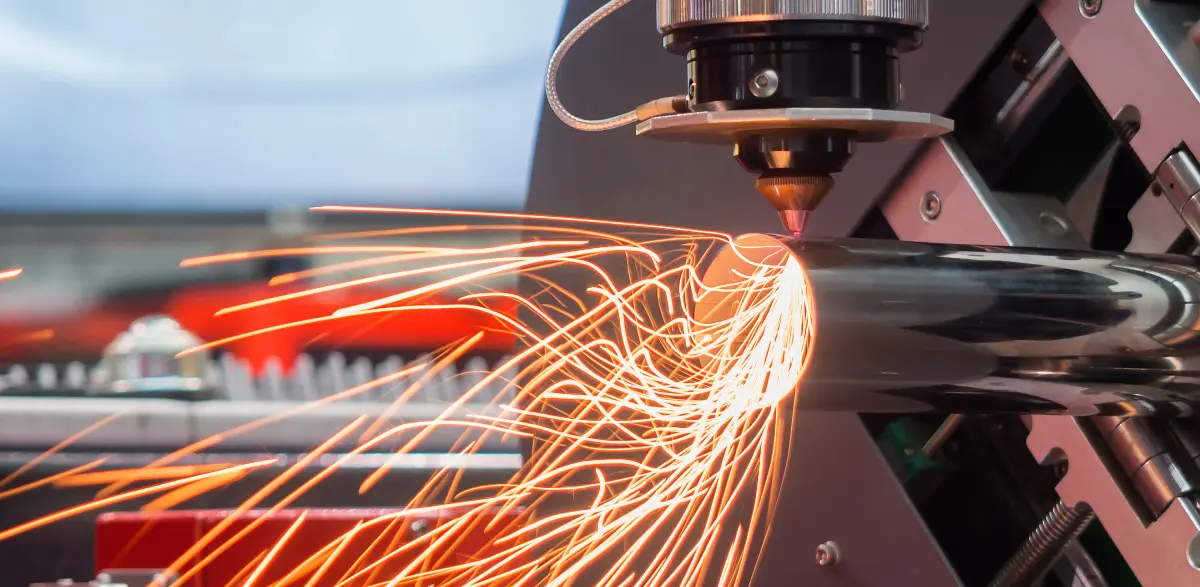
  • The Laser Source (Raycus, IPG, JPT, Max): Accounts for 30% to 50% of the entire machinery cost. Power ratings dictate cutting speed limits and thickness capacity. A 12kW laser source cost curve is exponential compared to a standard 3kW system.
  • CNC Cutting Head Technology: Autofocus tracking heads (e.g., Raytools, Precitec) with adaptive optics control laser spot diameter and focal length automatically, preventing structural deformation during thick-plate processing.
  • Bed Structural Engineering: Heavy-duty, high-tensile stress-relieved welded plate beds or cast iron structures absorb mechanical frequencies at high acceleration speeds (1.2G to 2.0G). Low-cost machines save manufacturing cost by using lighter structures, which will display structural deformation and loss of cutting precision after 2-3 years.
  • CNC Software & Servo Drive Architecture: Systems featuring CypCut, Beckhoff controllers, and Yaskawa/Panasonic servo motors guarantee high geometric tolerances and complex nesting configurations.
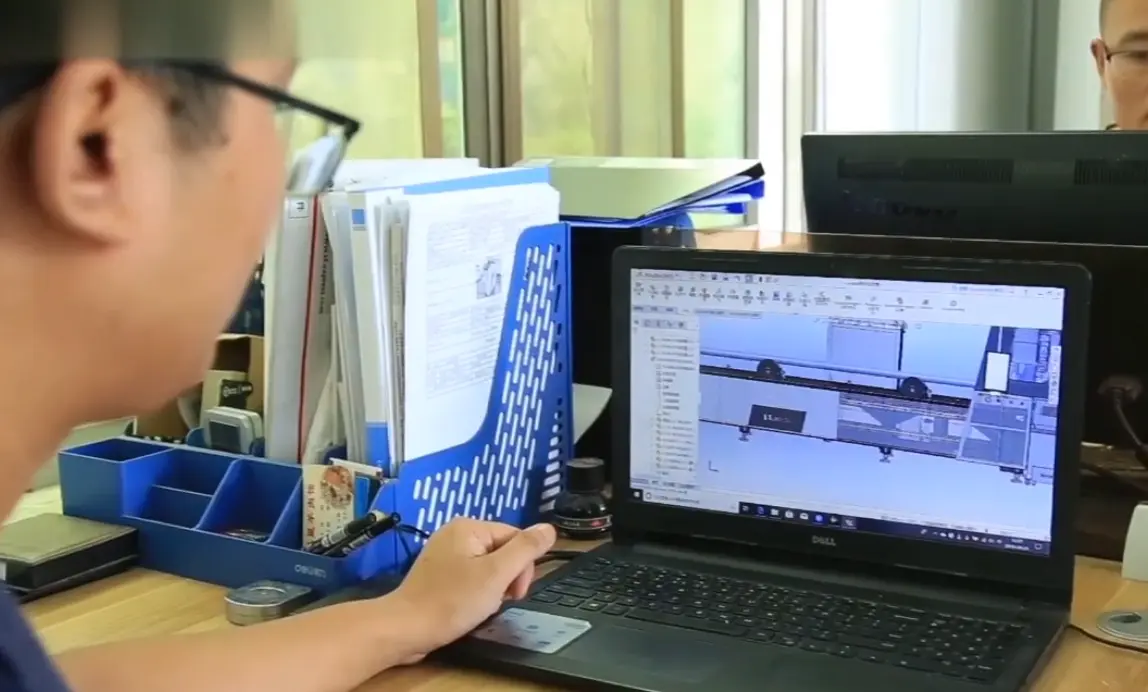
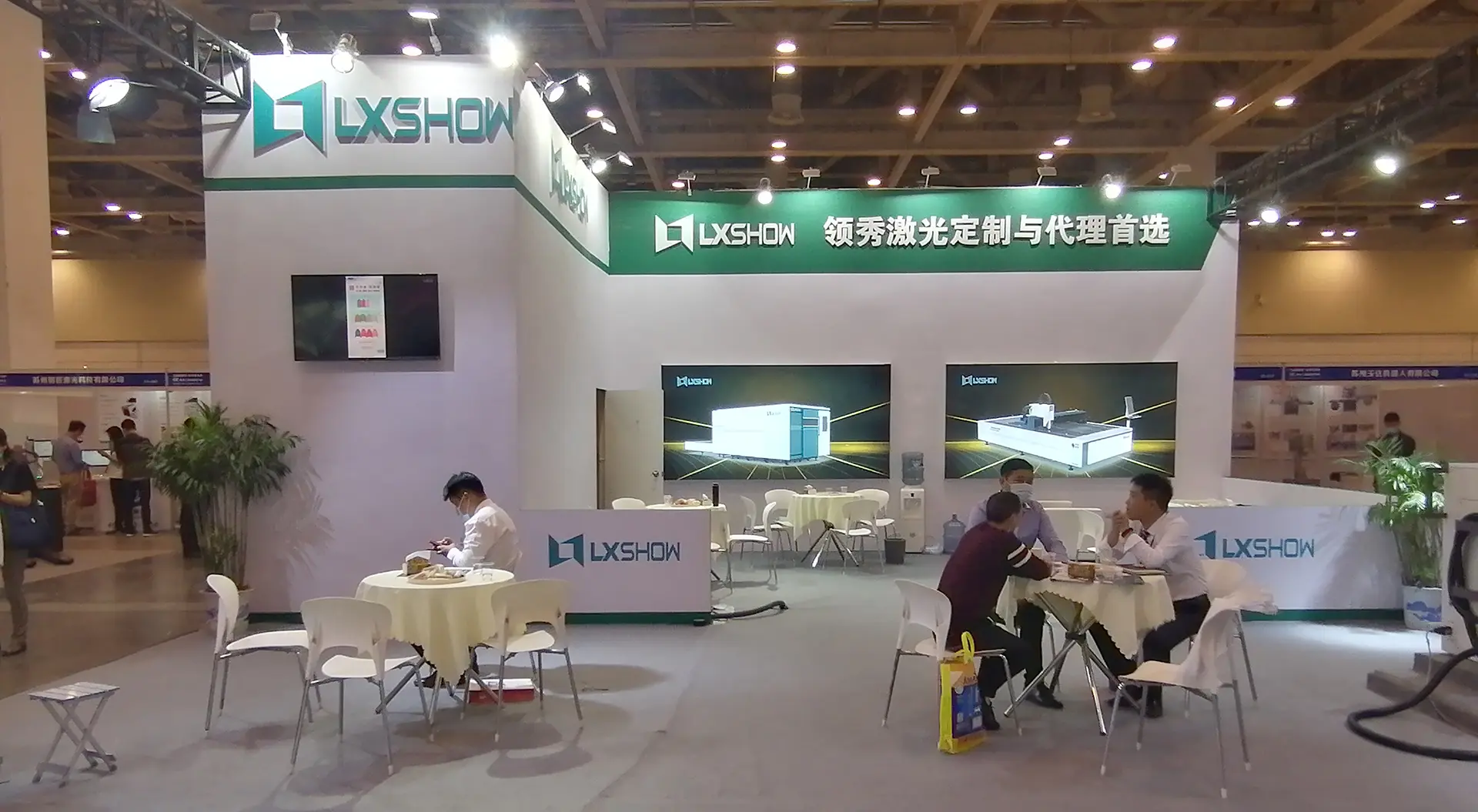
Metal Cutting Precision Factory Demo

"High-capacity processing isn't just about output power. The intersection of linear motor acceleration, collimation accuracy, and auxiliary gas efficiency (O2, N2, and compressed air dynamics) is what truly decides the ultimate cost-per-part ratio."

Chapter 2: Macro-Industry Solutions & Smart Factory Paradigm Integration

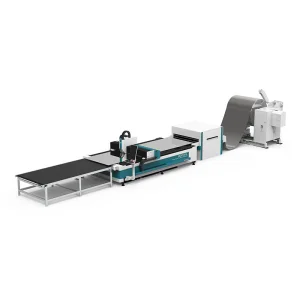
Modern smart factories are transitioning away from stand-alone laser cutting cells to fully automated assembly lines. Systems like the Custom 3015FL Fully Automatic Coil-Fed Laser Cutting Machine illustrate this shift. By integrating automatic steel decoiling, leveling, direct laser cutting, and robotic unloading, manufacturers eliminate transfer times and intermediate handling.

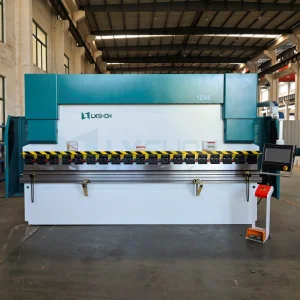
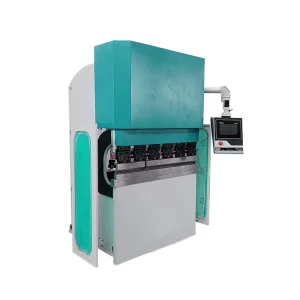
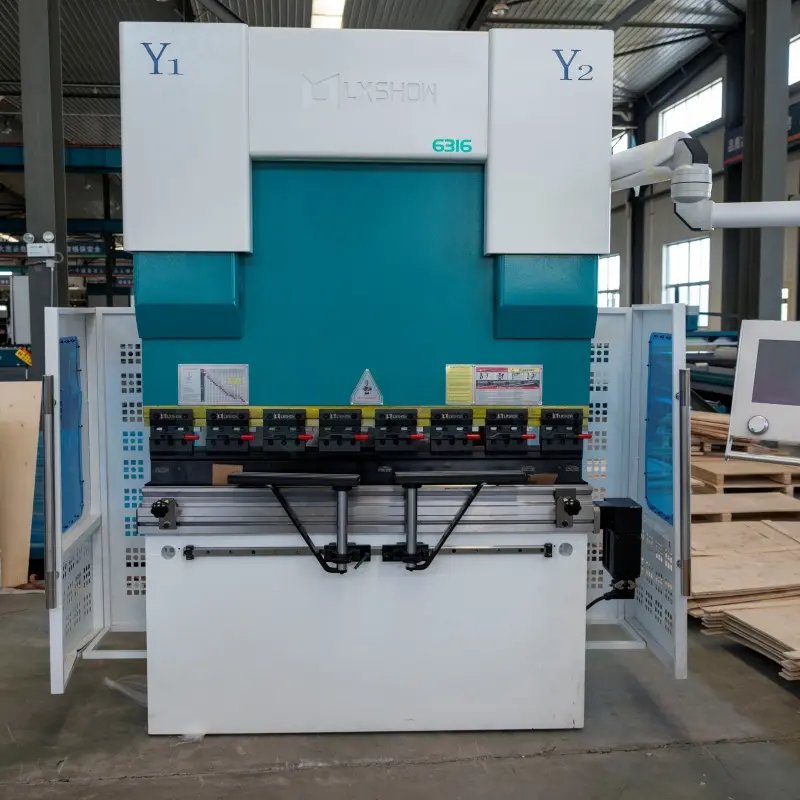
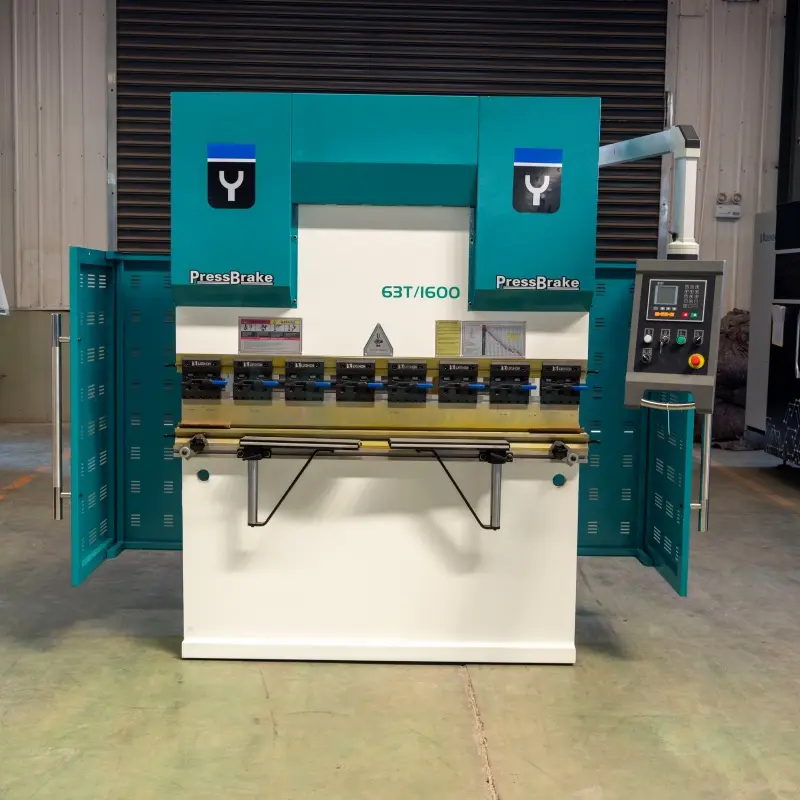
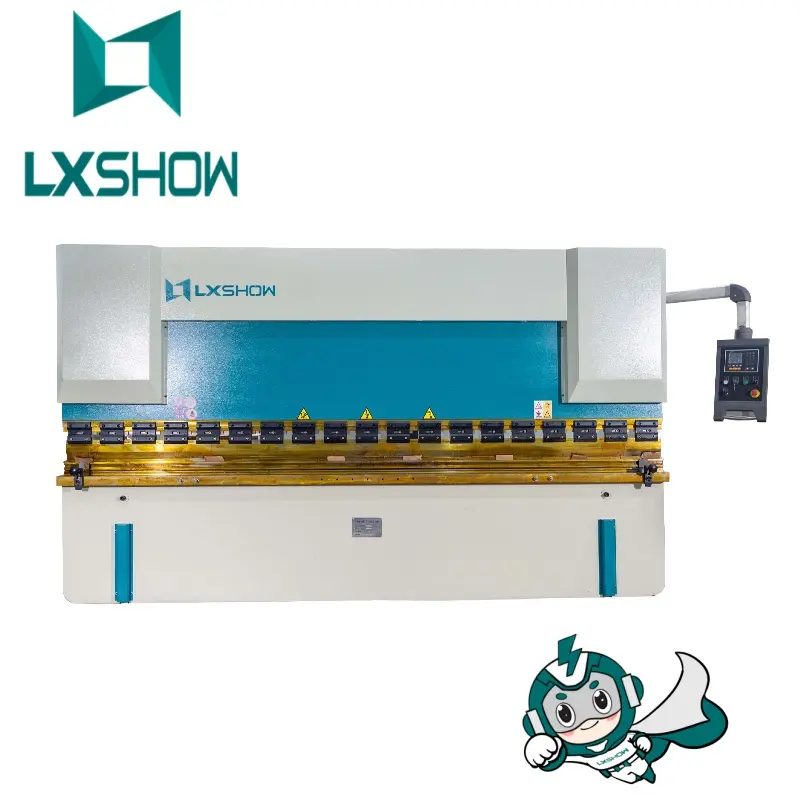
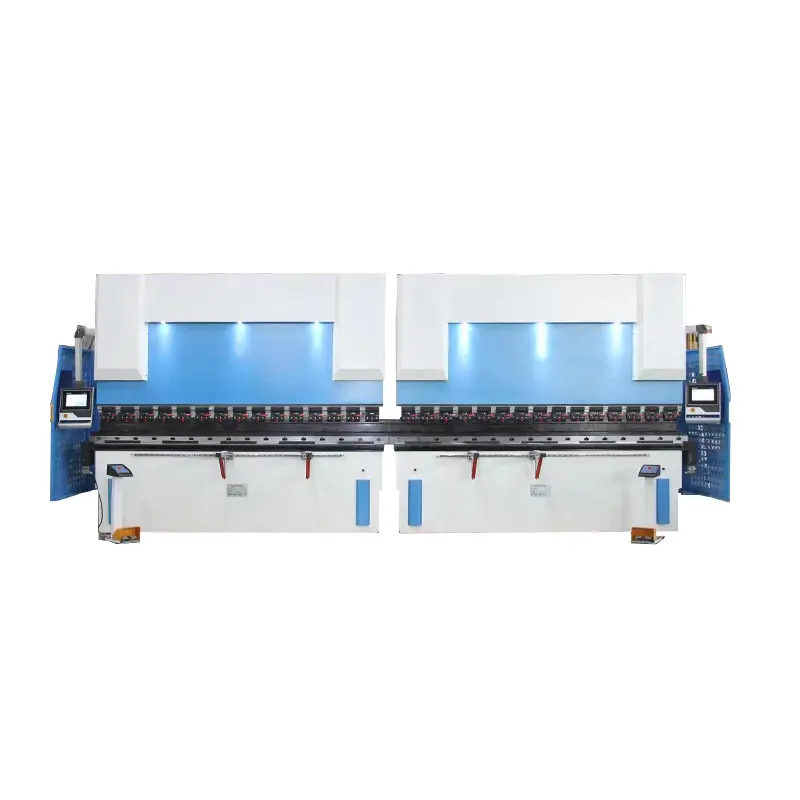
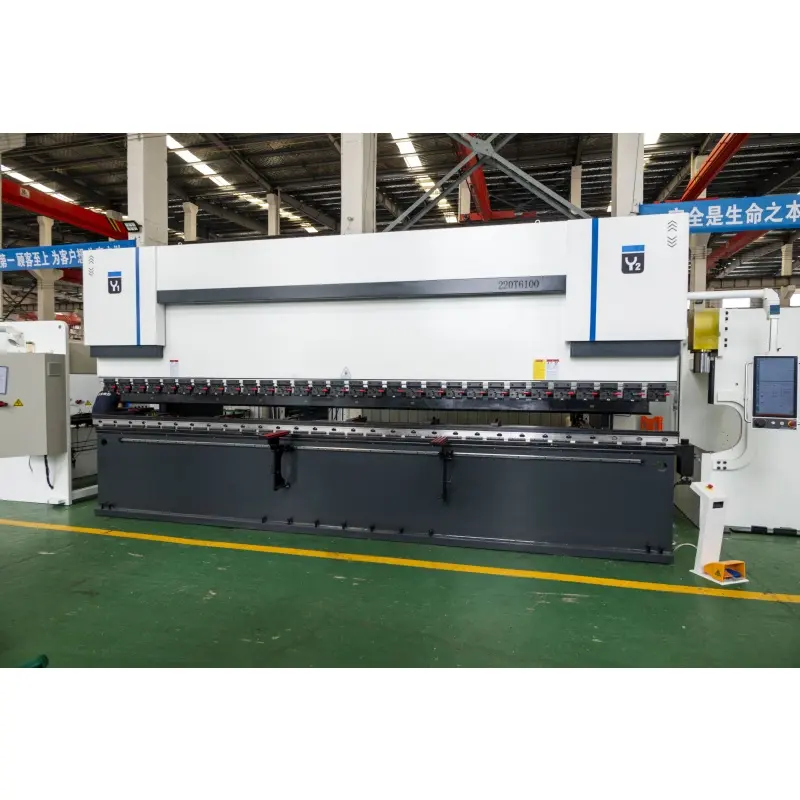
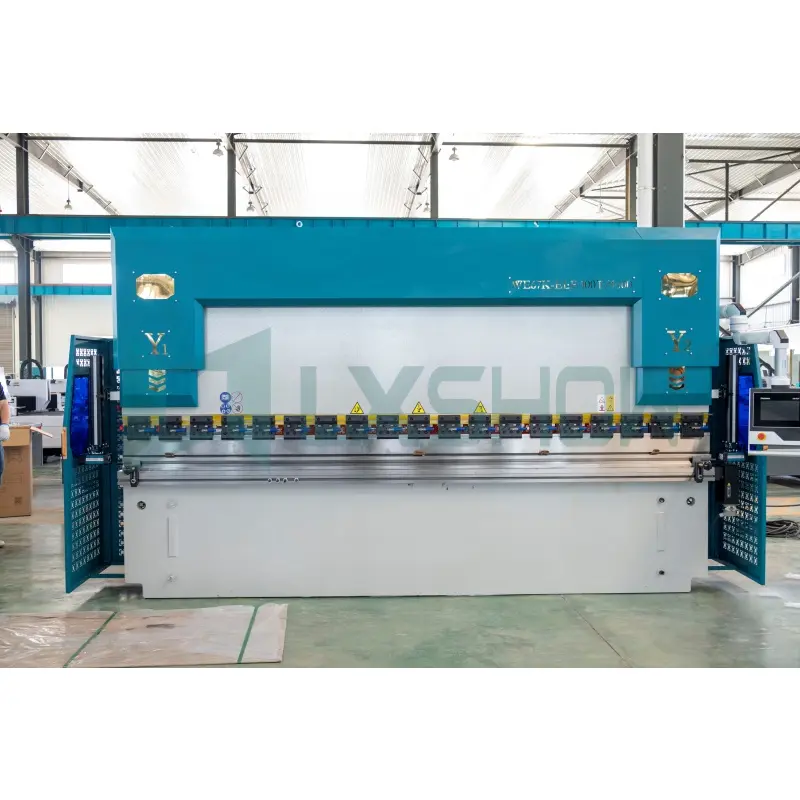
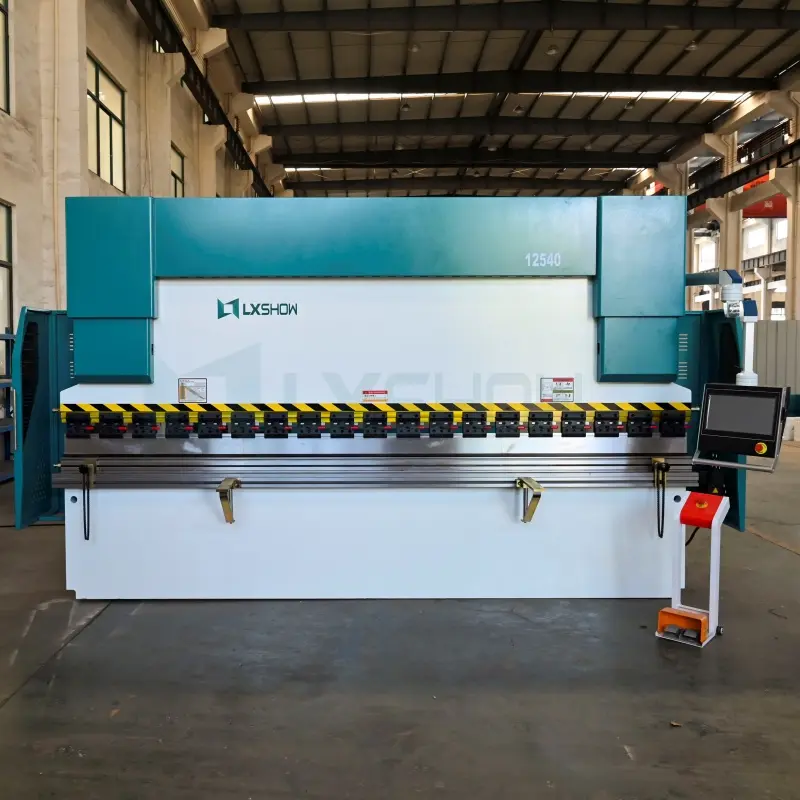
By automating processes and linking them with downstream WE67K-125T4000 High-Quality Automatic CNC Bending Machines or fully electric servo press brakes, smart metal fabrication facilitates Industry 4.0 transitions. With advanced ERP integration, manufacturers can route parts from raw sheets to final deburring and robotic welding without human intervention, achieving maximum operational efficiency.

Company Strength & Engineering Heritage

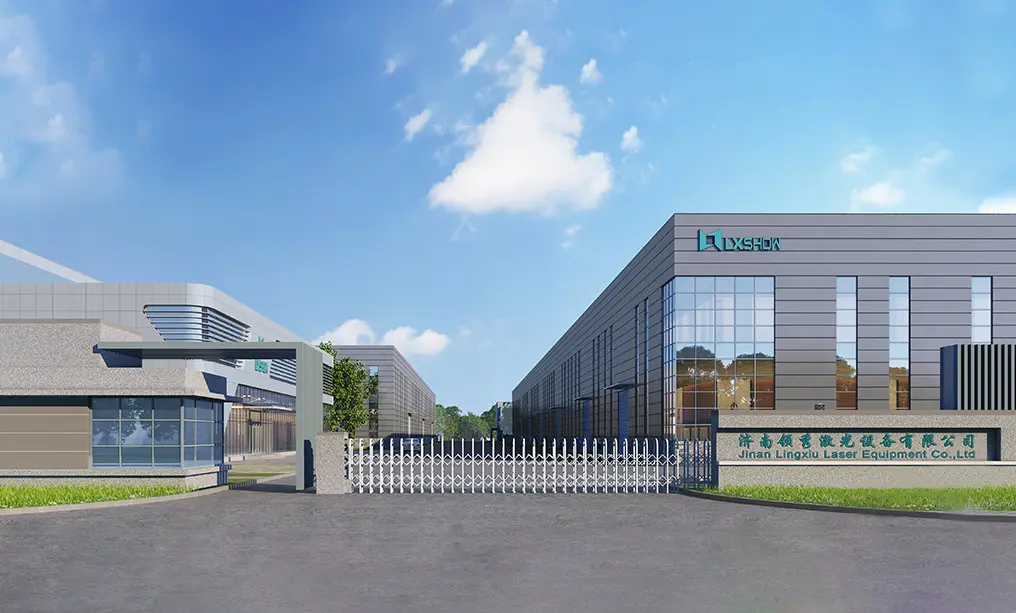
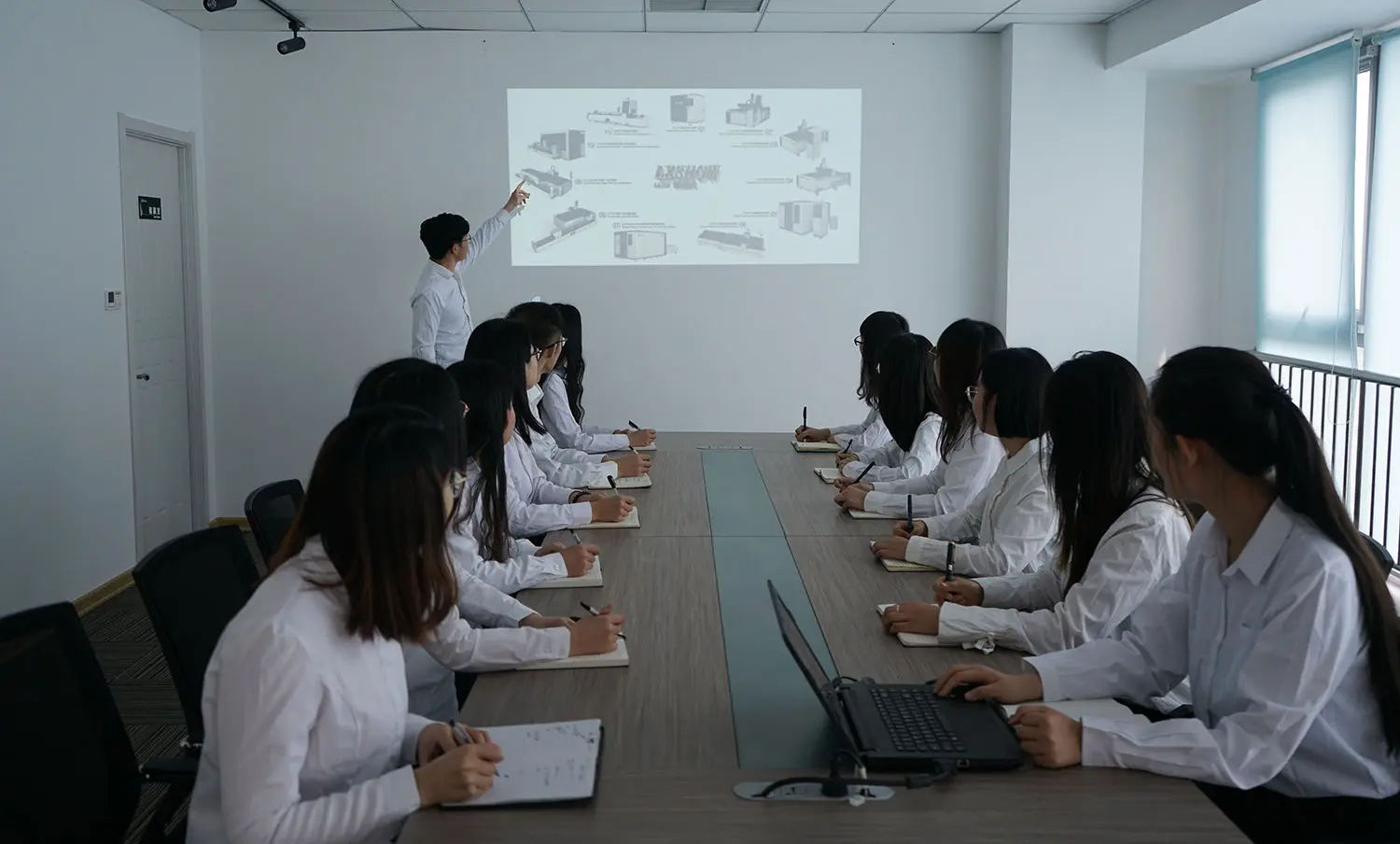
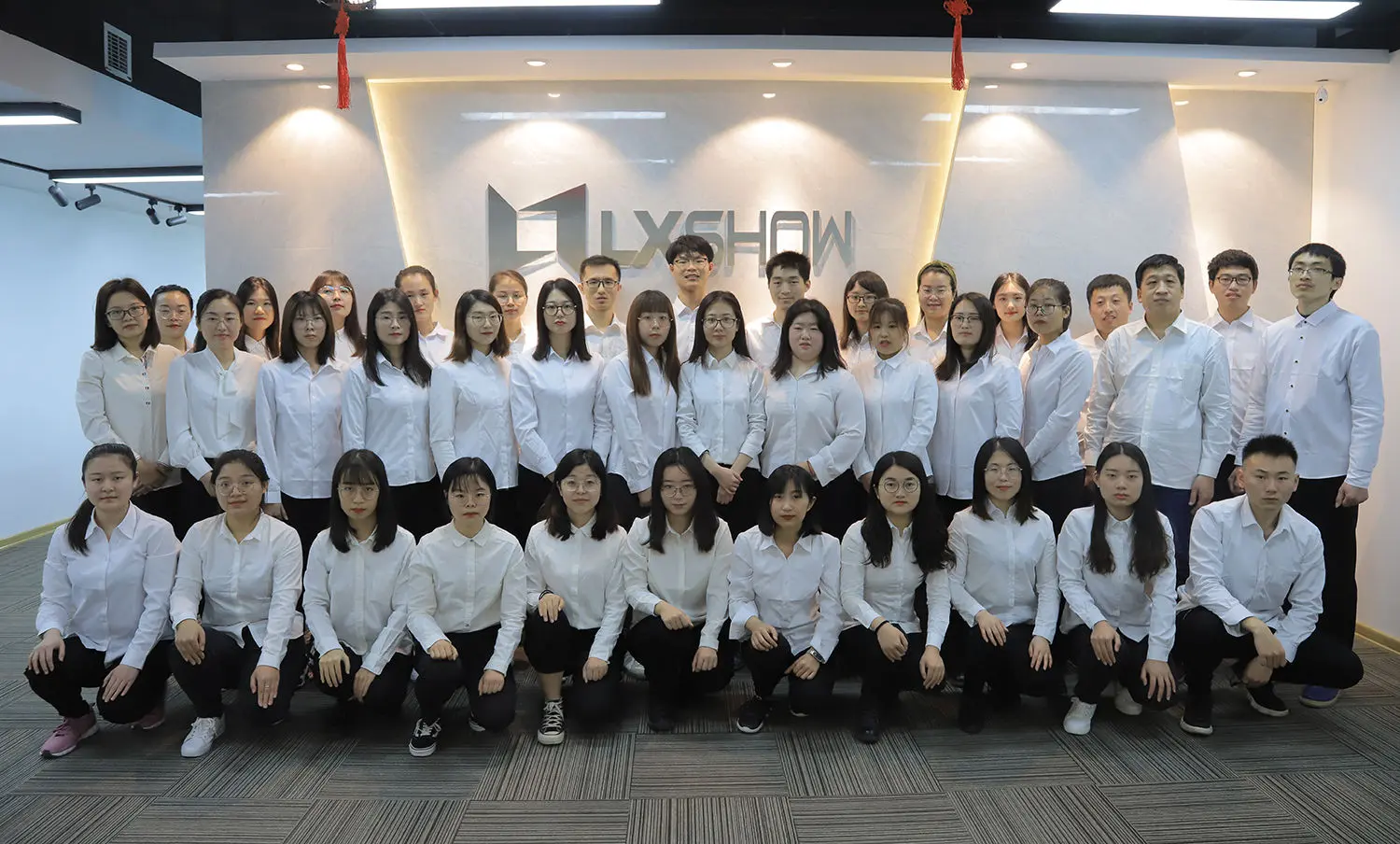
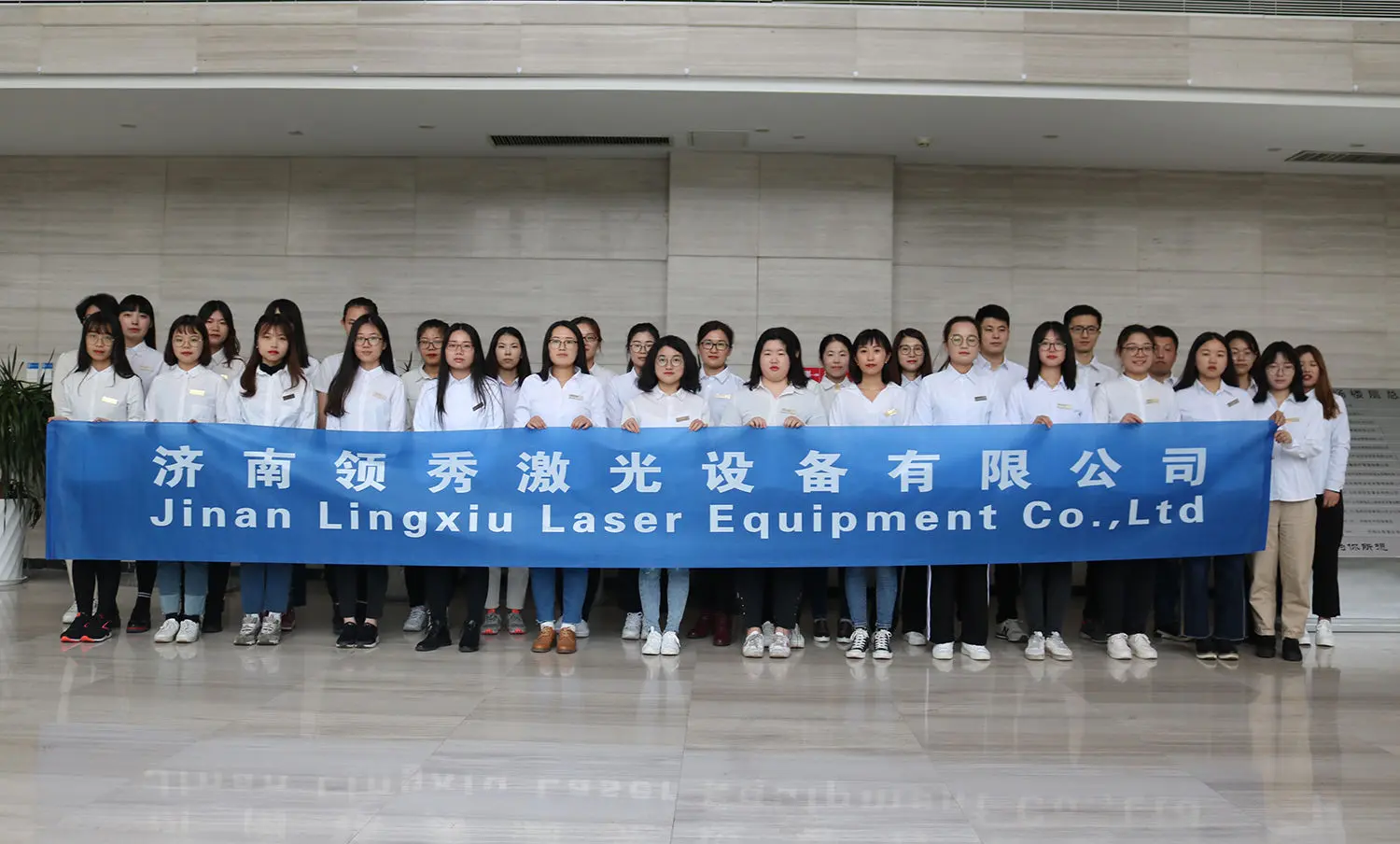
Established in July 2004, we own a modern R&D and office space of more than 500 square meters, backed by a sprawling 32,000 square meters manufacturing factory. Over the last 18 years, our development focus has been on manufacturing high-stability fiber laser cutters, dynamic laser welders, and eco-friendly laser cleaning systems.

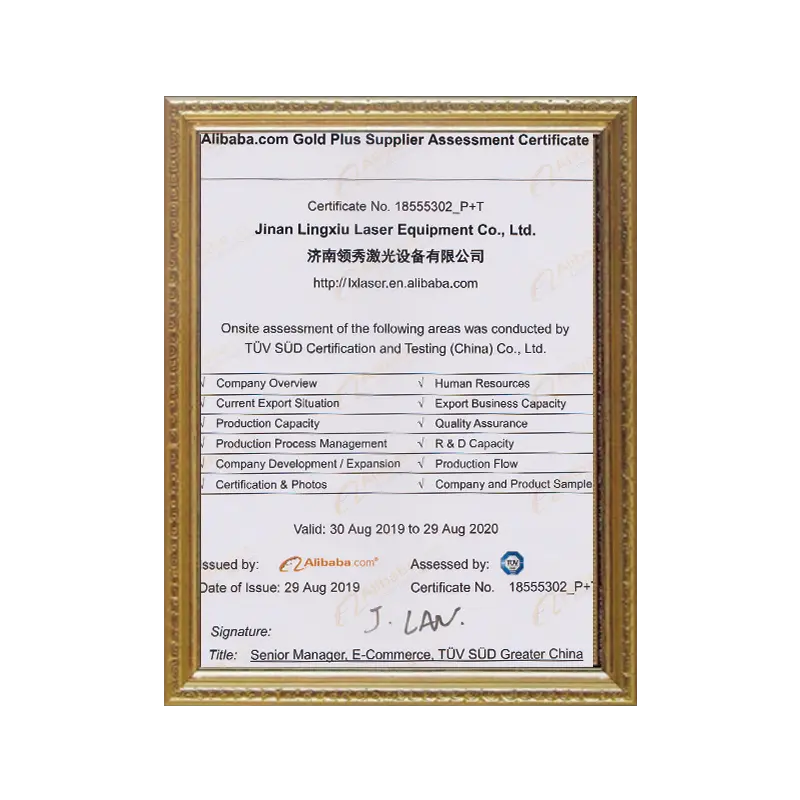
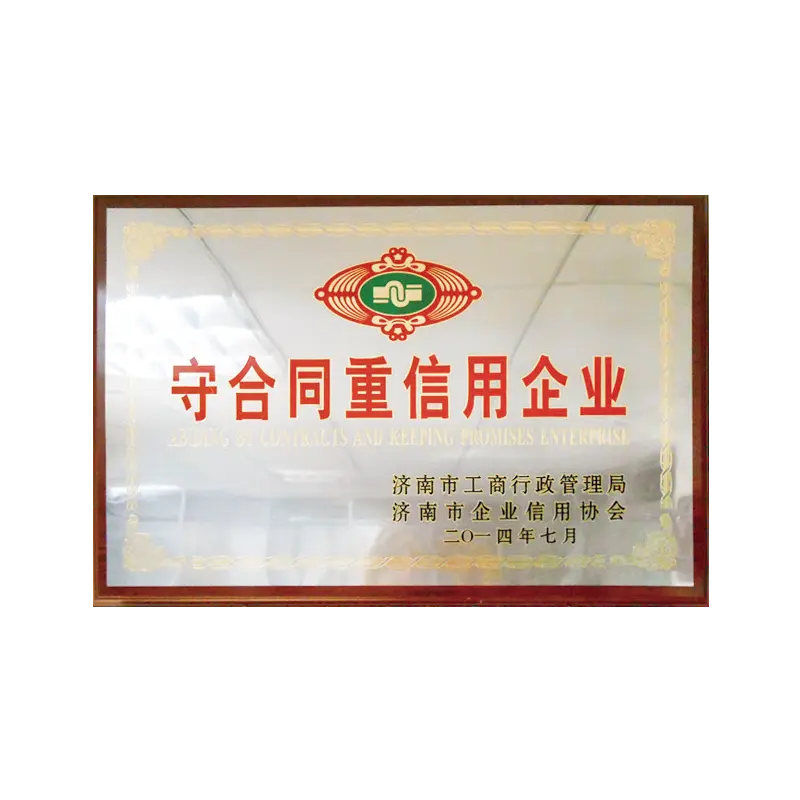
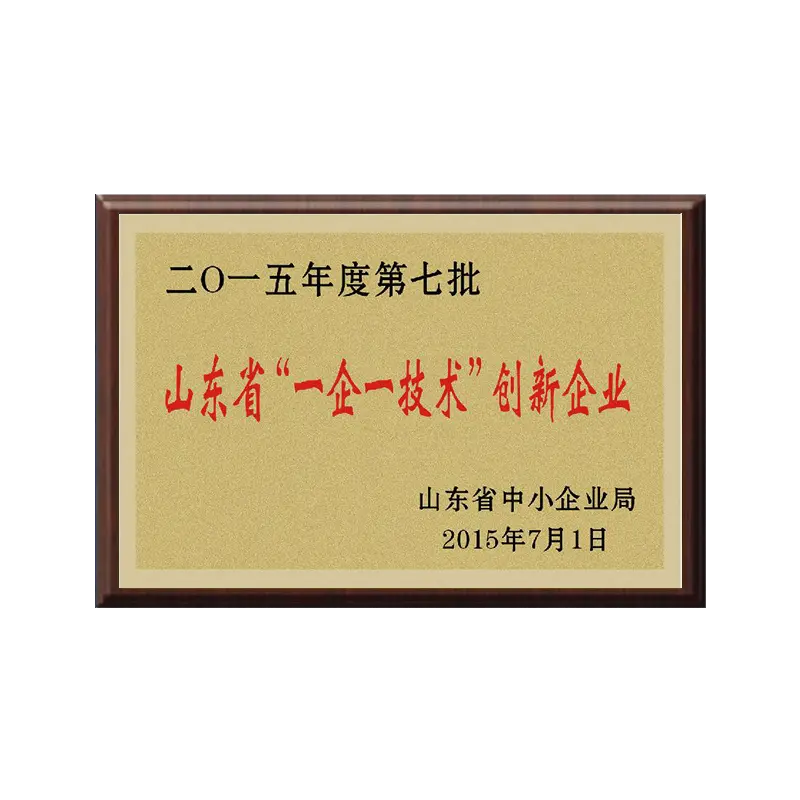
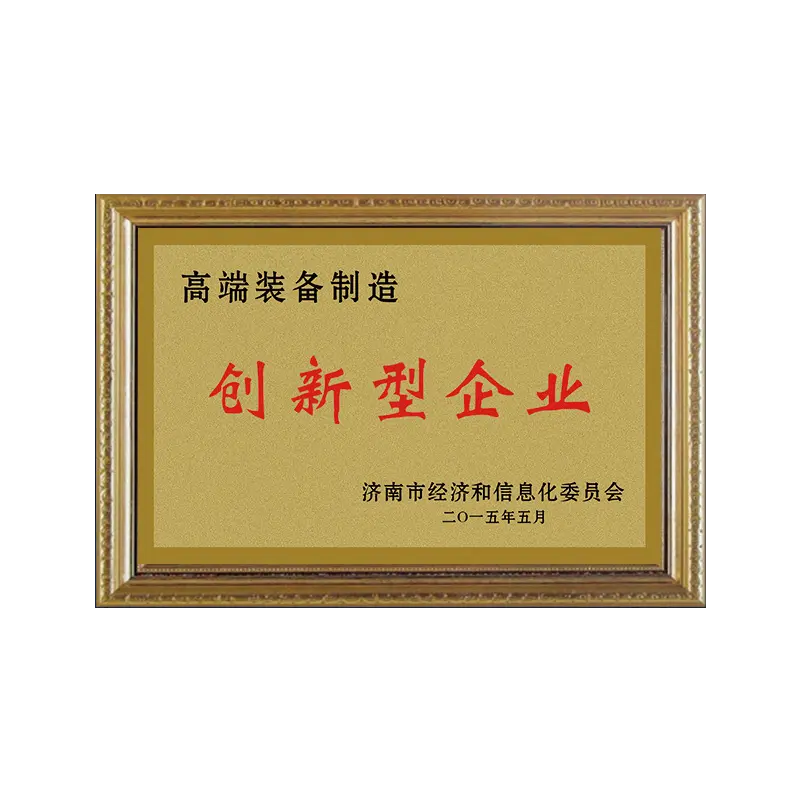
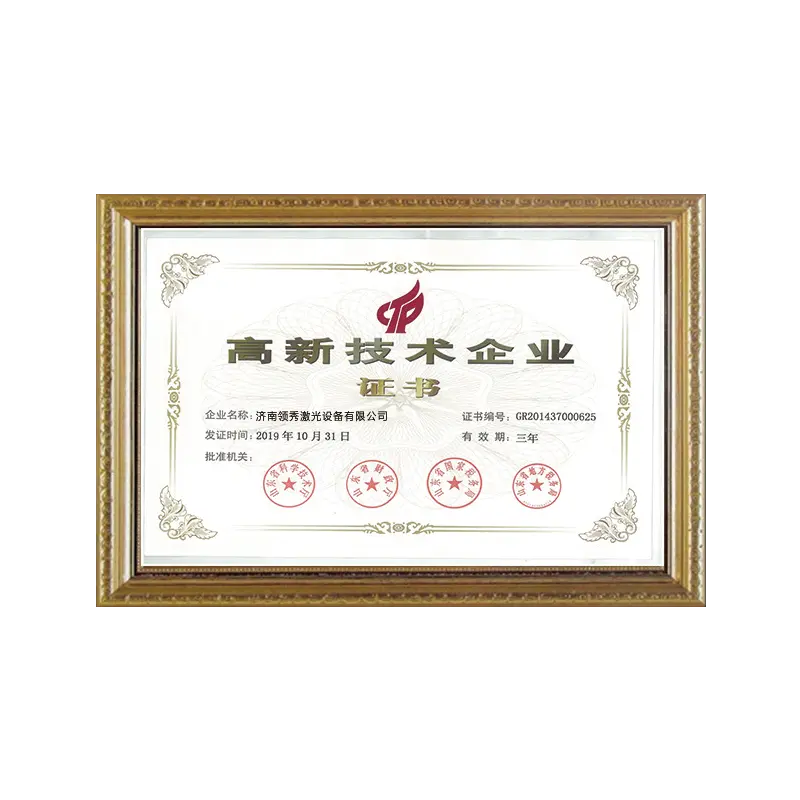
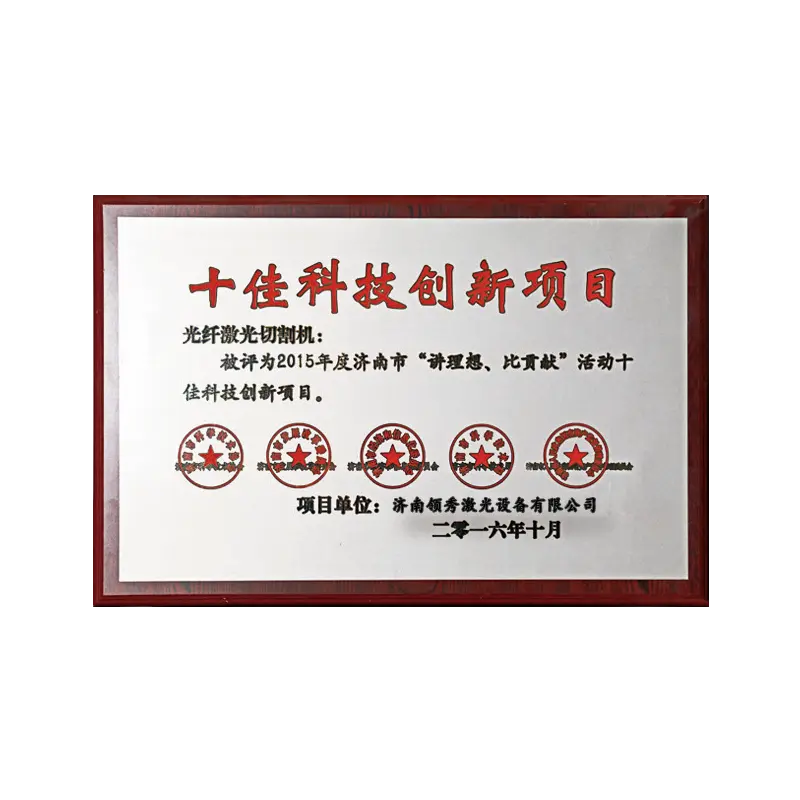
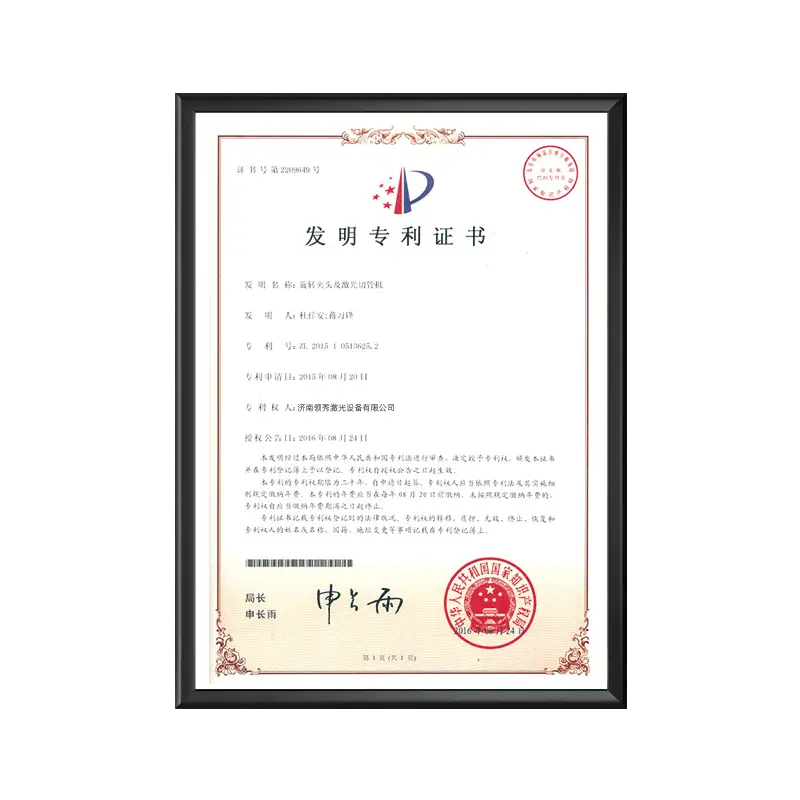
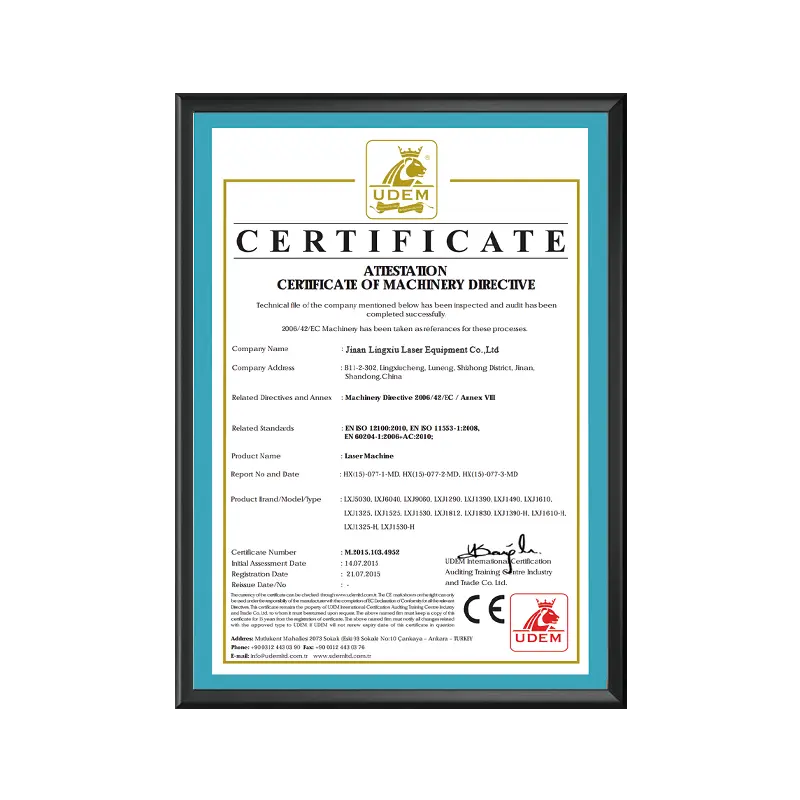
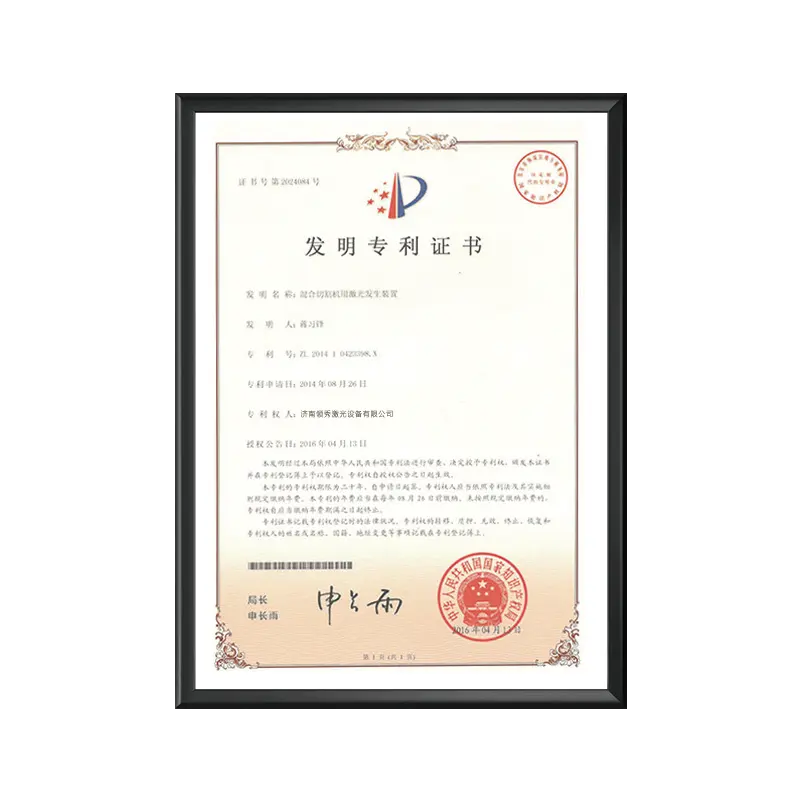
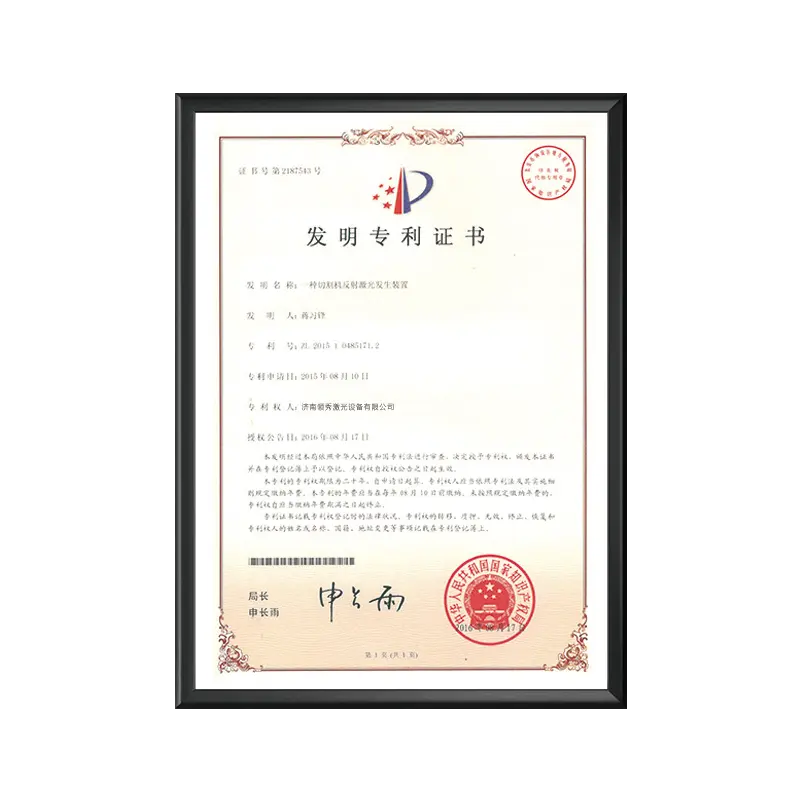
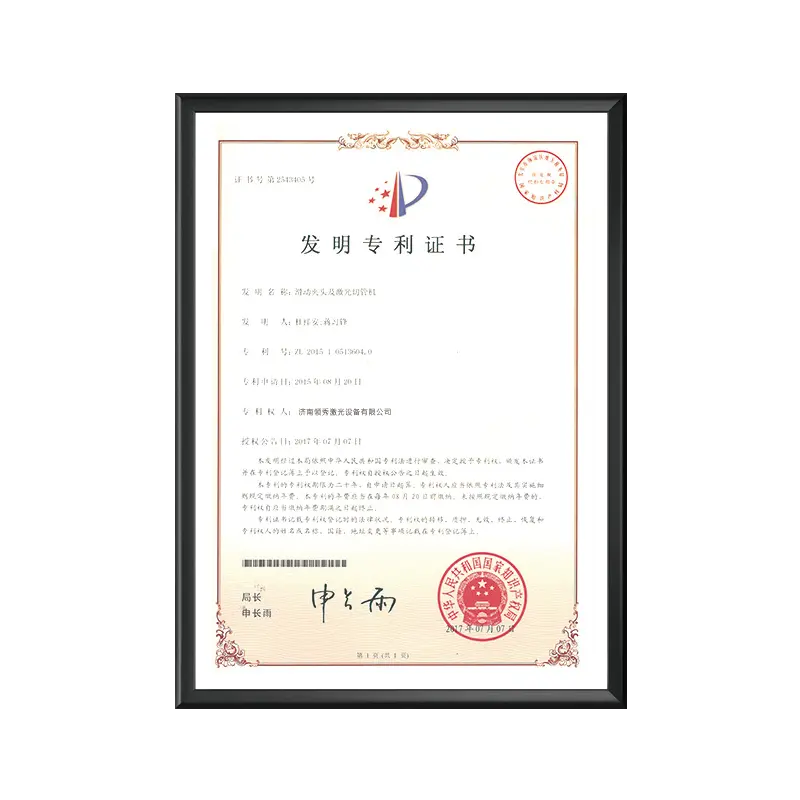
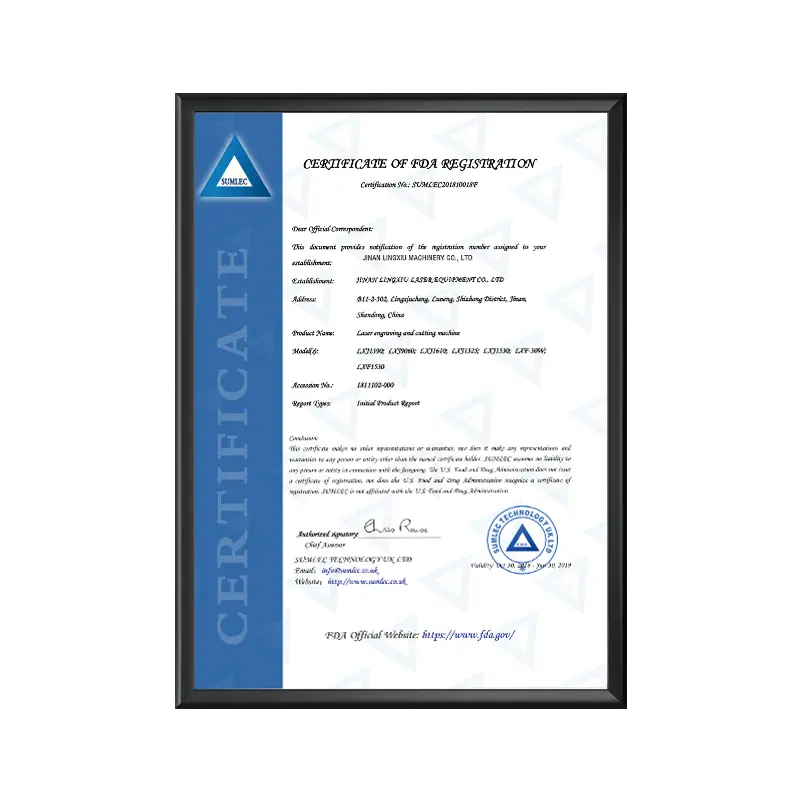
We provide comprehensive OEM production services for more than 30 global brands, proving our robust engineering capability and strict quality standard control. All systems have obtained the European Union CE authentication, United States FDA certificate, and are built according to ISO 9001 quality management standards.
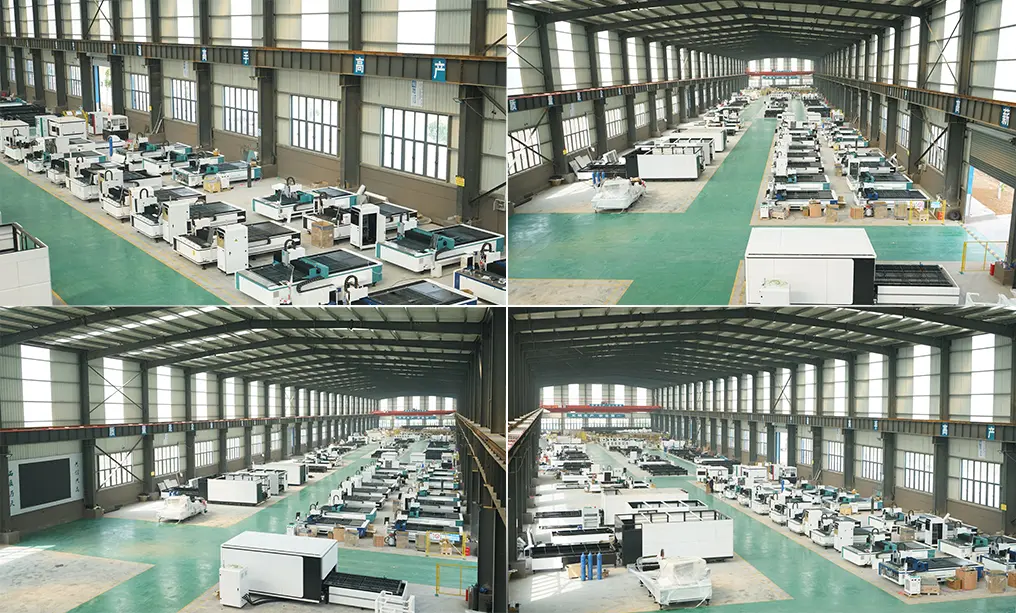
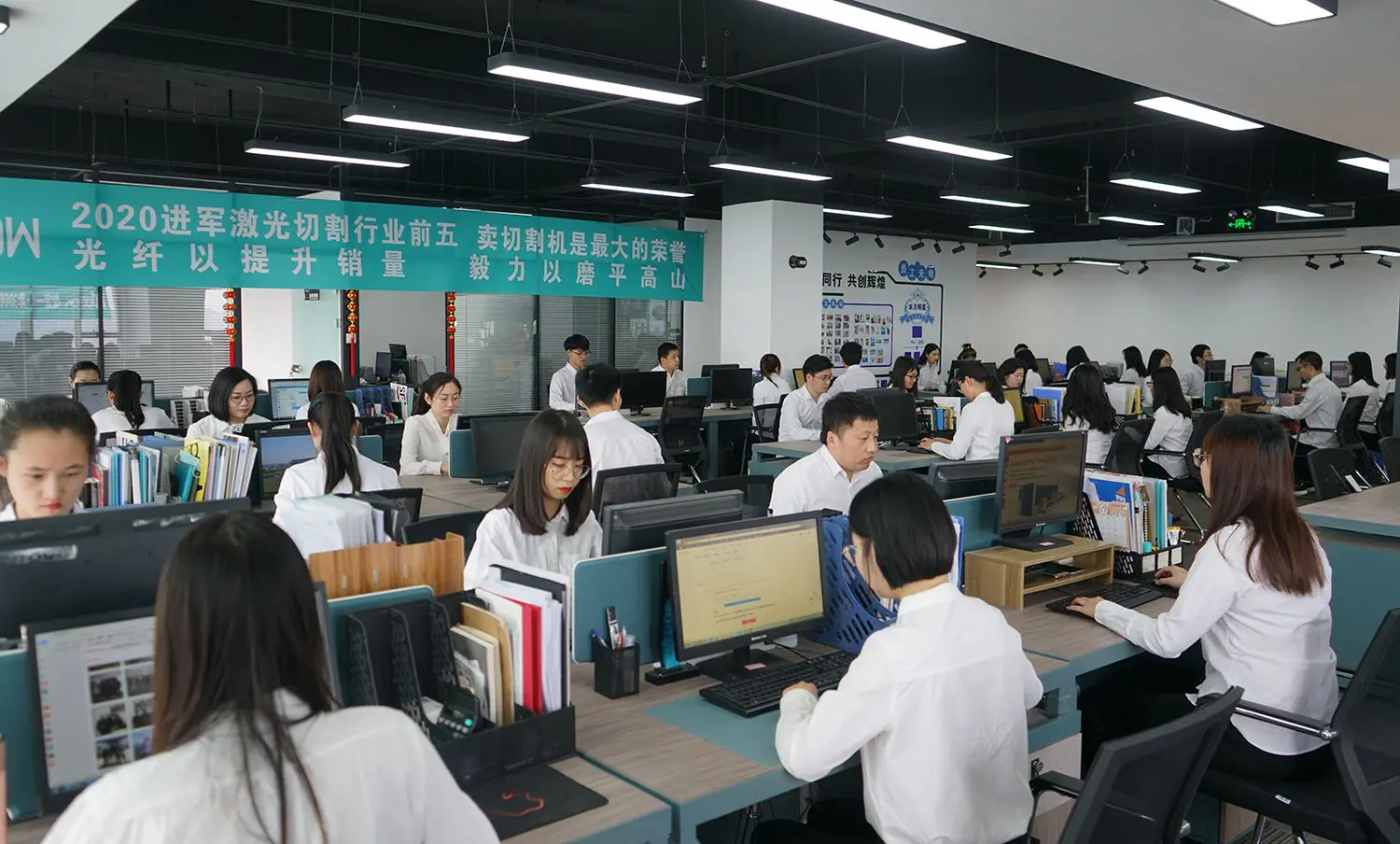
Laser Cutting Factory Assembly Floor

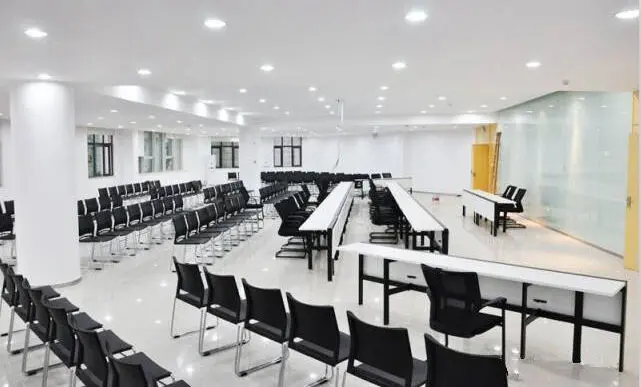
Our Production Facilities & Specialized Teams

Slide Resource 1 Slide Resource 2 Slide Resource 3 Slide Resource 4 Slide Resource 5 Slide Resource 6 Slide Resource 7 Slide Resource 8 Slide Resource 9 Slide Resource 10 Slide Resource 11 Slide Resource 12 Slide Resource 13 Slide Resource 14 Slide Resource 15 Slide Resource 16 Slide Resource 17 Slide Resource 18

Chapter 3: Global Industrial Footprint & Cross-Border Supply Chains

Industrial manufacturing demands differ drastically by geographical market. Our machinery is designed to meet the strict regulatory requirements of diverse target markets:

North America (USA & Canada)

High demand for closed-body designs (Class 1 laser rating), UL/CSA-certified electronic layouts, and automated tube cutting lines. Custom integration with robotic loading is highly preferred.

European Union & UK

Strict CE Machinery Directives. Heavy focus on energy conservation, safety enclosure switches, and low noise levels. Bending and deburring combination setups are standard requests.

APAC, MEA & LatAm

High focus on robust dust collection, high adaptability to fluctuating power grids, and cost-effective fiber laser cutters with simple operation interfaces.

Chapter 4: Material Processing Science & Technical Workflows

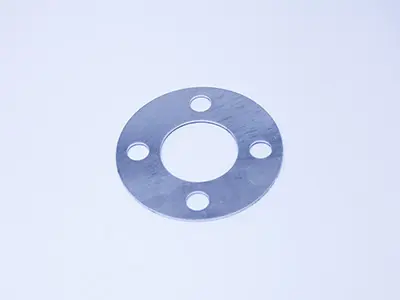
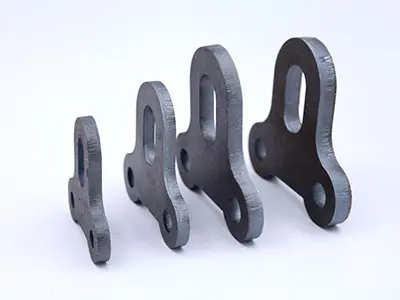
Maximizing output quality requires choosing the correct system setup for specific metal types. High reflectivity metals like copper and brass require distinct laser wavelengths and pulse options compared to standard carbon steel. Below is the material suitability breakdown:
Aluminum
Aluminum Processing
Carbon Steel
Carbon Steel Cutting
Copper
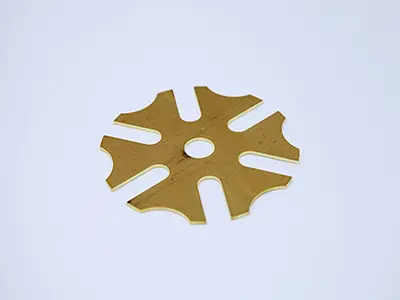
Copper & Brass
Galvanized
Galvanized Sheet
Other Metal
Exotic Alloys
Round Tube
Round Tube Profiling
square-tube
Square Tube Jointing
Stainless-steel
Stainless Steel Finish

Selecting auxiliary cutting gases is equally critical. While Oxygen (O2) acts as an exothermic accelerant for thick carbon steel, Nitrogen (N2) is necessary for stainless steel to prevent oxidation and ensure clean, paint-ready edges. High-pressure air systems are increasingly popular for thin sheets, cutting operational gas costs by up to 60%.

Chapter 5: Technical Roadmap & 2040 Structural Vision

The fiber laser processing industry is advancing toward three major technological milestones:

  • Ultra-High Power Optimization: 20kW to 40kW fiber lasers are becoming standard, enabling high-speed cutting of 50mm thick carbon steel plates and replacing traditional plasma tools.
  • AI-Driven CNC Systems: Real-time vision sensors detect back-reflection and adjust cutting parameters instantly, minimizing nozzle damage and sheet metal waste.
  • Green Production Protocols: High-efficiency laser cavities and modern chiller technology reduce standby power consumption, helping manufacturers comply with global carbon-reduction policies.

Purchasing Intelligence — FAQ (Frequently Asked Questions)

1. What determines the price of a sheet metal laser cutting machine?
The price is primarily determined by the power of the fiber laser source (measured in kilowatts), the size of the cutting bed, whether the machine features an open layout or enclosed shuttle tables, and the brand quality of key components like the CNC controller, cutting head, servo motors, and rack systems.
2. Why choose a fiber laser over CO2 laser for sheet metal processing?
Fiber lasers offer electrical efficiency rates of around 35-40% (compared to CO2 lasers at 8-10%), resulting in lower utility bills. They also cut thin-to-medium metal sheets 3 to 4 times faster and require minimal maintenance since they have no complex internal mirrors or optics to align.
3. What is the typical lifespan of a fiber laser source?
Under proper operating conditions and regular chiller filter maintenance, leading fiber laser sources (like Raycus, Max, or IPG) have a diode lifespan of up to 100,000 hours, equivalent to over 10 years of multi-shift operation.
4. How does a fully automatic coil-fed assembly line improve profit margins?
Coil-fed systems (such as the Custom 3015FL) decoil, level, and cut sheet metal continuously. This minimizes material waste compared to pre-cut sheet nesting, speeds up cycles by eliminating manual loading, and reduces raw material costs by using bulk coils instead of flat sheets.
5. What thickness limits can be expected from 3kW, 6kW, and 12kW systems?
A 3kW system cuts carbon steel up to 20mm and stainless steel up to 8mm. A 6kW system handles carbon steel up to 25mm and stainless steel up to 16mm. A 12kW system increases capacity to 40mm carbon steel and 25mm stainless steel, while maintaining high cutting speeds on thinner plates.
6. Which certifications are critical for importing laser machinery to North America or Europe?
Europe requires CE machinery, electromagnetic compatibility, and low voltage directives. North America requires FDA registration for laser devices, along with UL/CSA compliance for electrical cabinets to pass local safety inspections. Our systems comply with all CE, FDA, and ISO 9001 standards.
7. What is the role of a deburring machine in a laser cutting shop?
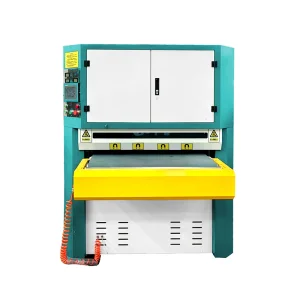
Although fiber lasers provide clean cuts, high-speed cutting or working with specific alloys can leave slight burrs or sharp dross. A double belt deburring machine (like the LX-RR-M-450) automates edge rounding and oxide layer removal, preparing parts for paint or welding.
8. What is the purpose of laser cleaning machines (LXC series) in fabrication?
Laser cleaners remove oil, rust, and scale from sheet metal surfaces before welding, and clean post-weld oxide layers. This process is chemical-free and abrasive-free, ensuring high-quality welds without damaging the base metal.
9. How do CNC press brake bending machines complement laser cutting?
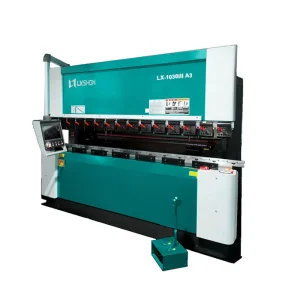
Bending machines (like the WE67K or full electric servo series) form laser-cut flat parts into 3D components. Maintaining consistent software databases across both systems ensures that calculated bend deductions match actual machine performance, preventing dimensional errors.
10. What after-sales and installation support do you provide globally?
We offer remote diagnostics, on-site commissioning, operator training, and local technical assistance. With machines operating in over 150 countries, we maintain responsive communication links to keep your equipment running smoothly.

Comprehensive Product Lines & Component Configurations

Laser Cladding Machinery

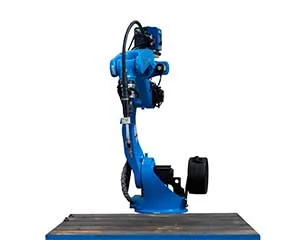
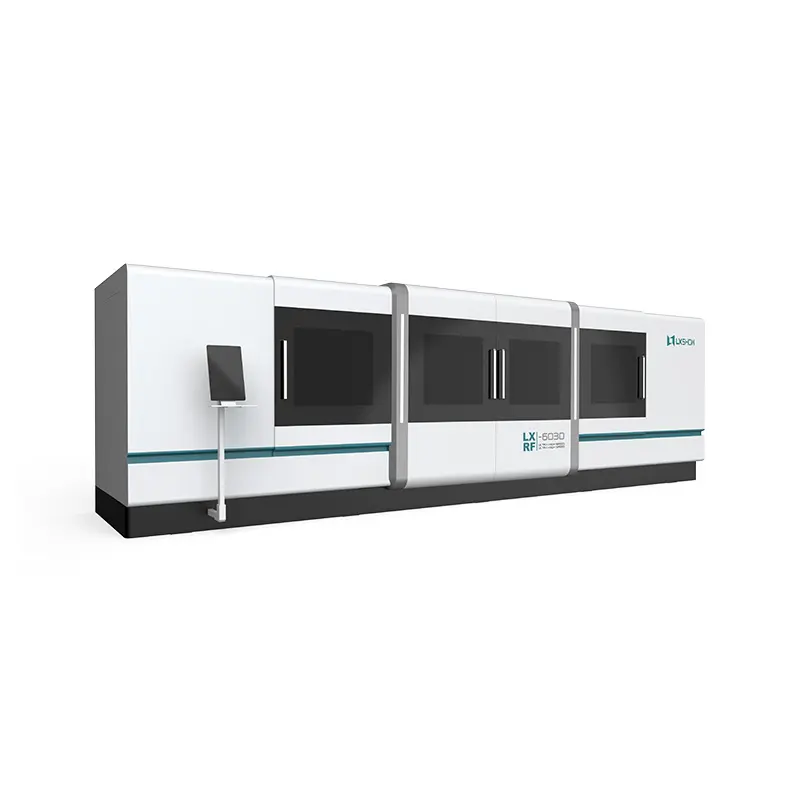
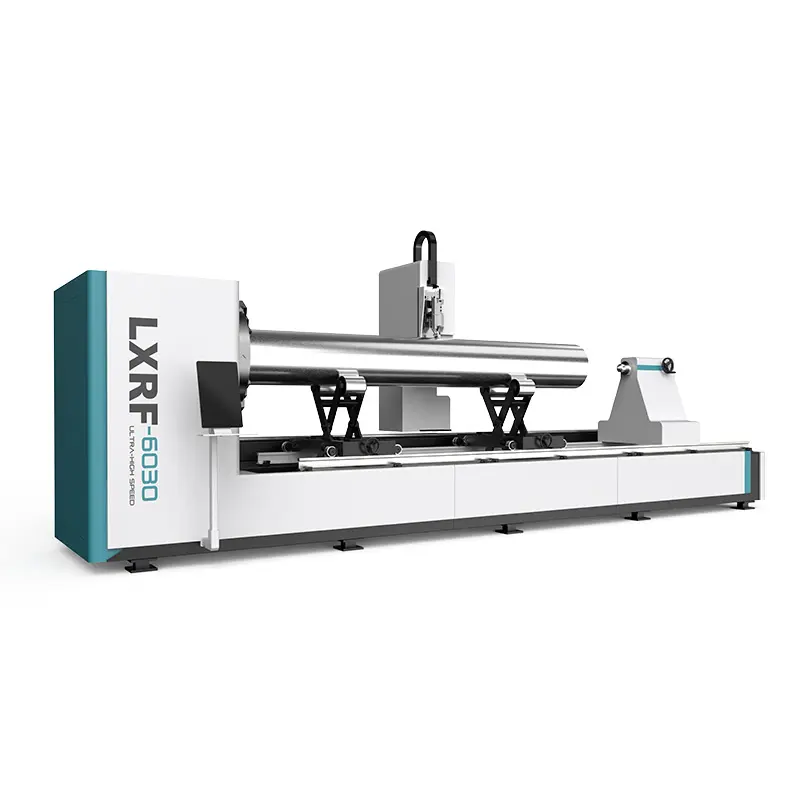
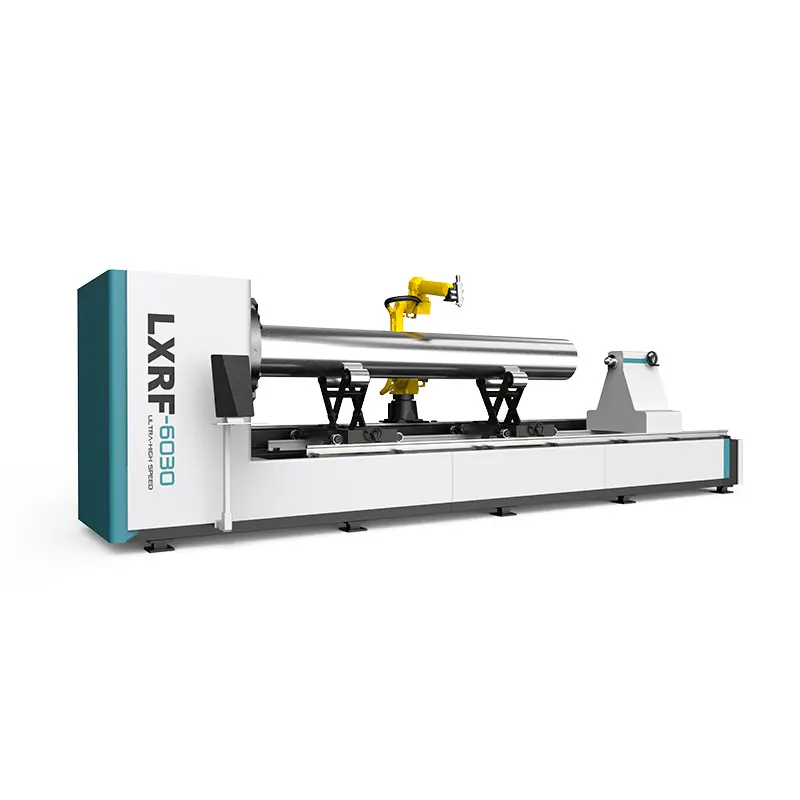
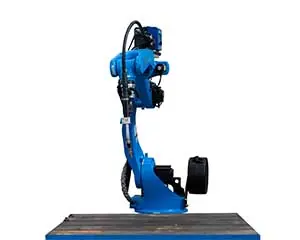
Our laser cladding configurations provide reliable surface repair and material coating. Systems like the LXRF-6030 feature high-precision positioners and robotic integration, designed for consistent batch output and long-term durability.

LXRF-6030 Single Axis LXRF-6030 Positioner LXRF-6030 CNC Robot

Laser Cleaning Systems

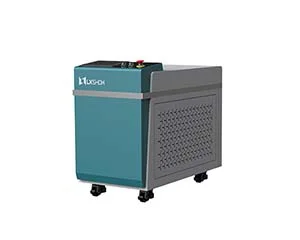
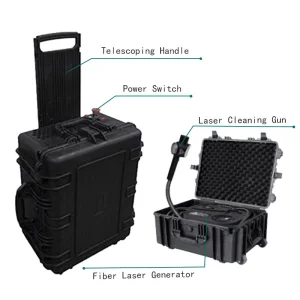
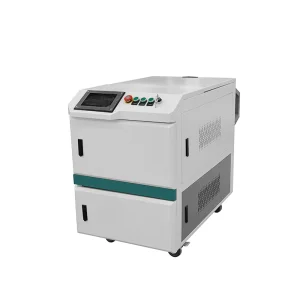
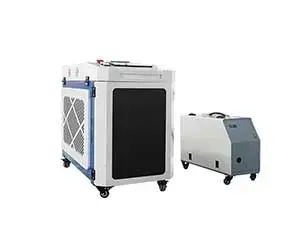
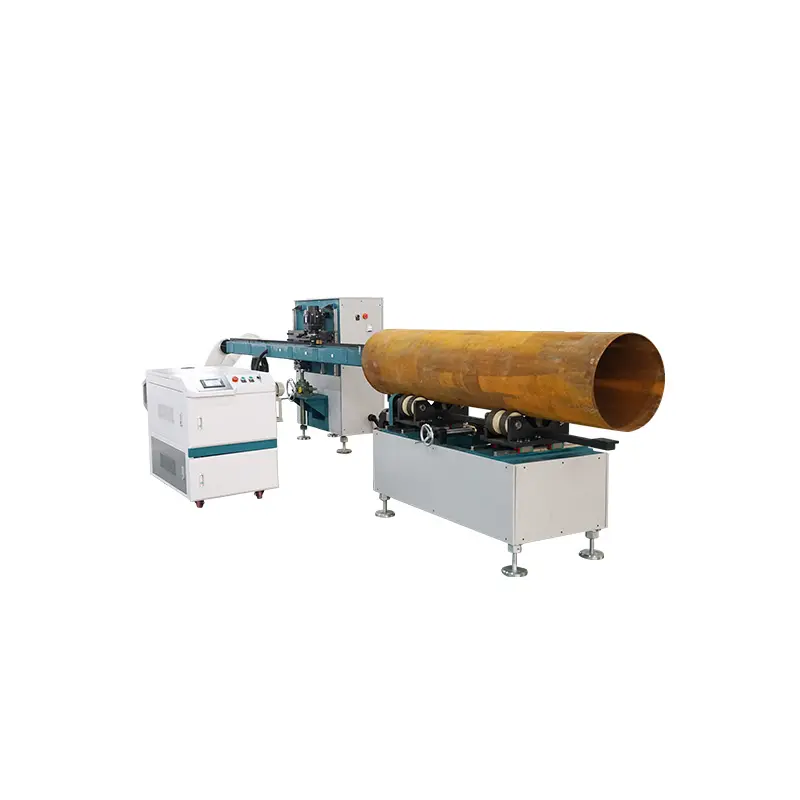
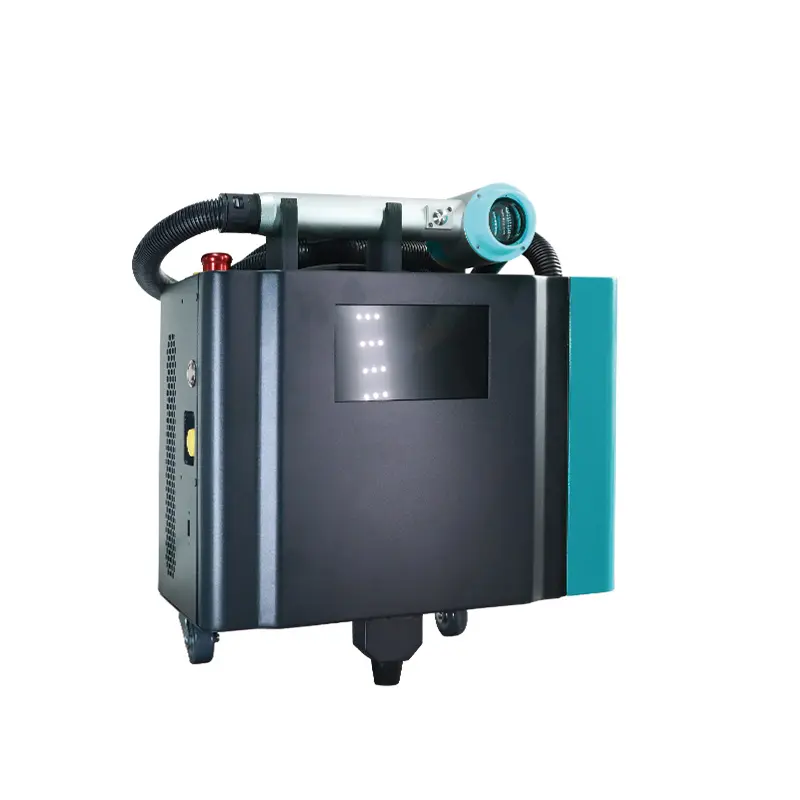
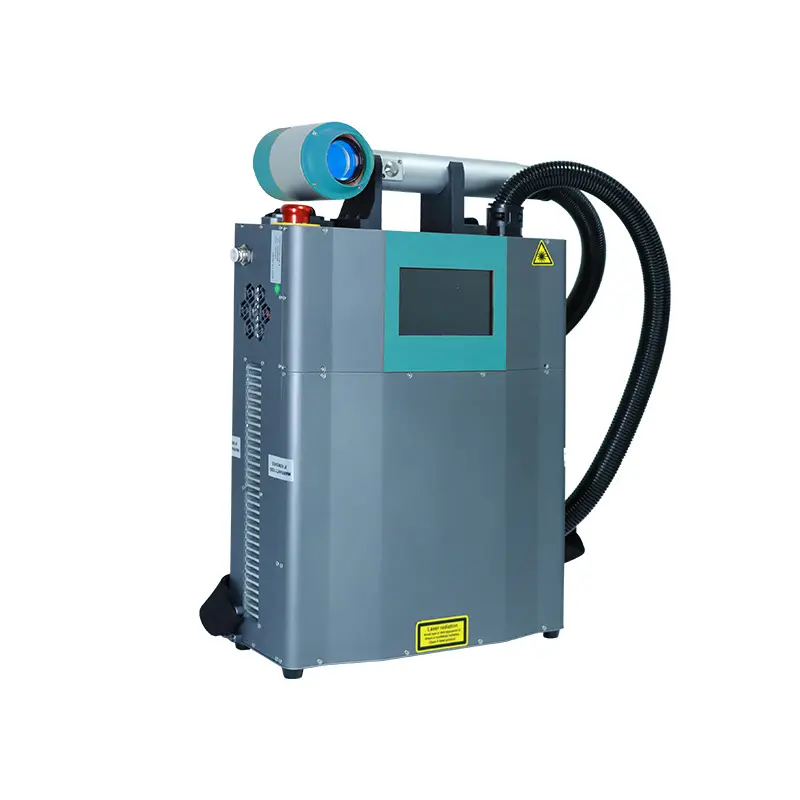
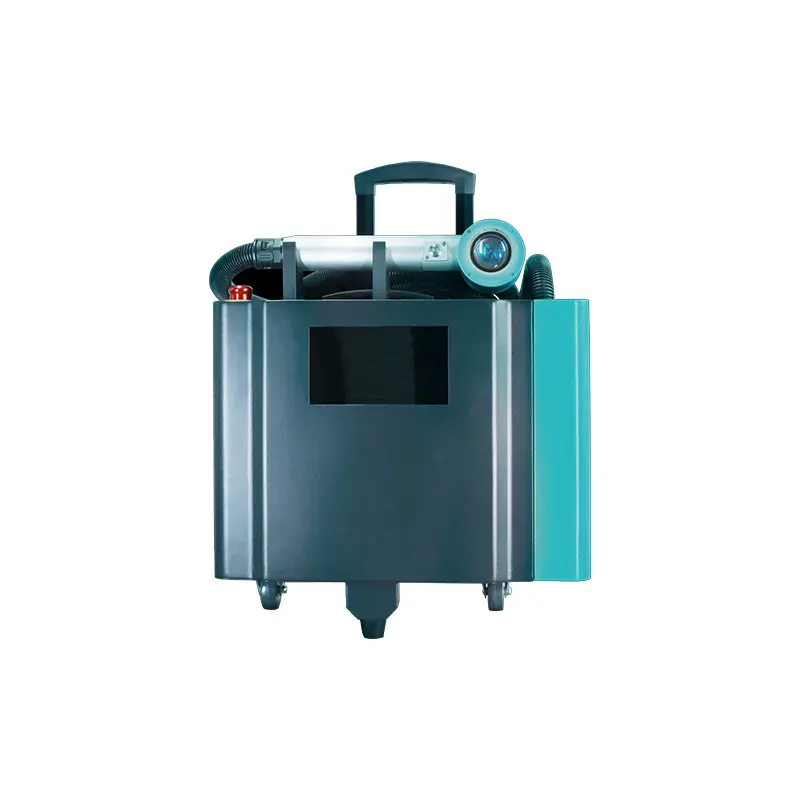
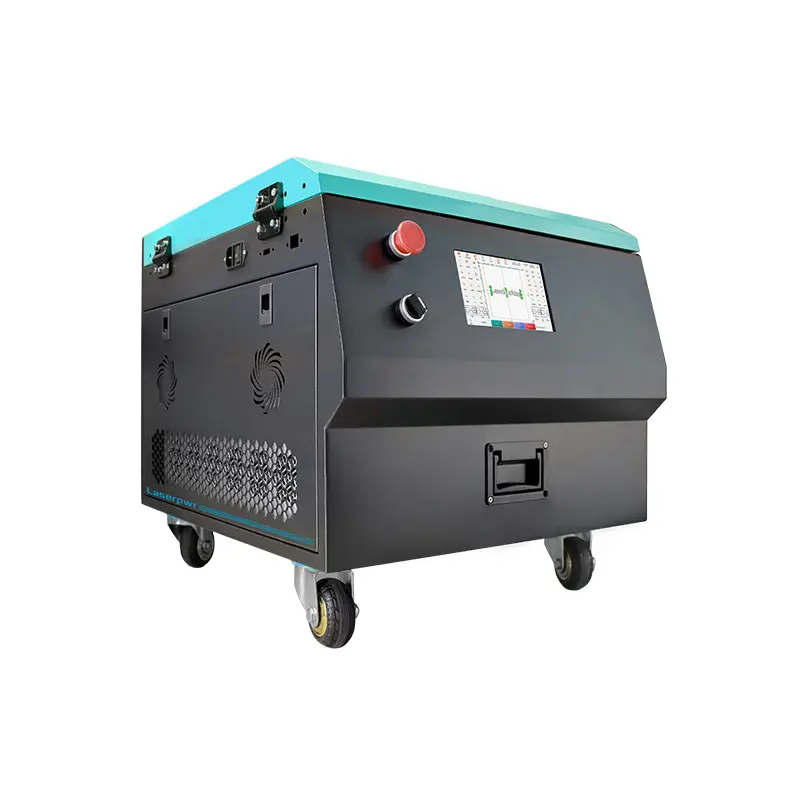
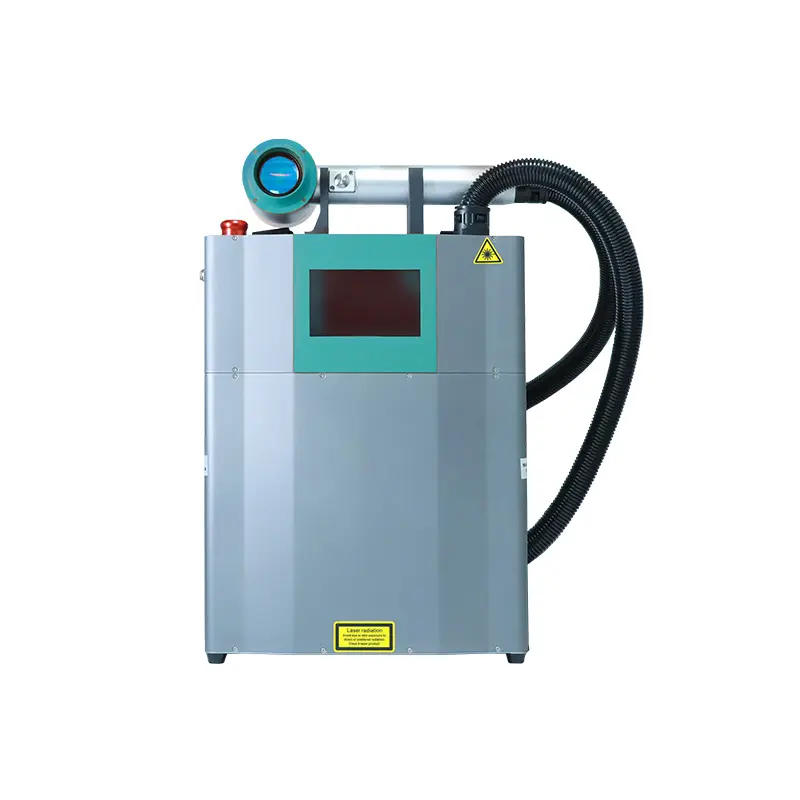
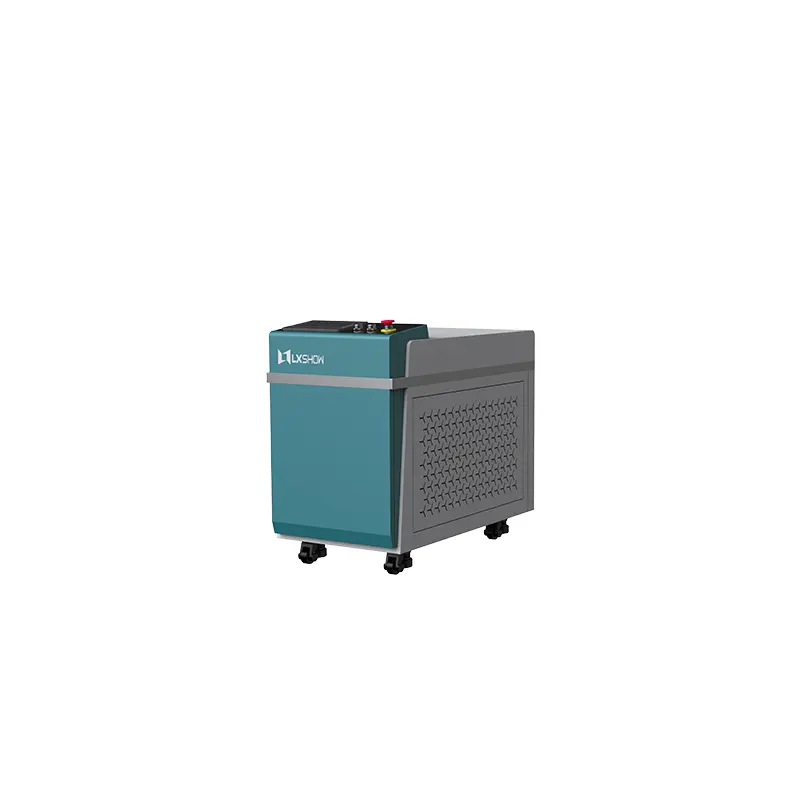
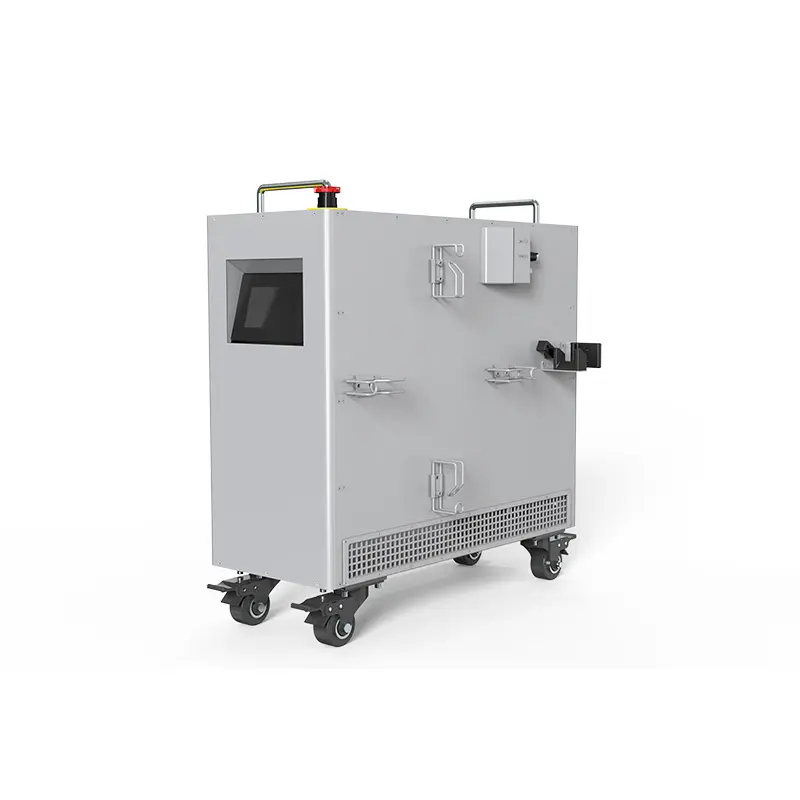
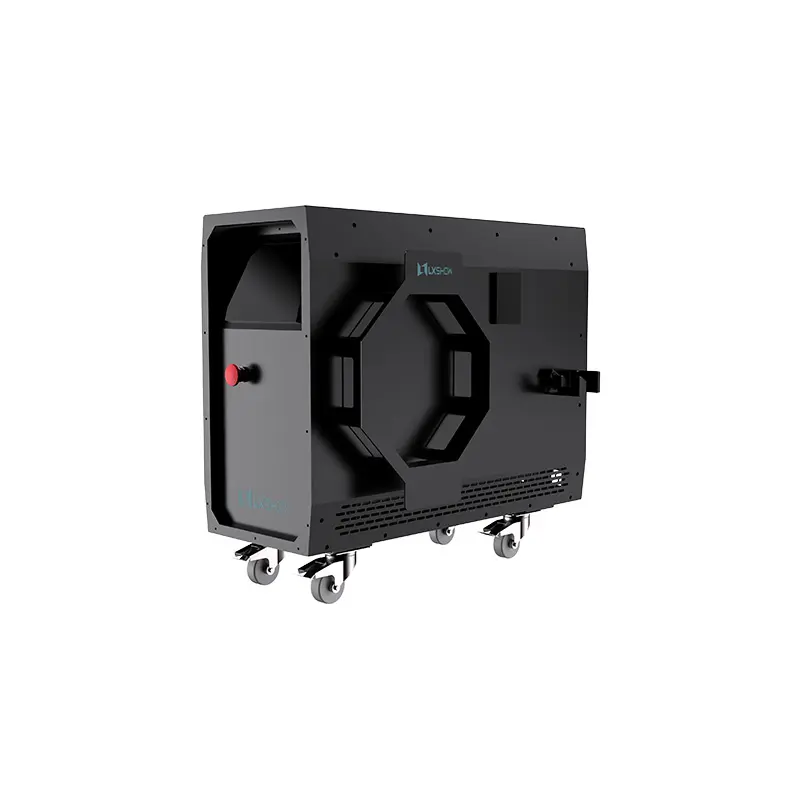
Advanced rust and coating removal tools. Configurations include the compact LXC-100W, mid-range LXC-200W/500W pulsed units, and fully enclosed large-format cleaning cabinets.

LXW-1500W Integrated LXC Inner Wall LXC Outer Wall LXC Large Format Portable cleaner Backpack style Pulse tie rod 200w Pulse tie rod 2024 Backpack 100W Economy model Handheld small Fully surrounded flat

Precision Laser Welding

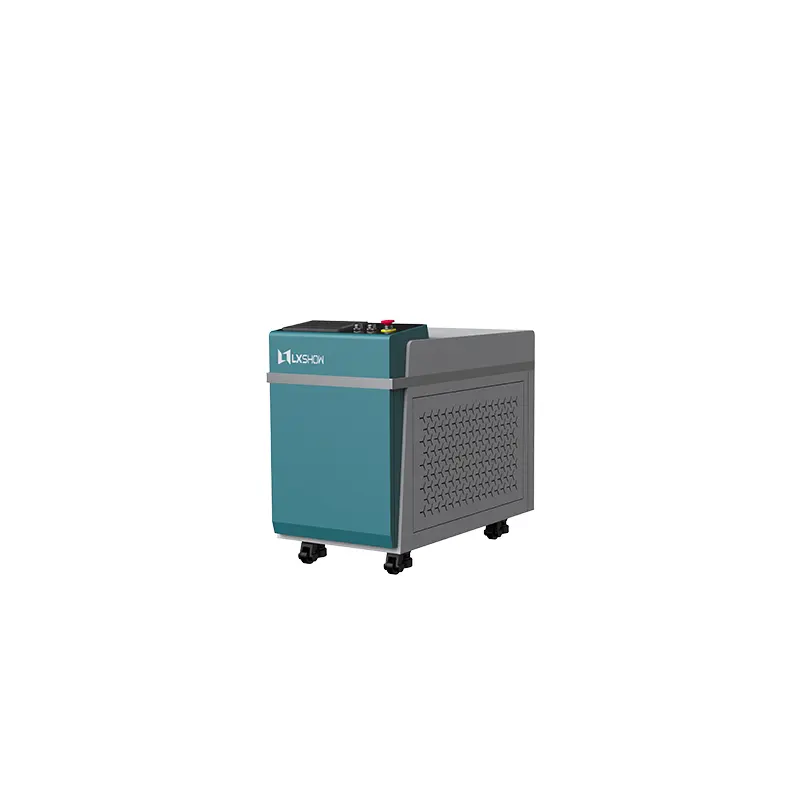
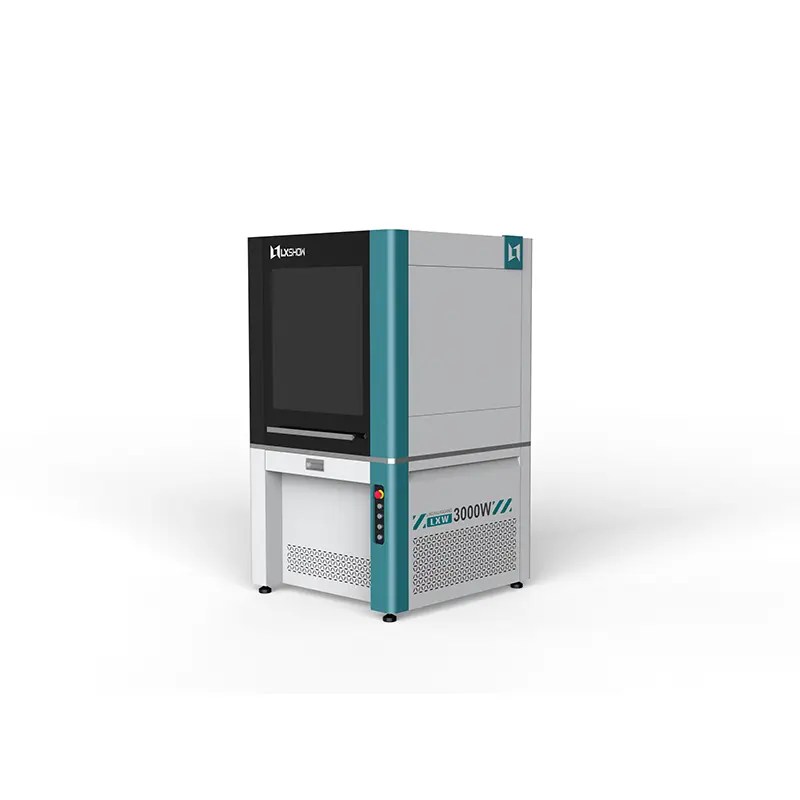
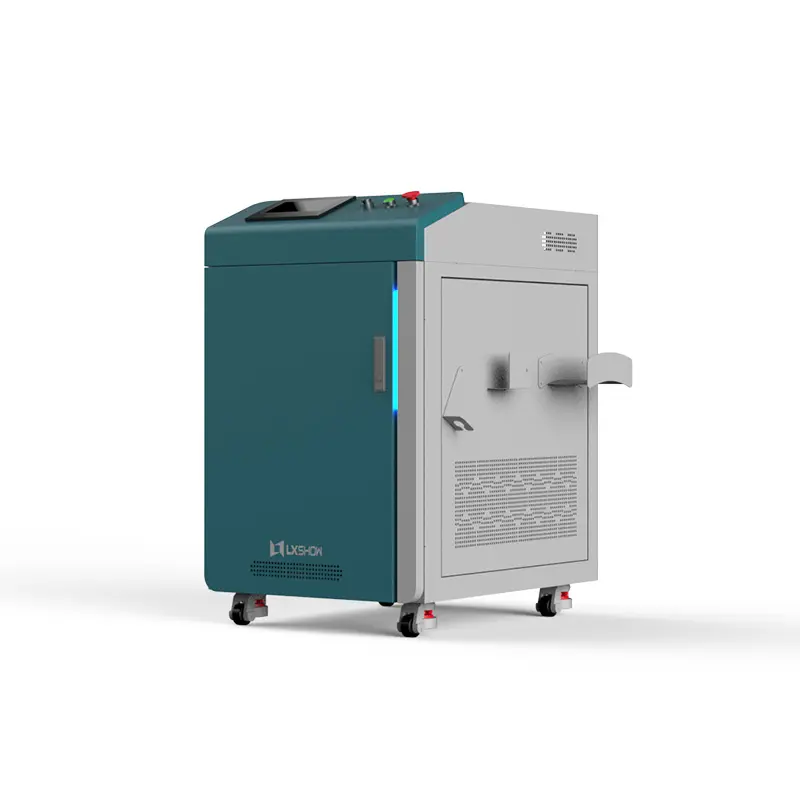
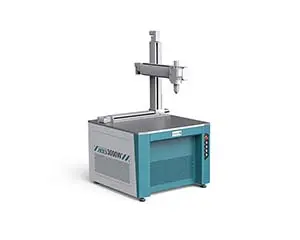
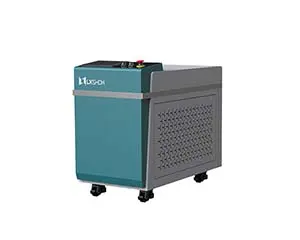
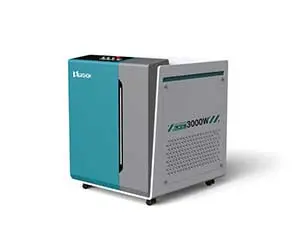
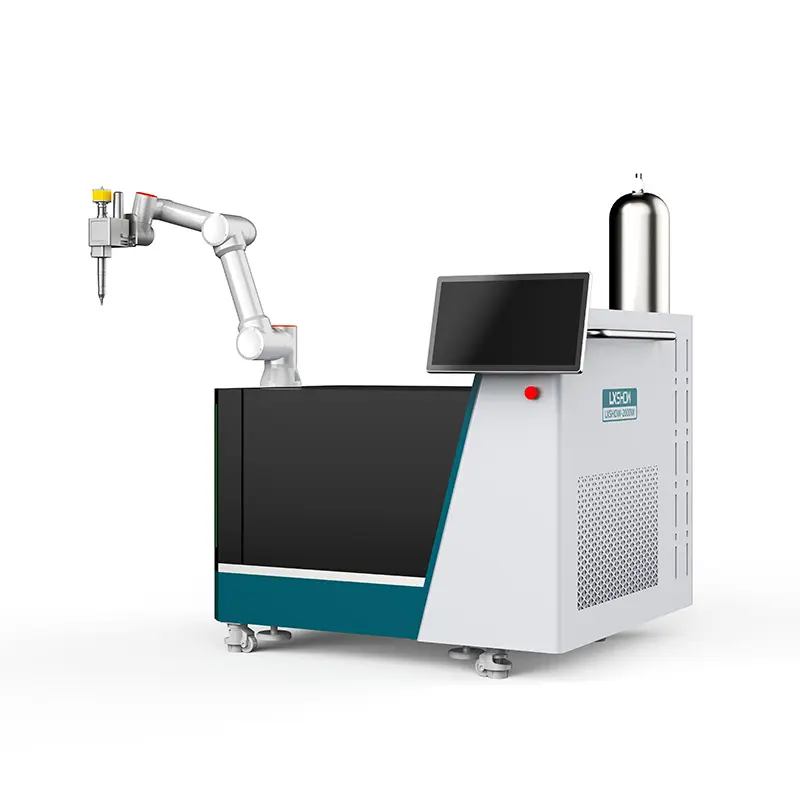
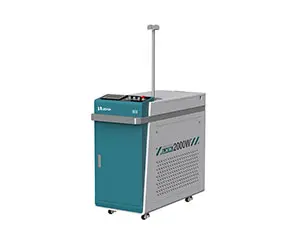
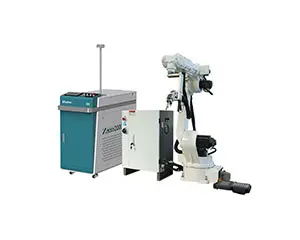
Our hand-held and robotic arm-assisted laser welding systems (such as the LXW-1500W and LXW-3000W series) deliver clean welds on stainless steel, mild steel, and aluminum.

LXW-1500W Economy LXW Enclosed LXW-1000-2000W Tabletop LXW-1500W Handheld LXW-3000W Handheld LXW-3000W High Power LXW Arc welding 2026 Robot Arm CNC LXW-1500W Reci LXW-1500W Air cooling LXW 1000/1500/2000W LXW with Robot Arm

Sheet & Tube Laser Cutters

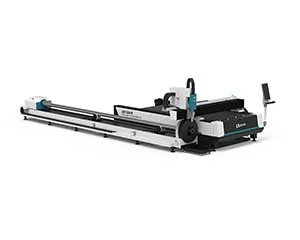
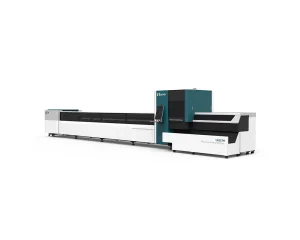
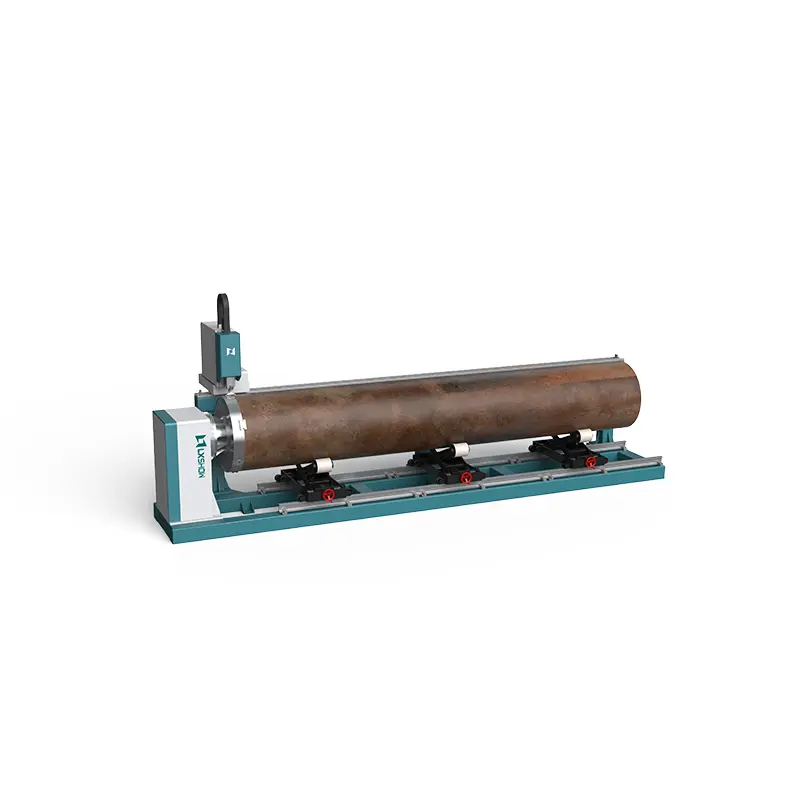
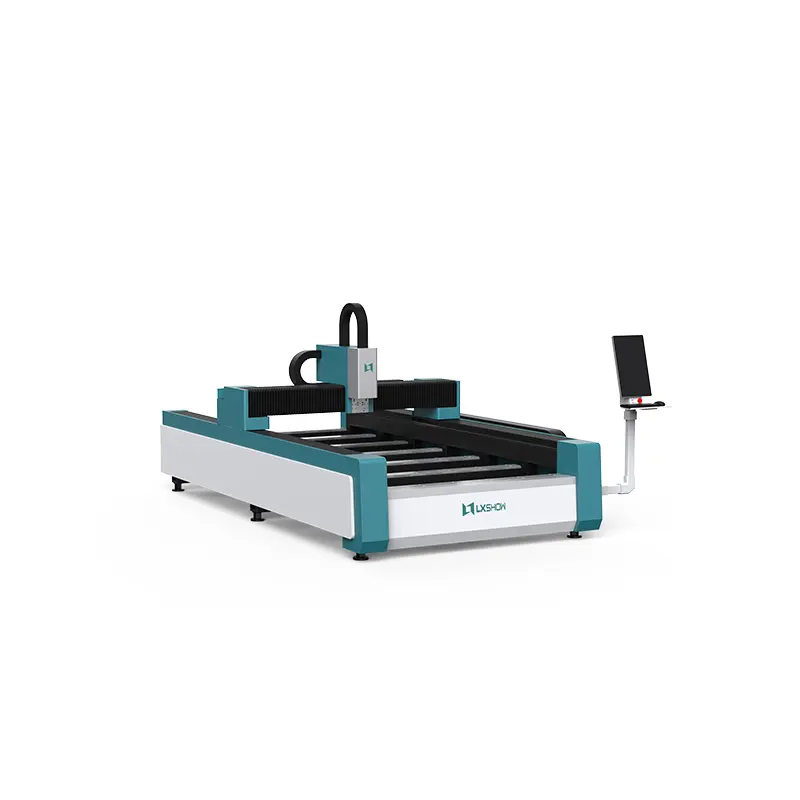
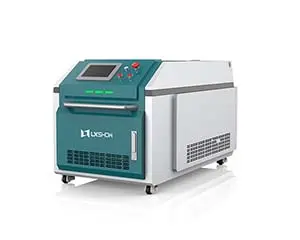
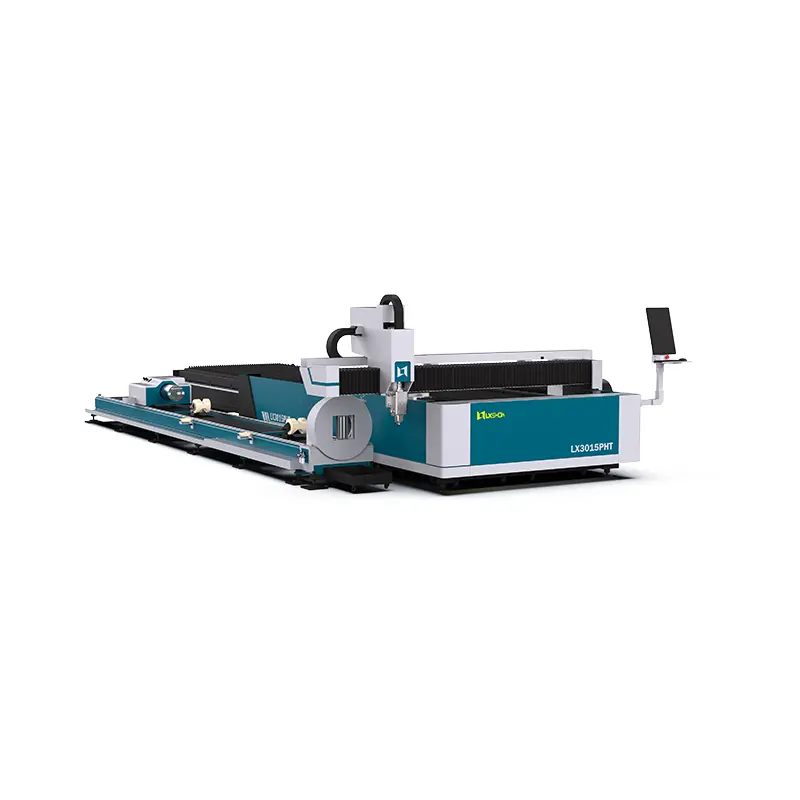
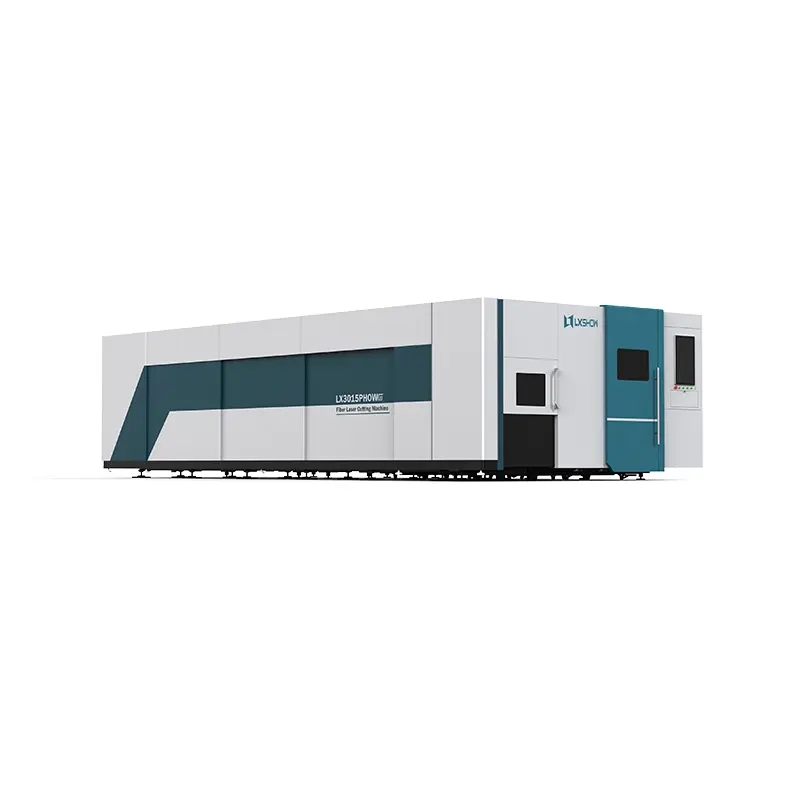
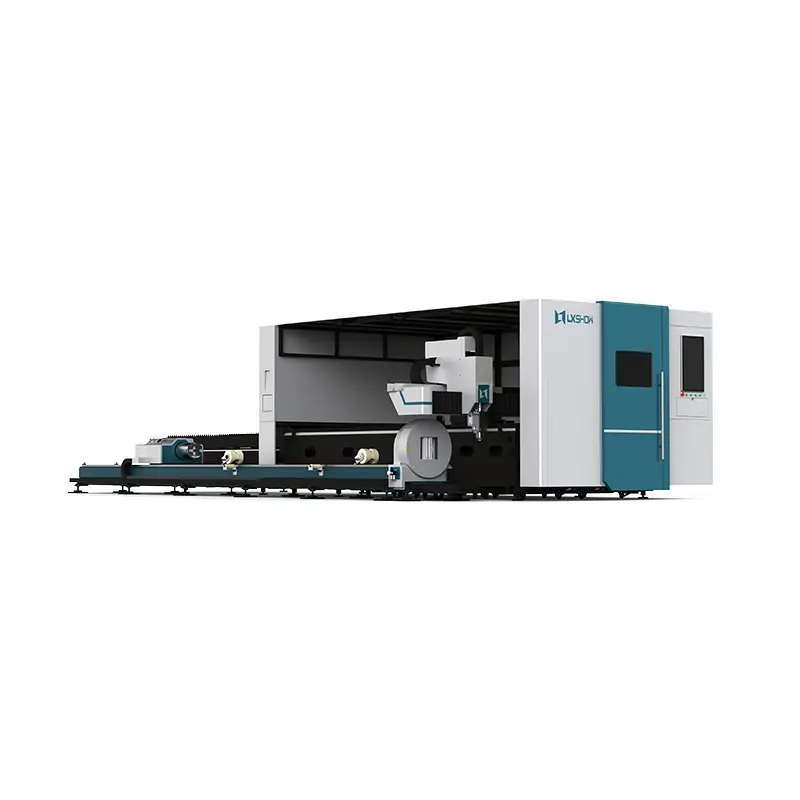
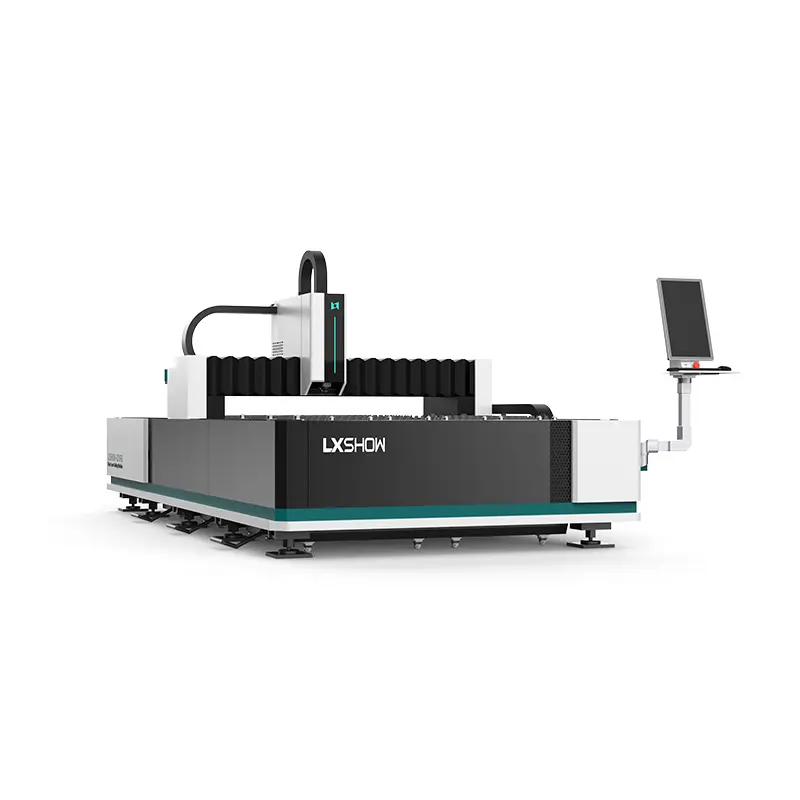
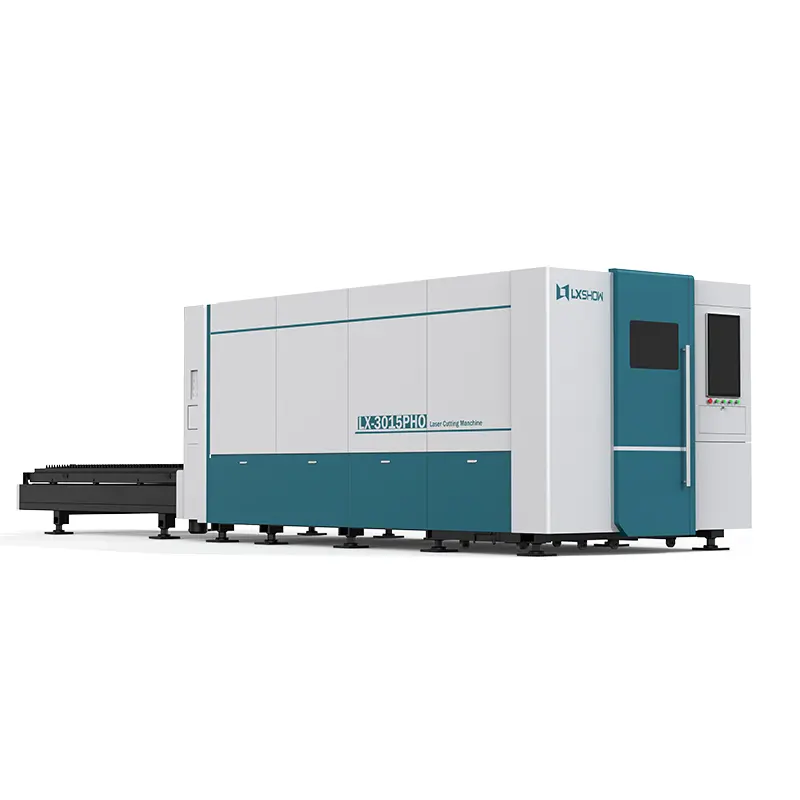
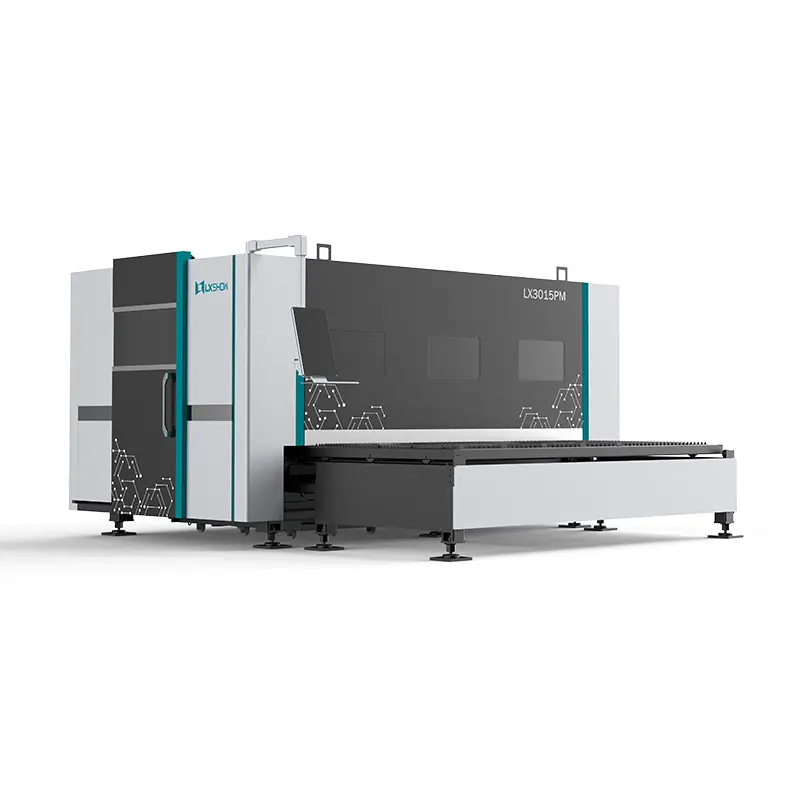
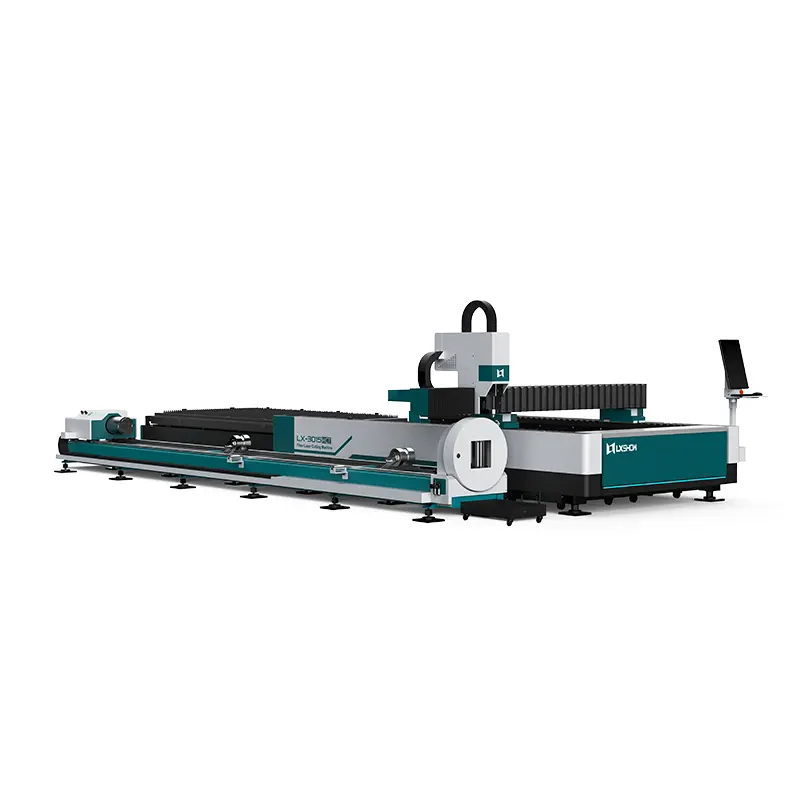
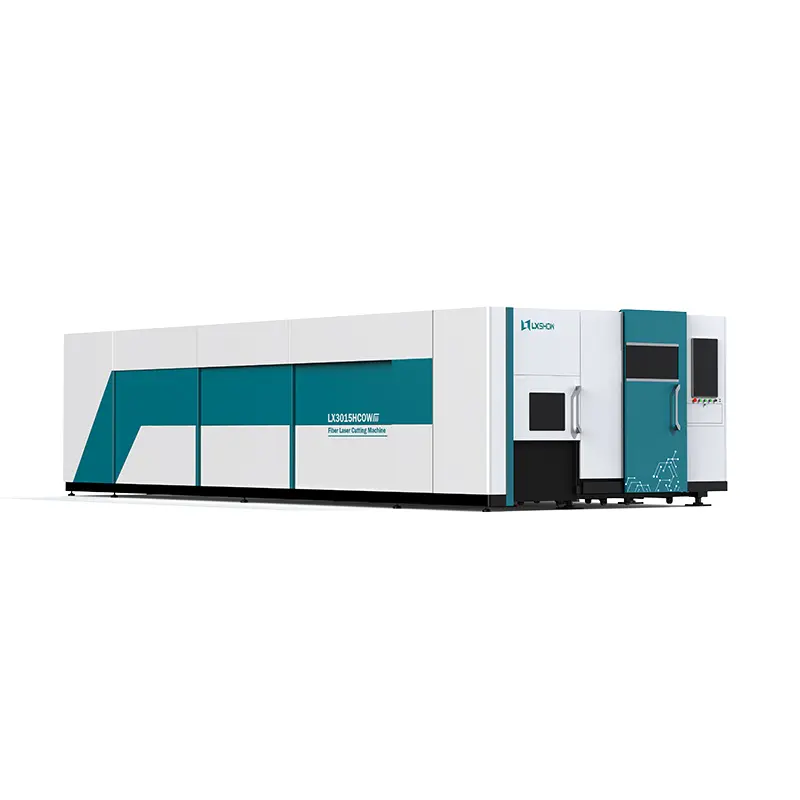
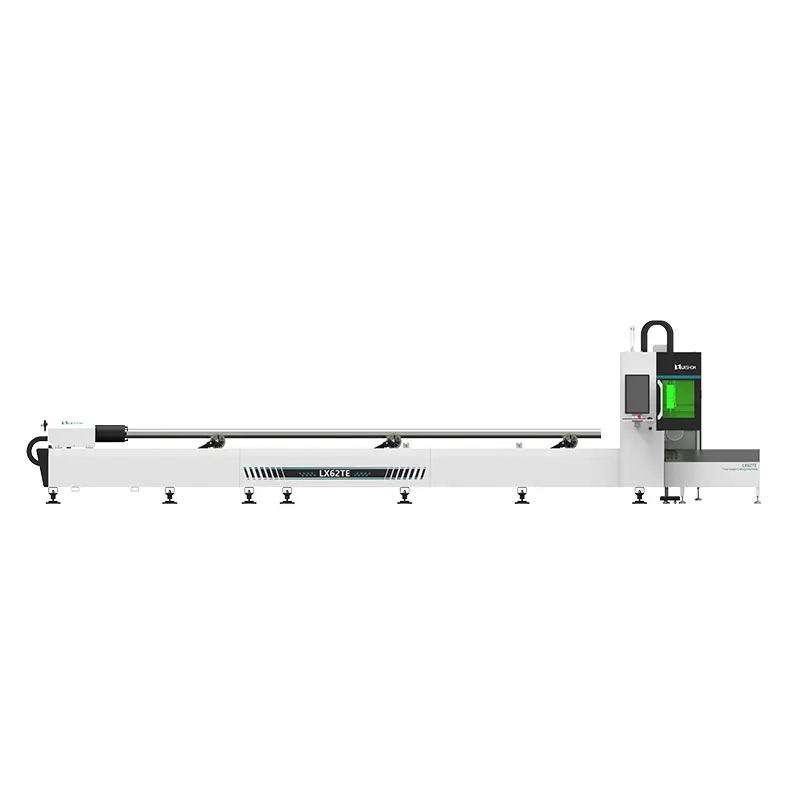
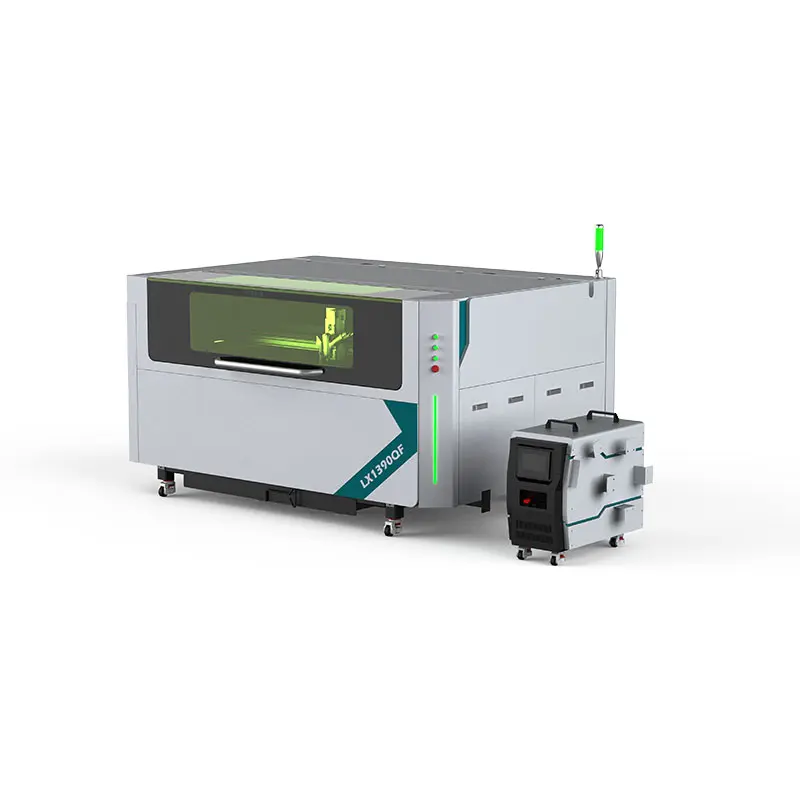
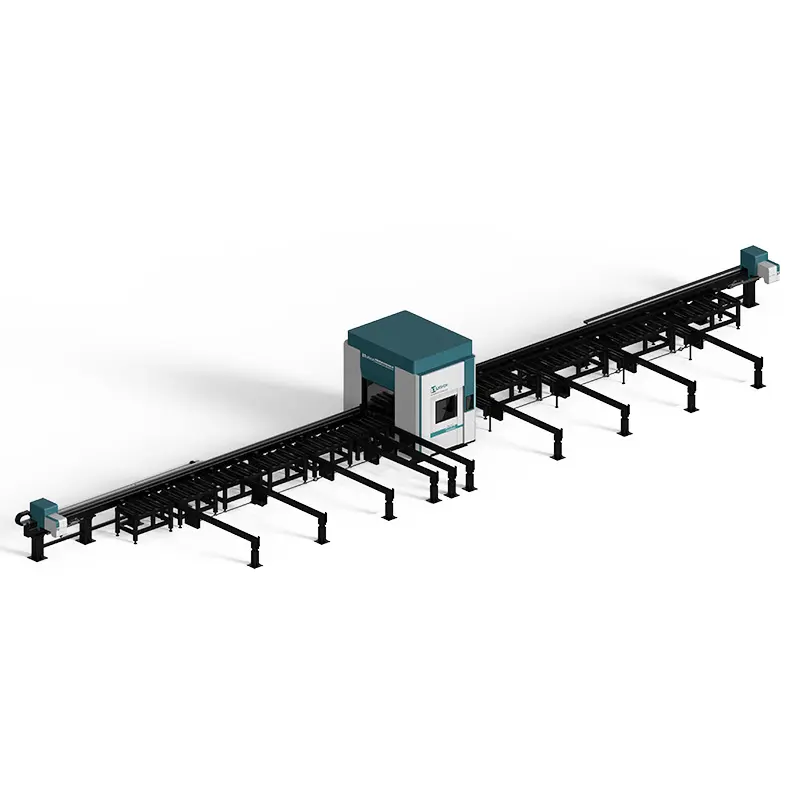
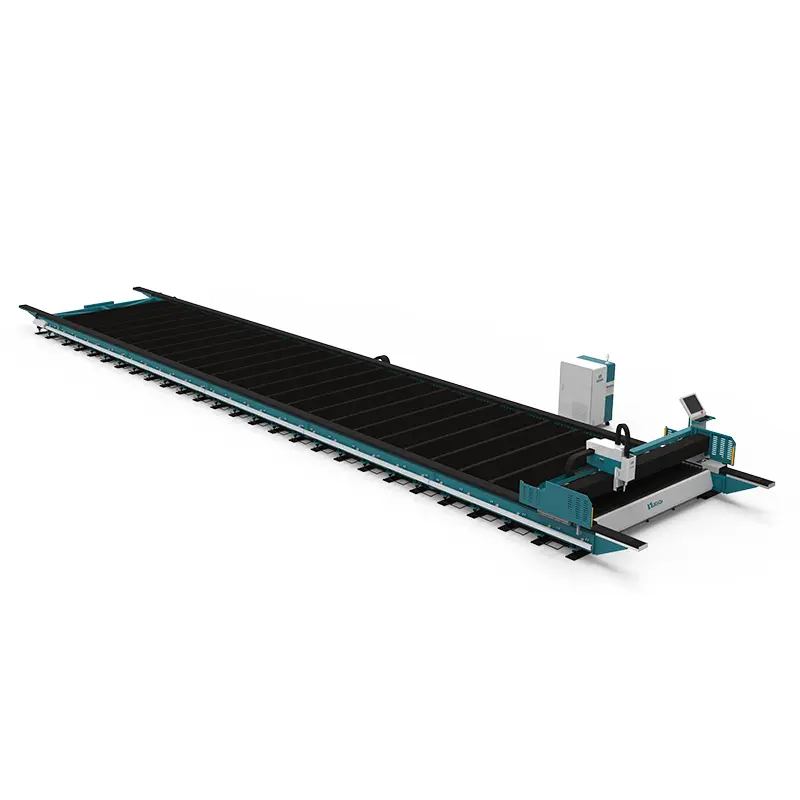
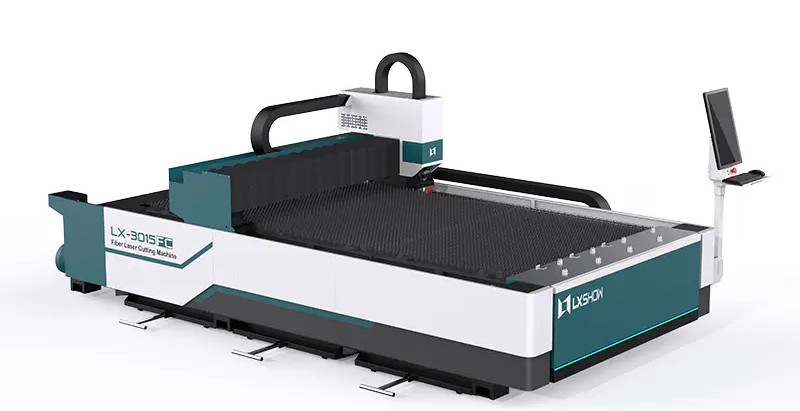
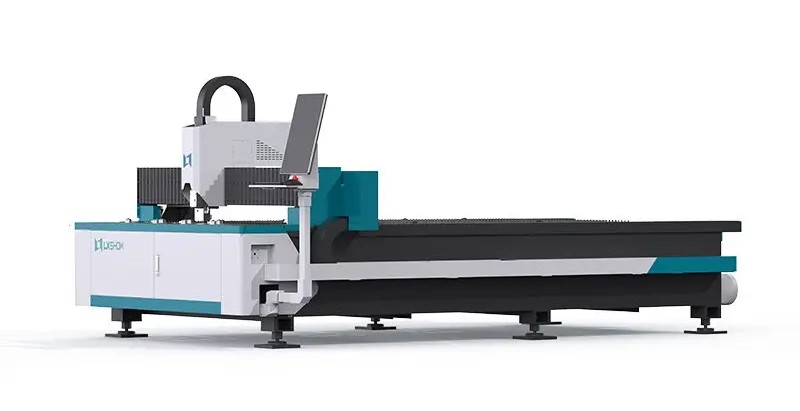
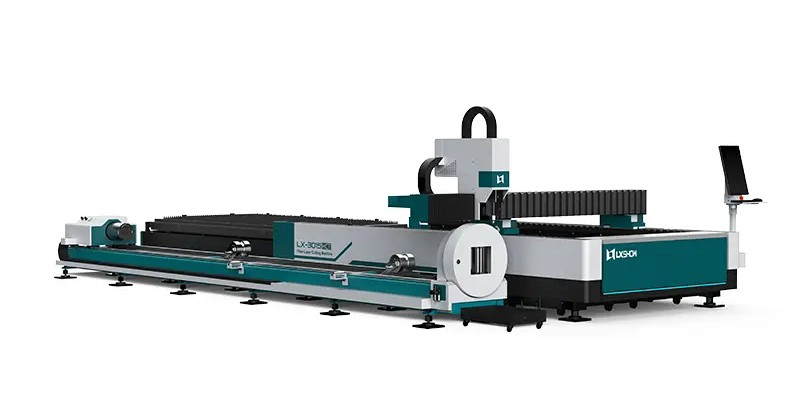
Our flatbed and pipe fiber lasers (including the 3015PHT, 3015FG, and ultra-large format 20035LD) offer high speed and structural stability for industrial cutting.

3015PHT 3015PHOW 3015PHOT 3015FG 3015PHO LX3015PM 3015HCT 3015HCOW LX62TE Lx1390qf LX650FBHGA 20035LD Laser Cutting Type Laser Cutting Type 2 Laser Cutting Type 3 Laser Cutting Type 4 Laser Cutting Type 5 Laser Cutting Type 6

CNC Bending Machines

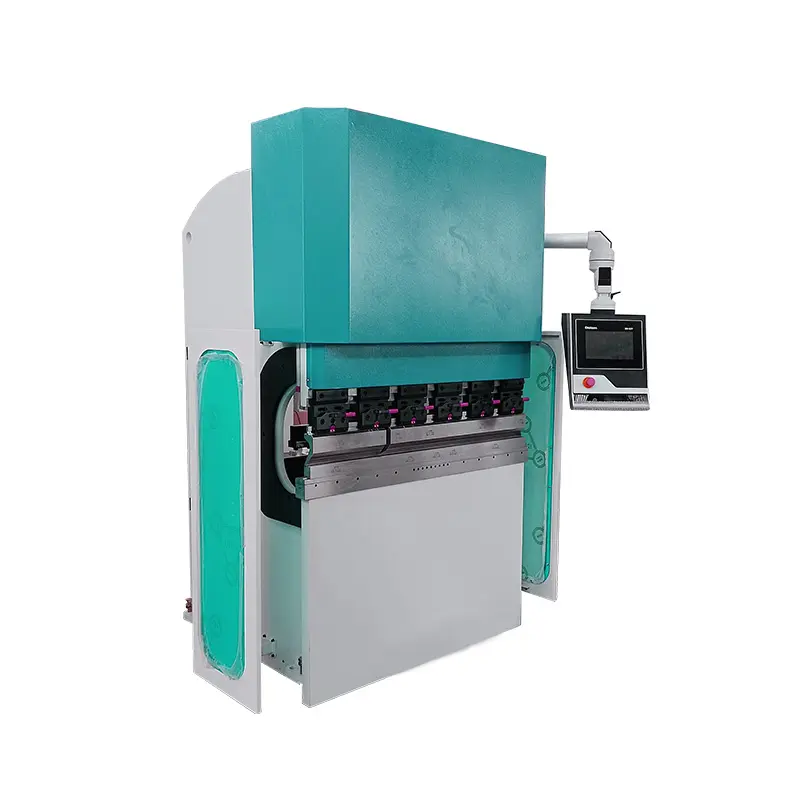
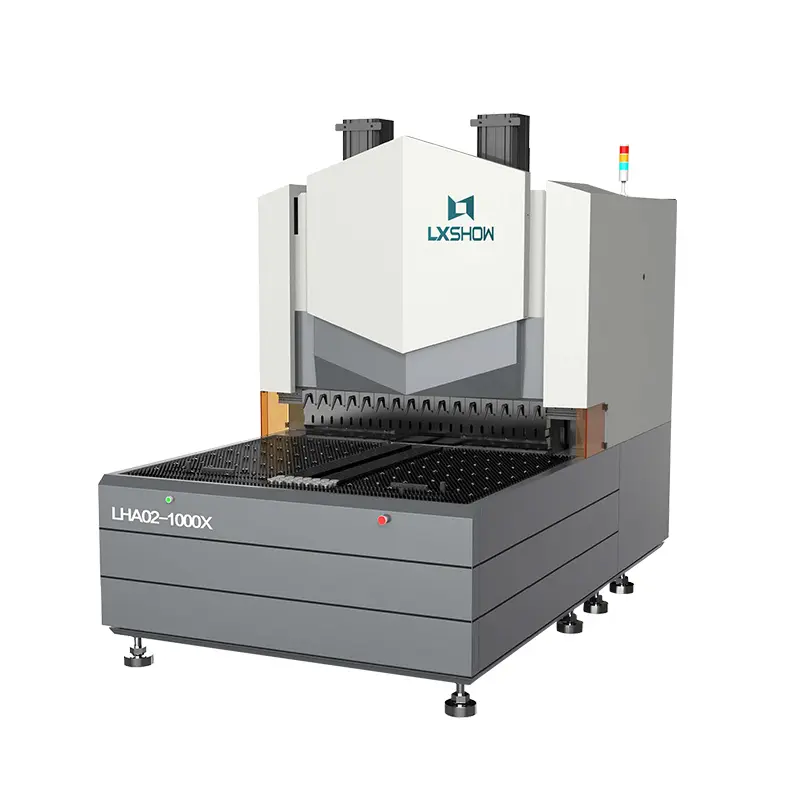
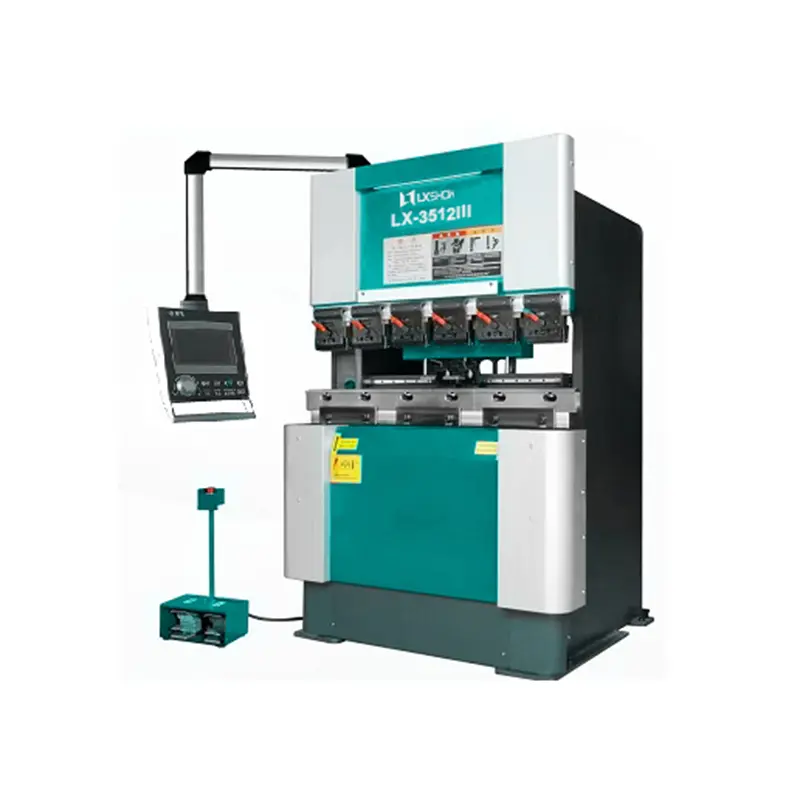
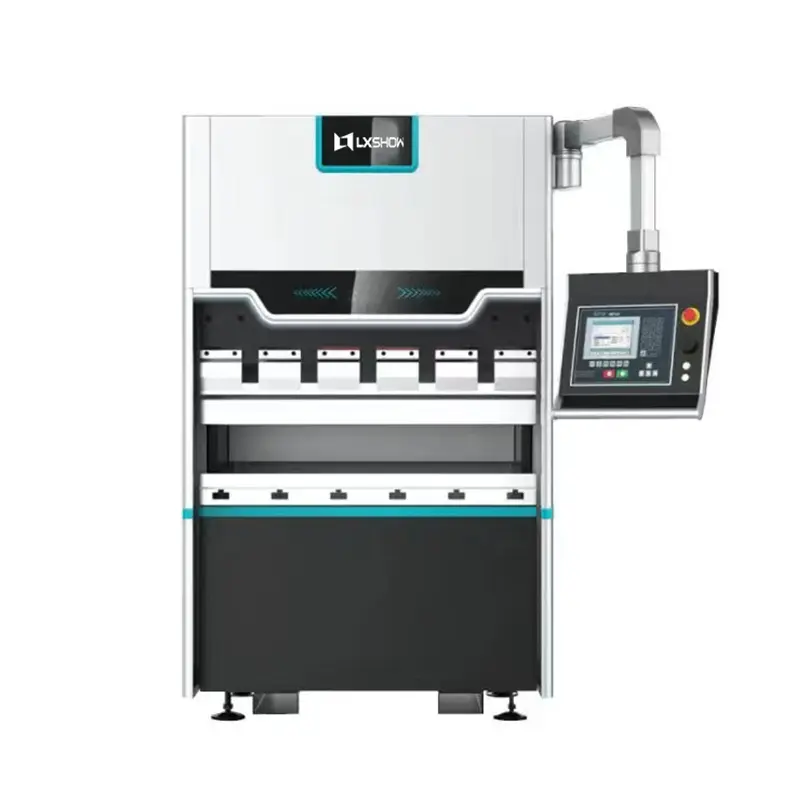
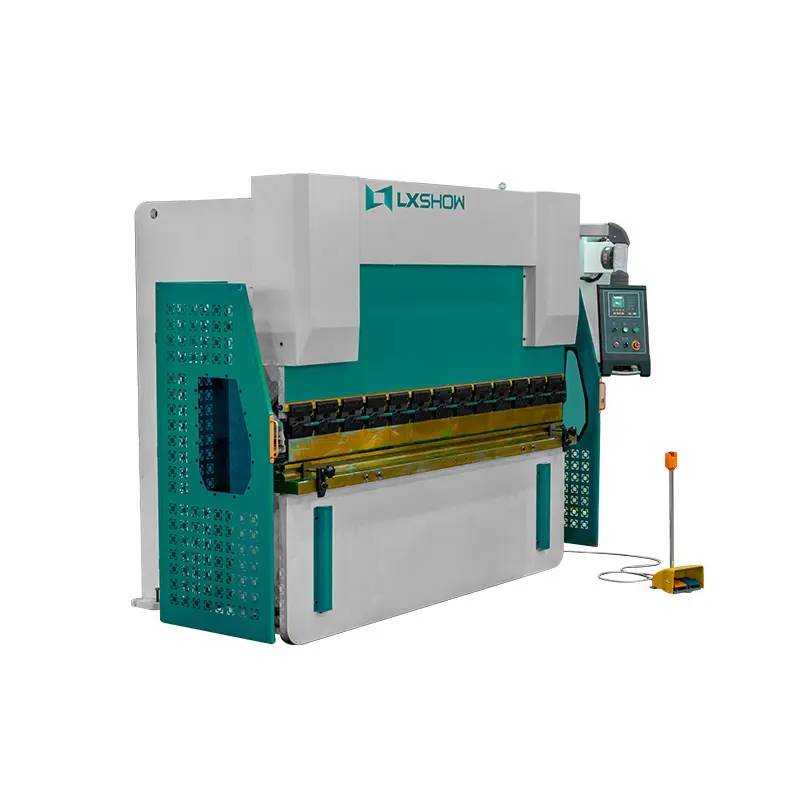
Our line includes standard electro-hydraulic press brakes like the WE67K-63T1600, high-capacity models, and full electric servo bending systems designed for high-speed forming.

WE67K-63T1600 WC67K-63t1600 Full Electric Bending LHA05 WC67K-125T4000 LX-3512 LX-350T-1250 WC67K-100T4000 WE67K-300T4000 WE67K-220T6100 WE67K-100t4000 WE67K-125T4000 B

Hydraulic Shearing Machines

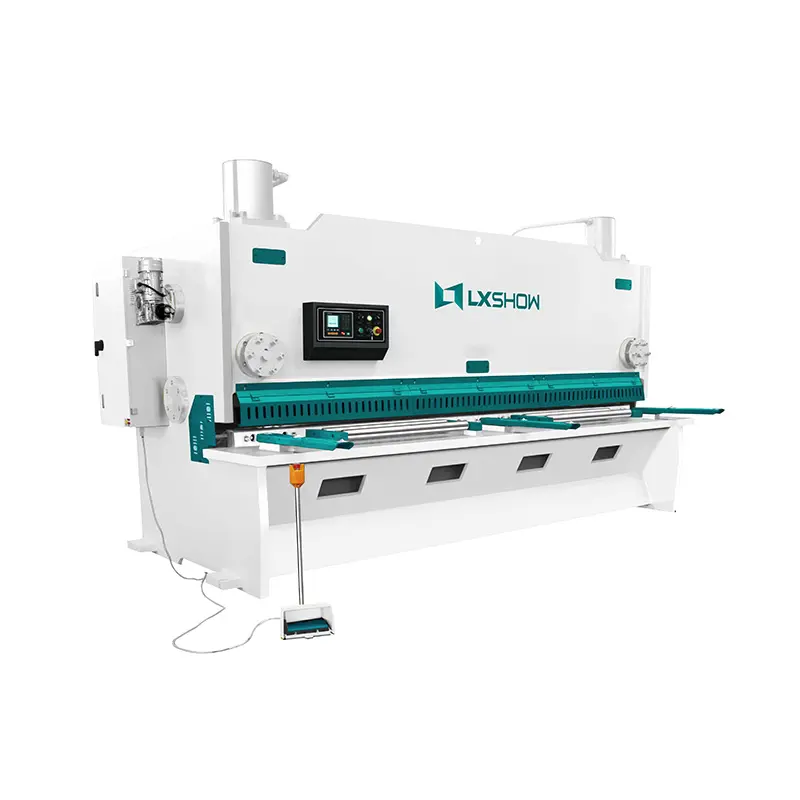
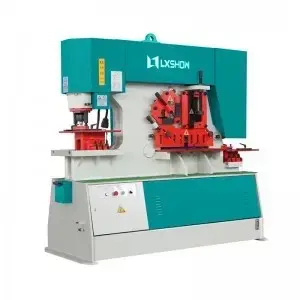
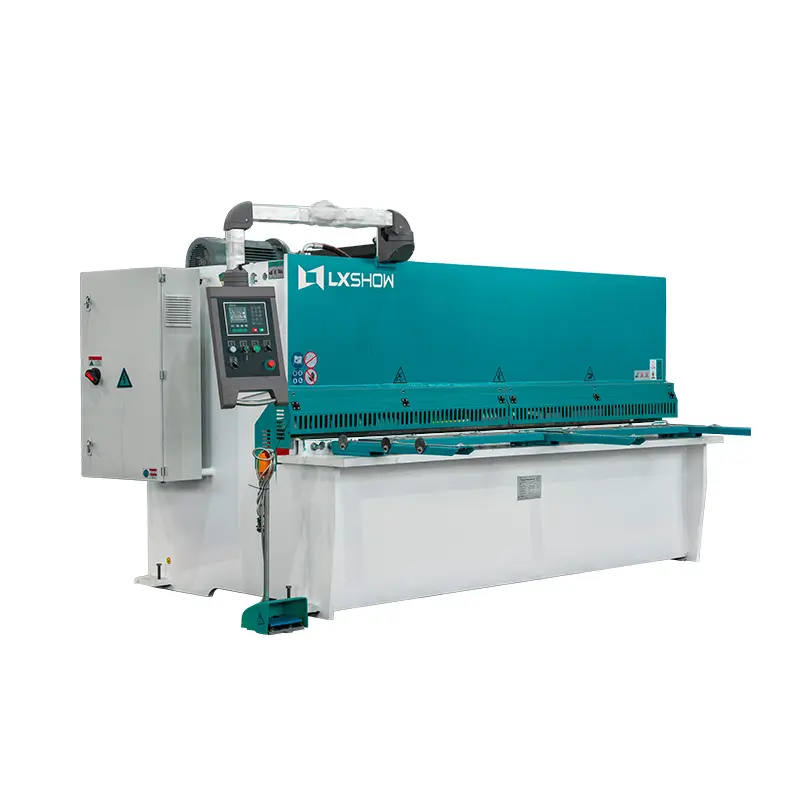
Our shearing machinery portfolio includes the QC11Y hydraulic gate shear, the Q35Y-16 punch & shear, and the QC12Y pendulum shear, providing robust blanking solutions for steel sheet processing.

QC11Y Q35Y-16 QC12Y