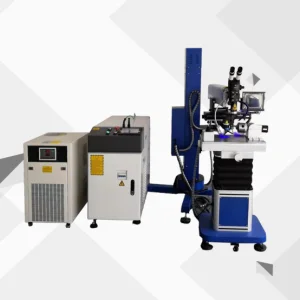
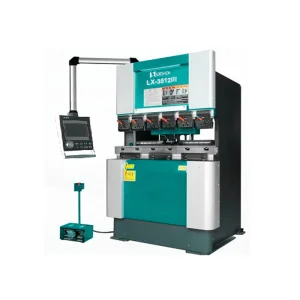
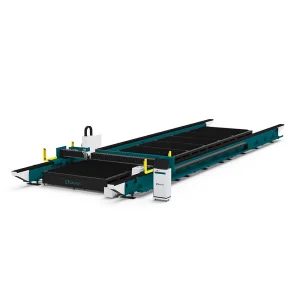
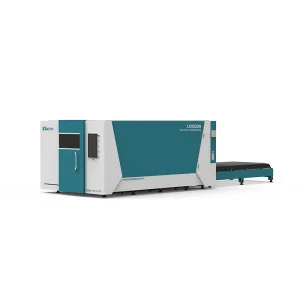
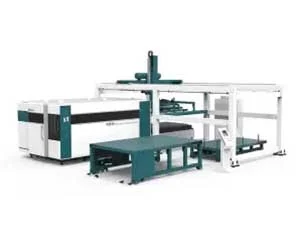
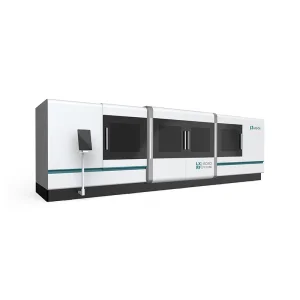
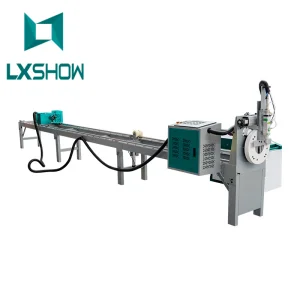
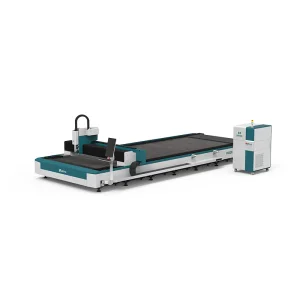
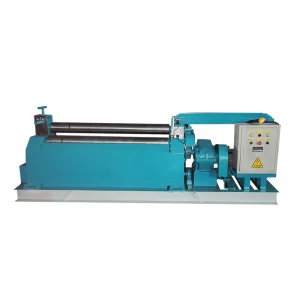
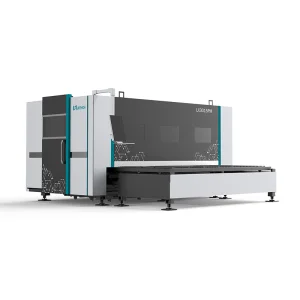
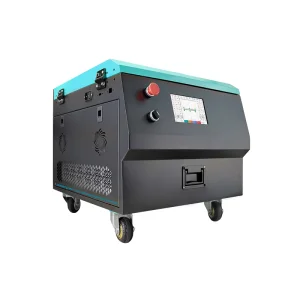
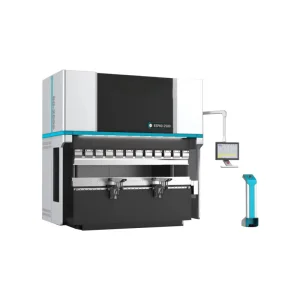
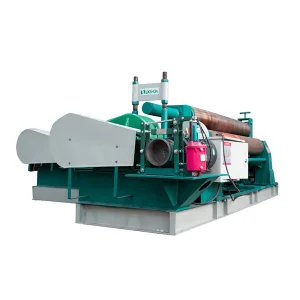
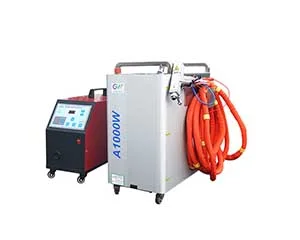
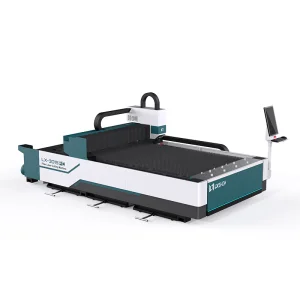
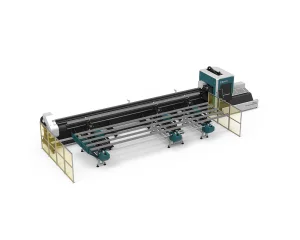
Explore our flagship heavy-duty sheet metal laser cutters, high-precision bending stations, and advanced cladding machinery engineered for maximum throughput.
An in-depth look at global dynamics, technology convergence, and supply chain resiliency.
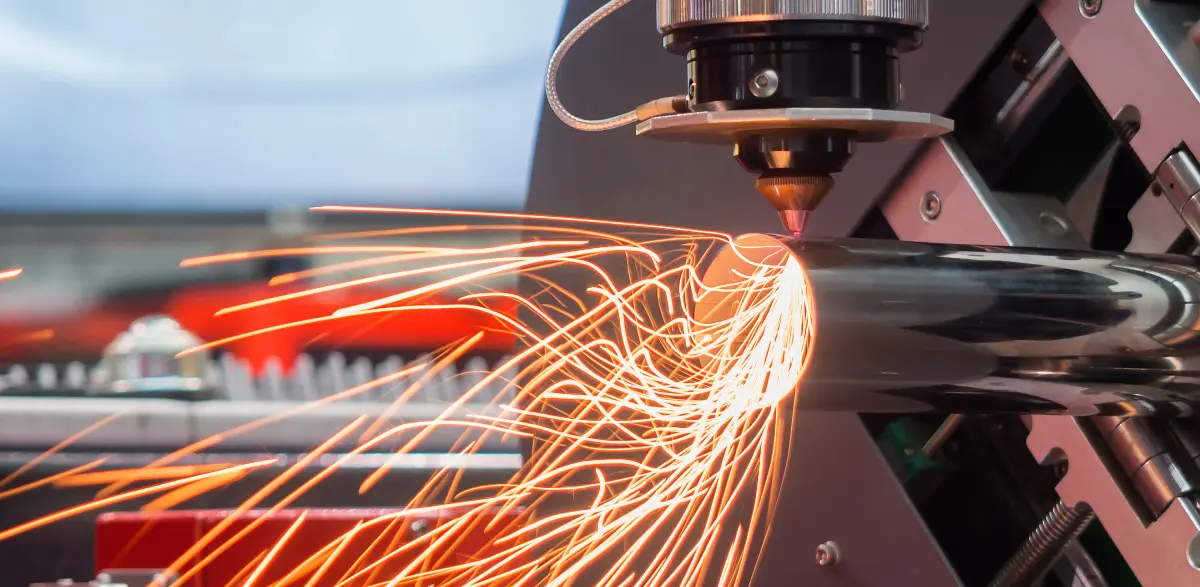
The global sheet metal fabrication ecosystem has witnessed a paradigm shift from traditional mechanical stamping and CO2 laser methods to high-power **Fiber Laser Cutting Systems**. Fiber lasers present unmatched electrical-to-optical conversion efficiency, cutting speeds up to 5 times faster than conventional lasers, and an ultra-narrow heat-affected zone (HAZ) that guarantees micro-precision output. Today, 10kW to 40kW fiber lasers are setting new manufacturing benchmarks, rendering the cutting of thick carbon steel, brass, and highly reflective aluminum alloy plates faster, cleaner, and more cost-effective.
For modern supply chain managers in the USA, Europe, and Asia-Pacific, procurement is no longer just about cost-per-part. Structural buyers seek partners offering **verified structural E-E-A-T credentials**, trace-backed materials, and end-to-end design validation. Enterprise-grade custom sheet metal laser cutting services must meet international certifications including **ISO 9001:2015, CE compliance, and FDA registrations**. This ensures that parts integrated into critical aerospace, medical, automotive, and heavy-machinery assemblies adhere to strict physical tolerances and structural integrity requirements.
"The integration of Intelligent Nesting Software and automatic loading systems allows modern CNC fiber laser systems to achieve material utilization rates exceeding 93%, mitigating waste and significantly lowering the cost per piece for high-mix, low-volume production runs."
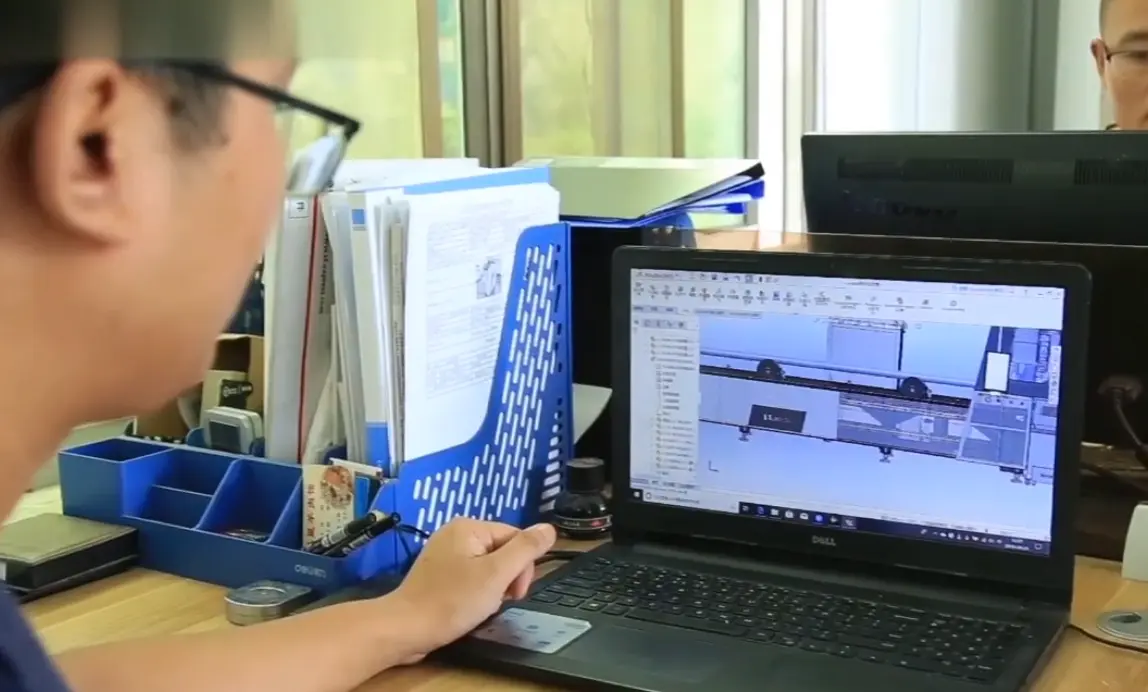
As standard manufacturing transitions to intelligent, data-driven systems, Chinese factories are leading the implementation of **Factory 4.0 paradigms**. At LXSHOW, our smart manufacturing infrastructure combines heavy-duty gantry-style CNC fiber laser cutting systems with automated bending stations and real-time MES/ERP monitoring. By digitalizing the workflow from initial CAD blueprinting to dispatch, we eliminate manufacturing bottlenecks, offering global customers unmatched turnaround times and resilient logistics operations designed to navigate volatile economic situations.
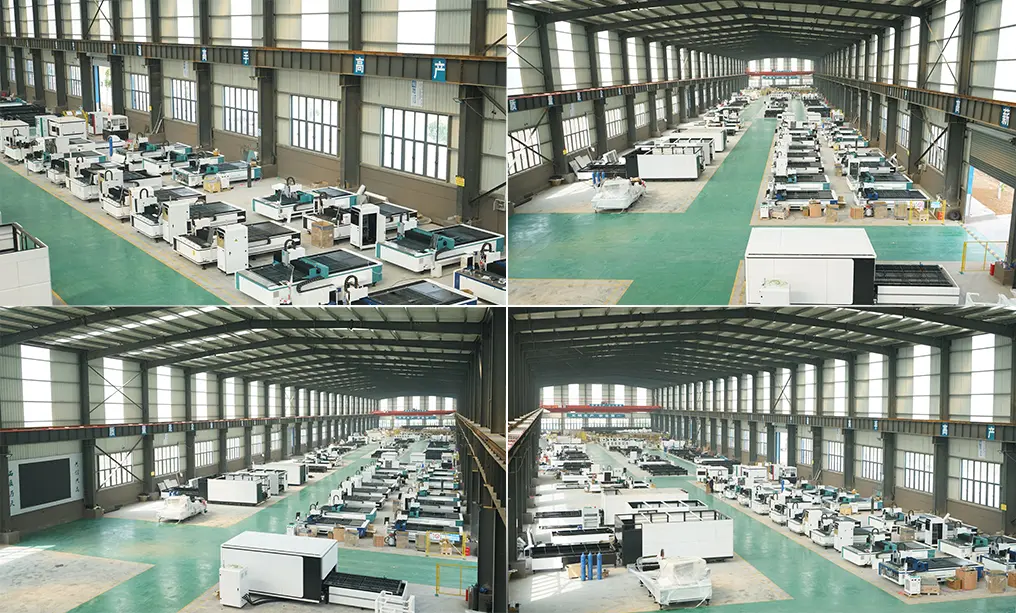
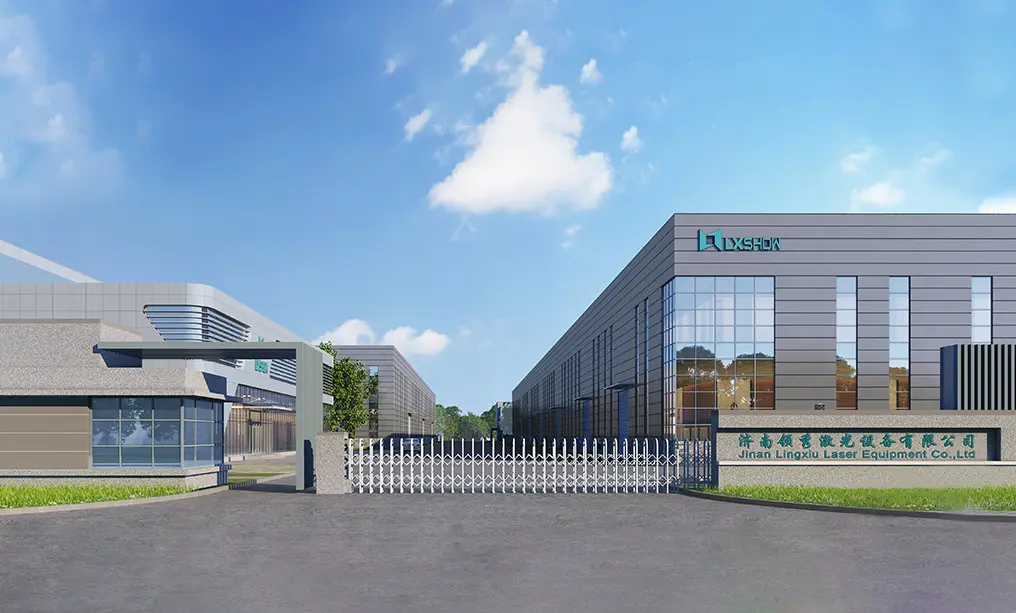
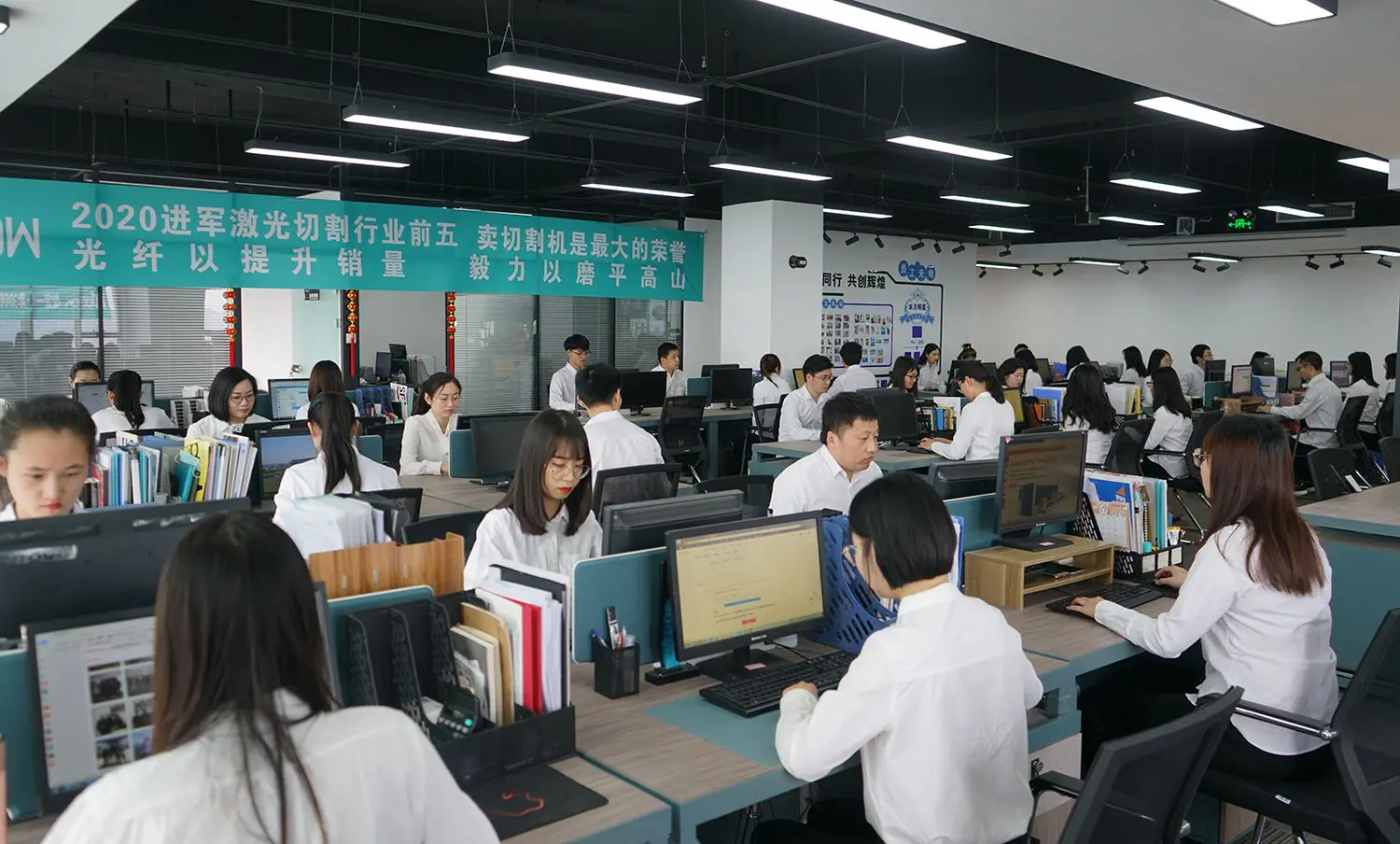
Established in July 2004, we own more than 500 square meters of researching and office space, alongside a sprawling 32,000 square meter state-of-the-art production facility.
Our industrial lasers, welding systems, and laser cleaning units are deployed across the USA, Canada, Australia, Europe, Southeast Asia, and Africa, servicing over 120 countries and regions while serving as an elite OEM provider for more than 30 global brands.
Every piece of machinery that leaves our assembly line meets the rigorous safety requirements of the European Union (CE authentication), American FDA standards, and is manufactured under the strict guidelines of the ISO 9001 quality management framework.
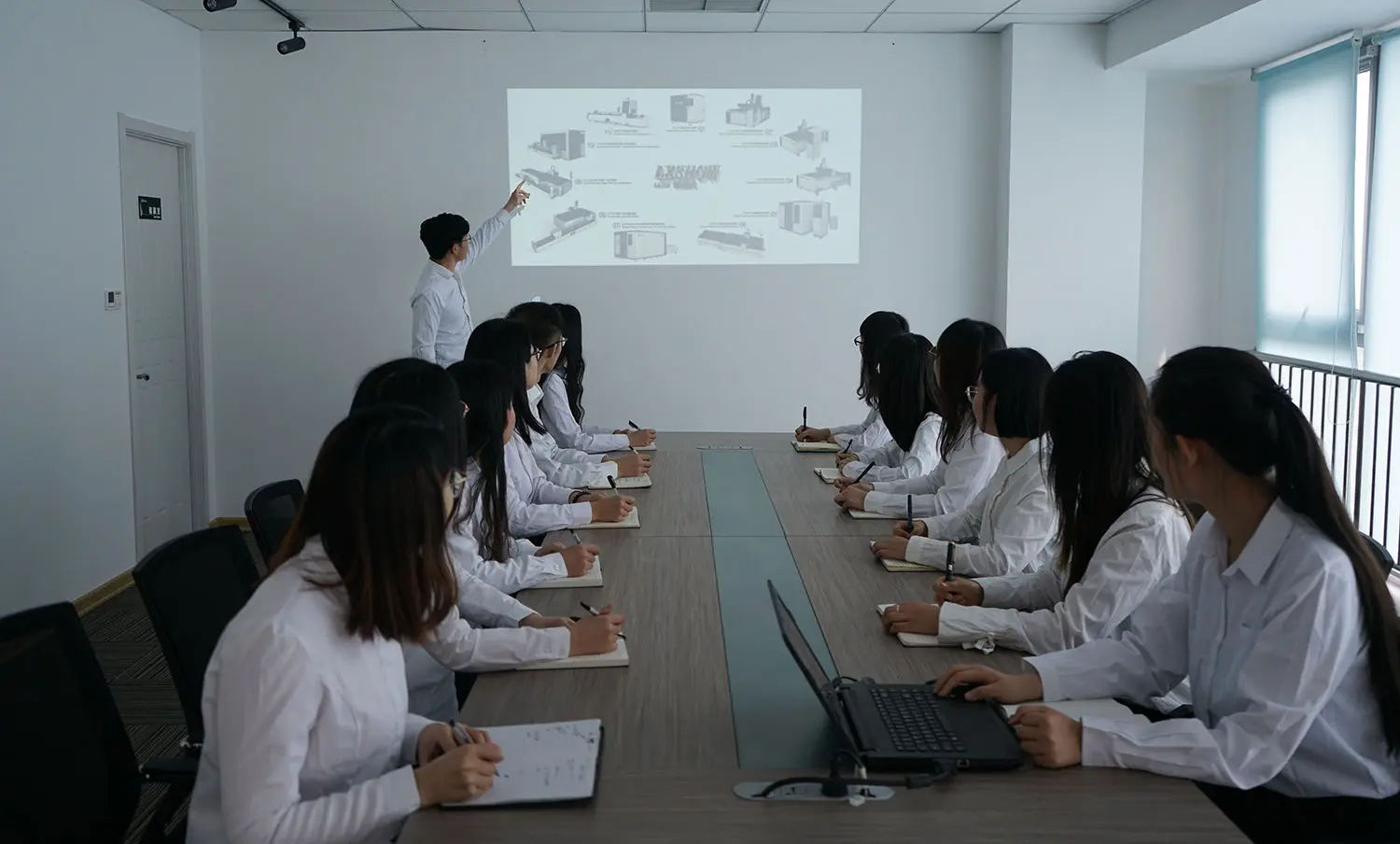
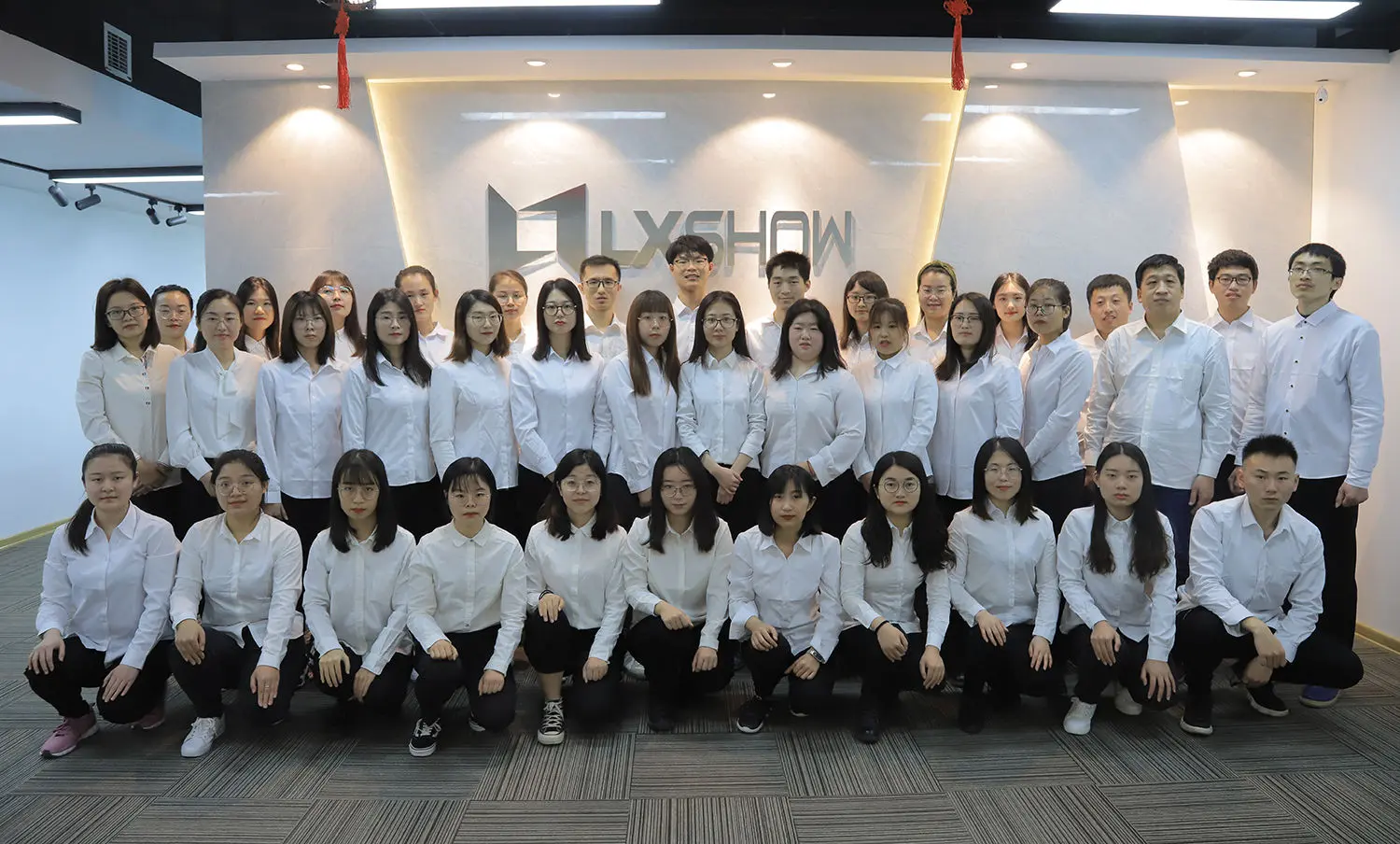
As a certified pioneer in laser smart equipment, we provide deep post-sale technical support, utilizing our dedicated Communication Center to assist our global partners in transitioning their operations to high-efficiency Industry 4.0 standards.
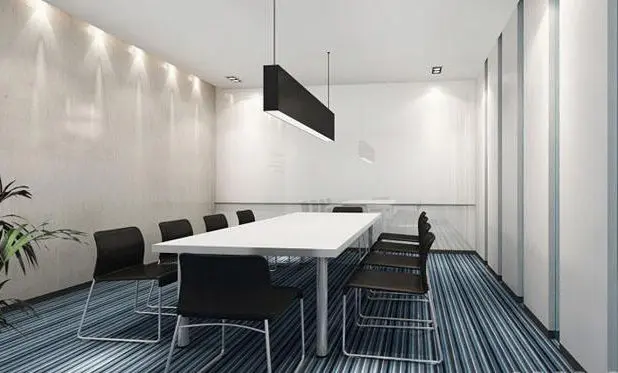
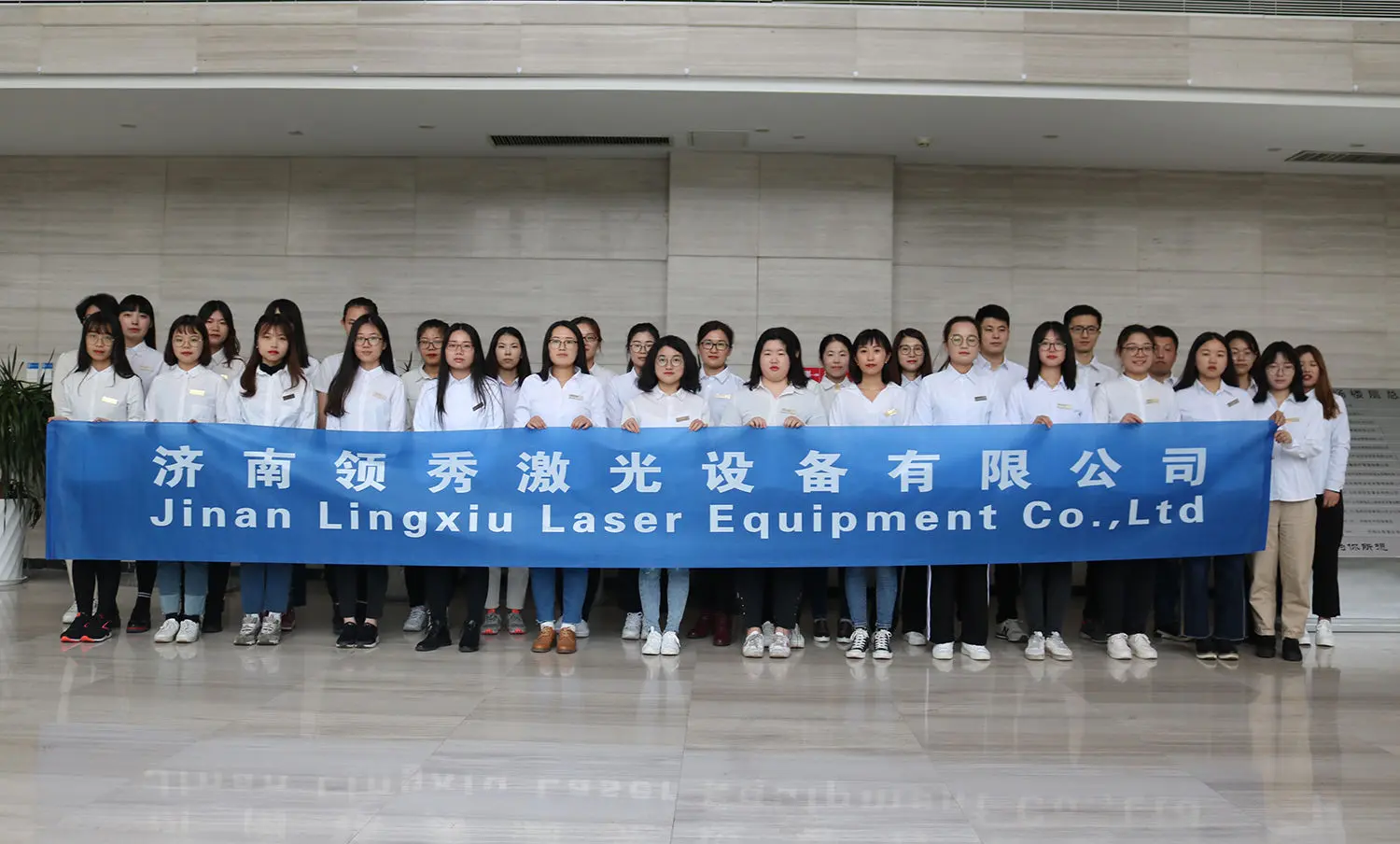
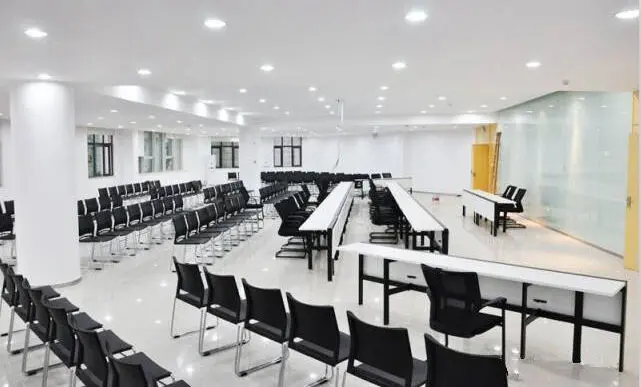
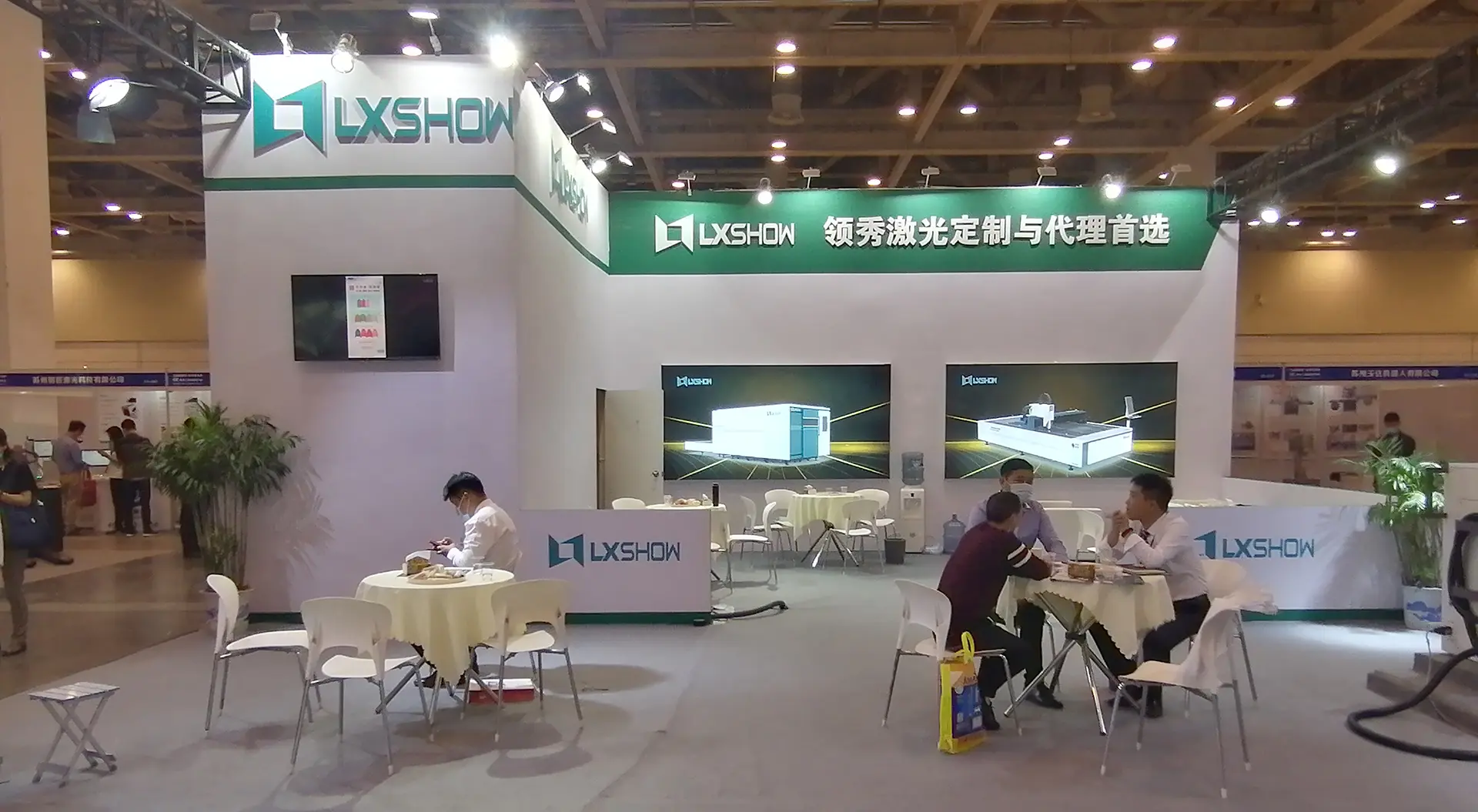
A transparent look inside our modern facility, where research, precision engineering, and global logistics align.

Our fiber laser systems are engineered to process a diverse catalog of metallic substrates, serving high-demand industrial verticals.
The core advantage of selecting a premium sheet metal manufacturer lies in the versatility of high-precision materials customization. Our hardware configurations support various metal grades with strict anti-reflective control and optimal auxiliary gas (O2/N2/Compressed Air) pressures:
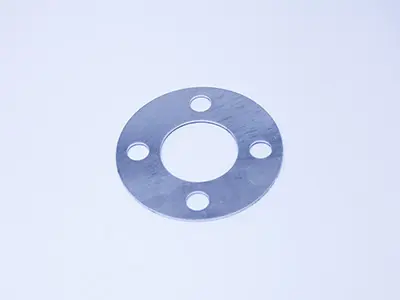 Aluminum / Aluminum Alloy
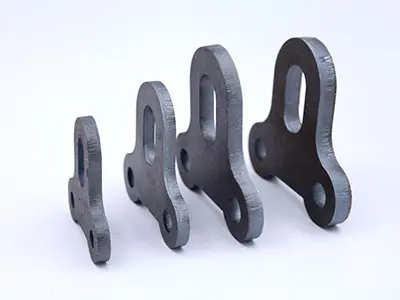 Carbon Steel / Alloy Steel
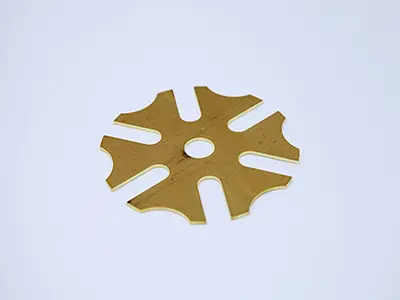 Copper / Brass Sheets
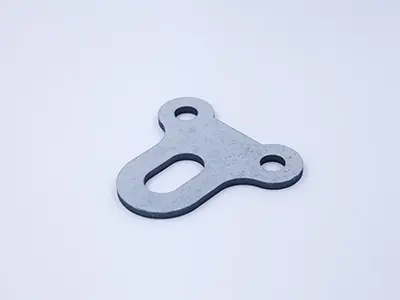 Galvanized Steel Plates
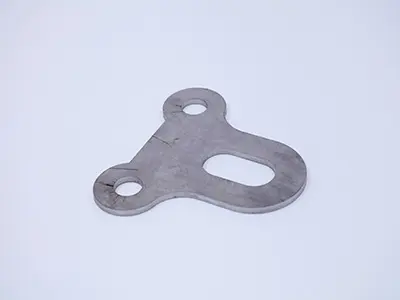 High-Grade Stainless Steel
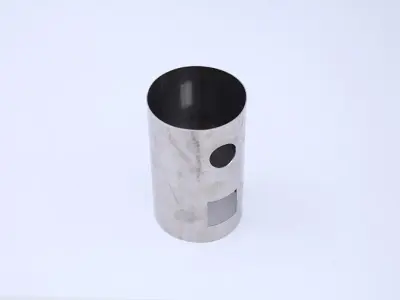 Round and Square Tube Profiles
Our manufactured parts are extensively integrated into heavy industries and consumer sectors globally, including:
Insights directly from our expert engineers on optimizing your designs and choosing the right laser manufacturer.
Optimize your factory ecosystem with our certified mechanical plate rollers, portable fiber welders, and heavy-duty tube processing machinery.
 Lxshow