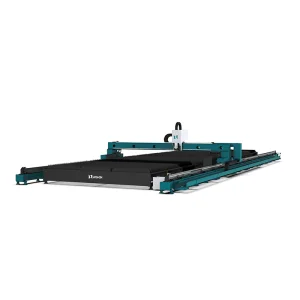
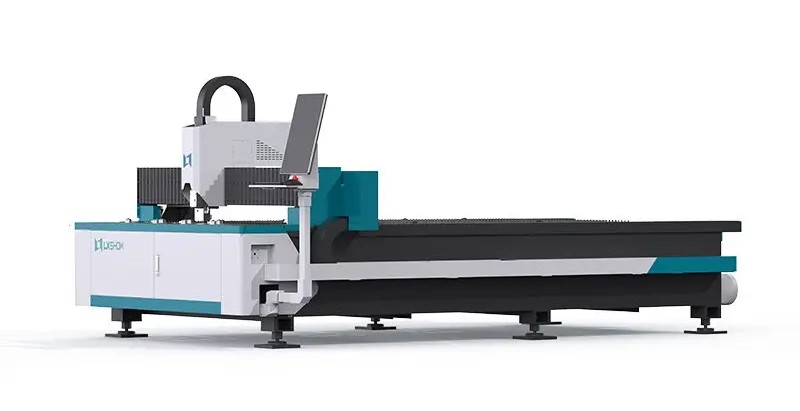
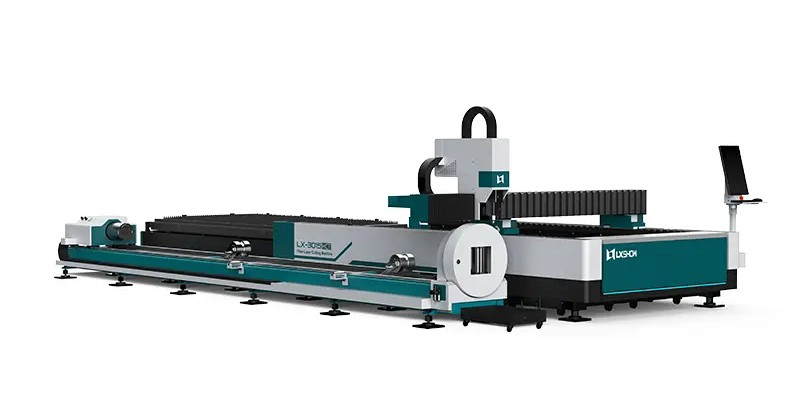
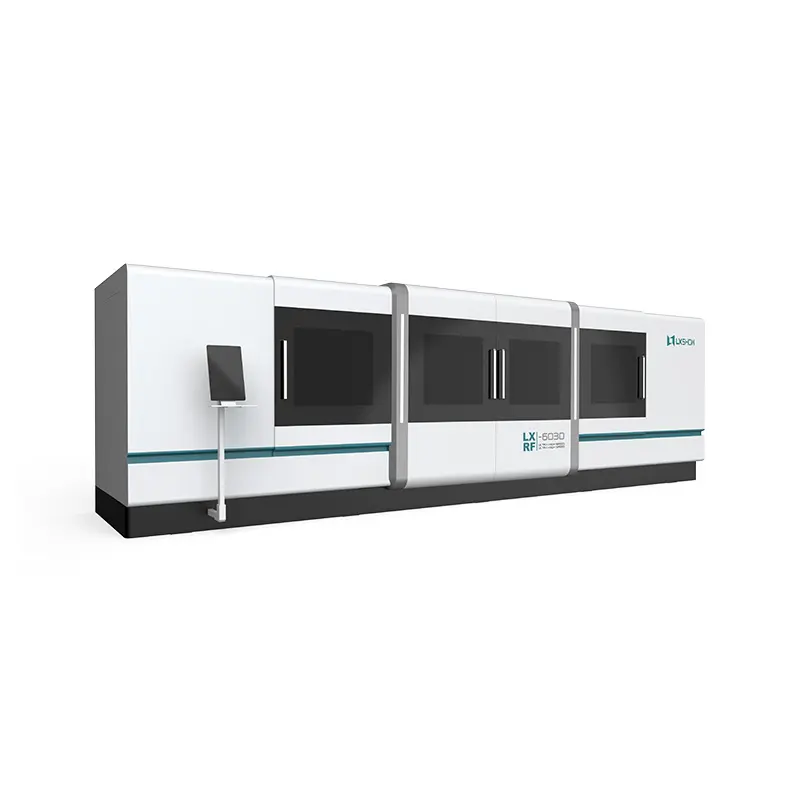
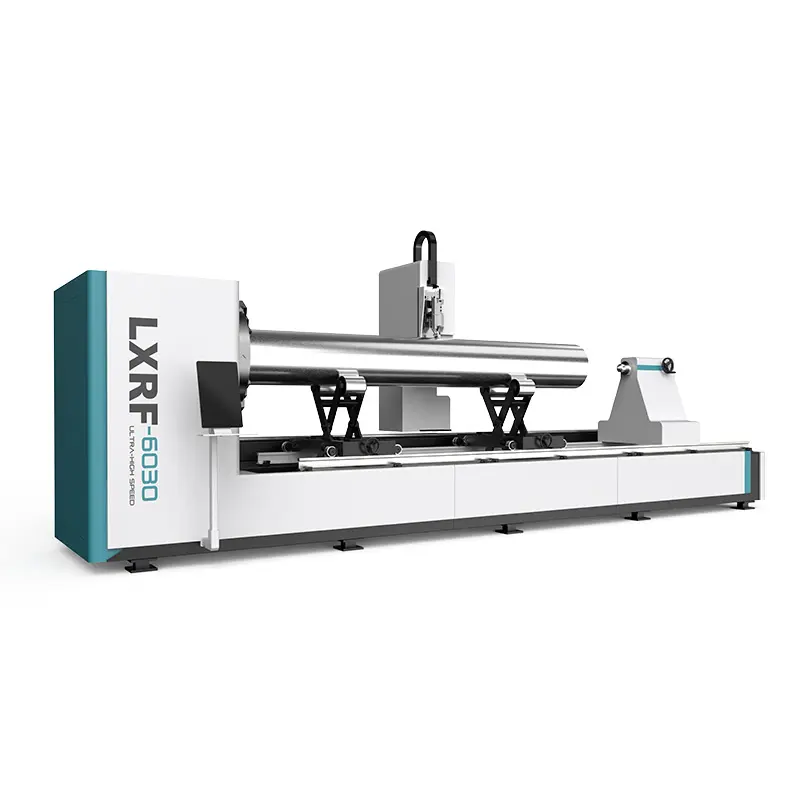
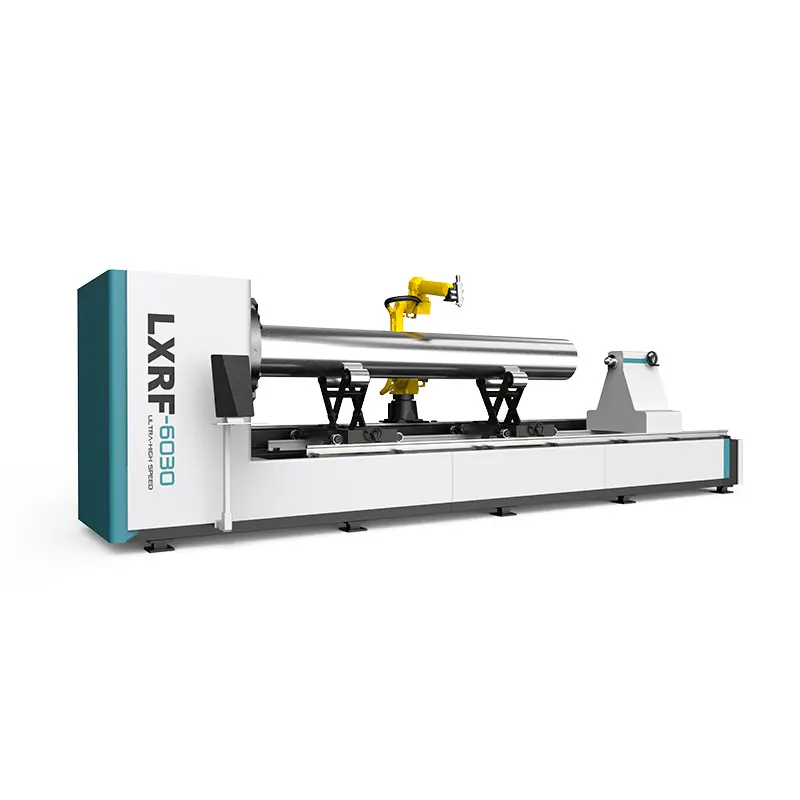
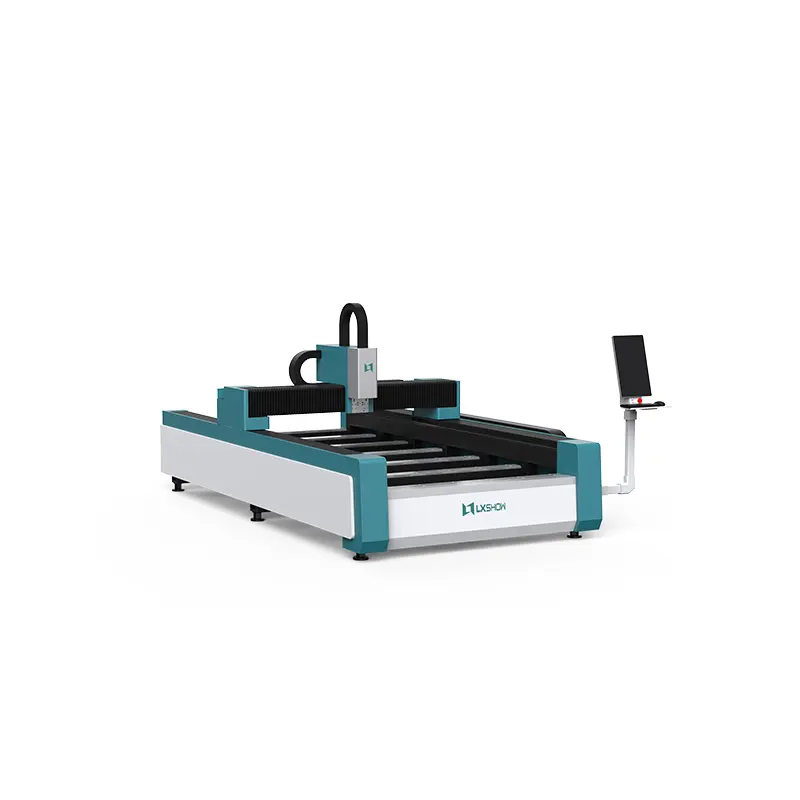
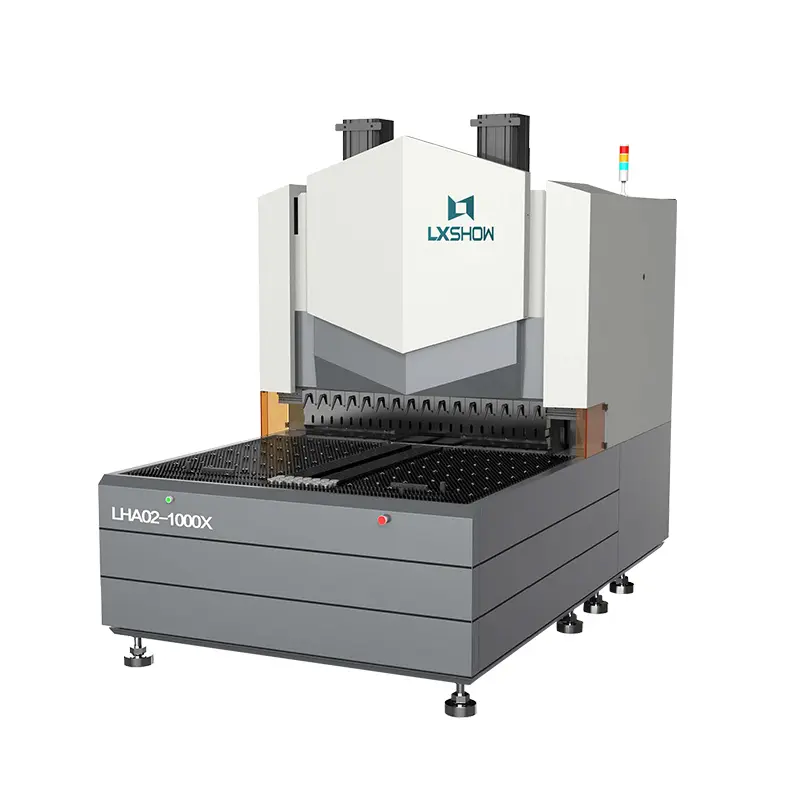
Explore our highly recommended series of optical processing units and high-power metal cutters engineered for dynamic applications.
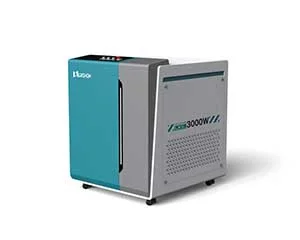
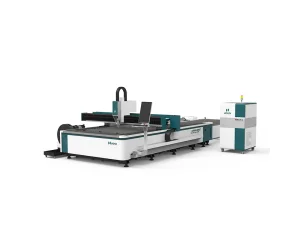
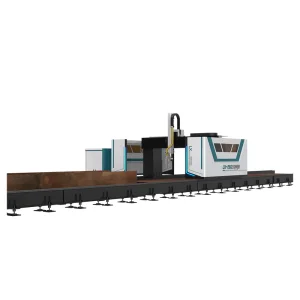
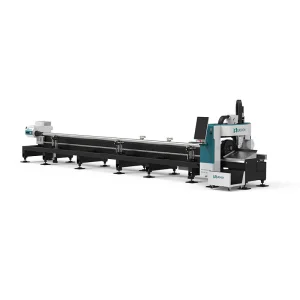
The global demand for high-performance Laser CNC metal cutting machinery is experiencing unprecedented growth. Led by the massive shift towards automated sheet metal fabrication, sectors such as automotive structures, aerospace components, structural framework engineering, and high-precision electronic chassis rely on optimized thermal beam processing. Continuous technological transitions from classic CO2 lasers to high-energy density fiber optics have enhanced productivity scales. High-power ranges from 12kW upwards to 30kW enable companies to process carbon steels and refractory materials with minimal thermal stress distortion.
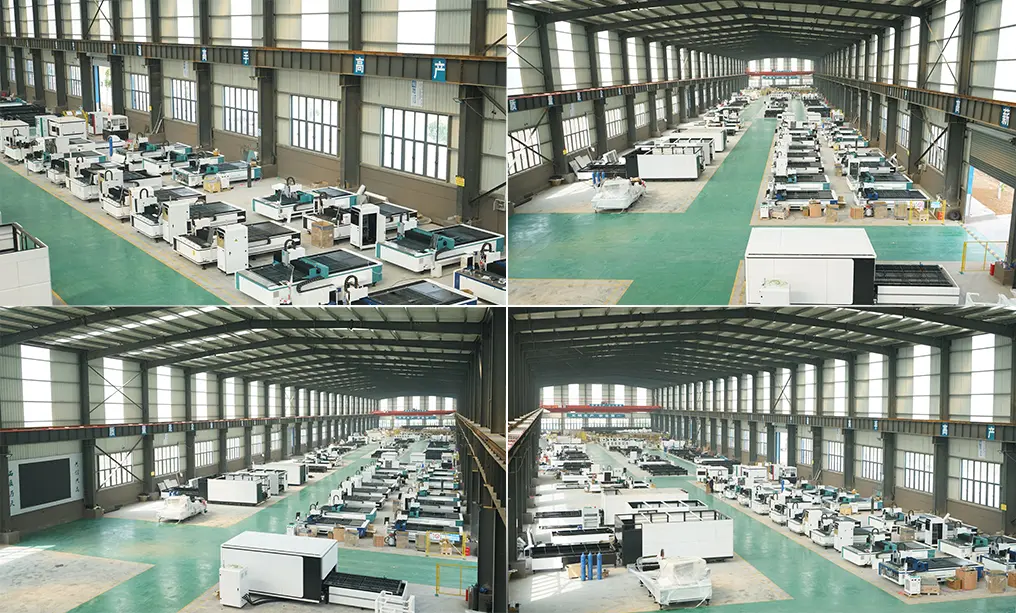
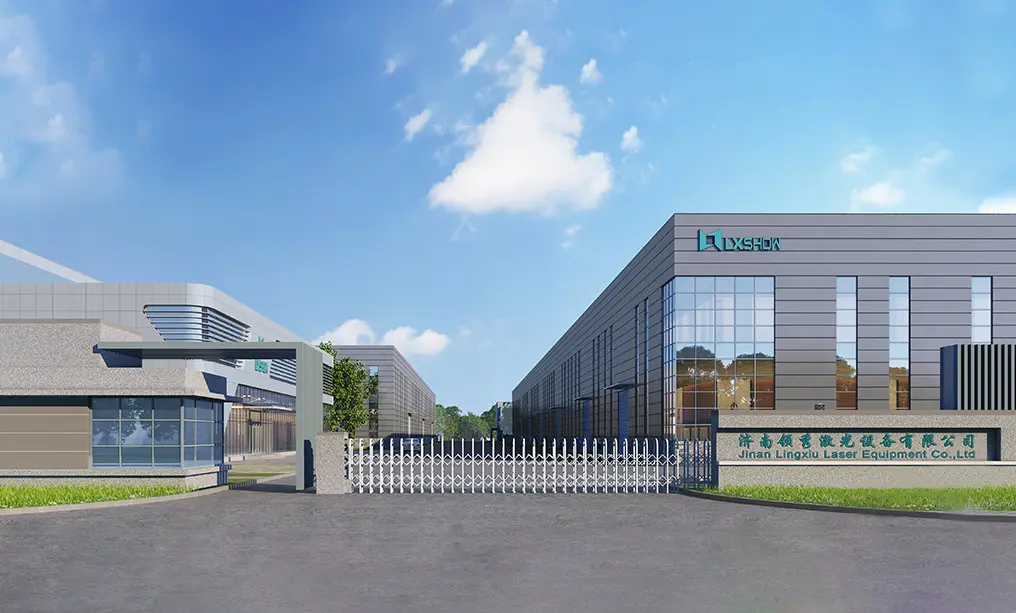
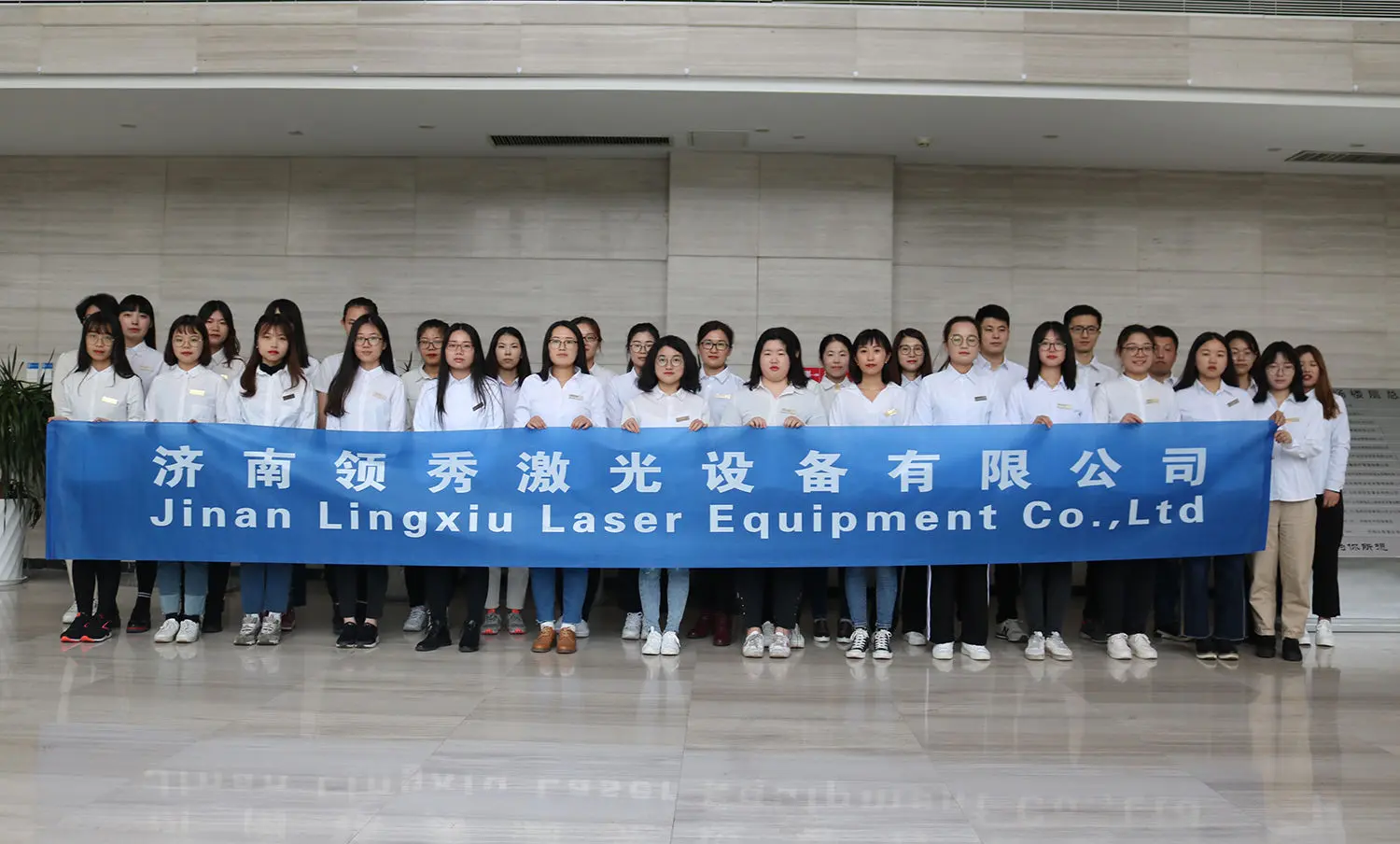
Chinese laser factories have evolved beyond cost competitiveness to lead in technological refinement. By anchoring full domestic supply chains in key industrial clusters, we guarantee structural bed casting, precise linear guides, and cutting-edge optical assembly within unified quality controls. Our 32,000 square meter facility delivers complete vertical integration, combining optimized machine tool stress-relief heat treatments with certified alignment. This comprehensive control ensures international buyers receive machinery with structural rigidity, long-term alignment accuracy, and high operational safety.
Modern procurement agencies evaluate laser systems using metrics like total cycle-cost control, assist gas efficiency (Nitrogen/Oxygen vs Air), and real-time remote telemetry. LXSHOW addresses these expectations by offering machinery certified to CE and FDA standards. With systems running in over 120 countries, our digital interfaces support multiple software systems, making them compatible with existing localized automated manufacturing cell architectures.
Delivering high precision across various industrial metal grades and profiling geometries.
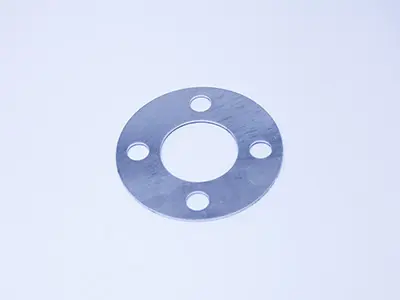 Aluminum
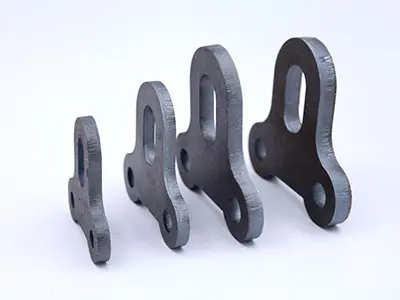 Carbon Steel
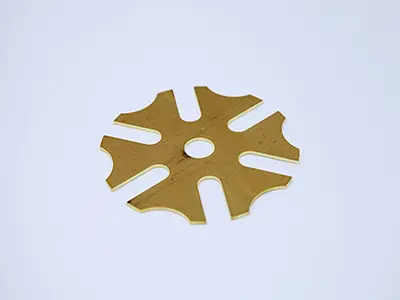 Copper
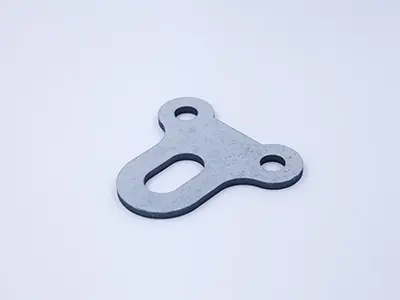 Galvanized
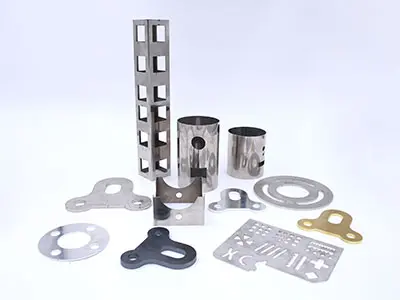 Other Metal
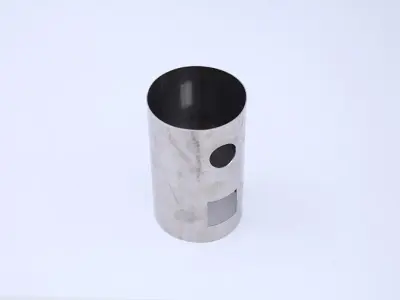 Round Tube
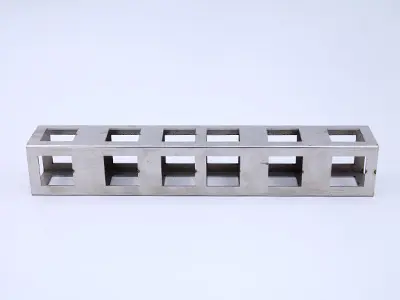 Square Tube
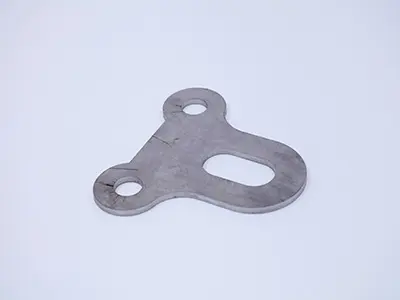 Stainless Steel
Applying ultra-precise dynamic laser profiling for automotive frames, heavy chassis parts, door panels, and complex hardware enclosures.
Clean cutting of stainless steel sheet metal without dross formation, ensuring sanitary kitchenware components and structural brackets.
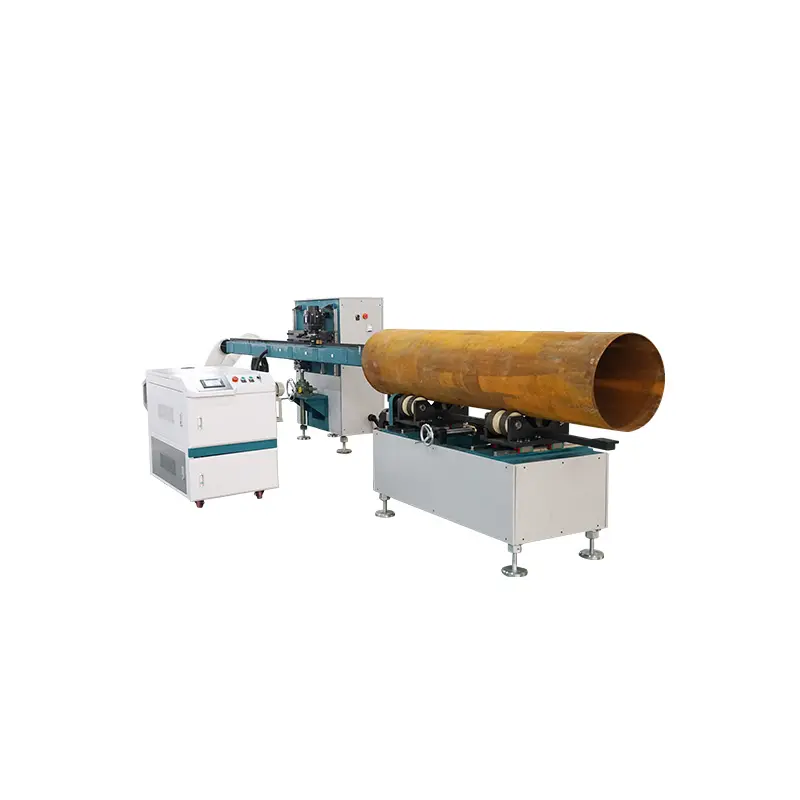
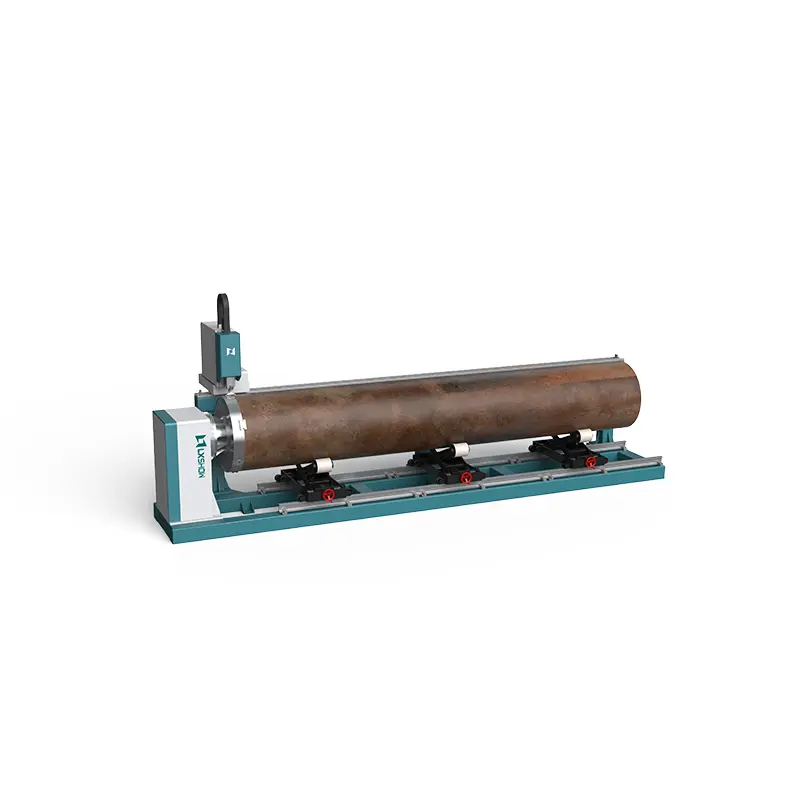
Managing round, square, and complex H-steel profiles to construct architectural framing, oil pipeline systems, and transportation networks.
How sheet metal processing connects cutting, bending, and assembly lines.
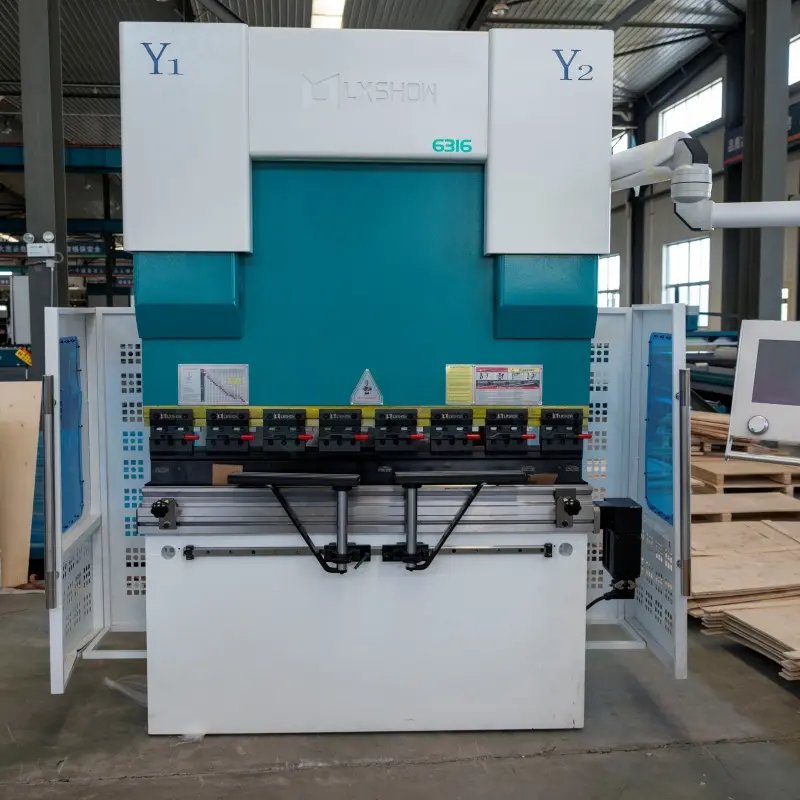
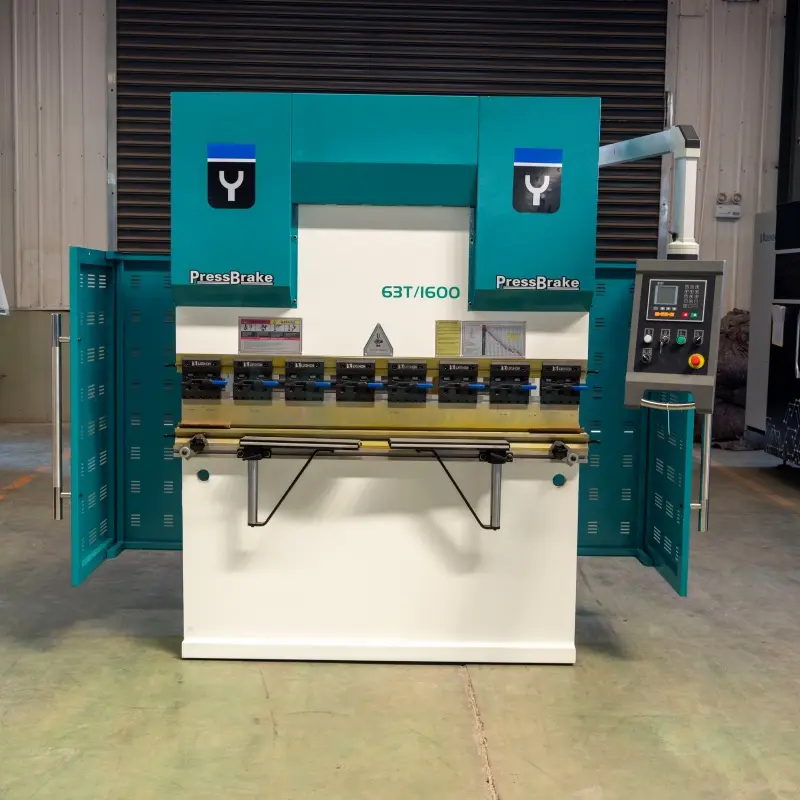
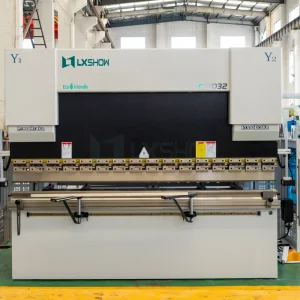
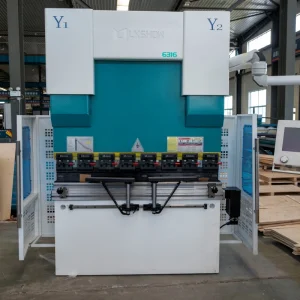
Integrating CNC fiber laser cutting machines into modern assembly cells requires compatibility with secondary forming technologies. A sheet metal blank is only as good as its subsequent bending accuracy. This is why our machinery integrates with systems like the WE67K Electro-hydraulic Servo Bending Series. This synergy maintains consistent bending parameters, neutralizing structural deviations across varying material thicknesses.
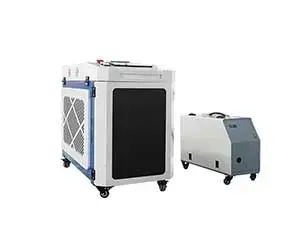
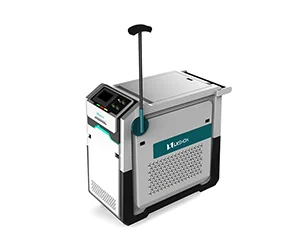
Additionally, high-power systems face potential surface contaminants that can affect weld strength. Incorporating 3-in-1 Laser Cleaning, Welding, and Cutting systems provides workshops with flexible tools. This adaptability allows operator stations to quickly switch from rust removal to assembly welding on the same production floor, enhancing total workflow efficiency.
Restoring high-wear tools and adding anti-corrosive layers to industrial drill bits and heavy rotor shafts.
Eco-friendly ablation technology designed to remove oxide films, primer paints, and carbon layers before welding.
Providing clean joint lines on thin-walled sheets, minimizing thermal distortion in kitchen assemblies and medical parts.
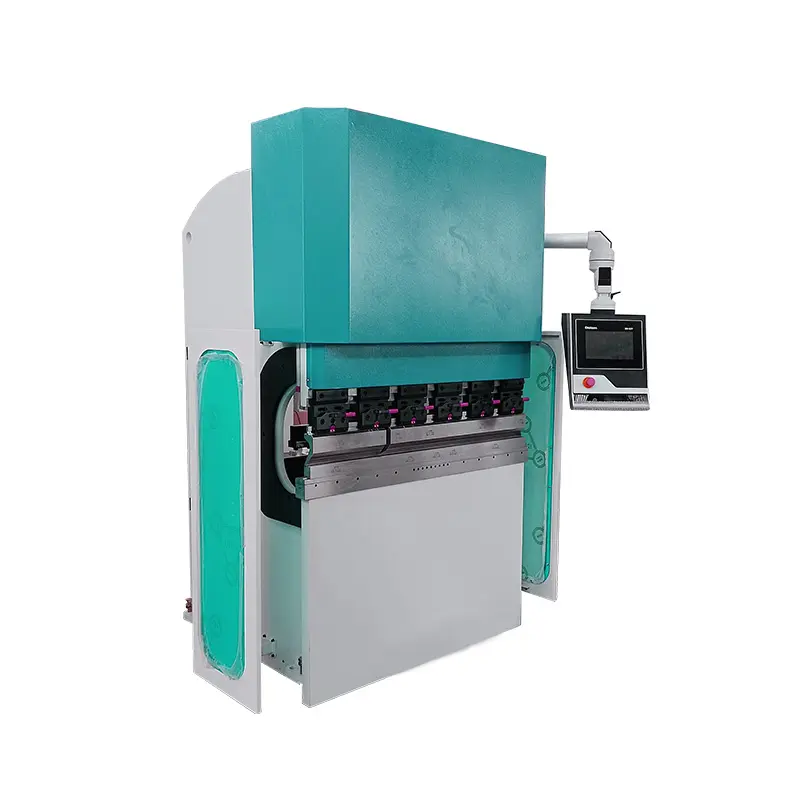
Dynamic backgauge control and deflection compensation that ensure accurate bending angles across long sheet profiles.
Expert technical insights answering common sourcing, configuration, and operation questions.
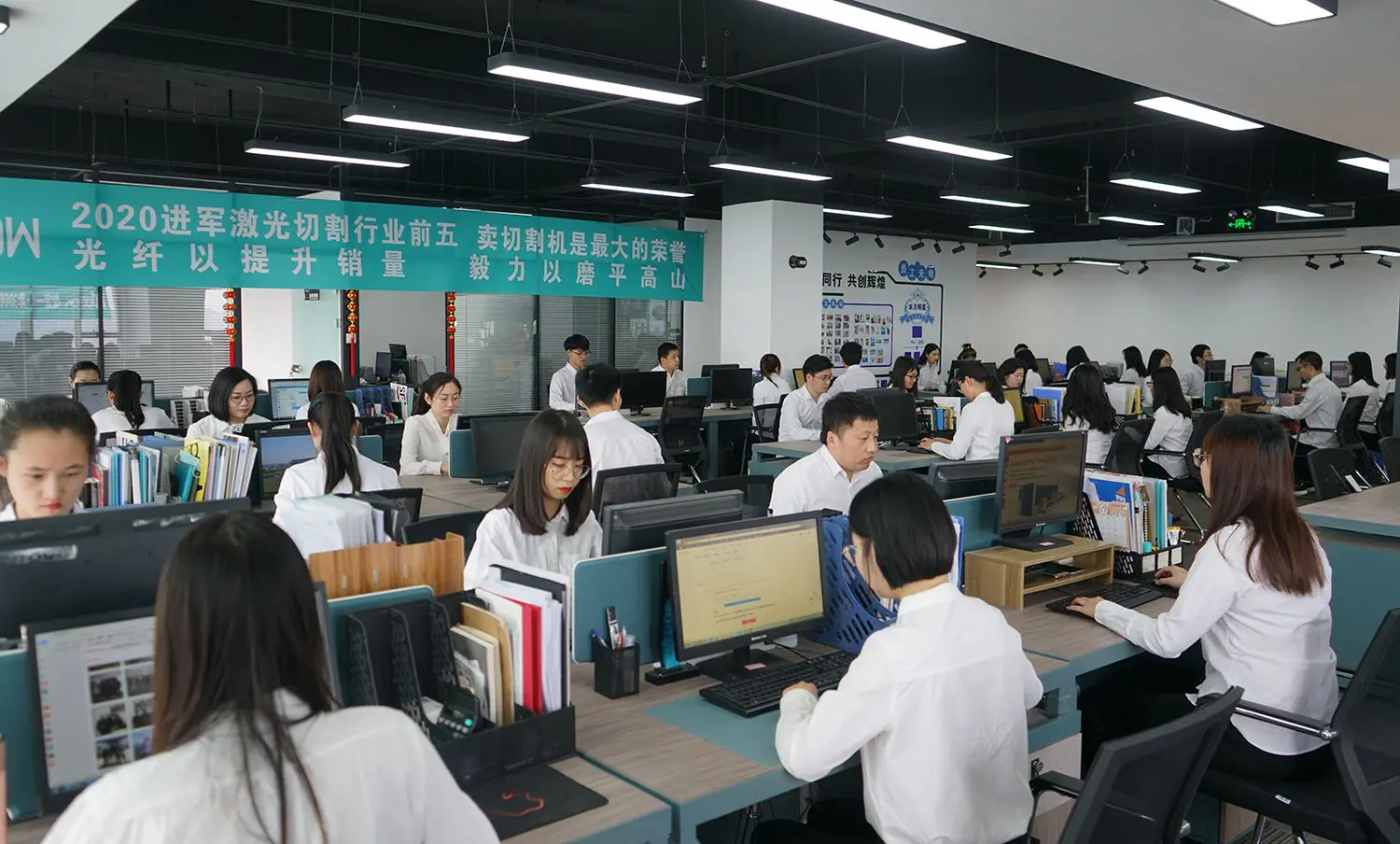
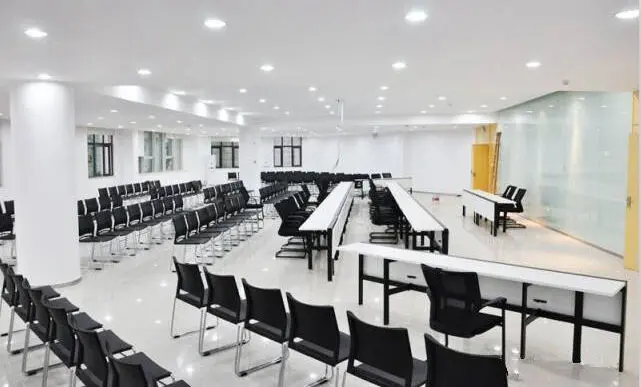
Take a virtual tour of our 32,000㎡ manufacturing base, featuring state-of-the-art equipment assembly lines.
Select high-performance machine variations designed for specialized clean cutting, bending, and surface cleaning workflows.
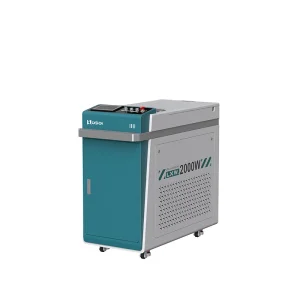
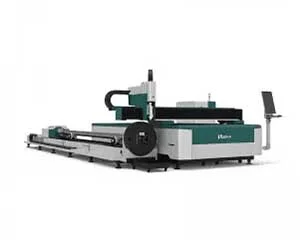
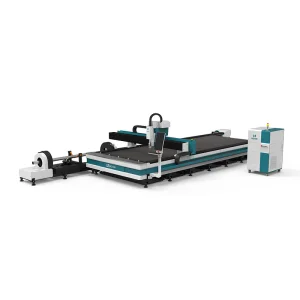
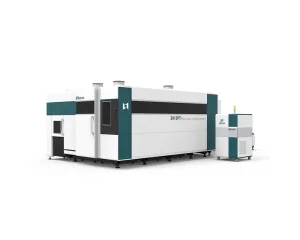
Providing stable processing for thick plate restoration and component hardfacing.
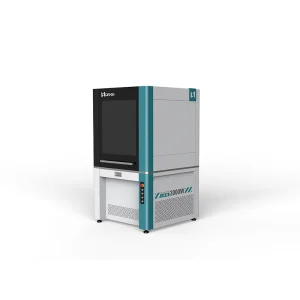
Eco-friendly rust removal and surface texturing units for diverse metals.
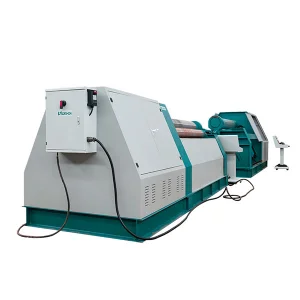
Accurate angle forming solutions with electro-hydraulic servo feedback.
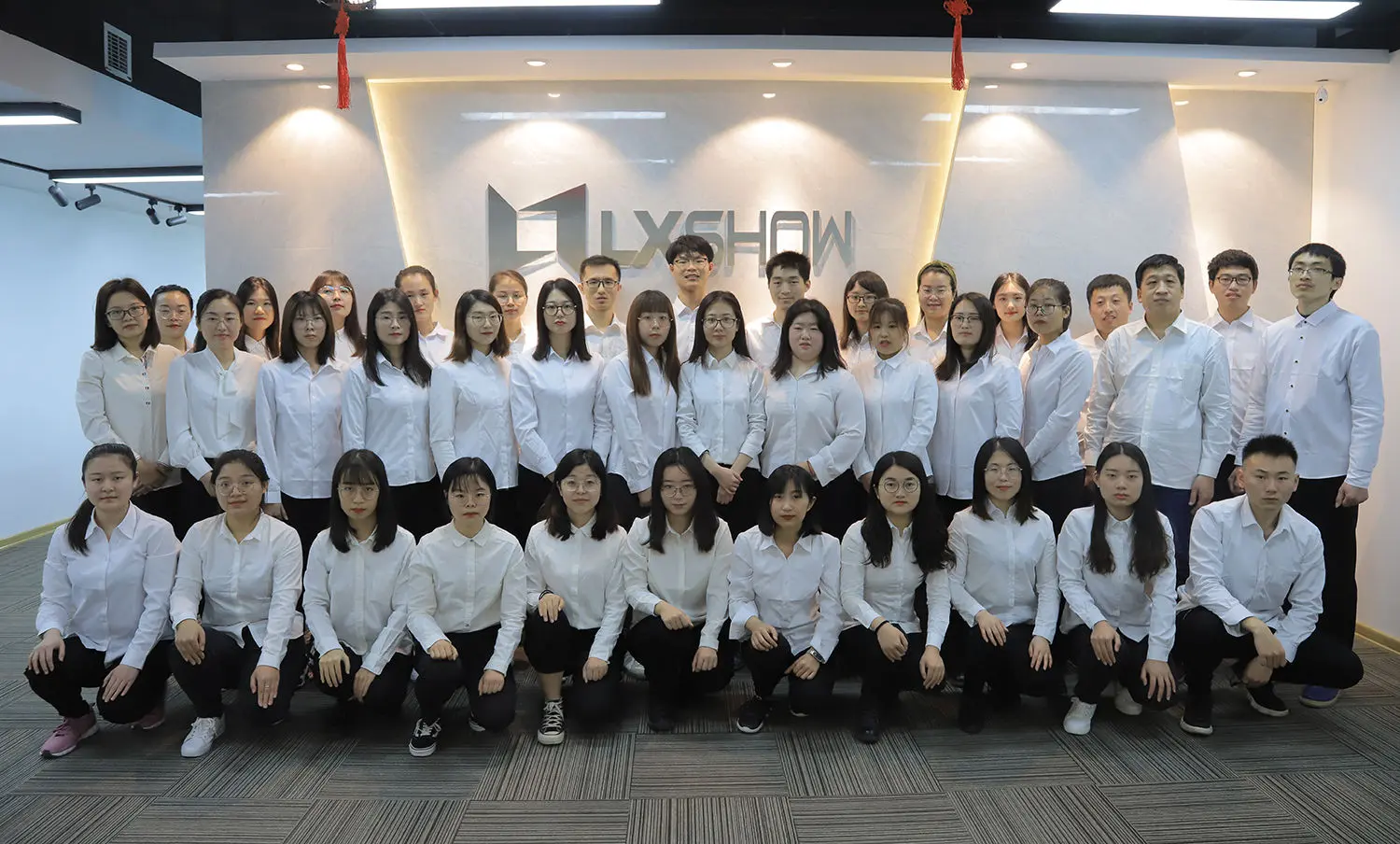
 Lxshow