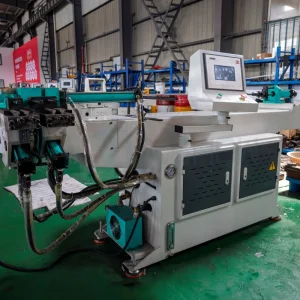
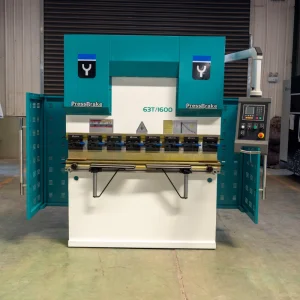
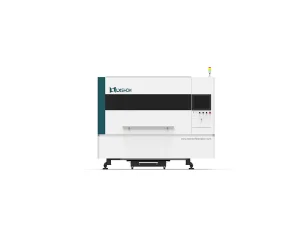
Explore our elite selection of CNC fabrication, laser cladding, roll forming, and tube processing equipment certified for export.
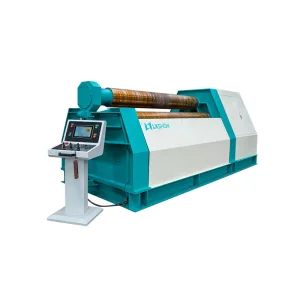
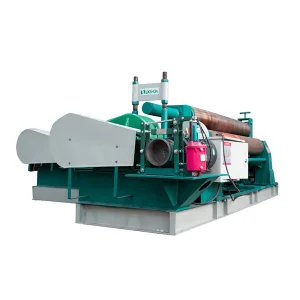
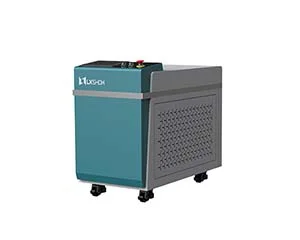
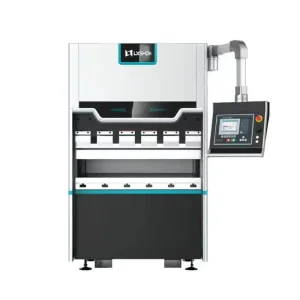
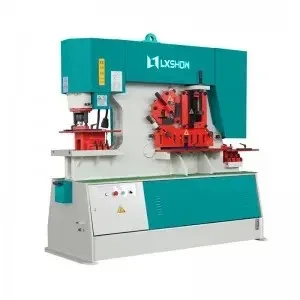
The global industrial landscape is undergoing a monumental paradigm shift. As steel remains the foundational bedrock of modern infrastructure, heavy machinery, automotive engineering, and aerospace development, the demand for precision-engineered cutting machines for steel has reached unprecedented heights. Traditionally, mechanical processes dominated workshops. However, the rise of international trade networks, the volatility of raw material prices, and the need for structural components with micro-millimeter tolerances have propelled CNC laser cutting, plasma cutting, and electrical servo bending machines to the forefront of manufacturing pipelines.
In the context of the global supply chain, a professional steel cutting machine supplier and exporter serves not just as a hardware vendor, but as a strategic integration partner. Manufacturers in North America, the European Union, Southeast Asia, and Africa are actively upgrading their systems to comply with strict carbon neutral mandates and precision targets. Modern fiber laser systems reduce operating costs by up to 50% compared to traditional CO2 or mechanical punch options, while achieving cutting speeds that were once deemed impossible. High-power systems, spanning from 10kW to 30kW, are now capable of slicing through thick carbon steel and reflective alloys with pristine edge quality, omitting the need for secondary polishing operations.
Selecting the optimal equipment configuration requires a thorough understanding of metallurgical behavior under different thermal and mechanical forces. The major techniques used in heavy industrial processes today include:
| Technology Type | Material Thickness Range | Heat-Affected Zone (HAZ) | Relative Operating Cost | Primary Application Area |
|---|---|---|---|---|
| Fiber Laser Cutting | 0.5mm - 50mm | Extremely Low | Low (High Efficiency) | High-precision automotive components, aerospace brackets, cabinetry |
| Precision Plasma Cutting | 6mm - 80mm | Medium to High | Moderate | Heavy industrial structural steel, shipbuilding plates, thick flanges |
| Hydraulic Shearing | 1mm - 20mm | None (Mechanical) | Very Low | High-volume straight-line sheet metal pre-cutting |
| Waterjet Cutting | 1mm - 150mm | Absolute Zero | High (Abrasive Costs) | Exotic alloys, thick copper, heat-sensitive structural brackets |
Fiber laser technology employs an optical fiber doped with rare-earth elements as its active gain medium. Compared to older gas-based lasers, fiber lasers feature a significantly smaller focal spot size, which concentrates heat to vaporize steel almost instantaneously. This high concentration minimizes the heat-affected zone (HAZ), preserving the mechanical integrity and chemical composition of the adjacent metal. For suppliers and exporters, this translates directly to providing end-users with components that pass strict quality controls without requiring costly post-cut machining.
As manufacturing moves toward fully automated pipelines, the role of CNC machinery has transformed. Industry 4.0 demands that every piece of machinery—whether it is a fiber laser cutting system, an integrated punching & shearing machine, or a press brake bending unit—communicates in real time with Manufacturing Execution Systems (MES) and Enterprise Resource Planning (ERP) platforms. Through advanced sensor arrays, operators can remotely monitor gas pressure, beam quality, cutting nozzle wear, and component temperatures.
This structural digitization allows exporters to provide predictive maintenance diagnostics. When a machine in Europe or the Americas experiences a slight deviation in motor torque, diagnostic signals are processed by the original factory in China, initiating preventative adjustments before catastrophic failures occur. This remote telemetry has radically reshaped standard warranty practices, turning single-sale transactions into continuous operational service relationships.
Reliance on manual G-code configuration and standalone control desks. Machines operated in silos with minimal diagnostic loopback.
Integration of temperature, gas, and position sensors. Start of cloud-based diagnostics and automated exchange tables for material loading.
Laser and bending systems automatically adjust cutting speed, focal position, and bending force dynamically based on real-time feedback loop cameras.
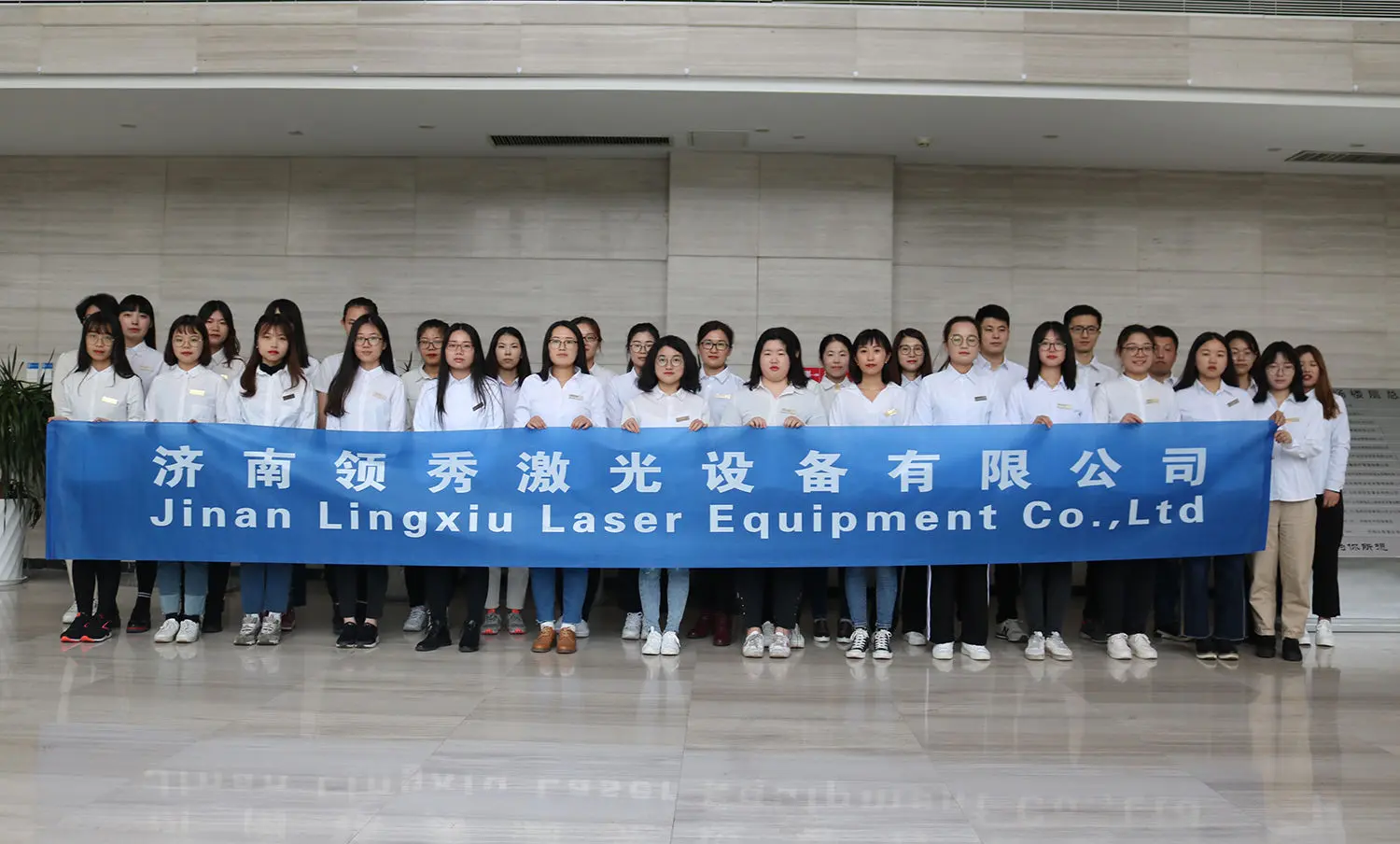
Backed by international quality standards and robust engineering teams, we deliver elite metalworking solutions to global builders.
All export machinery is engineered to meet the highest safety, environmental, and operating standards globally. Our production lines ensure reliable operation under rigorous workloads.
Our catalog features a balanced array of sheet and tube fabrication machines, developed to automate metal fabrication end-to-end.
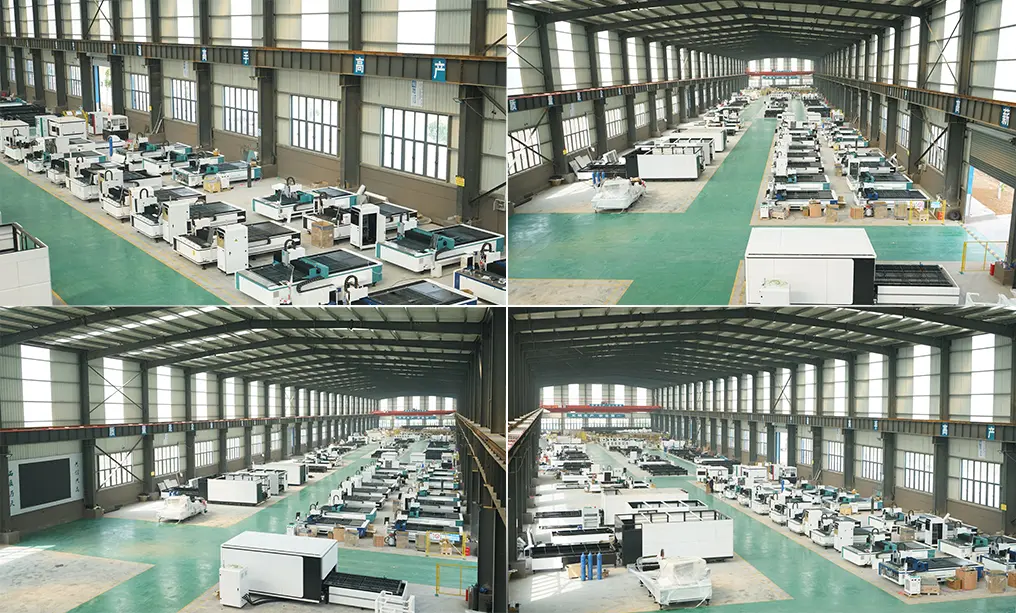
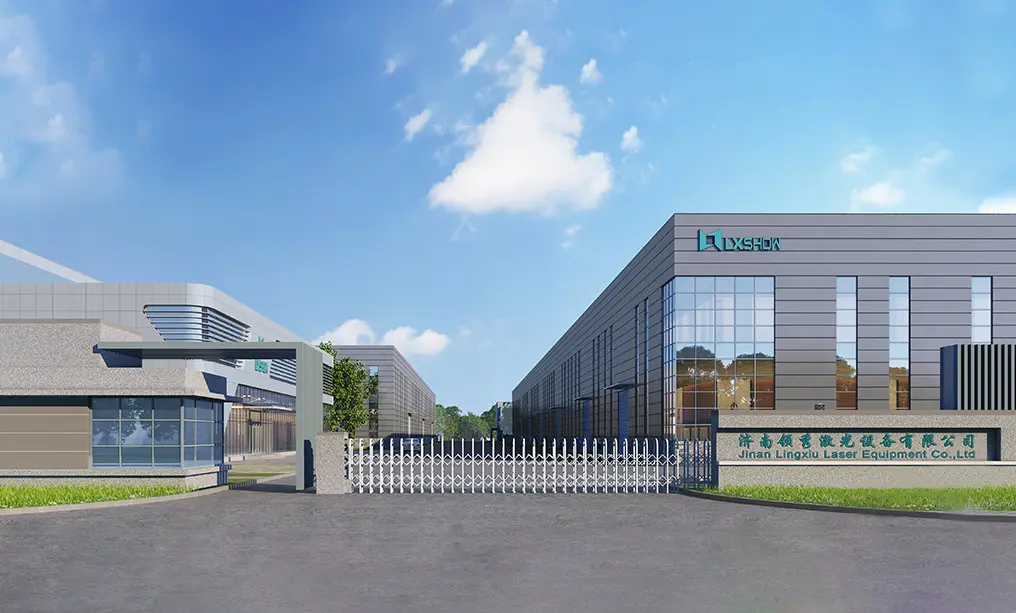
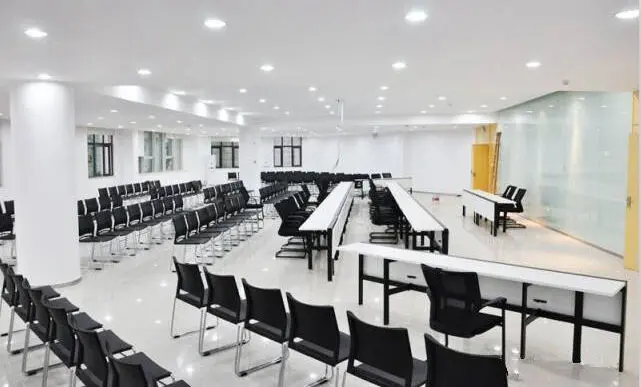
With massive physical infrastructure and R&D space, we guarantee stable production times, quality control checks, and global export handling capacity.
In heavy industrial contexts, a single machine type cannot be applied universally to all projects without specialized tooling adjustments. When importing machines, global procurement officers look for customized configuration options depending on localized structural applications and raw material availability. Here is how material dynamics influence system design:
High-reflectivity metals like aluminum and copper reflect back a significant portion of laser energy, which can potentially damage the laser source itself. For these applications, our fiber laser cutting systems utilize back-reflection protection technologies along with optimized auxiliary gases (such as pure Nitrogen or Oxygen) to ensure continuous operation without optical degradation.
Galvanized steel features a zinc-coated surface that vaporizes at lower temperatures than steel, causing edge defects if the cutting parameters are incorrect. Our systems integrate dynamic gas adjustments that blow away vaporized zinc, ensuring a clean cut. For thick carbon steel plates, our systems rely on oxygen-assisted cutting, utilizing exothermic chemical reactions to pierce and slice thick structural plates efficiently.
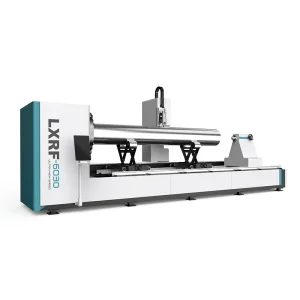
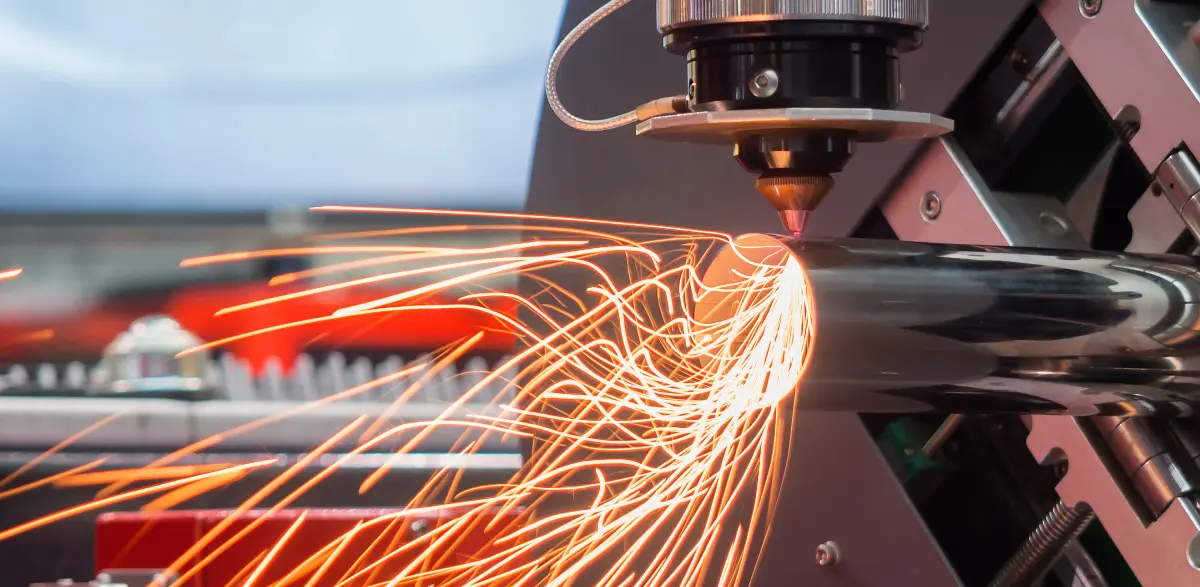
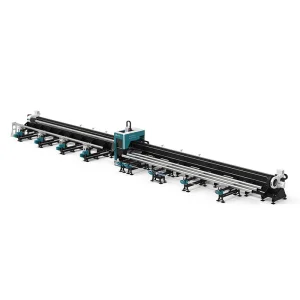
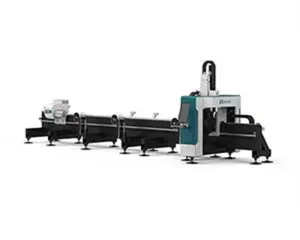
Beyond flat sheets, modern infrastructure relies on hollow tube sections. Automated rotary chuck systems allow our laser cutting machines to switch between cutting 3D round tubes and square profiles with minimal tooling changes, keeping processing lines moving efficiently.
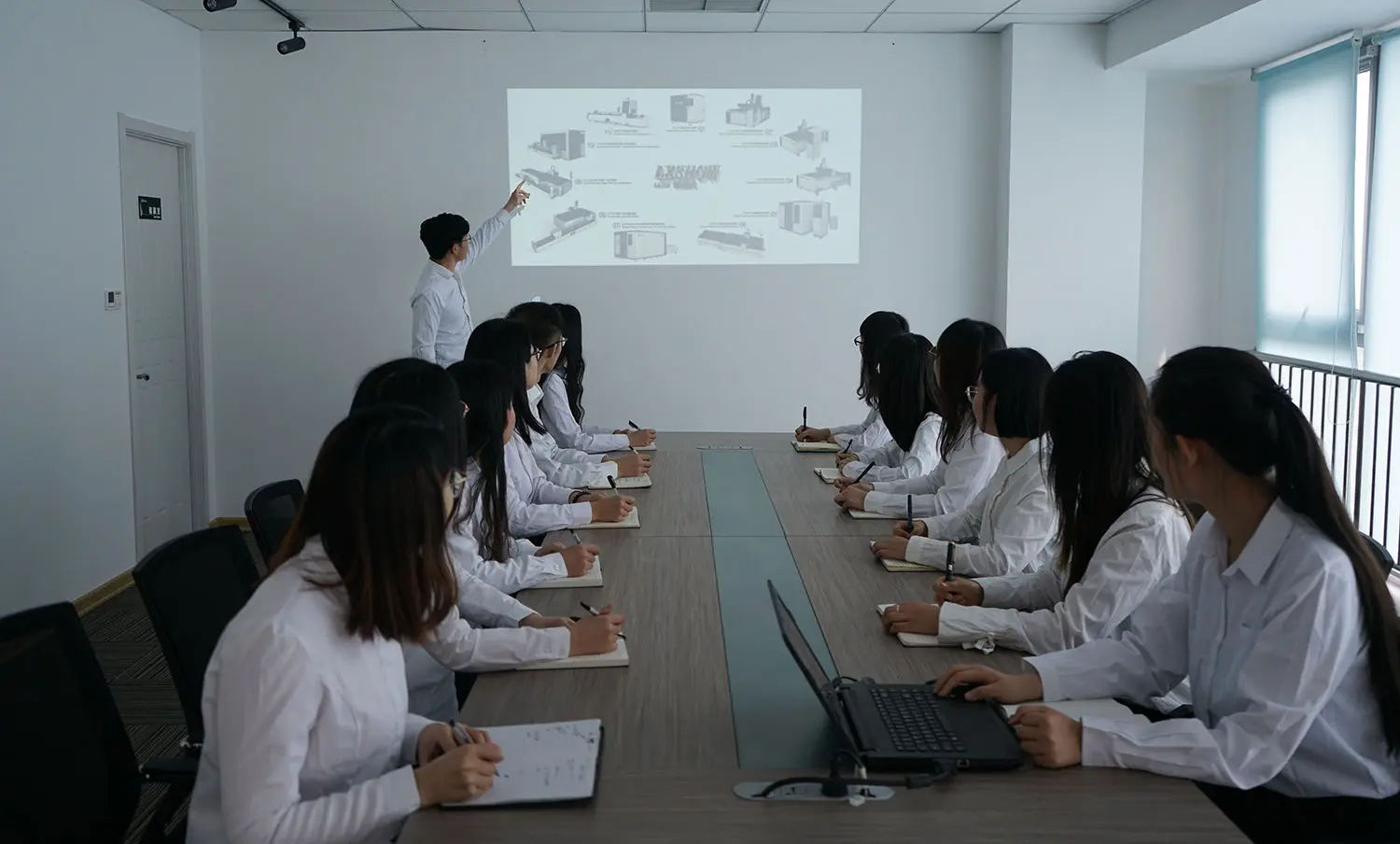
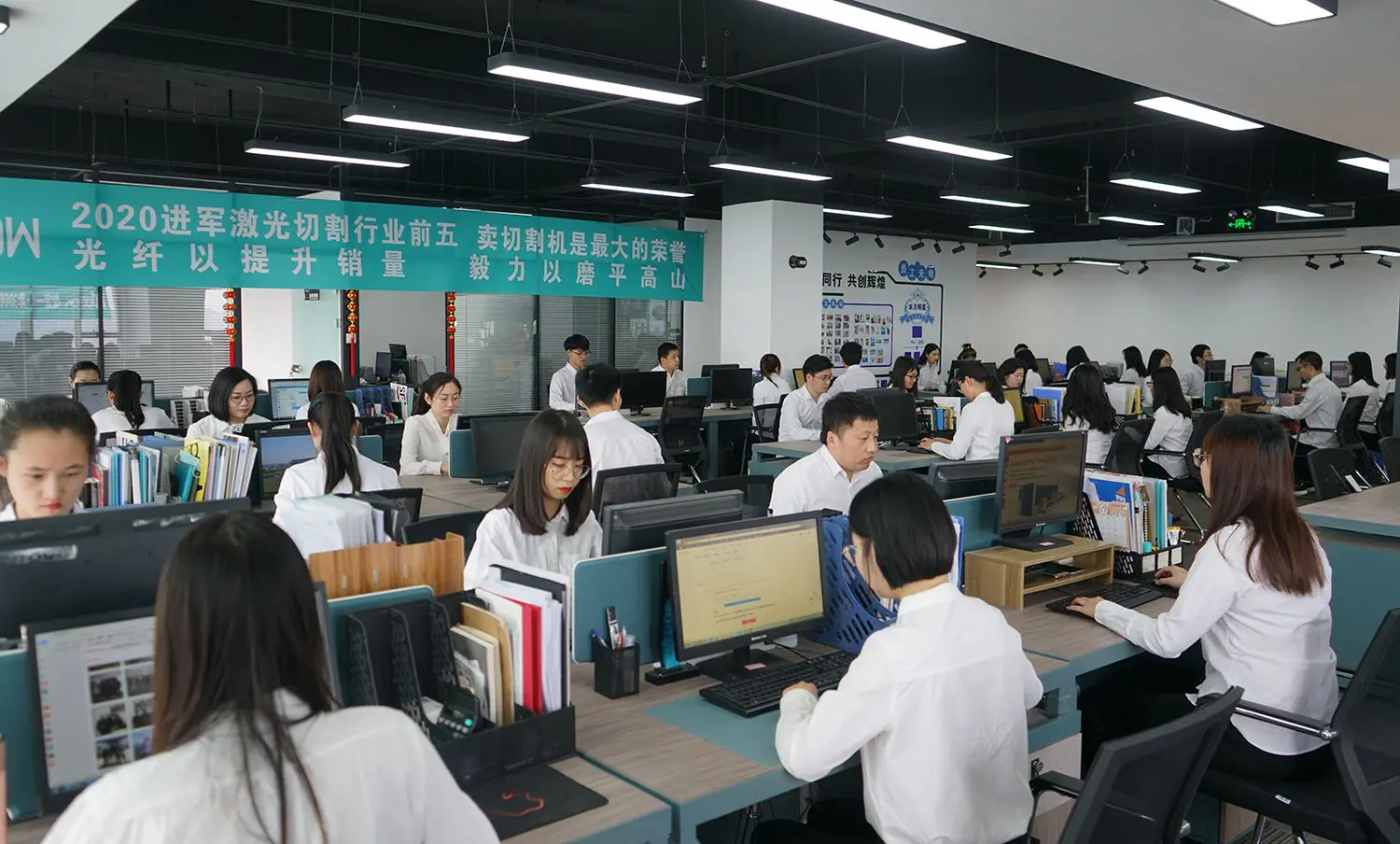
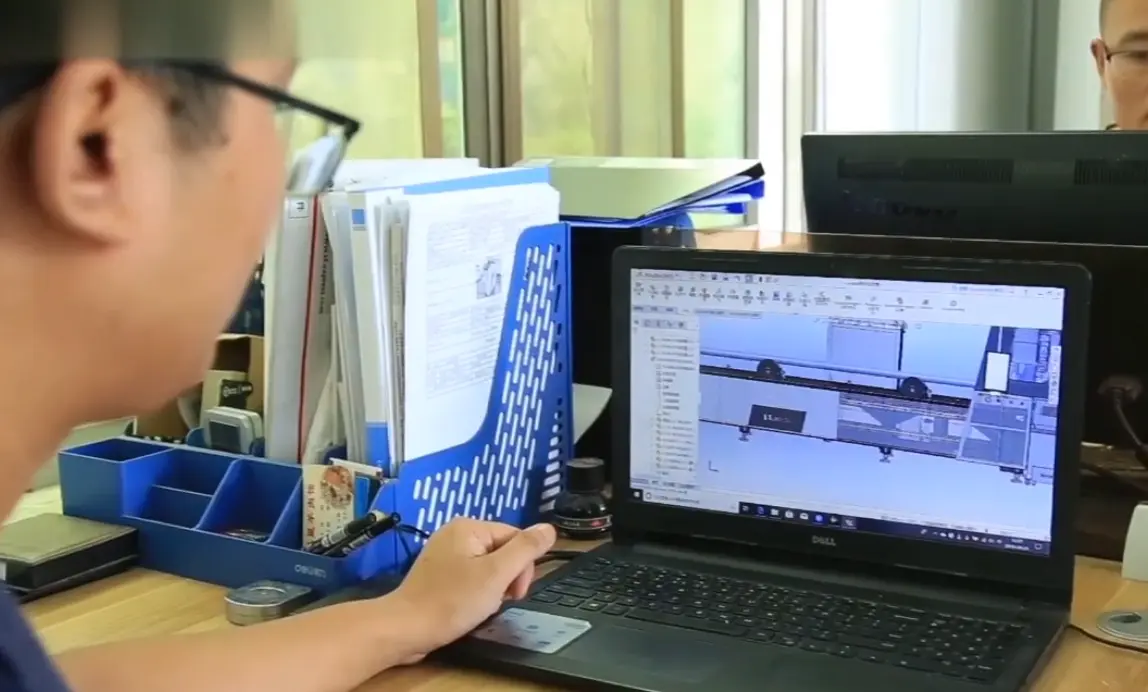
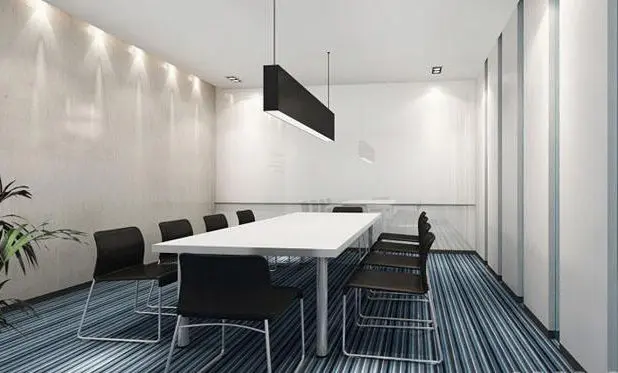
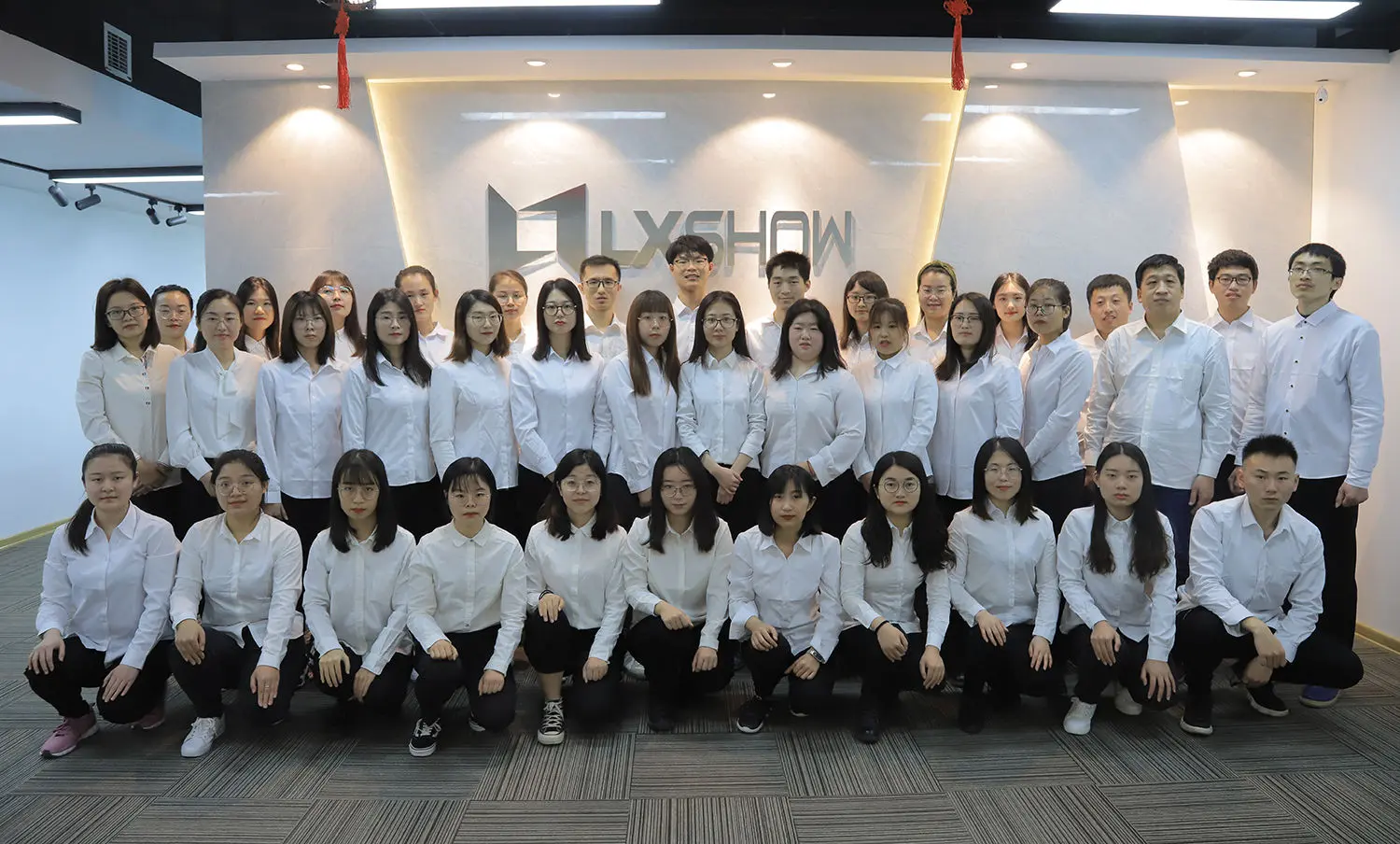
A look inside our 32,000-square-meter facility highlights our commitment to product quality and collaborative engineering. We maintain specialized teams to support buyers at every phase of equipment procurement and operation.

For large-scale structural operations, standalone machinery is rarely sufficient. A cohesive fabrication line integrates material handling, cutting, surface treatment, bending, and assembly into one unified flow. Our team design solutions that map to this complete workflow:
Addressing technical, operational, and financial considerations for global buyers looking to import steel fabrication equipment.
Selecting the correct laser power depends primarily on your maximum material thickness and target processing speeds. A 3kW to 6kW fiber laser is ideal for processing sheets up to 20mm. For operations processing plates thicker than 25mm, systems ranging from 12kW to 30kW provide cleaner cut edges with minimal tapers while keeping processing speeds high.
Laser cladding uses a high-power laser beam to melt a protective powder coating onto the surface of metal parts, forming a metallurgical bond. Unlike traditional thermal spraying, laser cladding features minimal thermal distortion and low dilution rates, making it an excellent choice for restoring or protecting high-wear components like hydraulic rams, steel shafts, and drilling bits.
Hydraulic bending systems rely on oil pumps and valves, which require periodic oil filtration, seal replacements, and warm-up cycles. Electric servo bending machines utilize direct-drive servo motors, reducing fluid maintenance requirements and cutting energy consumption by up to 50%. Electric systems also provide higher positioning accuracy, making them a preferred choice for precision electronics housing and aerospace fabrication.
Our fiber laser systems are equipped with integrated optical isolation systems and back-reflection absorption components. These systems detect returned light and redirect it safely before it can damage the laser source, allowing users to process aluminum, copper, and brass reliably.
We offer comprehensive technical support, including on-site installation, commissioning, and staff training. Our global customer support team provides 24/7 remote diagnostics, helping to resolve operational issues and minimize downtime.
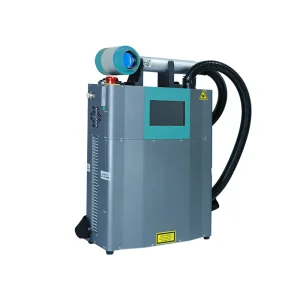
Explore our technical catalog of high-power fiber cutting systems, portable laser cleaners, and precision marking systems.
 Lxshow