Corner Cutting Machine Factory & Factories serving Norway

Precision Hydraulic Fabrication Systems, CNC Fiber Laser Cutters, and Heavy-Duty Shearing Technologies Engineered for Norwegian Maritime, Energy, and Sheet Metal Industries.

Send Inquiry Now

Norwegian Market Demands

Strict safety, low-carbon engineering, and extreme structural durability define the machinery requirements in Oslo, Bergen, and Stavanger.

CE & Safety Compliance

All machinery integrates advanced safety guardrails, light curtains, and emergency overrides to satisfy strict Norwegian Arbeidstilsynet guidelines.

Global Integration

Seamlessly matching high-grade hydraulic design with modern Industry 4.0 IoT analytics for real-time monitoring and production efficiency.

Strategic Analysis: Industrial Metalworking & Corner Cutting in Norway

1. The Norwegian Industrial Landscape: Demanding High Precision

Norway's manufacturing sector operates at the absolute peak of quality standards. Driven heavily by the maritime industry, offshore wind projects, carbon capture installations, and the specialized subsea oil and gas engineering hubs along the southwestern coast, Norwegian fabricators do not compromise. The cold-climate conditions require structural components that are stress-relieved, perfectly jointed, and corrosion-resistant. This is where high-quality sheet metal processing—such as corner cutting, shearing, bending, and laser processing—plays a fundamental role.

Whether preparing plates for heavy vessel structures in Ålesund or designing ventilation systems for architectural projects in Oslo, precision corner cutting ensures that structural components fit perfectly before automated welding. High mechanical precision reduces the reliance on manual rework, lowering labor costs which are notoriously high in Northern Europe.

2. The Mechanics of Corner Cutting in Modern Metal Fabrication

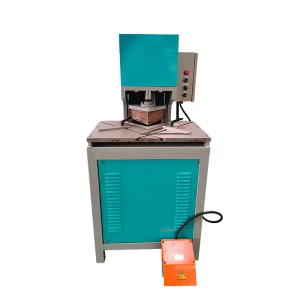
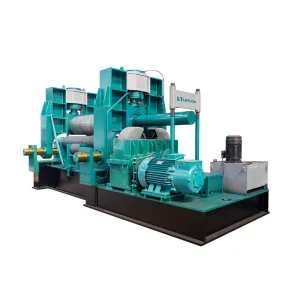
A hydraulic corner cutting machine (notching machine) is not merely a utility cutter; it is the cornerstone of edge preparation. By removing geometric shapes at sheet boundaries, these machines allow operators to fold and weld boxes, panels, and frames with flawless joints. The HCS-16 Hydraulic Corner Cutting Machine features adjustable blade clearance, heavy-duty hydraulic cylinders, and precise gaging systems that handle thick structural metals without deformation. The key parameters required for Norwegian facilities include:

  • Variable Angle Adjustment: Flexibility to notch from 30° up to 140° for custom panel geometries.
  • Structural Rigidity: Monoblock steel frame structures to absorb heavy vibrational forces during cycles.
  • Hydraulic Efficiency: Low noise operation paired with high tonnages to comply with strict workplace decibel legislation in Europe.

3. Why Choose Direct-from-Factory Chinese Supply Chains?

For European companies, procuring equipment directly from our advanced production facilities in China combines high-tier technological implementation with unrivaled cost efficiency. The advantages of importing factory-direct include:

  • Integrated Component Supply: We utilize world-class components including Rexroth hydraulics, Schneider electrics, and IPG/Raycus laser resonators.
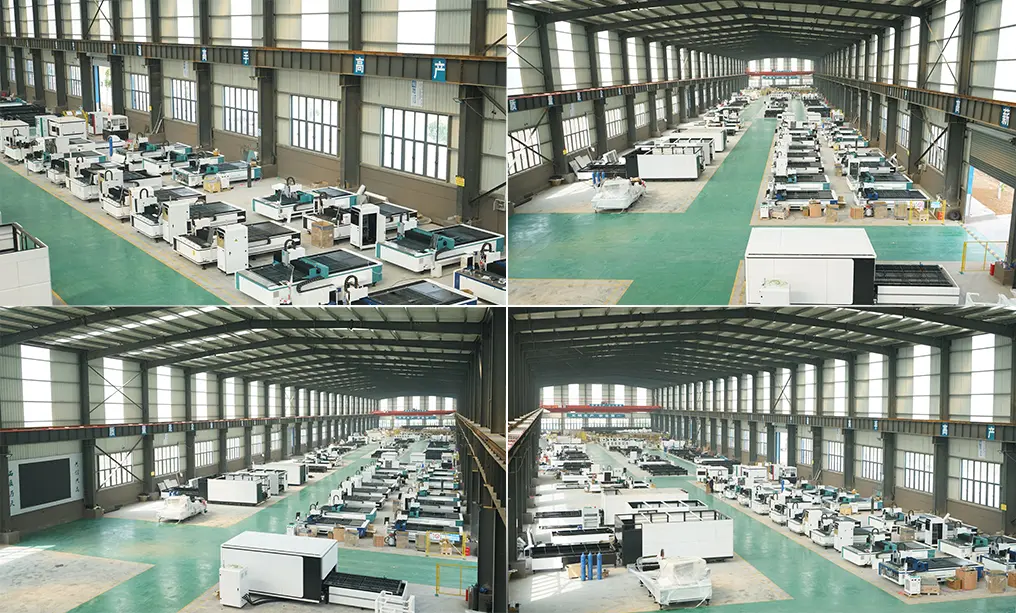
  • Advanced R&D Base: Operating over 32,000 square meters of production space since 2004, our facility bridges the gap between mass fabrication economies of scale and highly customized configurations.
  • Stringent Quality Audits: In-house testing protocols ensure that every machine leaving the assembly line complies with ISO 9001, European CE certification, and American FDA frameworks.
Inquire About Customized Machinery Solutions for Norway

2004

Established Year

32,000+ m²

Modern Manufacturing Base

150+

Countries Served Worldwide

20,000+

Active Machinery Users

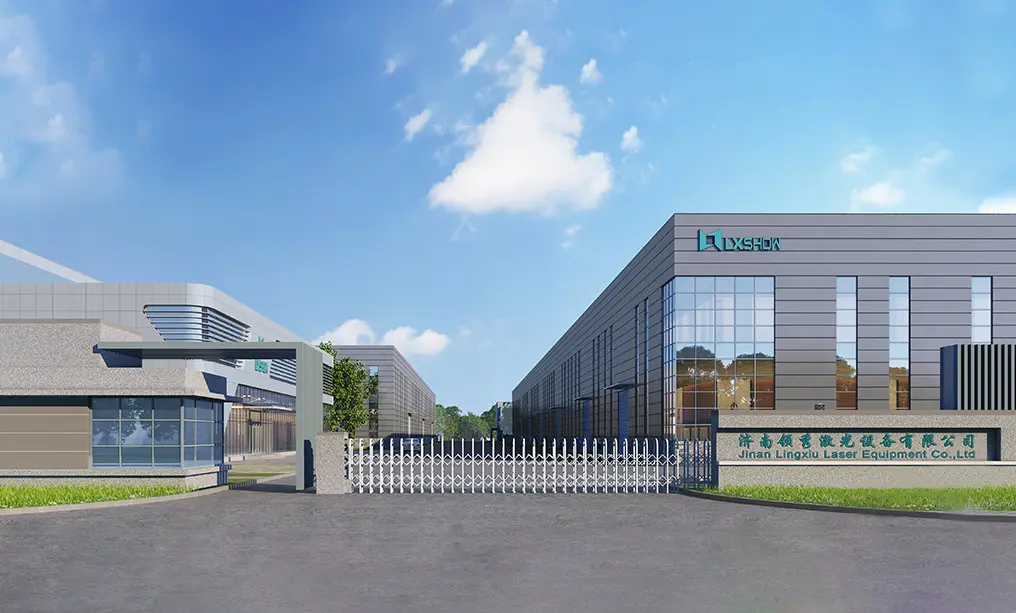
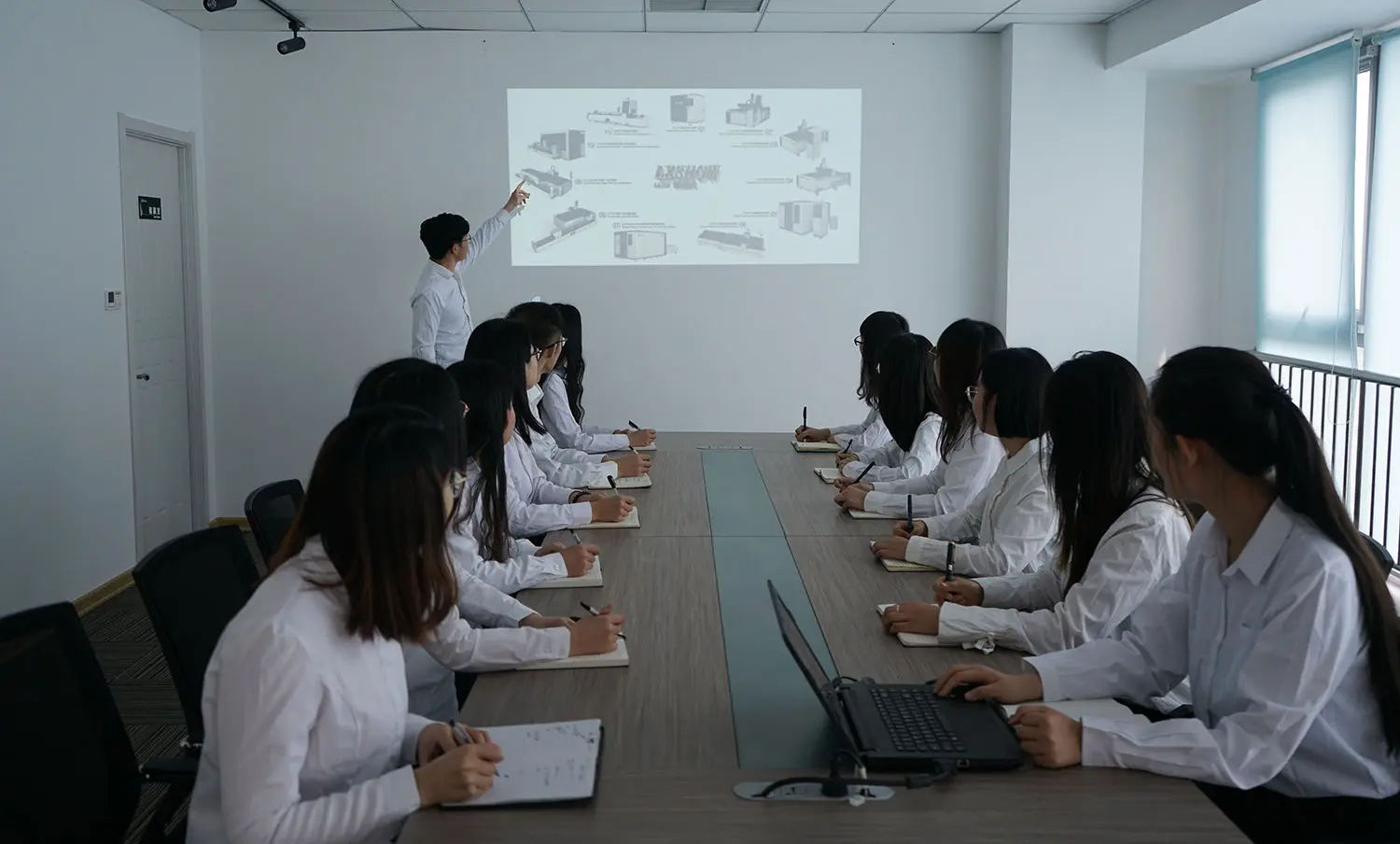
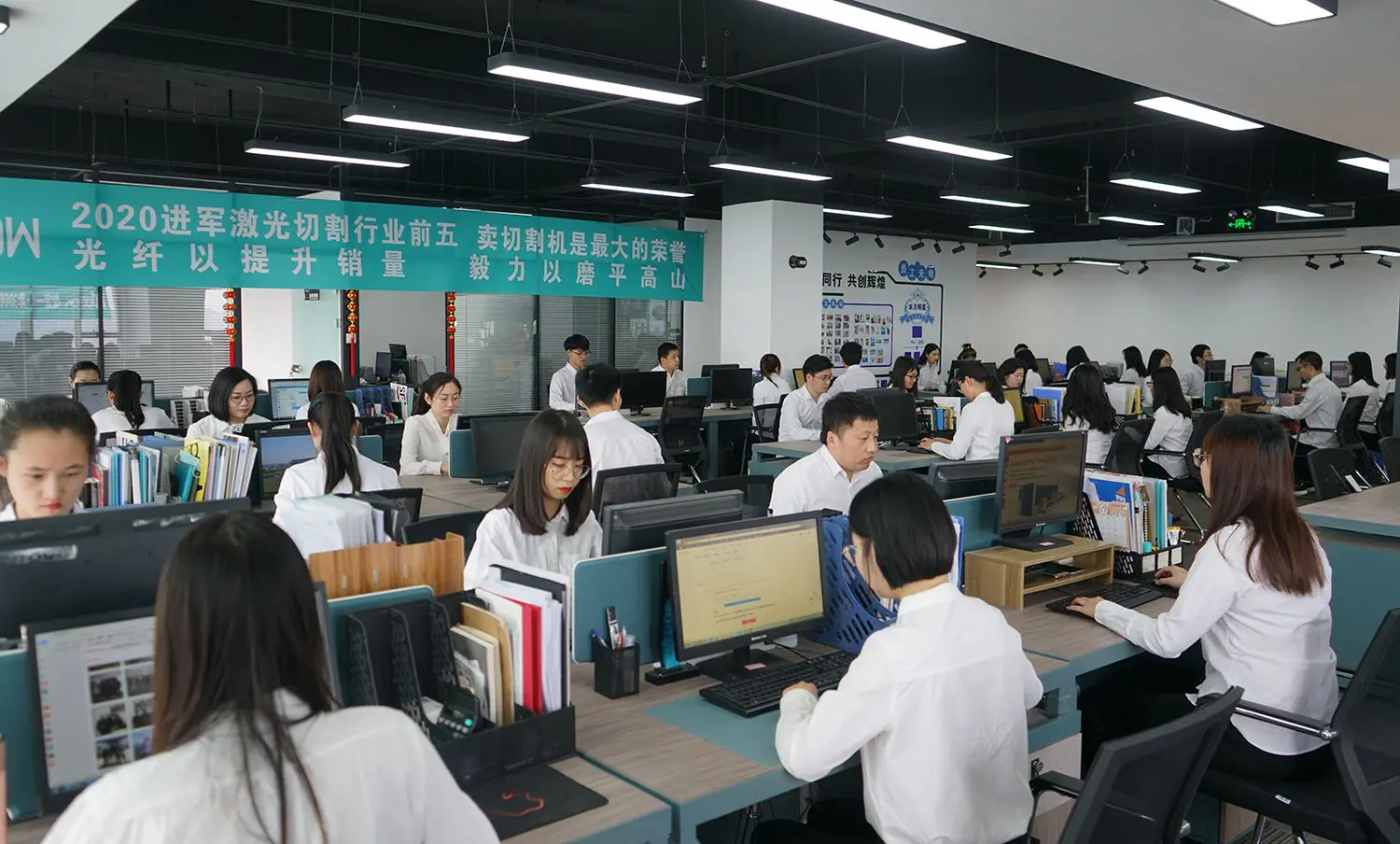
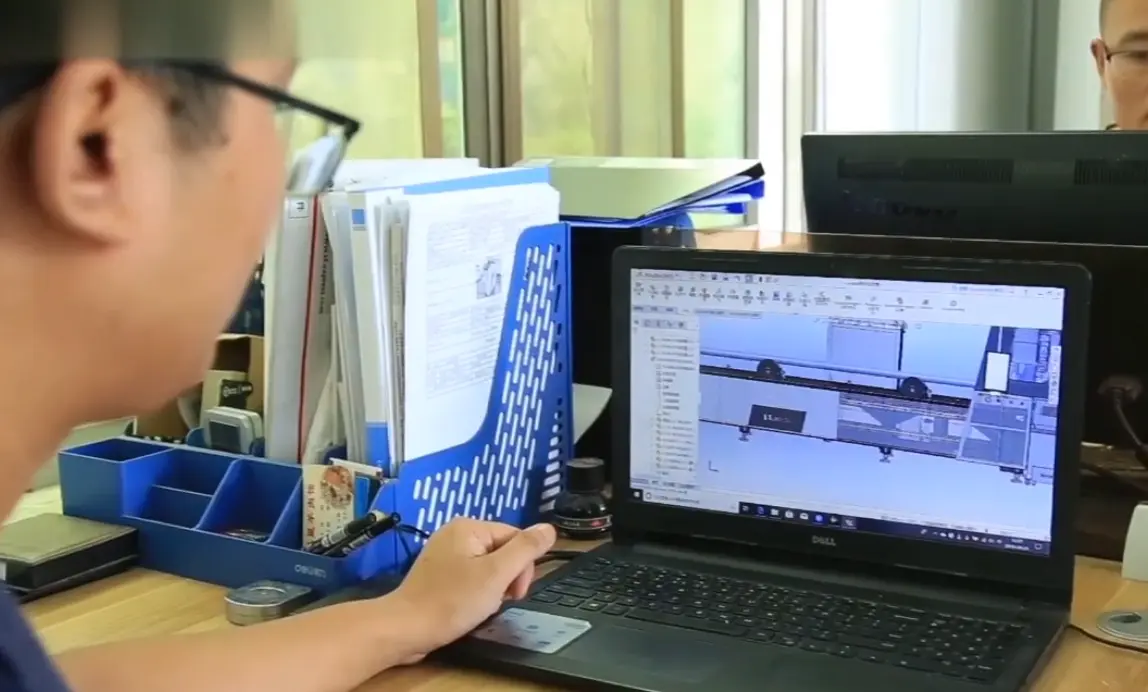
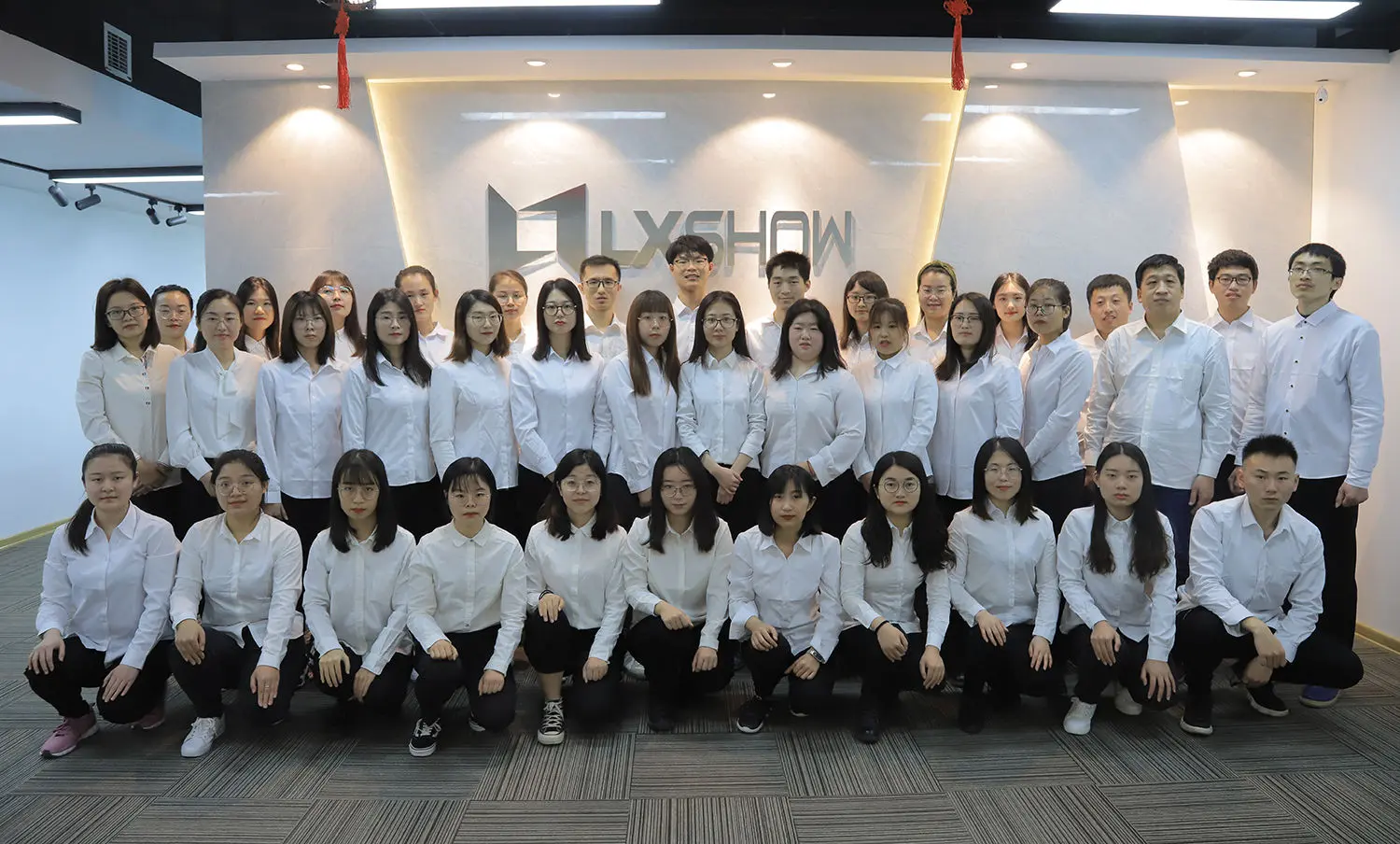
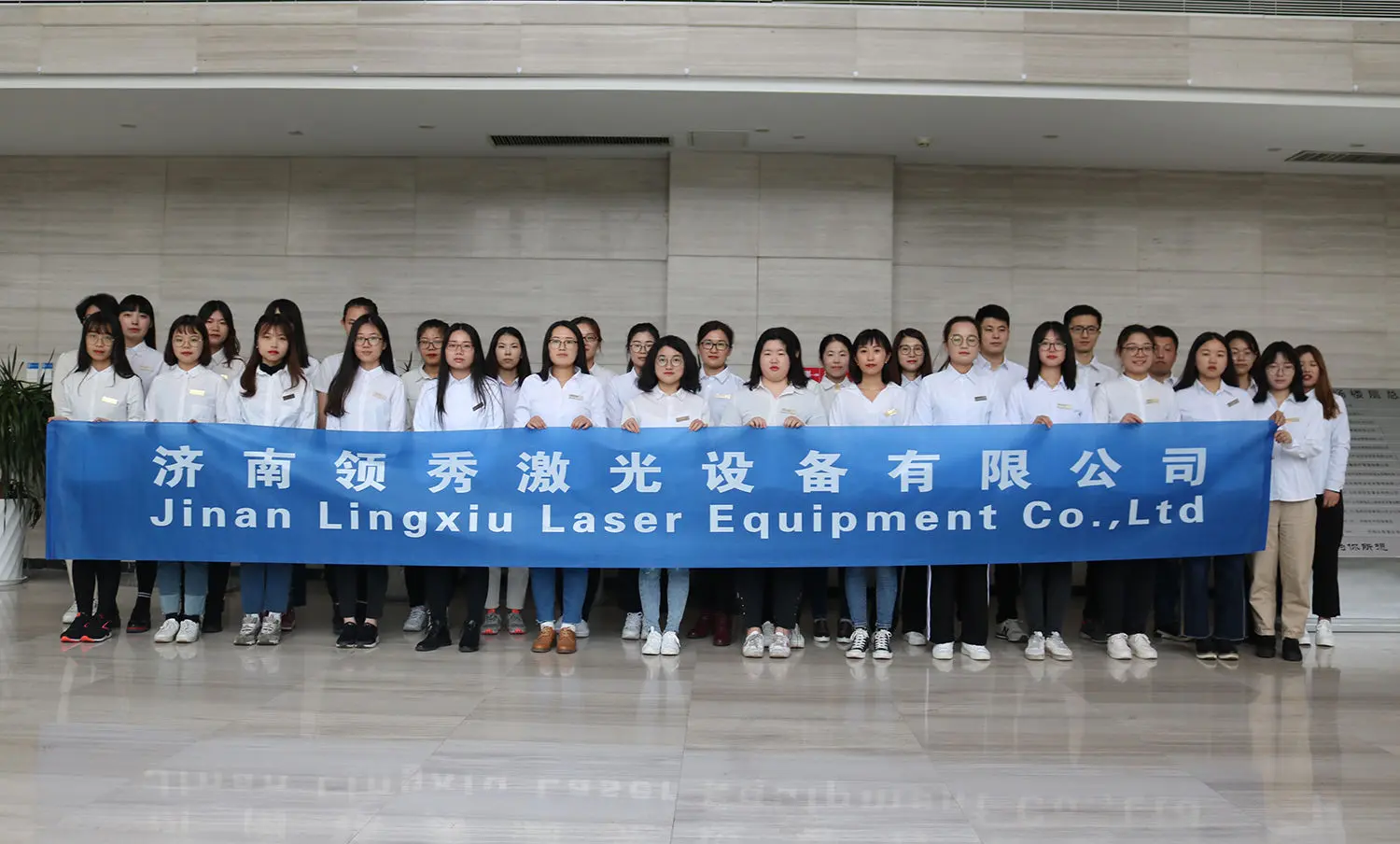
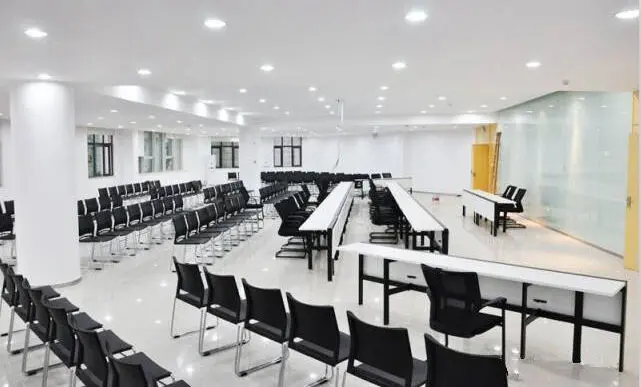
Advanced Production Facility Showcase

Take a look inside our high-tech manufacturing, engineering labs, and administrative centers
4. Localized Support & Compliance in Northern Europe

Operating industrial machinery in Norway requires adherence to strict local frameworks governed by the Norwegian Labour Inspection Authority (Arbeidstilsynet). In addition to mandatory CE markings, machines must comply with EU Machinery Directive 2006/42/EC. Under our comprehensive support program, we provide:

  • Complete Safety Configurations: Guarding systems, light curtains, emergency stops, dual-hand controller switches, and secure enclosure systems.
  • Cold-Climate Adaptations: Custom hydraulic oil reservoirs fitted with heating components to maintain viscosity stability during winter temperatures in Northern cities like Tromsø or Trondheim.
  • Remote Tele-Diagnostics: Integrated digital control modules linking your equipment to our central software hub, allowing for immediate software updates, diagnostics, and step-by-step troubleshooting.

5. Industry 4.0: Integrating Laser Cutting, Welding, and Cleaning

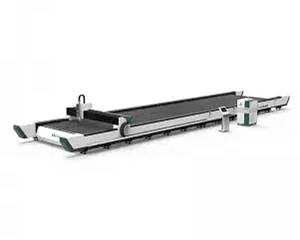
Modern smart factories don't rely on isolated machinery. We offer an integrated fabrication ecosystem designed to maximize productivity. Once plates are notched using a corner cutting machine, they transition through a seamless process flow:

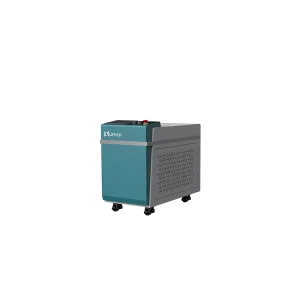
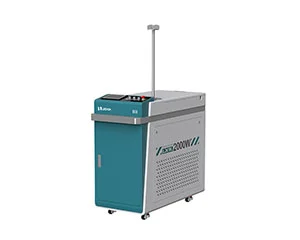
  1. Surface Pre-Treatment: Our High-Power Laser Cleaning Systems remove oxides, scale, and rust from incoming structural steel profiles, creating an optimal surface for joining.
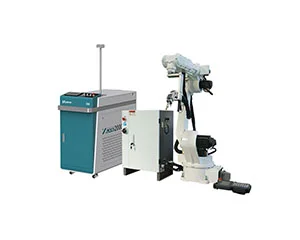
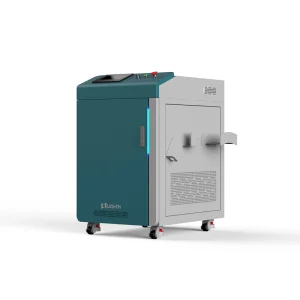
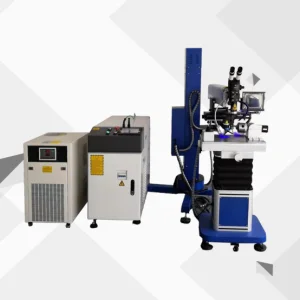
  2. Precision Welding: Continuous jointing using Handheld and Robotic Fiber Laser Welders ensures low thermal distortion, critical for structural integrity in marine grade alloys.
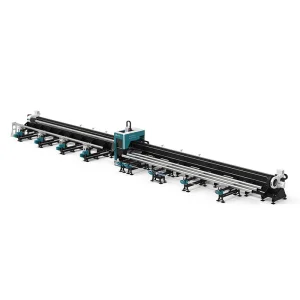
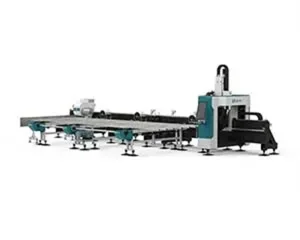
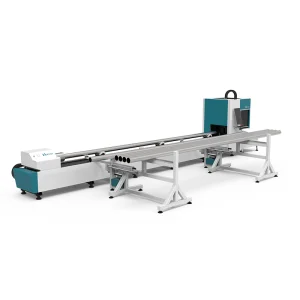
  3. Profile Processing: Automated fiber laser tube cutters perform continuous cross-sectional profile cutting on structural round and square tubing.

6. Comprehensive Material Adaptability Matrix

Norwegian engineering firms deal with a wider array of alloys compared to typical continental sheet metal operations. Our equipment is tested extensively on specialized metal types to guarantee performance:

  • Structural Carbon Steel (S235, S355): High clean-shear profiles without thermal distortion or micro-fissures along the edges.
  • Austenitic & Duplex Stainless Steel (316L, Duplex 2205): Crucial for structural offshore systems exposed to saline atmospheres. Requires precision corner notching without tool friction, which could compromise alloy properties.
  • Marine Grade Aluminum (5000 & 6000 Series): Demands clean cuts with zero burrs. Our lasers and hydraulic blades are engineered with specialized cutting clearances to handle non-ferrous soft alloys without edge tearing.

7. Future Outlook: CNC Integration & Automation

As the Norwegian market moves towards Industry 4.0, our systems are evolving from standalone devices to interconnected fabrication nodes. Future installations are equipped with PLC networks that connect directly to central ERP configurations, allowing operators to run batch notching, cutting, and bending profiles with zero manual entry. Adaptive sensing systems monitor tool wear and pressure levels, ensuring that precision is maintained across thousands of cycles.

Industrial Procurement FAQ for the Norwegian Market

Essential information for purchasing managers and production directors sourcing heavy machinery
1. Are your hydraulic corner cutting and laser machines fully compliant with Norwegian safety standards? +
Yes. Every machine shipped to Norway is manufactured to comply with EU Machinery Directive 2006/42/EC and bears the CE mark. We equip our machinery with safety light grids, dual-hand operation modules, and emergency shut-offs to align with Norwegian Labour Inspection Authority (Arbeidstilsynet) mandates.
2. How do you handle shipping, customs clearance, and delivery to ports like Oslo or Bergen? +
We provide comprehensive international shipping options (DAP or DDP) via major maritime carriers. We coordinate directly with Norwegian freight forwarders to handle customs clearances, import declarations, and transport from key ports (Oslo, Bergen, Stavanger, Kristiansand) to your factory floor.
3. Do you provide onsite commissioning and technical training in Norway? +
Yes. We offer both virtual remote installation commissioning and onsite engineering support. Our engineers can travel to your location in Norway to execute setup, calibration, and structural training for your operators, ensuring your team can operate the machinery safely and efficiently.
4. Can your hydraulic systems withstand low temperatures in Northern Norwegian regions? +
Absolutely. For installations in Northern Norway (e.g., Tromsø, Narvik, Bodø), we configure the hydraulic systems with low-temperature fluid components, industrial heating coils, and thermal insulation kits. This ensures the hydraulic fluid maintains optimal viscosity even during extreme winter weather conditions.
5. What is the standard lead time from order confirmation to arrival in Norway? +
Standard machines require 15 to 30 days for assembly, calibration, and testing. Shipping to Norway typically takes 35 to 45 days depending on the specific port of entry. Custom configurations (ODM/OEM) may extend production time by 10 to 15 days.
6. How does the warranty and spare parts support operate for remote Norwegian facilities? +
We offer a comprehensive 2-year warranty on core machinery. Major spare parts (such as hydraulic valves, electrical components, and optical elements) are shipped via express air freight (DHL/FedEx) to Norway, reaching your facility within 3 to 5 business days to minimize downtime.

Ready to optimize your fabrication capabilities?

Send Inquiry Now
Inquire Now