Over the past decade, Costa Rica has successfully shifted from a traditional agricultural economy into a premier Latin American hub for advanced electronics assembly, medical technology (MedTech), and aerospace component machining. The growth is fueled by major investments in industrial special zones, such as the *Coyol Free Zone* in Alajuela and *Cartago Industrial Zone*, attracting leading multinationals that require micro-tolerances.
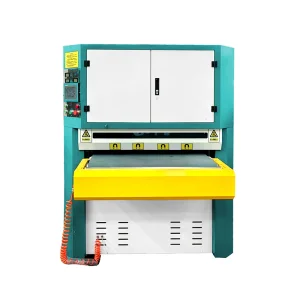
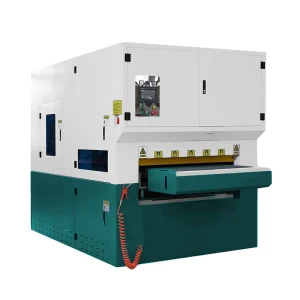
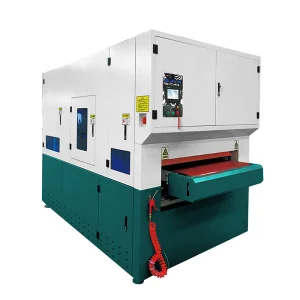
In this highly demanding environment, finishing processes dictate compliance. The introduction of high-end finishing machinery like the 450 Series Double Belt Deburring Systems helps local subcontractors achieve defect-free parts that satisfy strict global quality expectations. By establishing a robust system to clean punch marks, laser slag, and sharp corners, exporters in Costa Rica are elevating their manufacturing capabilities to tier-1 standards.
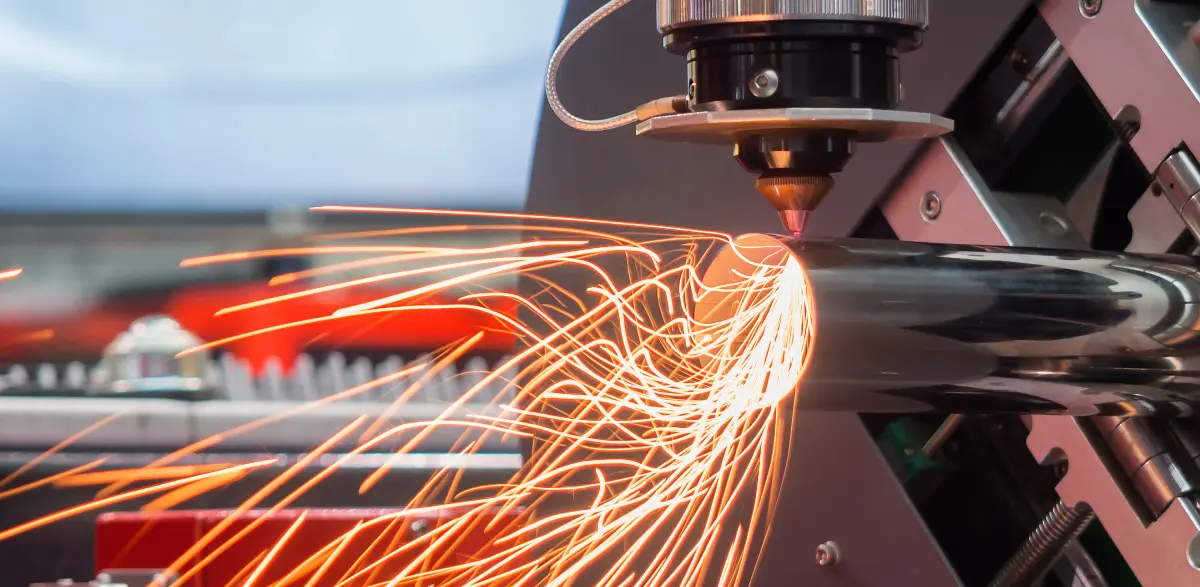
From a global viewpoint, sheet metal fabricators are confronting a major labor shortage in manual post-processing operations. Hand deburring is time-consuming, inconsistent, and presents occupational safety hazards. The 450 Series (specifically models like the LX-RR-M-450 and LX-RRW-450) tackles these bottlenecks by introducing mechanical automation.
These systems feature dual-belt layouts, allowing operators to configure coarse grit abrasive belts for heavy burr removal alongside fine-grit flap wheels for smooth edge-rounding in a single pass. This reduces cycle times by up to 75% compared to manual processes. For Costa Rican engineering firms exporting parts to North America and the EU, this capability translates directly to shorter lead times and improved margins.
San José's medical device cluster relies on flawless metal finishes. Stainless steel blades, casings, and structural medical plates processed by the LX-RRS-A-450 feature completely rounded edges, guaranteeing safety inside cleanroom environments and sterile packaging.
Aluminium panels for avionics racks require precise edge preparation before coating or anodizing. Smart dual-belt systems prevent paint peeling at sharp edges, securing long-term corrosion resistance for components exported to global aviation clients.
Electrical enclosures fabricated via laser cutting and CNC punching need comprehensive deburring. Double abrasive belt machines remove heavy dross, preparing carbon and galvanized steel panels for powder coating lines in a single automated step.
As smart manufacturing transitions into Industry 4.0, our technological development roadmap for the 450 Series and integrated machinery aligns with three core directives:
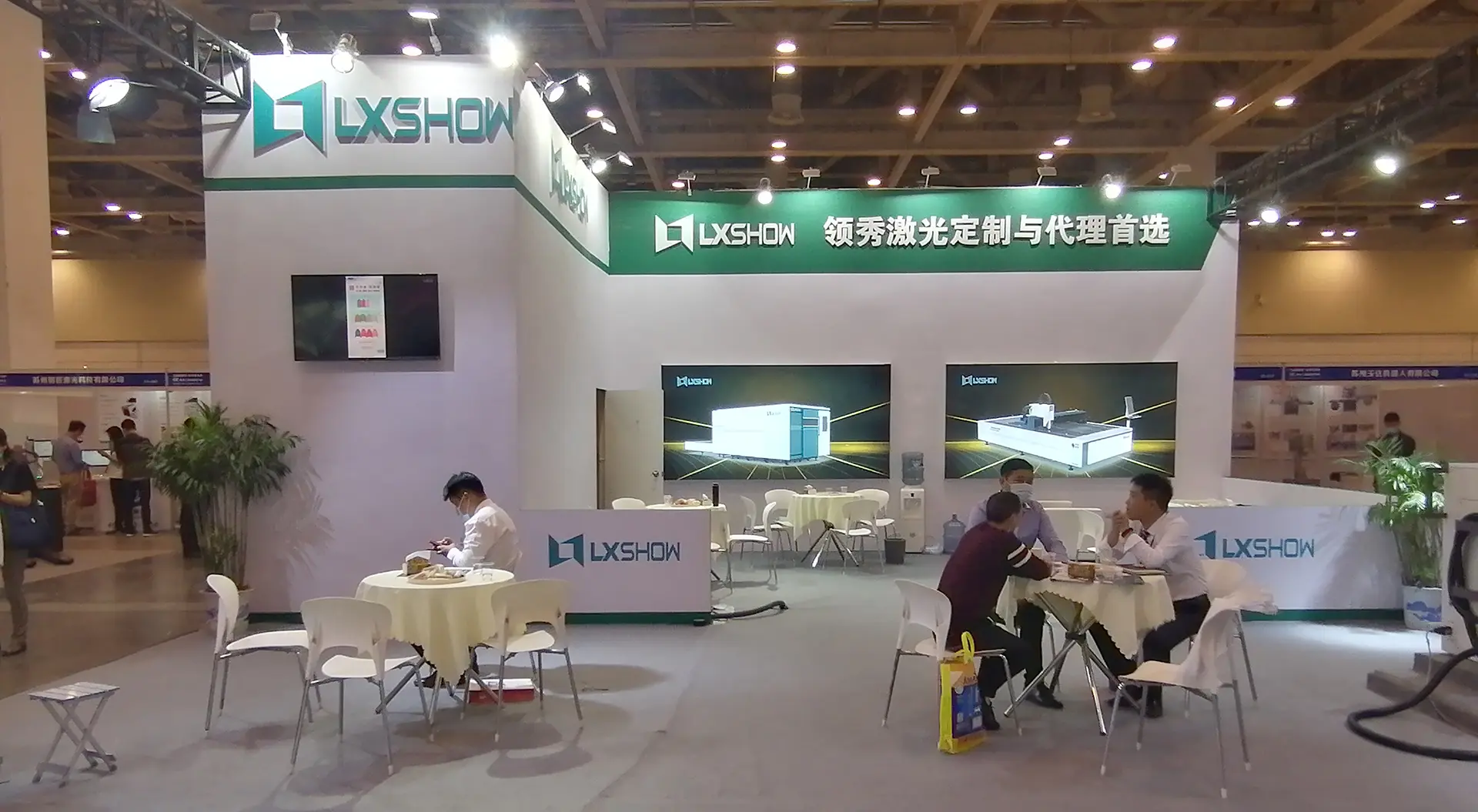
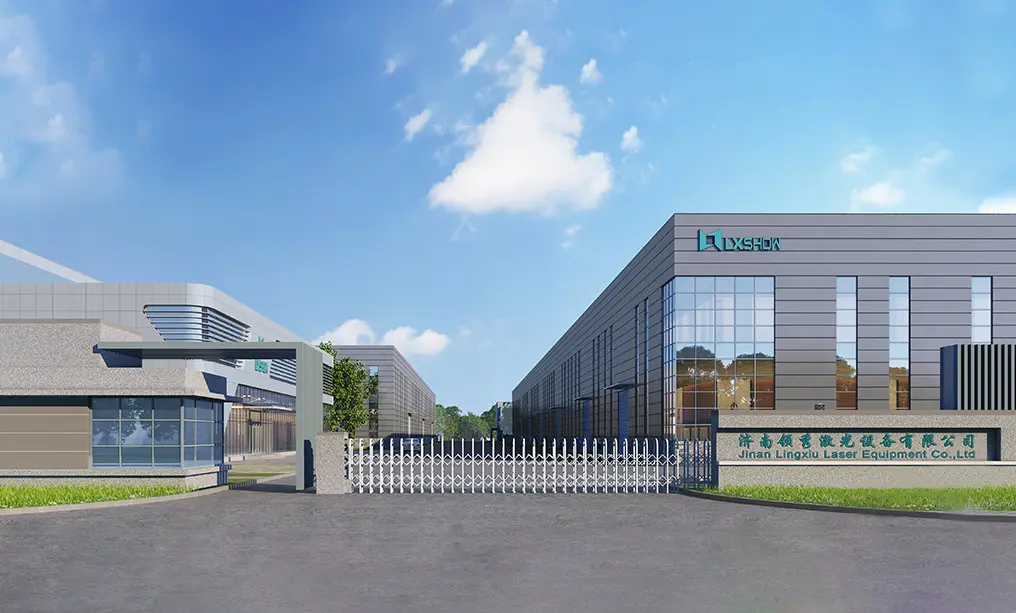
As a pioneer in laser smart equipment and surface finishing lines, we focus on engineering high-performance machinery. From our modern headquarters, we supply metal processors in over 150 countries, facilitating their transition to automation and smart fabrication.
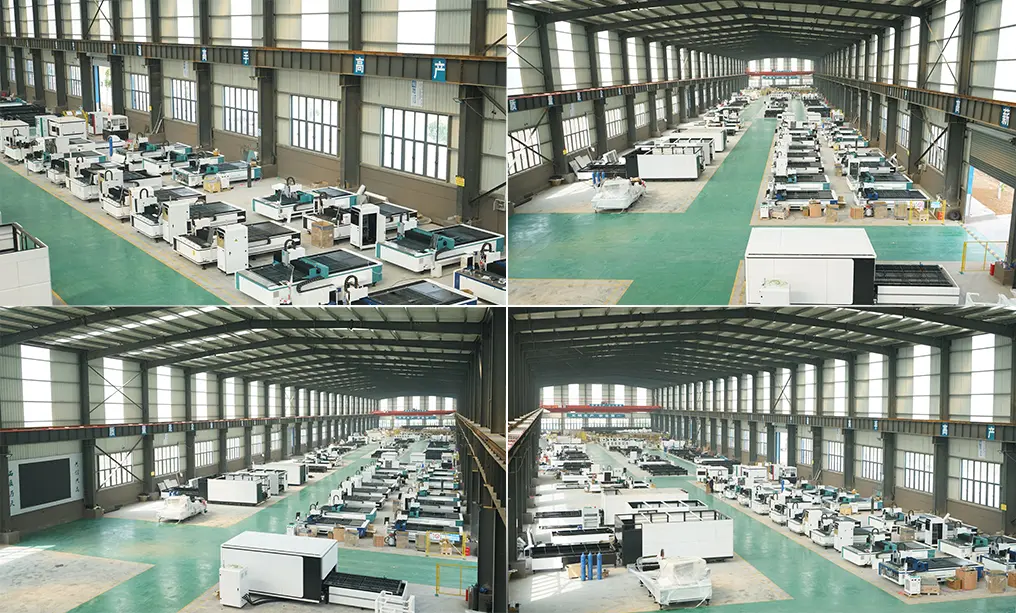

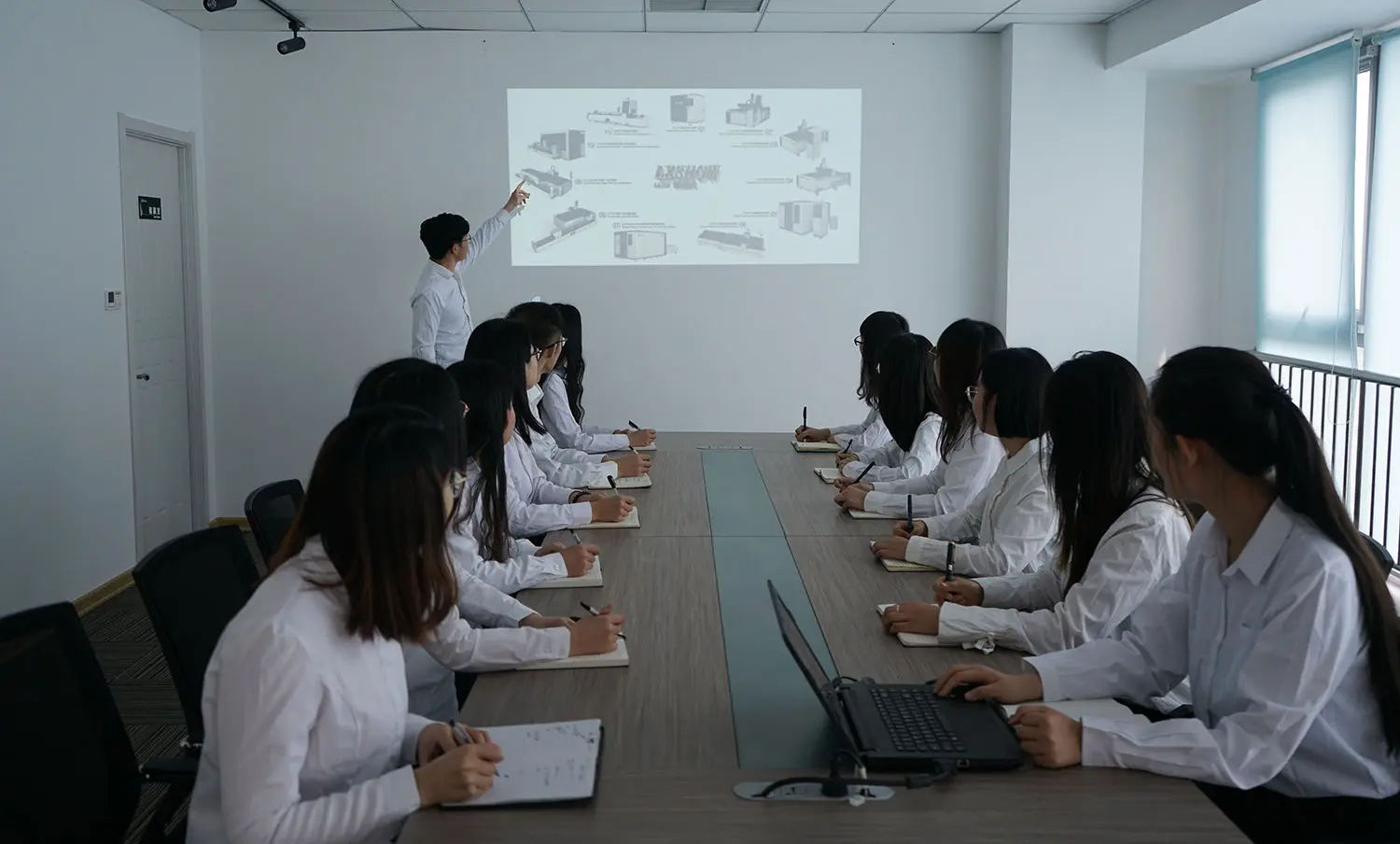
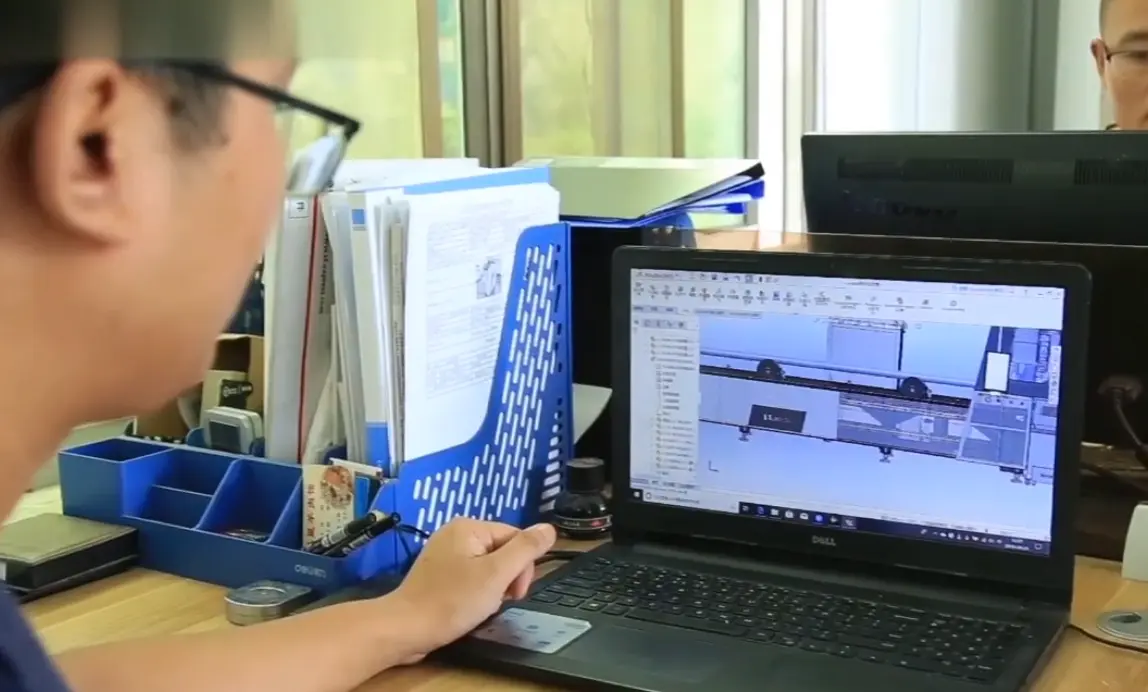
We provide macro fabrication systems that cover every stage of your production pipeline. By pairing fiber laser cutting machinery with automated deburring and bending setups, manufacturers can control output quality from start to finish. Our solutions are used across industries including kitchenware, machinery manufacturing, electronic cabinet fabrication, and automotive structures.
Whether cleaning oxides with high-speed lasers, forming sheet metal with hydraulic brakes, or finishing edge profiles using the 450 Series, our line helps exporters improve production throughput and secure a fast return on investment.
To ensure complete integration within your manufacturing line, we offer robust laser restoration systems and heavy shear units configured for continuous operation.
The LX-RR-M-450 is a dry-type deburring system designed for high-efficiency, multi-purpose edge rounding using dry abrasive belts. In contrast, the LX-RRW-450 is a wet-processing system. The wet system uses integrated coolant sprays to suppress metallic dust, cool the workpiece to prevent thermal distortion, and filter out microparticles. Wet systems are recommended for manufacturers working with mixed materials (e.g., swapping between steel and aluminum) to eliminate dust-related combustion risks.
Costa Rica's medical exports must comply with international standards, such as those set by the FDA and ISO 13485. Any micro-burrs left on surgical trays, medical carts, or instruments can harbor bacteria, tear cleanroom packaging, or cause physical injury. The LX-RRS-A-450 provides uniform, controllable edge radii down to 0.1 mm, ensuring that all sharp edges are fully rounded, clean, and ready for cleanroom assembly.
A dual abrasive belt layout allows the machine to combine two processing steps into a single pass. The first station uses a coarser belt (e.g., 80 to 120 grit) to knock down vertical burrs, slag, and dross caused by fiber laser cutting or mechanical punching. The second station features a finer flap brush belt that rounds edges and polishes the sheet surface. This configuration halves material handling time compared to single-head machines.
Yes. The 450 Series features adjustable contact rollers and a vacuum-bed conveyor belt system. The vacuum bed secures thin parts down to 0.5 mm in thickness, preventing them from shifting or warping under the high friction of the abrasive belts. This allows thin stainless steel or copper plates to be finished safely without compromising structural tolerances.
 Lxshow