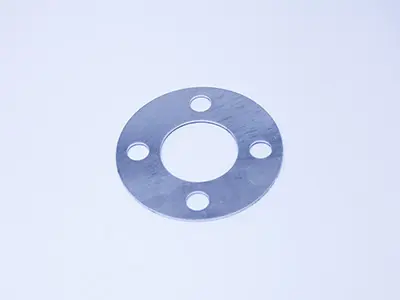
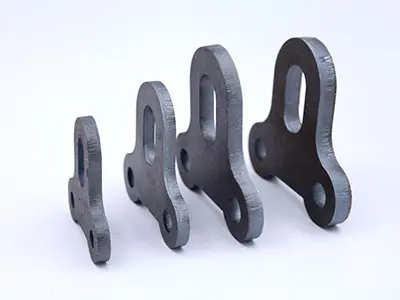
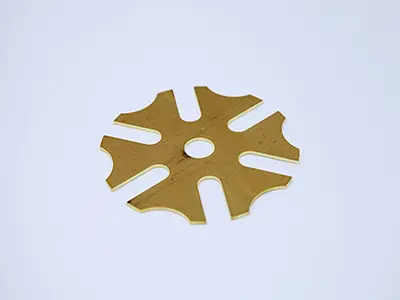
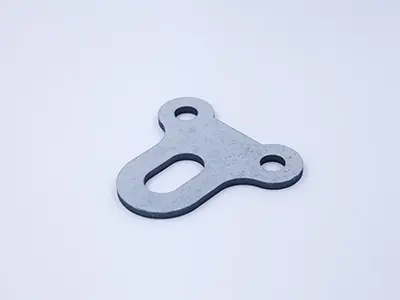
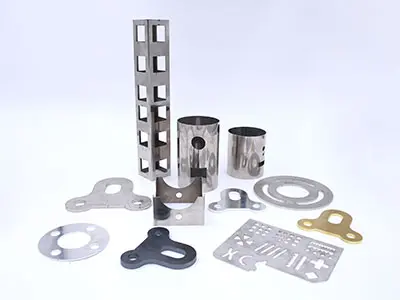
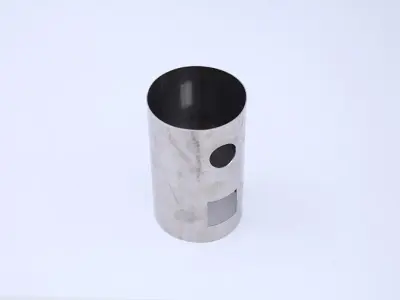
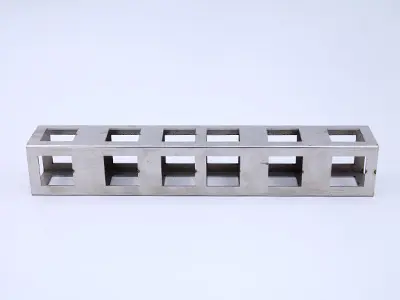
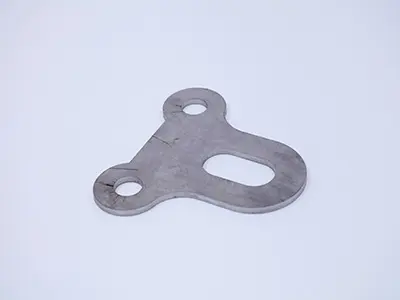
Direct factory supply models engineered for precision metal cutting, cleaning, welding, and advanced metal finishing processing.
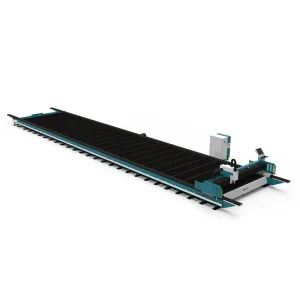
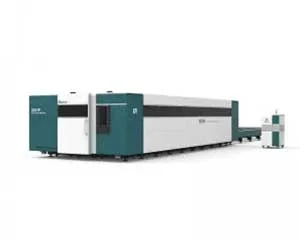
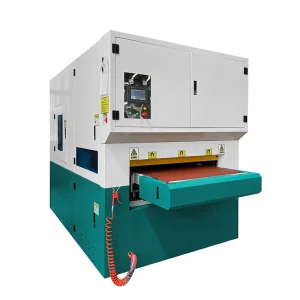
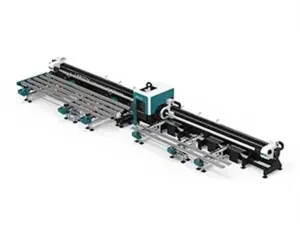
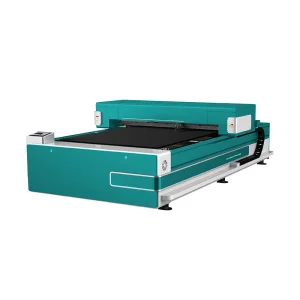
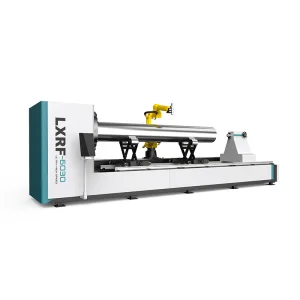
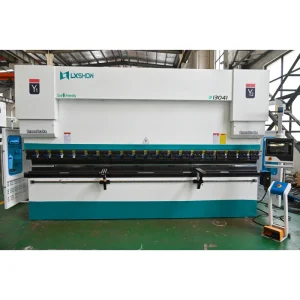
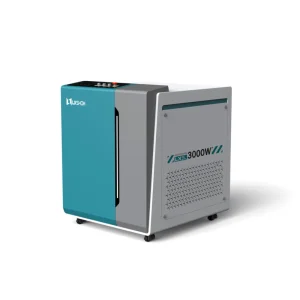
Unwavering commitment to heavy industrial manufacturing compliance, verified by global standardizations since 2004.
The global metal fabrication landscape is shifting rapidly toward automated, ultra-high-efficiency fiber laser cutting structures. Moving past conventional CO2 systems and manual plasma cutters, modern heavy industries demand reliable, high-power equipment capable of continuous multi-shift operations. Advanced fiber laser technology offers superior power densities, reducing energy requirements while providing precision positioning accuracy within sub-micron ranges.
For global procurement managers, identifying verified sheet metal laser cutting machine suppliers who guarantee both structural rigidity and modern mechanical architectures is critical. Procurement requirements focus on lowering cost-per-part metrics, reducing thermal distortion, and integrating sheet-handling automation into broader ERP frameworks.
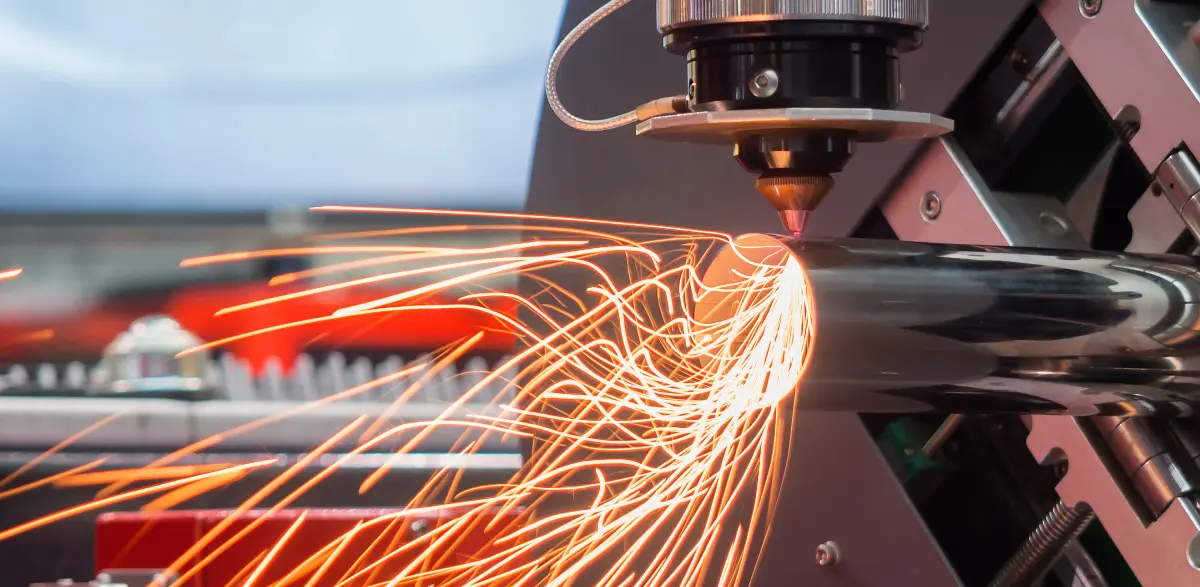
Inside our advanced fiber laser mechanisms that achieve rapid, microscopic precision cutting paths.
Utilizing high-stability fiber optical sources (1kW to 30kW) including Raycus, IPG, and JPT. These generators ensure high photoelectric conversion rates, stable energy profiles, and a service lifespan exceeding 100,000 operational hours.
Engineered with stress-relieved heavy gantry designs, utilizing aircraft-grade extruded aluminum. Driven by high-torque Yaskawa servo motors and precision YYC helical rack systems, ensuring up to 1.5G acceleration paths.
Equipped with hydraulic hydraulic lifting exchange platforms that transition heavy sheets in under 15 seconds. Maximizes production throughput by enabling simultaneous cutting and material preparation cycles.
Running professional Cypress CypCut CAD/CAM control software. Integrates real-time sensing, focal length tracking, nesting algorithms, collision prevention mechanisms, and machine state monitoring.
Raytools/Precitec auto-focus cutting heads with protective window designs and internal water cooling circuits. Ensures continuous processing without focal point drift during long high-power operations.
Multi-zonal partition dust removal venting pathways align directly with the current position of the cutting head. Maximizes localized negative pressure to draw away particulates and preserve environment safety.
Our research and development vision looks beyond standard stand-alone laser cutting equipment. We are developing the systems necessary for the digital transformation of metal fabrication shops into fully connected smart factories. Operating under Industry 4.0 standards, our laser cutting, welding, and cleaning stations are designed to share diagnostic, process, and performance metrics across modern ERP/MES systems.
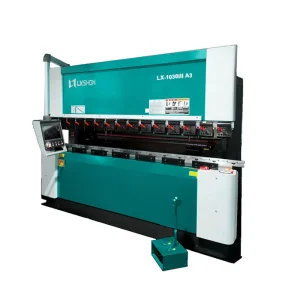
This layout is built for automation. By integrating single axis robots, robotic arms, smart sorting systems, and CNC press brakes (such as our high-accuracy WE67K series), companies can build hands-free fabrication cycles. As manufacturing hubs strive to improve sustainability, our machines optimize laser path planning and nitrogen usage to reduce energy consumption per cut metric by up to 22%.
Explore our custom laser parameter setups developed for a wide range of industrial metals and profiles.
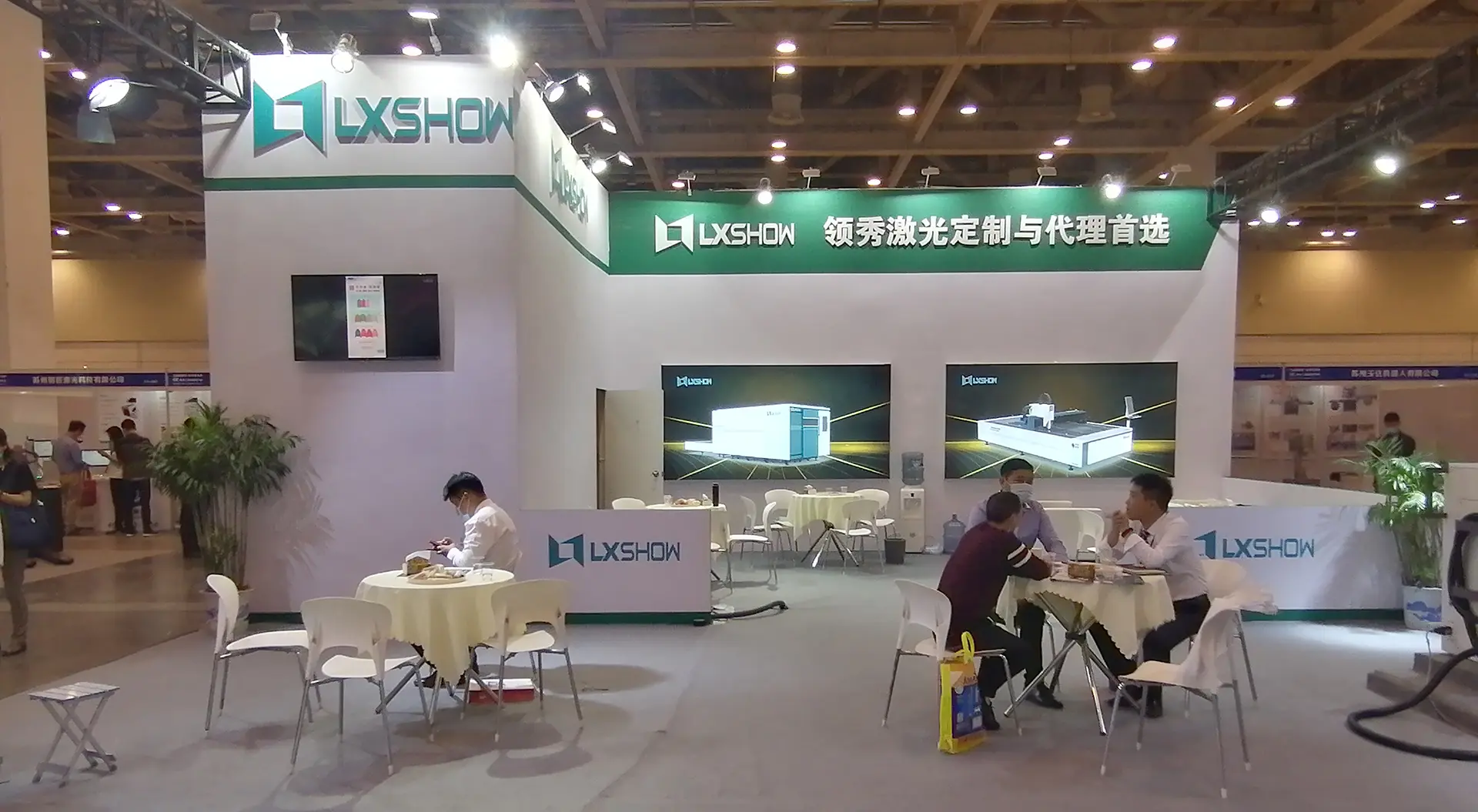
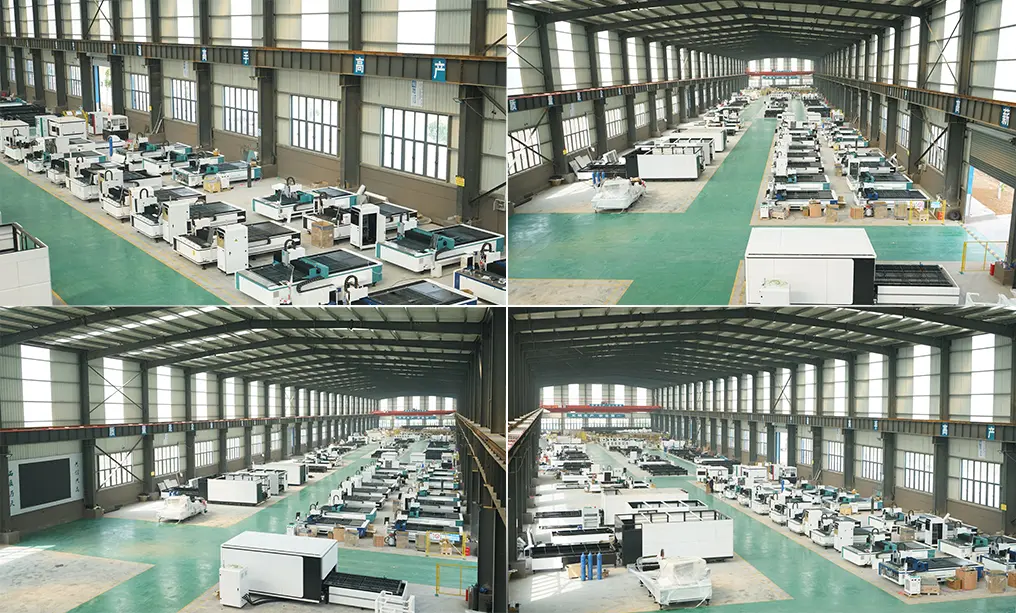
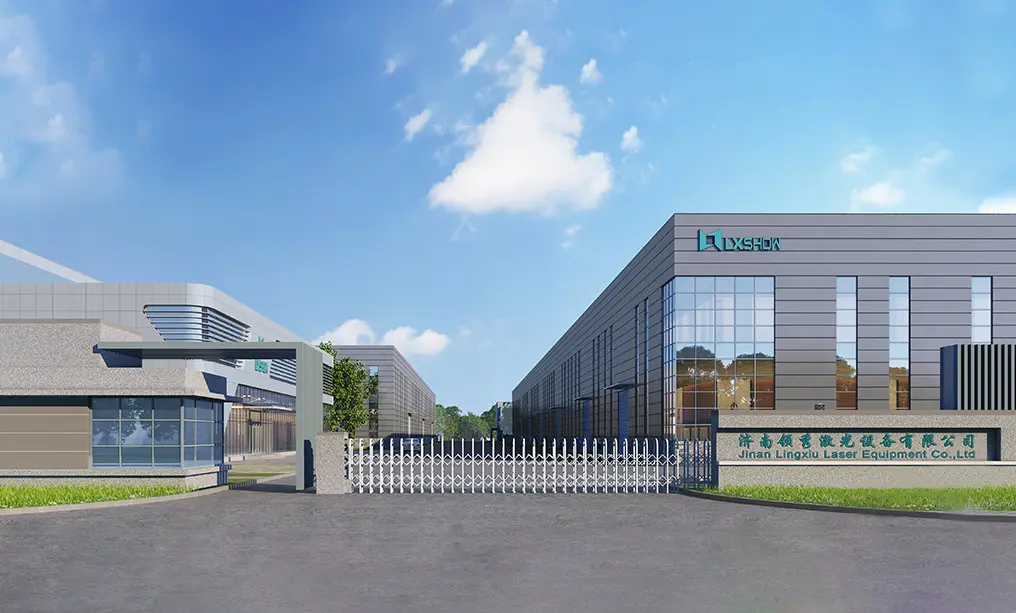
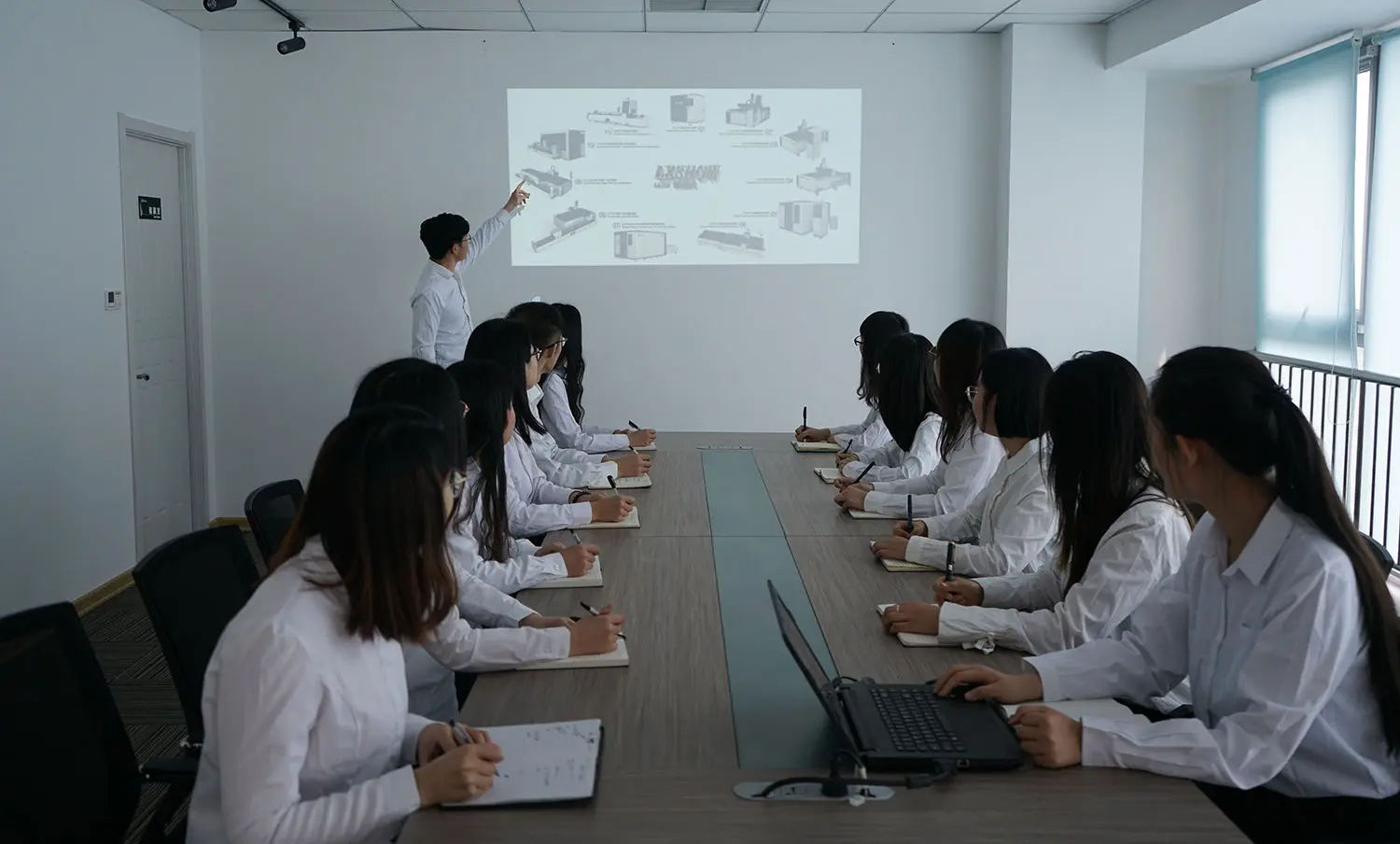
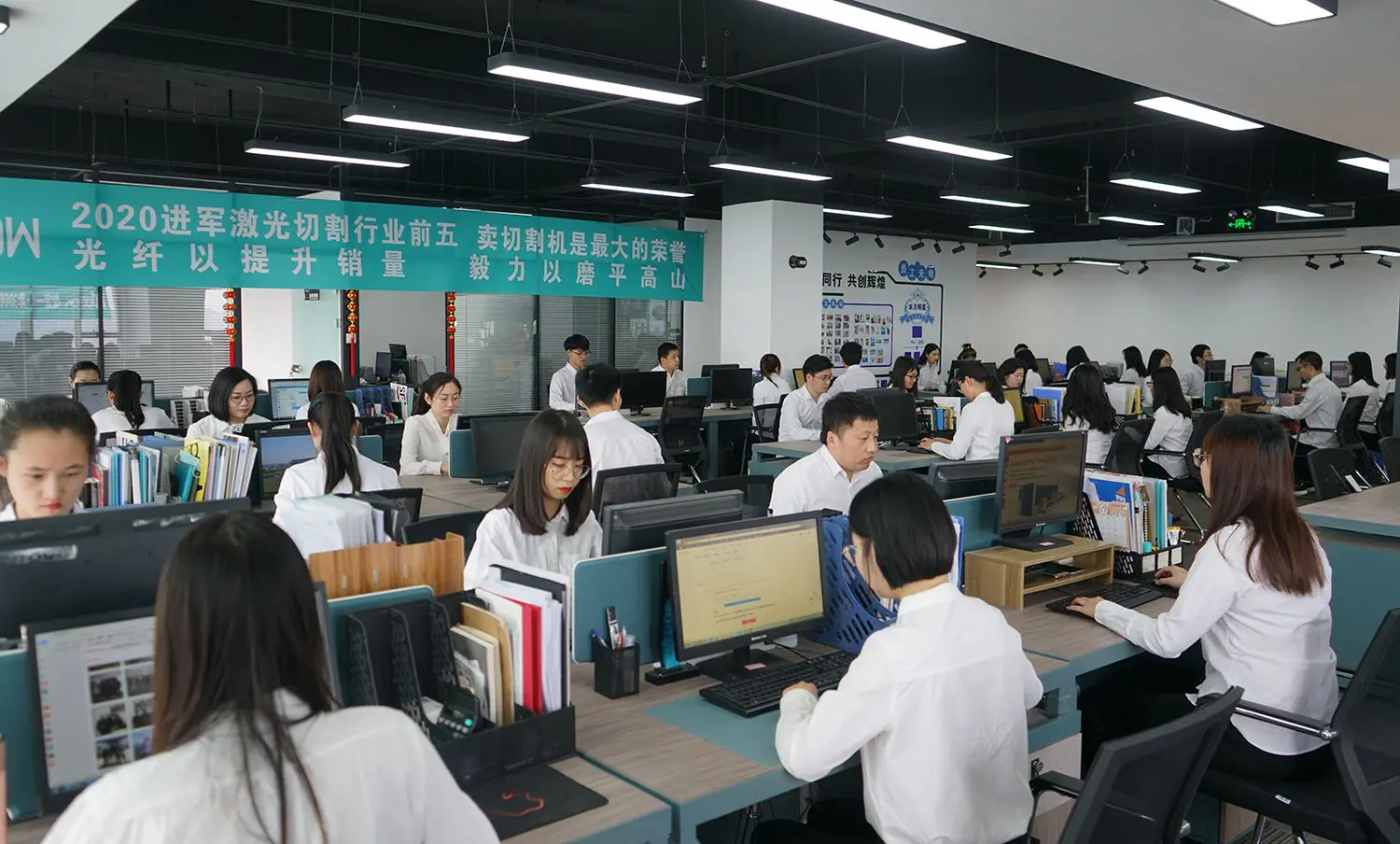
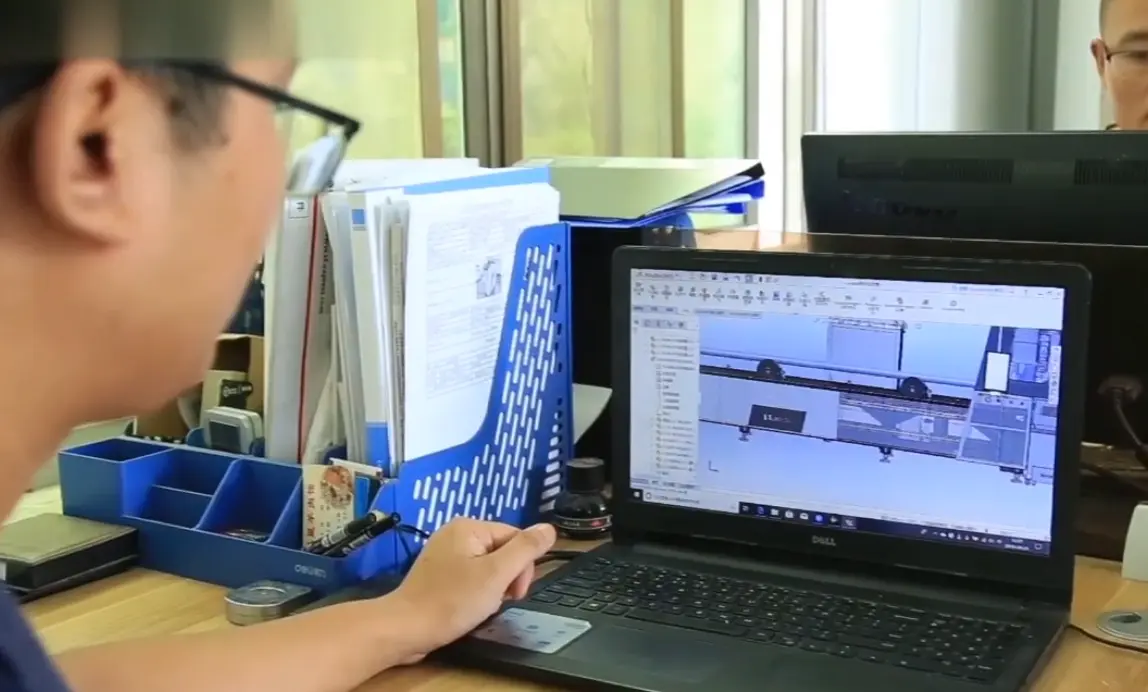
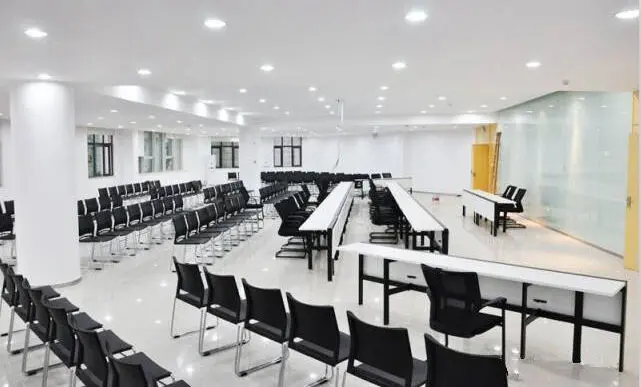
Explore our research and production infrastructure where advanced laser systems are designed, assembled, and calibrated.

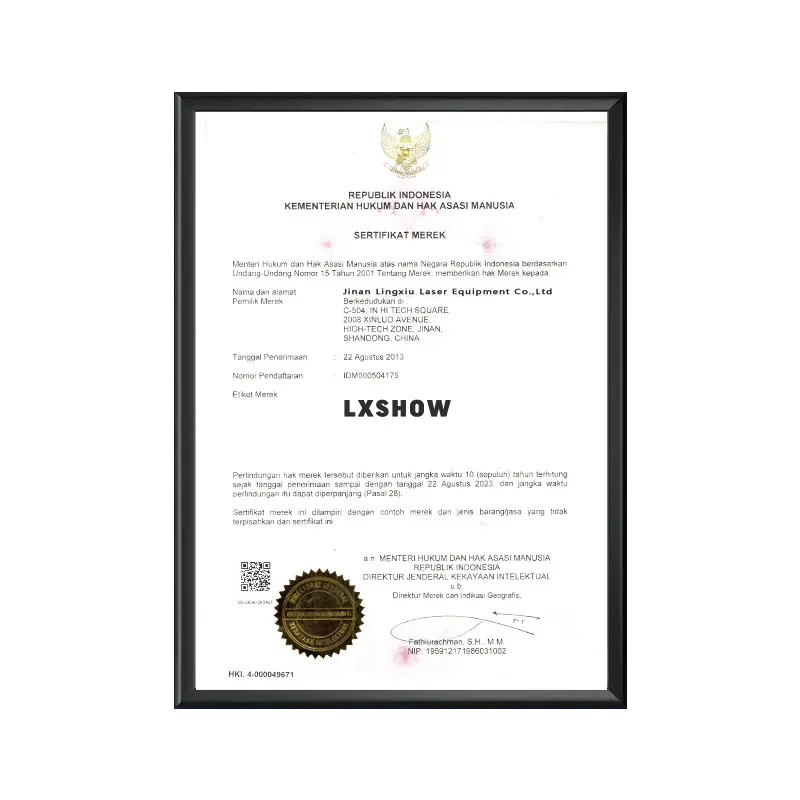
Expanding manufacturing operations into international regions requires thorough compliance with local safety and quality regulations. To support smooth operations, our entire machinery portfolio holds CE compliance certification for Europe, is registered with the FDA in the United States, and follows ISO 9001:2015 quality control processes at every stage of production. This systematic verification prevents operational friction during customs clearance, facility inspections, and commercial insurance evaluations.
Our engineers provide thorough onsite training for your technicians, covering basic operations, safe handling of laser paths, and routine preventative maintenance. This training program helps your staff keep cutting processes stable and maximize tool life over multi-shift schedules.
Detailed technical answers to common questions asked by procurement managers and fabrication engineers.
The ideal laser power depends on your primary material types, thicknesses, and required throughput. Power options from 1,000W to 3,000W are best for thin sheets and precision parts (e.g., carbon steel up to 8mm, stainless steel up to 4mm). For heavier industrial needs (such as processing 16mm to 30mm thick plates), choosing a high-power source (12,000W to 30,000W) provides faster cutting speeds and cleaner edges while minimizing the heat-affected zone (HAZ).
Oxygen is typically used for carbon steel, acting as a reactive agent that produces an exothermic reaction for fast cuts, though it leaves a thin oxide layer. Nitrogen acts as an inert shielding gas that prevents oxidation, producing clean, shiny edges on stainless steel and aluminum that are ready for immediate painting or welding. Compressed air is a cost-effective option for cutting thin sheets, significantly reducing gas costs when paired with a high-pressure compressor system.
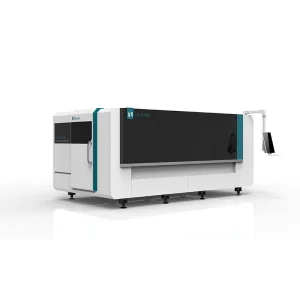
An exchange table system allows operators to load a new metal sheet and unload finished parts while the machine is cutting on the other bed. This dual-table design minimizes downtime between cutting cycles. The fully enclosed housing also keeps laser radiation contained during processing, improving workshop air quality by directing fumes and dust straight into the exhaust system.
Regular maintenance is essential for keeping optical parts in top condition. Operators should inspect and clean the cutting head's protective windows daily to prevent dust buildup. Guide rails, rack systems, and gearboxes need regular cleaning and lubrication, while the water chiller unit requires monthly water changes to keep cooling loops clean.
Yes, our machines are designed to cut highly reflective metals. Modern fiber lasers operate at a 1.07-micron wavelength, which is absorbed more easily by copper, brass, and aluminum than traditional CO2 lasers. To prevent back-reflection damage, our systems feature integrated back-reflection protection, allowing operators to run reflective metal cutting jobs safely at high speeds.
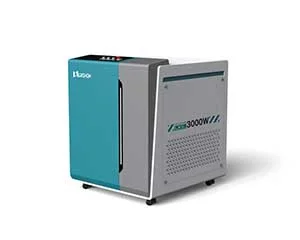
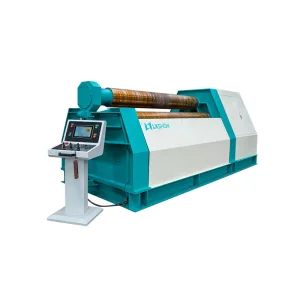
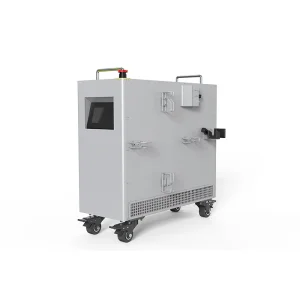
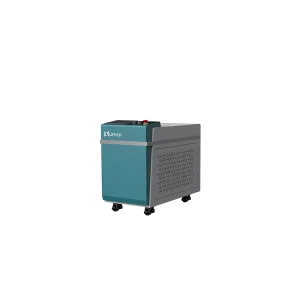
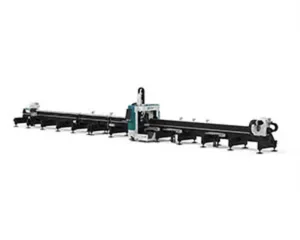
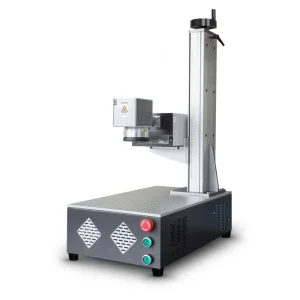
High-power machinery solutions, including CNC tube cutters, laser cleaners, welders, and precise sheet benders.
 Lxshow