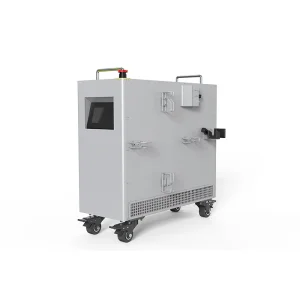
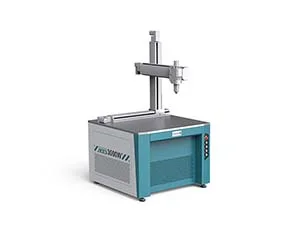
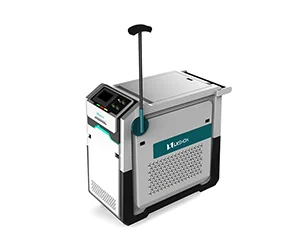
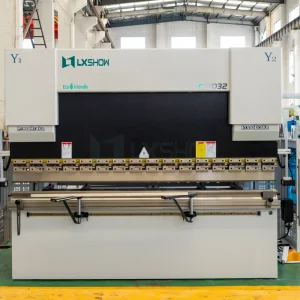
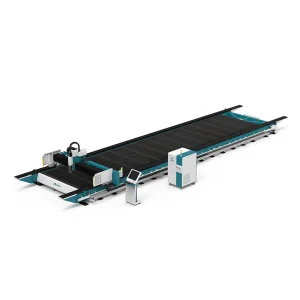
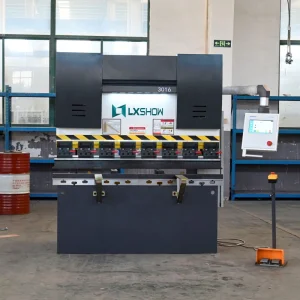
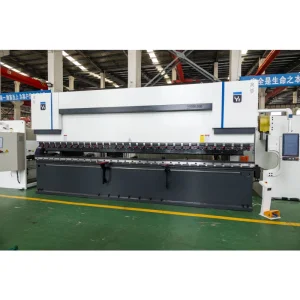
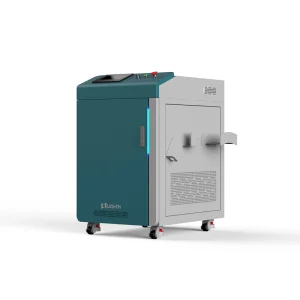
Pioneering precision systems for cutting, bending, cleaning, and welding processes engineered for ultimate productivity.
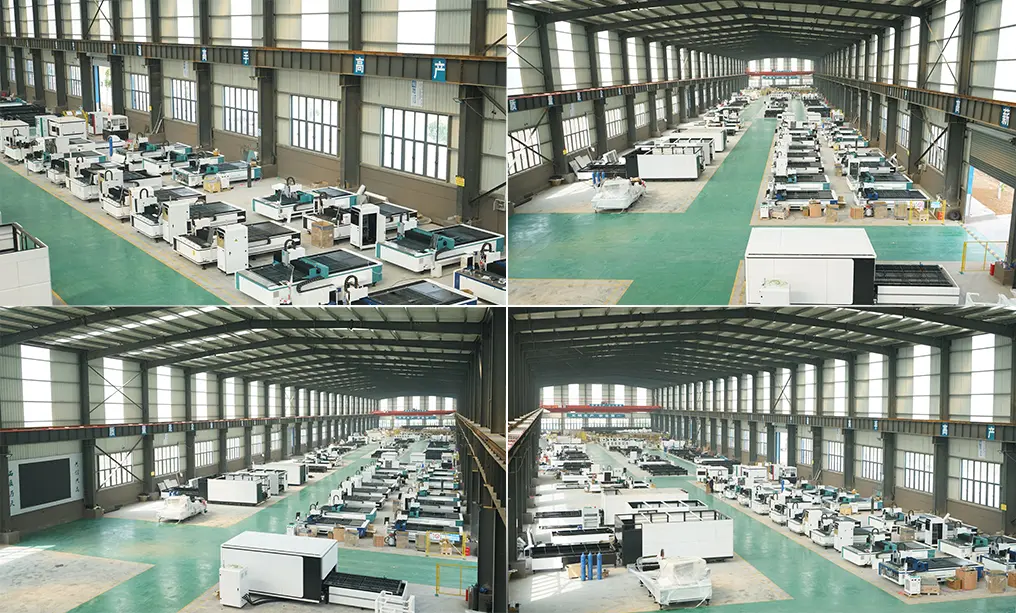
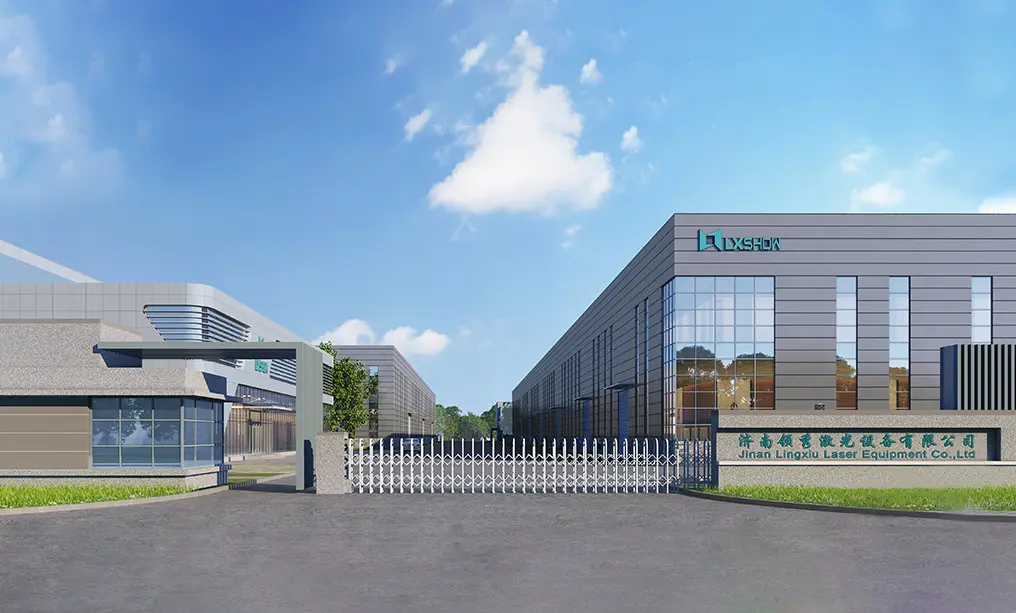
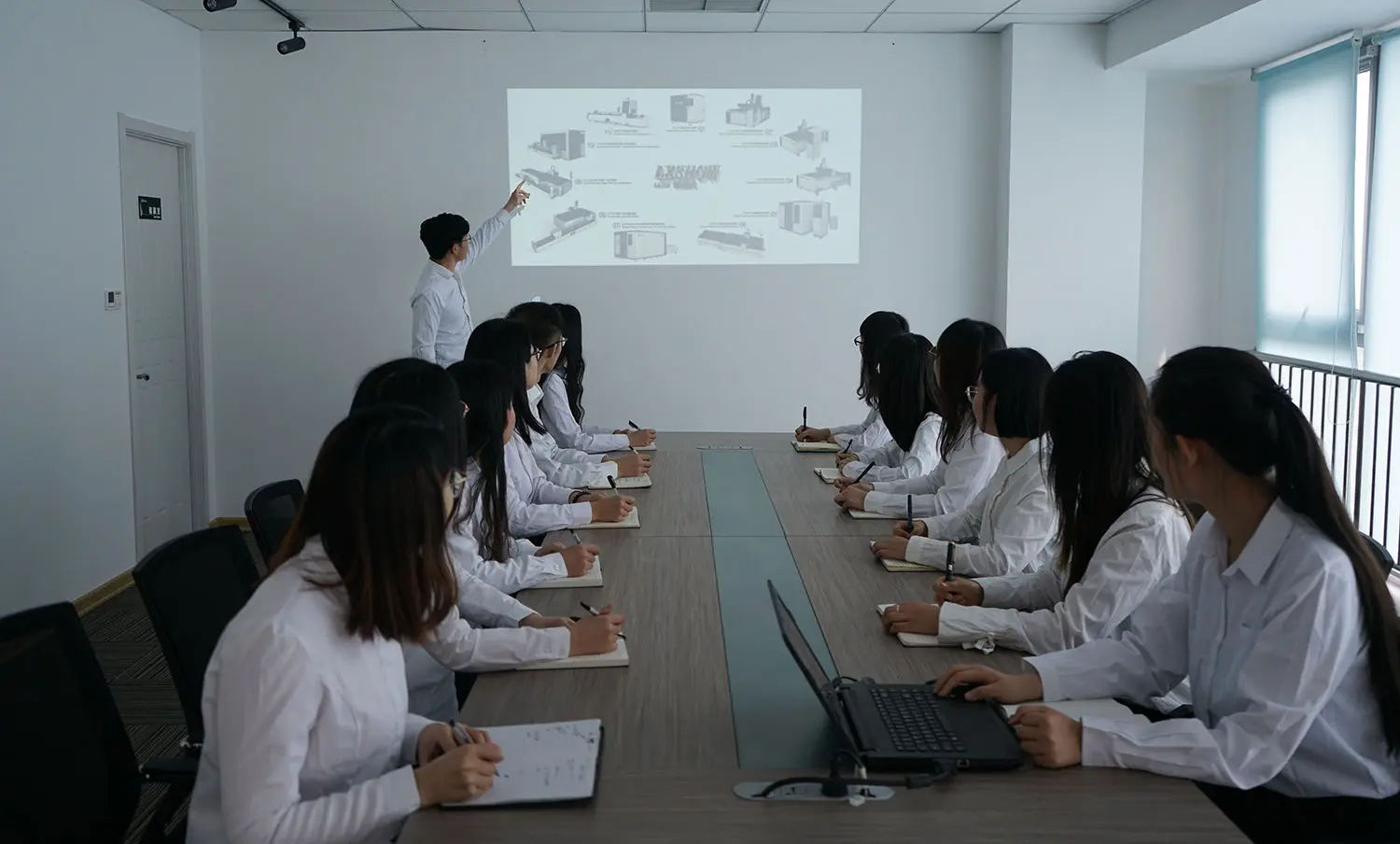
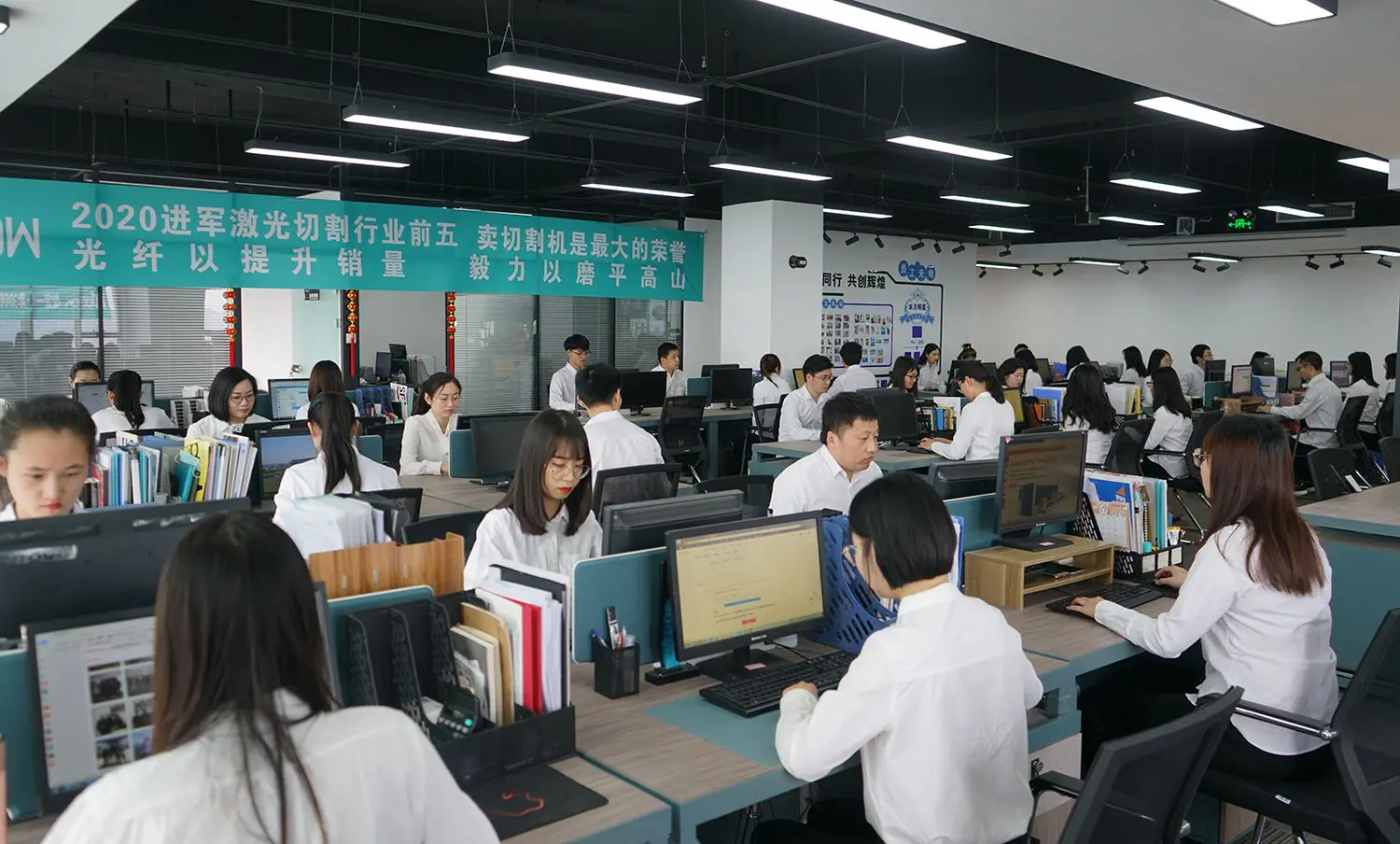
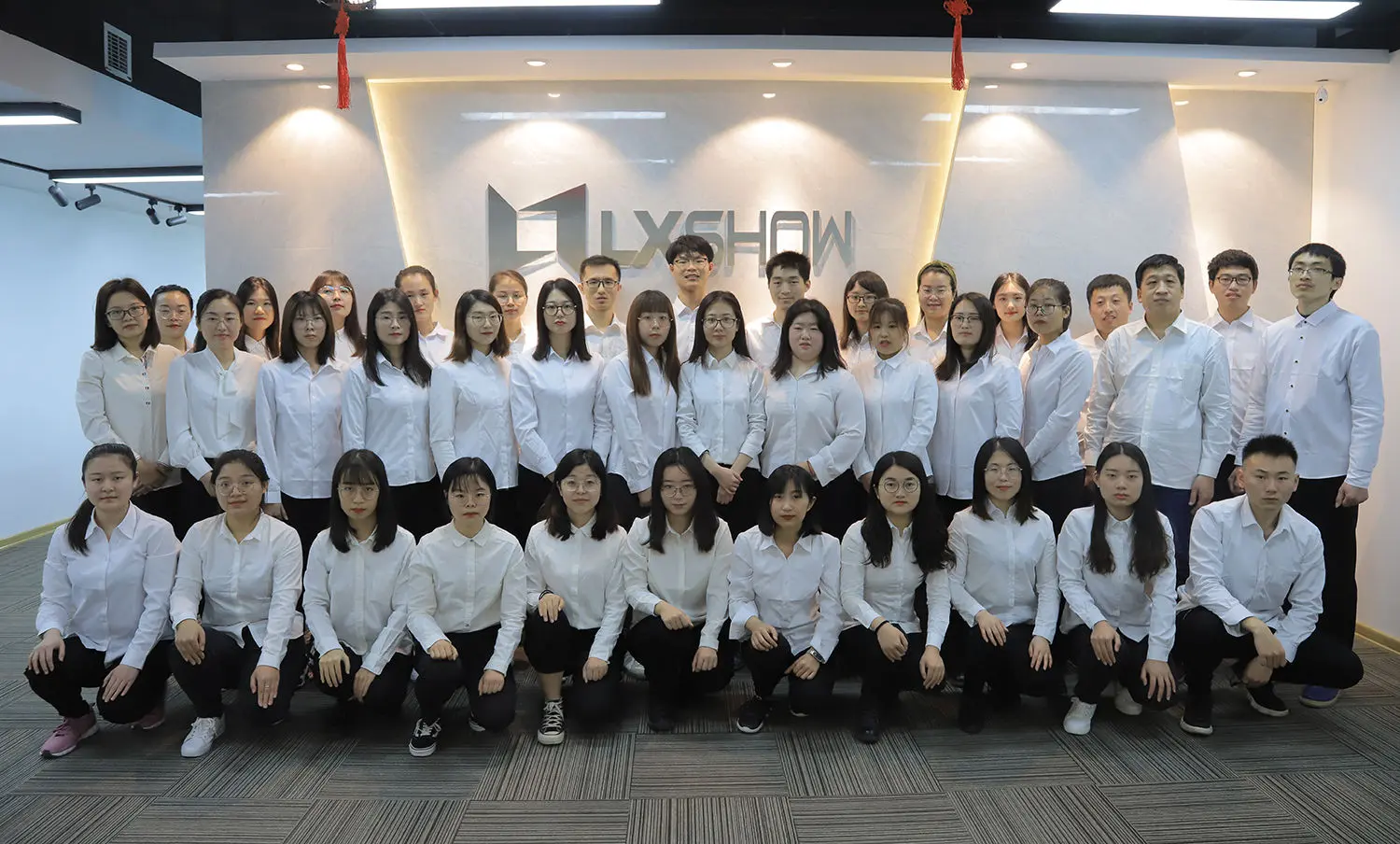
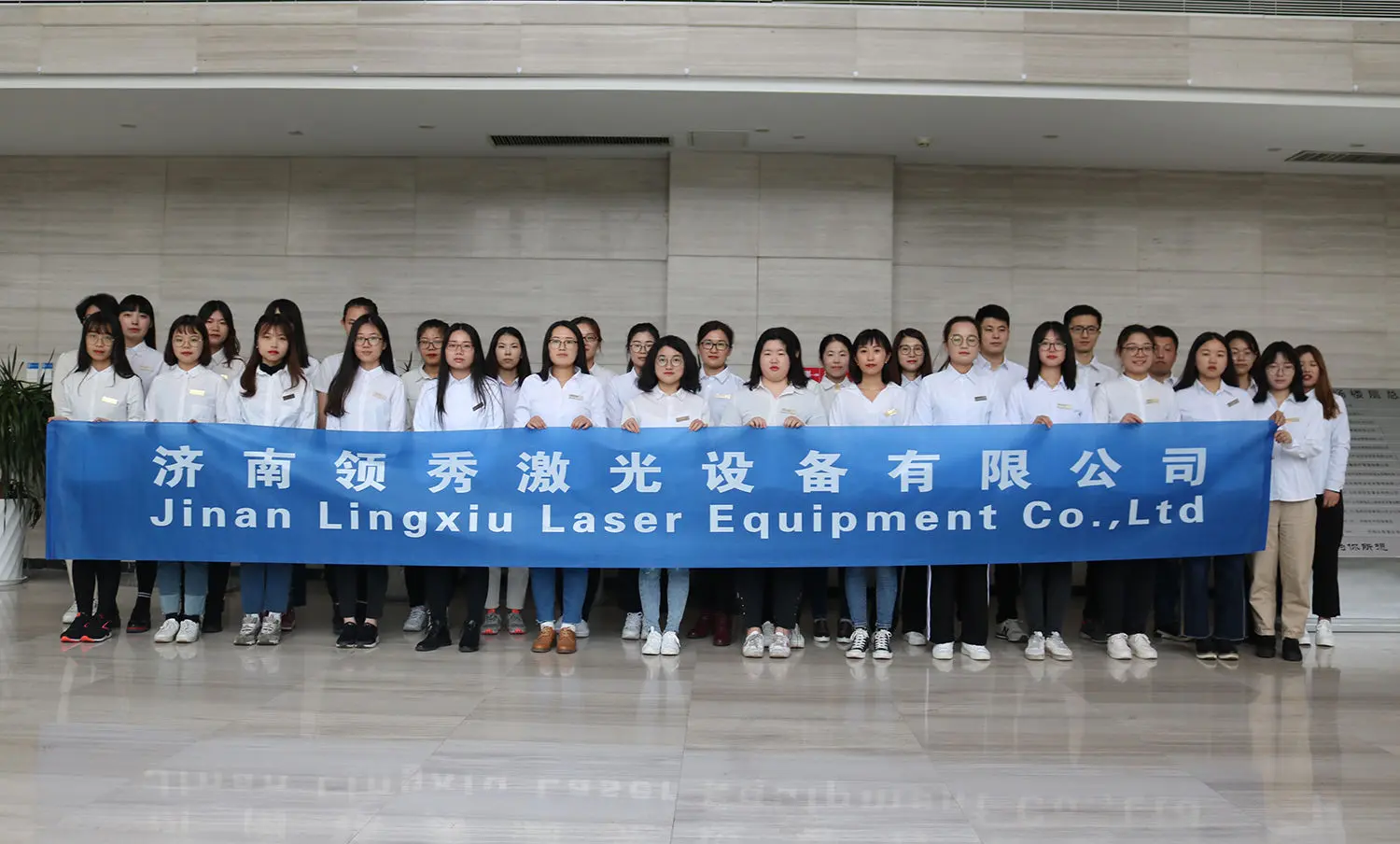
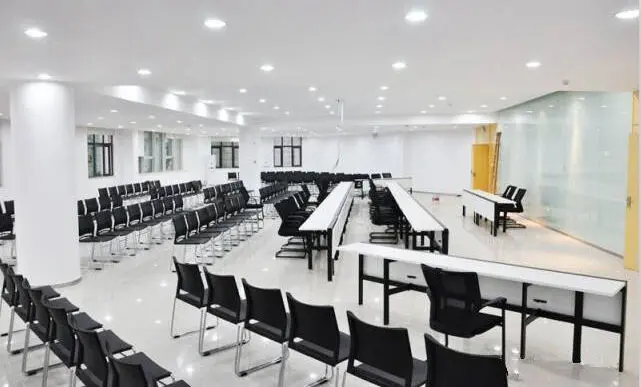
Established in July 2004, LXSHOW Laser has solidified its status as an industry leader in manufacturing high-precision sheet metal laser cutters, high-performance laser welding systems, and eco-friendly laser cleaning machines. Backed by over 18 years of rigorous focus on laser technology evolution, our industrial space stretches across a specialized 500-square-meter researching and office division, alongside a state-of-the-art 32,000-square-meter smart manufacturing factory.
Every machine configured by our design teams has undergone comprehensive international certification, successfully passing the European Union CE authentication, American FDA certificate, and strictly conforming to the ISO 9001 quality management framework.
"Focused on providing robust technical support and advanced machinery, we maintain an international communication center to build Industry 4.0 paradigms and configure smart manufacturing pipelines for factories worldwide."
We export our equipment to more than 150 countries, including the USA, Canada, Australia, Europe, Southeast Asia, and Africa, while simultaneously rendering custom OEM services for more than 30 major industrial equipment manufacturers globally.
The demand for industrial sheet metal fiber laser cutting systems has undergone a monumental shift from conventional mechanical shearing and CO2 gas laser cutting to high-power fiber laser solutions. Globally, manufacturing and fabrication shops are pushed to achieve shorter lead times, lower operational costs, and higher dimensional precision. In heavy industrial regions such as North America and Central Europe, the transition to smart factories is driving the adoption of laser cutters integrated with Automated Guided Vehicles (AGVs) and robotic storage systems.
In developing manufacturing hubs across Southeast Asia, India, and Latin America, localized small-to-medium enterprises (SMEs) are leveraging compact, highly flexible fiber laser cutters to bypass traditional stamping processes. By eliminating the necessity for costly hard-tooling molds, manufacturers can easily switch designs via CAD/CAM modifications. This rapid adaptation supports the localized production of custom agricultural machinery, electrical enclosures, automotive aftermarket parts, and infrastructure components.
Engineered to resolve key technical pain points such as material thermal distortion, dynamic cutting head height calibration, and assistive gas consumption optimization (Oxygen, Nitrogen, and Compressed Air).
Modern capacitive sensors within the cutting nozzle detect rapid vertical variations in the metal sheet, automatically triggering Z-axis adjustments to prevent crashes and ensure absolute reliability.
Direct compatibility with ERP and MES manufacturing pipelines, allowing factory operators to monitor live cutting diagnostics, fiber source energy load, and nested sheet utilization in real time.
As we march toward the year 2040, the industrial laser cutting domain is focusing intensely on laser source optimization and AI-based real-time process monitoring. Our R&D department is working towards refining ultra-high-efficiency fiber sources reaching up to 30kW, allowing single-pass cutting of thick structural metals up to 100mm. By adopting direct diode technologies and advanced beam shaping (dynamic profile changes), fiber laser systems can now adjust their beam spot profile mid-cut to match the material density, ensuring mirror-smooth edges with zero burr formation.
The implementation of machine vision systems directly inside the cutting cabin has introduced automated defect detection. These cameras detect warping, micro-fractures, and incorrect nesting patterns instantly, pausing the machine or re-routing the laser path to protect components. Below is the technical performance comparison of contemporary fiber systems across power configurations:
| Laser Source Power | Optimal Sheet Thickness (Carbon Steel) | Optimal Sheet Thickness (Stainless Steel) | Assist Gas Requirement | Primary Industrial Field |
|---|---|---|---|---|
| 1,000W - 2,000W | 1mm - 8mm | 1mm - 4mm | Oxygen / Nitrogen | Kitchenware & Advertising signboards |
| 3,000W - 4,000W | 1mm - 16mm | 1mm - 10mm | Nitrogen / High-Pressure Air | Automotive & Electrical Enclosures |
| 6,000W - 12,000W | 1mm - 30mm | 1mm - 20mm | High-Pressure Nitrogen / Oxygen | Heavy Machinery & Shipbuilding |
| 20,000W - 30,000W | 1mm - 60mm | 1mm - 50mm | Argon / Nitrogen / Pure Oxygen | Aerospace, Defense & Heavy Industry |
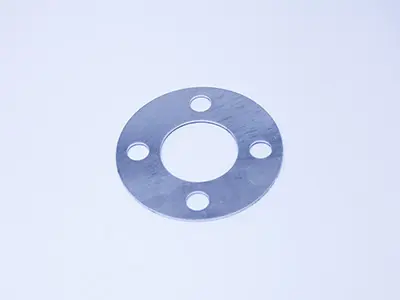
LXSHOW laser systems cut, weld, clean, and bend across a vast selection of structural, conductive, and reflective metallic alloys. The material configuration plays a pivotal role in laser absorption rates. Highly reflective metals, such as brass and copper, require advanced optical isolators on the fiber laser delivery system to prevent dangerous back-reflections that can damage the diode array.
 Aluminum
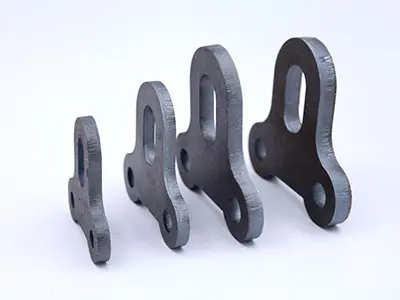 Carbon Steel
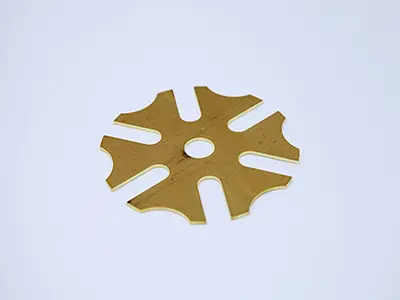 Copper
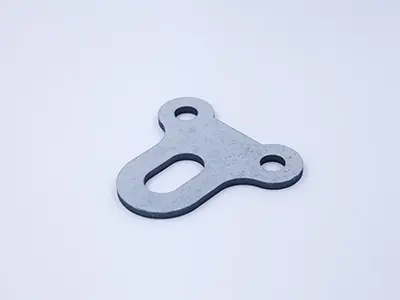 Galvanized
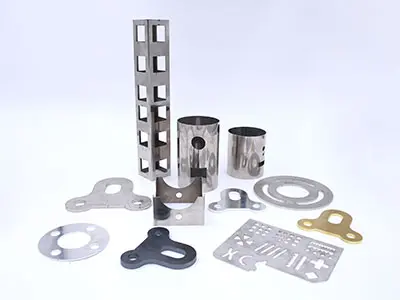 Other Metal
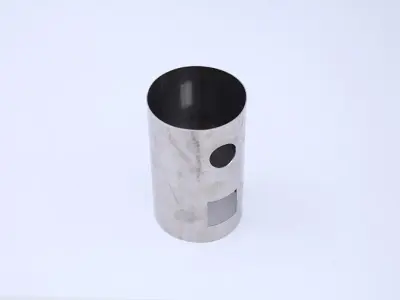 Round Tube
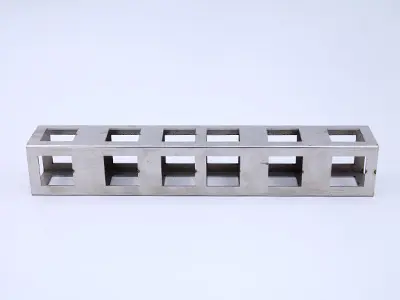 Square Tube
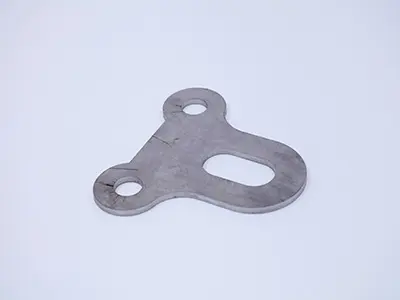 Stainless-steel
Our specialized products are actively deployed in crucial global sectors including:
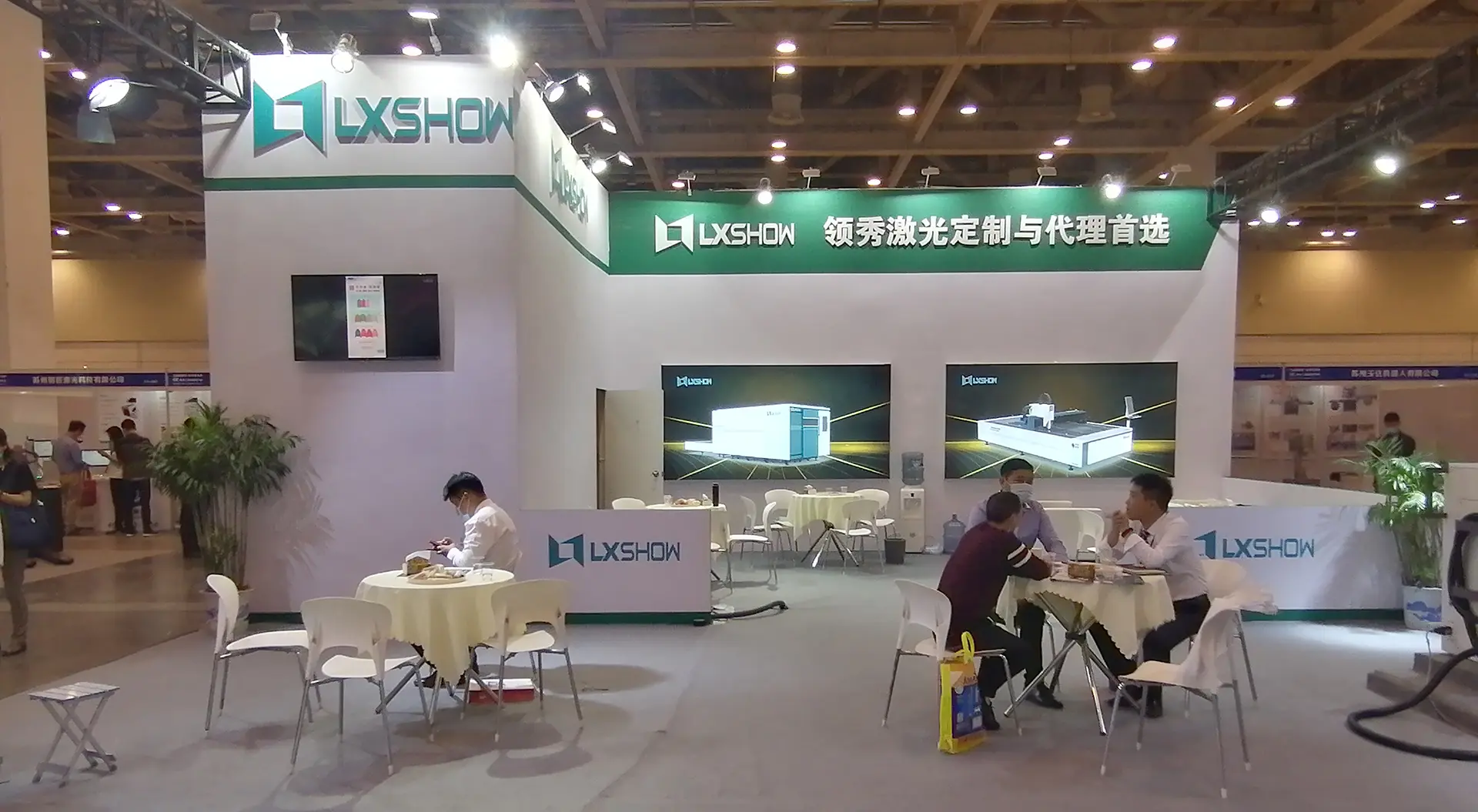
One of the major sources of information gain for smart operations is the integration of diverse sheet metal processes into a singular connected pipeline. LXSHOW excels in coordinating different phases of the production cycle:
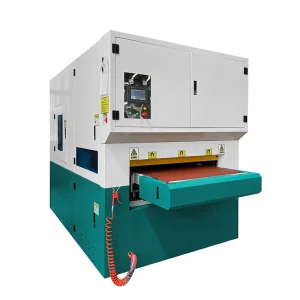
Removing oxides and scale layer prep before cutting and welding to guarantee clean, void-free fusion lines and absolute metallurgical purity.
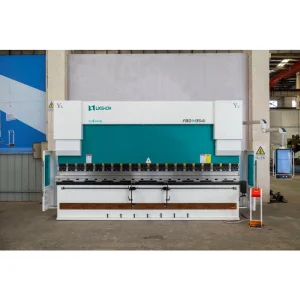
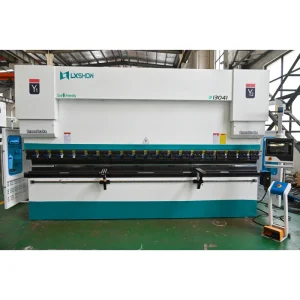
Configured dynamically using synchronized electro-hydraulic servo controllers. Press brakes bend post-cut metals without cracking, respecting precise flange angles.
Utilizing targeted fiber delivery to weld steel assemblies with negligible thermal distortion, outperforming traditional MIG/TIG processes by up to 5x in speed.
Direct, comprehensive answers to complex technical considerations faced by procurement teams and manufacturing engineers.
Stainless steel cutting requires an inert shielding gas (typically high-pressure Nitrogen) to prevent oxidation, allowing the heat of the laser to melt and expel the liquid metal, producing a clean, silver edge. Carbon steel, however, relies on reactive oxygen as an assist gas. Oxygen reacts exothermically with the carbon/iron content, contributing extra thermal energy to accelerate cutting speed, but it generates a dark oxide layer. The pressure of Nitrogen is significantly higher than that of Oxygen, which dramatically increases the operational gas consumption rates.
Back-reflection is a critical threat when cutting copper, brass, and aluminum because the raw beam is reflected directly back into the delivery fiber optic, potentially melting the laser diodes. LXSHOW utilizes state-of-the-art optical isolators on all of our fiber delivery lines. These isolators absorb and divert reflected wavelengths safely into internal dump blocks, permitting continuous cutting of reflective sheets without risking critical optical failures.
Sheet metals are rarely completely flat; minor warping occurs during storage, cutting, and handling. A dynamic, non-contact capacitive sensor tracks the height difference between the nozzle tip and the workpiece hundreds of times per second. By actively raising or lowering the Z-axis carriage, the system keeps the focal point perfectly aligned inside the material sheet, preventing uneven cut kerfs, dross, and catastrophic nozzle collisions.
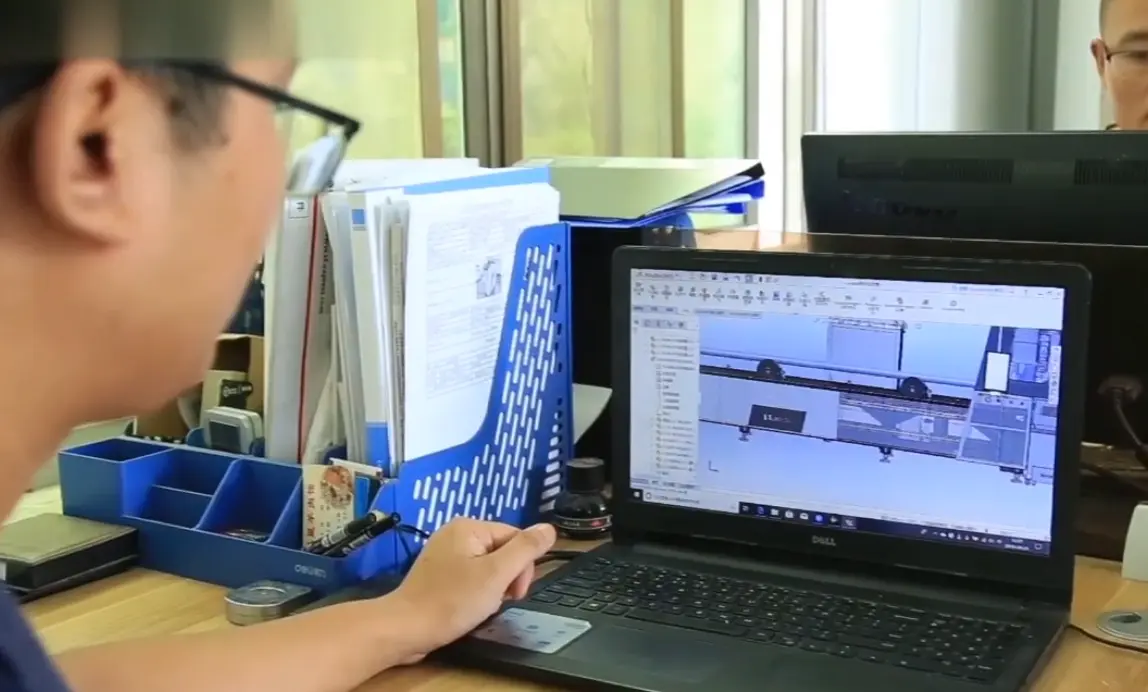
Yes. LXSHOW provides robust OEM services for over 30 global industrial machinery brands. Our R&D and machine design teams customize bed sizes (from compact 1300x900mm up to ultra-large format 20000x3500mm), choose custom laser sources (Raycus, Max, IPG, JPT), adapt automation platforms (dual exchange tables, automated sheet loaders), and select CNC software controllers to fit local operator preferences.
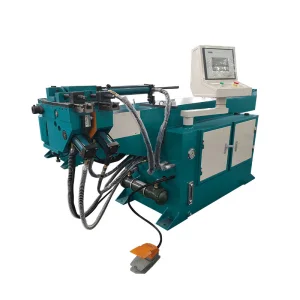
Heavy-duty bending, finishing, tube processing, and specialized fiber laser systems built to endure long operating shifts.
 Lxshow