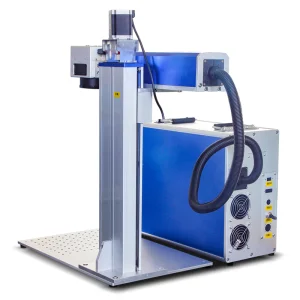
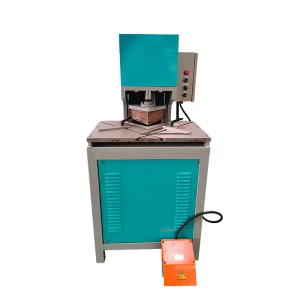
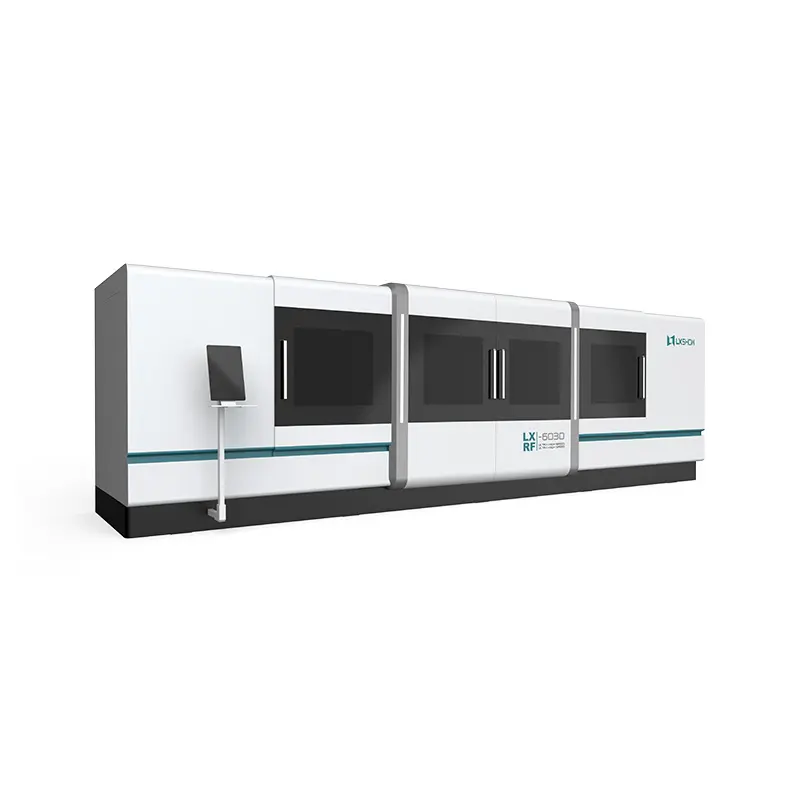
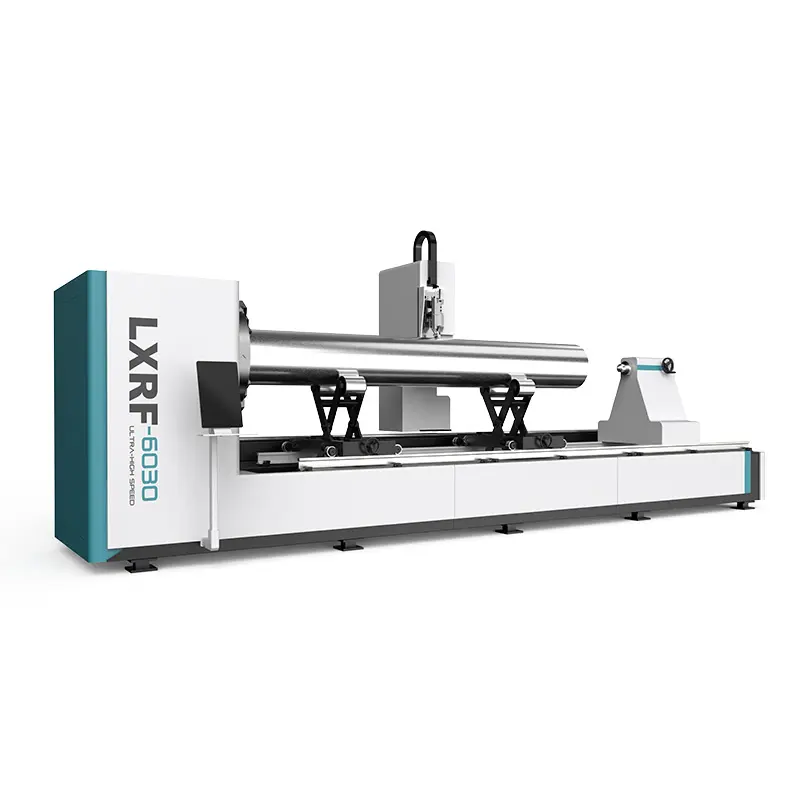
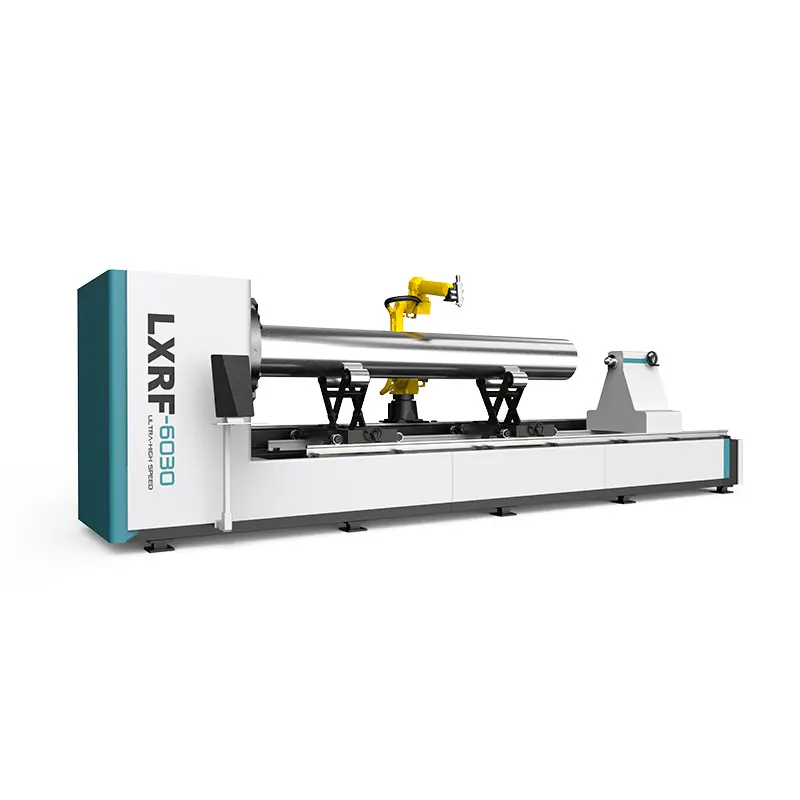
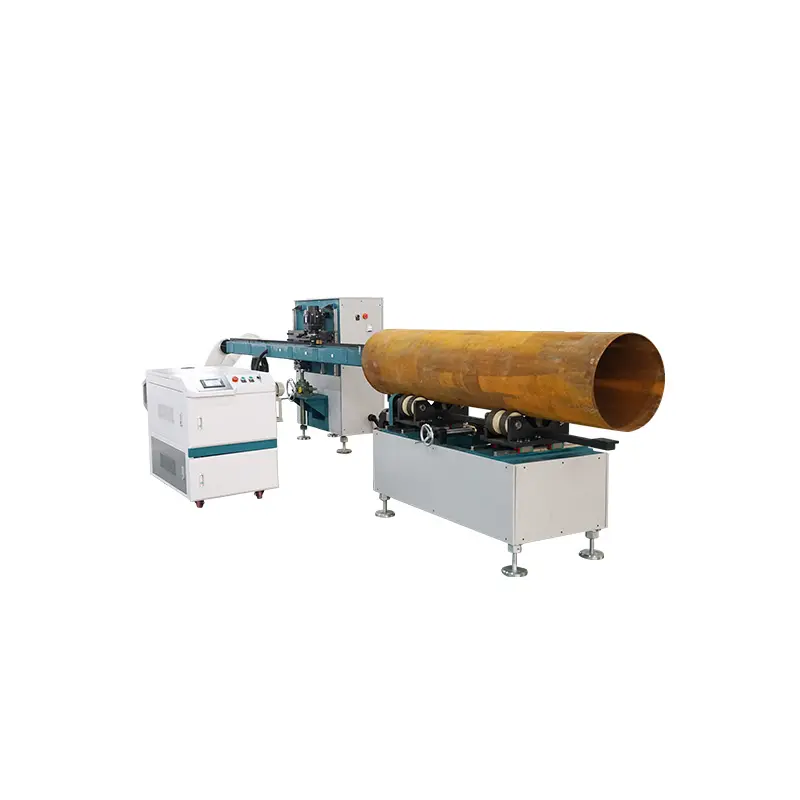
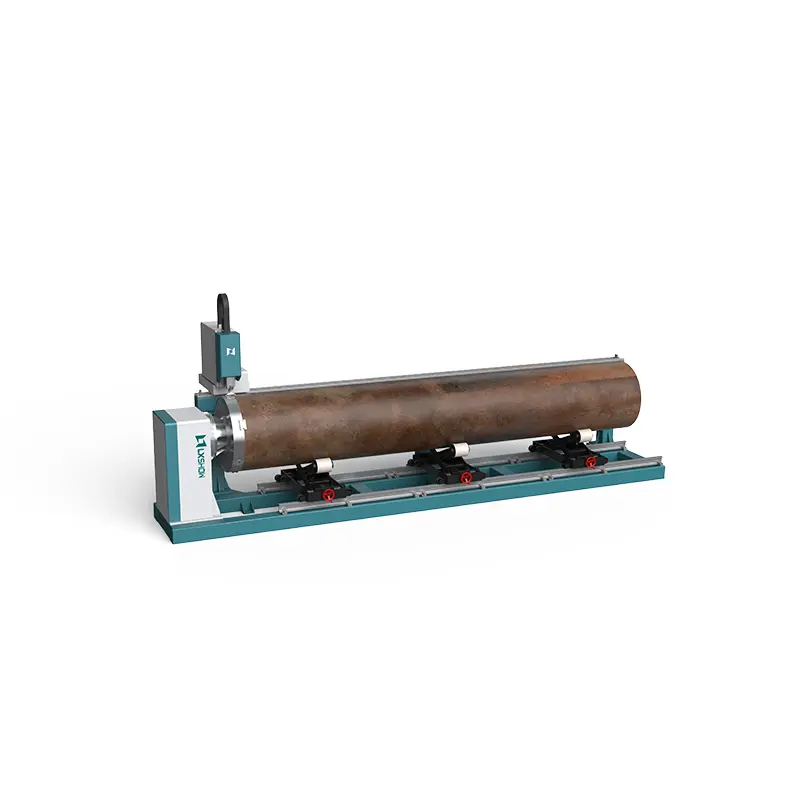
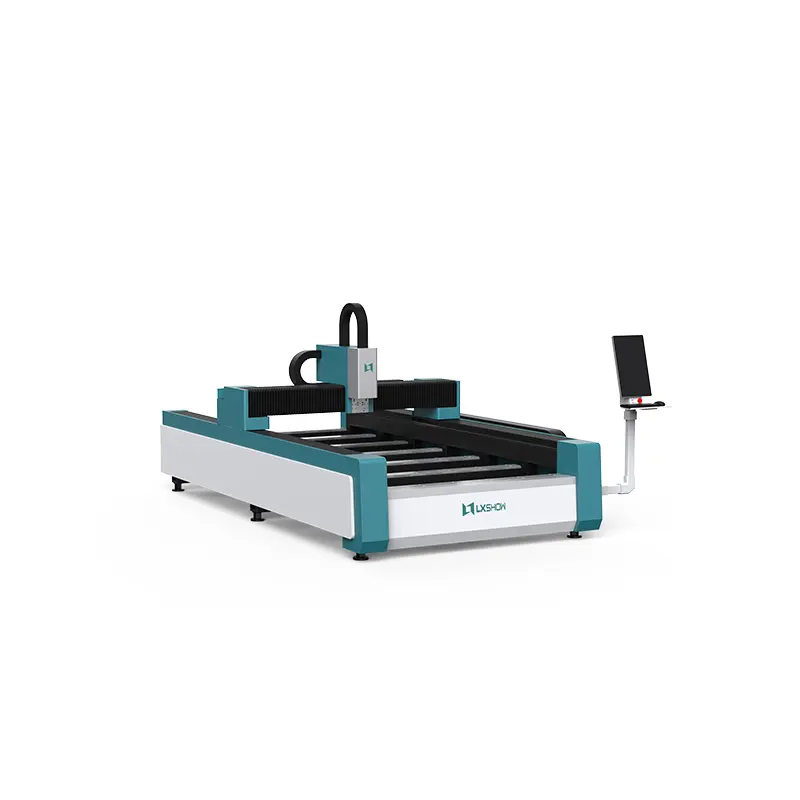
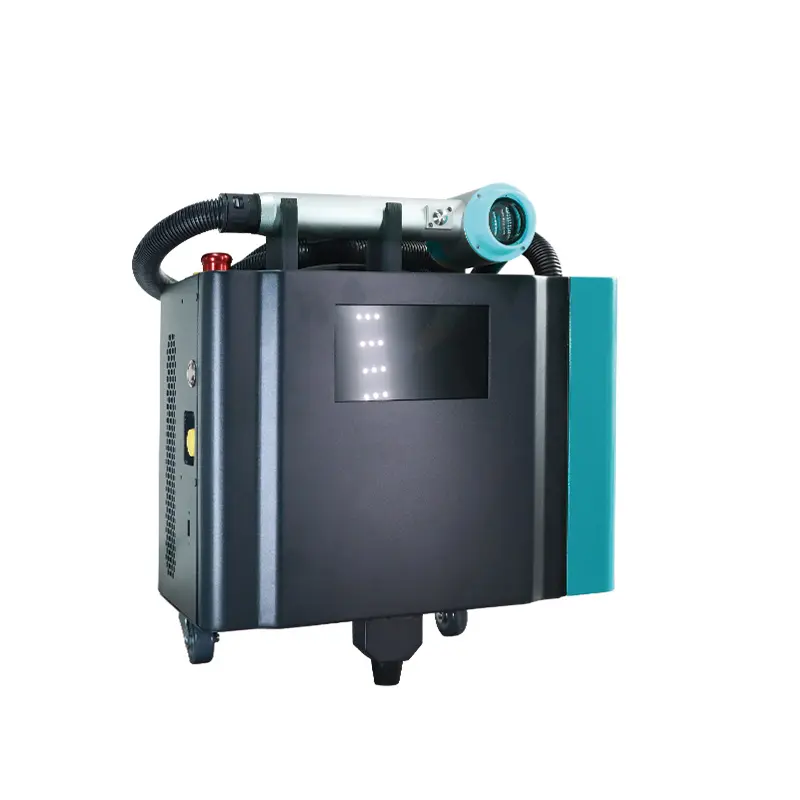
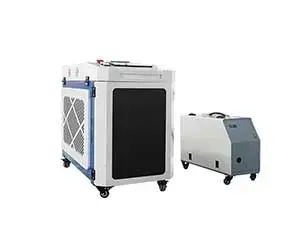
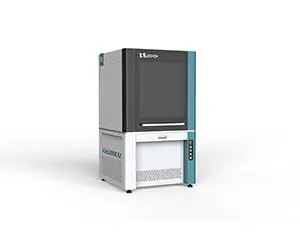
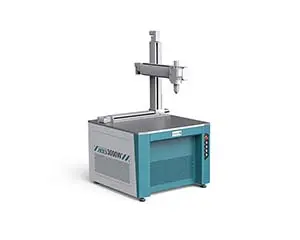
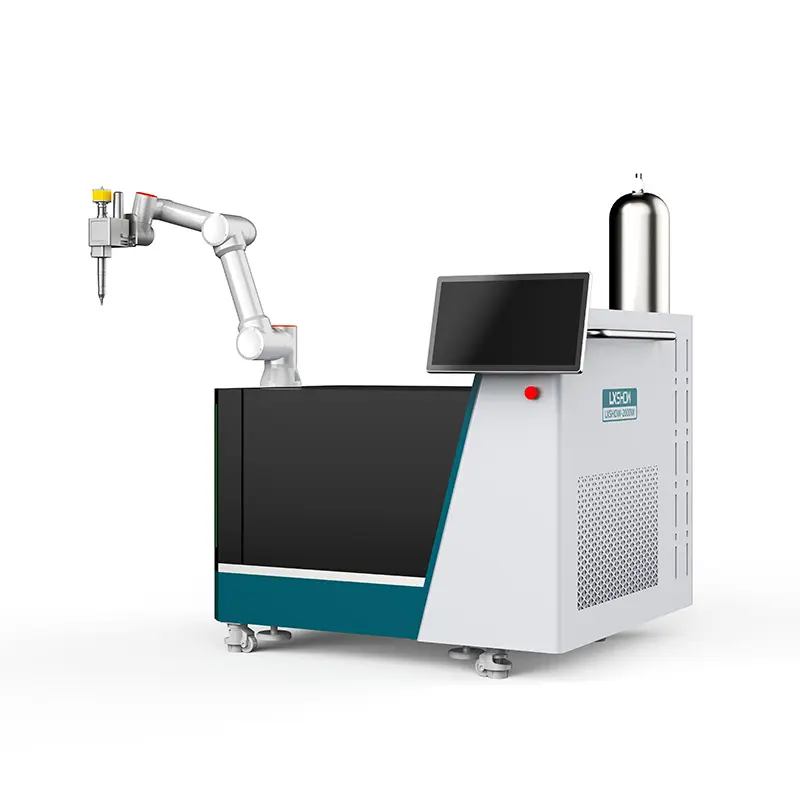
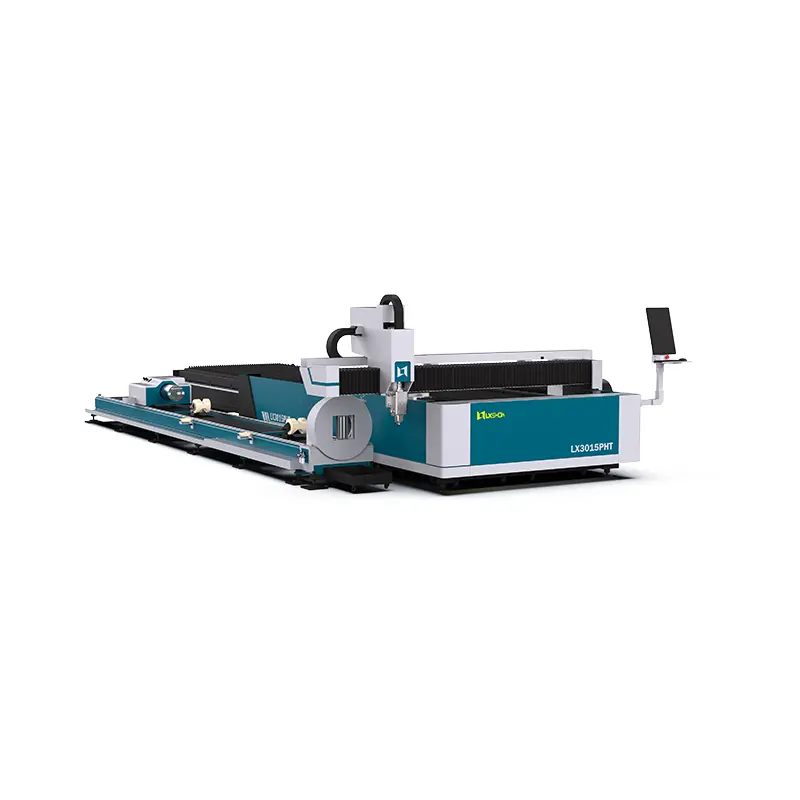
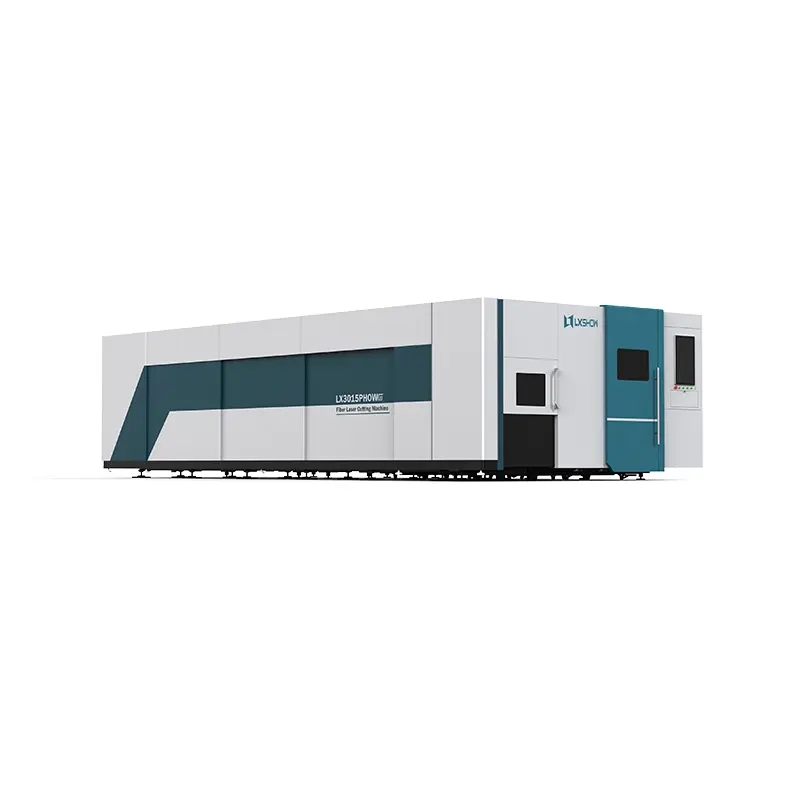
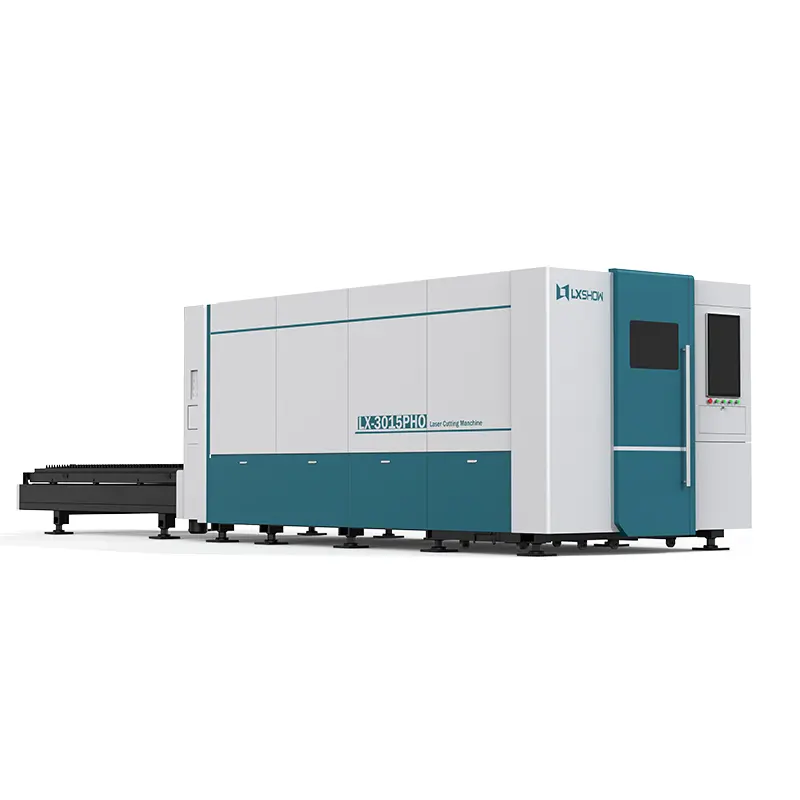
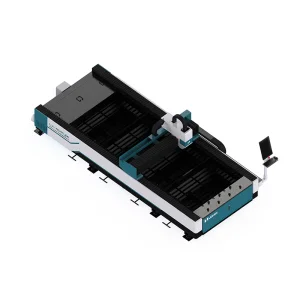
Premium OEM configurations engineered for sheet metal profiling, tube cutting, and rapid rust removal.
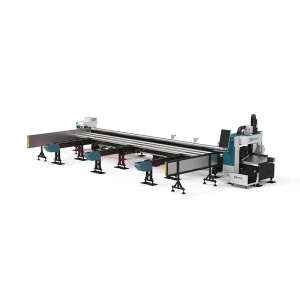
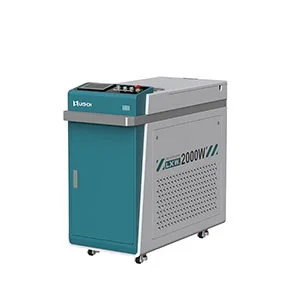
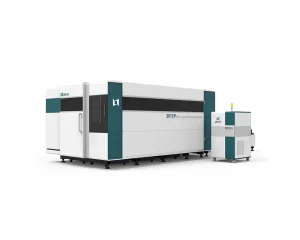
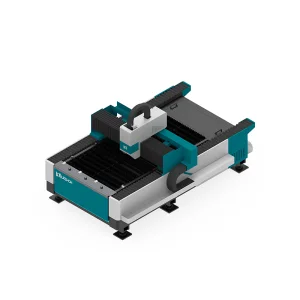
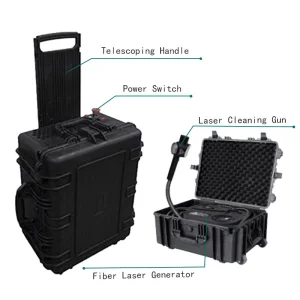
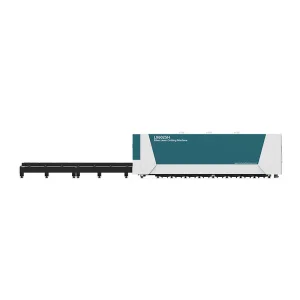
A comprehensive analysis of global procurement trends, Factory 4.0 integration, and manufacturing excellence.
Over the past two decades, the manufacturing sector has transitioned rapidly from traditional mechanical punching and CO2 laser systems to high-efficiency fiber laser cutting machines. The paradigm shift is driven by the physics of fiber lasers, which operate at a wavelength of approximately 1.06 micrometers—ten times shorter than CO2 lasers. This allows for higher absorption rates in reflective metals like copper, brass, and aluminum, achieving faster cutting feeds while reducing operational costs by up to 50%.
Modern industrial applications require laser cutting units equipped with smart power supplies ranging from 1KW up to 40KW. Higher output levels do not merely translate to raw power; they unlock complex metallurgical profiling capabilities. For example, a 20KW fiber laser can effortlessly pierce and slice through thick carbon steel up to 50mm and stainless steel up to 40mm using nitrogen or oxygen-assisted gas dynamics. Furthermore, developments in automatic focusing cutting heads (such as Raytools or Precitec modules) ensure precise, real-time focal point adjustments during high-speed operation, reducing slag and optimizing the heat-affected zone (HAZ).
Strategic procurement departments must analyze more than just initial capital expenditure (CAPEX). High-performance fiber laser systems demand rigorous evaluation of Total Cost of Ownership (TCO). Components such as structural stability, rack-and-pinion transmission mechanisms, servo motor responsiveness, and control system software dictate long-term return on investment.
When evaluating suppliers, corporate procurement teams focus on three pillars:
Investing in fully enclosed laser cutters with dual shuttle tables drastically boosts overall equipment effectiveness (OEE). While one table is inside the cutting enclosure, the secondary table is loaded and unloaded outside, cutting downtime by up to 75% compared to open-bed single table systems.
Under the Factory 4.0 paradigm, Chinese laser manufacturing has evolved from simple assembly facilities into fully integrated, smart manufacturing ecosystems. This transformation addresses the key challenges faced by global industrial buyers: lead times, custom OEM design flexibility, and consistent precision engineering.
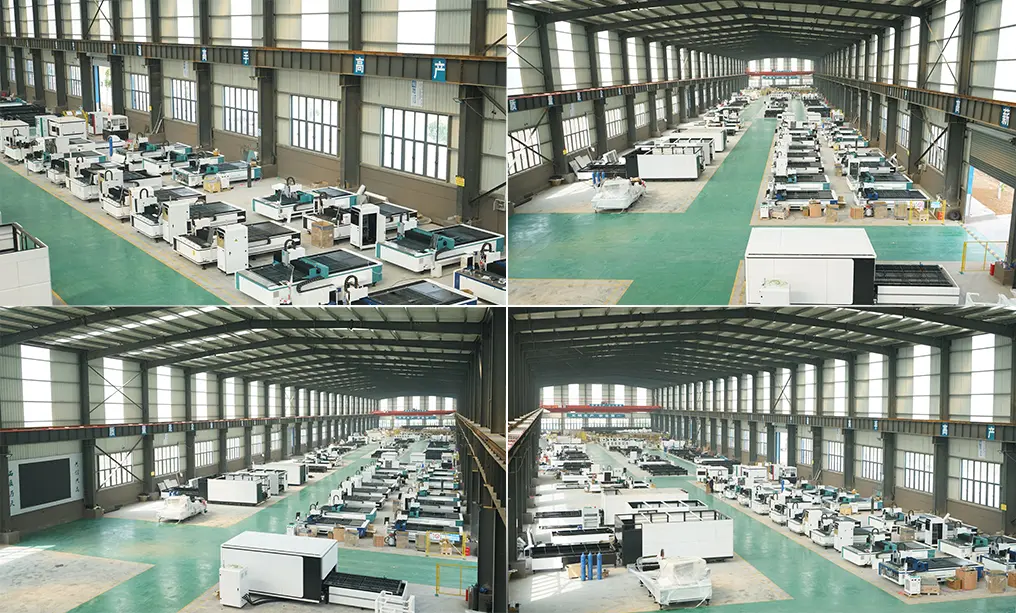
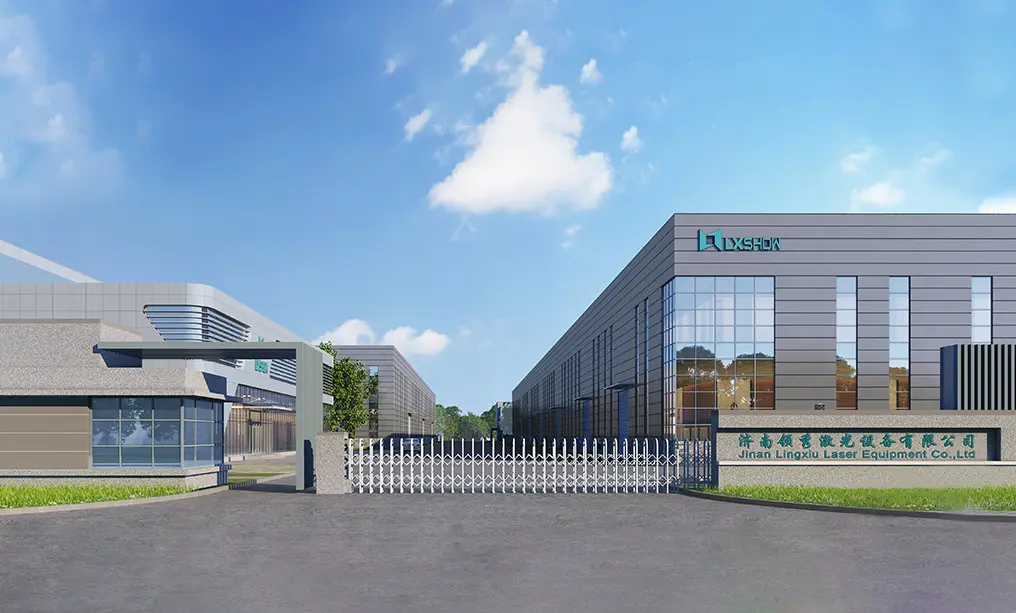
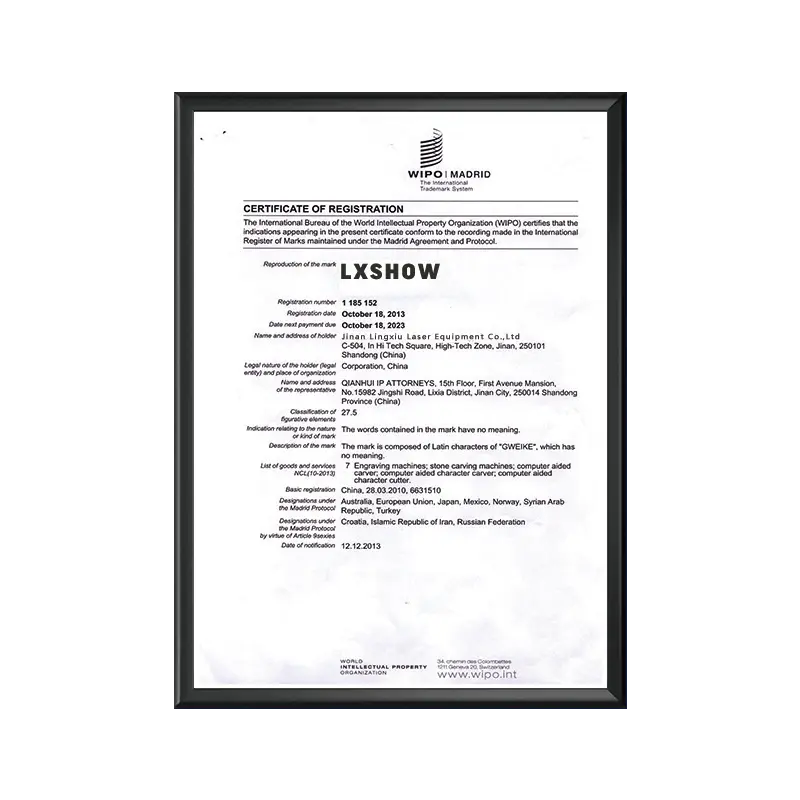
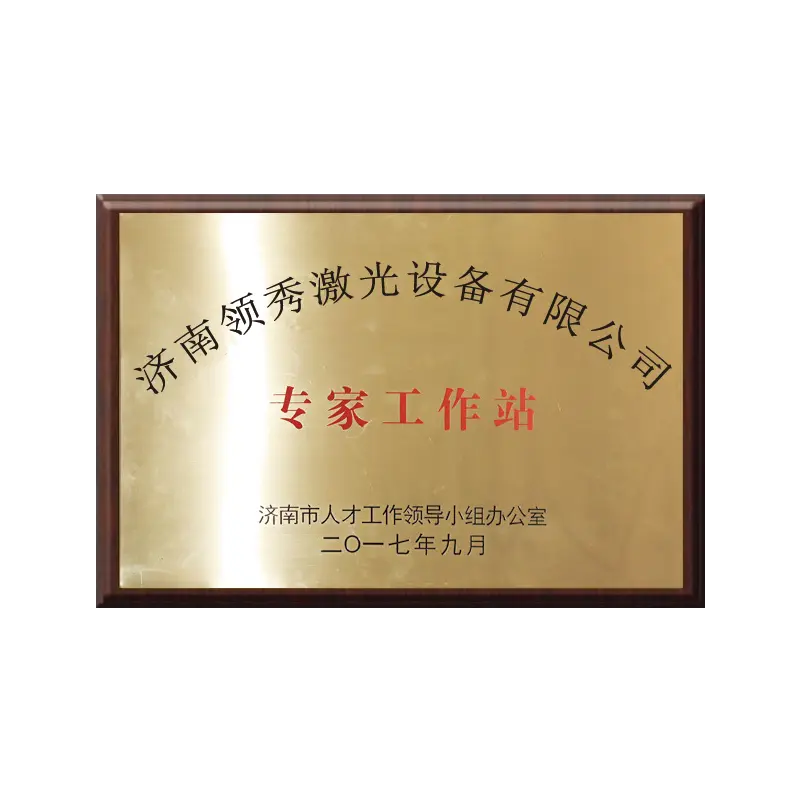
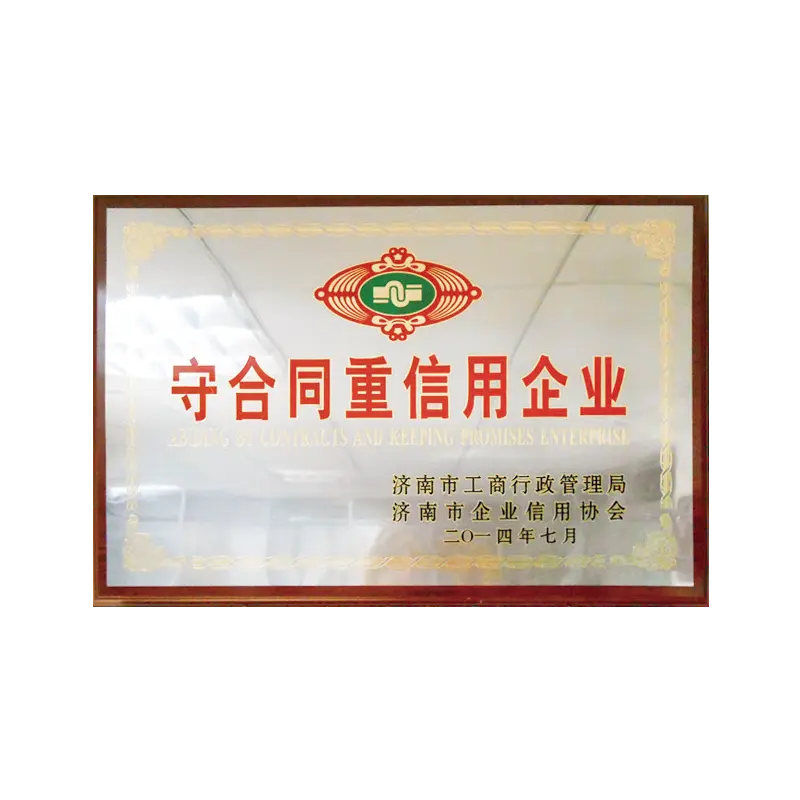
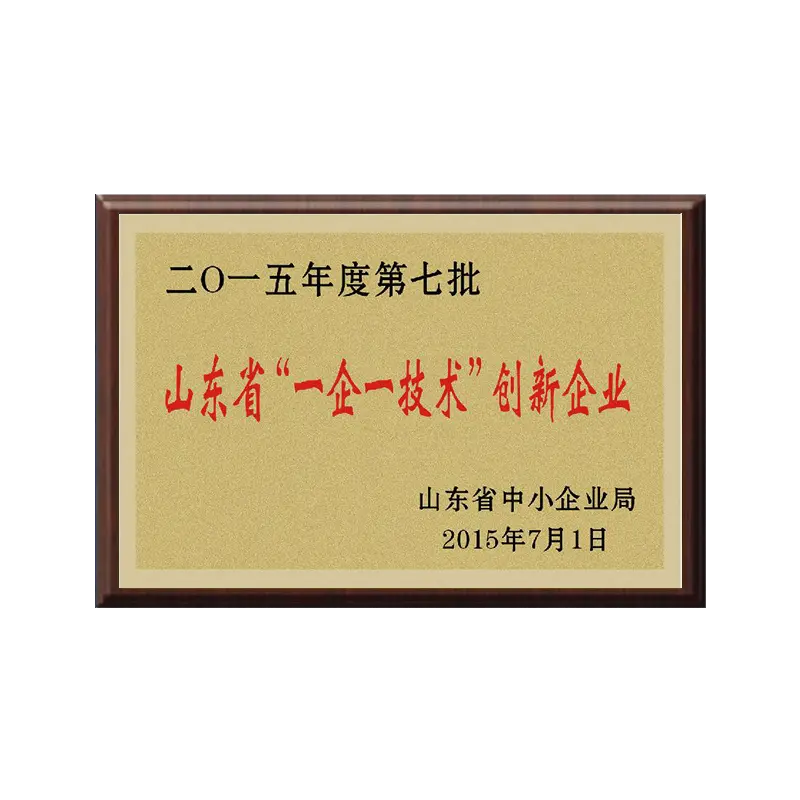
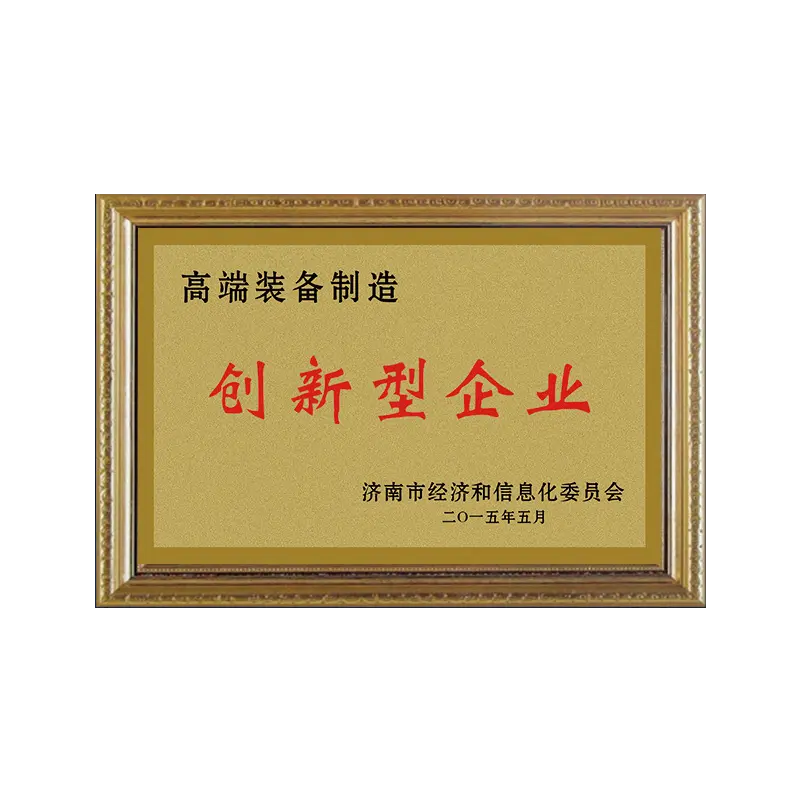
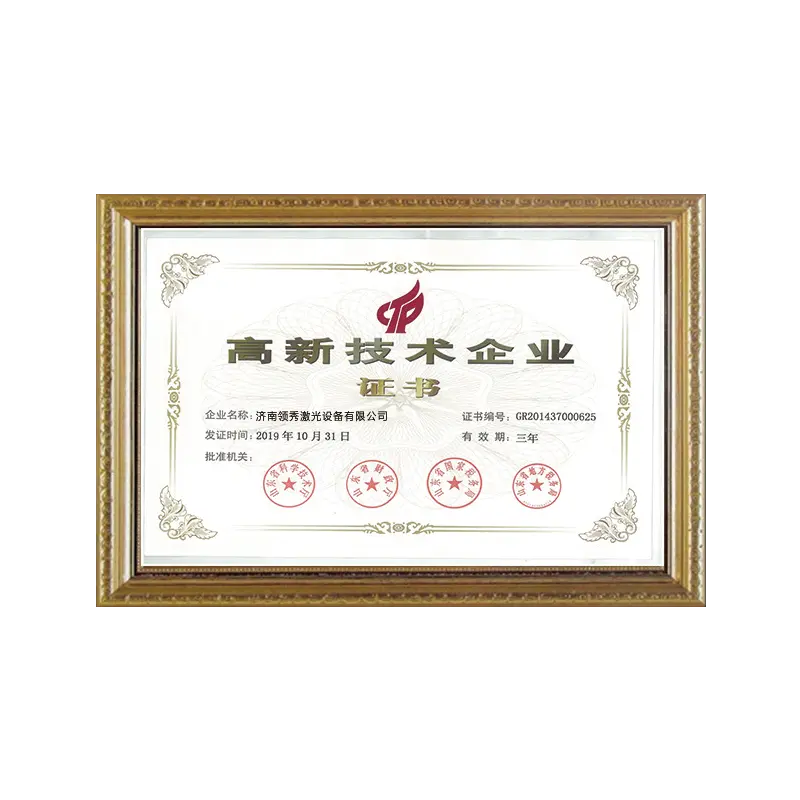
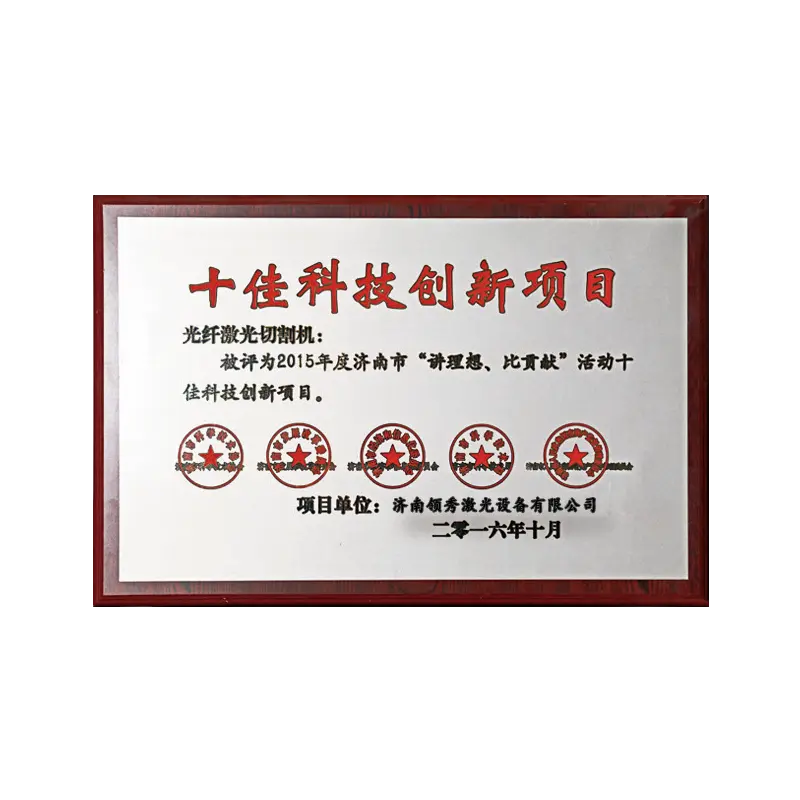
Our manufacturing facility, established in July 2004, spans over 32,000 square meters. The integration of modern robotic welding lines, CNC machining centers for structural gantries, and temperature-controlled assembly bays allows us to control quality at every stage. We operate with structural compliance certifications including the European Union CE authentication, the American FDA certificate, and the ISO 9001 quality management standard.
With local supply chains in Jinan and Yangtze River Delta industrial clusters, we source high-precision components (including linear rails, gear reducers, and electrical systems) with minimum delay. This localized ecosystem gives global buyers a competitive edge: reliable supply chains, rapid custom OEM configuration, and robust component sourcing even during global logistics bottlenecks.
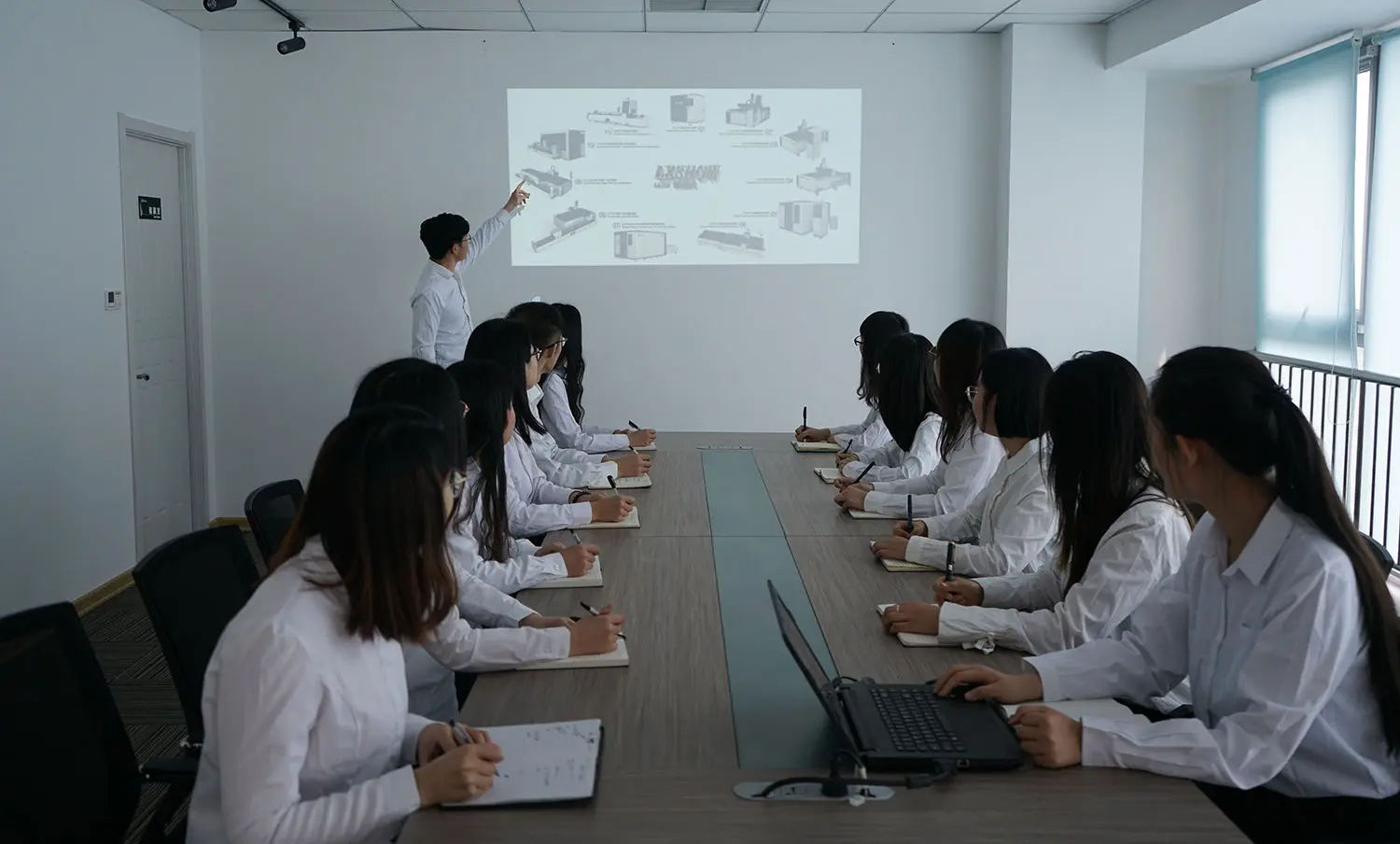
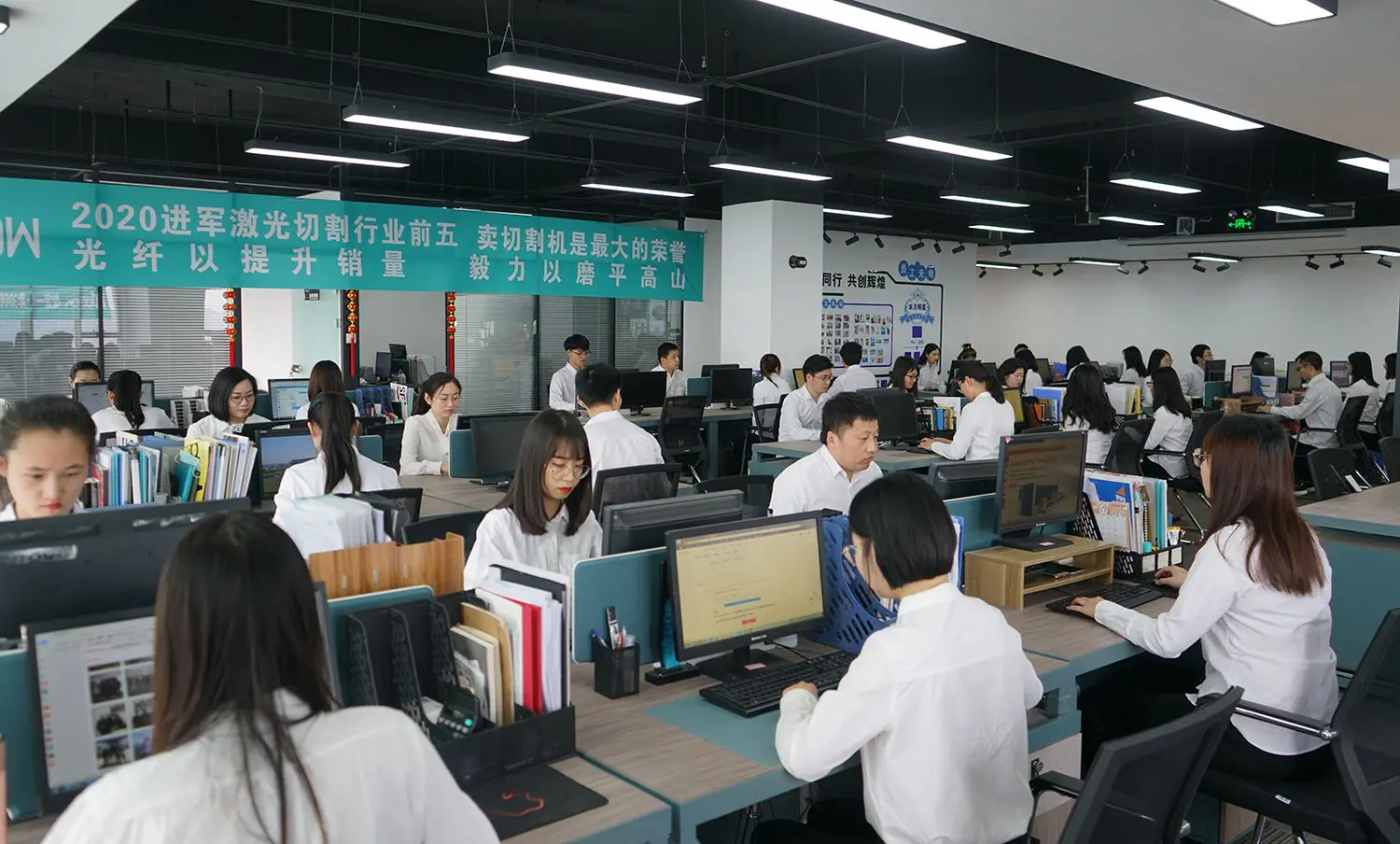
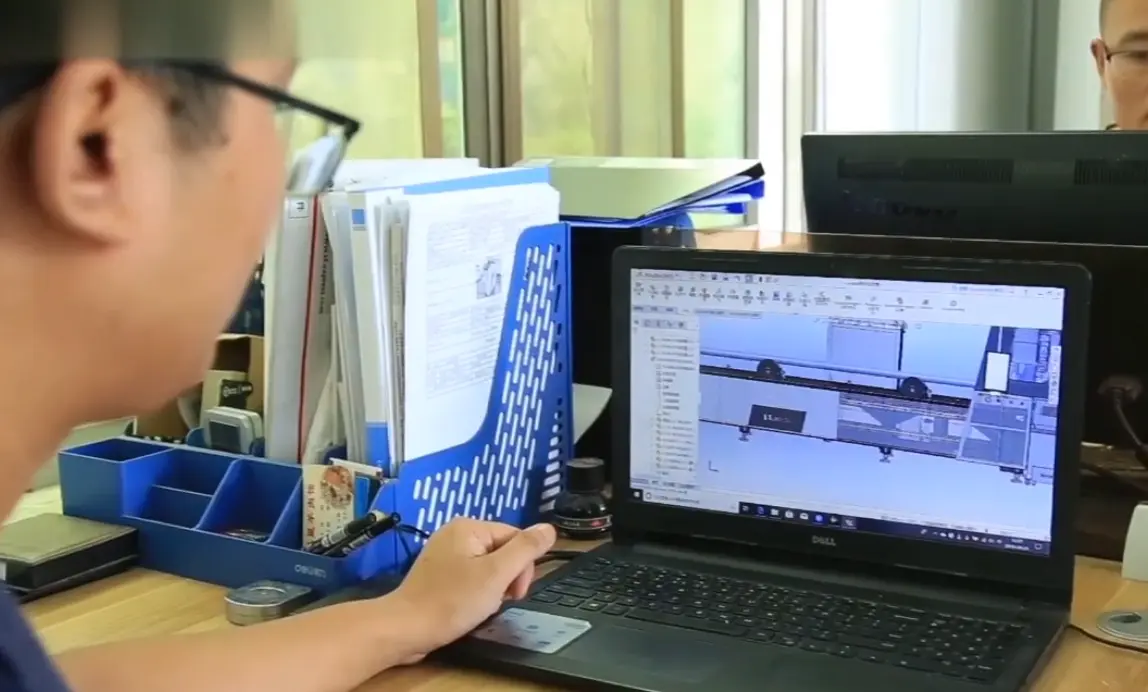
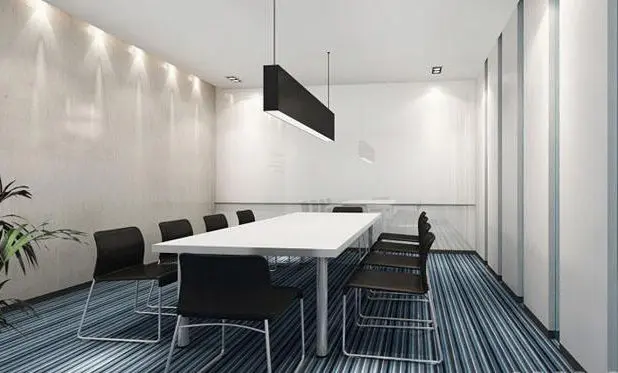
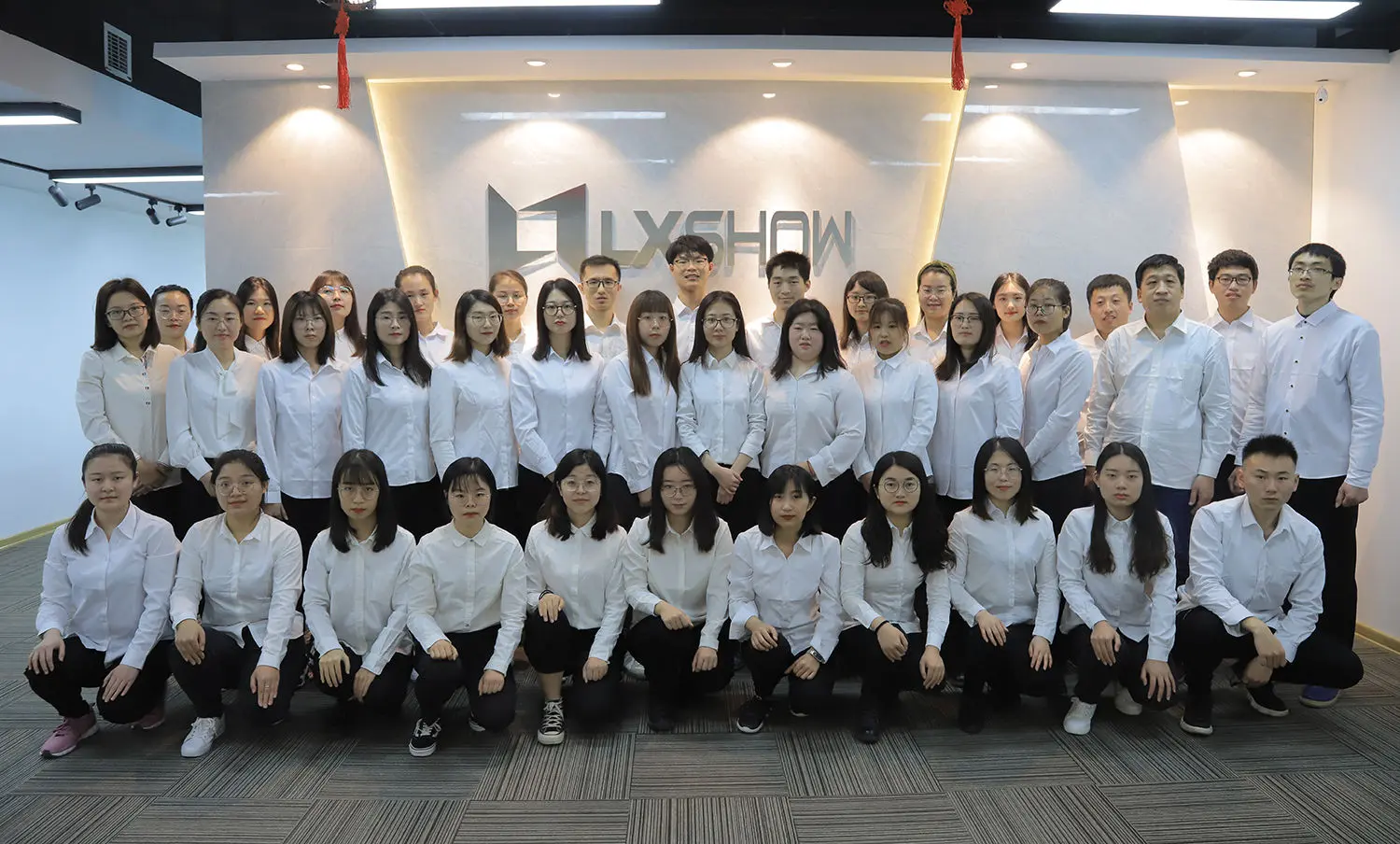
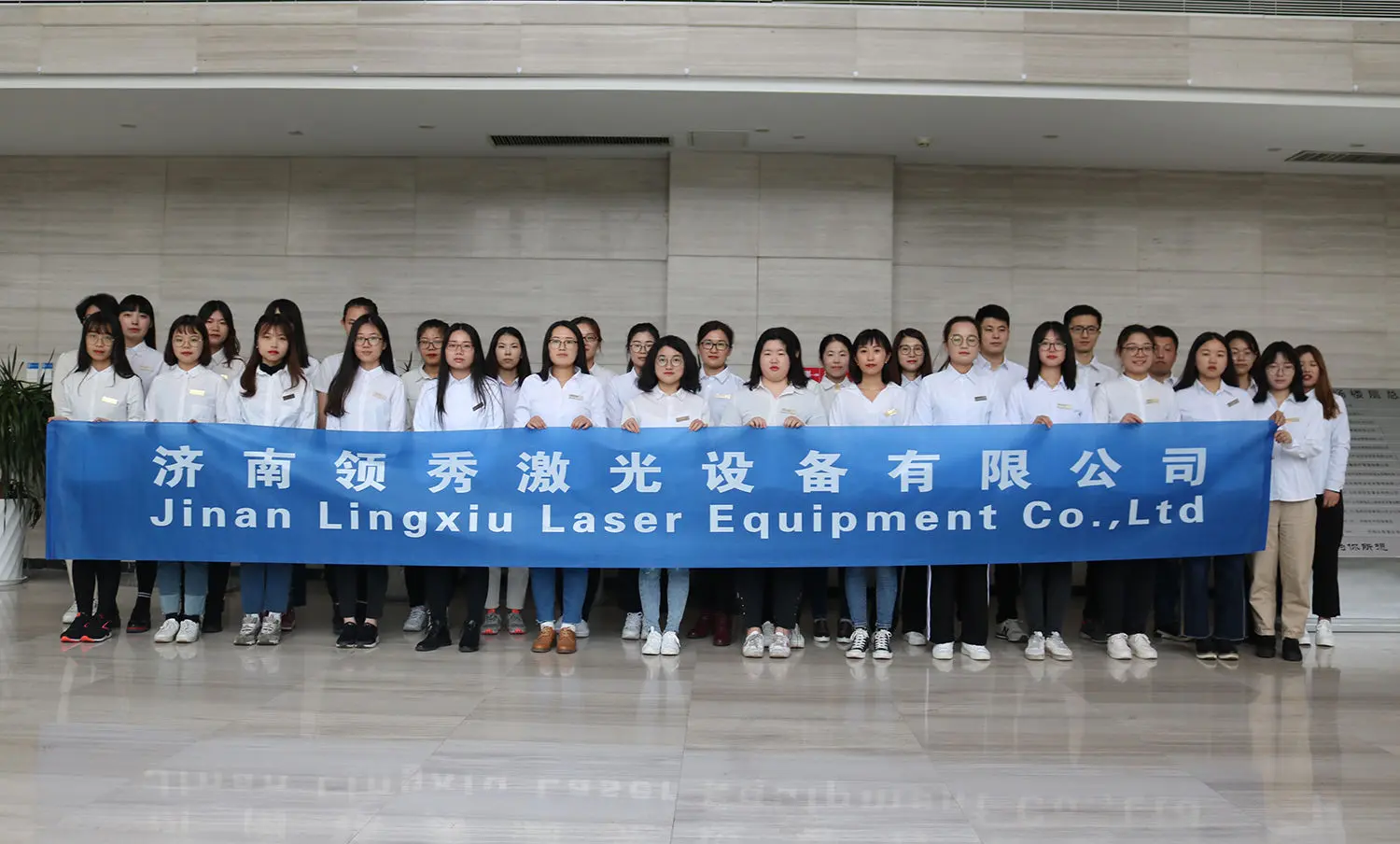
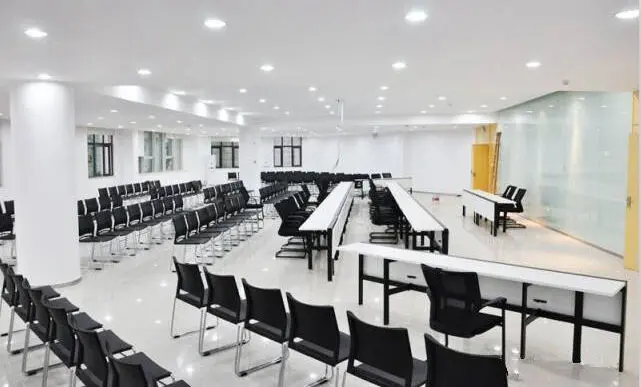
With an 18-year legacy in industrial development, we maintain dedicated spaces for design, assembly, testing, and training, ensuring quality control across all divisions.

Modern sheet metal fabrication crosses several industries, demanding versatile equipment options. Industrial systems must cut and weld everything from structural framing to complex microelectronics.
In automotive manufacturing, fiber lasers are utilized for cutting high-strength steel (HSS) and structural frame elements. Handheld laser welding systems (such as the LXW-1500W) provide clean welds without the distortion associated with traditional MIG or TIG welding. In aerospace and defense, laser systems process specialized alloys including titanium, Inconel, and cobalt-nickel. Precision laser marking and cleaning machines (like the LXC-100W) remove oxide layers, scale, and rust without compromising base material characteristics.
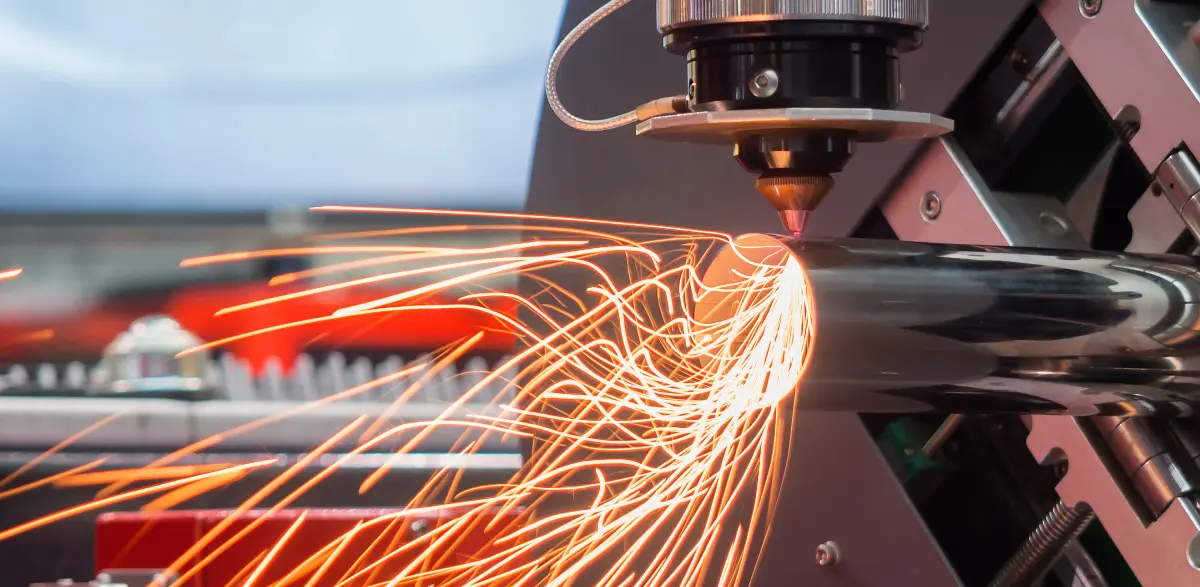
By working with local distributors and providing customized OEM machinery, we deliver systems engineered for regional production rules and voltage standards (including 220V/380V/415V setups). This localized configuration capability allows operators in the US, Europe, Australia, and Southeast Asia to integrate our laser cutters, welding lines, and cleaning installations without post-delivery electrical retrofitting.
Our core mission is to help companies build smart manufacturing systems, enabling transition to Industry 4.0 principles and high-efficiency operations.
High-performance laser cutting demands precise adjustments for different metals. Material density, reflectivity, and thermal conductivity dictate the required auxiliary gas (oxygen, nitrogen, or compressed air) and feed rate. Below is the material classification matrix our engineering team supports:
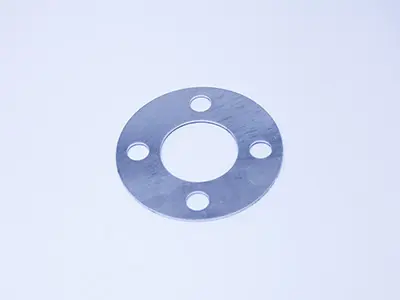 Aluminum
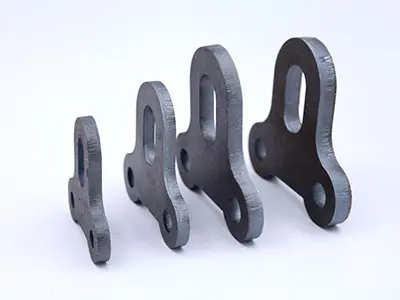 Carbon Steel
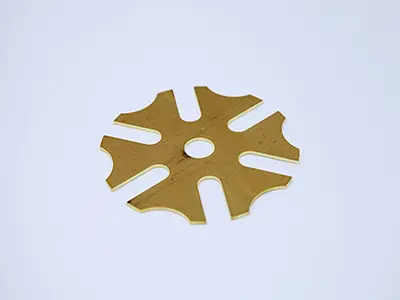 Copper
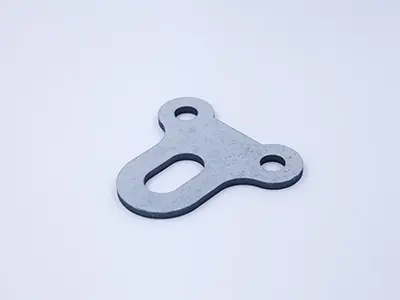 Galvanized Steel
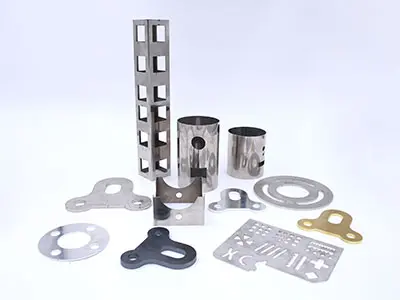 Special Alloys
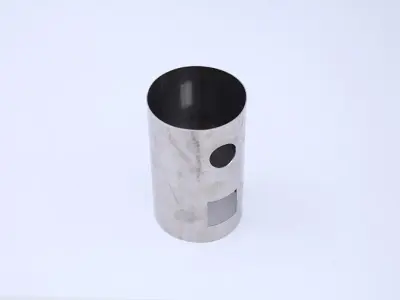 Round Tubes
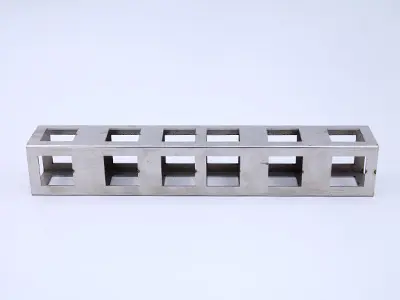 Square Tubes
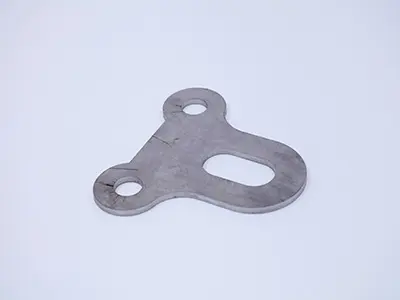 Stainless Steel
Our research and development team is committed to continuous product improvement. We maintain testing databases for high-speed fiber operations, ensuring our machinery meets international requirements.

Fiber lasers operate at a 1.06µm wavelength, which is absorbed more efficiently by metals than the 10.6µm wavelength of CO2 lasers. This provides higher cutting speeds in thin sheets, lower power consumption, and zero reflective damage when cutting highly reflective materials such as brass, copper, and aluminum.
The machine frame undergoes a stress-relief annealing process at over 600°C to release internal residual stresses caused by welding. This prevents structural deformation over time, ensuring the system maintains high accuracy during high gantry acceleration (up to 1.5G).
Nitrogen is recommended for stainless steel because it acts as an inert shield, preventing oxidation and preserving a clean, bright edge. For carbon steel, oxygen is used to support an exothermic reaction that aids the cutting process, particularly on thicker plates.
To ensure safe and reliable global operation, factories should maintain European Union CE compliance, United States FDA registration for laser devices, and an ISO 9001 certified quality management system.
Explore our catalog of laser cladding, welding, cleaning, cutting, bending, and shearing machinery.
High-precision single axis and CNC robotic surface cladding solutions
Designed for surface modification and metal repair applications.
Reliable rotation system for cylindrical and shaft component repair.
Fully automated multi-axis robot integration for complex geometry paths.
Rust, scale, oil, and oxide coating removal systems
Cleans the interior of metal pipes and tubes.
For high-speed exterior tube rust removal prior to welding.
Processes large surface areas for manufacturing lines.
Compact form factor for mobile spot cleaning.
Handheld, enclosed, and robotic arm welding solutions
Consistent weld quality for stainless steel and carbon steel parts.
Enclosed class 1 laser safety design for manufacturing floors.
Stationary bench setup for precise small-part welding.
Automated multi-axis industrial robotic arm integration.
Sheet metal, profile structural steel, and dual-purpose pipe/tube cutting
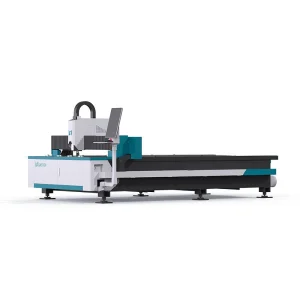
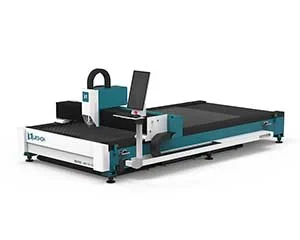
Dual-purpose system cutting flat plate and tube profiles on a single machine.
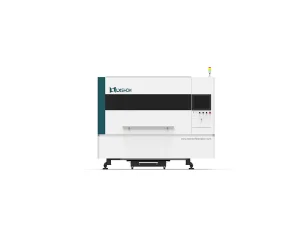
Enclosed system with high-speed table swap capabilities for thick plate processing.
Standard enclosed sheet metal processing platform for industrial use.
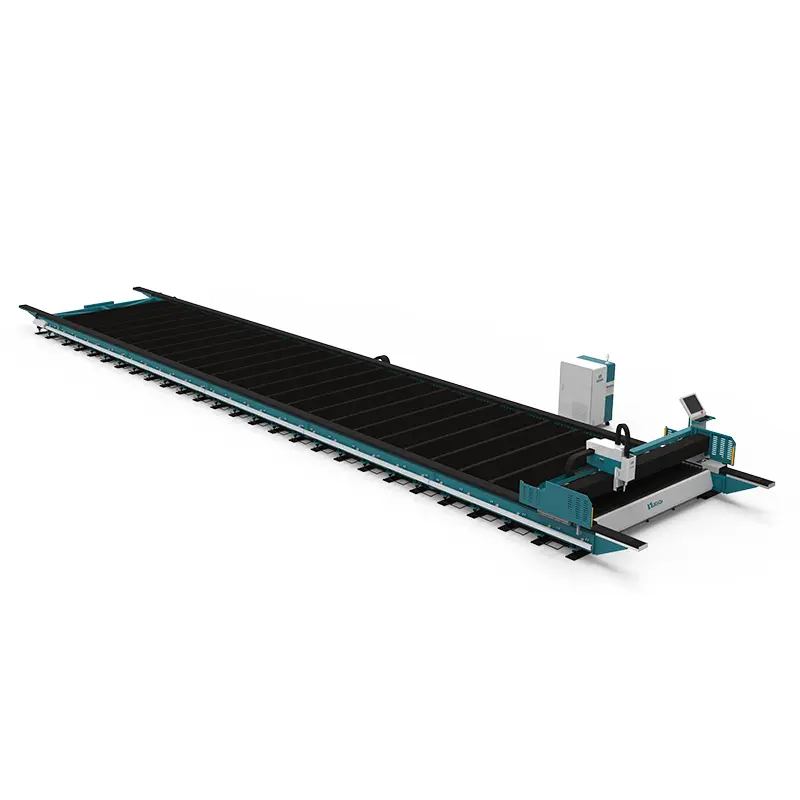
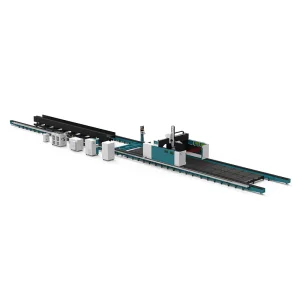
Designed for heavy shipbuilding, machinery, and long structural steel plates.
Electro-hydraulic servo and full electric high-accuracy bending systems
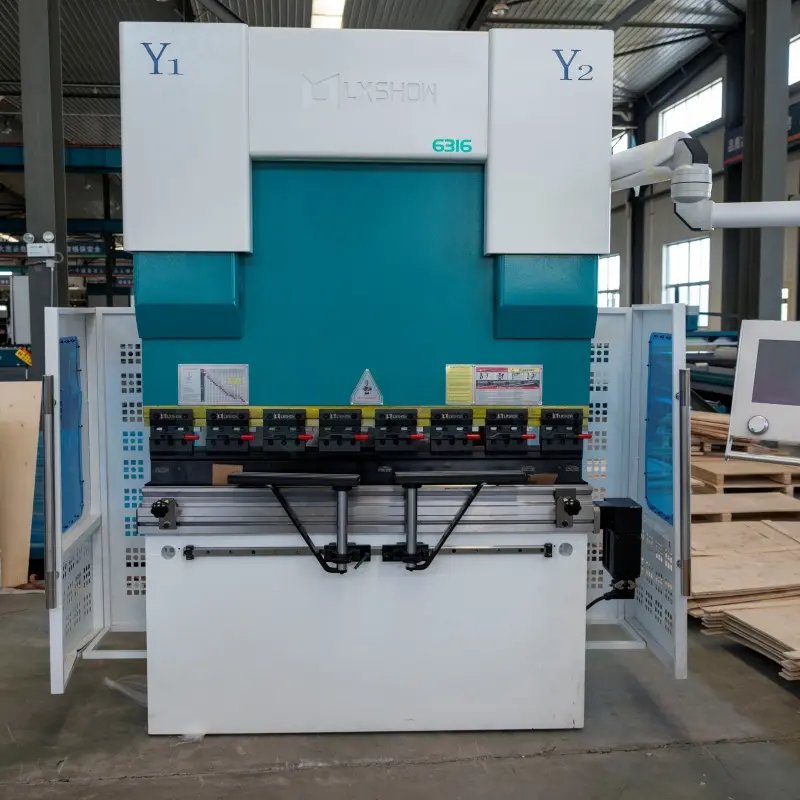
Synchronized dual-axis servo hydraulic press brake for sheet metal profiles.
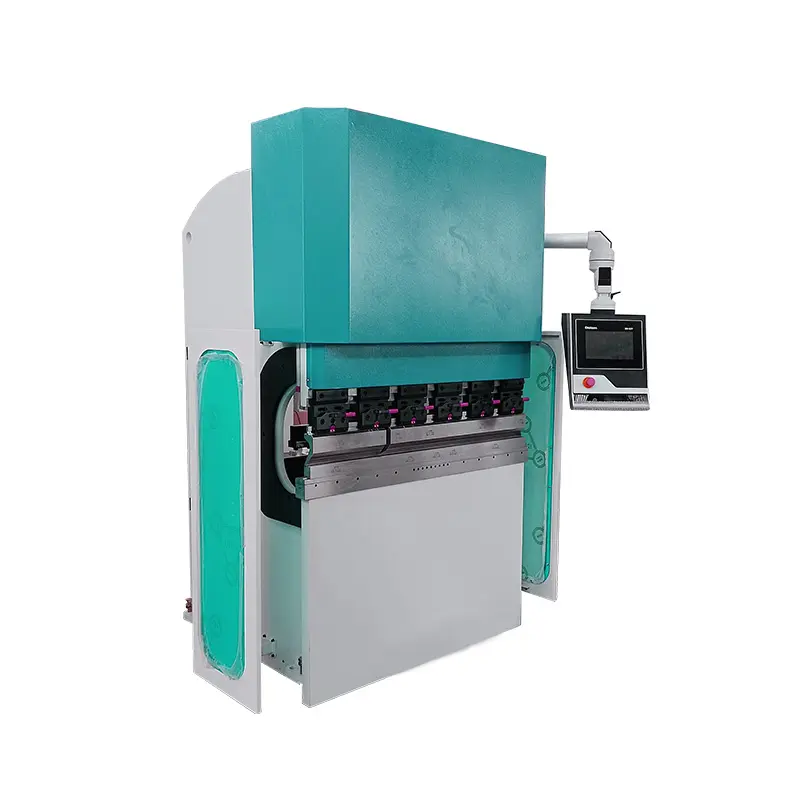
Pure electric drive system providing precision and clean operation.
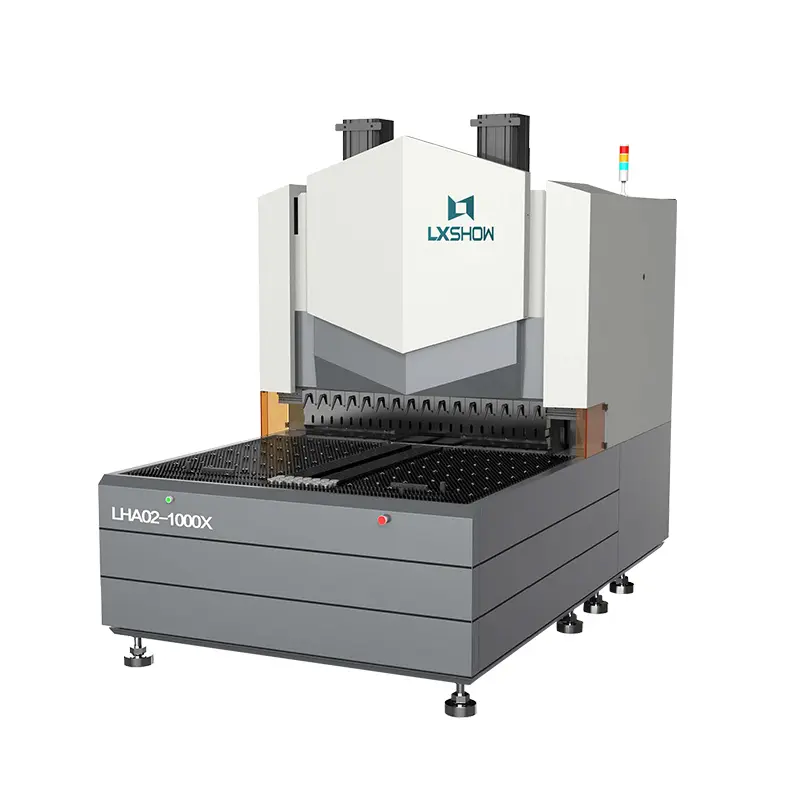
High-speed automated panel bender for complex box and casing shapes.
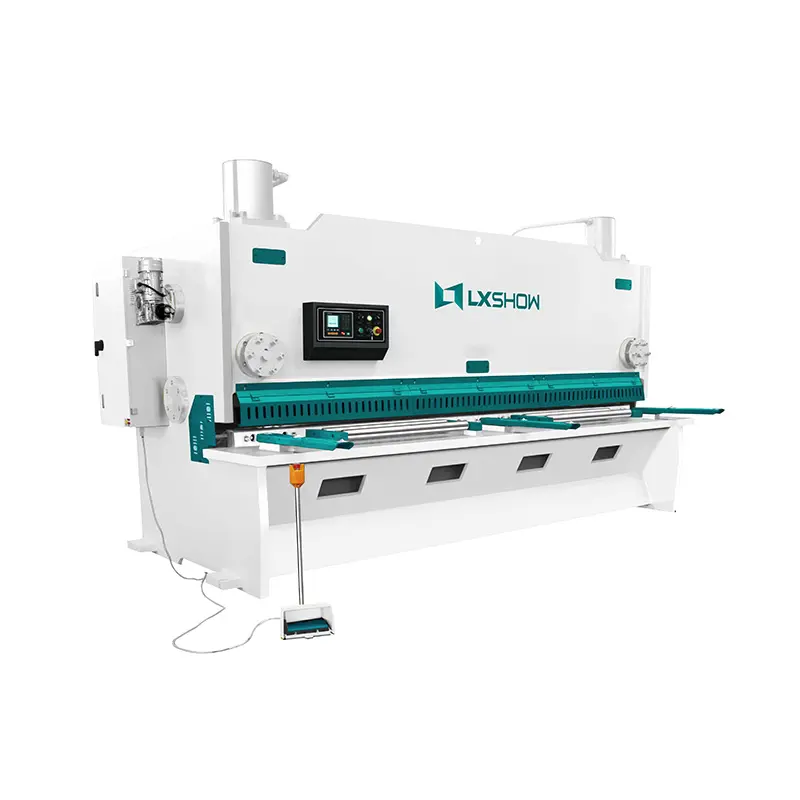
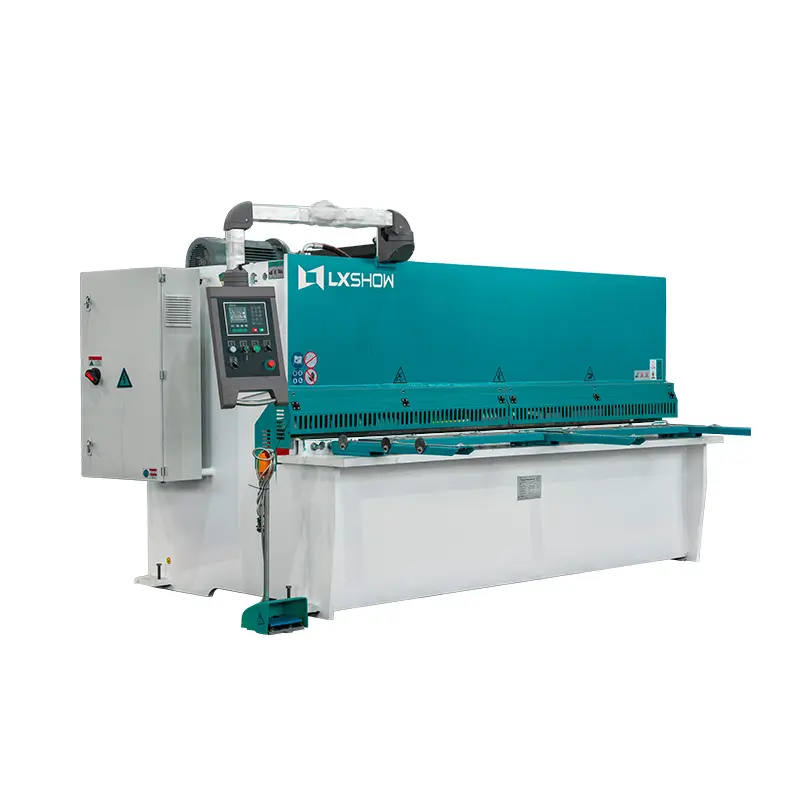
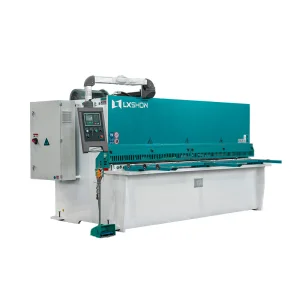
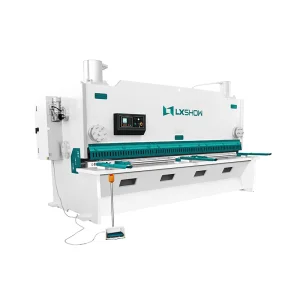
Hydraulic swing beam and guillotine metal shearing machinery
Heavy duty straight cutting system with adjustable rake angle.
Multi-functional system for punching, angle shearing, and profile notching.
Reliable hydraulic pendulum design for sheet cutting.
Heavy-duty gantry systems, compact sheet cutters, shears, and bending machinery for high-volume factories.
 Lxshow