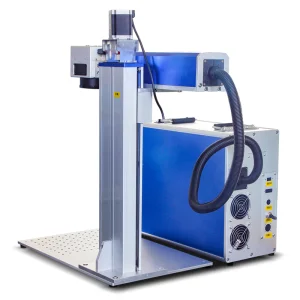
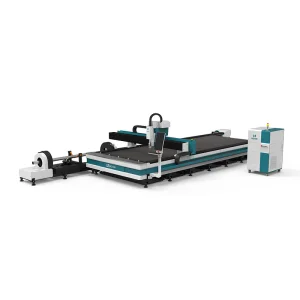
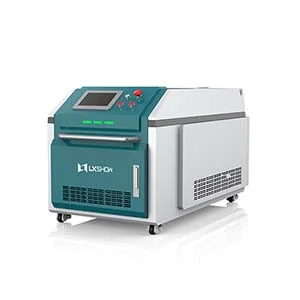
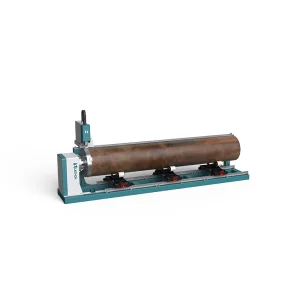
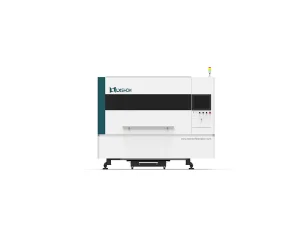
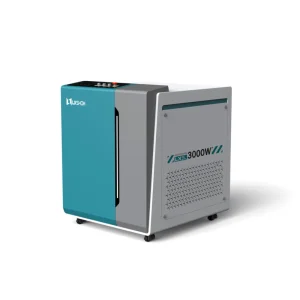
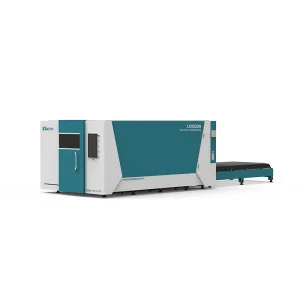
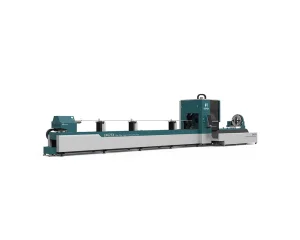
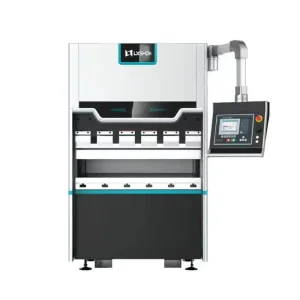
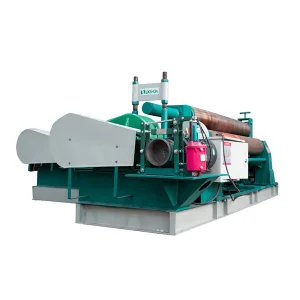
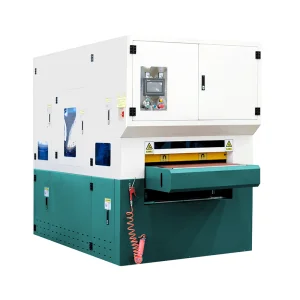
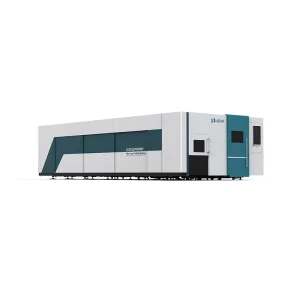
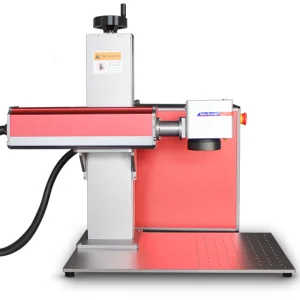
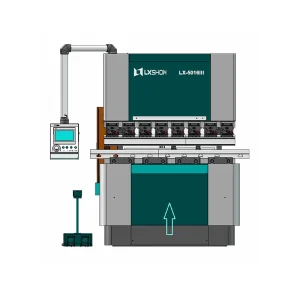
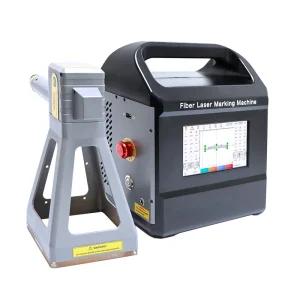
Explore our premium high-performance CNC fiber laser cutters, marking machines, sheet metal bending lines, and cleaning units designed for smart manufacturing.
A comprehensive analysis of market dynamics, manufacturing specifications, and global trade flows in advanced custom sheet metal manufacturing.
In the contemporary industrial supply chain, the demand for OEM laser cut design metal has expanded beyond basic machining into highly intricate, structural, and aesthetic components. Laser cutting technology, particularly powered by state-of-the-art fiber optical delivery, has rewritten the rules of sheet metal processing. Historically, mechanical stamping and punching dominated high-volume production; however, the cost of custom tooling, long setup lead times, and structural limitations constrained innovation. Today, dynamic global business ecosystems require agile manufacturing systems that can go from 3D CAD modeling to finalized physical output in hours, with micro-level precision.
From an international trading perspective, procurement teams face a complex matrix of choices. Selecting the right fabrication partner requires analyzing not only the machine specifications but also the holistic engineering capabilities. High-precision laser cut design parts are critical to performance in key fields like automotive chassis, aerospace structural grids, semiconductor machine enclosures, cleanroom storage units, and medical diagnostic machinery. To maintain quality across batches, modern OEM factories utilize integrated CAD/CAM software suites, real-time nesting optimization, and closed-loop process sensors to monitor edge roughness and micro-cracking.
Supply chains require resilient OEM fabricators that conform to global logistics, customs declarations, and international technical standards like ASTM, EN, and JIS.
Moving from pure 2D cutting to comprehensive operations, integrating multi-axis CNC bending, automatic structural chamfering, and robotic welding lines.
Total quality oversight systems tracing material mill test reports, processing metrics, dimensional checks, and packaging integrity tests.
Understanding how wavelength selection, assist gas dynamics, and heat-affected zones (HAZ) determine structural outcome in precision design metals.
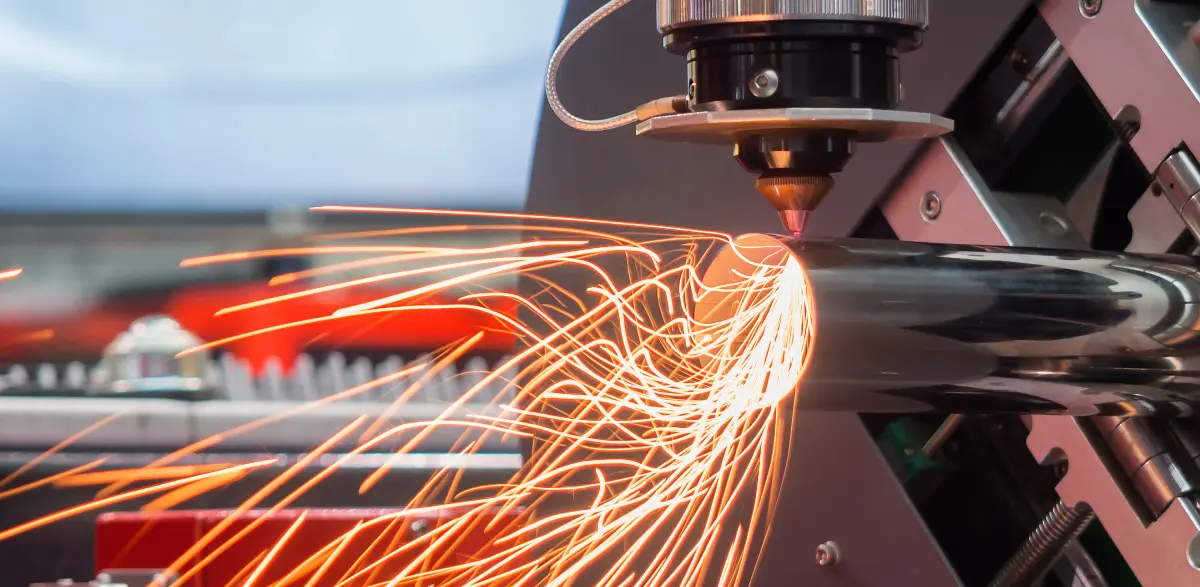
In high-end fabrication, processing different alloys requires specific laser configuration and gas selection. At a microscopic scale, a fiber laser operating at a wavelength of approximately 1.06 micrometers is absorbed differently depending on the material. High-reflectivity metals, such as copper and brass, present unique challenges because back-reflections can damage traditional optical paths. Standardizing on advanced fiber optic technology prevents reflection damage, allowing for continuous cutting of specialized alloys.
The selection of the assist gas represents another critical variable. While oxygen (O₂) promotes an exothermic reaction that aids in high-speed, deep cutting of thick carbon steel, it introduces a surface oxide layer. This oxide layer must be chemically or mechanically removed if subsequent painting or welding is required. Nitrogen (N₂), conversely, acts as an inert shield, expelling molten material through high-pressure gas streams without permitting chemical oxidation. This yields a clean, bright, weld-ready edge crucial for medical and food-grade stainless steels. For thin-gauge projects, using clean, dry compressed air can offer a cost-effective, high-velocity compromise.
| Material Type | Recommended Assist Gas | Typical Tolerance (mm) | Heat Affected Zone (HAZ) Impact | Optimal Applications |
|---|---|---|---|---|
| Stainless Steel (304, 316L) | High-Pressure Nitrogen (N₂) | ± 0.05 | Extremely Low | Medical Devices, Chemical Tanks, Food Prep Equipment |
| Carbon Steel (A36, Q235B) | Oxygen (O₂) or Nitrogen (N₂) | ± 0.10 | Moderate | Heavy Machinery, Structural Frames, Automotive Brackets |
| Aluminum Alloy (6061-T6) | Nitrogen (N₂) or Air | ± 0.08 | Low-Medium | Aerospace Housing, Light Brackets, Heat Sinks |
| Copper & Brass | High-Pressure Nitrogen (N₂) | ± 0.05 | Extremely Low (needs high power density) | Electrical Busbars, Heat Exchangers, Decorative Trim |
How the integration of supply chains, steel mill proximity, and advanced equipment optimization delivers unmatched global value.
Understanding the economics of metal fabrication reveals why China remains the premier manufacturing location. China's industrial parks house integrated ecosystems that cluster sheet metal rolling mills, surface treatment chemical facilities, precision mechanical component producers, and logistics hubs together. This configuration minimizes material transport costs, simplifies engineering communication, and shortens project schedules.
Additionally, modern Chinese factories have moved beyond basic labor-intensive assembly to implement extensive automation. High-precision sheet metal shops run continuous shifts using automated storage and retrieval systems (ASRS) and fiber laser cutters equipped with automated load/unload platforms. This allows for high-quality production with minimal tool wear, reducing human error and ensuring uniform quality across production runs.
A trusted global leader in smart laser equipment and precision custom metal design since July 2004.
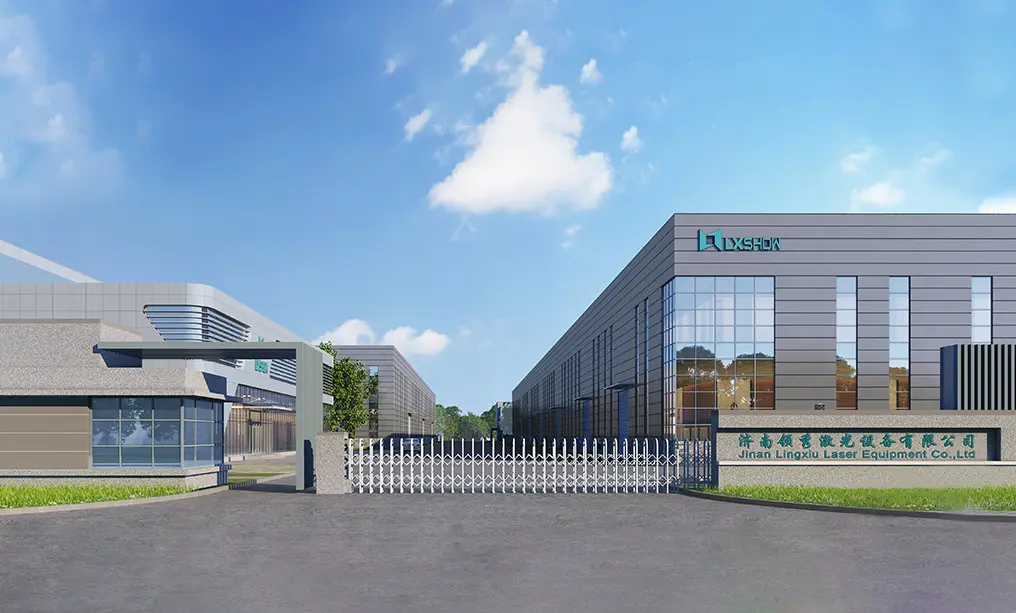
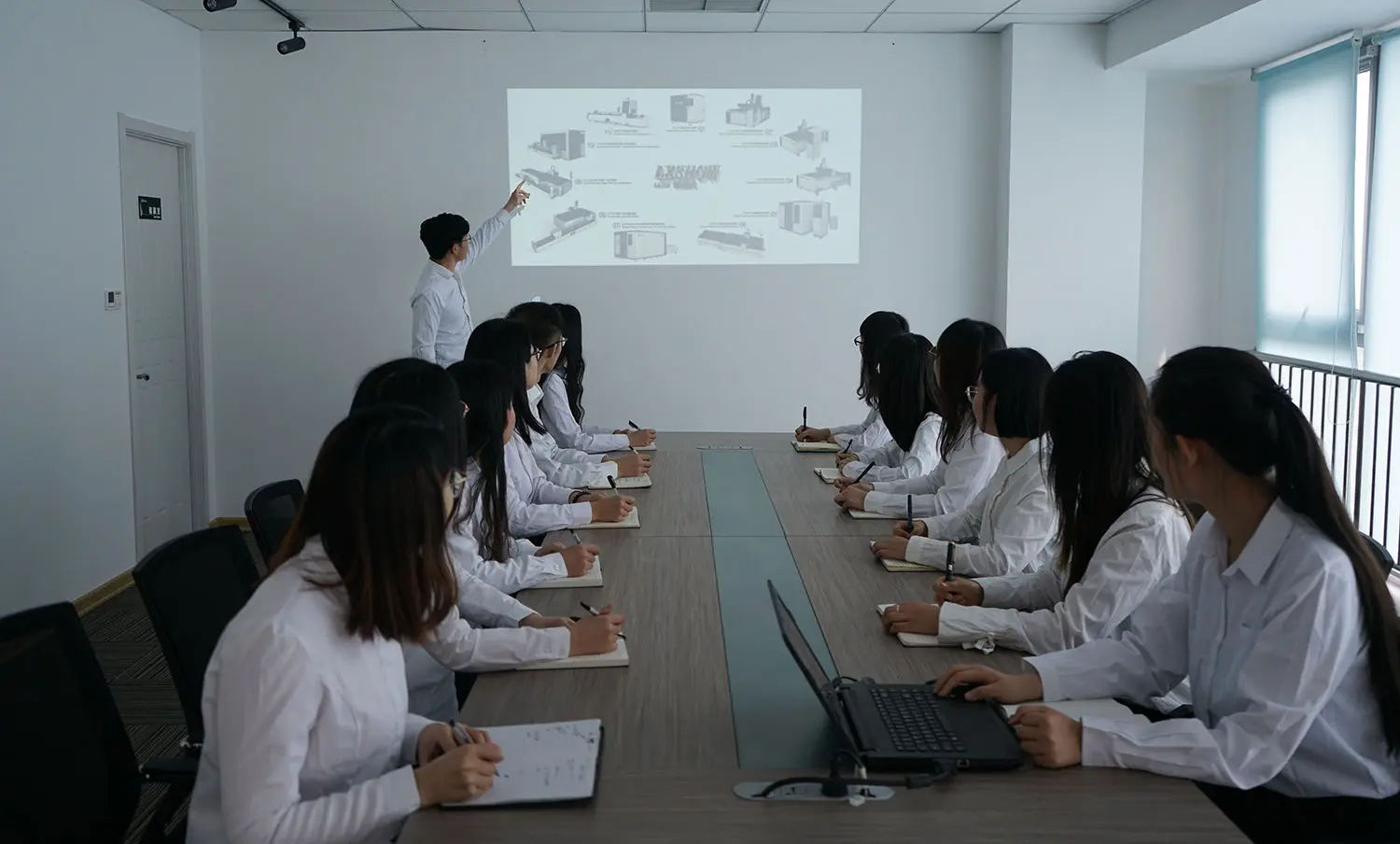
Established in July 2004, we have developed from a specialized R&D group into a major industrial leader. Today, our footprint includes over 500 square meters of specialized research and office space, along with a modern 32,000+ square meter factory. Our core focus centers on supplying great technical support, backed by our dedicated laser cutting, laser welding, and laser cleaning machine communication center.
Our commitment to quality is validated by international standards. Every machine in our lineup has passed the European Union CE authentication and holds the American FDA certificate, and our entire operation is certified to ISO 9001 standards. We serve clients across the USA, Canada, Australia, Europe, South East Asia, Africa, and beyond—exporting to more than 120 countries and areas while providing reliable OEM service for more than 30 major global brands.
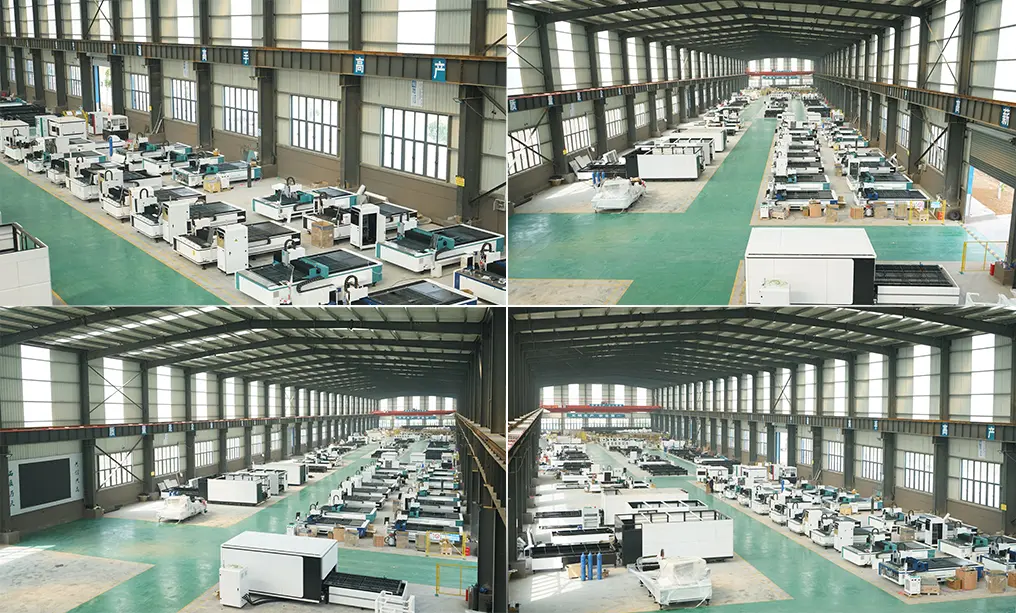

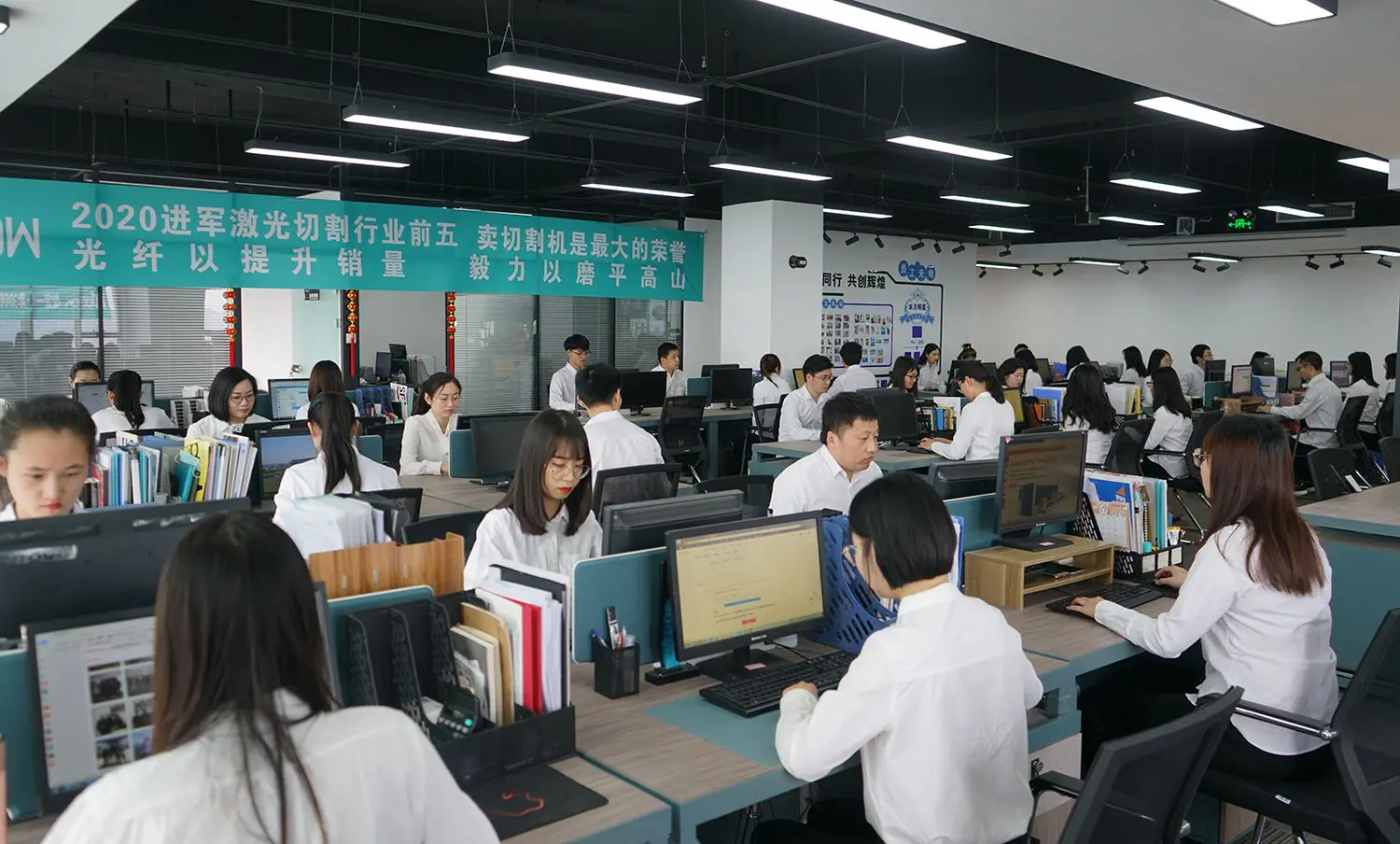
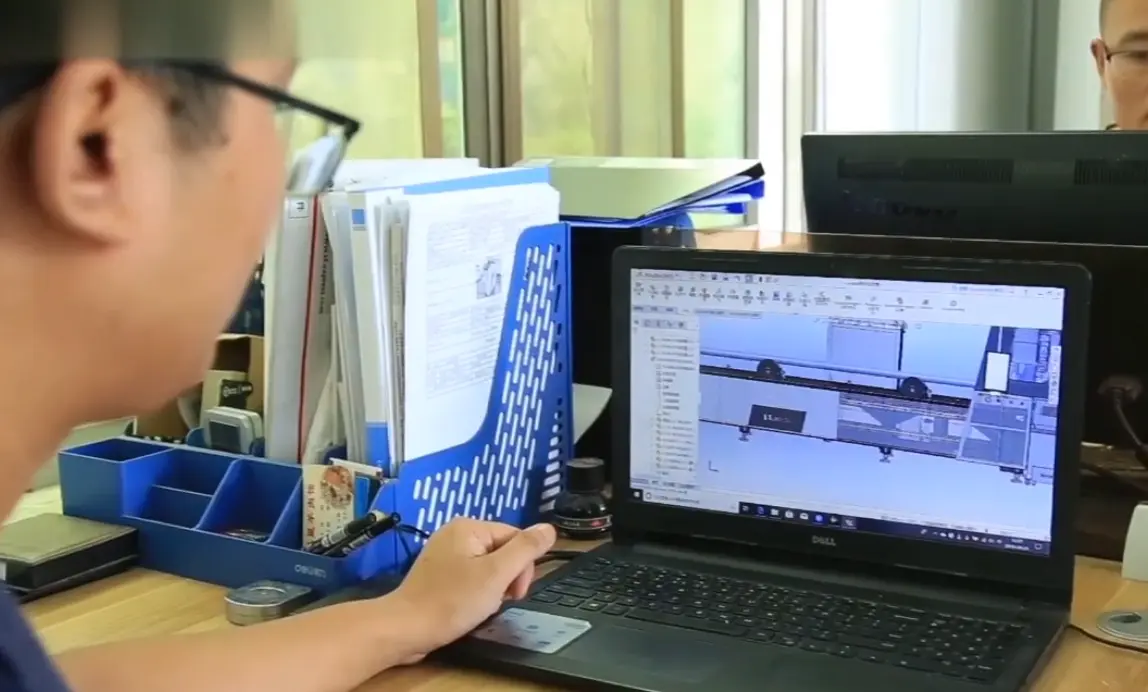
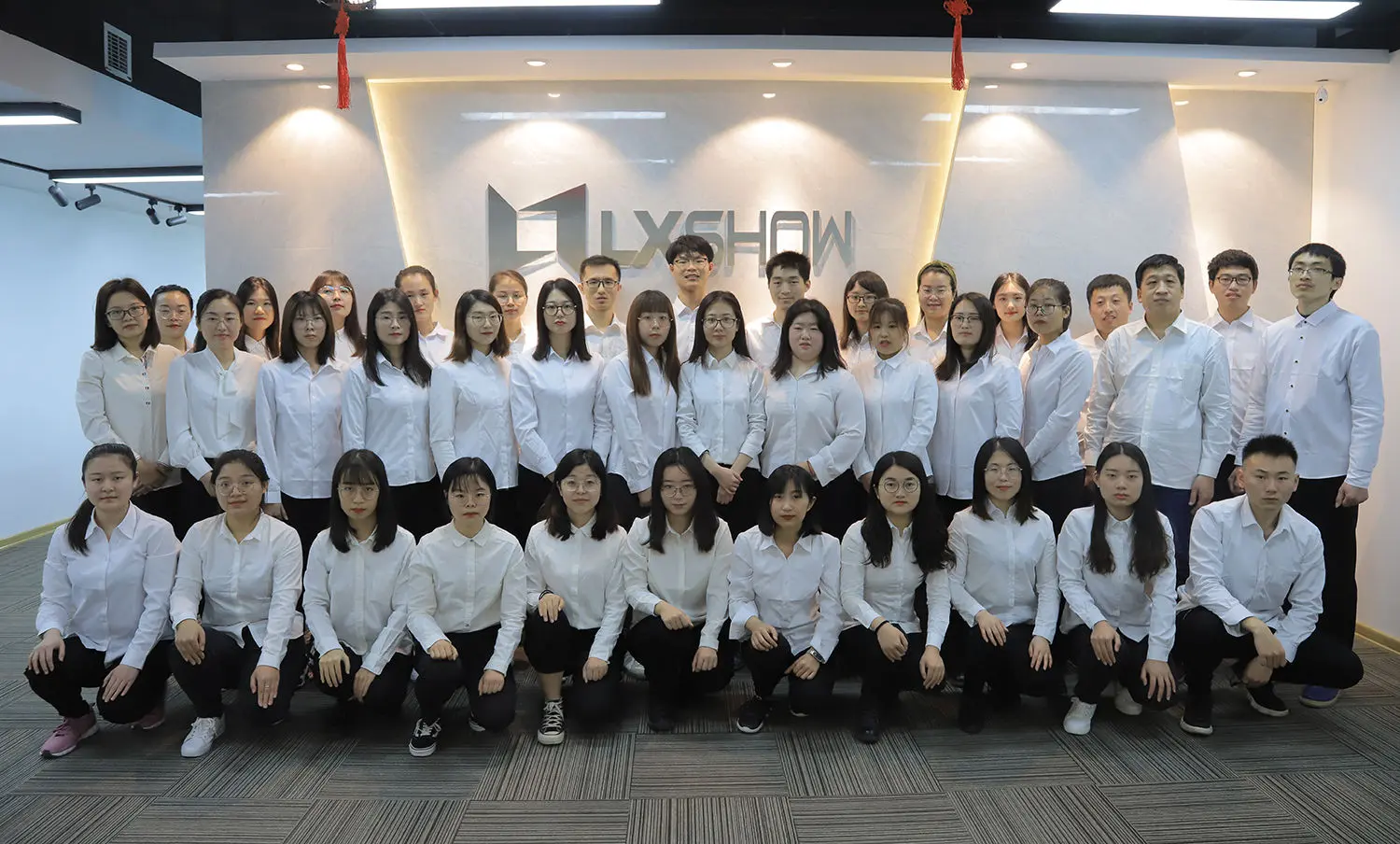
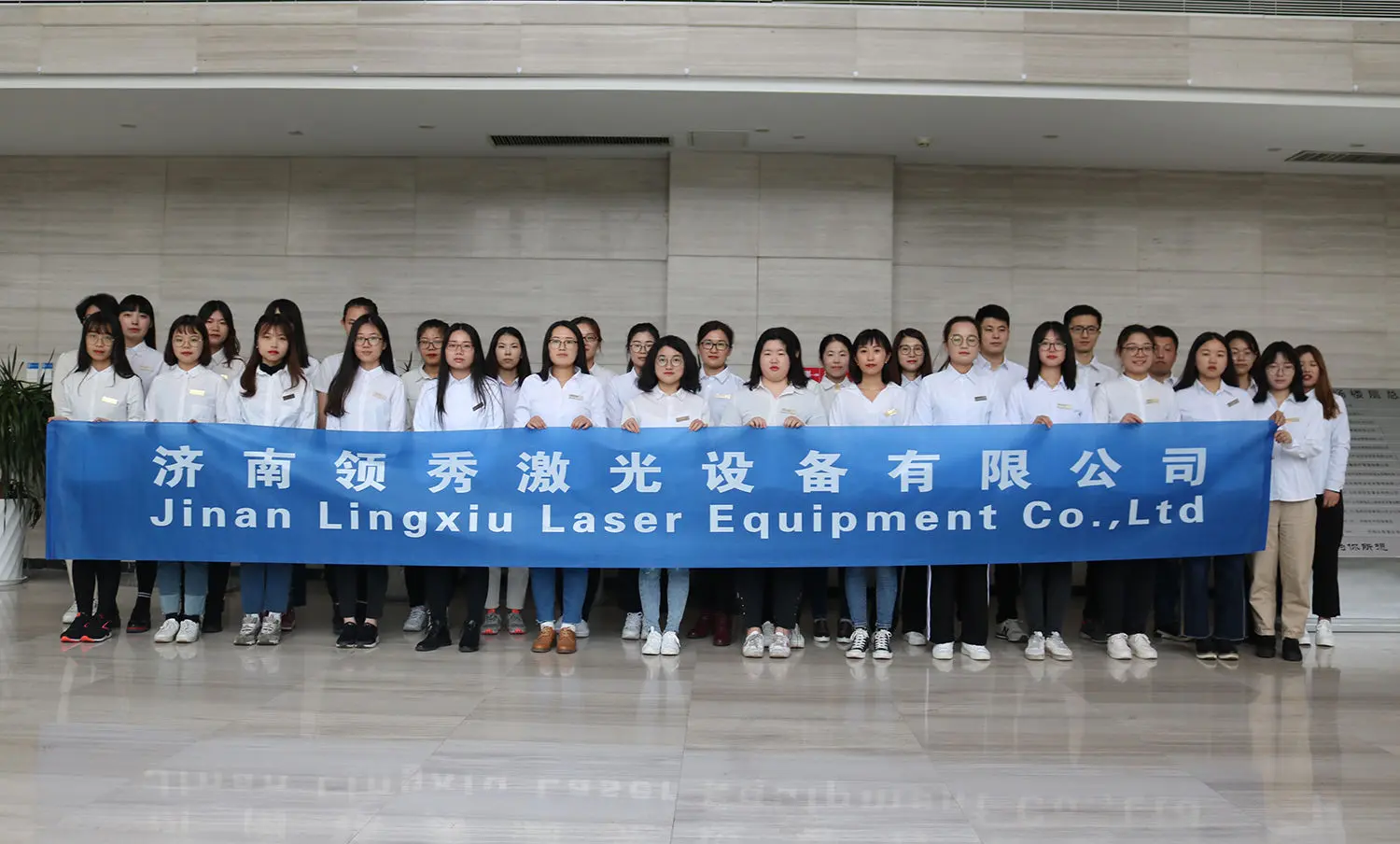
Our OEM sheet metal fabrications are engineered to meet demanding requirements across complex global industries.
Our custom products are widely used in the steel industry, packaging industry, craft gifts, automotive industry, jewelry industry, aerospace industry, machinery manufacturing industry, mold industry, integrated circuit industry, semiconductor industry, plastics and rubber industries.
Our advanced fiber laser configurations process both ferrous and non-ferrous alloys, as well as complex profiles, with high efficiency.
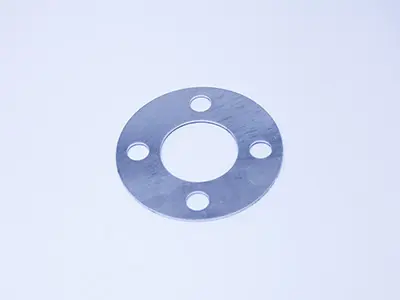 Aluminum Alloys
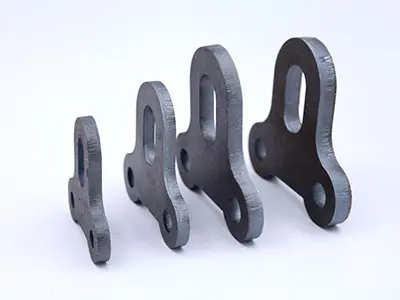 Carbon Steel
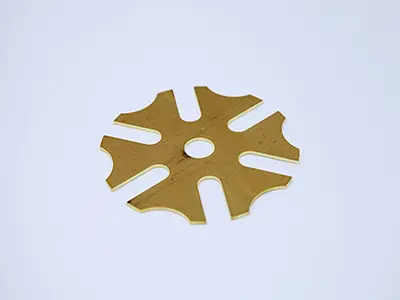 Copper & Brass
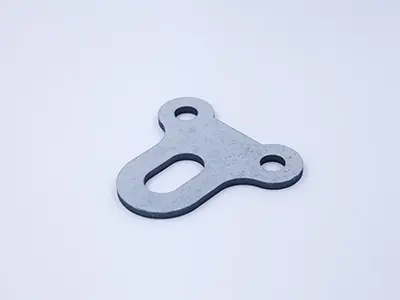 Galvanized Steel
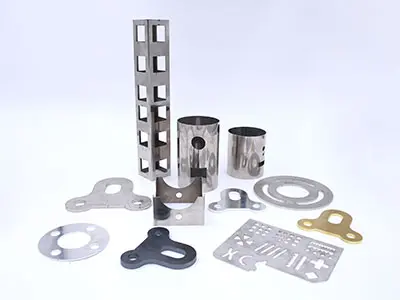 Specialist Alloys
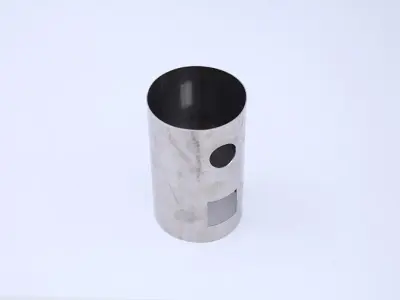 Round Tubing profiles
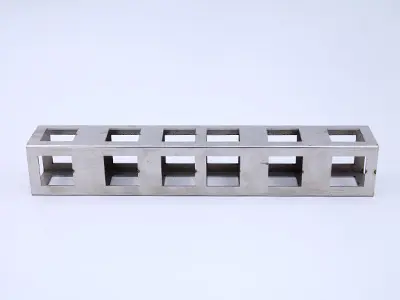 Square / Rectangular Tubing
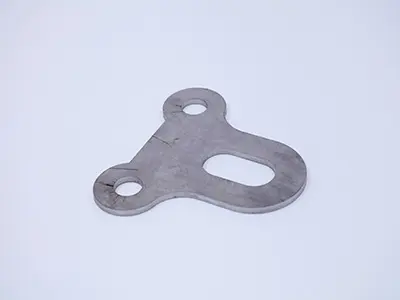 Stainless Steel
A technical guide for industrial buyers evaluating custom laser cutting fabricators.
When sourcing custom-fabricated metal parts, seasoned engineering teams prioritize dimensional tolerance consistency and finishing quality. Design for Manufacturability (DFM) is critical for controlling costs and avoiding fabrication issues during assembly. For example, maintaining an internal bend radius equal to or greater than the material thickness prevents cracking and structural failure at the bend line.
Additionally, cutting micro-features requires matching the minimum hole diameter to the sheet metal thickness. Attempting to cut a hole with a diameter smaller than the thickness using a standard setup can cause heat buildup, slag collection, and inconsistent geometries. Quality control protocols should also define maximum allowable burr heights and specify necessary deburring procedures—such as edge rounding—particularly for products designed for end-user interaction or critical assemblies.
Every delivery includes verified mill test certificates indicating exact chemical composition and physical properties.
Utilizing high-precision optical measurement systems and digital calipers to verify critical features conform to specifications.
Systematic assessment of coating thickness, paint adhesion, and visual quality to ensure parts withstand their service environments.
Expert technical answers to common questions asked by industrial buyers and engineering leads.
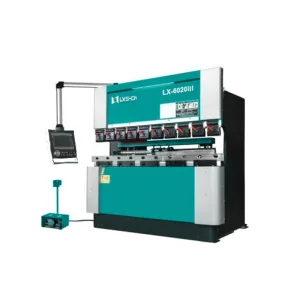
Explore our industrial tube cutting machinery, high-tonnage electric press brakes, plate rollers, and automated metal polishing units.
 Lxshow