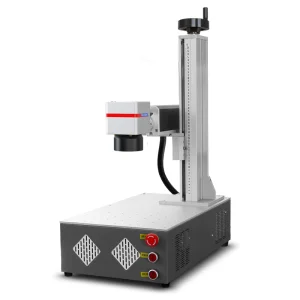
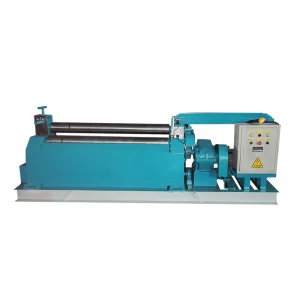
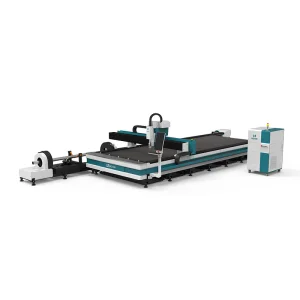
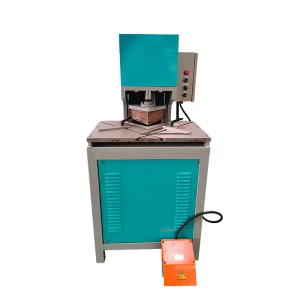
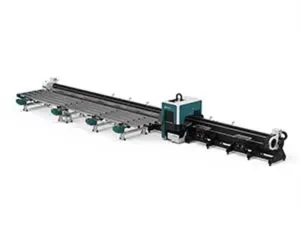
Explore our leading industrial manufacturing products optimized for absolute performance, durability, and integration.
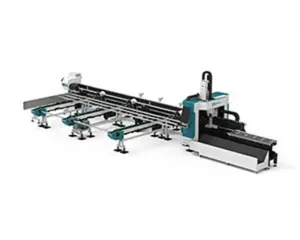
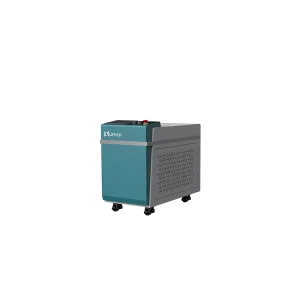
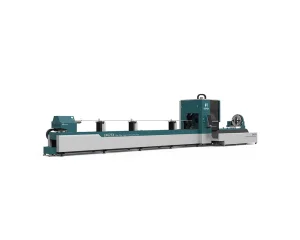
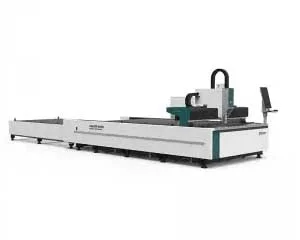
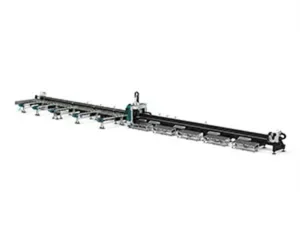
A comprehensive research-grade analysis of processing yellow metals, operational physics, and system architectures.
Executive Summary: As modern heavy machinery, precision electronics, and HVAC assemblies demand unprecedented dimensional tolerances, brass (an alloy of copper and zinc) has emerged as a cornerstone structural material. However, its high thermal conductivity and extreme optical reflectivity present catastrophic feedback risks for conventional solid-state lasers. This whitepaper analyzes how specialized OEM laser systems resolve these constraints using optical decoupling, gas dynamics optimization, and high-frequency pulse modulation.
Cutting brass is fundamentally a thermodynamics challenge. Yellow metals reflect up to 90% of standard 1.06-micron wavelength fiber laser beams during their solid phase. When the laser radiation first meets a clean brass surface, only a small fraction of the energy is absorbed. The remainder is reflected off the material's micro-crystalline facets, which acts as a powerful mirror. If the optical path of the laser is not isolated, these returned photons will travel backward through the delivery fiber, penetrating the resonator cavities and causing severe thermal deformation or complete destruction of the laser diode modules.
Once the material absorbs enough initial energy to melt (reaching its keyhole transition phase), the absorption rate surges to approximately 35-50%. Achieving this transition quickly is vital to prevent back-reflection damage. This demands a laser source with a high power density, an extremely fast pulse rise time, and specialized optical isolators (e.g., Faraday isolators and cladding power strippers). These components absorb and divert back-reflected light into liquid-cooled copper sinks, ensuring safe and continuous processing.
Brass alloys consist primarily of copper and zinc. Zinc has a relatively low boiling point (907°C) compared to copper's melting point (1085°C) and boiling point (2562°C). During the laser-induced melting stage, zinc within the alloy vaporizes before the copper matrix can fully liquefy. This rapid vaporization creates microscopic vapor bursts within the kerf, ejecting molten metal as micro-spatter and forming micro-cracks along the cut edge if it is not correctly managed.
To suppress this vaporization and ensure smooth, dross-free edge profiles, high-pressure nitrogen assist gas (usually between 12 to 18 bar) must be continuously injected. This gas acts in two ways: first, it rapidly expels the molten brass from the bottom of the kerf before zinc vapors can expand destructively; second, it provides a cooling boundary layer that prevents the cut edges from oxidizing, leaving a clean, ready-to-weld finish. In thicker sheets (above 6mm), mixing oxygen into the nitrogen assist gas creates a controlled exothermic reaction. This increases processing speeds without degrading the edge quality.
Certified Excellence under European Union CE, USA FDA, and ISO 9001 quality management protocols.
The global brass fabrication sector has expanded beyond simple decorative designs to high-reliability applications, including electrical grids, automotive distribution systems, and aerospace components. In Europe, especially Germany and Italy, the demand for precise brass components is driven by automotive suppliers transitioning to electric vehicle (EV) busbar architectures. In the Asia-Pacific region, rapid infrastructure developments require large-scale, high-yield production of plumbing fittings and wear-resistant machinery elements.
As a leading OEM supplier, we have observed a structural change in how global companies procure metal cutting machinery. Standard systems often fail when processing reflective materials for long periods. Buyers now prioritize machines built with integrated feedback loops, customized gantry structures, and reliable global support. Our machinery is deployed in over 150 countries, giving us a deep understanding of local compliance standards, voltage requirements, and material grades across different regions.
Cutting brass is highly localized based on regional industrial needs. In North American aerospace and defense applications, specialized military-grade naval brass (containing copper, zinc, and tin) must be processed with zero heat-affected zone (HAZ) deformation to prevent structural fatigue. Our machines utilize adaptive pulse modulation to deliver high peak power at low average heat inputs, preserving the alloy's structural integrity.
In Southeast Asia, electronics manufacturers require high-speed cutting of ultra-thin brass sheets for connector terminals. These micro-scale cuts demand high axis acceleration and precise focus control. Our systems utilize direct-drive linear motors and carbon-fiber gantries to achieve up to 2.0G acceleration. This eliminates thermal distortion and delivers high edge quality even at speeds exceeding 60 meters per minute.
Laser profiling of brass is evolving beyond basic fiber wavelength configurations. The next major technical shift centers on blue and green wavelength lasers. Blue light (around 450nm) achieves up to 8x higher absorption in solid brass than near-infrared light. Integrating blue diode lasers with high-power fiber resonators allows machines to initiate cuts with minimal energy, eliminating the threat of back-reflection.
At the same time, AI-driven sensor monitoring is transforming modern laser cutting heads. Real-time optical sensors detect the intensity of back-reflected light at microsecond intervals. If the reflected light crosses a safe threshold, the CNC controller adjusts the beam profile or pulse duration dynamically to keep the process stable. This prevents damage to the optics and ensures continuous production in smart, automated factories.
18 Years of Dedication to High-End Smart Laser Machining Equipment & Solutions
Every machine in our lineup complies with strict international regulations. We are fully certified to European Union CE standards, American FDA regulations, and hold ISO 9001 quality management system certification.
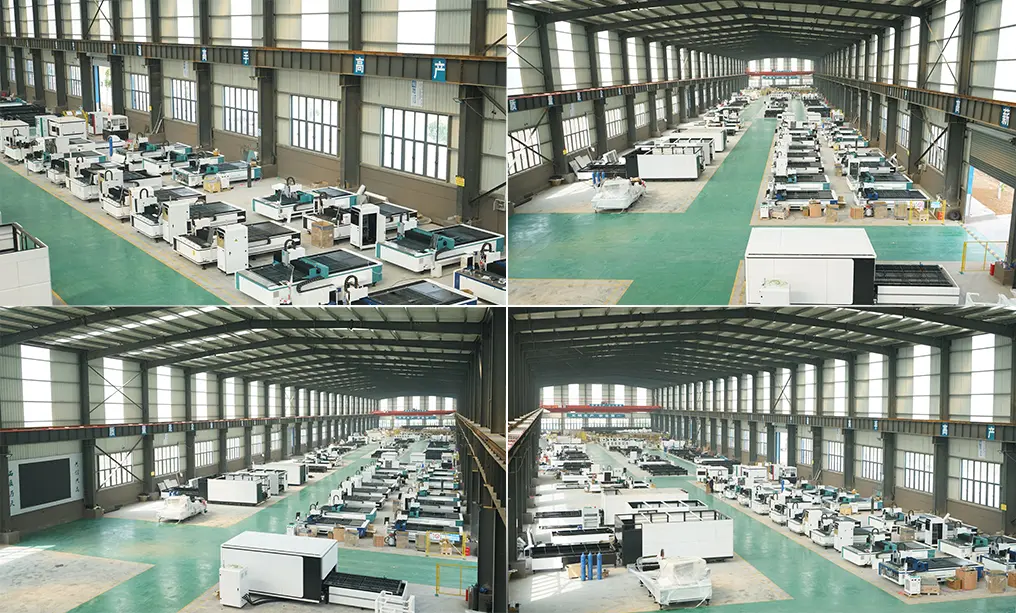
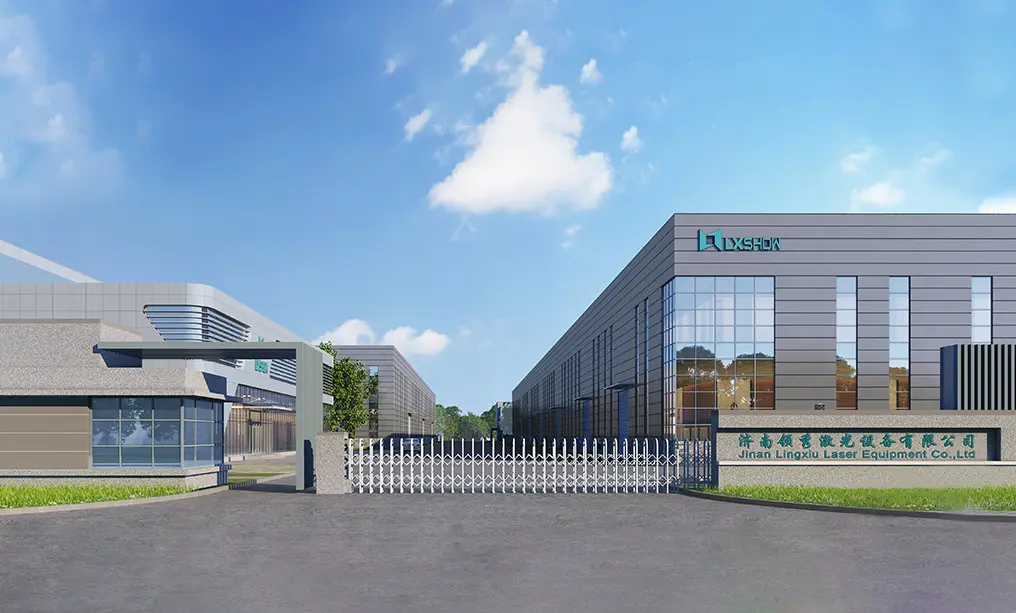
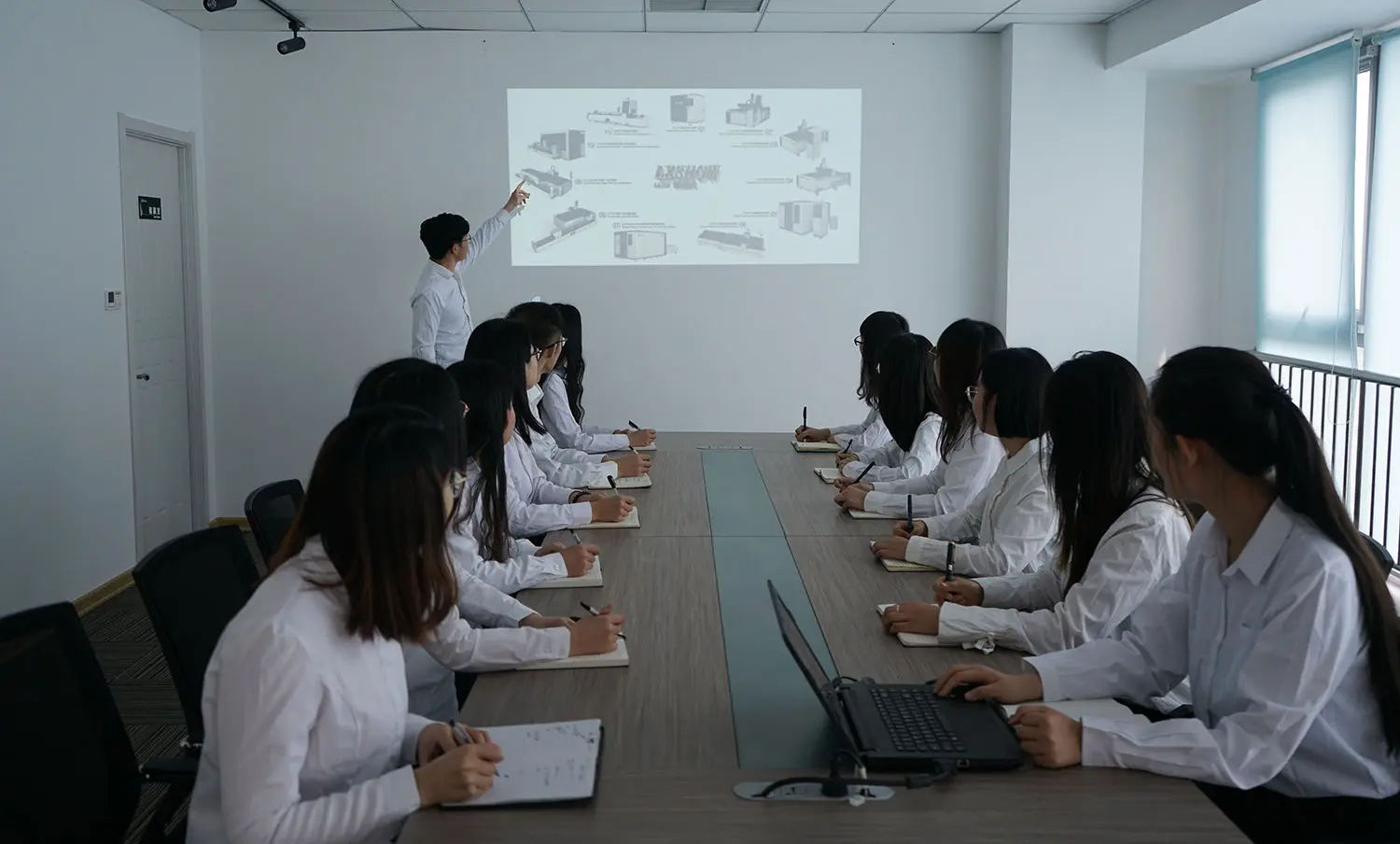
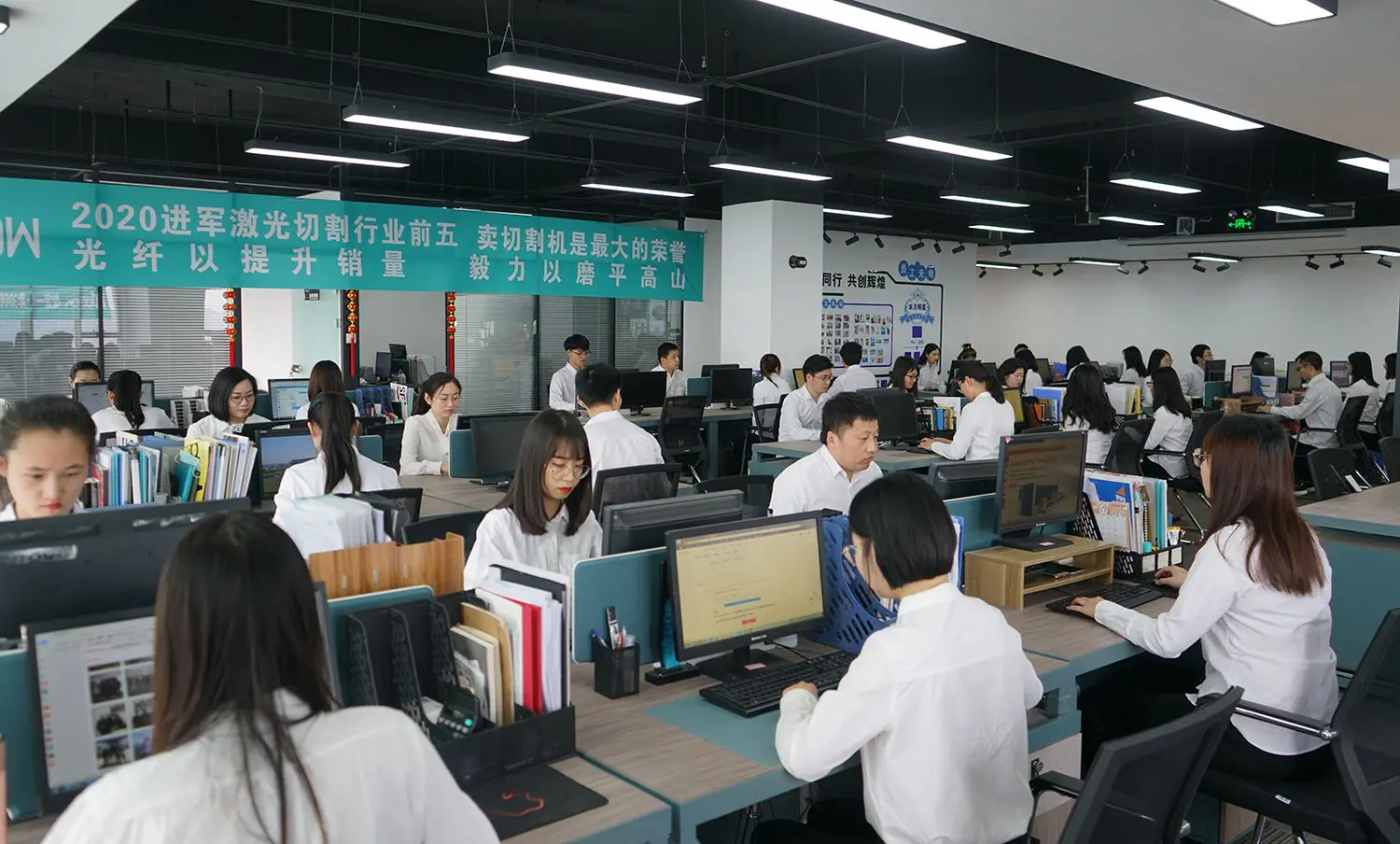
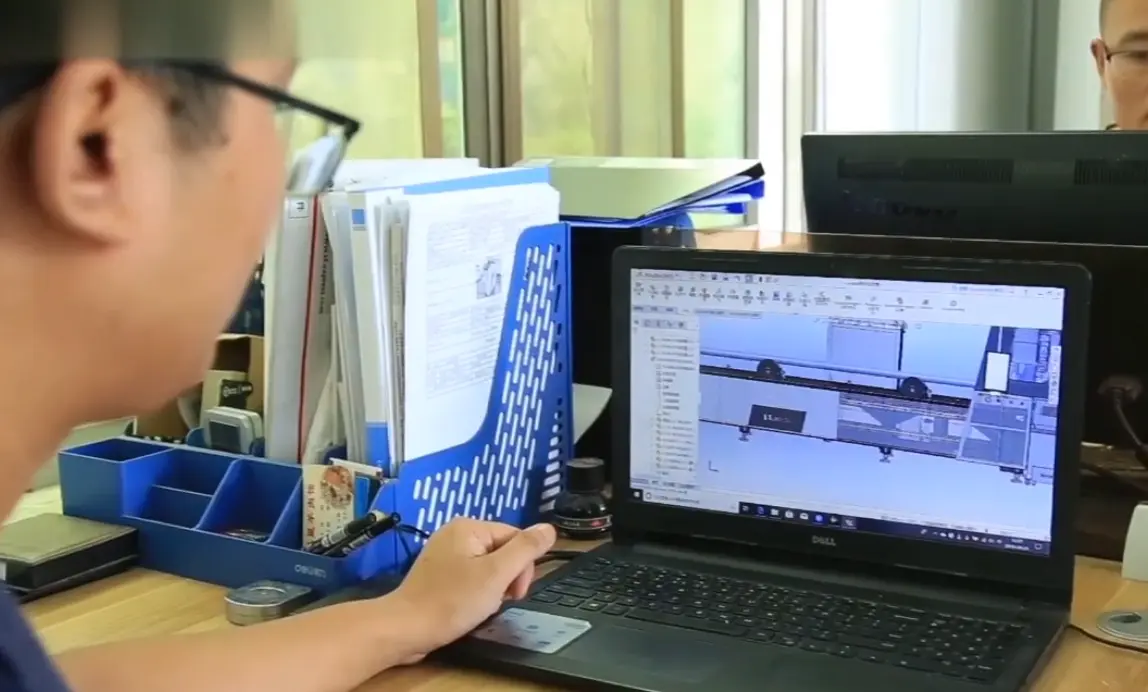
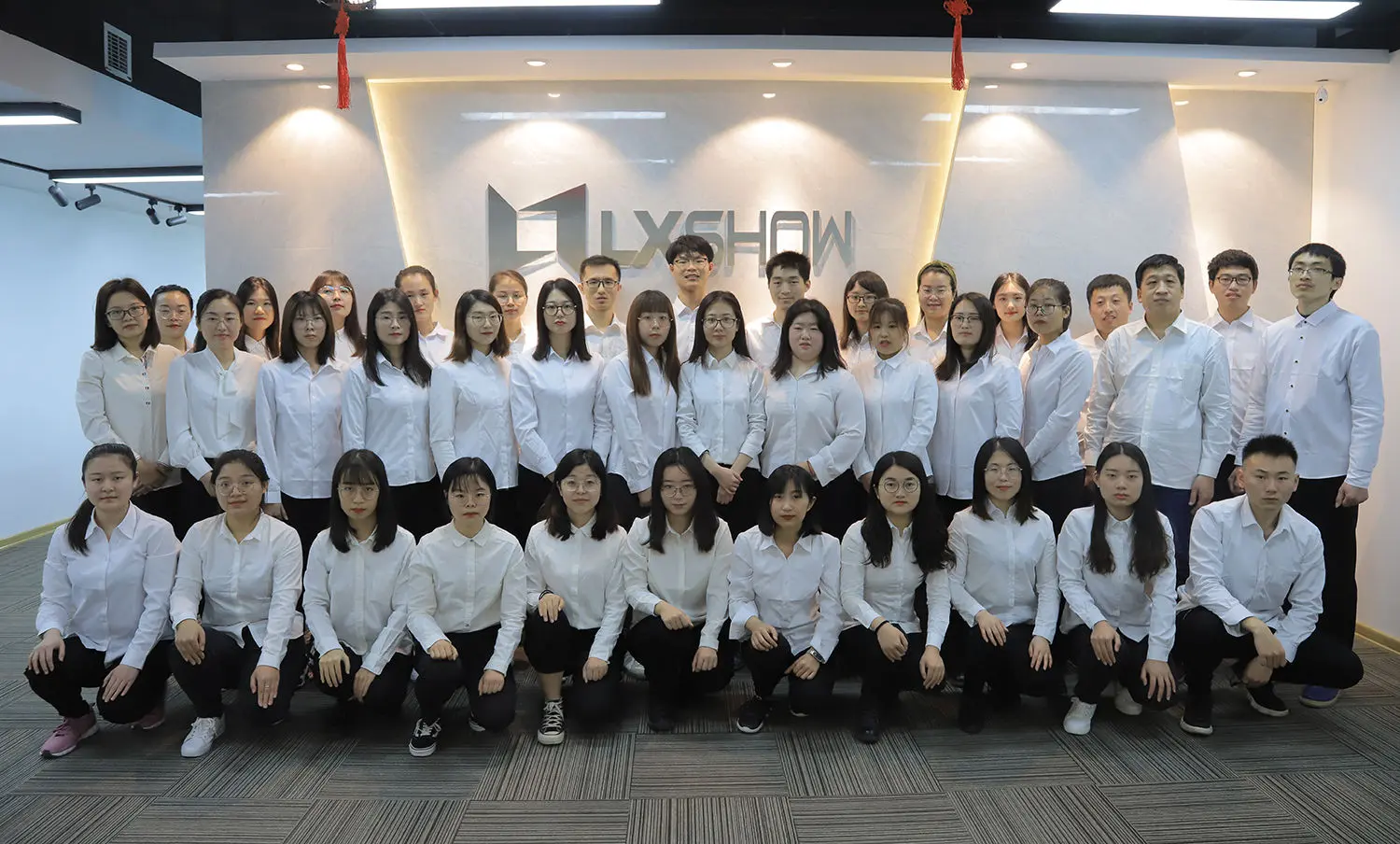
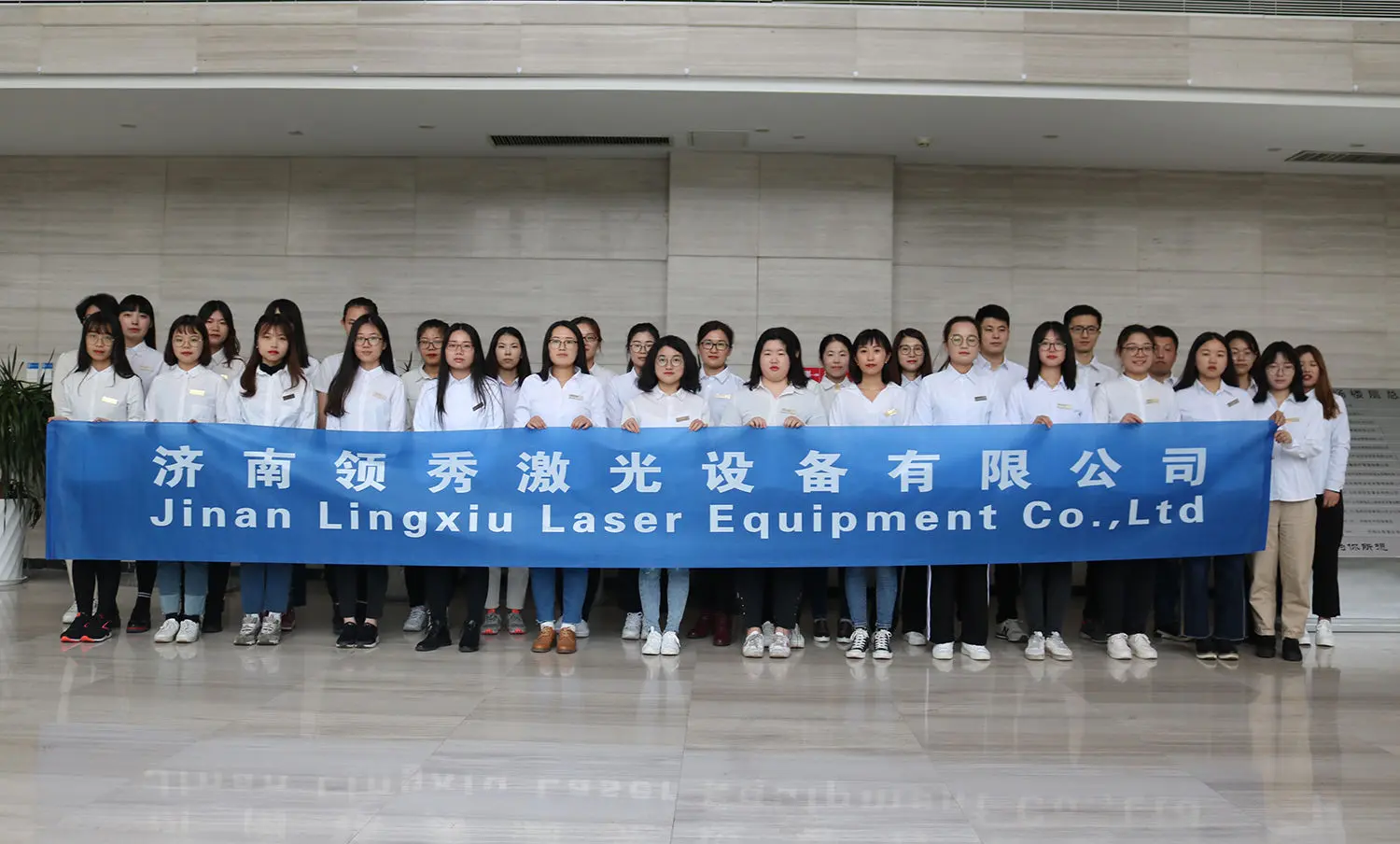
Founded in July 2004, our infrastructure spans a modern 32,000 square meter manufacturing factory and 500 square meters of specialized R&D and office space, housing a dedicated machinery design team.
Beyond direct sales, we supply professional OEM and ODM services for more than 30 major manufacturers worldwide, proving our reliability and engineering expertise on a global scale.

Providing seamless technological synergy from initial cutting to high-precision bending, robotic welding, and automated surface preparation.
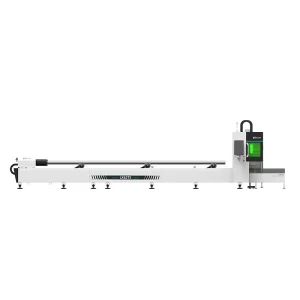
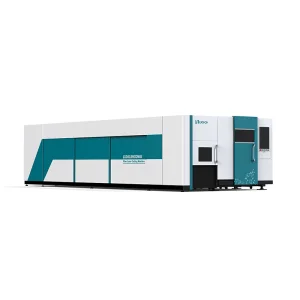
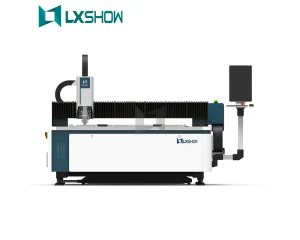
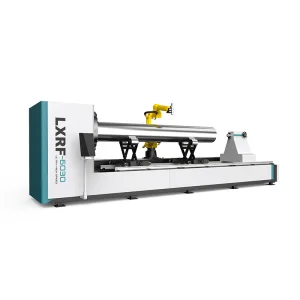
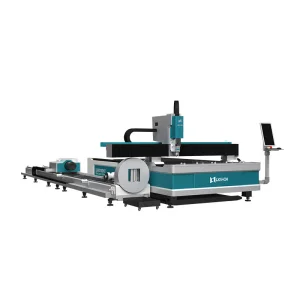
Utilizing our premium plate and tube fiber laser cutting machines to process raw sheet metal and structural sections with maximum speed, minimizing heat zones and material waste.
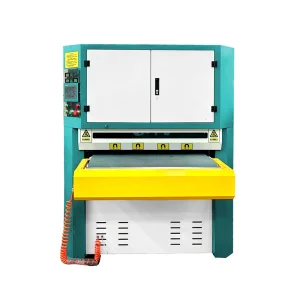
Before processing parts further, our automated deburring and edge-grinding machinery removes micro-spatters and sharp burrs, preparing clean profiles for optimal alignment.
Our electro-hydraulic servo bending and flexible press brake machinery shapes complex parts without surface cracking, keeping dimensions consistent across large batches.
Our handheld laser welding systems and robotic welding cells assemble components with deep joint penetration and minimal distortion, eliminating the need for extensive post-weld grinding.
Industrial laser cleaning machines remove oxides, oils, and surface rust without touching the base metal, preparing parts for powder coating or immediate assembly.
For high-wear environments, our single-axis and robotic laser cladding machinery applies hardfaced alloy overlays, significantly extending the service life of critical metal components.
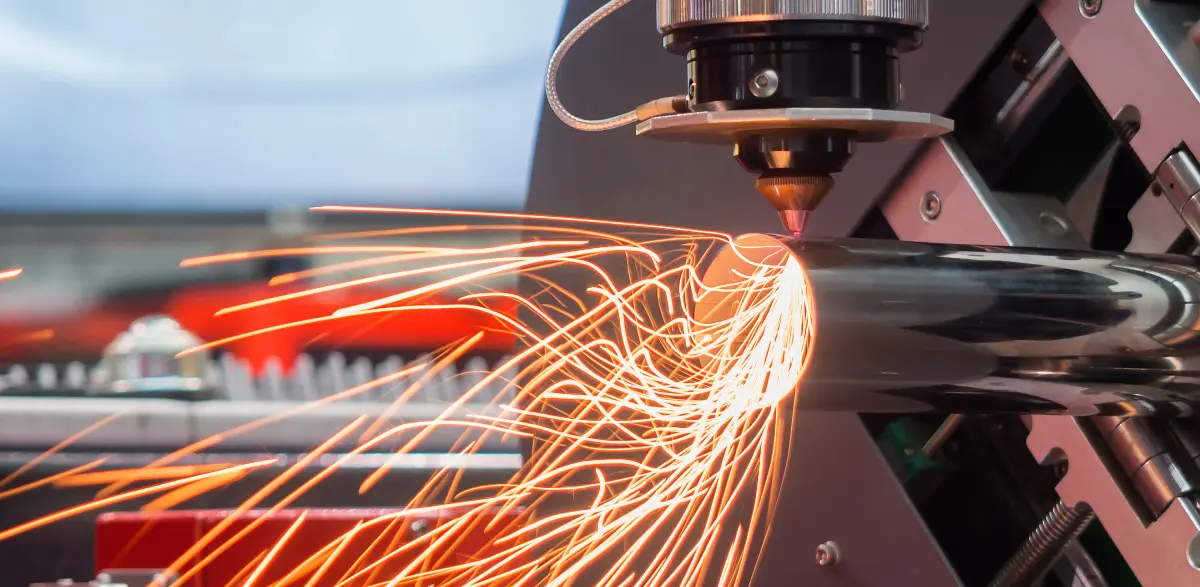
Our solutions support manufacturing hubs globally across a diverse range of materials and applications.
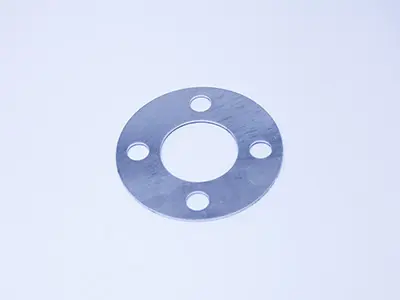
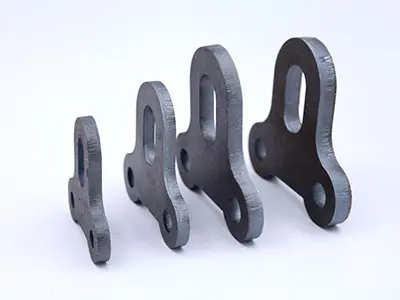
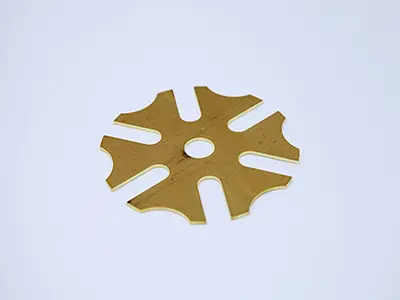
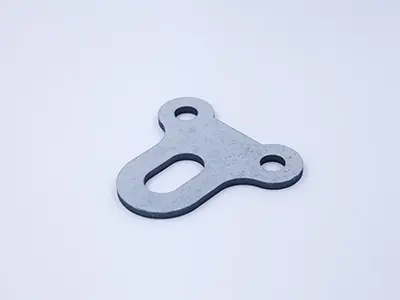
Crucial industrial insights from our engineering desk regarding laser properties, configuration steps, and safety systems.
Brass (particularly alloy grades like C26000 and C36000) features high thermal conductivity and optical reflectivity in the standard near-infrared range (1060-1080nm). If a standard laser without an isolation barrier is used, reflected laser energy can travel back up the optical path. This causes thermal runaway inside the cavity and degrades the machine's delivery fiber. Our specialized laser sources use integrated optical isolation barriers and copper absorption blocks to protect key optical components from back-reflection damage.
Choosing the right assist gas determines the cut quality. High-pressure nitrogen (12 to 18 bar) cools the cut zone and sweeps away molten metal before zinc can vaporize, preventing oxidation and leaving a clean, dross-free edge. Oxygen can be used on thicker brass plate to introduce heat via an exothermic reaction, allowing for higher cutting speeds. However, this creates a thin oxide layer on the edge that may require mechanical removal before welding.
Dross formation is usually caused by low cutting speeds or incorrect nozzle alignment. To prevent this, you should keep the focal position slightly below the bottom surface of the sheet. This increases the laser's power density at the bottom of the kerf, helping the nitrogen gas flush out molten material. Maintaining high peak pulse frequencies also reduces the heat-affected zone, ensuring a clean cut.
Processing brass produces fine dust containing copper and zinc oxides. If not controlled, this conductive dust can settle on electronic components, causing short circuits or optical contamination. Our systems feature fully enclosed machine frames and high-volume dust collectors that capture these particles immediately, protecting internal components and ensuring a safe work environment.
To ensure safe operation and regulatory compliance, buyers should verify certifications like European Union CE conformity, US FDA laser safety compliance, and ISO 9001 quality management standards. These certifications ensure that the laser shielding, electrical grounding, and software interlocks meet strict international safety standards.
Explore our high-performance systems for plate cutting, tube profiling, deburring, and metal cladding.
 Lxshow