Eighteen years of innovation, robust manufacturing footprints, and strict adherence to global safety and quality paradigms.
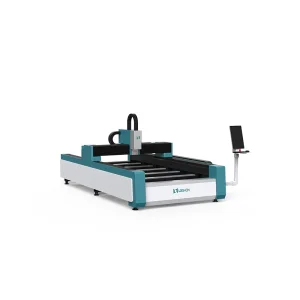
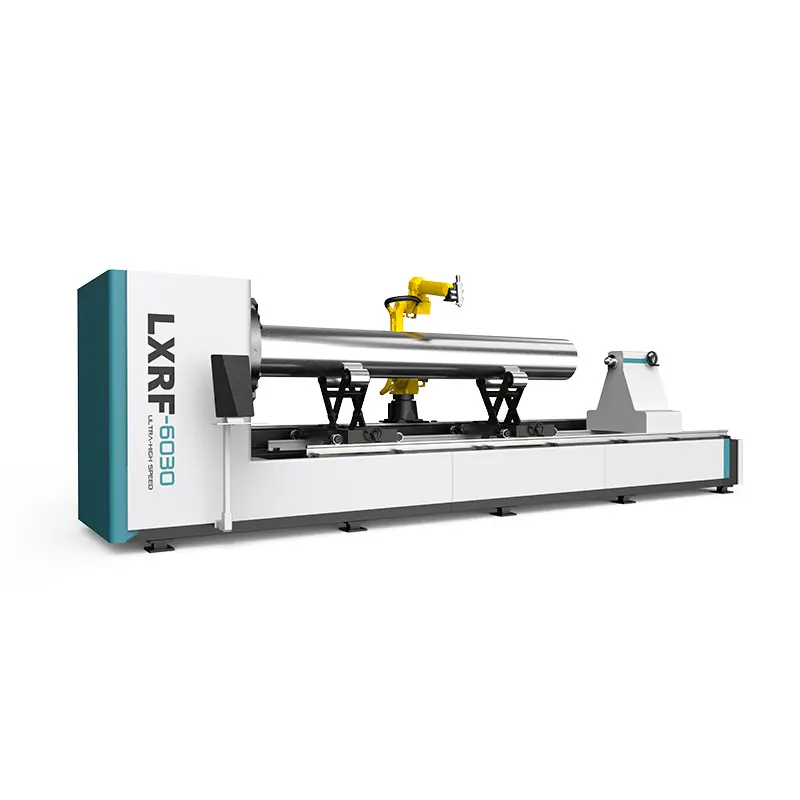
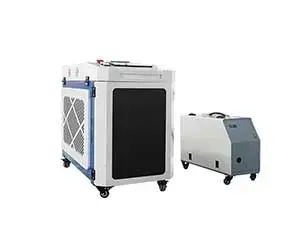
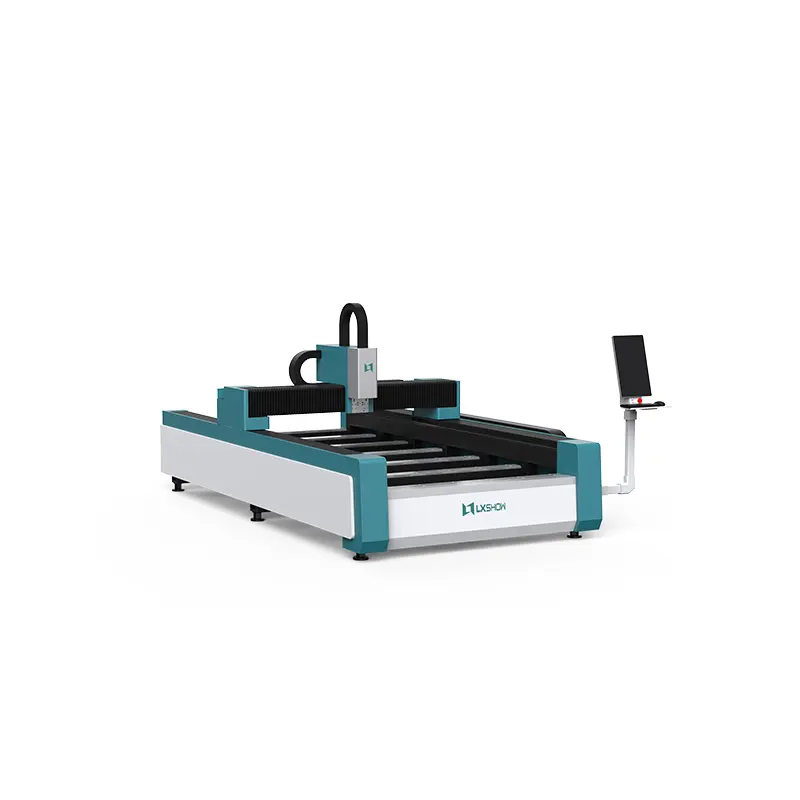
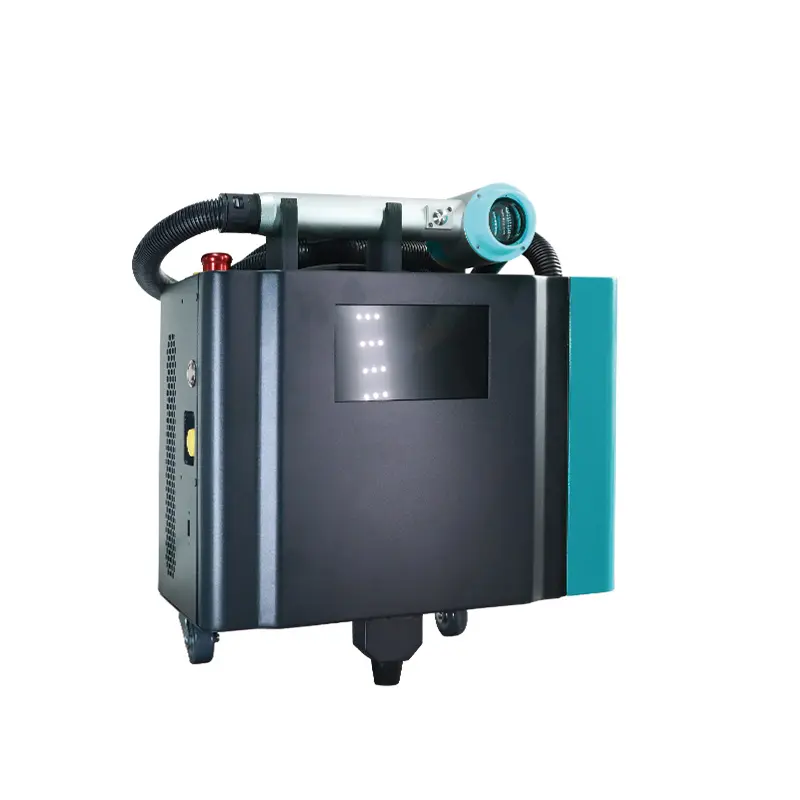
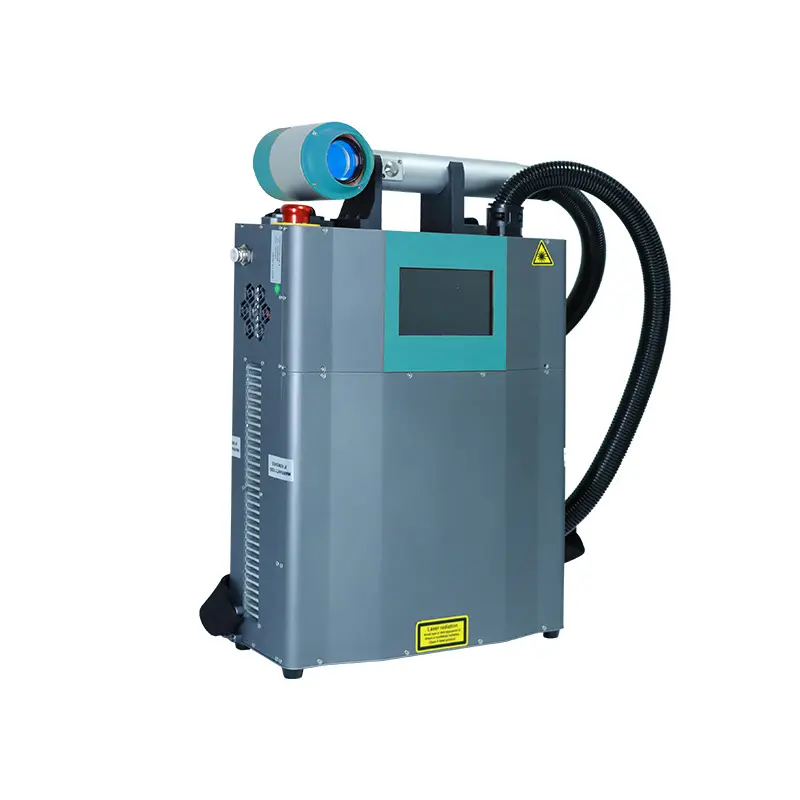
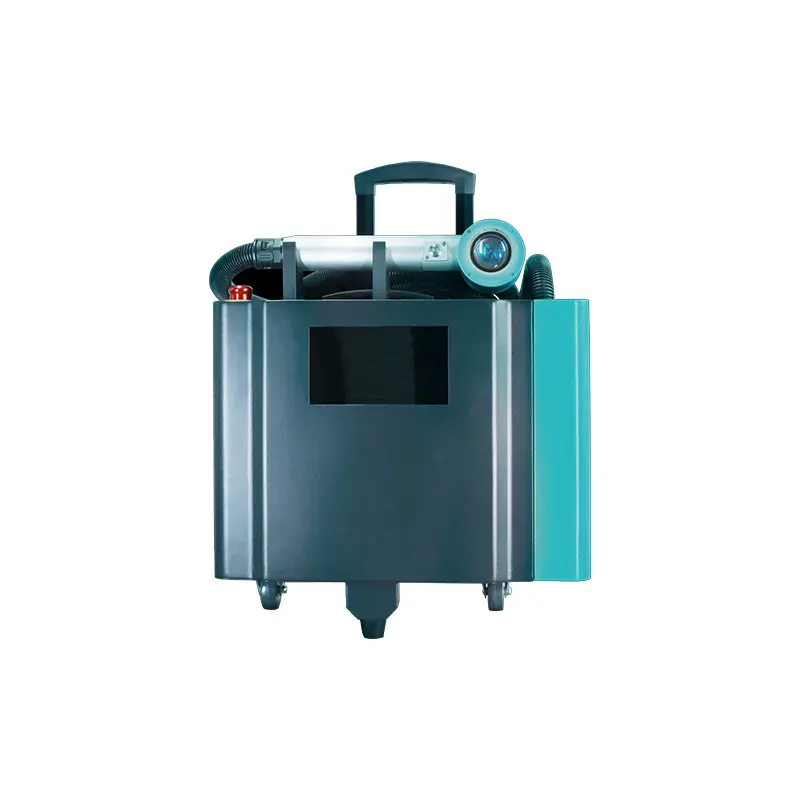
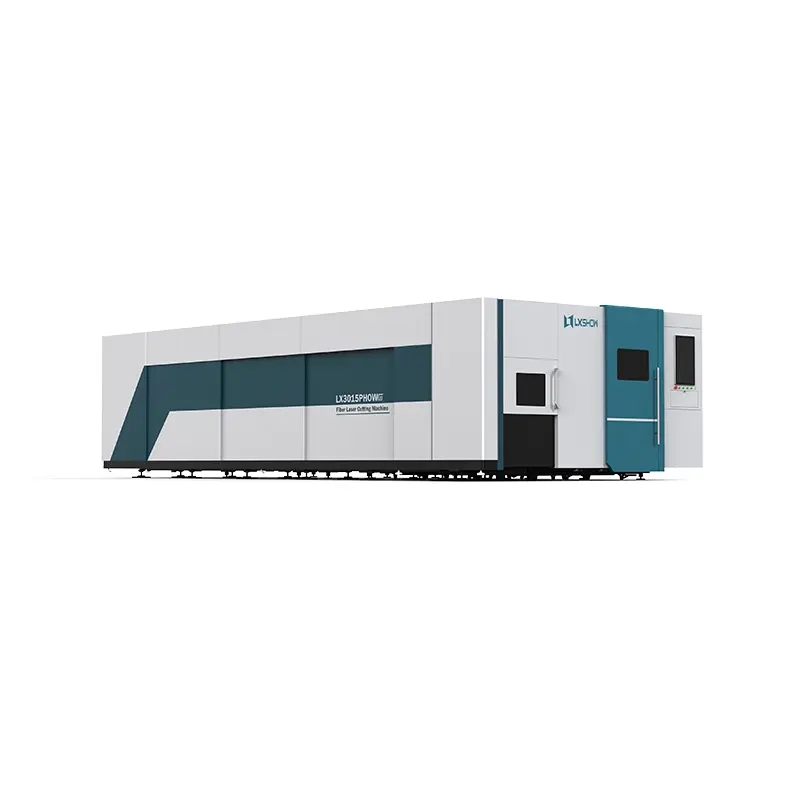
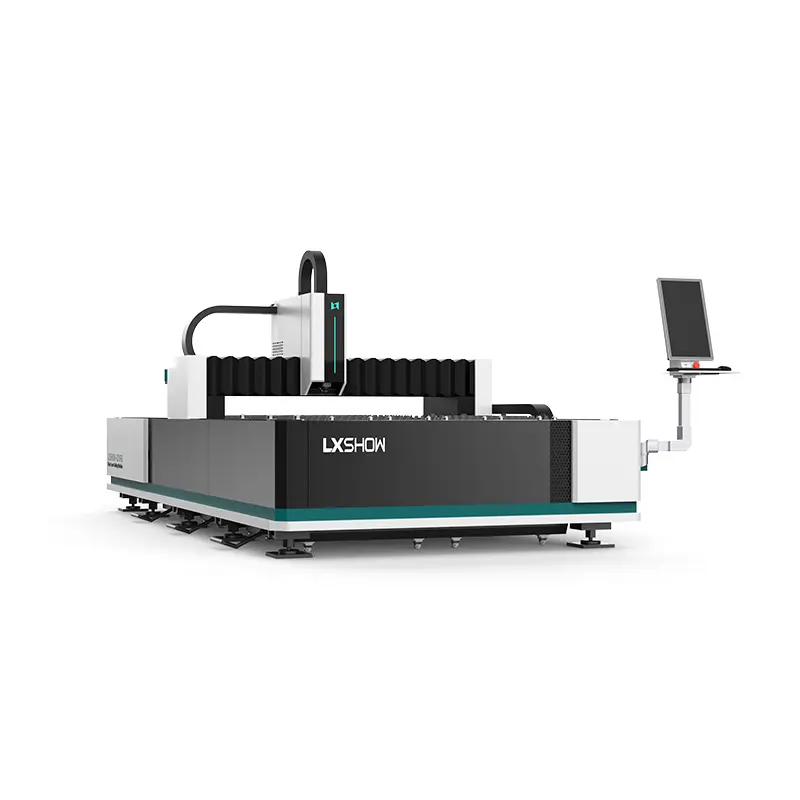
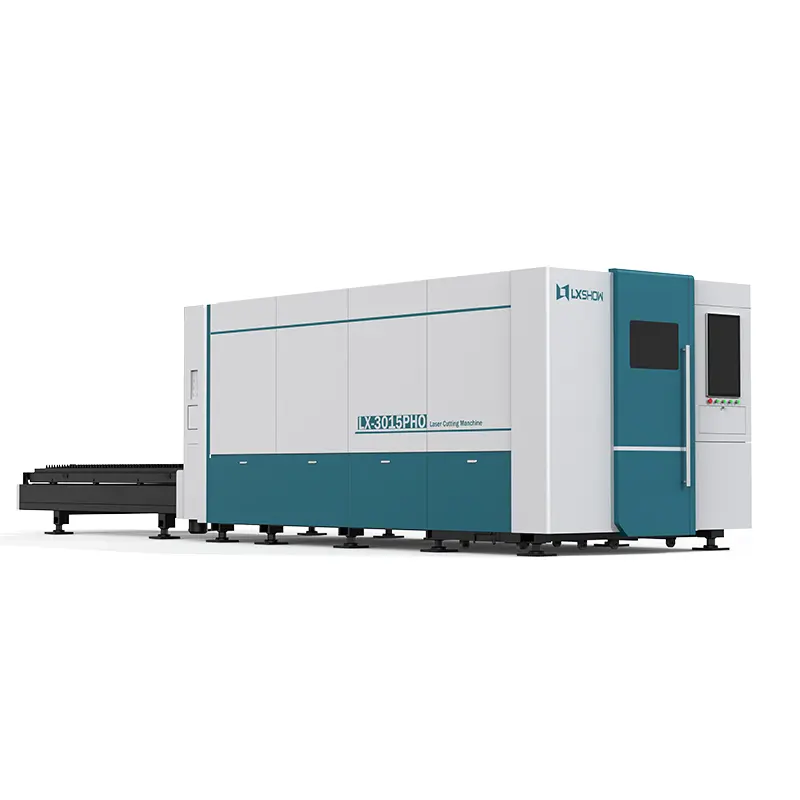
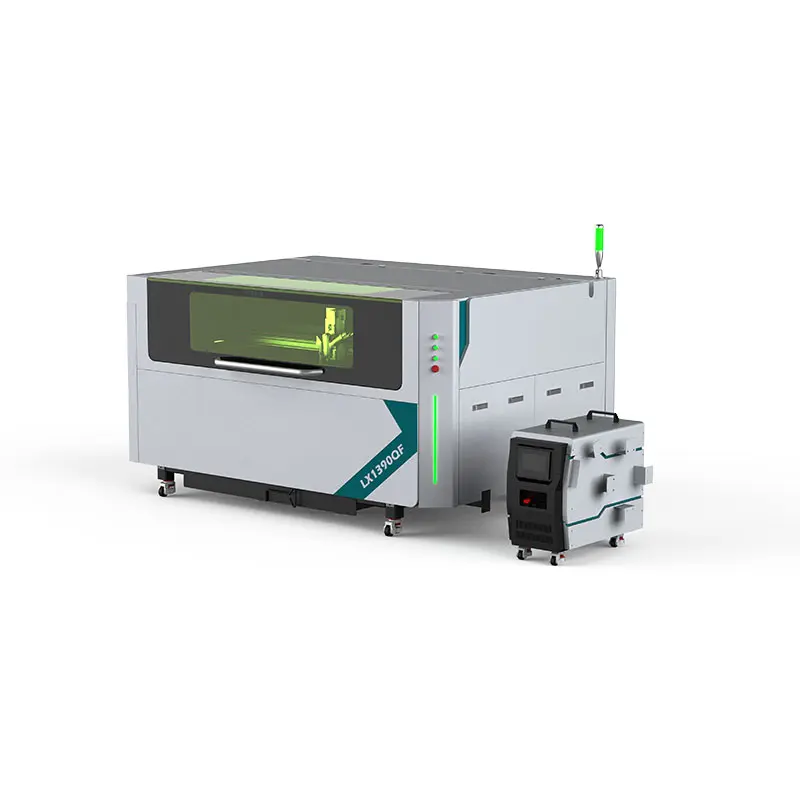
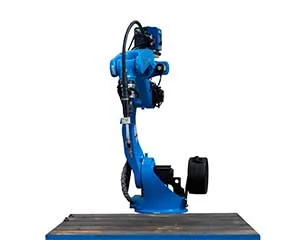
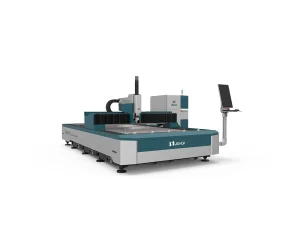
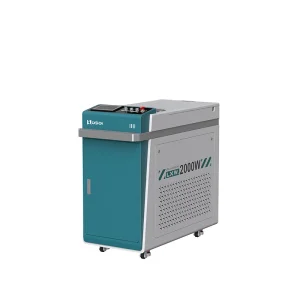
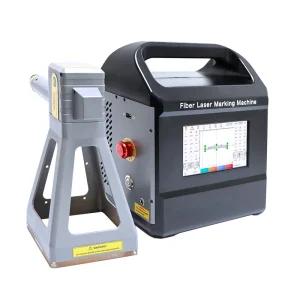
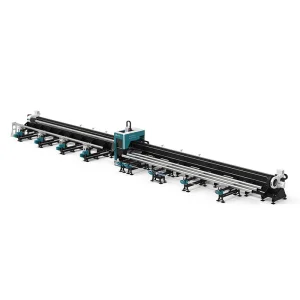
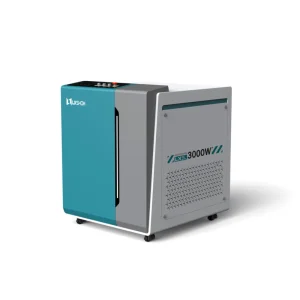
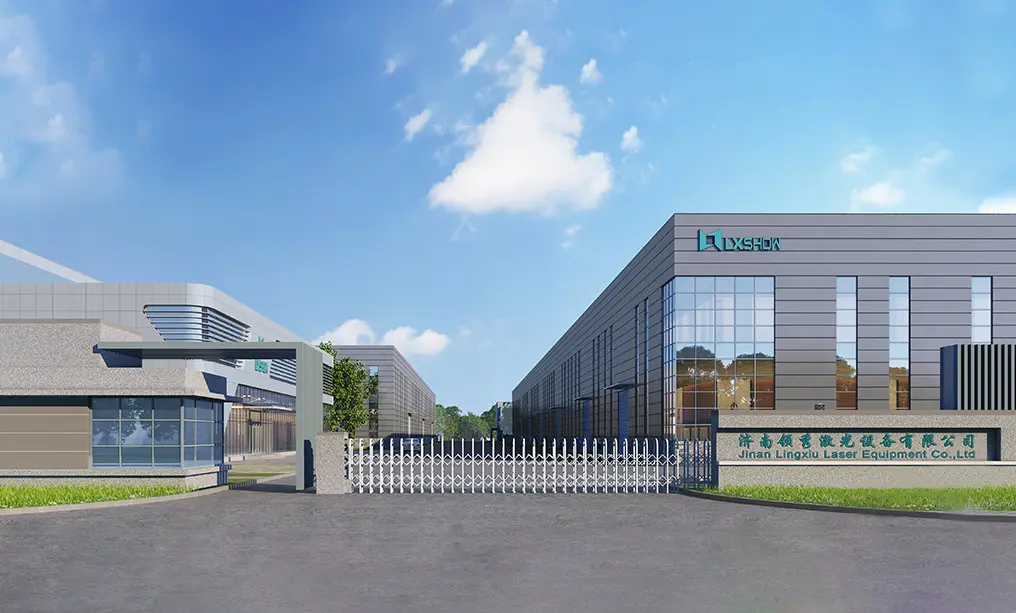
Since its establishment in July 2004, our group has evolved from a local design office to an international engineering leader in the field of intelligent laser equipment. Operating from a state-of-the-art office space exceeding 500 square meters and a massive 32,000-square-meter manufacturing workshop, we focus on engineering fiber laser cutting machines, CNC tube cutters, laser welders, and industrial cleaning units. We are actively helping companies worldwide transition toward Industry 4.0, integrating intelligent production pathways and offering robust ODM & OEM services for over 30 global brands.
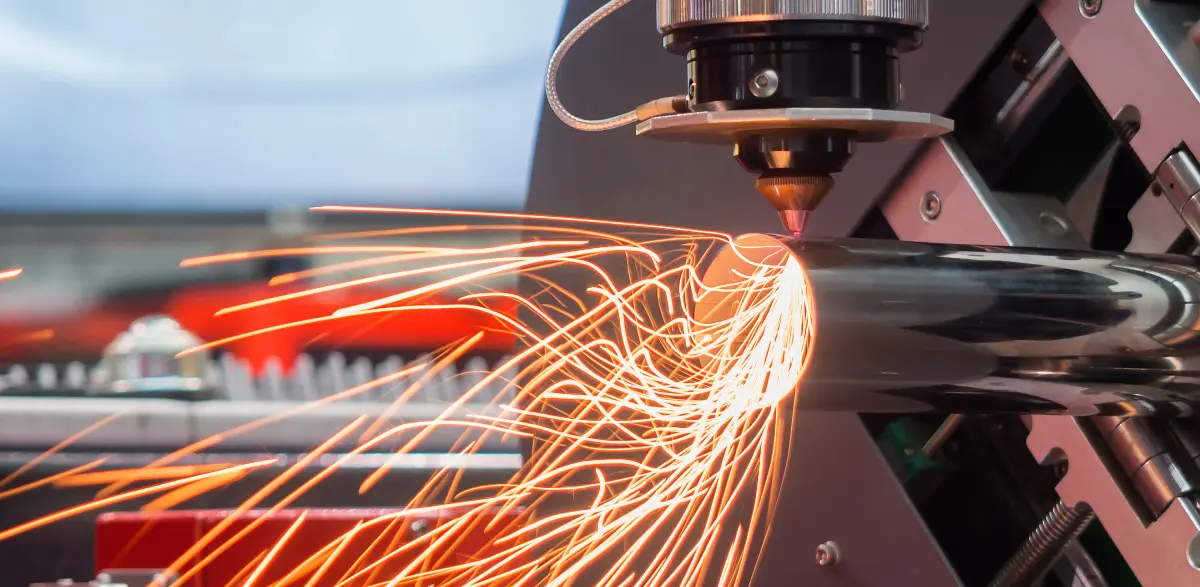
The global metal fabrication industry is experiencing a profound paradigm shift. Manufacturers, from automotive component suppliers to aerospace bracket builders, face dual pressures: escalating raw material costs and skilled labor shortages. In this scenario, purchasing high-throughput machinery is no longer optional; it is a baseline survival strategy. However, the capital expenditure associated with traditional premium European or Japanese laser equipment often creates a barrier to entry for Small and Medium Enterprises (SMEs).
This economic bottleneck has driven the demand for OEM cost-effective fiber laser cutters. By leveraging specialized supply chains, automated structural casting, and reliable optical source integrations (such as Raycus, JPT, and IPG), Chinese manufacturers are delivering systems with identical core processing capabilities at a fraction of standard market costs. The primary driver of this disruption is not the minimization of quality, but rather optimization of scale. With a 32,000 m² centralized production floor, we eliminate assembly redundancies, allowing exporters to deliver high-quality, CE and FDA-compliant platforms that significantly reduce initial capital investment while maximizing overall equipment effectiveness (OEE).
A common concern with "cheap" laser cutters is mechanical instability over multi-shift operations. Under heavy duty cycles, micro-vibrations in poorly constructed frames degrade cutting precision and cause accelerated wear on linear guideways. To counteract this, our engineering design team uses high-tensile stress-relieved gantry structures. Every machine frame goes through a thermal annealing process to release structural stresses before final surface milling.
Modern production demands versatile machinery. Our product portfolio is engineered to support a diverse set of industrial materials and geometries. By selecting correct fiber laser wavelengths (typically ~1.08 microns), manufacturers achieve high optical absorption rates, resulting in clean, vaporized cuts with minimal heat-affected zones (HAZ).
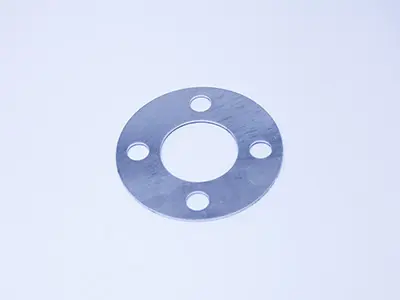 Aluminum
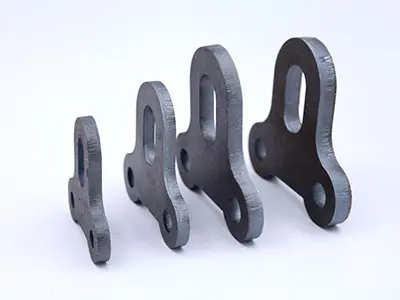 Carbon Steel
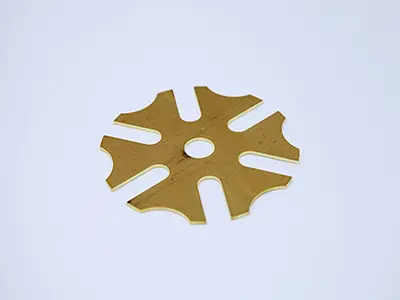 Copper
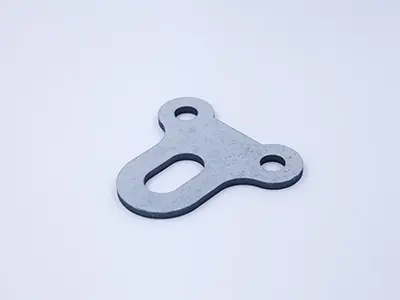 Galvanized
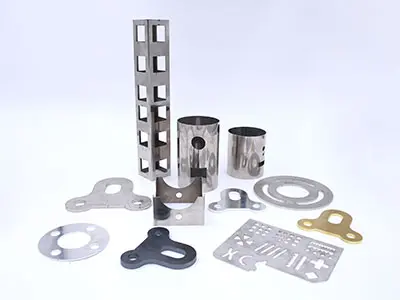 Other Metals
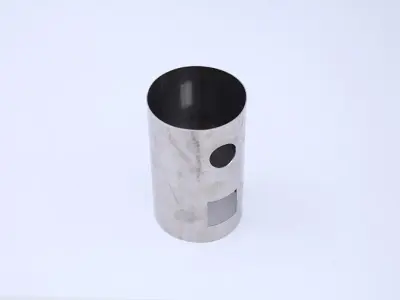 Round Tube
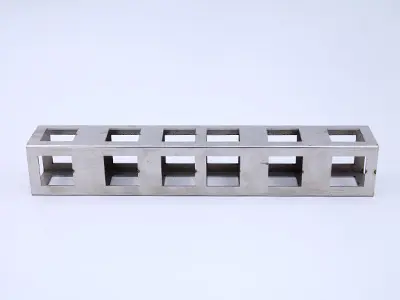 Square Tube
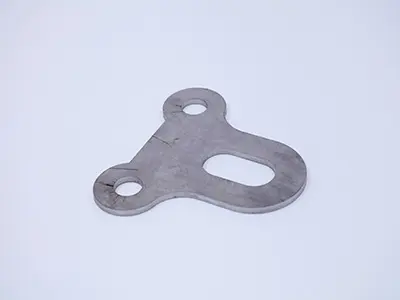 Stainless Steel
These material processing competencies translate directly to target industries:
A single standard machine configuration rarely satisfies every international workshop. As a specialized OEM exporter, we offer customizable technical modules:
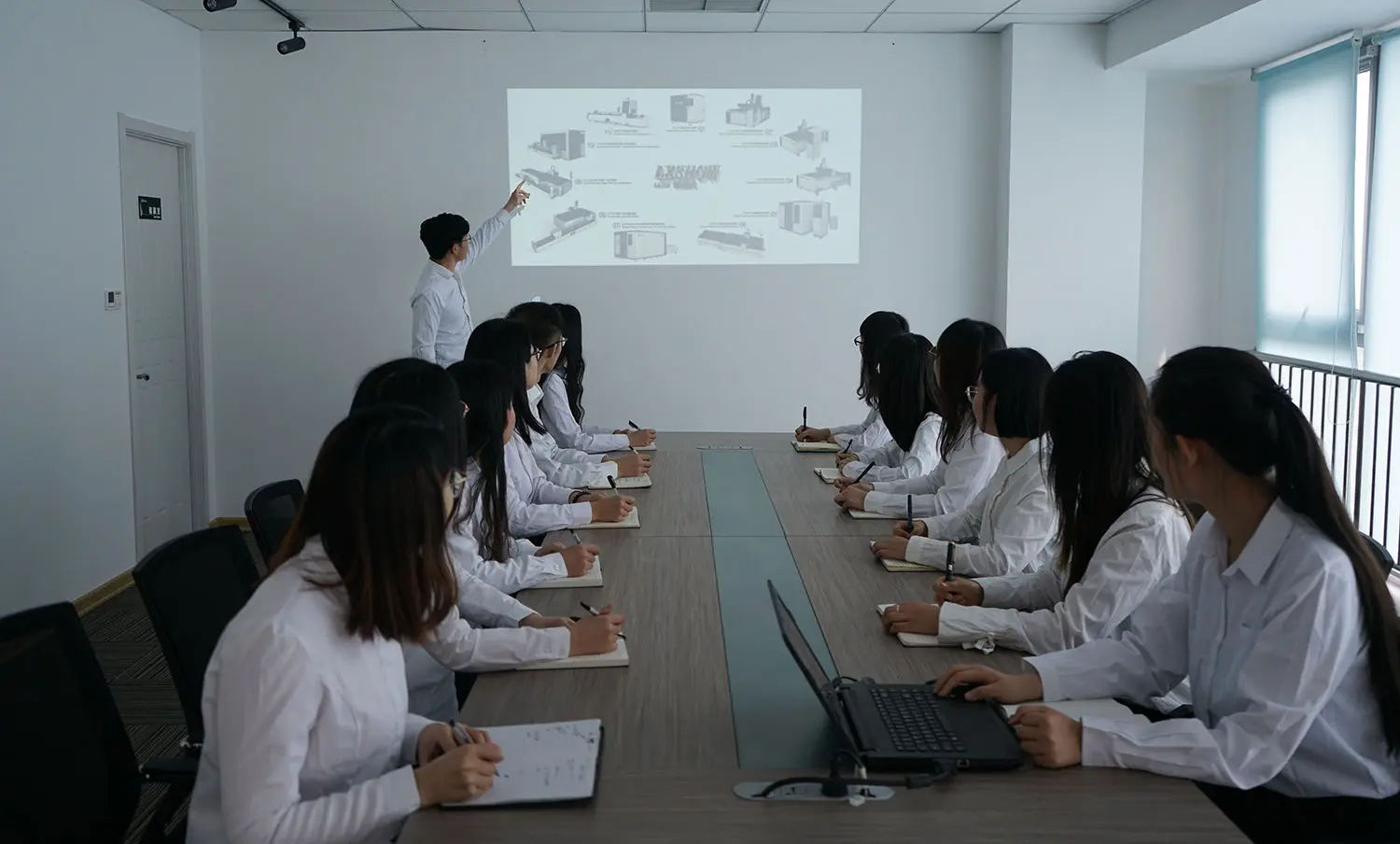
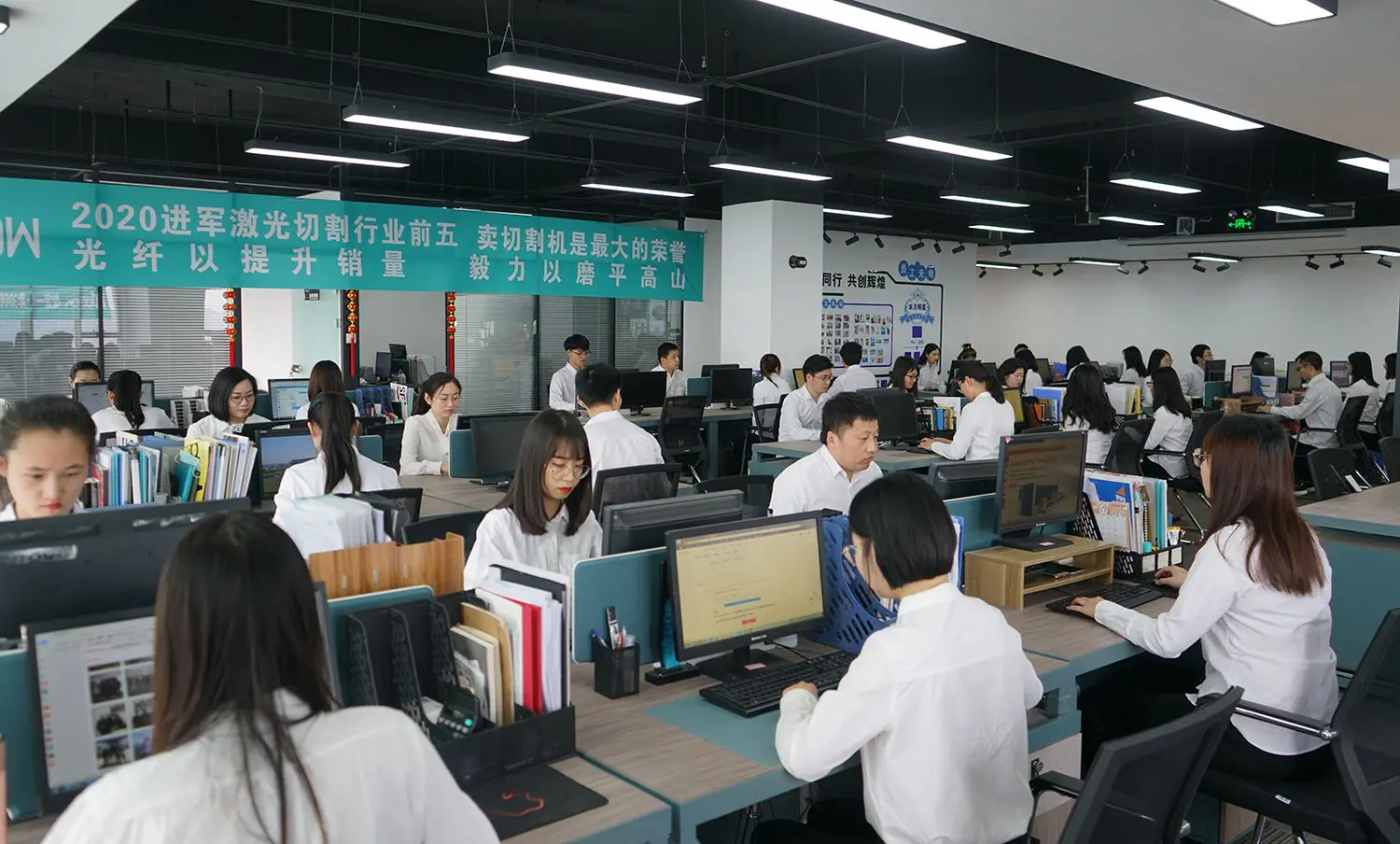
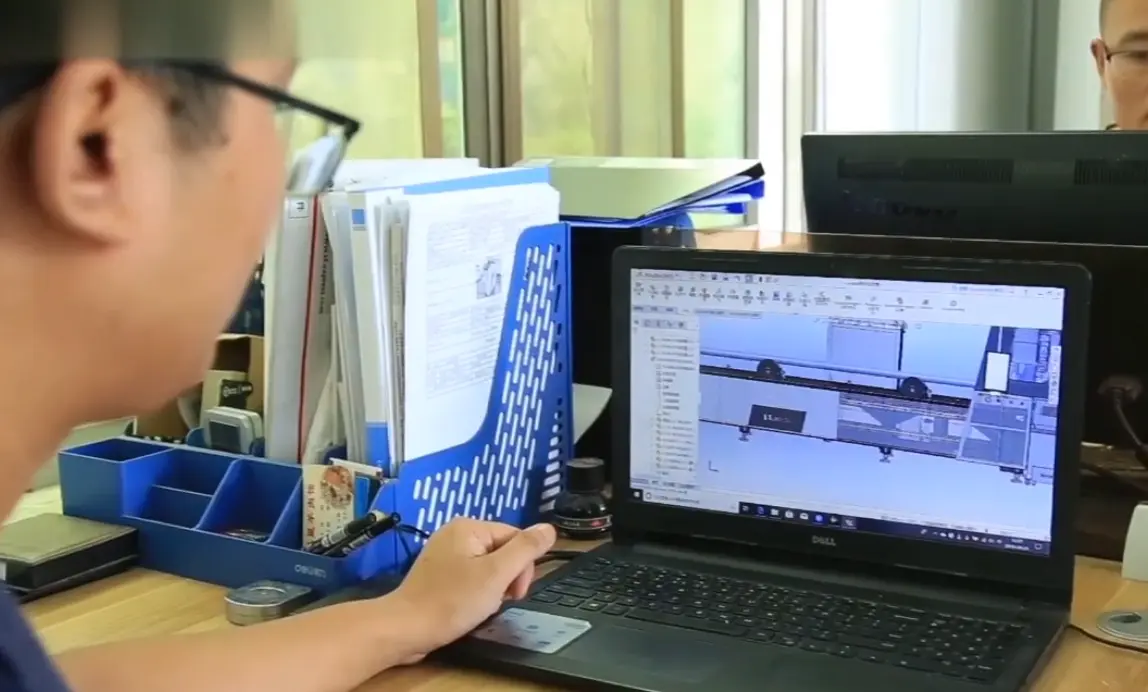
Transparent display of our ISO 9001-certified production facility, research offices, and machine test bays.
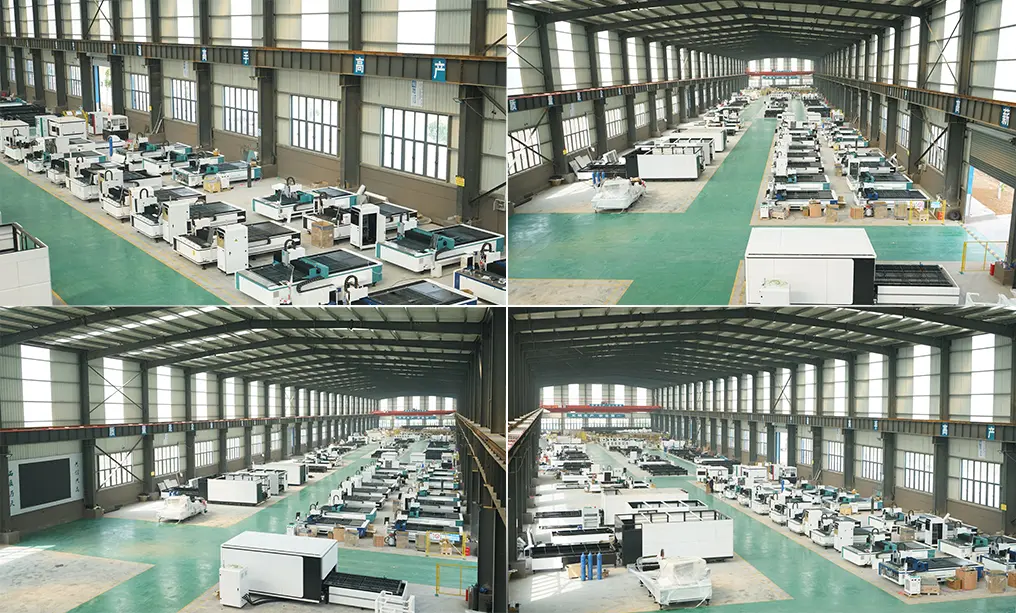

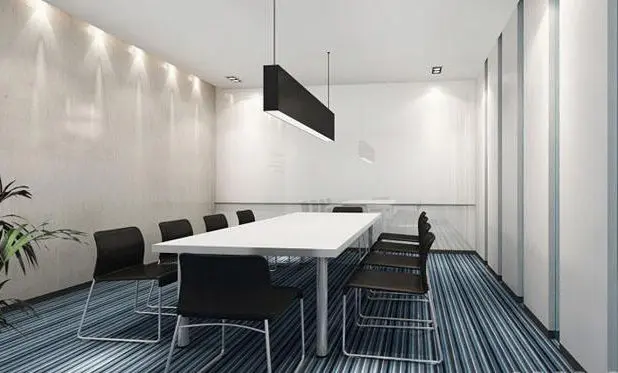
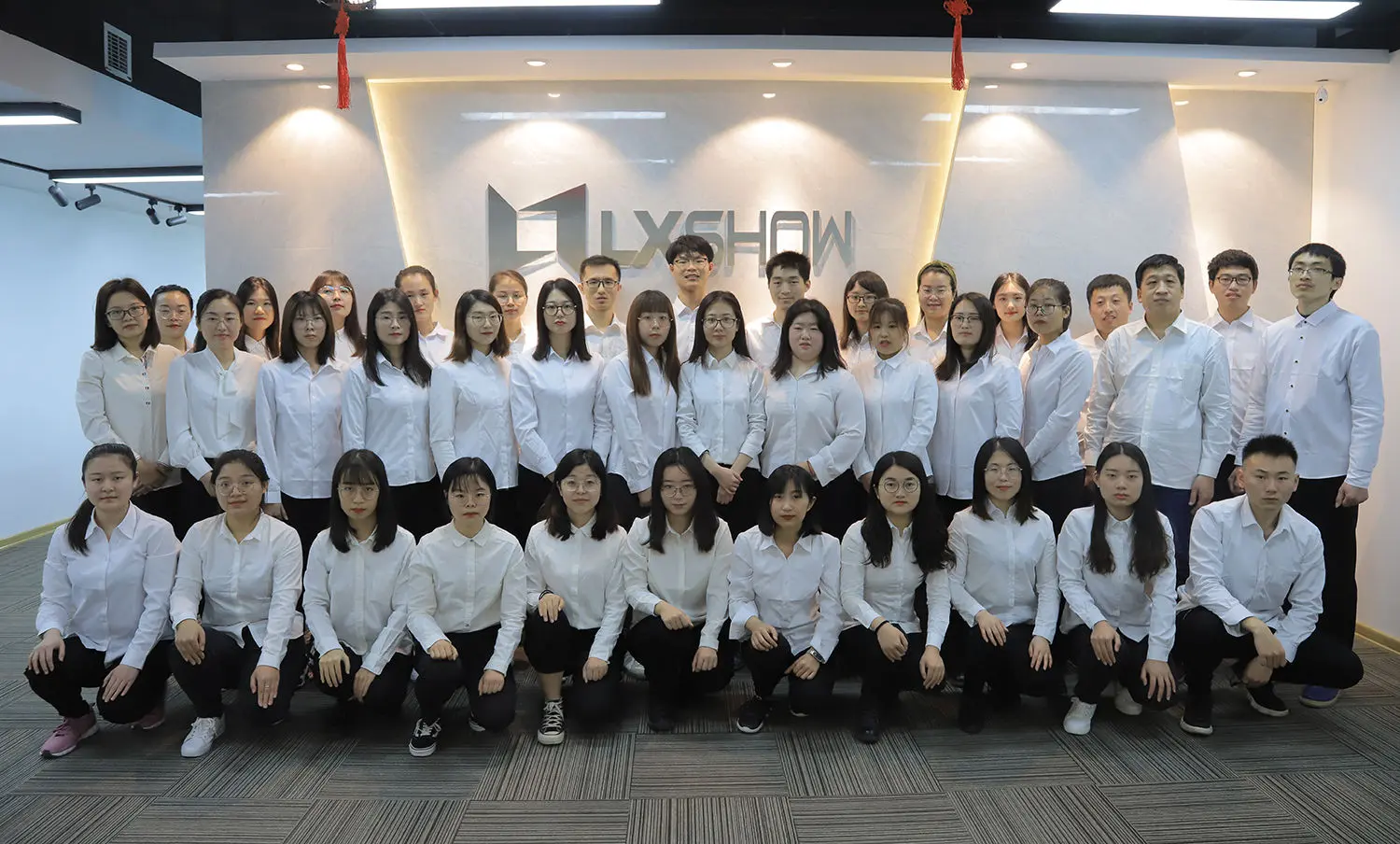
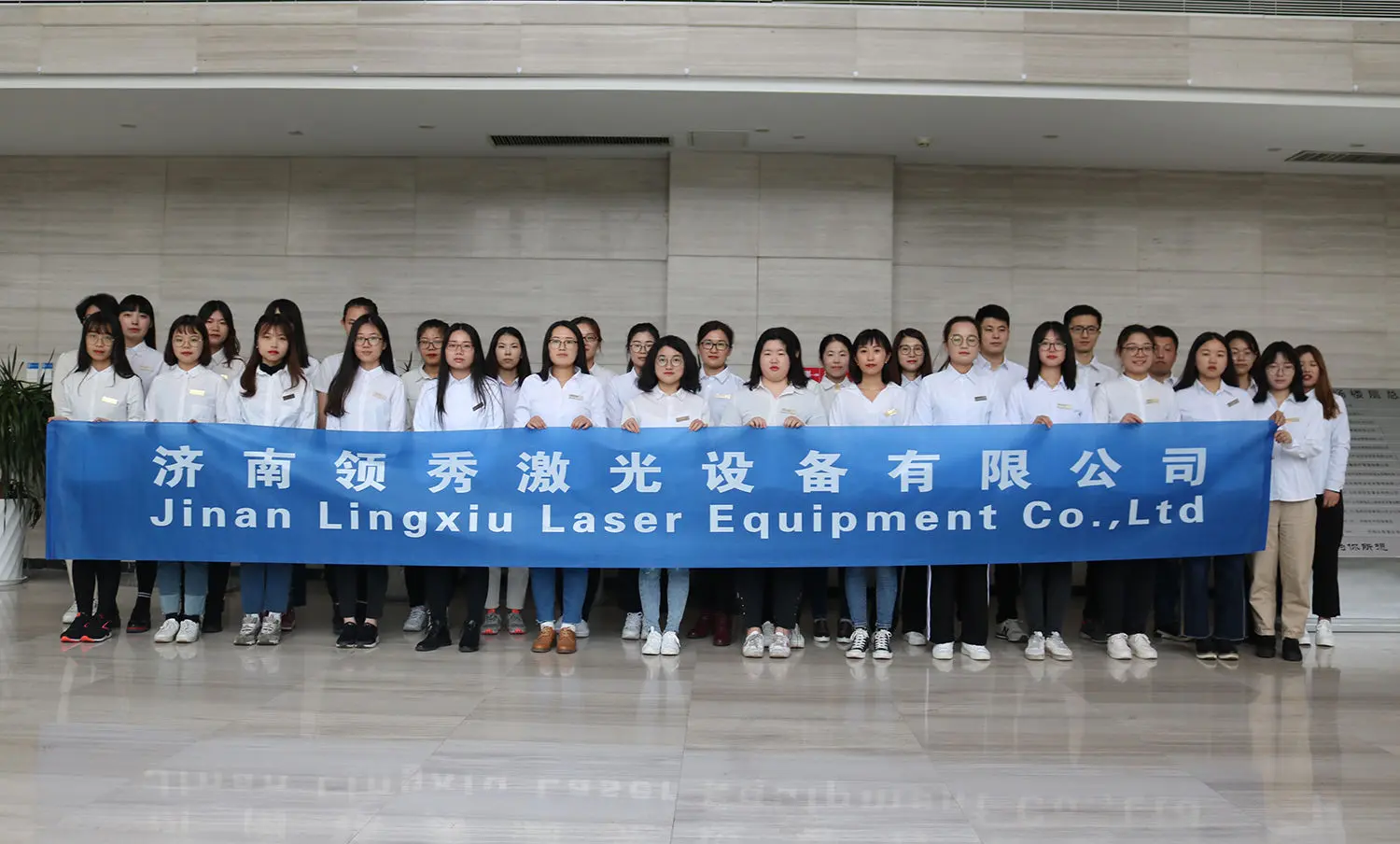
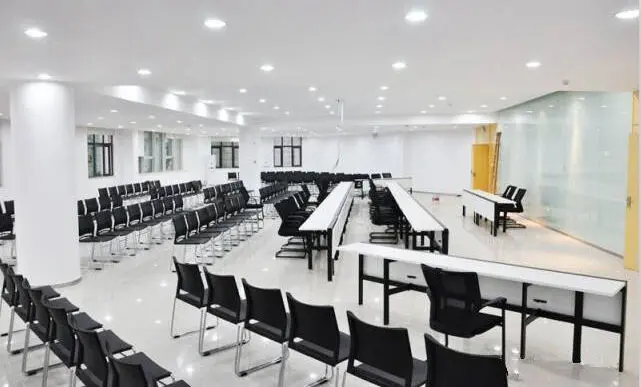
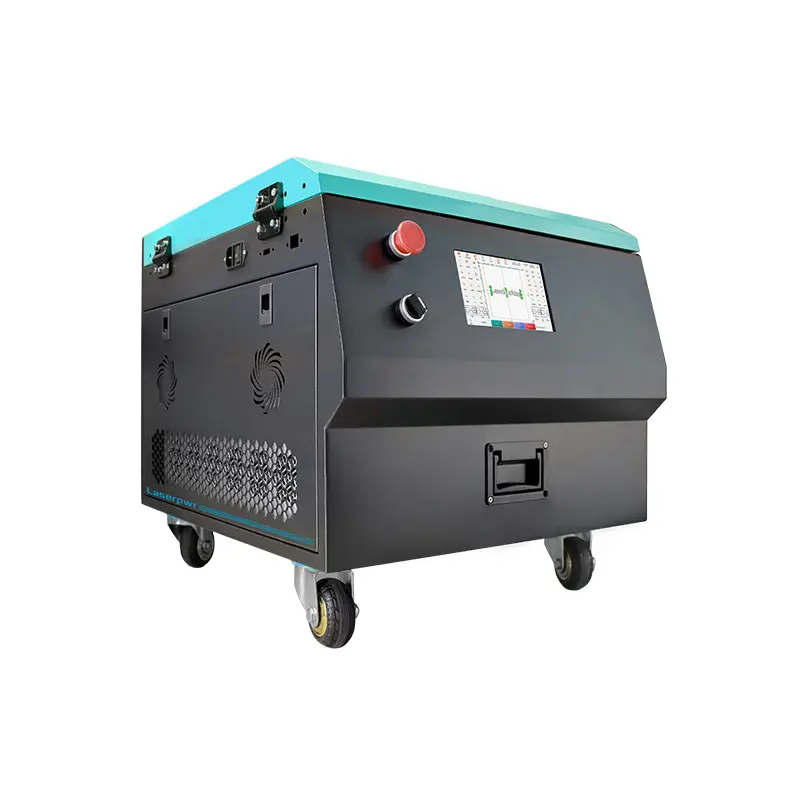
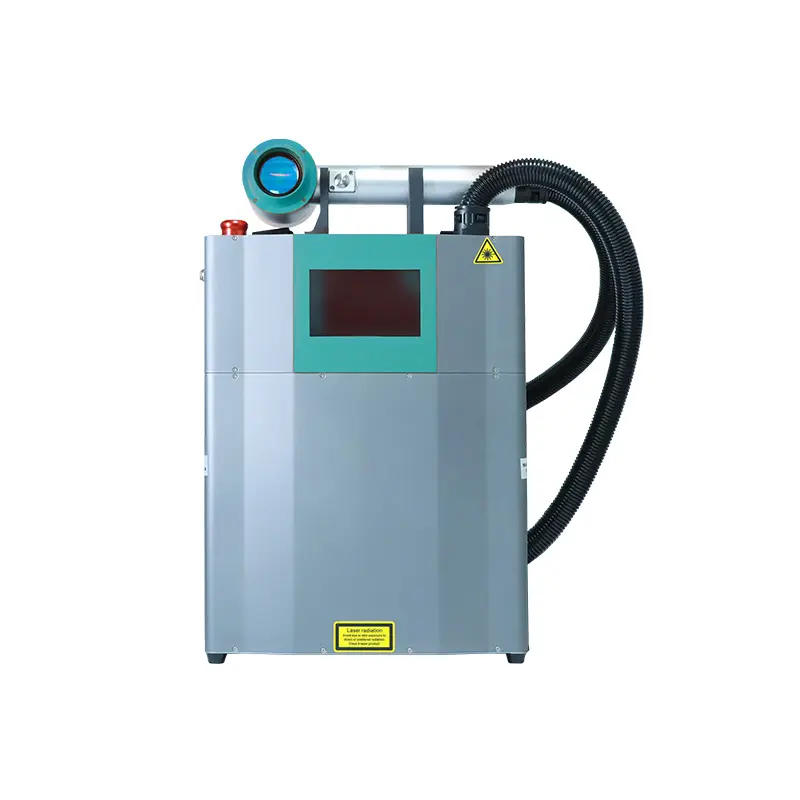
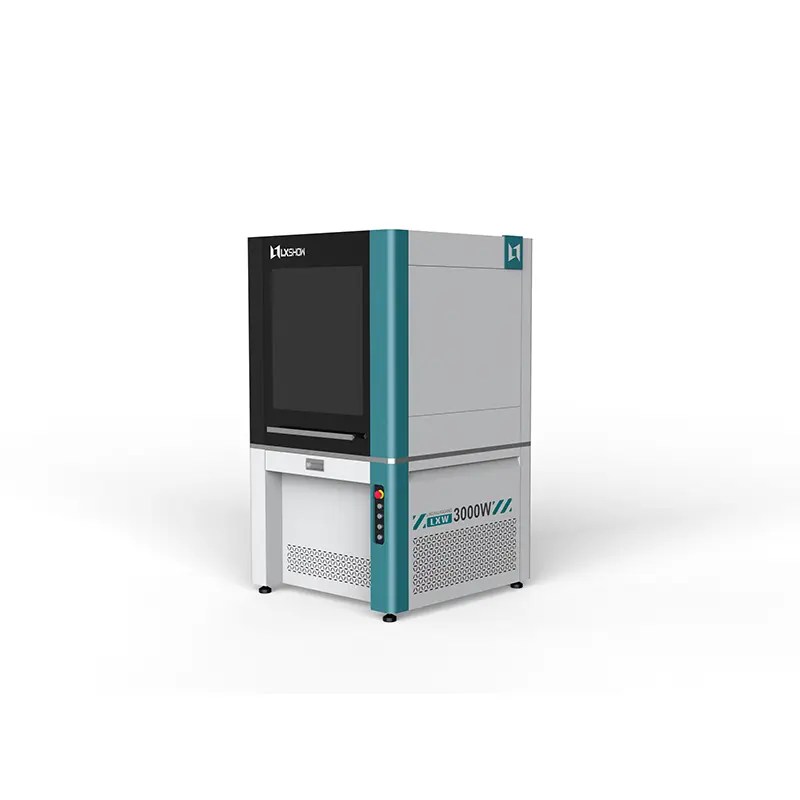
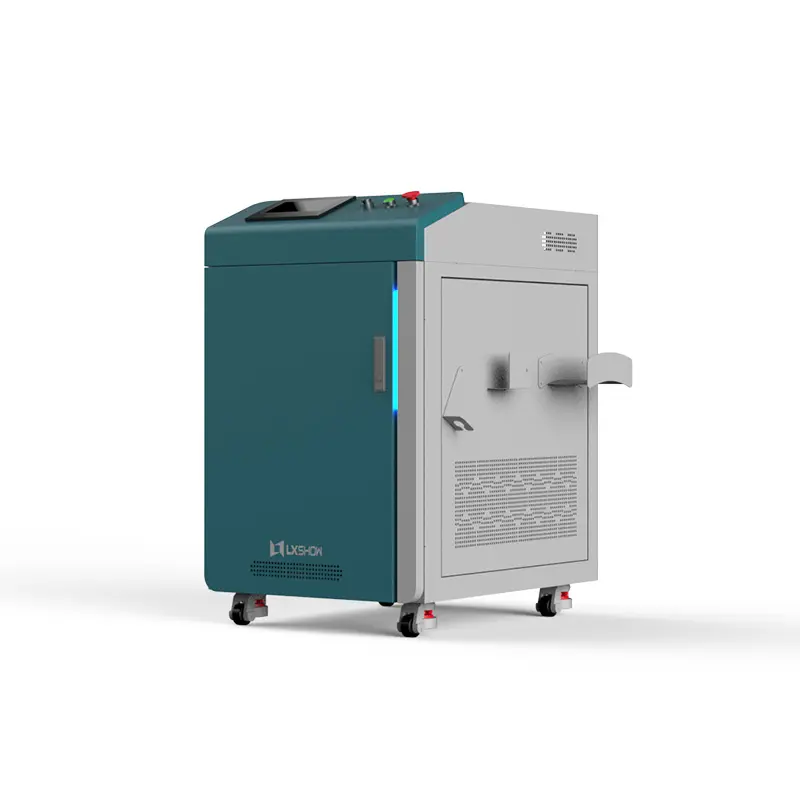
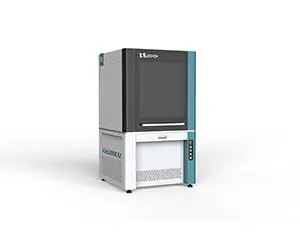
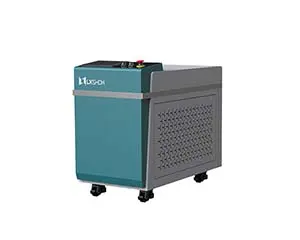
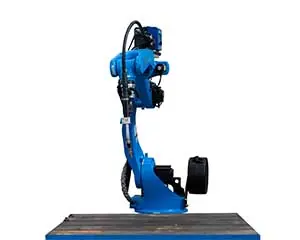
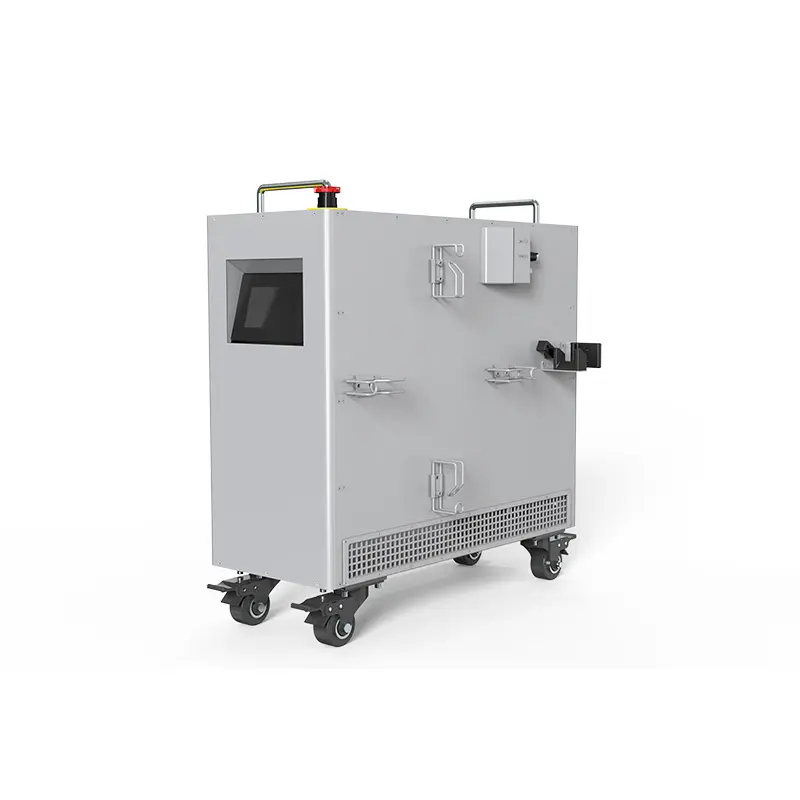
Explore our specialized sub-divisions of precision machinery, custom-built for high efficiency, durability, and cost control.
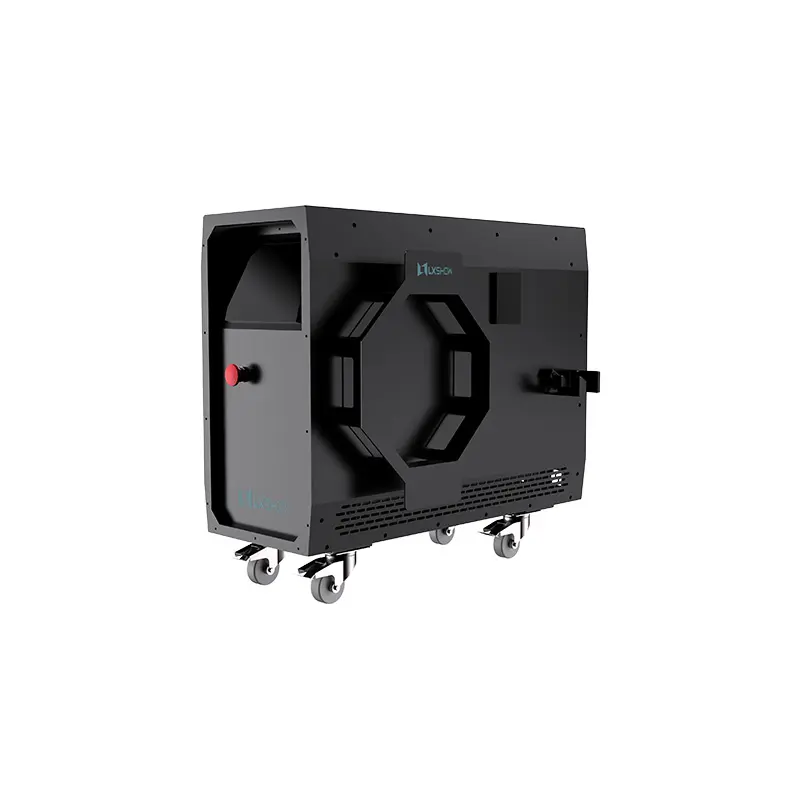
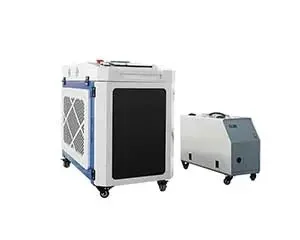
Provides a strong guarantee for users to realize stable batch surface modification and restoration of heavy machinery parts.
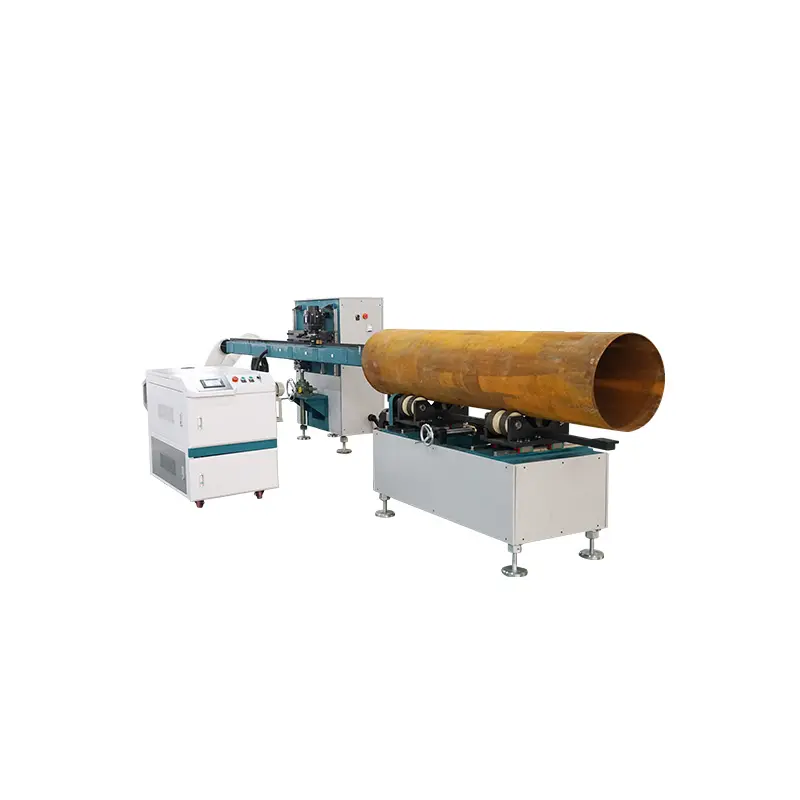
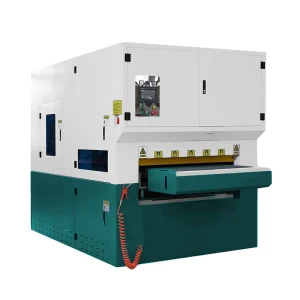
Eco-friendly surface pre-treatment solutions for oil, paint, rust, and oxide layers without hazardous chemicals.
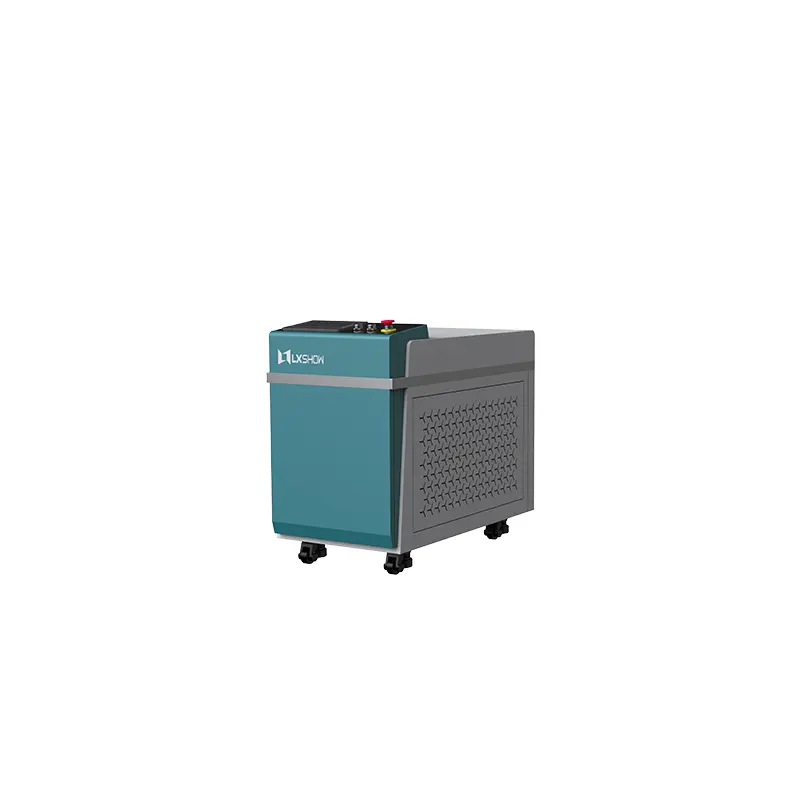
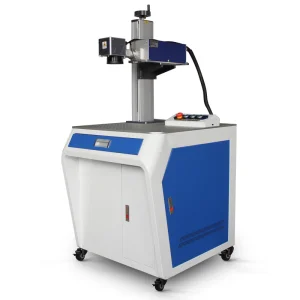
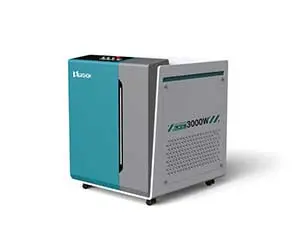
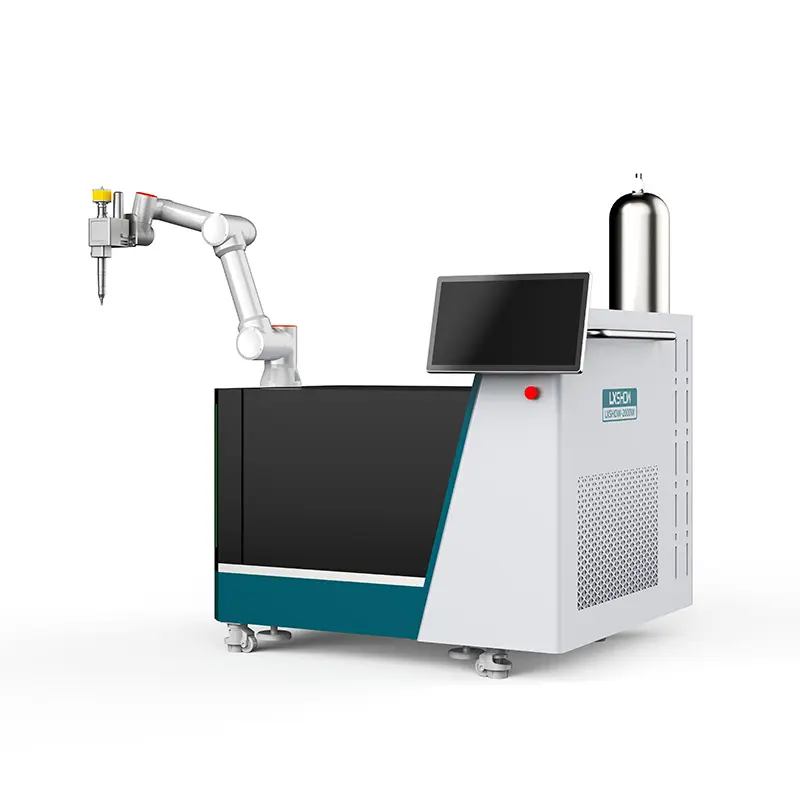
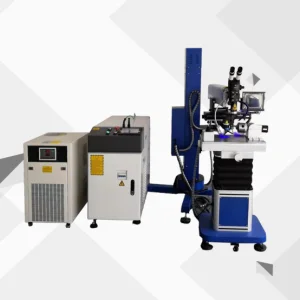
High-speed, aesthetic, and robust welding for manufacturing complex steel and alloy assemblies.
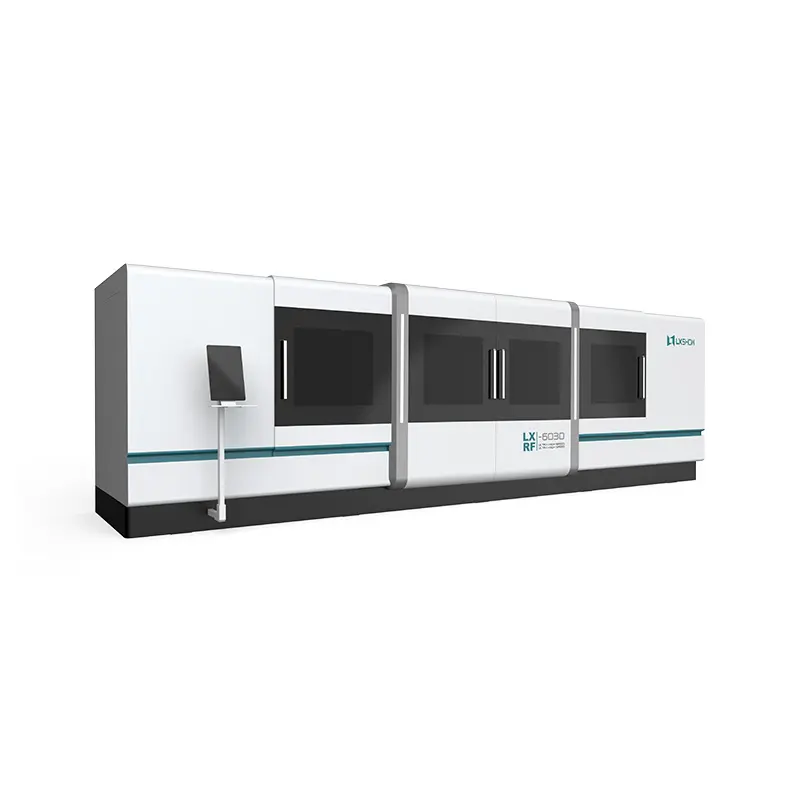
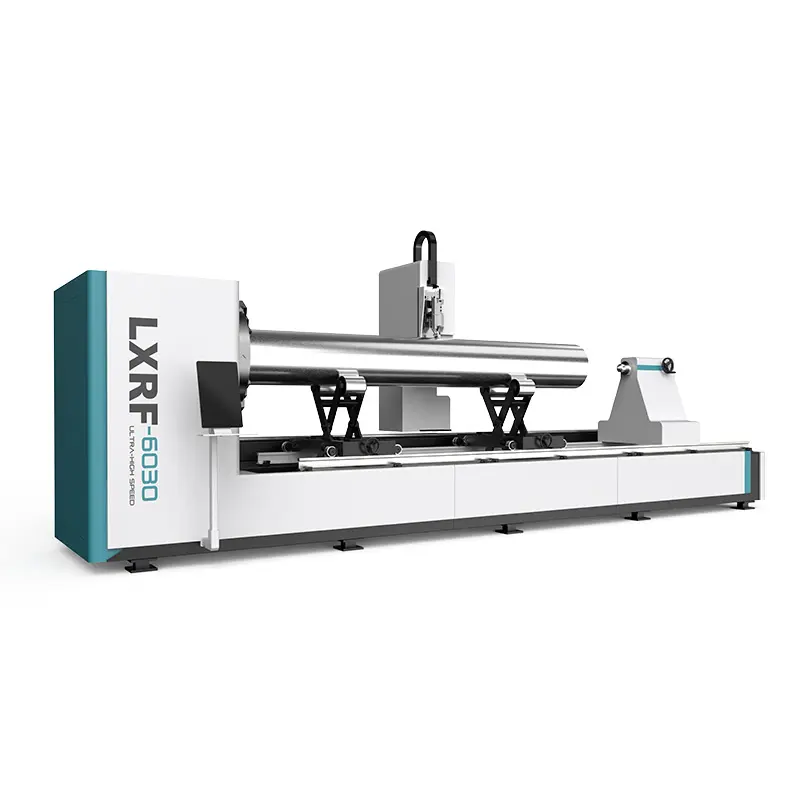
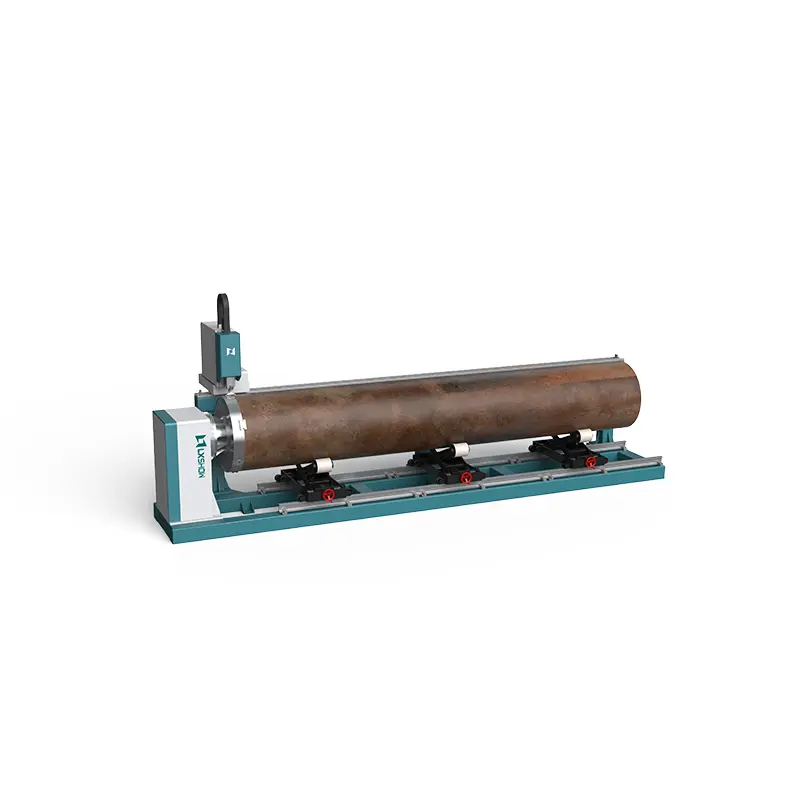
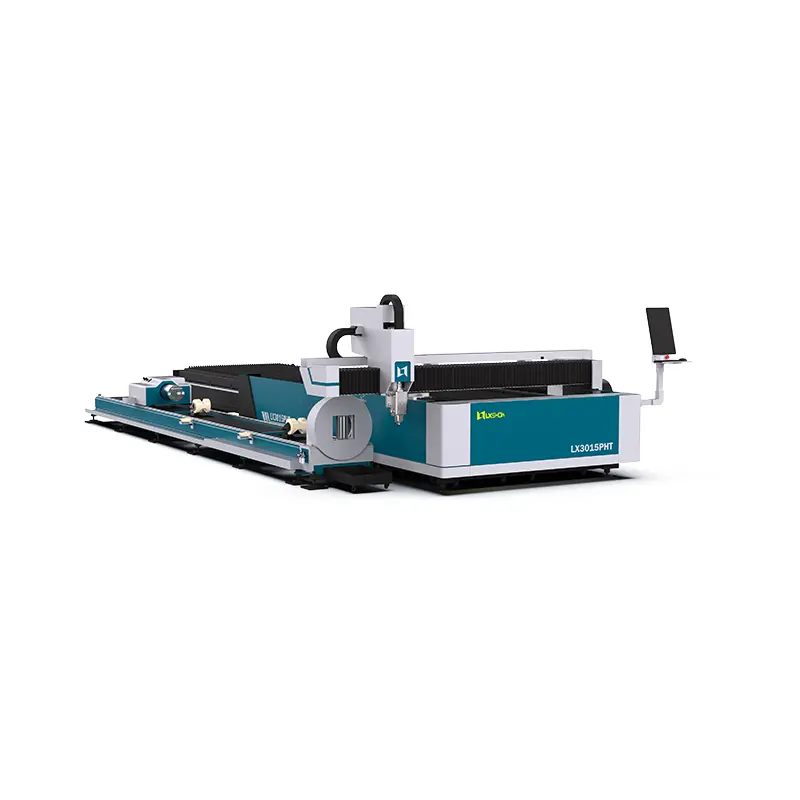
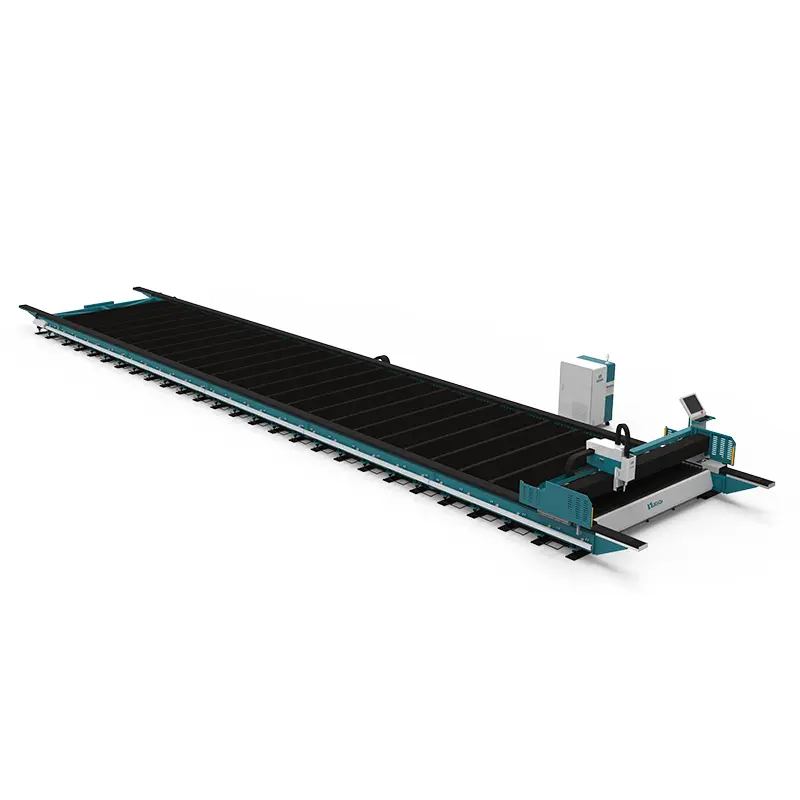
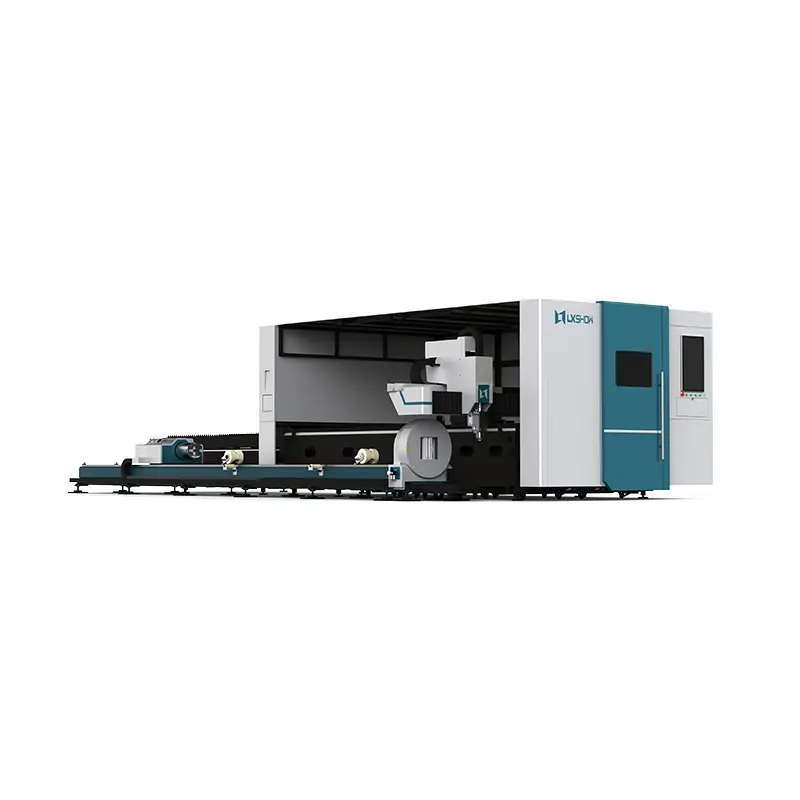
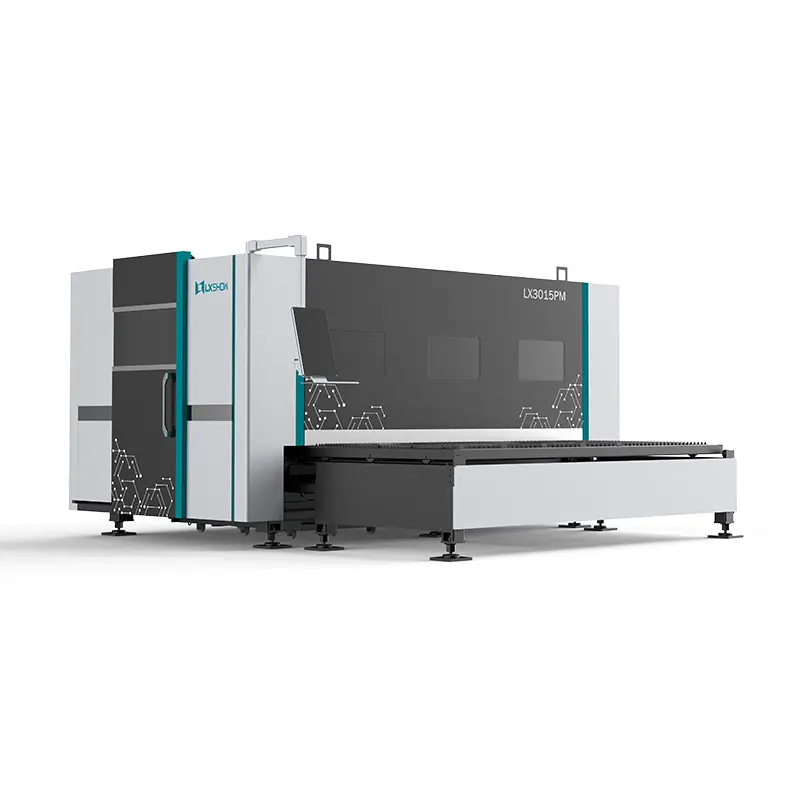
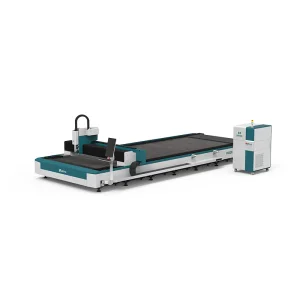
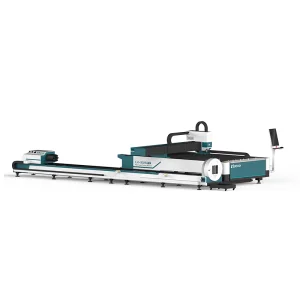
High-power CNC cutting systems optimized for sheet plates, hollow sections, structural beams, and pipe profiles.
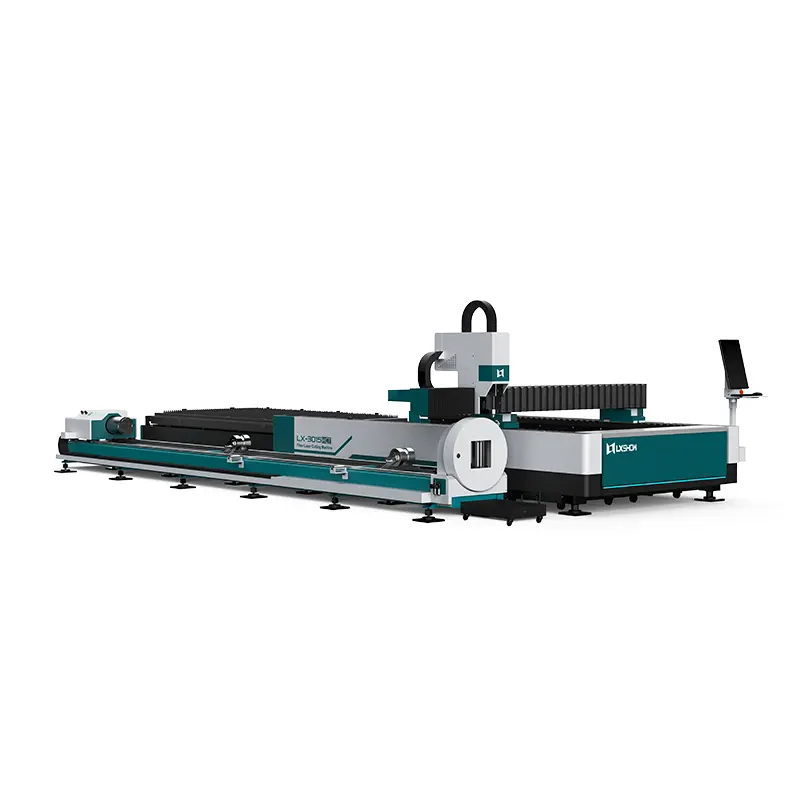
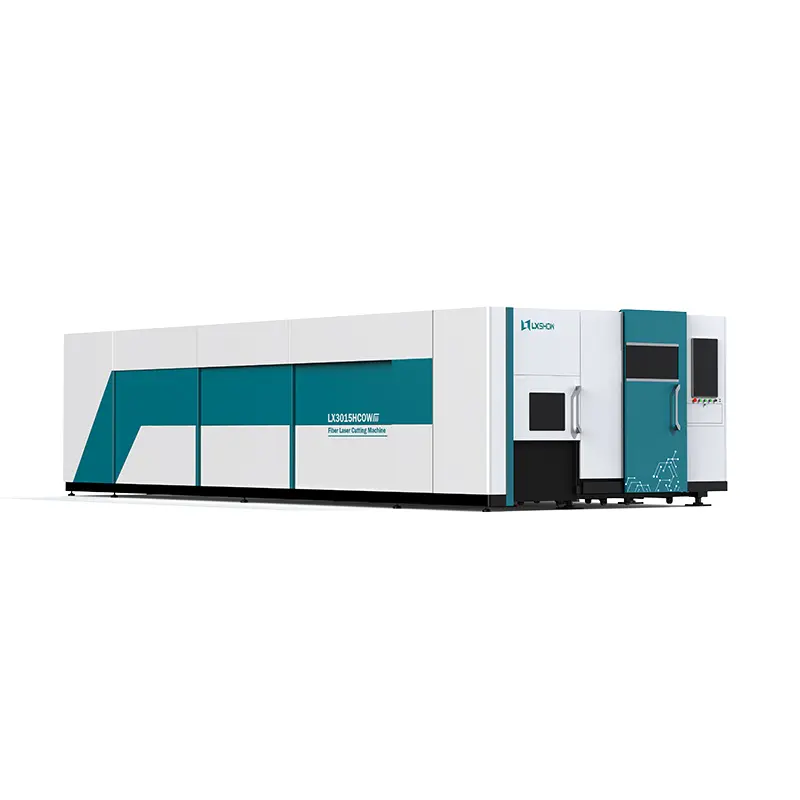
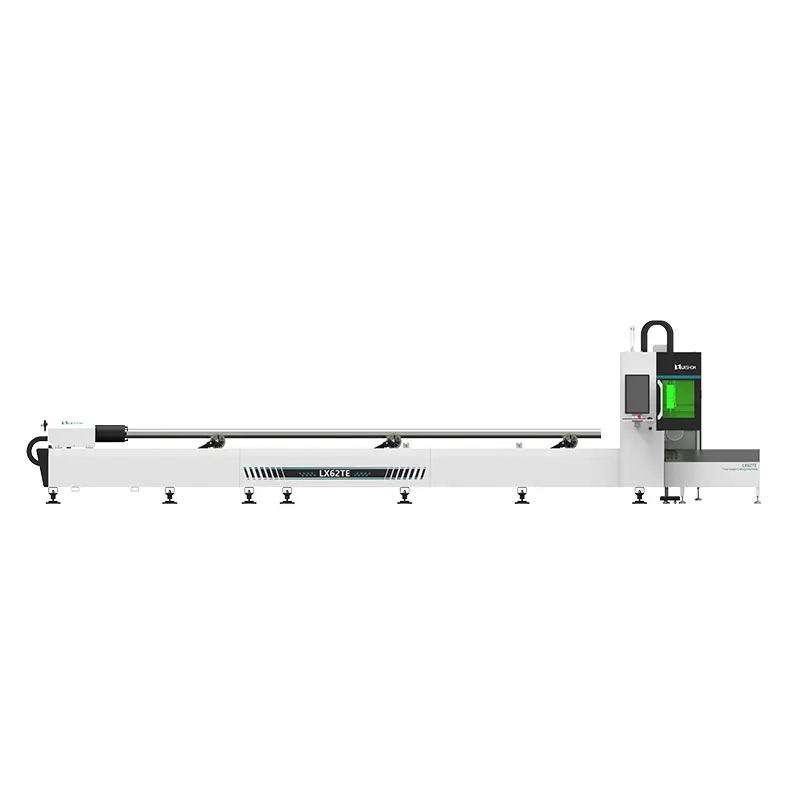
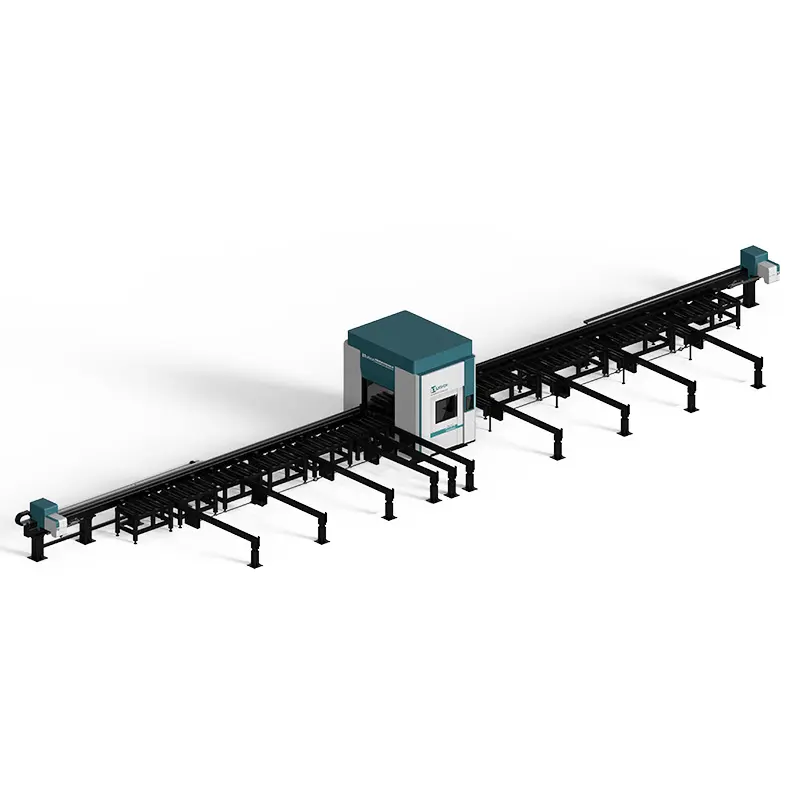
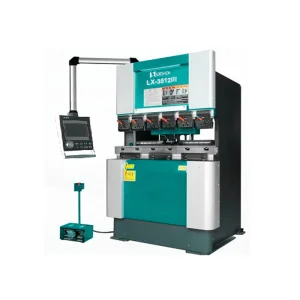
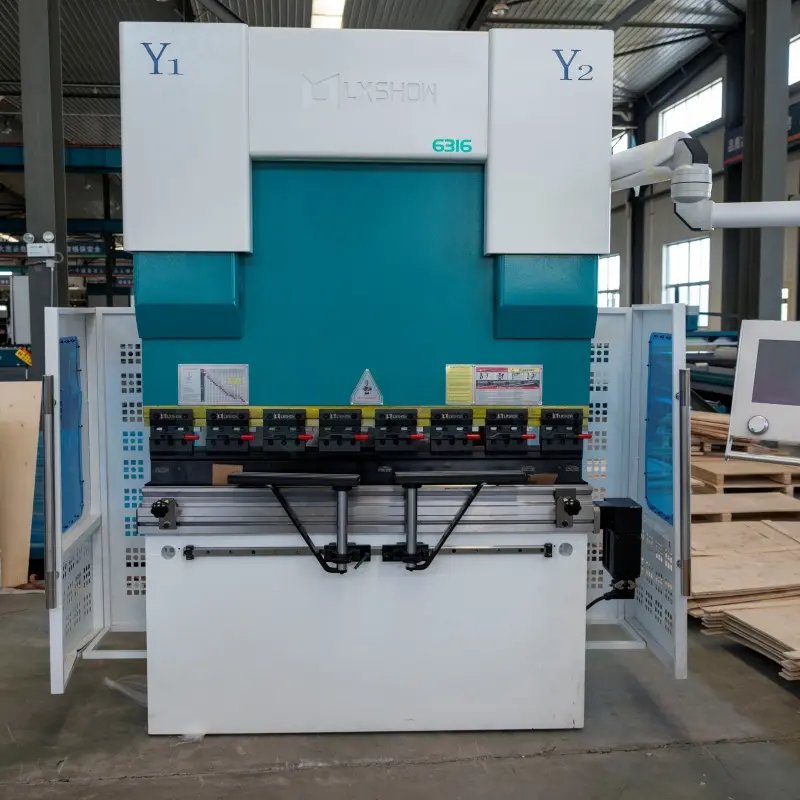
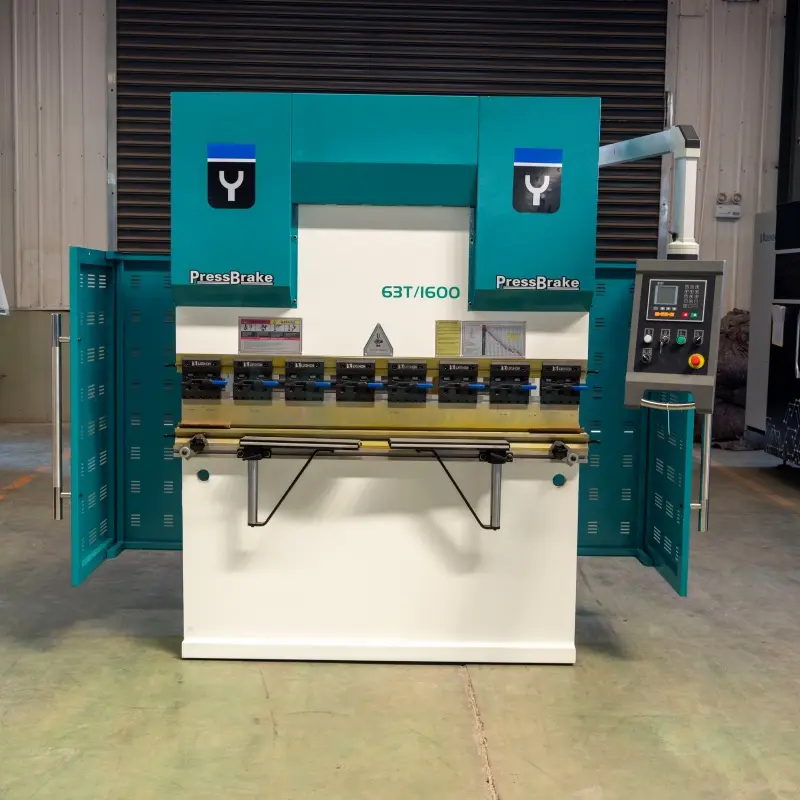
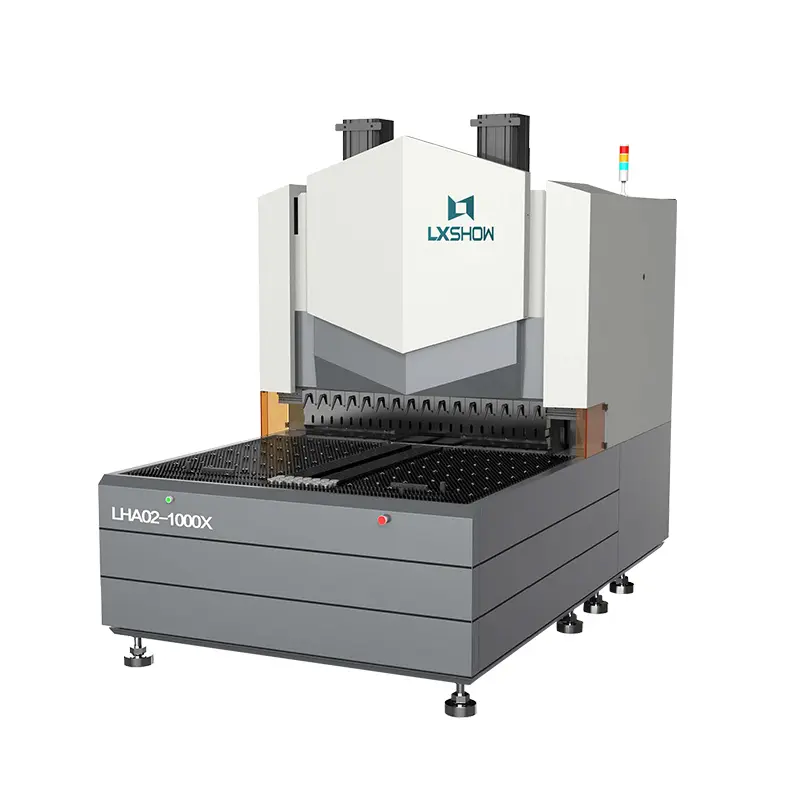
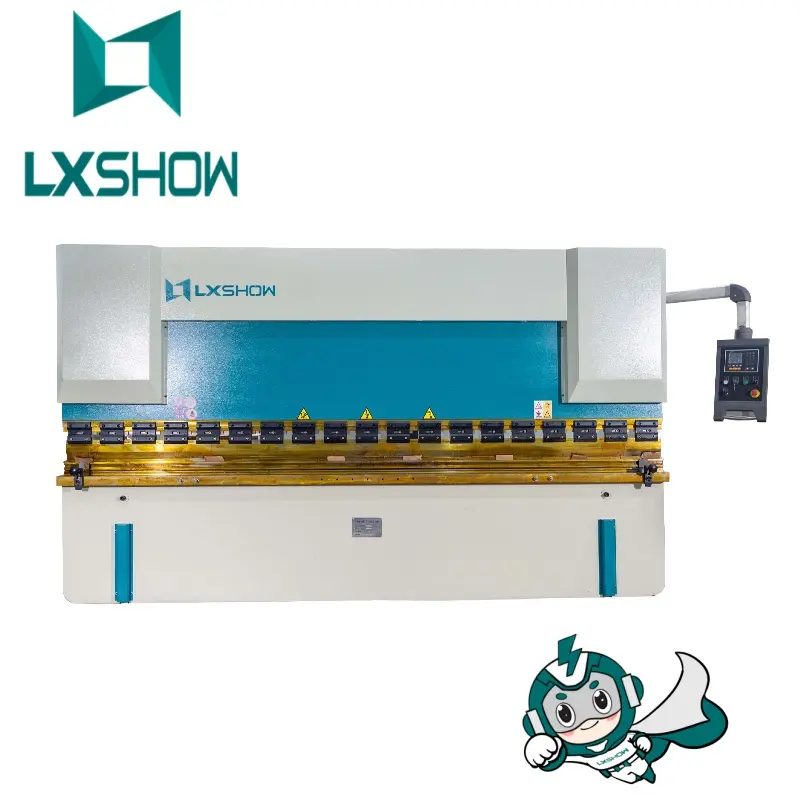
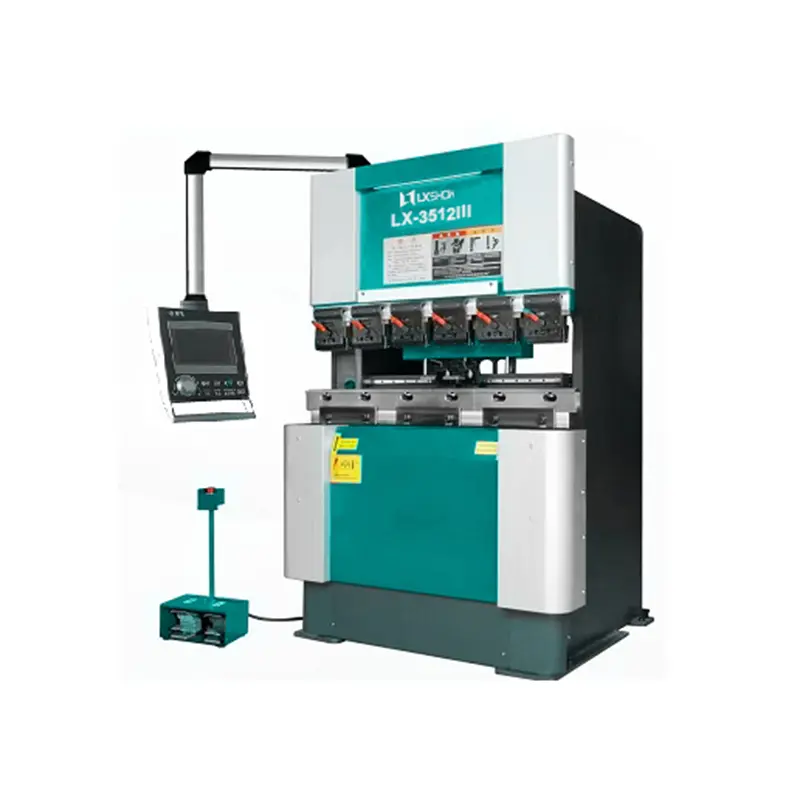
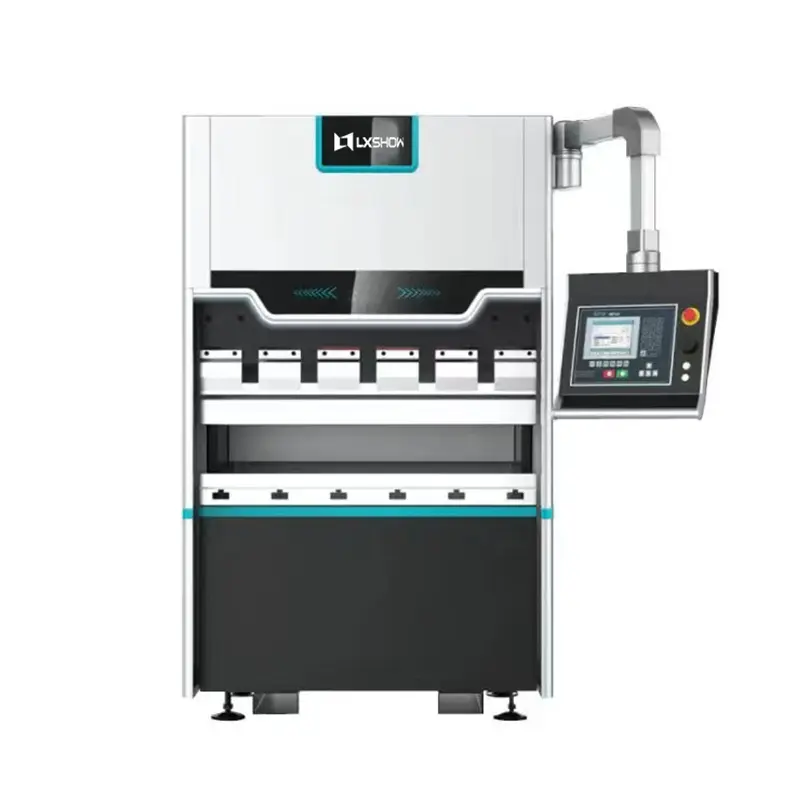
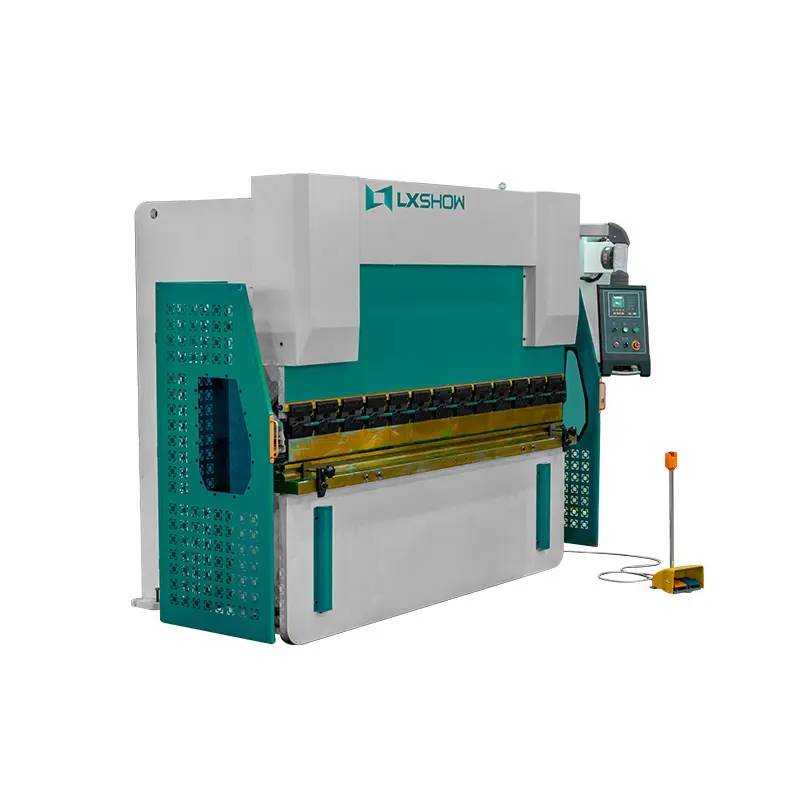
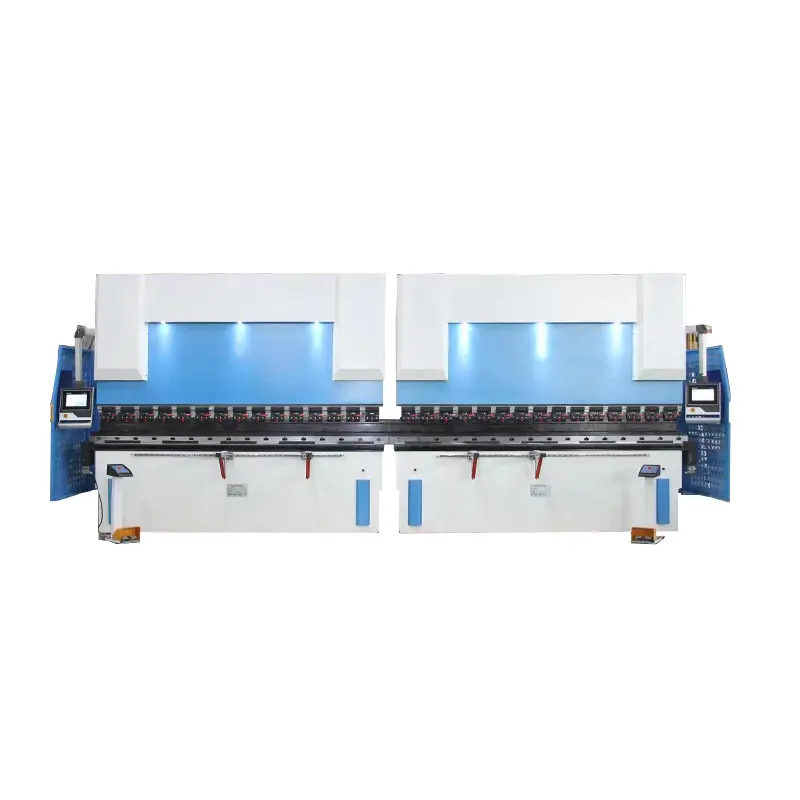
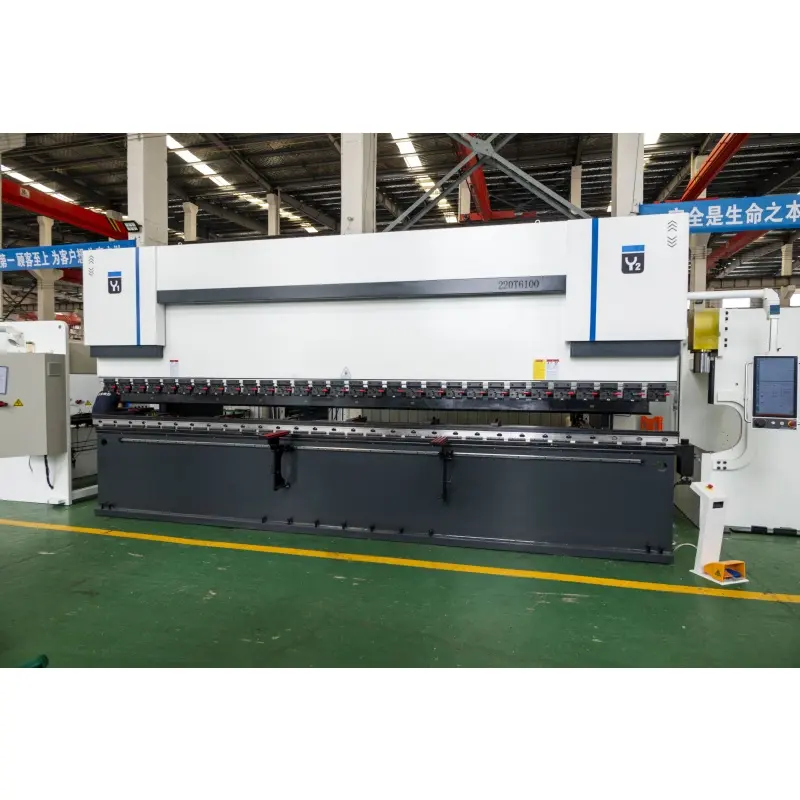
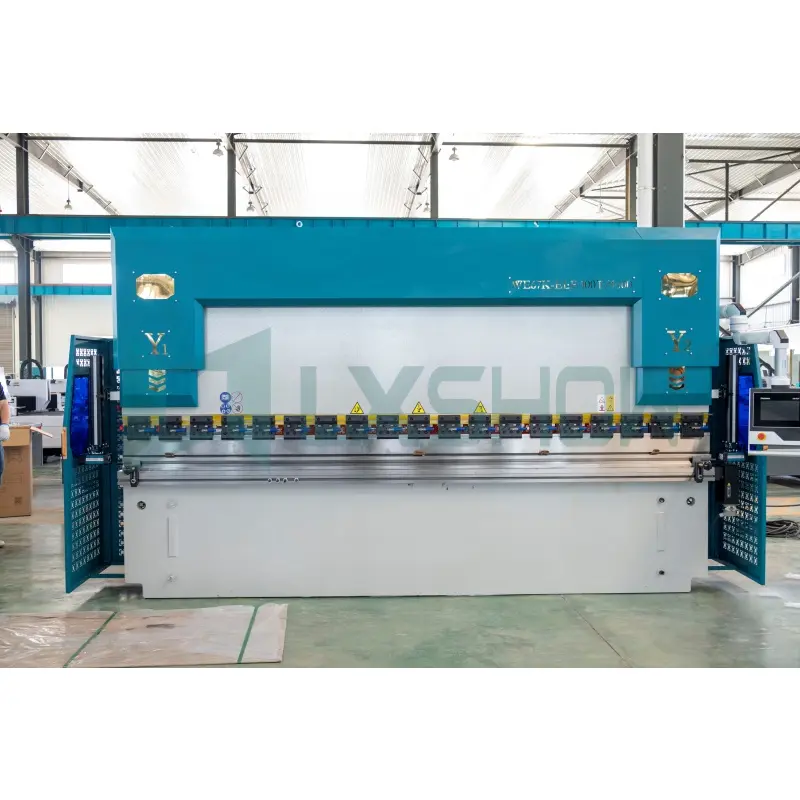
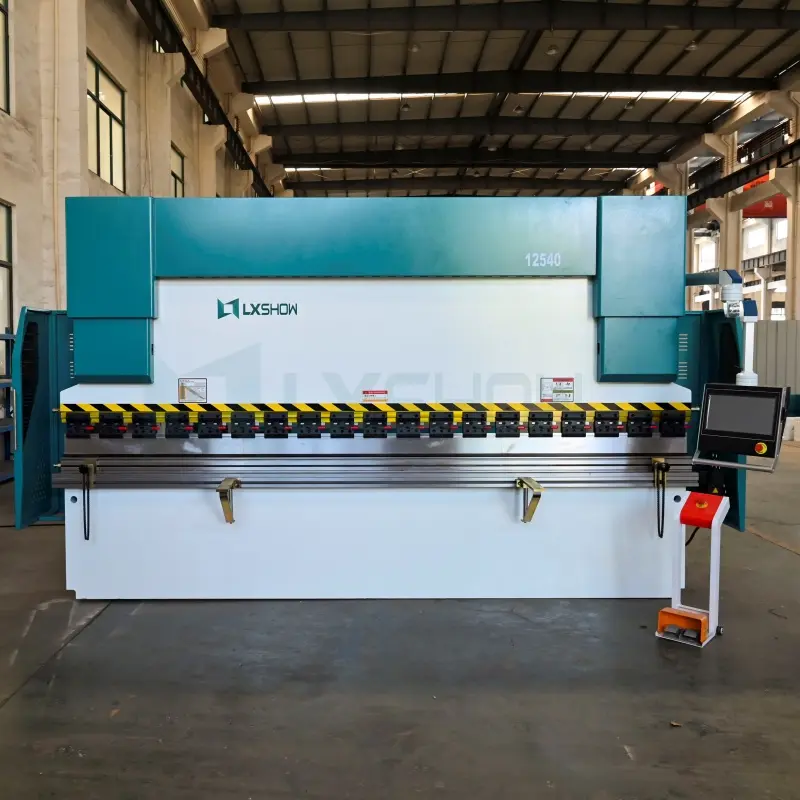
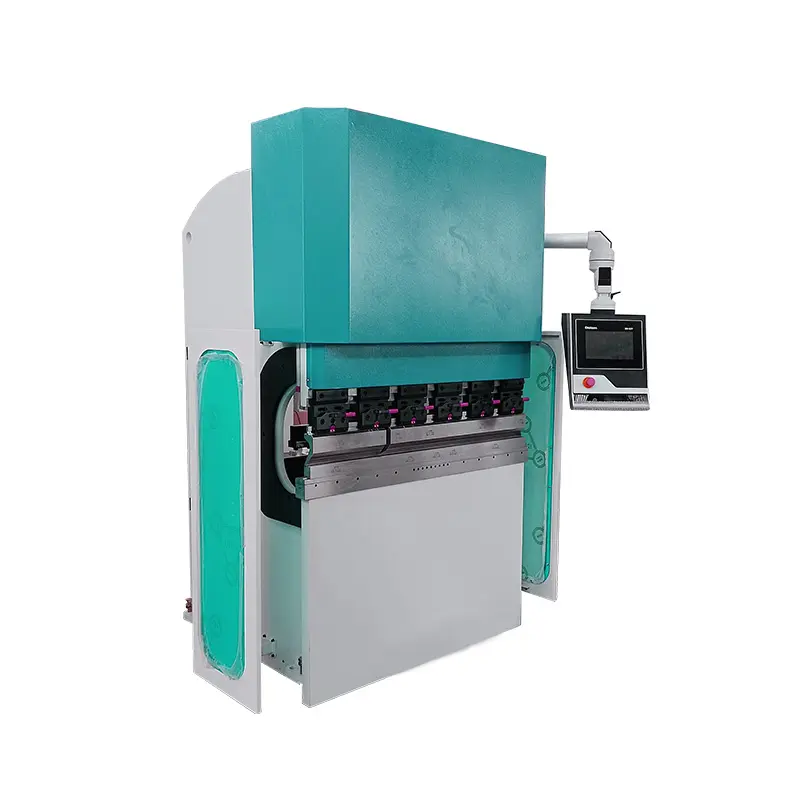
High-precision bending centers and press brakes to streamline forming operations in sheet metal processing.
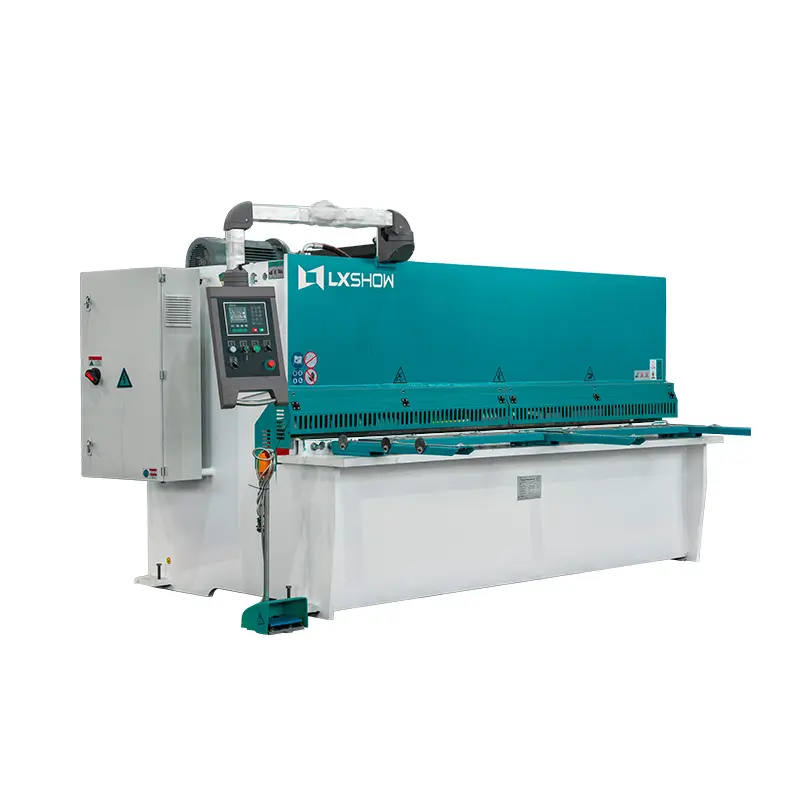
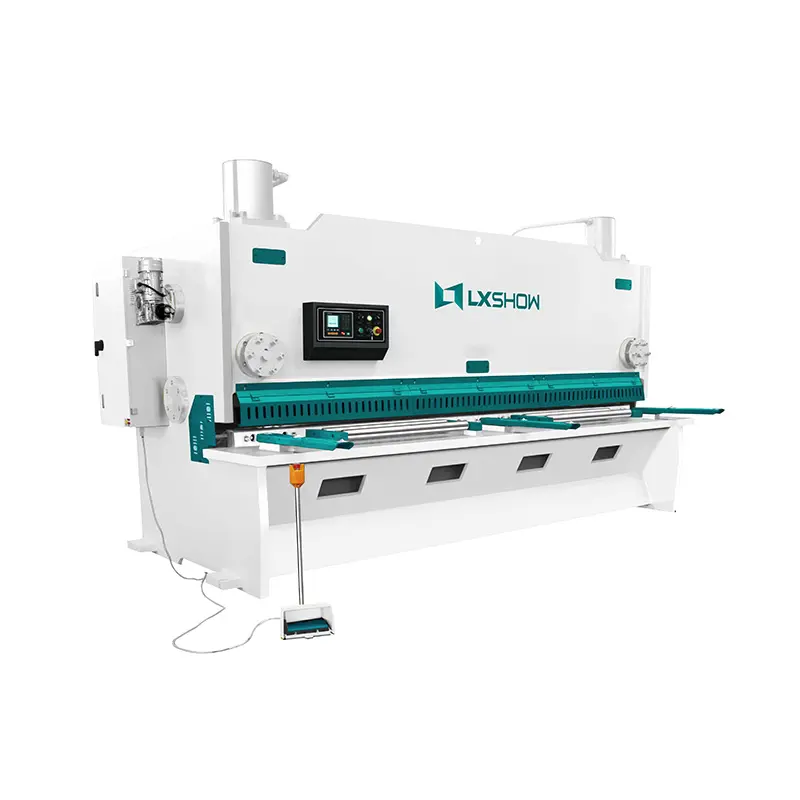
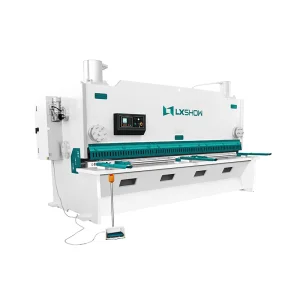
Heavy-duty hydraulic metal shear and punch units designed to deliver reliable sizing with clean sheared faces.
Exporting industrial machinery requires thorough compliance and logistical oversight. We understand that importing a CNC laser cutter, hydraulic bender, or fiber cleaning system involves navigating local customs, electrical regulations, and transport logistics.
Every machine shipped to North America, the European Union, Australia, or Southeast Asia is configured to meet regional safety and electrical standards. We support localized operating voltages (e.g., 220V Single Phase, 380V-415V Three Phase at 50Hz/60Hz) and integrate safety parameters directly into the software. Our global team coordinates the shipping process, providing complete documentation—including certificate of origin, CE/FDA conformity listings, and safety warnings—to ensure smooth custom clearance and fast installation.
The future of metal processing lies in connectivity and intelligent process control. As we move towards 2040, our technical focus is shifting to smarter, network-integrated machines. This includes installing sensor arrays within the cutting head to monitor thermal stability, focus position, and gas dynamics in real time.
By implementing intelligent cloud diagnostics, we enable operators to receive predictive maintenance notifications before optical degradation affects output quality. This integration allows companies to minimize unexpected downtime and optimize cutting parameters based on historical machine telemetry.
Expert technical answers to help you select, deploy, and maintain your industrial CNC fiber laser and sheet metal bending systems.
 Lxshow