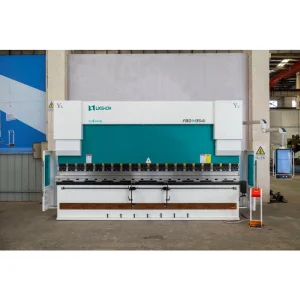
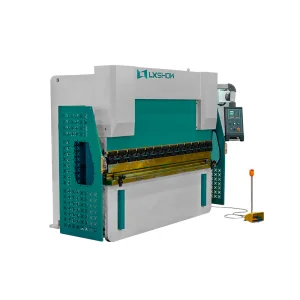
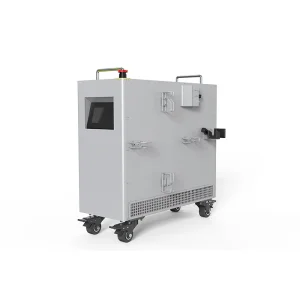
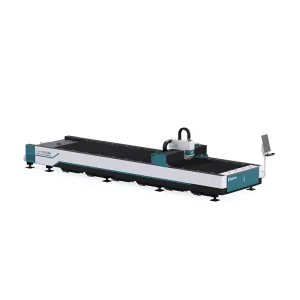
Explore our flagship catalog featuring CNC fiber laser cutting systems, electro-hydraulic press brakes, and structural sheet metal working technologies.
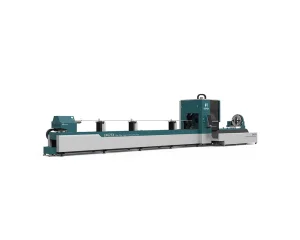
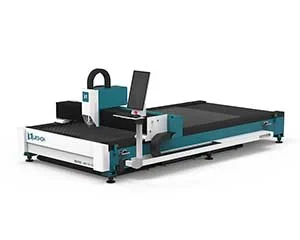
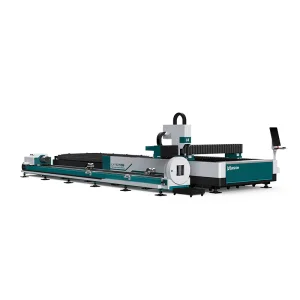
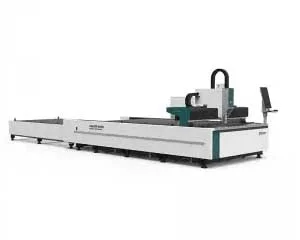
Empowering the international sheet metal fabrication and structural design sectors with transparent manufacturing milestones.
The global structural metal production landscape is experiencing a paradigm shift. Structural designers and manufacturing engineers are increasingly moving away from conventional mechanical stamping, plasma arc cutting, and manual sawing operations. With the rapid expansion of fiber laser technology, structural steel laser cutting has transitioned from a specialized, low-volume fabrication solution to a mainstream powerhouse for industrial scale fabrication. The global fiber laser cutter market size has seen double-digit annual compound growth rate (CAGR), driven by the demand for tight tolerances, clean-cut edge quality, minimal heat-affected zones (HAZ), and structural integrity in safety-critical assemblies.
Historically, carbon steel and structural stainless steel parts faced geometric limitations when processed using traditional tool dies. Today's multi-kilowatt fiber systems (ranging from 1kW to ultra-high powers of 30kW and beyond) easily handle raw plate thicknesses in excess of 50mm while maintaining high feed rates and geometric fidelity. Crucially, the transition to computer-aided design (CAD) integration via modern CNC nesting tools allows engineers to fabricate complex joint profiles, structural notches, weight-saving slots, and complex interlocking tabs directly on raw sheet or tube inventory without secondary operations. This integrated workflow reduces processing time from days to minutes.
On a global commercial scale, regional distribution centers are redesigning their supply chains to favor local fabricators who have invested in intelligent laser infrastructure. High gas-assist pressures (nitrogen and clean dry air) have minimized oxidation on stainless steel and carbon steel surfaces. This eliminates the need for post-cut mechanical descaling before powder coating or welding. These capabilities permit direct integrations into just-in-time (JIT) delivery systems, which are increasingly adopted across key industrial markets in North America, Western Europe, and Southeast Asia.
China's smart manufacturing infrastructure stands at the center of the global laser cutting supply chain. The domestic ecosystem benefits from highly integrated clusters that house laser source researchers, high-rigidity machine bed casting foundries, precision gear-rack fabricators, and motion controller developers in close geographic proximity. This concentration of specialized parts suppliers enables Chinese factories to iterate on machine designs and deliver custom configurations (ODM/OEM) at a speed unmatched by Western competitors.
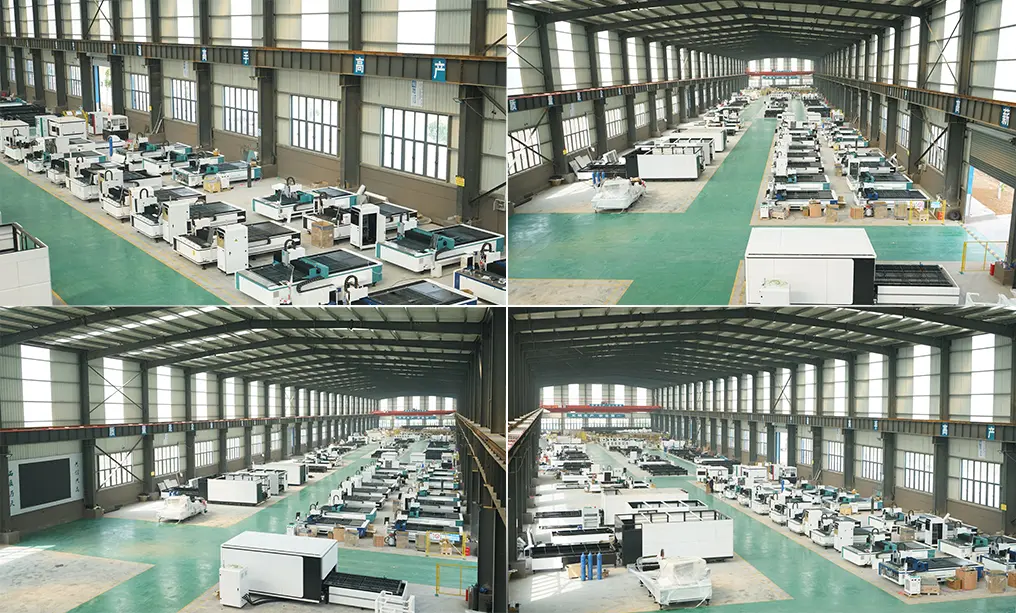
A key advantage is the deep vertical integration of high-power fiber laser components. Chinese manufacturers work closely with global laser source suppliers (such as IPG, Raycus, and Maxphotonics) to build systems with optimized electro-optical conversion efficiencies. By housing large assembly lines under strict quality control standards, these facilities can scale up production without compromising build quality. CNC machine beds are subject to thermal stress-relief annealing to ensure long-term mechanical stability. The tables are designed to handle high accelerations of up to 1.5G, keeping positioning accuracy within fractions of a millimeter over decades of continuous operation.
Clustered production facilities reduce raw material transit delays, yielding highly cost-competitive structural configurations and rapid project lead times.
Heavy-duty machine frames are stress-relief annealed in high-temperature furnaces to prevent structural warping and ensure precision over long lifespans.
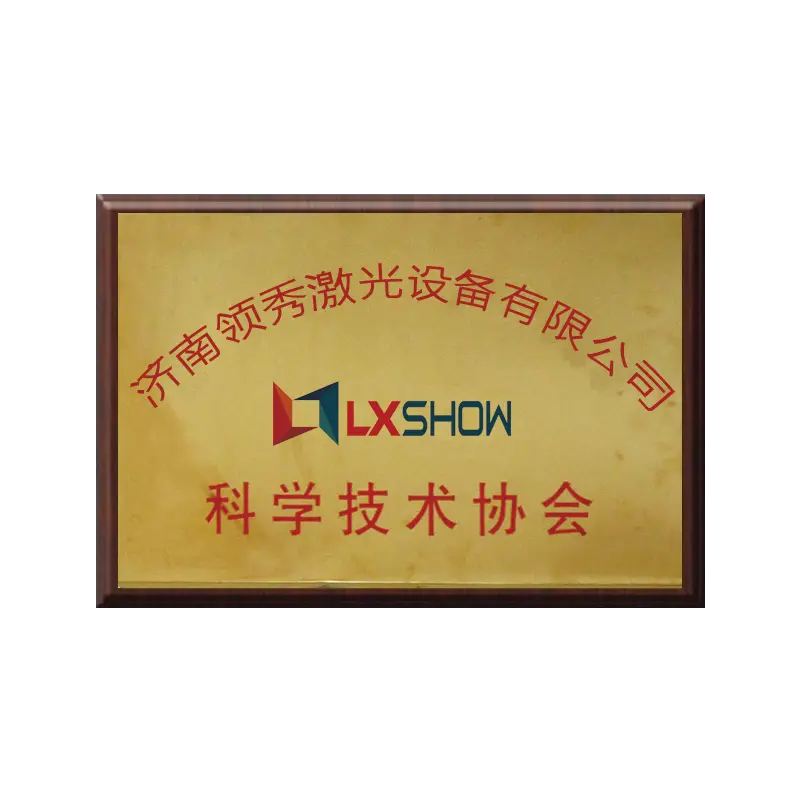
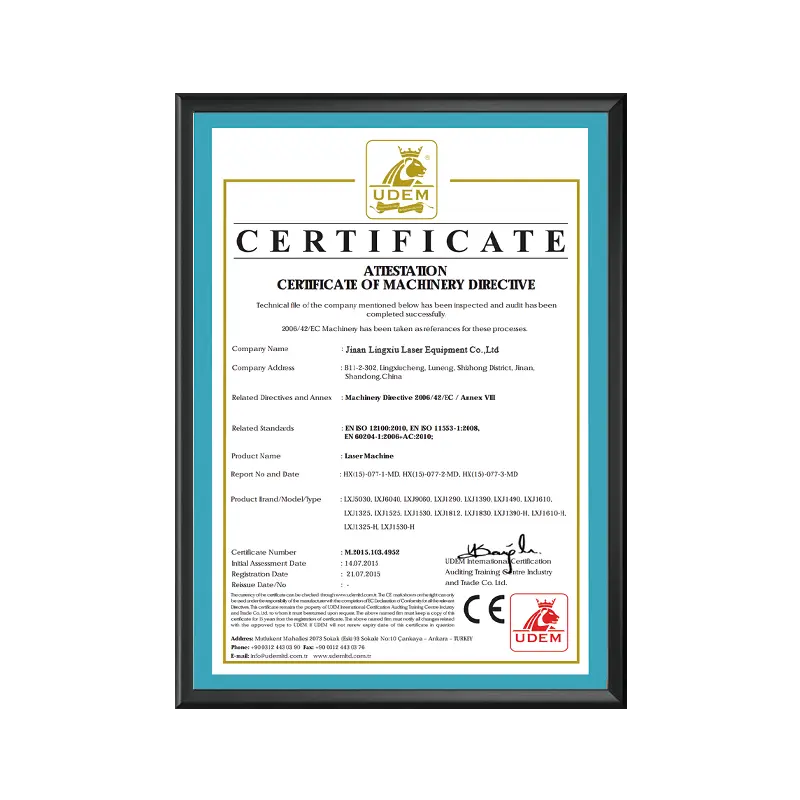
All finished units are certified to European Union CE standards, American FDA regulations, and ISO 9001 quality management criteria.
Chinese laser factories also excel at optimizing operational costs. Because of local raw material availability, optimized component sourcing, and efficient assembly workflows, these factories can supply high-precision fiber laser cutting systems, laser welding machines, and bending machines with a lower Total Cost of Ownership (TCO). This lets international buyers invest in advanced machinery (such as automated double-exchange tables or high-payload three-chuck tube cutters) at price points that yield a fast Return on Investment (ROI).
Advanced steel laser cutting systems are versatile tools used across a wide range of industrial verticals. Precision laser manufacturing supports many sectors, including high-tech electronics, heavy structural engineering, transport infrastructure, and custom architectural designs.
In the Automotive & Transport sector, the demand for lightweight, crash-resistant structures has driven the widespread adoption of high-strength steel (HSS) and complex hydroformed tubes. Multi-axis CNC tube lasers cut clean openings for mounting hardware and process structural pillars with tight dimensional tolerances. This ensures perfect fitment on robotic assembly lines.
In Heavy Machinery & Agriculture, companies use large-format fiber laser cutters to slice through heavy carbon steel plate for crane booms, agricultural implements, and mining chassis. The ability to switch between nitrogen and oxygen assist gases allows these systems to cut thin sheet metal with high edge quality and thick plates with high feed rates.
For Architectural Metalwork & Precision Cabinetry, laser systems handle complex design geometries without tooling wear. This permits cost-effective, short-run production of custom facade panels, ventilation grilles, and electronic enclosures. The accuracy of fiber laser heads ensures clean, burr-free edges, minimizing post-cut manual rework and speeding up secondary bending and welding operations.
The future of industrial manufacturing is shaped by automation and system integration. Modern fiber laser cutters are transitioning from standalone units to fully integrated components of smart factories. Industry 4.0 standards guide the integration of machinery with Enterprise Resource Planning (ERP) systems, allowing for real-time monitoring of power consumption, gas usage, cutting status, and component wear.
Automated material handling plays a key role in reducing cycle times. Double-exchange shuttle tables switch out finished parts for raw sheets in under 15 seconds, allowing the laser source to run almost continuously. Automated storage and retrieval systems (ASRS) feed sheets directly to the loading mechanisms, creating automated production lines that can run lights-out shifts overnight.
Environmental sustainability is also driving new machine developments. Fiber laser sources consume up to 70% less electrical energy than older CO2 gas lasers. Additionally, clean dry air filtration systems allow operators to use compressed air as an assist gas for thin-gauge metal cutting. This reduces reliance on high-volume nitrogen and oxygen delivery networks, lowering both operating costs and the carbon footprint of structural fabrication.
Procuring industrial laser cutting machinery requires evaluating technical specifications, support services, and factory certifications. For international buyers, the challenge lies in selecting configurations that match their material mixes and thickness requirements while ensuring reliable post-sales support.
First, buyers must verify the build quality of the machine bed. High-speed, high-power systems require a heavy-duty, stress-relieved welded plate structure to absorb the dynamic forces generated by rapid gantry acceleration. Light-duty frames can warp over time, leading to inaccuracies in cutting geometries. Next, the selection of the fiber laser source (IPG, Raycus, or Maxphotonics) and cutting head (Precitec, Raytools) should align with local maintenance access and the specific material parameters to be processed.
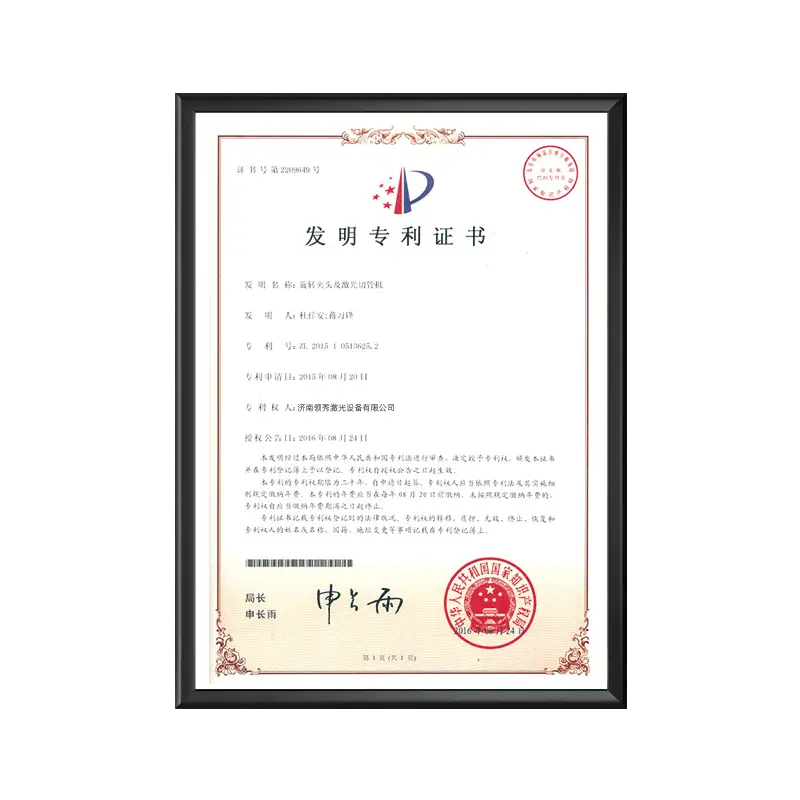
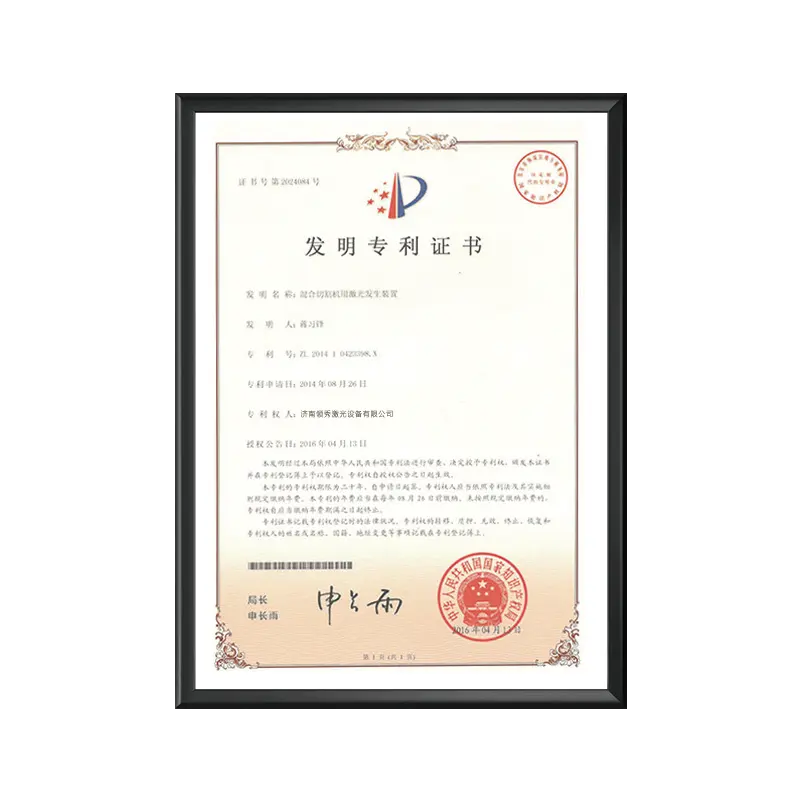
Additionally, the machine manufacturer's quality control standards must be backed by official documentation. Certification under CE, FDA, and ISO 9001 shows that the machinery complies with international safety and performance standards. This makes customs clearance smoother and ensures a safe working environment. Experienced manufacturers with a global track record in over 150 countries can assist with logistics, setup, operator training, and remote diagnostic support. This keeps uptime high and helps avoid costly production delays.
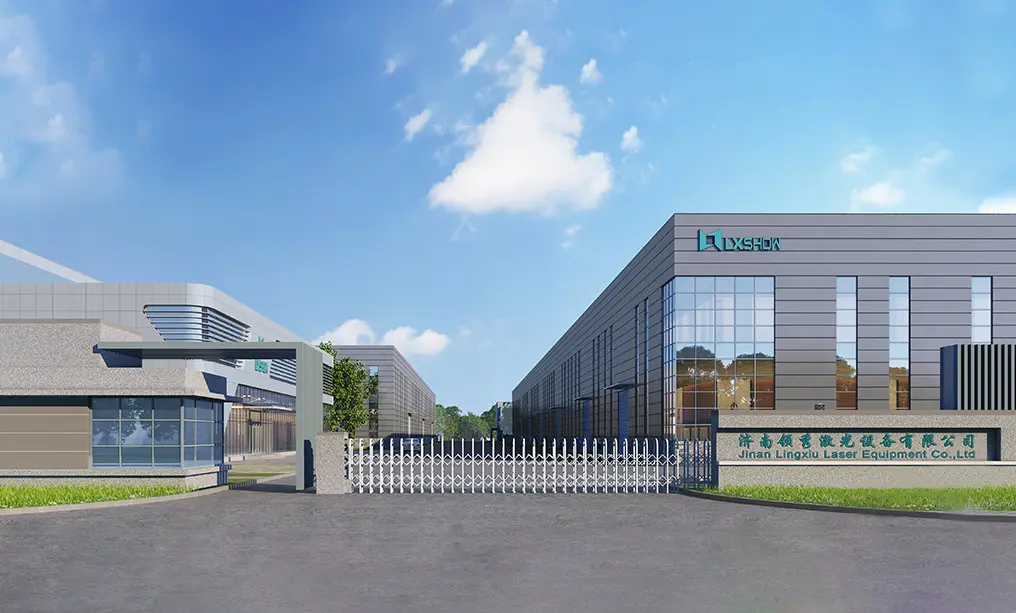
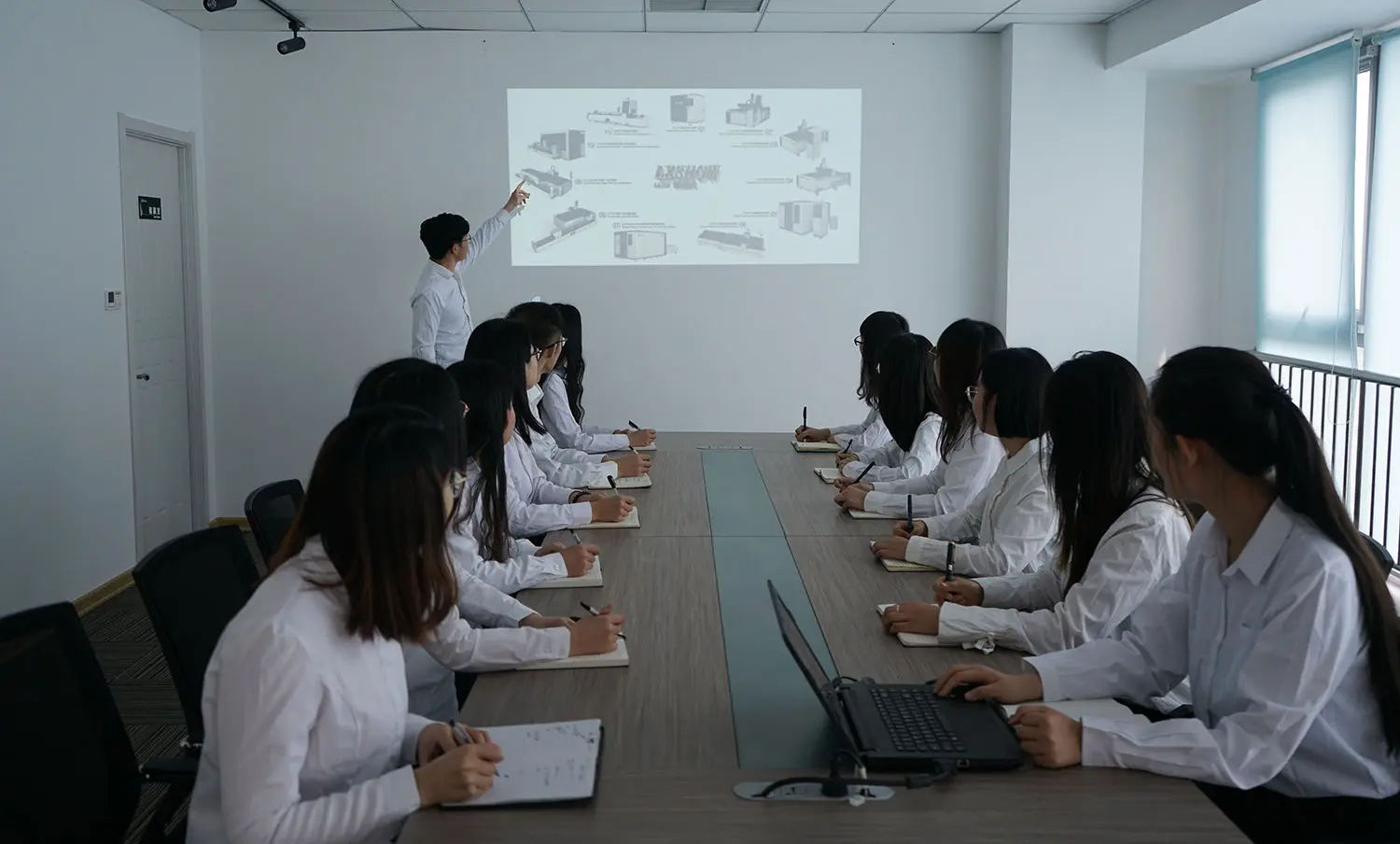
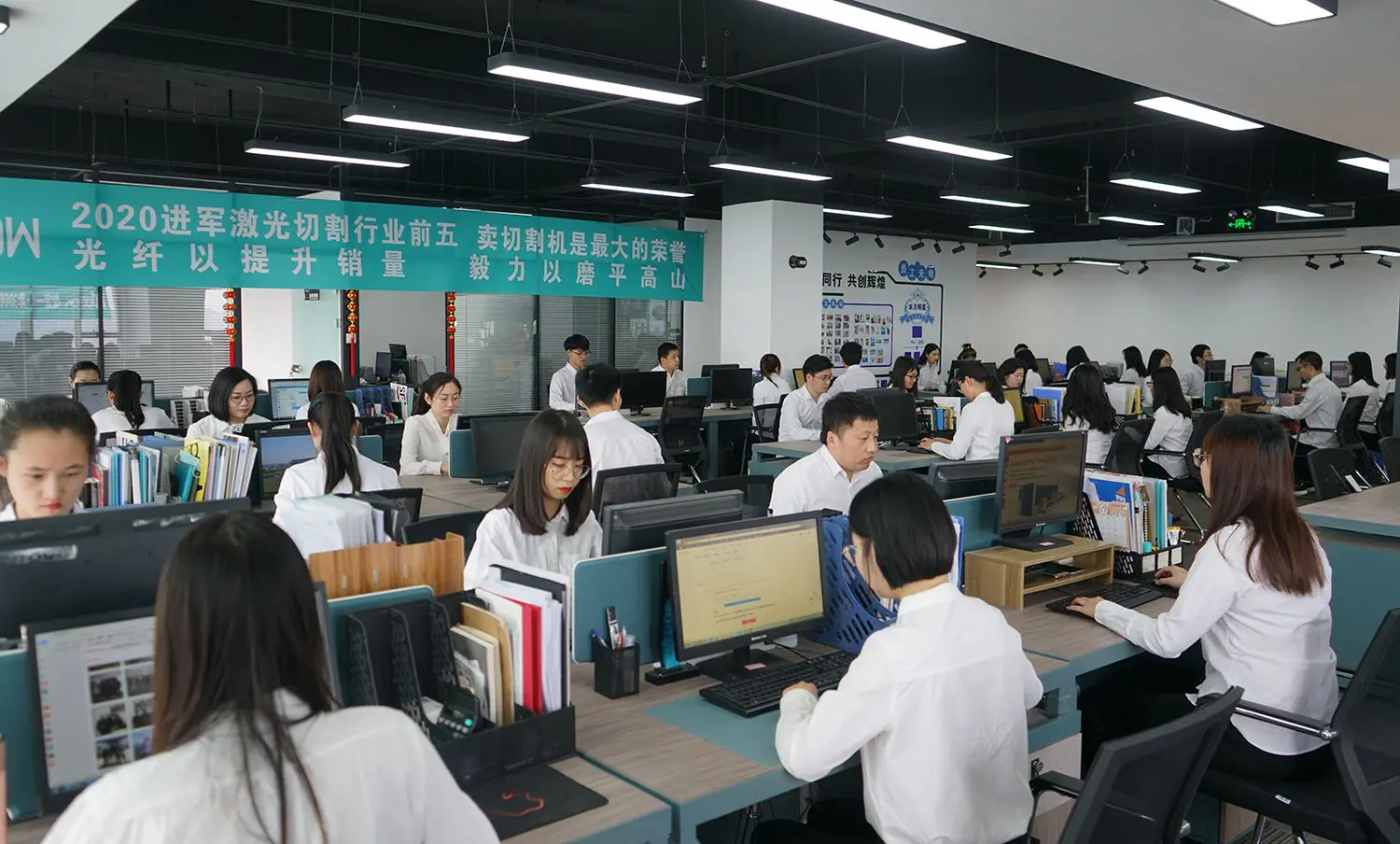
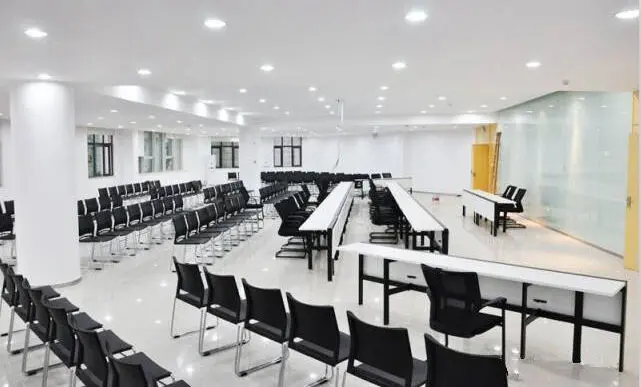
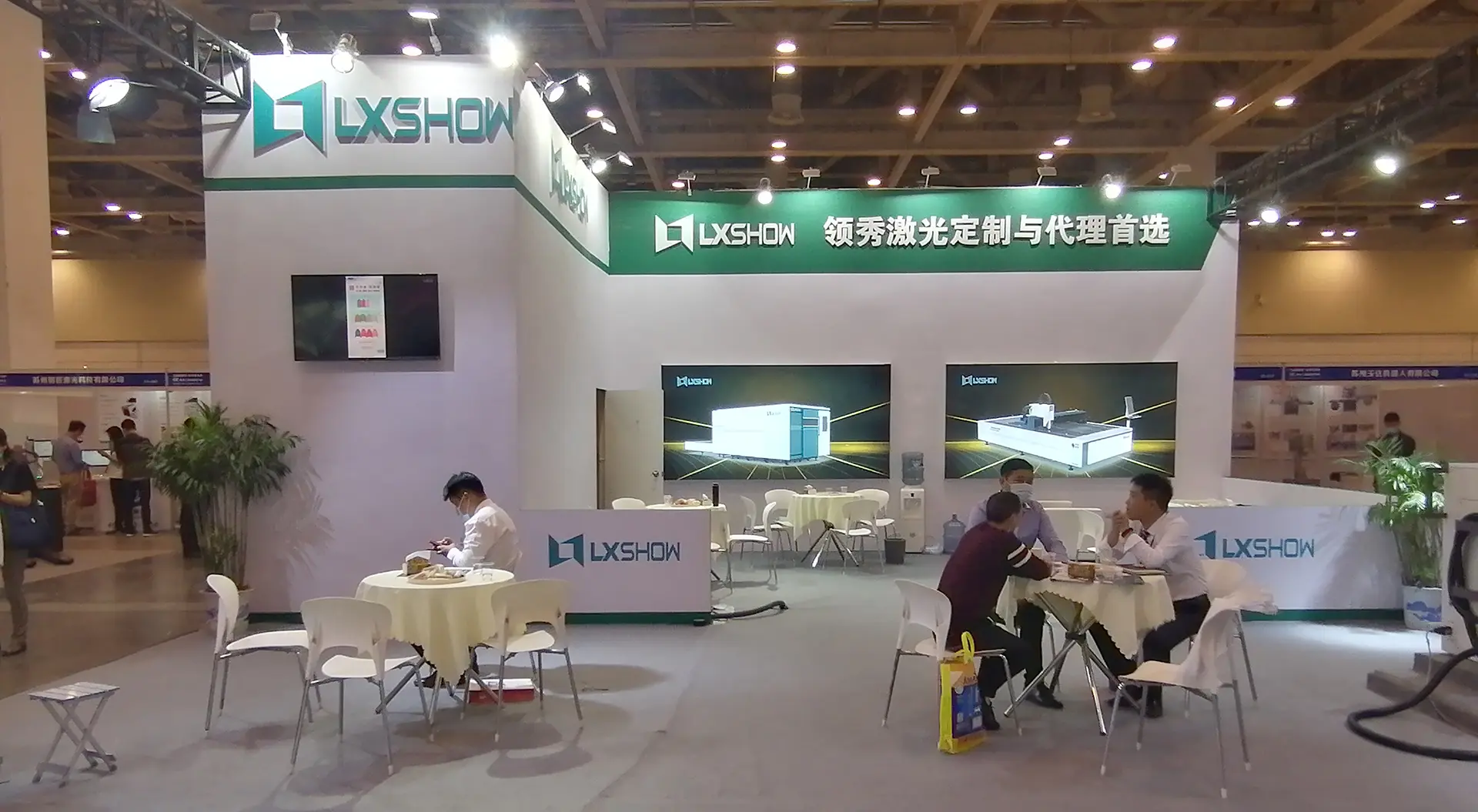
Our manufacturing base spans over 32,000 square meters. It is staffed by dedicated engineering teams, precision quality inspection departments, and customer service specialists. Below is an overview of our main production areas and R&D facilities.

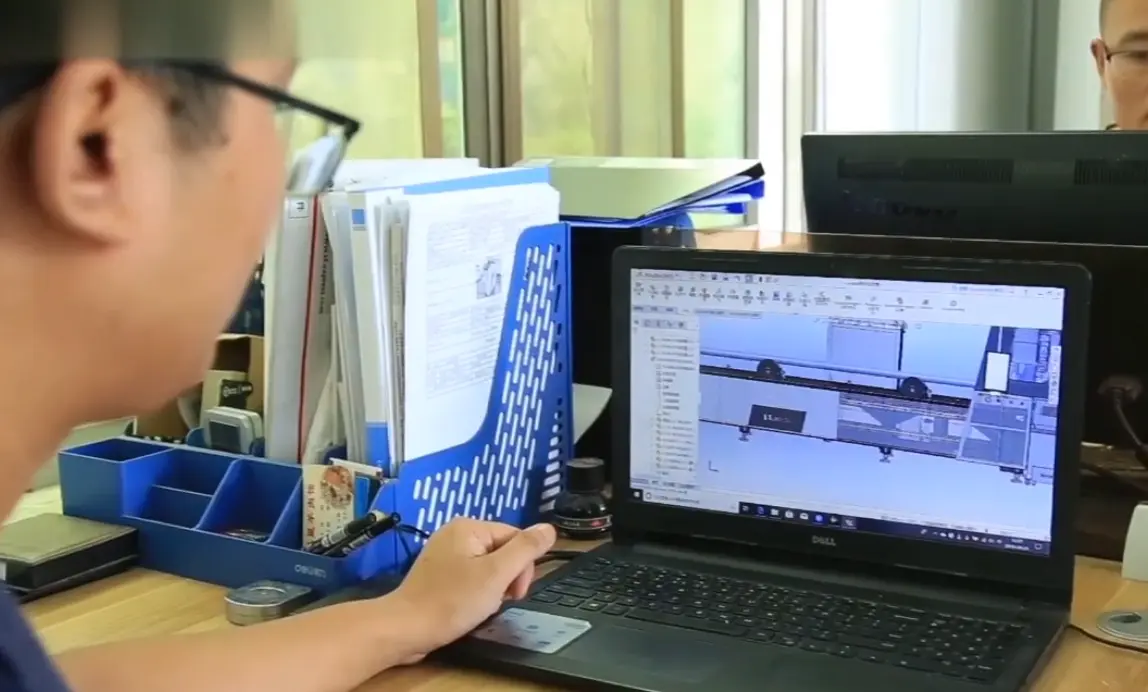
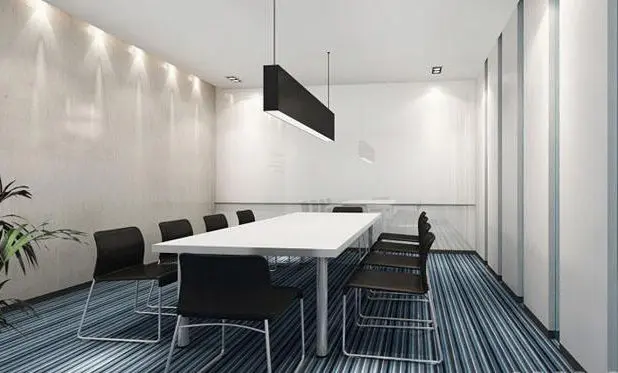
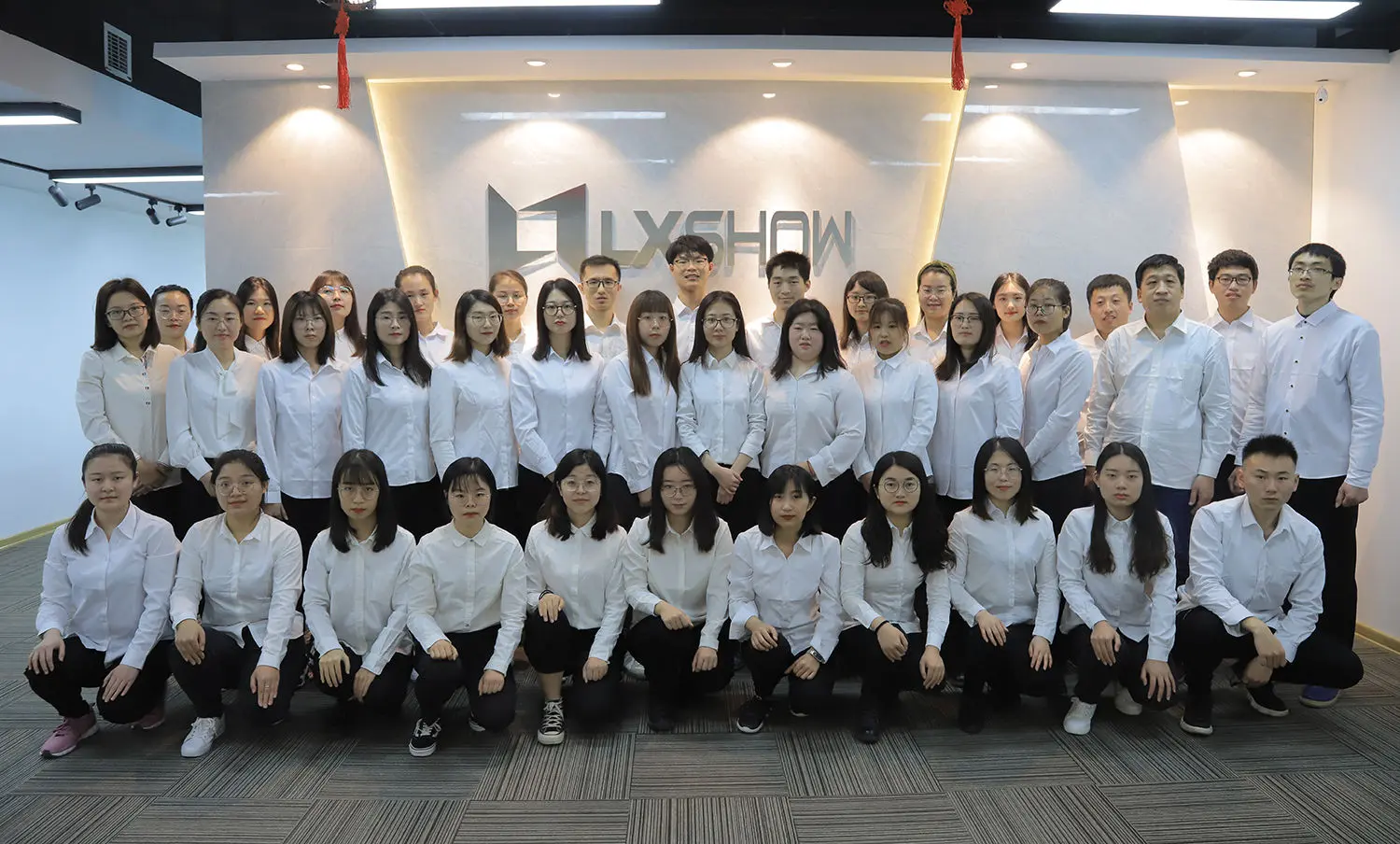
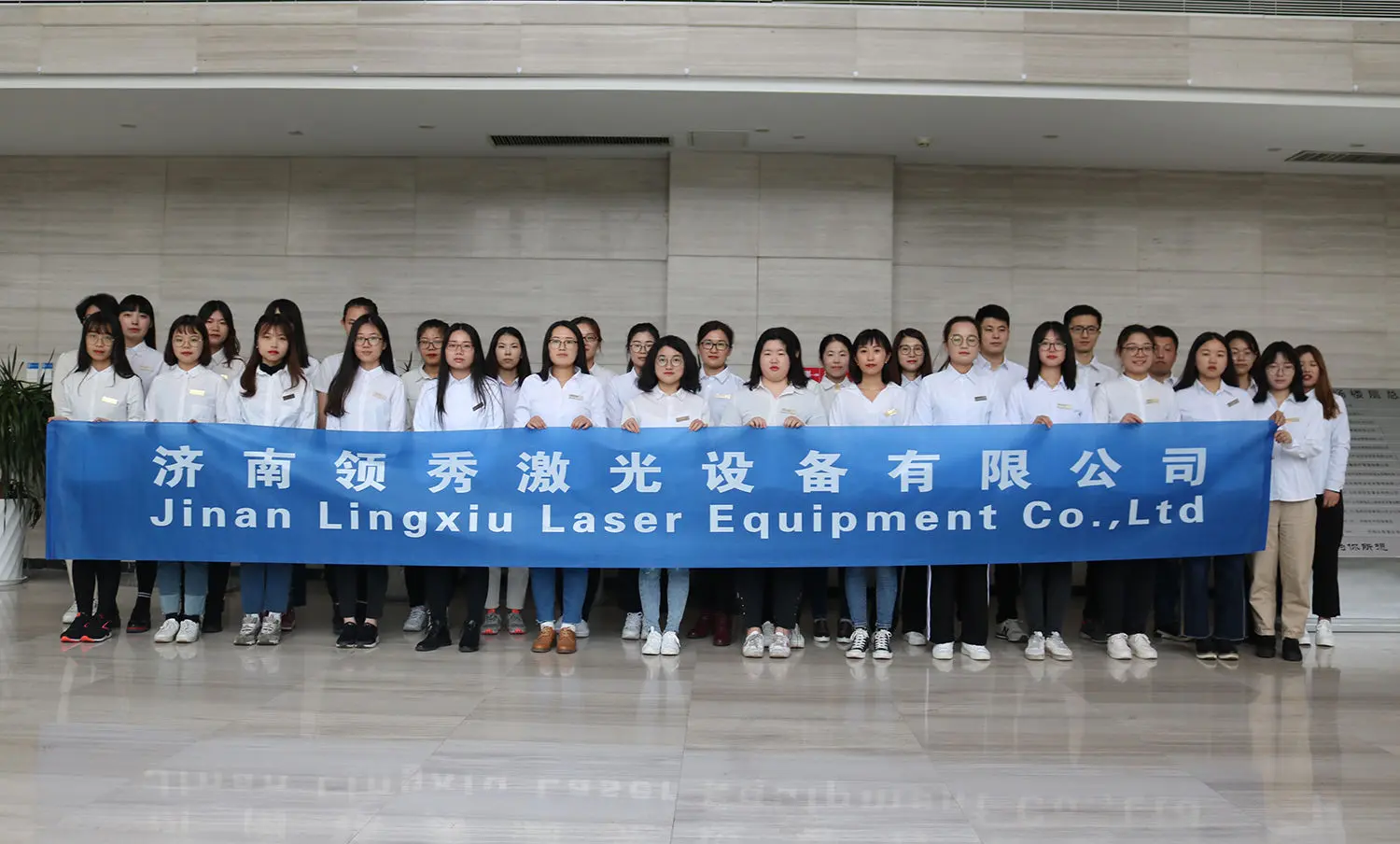
Our laser systems cut and process a wide variety of raw metals, pipes, and structural profiles. Below are the primary materials and shapes handled by our machines.
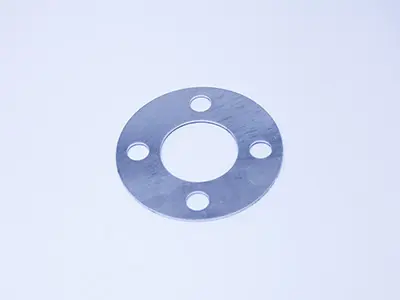
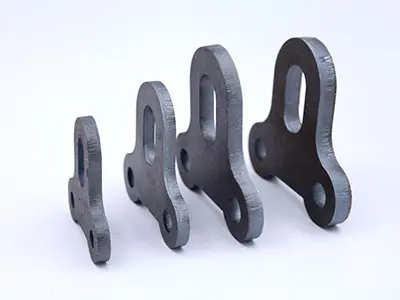
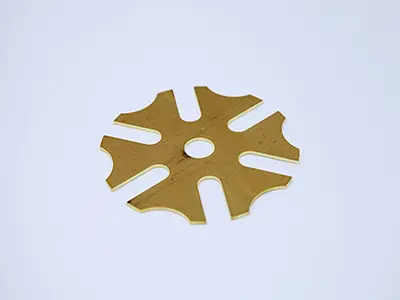
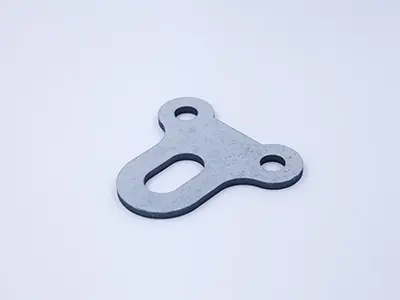
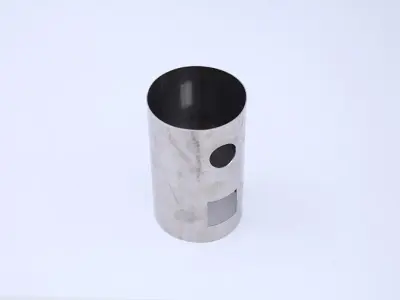
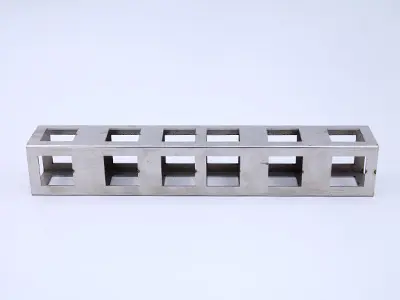
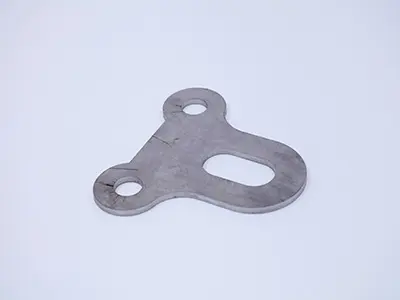
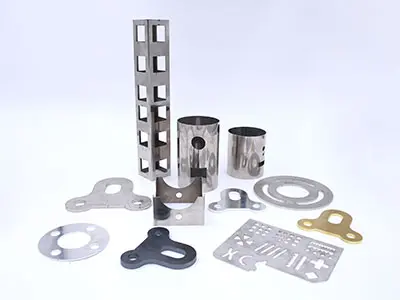
Quality control is critical to ensuring machine accuracy. Our production workflows incorporate step-by-step inspections, coordinate measuring machines (CMM), and laser interferometer tests. Below are views of our production processes and global deliveries.
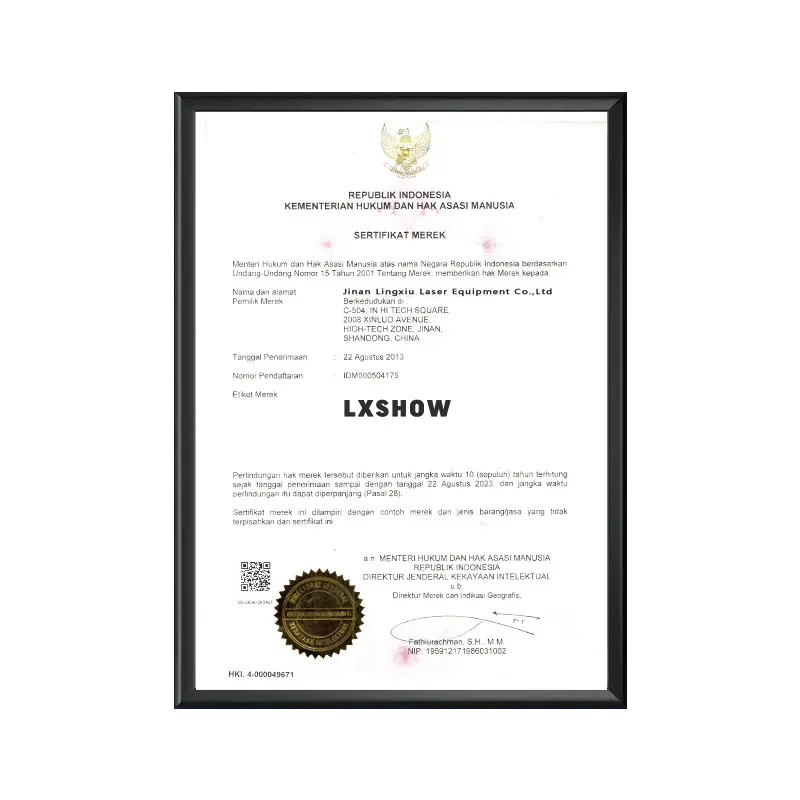
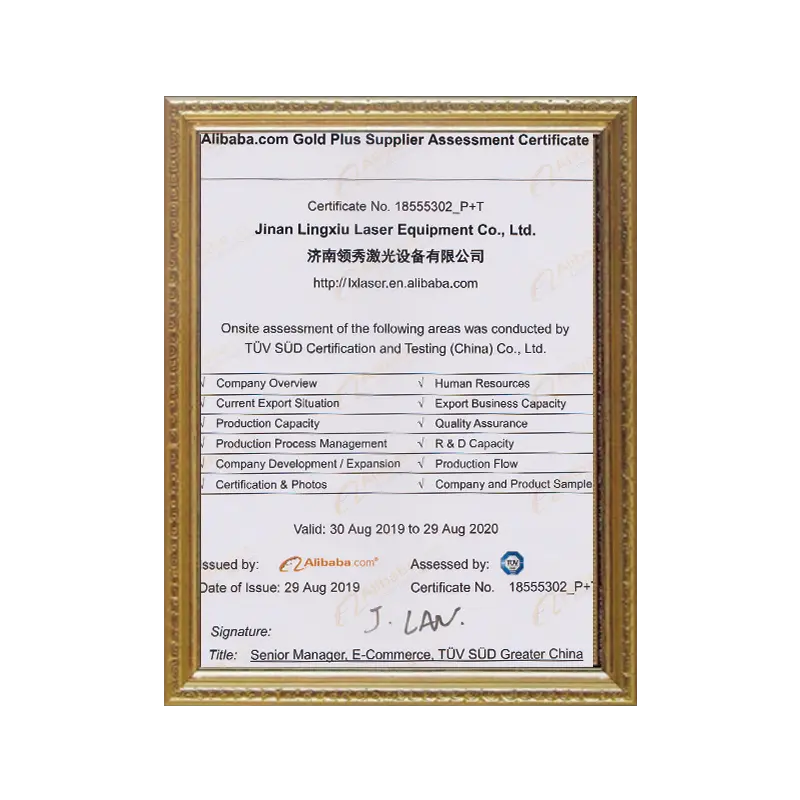
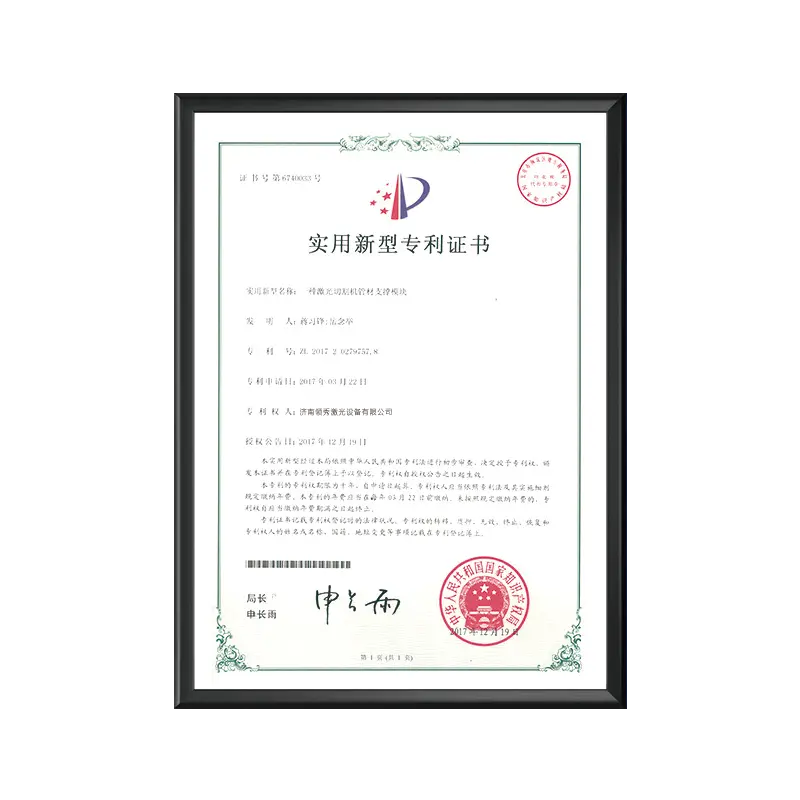
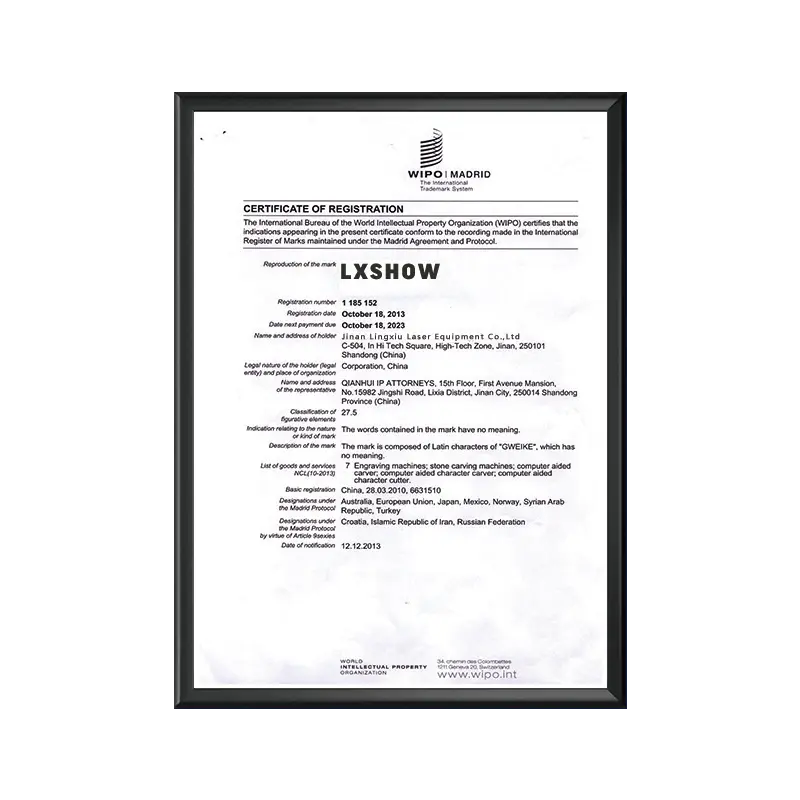
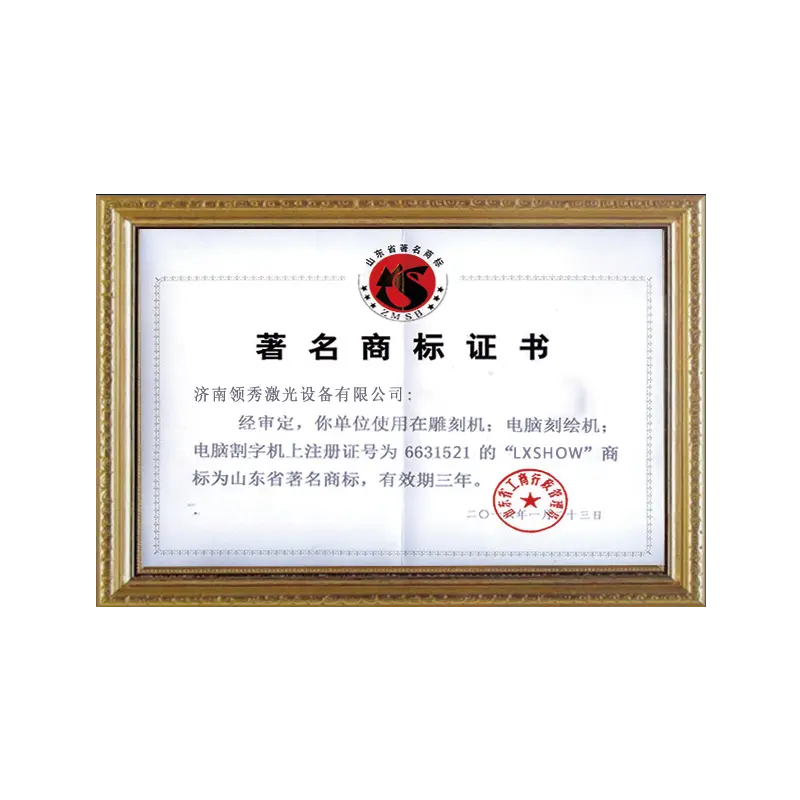
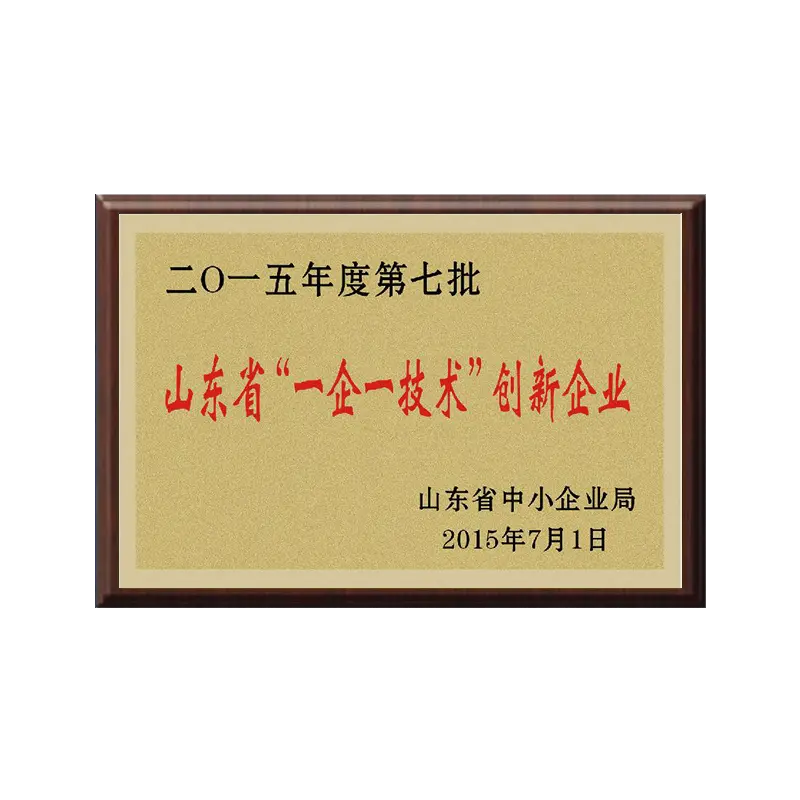
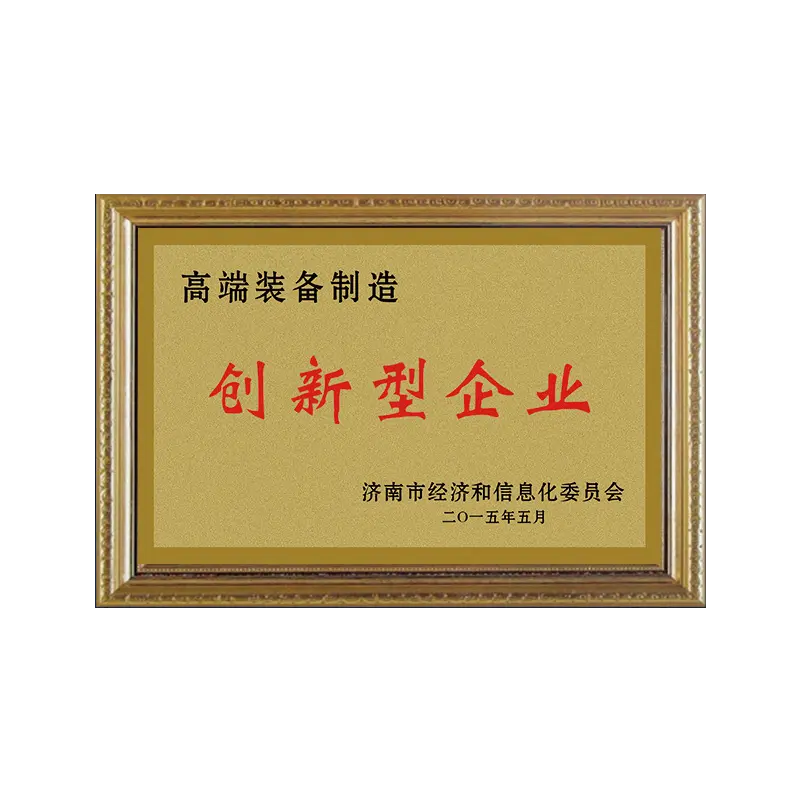
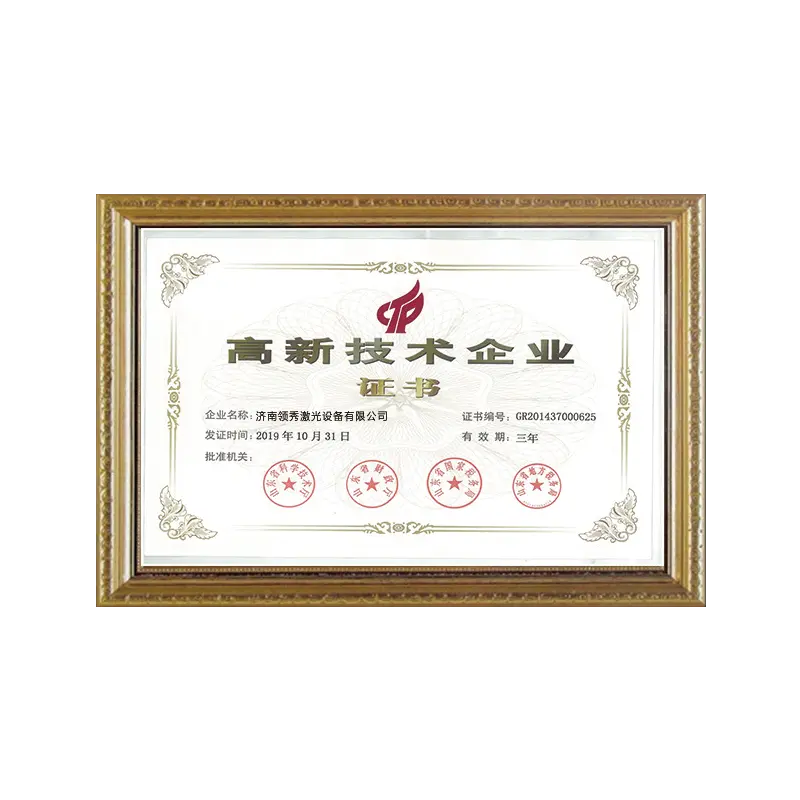
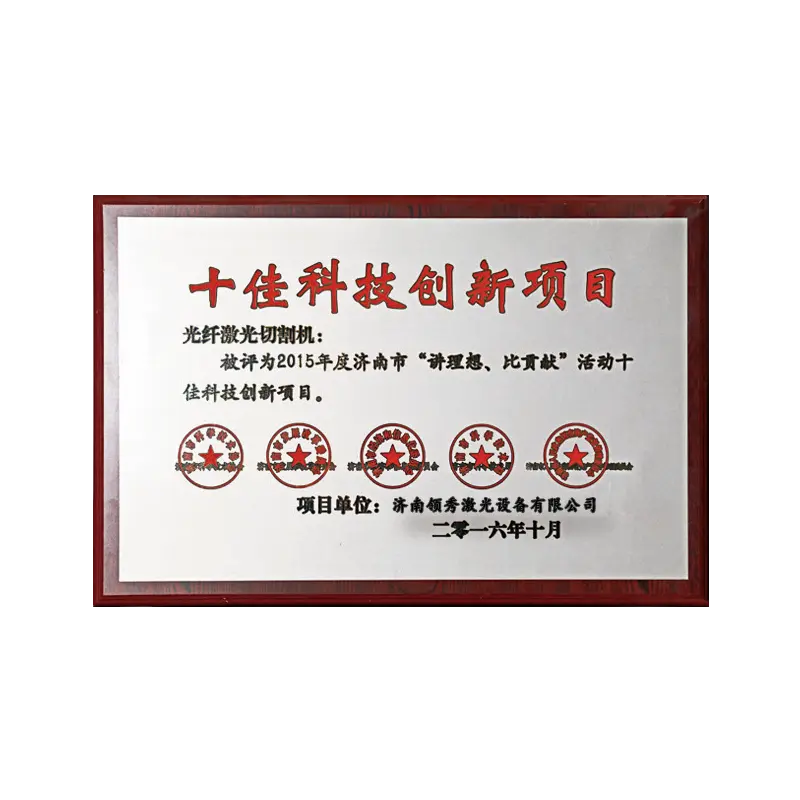
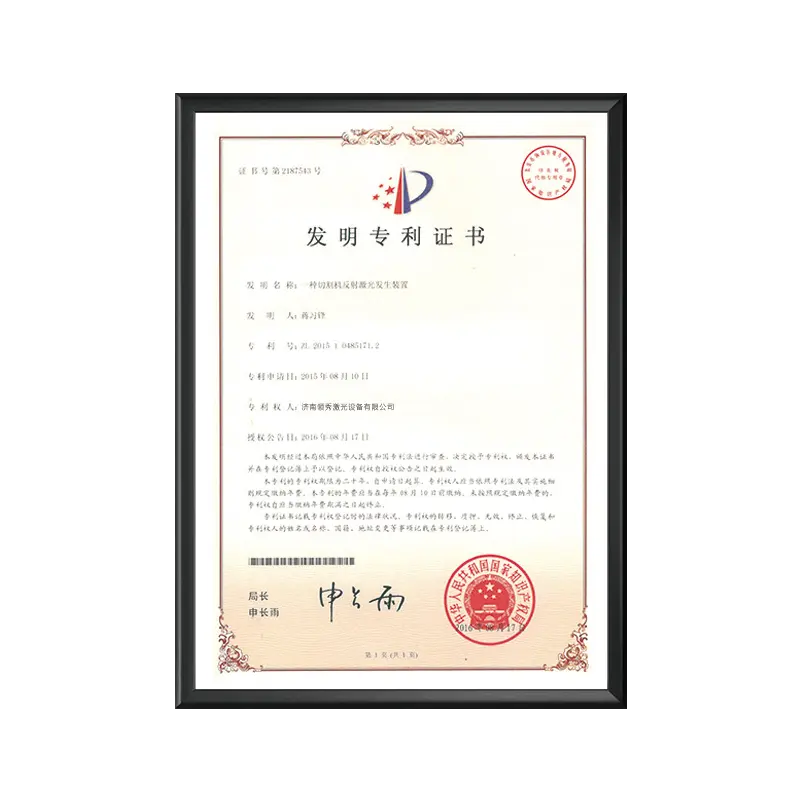
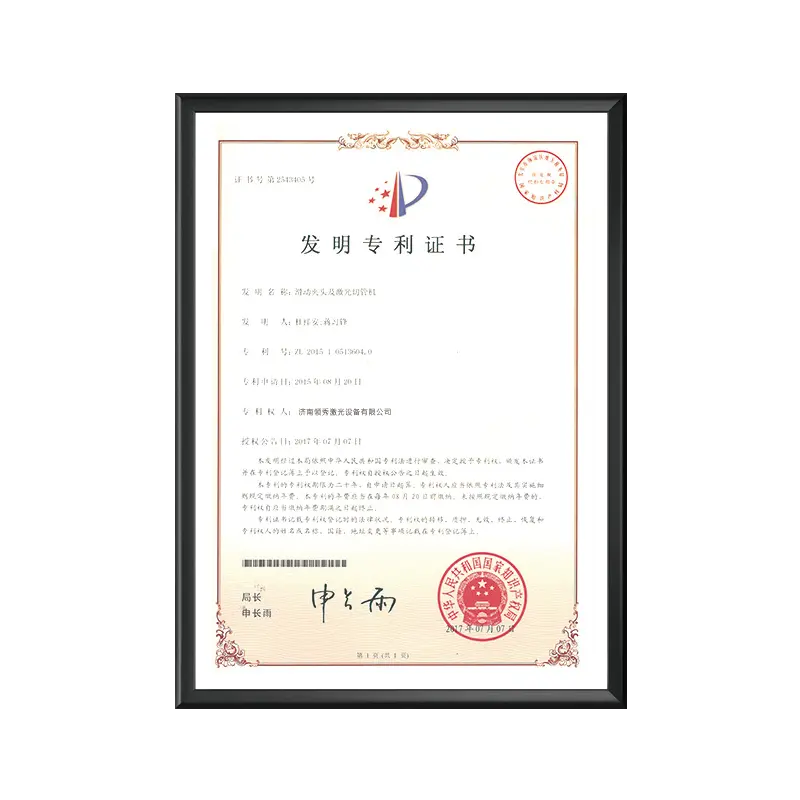
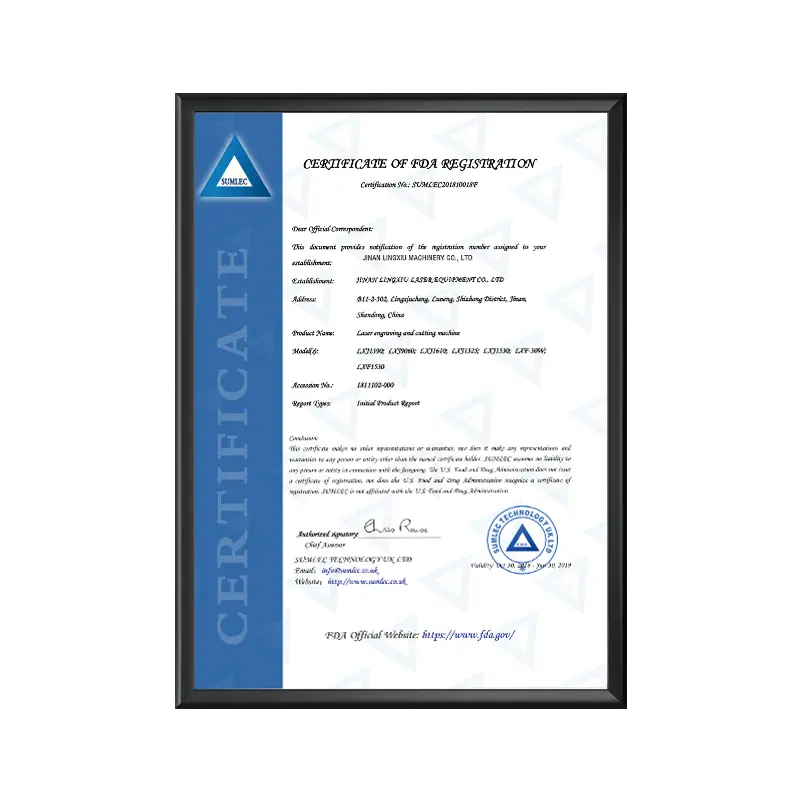
We supply laser systems and support to companies in more than 150 countries. Our operations focus on heavy metal structural cutting, structural tube processing, and high-precision welding.
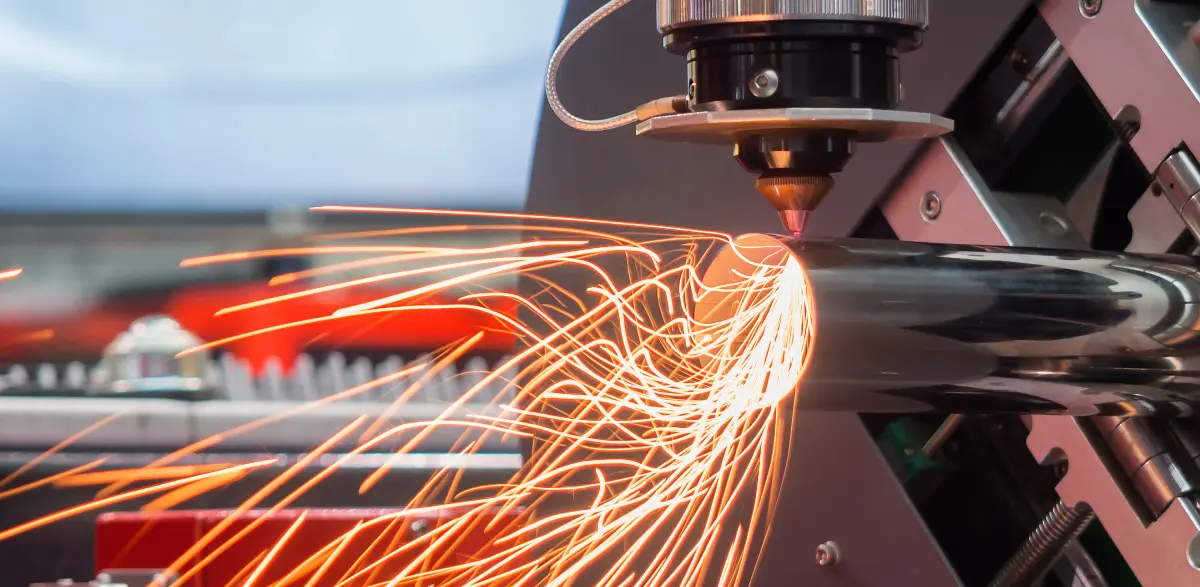
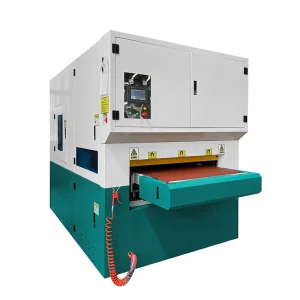
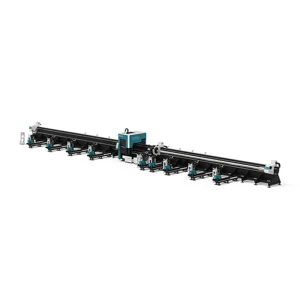
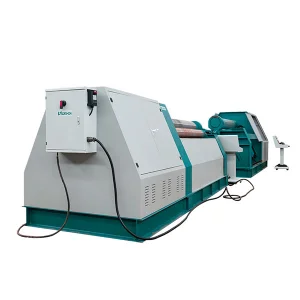
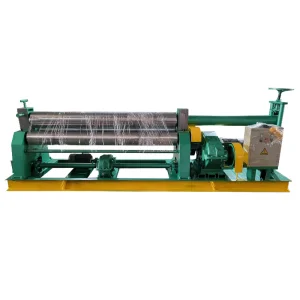
Explore our range of heavy-duty sheet rolling machines, metal polishing machinery, and CNC bending systems designed for high-volume structural production lines.
 Lxshow