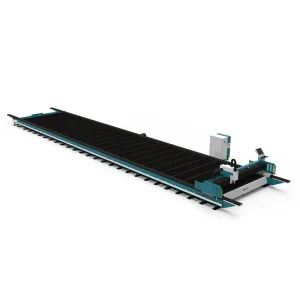
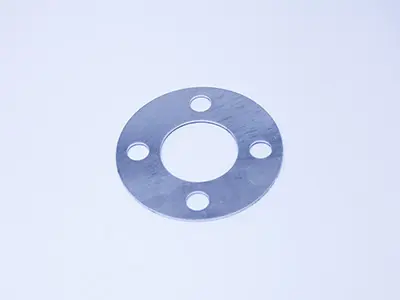
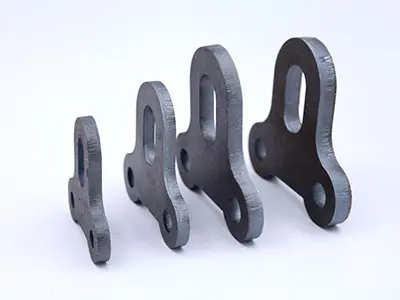
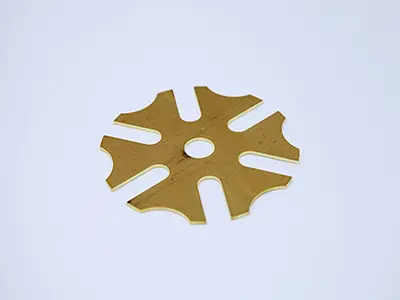
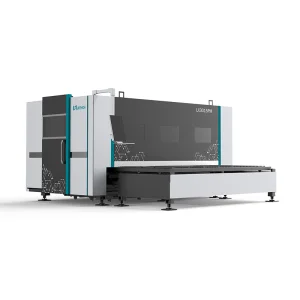
Explore our state-of-the-art systems designed for automated metal sheet, plate, and tube processing. Built for high-volume manufacturing with micrometer-level accuracy.
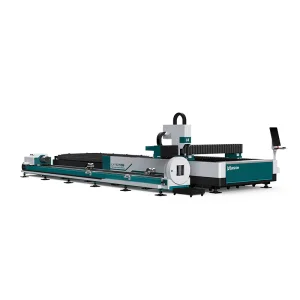
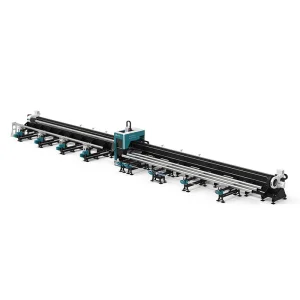
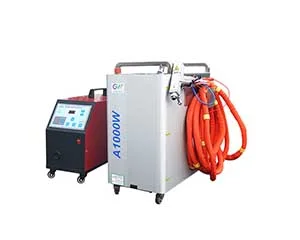
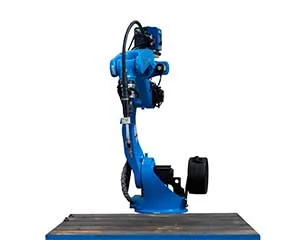
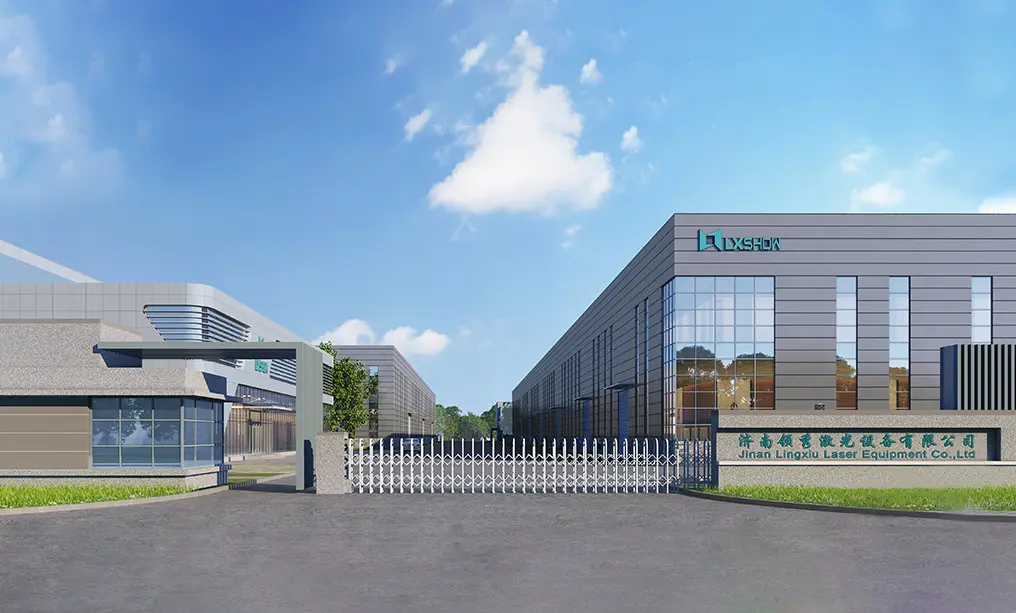
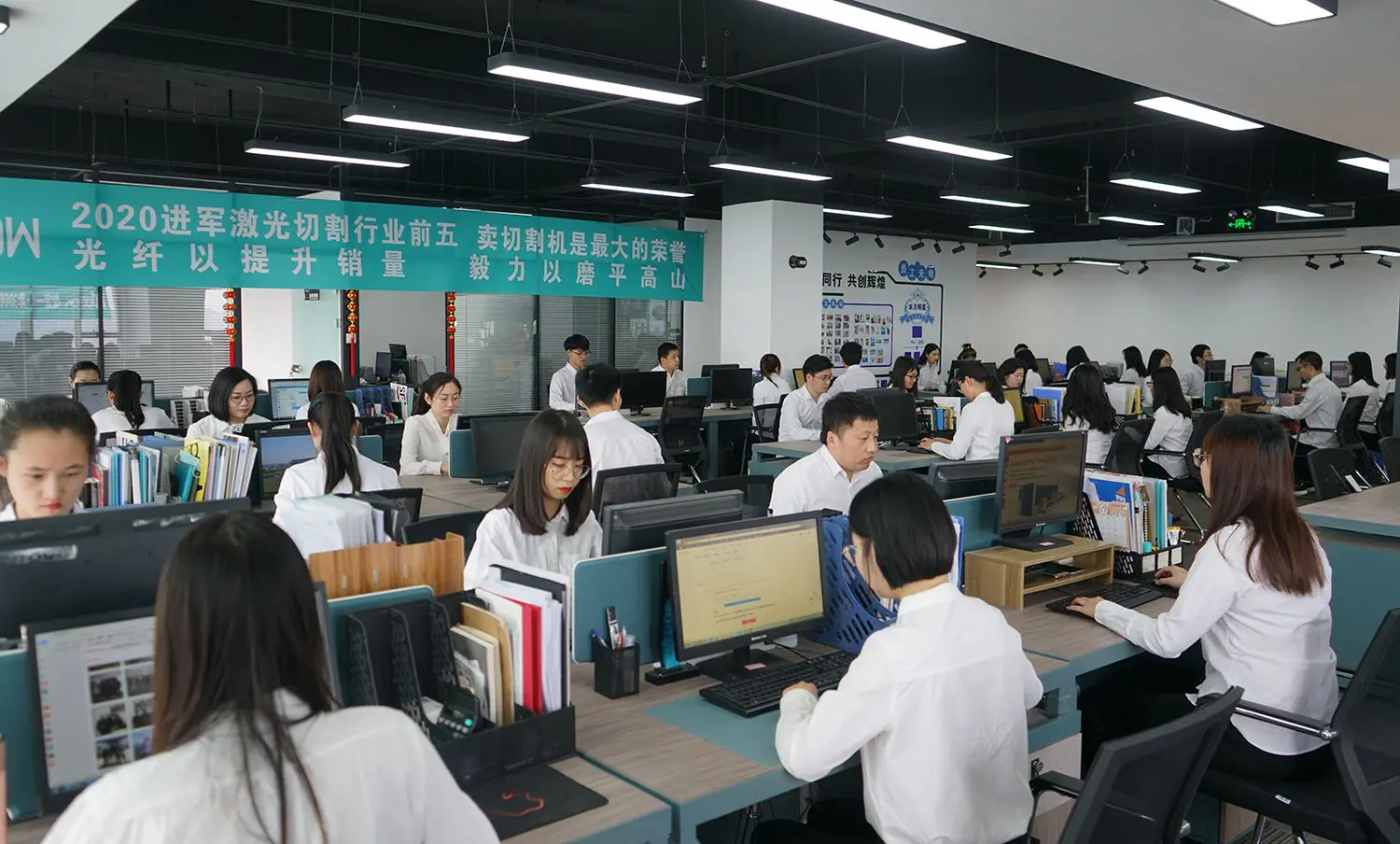
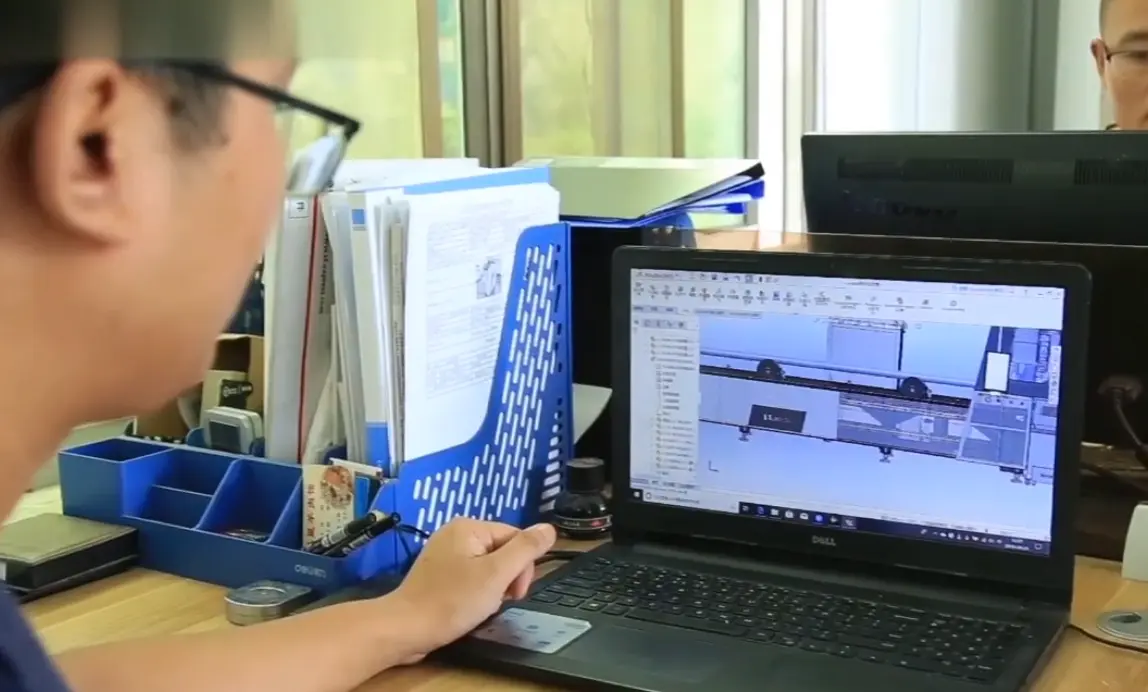
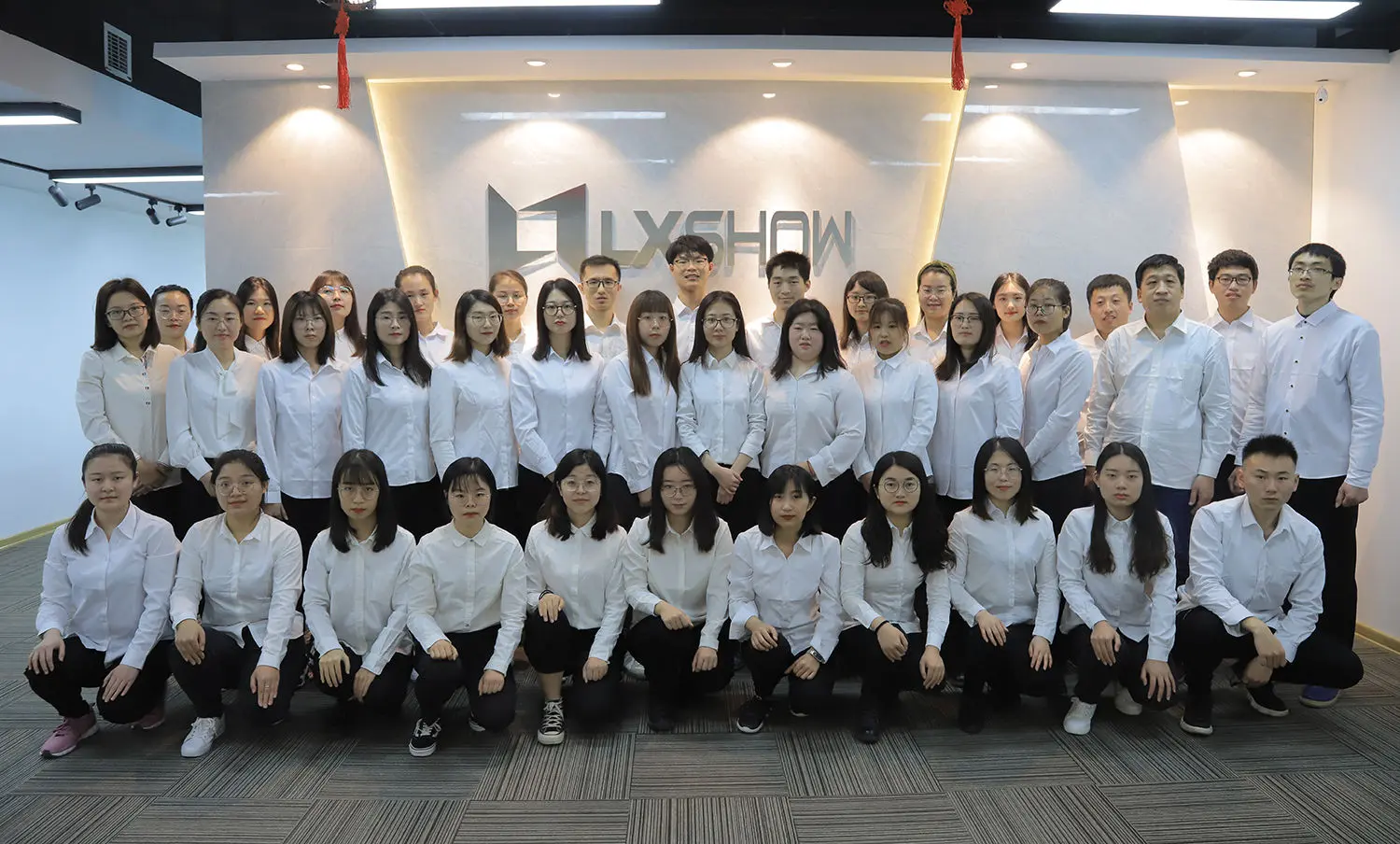
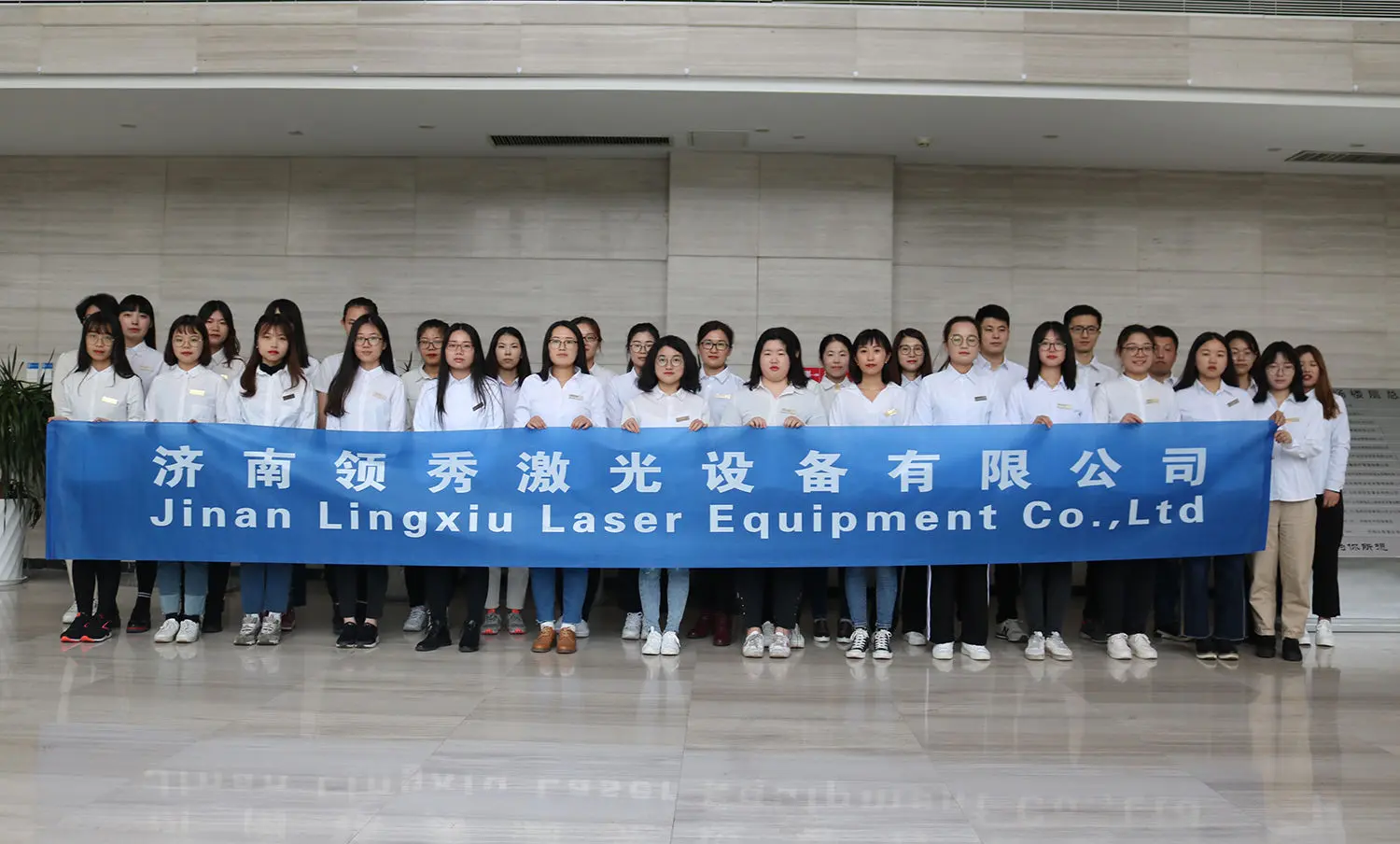
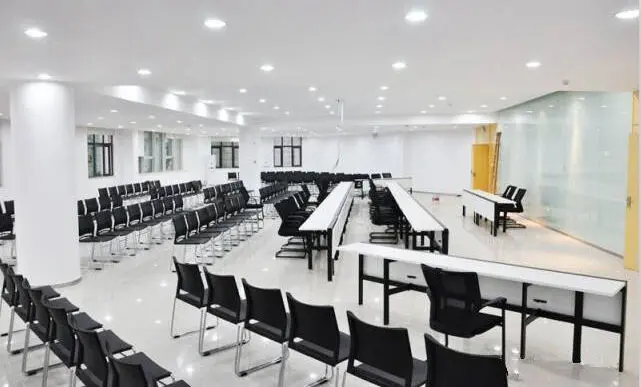
Founded in July 2004, we have committed ourselves to the continuous development, design, and manufacturing of high-precision fiber laser cutting, laser welding, and laser cleaning machinery. Over the last two decades, our research and office footprint has grown to cover more than 500 square meters, operating alongside a massive, state-of-the-art production plant measuring over 32,000 square meters.
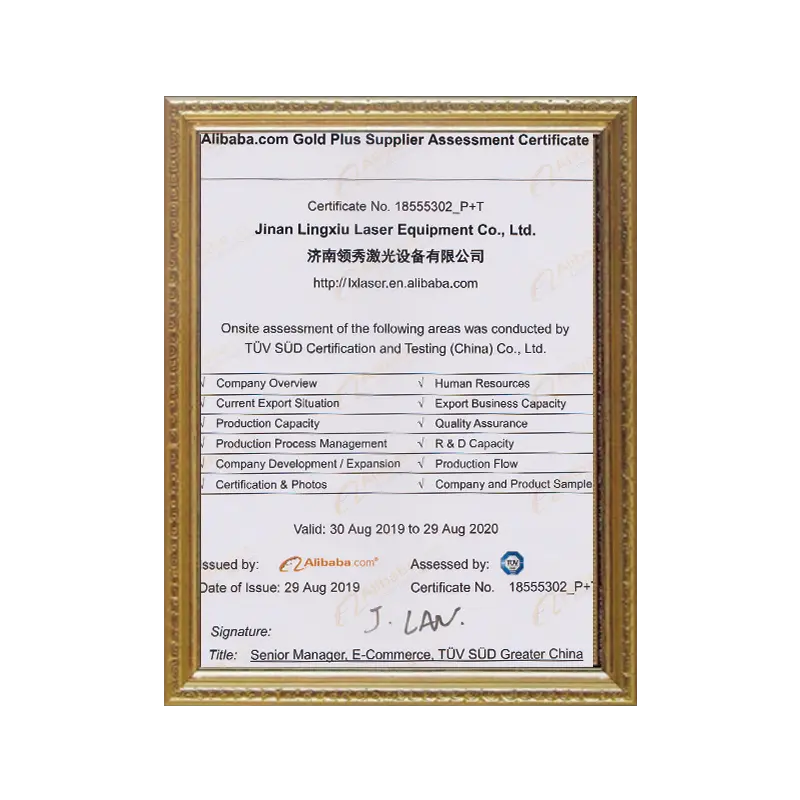
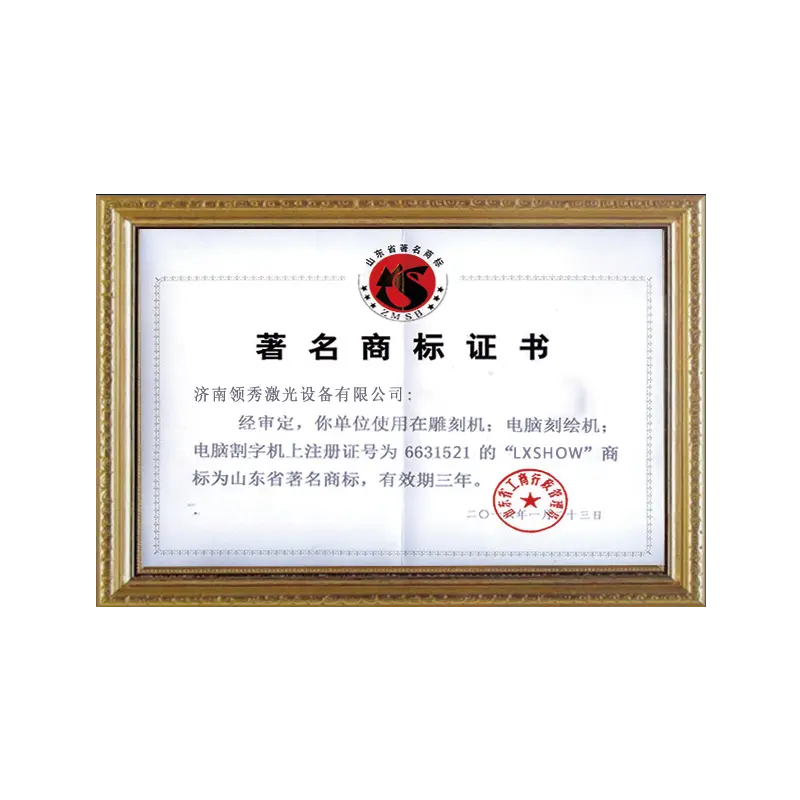
Our manufacturing ethos revolves around quality and industrial standards. Every system configured on our assembly lines complies strictly with international protocols. All machinery has successfully passed the European Union CE authentication, carries the United States FDA certification, and is fully certified under the ISO 9001 quality management framework. Through systematic QA checks, our solutions serve demanding industries globally.
"With active systems deployed in over 150 countries, supporting 20,000+ users, we provide custom OEM/ODM services to more than 30 world-renowned industrial machinery brands, paving the way for their transition toward Smart Factory networks."
In the modern manufacturing sector, speed, precision, and operational efficiency are no longer optional. Traditional contact cutting methods, such as mechanical milling, sawing, or punch-press operations, are rapidly being replaced by advanced fiber laser technologies. Global heavy industries, automotive giants, and aerospace component manufacturers require systems capable of achieving tight geometrical tolerances without inducing micro-cracks or heat-affected zone (HAZ) damage.
High-power fiber lasers ranging from 1,000W up to 30,000W represent the pinnacle of this technological transition. By utilizing solid-state laser generators, these machines offer a wall-plug efficiency of over 30%, which is significantly higher than older CO2 technology. With the ability to process raw materials like stainless steel, carbon steel, copper, brass, and aluminum at speeds exceeding several dozen meters per minute, factories can drastically reduce cycle times and lower overhead costs.
Advanced focus heads maintain optimal thermal concentration, keeping heat localized and preventing material warp on thin metal sheets.
Fiber laser source setups consume up to 70% less energy than equivalent CO2 gas lasers, dramatically improving monthly utility costs.
Easily processes highly reflective materials including copper, brass, and marine-grade aluminum alloys without optical back-reflection damage.
Industrial demands vary heavily based on geographical regulations, material standards, and regional market needs. Through our flexible ODM configurations, we adapt our precision laser machinery to target specific localized use cases:
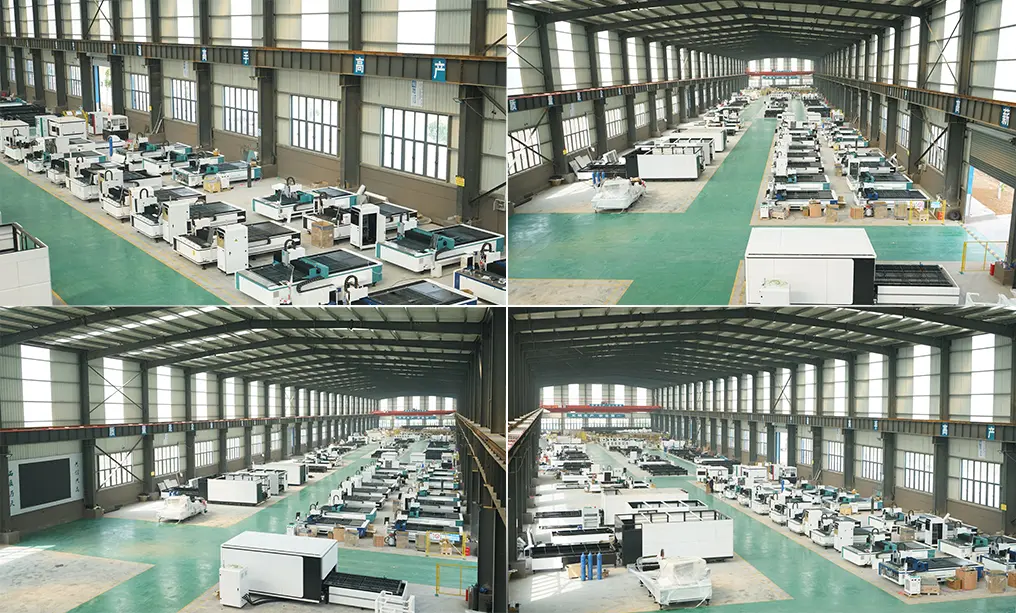

China's manufacturing clusters for industrial smart equipment provide an unmatched supply chain environment. By establishing our 32,000-square-meter factory in Jinan—the epicentre of China's CNC machinery industry—we secure several strategic supply chain advantages:
Direct proximity to leading structural steel mills, custom casting foundries, and precision gear/linear guide suppliers keeps material lead times down to a minimum.
We work directly with top-tier laser source brands (IPG, Raycus, Maxphotonics, JPT) to integrate laser heads, CNC control chips, and servo systems at lower procurement costs.
Our heavy gantry structures undergo multi-stage thermal tempering and natural aging processes to guarantee zero deformation under decades of continuous mechanical load.
This robust supply chain infrastructure ensures that we can quickly ramp up production and reliably meet tight delivery timelines, even for complex custom configurations.
As we look to the future, laser system development is moving from standalone machinery toward fully integrated production lines. Our technical roadmap aims to build smart factories that streamline operations:
Using robotic loaders and AI nesting algorithms to improve material yield and reduce human intervention.
Integrating fiber laser cutting, welding, cleaning, and bending on a single control network.
Developing laser cladding systems (like the LXRF-6030 series) to extend tool life and repair heavy industrial components.
Transitioning to efficient air-cooling systems for low-power handheld models, reducing size and power usage.
By developing cloud-connected machinery that syncs with MES and ERP platforms, we prepare modern workshops for the next generation of automated manufacturing.
Purchasing industrial laser machinery requires clear guarantees of quality, safety, and long-term support. Our compliance framework is structured around three key pillars:
Our enclosed cutting beds feature double-glazed viewing windows that protect operators from dangerous Class IV wavelengths while maintaining clear visibility.
Every electrical cabinet and safety circuit is built to international standards, simplifying local compliance audits and plant certification.
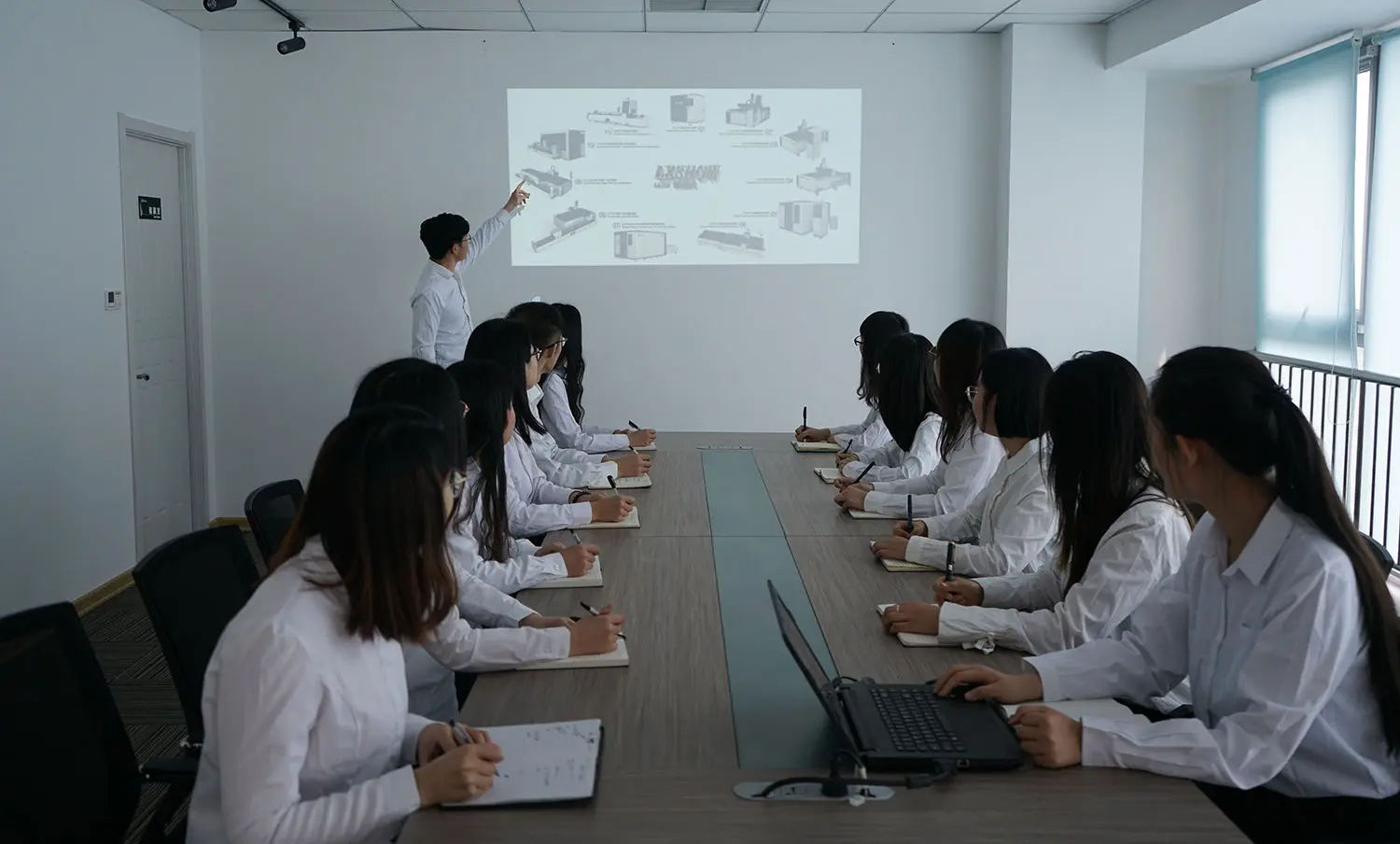
We provide remote system monitoring and step-by-step training programs to help your engineers minimize downtime and keep operations running smoothly.
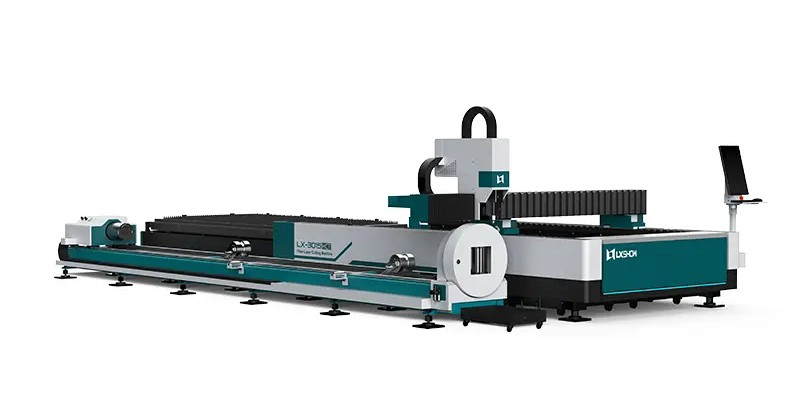
Engineered to process a wide range of metals, tubes, and structural profiles for modern industrial manufacturing.
Our fiber laser systems are utilized in steel mills, packaging facilities, craft gift workshops, automotive assembly lines, aerospace component fabrication, jewelry design studios, mold and die workshops, and semiconductor processing. Whether marking micro-components or cutting massive structural steel, our machinery provides consistent, high-yield results.
Fully integrated machinery for cutting, welding, bending, and cleaning, offering end-to-end support for your production lines.
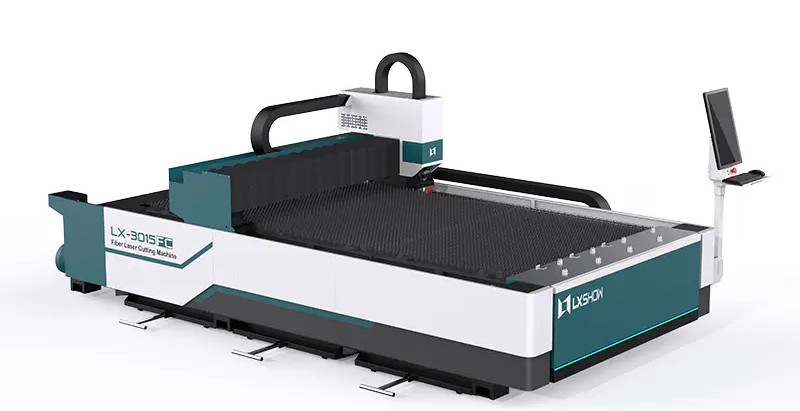
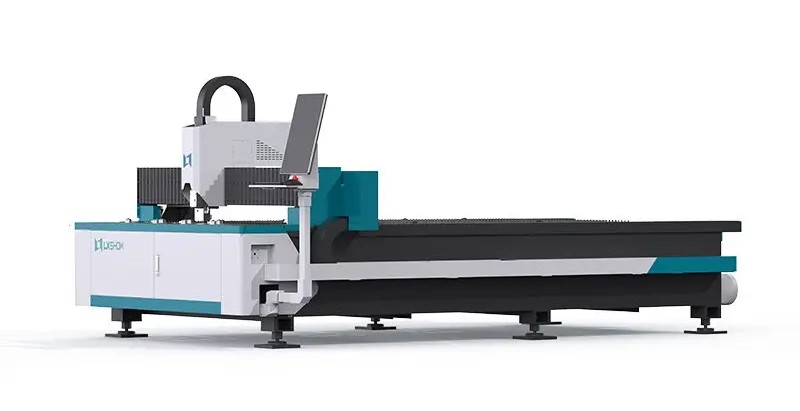
Get technical answers to common questions about selecting, operating, and maintaining fiber laser machinery.
Each laser source provider has specific advantages tailored to different manufacturing requirements:
An exchange table (or shuttle table) allows operators to load a new sheet of raw metal and unload finished parts while the machine is actively cutting inside the enclosure. This reduces loading times from minutes to seconds, improving overall tool utilization in high-volume production runs.
The choice of auxiliary gas depends on the material chemistry and the desired edge finish:
Unlike CO2 lasers, fiber lasers guide light through dynamic optical fibers directly to the cutting head, eliminating the need for complex mirror alignments. Regular maintenance is simplified to replacing the protective cover slides, keeping the focus lens clean, checking gas nozzle alignment, and calibrating the height sensors.
Complete your production cycle with our high-speed fiber markers, precision metal sheet benders, and non-destructive surface cleaning systems.
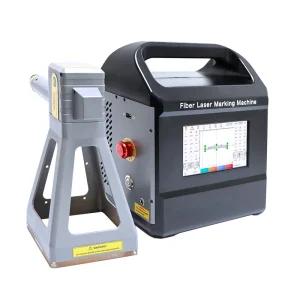
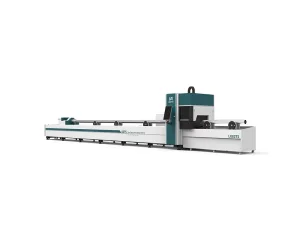
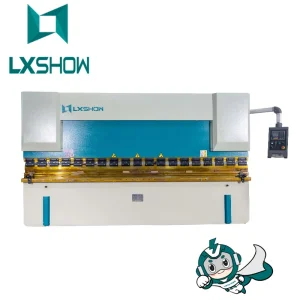
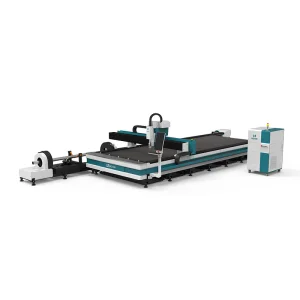
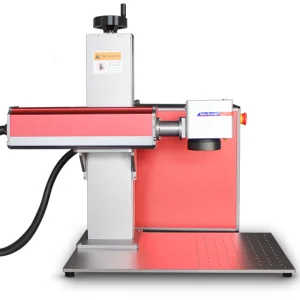
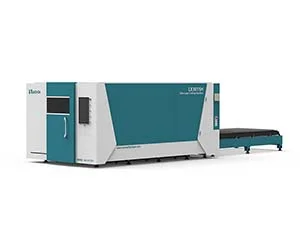
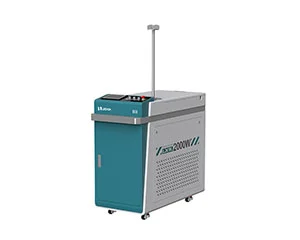
Take a closer look at our material processing lines, component designs, and operational departments.
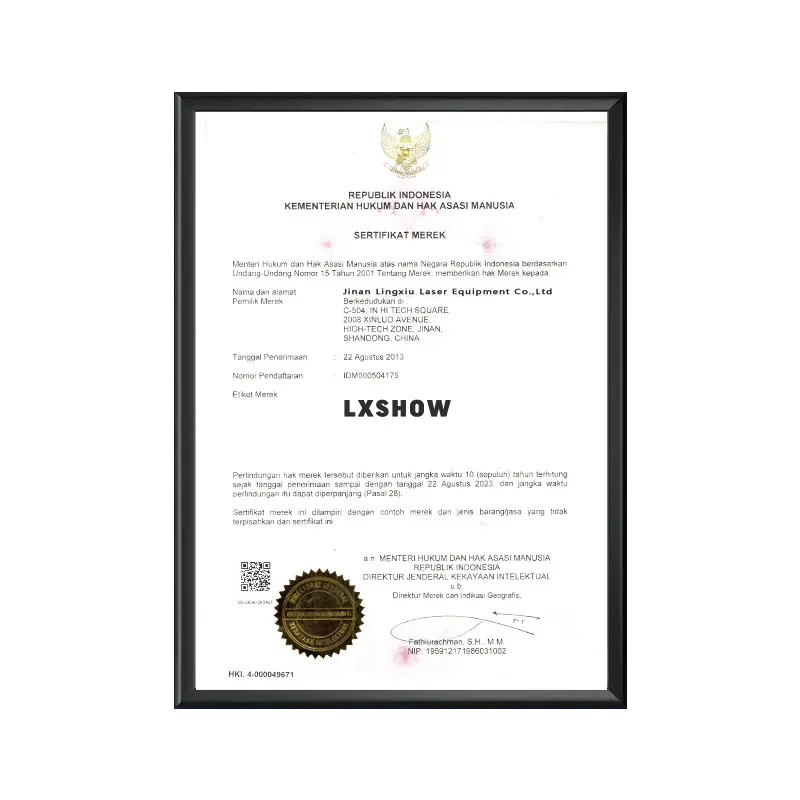
 Lxshow