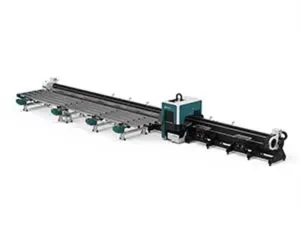
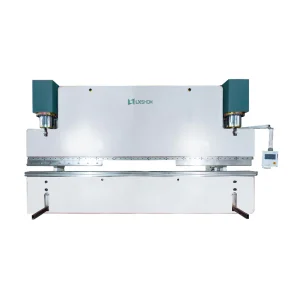
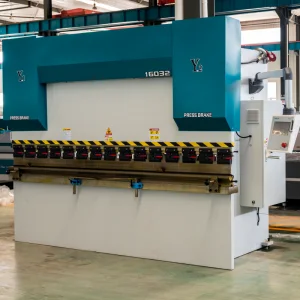
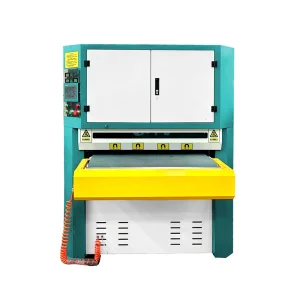
Explore our leading industrial manufacturing and sheet metal processing machinery exported to over 150 countries worldwide.
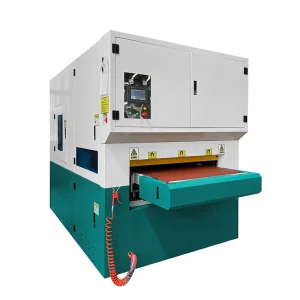
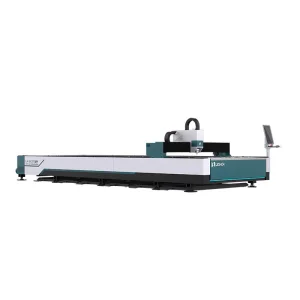
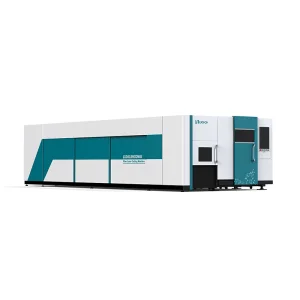
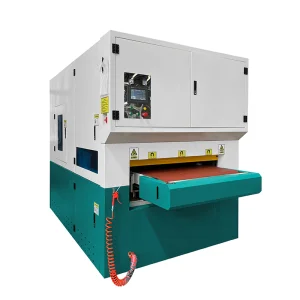
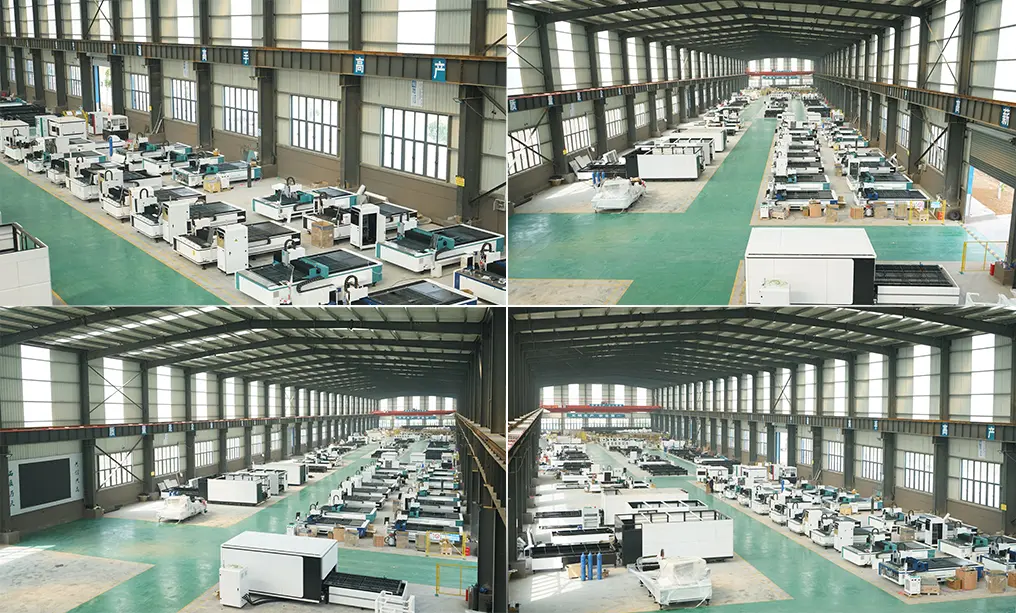
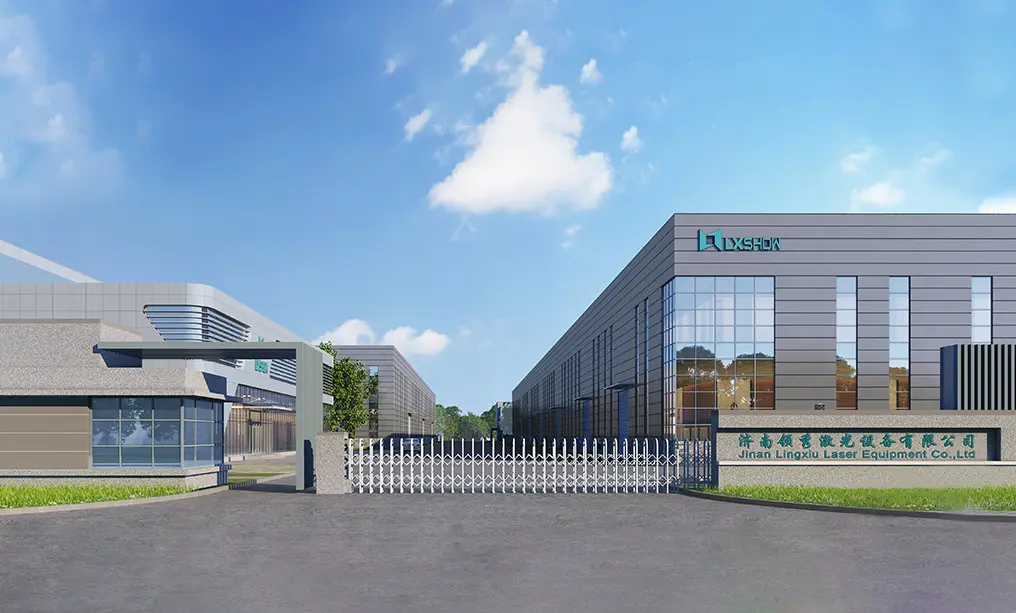
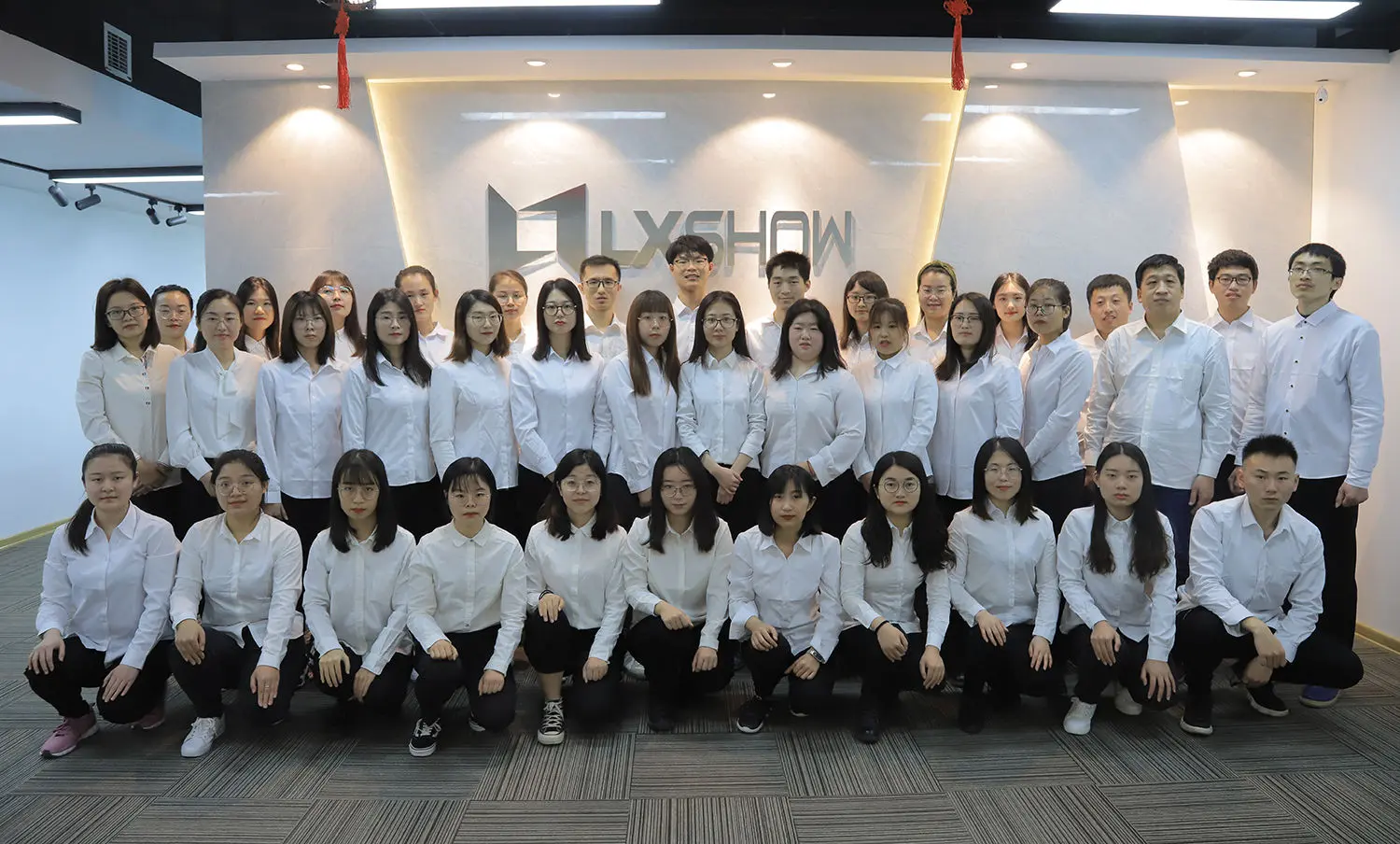
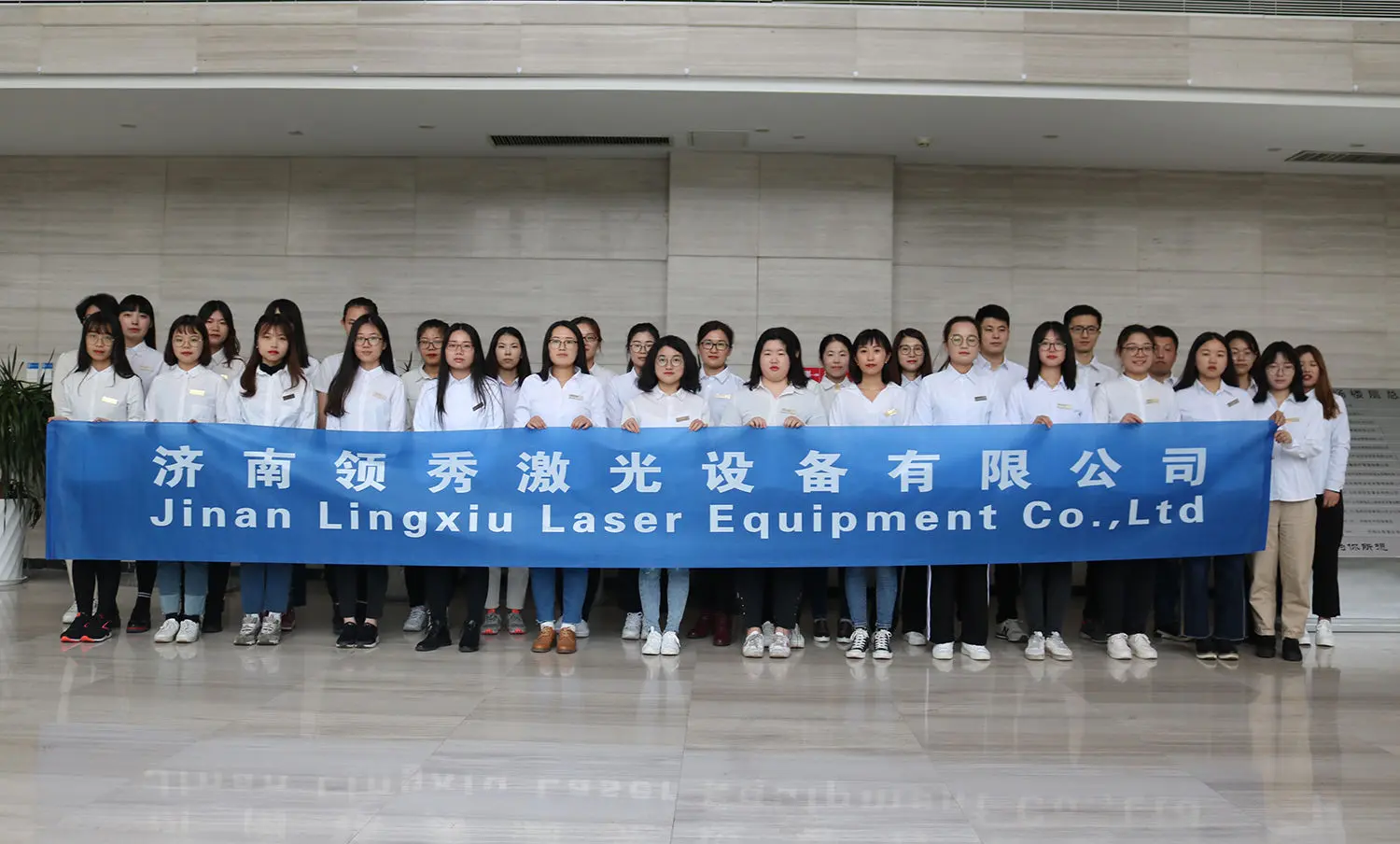
Established in July 2004, we have committed ourselves to the forefront of intellectualized fabrication. Currently, we manage more than 500 square meters of dedicated scientific R&D and engineering offices, flanked by an advanced manufacturing center spanning more than 32,000 square meters. Our systems serve industries ranging from aerospace and precision instruments to daily hardware, making us one of the premier global partners for smart metal processing solutions.
Traditional high-power gantry cutters occupy immense shop-floor space and require heavy foundation reinforcement. The engineering shift towards Mini Fiber Laser Cutting Machines solves this footprint constraint, yielding up to 45% spatial recovery while maintaining sub-millimeter precision tolerances (±0.02mm). This allows compact job shops and specialized laboratories to run industrial-grade metal cutting lines without massive infrastructural overhead.
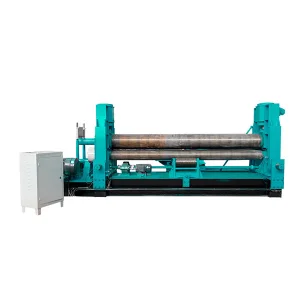
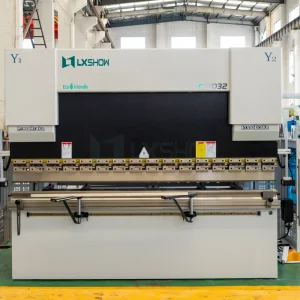
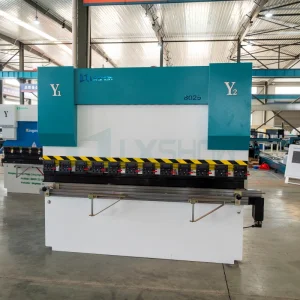
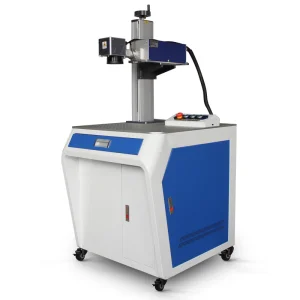
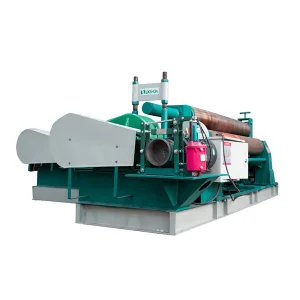
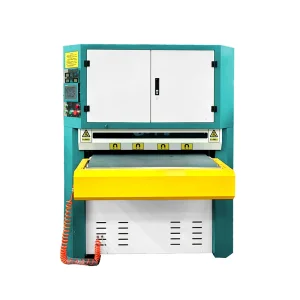
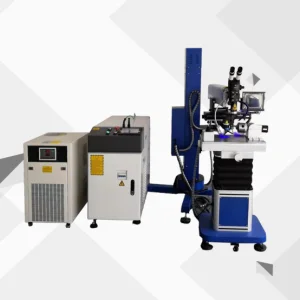
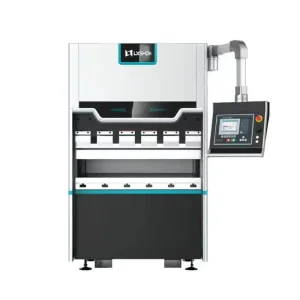
In the modern manufacturing landscape, standalone machines are no longer sufficient to secure a competitive edge. Industry 4.0 demands integrated systems where CNC systems talk directly to factory network architectures. Our product pipeline ranges from custom hydraulic plate rollers and high-efficiency metal polishers to automated press brakes and YAG/fiber welding machines. By offering complete workflows—from shearing and cutting to bending, welding, and deburring—we empower factories to transition into full-scale, digitized smart manufacturing complexes.
All machines engineered by us are certified to meet international criteria, including the European Union CE Authentication, American FDA Certificate, and the ISO 9001 quality assurance program. By securing these certifications, we guarantee that our systems are compliant with global safety standards and perform reliably under heavy multi-shift conditions.
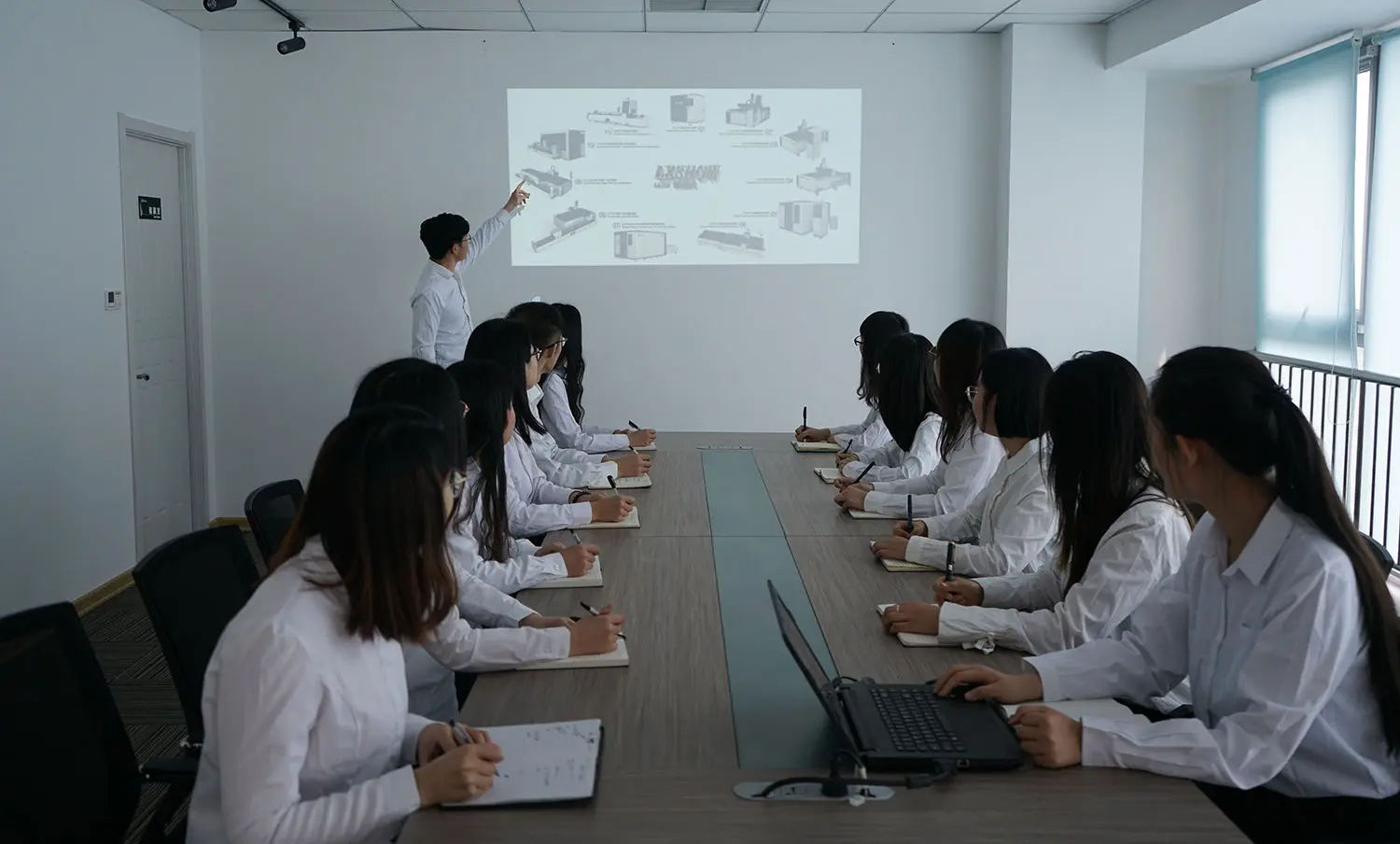
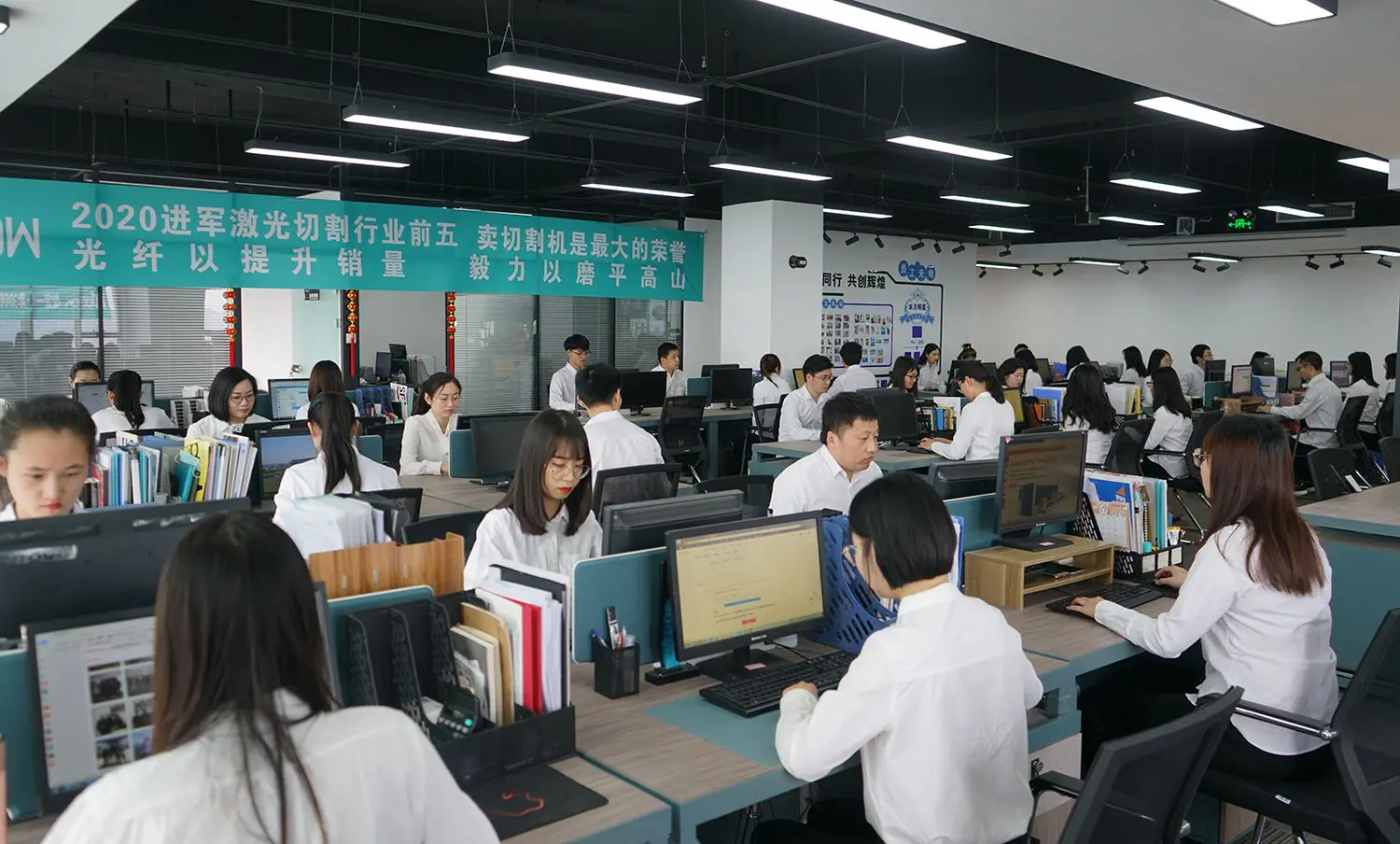
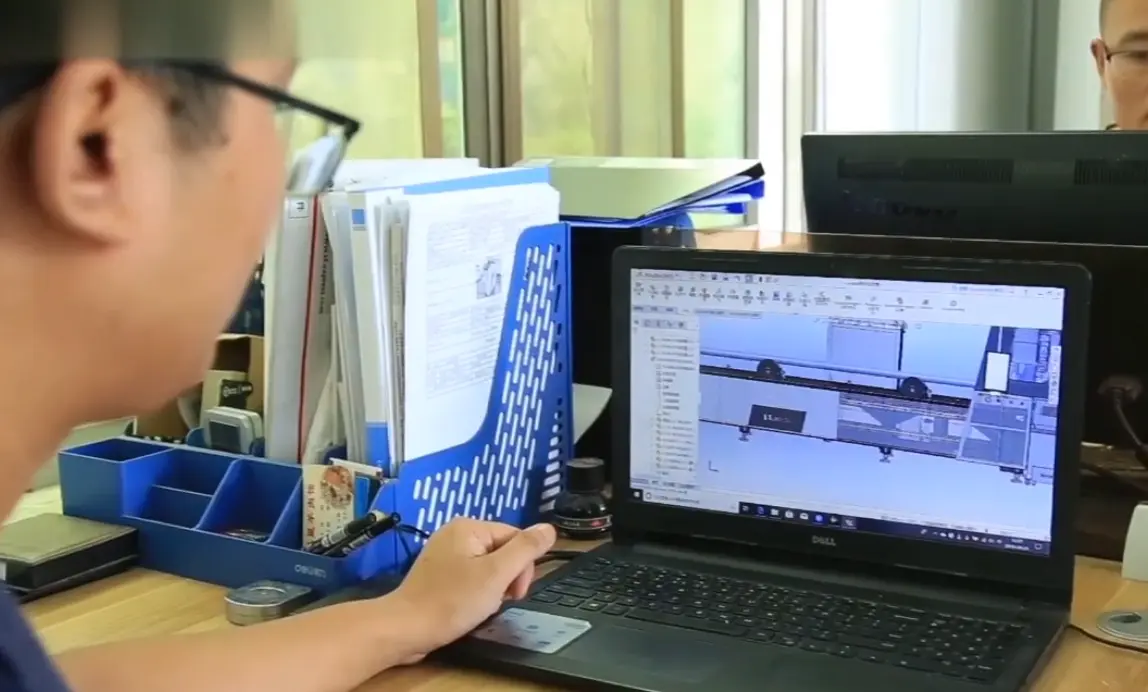
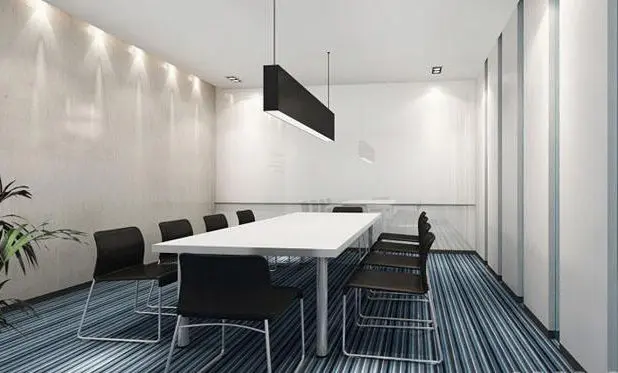
Our production facilities, design rooms, and engineering testing zones are organized for transparency, precision, and efficiency.

The global demand for high-efficiency metal cutting has shifted from raw power toward precision density and footprint efficiency. Let's analyze the core trends defining this market sector:
Mini fiber laser cutters are transitioning from traditional multi-mode sources to high-brightness, single-mode fiber lasers. Single-mode lasers provide a narrower, more concentrated beam profile (beam parameter product, BPP ≤ 0.4 mm·mrad), which concentrates energy at a smaller focal spot. This allows the machine to achieve cleaner kerfs and faster processing speeds on thin sheets (under 4mm) compared to higher-wattage multi-mode lasers.
By implementing intelligent EtherCAT-based controllers and intelligent nesting software (such as CypCut), factories can reduce sheet waste by up to 15%. Operators are also leveraging IoT sensors to monitor laser power output, gas flow, and cutting head temperature. Predictive analytics alert users when protective windows or lenses need replacement, minimizing unplanned down-time.
Global supply chains are tightening environmental and operator safety requirements. Traditional open-gantry models expose operators to reflection hazards and particulate emissions. Modern mini fiber laser machines employ fully enclosed class IV laser cabins with certified OD6+ viewing windows, dual-circuit exhaust systems, and safety interlocks that immediately shut off power if the cabinet is opened during operations.
When purchasing a mini fiber laser cutter, it is crucial to analyze the bed's mechanical construction. Low-end models often use thin sheet-welded frames that warp under structural stress and thermal loads. High-quality manufacturers construct beds using cast iron or heavy, stress-relieved steel plates that undergo thermal annealing at temperatures exceeding 600°C. This guarantees long-term mechanical stability for over ten years of continuous operation.
Our laser cutting systems process a wide range of metals, reflective materials, and hollow structural sections.
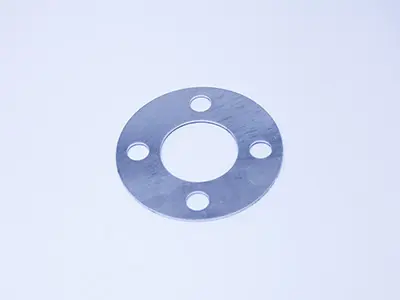
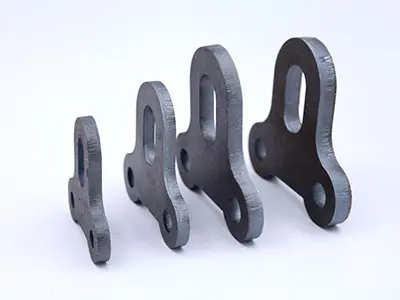
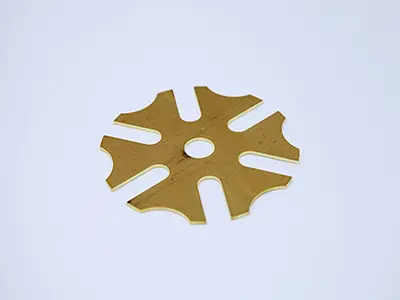
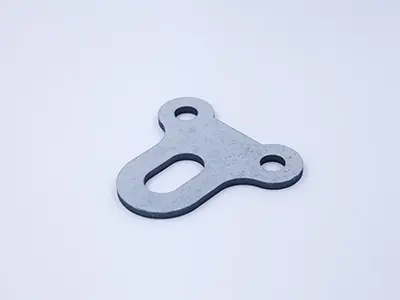
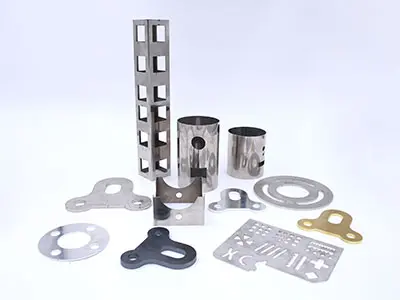
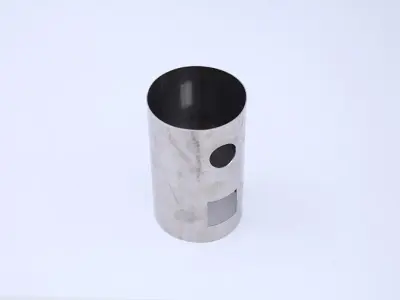
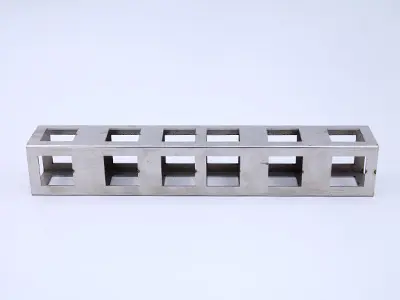
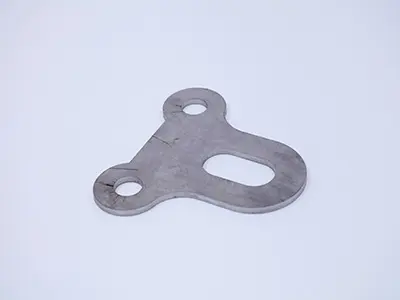
How we design and configure subsystems to optimize efficiency, reliability, and precision.
Equipped with high-torque Yaskawa or Panasonic AC servo motors paired with dual-drive helical rack and pinion gears. The system delivers 1.2G acceleration rates alongside positioning accuracies within ±0.02mm, preventing corner overshoot during intricate cuts.
Features auto-focus cutting heads (such as Raytools or Precitec) with integrated water-cooling circuits. The system automatically adjusts the focal position during cutting to maintain stable performance when switching between varying material thicknesses.
Constructed with stress-relieved steel plates and structured cross-members. The bed is stress-relieved via thermal annealing to eliminate residual welding stresses, ensuring the machine maintains alignment and accuracy over years of high-speed travel.
We provide comprehensive OEM services for over 30 major industrial machinery manufacturers globally. Our manufacturing center supports tailormade configurations, including custom bed sizes, alternative CNC platforms (Beckhoff, CypCut, or Friendess), and custom safety enclosures to match local regulatory and safety standards. This flexibility allows global importers to deliver localized, high-value machinery directly to their regional markets.
Detailed engineering answers to assist global procurement teams and factory managers in selecting the right machinery.
Expand your manufacturing capabilities with our high-power laser tubes, multi-chuck cutters, and heavy industrial press brakes.
 Lxshow