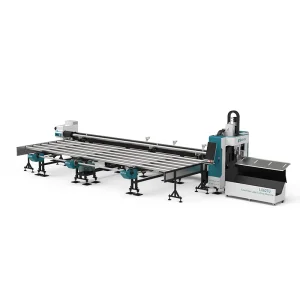
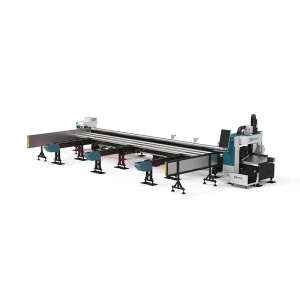
Explore our premium selection of heavy-duty fiber laser cutters, high-precision bending equipment, and automated deburring machines engineered for modern industrial plants.
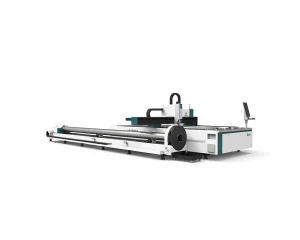
In the contemporary B2B manufacturing domain, precision engineering is not merely an operational target—it is the foundational pillar of global competitiveness. As a leading Metal Laser Cut Machine Supplier & Factory, we present this exhaustive whitepaper detailing the technical progress, supply chain integration, and performance benchmarks that drive modern sheet metal fabrication. Over the past two decades, high-power fiber laser technology has emerged as the premier standard for processing both ferrous and non-ferrous alloys, outperforming traditional CO2 systems and mechanical stamping systems across all operational metrics.
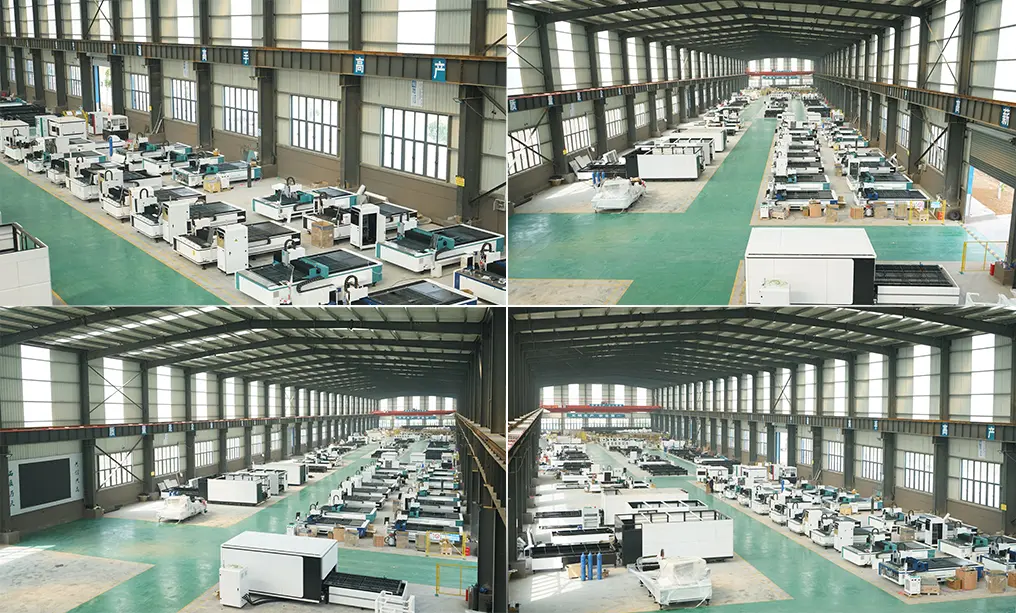
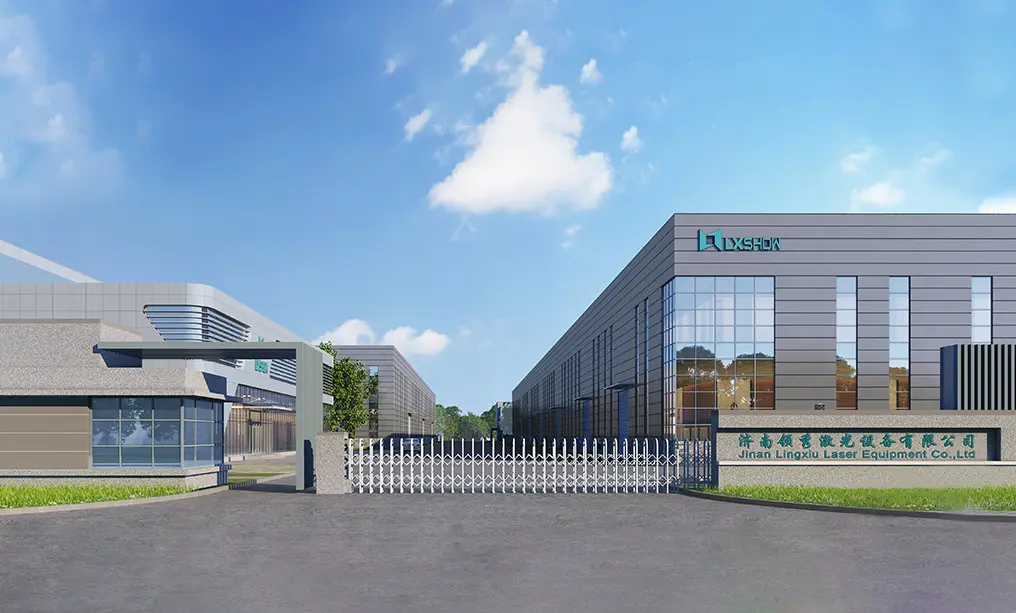
Since our establishment in July 2004, we have committed ourselves to translating optical physics into production-floor efficiency. Operating from a state-of-the-art facility spanning more than 32,000 square meters of manufacturing space, alongside a dedicated 500+ square meter research and office division, we continuously refine the capabilities of our equipment. This commitment guarantees that all machines delivered adhere to the most stringent international standards, including European Union CE authentication, American FDA certification, and ISO 9001 quality management systems.
The global metal fabrication market is undergoing a structural transition fueled by automation, digitalization, and localized demand. Industrial enterprises require machines that offer high throughput alongside minimal operating expenses. Key global trends include:
Scaling laser power up to 30kW and beyond allows manufacturers to cut ultra-thick materials (up to 100mm carbon steel) with clean gas assist. This eliminates secondary beveling operations and significantly reduces processing times in heavy machinery construction.
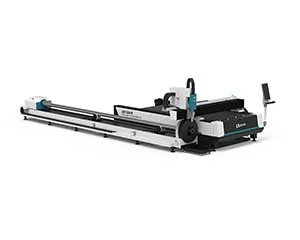
Integration of sheet cutting with automated pipe processing interfaces (such as our LX3015CT and 3015HCT lines) allows a single system to execute multi-dimensional geometric profiles, reducing capital expenditure on separate machines.
Fiber lasers operate at optical conversion efficiencies of over 35-40%, compared to just 10% for legacy CO2 lasers. This saves tens of thousands of kilowatt-hours annually, directly lowering the operational carbon footprint.
Our portfolio serves several high-precision industries globally:
In the global machinery market, procurement security is directly tied to the robustness of the supplier's manufacturing ecosystem. As a dedicated Chinese manufacturer, we leverage a highly integrated industrial cluster that allows us to manage costs and control component quality from raw steel to finished fiber optics.
Our proximity to key optoelectronic suppliers in East Asia minimizes lead times for optical fibers, CNC systems (like CypCut), and rack-and-pinion transmission mechanisms. This guarantees spare parts availability and reduces downtime.
Every gantry structure undergoes stress-relieving thermal cycles followed by rigorous laser interferometer measurements to ensure alignment accuracy within ±0.02mm before leaving our factory floor.
Our operations comply with ISO 9001 frameworks, featuring full trace logs for structural welds, electronic wiring harnesses, and high-power collimator assemblies.
We provide complete OEM support for over 30 global brands, configuring everything from customized color schemes to specialized loading systems and software translations.
Procuring capital equipment requires evaluating more than just the initial purchase price. Industrial buyers must assess the Total Cost of Ownership (TCO) across a projected lifecycle of 10 to 15 years. Here is a baseline matrix for evaluating a fiber laser machine acquisition:
| Evaluation Parameter | Technical Benchmark Details | Strategic Impact on TCO |
|---|---|---|
| Laser Generator Efficiency | Fiber configuration, minimum 100,000-hour diode life. | Reduces energy bills by up to 60% compared to legacy CO2 systems. |
| Structural Frame Design | Stress-relieved, plate-welded heavy gantry bed (over 4.5 tons). | Ensures cutting accuracy over a decade of continuous high-acceleration operations. |
| Motion Control Hardware | Yaskawa or Panasonic servo systems coupled with helical rack and pinion. | Enables rapid positioning speeds up to 120m/min at 1.5G acceleration. |
| Assist Gas Management | Proportional valve integration with automatic pressure settings. | Minimizes nitrogen and oxygen usage while ensuring dross-free edge quality. |
To reduce risk, our global support framework includes remote telemetry diagnostics, on-site commissioning by field engineers, and stocking of critical parts at regional centers in the USA, Europe, and Australia.
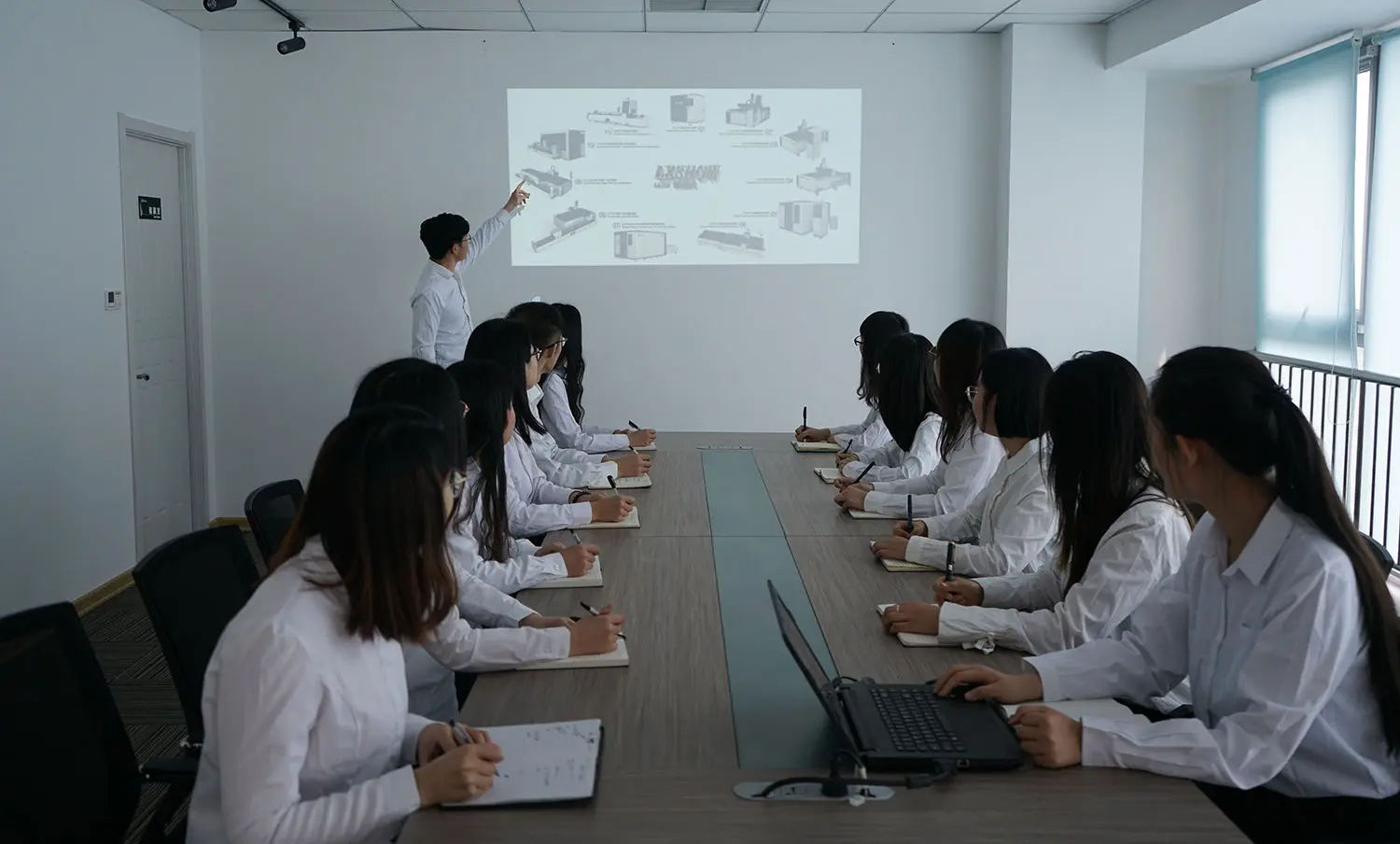
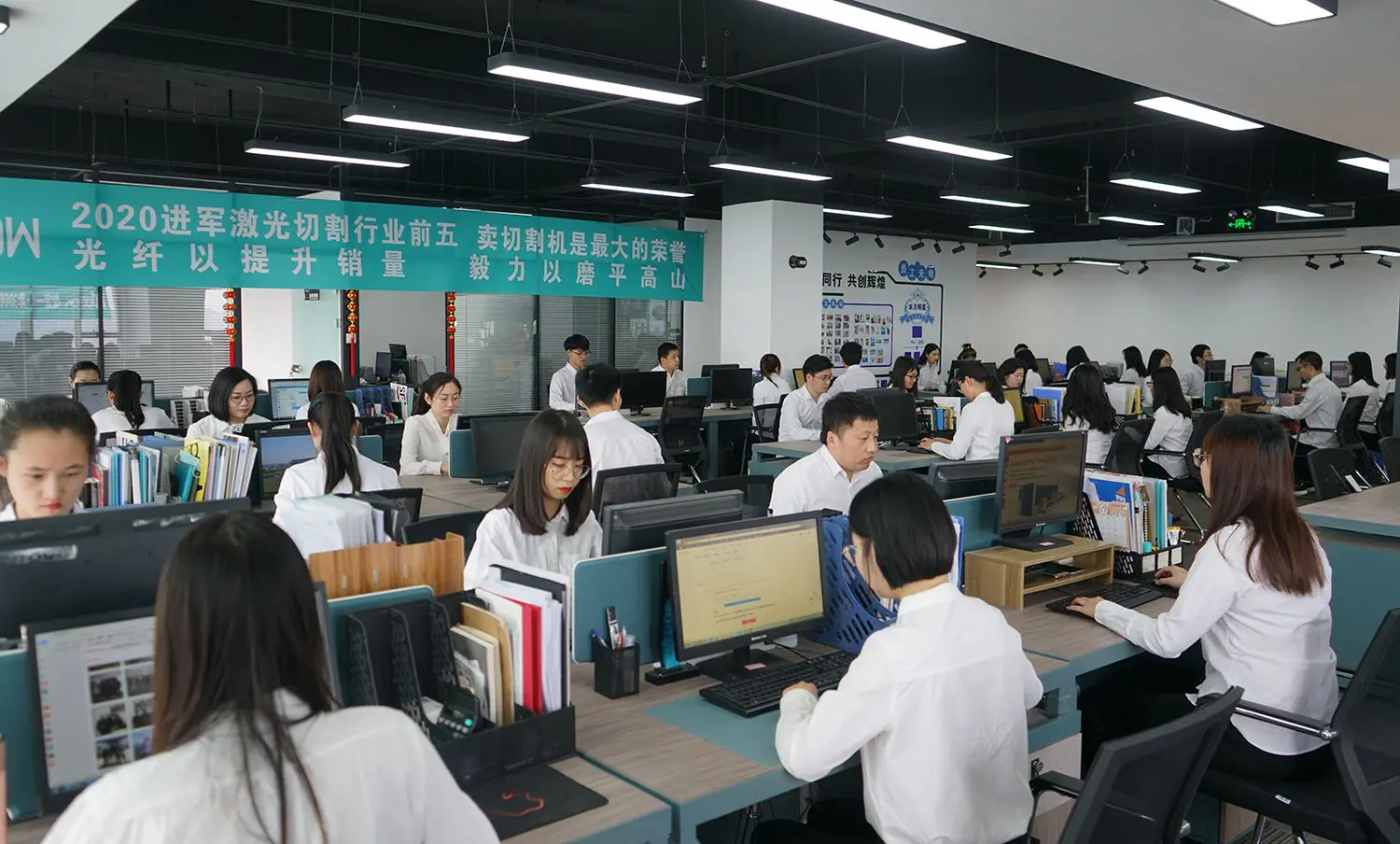
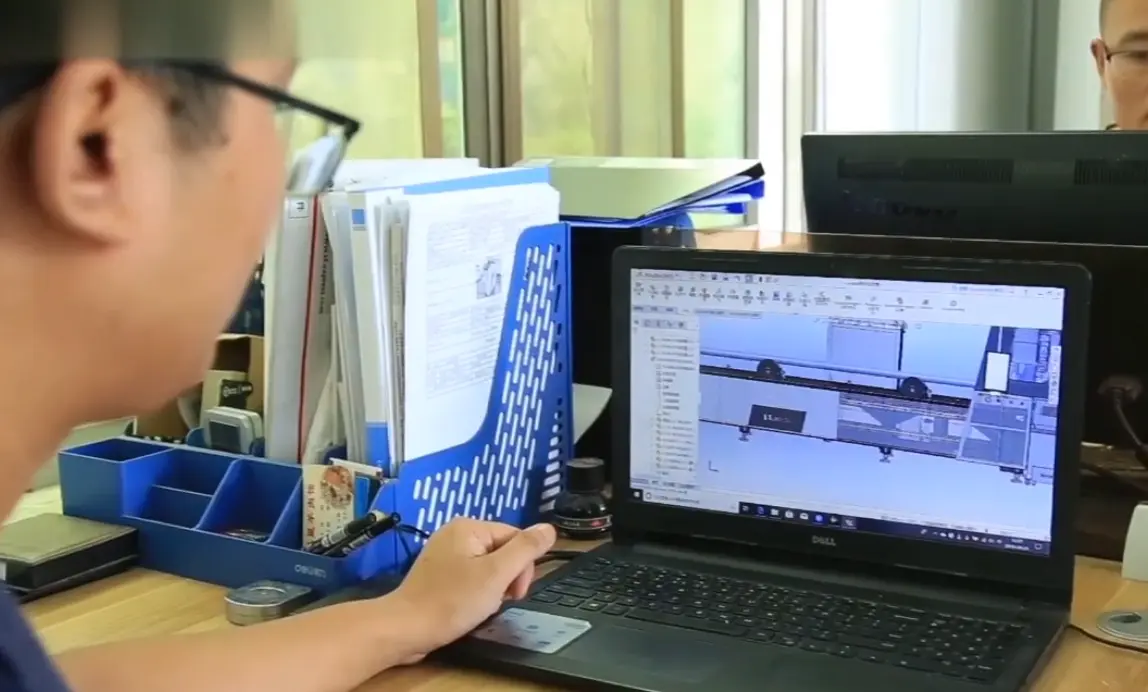
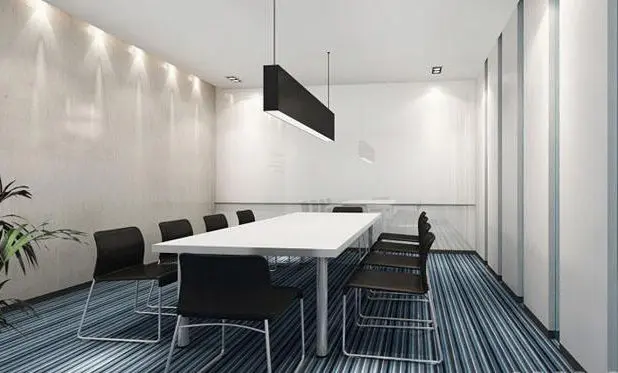
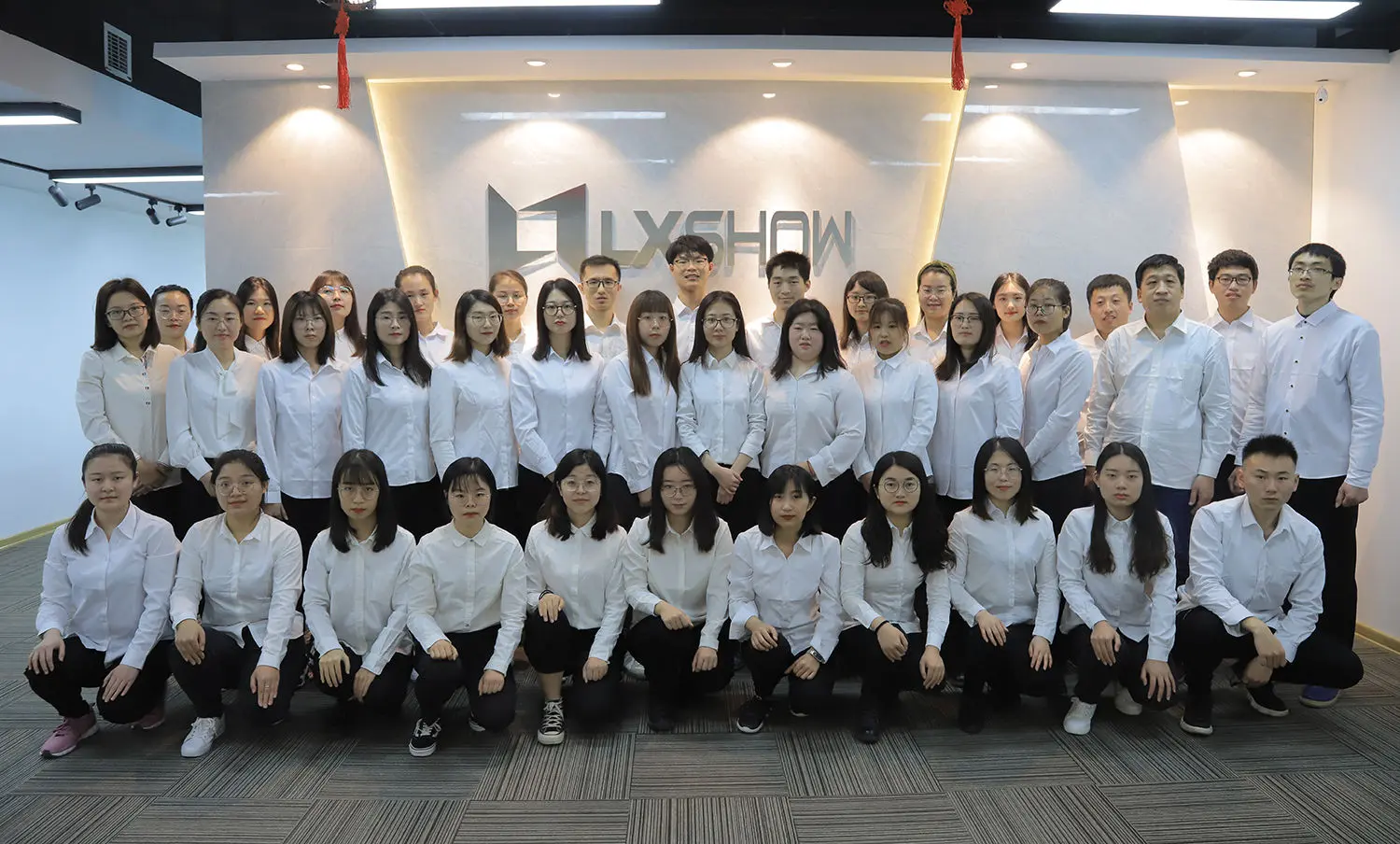
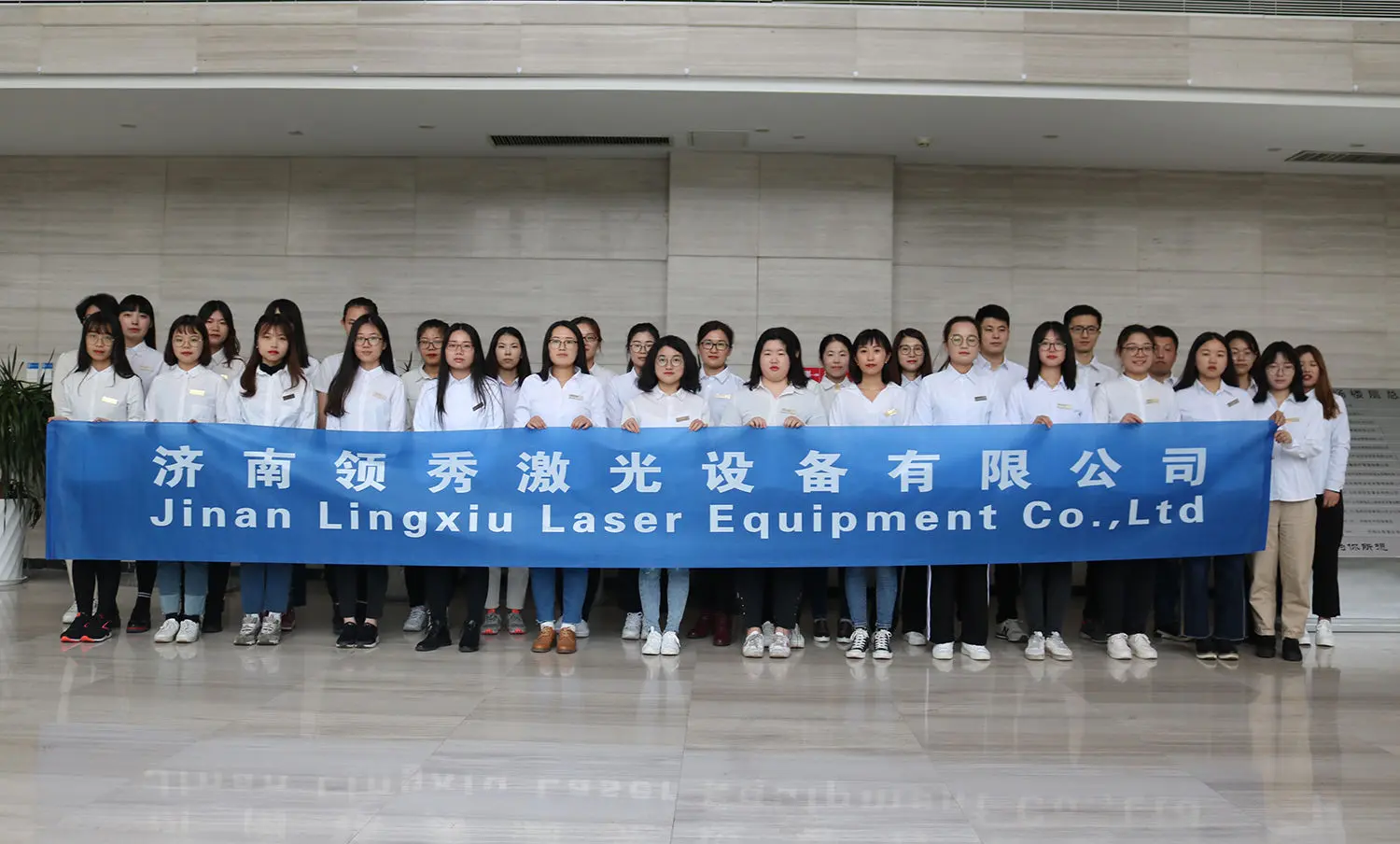
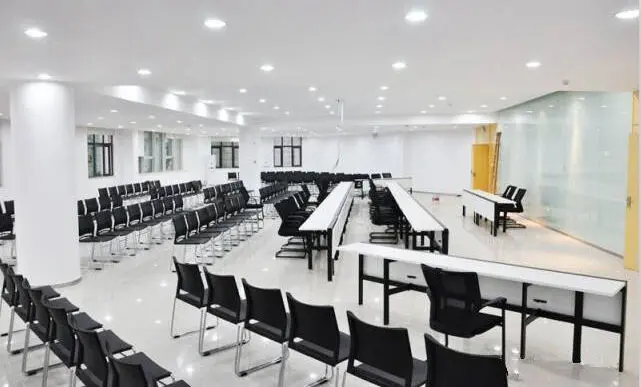
An authentic look at our physical facility, showcasing our commitment to structural engineering, rigorous testing, and collaborative workspaces.

Our fiber laser systems are optimized for a broad range of engineering materials, adapting beam configurations dynamically based on the target substrate.
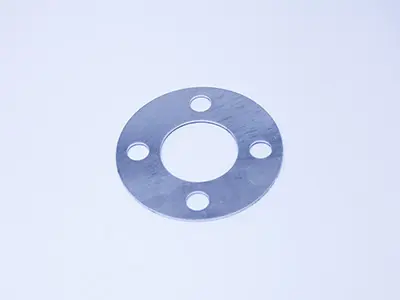
Highly reflective material requiring specialized optics and nitrogen assist gas to avoid back-reflection damage and ensure dross-free edges.
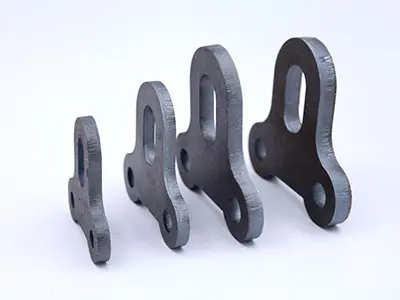
Processed using oxygen assist gas for exothermic cutting, allowing fast cutting speeds on thicker structural plates.
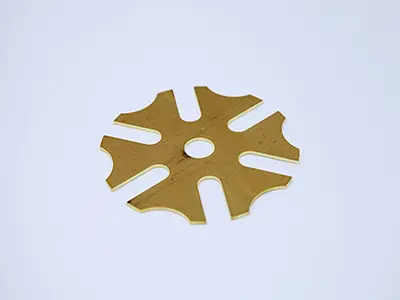
Highly reflective metals cut using specialized beam profiles and nitrogen gas, essential for electrical busbars.
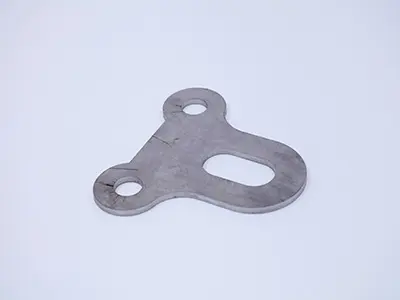
Cut using high-pressure nitrogen gas to prevent oxidation, resulting in a bright, weld-ready surface finish.
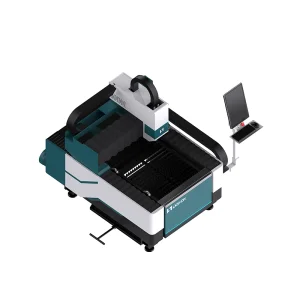
Explore our comprehensive industrial inventory, including plate rollers, laser welders, rust-cleaning devices, and dual-table high-power cutting systems.
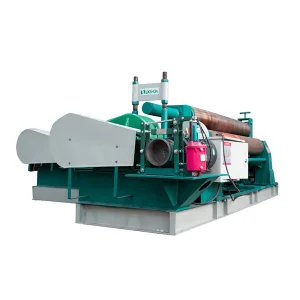
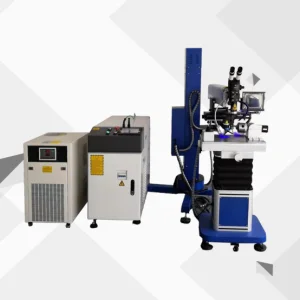
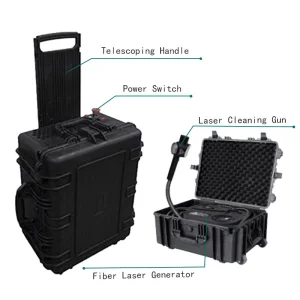
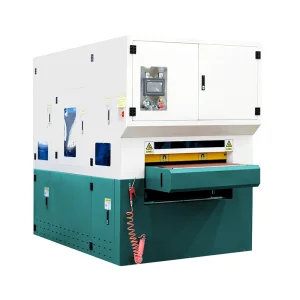
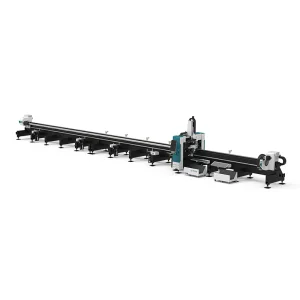
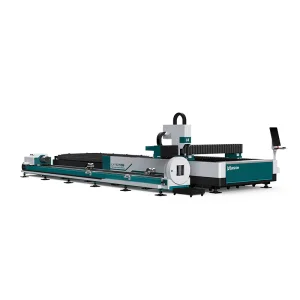
A unified manufacturing floor requires seamless coordination between cutting, bending, and finishing systems. Rather than operating as isolated processes, these steps must function as an integrated workflow:
Precision cutting forms the basis of subsequent operations. Modern fiber systems utilize dynamic focus control and autofocus cutting heads (such as Raytools or Precitec) to adjust the focal spot rapidly based on material thickness. This provides clean cuts that minimize structural distortion along the edges.
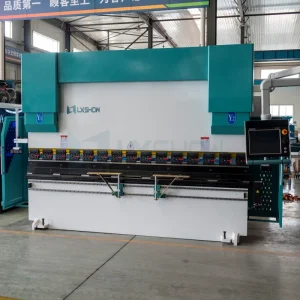
After cutting, components move to electro-hydraulic servo-driven CNC bending equipment (such as our WE67K and WC67K lines). Equipped with advanced crowning systems and multi-axis backgauges, these machines ensure bend angle consistency across varying material thicknesses.
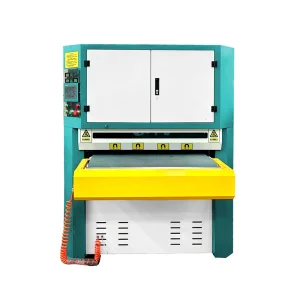
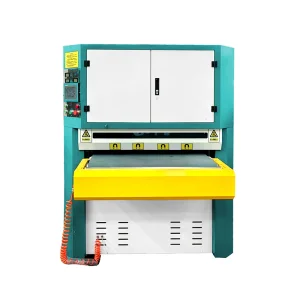
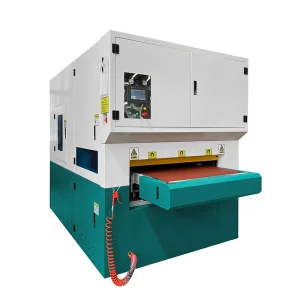
To prepare parts for assembly, painting, or powder coating, automated double-belt deburring systems (such as our LX-RR-M-800 and LX-RRS-A-1300 lines) remove oxide layers and round sharp corners. This eliminates manual grinding and ensures safety and paint adhesion.
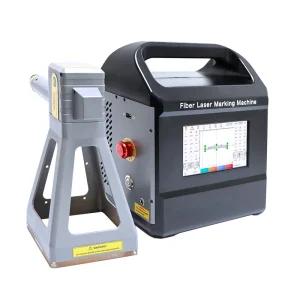
Additionally, modern laser welding (such as handheld or robotic systems) and laser cladding machines offer alternative joining and surface modification options. Cladding systems deposit high-performance coatings on wear-prone components, while laser cleaners remove rust and grease without chemicals or abrasive media.
Fiber lasers guide the light beam through a flexible fiber cable directly to the cutting head, eliminating the need for internal mirrors or gas mixtures. This configuration offers several key advantages:
1. Energy Efficiency: Fiber systems operate at 30-40% electrical efficiency, compared to 10% for CO2 systems.
2. Speed on Thin Metals: Fiber lasers cut thin metals (under 6mm) up to 300% faster than CO2 lasers of equivalent wattage.
3. Reduced Maintenance: The solid-state design eliminates regular mirror cleaning and realignment, lowering maintenance costs.
High gantry accelerations (up to 1.5G or 2.0G) create significant inertial forces. If the machine frame is lightweight, it will flex under these loads, causing micro-vibrations that degrade cut quality and lead to out-of-tolerance parts. High-quality machines use heavy, stress-relieved, plate-welded frames that are heat-treated in specialized furnaces. This process ensures the structure remains stable and accurate over years of operation.
The choice of assist gas depends on the material and application requirements:
- Oxygen (O2): Used primarily for carbon steel. It triggers an exothermic reaction that speeds up cutting, but leaves a thin oxide layer on the cut edge that may require removal before painting.
- Nitrogen (N2): Used for stainless steel and aluminum. It cools the cut zone and prevents oxidation, leaving a bright, weld-ready edge.
- Compressed Air: An economical alternative for thin materials, combining the cooling properties of nitrogen with a slight exothermic reaction from oxygen.
Automated deburring machines process cut parts on a conveyor system, removing micro-burrs and oxide layers while rounding sharp edges. This replaces manual grinding, ensuring consistent quality and preparing parts for subsequent processes like bending, welding, or paint application.
 Lxshow