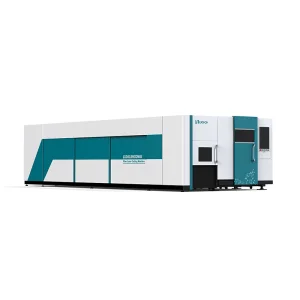
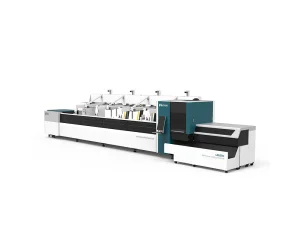
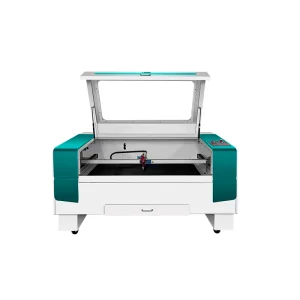
High-Quality Laser Metal Sheet Cutting Machine Price, Manufacturers & Suppliers

A Comprehensive Industry Whitepaper on Fiber Laser Engineering, Global Cost Structuring, and Smart Manufacturing Solutions

1. Executive Analysis: The Structural Shift to Fiber Laser Technology

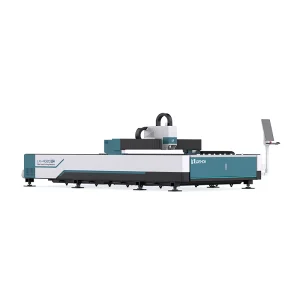
The manufacturing landscapes of the modern world demand speed, high precision, and energy conservation. The traditional methods of metal processing, including plasma cutting, waterjet machining, and CO2 lasers, are rapidly giving way to state-of-the-art **fiber laser metal sheet cutting machines**. This paradigm shift is driven not only by performance factors but also by the long-term total cost of ownership (TCO). Fiber laser technology operates by using a solid-state laser source to generate a high-intensity beam directed through a flexible fiber-optic cable, resulting in exceptional power densities.

For metal fabrication shops, automotive suppliers, and aerospace component manufacturers, selecting the right machine represents a critical capital investment. By evaluating the **laser metal sheet cutting machine price** alongside its long-term operational efficiency, engineering teams can implement scalable production lines. Global suppliers now offer customizable power configurations spanning from 1kW to over 30kW, allowing operators to match their technological investment to their specific metallurgical requirements.

"Modern manufacturing metrics are no longer measured solely in raw throughput. True capability is defined by the intersection of precision, multi-material flexibility, energy efficiency, and predictive maintenance protocols."

2. Analyzing the Cost Matrix: What Controls Laser Cutting Machine Prices?

Understanding the cost structure of a laser metal sheet cutting system requires breaking down the core sub-assemblies. The price is not merely a reflection of the brand name; rather, it is dictated by the engineering quality and components used:

  • Resonator / Laser Source: Typically representing the largest single cost factor. Fiber laser sources from leading global brands like IPG Photonics or robust national equivalents (Raycus, Maxphotonics) scale in price based on wattage output.
  • Laser Cutting Head: Auto-focus heads equipped with smart distance sensors (such as Precitec or Raytools) adjust focal lengths dynamically to maintain cutting consistency.
  • Gantry and Bed Structure: Heavy-duty, stress-relieved welded frames are crucial. High-temperature annealing prevents structural deformation over decades of high-speed operations.
  • Servo Motors & Precision Rails: Fast acceleration (up to 1.5G or 2.0G) requires top-tier motion control systems, such as Yaskawa or Delta servo motors, paired with helical rack-and-pinion rails.

When evaluating prices from **manufacturers and suppliers**, buyers must weigh initial procurement costs against operating expenses (OPEX). High-efficiency systems reduce electricity consumption and minimize gas usage (nitrogen, oxygen, or compressed air), driving a fast return on investment.

3. Macro-Industry Solutions: Matching Metallurgy with Machine Capability

Industrial laser processing spans many sectors, requiring machine versatility to handle different material classifications:

High-Precision Sheet Metal

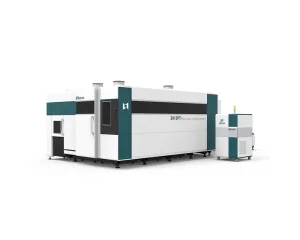
Optimizing throughput for carbon steel, stainless steel, aluminum, and brass sheets using highly automated cutting heads.

Tube & Pipe Fabrication

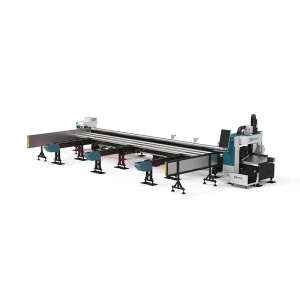
Integrated rotary axes allow processing of round, square, and rectangular profiles on a single machine footprint.

Heavy Structural Elements

Using ultra-high wattage fiber sources (exceeding 12kW) to cut through thick plates with minimal beveling.

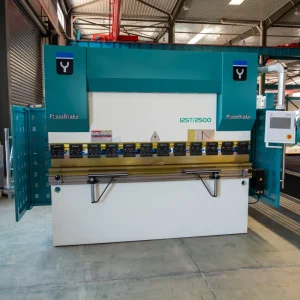
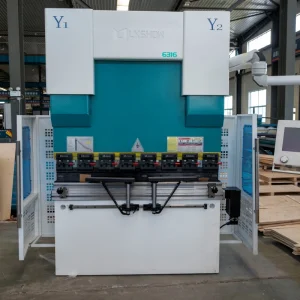
By integrating CNC press brakes and fiber laser welders, manufacturers can establish fully unified metal forming workflows. This seamless transition from flat sheet cutting to final folded assembly minimizes scrap rates and increases operational efficiency.

4. Technological Roadmap & Future Trends

The sheet metal industry is moving toward fully autonomous production lines. The integration of Industry 4.0 standards enables real-time monitoring of cutting gas pressures, nozzle wear, and resonator temperatures. Key engineering advancements shaping the next decade include:

  • AI-Driven Adaptive Cutting: Advanced optical sensors read the melt pool real-time to adjust parameters on-the-fly, reducing dross and preventing cutting failures.
  • Automatic Nozzle Changers: Facilitates uninterrupted processing of diverse materials by automatically switching nozzle diameters and alignment settings.
  • Automatic Loading and Unloading Systems: Vacuum lift gantries and tower storage structures minimize machine idle times between sheets.
18+
Years Industry Focus
32,000+
Sqm Production Facility
150+
Countries Exported
20,000+
Active Global Users

LXSHOW Laser: Leading Smart Equipment Innovation

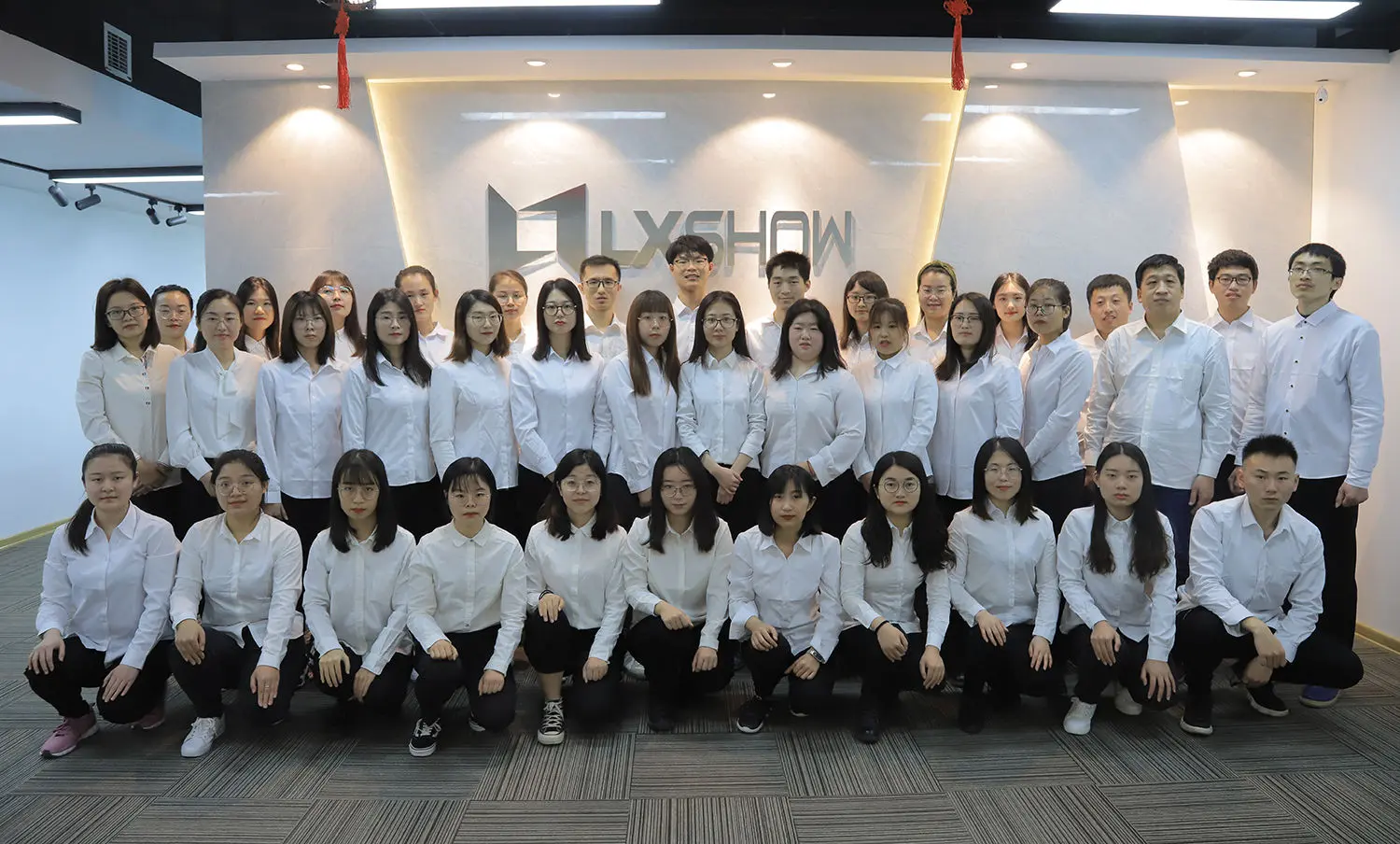
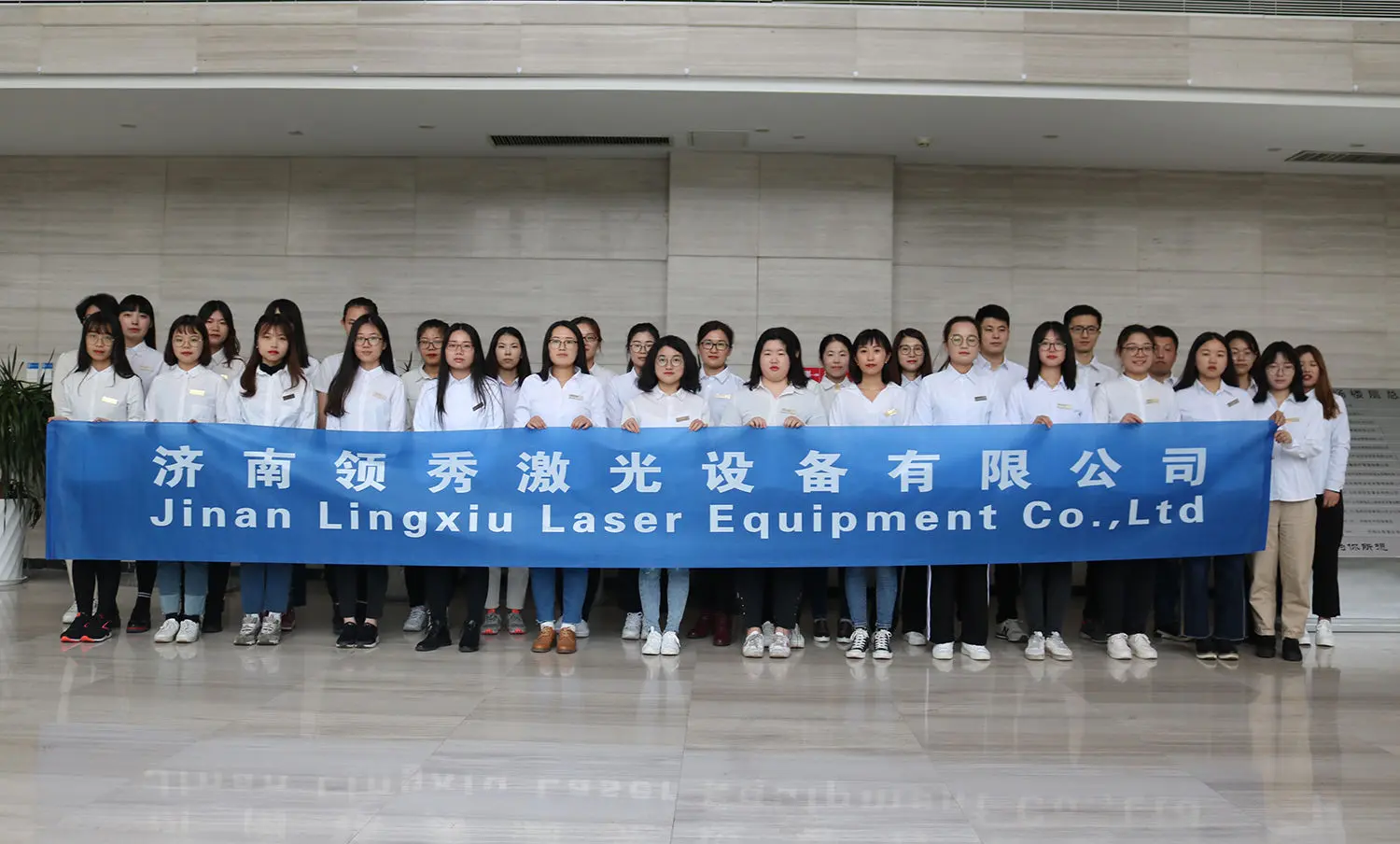
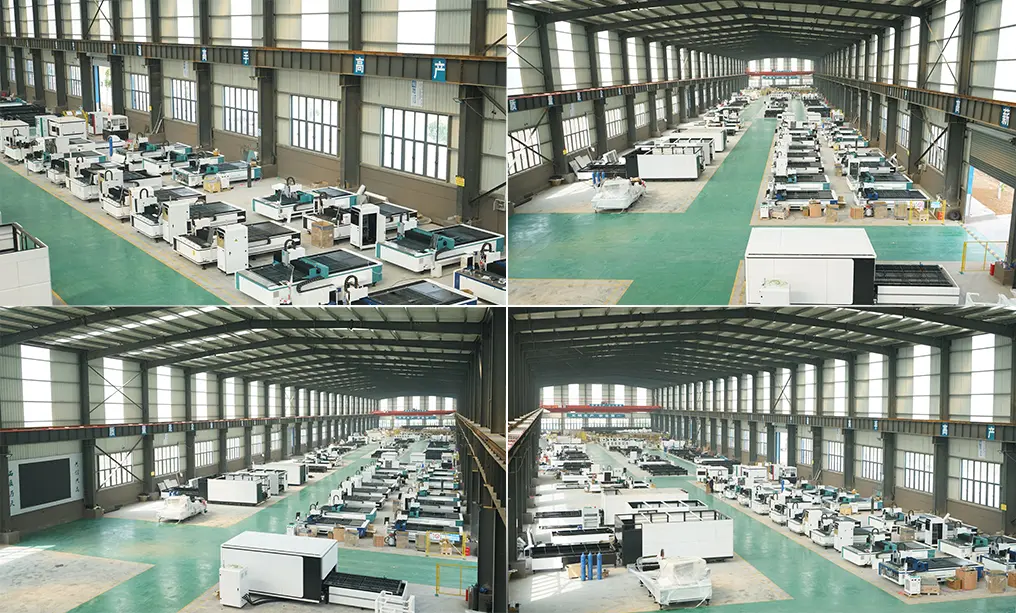
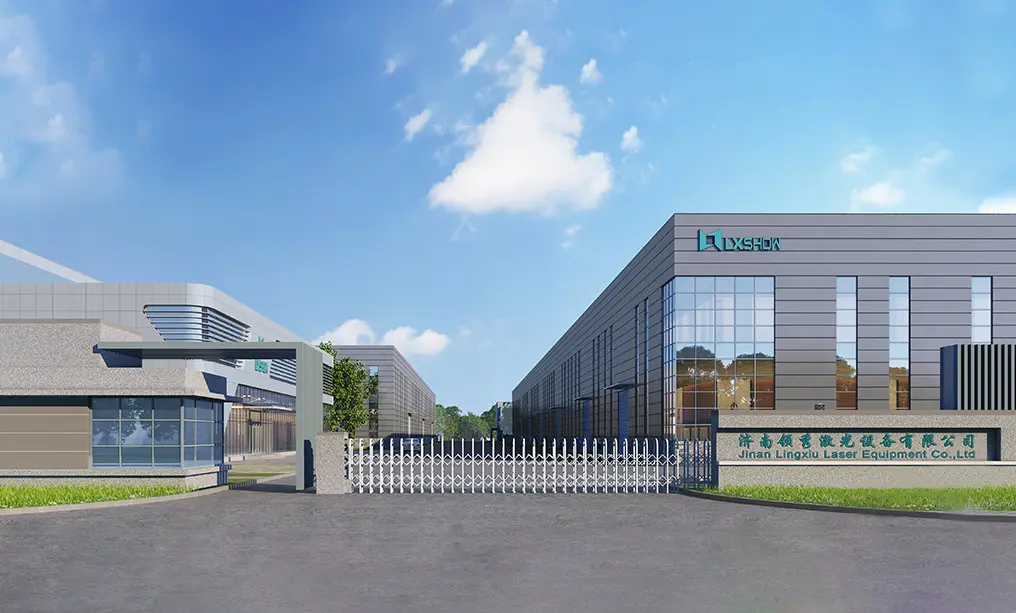
Established in July 2004, LXSHOW owns more than 500 square meters of dedicated research and office space, alongside a modern production facility spanning over 32,000 square meters. Focused on the continuous innovation of laser technologies, we operate a professional laser cutting, welding, and cleaning communication center. Our core focus is helping companies worldwide transition to Smart Manufacturing and Industry 4.0 production environments.

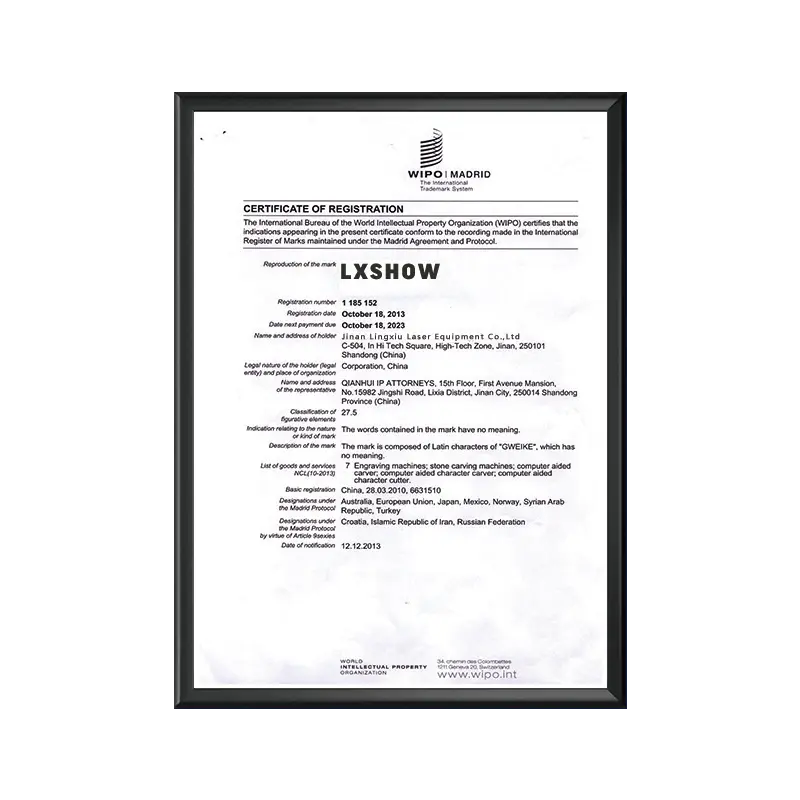
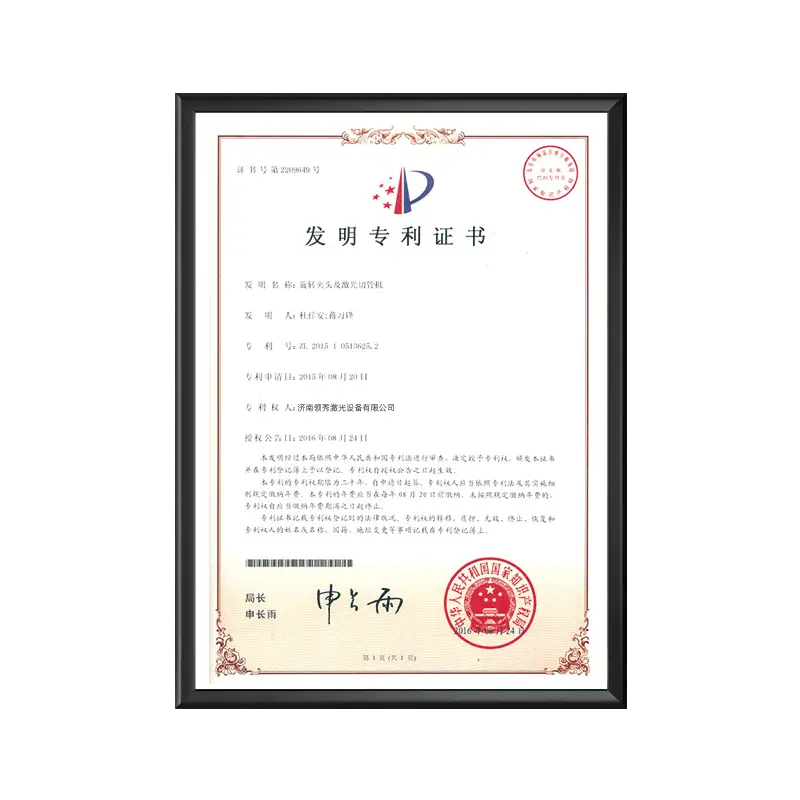
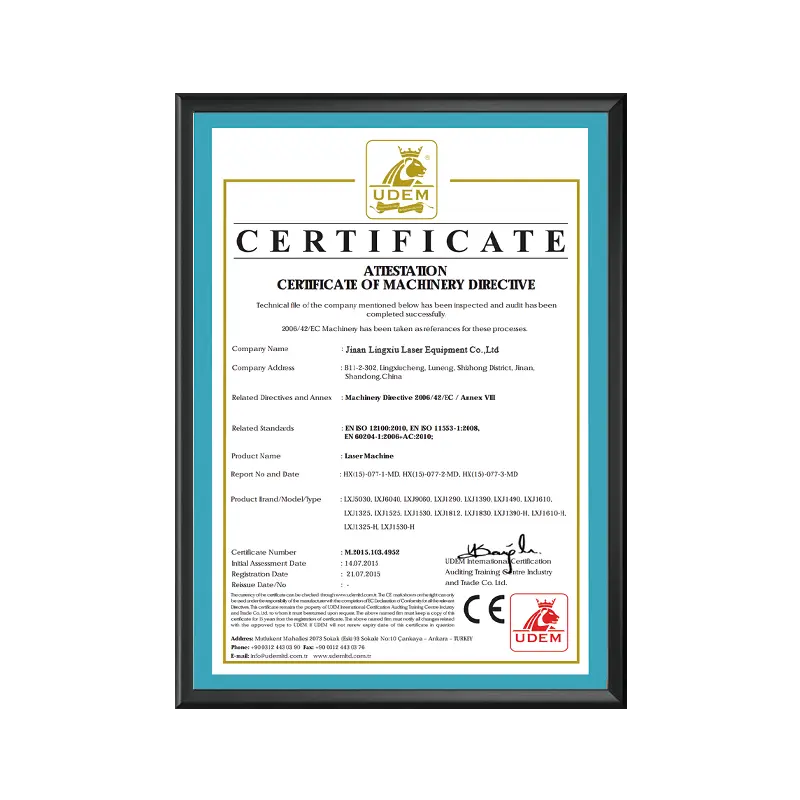
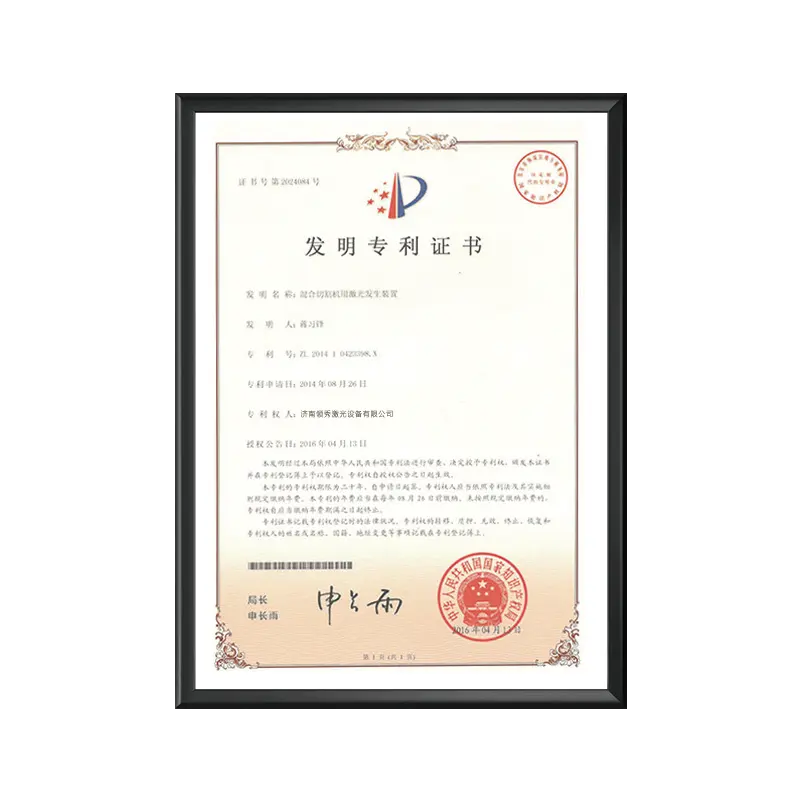
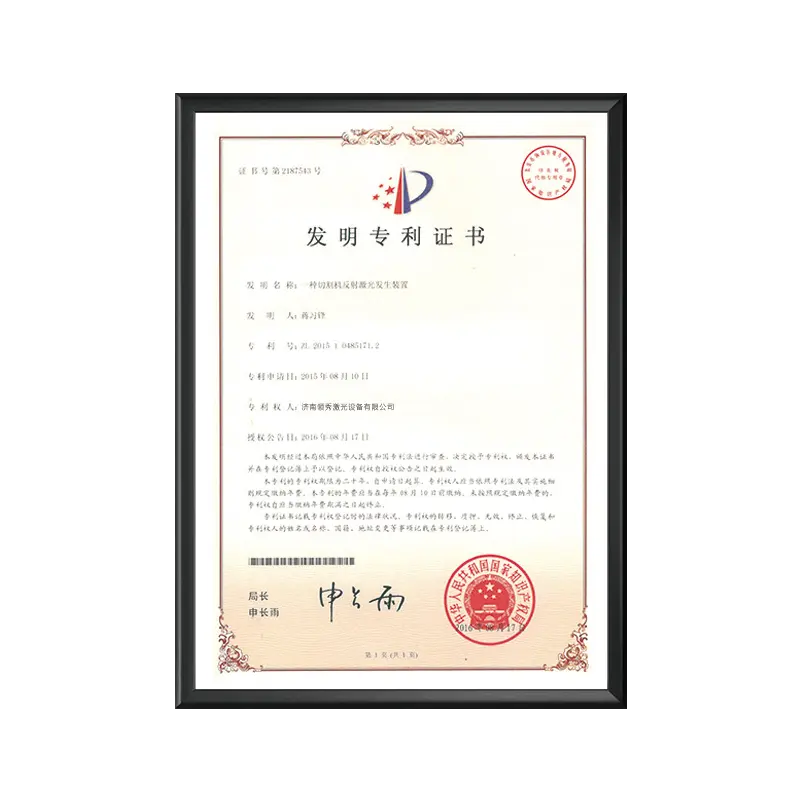
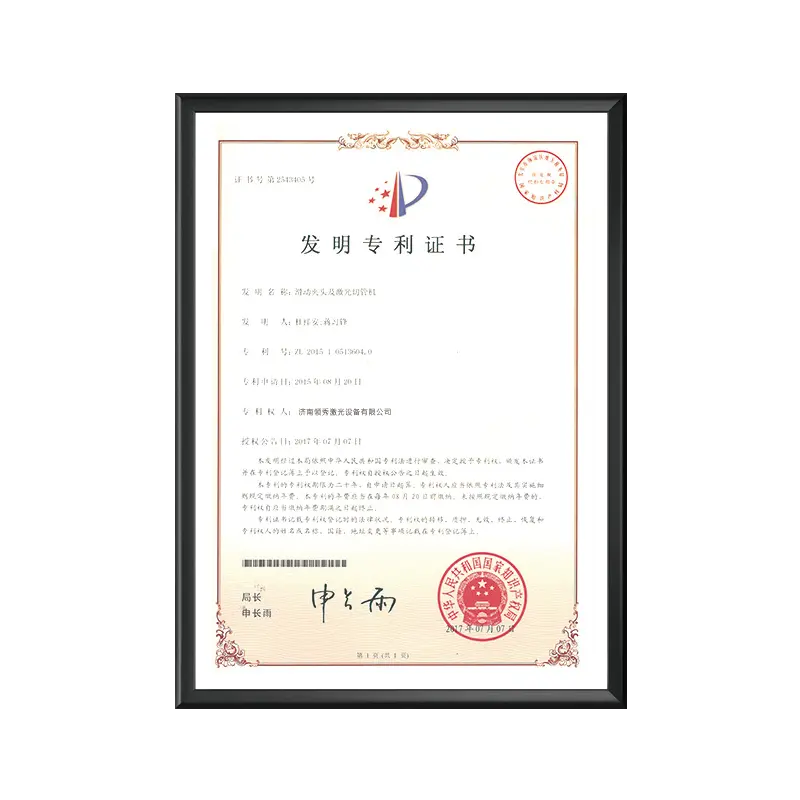
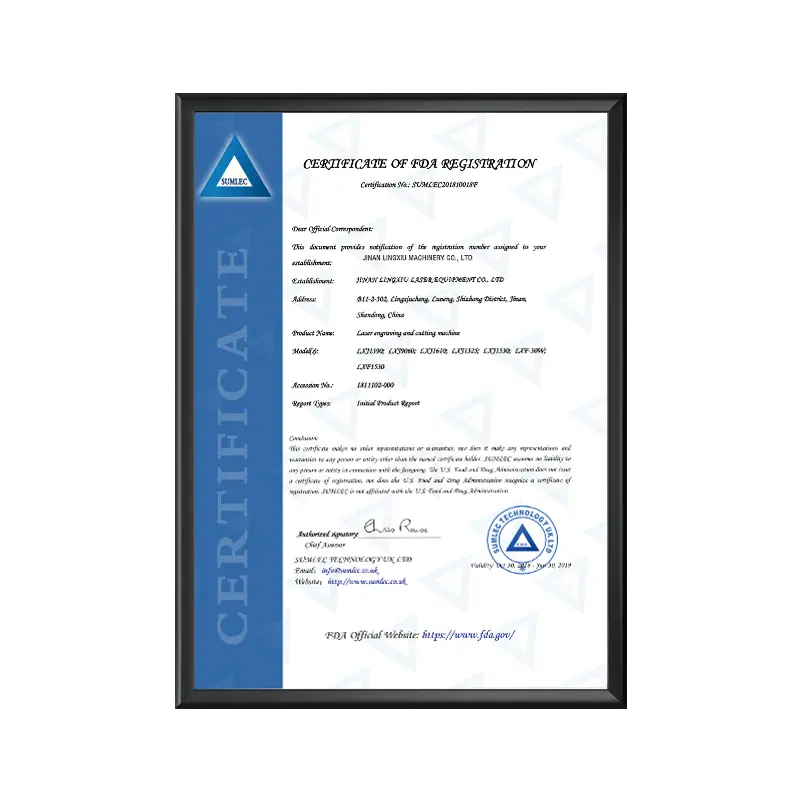
All of our machinery holds European Union CE authentication, American FDA certification, and is fully certified under the ISO 9001 quality management framework. LXSHOW products are distributed in the USA, Canada, Australia, Europe, Southeast Asia, Africa, and over 120 countries and regions. We also provide professional OEM services for more than 30 global brands.
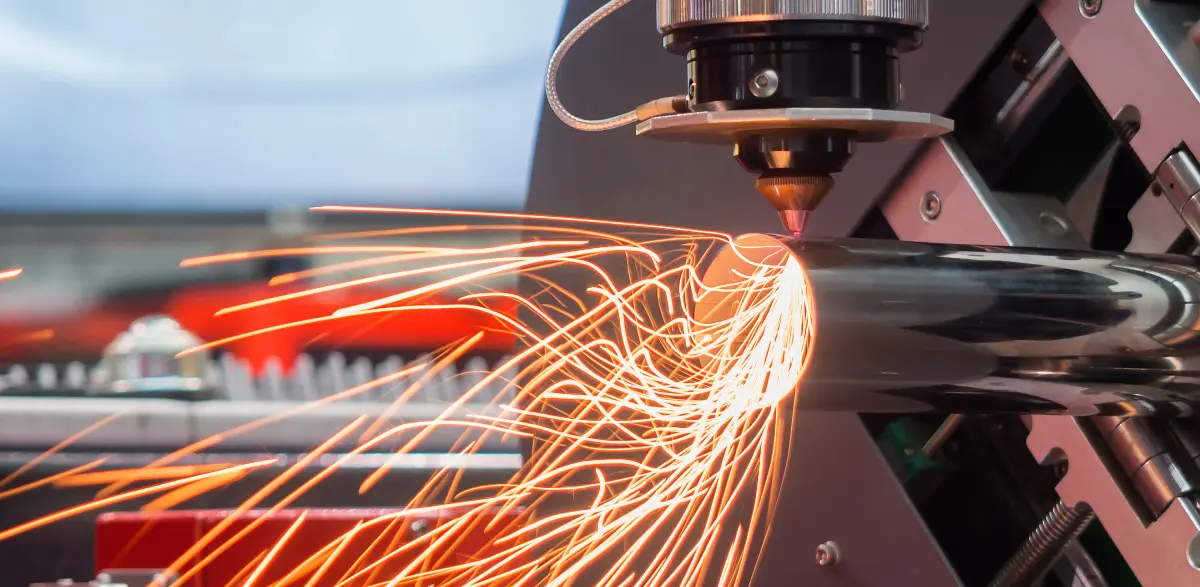
LXSHOW Factory Metal Cutting

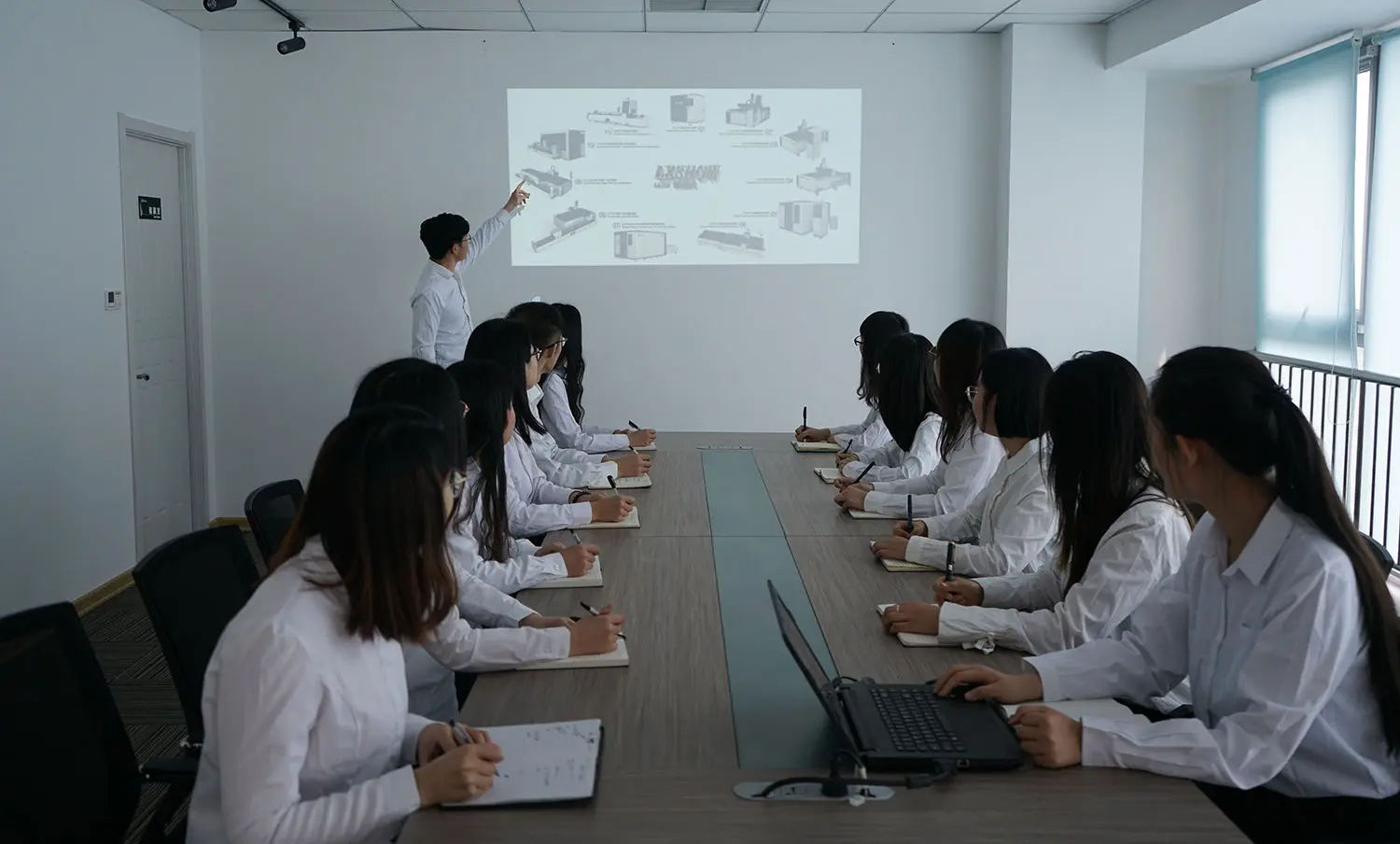
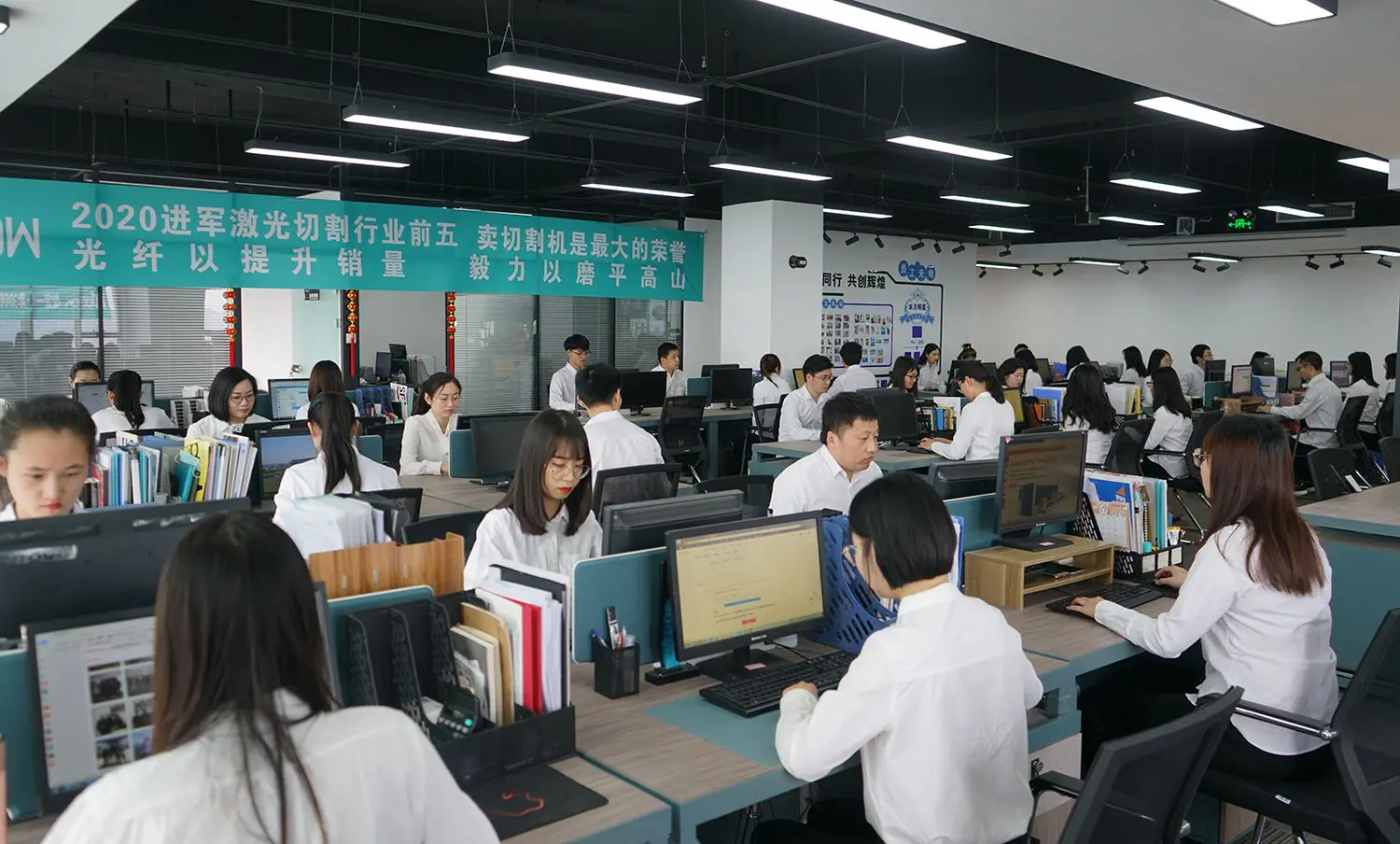
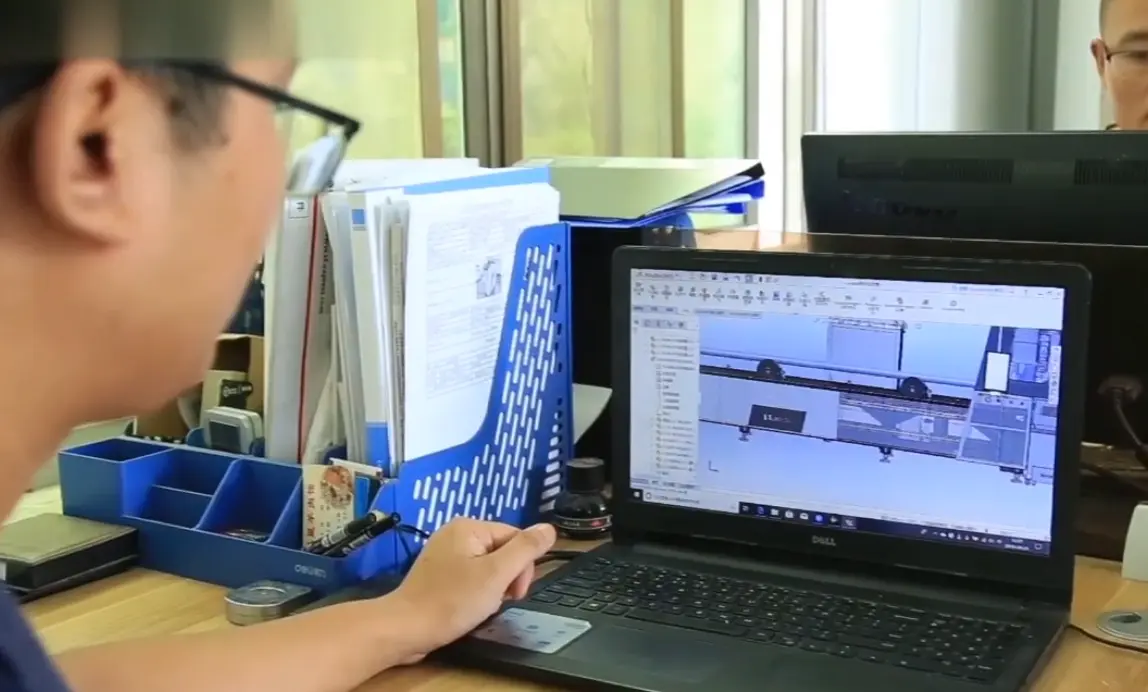
Inside the LXSHOW Research & Manufacturing Center

A look inside our state-of-the-art facilities, specialized design departments, and assembly bays.
slide slide slide slide slide slide slide slide slide slide slide slide slide slide slide slide slide slide

Target Materials and Engineering Classifications

Discover optimized power paths, beam modulation techniques, and material setups.
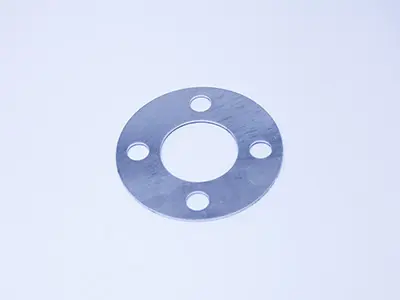
Aluminum Cutting

Aluminum Alloys

Requires high-frequency modulation to overcome reflective properties without damaging optical paths.
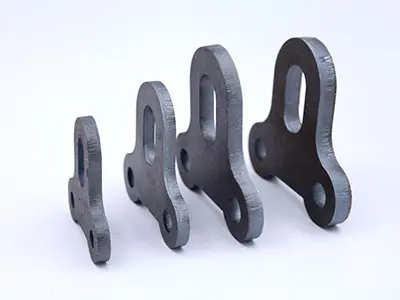
Carbon Steel Cutting

Carbon Steel

Oxygen assist gas drives exothermic reactions for thick structural plate processing.
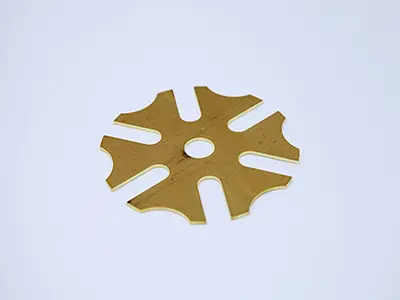
Copper Cutting

Copper & Brass

Highly reflective materials cut effectively using fiber wavelengths (1.06 µm).
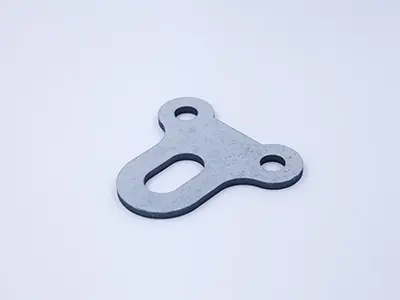
Galvanized Cutting

Galvanized Steel

Clean evaporation of zinc coatings to ensure weld-ready edges and clean finishes.
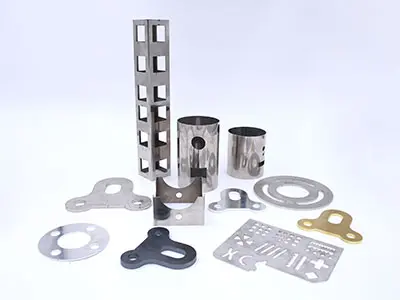
Other Metal Cutting

Specialty Alloys

Optimized parameters for titanium, nickel alloys, and specialty tool steels.
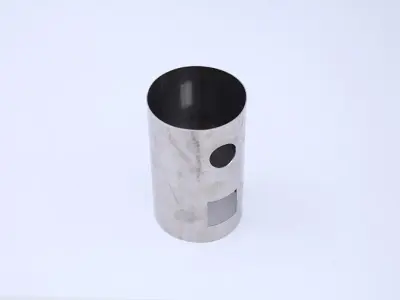
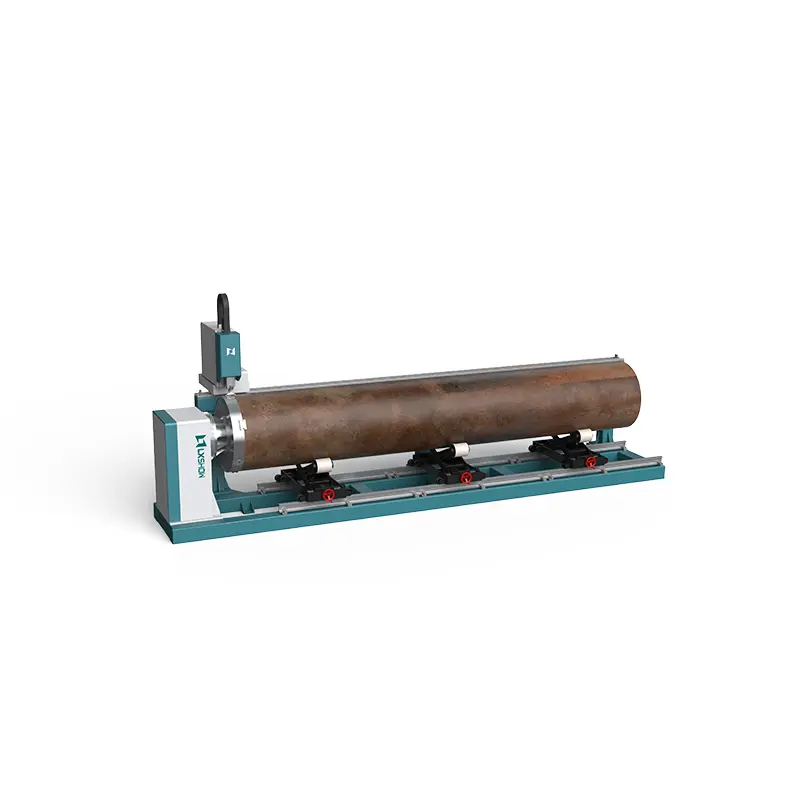
Round Tube Cutting

Round Tube Profiles

Rotary chuck systems process cylindrical pipes with high rotational accuracy.
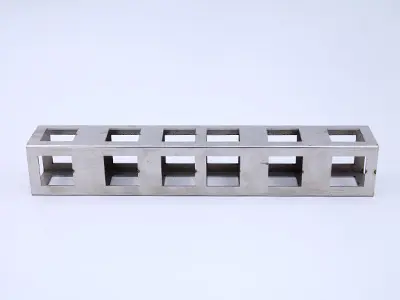
Square Tube Cutting

Square & Rectangular

Dynamic chuck adjustments prevent deformations on square edges during rotation.
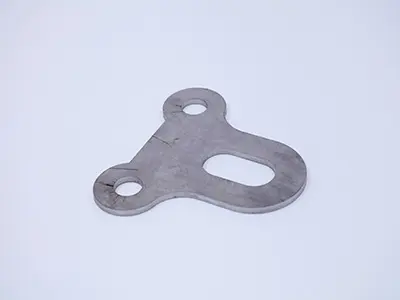
Stainless Steel Cutting

Stainless Steel

Nitrogen assist gas cuts cleanly without oxidation, leaving bright, weld-ready edges.

Integrated Laser Machinery Solutions

From heavy-duty sheet processing to structural cleaning, welding, and post-processing.

Advanced Laser Cladding Machinery

Designed to rebuild industrial components, apply hard coatings, and extend service life with single-axis surround positioners.
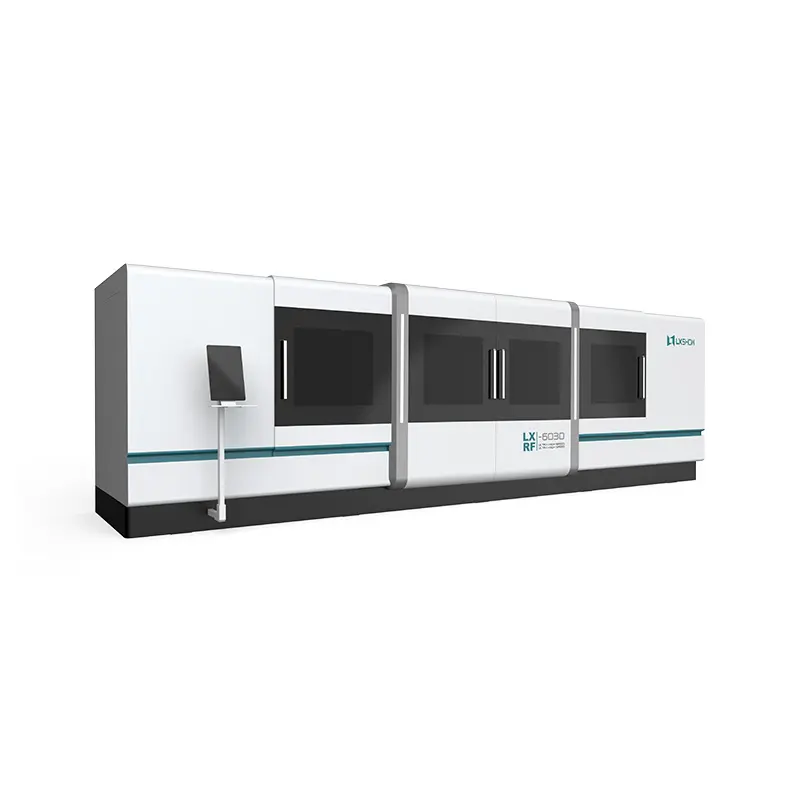
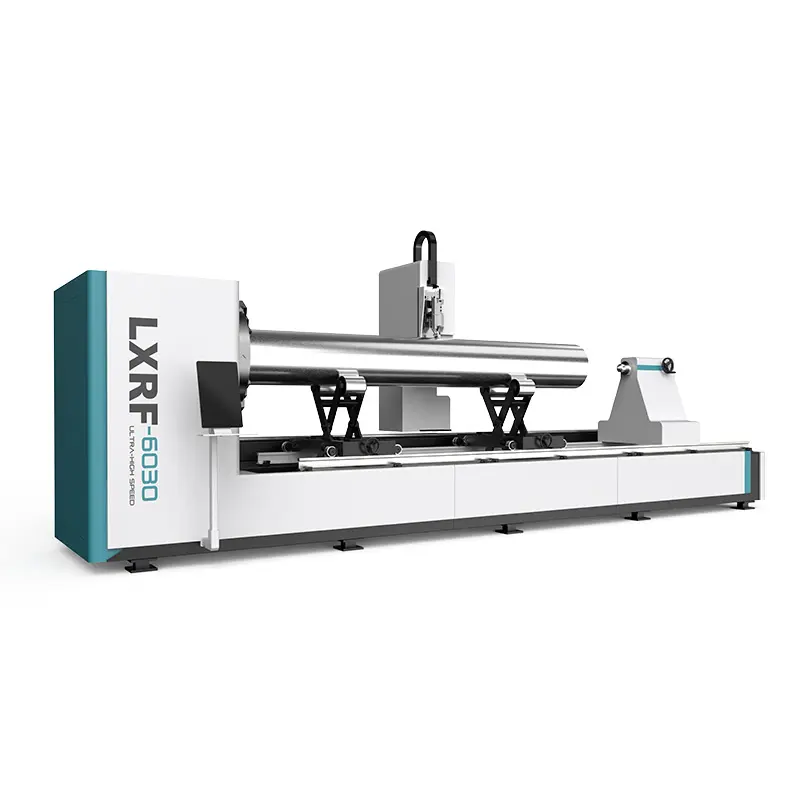
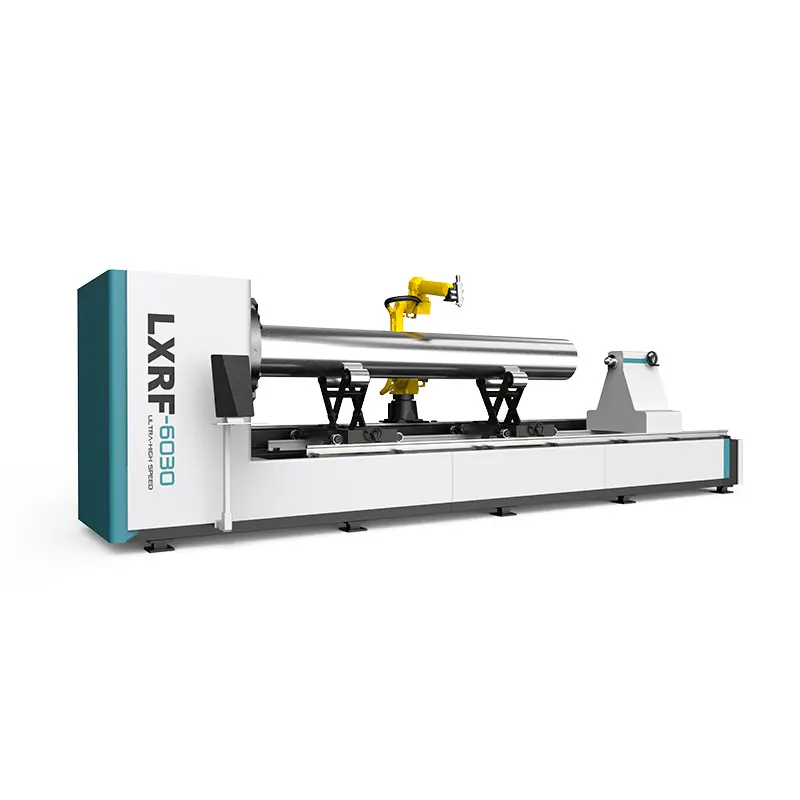
LXRF-6030

LXRF-6030 Single Axis Cladding

High-speed surround cladding for heavy wear components.

LXRF-6030 Positioner

LXRF-6030 Modular Cladding

Precision positioning module for complex geometries.

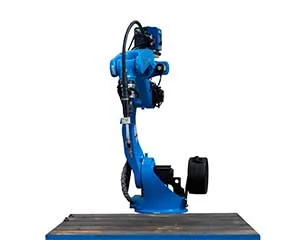
LXRF-6030 Robot

LXRF-6030 Robotic System

Multi-axis robotically guided surface cladding arm.

Laser Rust Removal & Cleaning Machines

Non-contact surface prep systems targeting rust, oxides, paints, and residues without substrate degradation.
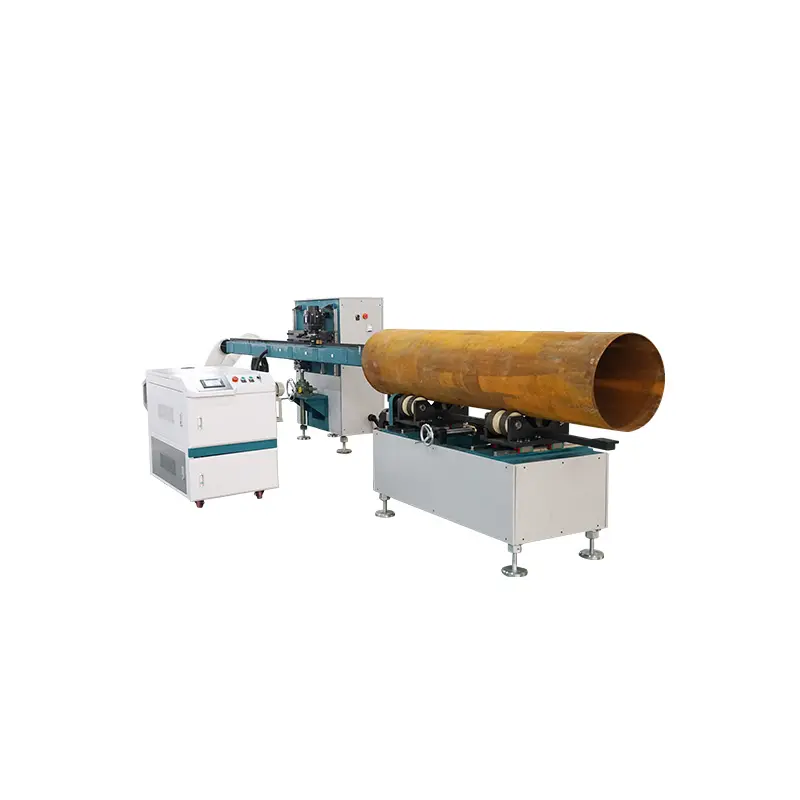
LXW-1500W

LXW-1500W Laser Welder

Integrated handheld welding and light surface prep system.

LXC-TIW

LXC-TIW Inner Wall Cleaner

Rotary mirror optic head for internal tube cleaning.

LXC-TOW

LXC-TOW Outer Wall Cleaner

High-throughput exterior pipe scaling system.

Handheld & Robotic Laser Welding Systems

Clean weld beads, low heat-affected zones, and high welding speeds for sheet metal assemblies.
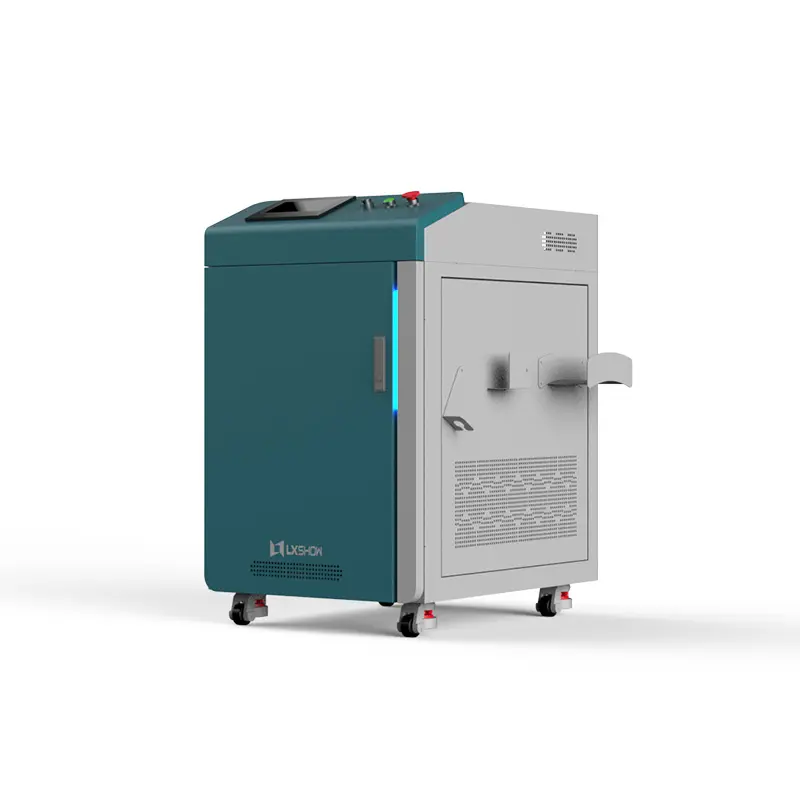
LXW-1500W Eco

LXW-1500W Eco Welder

Cost-effective manual system for sheet metal assembly.

LXW Enclosed

LXW Fully Enclosed Welder

Class 1 enclosed system for high-safety production.

LXW Tabletop

LXW-1000/2000W Tabletop

Fixed-bed tabletop system for high-volume components.

5. Global Supply Logistics, Localized Integration & Compliance

Purchasing high-performance laser machinery requires compliance with localized safety standards and strict quality control protocols. Under the LXSHOW brand, every machine is designed, manufactured, and calibrated in accordance with global regulatory frameworks:

  • CE Authentication (European Union): Guarantees that our machines comply with structural safety and electromagnetic requirements, ensuring safe integration into European factories.
  • FDA Certification (United States): Ensures that the protective laser enclosures, safety interlock mechanisms, and light path shielding align with the US Department of Health and Human Services (HHS) requirements.
  • ISO 9001: Establishes standardized manufacturing procedures for every component, ensuring reliable repeatability during assembly.

Additionally, our global service network ensures quick commissioning and support. We provide remote diagnostics, local on-site technicians, and modular spare parts distribution to keep your production lines running smoothly.
Strategic Metal Forming & Auxiliary Systems Showcase

Procurement & Engineering FAQs

Essential insights for production managers, engineers, and financial planners.

Q1: What is the average price range for a high-quality fiber laser metal sheet cutting machine? +
Prices vary significantly depending on power configuration and optional features. Entry-level machines (1kW to 3kW) for thin sheet processing typically range from $15,000 to $45,000. Medium-power systems (4kW to 8kW) designed for high-speed industrial use range between $50,000 and $120,000. High-power configurations (10kW to 30kW+) designed for heavy-duty structural steel plates range from $150,000 to over $350,000. Contact our sales engineers for a detailed project quotation.
Q2: How does assist gas selection (oxygen, nitrogen, or compressed air) impact cutting quality and operating cost? +
Assist gases eject molten metal and shield the cut zone. Oxygen causes an exothermic reaction that speeds up thick carbon steel cuts, but leaves an oxide layer that must be cleaned before welding. Nitrogen cuts cleanly through stainless steel and aluminum, keeping the edge oxide-free, but carries higher gas costs. Compressed air, filtered to remove moisture and oil, is a cost-effective alternative for thin sheets up to 4mm, significantly reducing operating costs.
Q3: What are the key maintenance requirements for a CNC fiber laser cutting machine? +
Modern fiber lasers require very little maintenance compared to older CO2 systems. Main maintenance tasks include cleaning the protective lenses on the laser head, regularly calibrating the height sensors, lubricating the gantry rails, and checking the water chiller loops to maintain correct operating temperatures.
Q4: Why should a manufacturing shop choose a dual shuttle exchange table configuration? +
A dual shuttle exchange table allows the operator to load new raw sheets and unload finished parts while the machine is cutting. This configuration reduces setup downtime, increases gantry utilization, and can boost overall throughput by 30% to 50% compared to single-table configurations.