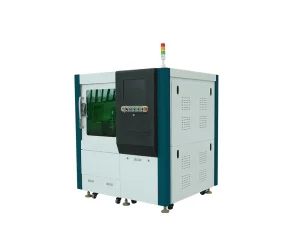
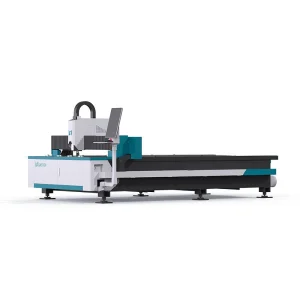
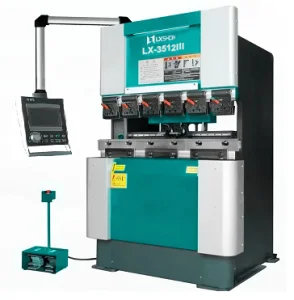
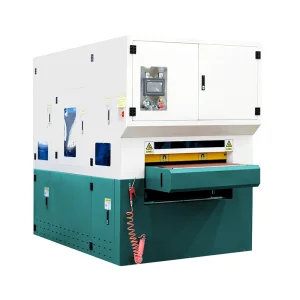
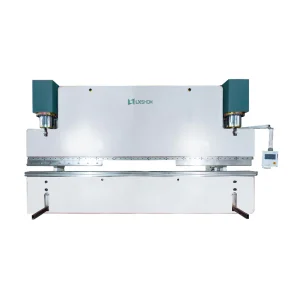
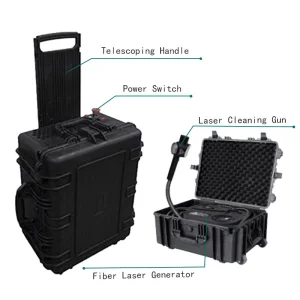
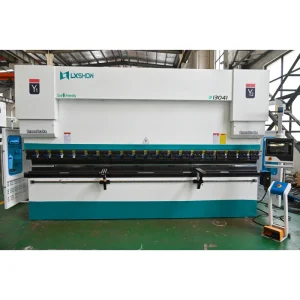
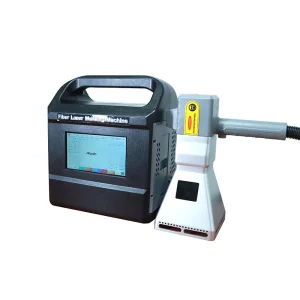
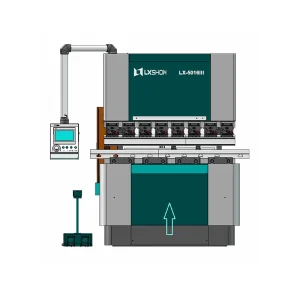
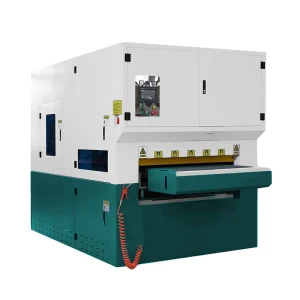
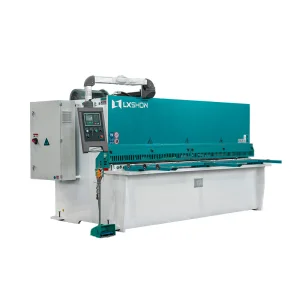
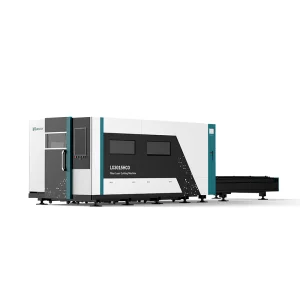
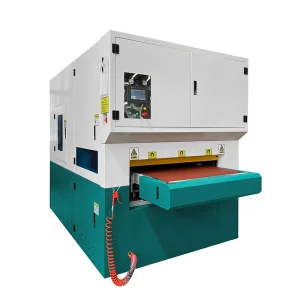
Explore our industrial range of high-efficiency fiber cutters, bending systems, and deburring machines.
Over 18 years of specialized focus on industrial laser smart equipment manufacturing.
Laser Innovation & Research Focus
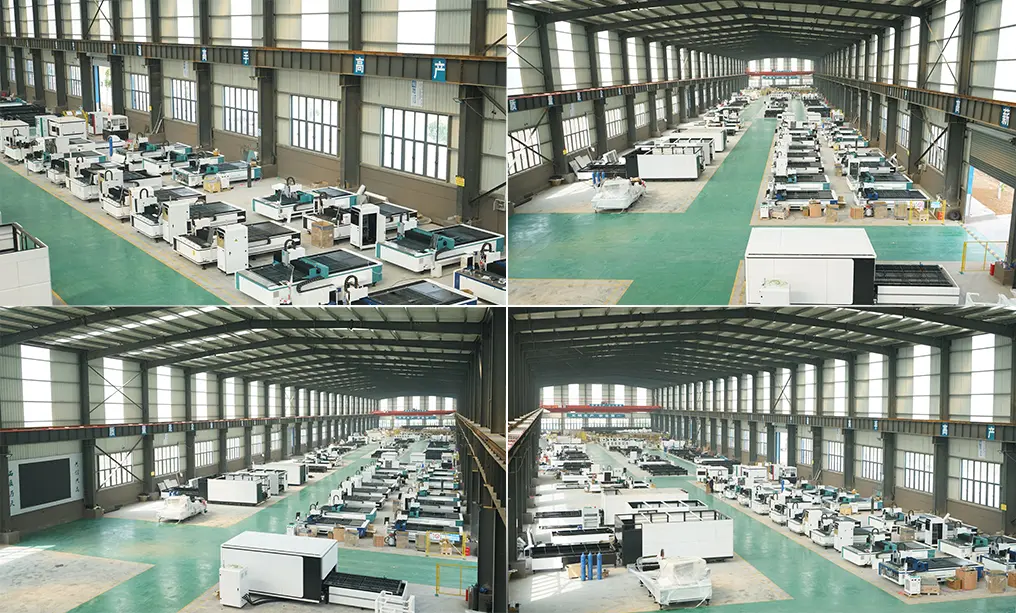
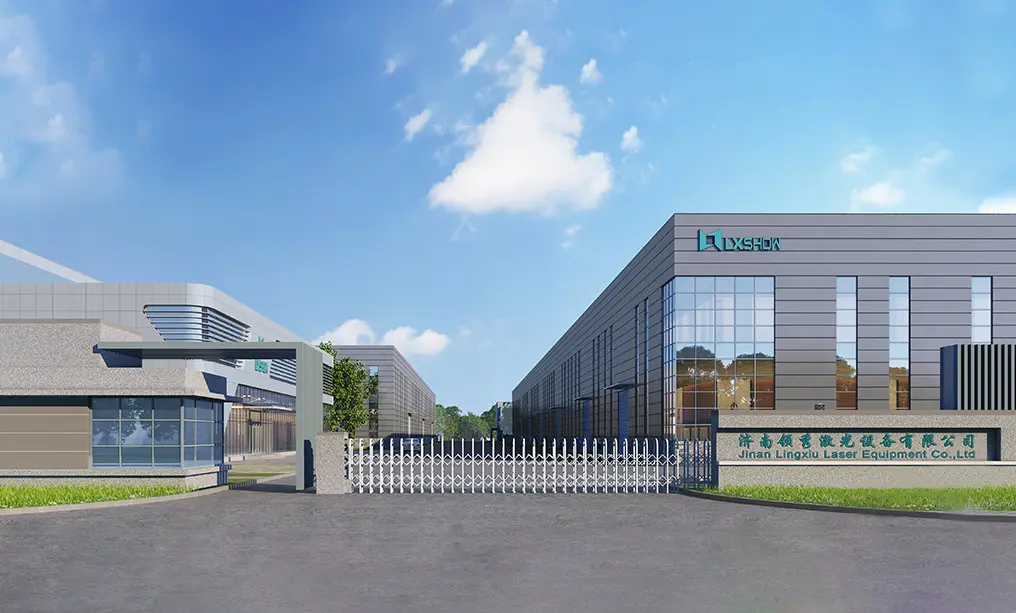
Modern Industrial Smart Factory
Global User & Support Footprint
Active Users & Systems Deployed
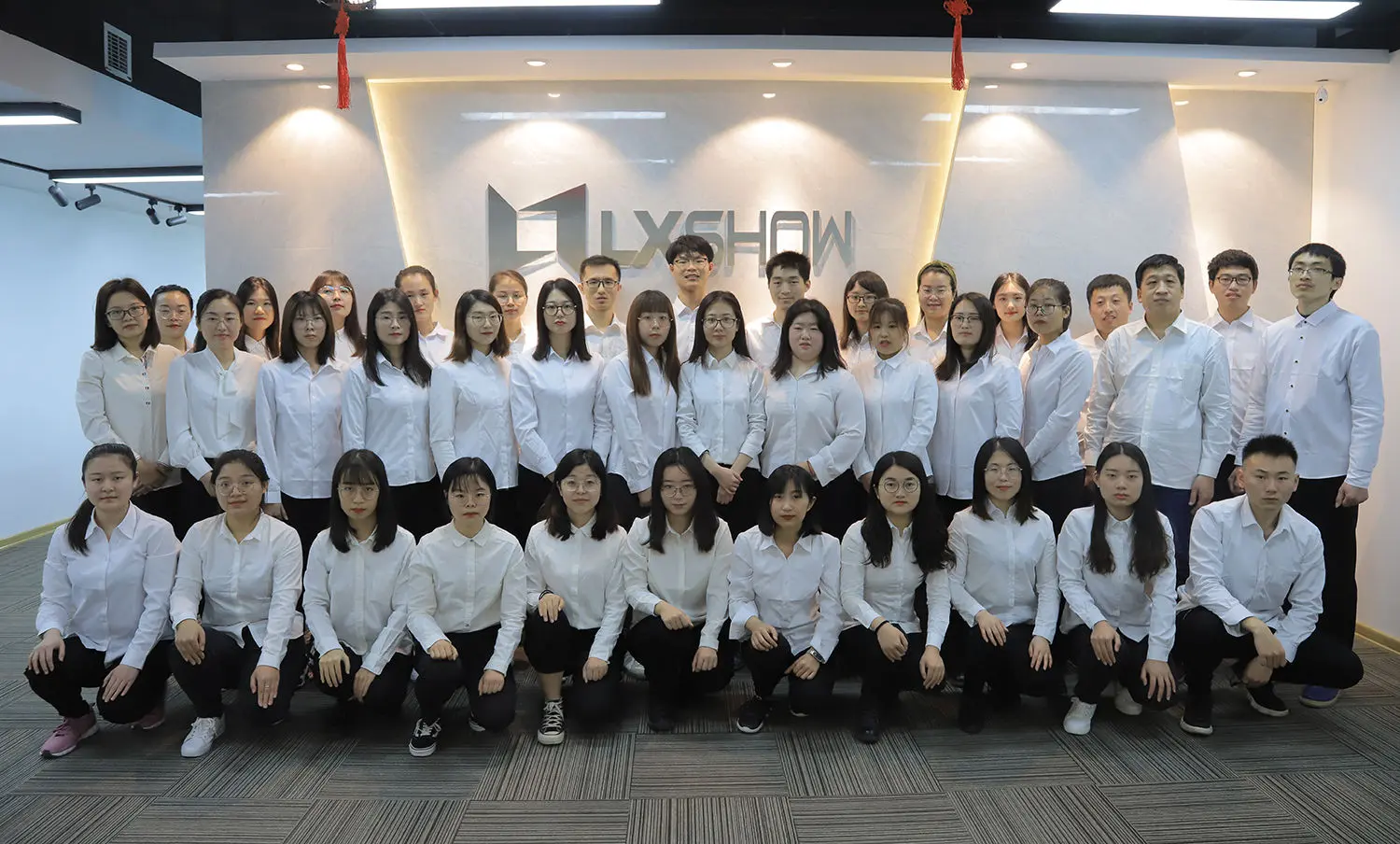
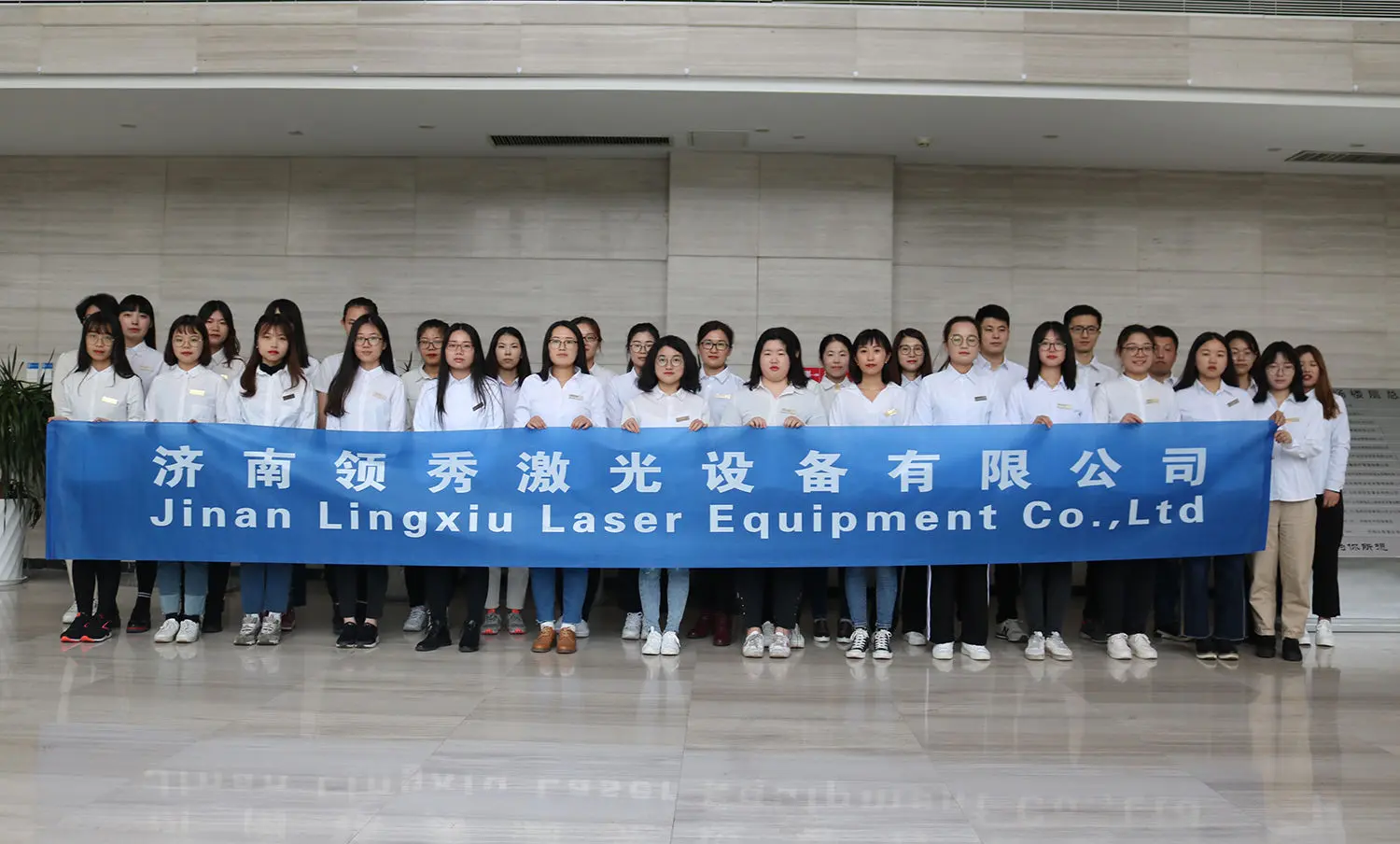
Established in July 2004, we have committed ourselves to resolving the most complex challenges in metal sheet and pipe fabrication. With more than 500 square meters of high-tech researching and executive office space alongside a 32,000 square meter standardized production plant, we operate as a prominent developer of fiber laser cutting systems, laser welding machines, and laser cleaning setups. We support modern enterprises in materializing their Industry 4.0 transition through advanced mechanical designs and state-of-the-art optical pathways.
Demonstrating compliance is critical when exporting precision equipment to strict international jurisdictions. All of our structural machines have successfully cleared the European Union CE authentication, the American FDA certificate, and are certified under the ISO 9001 quality management standards. This multi-layered quality control methodology ensures that our clients in the USA, Canada, Australia, Europe, and Southeast Asia receive robust equipment configured for optimal performance and safety compliance.
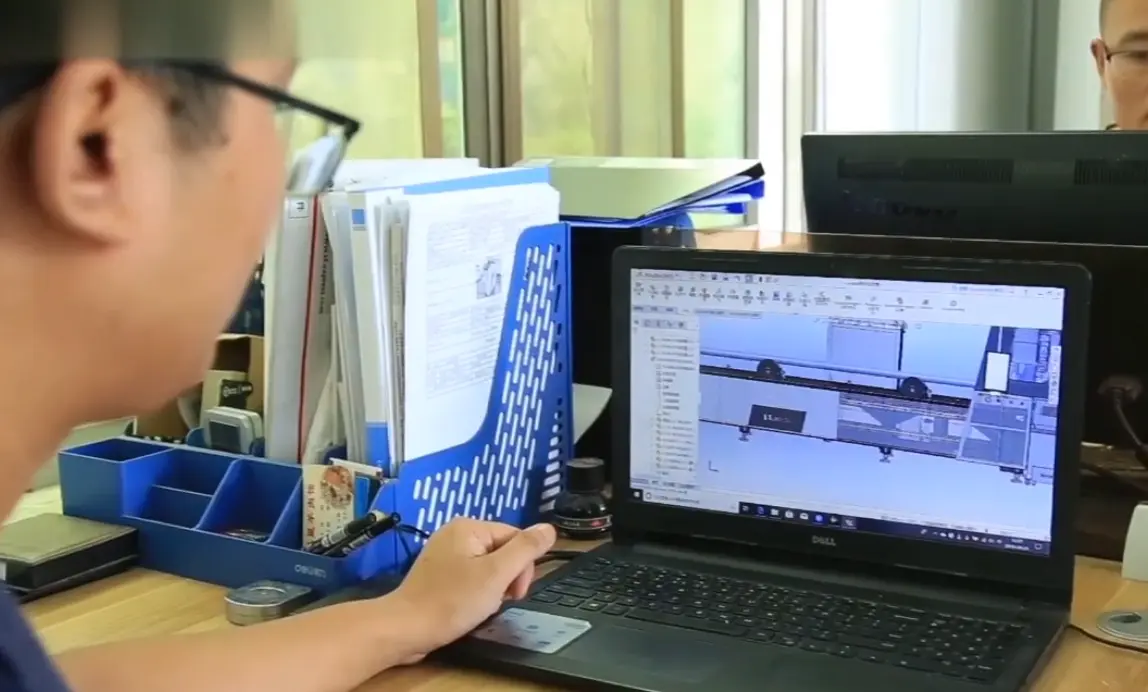
The manufacturing landscape is undergoing a transition driven by higher demands for accuracy and production efficiency. Within the domain of laser metal processing, this evolution is defined by structural shifting from legacy CO₂ configurations to solid-state fiber laser setups. Fiber laser architecture, utilizing optical fibers doped with rare-earth elements (such as ytterbium), operates at a wavelength of approximately 1.06 μm. This short wavelength provides absorption characteristics on highly reflective metals, generating faster processing velocities and reduced heat-affected zones (HAZ) than CO2 lasers.
For decades, ball screw mechanisms served as the default drive transmission. However, high-speed applications require faster acceleration and minimal mechanical wear. Linear motors eliminate physical mechanical components like gears, converting electromagnetic force directly into linear motion. This yields acceleration rates up to 2.0G and cutting speeds that double traditional outputs, achieving micron-level repeatability without backlash.
Future engineering highlights focus on the integration of ultra-high-power fiber systems ranging from 12kW up to 30kW. As laser power increases, managing gas dynamics and beam shapes becomes critical. The implementation of variable beam mode technologies allows operators to dynamically adjust the laser's energy density profile, making it possible to shift between processing thin sheets at high speeds and cutting thick carbon steel plates with minimal taper. Automated nozzle changers and integrated closed-loop optical sensors constantly check the status of the cutting process, reducing human error and supporting continuous, unmanned production runs.
| Cutting Technology | Wavelength | Energy Conversion Efficiency | Primary Drive Method | Ideal Material Thickness |
|---|---|---|---|---|
| Traditional CO₂ Laser | 10.6 μm | 8% - 10% | Mechanical Ball Screw / Gear | Up to 20mm (Low-medium speeds) |
| Standard Fiber Laser | 1.06 μm | 30% - 35% | High-Precision Ball Screw | 0.5mm - 25mm (High efficiency) |
| Linear Motor Fiber Laser | 1.06 μm | 35% - 40% | Direct-Drive Electromagnetic Linear Motor | 0.2mm - 30mm+ (Extreme accuracy) |
In addition to advanced cutting, the integration of post-processing systems directly into the production workflow is key. In modern manufacturing, a cut metal part is rarely complete without secondary treatments. Our roadmap addresses this workflow by aligning laser cutting machines with dual abrasive belt deburring, edge rounding, and surface polishing machines. This modular workflow guarantees that once parts are cut, they are immediately processed to remove micro-burrs and sharp edges, preparing them for painting, powder coating, or assembly.
Industrial applications of laser metal cutting vary widely across sectors. A high-quality laser supplier must offer versatile processing systems configured for different materials and geometries, including sheet plates, structural profiles, round tubes, and square tubes. Our systems are deployed across diverse sectors, including structural steel manufacturing, packaging industries, automotive component assembly, jewelry fabrication, aerospace structural design, machinery building, and semiconductor processing equipment.
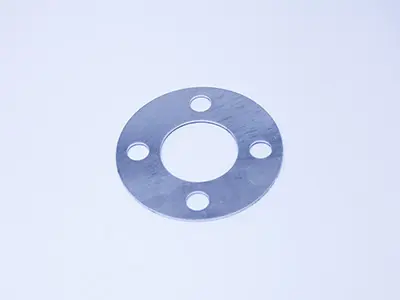
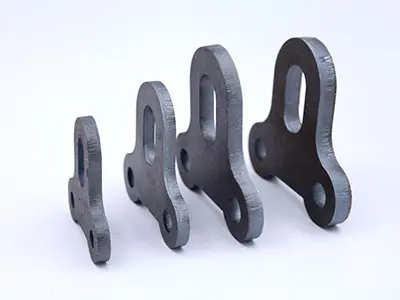
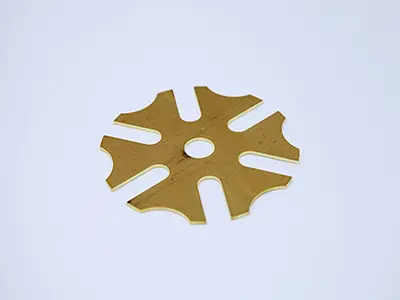
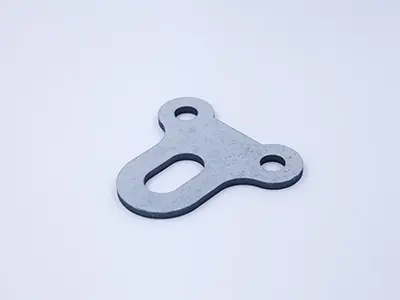
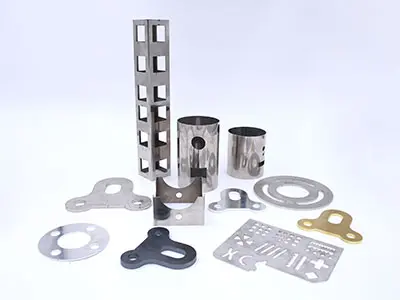
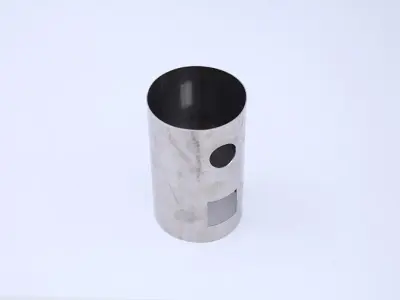
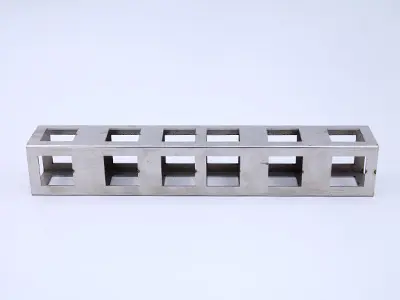
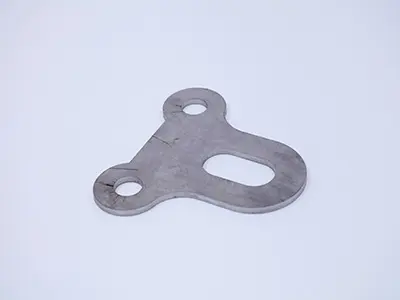
Processing highly reflective metals like aluminum and copper has historically presented challenges for laser operators. The reflective nature of these metals can bounce light back into the laser optical cavity, causing damage to components. Modern fiber laser systems resolve this by utilizing optical isolation blocks, advanced beam paths, and assist gas delivery. For instance, using high-pressure nitrogen or air as an assist gas during aluminum cutting helps eject molten material quickly, preventing dross formation and delivering clean, deburred edges.
Similarly, structural pipe fabrication requires multi-axis processing. Standard 2D flatbed cutting systems cannot handle three-dimensional intersections. Specialized CNC laser tube cutting machines use automatic pneumatic chucks and real-time support systems to process square, rectangular, and round profiles. The integration of advanced software coordinates the rotational axes with linear movements, allowing for complex joint geometries and fit-up designs required in architectural structures and heavy machinery assembly.
Modern global procurement requires suppliers to offer competitive pricing alongside stable lead times and reliable supply chains. Our production facility operates in accordance with Industry 4.0 principles, utilizing digital manufacturing execution systems (MES) to coordinate assembly and quality checks. By centering our operations in key manufacturing clusters, we maintain direct access to critical components, including precision casting beds, optical systems, gas control manifolds, and linear guide systems. This geographic integration protects our clients from global supply chain disruptions.
Quality and stability begin with structural engineering. The structural frames of our fiber laser cutters undergo a thermal stress-relief annealing process at temperatures above 600°C. This cycle removes internal stresses within the welded steel, ensuring the chassis remains straight and dimensionally stable over decades of continuous operation. Following annealing, the frames are machined on large gantry milling centers to ensure precise alignment for the linear guides and rack-and-pinion systems.
By managing our core design, assembly, and testing processes in-house, we provide customized OEM services to over 30 leading international machinery brands. Whether a client requires customized machine dimensions, enclosed shuttle tables, or specific software configurations, our machine design team adjusts the engineering drawings to meet their unique specifications.
For international procurement managers, verifying the compliance and security of imported equipment is essential. Our manufacturing systems comply fully with global machinery and electrical standards. We incorporate laser safety enclosures with filtered viewing windows, interlocked access panels, and automated dust extraction systems. This ensures that when our machinery is installed in North America, Europe, or Australia, it complies with local safety requirements (such as OSHA and CE machinery directives) and is ready for immediately integration into factory workflows.
Investing in industrial machinery requires long-term support. The value of a CNC system is tied directly to its uptime, making after-sales support and localized service a key part of our offering. We have developed a global service structure that includes technical training centers, remote support capabilities, and localized warehouses stocked with spare parts.
When a new system is delivered, our localized service engineers manage the installation, calibration, and initial training. This ensures your operators are trained in safety protocols, path nesting optimization, and routine maintenance. To support ongoing operations, we offer remote diagnostic support. With the customer's permission, our technicians can connect to the machine's CNC software to troubleshoot parameters, calibrate axes, and update cut databases, resolving issues without the delay of an on-site visit.
Our spare parts distribution system is designed to minimize operational downtime. We maintain stock of critical consumables—such as cutting nozzles, collimating lenses, protective windows, ceramic rings, and filter elements—at localized hubs. This setup allows us to ship replacement parts with short lead times, ensuring your production lines continue running with minimal disruption.
Frequently asked questions by procurement managers and structural engineers.
Fiber lasers transmit light through a flexible fiber optic cable rather than utilizing fragile mirrors and gas mixtures. This solid-state design lowers maintenance requirements and reduces energy consumption by up to 70% compared to CO2 systems. Additionally, the 1.06 μm wavelength of fiber lasers is absorbed more efficiently by metals, resulting in significantly faster cutting speeds on thin to medium-gauge sheets.
Direct-drive linear motors convert electromagnetic energy directly into linear motion, eliminating the need for mechanical gears and ball screws. This direct connection removes mechanical backlash and wear, allowing for higher accelerations (up to 2.0G) and precise positioning. Linear motors are ideal for high-precision, high-speed cutting applications, while ball screw systems remain a reliable and cost-effective option for standard industrial requirements.
Welding heavy steel plates to form a machine frame introduces internal structural stresses. Without treatment, these stresses relieve themselves naturally over time, causing the frame to warp and warp, which degrades cutting precision. We heat our welded frames to over 600°C in specialized ovens and cool them slowly. This stress-relief annealing process ensures the machine bed remains dimensionally stable for decades of operation.
The choice of assist gas depends on the material and required edge quality. Oxygen reacts exothermically with carbon steel, adding thermal energy to speed up the cut, though it leaves a thin oxide layer. Nitrogen acts as an inert barrier, preventing oxidation to yield bright, clean edges on stainless steel and aluminum, which are ready for welding or painting without post-treatment. Clean, dry compressed air serves as a cost-effective alternative for processing thin-gauge materials at high speeds.
Laser cutting, especially with high power or sub-optimal gas parameters, can leave sharp edges and small burrs on the bottom side of cut parts. Deburring and edge rounding machines (such as our LX-RRS and LX-RRW series) automate the removal of these burrs. This automated post-processing ensures the parts are safe to handle, meet engineering tolerances, and have the clean surfaces needed for paint adhesion.
Reflective metals can bounce the laser beam back up through the nozzle, potentially damaging the optics in the cutting head and the fiber source. Our machines are built with optical isolation systems that absorb and deflect these back-reflections safely. Combined with optimized cutting parameters and high-pressure nitrogen assist gas, our systems cut copper, brass, and aluminum reliably without risk to the equipment.
Complete your production line with our certified industrial processing and finishing solutions.
 Lxshow