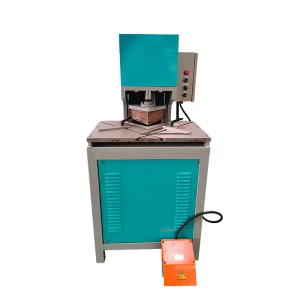
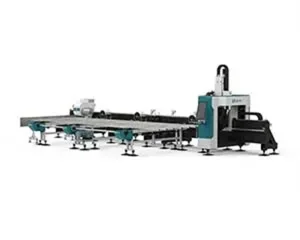
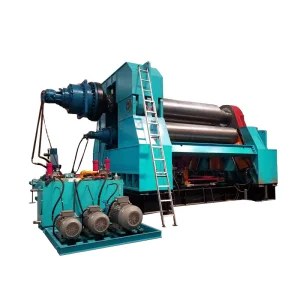
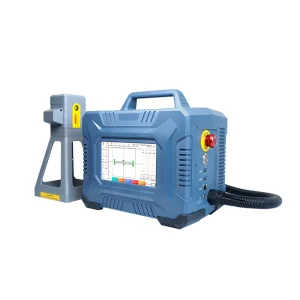
Explore our high-performance solutions engineered for speed, accuracy, and operational versatility.
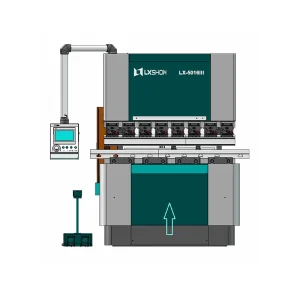
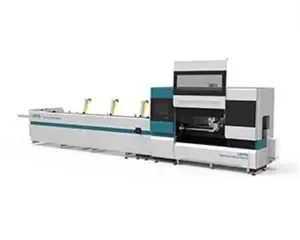
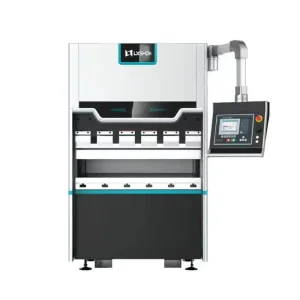
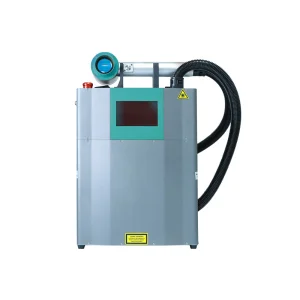
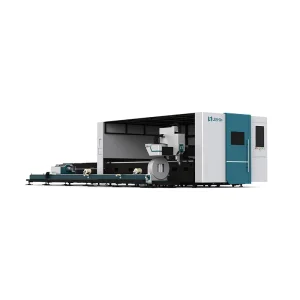
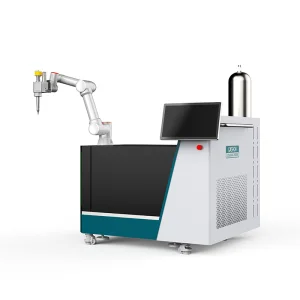
A comprehensive study on industry dynamics, technology routes, global sourcing requirements, and market trends.
Maximizing ROI with optimal consumption configurations of auxiliary gases (O2/N2) and reduced power draw architectures.
Delivering high-density optical payloads in space-constrained workshop designs to maximize production area layout efficiency.
Uncompromised positioning accuracies within ±0.02mm, ensuring aerospace and medical device tolerance compliance.
The global metalworking and manufacturing industries are undergoing a massive structural shift. High-Mix Low-Volume (HMLV) manufacturing paradigms are replacing massive, rigid production lines. In this context, the small laser cutting machine has moved from a niche prototyping utility to an indispensable component of flexible production networks. By minimizing physical footprint and maximizing power density, these systems allow rapid adjustment of parameters to accommodate various alloy compositions and complex structural designs.
Key indicators suggest that the compound annual growth rate (CAGR) for high-precision, small-format fiber laser systems will maintain an upward trajectory of 7.8% through 2032. Driving this growth are regional transitions toward custom electronics enclosures, specialized medical instruments, aerospace bracket assemblies, and high-quality localized metal fabricating services. Modern industrial shops cannot afford to waste valuable square footage on large-format gantry systems for small parts processing. Consequently, optimized, compact laser systems act as dedicated high-speed cells, relieving bottlenecks on larger machinery.
For industrial procurement agents and engineering leads, choosing a small laser cutting system demands strict attention to component integration and total cost of ownership (TCO). Procurement criteria go beyond list prices to examine core sub-system components:
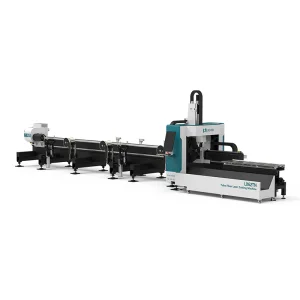
Additionally, modular configurations allow the installation of rotary tube cutting axes, turning standard flatbed units into dual-purpose sheet-and-tube processors. This flexibility maximizes capabilities for facilities limited to single-machine investments.
Small-format fiber laser cutters provide dedicated technological solutions across highly demanding industrial sectors:
Aviation and Aerospace: High-precision fabrication of thin-gauge nickel alloys, titanium sheets, and aluminum components requires thermal input controls to minimize Heat Affected Zones (HAZ). Modern CNC controllers feature adaptive frequency modulation (duty cycle control) to deliver clean, micro-burr-free edges on complex contours.
Medical Equipment: Stainless steel grade 316L surgical instruments, orthopedic implants, and miniature medical brackets require clean-cut edges to prevent corrosion. The high beam quality (M² < 1.1) of optimized fiber sources enables clean cutting with nitrogen, eliminating oxide layers and post-processing steps.
Advanced Electronics: Shielding enclosures, copper busbars, and custom chassis assemblies require high speed and repeatable accuracy. The capability to process highly reflective materials like copper and brass without back-reflection damage is key to high-uptime electronics manufacturing.
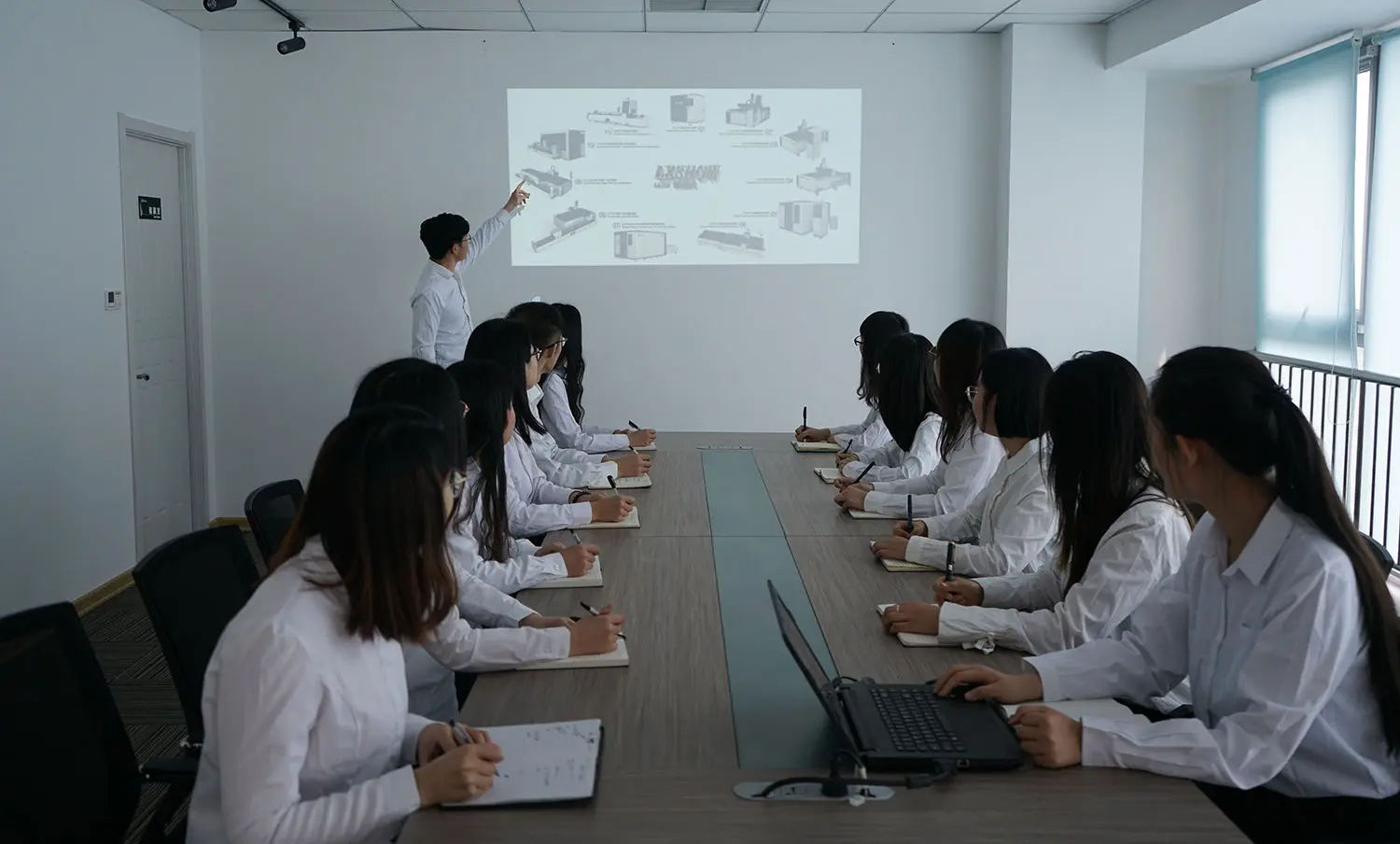
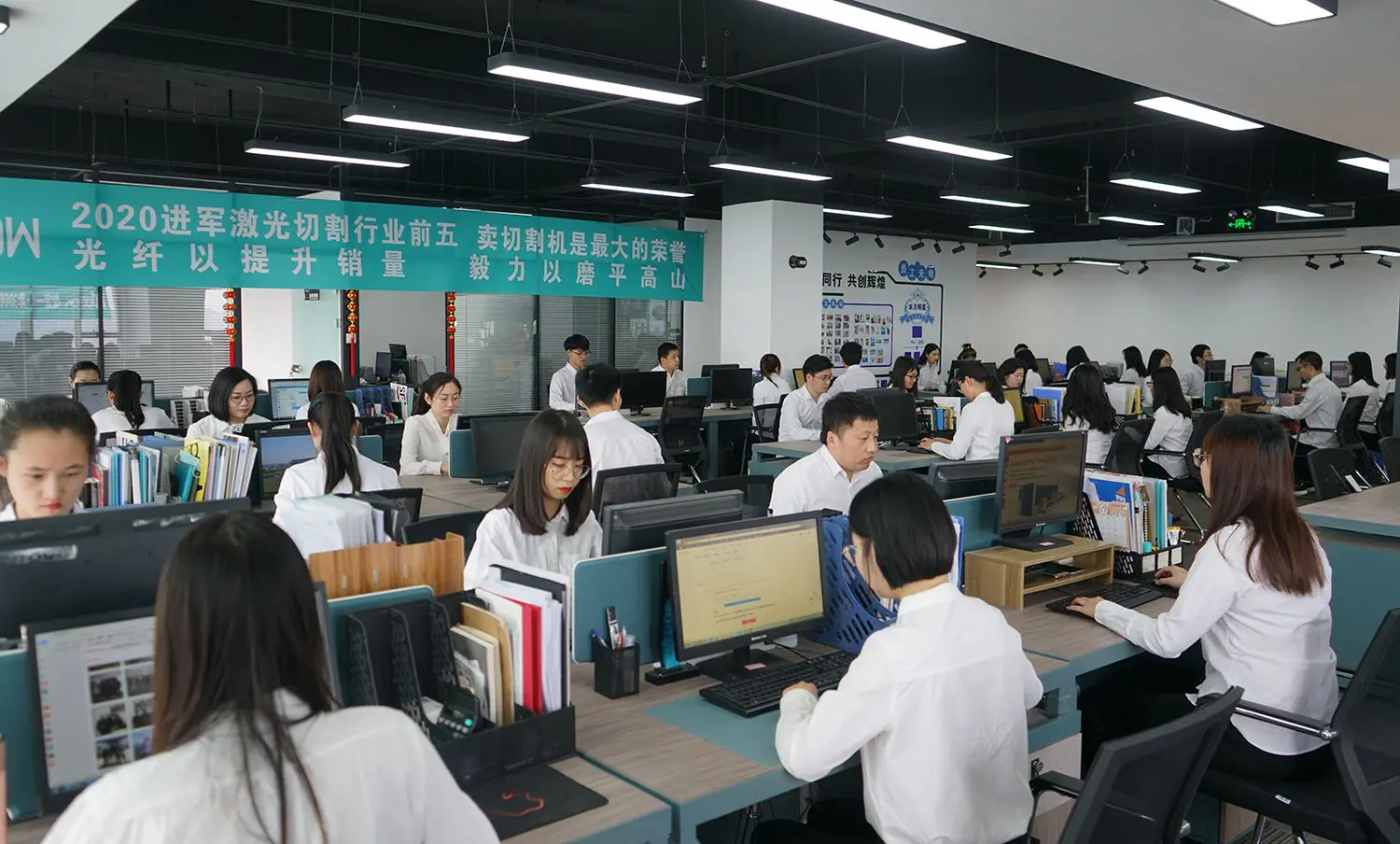
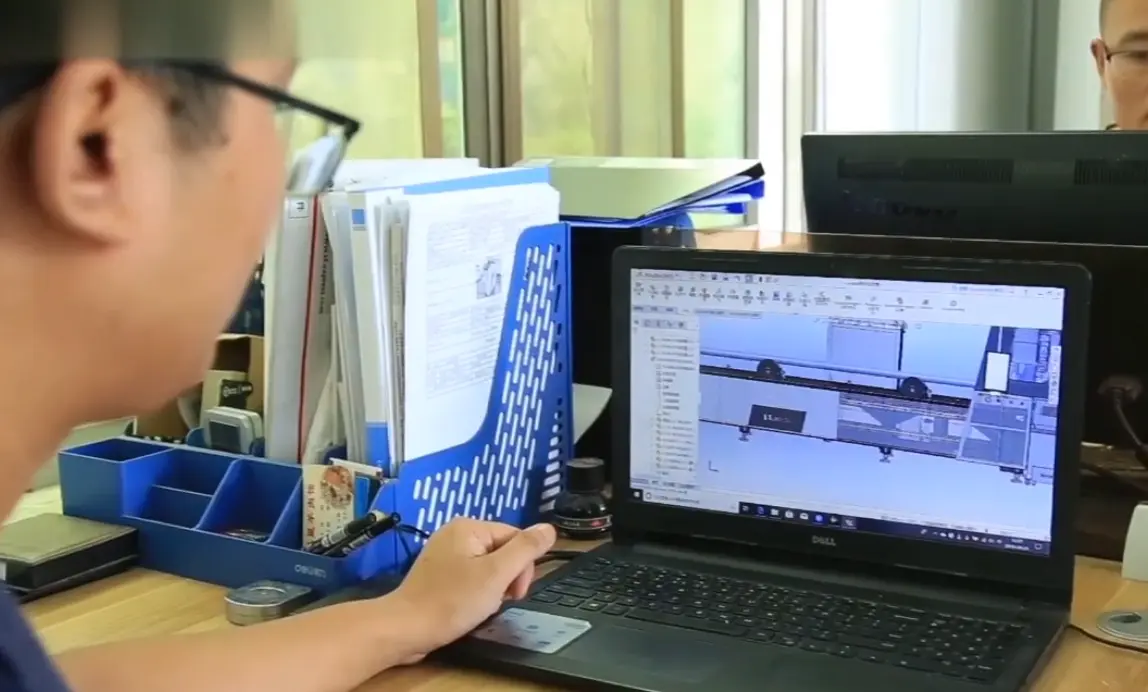
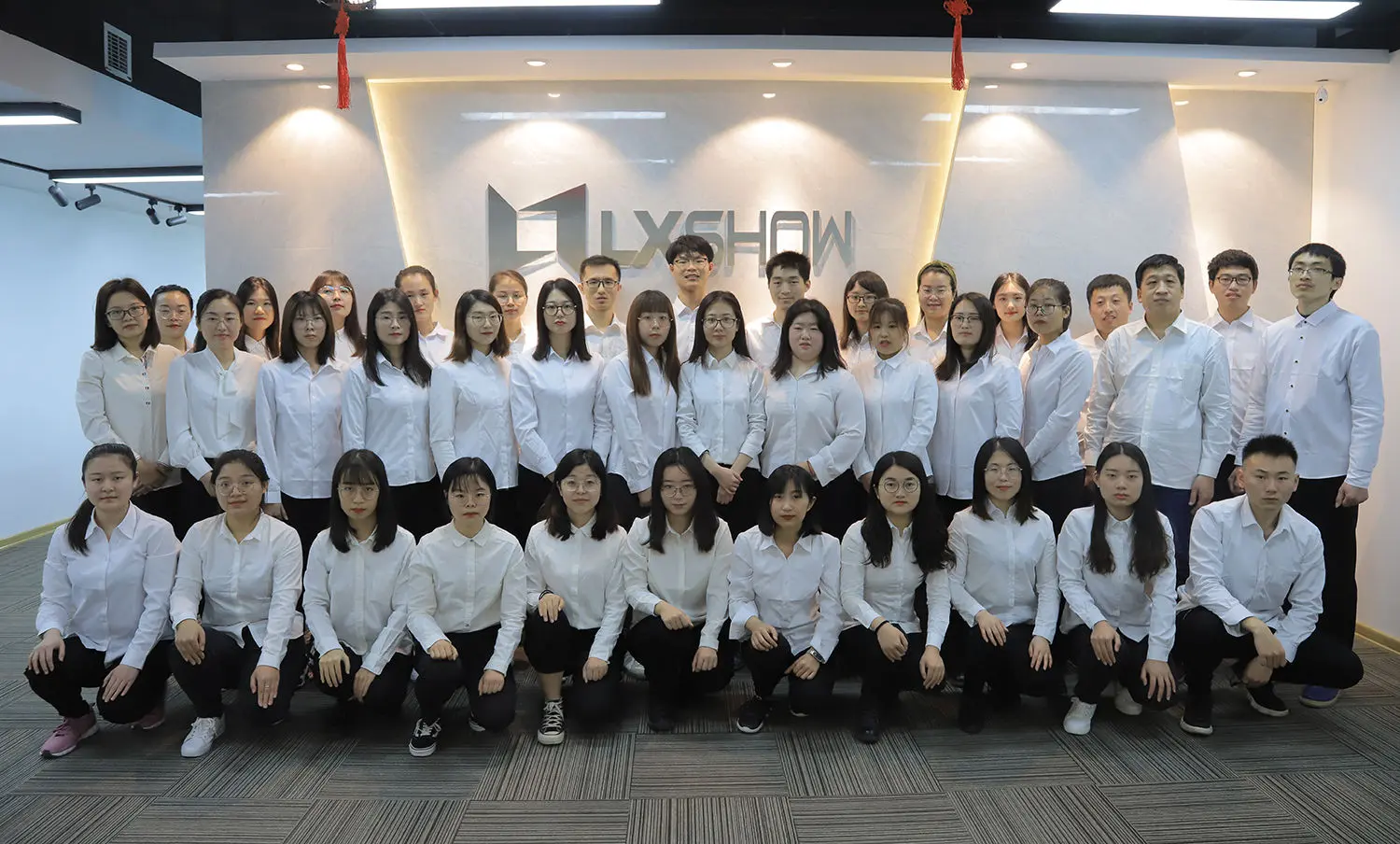
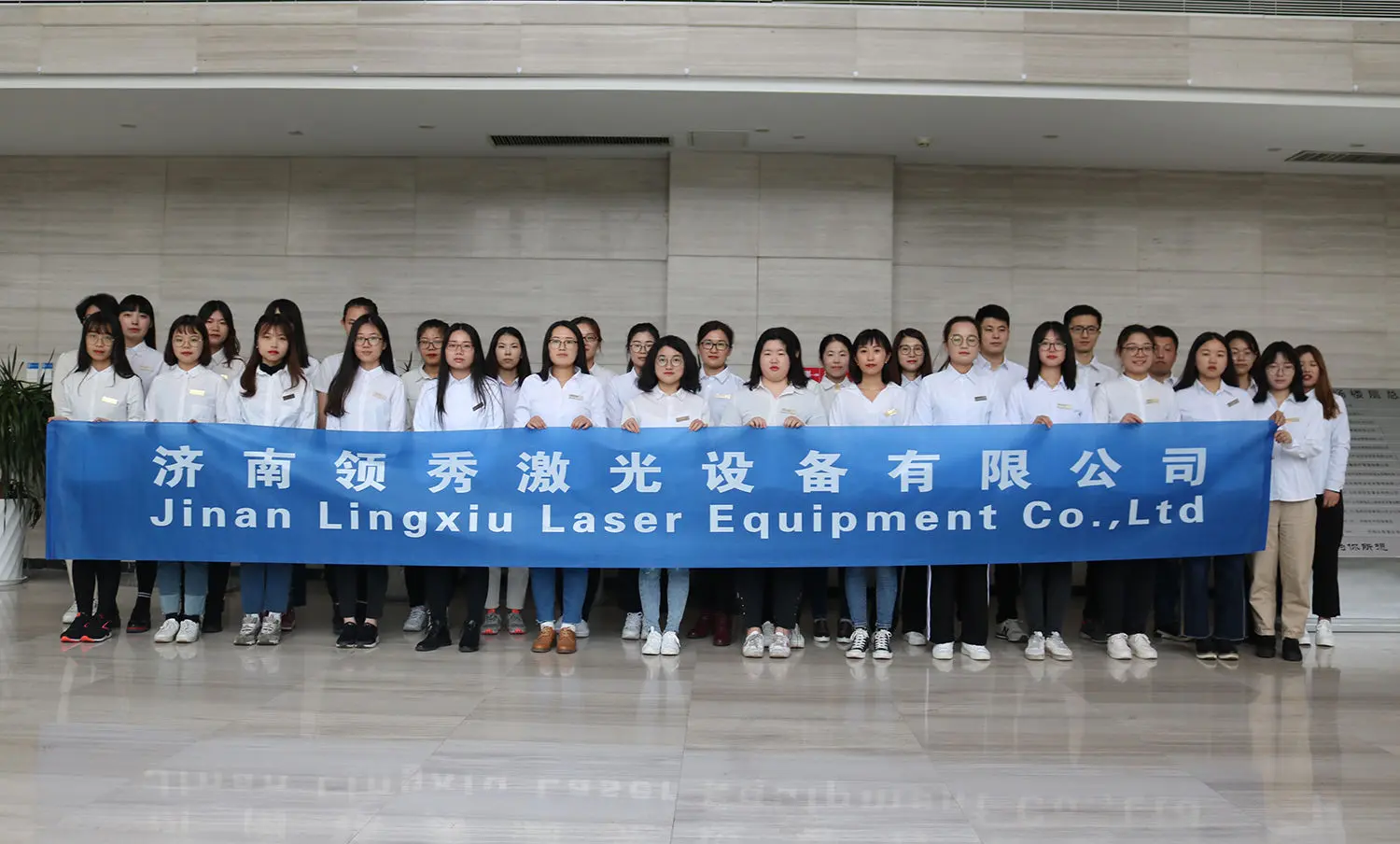
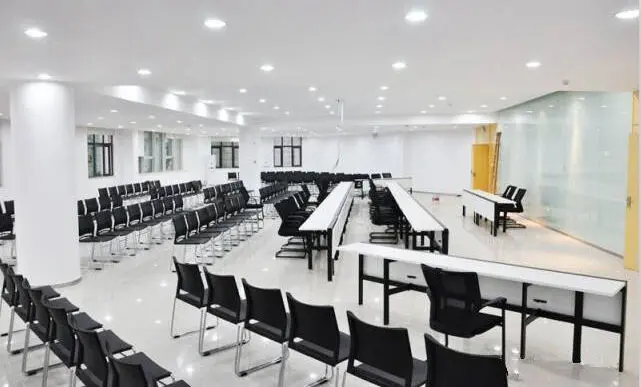
Tour our state-of-the-art 32,000 square meter factory, designing solutions that power Industry 4.0 plants globally.
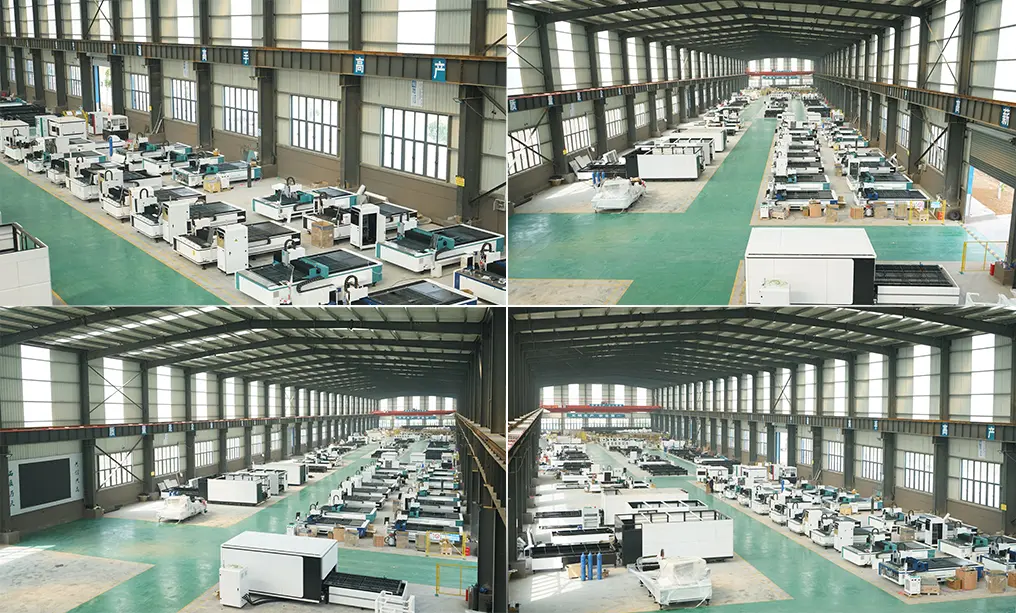
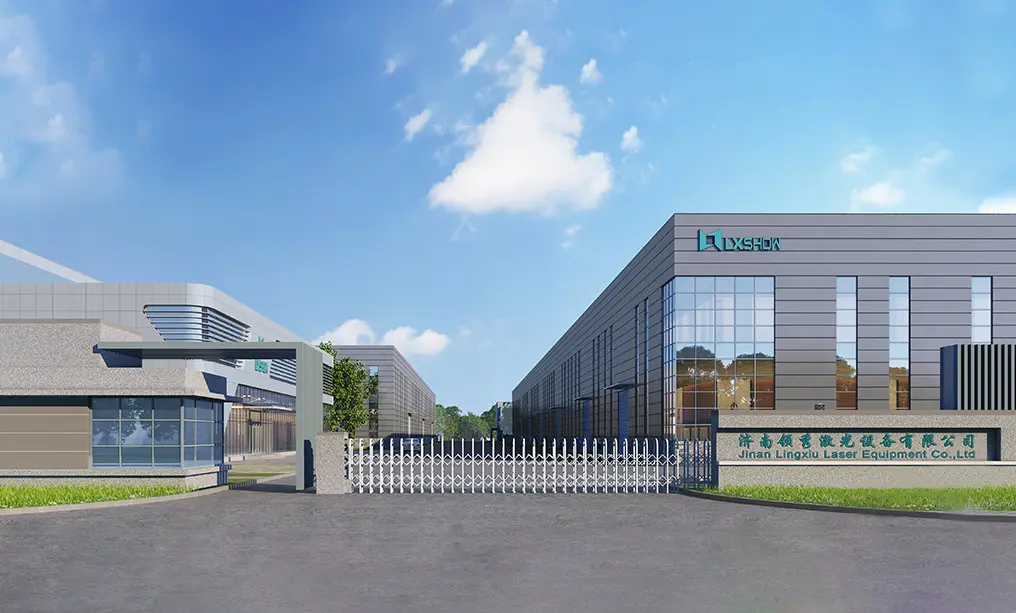

Operating industrial machinery internationally requires strict compliance with regional safety codes and standards. Every small laser system we export is built to align with local technical frameworks, ensuring smooth factory integration and worker safety:
To back up these technical standards, our localization strategy includes regional field offices and localized training partners in over 150 countries. Authorized service engineers assist with installation, optical alignment calibration, and rapid replacement parts delivery, helping keep system downtime to a minimum.
Our long-term developmental outlook focuses on automation, real-time sensing, and intelligent system networking. By 2040, we aim to be a leader in the global smart laser tooling market. Key engineering milestones on our technological roadmap include:
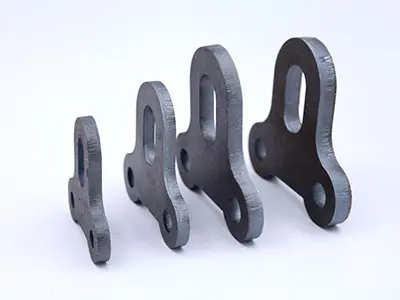
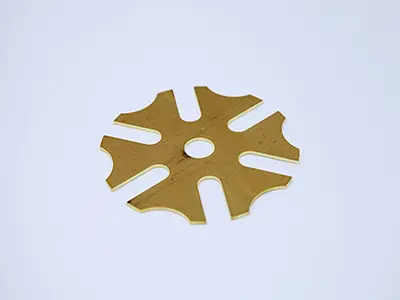
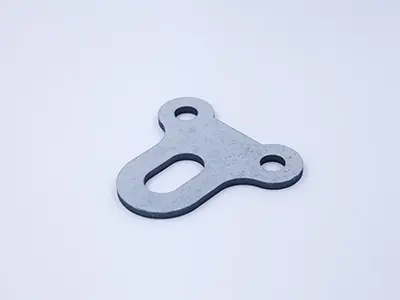
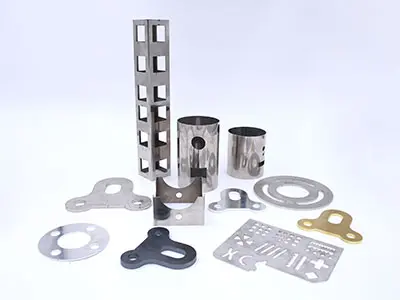
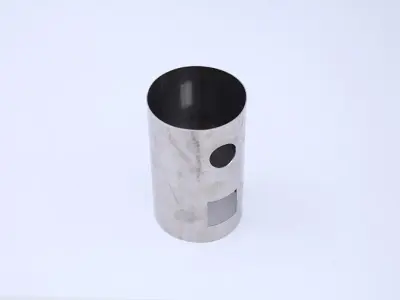
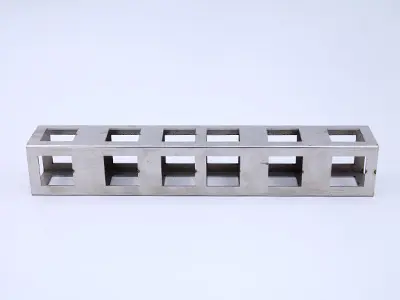
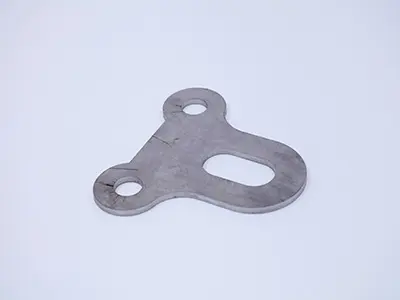
Engineered for high performance on a variety of alloys, serving core sectors globally.
In-depth responses to common engineering, procurement, and performance questions.
Small-format laser cutters offer high positioning accuracy and dynamic performance because of their lower mechanical gantry mass. They minimize structural inertia, enabling faster accelerations during complex contours. Additionally, their compact footprints make them ideal for space-constrained shop layouts, helping lower thermal management costs and reducing total cost of ownership (TCO).
Oxygen (O2) acts as an active cutting gas, generating an exothermic reaction that allows cutting at lower gas pressures. However, it leaves a thin oxide layer that often requires post-treatment. Nitrogen (N2) acts inertly, cooling the material and blowing away molten slag to create an oxide-free edge. This is critical for medical devices, kitchenware, and parts that will undergo secondary plating or welding.
Industry-standard fiber laser sources (such as IPG, Raycus, or Maxphotonics) feature a typical diode service life exceeding 100,000 hours. In real-world operation, this translates to 10 to 12 years of reliable performance, assuming regular maintenance, adequate water chiller cooling, and clean environmental conditions.
Yes. Modern fiber laser systems include back-reflection isolators and optical protection modules that absorb reflected light, protecting the delicate laser pump diodes. This technology allows users to reliably cut copper, brass, and aluminum at optimal speeds without damaging the machine.
Regular maintenance tasks include lubricating the linear guide rails and ball screws weekly, cleaning protective windows and collimator optics within the cutting head daily, and replacing water chiller coolant every three months. Ensuring a stable power input via an isolation regulator prevents servo driver faults and coordinates axis movements correctly.
Our systems carry official European Union CE certification, meet American FDA CDRH laser safety standards, and are manufactured under ISO 9001 quality management guidelines. This guarantees compliance with safety and electrical regulations when the equipment is imported.
Water cooling uses an external dual-temperature chiller to regulate both the laser source and the cutting head. It is recommended for continuous, high-power industrial operations. Air-cooled systems are simpler and more portable, making them popular for mobile laser cleaning or lower-duty cutting applications.
Our controllers interface with industry-standard CAD/CAM nesting software like CypCut, Lantek, and Libellula. These programs feature automatic nesting, micro-joints, lead-in/lead-out optimizations, and common-line cutting strategies, helping users improve material utilization.
Yes, we provide OEM services for over 30 leading brands. Options include customized enclosure styles, safety configurations, custom dimensions, dual-bed designs, and specialized laser parameters, helping partners adapt the machinery to their localized markets.
We provide comprehensive support through 24/7 online video diagnostics, clear technical documentation, and hands-on operational training programs. For complex requirements, our field technicians can travel to customer sites to perform calibration, repair, and commissioning.
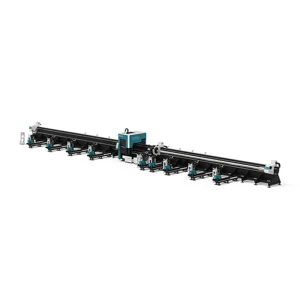
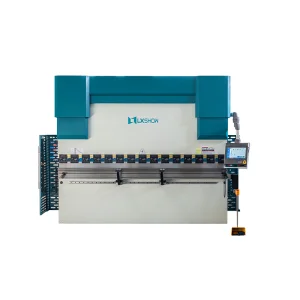
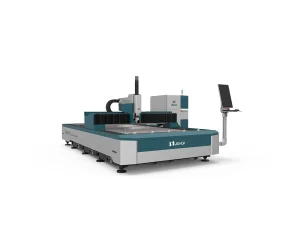
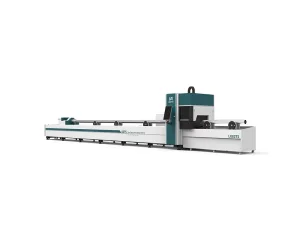
Explore our complete fabrication range, including heavy bending, precise welding, and tube-cutting systems.
 Lxshow