Explore our premium machinery array configured for modern heavy-industry productivity requirements
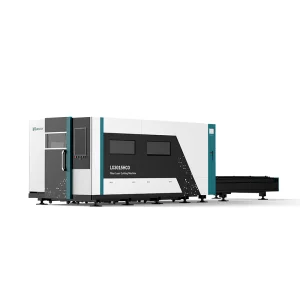
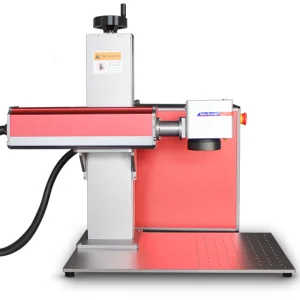
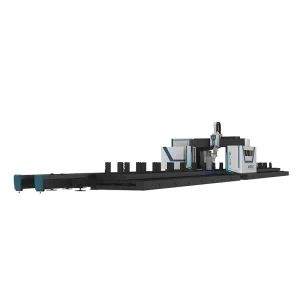
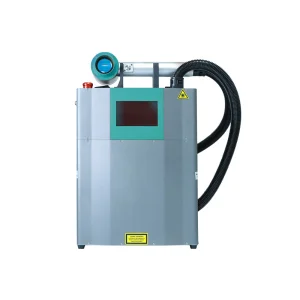
The global metal fabrication landscape is undergoing a critical transformation. Traditional thermal cutting methodologies—such as plasma and flame processes—are rapidly yielding market share to ultra-high-precision CNC Fiber Laser Metal Cutters. This structural shift is propelled by the demands of Industry 4.0, where component micro-tolerances, absolute repeatability, and high throughput are essential parameters for modern production floors.
As a premier industrial laser metal cutter manufacturer and factory, we engineer solutions designed to maximize thermal efficiency and optimize gas utilization dynamics. Standardizing on advanced fiber laser configurations allows manufacturers to reduce secondary edge-finishing operations, decreasing labor costs and maximizing margins across structural steel, aerospace engineering, automotive assemblies, and heavy industrial machinery sectors.
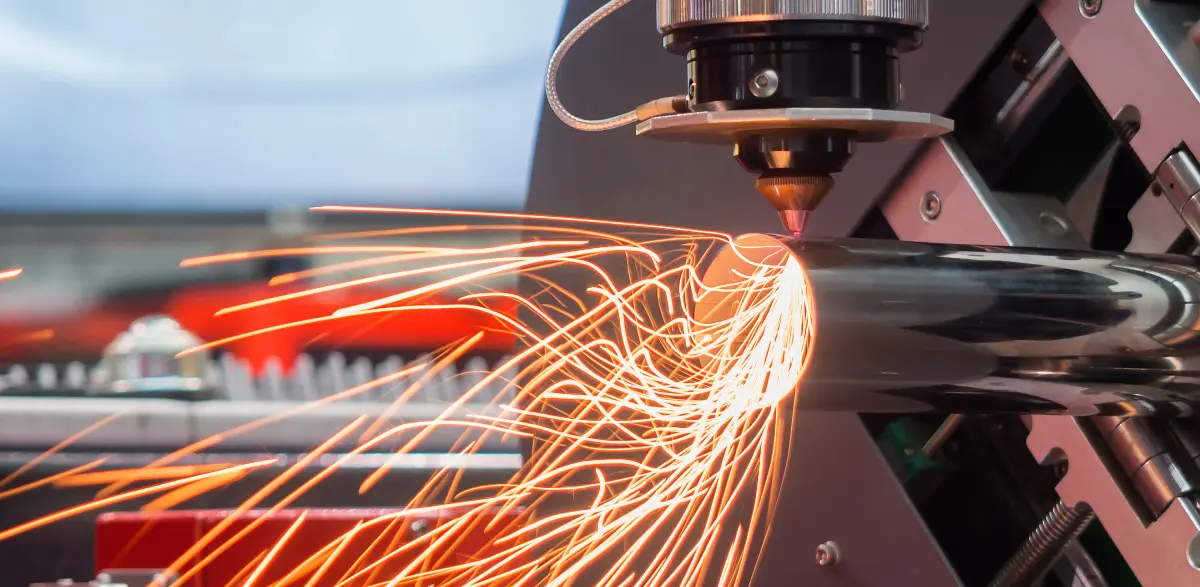
An expert analysis of the structural shifts driving efficiency and performance metrics in the laser industry
The progression of fiber laser sources from 6kW and 12kW levels to 30kW+ systems has altered high-thickness processing economics. High-power systems allow nitrogen and high-pressure air cutting of heavy structural steels, achieving faster traverse speeds and cleaner cut faces compared to traditional carbon dioxide variants.
Modern factories demand minimal operator intervention. Today's standard configurations incorporate intelligent auto-nozzle changers, real-time height control sensors, protective window monitoring systems, and automated pallet exchange tables. This setup ensures continuous, high-efficiency production runs.
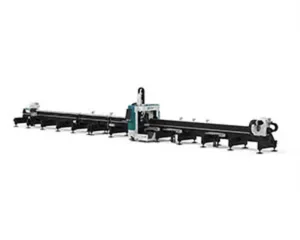
Tube laser processing has advanced with the development of the three-chuck mechanism. By securing materials with continuous active clamping, these systems minimize vibration and eliminate mechanical deformation, enabling zero-tailing processing that reduces scrap on heavy steel structural profiles.
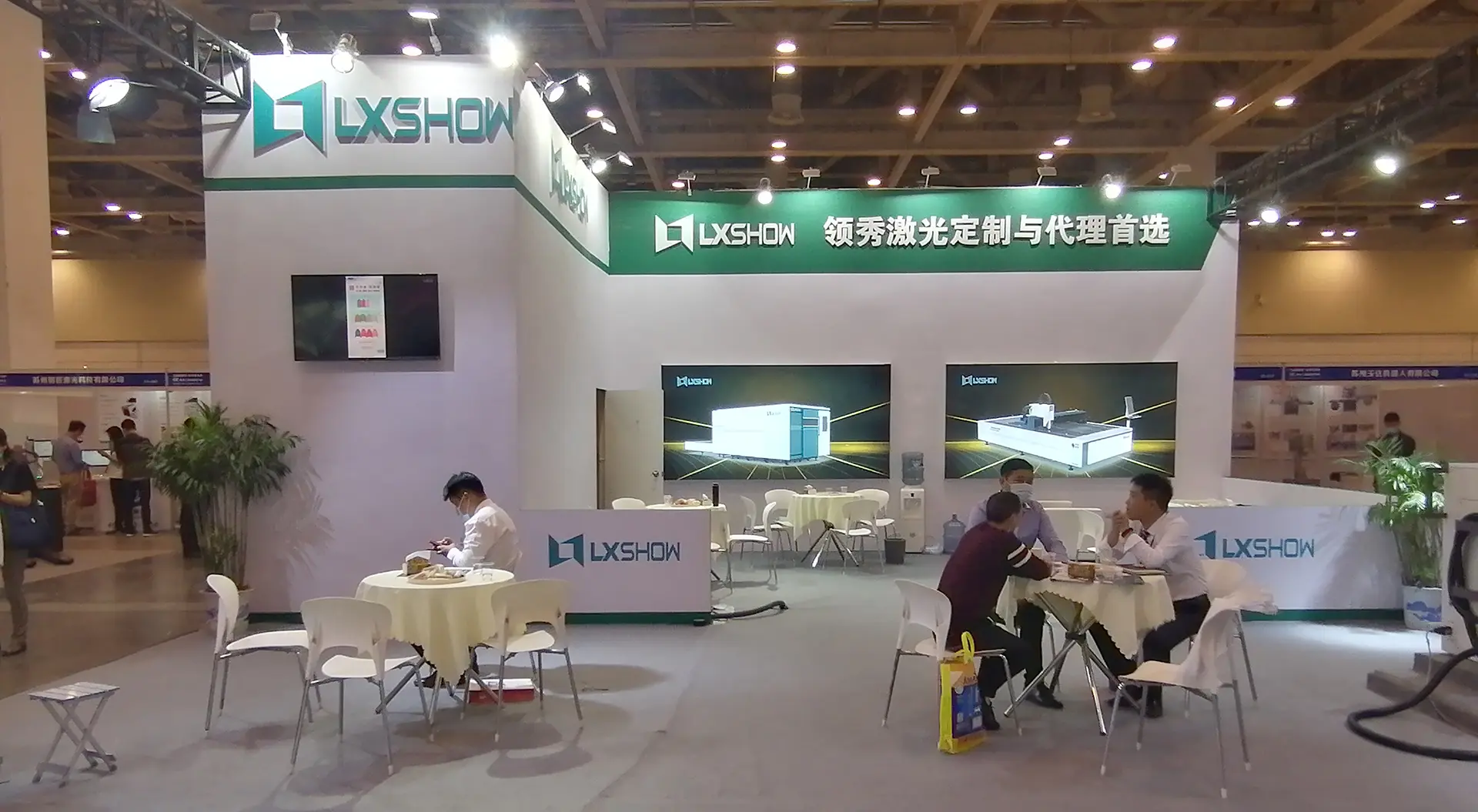
When selecting industrial laser metal cutters, procurement managers must evaluate parameters beyond initial capital expenditure. Modern operations require a clear understanding of long-term operational costs, gas consumption dynamics, and energy conversion ratios.
By using premium fiber laser sources, our machinery achieves electric-to-optic conversion rates exceeding 35%. This high efficiency helps offset energy costs during continuous production runs. Choosing high-pressure dry air as an alternative to auxiliary gases like Nitrogen or Oxygen for thin sheet metals can further reduce daily operating expenses by up to 40%.
Engineered to handle a wide range of metals, thicknesses, and complex geometries with high precision
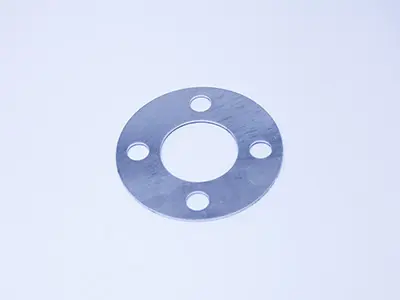
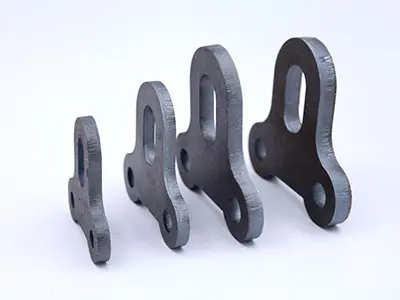
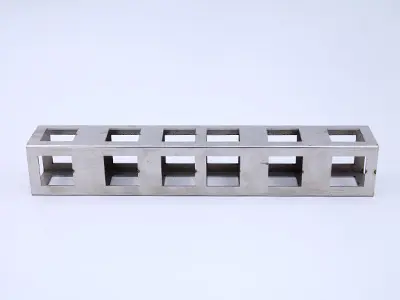
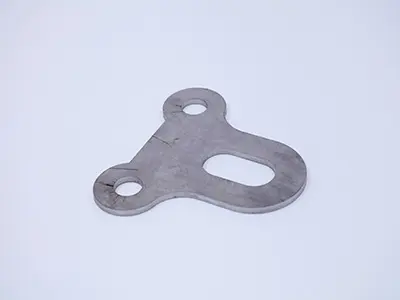
A trusted brand built on continuous technological innovation, rigorous engineering standards, and worldwide delivery networks
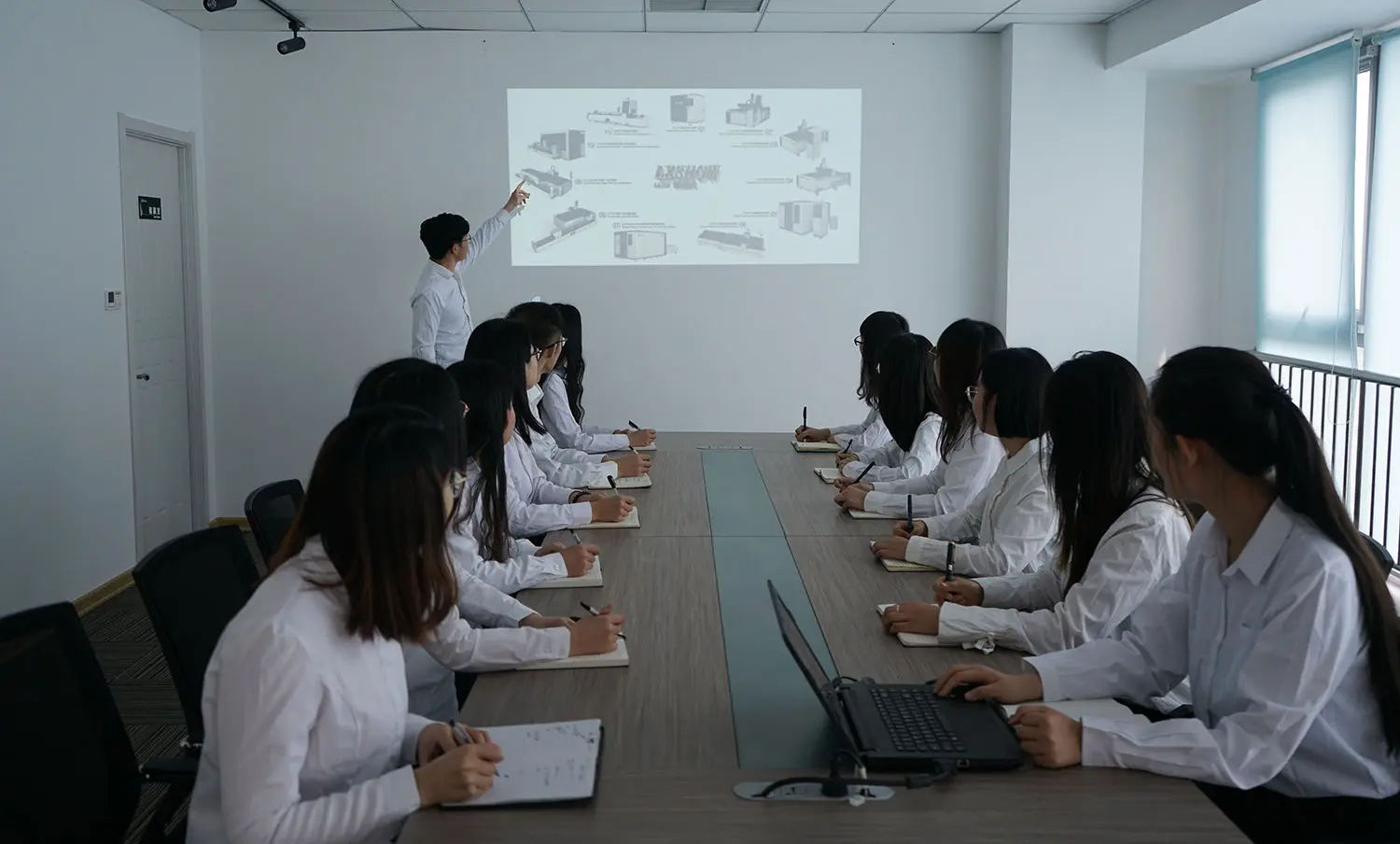
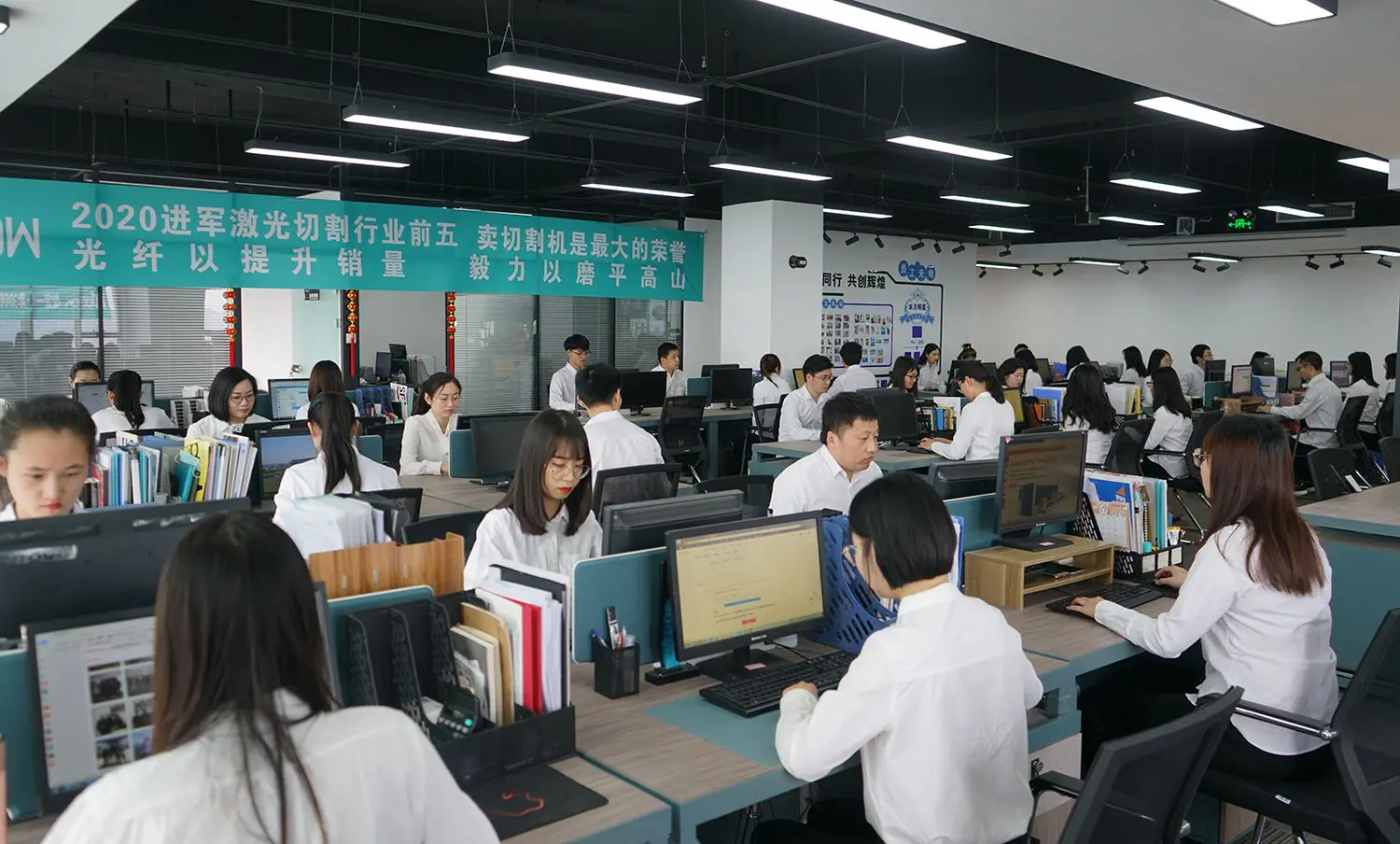
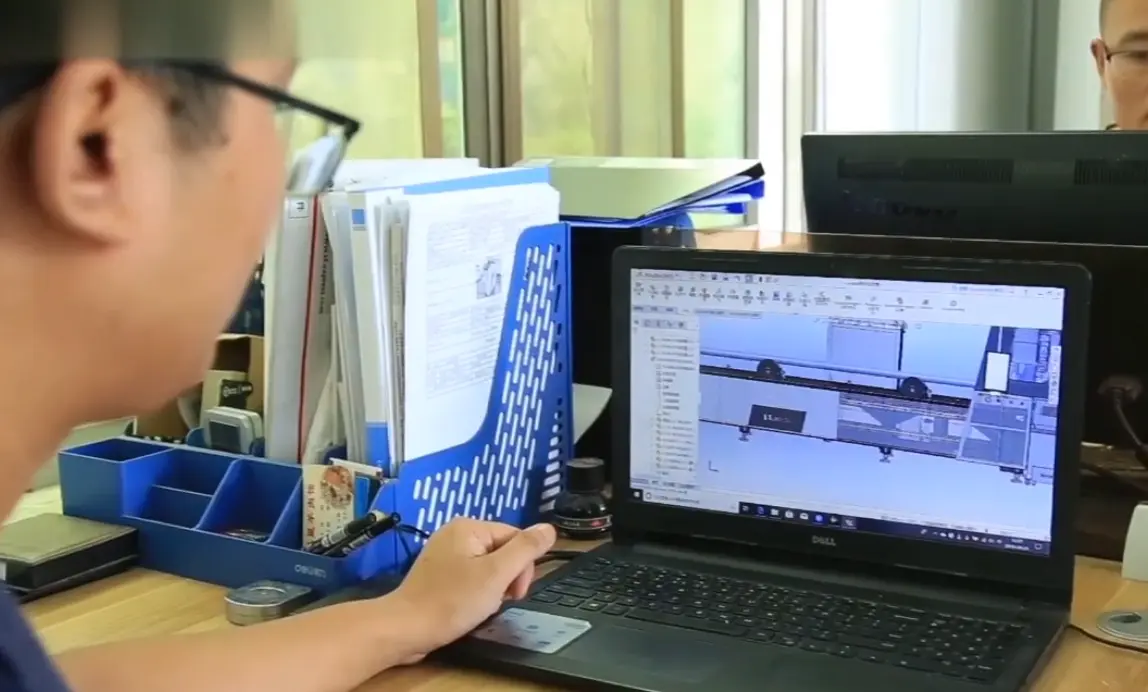
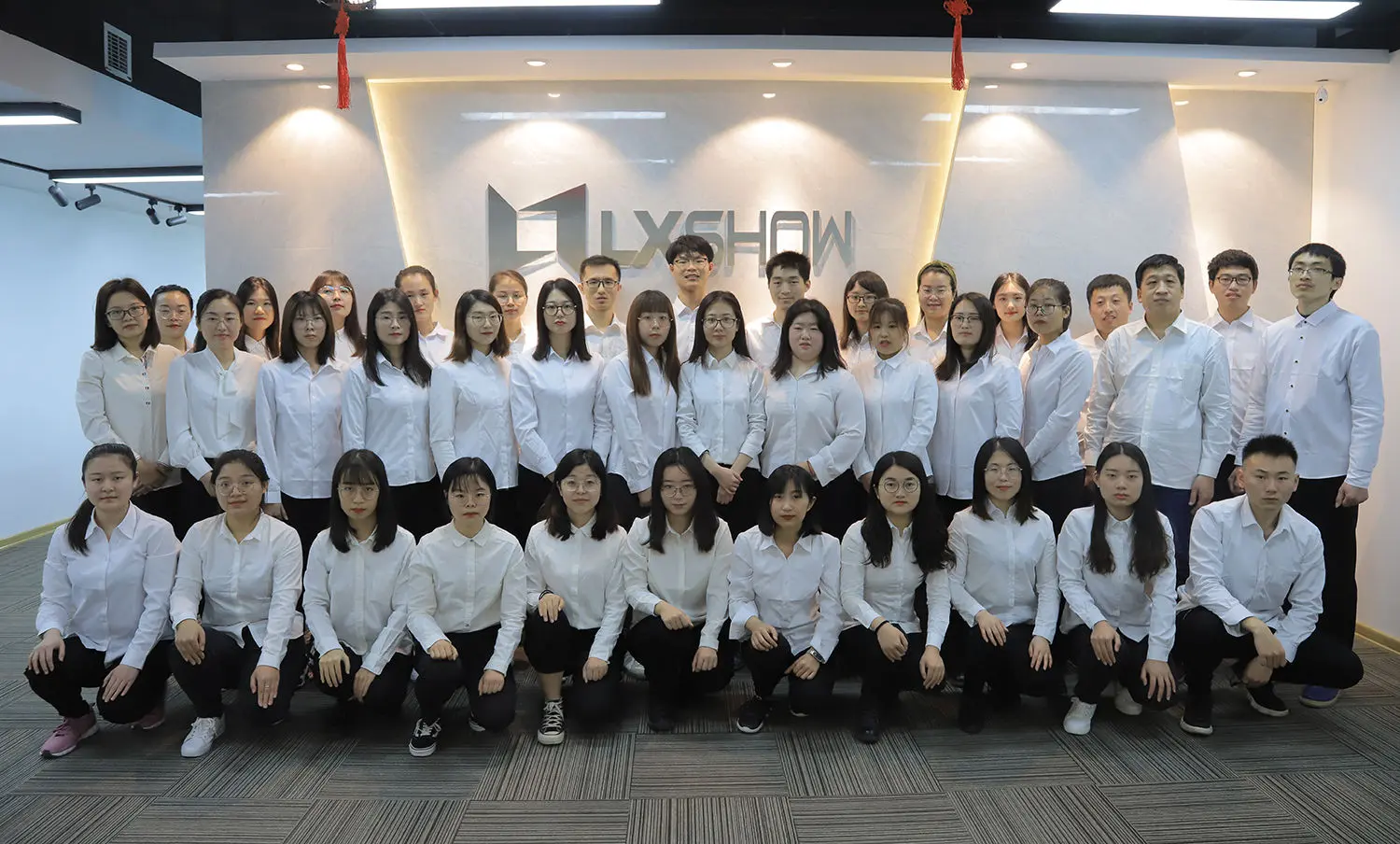
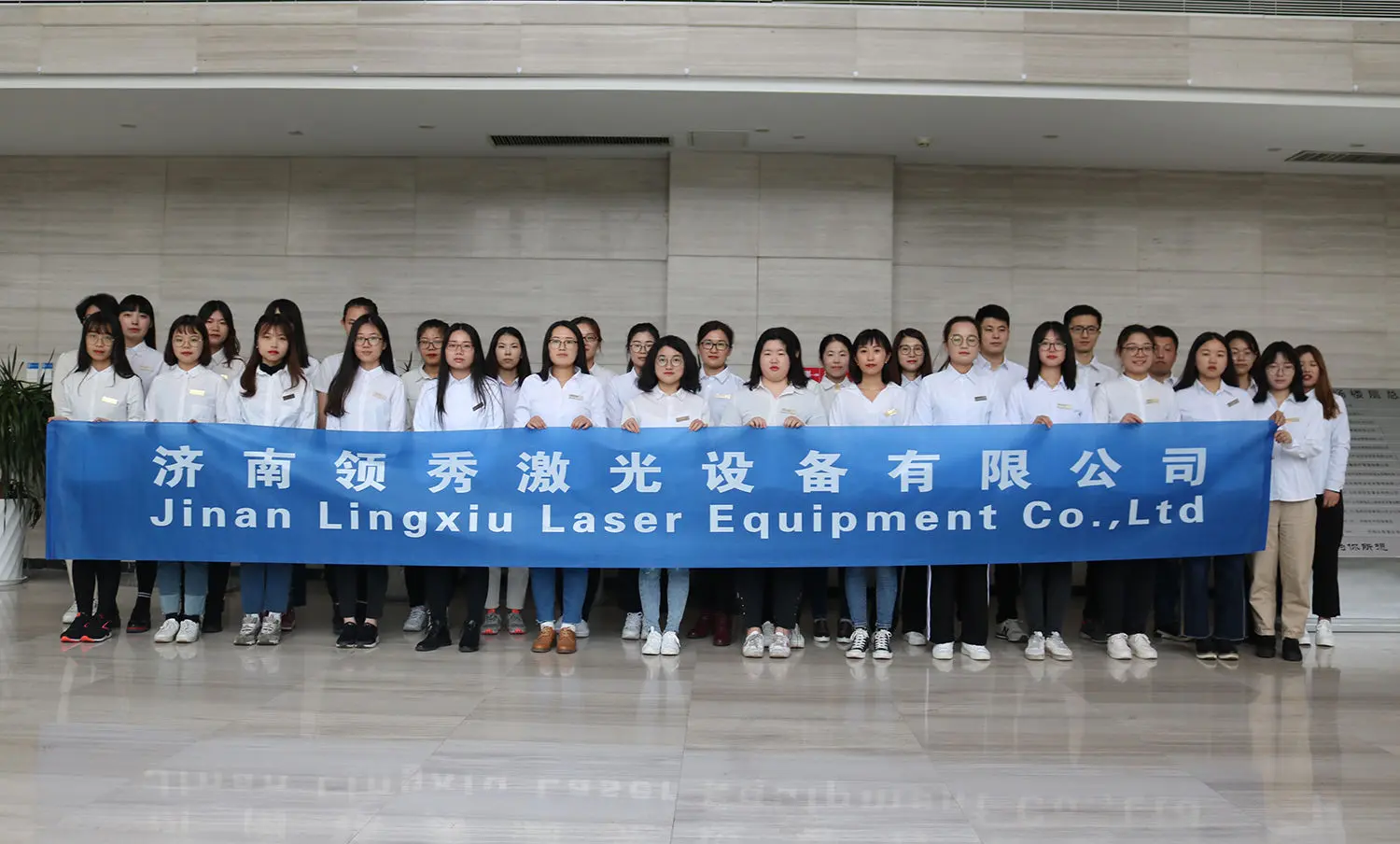
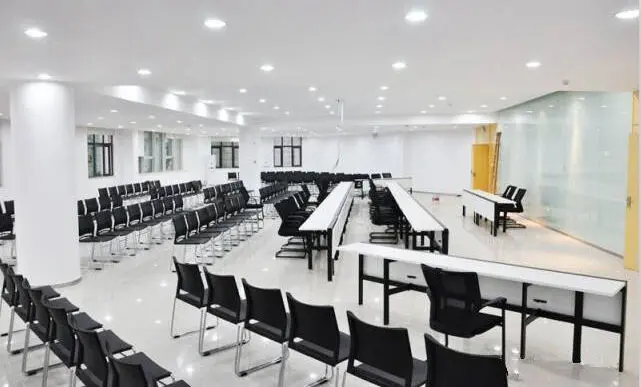
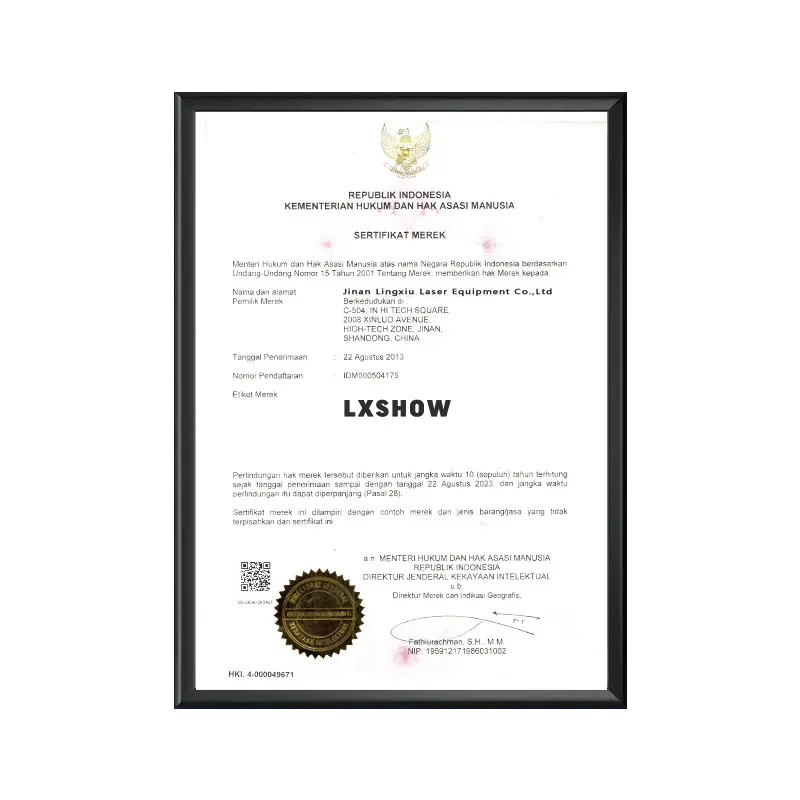
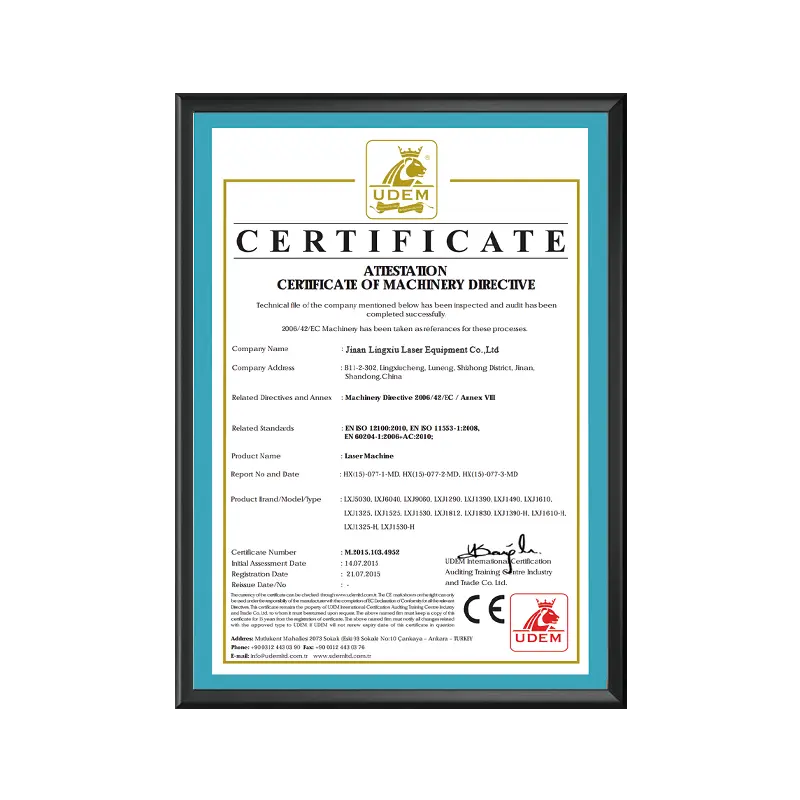
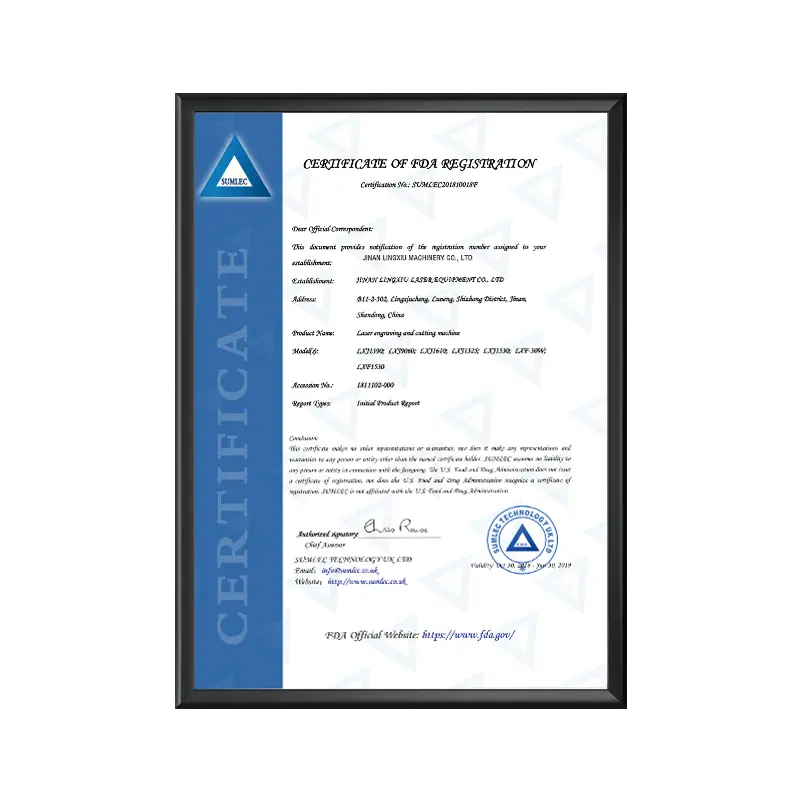
Established in July 2004, LXSHOW operates a 500-square-meter dedicated research, design, and analysis office alongside a 32,000-square-meter production factory. All machinery is designed, built, and tested in accordance with international quality standards. The production line complies with the European Union CE authentication, the American FDA certificate, and is fully certified under ISO 9001 standards.
Our solutions serve major manufacturing markets globally, including the USA, Canada, Australia, Europe, Southeast Asia, and Africa. We also provide specialized OEM services for more than 30 industrial brands, delivering reliable post-sales technical support and engineering expertise.
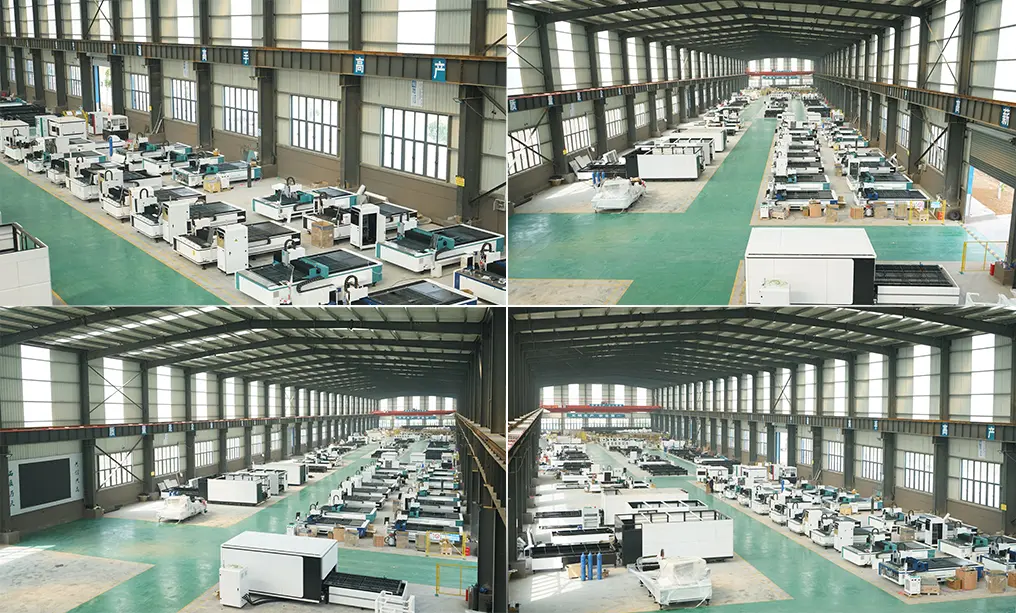
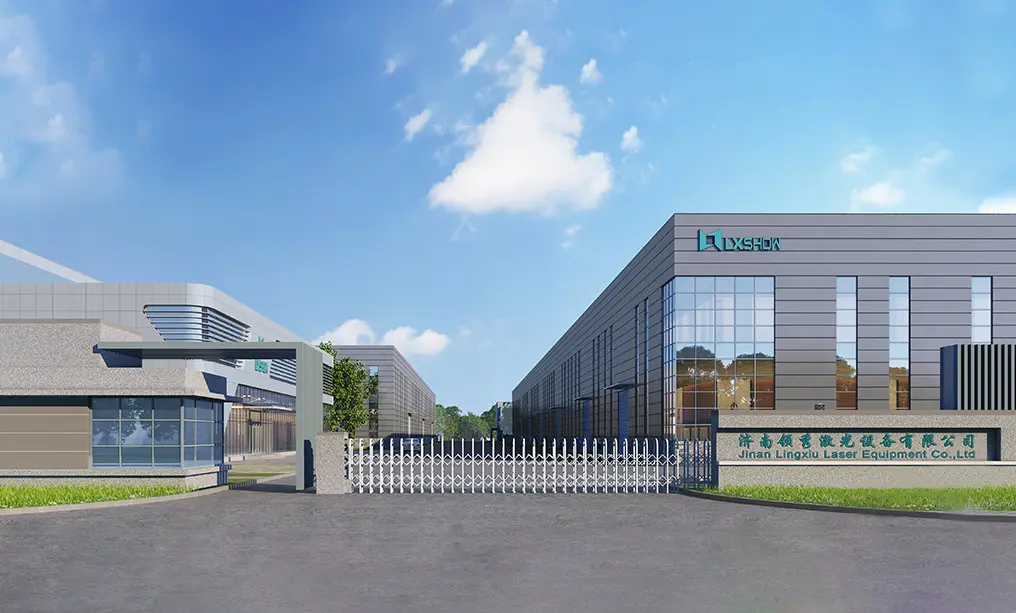

Detailed technical divisions across our product range, built to handle heavy-duty production demands
Advanced surface refurbishment technology designed to restore high-wear components with precision metallurgical bonds.
Eco-friendly surface preparation technology that removes oxides, paints, and surface contaminations without chemicals.
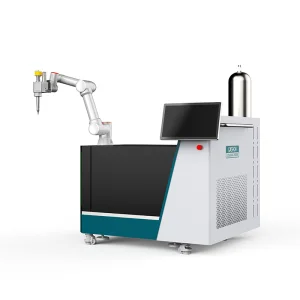
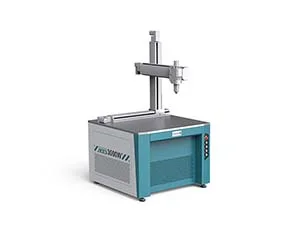
Includes handheld and automated robotic arm integrations to replace standard MIG/TIG processes, delivering cleaner joints.
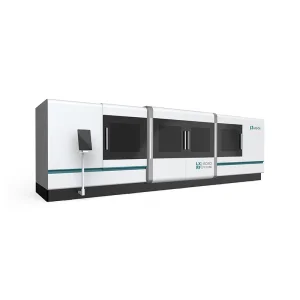
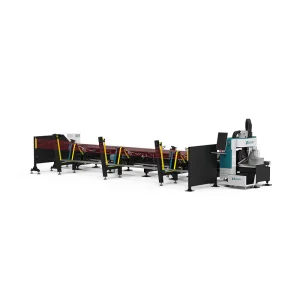
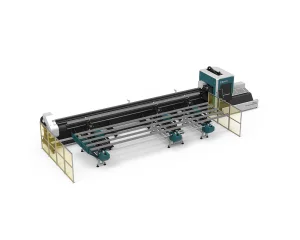
Highly integrated cutting systems configured for rapid processing of plates, tubes, and large structural profiles.
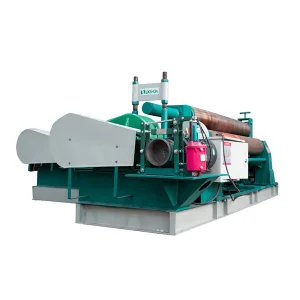
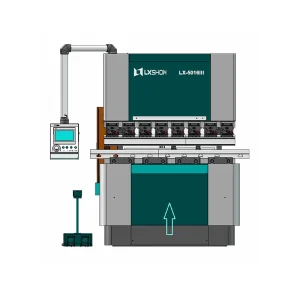
Electro-hydraulic and all-electric servo systems engineered to deliver uniform bending angles across long sheets.
Guillotine and swing-beam shearing machines configured to provide clean, perpendicular cuts prior to bending.
Exporting high-precision machinery requires adherence to international safety and electrical codes. All systems manufactured in our facility undergo rigorous safety checks and are built in compliance with European Union machinery directives and regional safety standards.
To support operations globally, we maintain a network of certified field service technicians and local support staff. This structure ensures timely access to replacement parts, on-site commissioning, and regular preventative maintenance support, helping operators maintain production uptime.
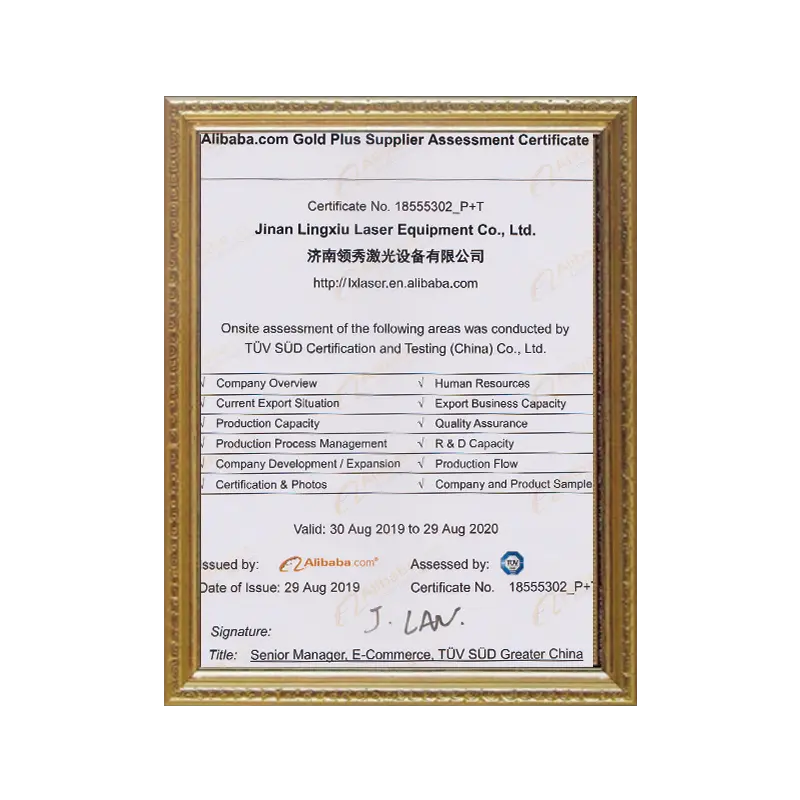
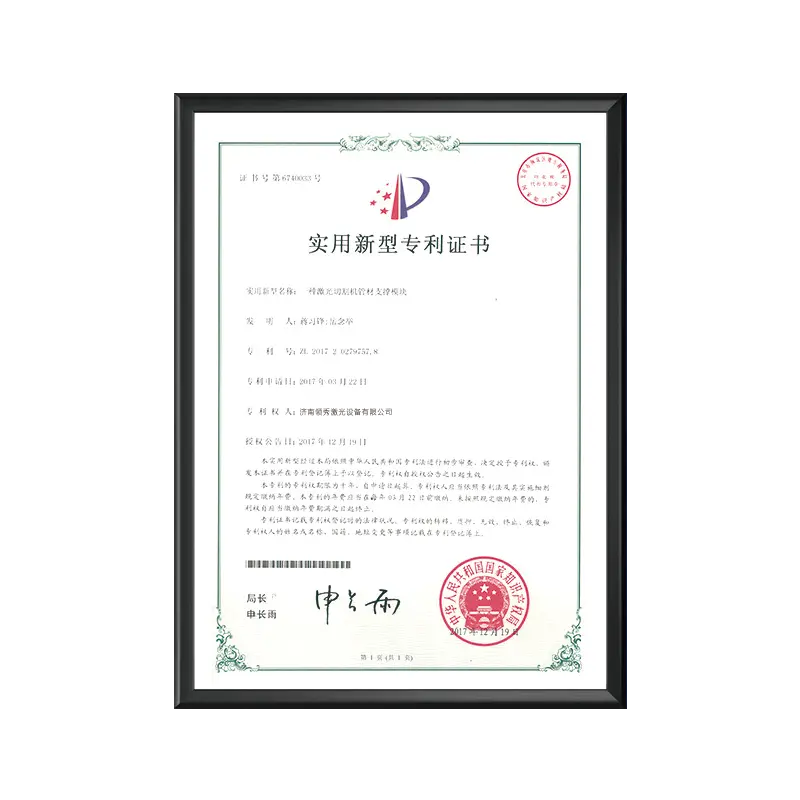
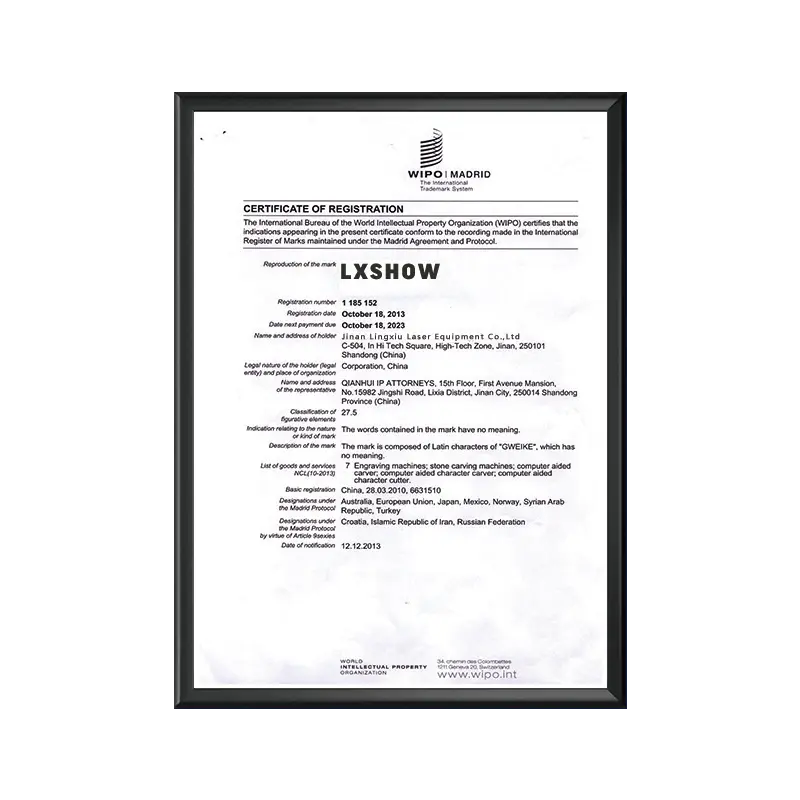
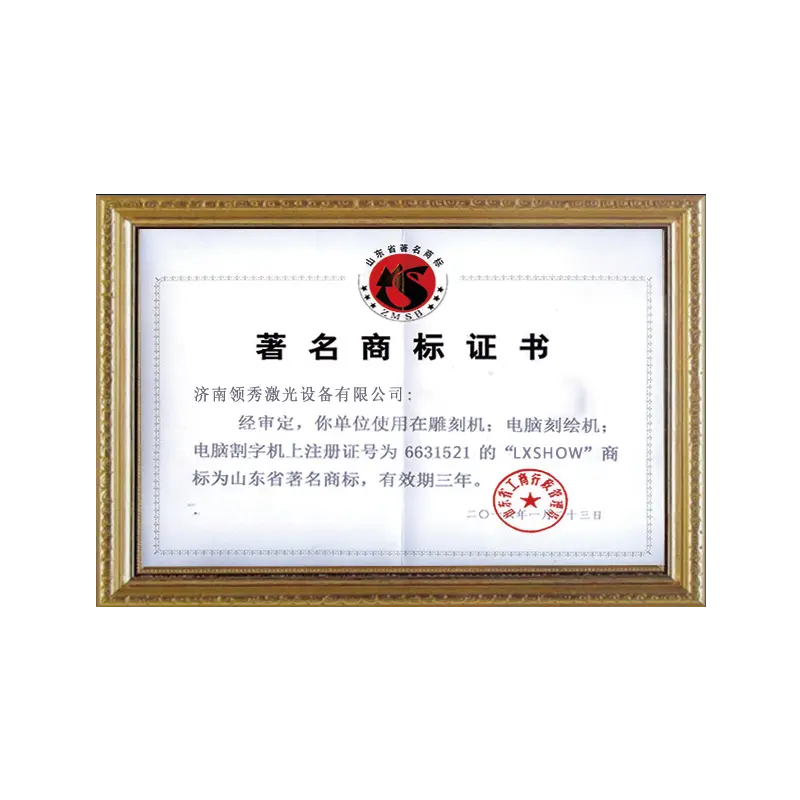
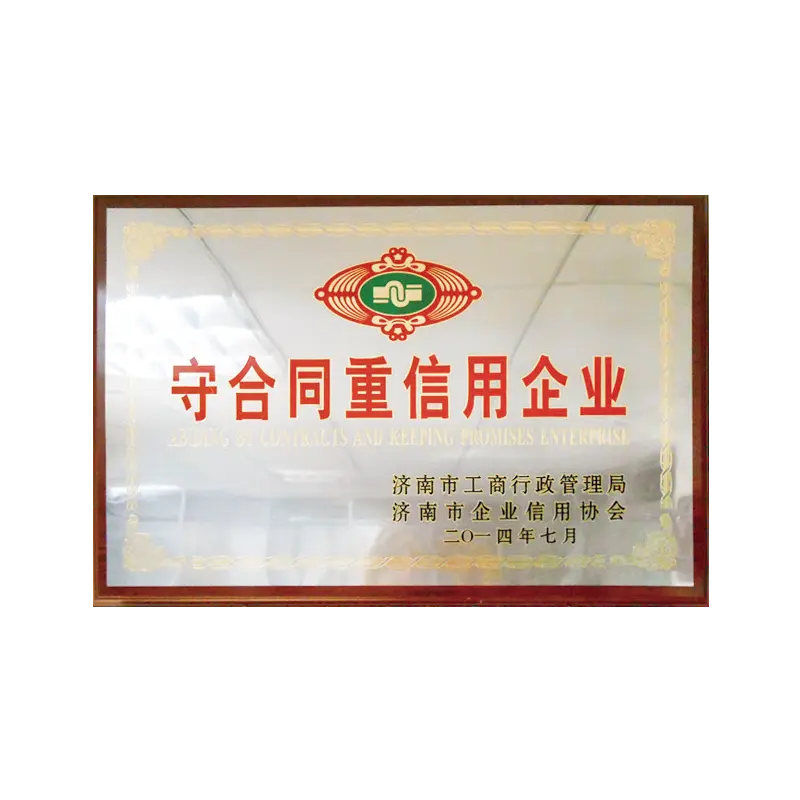
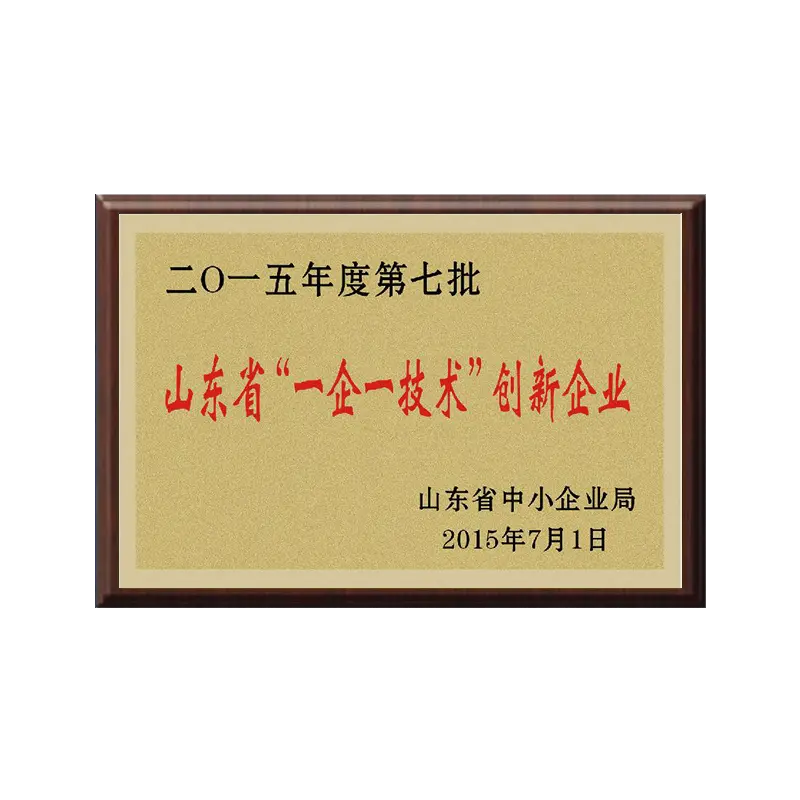
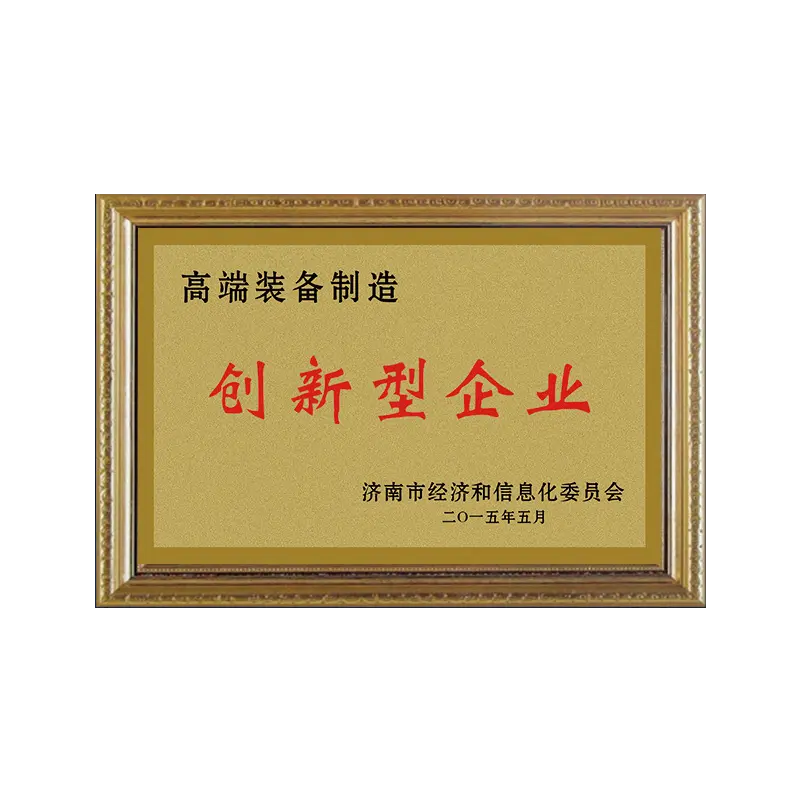
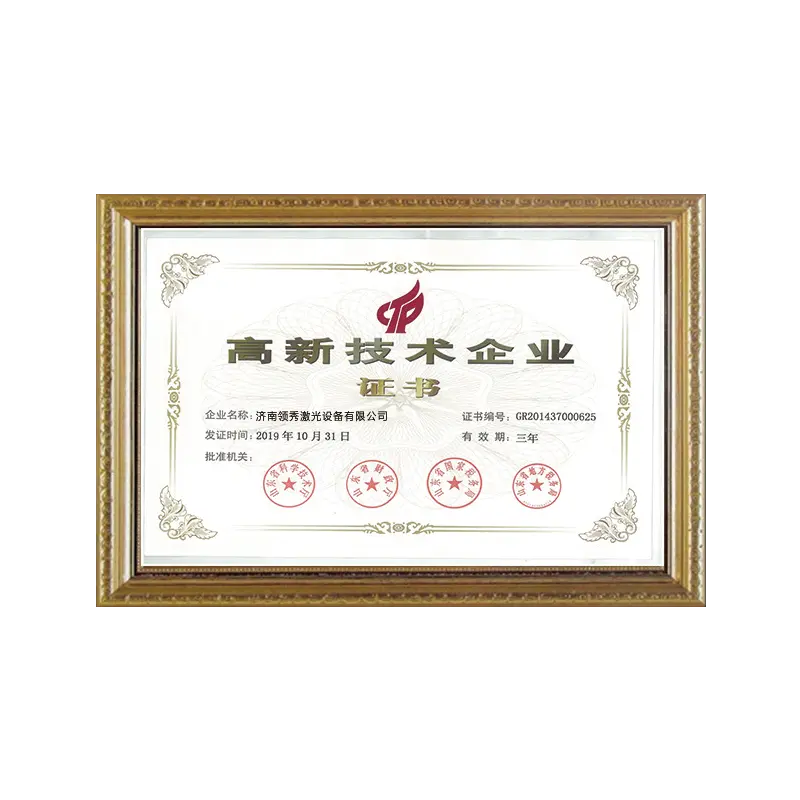
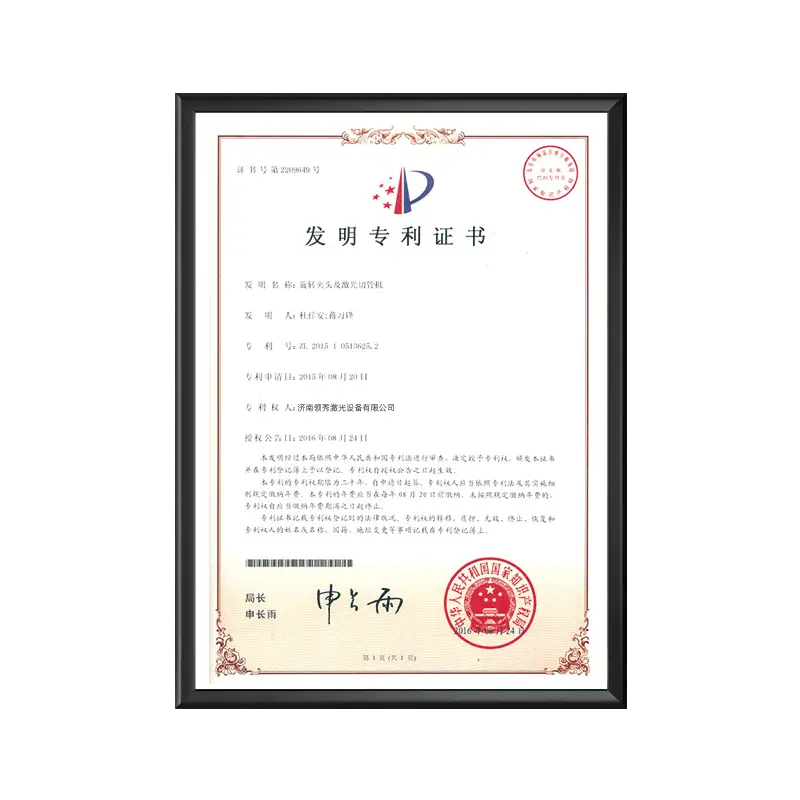
Our commitment to R&D aligns with the Industry 4.0 framework to support long-term production needs
Integrating cameras inside the cutting enclosure allows the system to recognize sheet remnants and automatically orient paths to utilize remaining areas, reducing material waste on the shop floor.
Active sensors track the temperature of protective windows and monitor focus shifts in real time. The CNC system flags issues before they cause part damage or process interruptions.
Support for OPC UA communication protocols allows our machines to connect directly to factory ERP and MES databases, giving managers real-time visibility into production metrics.
Expert answers addressing the primary technical and commercial considerations for industrial laser systems
Selecting the correct laser source power depends on your primary material types and thickness requirements. For sheet metals under 4mm, a 1.5kW to 3kW system offers a cost-effective solution. For mid-range sheet thicknesses (6mm to 16mm), a 6kW or 12kW source provides clean cuts at higher feed rates. For heavy steel plates exceeding 20mm, power levels of 20kW to 30kW are recommended to enable efficient nitrogen-assisted processing.
A three-chuck configuration provides continuous structural support for raw materials during processing. As the tube moves through the chucks, the system shifts clamping configurations to maintain rigid support near the cutting path. This minimizes tube flexing and vibration, resulting in cleaner cuts and a very small tailing length, which helps reduce scrap costs.
Laser cladding uses a focused laser beam to deposit material, producing a metallurgical bond with low dilution (typically under 5%) and a minimal heat-affected zone (HAZ). This allows you to apply hard-facing or anti-corrosion alloys with minimal thermal distortion of the substrate, helping preserve structural tolerances during the refurbishment of wear-prone industrial components.
Yes, our entire manufacturing process is certified. Every machine complies with the European Union CE machinery directives, possesses American FDA registration for class IV laser systems, and is manufactured under an ISO 9001 certified quality management system to ensure compliance with international safety and performance standards.
Explore our additional laser marking, high-precision welding, and sheet bending systems
 Lxshow