High-precision industrial laser cutters, welders, and cleaning equipment from our state-of-the-art factories.
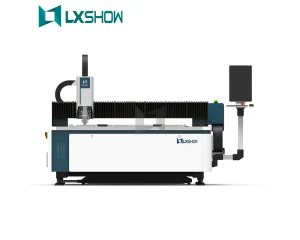
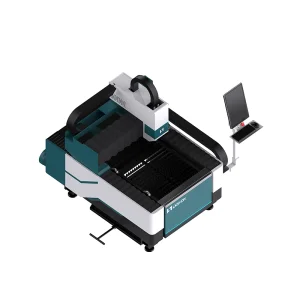
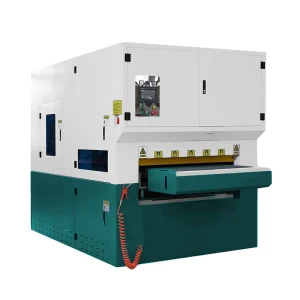
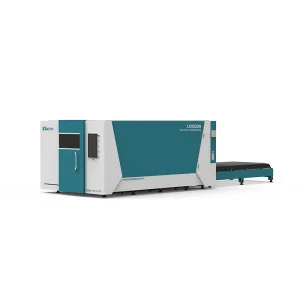
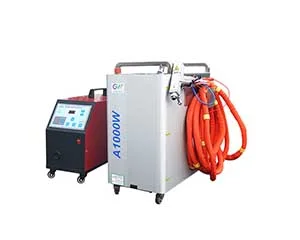
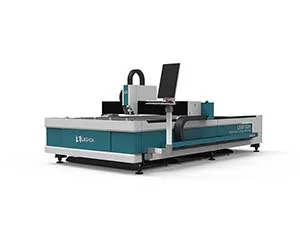
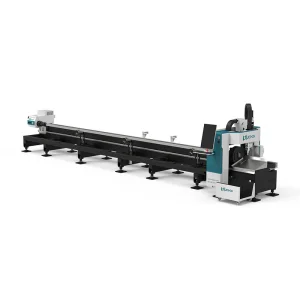
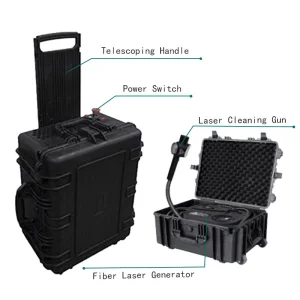
The manufacturing landscape has undergone a tectonic shift over the past two decades. What once was the domain of punch presses and mechanical saws is now heavily dominated by high-precision, CNC-controlled fiber lasers. Worldwide, industries from automotive and aerospace to HVAC and kitchenware production are replacing legacy manufacturing assets with fiber laser cutting setups. Today's commercial success depends heavily on structural precision, raw material savings, and high throughput speeds.
Analyzing the laser cutting machine price from a global procurement perspective reveals complex market variations. Factors such as local tariff structures, compliance parameters (such as the European Union's CE authentication and the American FDA certificate), and regional service infrastructures greatly influence the Total Cost of Ownership (TCO). Procurement managers must look beyond the initial purchase price to consider the structural efficiency of the system, local maintenance costs, gas consumption rates, and real-world nesting efficiency.
Selecting a supplier purely on the lowest price often results in hidden operational expenses. True cost efficiency lies in finding high-quality structural frames that resist thermal distortion, choosing reliable laser sources (such as IPG or Raycus) with high electrical-optical conversion efficiency, and selecting optimized motion systems that guarantee long-term accuracy.
To make a smart purchasing decision, it is essential to understand the primary factors that determine the pricing of fiber laser cutting systems. These components represent the core value of the machine:
The laser generator accounts for 30% to 50% of the total system cost. Standard power configurations (1kW to 3kW) are ideal for light sheet metal fabricating, while high-power systems (6kw, 12kW, and up to 30kW) are designed to process thick materials at high speeds.
Heavy-duty gantry components, precision rack and pinion drives, and Japanese Yaskawa or Delta servo motors maintain accuracy over years of continuous use. High-end machines feature heat-treated beds to relieve structural tension.
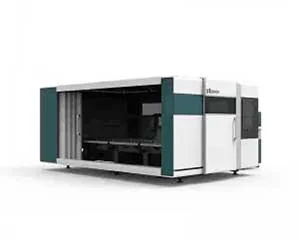
Fully enclosed cabins protect operators and keep dust inside the filtration system, helping workshops meet clean-air requirements. Dual-pallet exchange tables allow operators to load new sheets during the cutting cycle.
| Laser Source Class | Typical Wattage Range | Optimal Metal Thickness | Core Application Profile |
|---|---|---|---|
| Entry / Standard | 1,000W - 3,000W | 0.5mm - 12mm Carbon/Stainless | Light sheet metal, advertising cabinets, kitchenware manufacturing. |
| Mid / High Power | 4,000W - 8,000W | up to 25mm Mild Steel / Alloy | General industrial contract manufacturing, agricultural gear, automotive chassis. |
| Ultra-High Power | 12,000W - 30,000W+ | up to 80mm Structural Plates | Heavy machinery, structural steel fabrication, shipyard components, aerospace. |
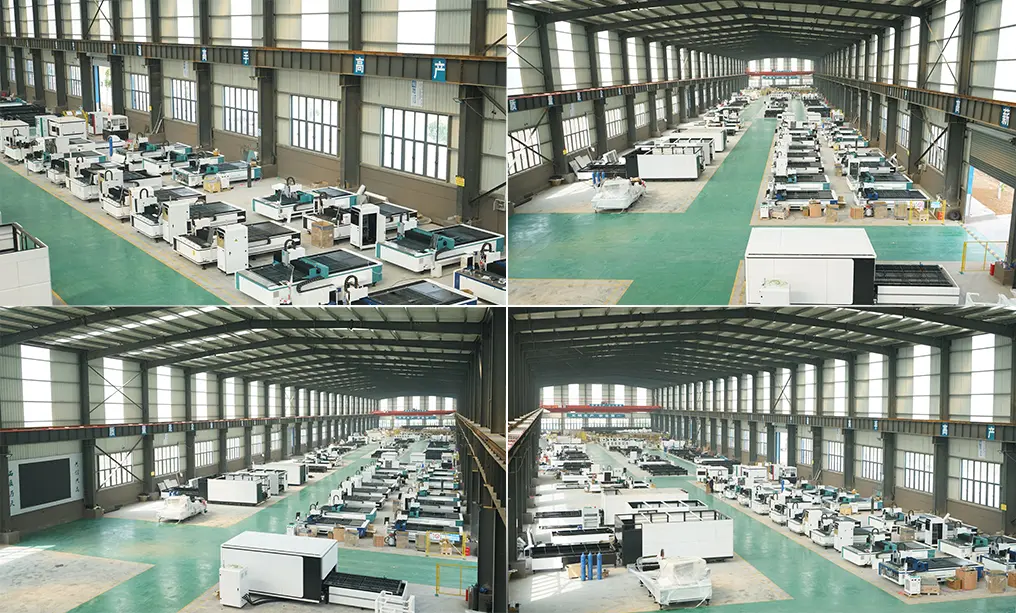
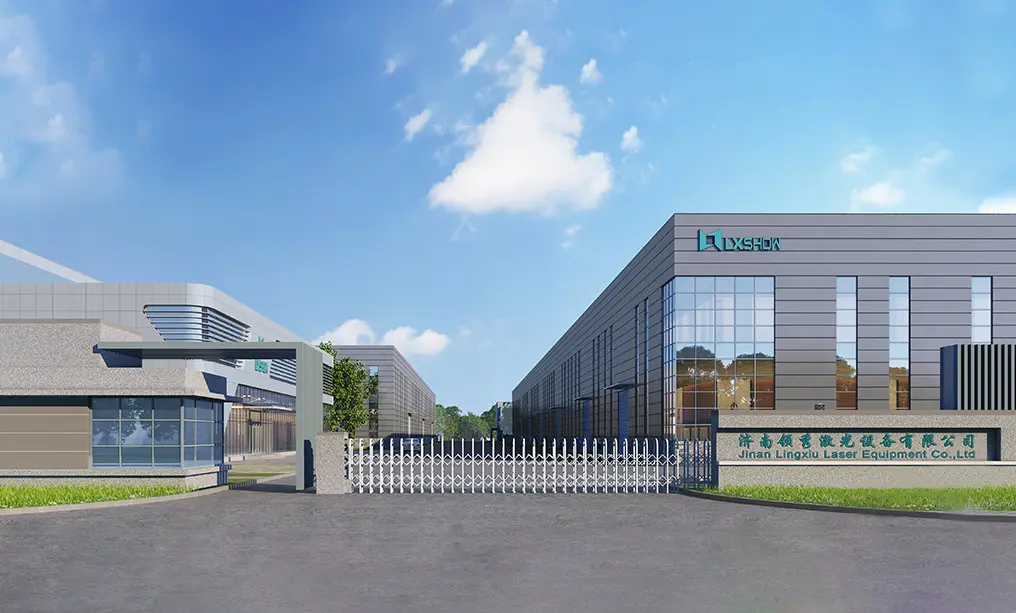
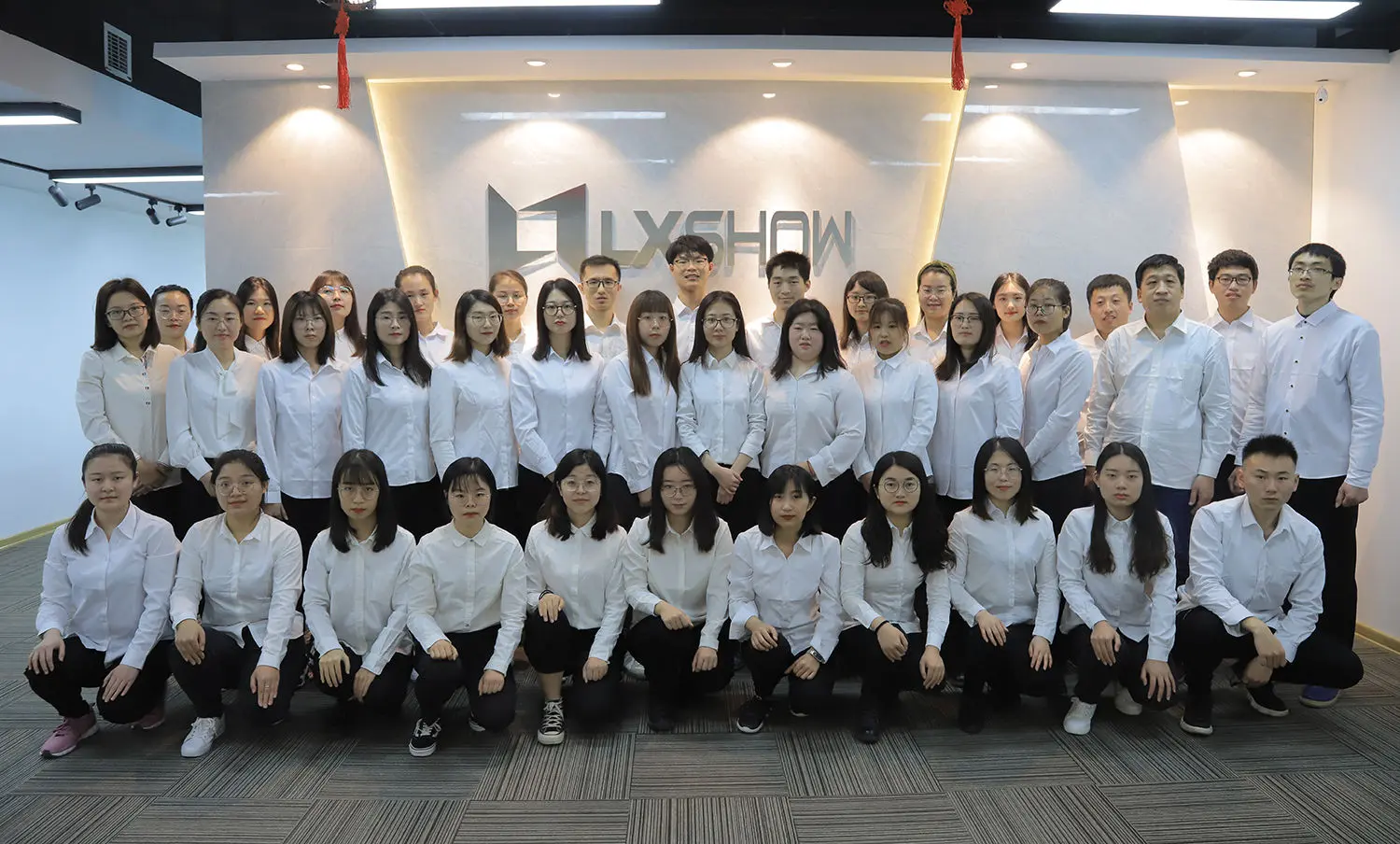
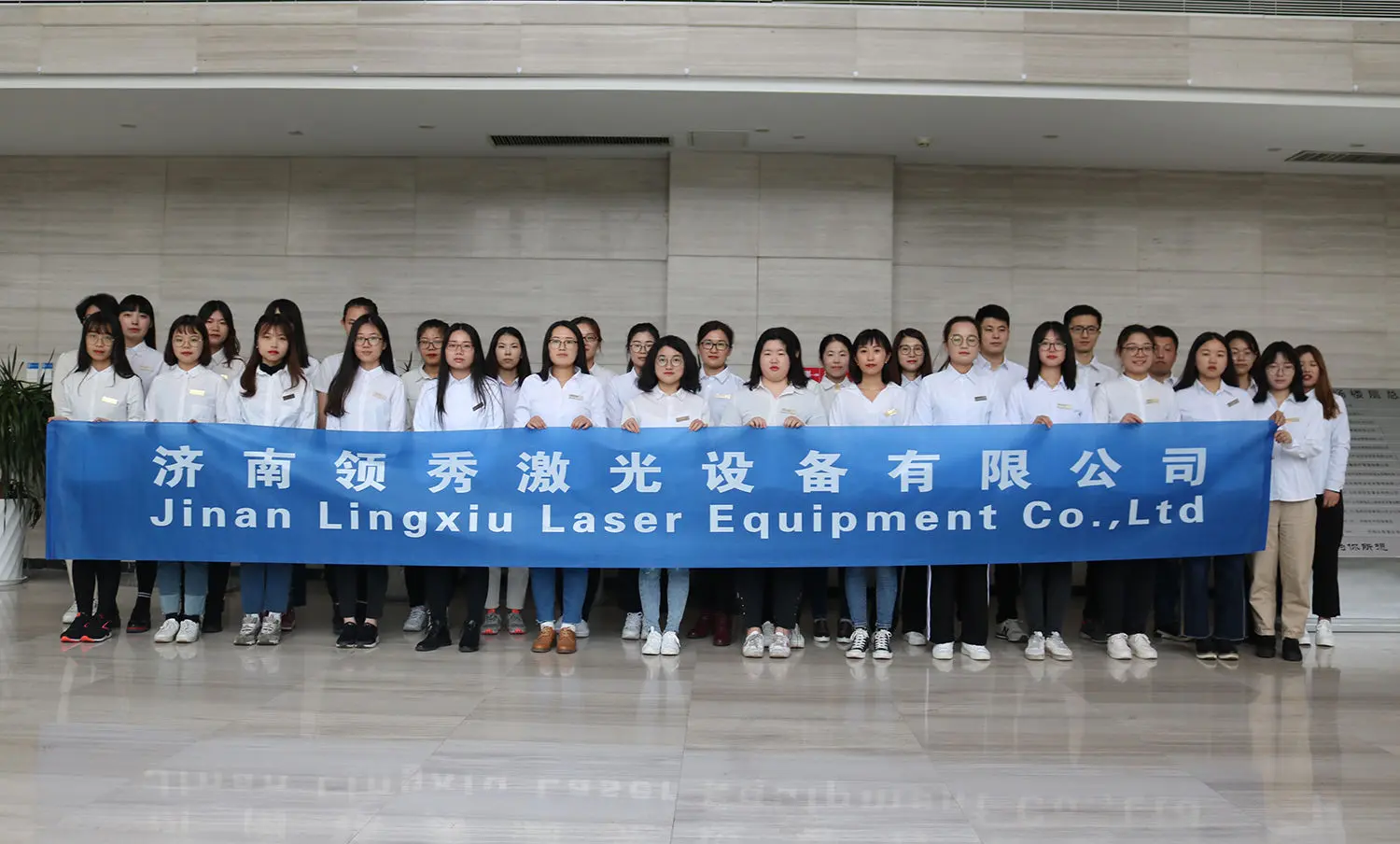
Established in July 2004, our manufacturing group has grown to occupy a 32,000 square meter factory along with 500+ square meters of dedicated optical research and design space. Over 18 years of focused innovation ensures that all systems are engineered to perform reliably under continuous heavy loads.
Our equipment carries the European Union's CE authentication, the American FDA certificate, and is built in accordance with ISO 9001 standards. This certified compliance protects our clients during audits and ensures high workplace safety standards.

CNC laser equipment has moved beyond simple sheet metal shops and is now integrated into complex, multi-stage production lines. Our systems are used in a wide range of industries:
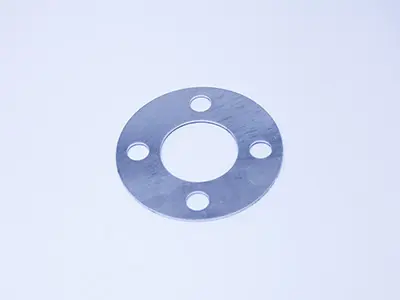
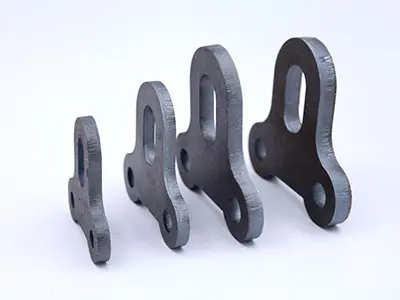
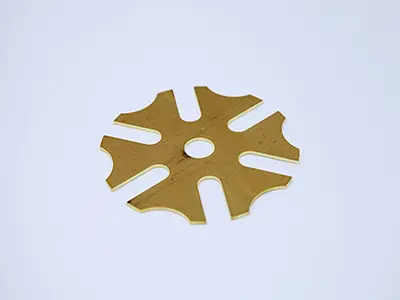
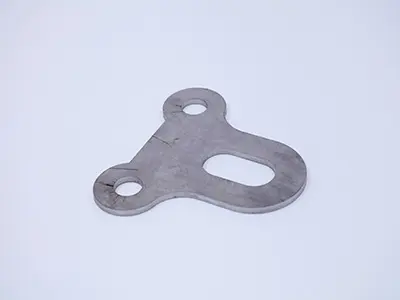
As industrial manufacturing transitions toward smart factories, the role of laser cutting machines is expanding. Simply cutting parts to dimension is no longer enough; systems must interact dynamically with upstream ERP databases and downstream bending, welding, and cleaning modules.
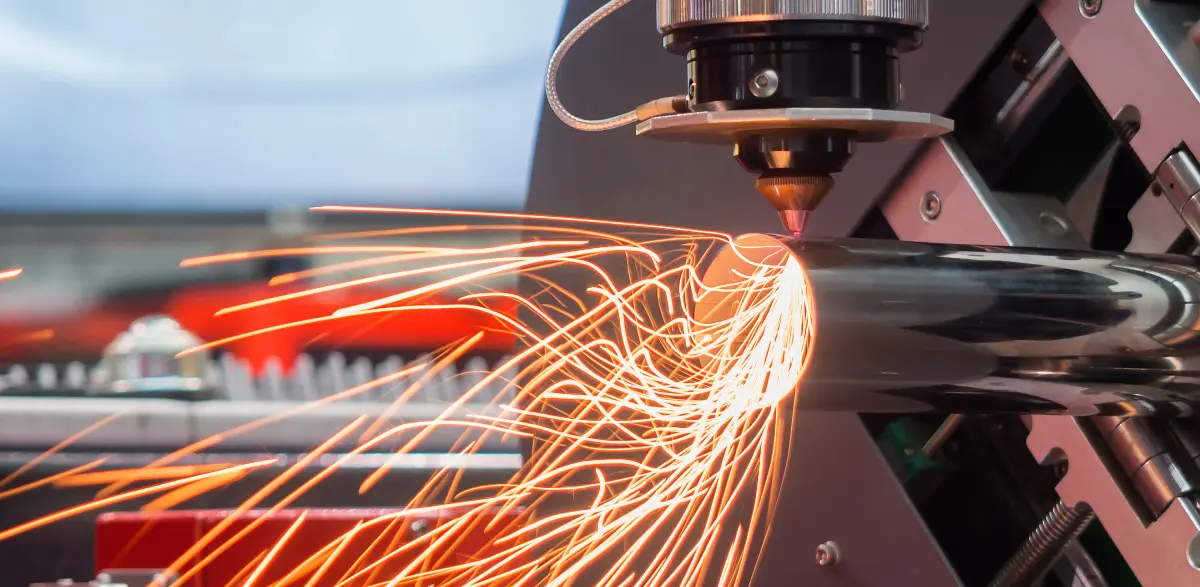
By designing complete process lines that combine cutting, bending, welding, and cleaning, we help fabrication companies reduce material handling and lower production costs.
Integrated AI nesting systems optimize layout efficiency to minimize scrap metal. Real-time diagnostic sensors monitor the beam path and gas delivery, preventing cutting defects and reducing maintenance downtime.
Answers to the most common technical and pricing questions from industrial buyers.
The laser generator (source) and its output power (e.g., 3kW vs 12kW) are the main price drivers. Other factors include the motion system (servo motors and guide rails), the CNC software, structural frame construction, and auxiliary options like dual-pallet exchange tables or rotary tube attachments.
These certifications verify that the equipment meets international safety and quality standards. European CE authentication confirms compliance with health, safety, and environmental protection requirements. The American FDA certificate is required for laser safety compliance in the US market, and ISO 9001 guarantees consistent quality management during manufacturing.
Higher power lasers cut thicker metals faster, reducing the cost per cut. High-power systems also allow the use of compressed air or nitrogen instead of oxygen, which speeds up processing and eliminates oxidation on stainless steel edges.
Integrating these stages improves workflow efficiency. Laser cleaning removes rust or oxides before welding, and laser welding creates clean, strong joints that reduce the need for manual post-processing.
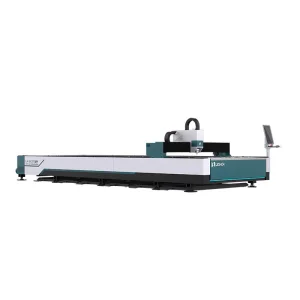
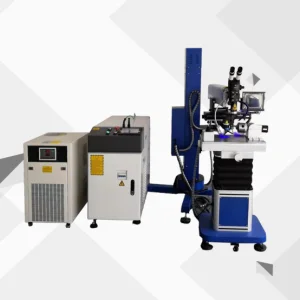
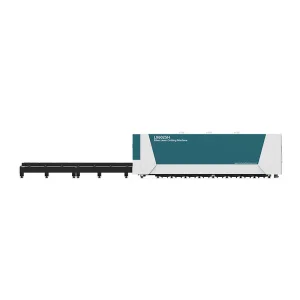
Explore our range of heavy-duty industrial systems engineered for production accuracy.
 Lxshow