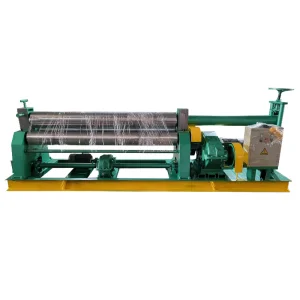
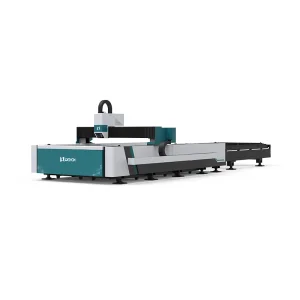
High-efficiency solutions for modern metal fabrication, processing, and assembly lines globally.
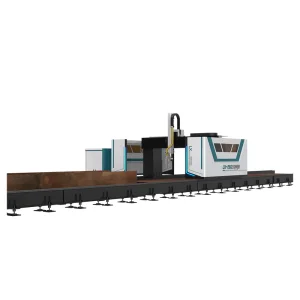
The global industrial manufacturing sector is experiencing a paradigm shift driven by high-power density, micro-level precision, and intelligent networking. At the heart of this transformation is the Iron Laser Cutting Machine, a technology that has evolved from a niche cutting alternative to the absolute standard in heavy industrial processing. Manufacturers and suppliers worldwide are racing to integrate Industry 4.0 IoT frameworks, high-efficiency fiber optics, and advanced kinematic control to meet rising global demand.
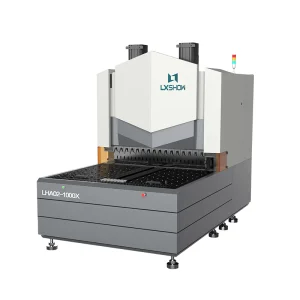
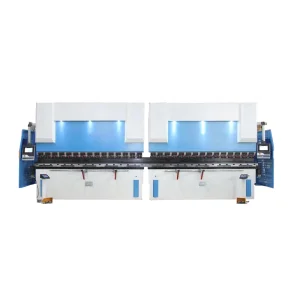
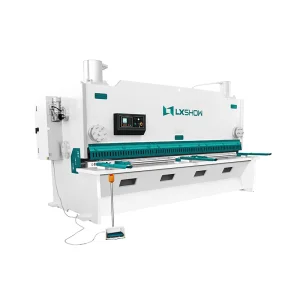
As a leading force in laser smart equipment since 2004, Lxshow has pioneered these industrial applications, supplying custom-engineered laser systems, hybrid plate-tube processing systems, and fully automated press brake systems to over 150 countries. This whitepaper analyzes the technology roadmap, localized applications, and systemic advantages of supply chains that underpin the modern high-precision fabrication ecosystem.
The progression of thermal cutting systems has moved decisively from CO2 gas lasers to solid-state fiber lasers. The technology roadmap for iron and structural steel laser cutting is defined by three major dimensions: Power Scaling, Smart Nesting, and Beam Profile Shaping.
Modern manufacturing now relies heavily on ultra-high-power fiber systems ranging from 12kW to 30kW+. As power increases, the processing mechanism transitions from simple melt-and-blow dynamics to keyhole-mode high-speed vaporization. This enables clean, dross-free cutting of thick carbon steel plates (up to 50mm) and stainless steel sheets with minimal Heat Affected Zone (HAZ).
By dynamically altering the spatial energy distribution of the laser spot (moving from a standard Gaussian beam to a donut-shaped or flat-top beam configuration), contemporary laser cutters can switch seamlessly between thin-gauge high-speed cutting and thick-plate high-quality piercing. This flexibility ensures maximum adaptability across diverse carbon steel and alloy profiles.
Looking toward 2040, the goal is fully closed-loop autonomous manufacturing. Real-time optical sensors monitor the plasma plume back-reflection, dynamically adjusting focal depth, cutting speed, and assist gas pressure (O2/N2) mid-cut. This eliminates scrap rates caused by uneven material density or thermal warping.
| Technology Era | Core Laser Source | Cutting Process Efficiency | Industry Integration |
|---|---|---|---|
| Traditional Era (Pre-2010) | CO2 Gas Laser / Plasma | Low (High power consumption) | Manual alignment, standalone PLC |
| Modern Fiber Era (2010-2025) | 1kW - 15kW Solid-State Fiber | High (3x faster on thin sheets) | Semi-automated loading, standard CNC |
| Industry 4.0 / AI Era (2026-2040) | 20kW+ Multi-Diode / Smart Laser | Ultra-High (Dynamic beam shaping) | Closed-loop IoT, AGV loading, predictive maintenance |
Iron and steel laser cutting machines are not one-size-fits-all products. Different regional markets demand highly tailored, localized parameters to handle local material standards, sheet dimensions, and environmental conditions.
China's laser manufacturing sector has transitioned from simple OEM assembly to core technology R&D. China's industrial clusters offer unparalleled speed, structural resilience, and cost optimization, which directly benefit global buyers.
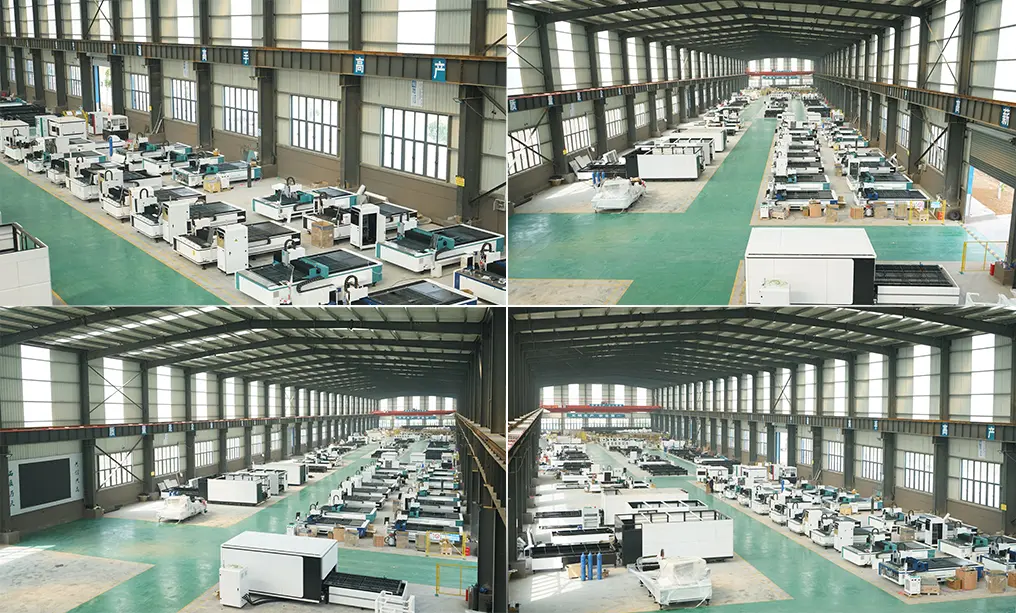
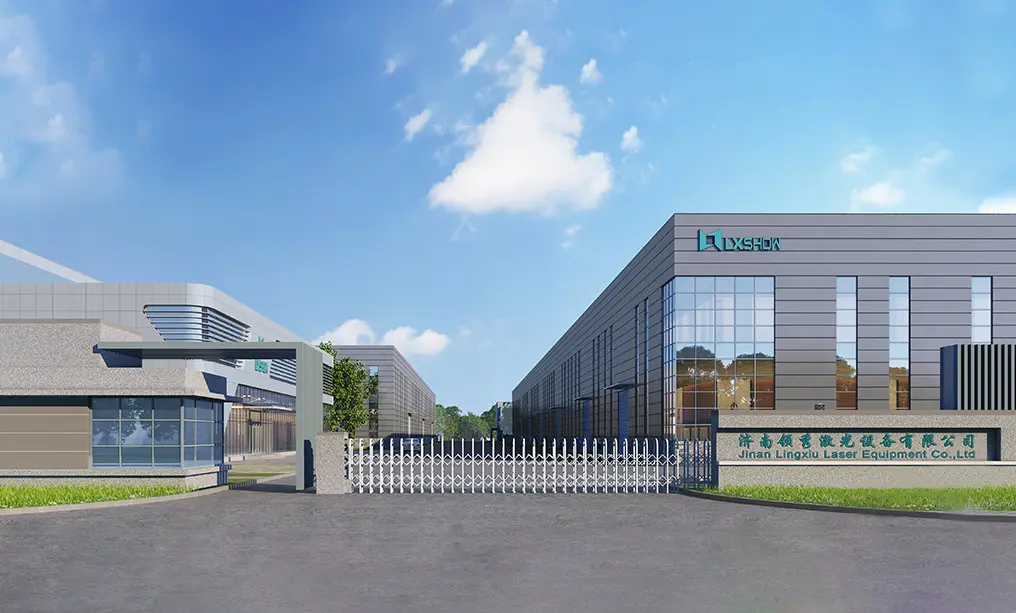
Our state-of-the-art facility, established in July 2004, spans over 32,000 square meters of optimized manufacturing floor, supported by a 500-square-meter R&D headquarters. By controlling the entire manufacturing vertical—from heavy bed casting stress-relief thermal processing to precise installation of helical rack-and-pinion systems—we guarantee structural longevity and resistance to thermal deformation.
Component Ecosystem Integration: Our location inside China's premier industrial corridor allows direct access to key optic, pneumatic, and electronic component suppliers. This eliminates lead-time delays and enables rapid customizations, such as custom-engineered servo bending configurations or automated swap-table setups, at highly competitive price-points.
A high-precision iron laser cutting machine is a long-term capital investment. Purchasing from an international supplier requires absolute trust in regulatory compliance and field service reliability.
All Lxshow machinery is certified to international standards:
To support our active installation base in over 120 countries, we maintain a dedicated technical team. Whether utilizing remote IoT diagnostics to calibrate laser parameters or dispatching local field technicians for hands-on commissioning and training, we ensure high machine uptime.
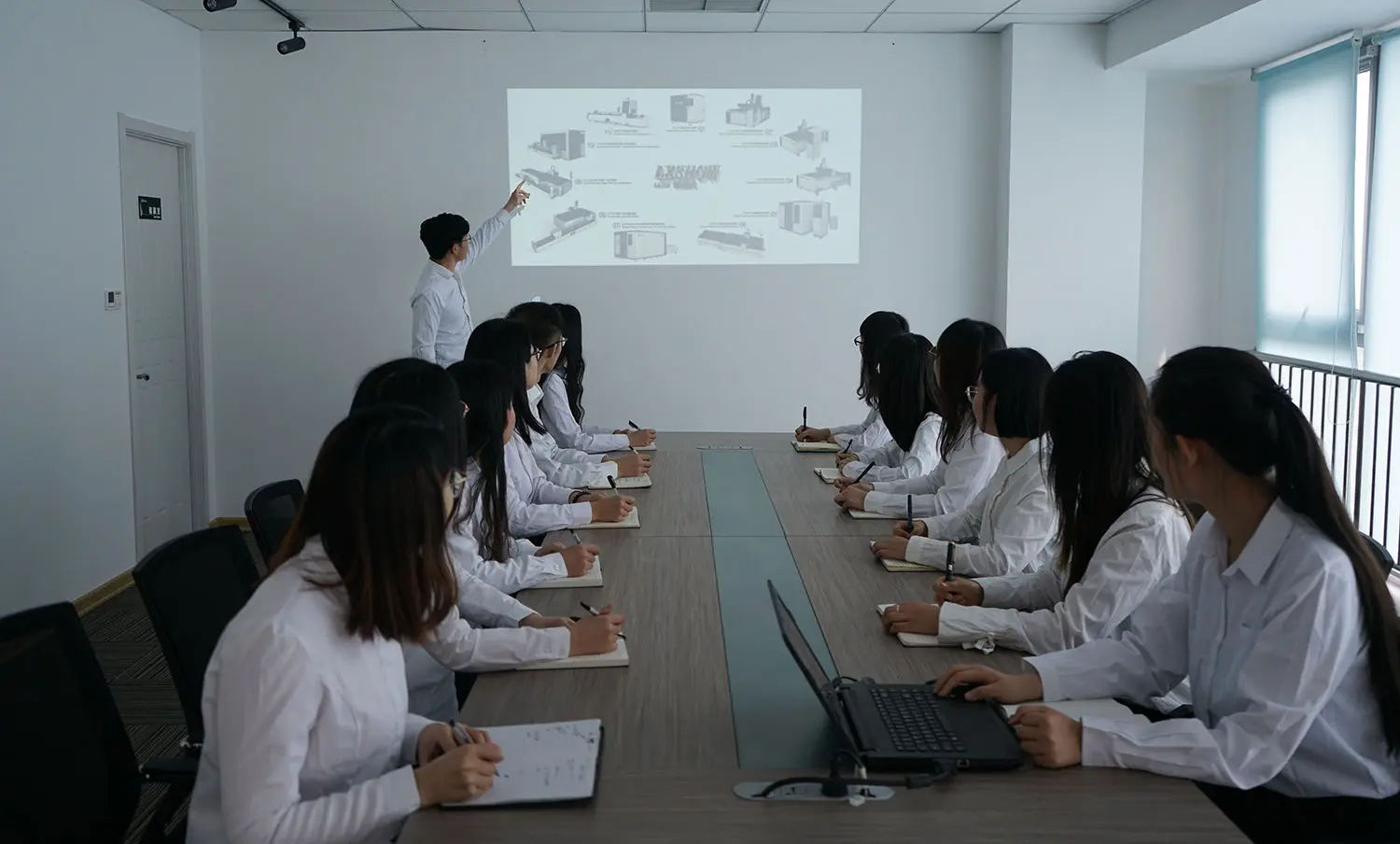
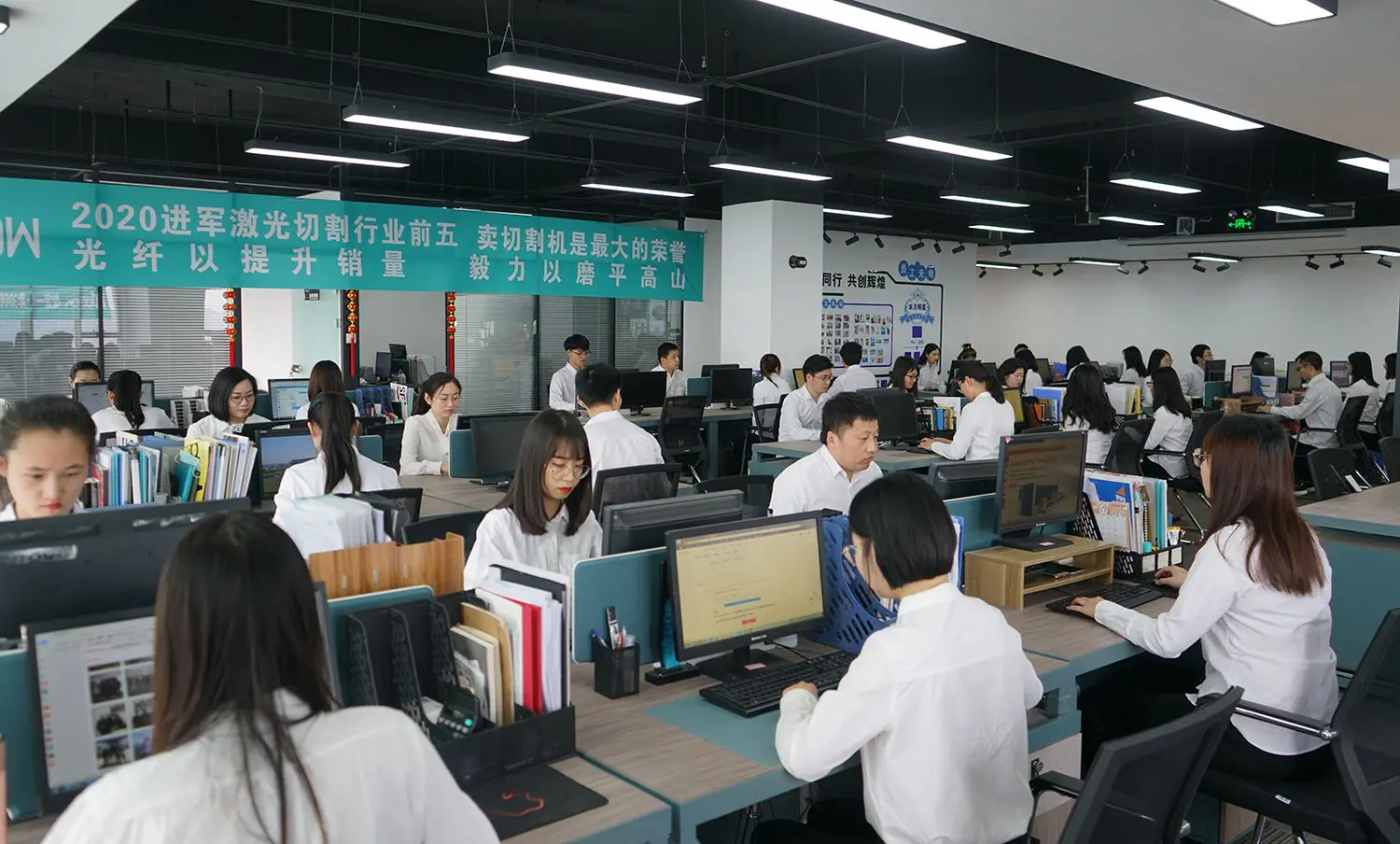
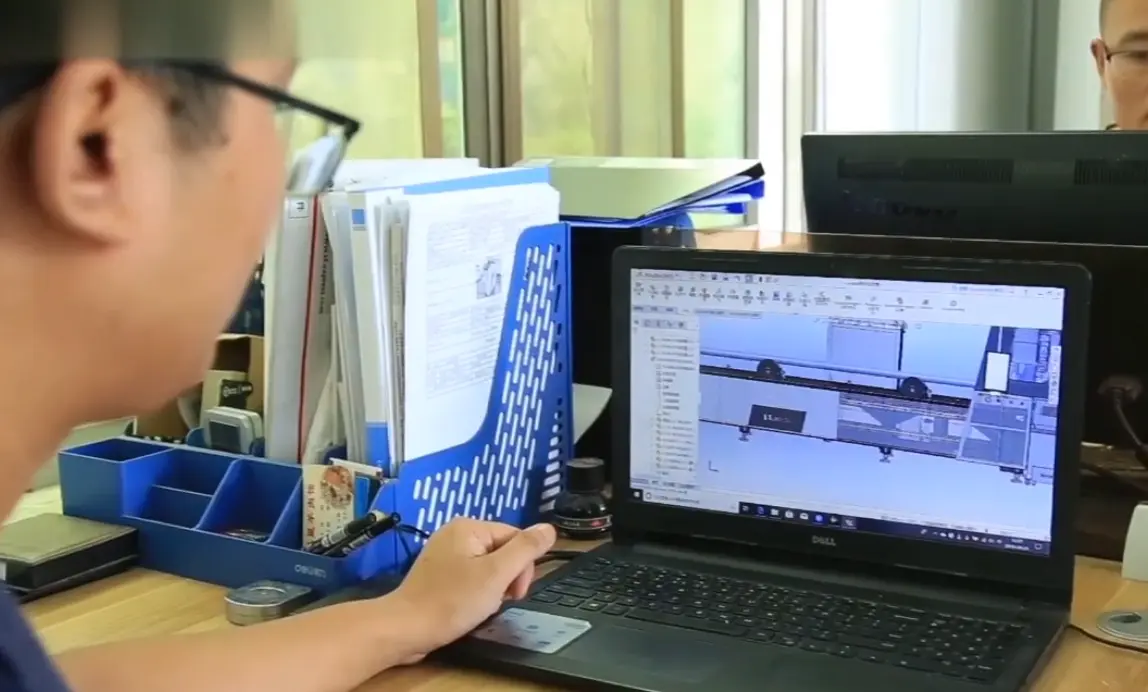
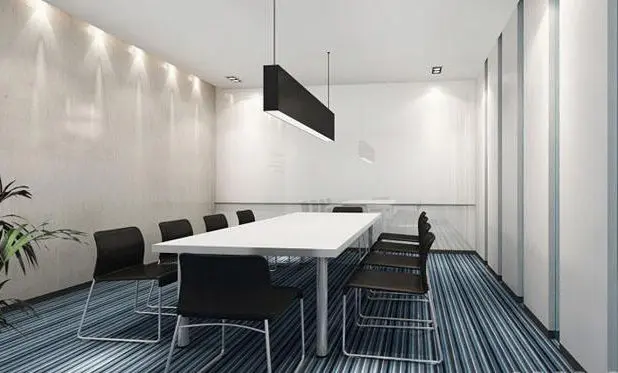
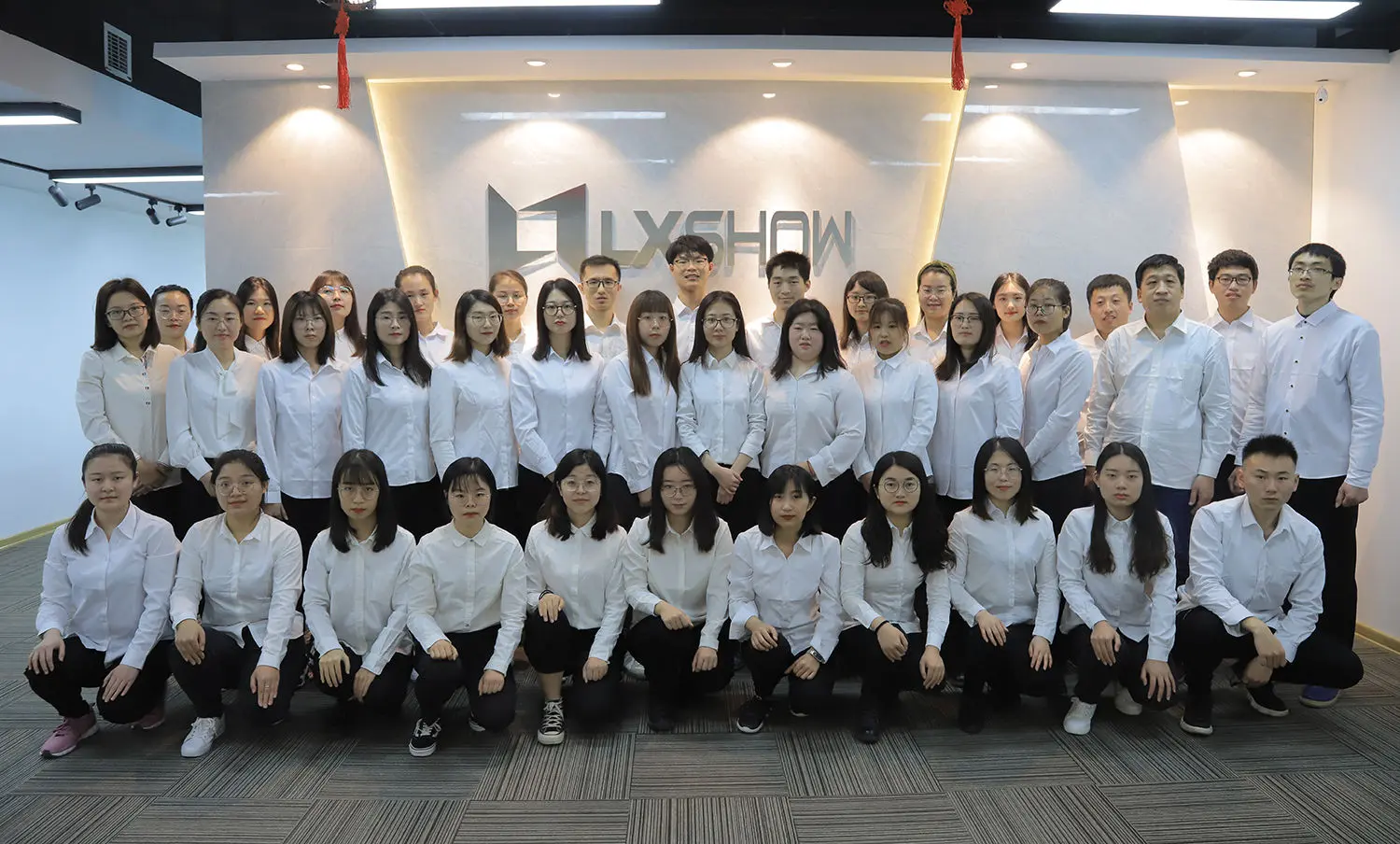
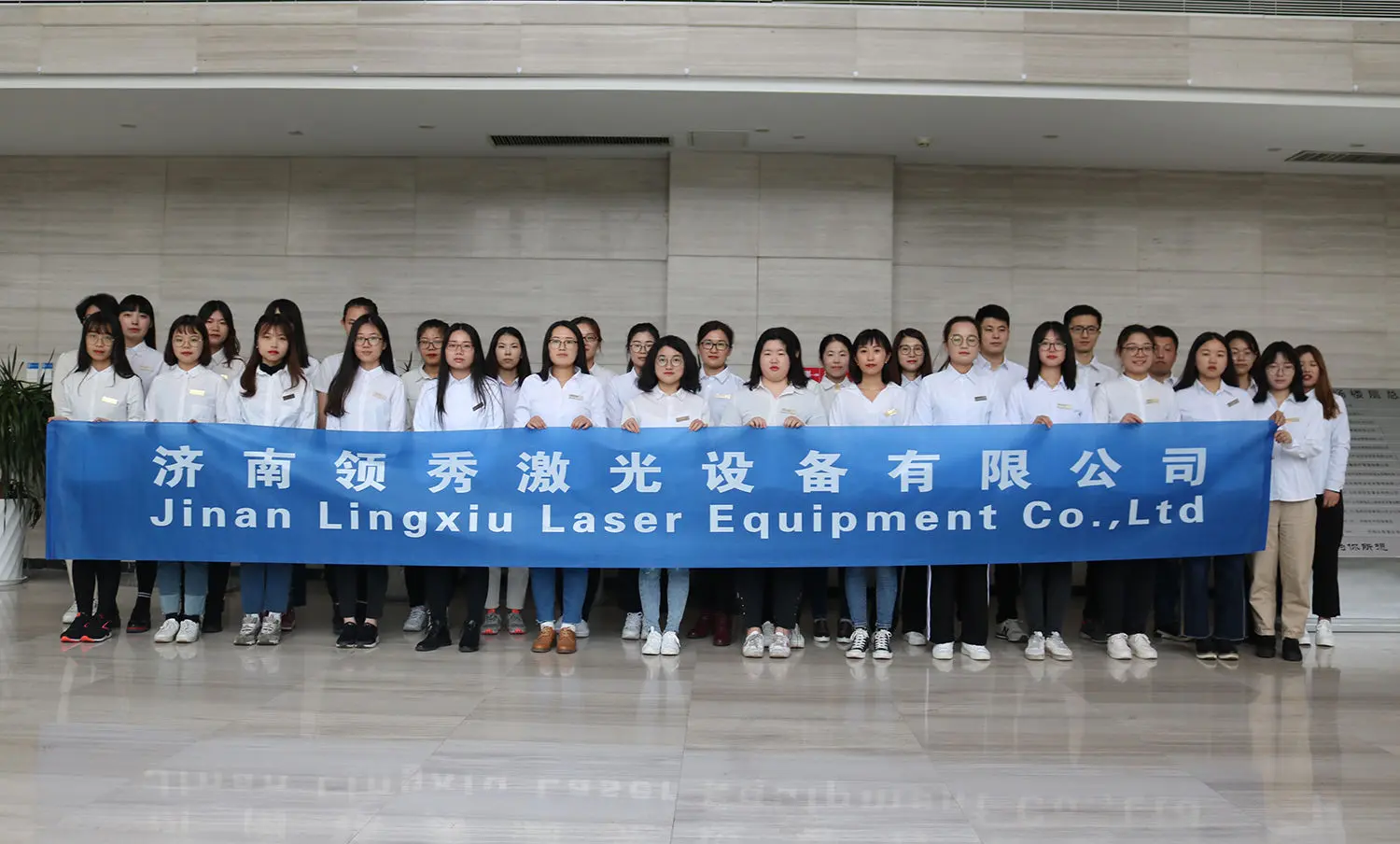
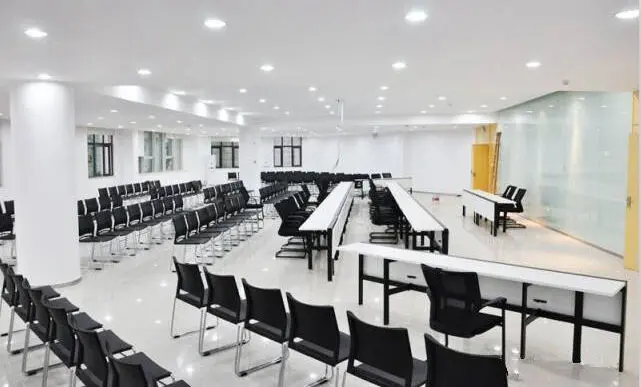
Take a virtual tour inside our 32,000㎡ manufacturing facility and meet our technical design teams.
Selecting the appropriate laser configuration depends heavily on the thermal characteristics of the target metal. Different alloys exhibit distinct absorption and reflection rates, requiring customized cutting setups.
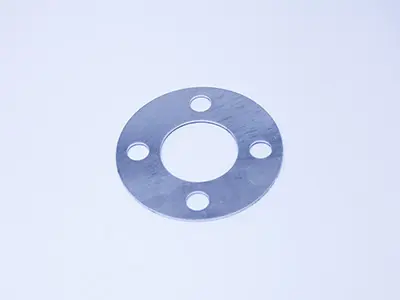
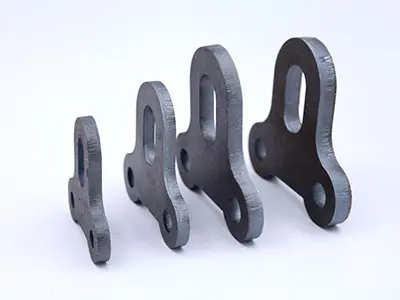
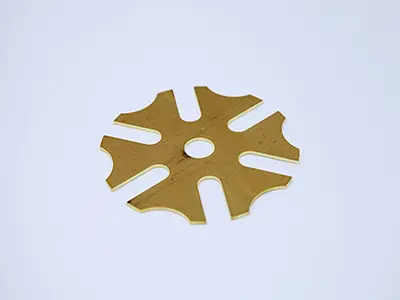
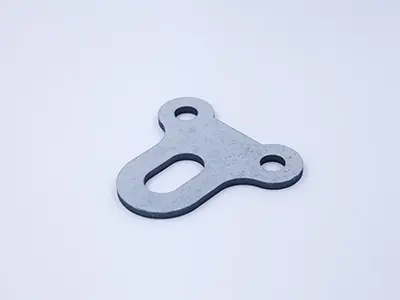
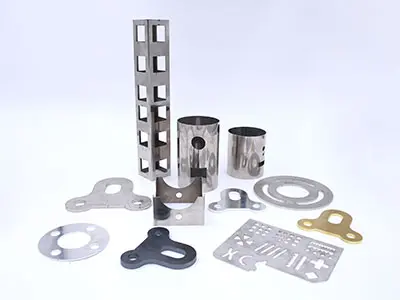
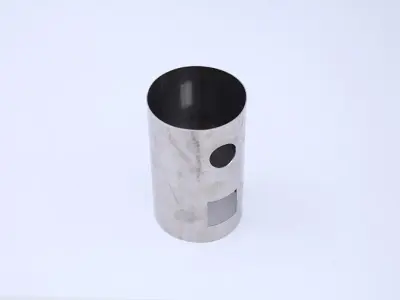
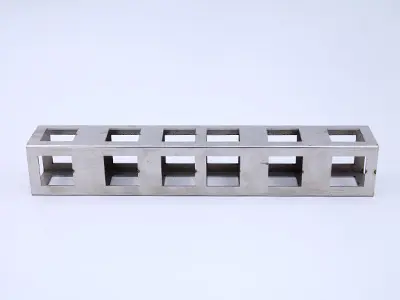
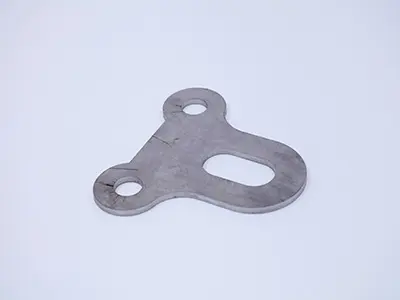
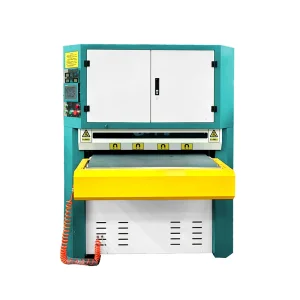
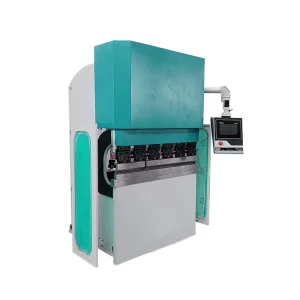
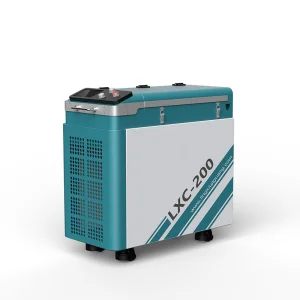
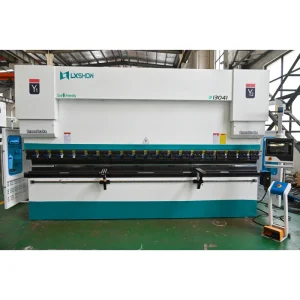
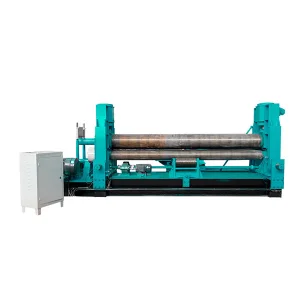
Complementary equipment for clean finishing, deburring, high-tonnage bending, and smart rust removal.
 Lxshow