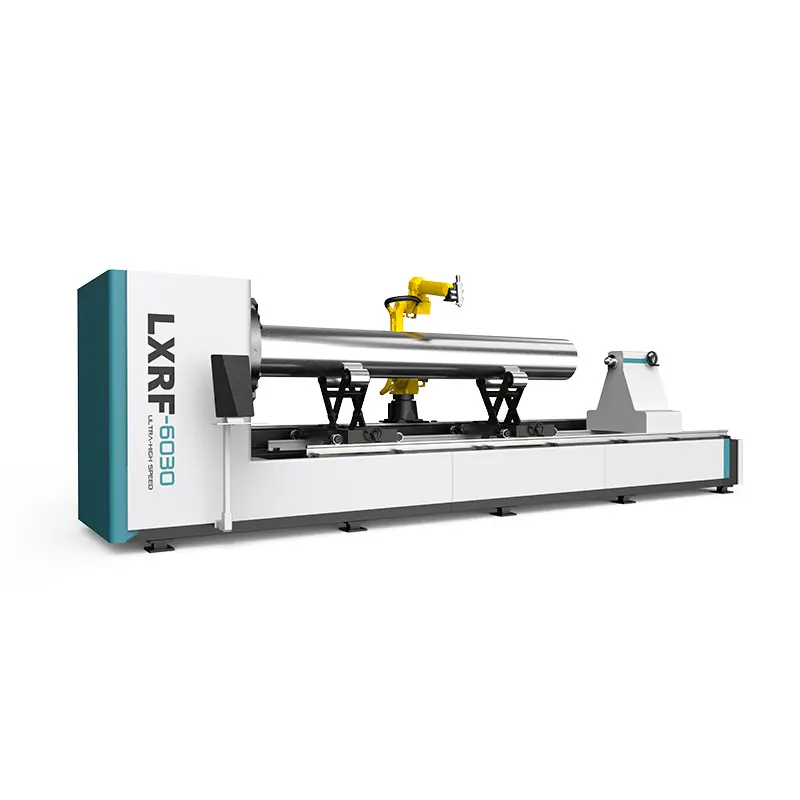
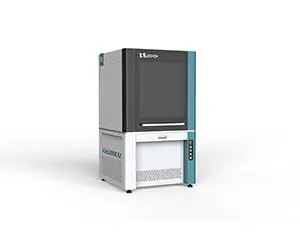
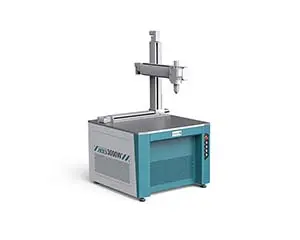
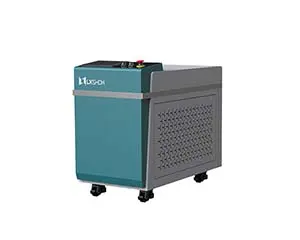
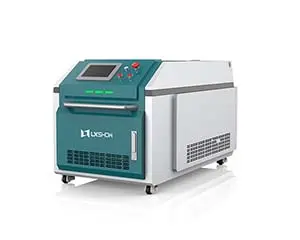
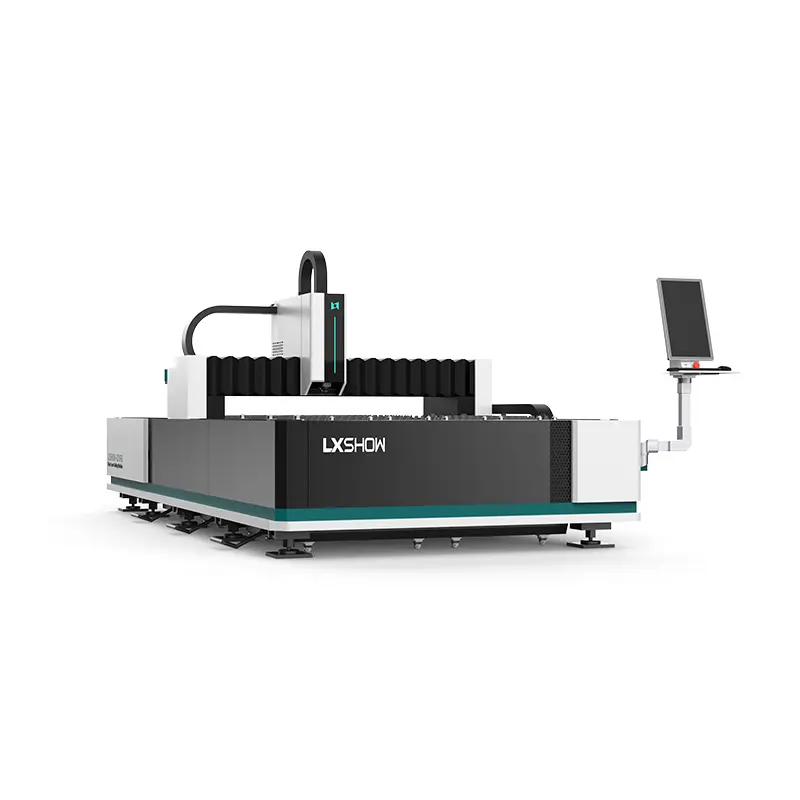
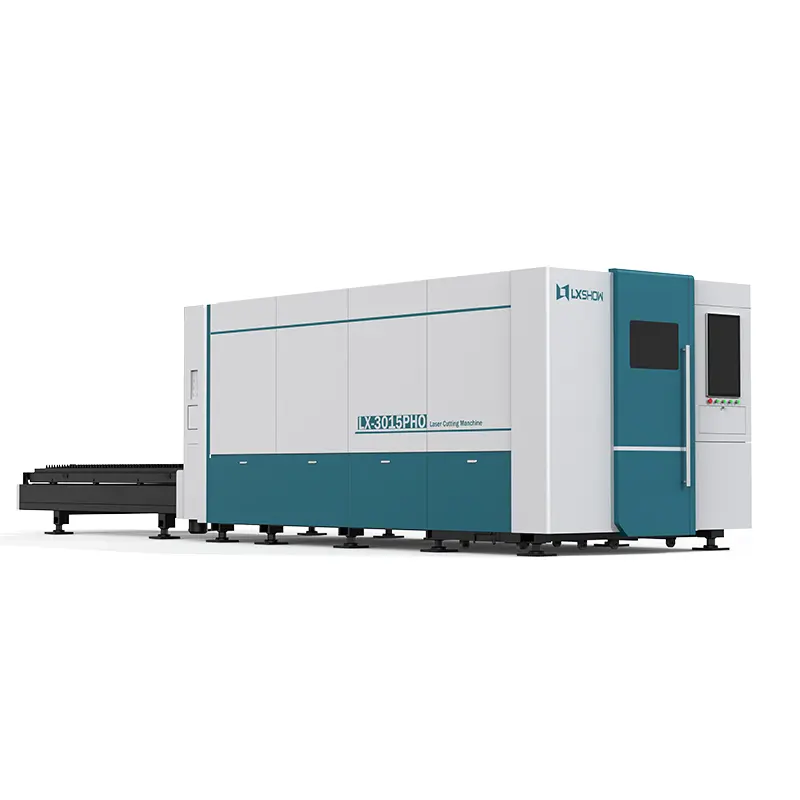
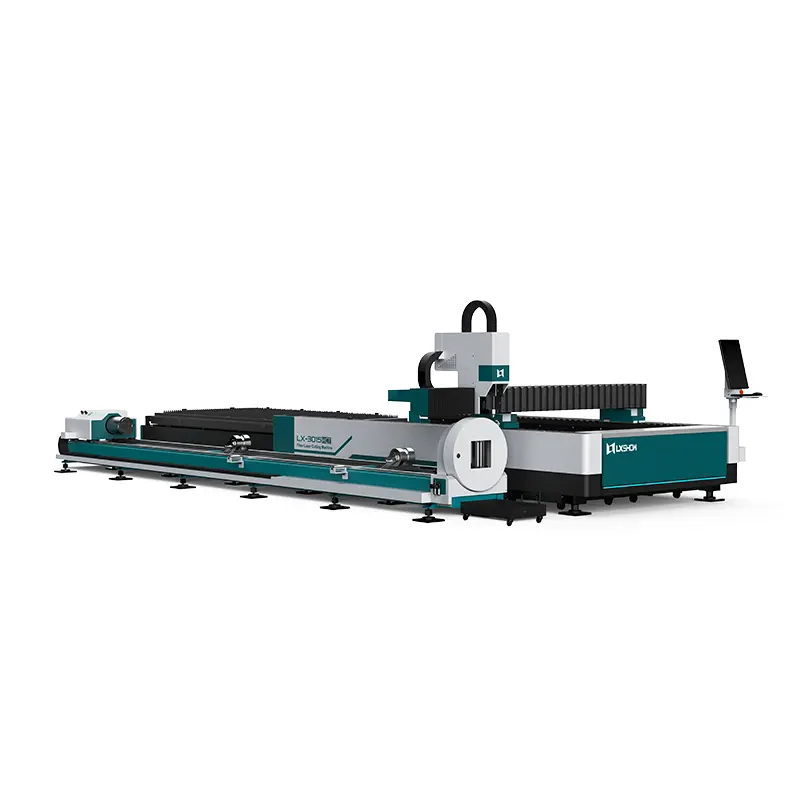
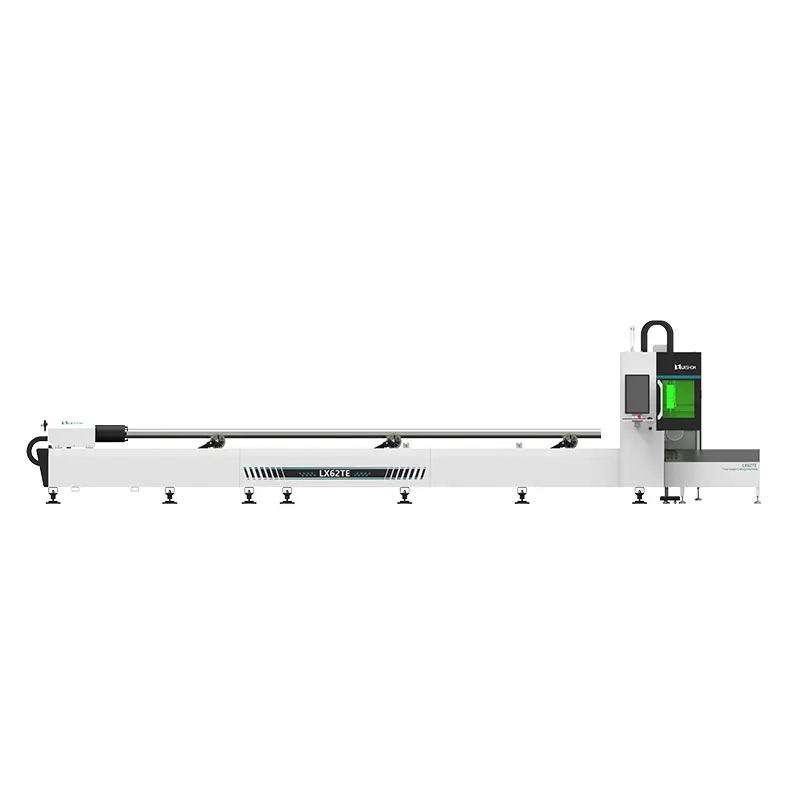
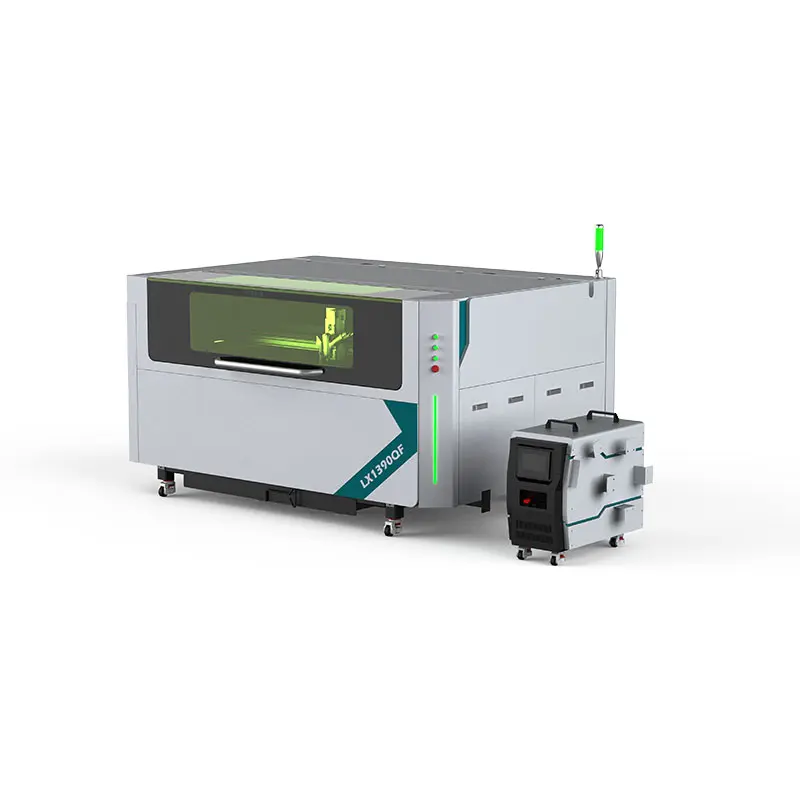
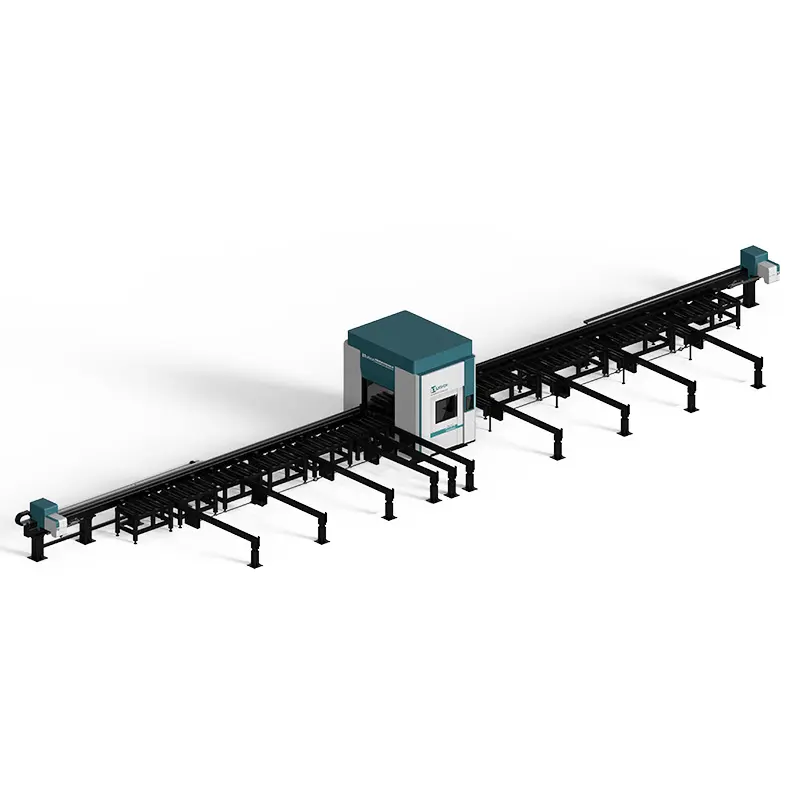
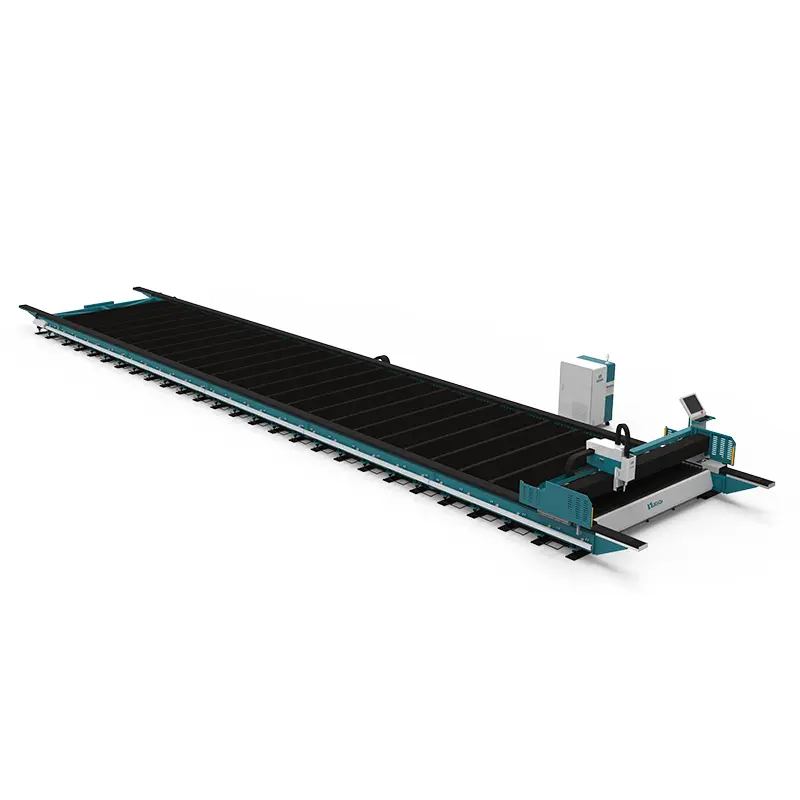
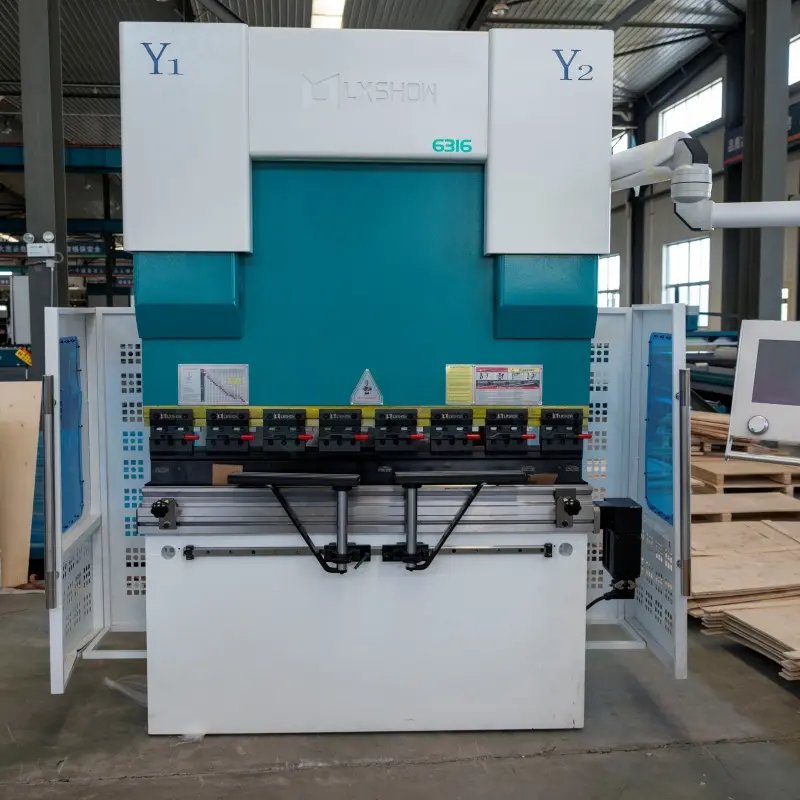
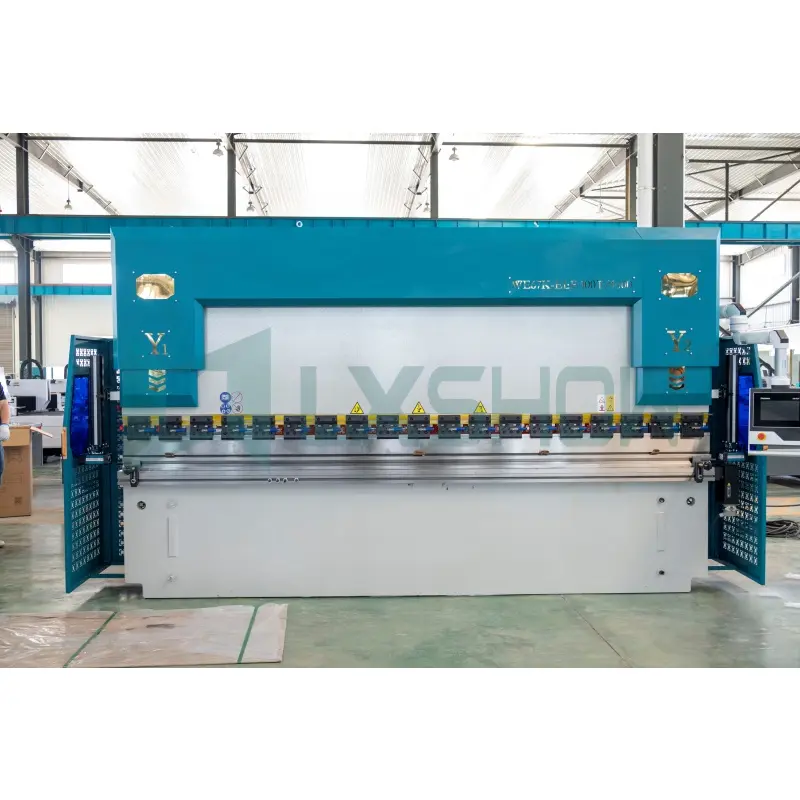
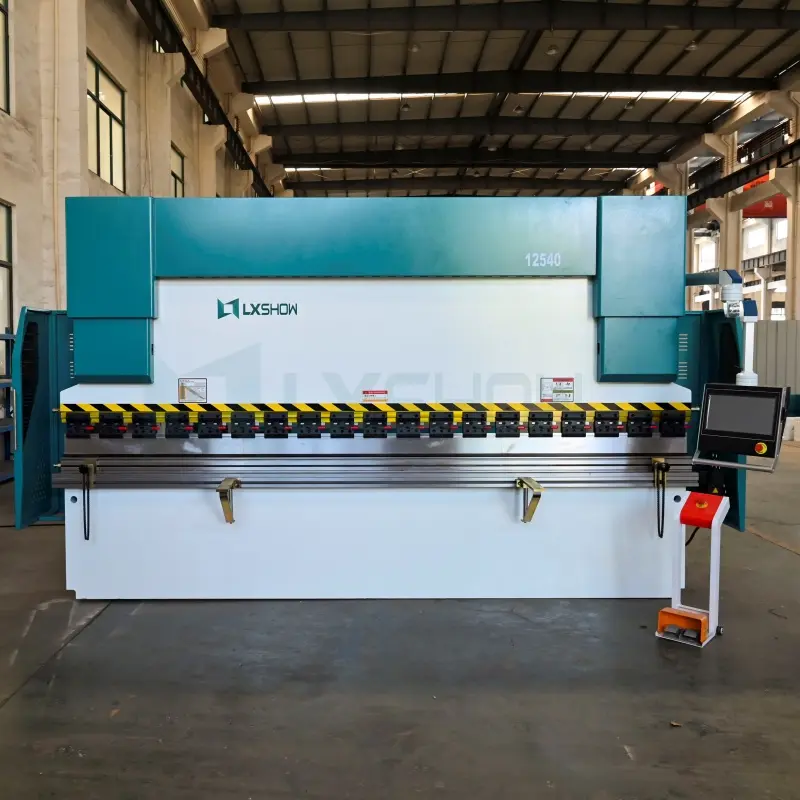
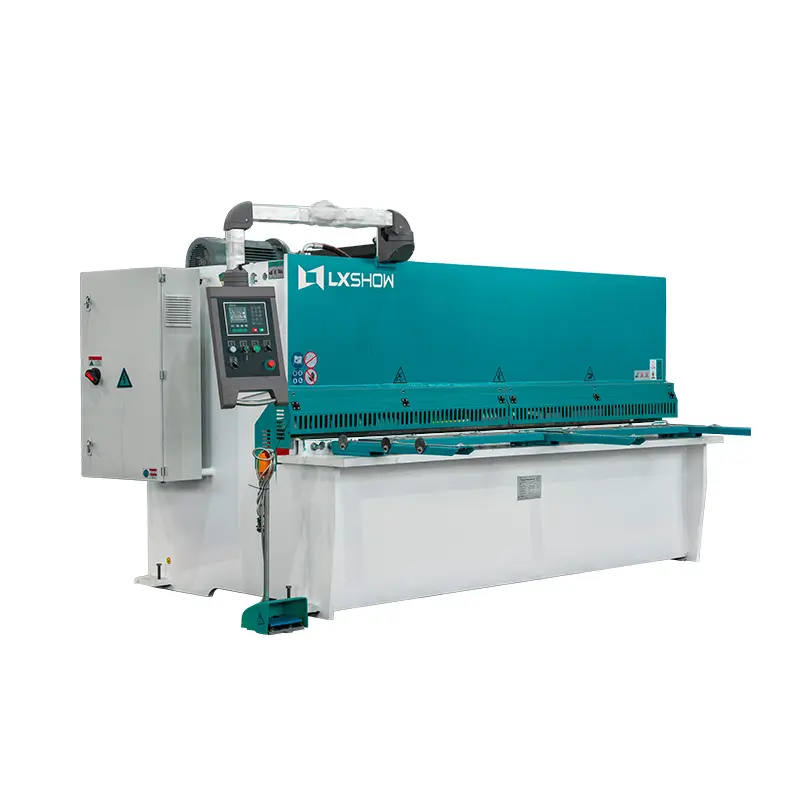
Explore our premium product portfolio featuring cutting-edge fiber lasers, hydraulic rolls, and high-performance press brakes engineered for global industrial standards.
Analyzing material reflectivity, thermal conductivity, and the critical parameters for flawless processing.
Aluminum fabrication represents one of the fastest-growing segments in global manufacturing, driven by the lightweighting demands of the electric vehicle (EV) automotive sector, complex aerospace structures, and architectural curtain walls. However, processing aluminum via thermal methods has historically presented significant engineering hurdles. Aluminum exhibits high thermal conductivity (approximately 237 W/m·K) and low optical absorption rates in the infrared spectrum at room temperature. Standard 1.06-micrometer wavelength light emitted by solid-state fiber lasers encounters significant initial back-reflection when hitting raw, polished aluminum surfaces.
To overcome this, famous manufacturers utilize advanced fiber laser generators equipped with back-reflection protection systems (such as optical isolators) and optimize initial piercing parameters. By increasing laser power density and applying tailored gas dynamics, the beam quickly transforms the solid metal phase to molten pool, increasing the absorption rate dramatically and enabling clean, continuous high-speed cutting. This advancement minimizes the heat-affected zone (HAZ) and mitigates the risk of microstructural micro-cracking common in conventional plasma or mechanical punching methods.
Years Laser Expertise
Countries Exported
Sqm Production Plant
Satisfied Global Users
"Optimizing fiber laser cutting parameters for non-ferrous metals like aluminum requires balancing laser power density, feed rate, and the auxiliary gas configuration. Maintaining these elements is key to achieving burr-free edge finishing and minimal post-processing costs."
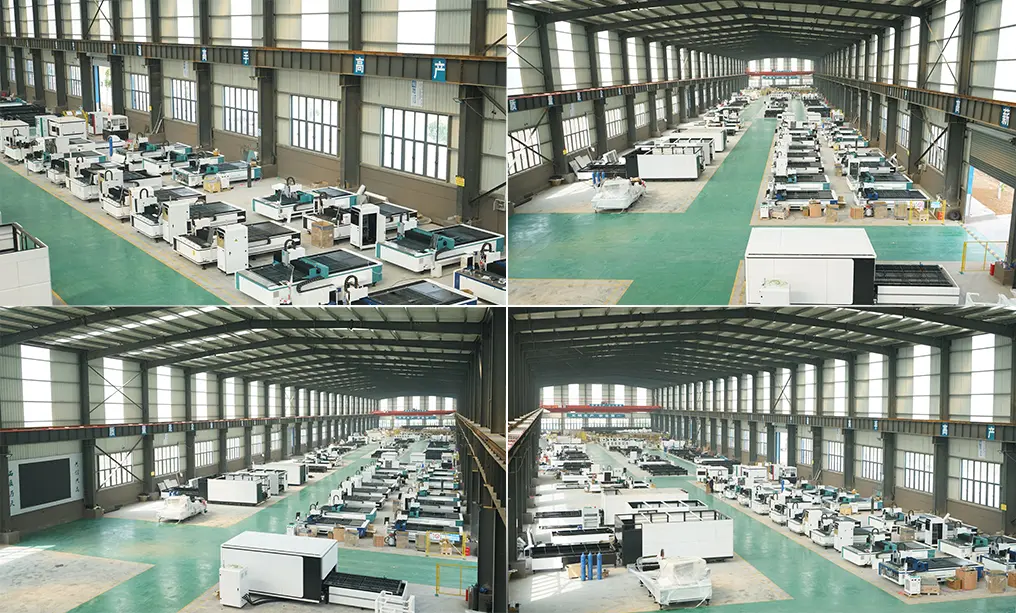
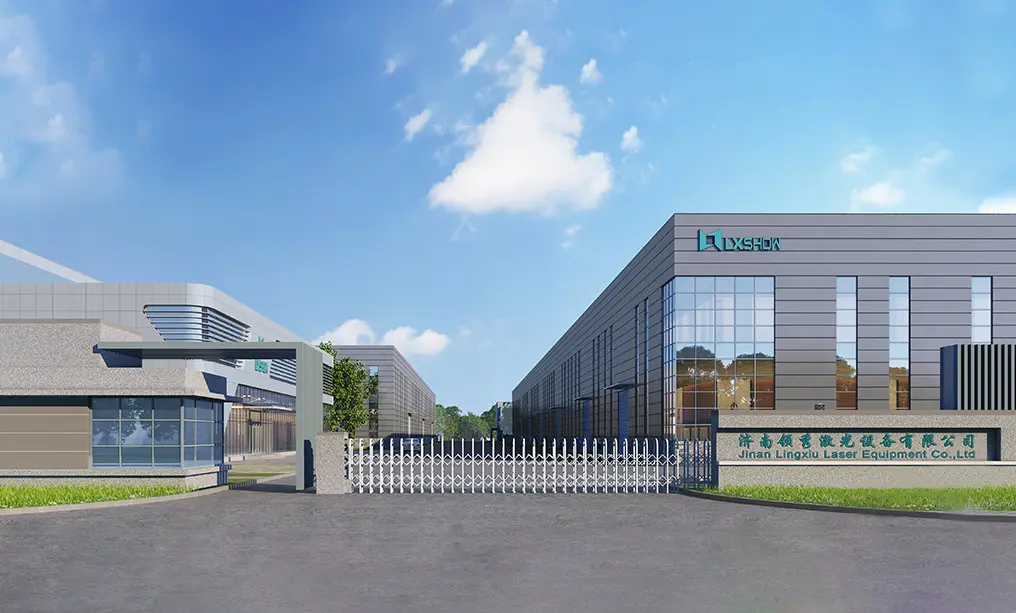
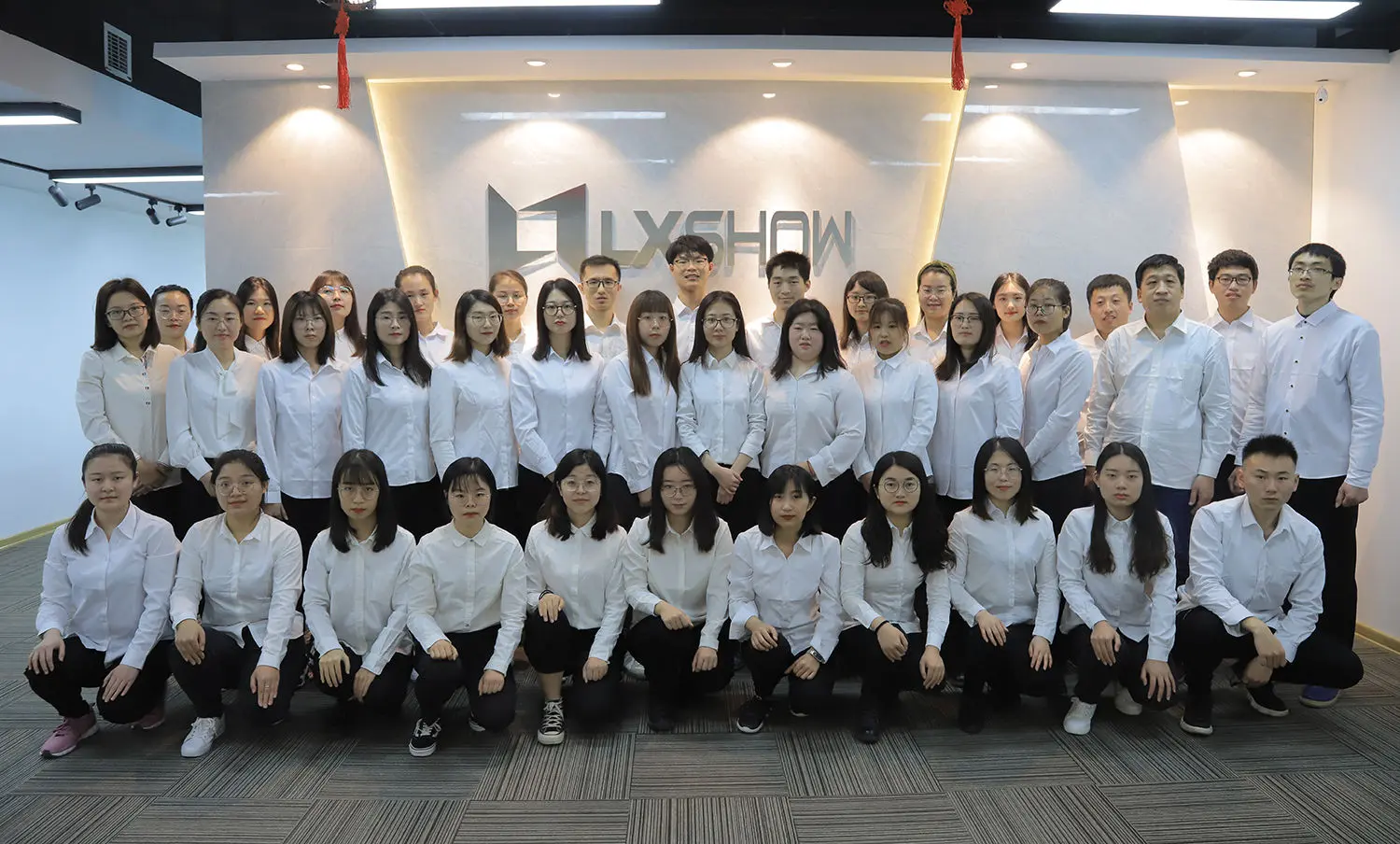
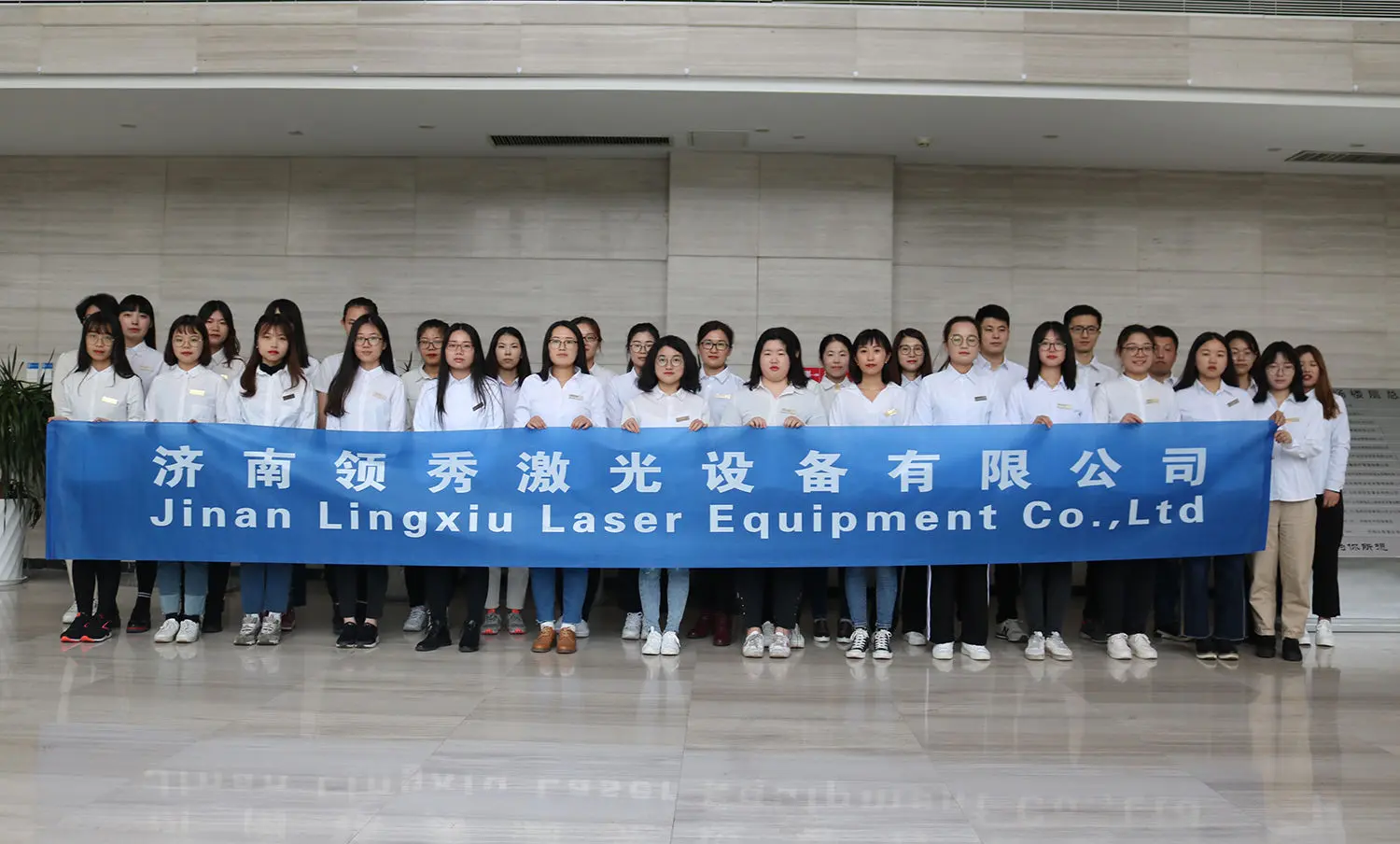
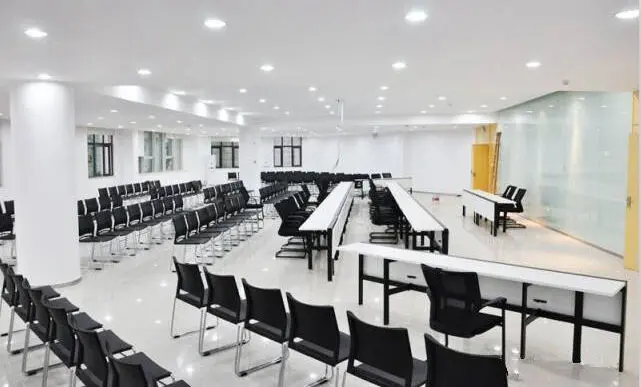
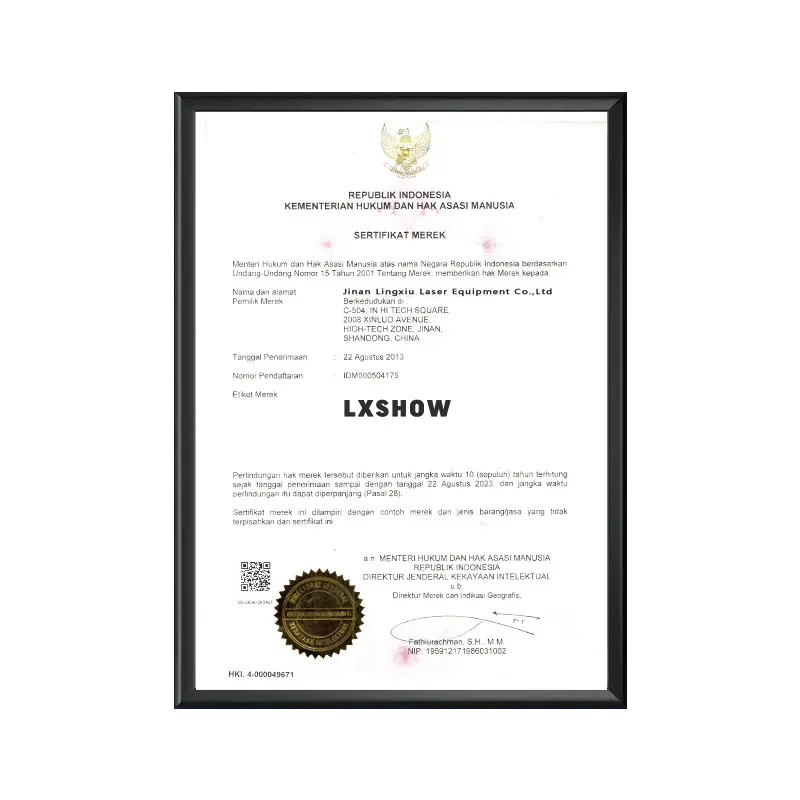
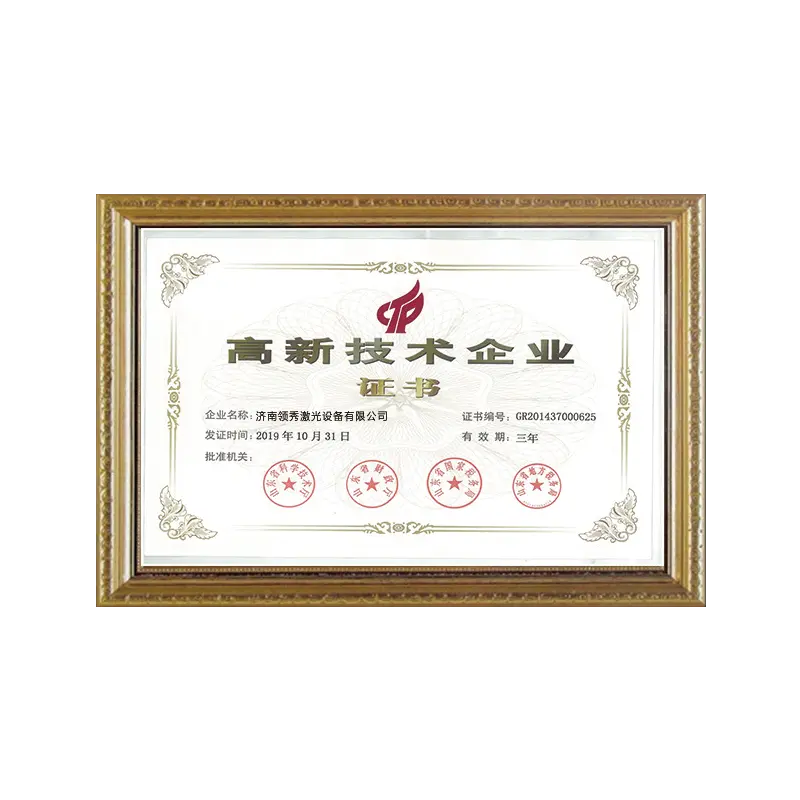
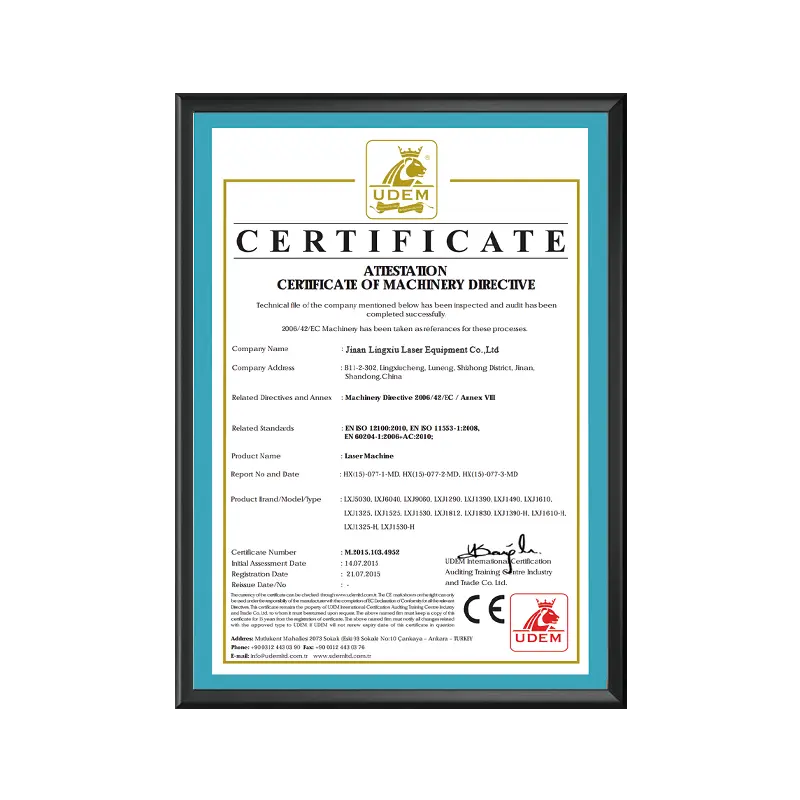
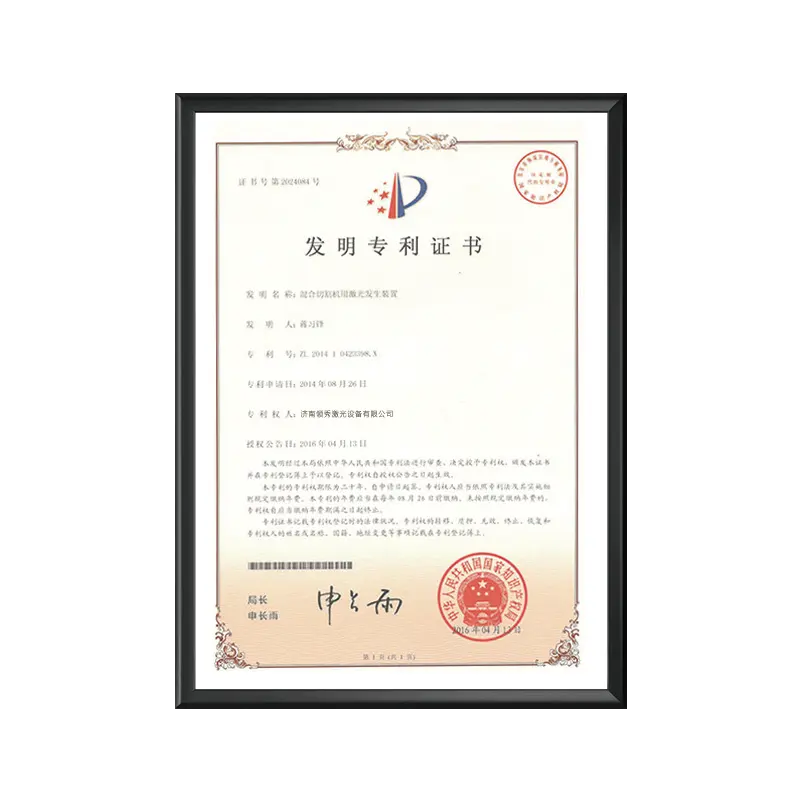
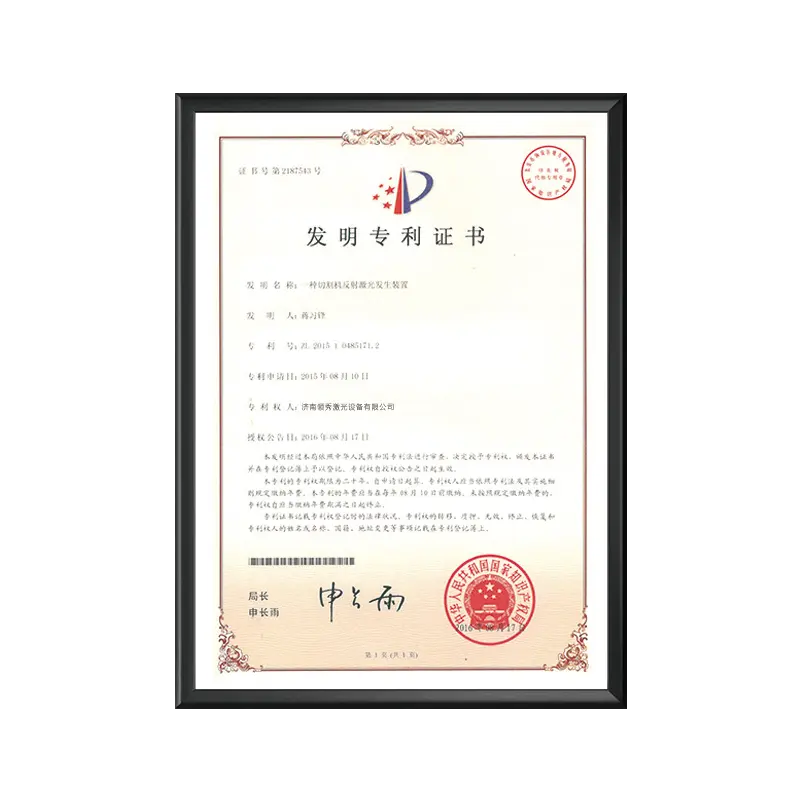
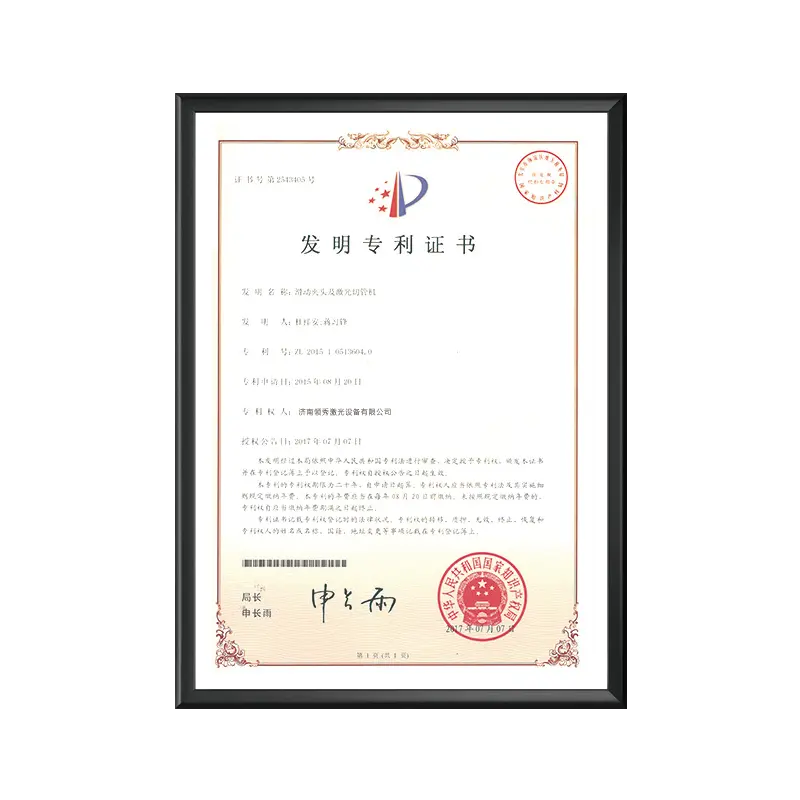
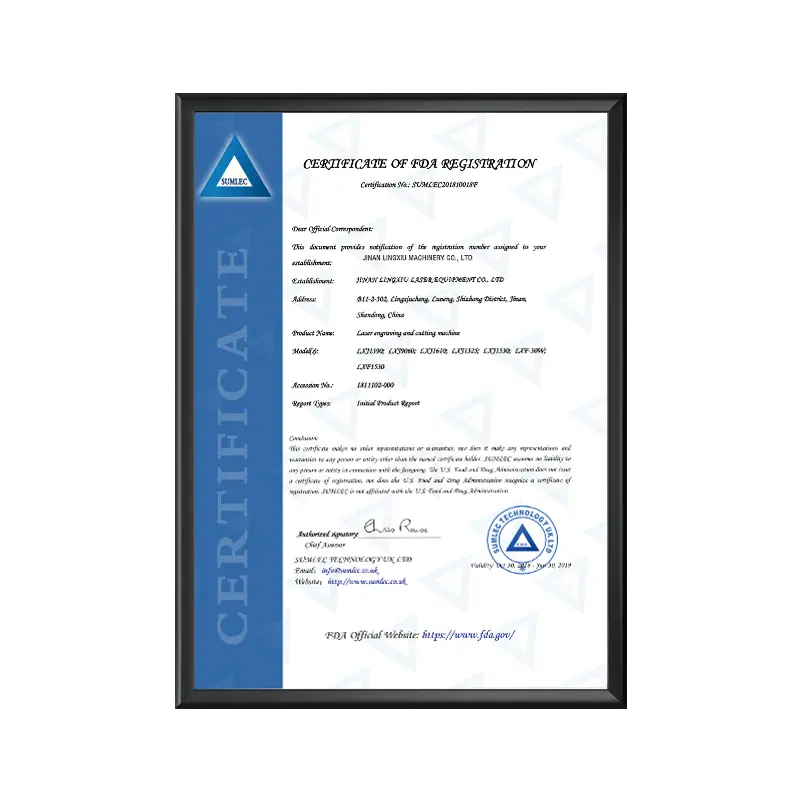
Our manufacturing facility, established in July 2004, has grown to over 32,000 square meters of high-tech production space alongside a 500-square-meter dedicated R&D office. Over the last 18 years, our engineering team has refined the production processes of high-precision metal fabrication equipment. All machinery complies with strict international guidelines, including the European Union CE authentication, American FDA certificate, and ISO 9001 quality management system certifications.
By leveraging China's dense industrial supply chain, we consolidate premium mechanical and optical components—including high-precision rack and pinion drives, advanced fiber laser resonators, and intelligent CNC controls. This enables us to export systems to over 150 countries (including the USA, Canada, Australia, and Europe) while providing reliable OEM support for more than 30 global brands. This combination of structural reliability, fast turnaround times, and extensive global service networks ensures high uptime and productivity for fabricators worldwide.
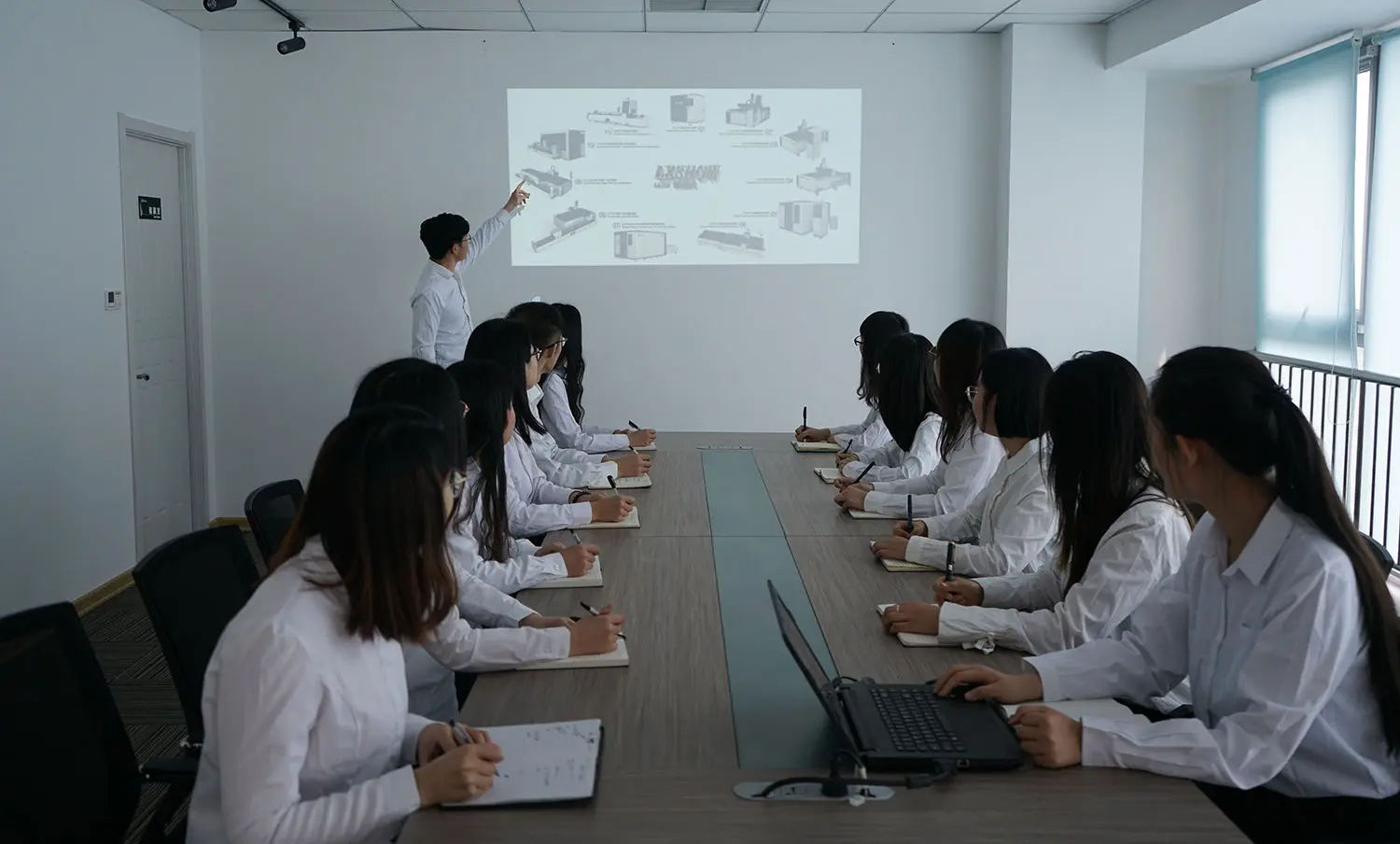
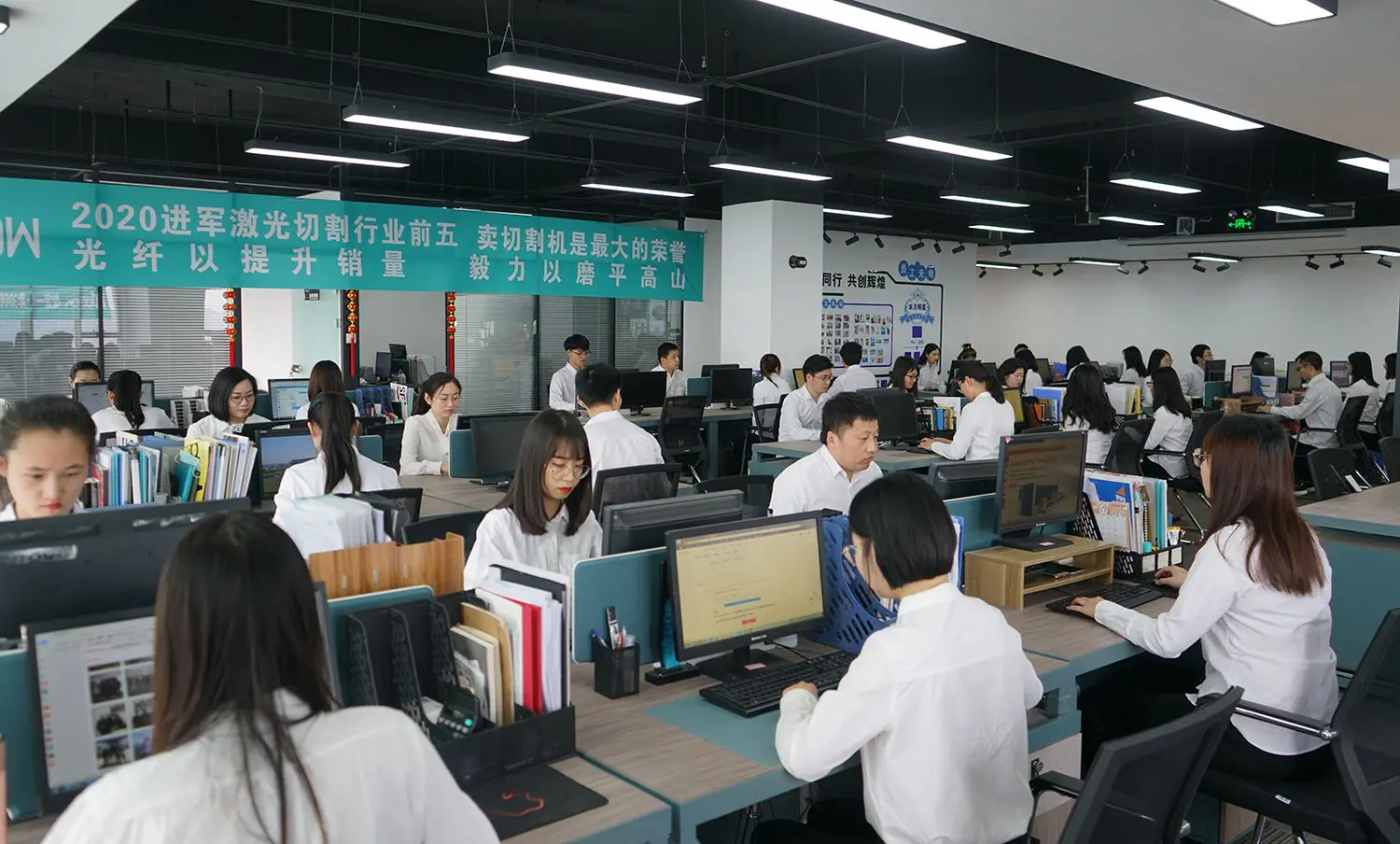
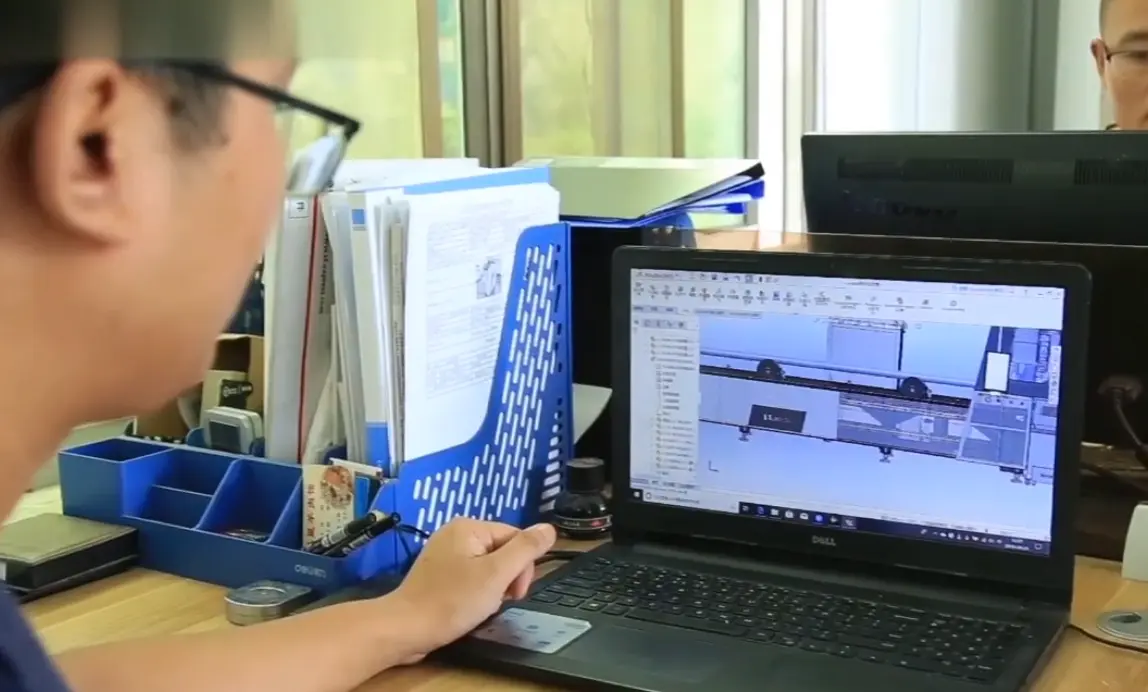
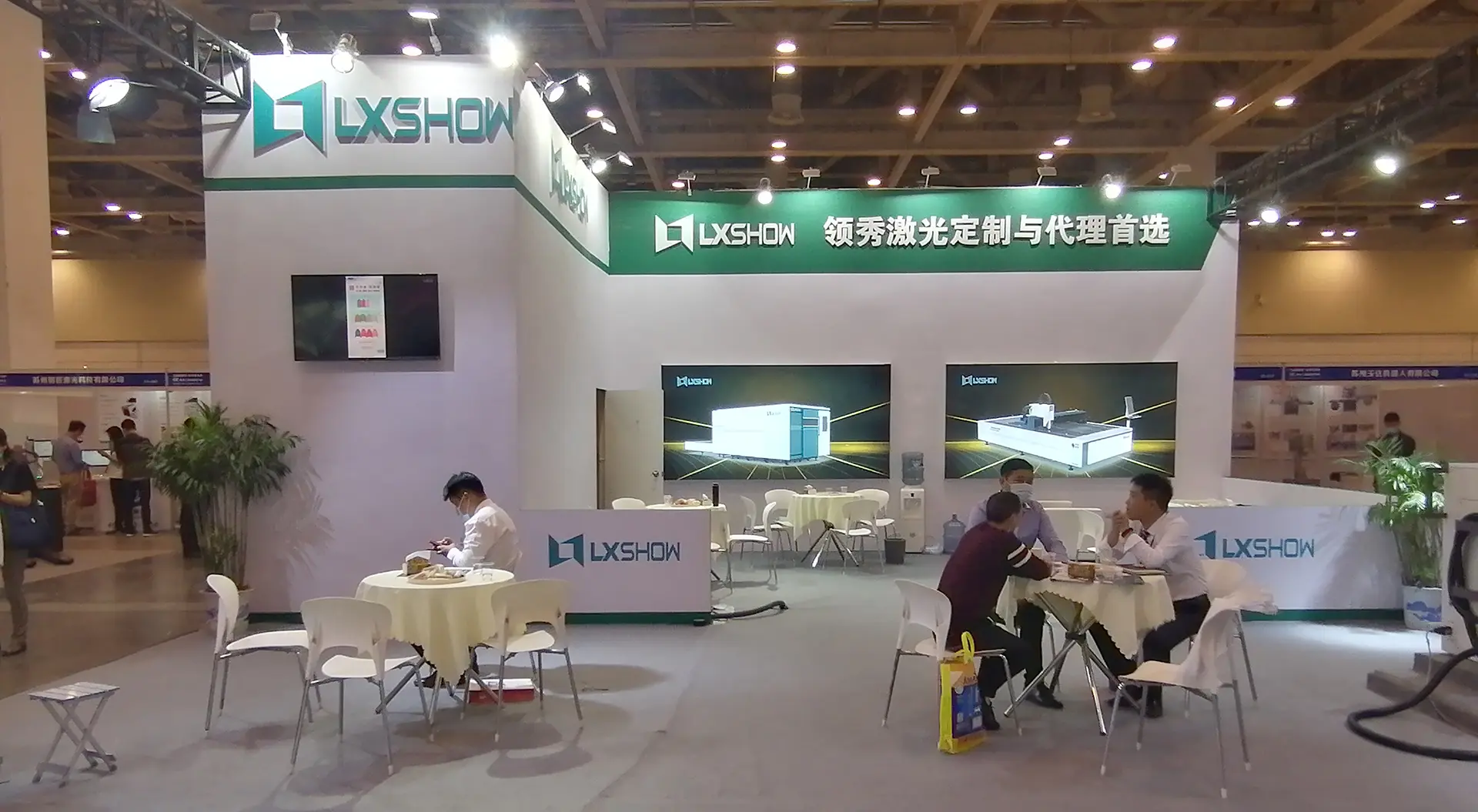
Inside our ISO 9001-certified factory where precision engineering transforms raw components into high-performance industrial machinery.

A comprehensive overview of material capabilities and cross-sector industrial deployments.
Modern manufacturing requires multi-functional material processing systems. In structural automotive sectors, particularly in the manufacture of crumple zones, side members, and protective EV battery casing, the material of choice is overwhelmingly 5000-series (Al-Mg) and 6000-series (Al-Mg-Si) aluminum alloys. These alloys provide high strength-to-weight ratios but demand cutting processes that avoid excessive heat input to protect their mechanical properties. High-power fiber lasers allow operators to cut these components at high speeds, minimizing the zone exposed to thermal stress.
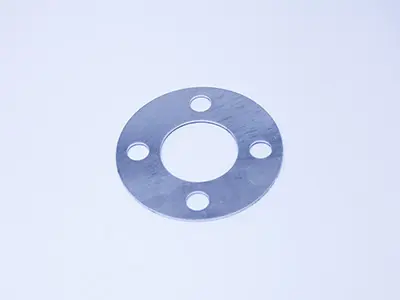
Beyond aluminum, our machines are designed to process various metals, supporting fabrication across structural steel projects, precision architectural metalwork, and industrial ductwork. By combining advanced CNC motion tables with high-precision fiber laser delivery, fabricators can switch between processing thin copper shims, complex aluminum structures, and heavy carbon steel structural plates within a unified interface. This adaptability ensures high utilization rates in modern, fast-paced job shops.
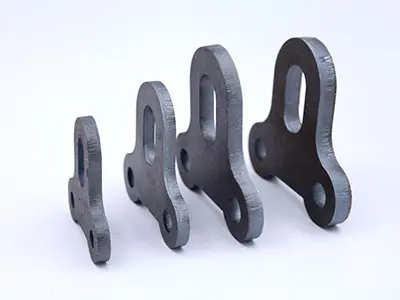
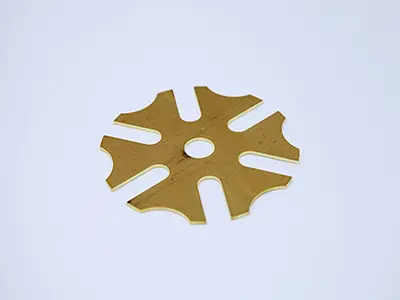
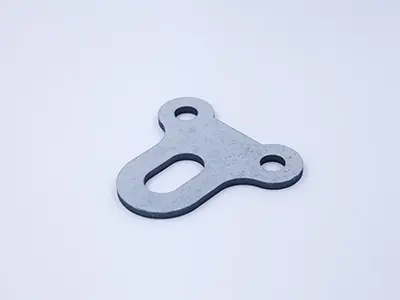
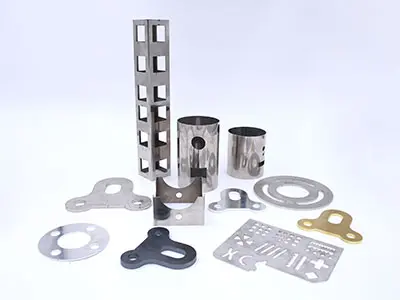
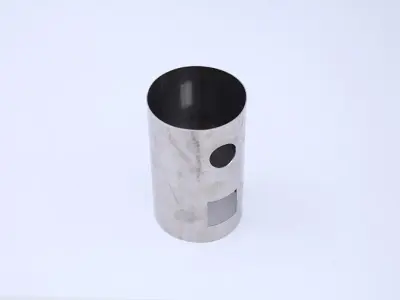
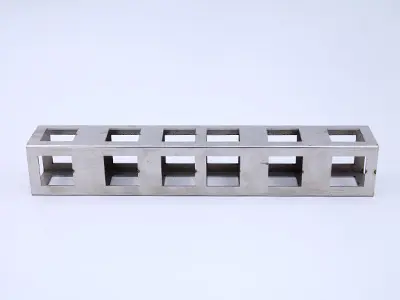
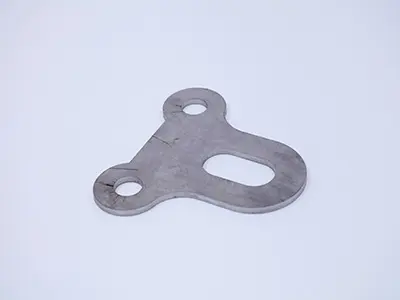
Inside the engineering framework of laser cutting, high-speed bending, and advanced surface cladding.
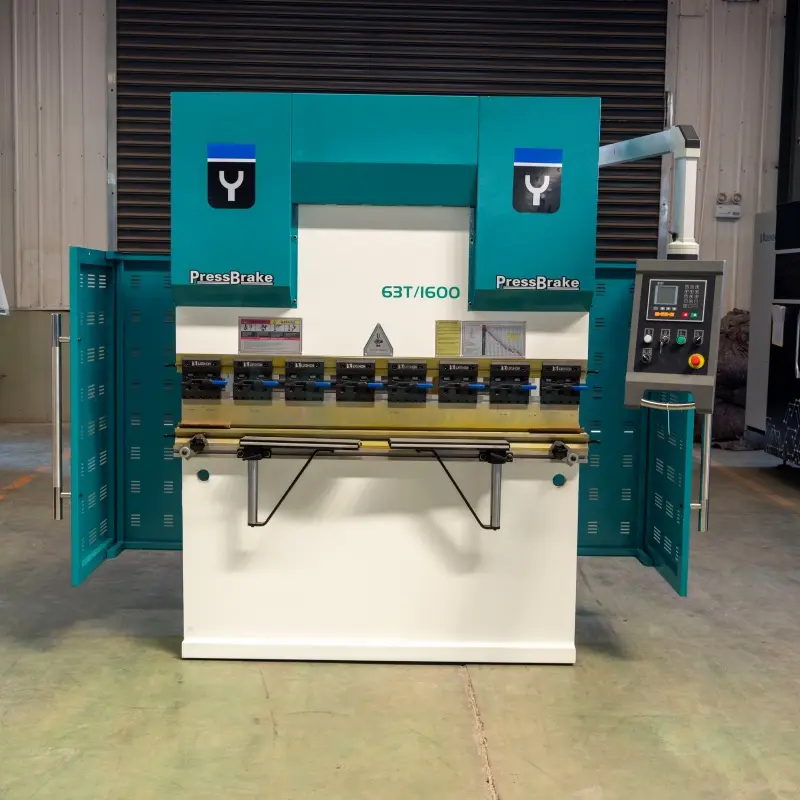
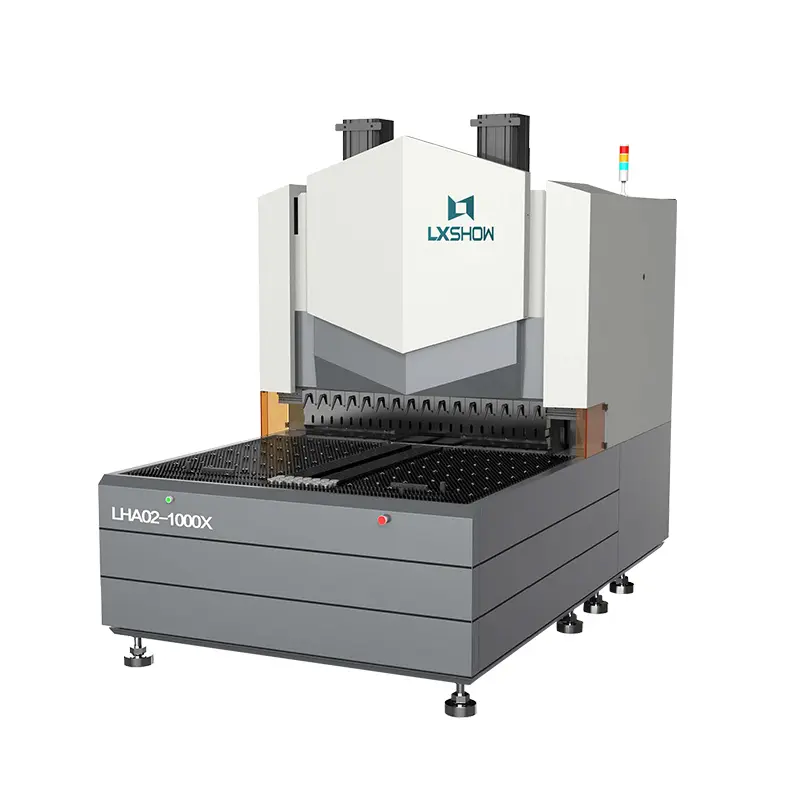
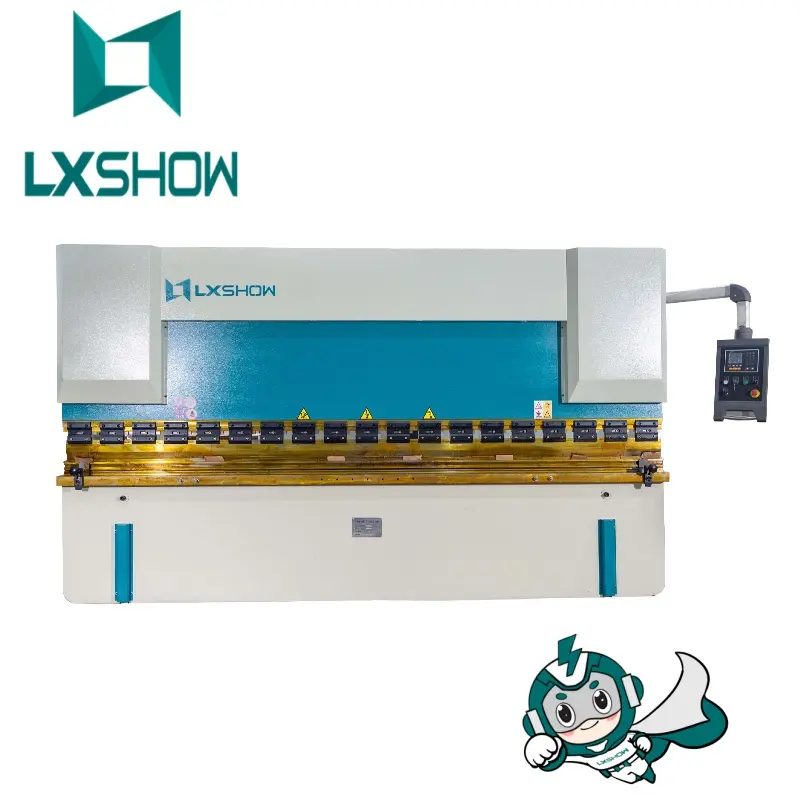
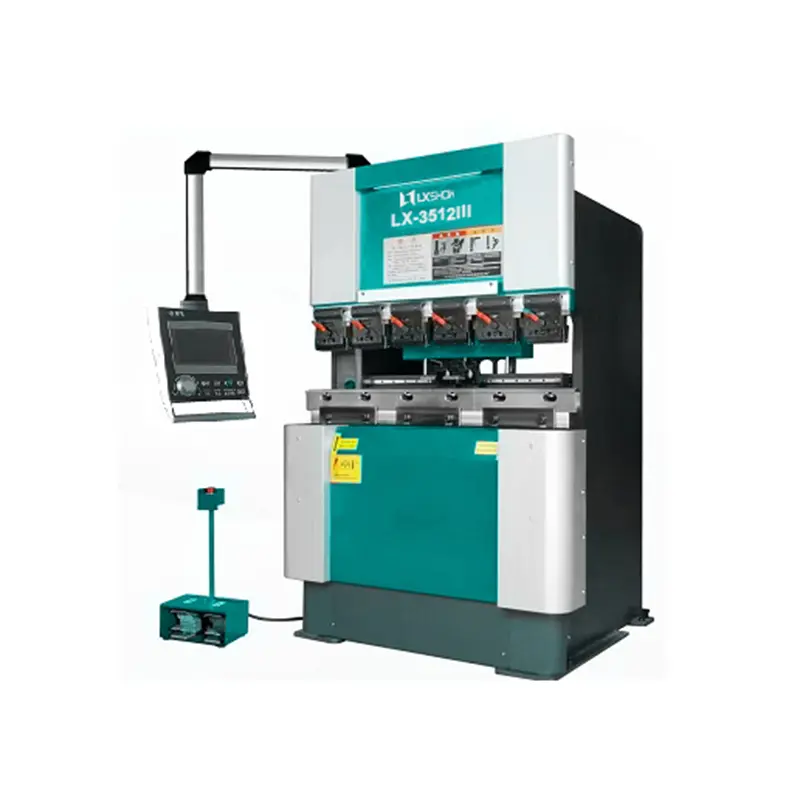
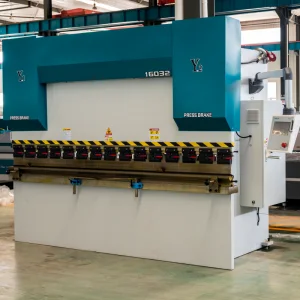
Achieving structural alignment in modern metal fabrication requires a cohesive range of equipment. When sheet metal is cut with precision fiber lasers, it often proceeds immediately to deformation stages. Integrating high-accuracy electro-hydraulic servo bending machines with multi-axis CNC systems ensures that the cut parts match the geometric calculations of the bending sequence. This process helps prevent angular deviation and surface marring on high-grade aluminum surfaces.
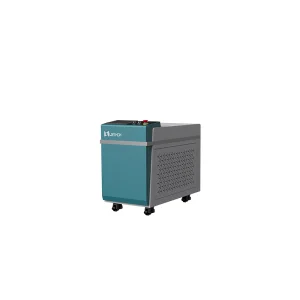
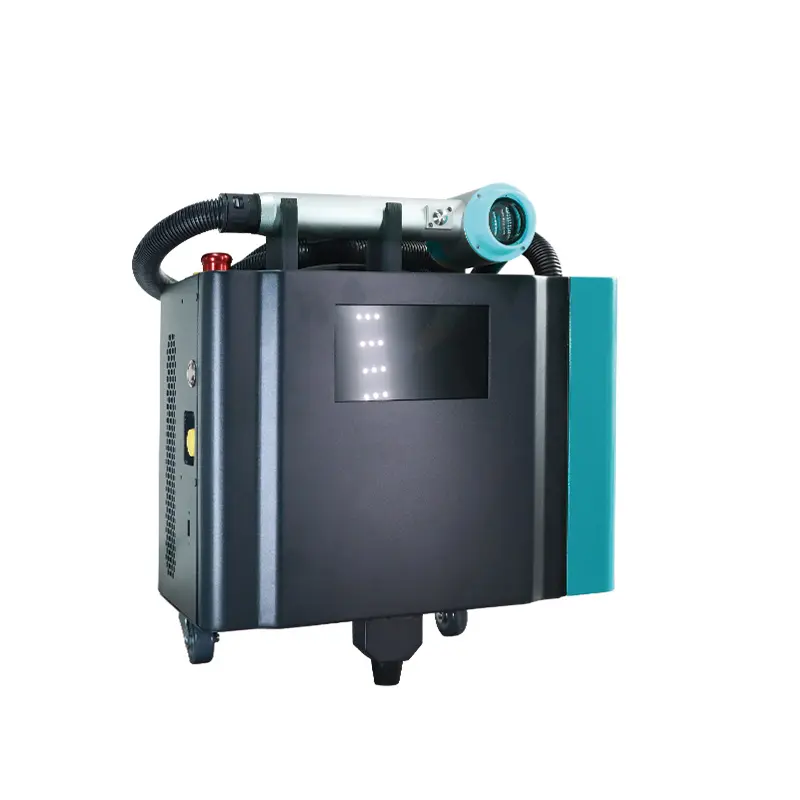
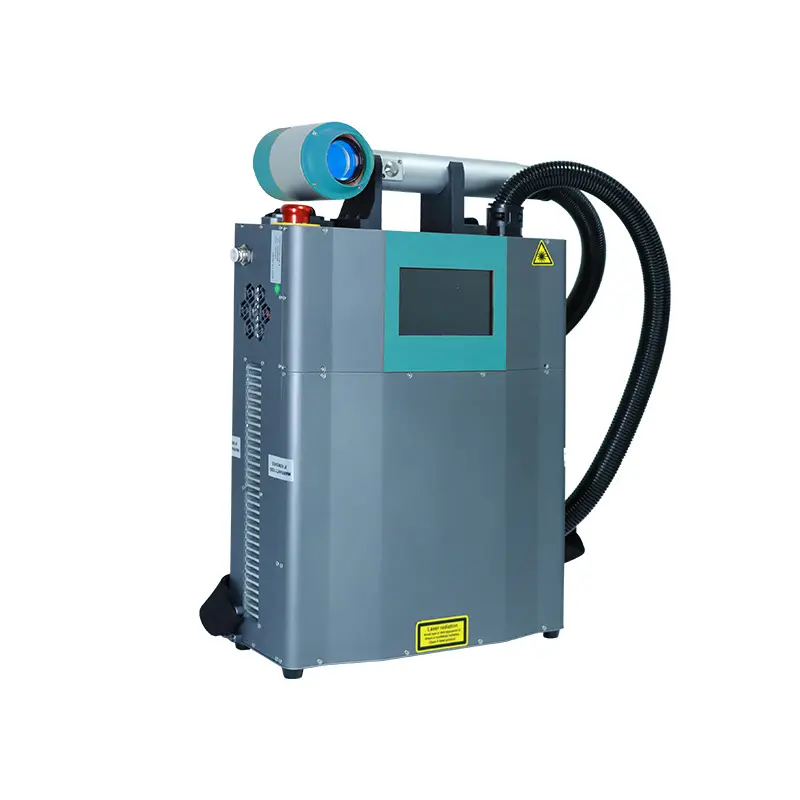
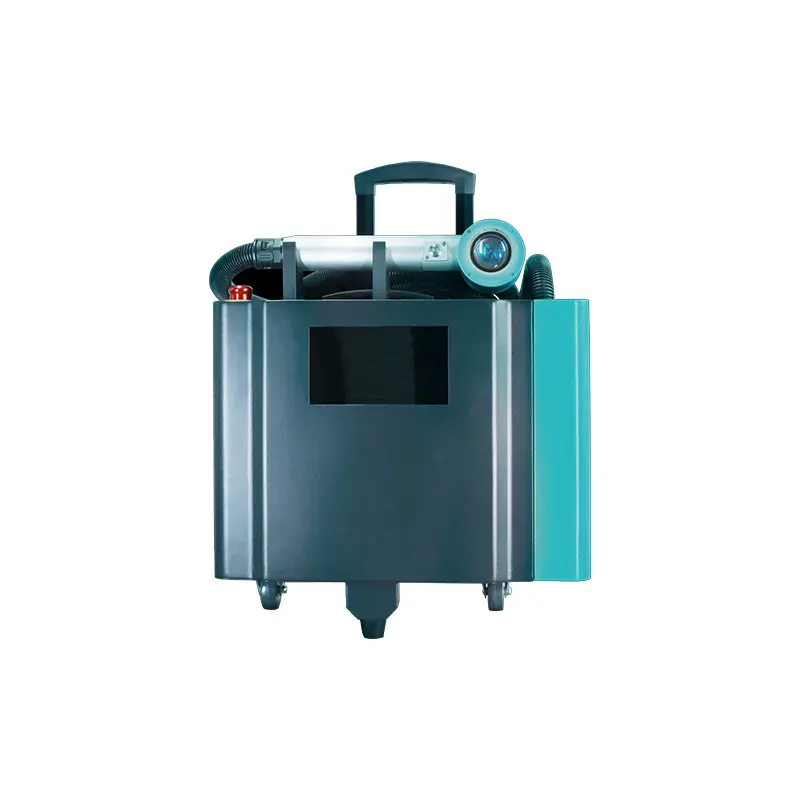
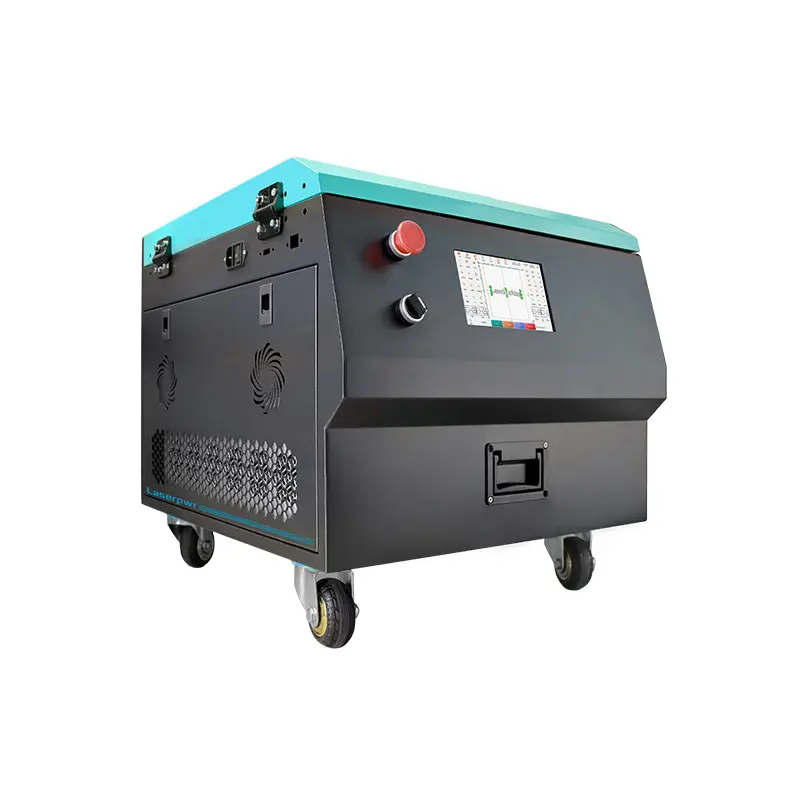
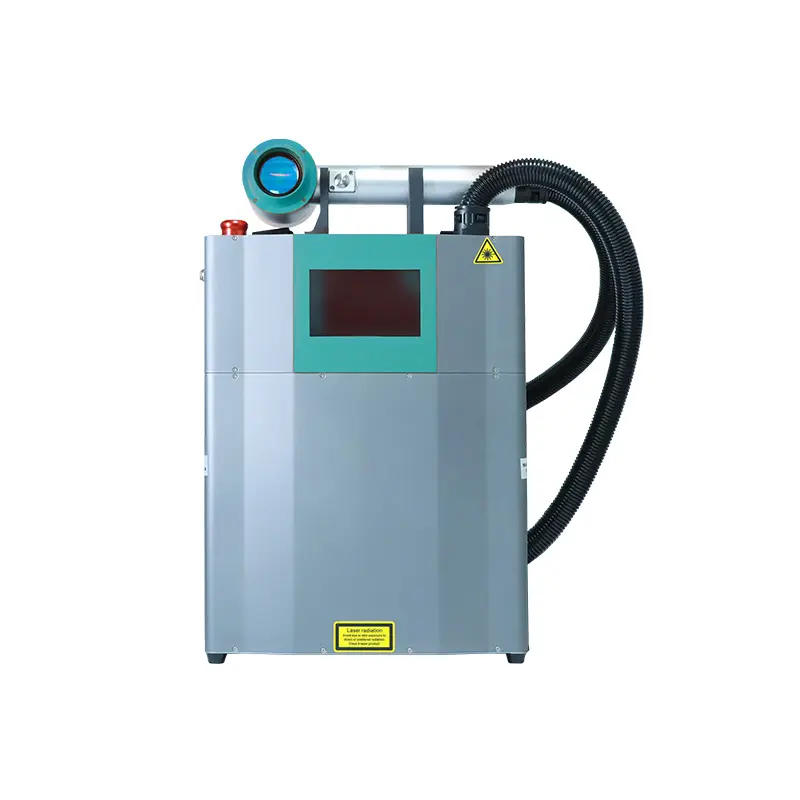
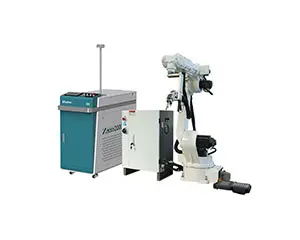
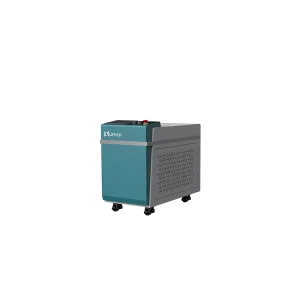
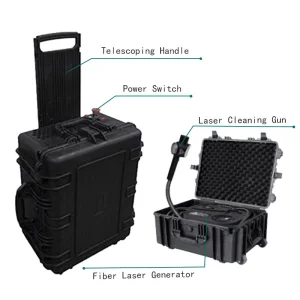
Additionally, processing high-performance components often requires surface preparation and finishing stages. Our handheld laser cleaners provide a chemical-free method to strip mill oxides, oils, and surface impurities before welding or coating operations. If surface rebuilds or hardfacing are necessary, single-axis positioning laser cladding machines apply localized alloy cladding layers to extend the operational life of components exposed to friction and wear. This integrated, multi-process approach helps fabricators run a clean, modern production cycle with minimal scrap rates.
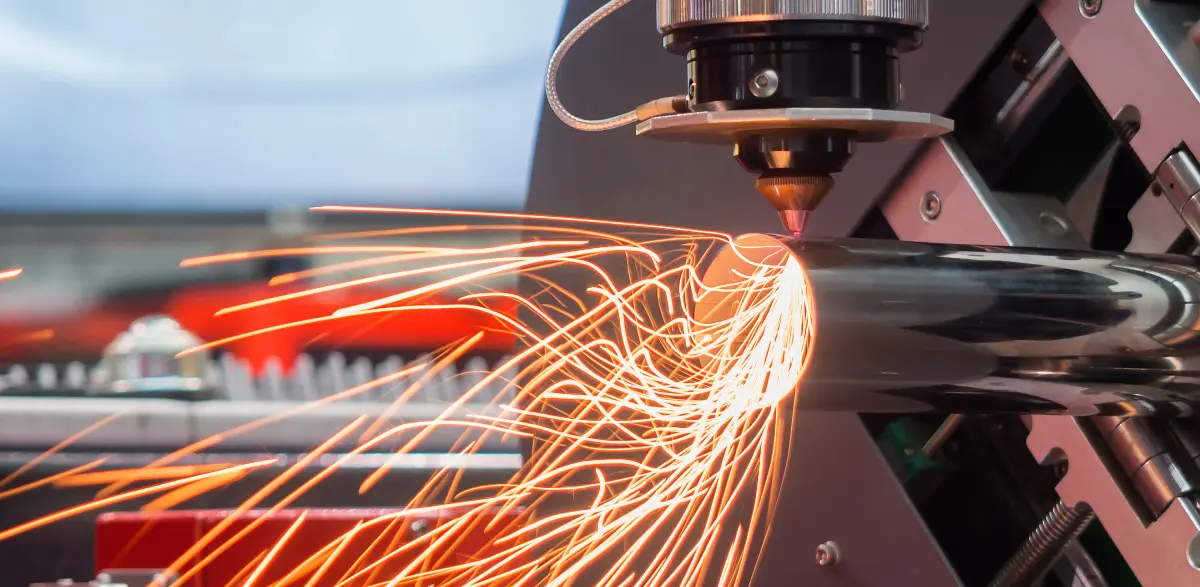
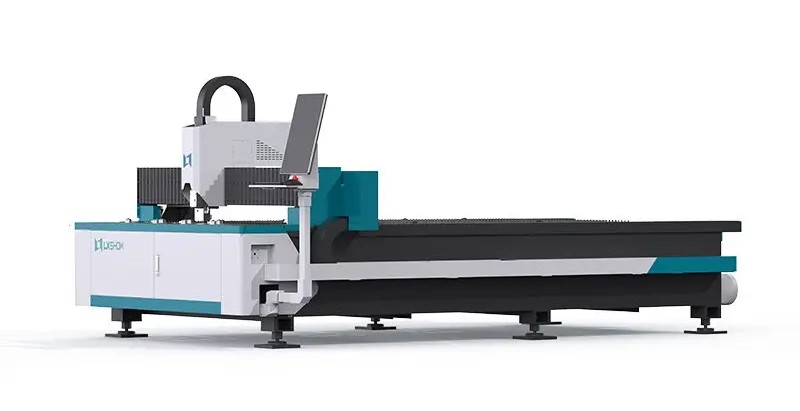
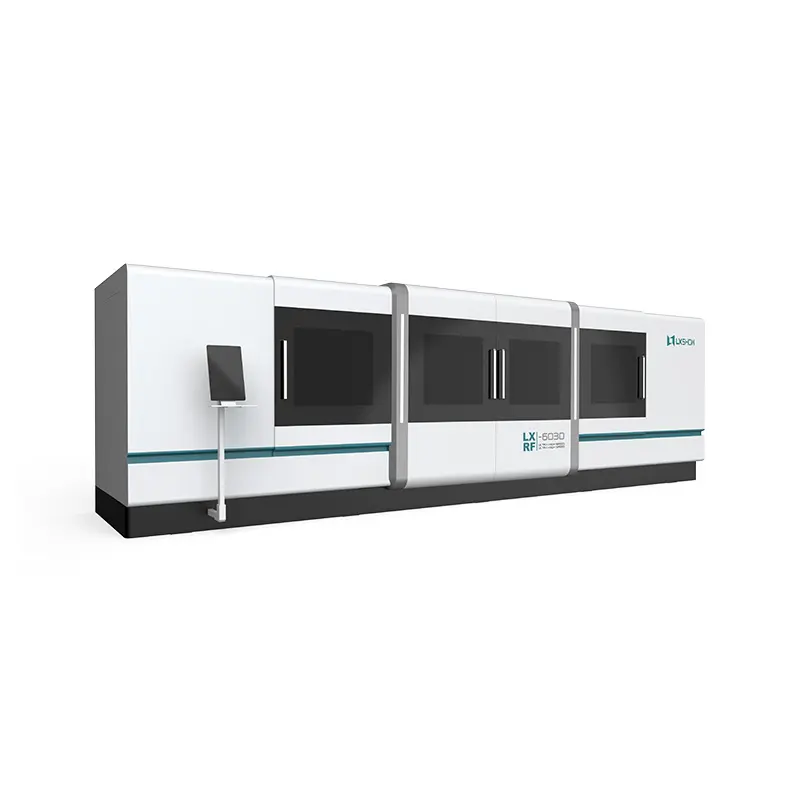
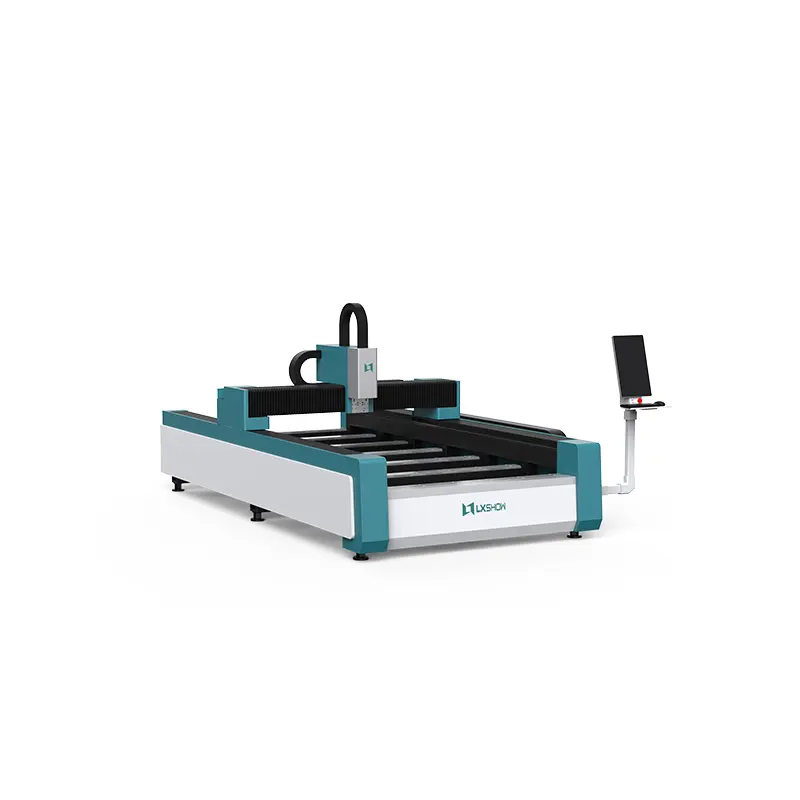
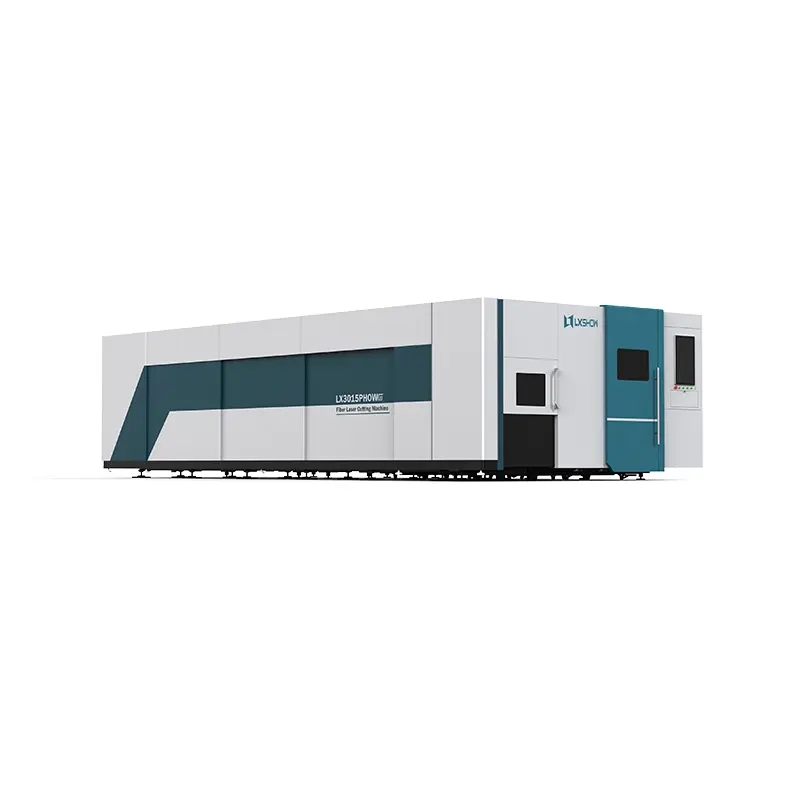
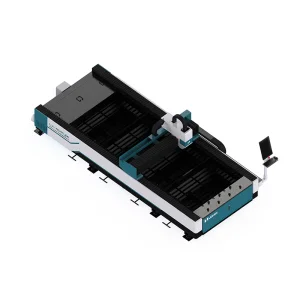
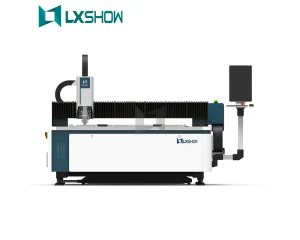
High-speed dynamic processing of thin to heavy industrial metal plates with robust gantry systems.
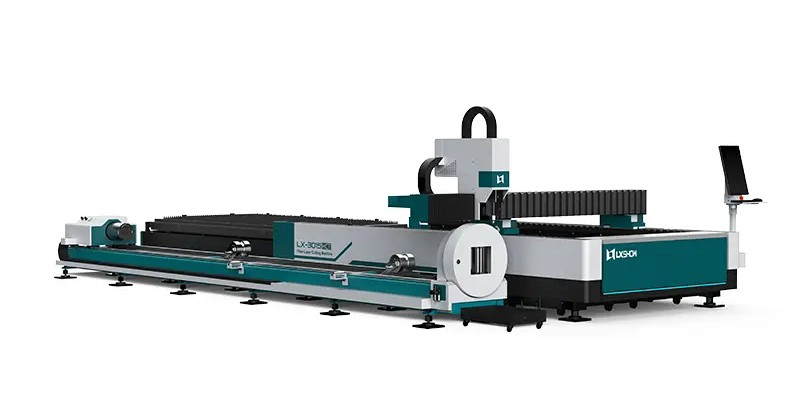
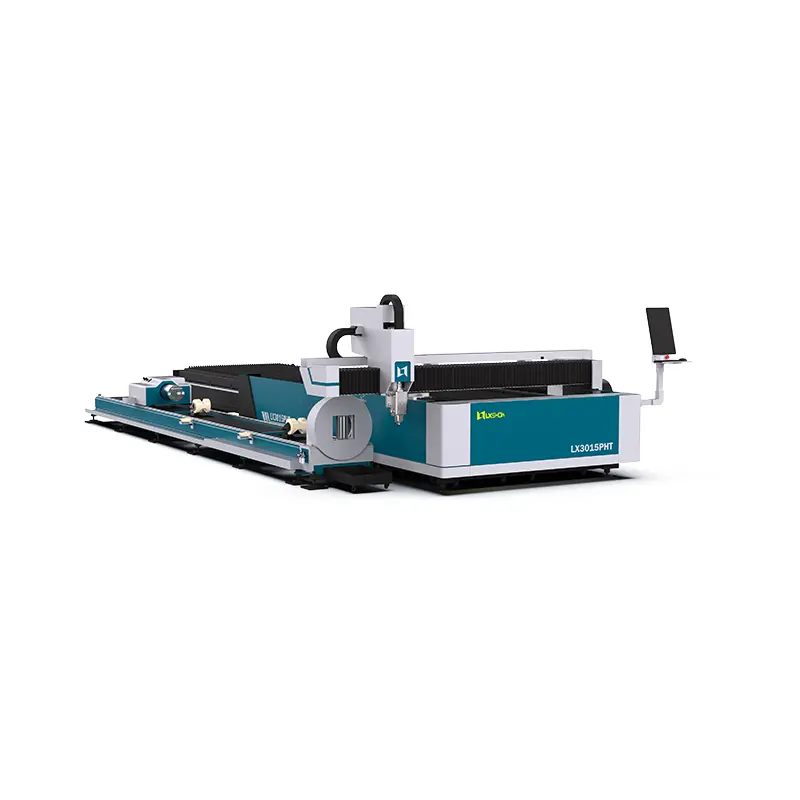
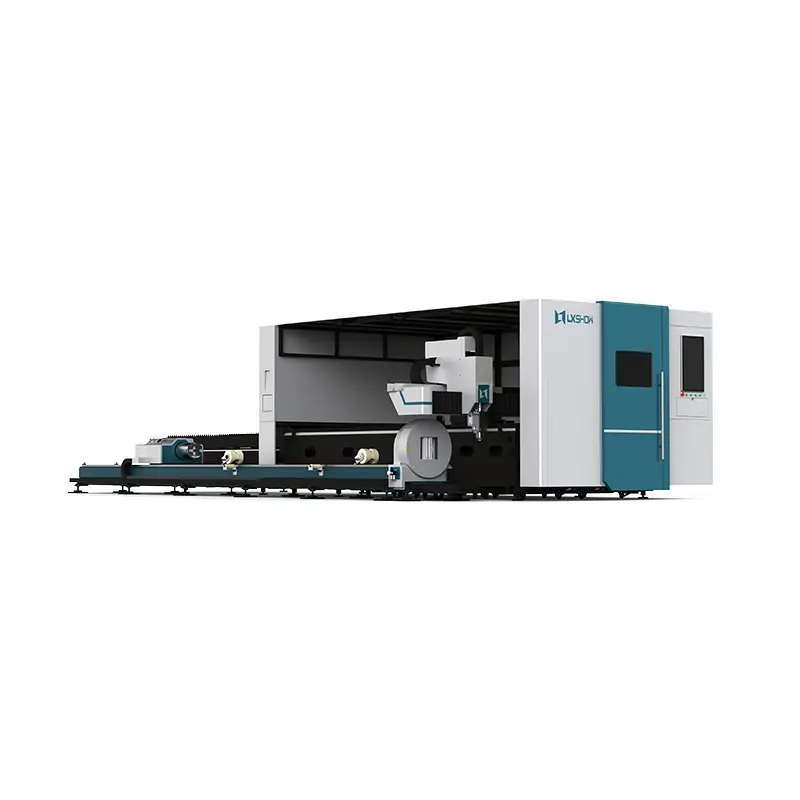
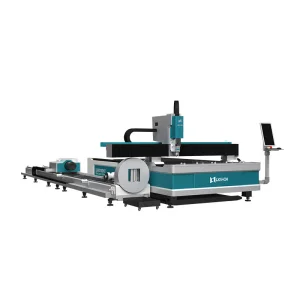
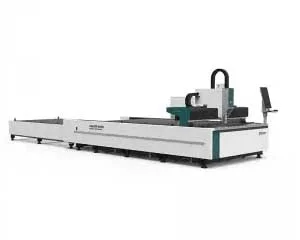
Dual-purpose configurations allowing rapid shifting between flat sheet cutting and profiling operations.
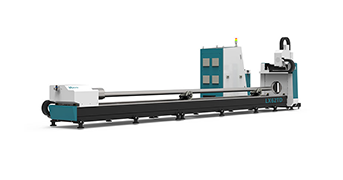
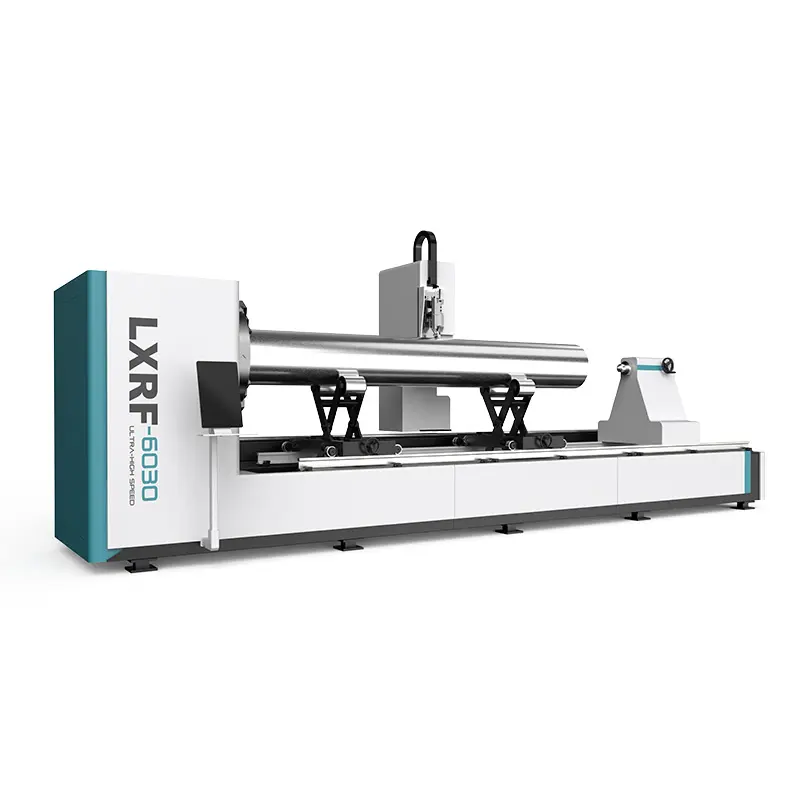
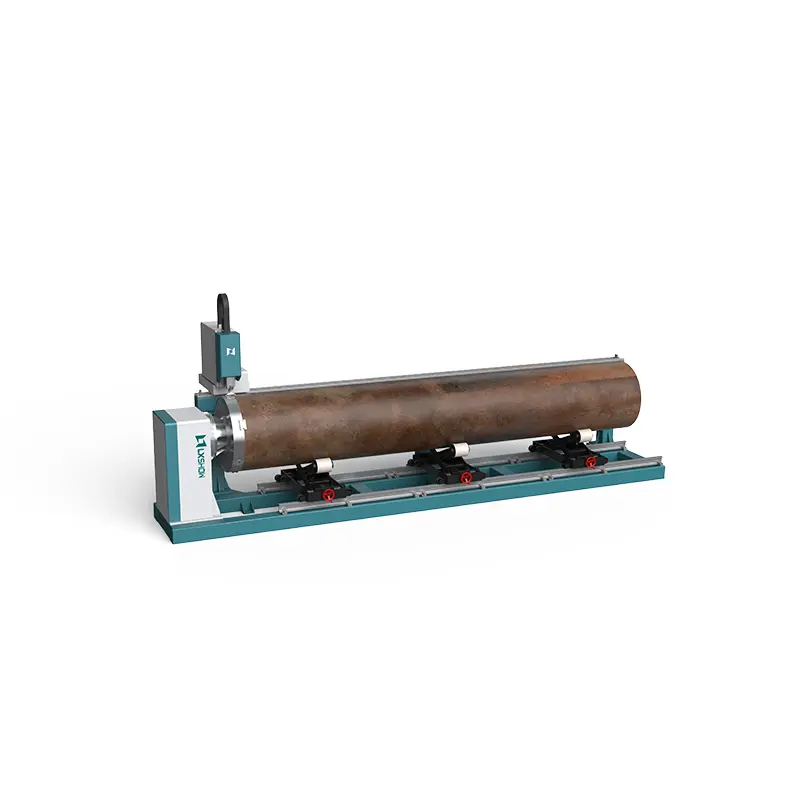
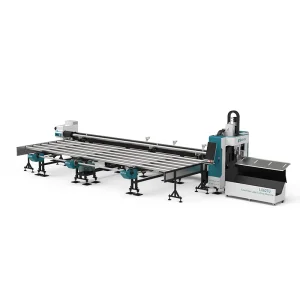
Advanced chuck mechanisms designed for clean, precise profiling on round, square, and complex profiles.
Expert engineering insights on optimizing aluminum laser cutting processes and navigating procurement decisions.
Optimize your factory production lines with our high-power cutting systems, portable marking equipment, and heavy-duty forming machines.
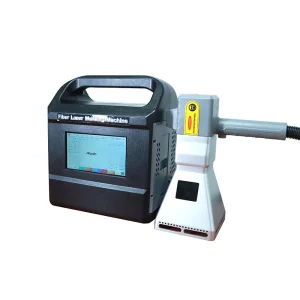
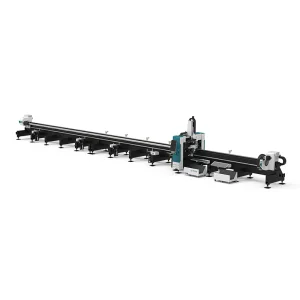
How manufacturing technologies are evolving to meet the demands of tomorrow's industrial markets.
As industrial production moves toward smart manufacturing frameworks, fabrication equipment is transitioning from isolated tools to fully integrated, data-driven systems. By 2040, the use of real-time monitoring sensors, automated load-unload setups, and cloud-linked diagnostic networks will be standard across high-capacity fabrication plants. Real-time monitoring allows systems to track cutting performance and mechanical wear, helping operators perform predictive maintenance and reduce unplanned downtime.
For aluminum and other highly reflective alloys, these smart systems automatically adjust parameters—such as cutting speed, laser modulation, and gas pressure—if they detect changes in surface condition or temperature. This adaptive processing reduces errors, cuts material waste, and maintains edge quality even during variations in stock alloy composition. Connecting these systems directly to factory-wide ERP systems simplifies nesting layouts and inventory tracking, helping manufacturers run flexible, efficient batch production.
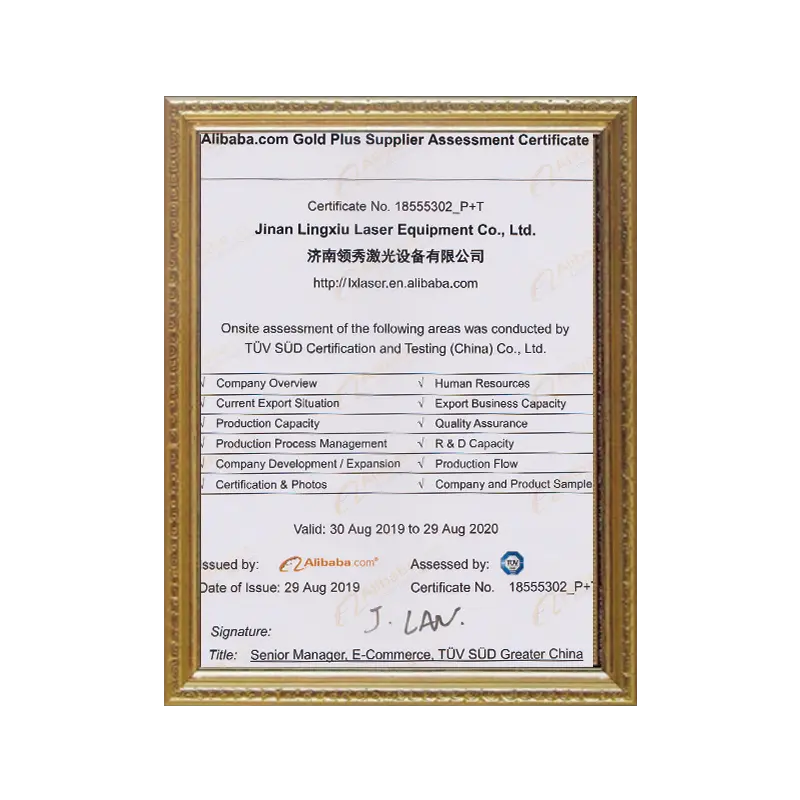
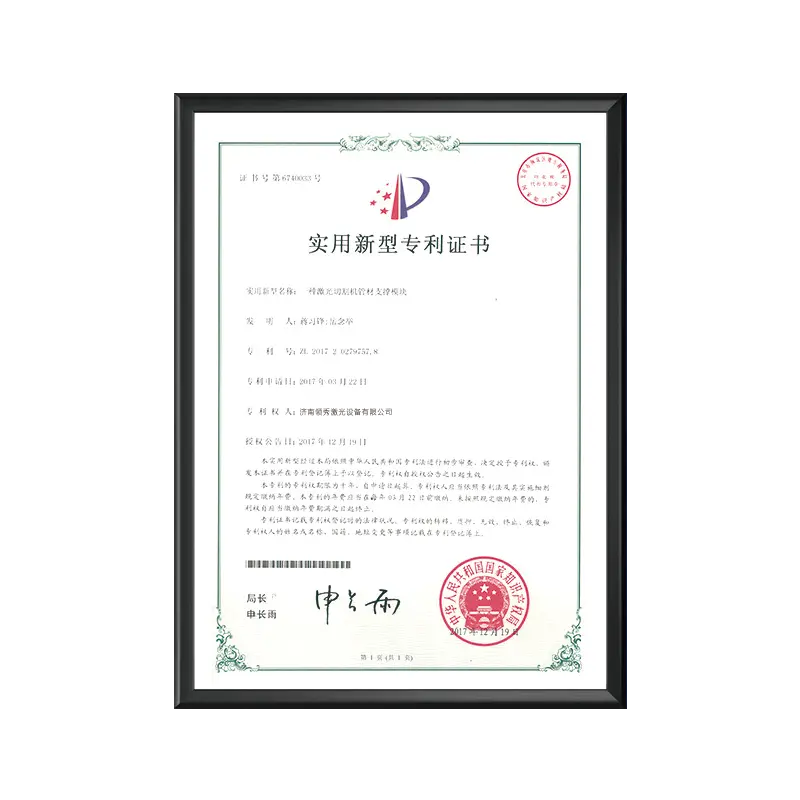
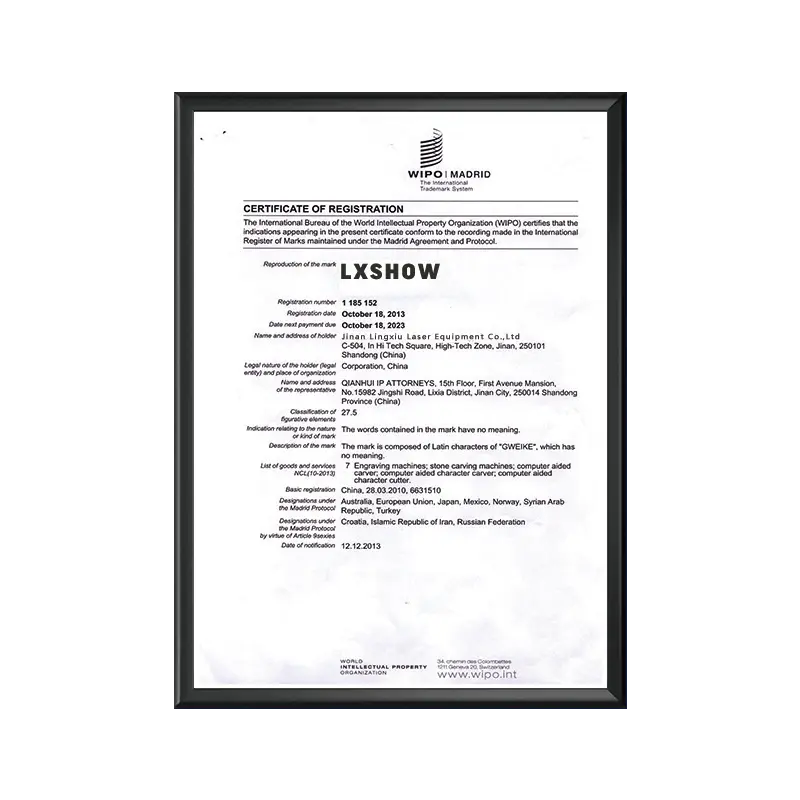
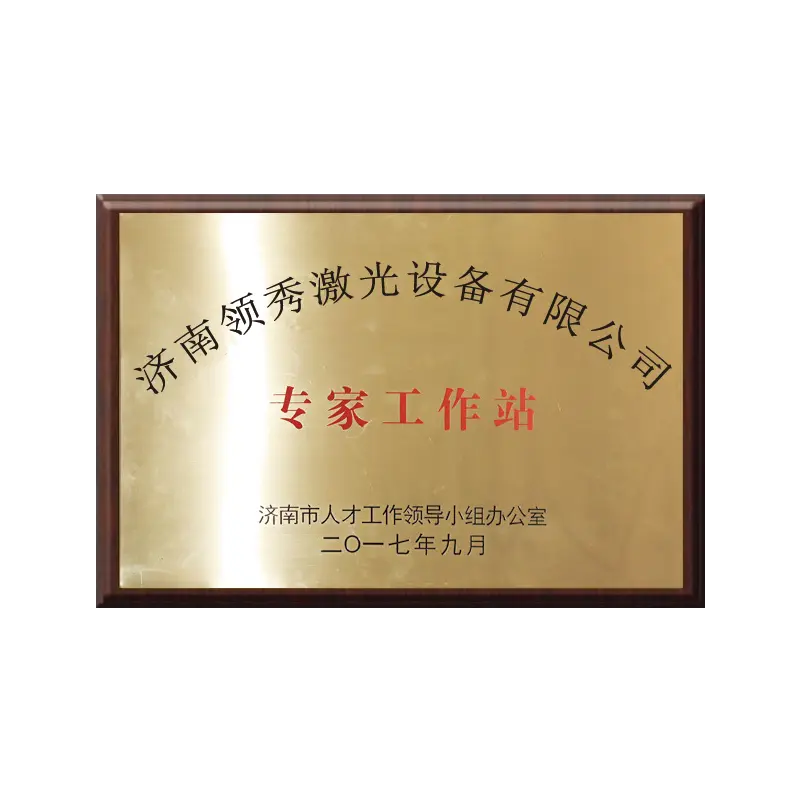
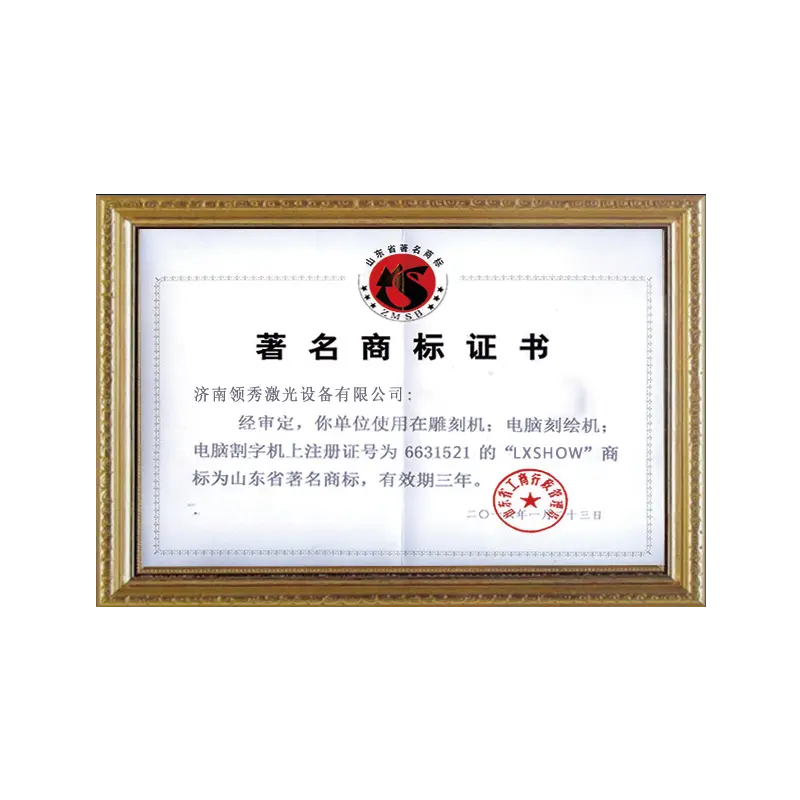
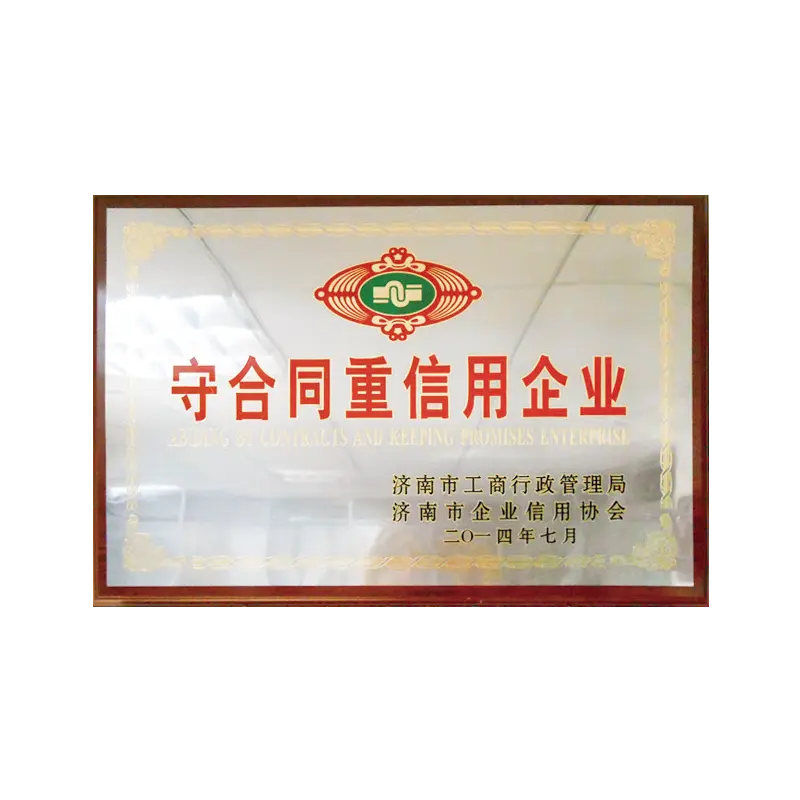
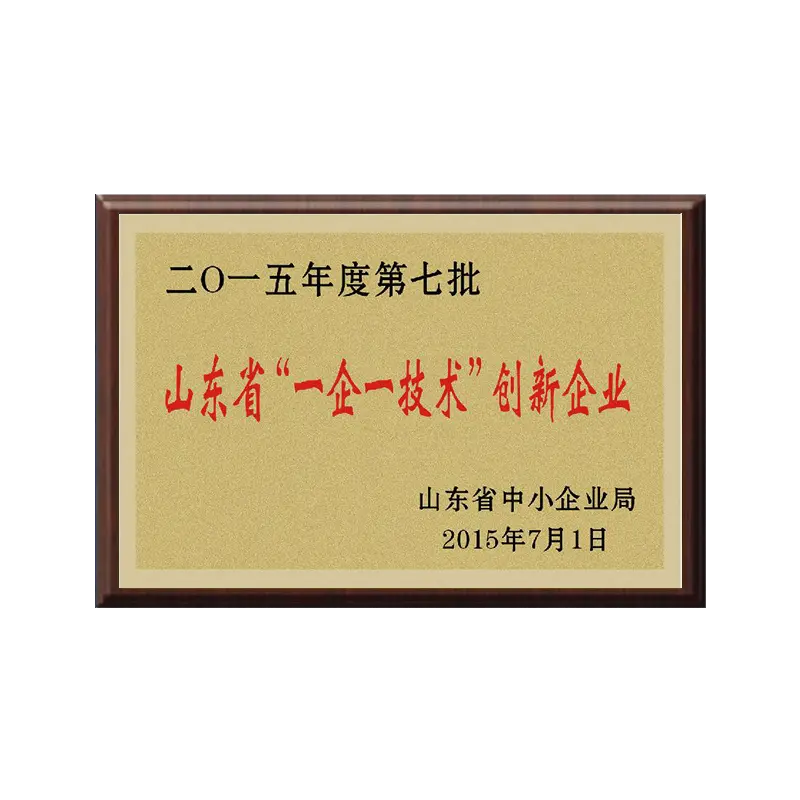
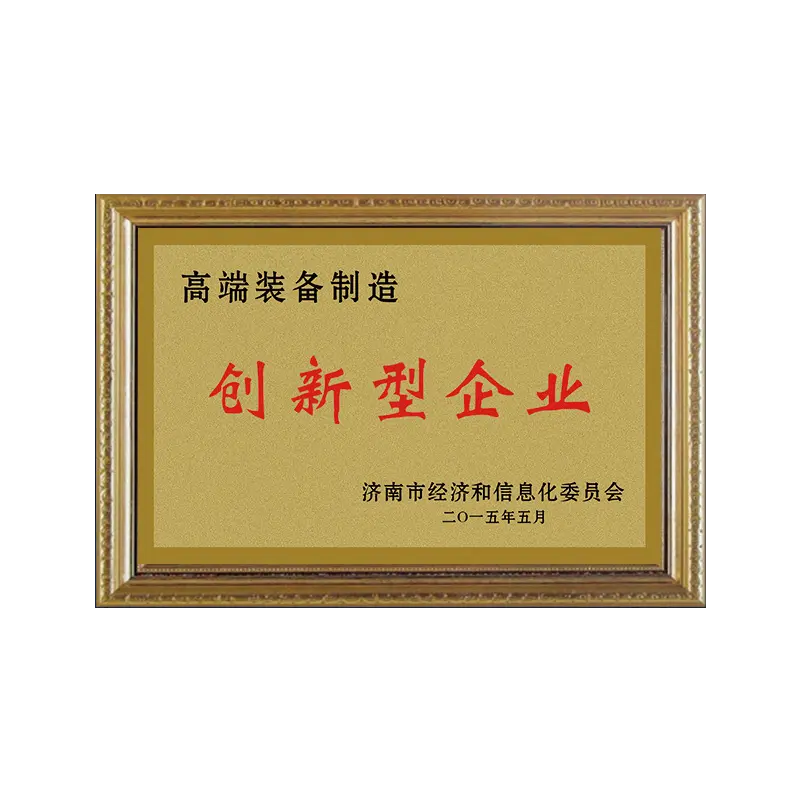

Explore our targeted product categories designed for structural fabrication, advanced cladding, surface preparation, and heavy-duty forming.
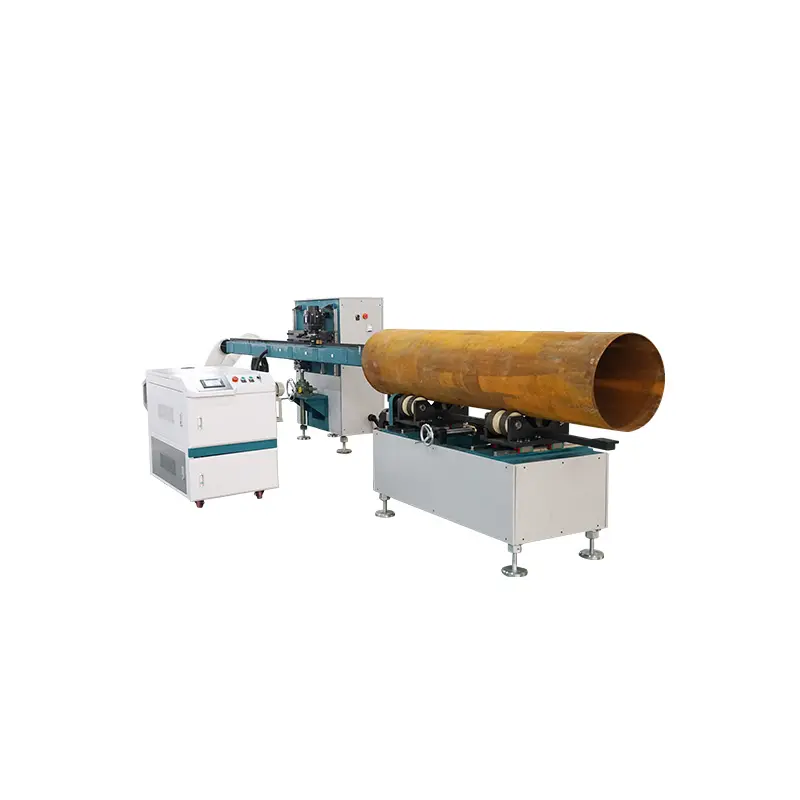
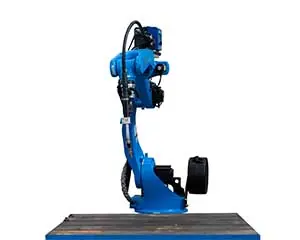
Designed to provide surface reinforcement and repair capabilities, offering stable execution for heavy industrial parts.
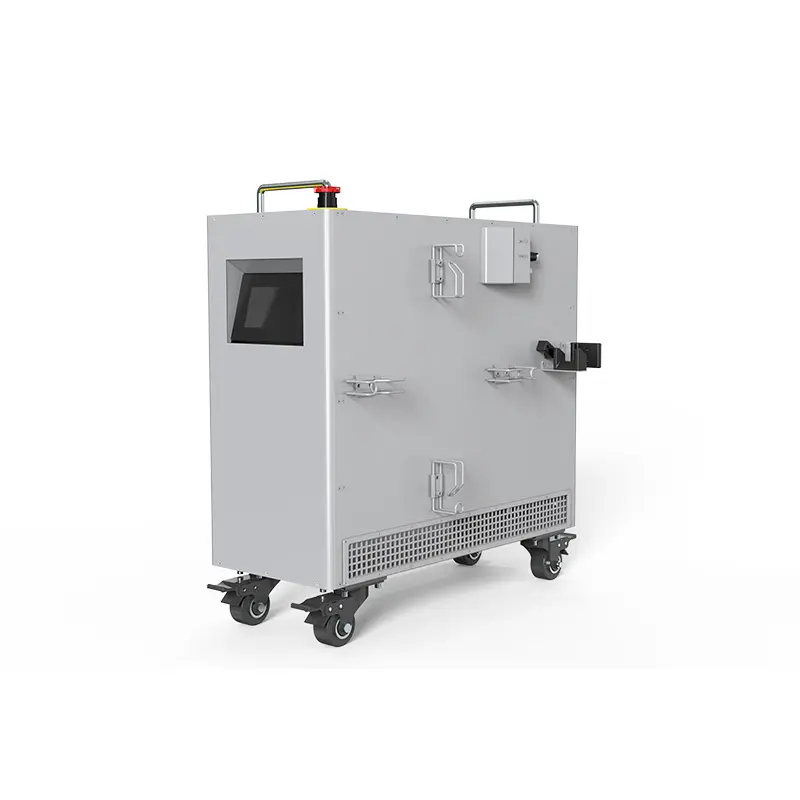
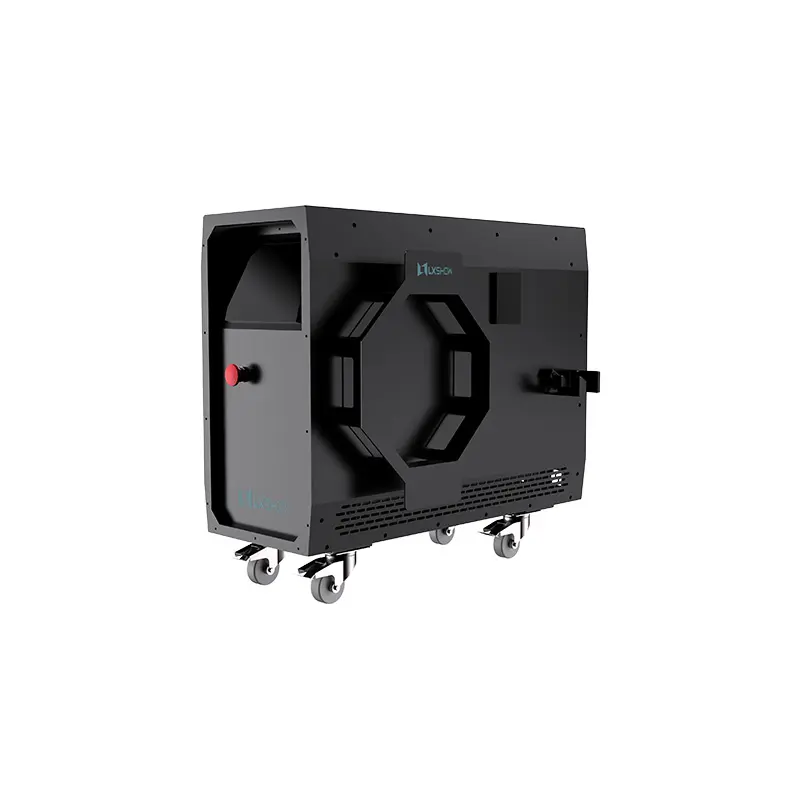
Eco-friendly surface treatment systems for efficient rust, oxide layer, and paint removal without chemical consumables.
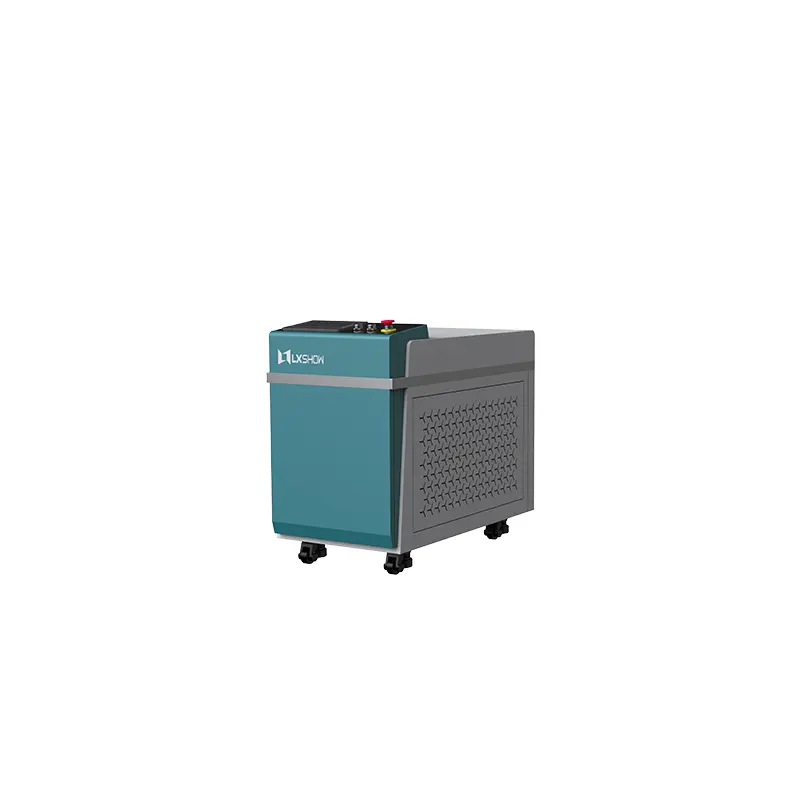
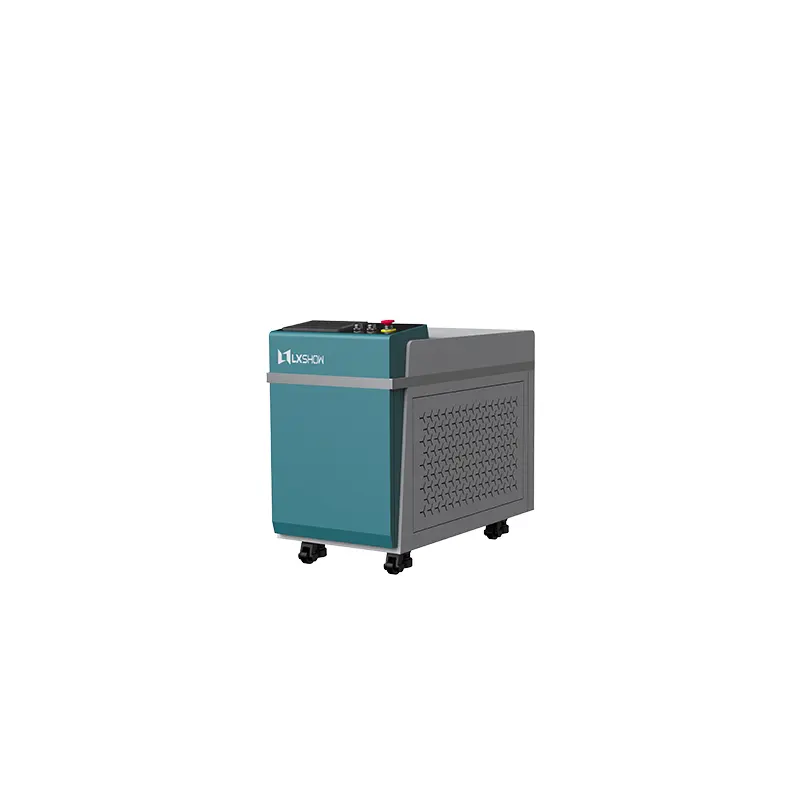
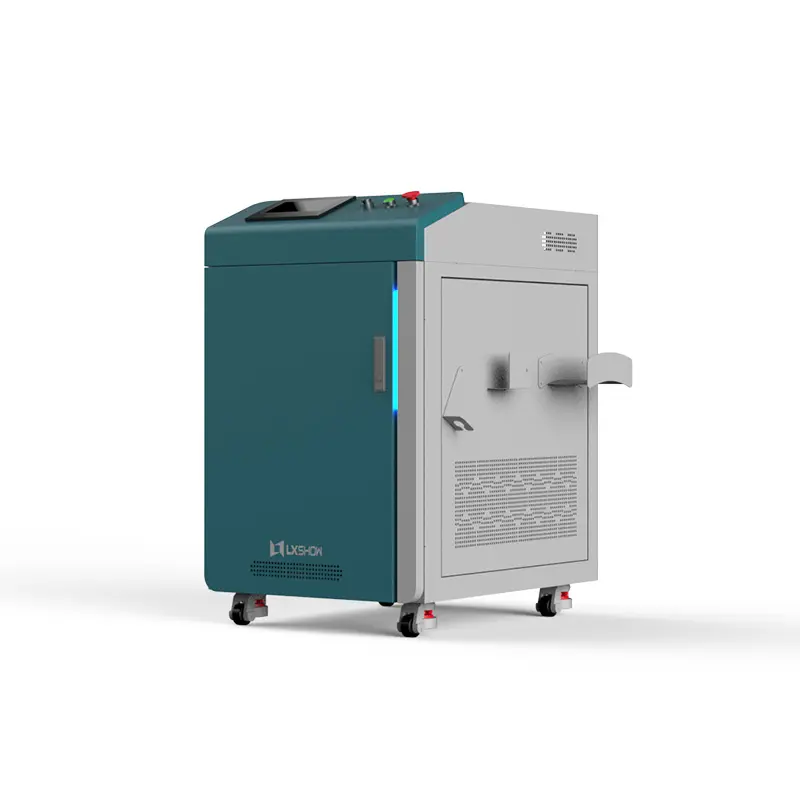
High-precision manual and automated welding systems optimized for stainless steel, mild steel, and aluminum sheet metal assembly.
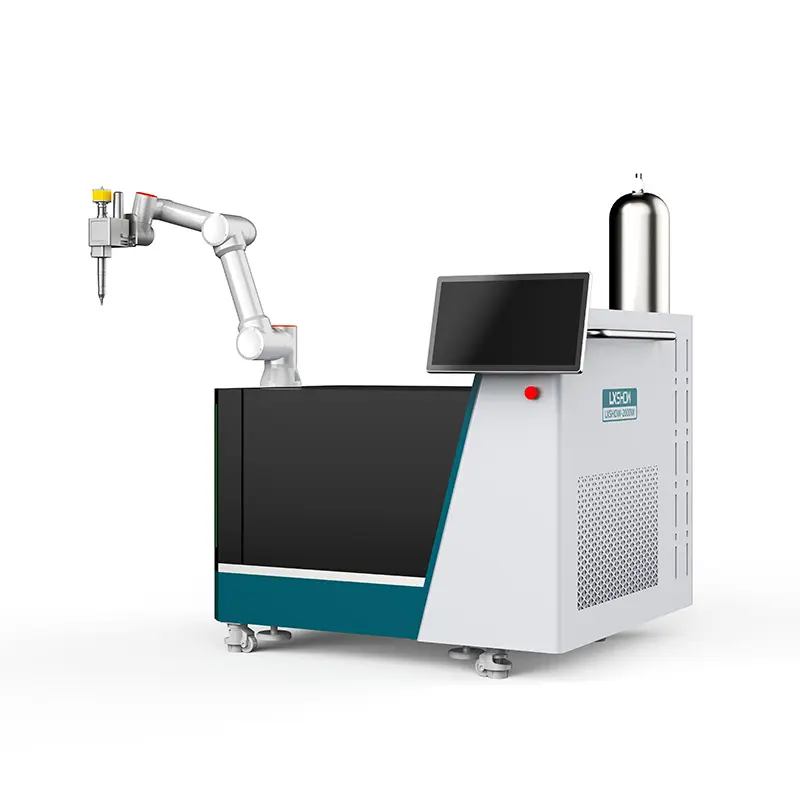
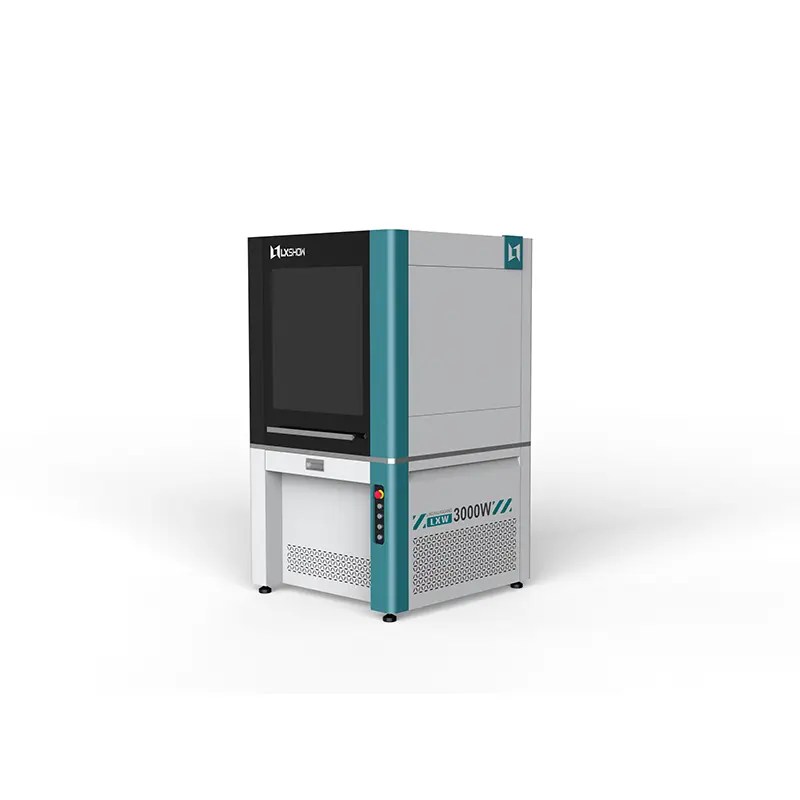
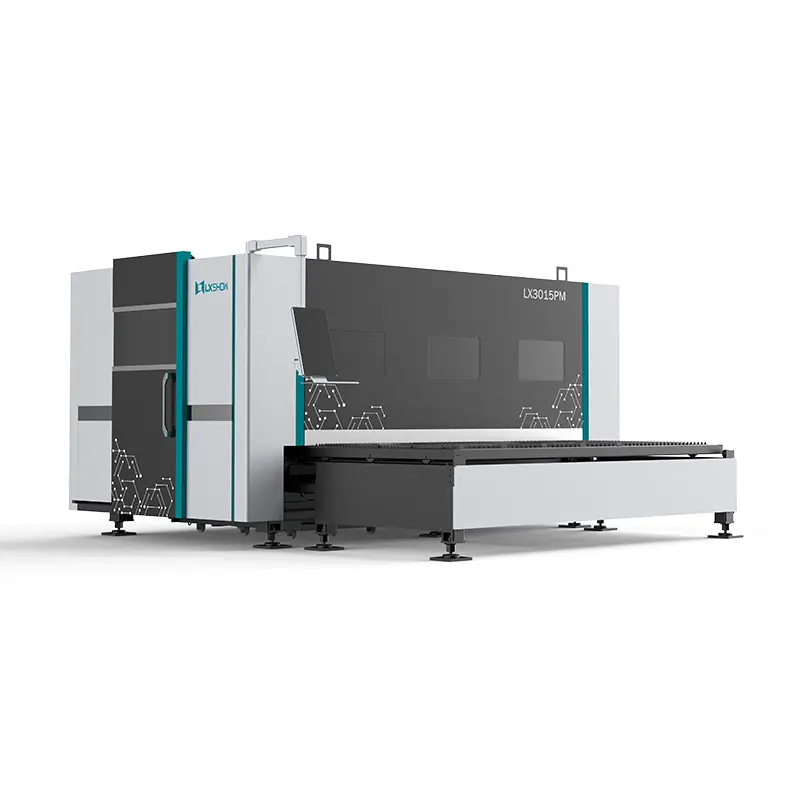
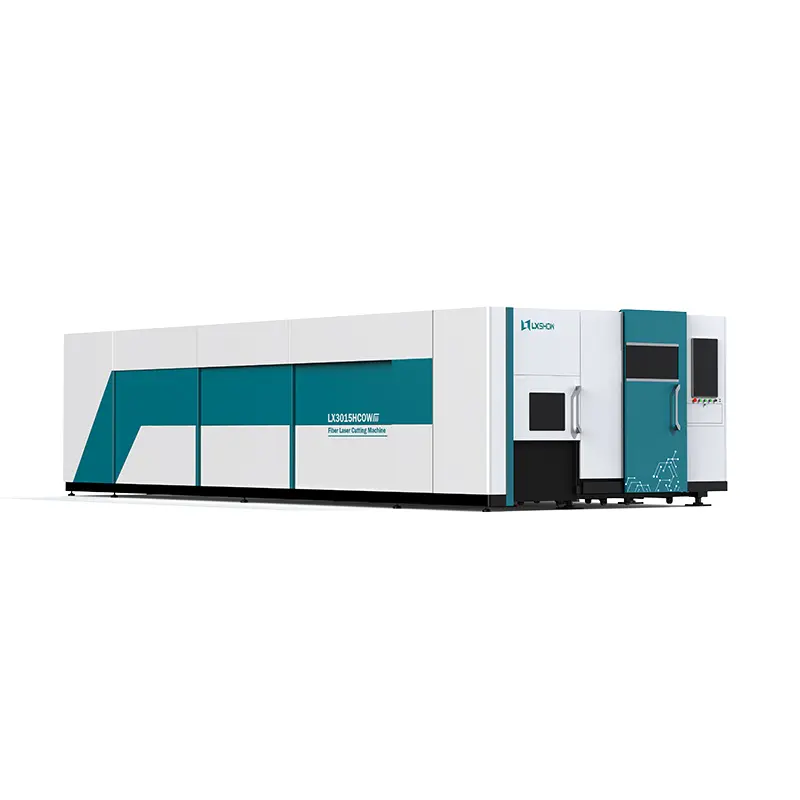
High-capacity industrial systems designed for continuous, high-speed sheet metal and heavy structural tube processing.
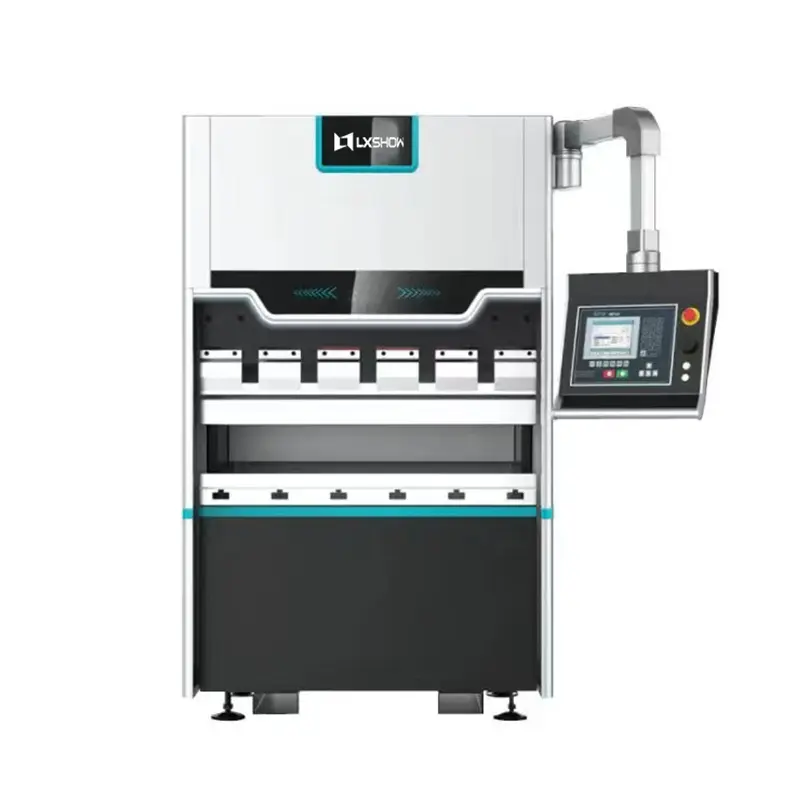
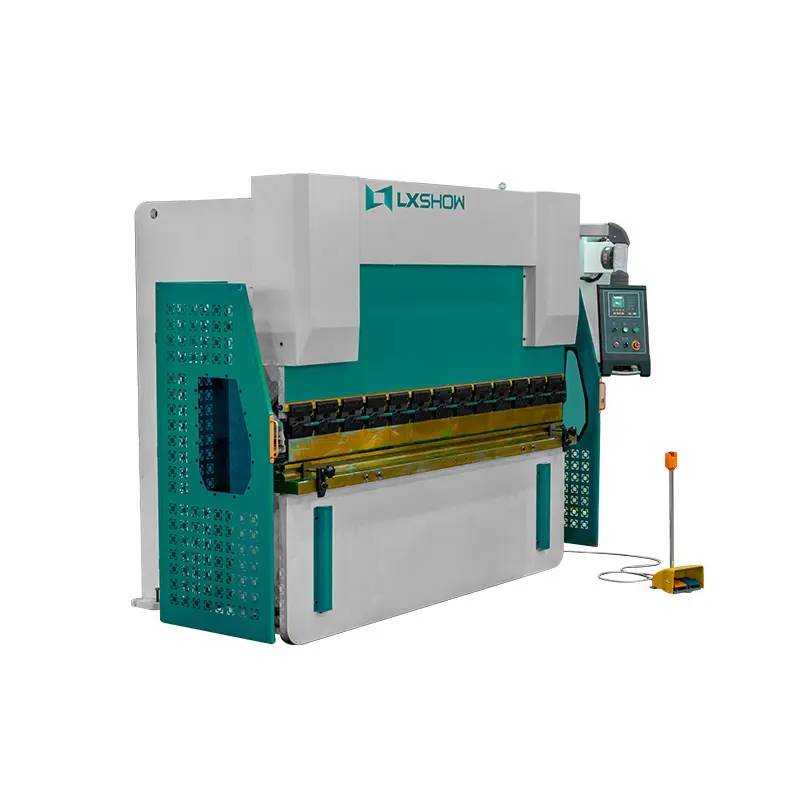
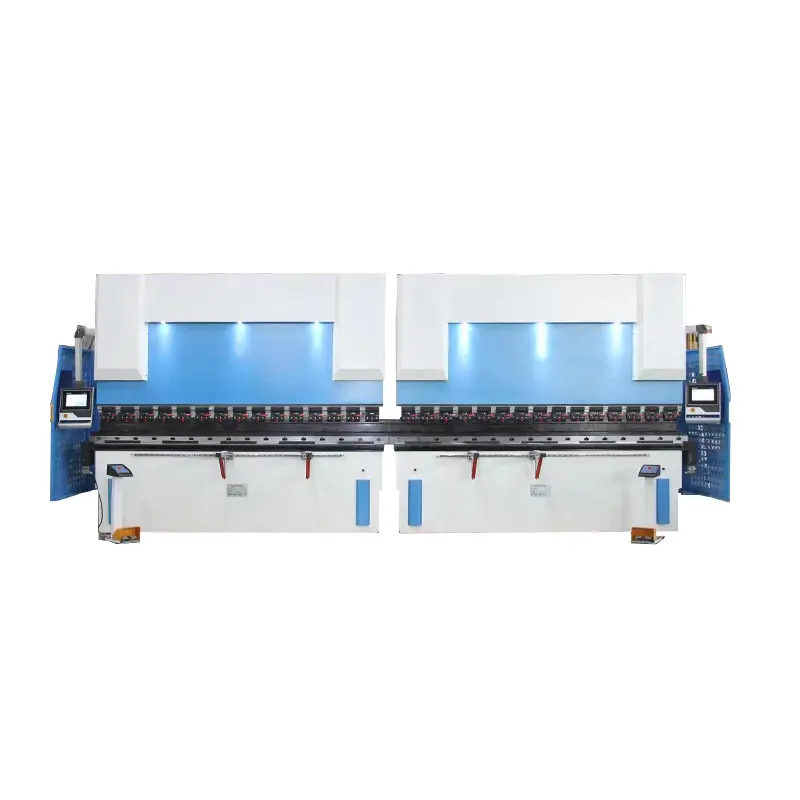
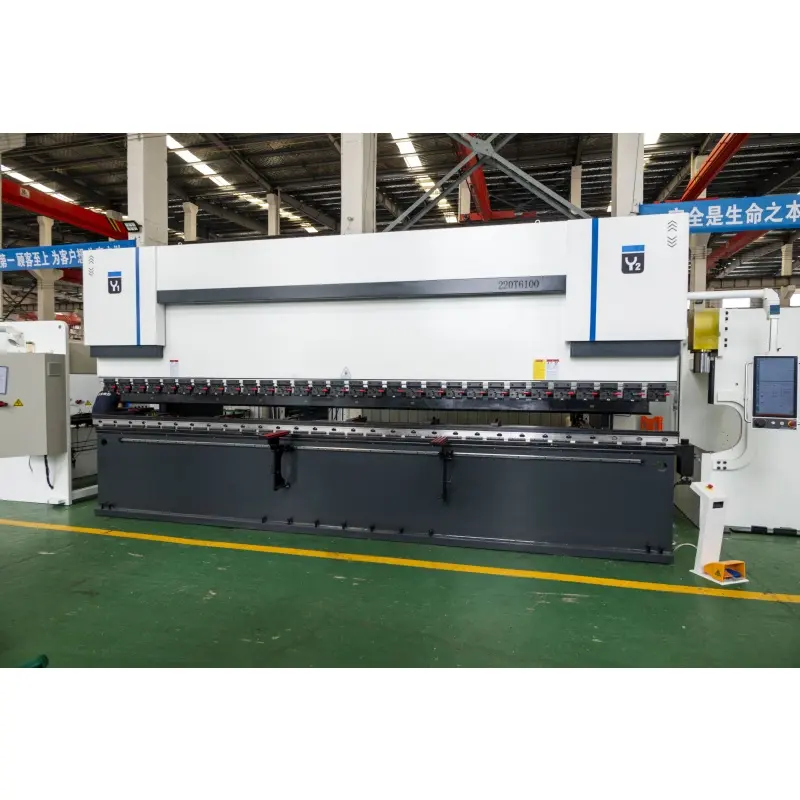
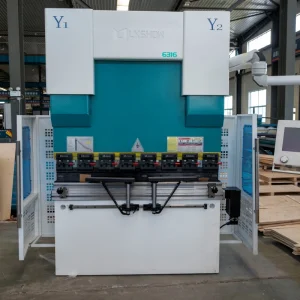
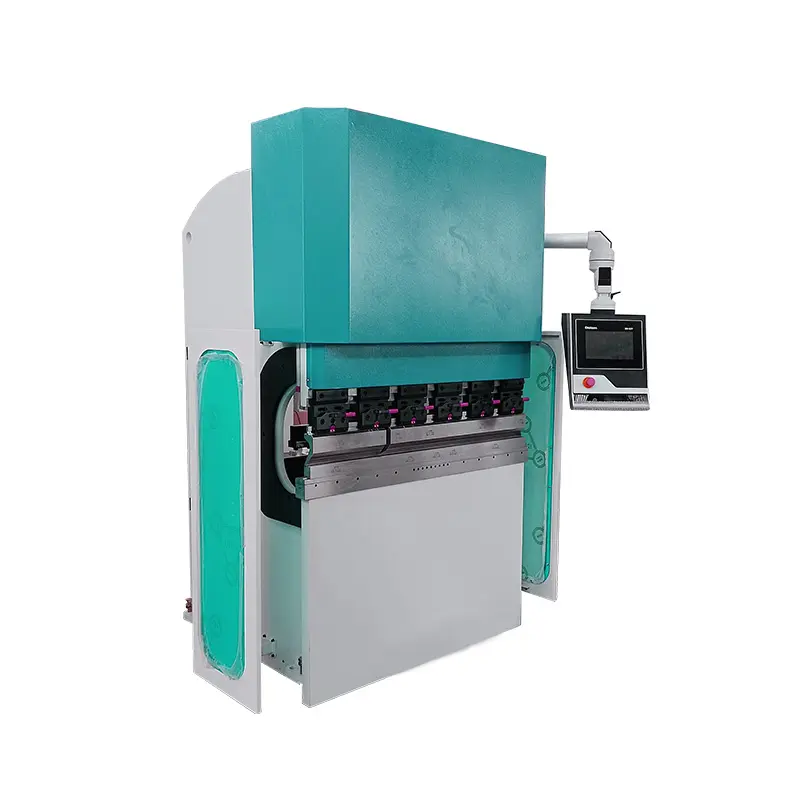
Precision metal forming press brakes engineered for reliable angular tolerances and continuous production work.
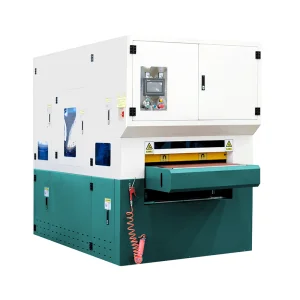
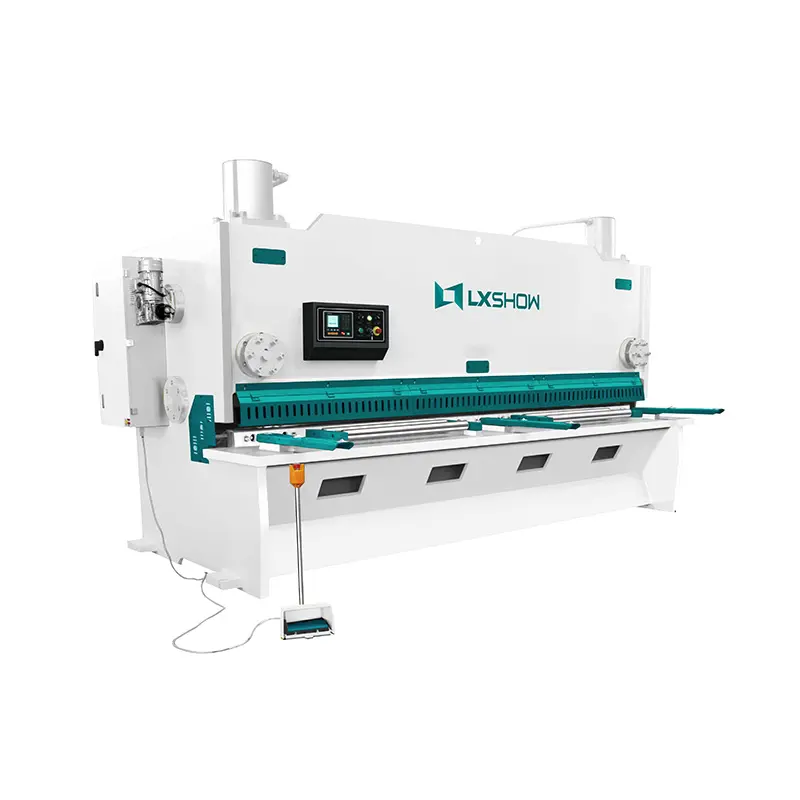
Reliable sheet metal sizing tools designed for clean edge preparation before forming or laser processing.
 Lxshow