Explore our premium industrial equipment catalog, delivering heavy-duty capabilities for global supply chains and local operations alike.
In modern industrial manufacturing, precision, material efficiency, and rapid supply chain turnarounds are no longer mere operational options; they are core requirements for global market competitiveness. Original equipment manufacturers (OEMs), Tier 1 aerospace suppliers, and structural steel fabricators increasingly search for "stainless steel laser cutting near me" not because they require simple physical proximity, but because they seek a trusted partner capable of bridging the gap between local design compliance and global production economics. This industrial whitepaper explores the current state of precision laser technologies, focusing on why integrating high-performance equipment is the definitive path forward for scaling enterprises.
SEO Insight & Information Gain: Localized search queries in metal fabrication signal a critical need for quick-turn prototyping, reliable localized field support, and regional compliance. True operational efficiency, however, relies on partnering with a globally capable manufacturer with deep direct-to-factory resource advantages.
Stainless steel, particularly austenitic alloys (such as AISI 304 and 316) and duplex variants, exhibits distinct thermal and physical properties that demand specific laser parameters. Unlike mild steel, which can be easily processed with oxygen-assisted cutting, stainless steel requires inert gas cutting (primarily high-purity nitrogen or argon) to prevent oxidation along the kerf edge.
By preventing oxygen from reacting with the molten metal, nitrogen-assisted fiber laser cutting ensures a bright, oxide-free edge. This is crucial for down-stream welding operations, where the presence of a microscopic oxide layer can compromise weld integrity, leading to porosity or joint failure. Fiber lasers, operating at a wavelength of approximately 1.06 microns, offer absorption rates in stainless steel that are three to four times higher than conventional CO₂ lasers. This allows for unmatched speed and processing capabilities, particularly in sheet thicknesses ranging from 0.5mm to over 50mm.
Procurement departments worldwide are moving away from fragmented supply chains. Today's sourcing strategy prioritizes single-source partners who can deliver not just raw cutting, but a fully realized vertical chain of production. This includes:
High-end manufacturing demands stringent quality certifications. To serve industries like aerospace, automotive, medical, and semiconductor processing, machinery must comply with global frameworks. All LXSHOW machinery is certified to the European Union's CE authentication standards, the United States FDA certificate requirements, and the ISO 9001 quality management framework. This ensures that whether you run a localized precision shop in North America or a high-volume factory in Southeast Asia, the equipment meets the absolute highest safety and operational standards.
The manufacturing world is on a clear path toward the "Smart Factory" paradigm. By integrating Internet of Things (IoT) sensors, automated material loading towers, and intelligent nested programming software, modern sheet metal workshops are drastically reducing waste and maximizing plate yields. Our long-term mission is clear: before 2040, LXSHOW will be recognized as one of the most important companies in the global laser field, actively driving smart manufacturing transitions and helping partner firms establish their own Industry 4.0 production environments.
Different materials require specialized handling. The table below highlights the performance guidelines across the spectrum of metal alloys processed by modern fiber lasers and ancillary equipment:
Our technologies are calibrated to handle a wide range of ferrous and non-ferrous materials. Click through or contact our team for tailored cutting parameters.
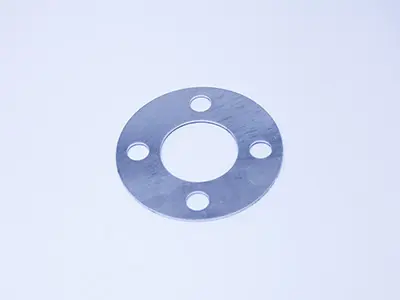
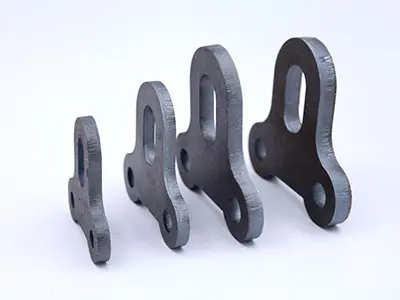
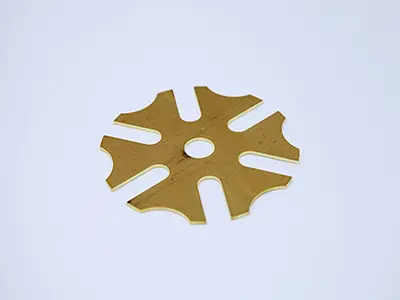
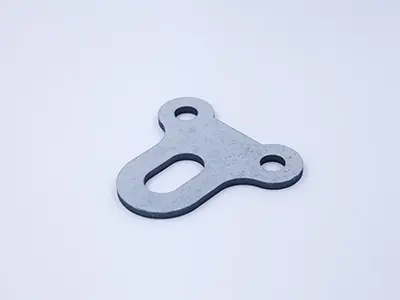
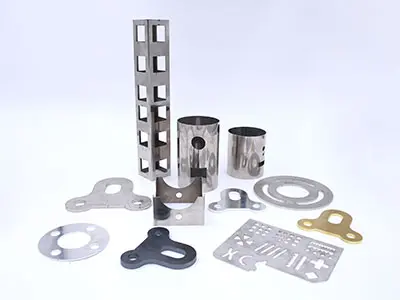
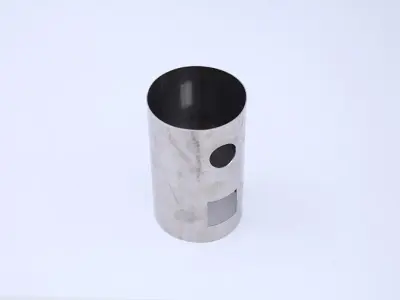
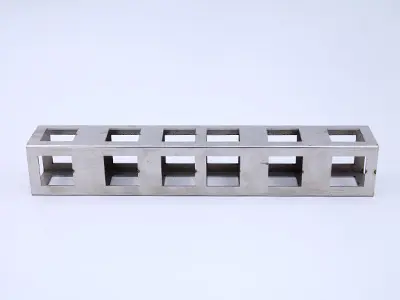
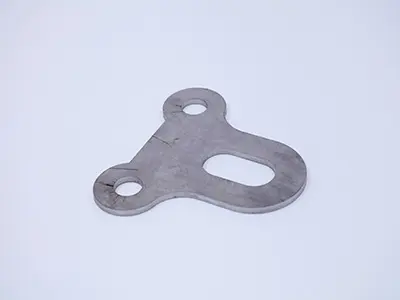
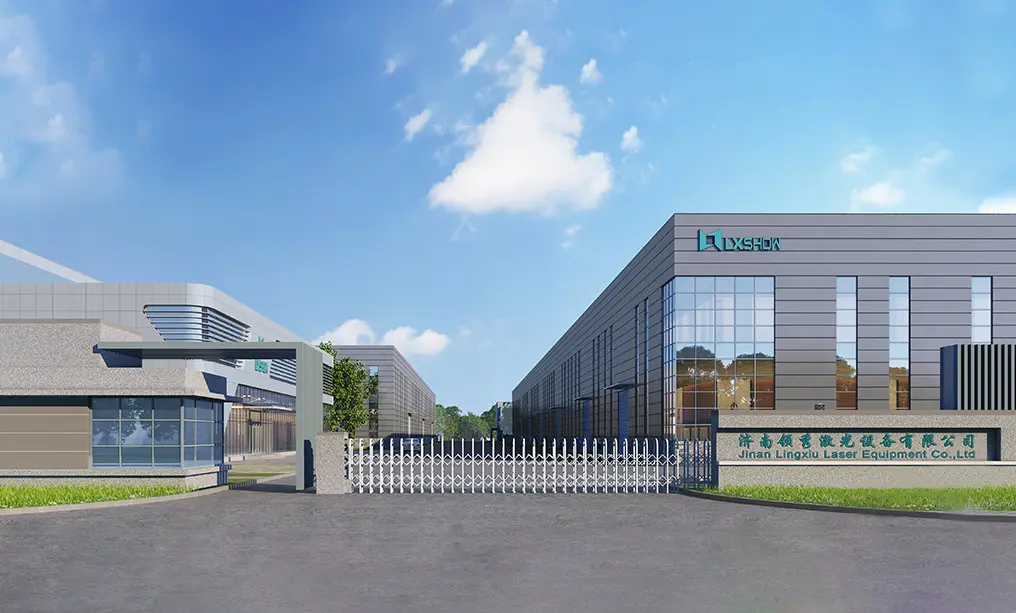
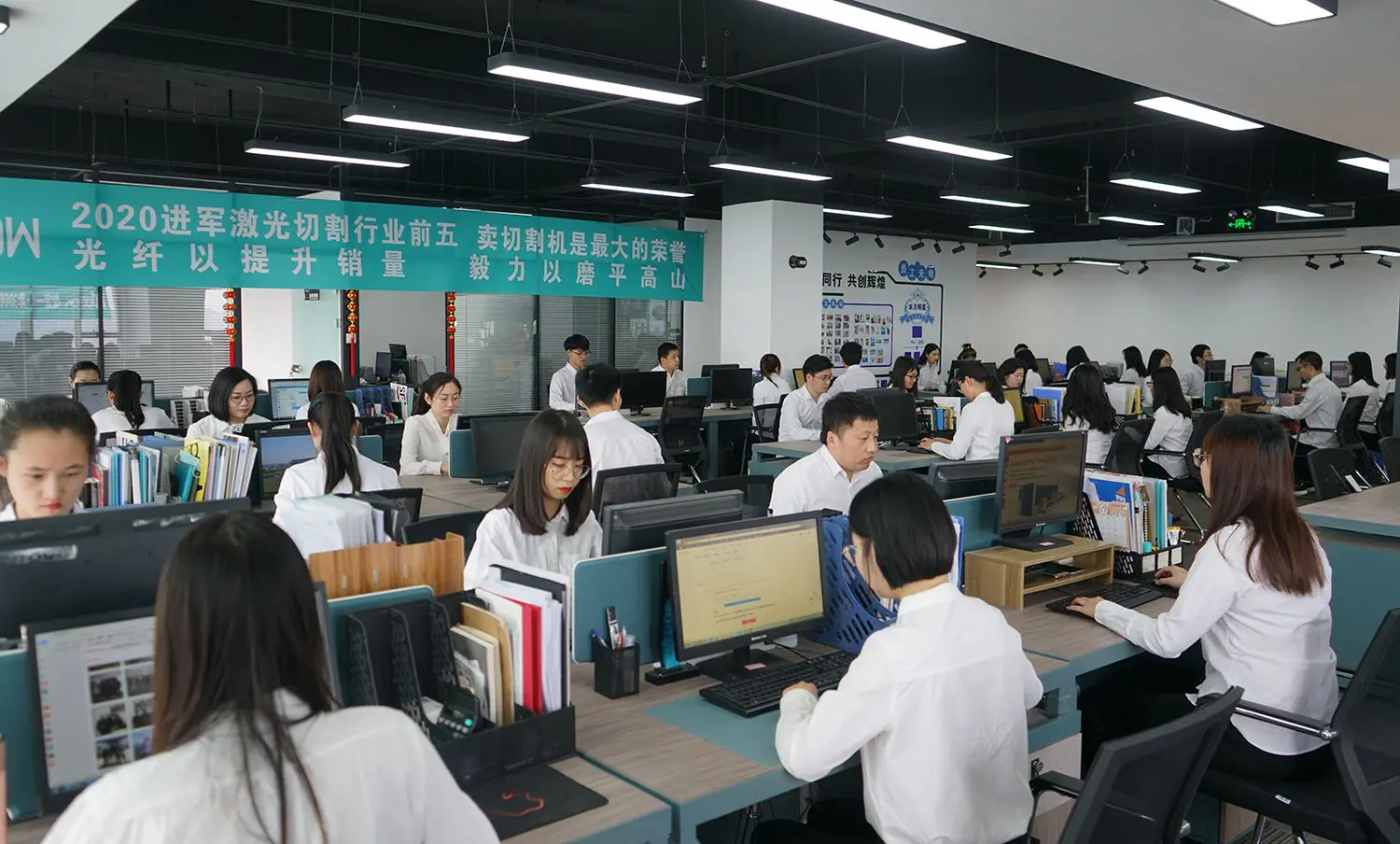
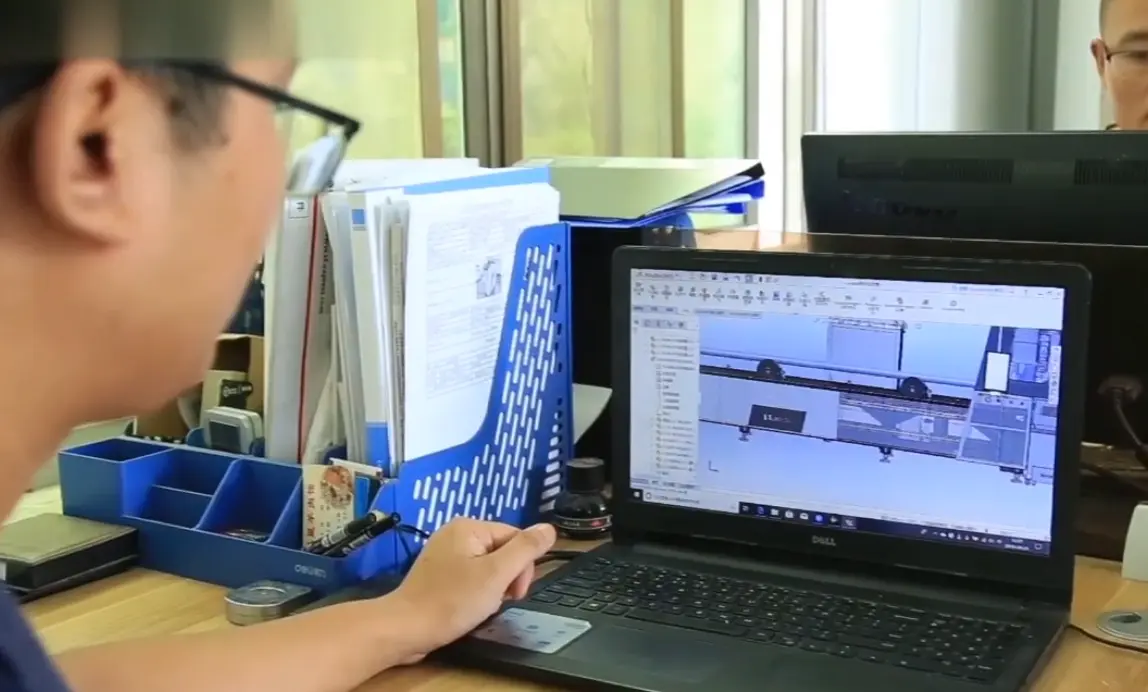
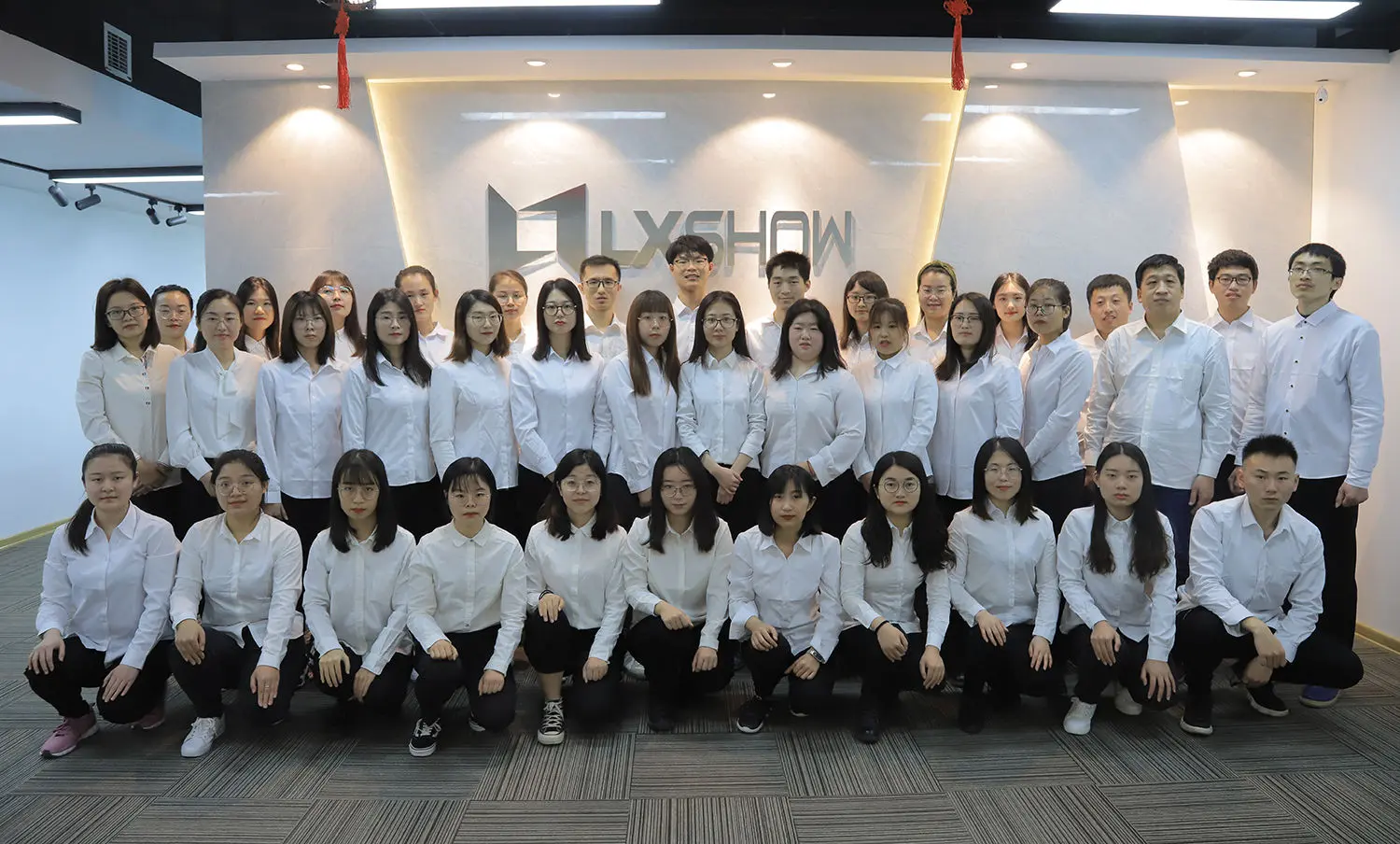
A transparent look at our industrial infrastructure where standard machinery and custom systems are designed, constructed, and calibrated.
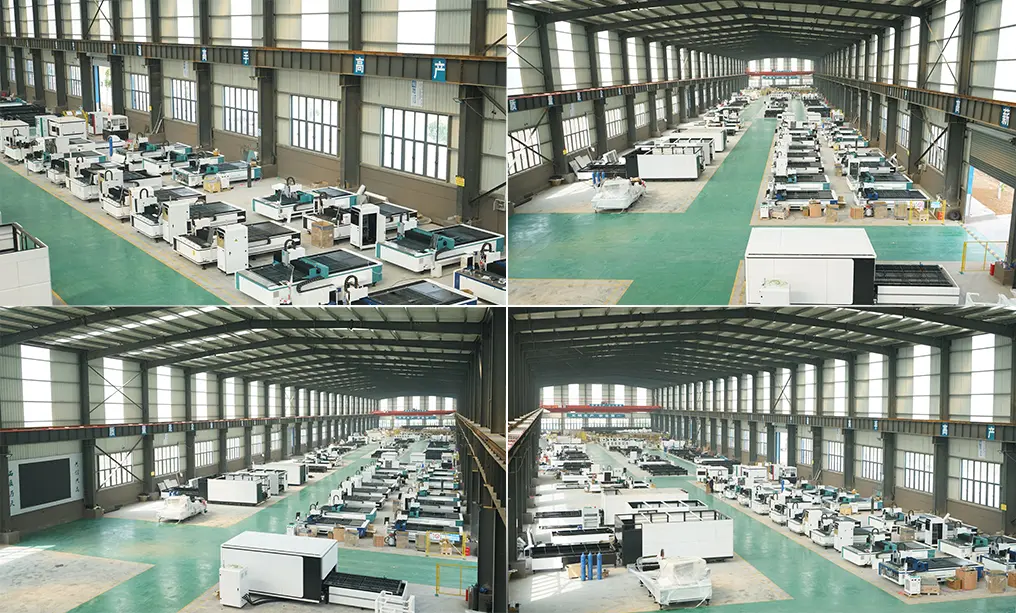
Technical insights addressing the queries of engineers, procurement officers, and plant managers.
Nitrogen functions as an inert shielding gas. During the laser melting phase, it physically expels the molten stainless steel from the kerf before it reacts with oxygen in the atmosphere. This prevents the formation of chrome oxides on the cut face. The resulting edge is clean, bright, and directly weldable without requiring secondary grinding or acid pickling, preserving the corrosion-resistant properties of the parent metal.
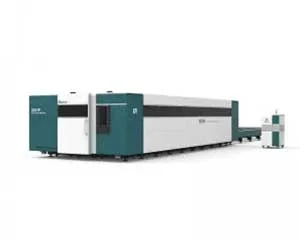
Modern high-power fiber laser machines (ranging from 12kW up to 30kW and above) can cleanly cut stainless steel up to 50mm and thicker. For optical quality and post-processing optimization, thicknesses up to 25mm can be cut with minimal dross. Beyond 30mm, careful adjustment of focal position, nozzle diameter, and gas flow is required to maintain verticality and surface finish.
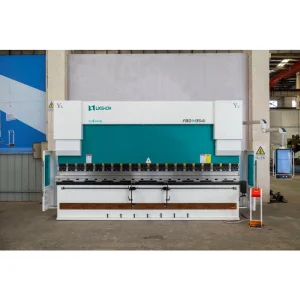
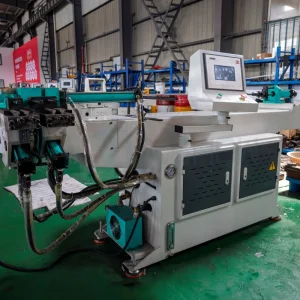
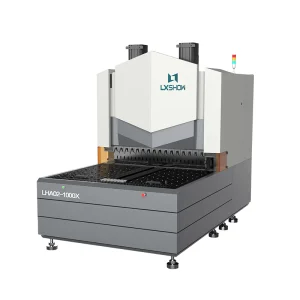
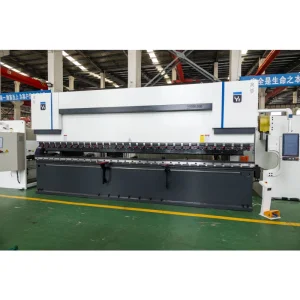
Our WE67K series electro-hydraulic servo bending machines are equipped with advanced CNC controllers that import standard CAD/CAM nesting files. This means flat shapes processed on our fiber laser cutters can be immediately routed to the press brake, where the automated backgauge coordinates match the calculated flat bend lines. This eliminates manual configuration errors and guarantees dimensional consistency across large production batches.
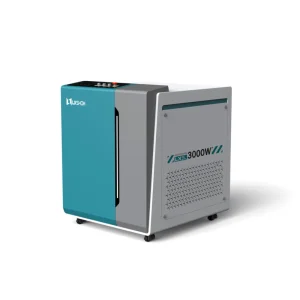
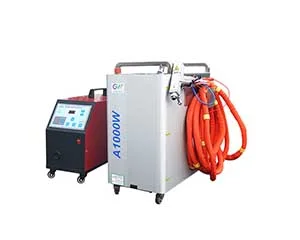
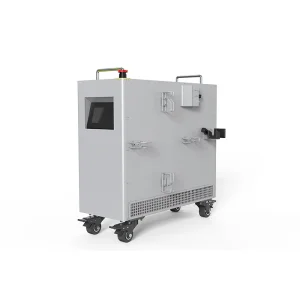
Yes. Our LXC series portable laser cleaning systems (offering power outputs such as 1500W, 2000W, and 3000W) utilize high-frequency pulsed lasers to vaporize heavy oxide scales, rust, and surface contaminants without affecting the base metal. This is highly effective for pre-weld preparation and post-weld clean-up, replacing hazardous chemical pickling pastes and abrasive sanding discs.
All LXSHOW machines carry full European Union CE authentication, American FDA registration for laser devices, and are manufactured under certified ISO 9001 quality management guidelines. This guarantees that your installation will comply with local occupational health and safety standards (such as OSHA in the US or CE directives in Europe).
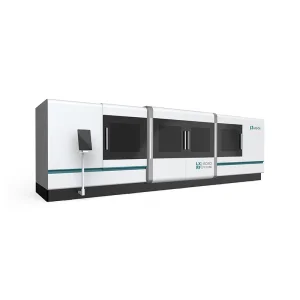
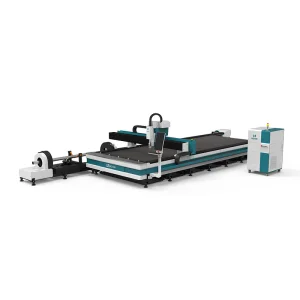
Absolutely. We currently provide OEM services to more than 30 major machinery brands worldwide. We can customize bed sizes (such as ultra-large format 20035LD models), laser power options, component branding (e.g., choice of Raycus, IPG, or Maxphotonics sources), controller software (CypCut, Beckhoff, etc.), and integrate automated loading/unloading towers to match your plant's workspace footprint.
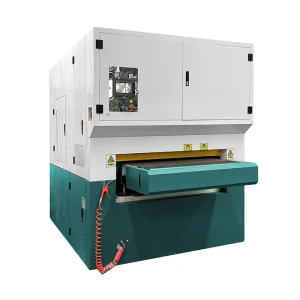
Complete your production line with our high-capacity CNC plate cutters, industrial sheet metal benders, and portable fiber laser systems.
 Lxshow