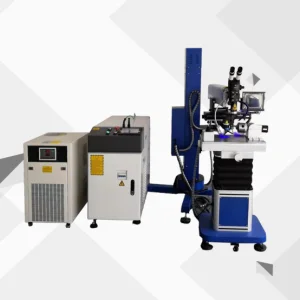
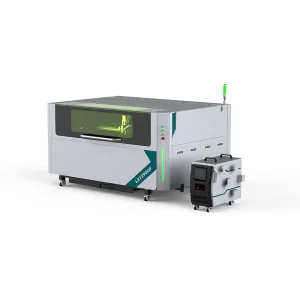
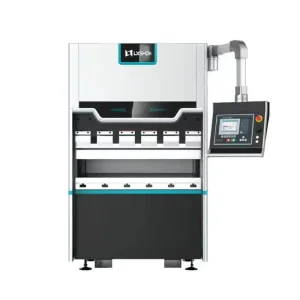
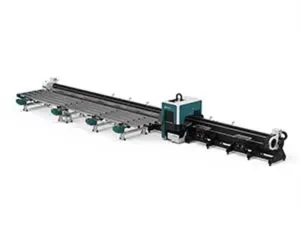
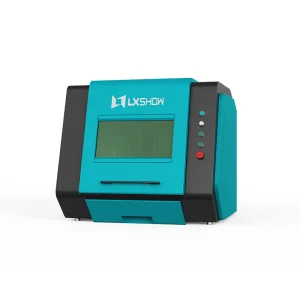
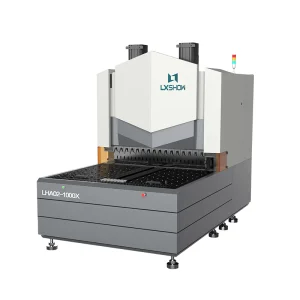
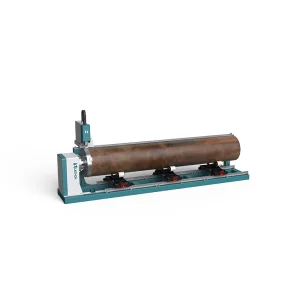
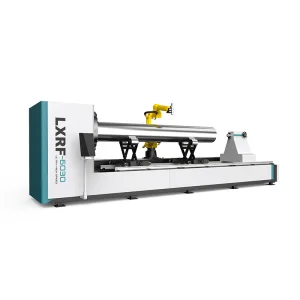
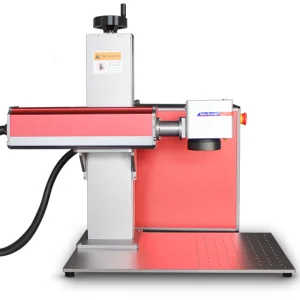
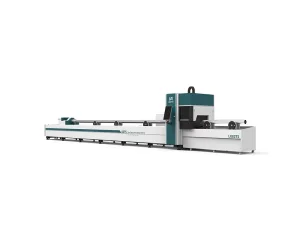
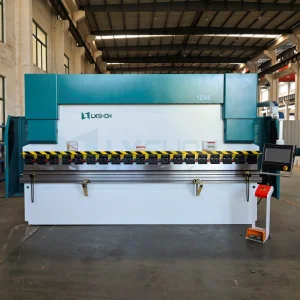
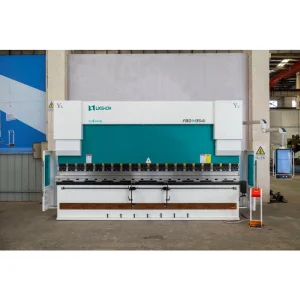
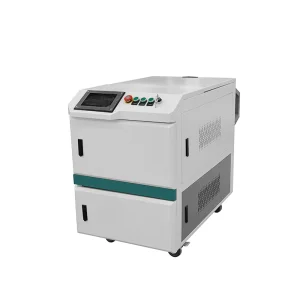
Explore our flagship industrial CNC laser cutting, bending, and specialized welding machinery engineered for optimal throughput and repeatability.
In modern industrial fabrication, processing stainless steel (Ss) requires an intricate control of thermal input, mechanical dynamics, and chemical gas dynamics. Unlike mild steel, stainless steel contains significant chromium (typically >10.5%) and nickel content, which significantly affects its molten flow behavior, reflectivity, and heat dissipation characteristics. As a leading Custom Ss Laser Cutting Machine Manufacturer & Manufacturers, our systems are optimized to overcome the inherent challenges associated with processing stainless steel alloys (such as austenitic grades 304 and 316, ferritic grades 430, and duplex variations).
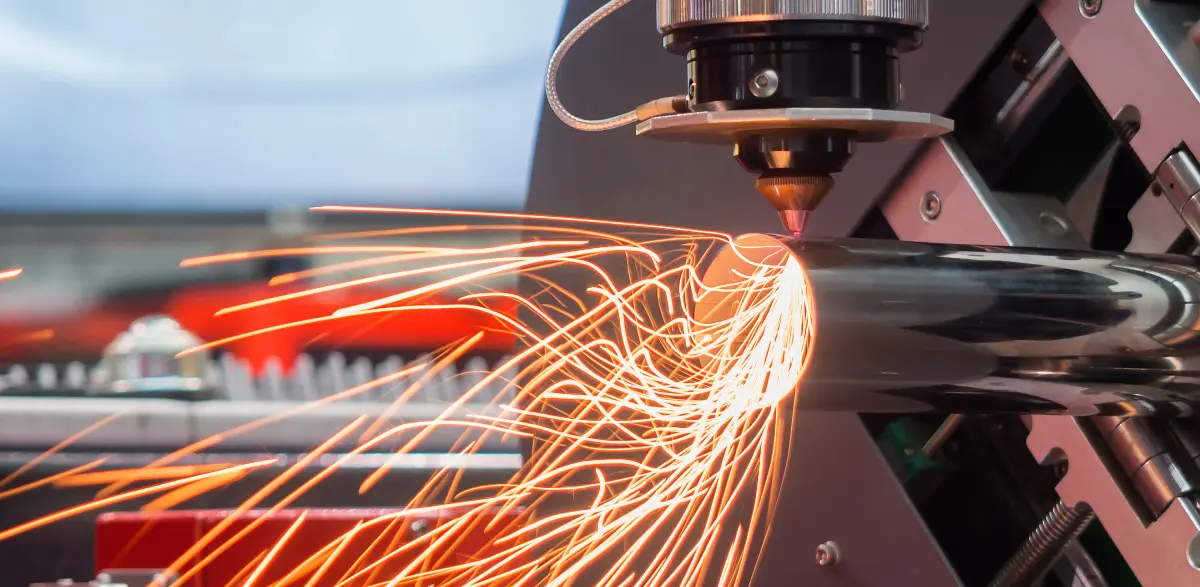
Our heavy-duty fiber laser cutting platforms leverage high-brightness solid-state laser resonators, which generate wavelengths near 1.07 μm. This specific spectral band guarantees superior optical absorption in stainless steel compared to obsolete CO2 laser systems. By combining cutting-edge fiber laser resonators with direct-drive high-acceleration gantry kinetics, we ensure minimal Heat Affected Zones (HAZ), eliminating structural distortion and micro-cracking across thin-gauge surgical materials up to heavy architectural structural plates.
To remain competitive in the era of Industry 4.0, manufacturing enterprises must transitions from standalone cutting units to integrated, data-driven production cells. Our custom Ss laser systems act as the primary operational node in modern smart factories. By establishing deep API integrations with leading MES (Manufacturing Execution Systems) and ERP databases, our CNC software suite enables real-time throughput monitoring, automated predictive maintenance alerts, and seamless batch scheduling.
Designed to interface directly with automatic loading and unloading lifters to decrease non-cutting cycle times and maximize operator safety.
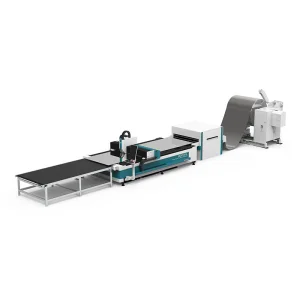
Advanced automatic decoiling, leveling, and fiber cutting cycles integrated for high-volume automotive parts, container manufacturing, and HVAC ducting.
Continuous sensor arrays monitor gantry vibration, collimator lens temperature, and nozzle alignment, reducing unexpected downtime by up to 45%.
The global demand for customized stainless steel laser cutting machines is driven by regional industrial strategies. In Western Europe and North America, strict sanitary guidelines in the food, beverage, and medical device manufacturing sectors mandate high-precision cutting without carbon contamination. Meanwhile, in developing economic corridors across Asia-Pacific and South America, infrastructure expansions have accelerated the demand for heavy-duty plate fabrication and structural piping systems.
As a global partner supplying solutions to over 150 countries, we understand that standard equipment configurations rarely suffice. Our manufacturing facilities provide tailored system engineering—such as specialized sheet and tube dual-purpose chassis designs (like the Custom LX1390QF) or heavy-duty three-chuck tube processing setups (such as the ODM LX123TX). This structural flexibility empowers enterprises to scale operational outputs in alignment with regional commercial dynamics.
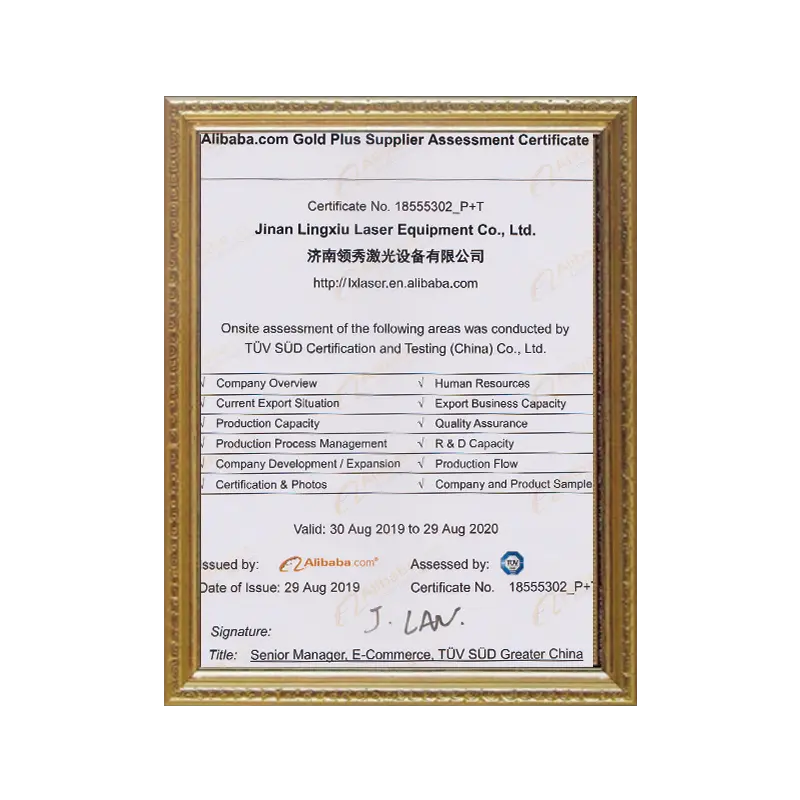
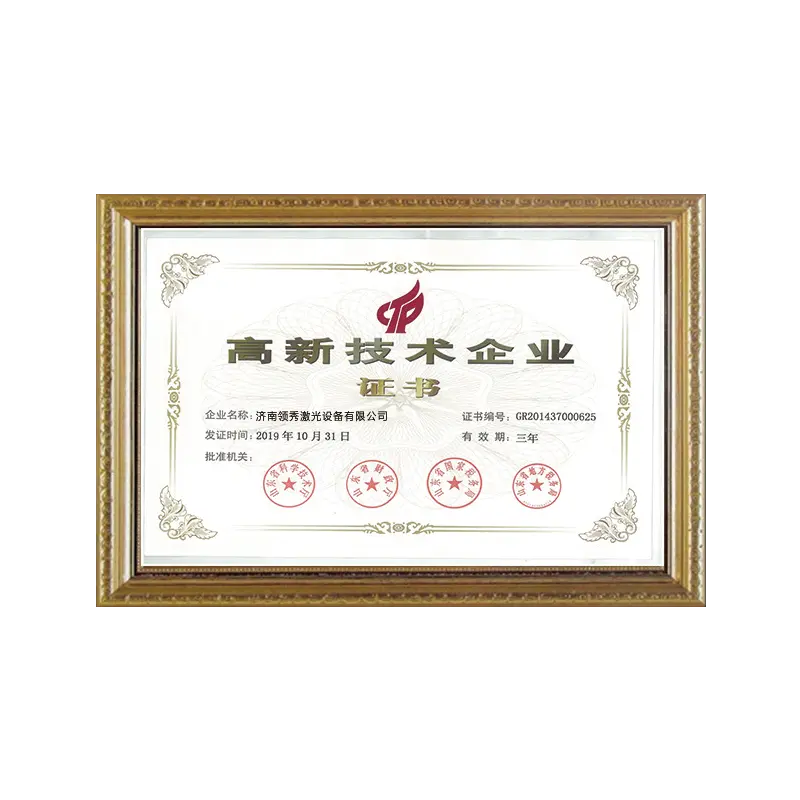
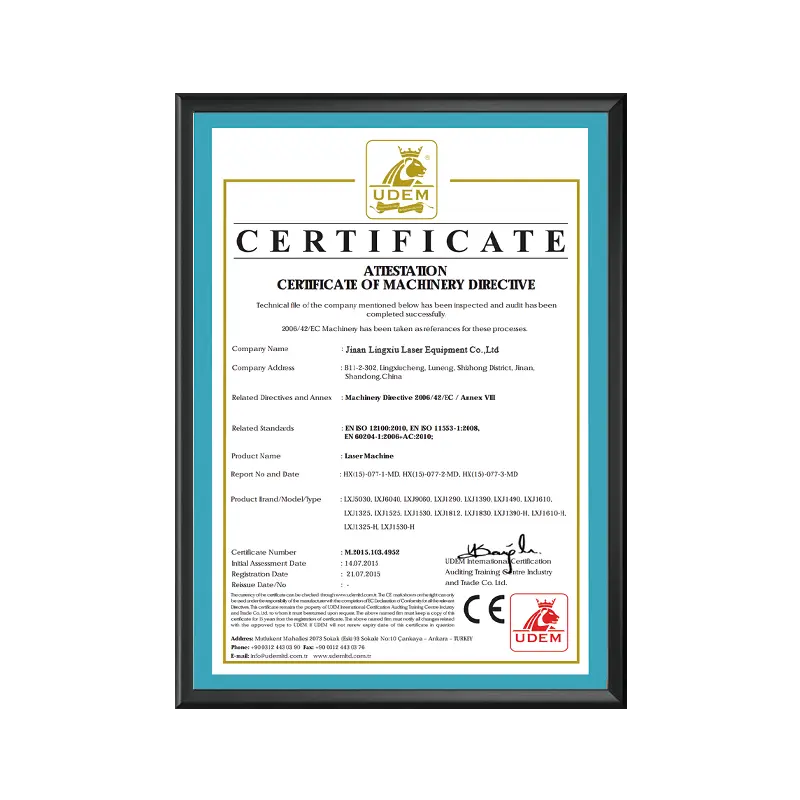
Operating high-power laser equipment requires strict adherence to international safety directives. As an ISO 9001 certified supplier, every fiber laser cutting system we deliver complies with the European Union CE machinery directives and American FDA laser product radiation standards (Class 4 enclosures). This guarantees a safe working environment and mitigates legal liabilities for our partners.
Furthermore, we support our installations with localized technical teams located in major markets worldwide. We provide extensive hands-on operational training, routine maintenance contracts, and a continuous inventory of genuine replacement optics, cutting heads, and nozzles. We ensure that our global user base of over 20,000 manufacturers has immediate access to critical engineering support when they need it most.
Our global footprint in manufacturing excellence, helping metal fabricators scale worldwide.
The core capability of our custom systems lies in their high degree of configuration adaptability. Rather than offering one-size-fits-all products, we carefully engineer machine structures based on the target material characteristics and thickness profiles. This process includes optimizing the optical beam shape, adjust the focus depth, and utilizing customized nitrogen/oxygen auxiliary gas assist delivery networks.
Stainless steel grades react uniquely under high-energy laser interaction:
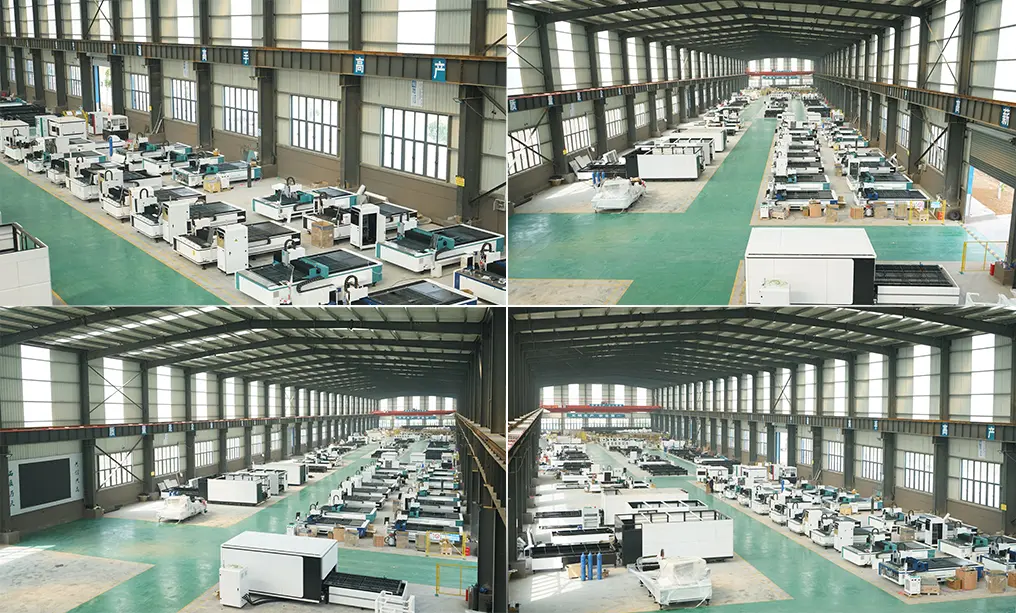
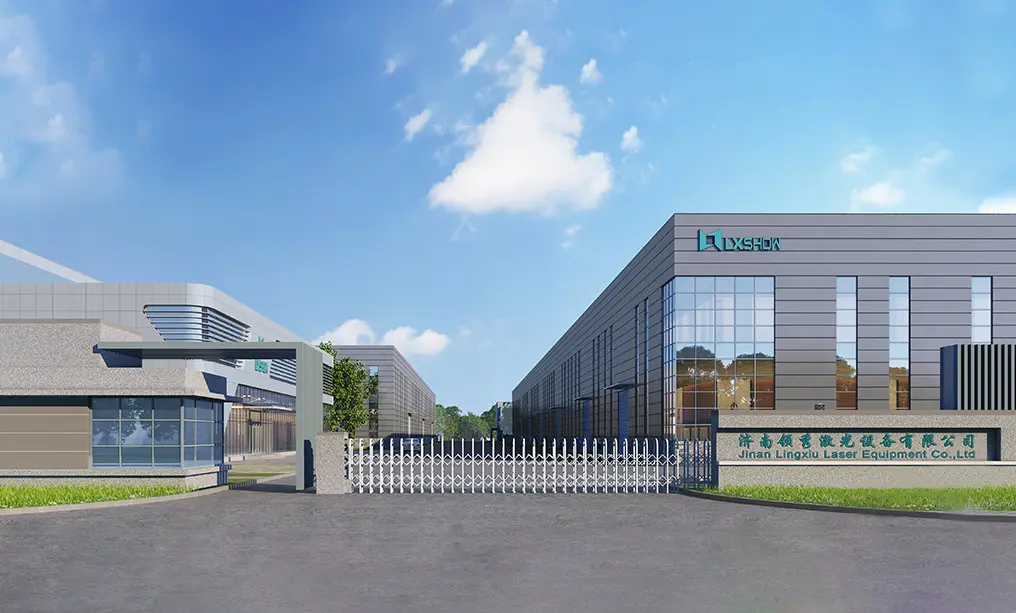
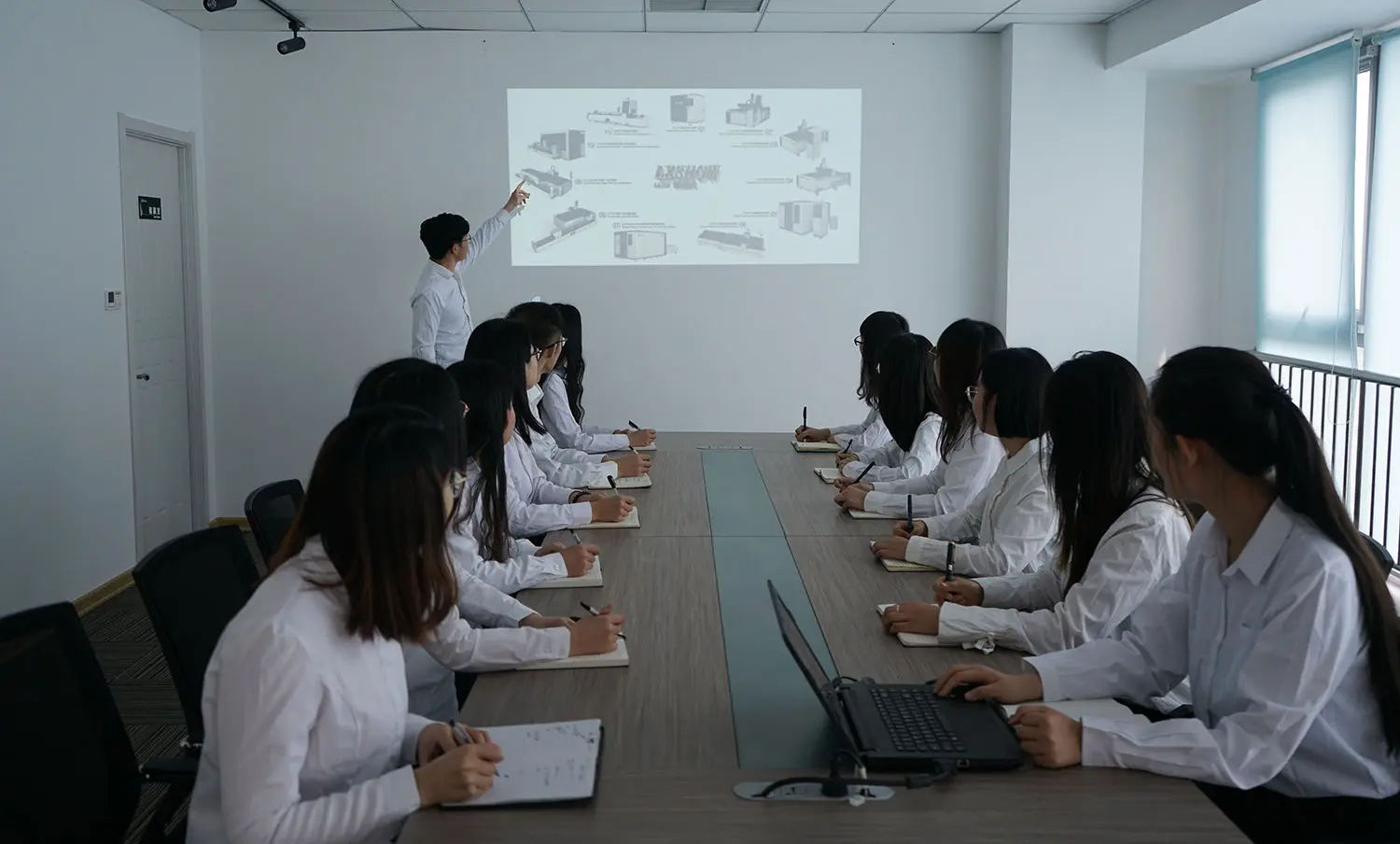
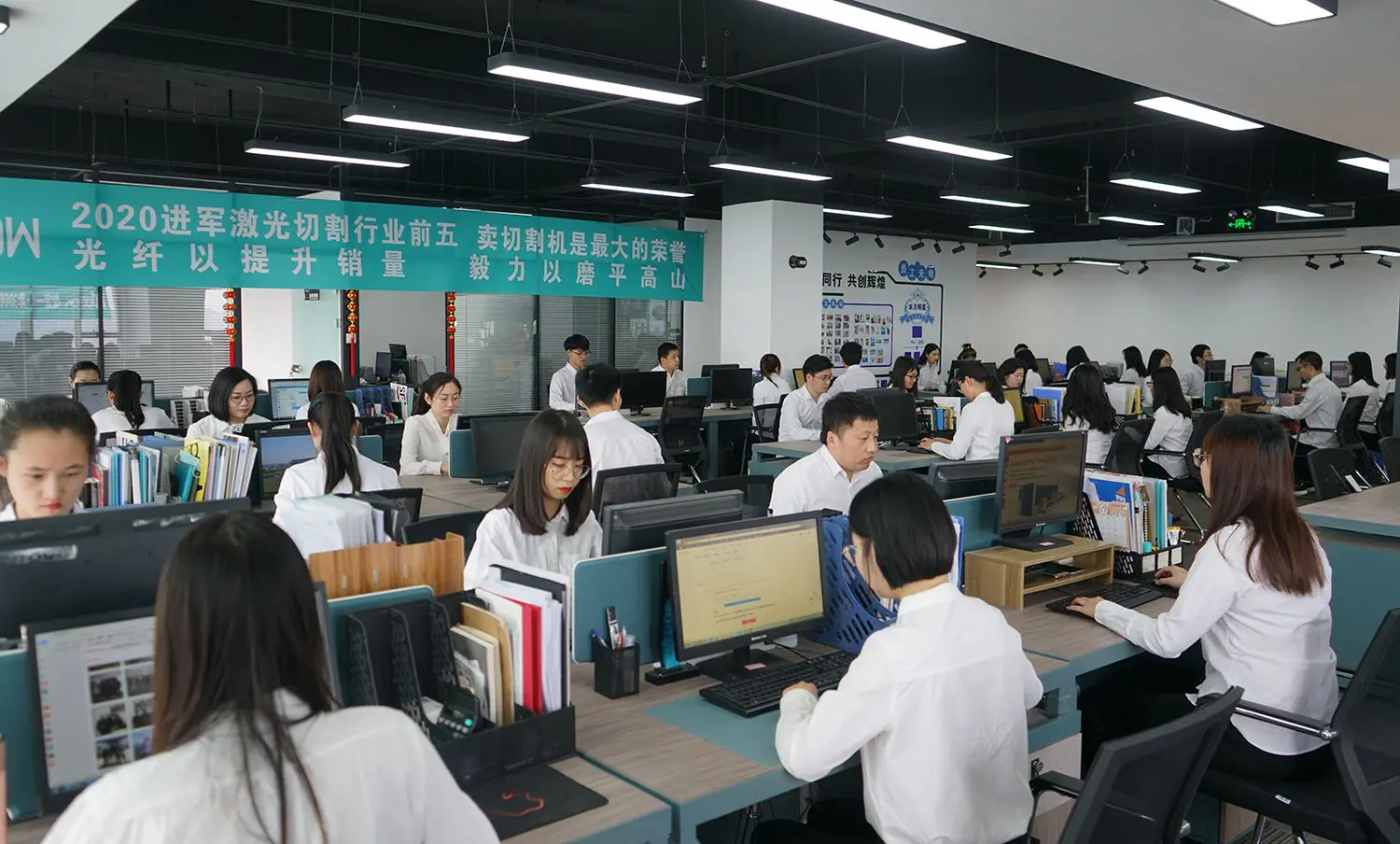
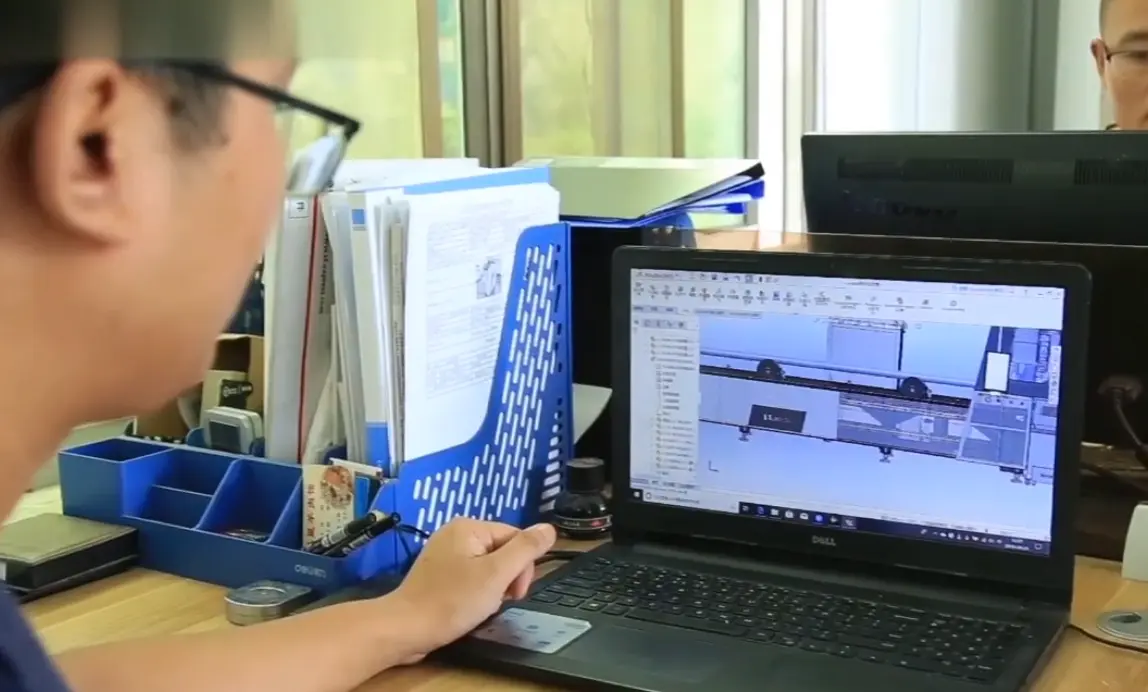
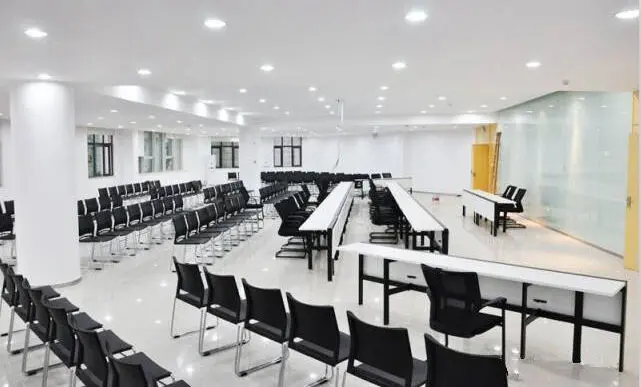
Take a visual tour through our state-of-the-art manufacturing plants, machine design department, and regional client training spaces.
Our long-term manufacturing blueprint is aligned with emerging industrial demands through 2040. We are actively researching and integrating key technological upgrades into our next-generation product portfolio:
Our fiber laser systems are configured to process a broad range of materials across major industrial sectors, including packaging, automotive, jewelry, aerospace, medical tooling, and rubber industries.
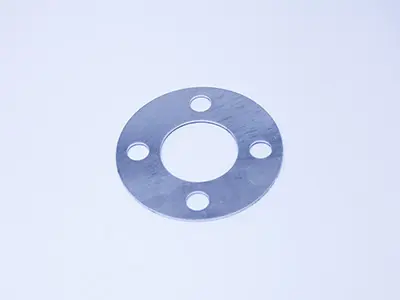
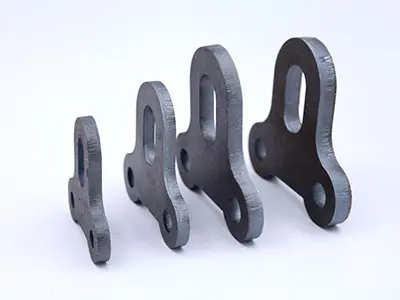
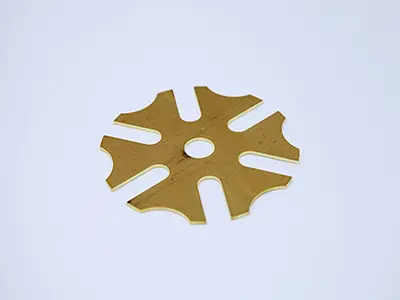
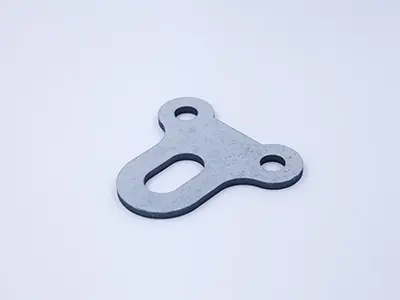
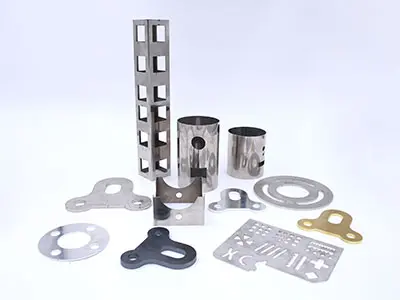
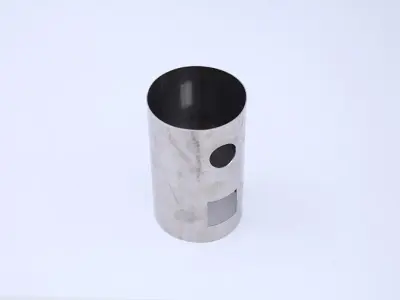
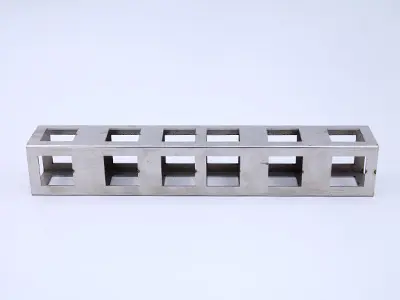
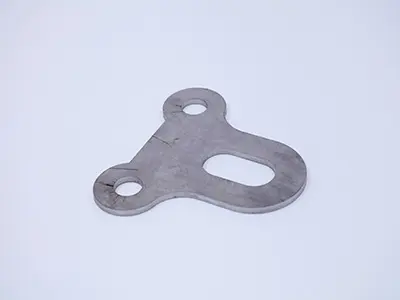
High-resolution inspection highlights demonstrating structural weld designs, laser cutter gantry dynamics, and completed components.
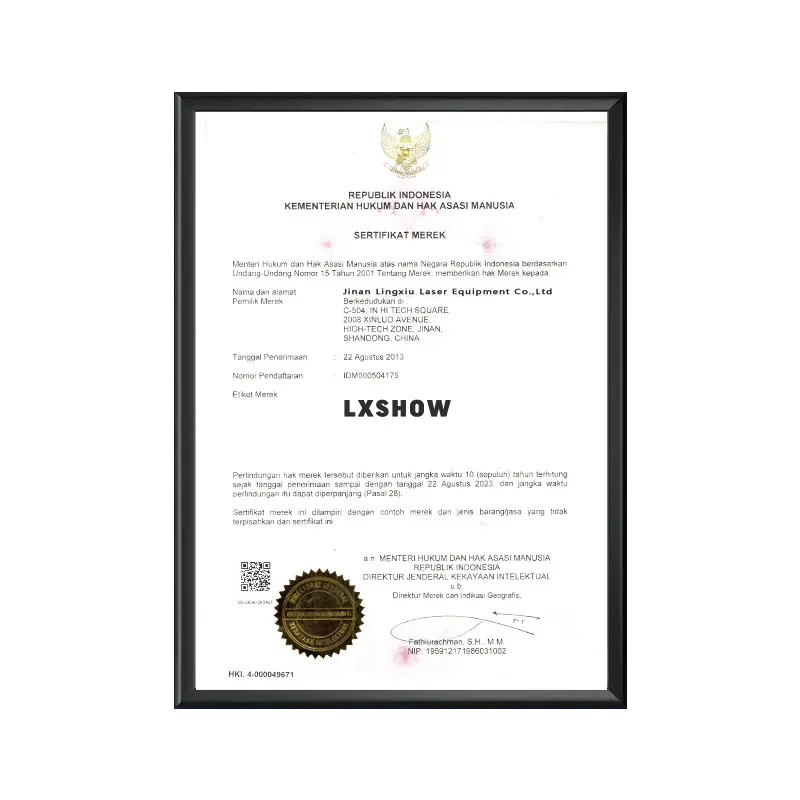
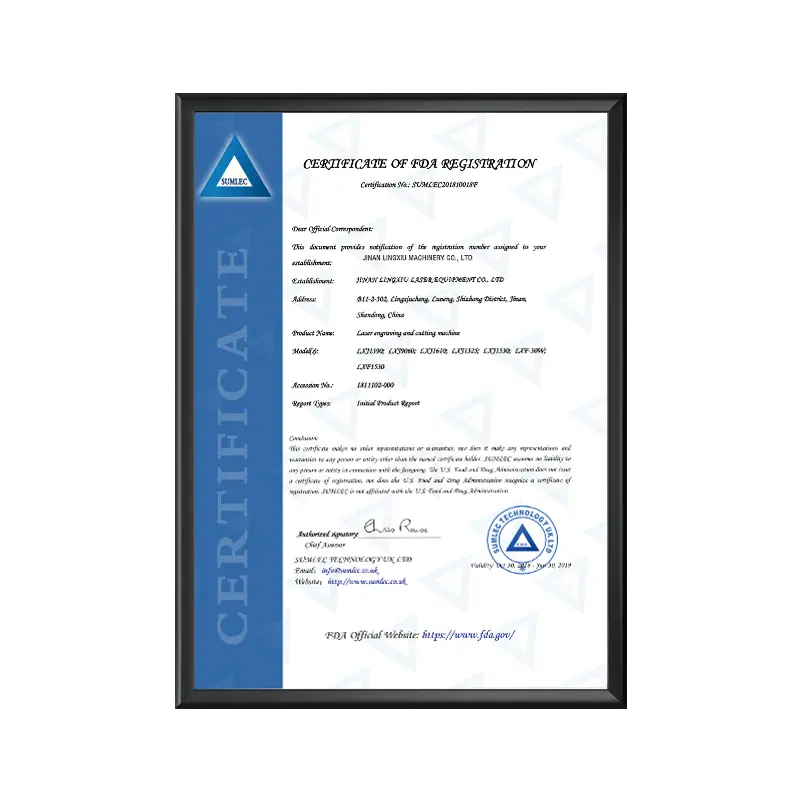
Comprehensive list of mechanical subclasses engineered for sheet, profile, and tube machining processes.
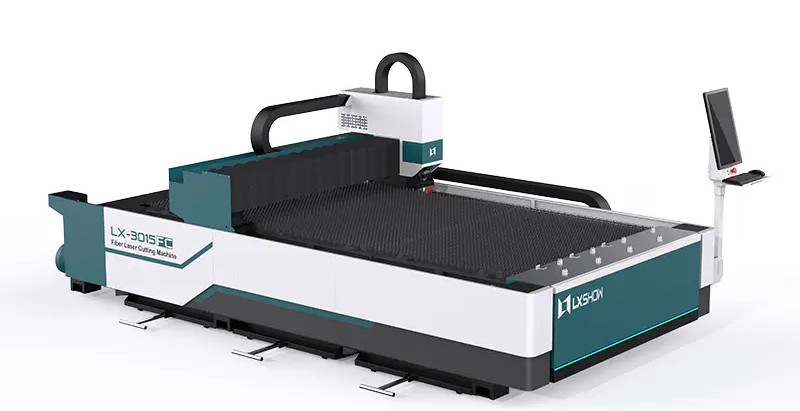
Primary industrial cutting arrays optimized for flat metal panels.
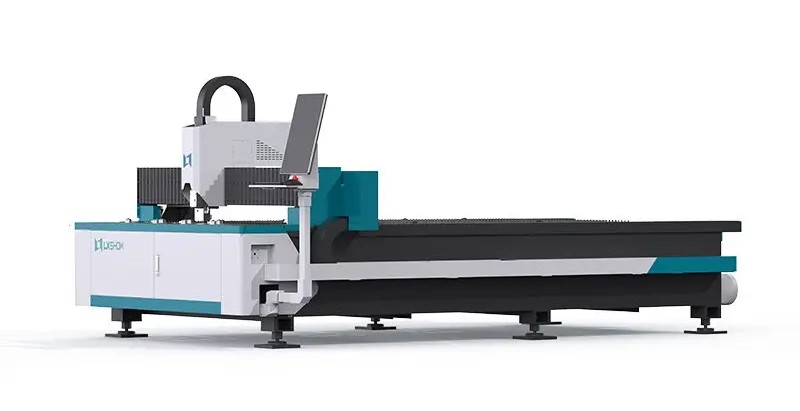
Focused planar fiber cutting solutions with exchange loading systems.
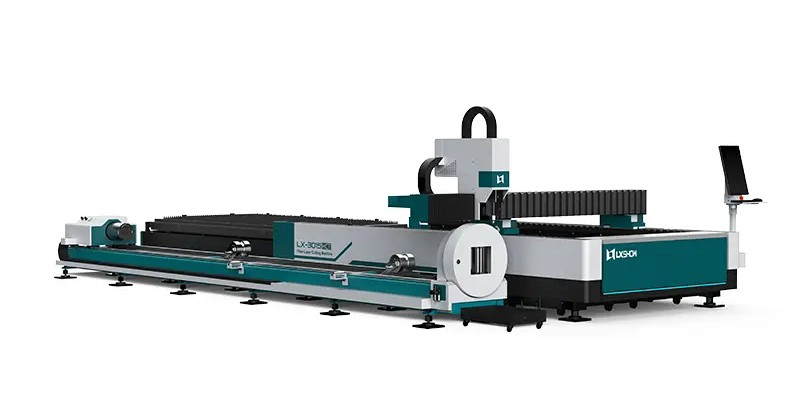
Dual purpose processing center designed for plates and profiles.
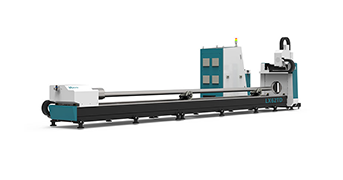
Rotary chuck systems for processing round, square, and oval tubing.
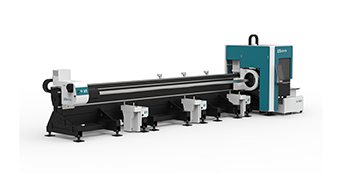
Automated high-speed pipe indexing configurations.
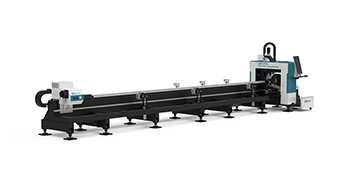
Heavy structural beam cutting and channel processing.
Get expert engineering answers to the most common questions regarding stainless steel fiber laser processing and machine selection.
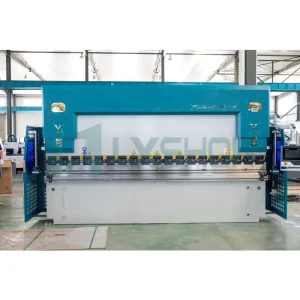
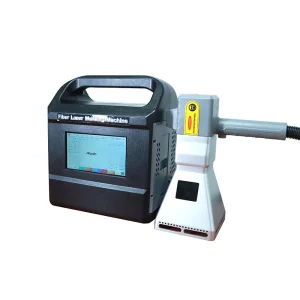
Complete your manufacturing line with our specialized bending, sheet rolling, cladding, and localized handheld fiber cleaning systems.
 Lxshow