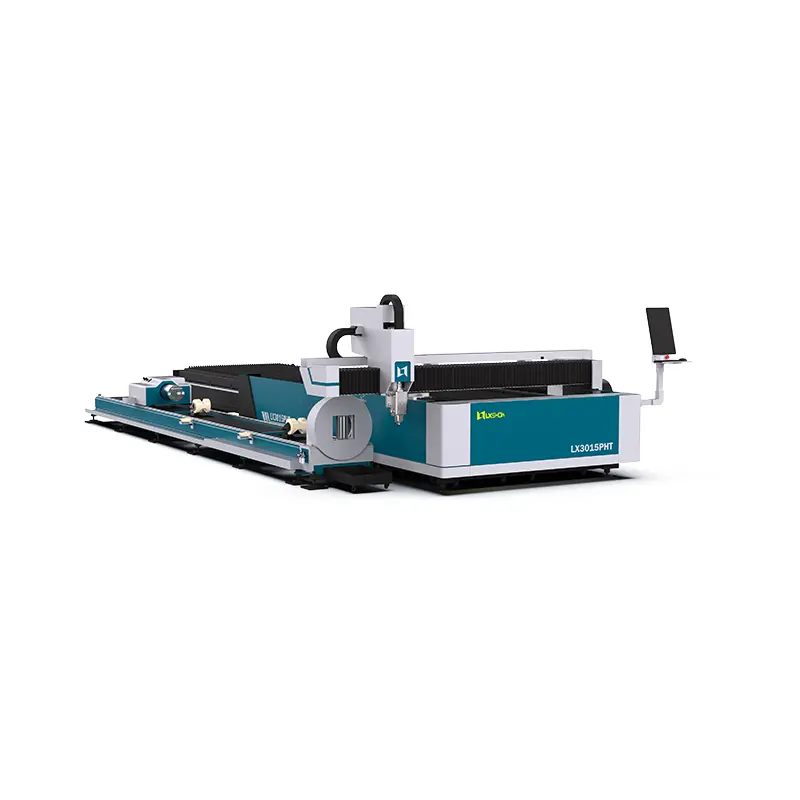
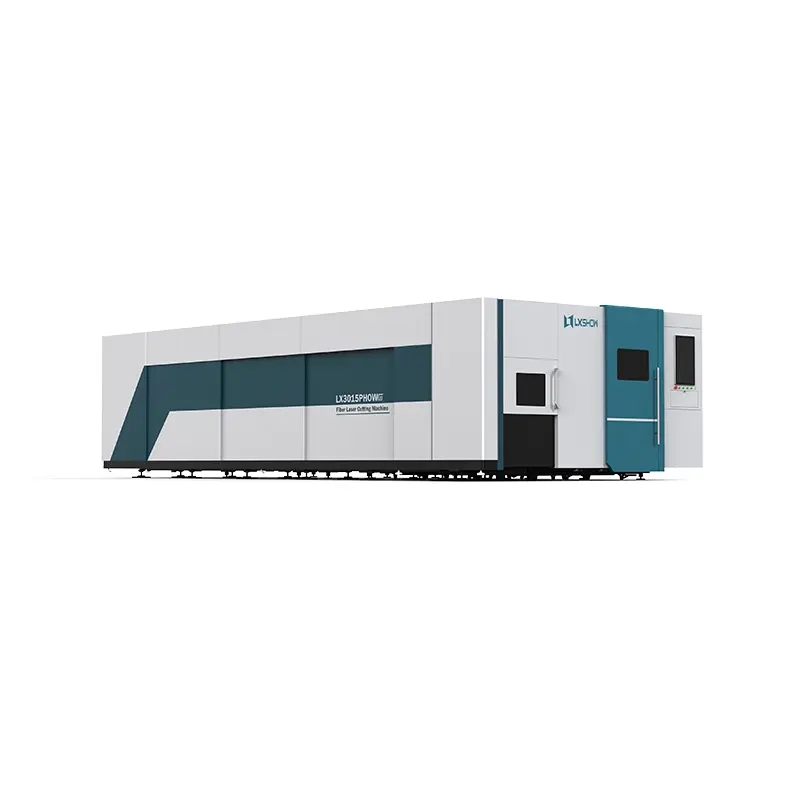
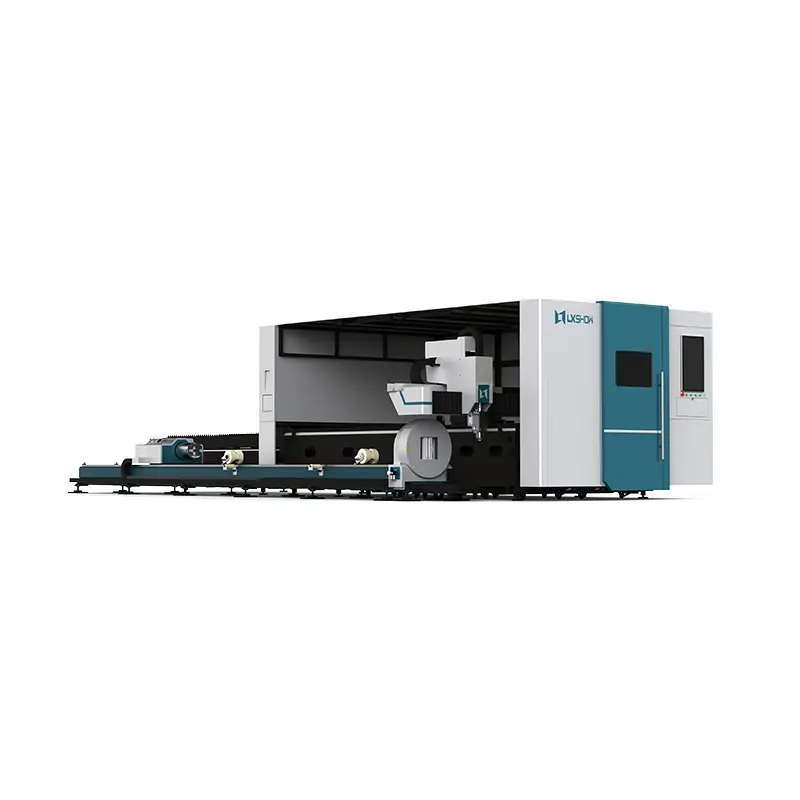
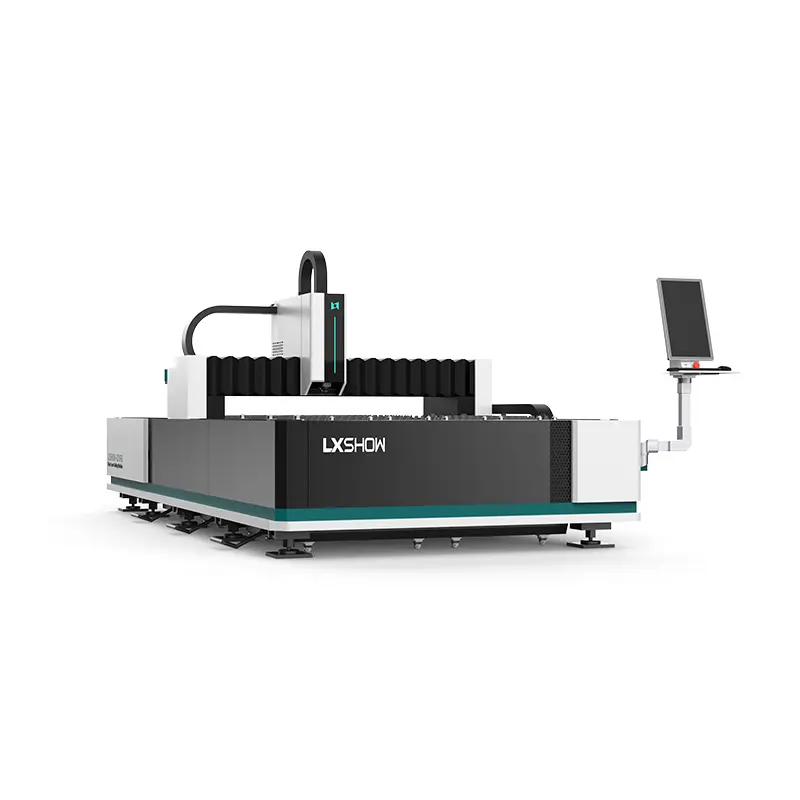
Explore our flagship series of advanced fiber laser cutting, cleaning, and fabrication equipment, engineered to deliver outstanding reliability and precision across diverse industrial applications.
Deciphering the evolution of high-power thermal cutting, adaptive optical beam shapes, and mechanical precision.
Over the past decade, fiber laser technology has transitioned from low-power processing to ultra-high-power regimes exceeding 30kW. As a premier custom fiber laser cutting machines supplier, our technological roadmap focuses heavily on maintaining beam quality (Beam Parameter Product - BPP) at extreme power densities. By integrating smart optical heads with motorized focus adjustment and adaptive collimation, we minimize thermal lensing effects that historically degraded cut quality during continuous operation.
Our next-generation systems employ active beam shaping (ABS) technologies. This allows operators to modify the laser beam intensity profile—switching between a high-intensity single-mode core for rapid sheet cutting and a wider donut-shaped ring profile for thick carbon steel plates. This dynamic capability improves edge smoothness, eliminates slag adhesion, and reduces the need for secondary deburring processes, providing substantial savings in labor and processing times.
Aligned with our commitment to shape the future of smart manufacturing, our long-term roadmap targets full integration with Cyber-Physical Systems (CPS). By 2040, we aim to be a defining force in autonomous laser processing. We are actively developing neural-network-driven sensor arrays that read backscattered light during the cut to detect kerf variations instantly. If a micro-void in the metal alloy is detected, the CNC controller alters output power, feed speed, and gas pressure dynamically to prevent failure.
This predictive methodology extends beyond cutting to our laser cleaning and welding portfolios. The transition from reactive diagnostics to preventive optimization ensures that future plants can operate 24/7 without human intervention, maintaining flawless accuracy and consistency.
An inside look at our integrated production facilities, quality management systems, and specialized engineering divisions.
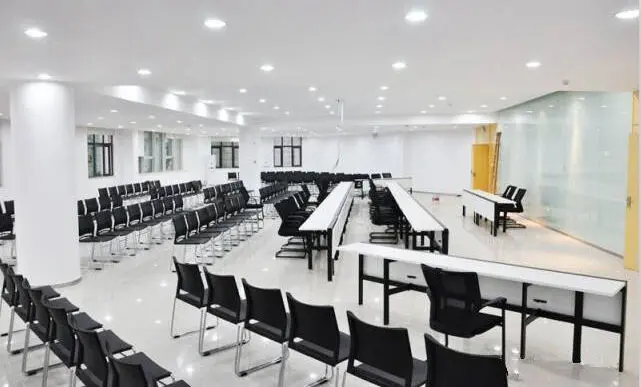
Based in our expansive 32,000 square meter factory, our manufacturing infrastructure is built upon the principles of Industry 4.0. From stress-relieving annealing furnaces that stabilize heavy gantry frames to temperature-controlled optical assembly clean rooms, every step is strictly monitored. All machine structural beds undergo thermal treatment at 600°C followed by natural aging to guarantee high dimensional stability and prevent deformation over years of high-speed acceleration.
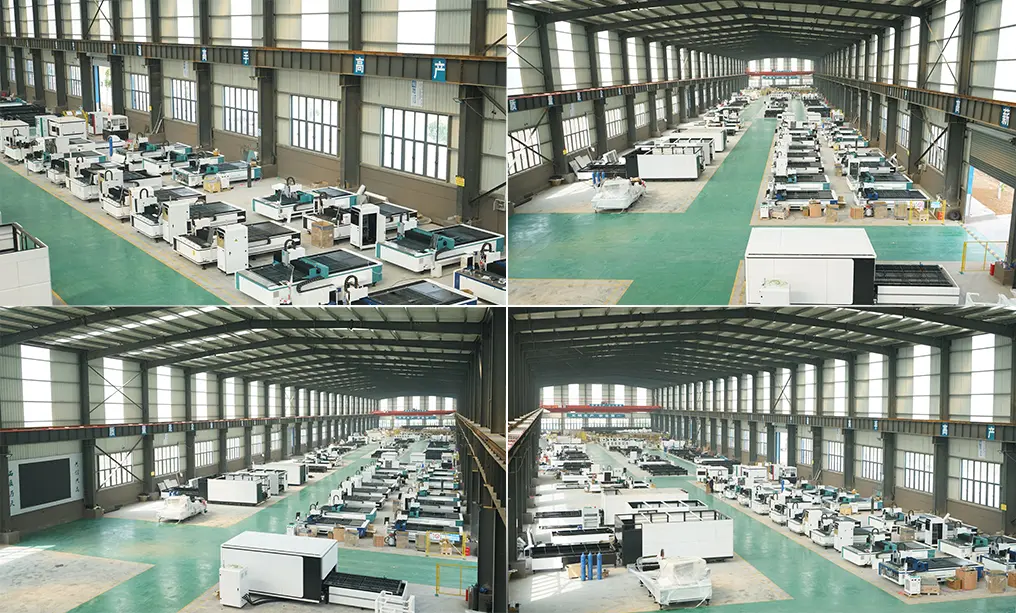
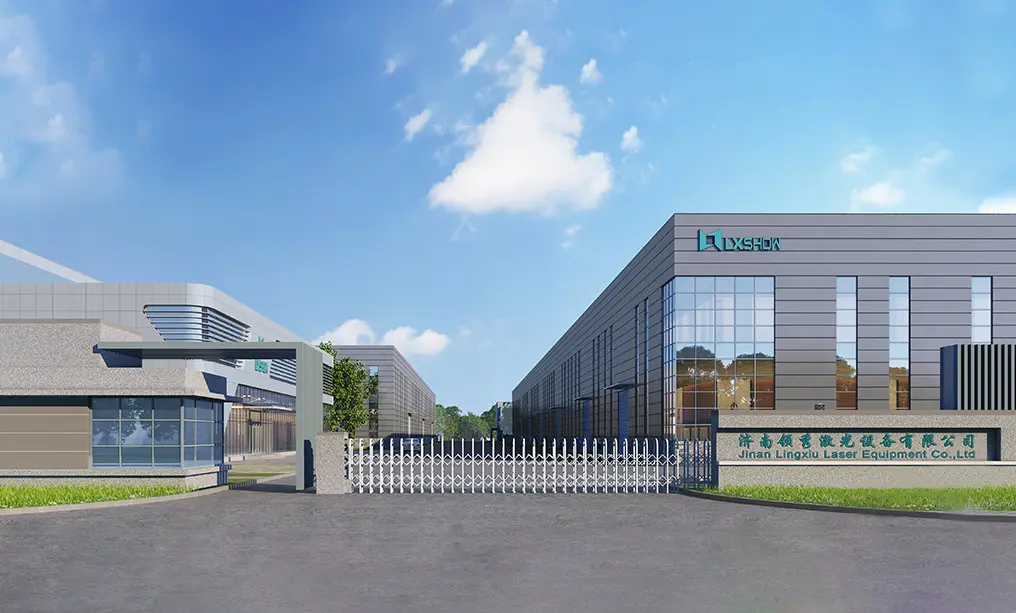

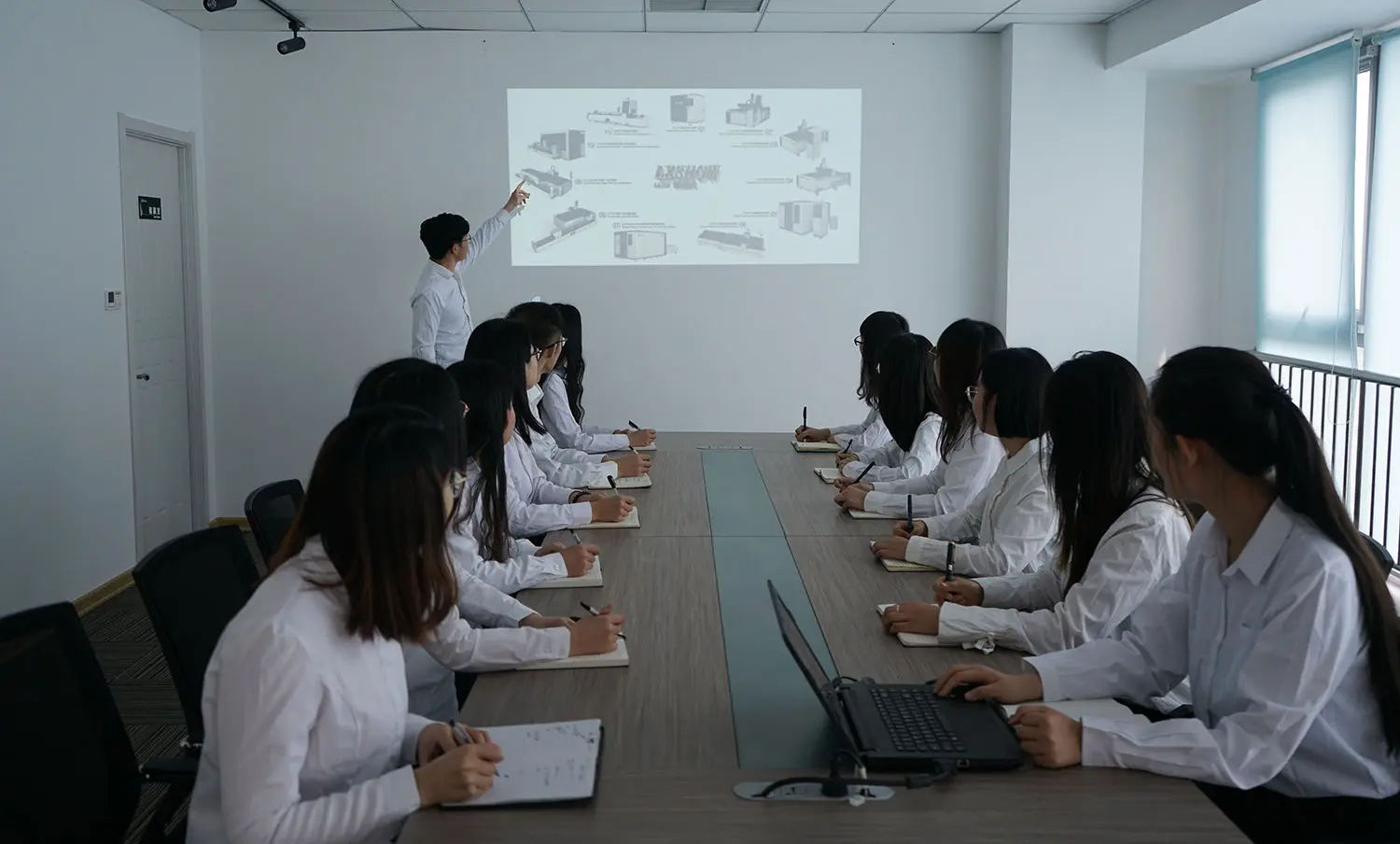
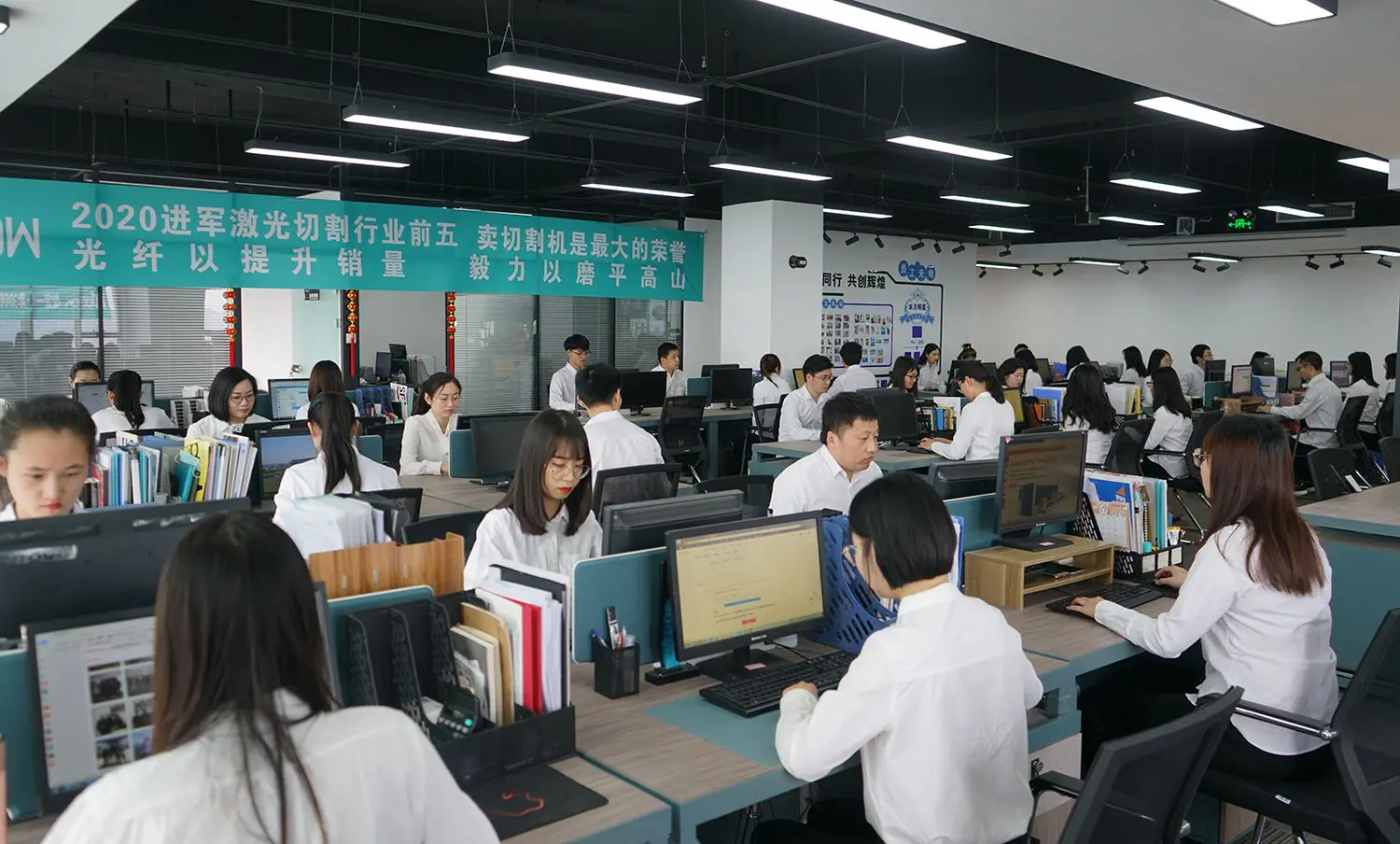
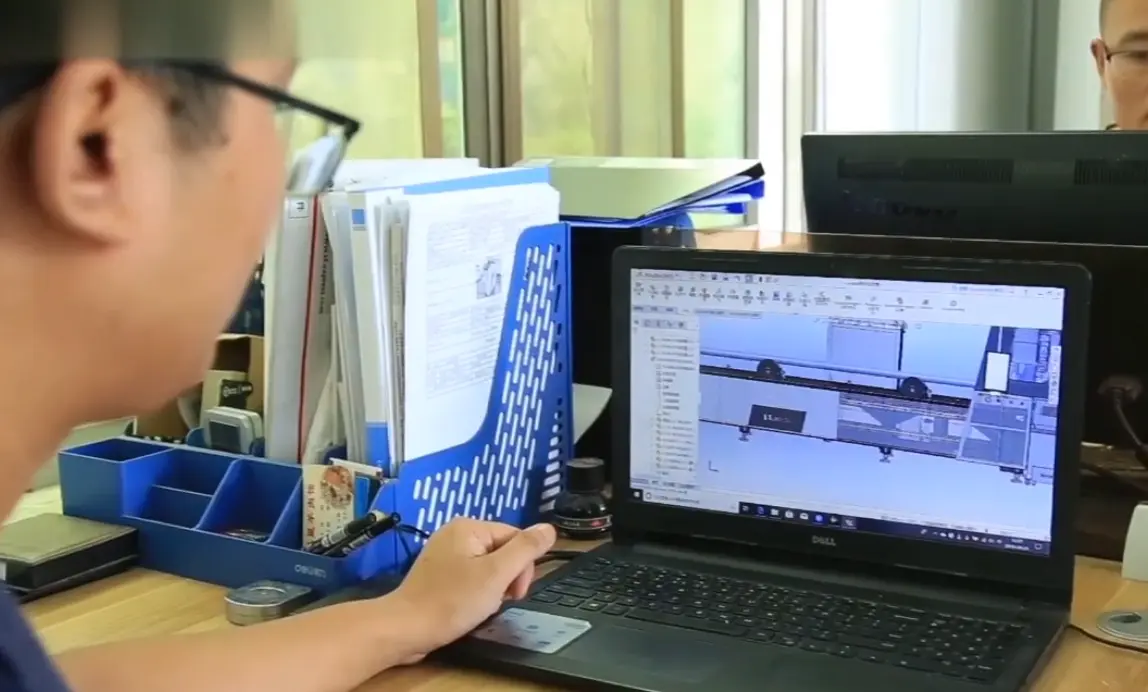
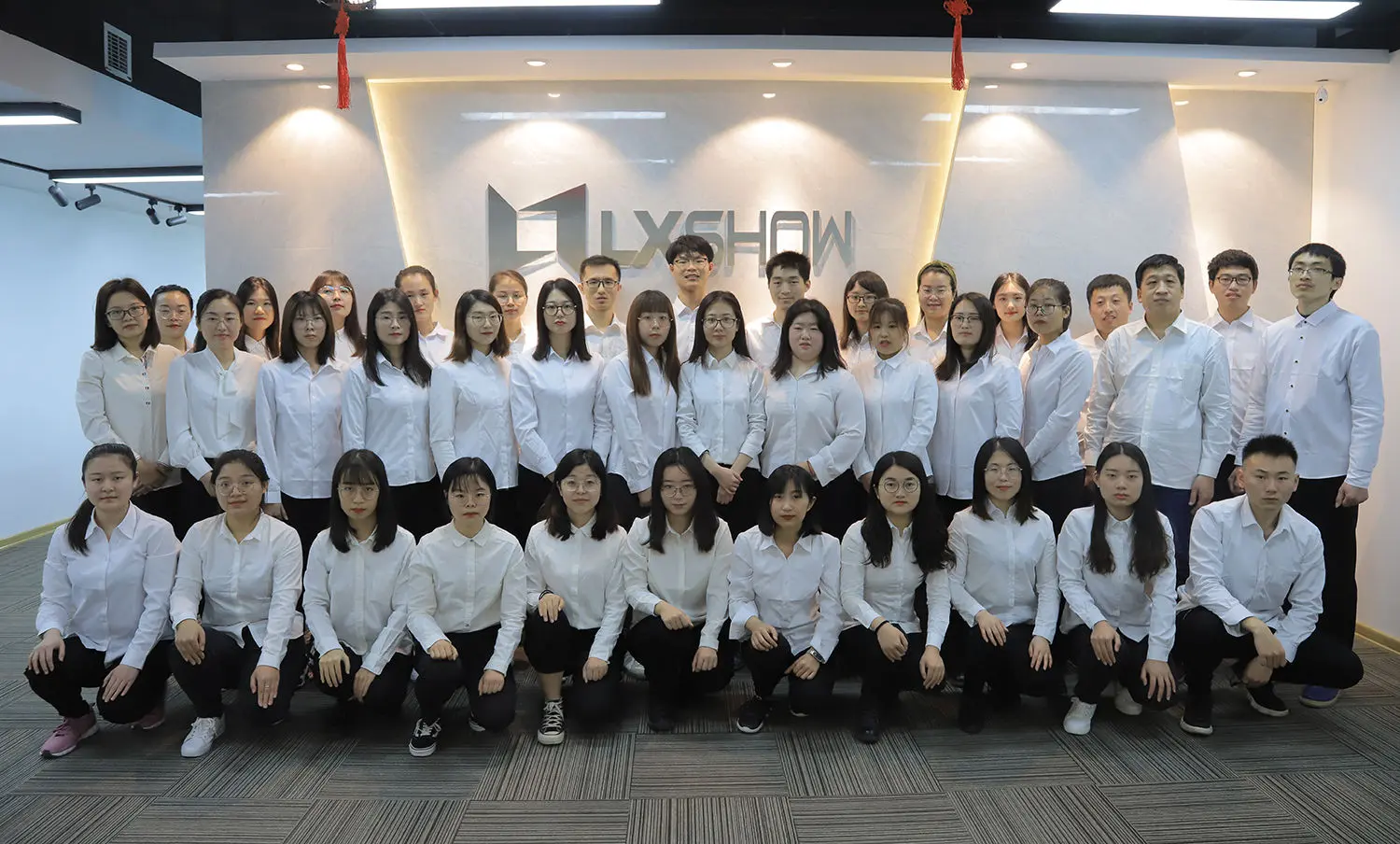
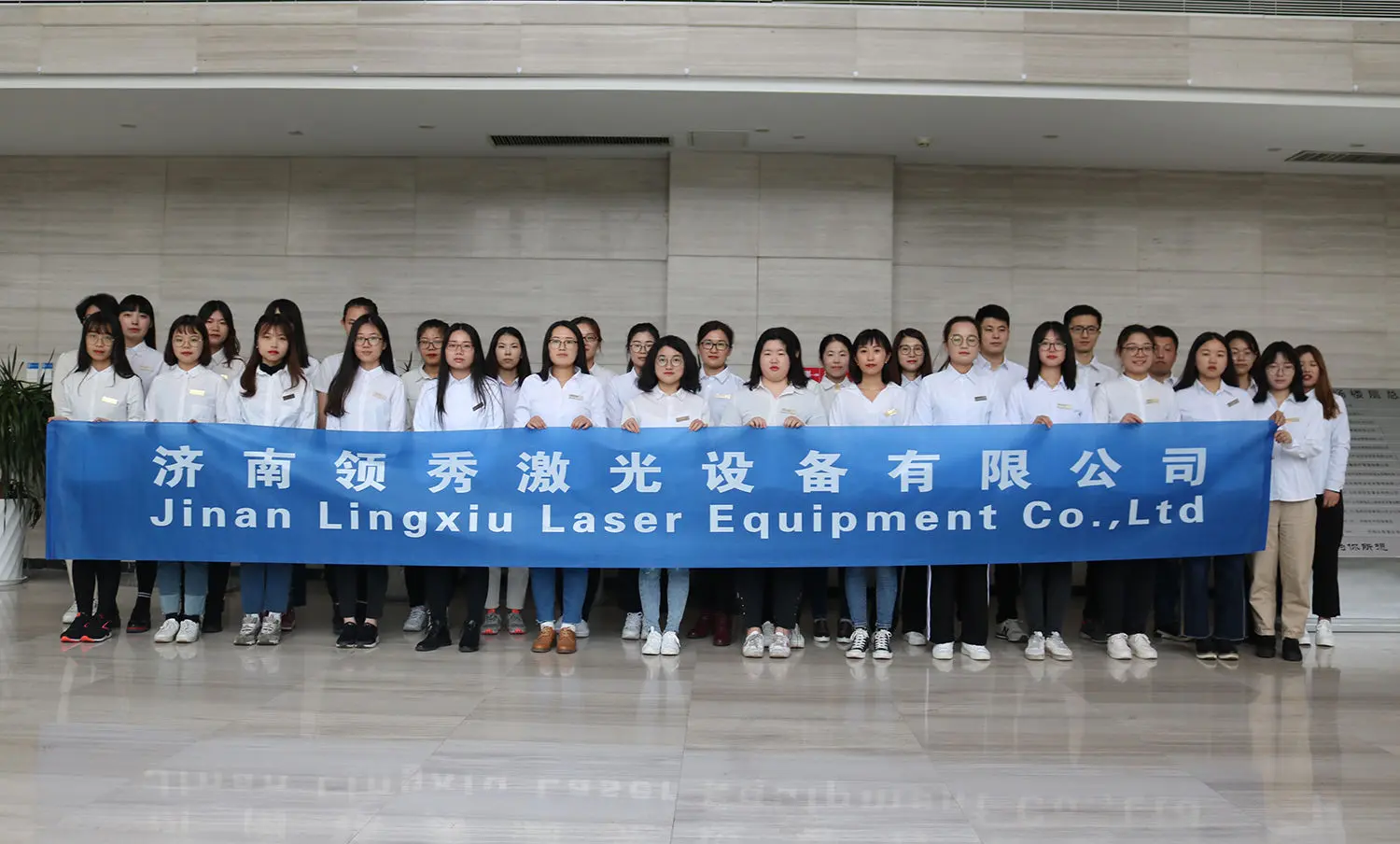
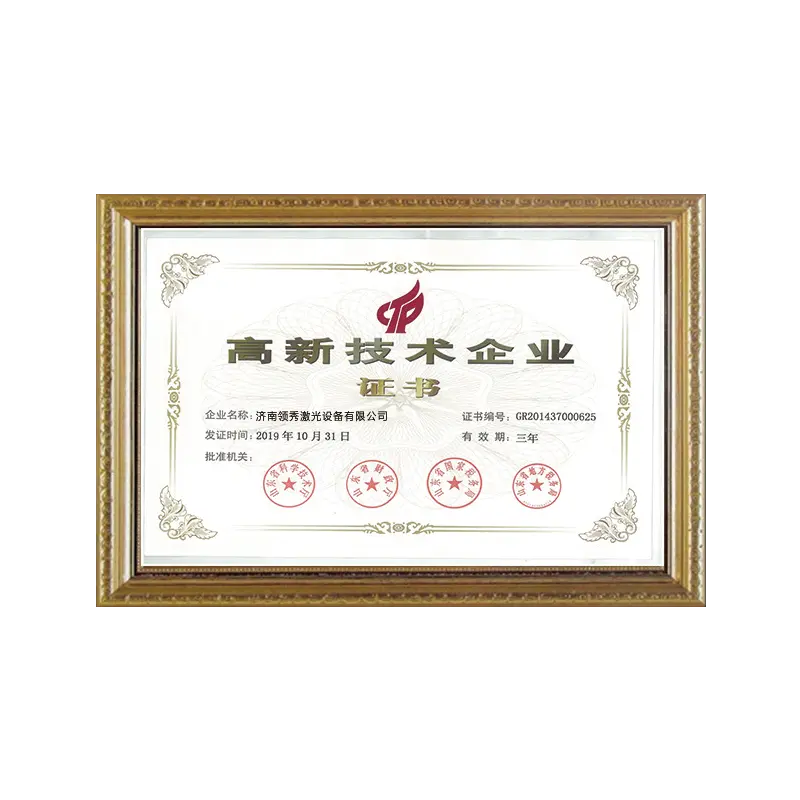
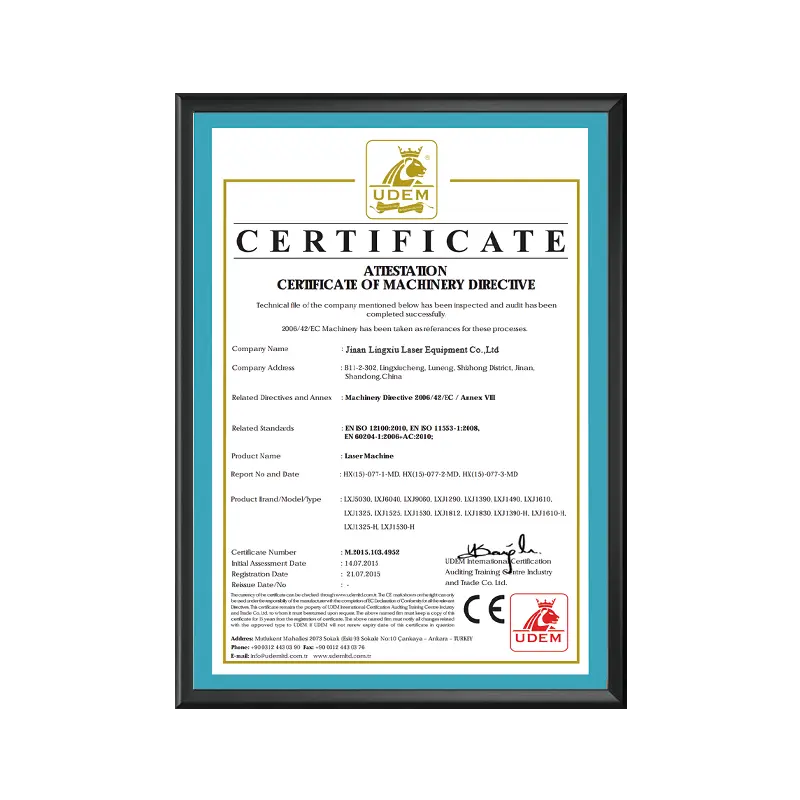
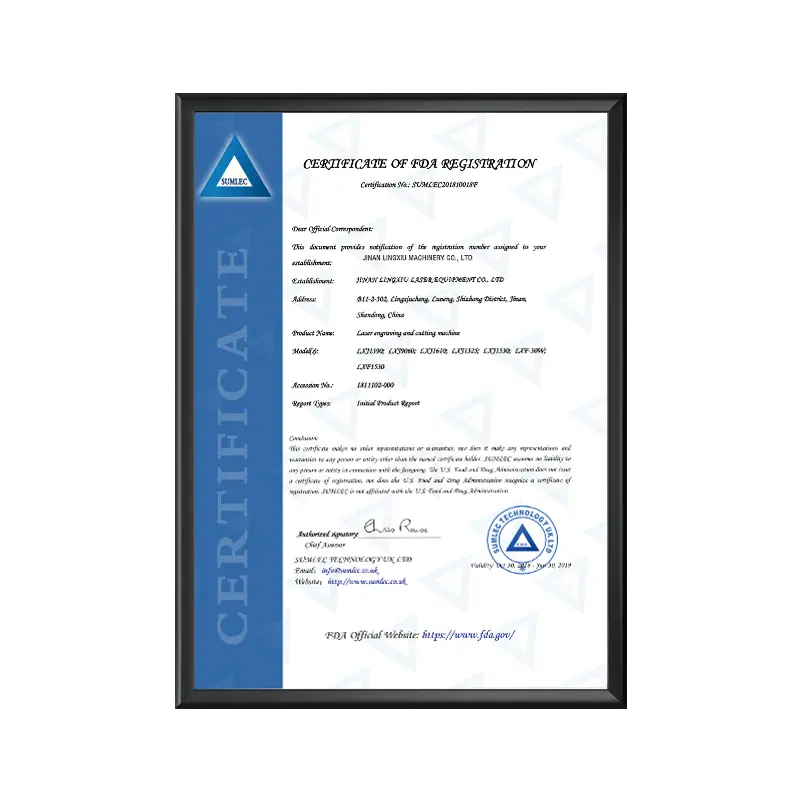
To ensure complete alignment with rigorous global quality benchmarks, every unit manufactured in our facility undergoes rigorous verification against European Union CE authentication, American FDA certificate criteria, and ISO 9001 quality management regulations. By executing all mechanical engineering and design protocols in-house, we retain 100% control over dimensional precision, which directly correlates to the micron-level accuracy of our laser cutting systems during rapid moves and direction changes.
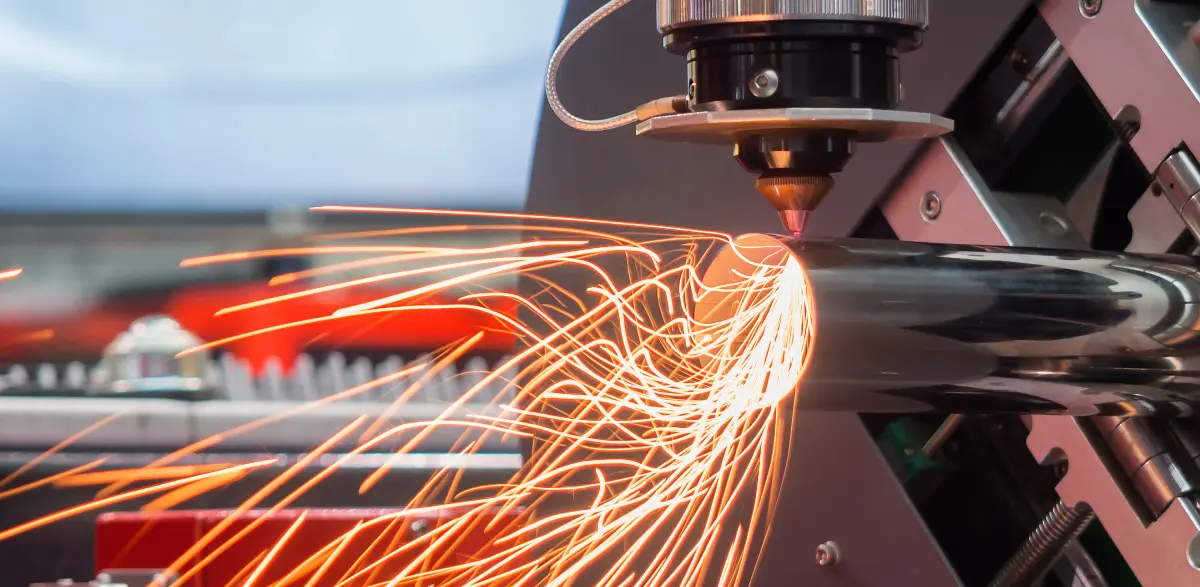
Tailored technological applications that drive efficiency across key industrial fields and metallic groups.
Our products serve diverse industries including steel structures, packaging, custom craft gifts, automotive chassis, precision jewelry, aerospace sub-assemblies, heavy machinery manufacturing, high-density injection mold design, integrated circuit boards, semiconductor components, and specialized polymer/rubber vulcanization lines.
We implement dual-pressure gas manifolds to support automatic switching between Oxygen (O2), Nitrogen (N2), and Compressed Air. For thick carbon steel plates, high-flow low-pressure O2 assists in an exothermic reaction for smooth cutting. For stainless steel and aluminum, high-pressure N2 prevents oxide layer formation, keeping edges clean and weld-ready.
Our systems include advanced software with automated layout and scheduling. The algorithm optimizes cutting paths and groups parts to minimize plate waste, reduce travel time, and lower overall cost per part, maximizing yield from raw materials.
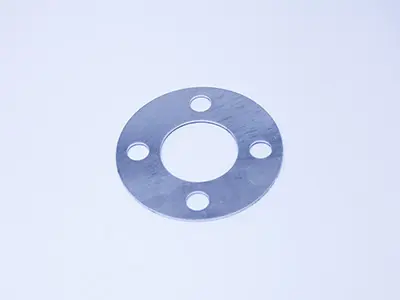
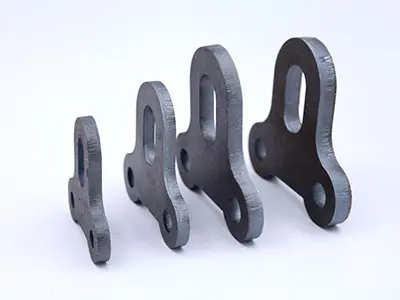
Our optical fiber laser systems are calibrated to handle a wide range of reflective and high-tensile metals. The table below details the recommended gas selection and optimal processing strategies:
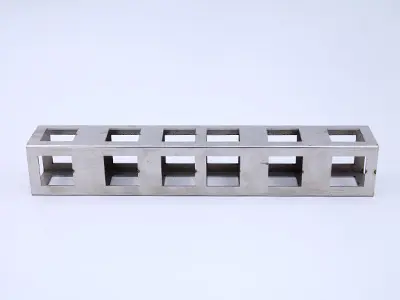
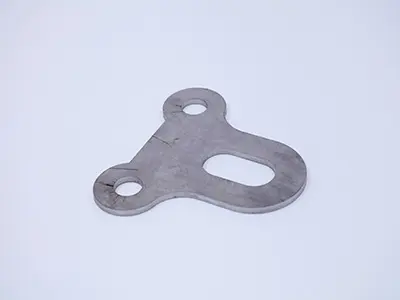
| Material Class | Optimal Wavelength | Recommended Assist Gas | Key Technical Consideration |
|---|---|---|---|
| Carbon Steel (CS) | 1.07 μm | Oxygen (O2) / Air | Controls carbon oxidation reaction rate to ensure consistent kerf width. |
| Stainless Steel (SS) | 1.07 μm | Nitrogen (N2) / High Press | Prevents chrome oxidation; yields clean metallic edges for direct welding. |
| Aluminum (Al) | 1.07 μm | Nitrogen (N2) / Air | Requires high peak power density to overcome high thermal reflectivity. |
| Copper / Brass (Cu) | 1.07 μm | Nitrogen (N2) | Uses reverse back-reflection protection systems to shield the laser source. |
A structured engineering methodology designed to deliver custom, application-specific machinery.
For procurement managers at global enterprises, acquiring capital machinery involves evaluating more than just the initial price. Key factors include Total Cost of Ownership (TCO), electrical utility requirements, structural floor load ratings, software compatibility with existing CAD/CAM platforms, and long-term parts availability. We offer comprehensive OEM/ODM services, supporting over 30 global brands with customized sheet metal fabrication setups.
We analyze your specific material grades, thicknesses, throughput targets, and space constraints.
Our engineering team designs custom structural enclosures, shuttle tables, or specialized chucks.
We select and integrate the optimal laser source, cutting head, servo motors, and CNC controller.
Every machine undergoes rigorous calibration, dry-runs, and loaded testing to meet CE and FDA safety standards.
Ensuring system safety, operational compliance, and minimized downtime worldwide.
Operating Class IV laser equipment requires strict adherence to international workplace safety codes. Our fully enclosed laser cutting platforms are built to meet FDA radiation safety regulations and feature certified protective viewing windows. The interlocked safety enclosure stops all laser emission immediately if a door is opened during a cycle. Furthermore, integrated particulate extraction and filtration systems remove harmful fumes during cutting, ensuring a clean and safe workspace.
To support users in over 120 countries, we maintain a dedicated technical team for remote setup, diagnostics, and field service. Our service technicians handle commissioning, machine leveling, optical path calibration, and nesting software training. By providing remote monitoring and quick parts shipping, we minimize unscheduled downtime and keep your production lines running efficiently.
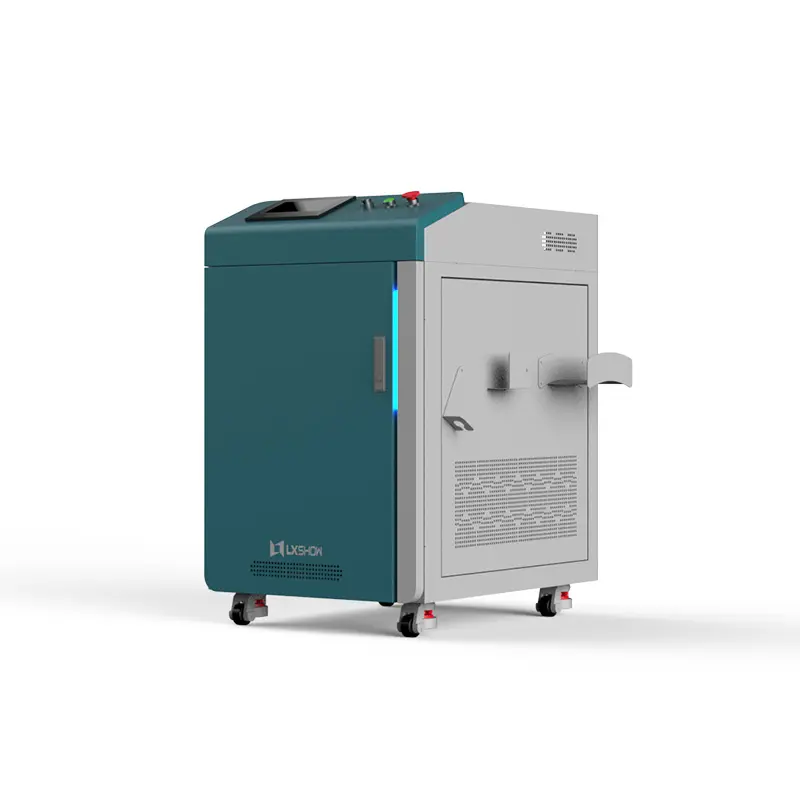
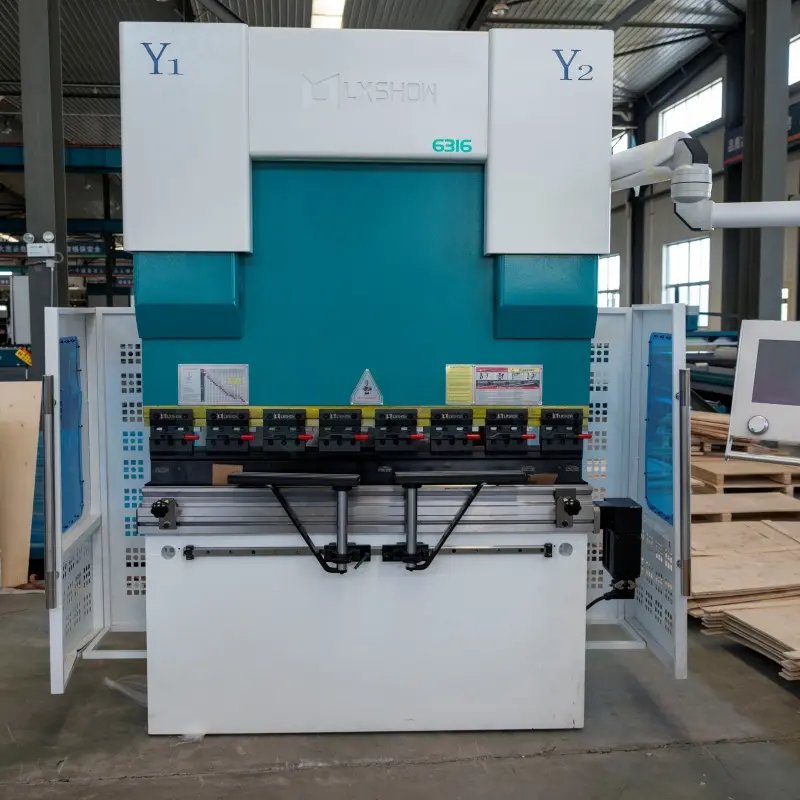
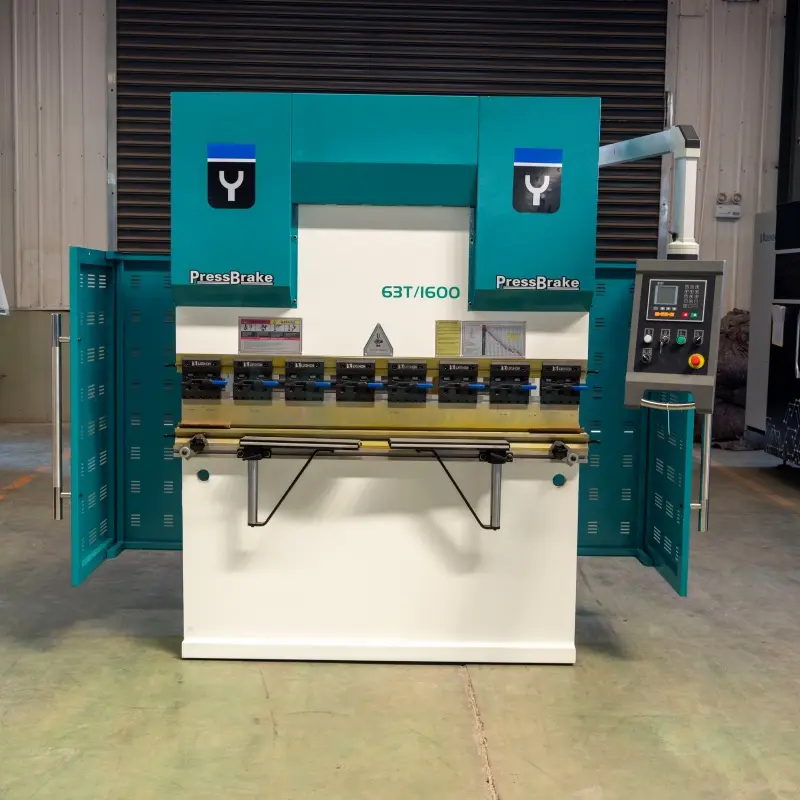
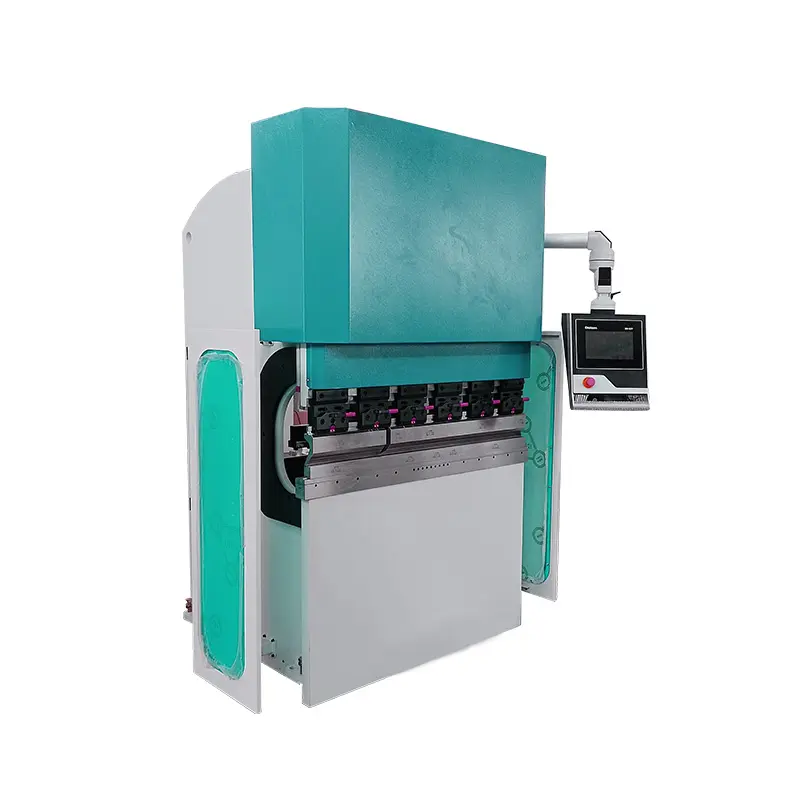
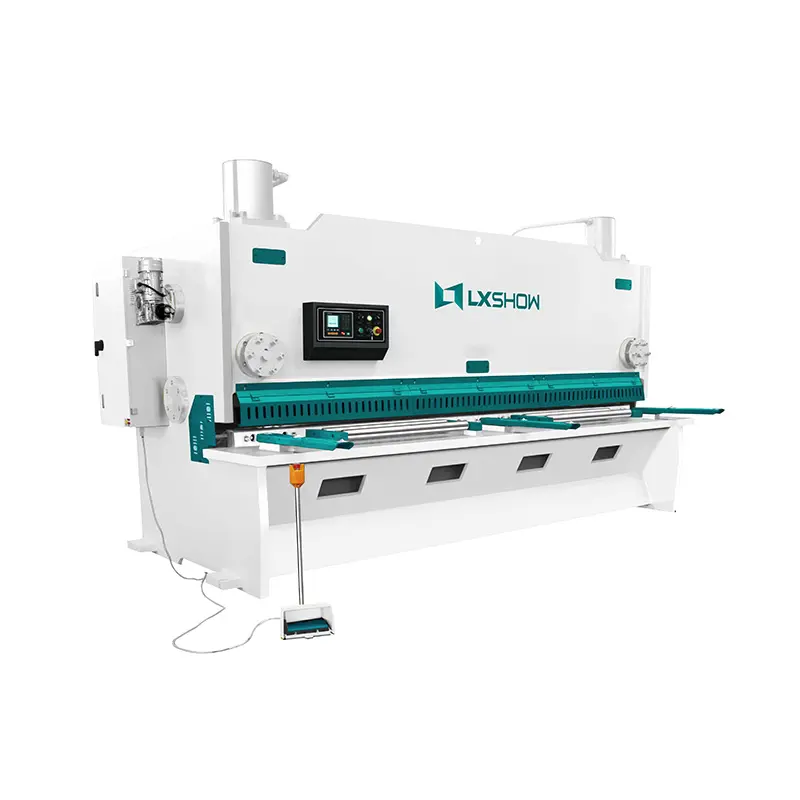
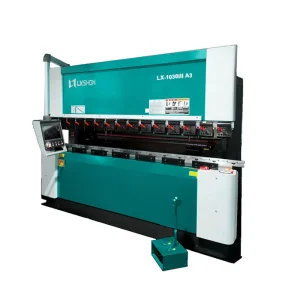
Review our full range of standard machines, including cutting, welding, bending, and cladding systems.
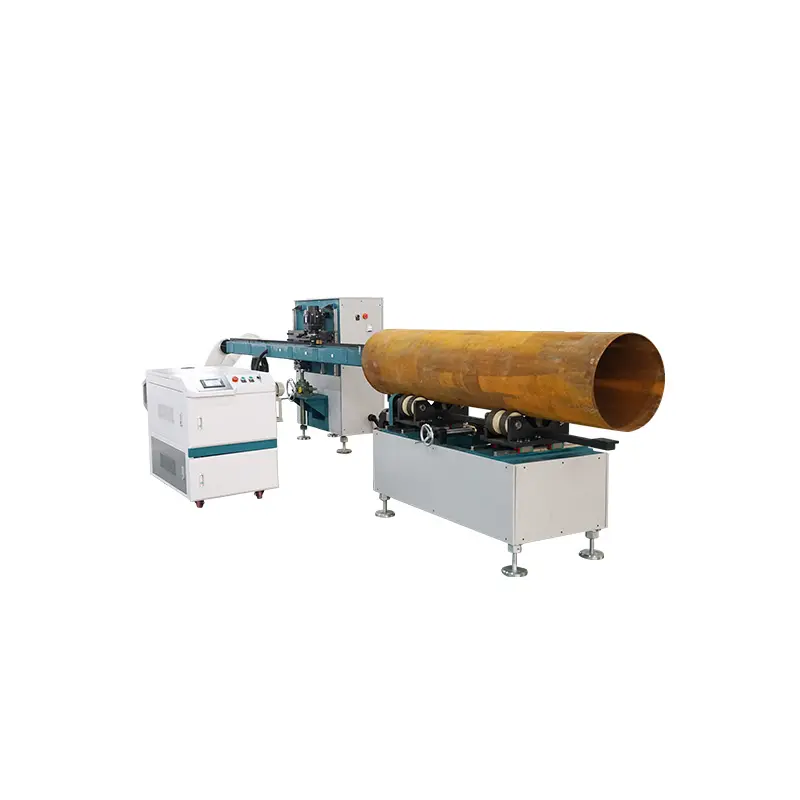
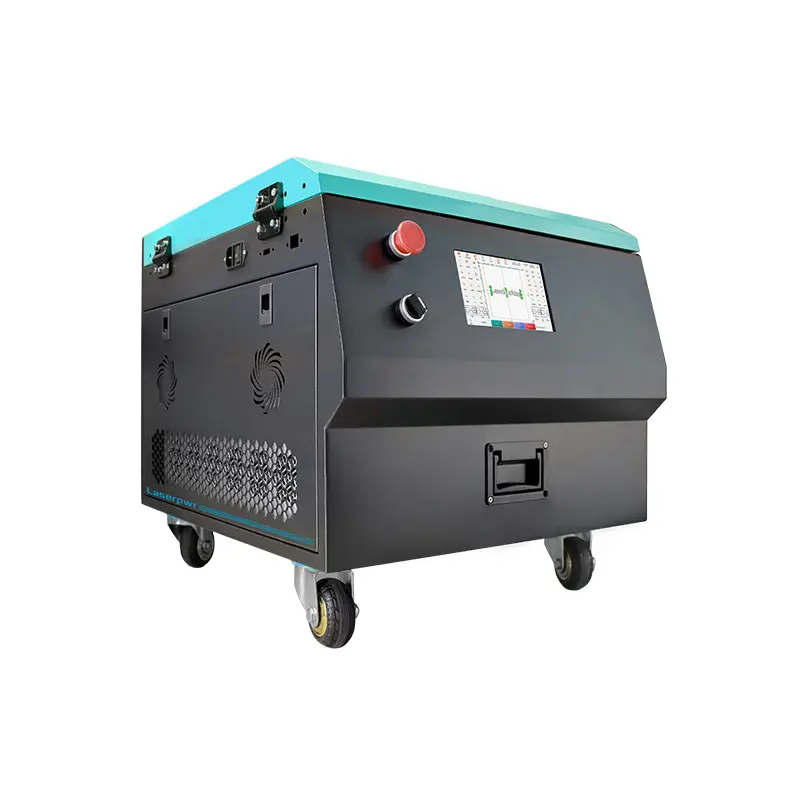
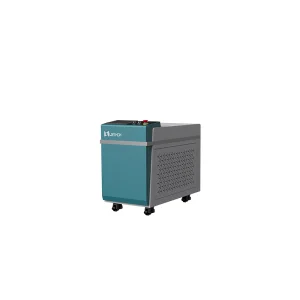
Provides a reliable solution for stable, long-term batch cladding and surface rebuilding of thick metal components.
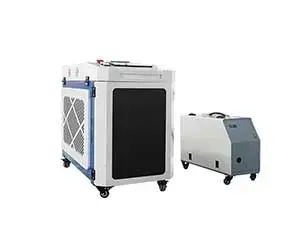
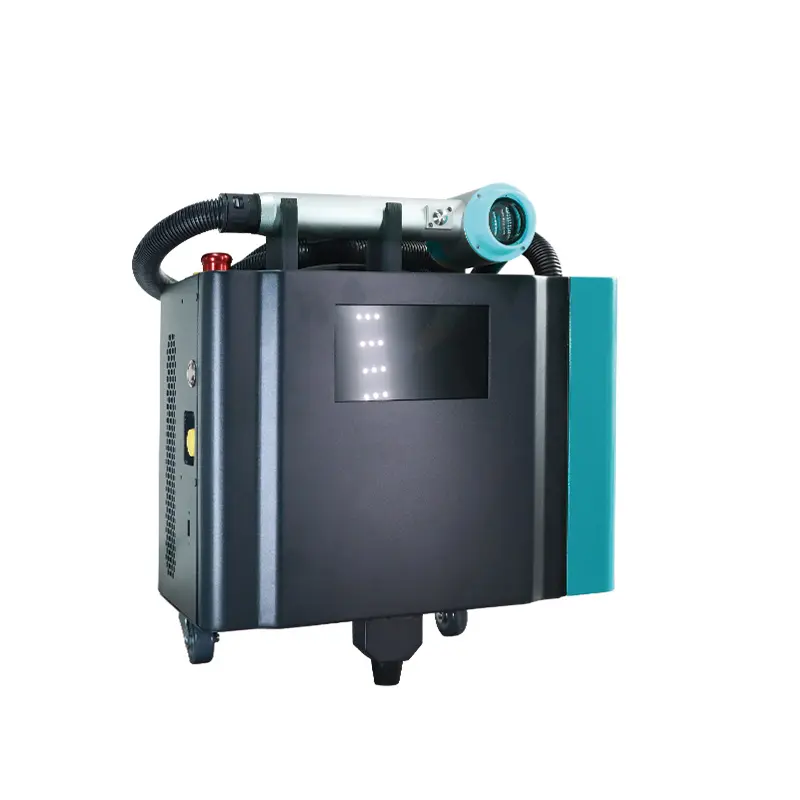
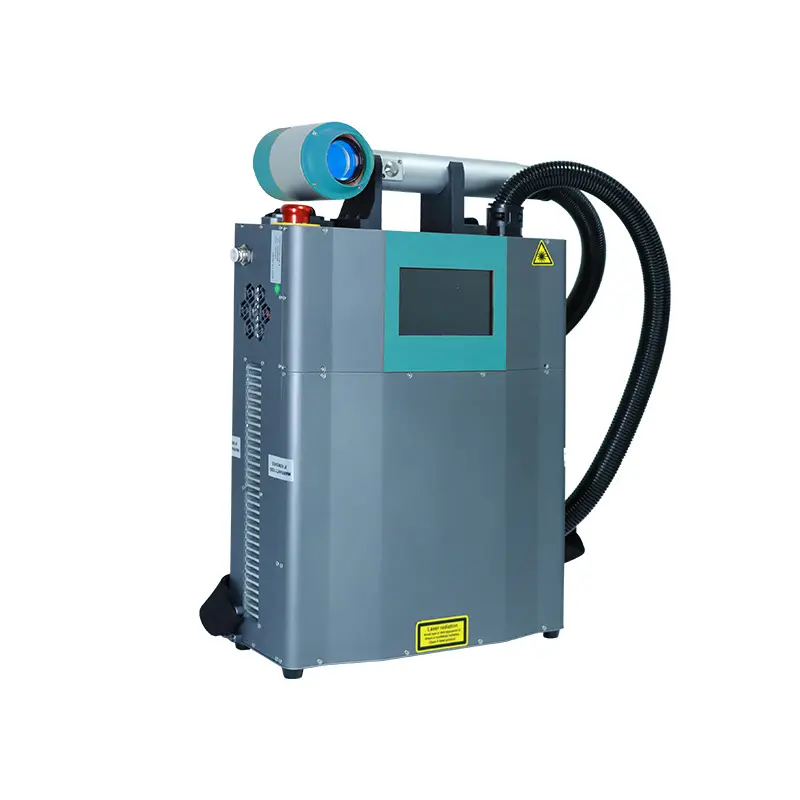
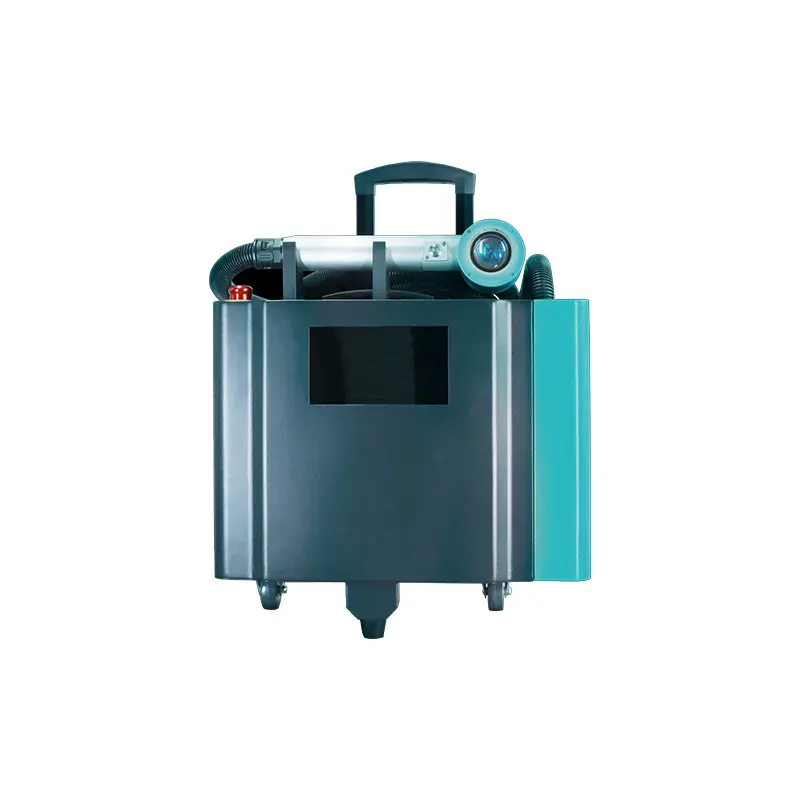
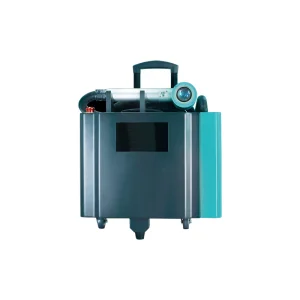
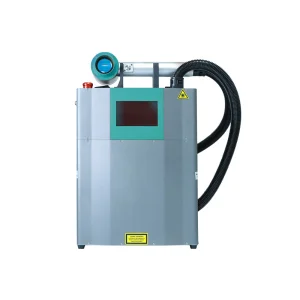
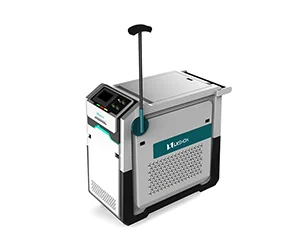
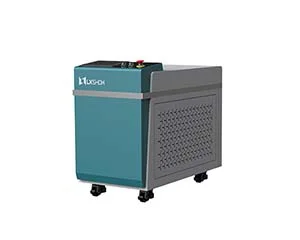
Eco-friendly surface preparation solutions to remove rust, paint, and oxide layers without abrasive chemical media.
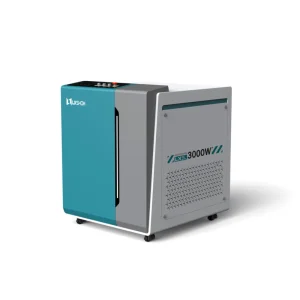
High-speed welding machines for deep penetration joints in sheet steel, stainless steel, and carbon steel structures.
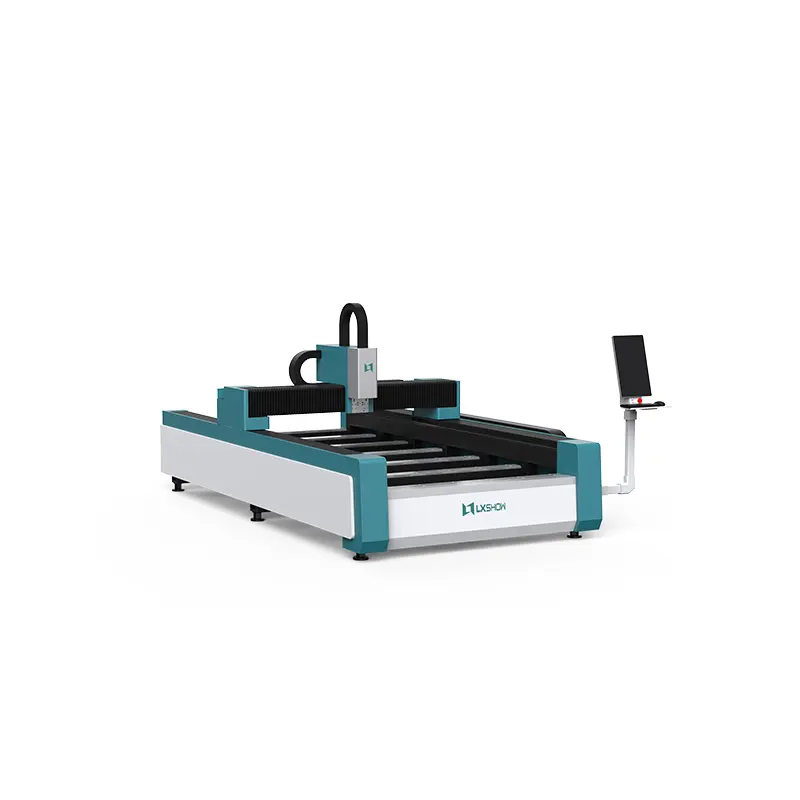
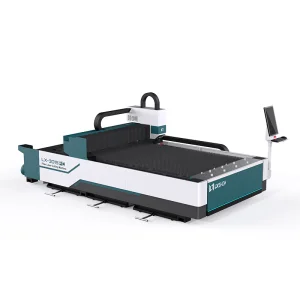
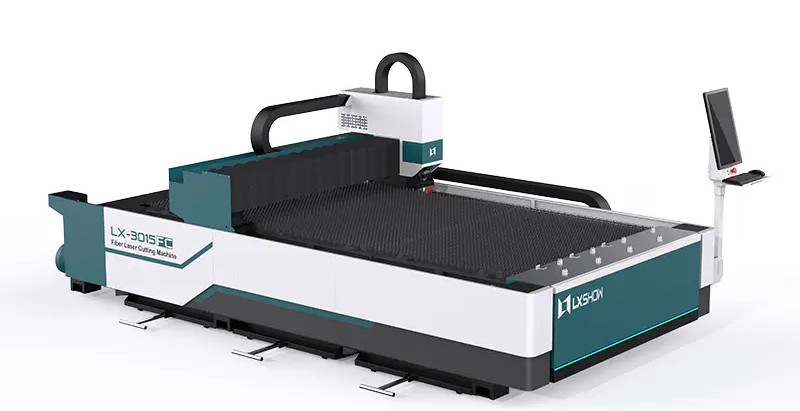
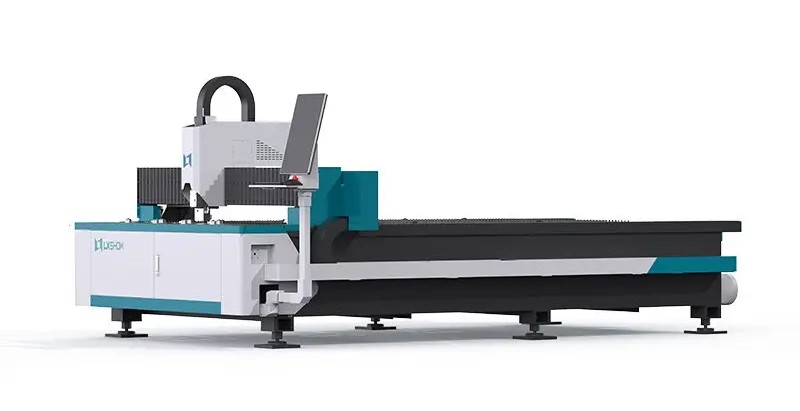
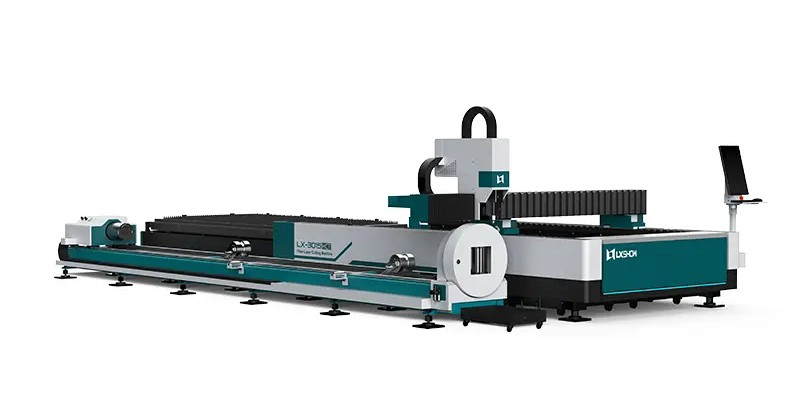
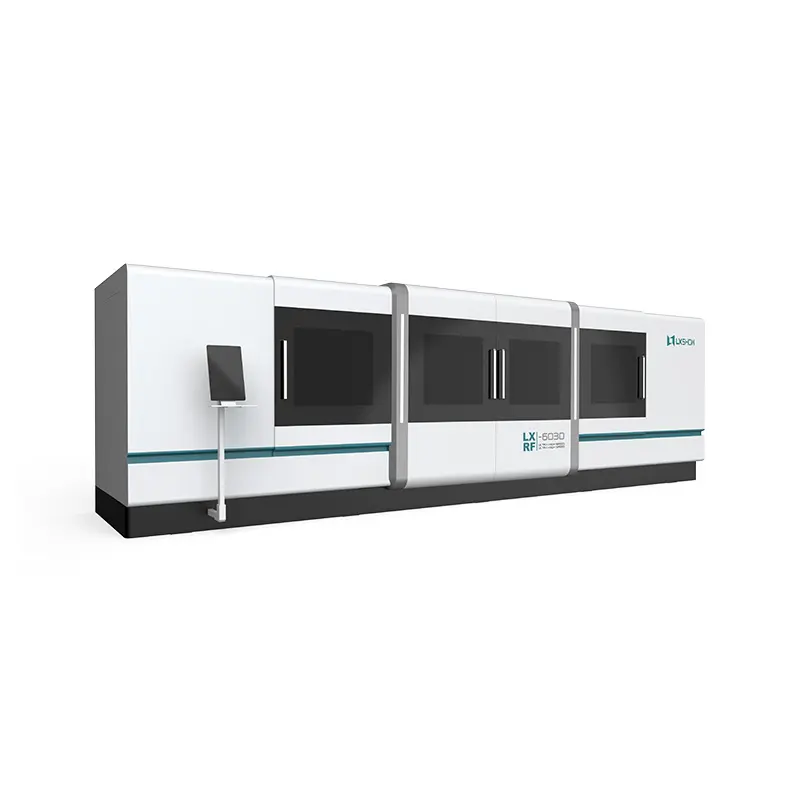
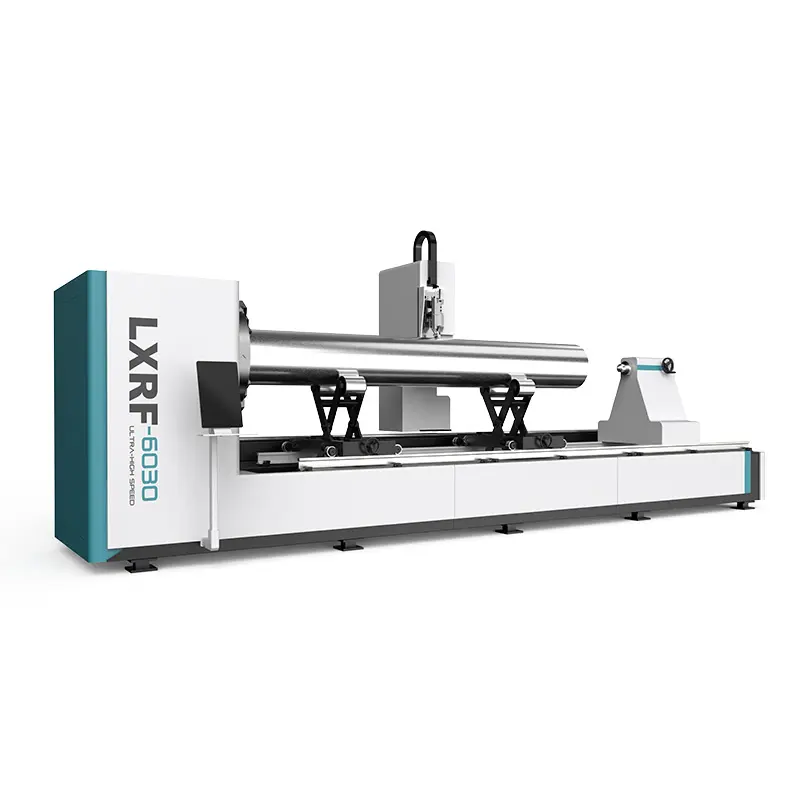
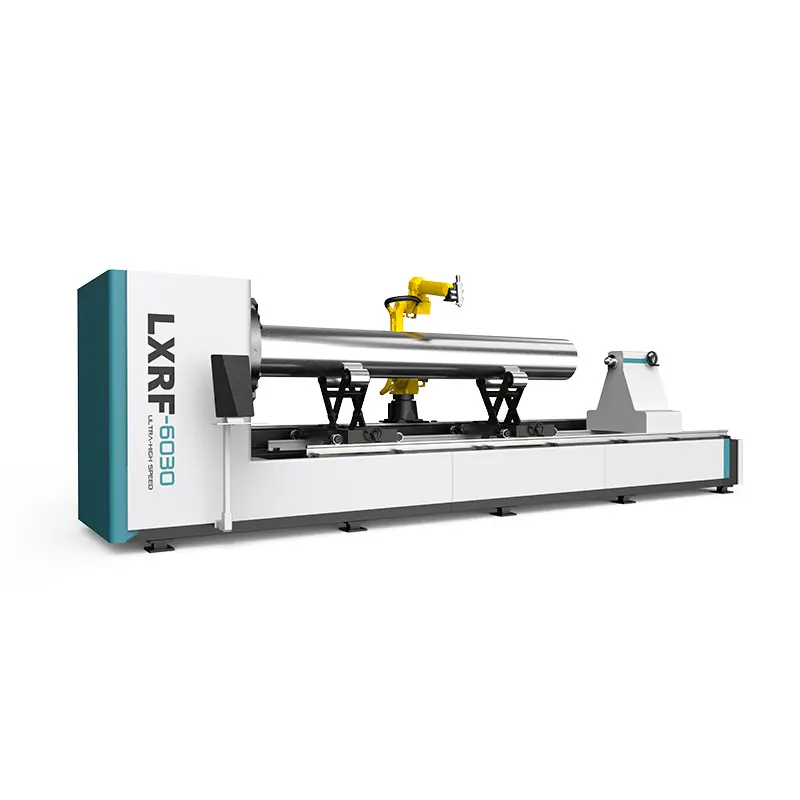
High-precision CNC cutting systems for plates, tubes, and large-format sheets, engineered for long production runs.
Expert technical insights to help optimize your operations, choose the right systems, and maintain peak efficiency.
The ideal laser power depends primarily on the type of material and maximum thickness you need to cut. For thin metals under 4mm, a 1kW to 2kW source offers high speed and efficiency. For medium thicknesses (up to 12mm), a 3kW or 4kW system provides a good balance of speed and edge quality. For thick steel plates over 16mm, a high-power system of 6kW, 12kW, or higher is recommended to maintain clean edges, prevent dross buildup, and ensure consistent throughput.
Pulse laser cleaning uses brief, high-energy pulses of light to remove contaminants without heat buildup. This makes it ideal for precision parts, sensitive molds, and historic restoration where thermal stress must be avoided. Continuous Wave (CW) laser cleaning provides a constant beam, delivering higher heat energy. This makes it highly efficient for rapid rust removal, paint stripping, and large surface prep on heavy structural steel plates where high speed is critical.
Oxygen cutting relies on an exothermic reaction, which leaves a dark oxide layer on the cut edge of stainless steel. This layer must be removed before welding or painting. In contrast, Nitrogen cutting acts as an inert shield that excludes oxygen during the process. This prevents oxidation, leaving a clean, bright, and ready-to-weld edge that saves processing time and labor.
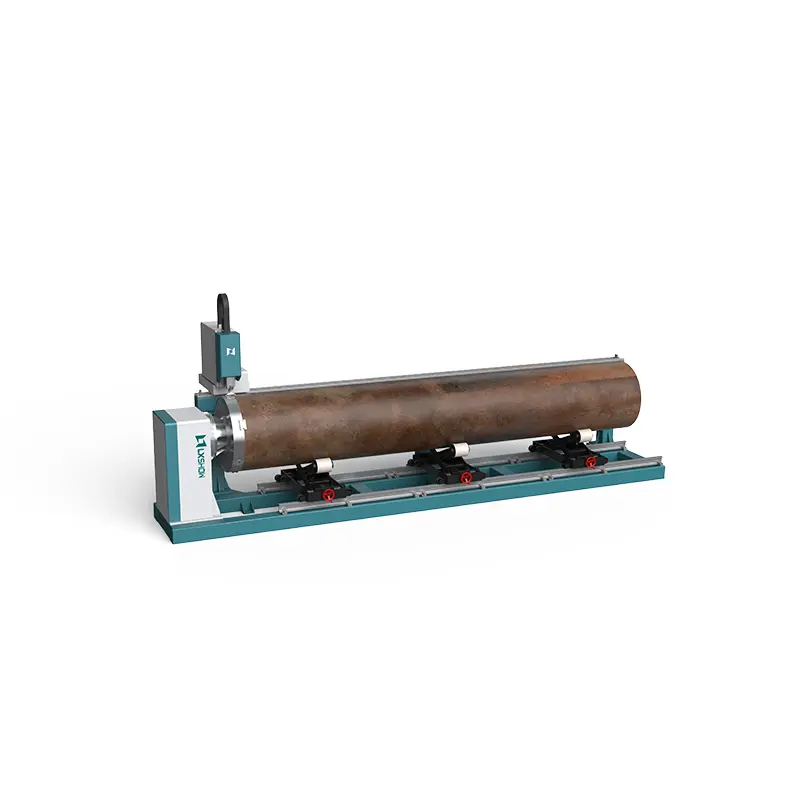
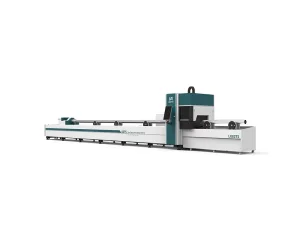
The automated feeding system on the LX9TQA streamlines the loading process, eliminating the need for manual handling of individual pipes. A bundle loader automatically aligns and feeds tubes into the chucks, ensuring continuous cutting cycles. This reduces idle time, increases safety, and dramatically boosts overall throughput for volume manufacturing.
Key maintenance routines include regular cleaning and inspection of the cutting head's protective windows to prevent debris buildup and thermal damage. Linear guide rails and rack-and-pinion drives should be lubricated to maintain motion precision. The water chiller system needs regular water changes and filter checks to keep the laser source running at its optimal temperature, ensuring long-term system stability.
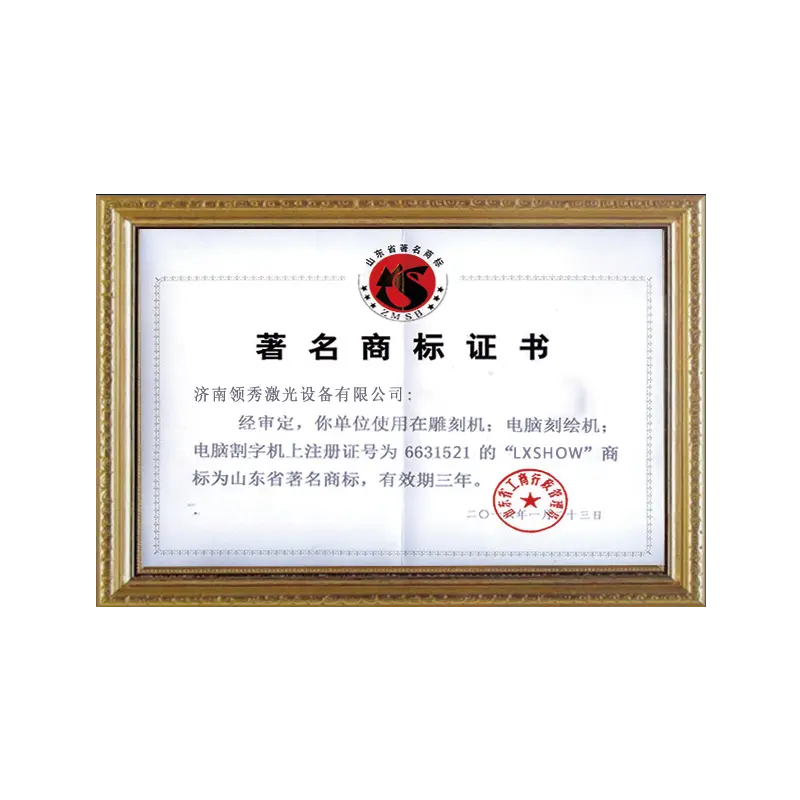
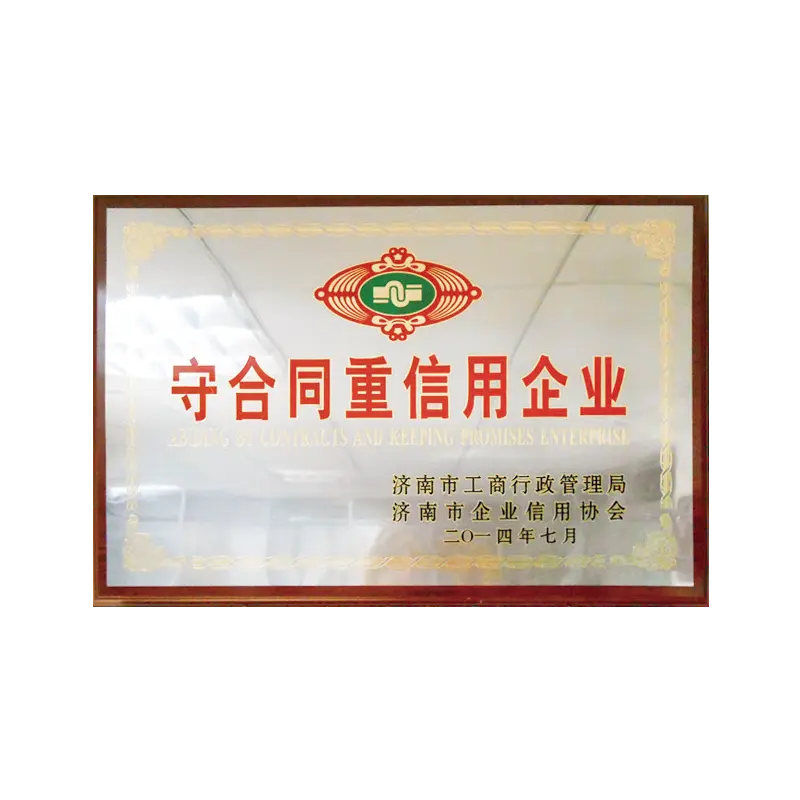
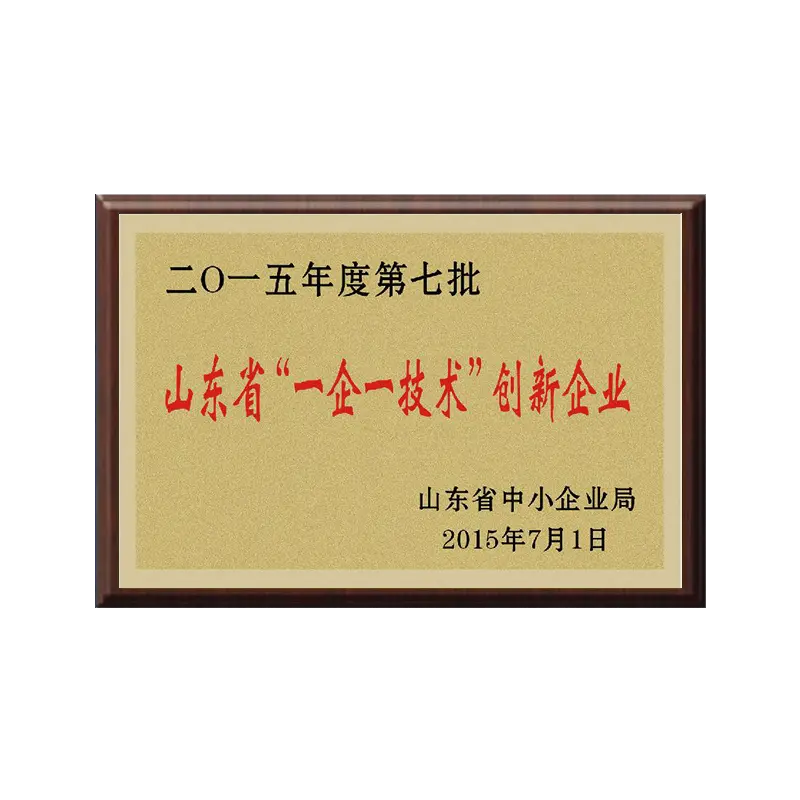
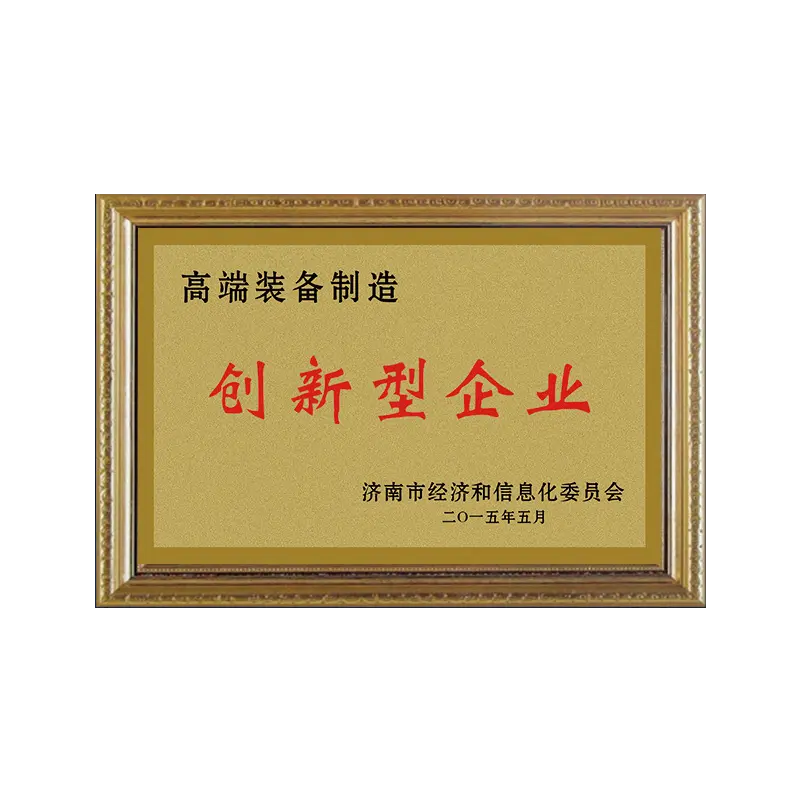
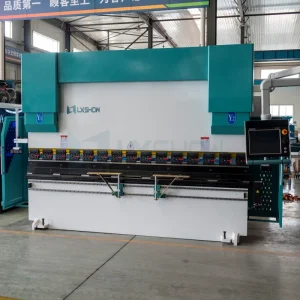
Explore our manufacturing floor, administrative centers, and operational layouts through these direct assembly images.
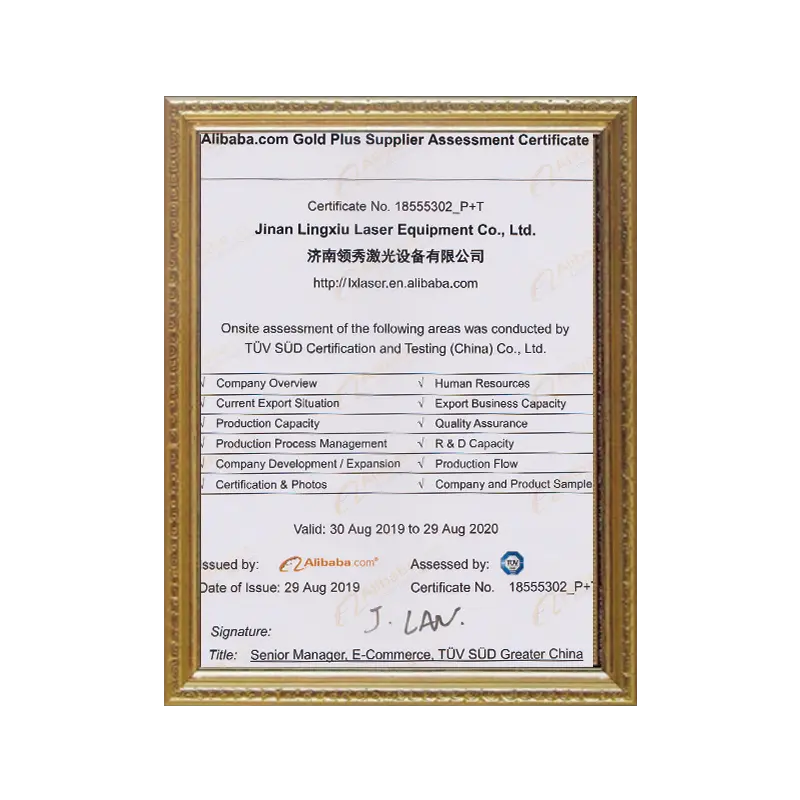
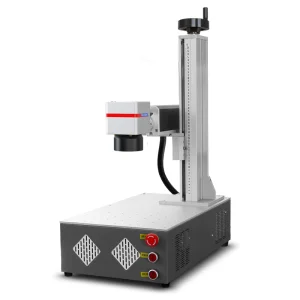
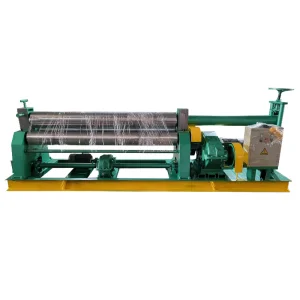
Discover our comprehensive collection of marking, cutting, bending, and specialized tube processing systems.
 Lxshow