The global metal processing arena is witnessing a profound paradigm shift driven by automation, structural supply chain reorganizations, and strict quality directives. What was once a market dominated by mechanical shearing and stamping is now unified under the precision of Computer Numerical Control (CNC) Fiber Laser Cutting. Industrial manufacturers in heavy sectors like aerospace, defense, and railway engineering require absolute fidelity in dimensional execution, leaving zero margin for metallurgical deformation.
In North America and Europe, stringent regulatory bodies and high labor expenditures have pushed factories toward highly automated, continuous processing centers. In emerging industrial hubs across Southeast Asia and Africa, rapid infrastructure expansion demands cost-effective, high-throughput systems capable of non-stop operations under harsh environmental parameters. This structural evolution demands smart equipment capable of multi-material processing—seamlessly cutting copper, brass, stainless steel, carbon steel, and aluminum sheet metal without manual optical realignments.
Real-time parameter adjustments and intelligent control cards reduce waste and ensure high uptime for 24/7 manufacturing operations.
Handles highly reflective metals like copper and brass alongside high-strength structural carbon steels with custom laser gas configurations.
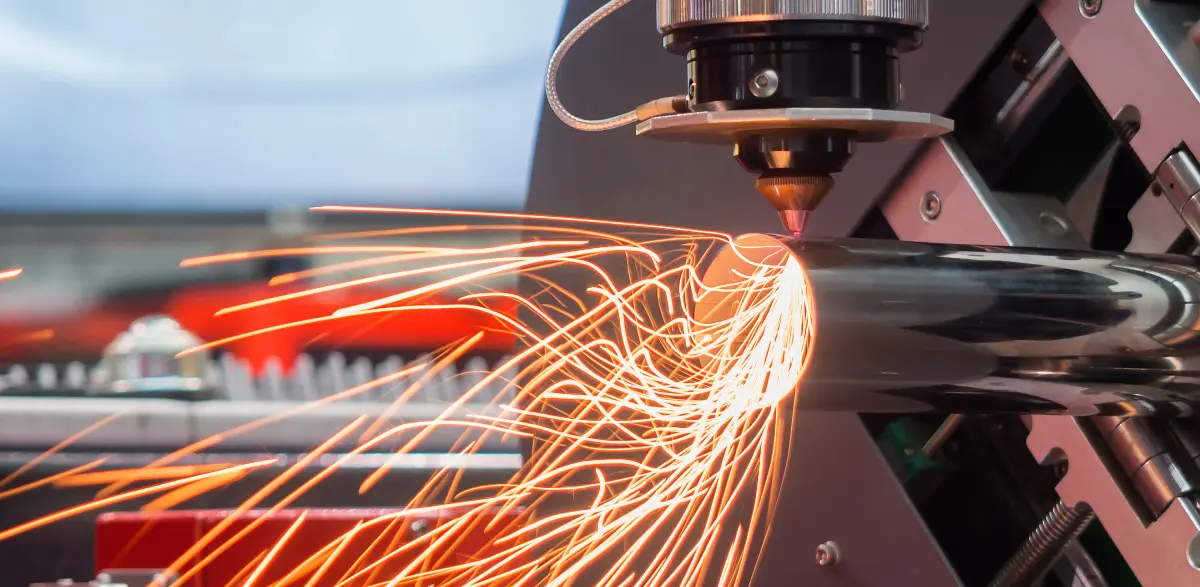
Advanced optical focus control limits the Heat-Affected Zone (HAZ), preserving the physical attributes of high-spec metal sheets.
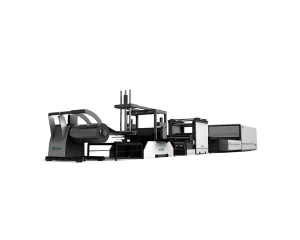
True production efficiency goes beyond the initial laser cut. A comprehensive technological roadmap must optimize the entire processing chain—from raw metal coils to fully finished, deburred, bent, and assembled components. This workflow forms the baseline of Smart Manufacturing (Industry 4.0).
Modern fiber lasers utilize solid-state laser diodes to generate coherent light at wavelengths around 1.06 micrometers. This specific wavelength allows for absorption rates in reflective metals that are up to ten times higher than legacy gas-based CO2 lasers. The high-energy optical beam is delivered via high-flexibility fiber cables directly to the autofocus cutting head.
However, laser cutting is often only the first phase. The roadmap below details how modern fabrication complexes handle secondary post-processing to ensure structural and dimensional reliability:
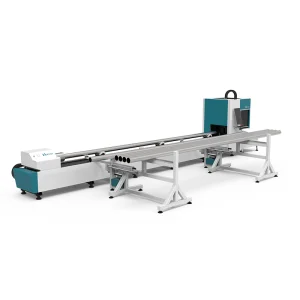
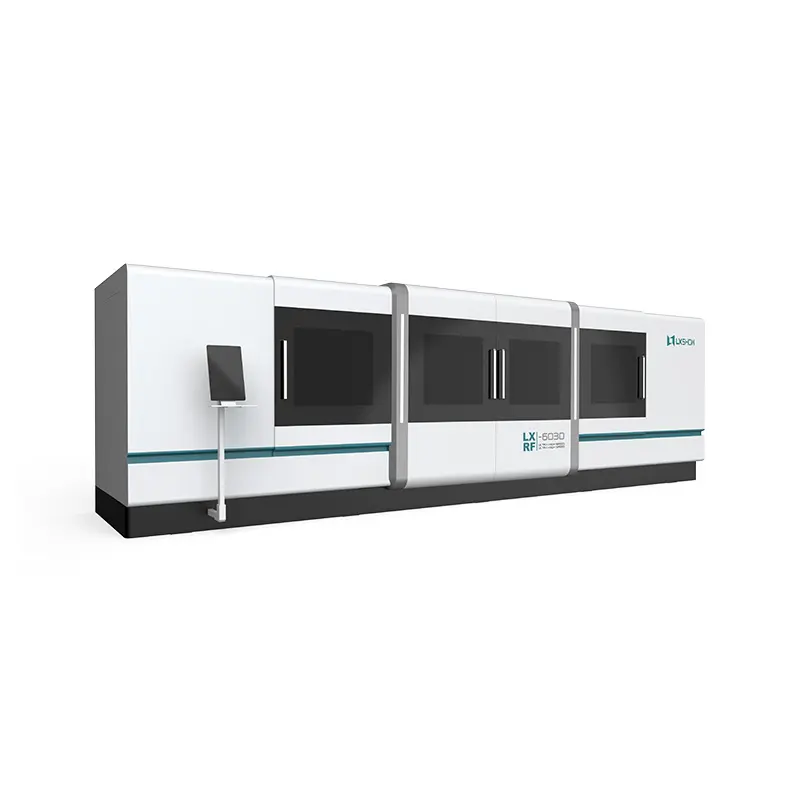
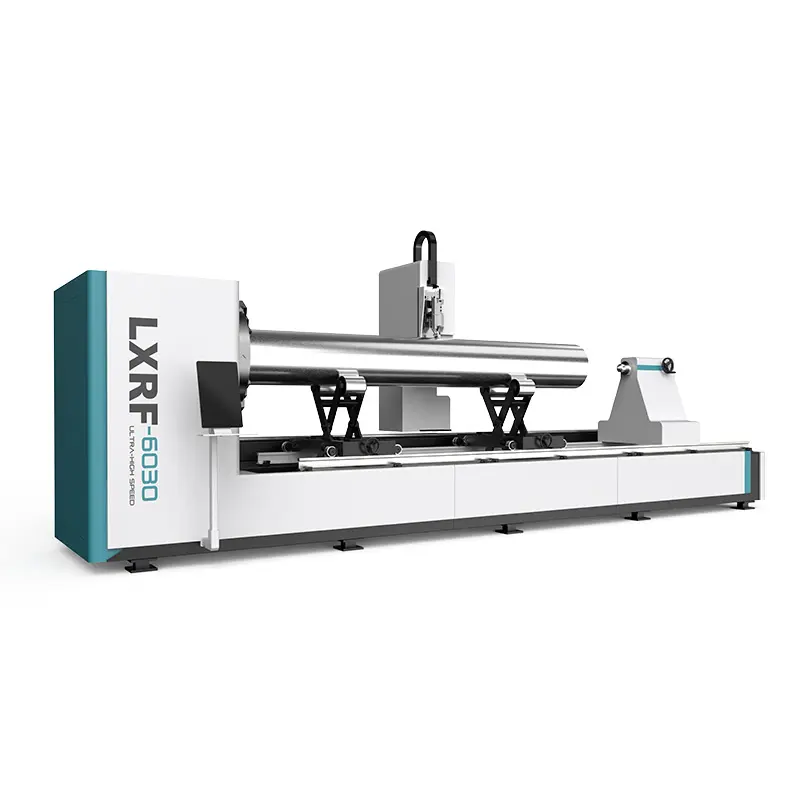
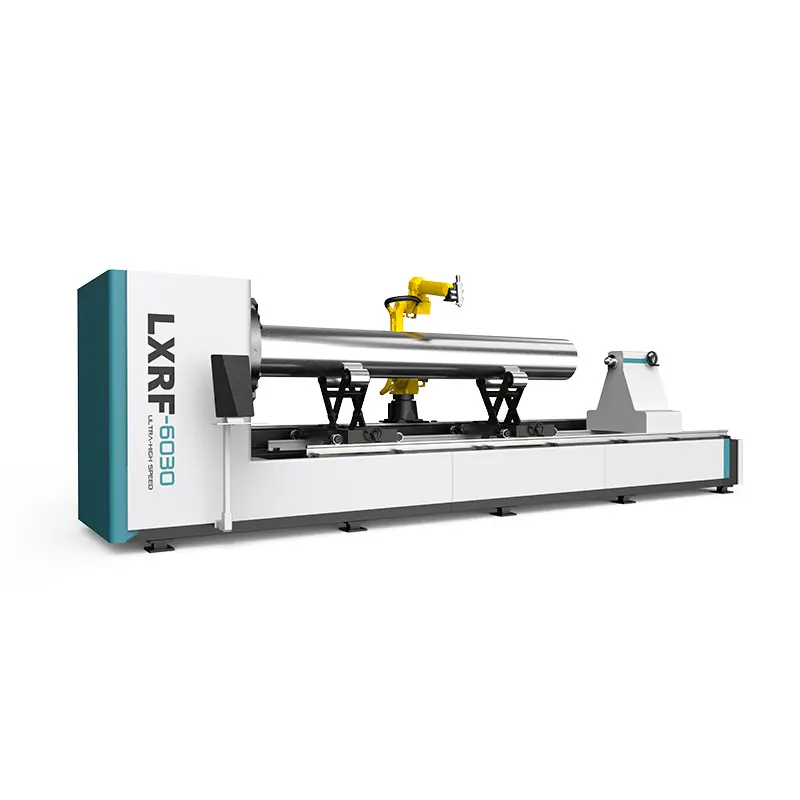
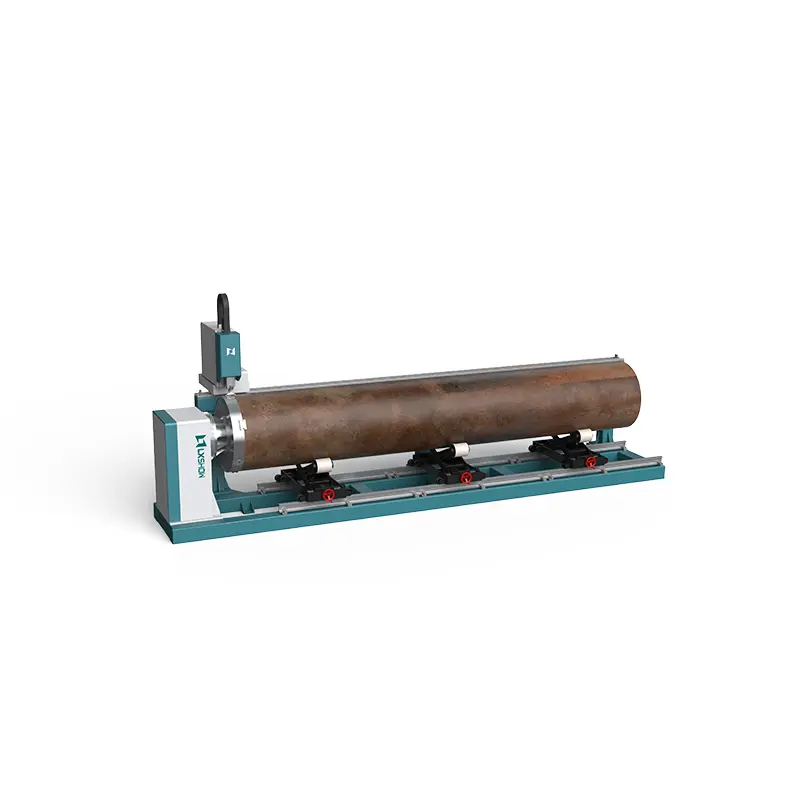
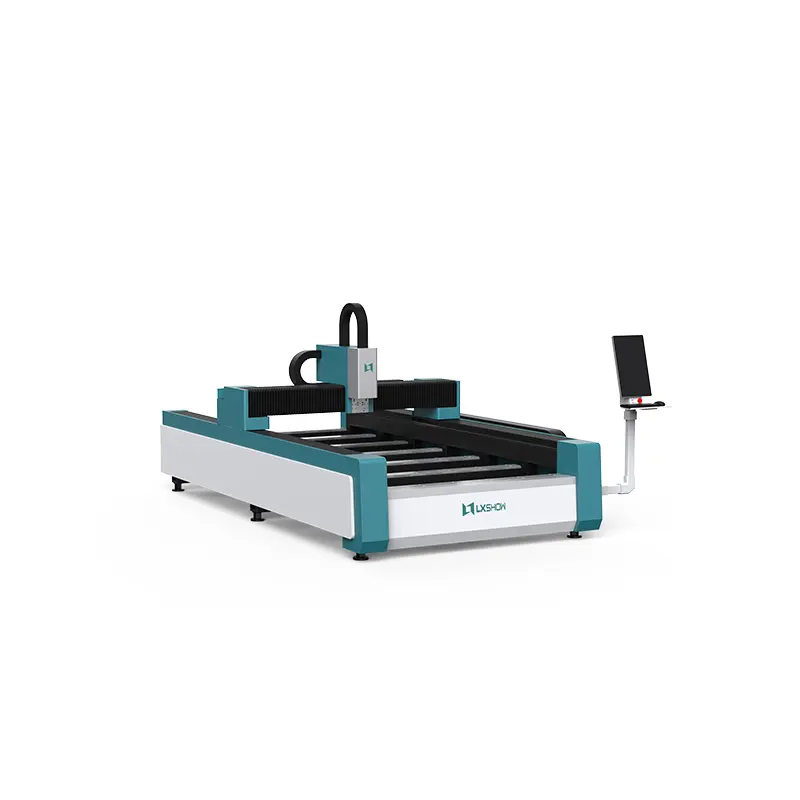
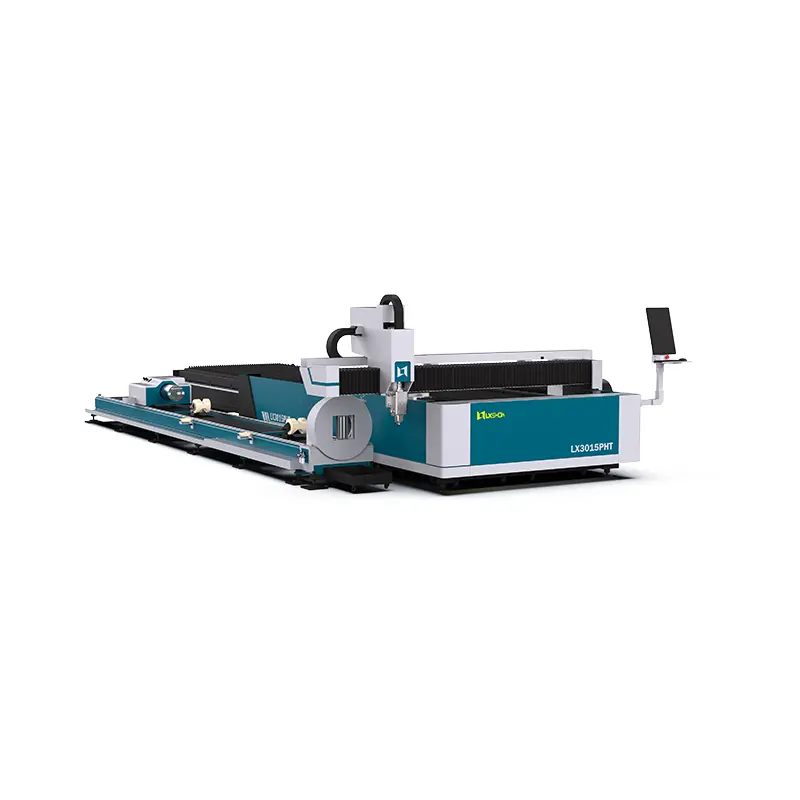
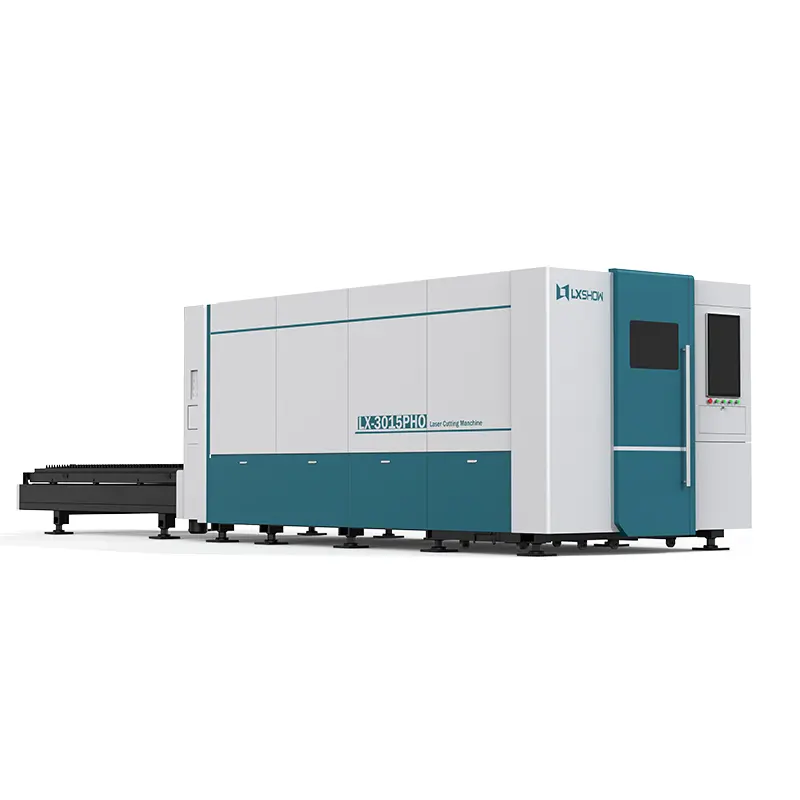
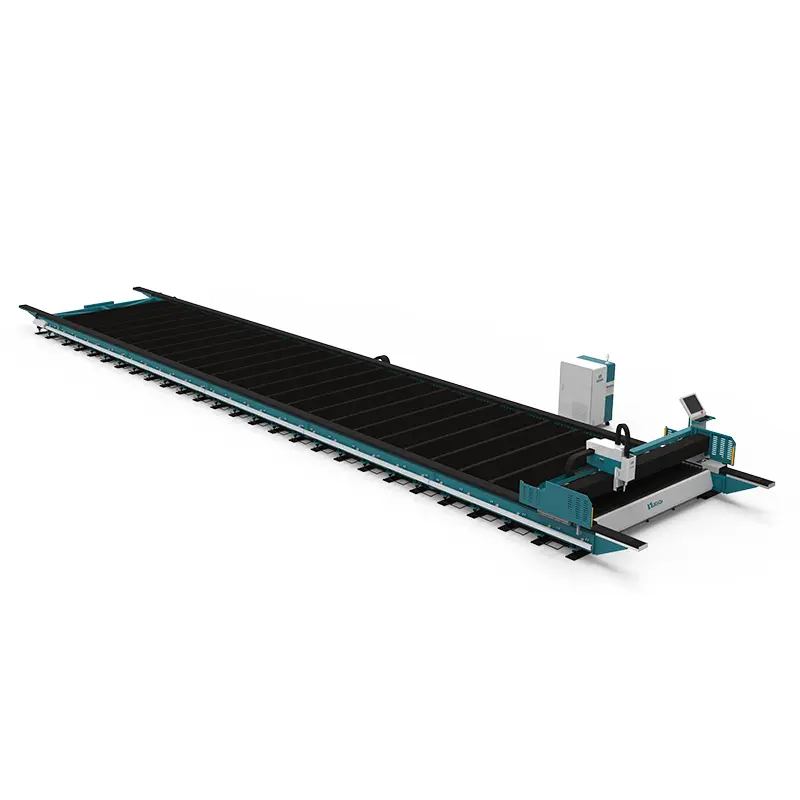
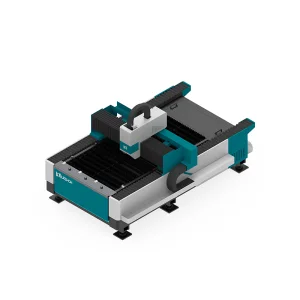
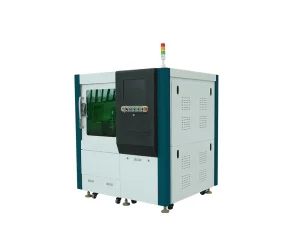
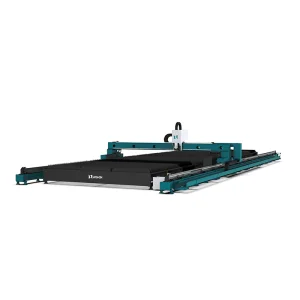
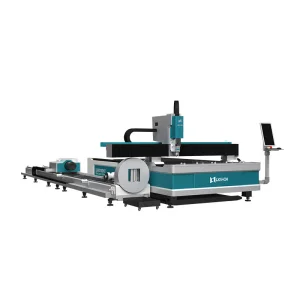
Utilizing high-power, fully enclosed exchange table machines (such as the 3015PHO and heavy-duty 20035LD format ground track systems) to execute precise, high-speed profile separations. Multi-axis CNC tube lasers (like the LX62TE) process complex round, square, or H-beam geometries with minimal setup time.
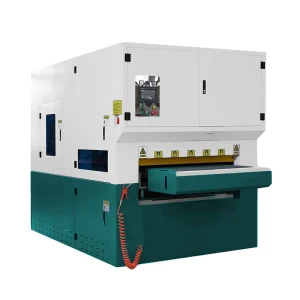
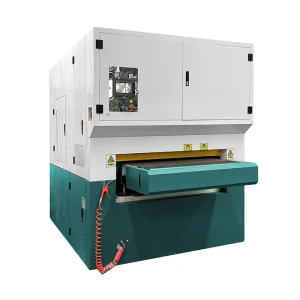
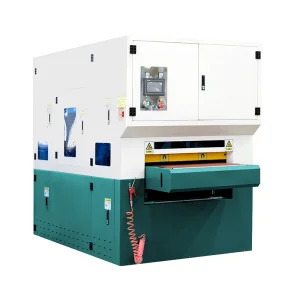
Post-cutting thermal dross, sharp micro-burrs, and oxide layers are removed through mechanical deburring lines (such as the LX-RRW-800 or LX-RRS-A-800 automatic belt grinders). This ensures edge finishes match high-level automotive and aerospace safety standards.
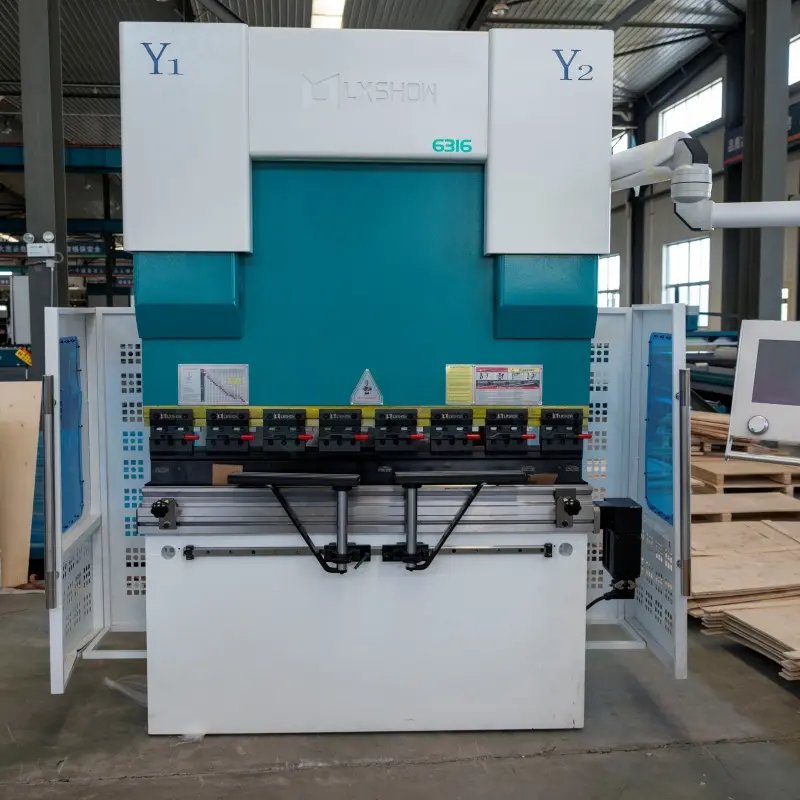
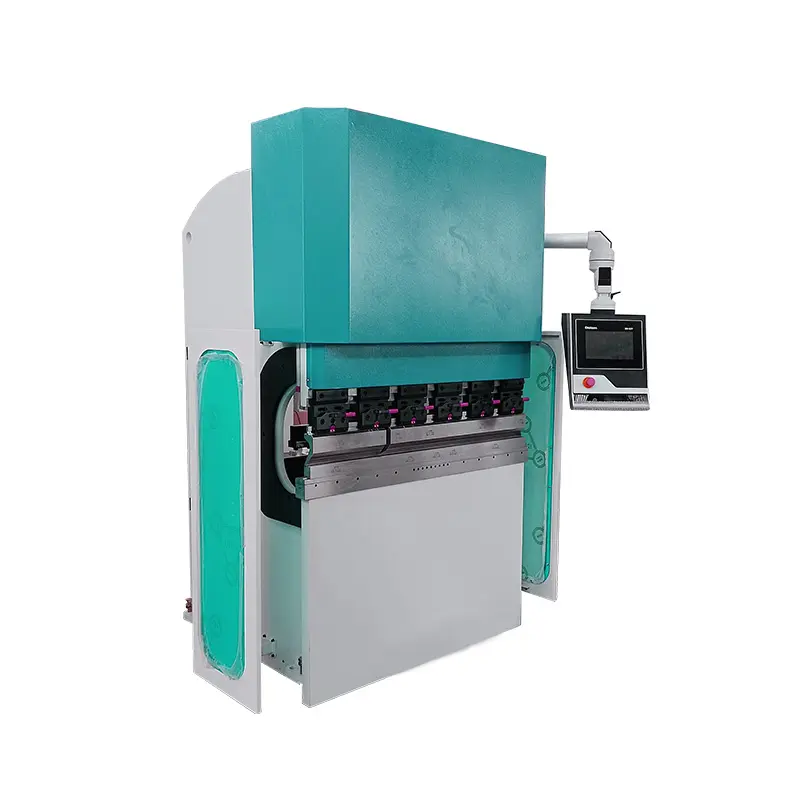
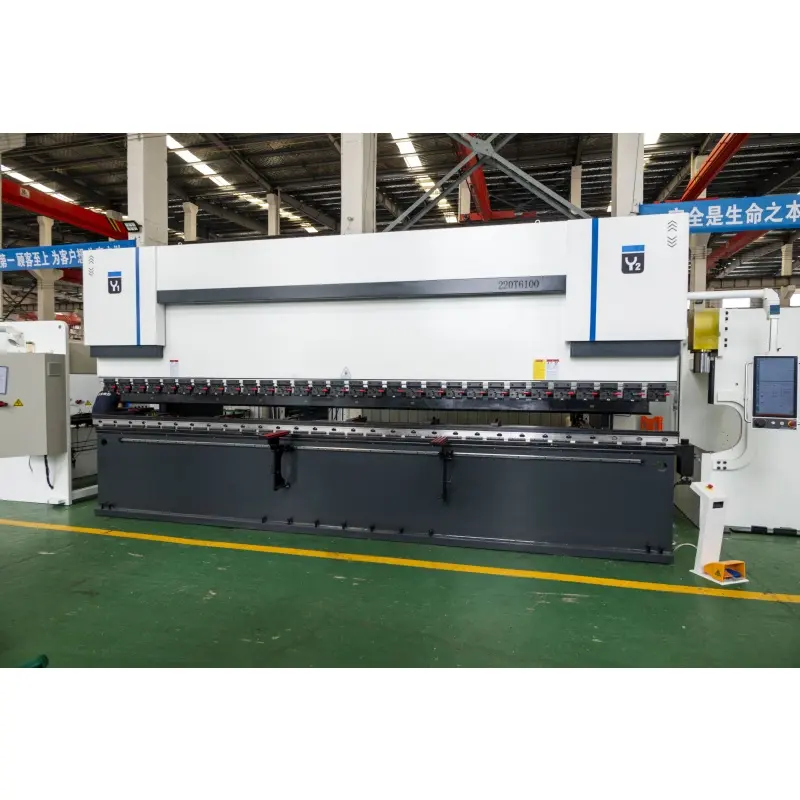
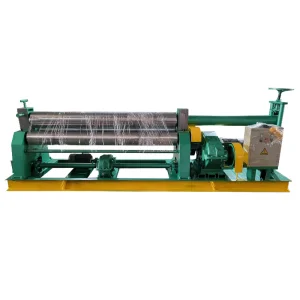
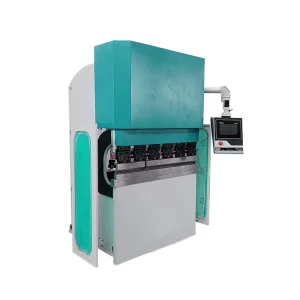
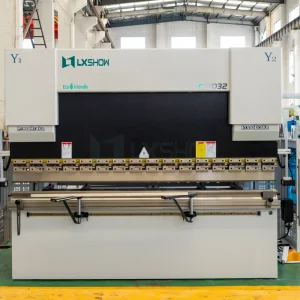
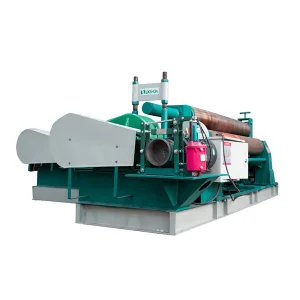
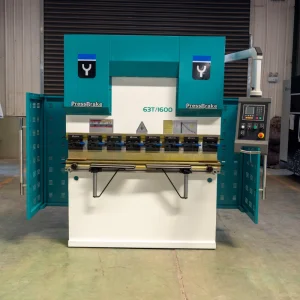
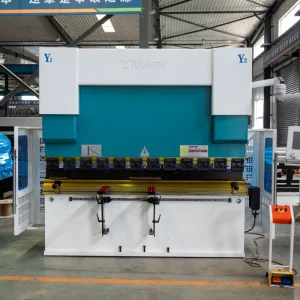
Processed sheets are transferred to CNC electro-hydraulic press brakes (e.g., the WE67K series) or full-electric servo benders for precise angular forming. Symmetrical three-roll plate rollers shape cylinders and cones, keeping tolerances well within sub-millimeter limits.
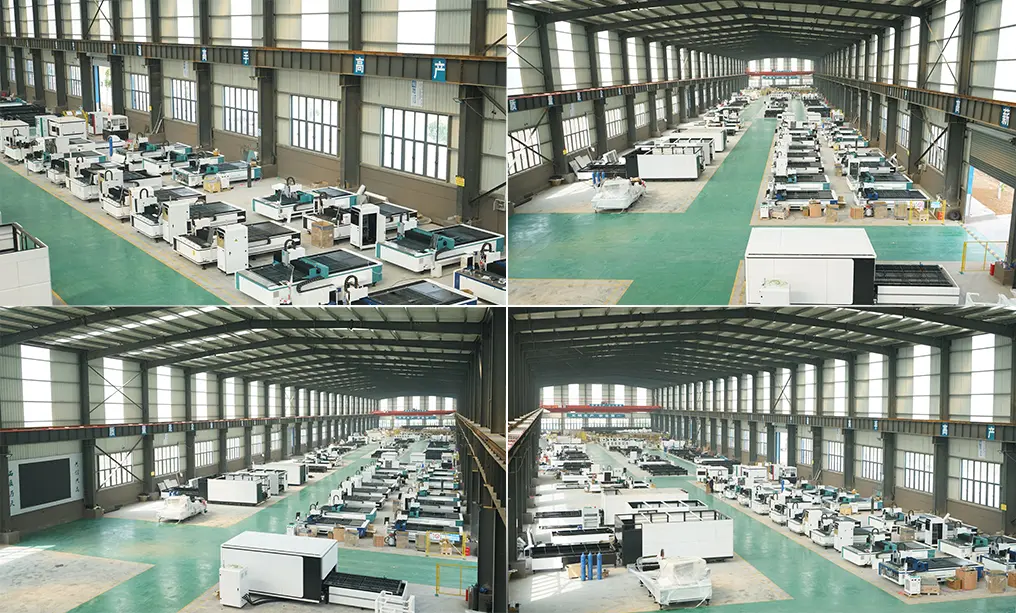
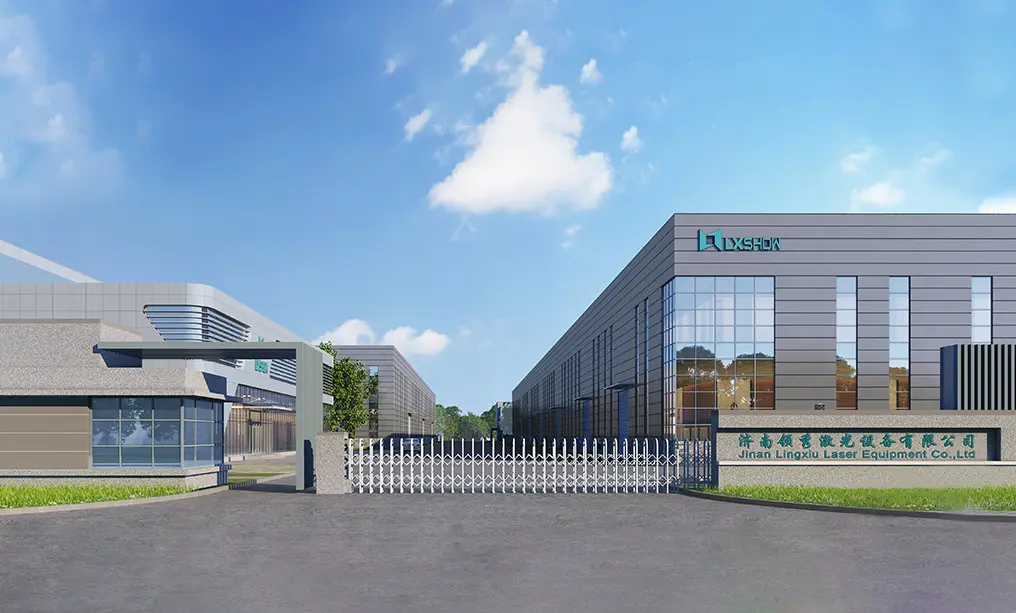
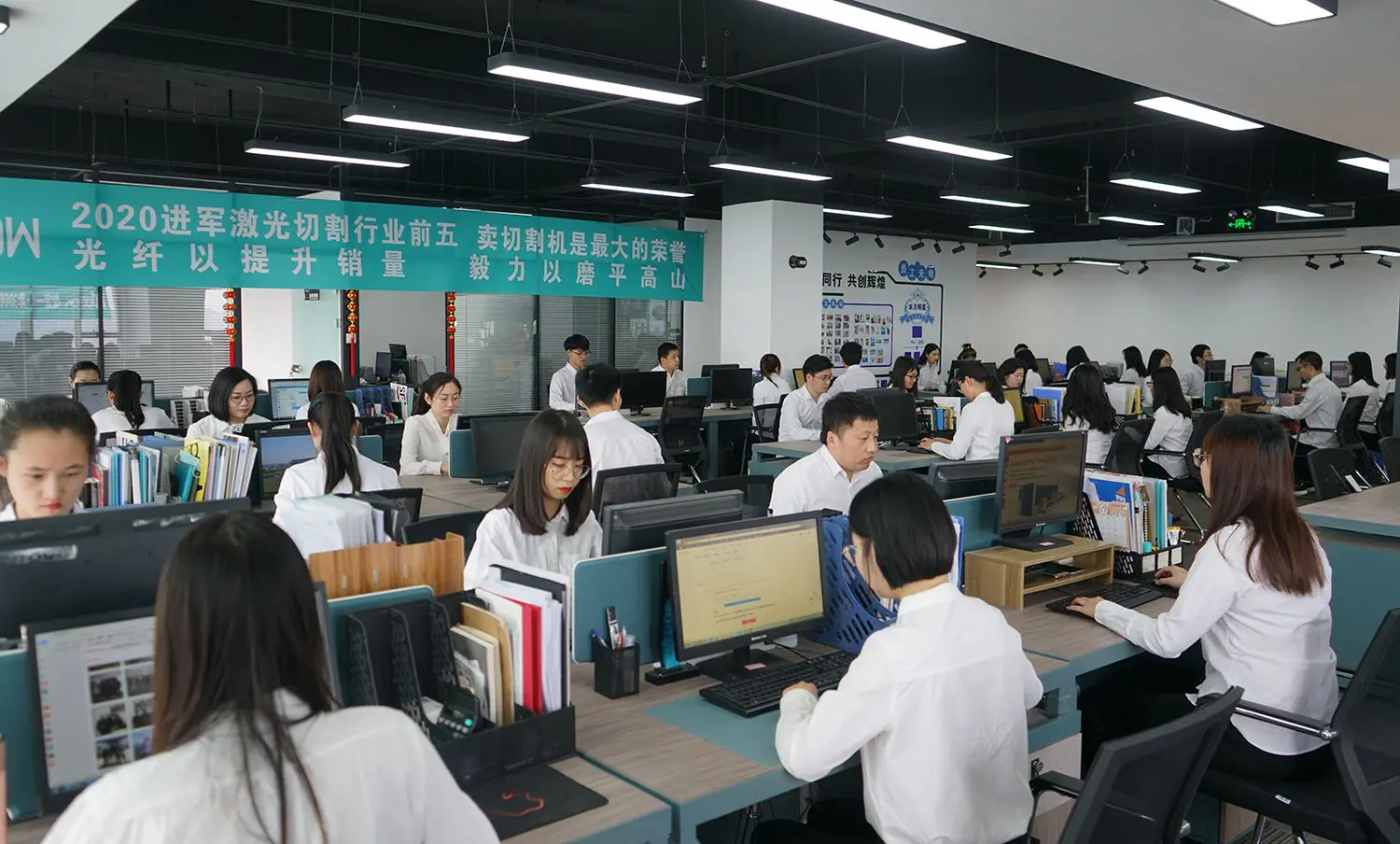
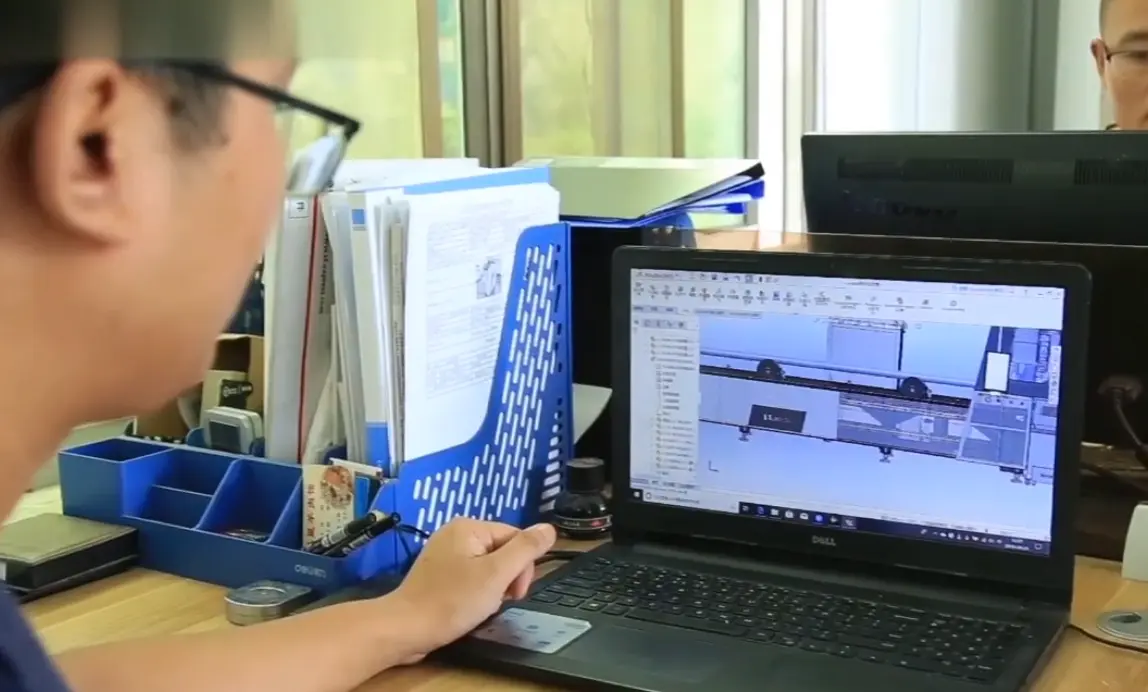
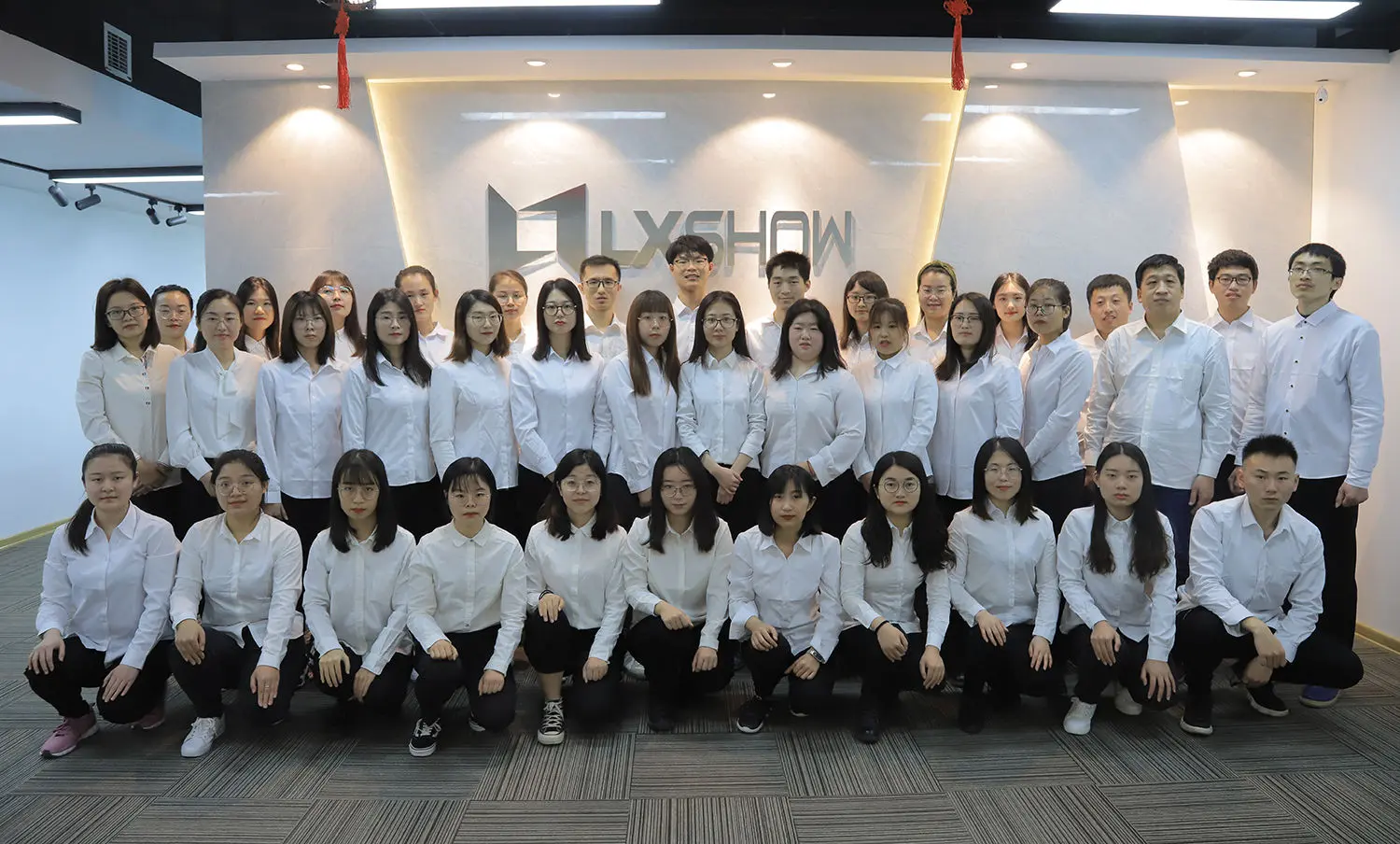
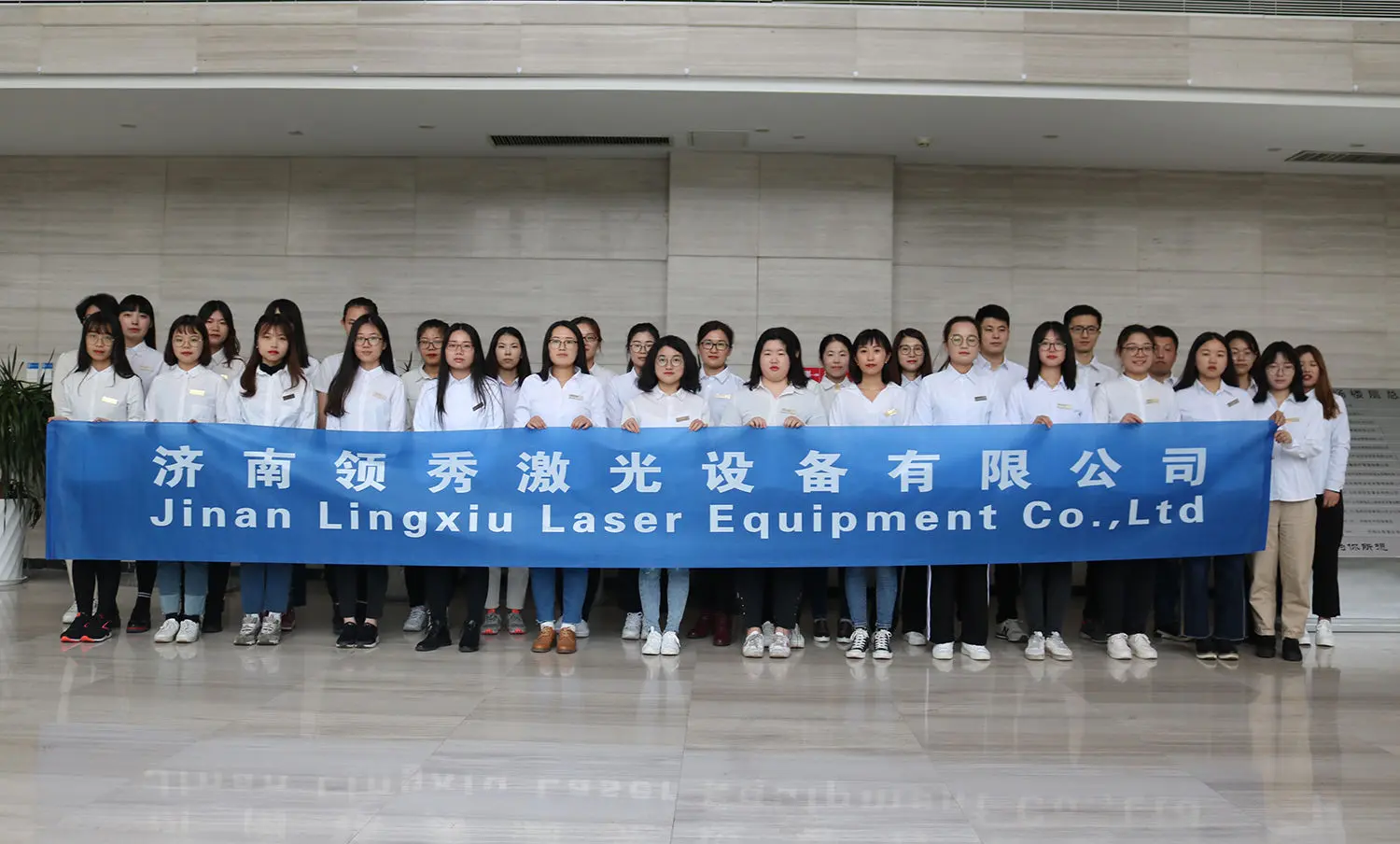
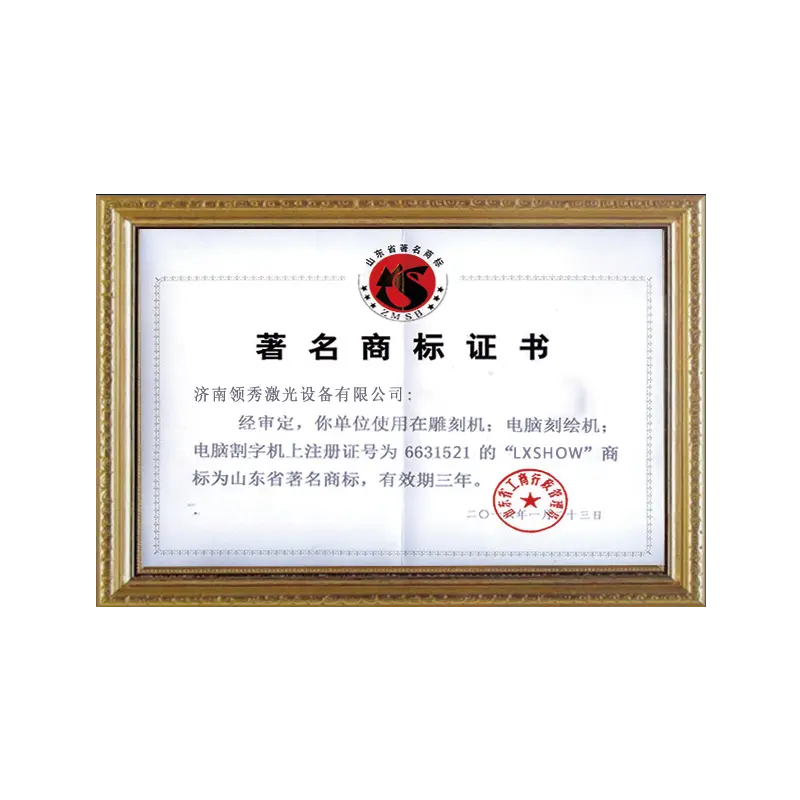
Over the past two decades, Jinan, China, has evolved into a global center for high-power industrial laser production. This cluster model allows manufacturers like LXSHOW Laser to leverage deep supply integration, local access to structural components, and highly skilled engineering talent.
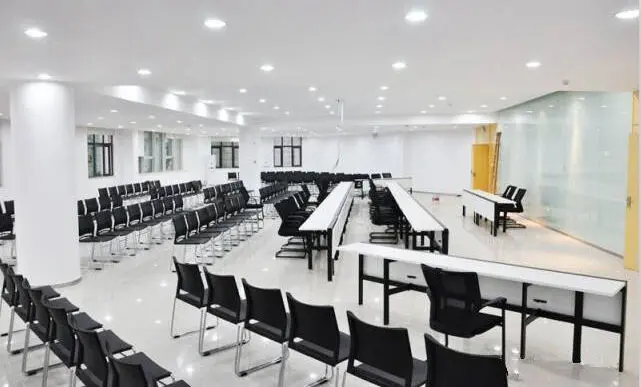
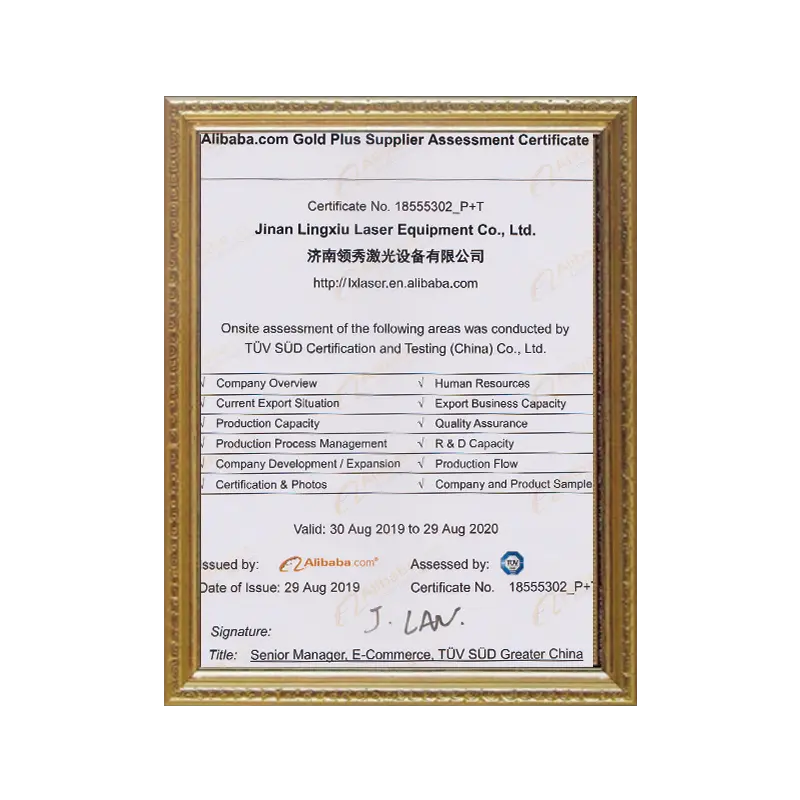
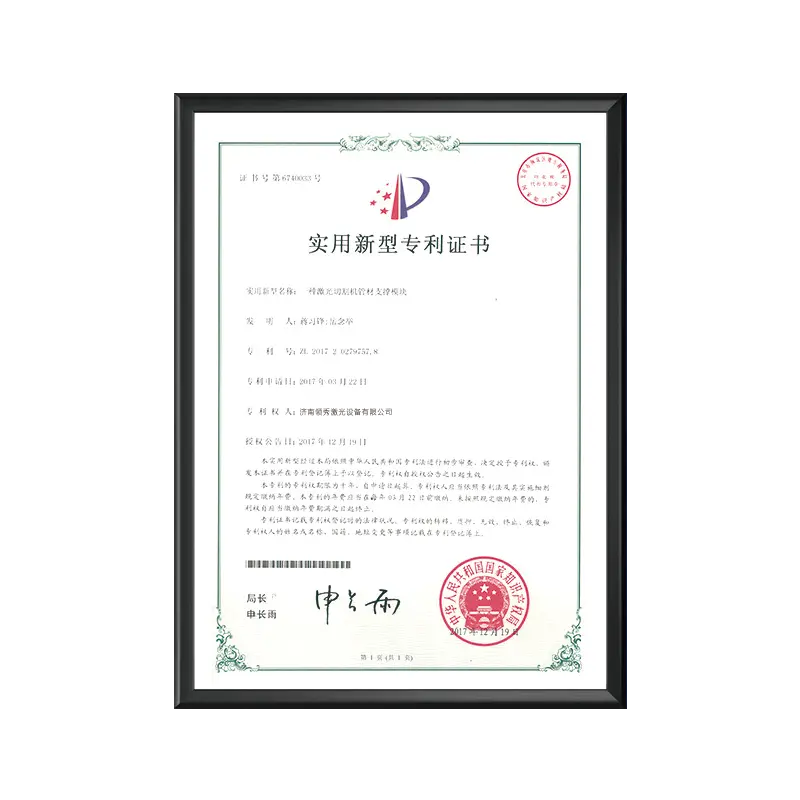
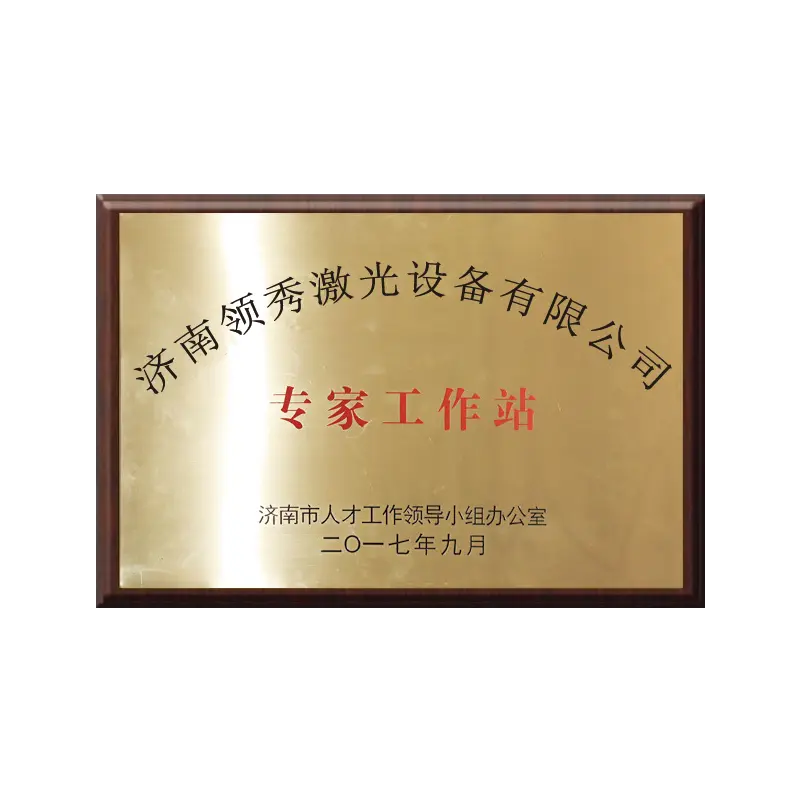
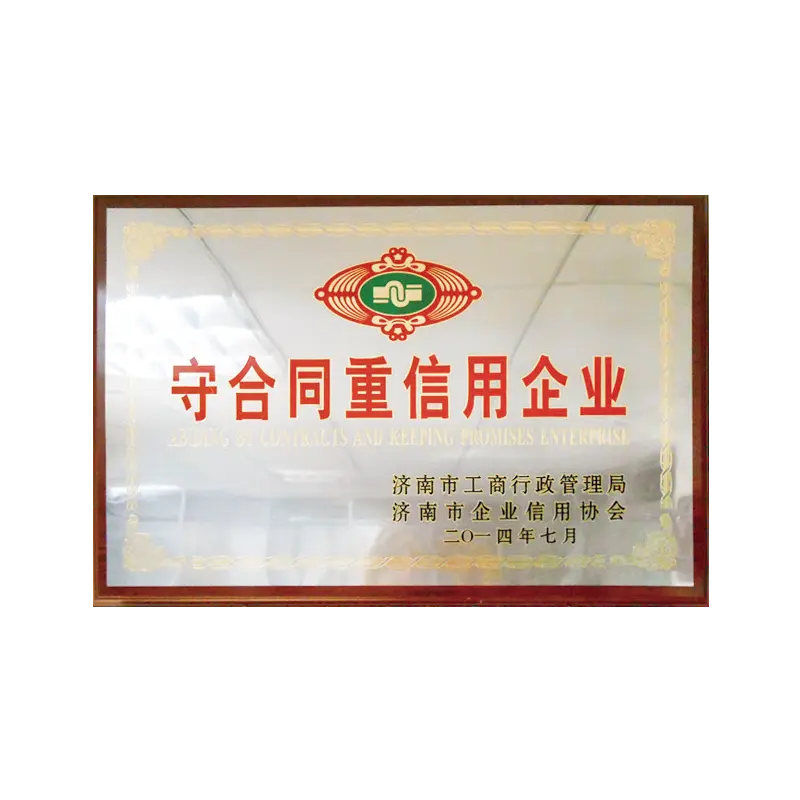
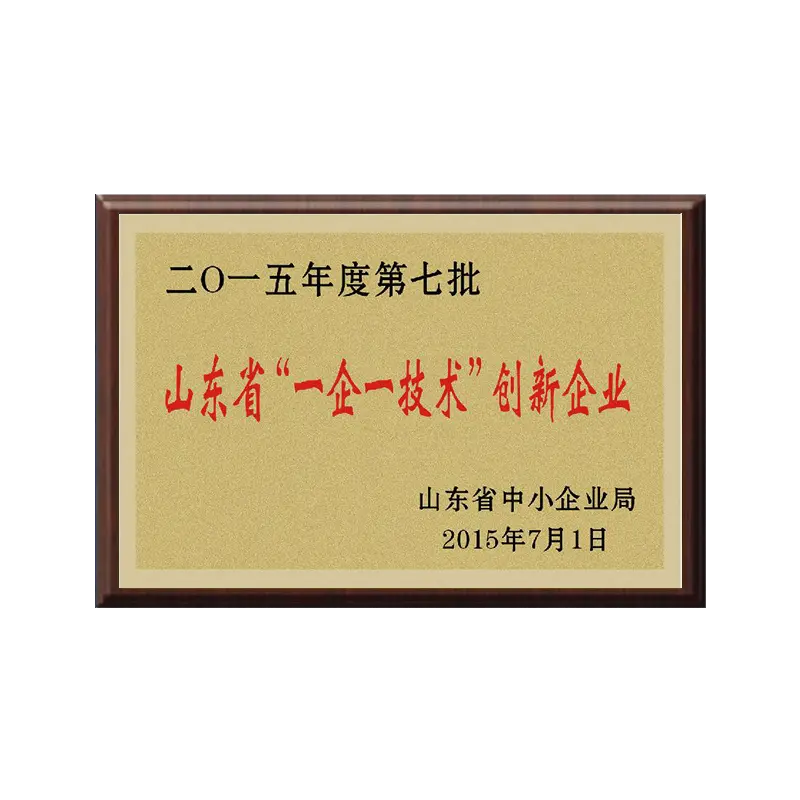
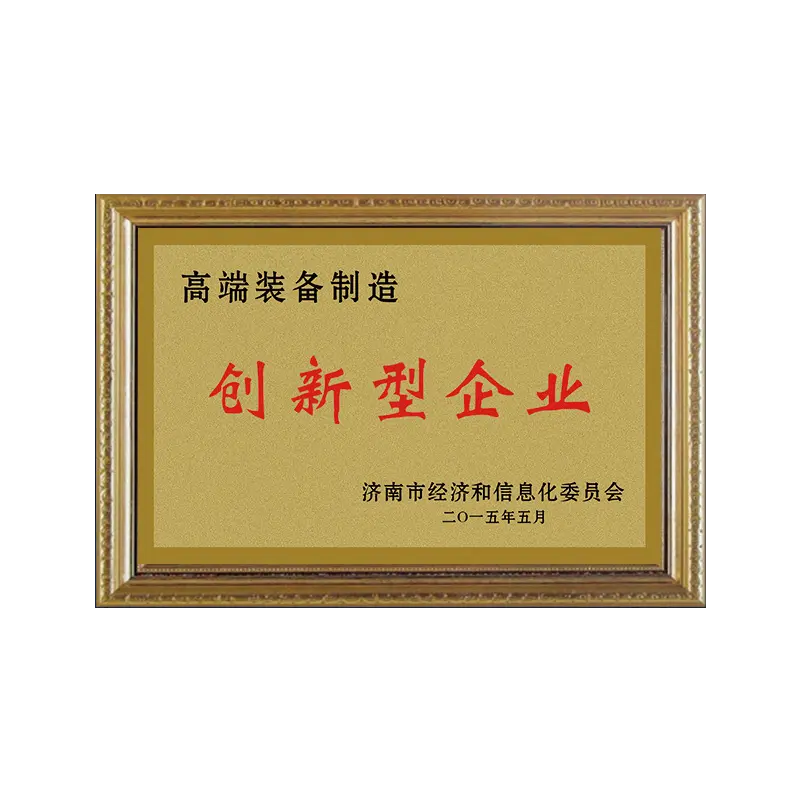
Established in July 2004, our facility covers more than 32,000 square meters of production space alongside 500 square meters of specialized R&D labs. This scale allows us to maintain vertically integrated production pipelines that buffer against global supply shocks. Our close relationships with premium sub-component suppliers (optical heads, CNC controllers, linear guide systems, servo motors) keep production lead times short without compromising raw component testing.
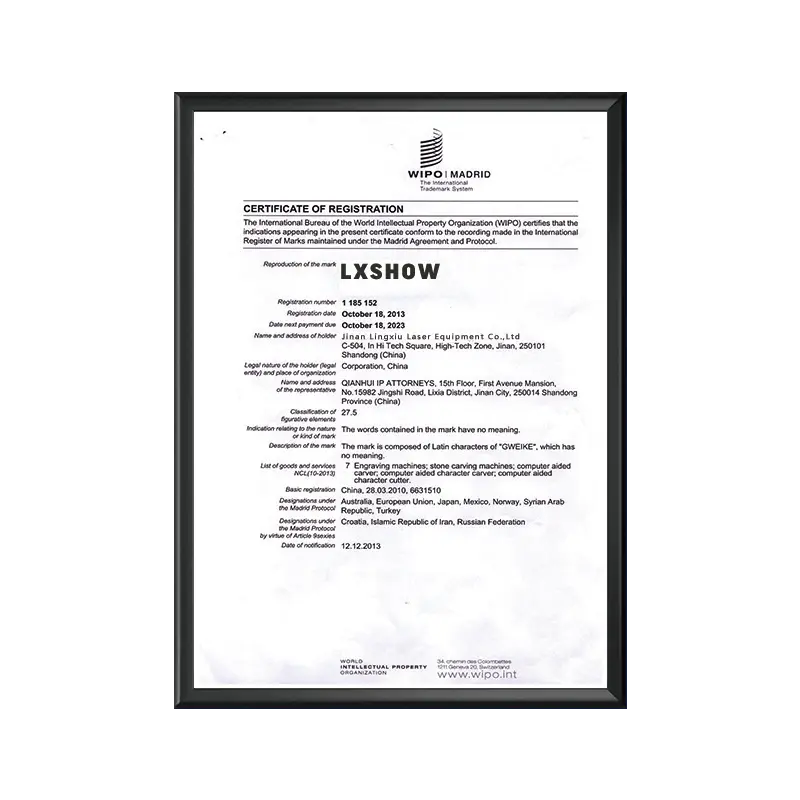
This supply model delivers a distinct cost-to-performance advantage to our global clients. By manufacturing under strict ISO 9001 quality protocols, securing European CE markings, and obtaining US FDA registry approvals, our machines offer the reliability needed for high-demand production lines at a highly competitive capital cost.

Custom metal laser cutting systems must adapt to specific localized application demands. Different regional industries encounter unique metallurgical properties and environmental demands. Whether fabricating thin stainless-steel ductwork or heavy structural frames, matching the right laser power and assist gases is essential.
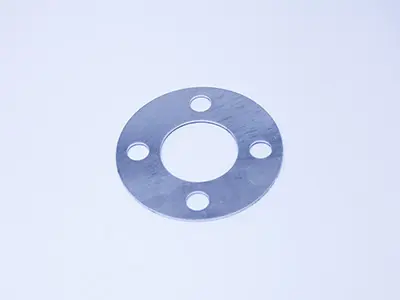
Aerospace & Automotive
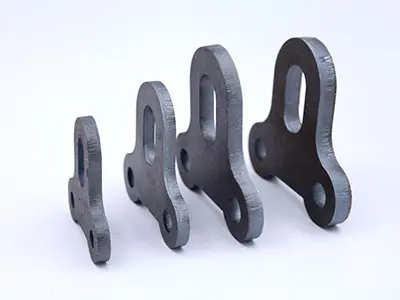
Structural Engineering
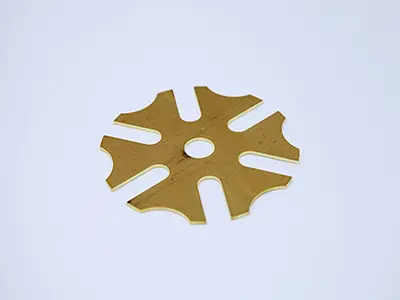
Electrical & Heat Sinks
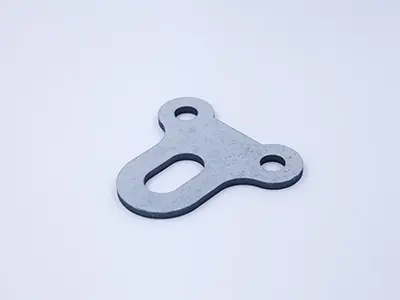
HVAC & Cabinet Enclosures
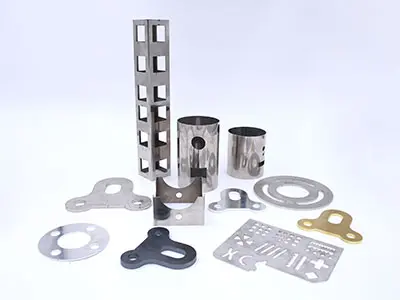
Specialized Metal Sheets
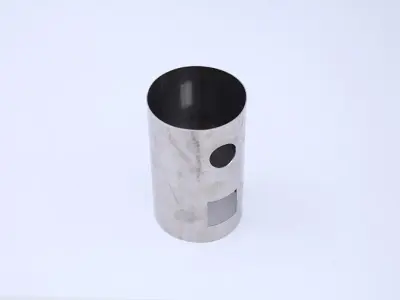
Piping & Structural Frames
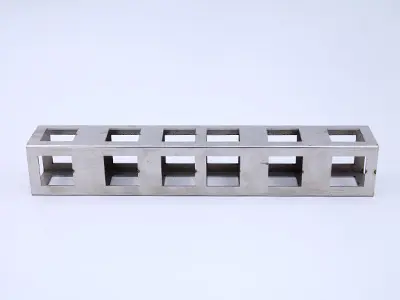
Heavy Equipment Racks
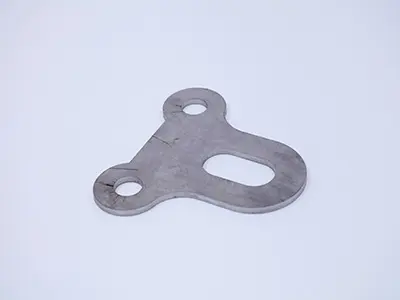
Food Processing & Medical
Key industrial applications for our processing lines include:
Processing structural sheet metal for electrical cabinets, consumer enclosures, and heavy telecom racks. Precise layouts ensure tabs and knockouts remain perfectly aligned.
Food-grade stainless steel requires clean cuts with no carbon contamination. Nitrogen assist gas is used to prevent oxidation, eliminating the need for post-cut pickling.
High-tensile steel frame parts, exhaust structures, and EV battery trays benefit from high-speed, repeatable laser profiling.
From complex advertising signage to custom facade components and metal arts, our machines convert vector profiles into clean cut shapes.
Our long-term R&D vision is focused on fully integrated, intelligent factories. By 2040, we aim to be a leader in the global laser manufacturing sector by pioneering automated, self-correcting fabrication systems. This includes advanced closed-loop sensor suites, AI-driven nesting algorithms, and low-energy green laser systems.
Future operations will connect fiber cutting systems directly with autonomous material warehouses, robotic press brakes, and automated deburring stations. Real-time diagnostic data from optical modules will help predict maintenance needs, ensuring continuous, high-yield manufacturing runs.
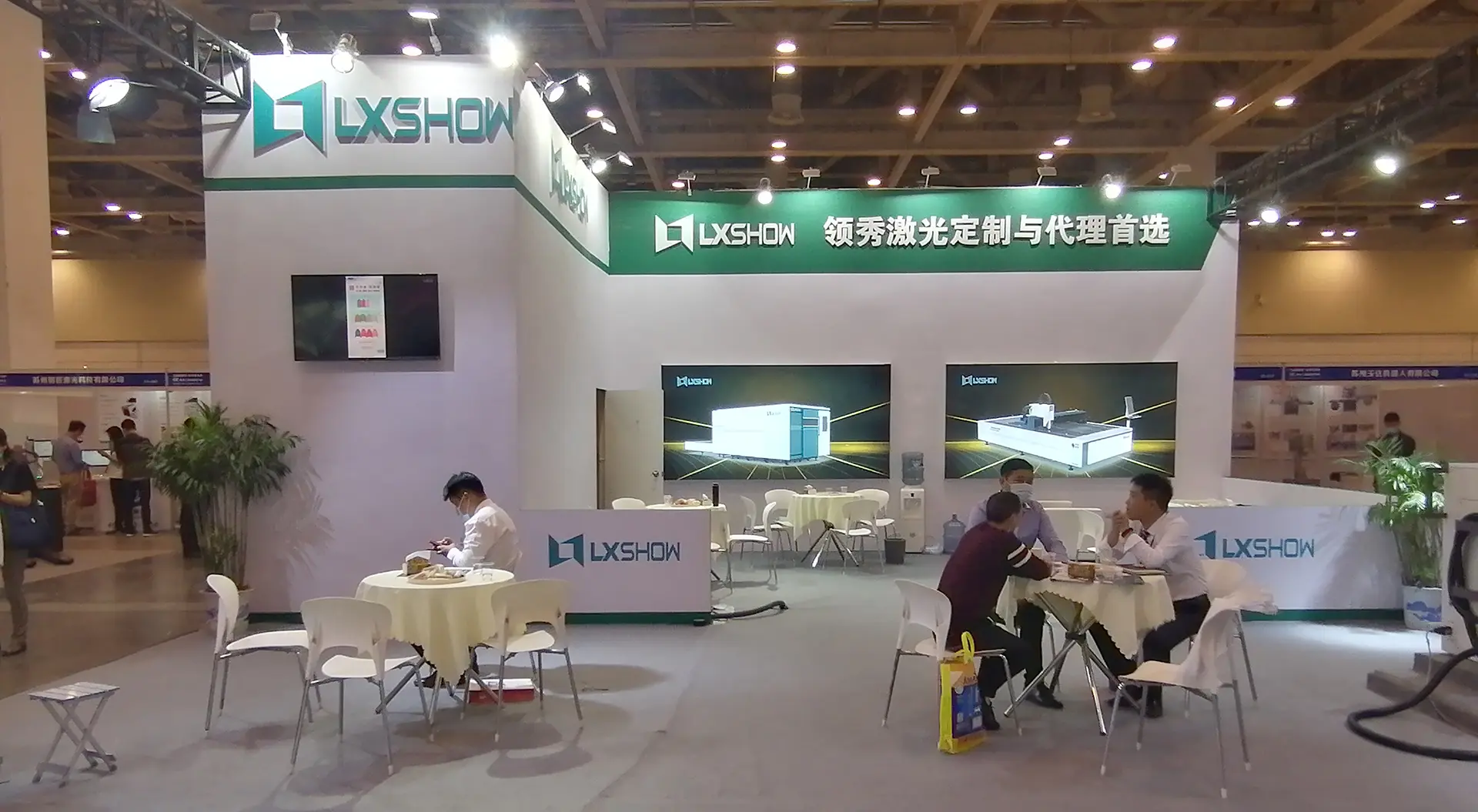
Fiber lasers operate at a 1.06µm wavelength, which is absorbed more efficiently by metals than the 10.6µm wavelength of CO2 lasers. This allows for significantly higher cutting speeds on thin sheet metal, lower electricity consumption, and maintenance-free solid-state delivery instead of complex mirror optics.
Oxygen assists the cut through an exothermic reaction, ideal for thicker carbon steels. Nitrogen acts as an inert shield that displaces oxygen, producing clean, oxide-free edges on stainless steel and aluminum. This saves preparation time before welding or painting.
High-temperature laser cutting can leave dross or sharp micro-burrs. Systems like the LX-RRW-800 use wide abrasive belts to clean cut sheets in a single pass. This ensures safe handling, consistent bending, and better coating adhesion.
All core systems carry European Union CE approval, US FDA certification, and ISO 9001 quality system credentials. This ensures compliance with global safety and operational standards.
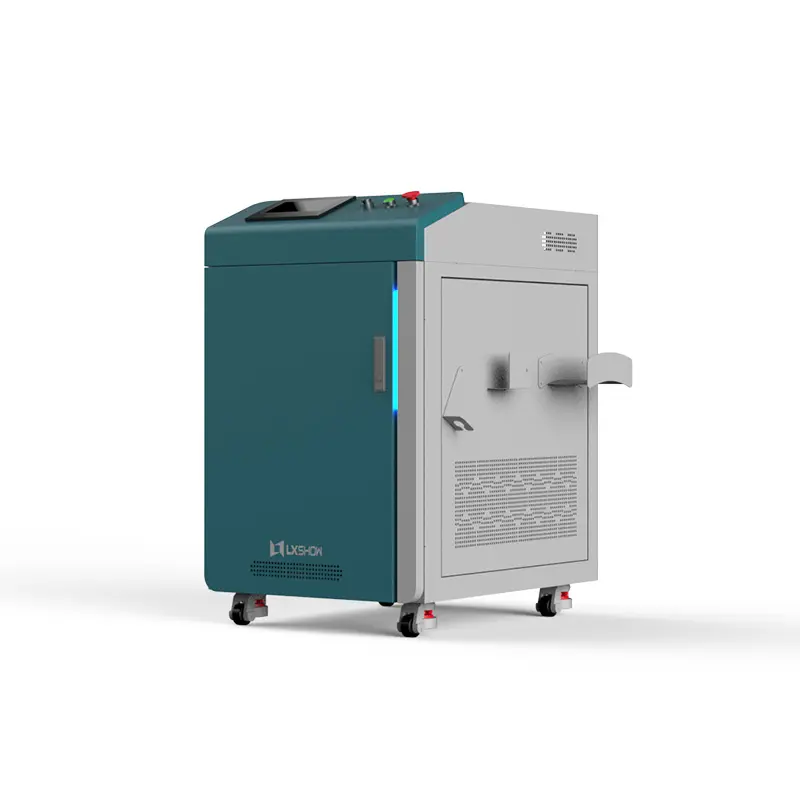
Provides durable protective overlays for heavy industrial components under high wear.
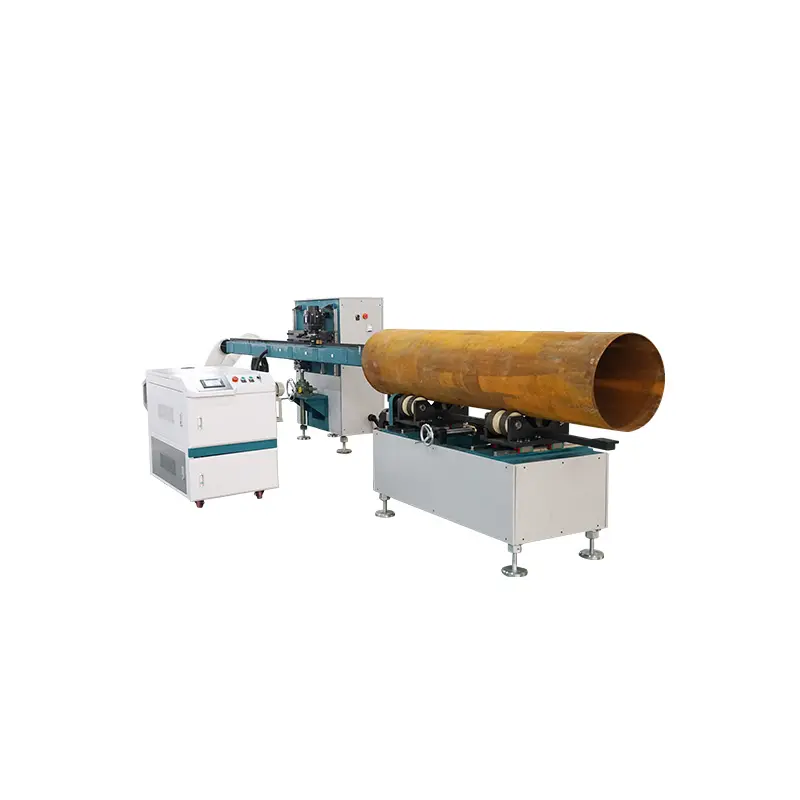
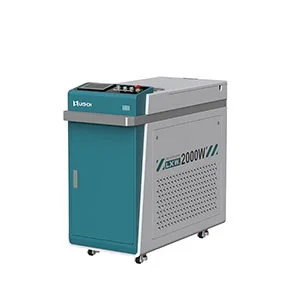
Non-contact rust, paint, and oxide removal for structural components.
High-precision metal joining systems with low heat distortion.
High-speed, precise sheet and tube profiling systems.
CNC press brakes and servo benders for repeatable angular shapes.
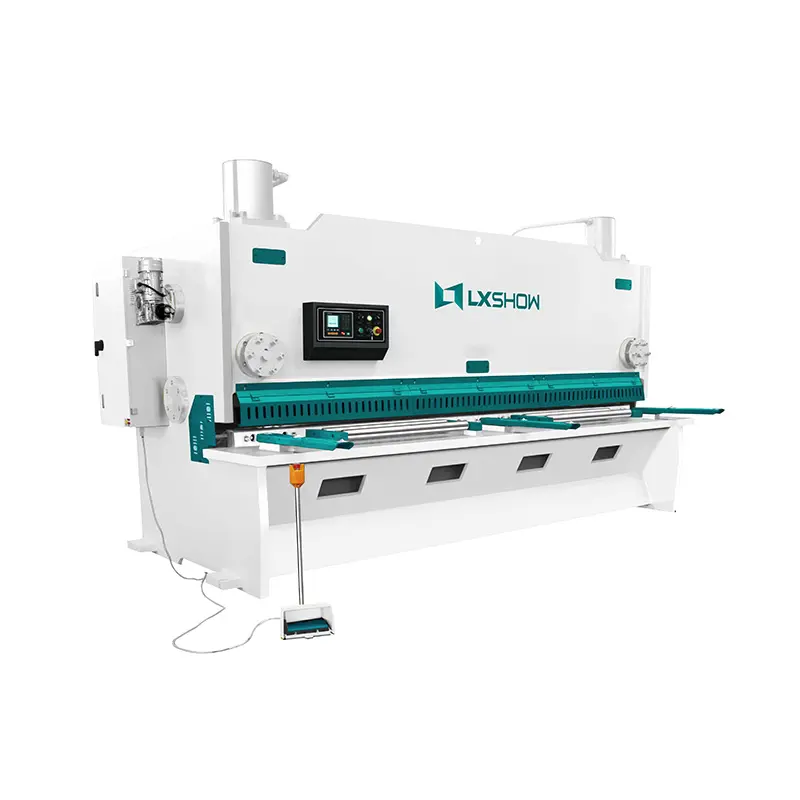
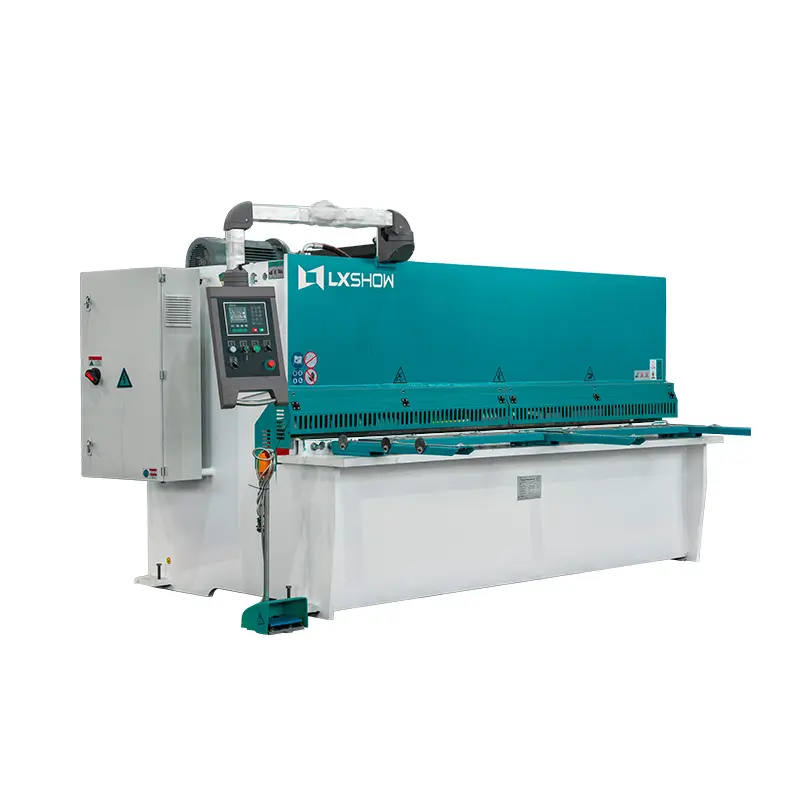
Heavy-duty hydraulic gate and pendulum shearing systems.
 Lxshow