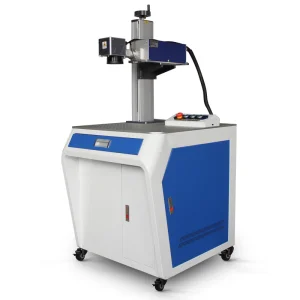
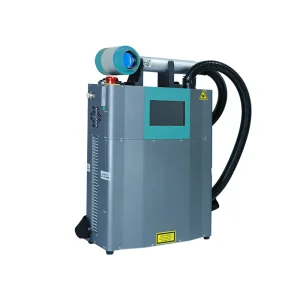
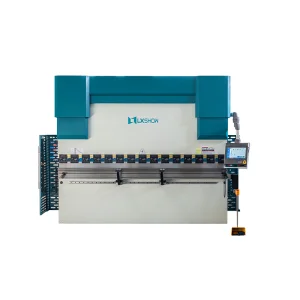
Explore our leading laser processing equipment and heavy-duty structural CNC apparatuses engineered to execute high-capacity fabrication challenges with micron-level tolerance management.
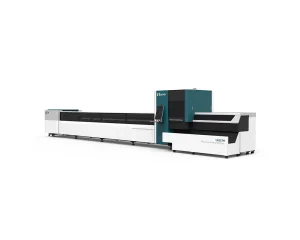
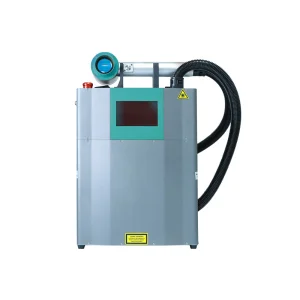
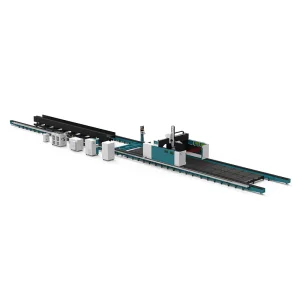
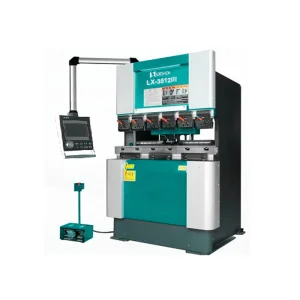
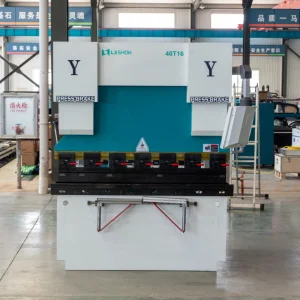
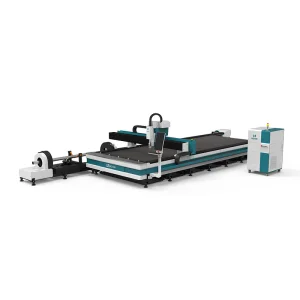
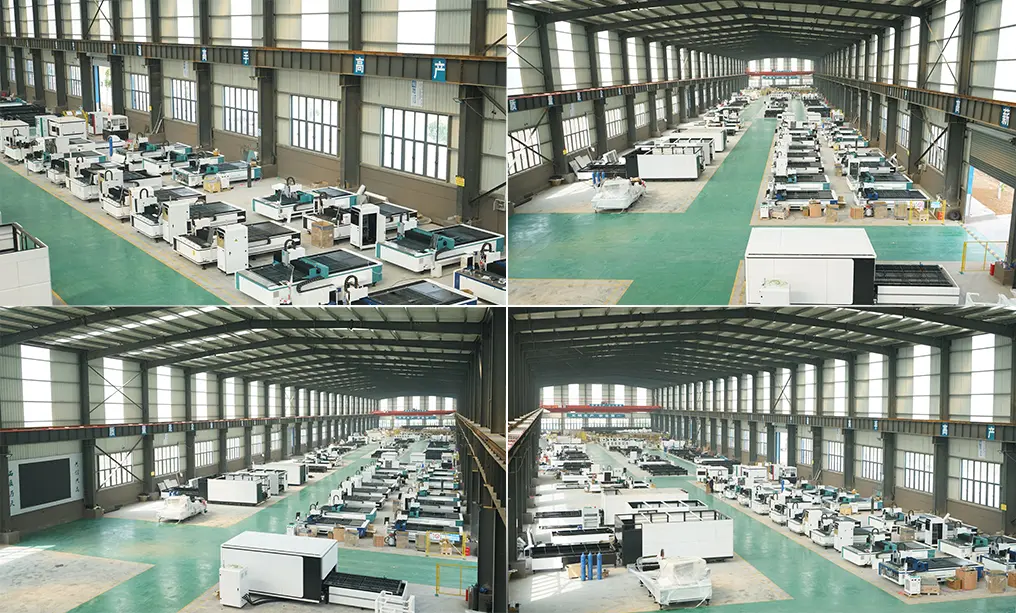
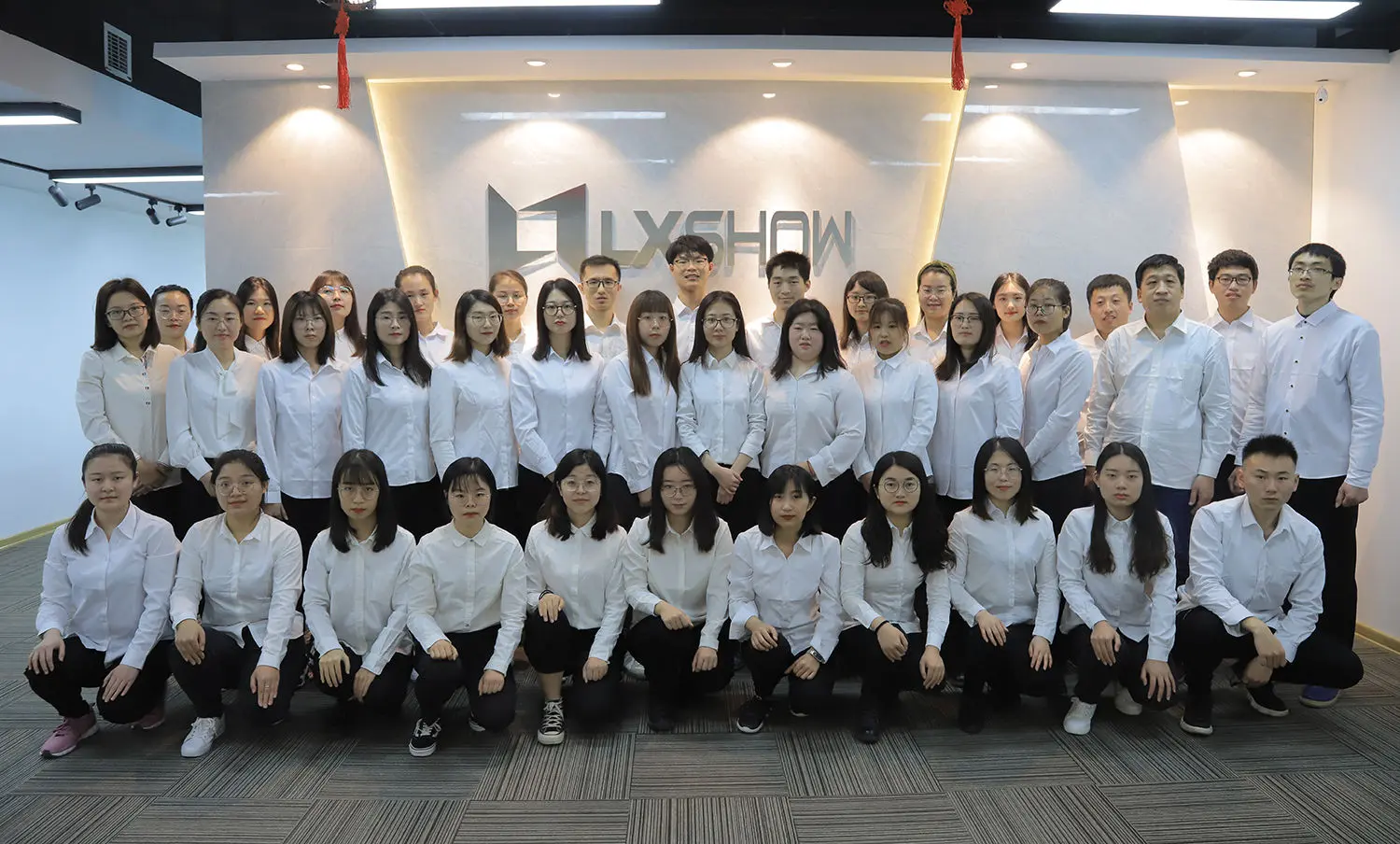
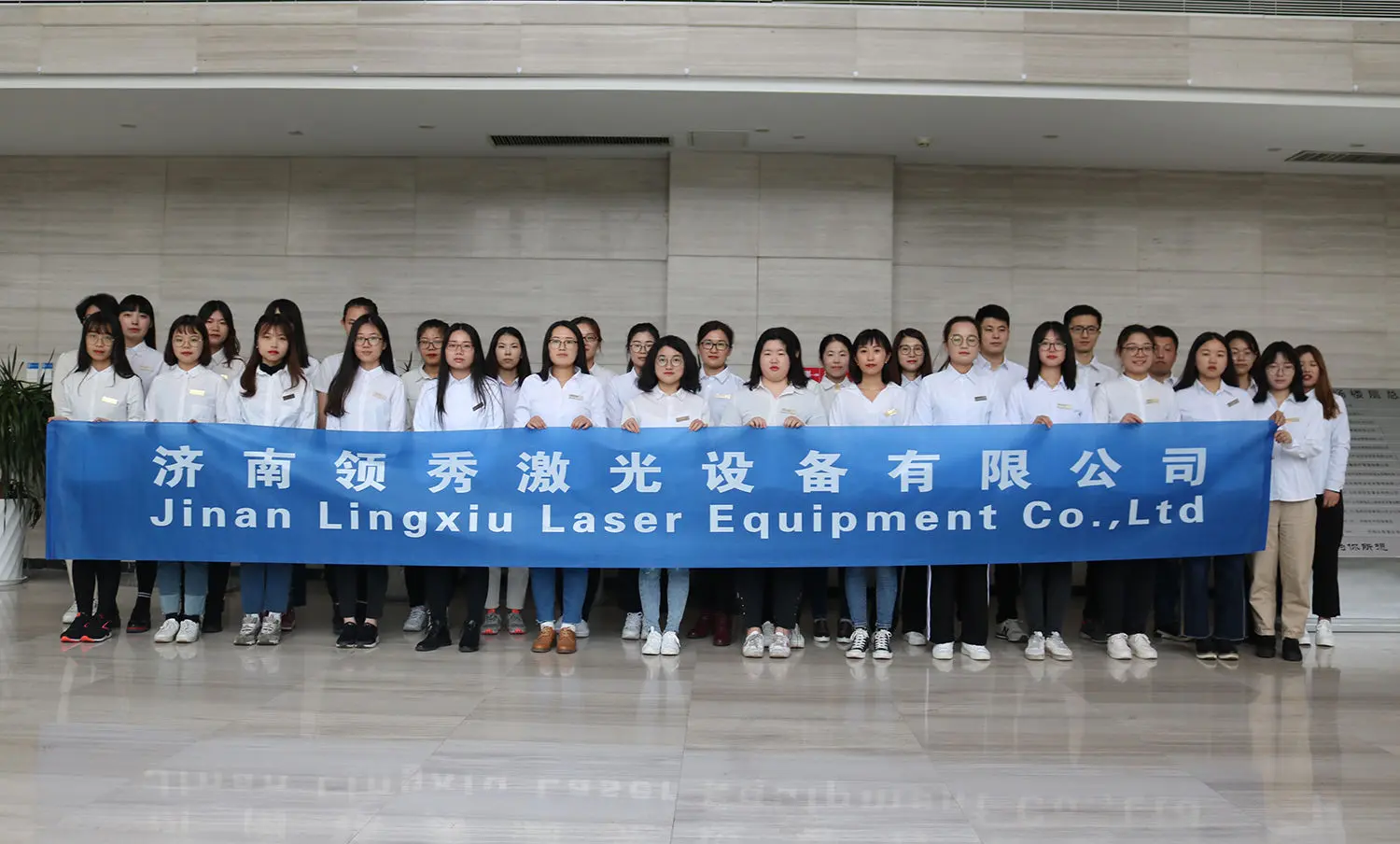
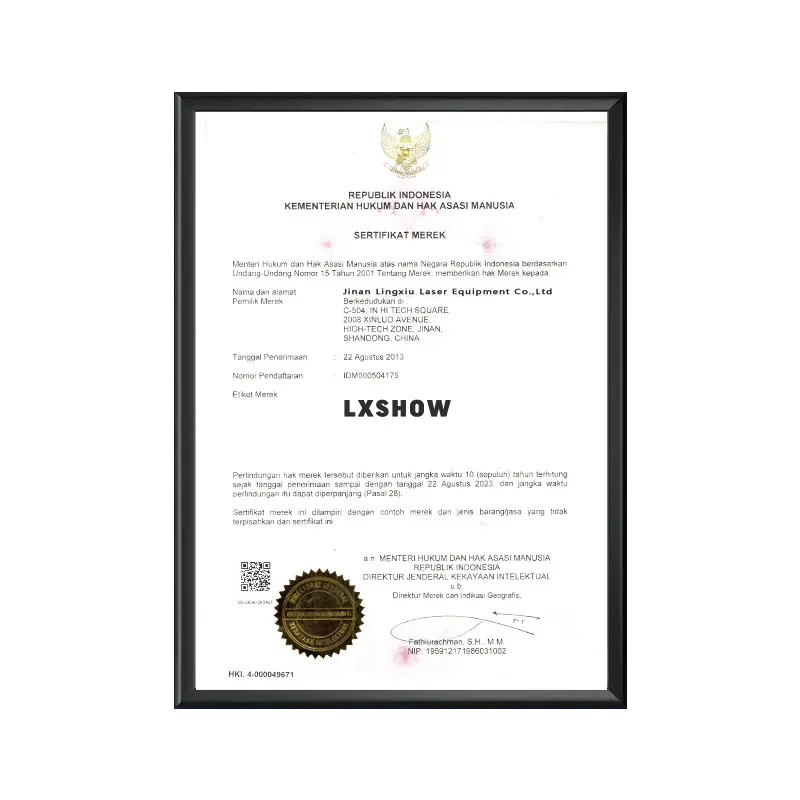
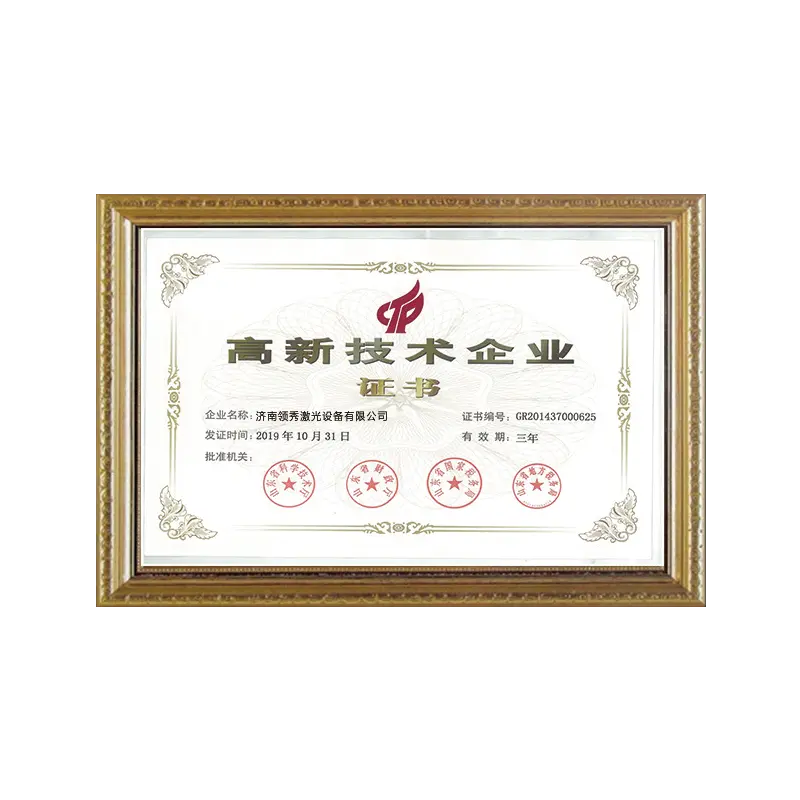
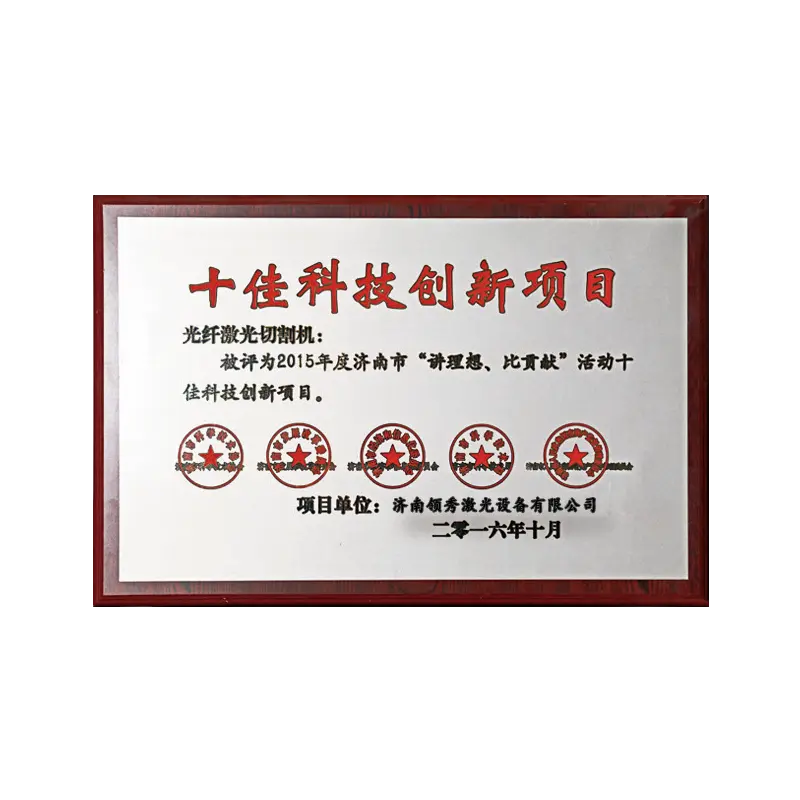
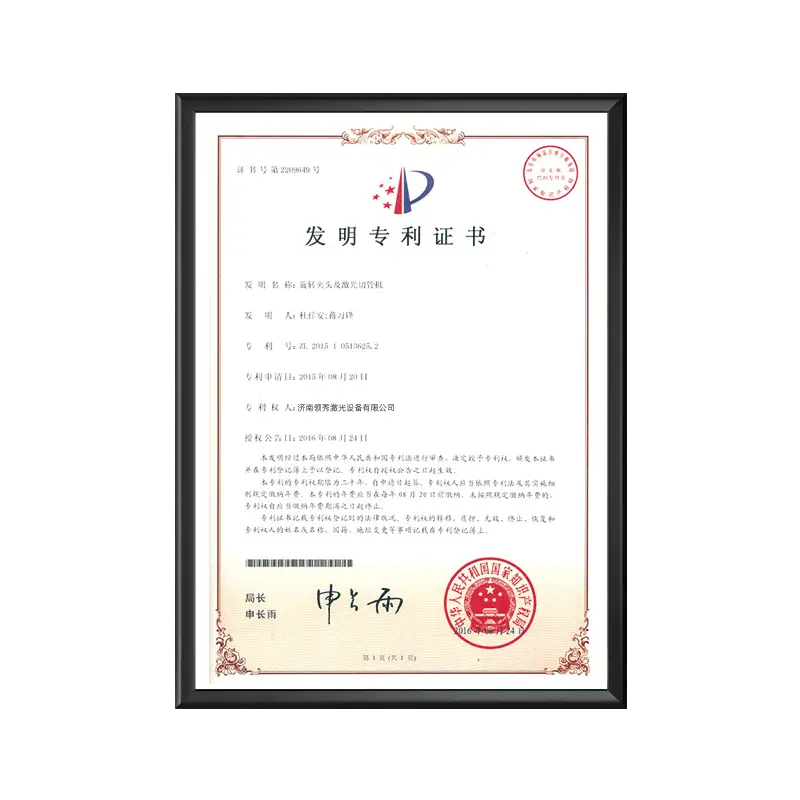
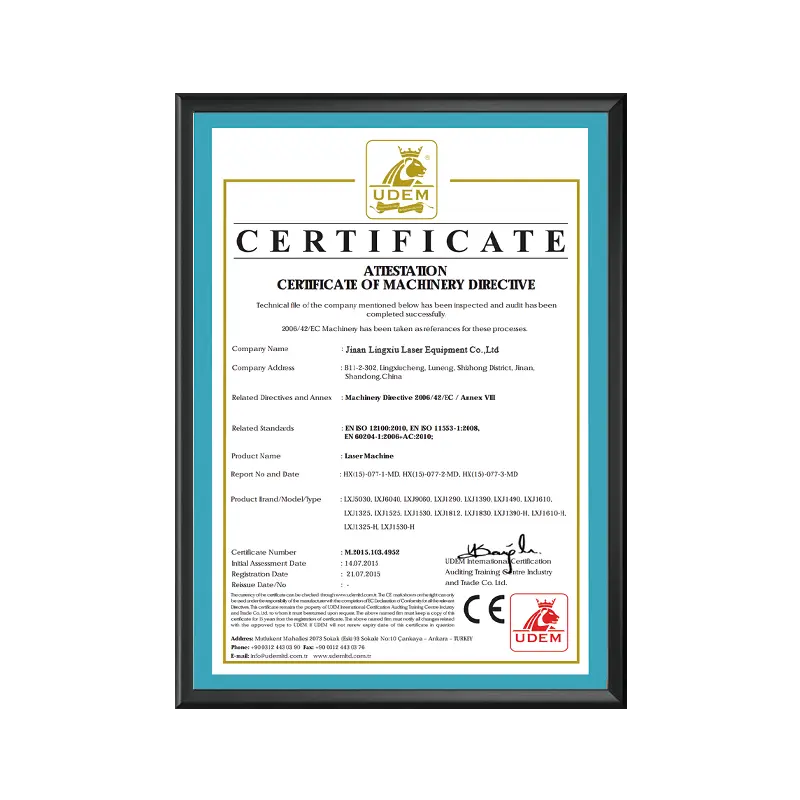
Established in July 2004, we have committed ourselves for over 18 years to the continuous design, research, optimization, and fabrication of advanced laser equipment configurations. Supported by a robust infrastructure featuring more than 500 square meters of specialized research and office environment coupled with a state-of-the-art production plant measuring in excess of 32,000 square meters, we rank among the premier smart manufacturing enterprises in China. All of our precision machinery has passed rigorous safety audits to secure the European Union CE authentication, the United States FDA certificate, and certification to the internationally benchmarked ISO 9001 quality management standards.
Our sophisticated portfolio is delivered to customers spanning the USA, Canada, Australia, Europe, Southeast Asia, Africa, and beyond, covering more than 120 global regions. Guided by a customer-centric and innovation-first paradigm, we assist manufacturing systems in migrating toward smart factories, integrating modern automated production concepts, and accelerating structural upgrading through our advanced Communication Center for Laser Cutting, Welding, and Cleaning technology.
Modern industrial dynamics demand unparalleled cutting speeds, absolute repeat positioning precision, and minimal operational downtime. China's laser cut factories have shifted from low-cost machinery exporters to global providers of high-power, integrated material handling solutions. At a macro level, fiber lasers are replacing traditional tool-and-die, plasma, and mechanical shearing methodologies because they yield negligible mechanical stress, reduced heat-affected zones (HAZ), and highly dynamic vector profiles.
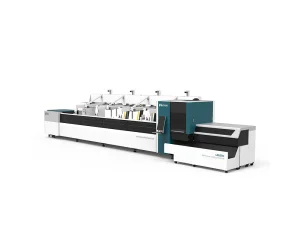
High-tensile auto-body panel components, hydroformed tubes, structural columns, and lightweight titanium alloys utilized in aerospace frameworks demand micro-level tolerance and no thermal cracking. Integrated CNC pipe systems allow for continuous bevel and round cutting with zero positioning errors.
Structural cabinets, electrical housings, machinery guards, and control panels call for absolute edge squareness and zero structural burring. Multi-axis all-electric bending networks work in synchrony with laser output to deliver rapid throughput without manual readjustment.
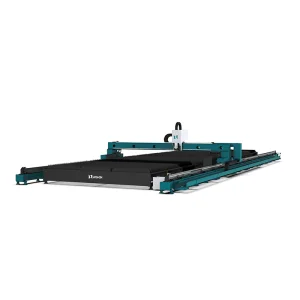
For heavy equipment frames, earthmoving assemblies, and construction machinery, our high-power ground-track fiber laser cutters (up to 30,000W output configurations) handle thick carbon steel, structural steel, and H-beams with exceptional dimensional consistency.
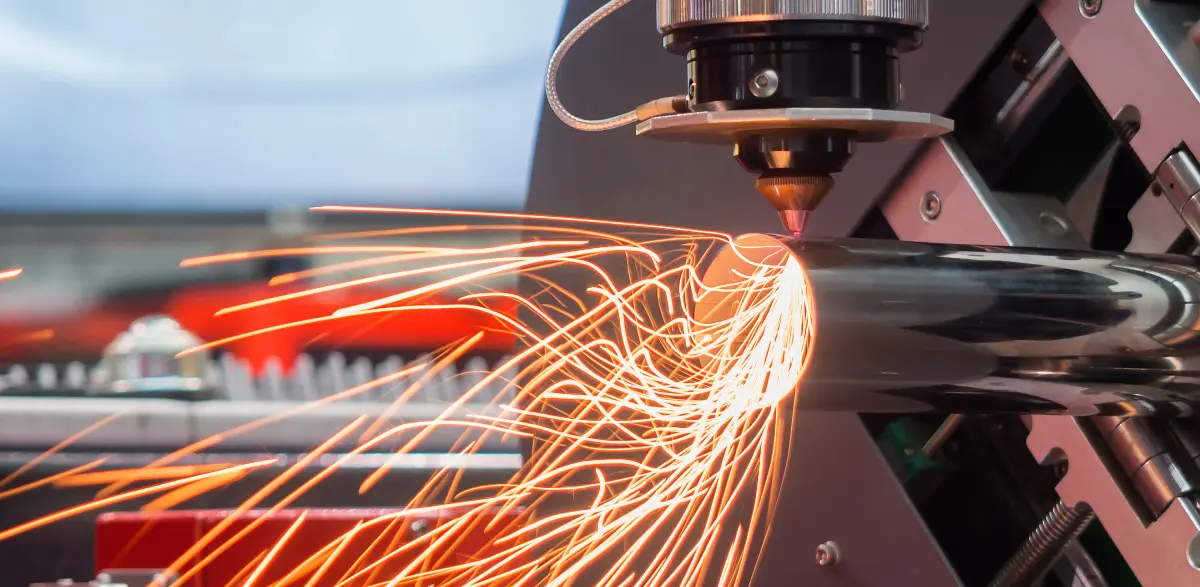
Our laser machining assemblies utilize specific wavelengths and assist gas configurations to work with diverse metallic structures. Highly reflective metals (copper, aluminum) require advanced optical resonators to prevent back-reflection damage, whereas carbon and stainless steels benefit from gas-flow dynamics to optimize cut speed and surface quality.
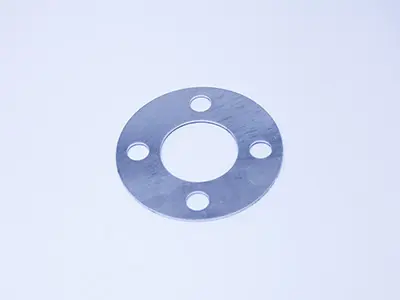
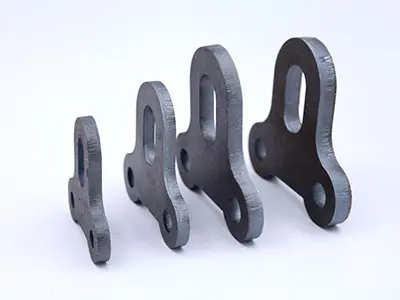
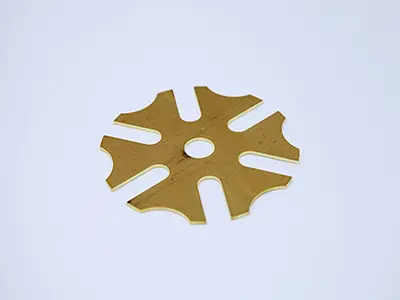
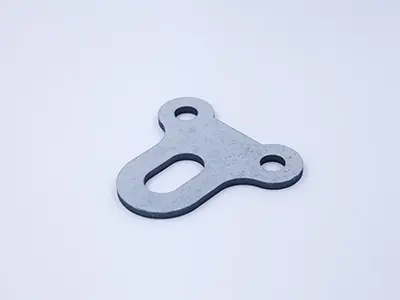
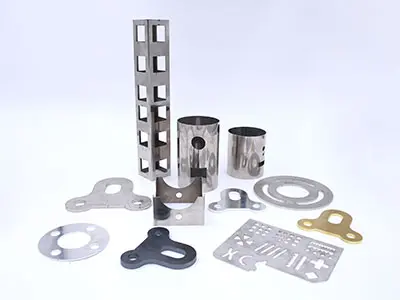
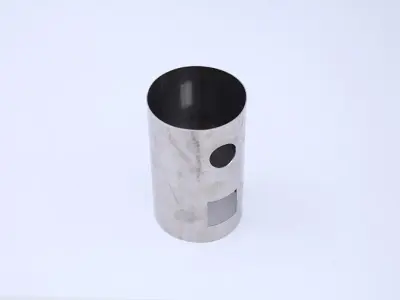
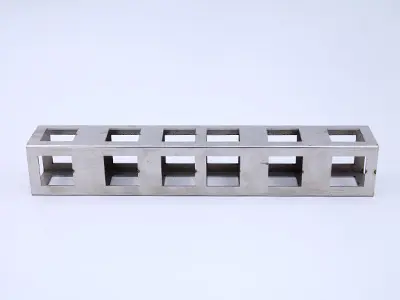
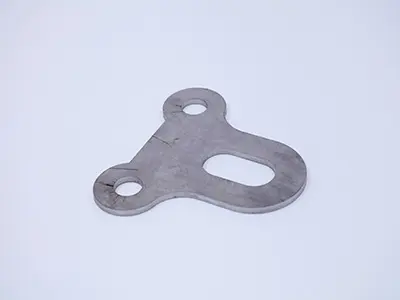
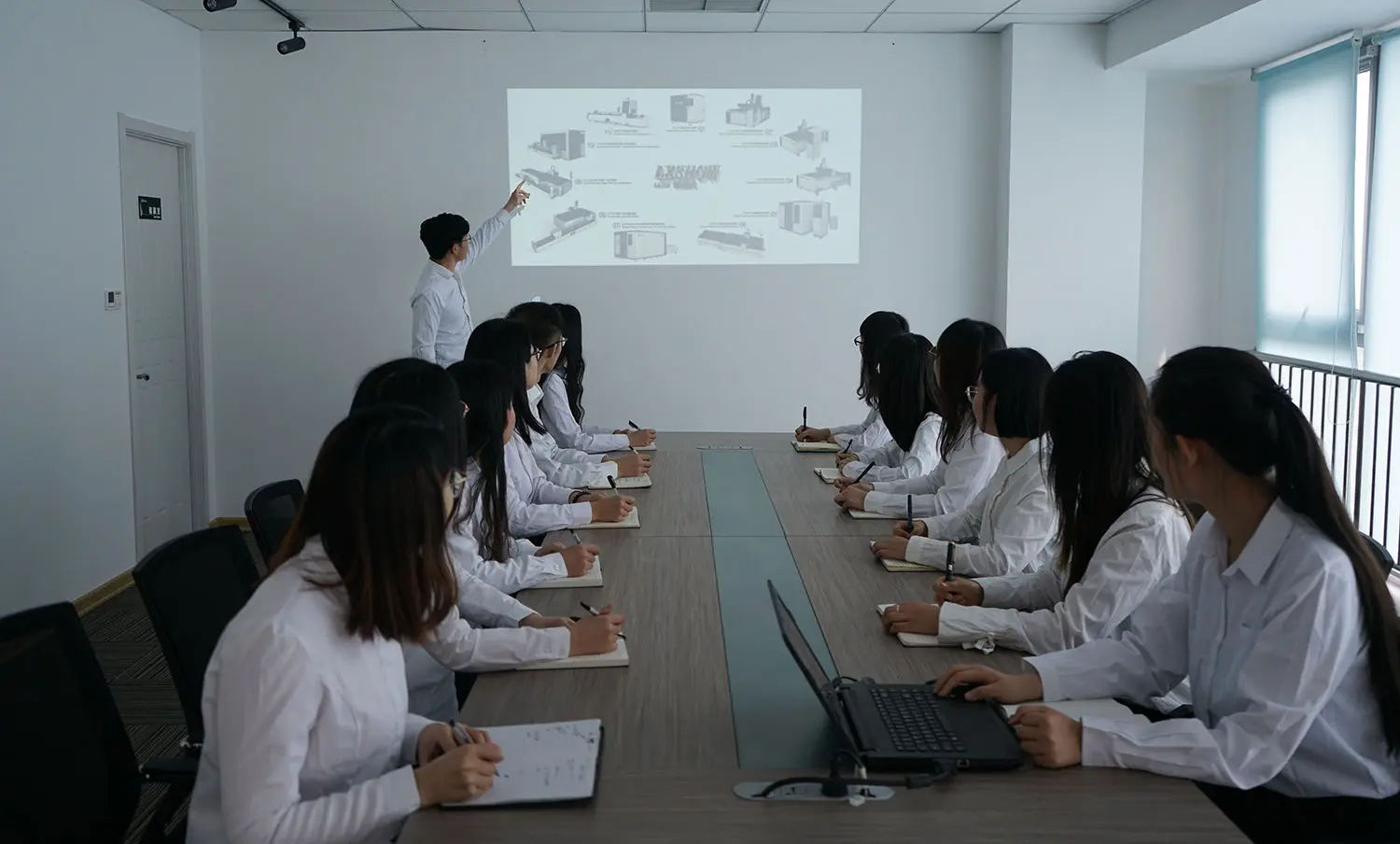
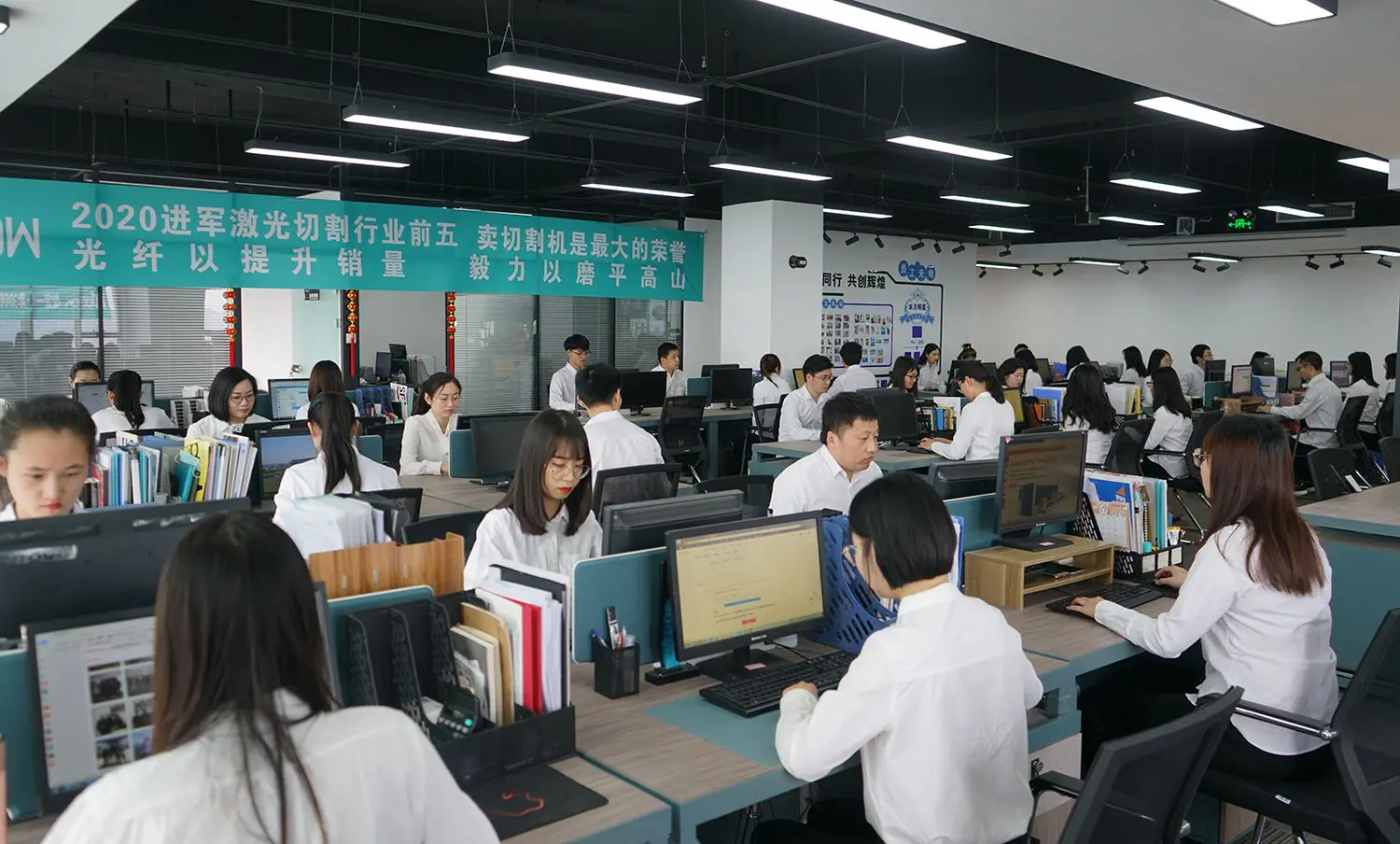
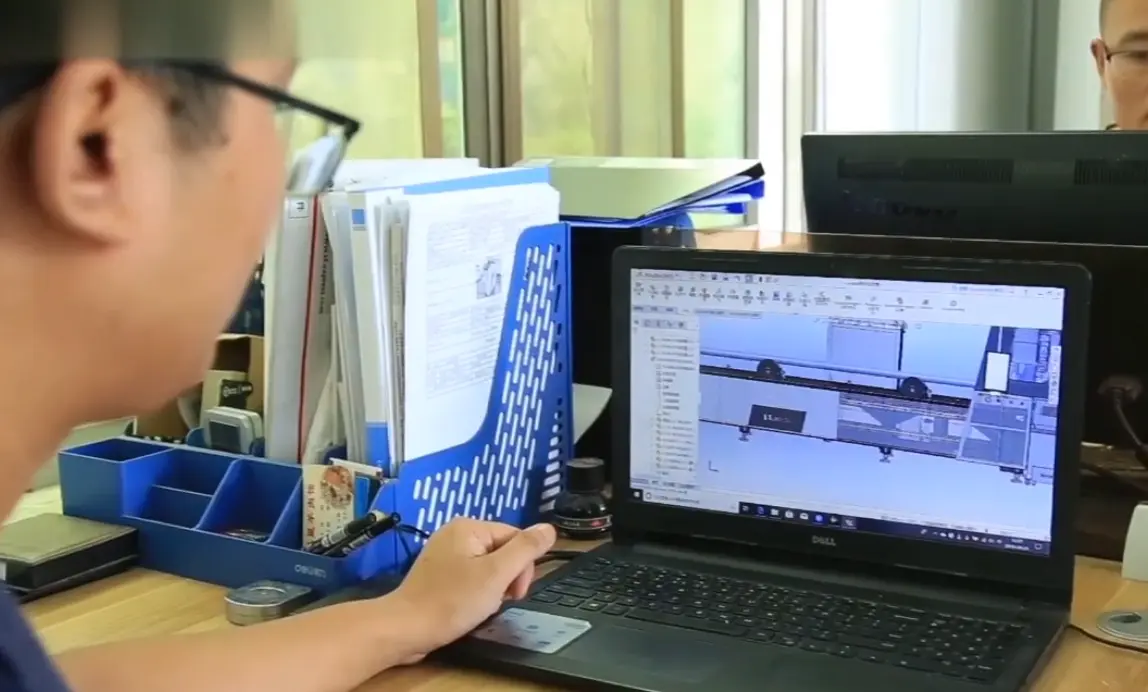
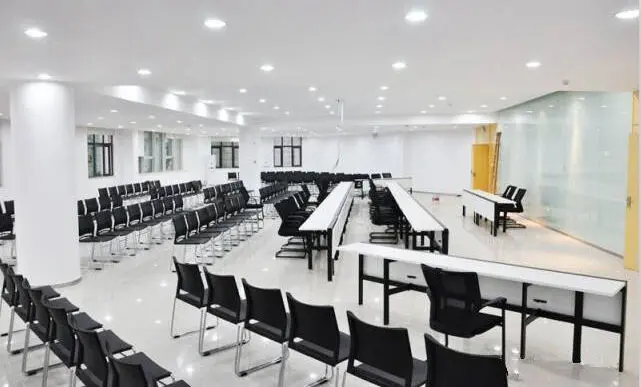
A visual walkthrough of our 32,000m² manufacturing complex in China. From initial frame welding and structural heat-treatment ovens to final laser testing centers, we control quality at every step.
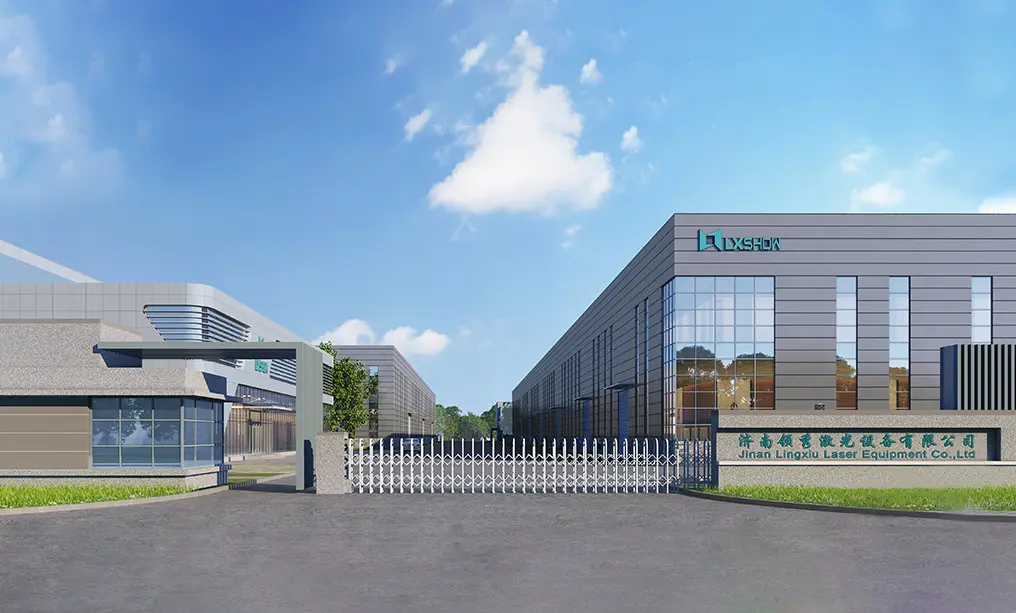

This technical comparison details the performance metrics of our modern fiber laser cutters versus legacy mechanical toolpaths and thermal cutting methods.
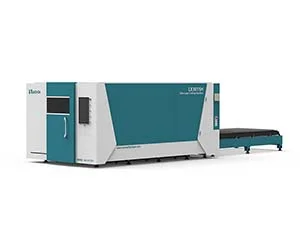
| Evaluation Parameter | Fiber Laser Systems (e.g. LX3015H) | CO2 Laser Systems | Plasma Arc Machining | Waterjet Processing |
|---|---|---|---|---|
| Cutting Tolerances | ±0.03 mm to ±0.05 mm | ±0.08 mm to ±0.12 mm | ±0.50 mm to ±1.00 mm | ±0.10 mm to ±0.20 mm |
| Processing Velocity | Ultra-high (up to 120m/min) | Moderate (up to 40m/min) | High (for thick plates only) | Low (tool speed limited) |
| Operating Utility Cost | Very low (high wall-plug efficiency) | High (gas and high power drain) | Moderate (consumable-intensive) | High (abrasive cost structure) |
| Heat Affected Zone (HAZ) | Extremely narrow / minimal distortion | Medium / localized stress lines | Extremely wide / post-cut grind required | Zero heat-induced crystallization |
| Maintenance Intervals | Up to 100,000 hrs diode lifetime | Frequent mirror/gas path alignment | Daily nozzle & electrode replacement | High pressure seal wear profiles |
Our research roadmap is focused on developing intelligent manufacturing ecosystems, targeting full smart-factory integration before 2040.
Integrating IoT sensors for real-time laser diode diagnostics, predictive gas consumption forecasting, and cloud-based error correction telemetry.
Deploying fully automated loading and unloading robotic networks (LX62THA series) to synchronize material flow from entry to deburring (LX-RR-M-800).
Utilizing real-time neural networks to dynamically adjust the laser focal spot size and power density based on material density fluctuations.
Achieving fully autonomous, energy-efficient manufacturing cycles that integrate eco-friendly assist gases and zero-waste cooling systems.
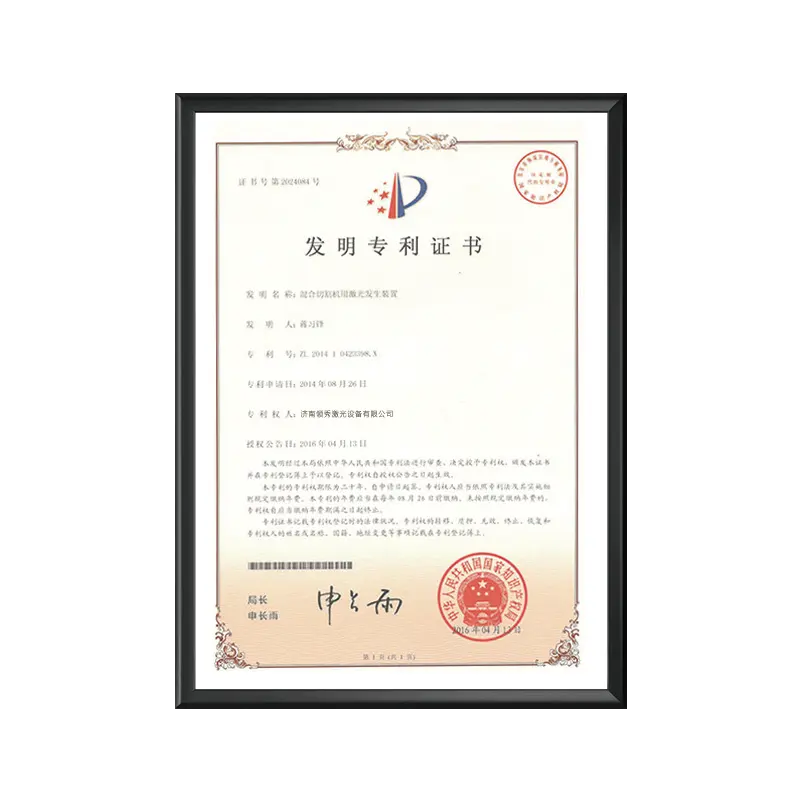
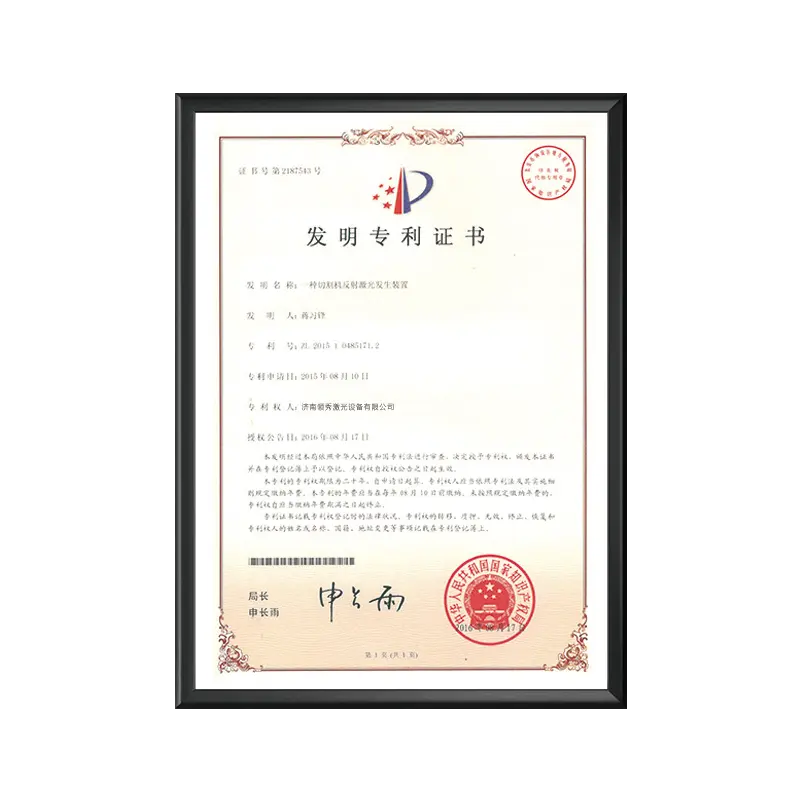
Our laser platforms, smart systems, and material components undergo structural verification to maintain tight tolerances and ensure reliable operation under continuous load.
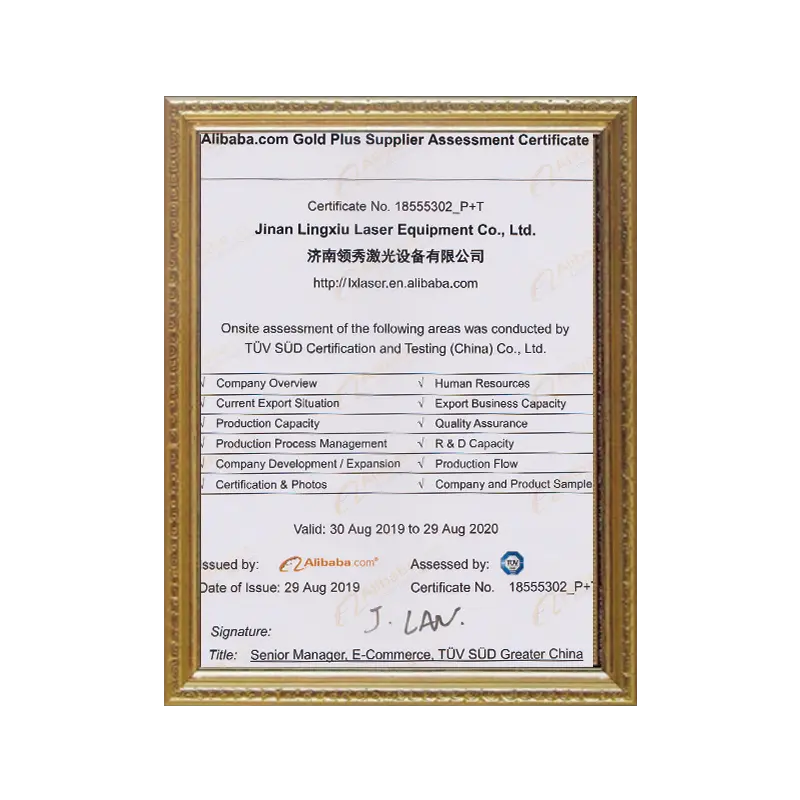
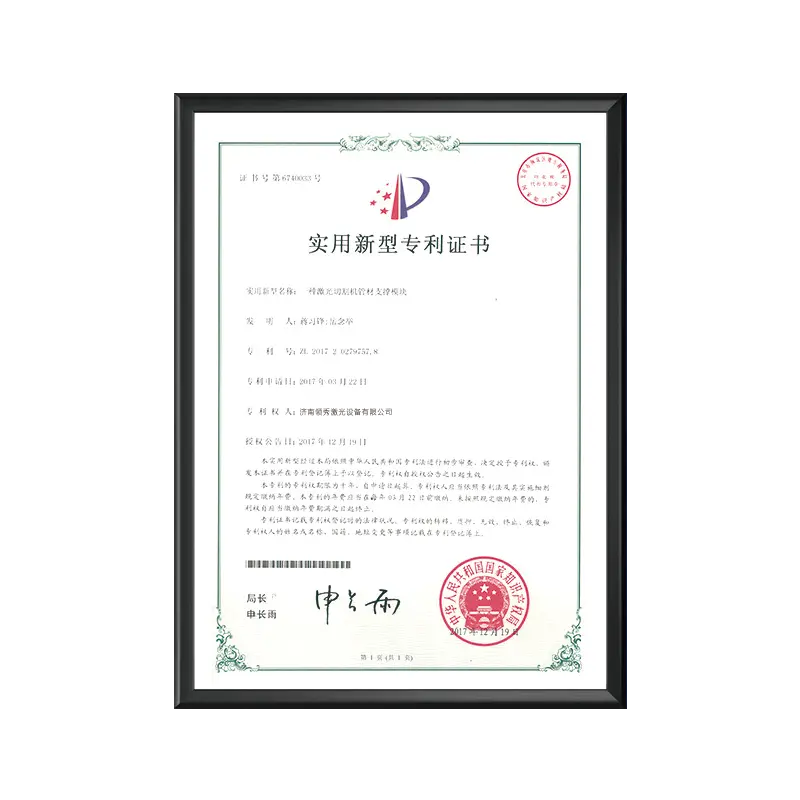
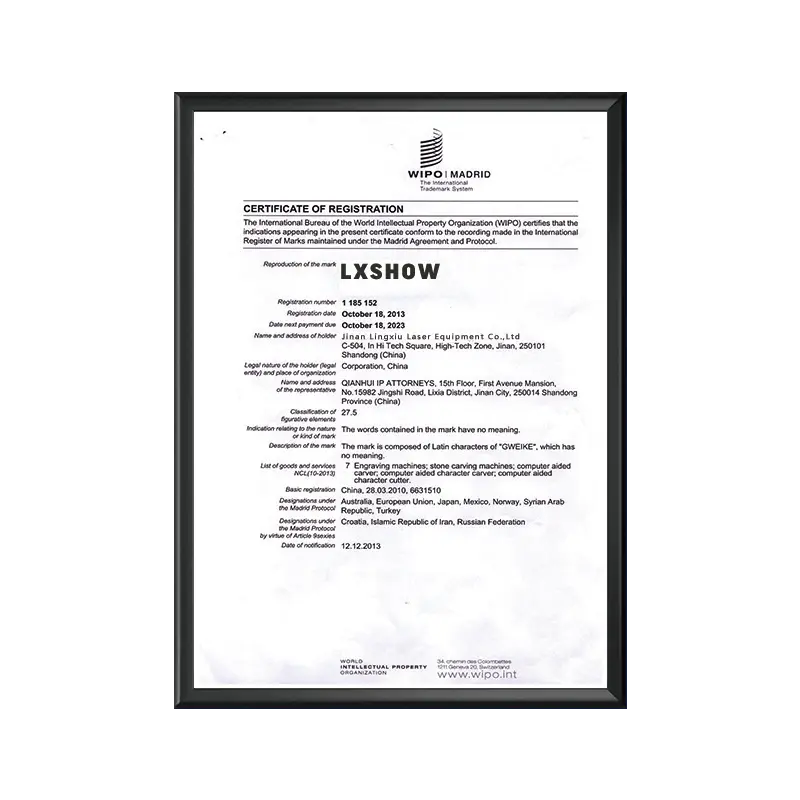
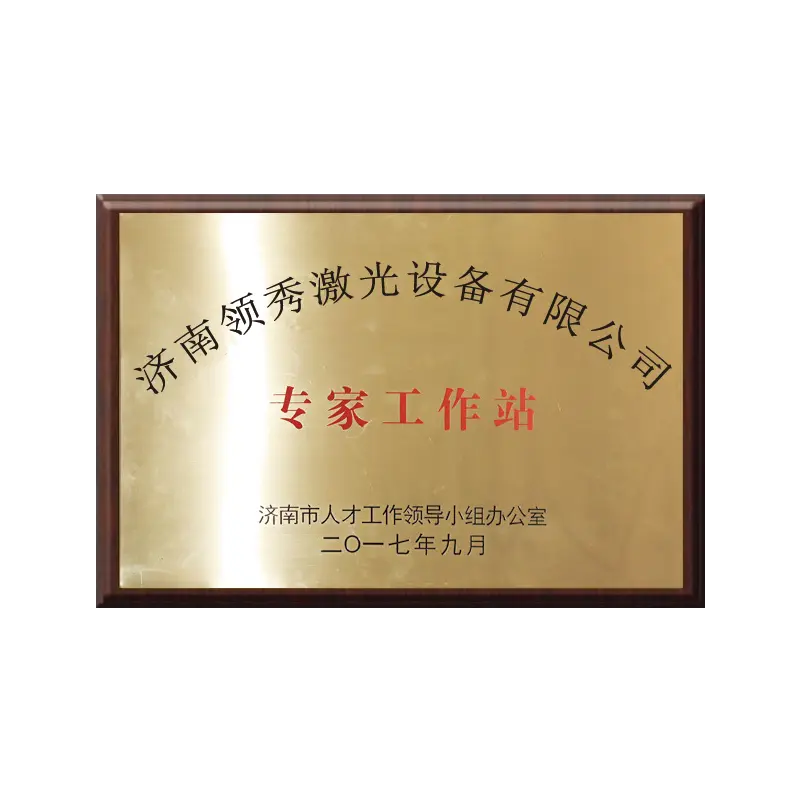
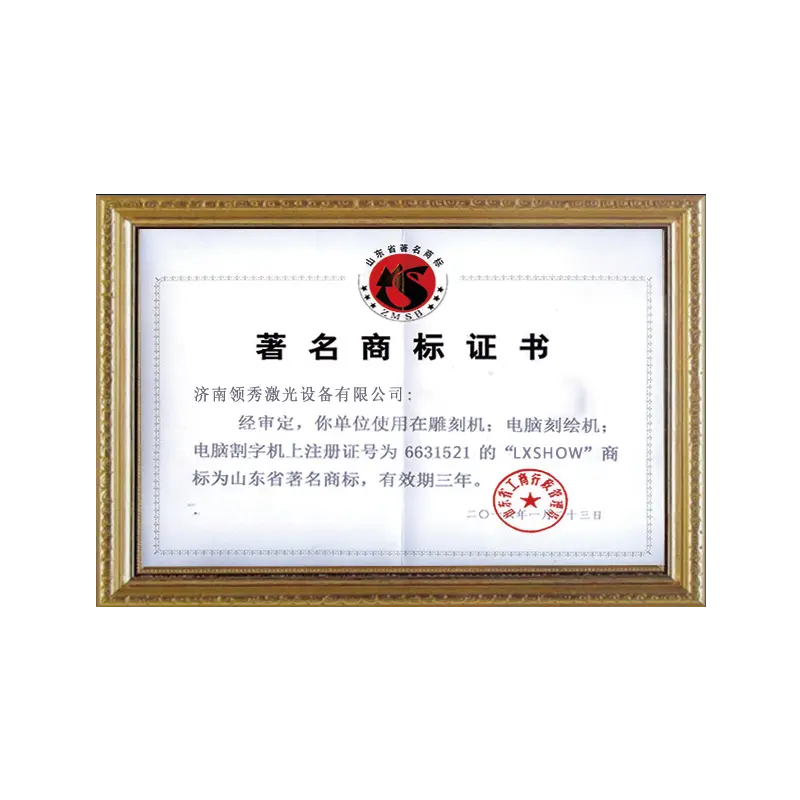
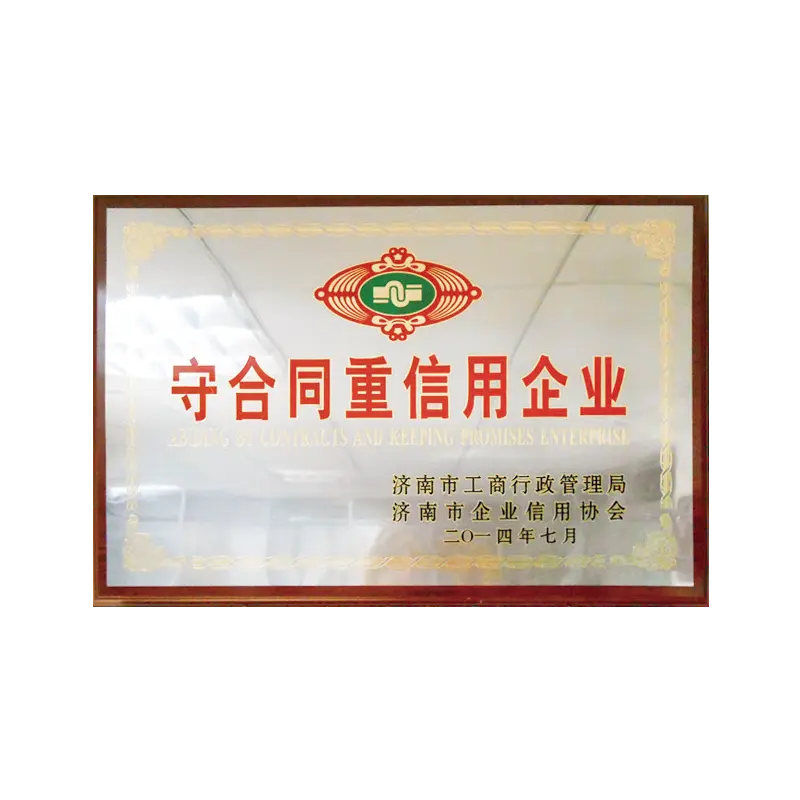
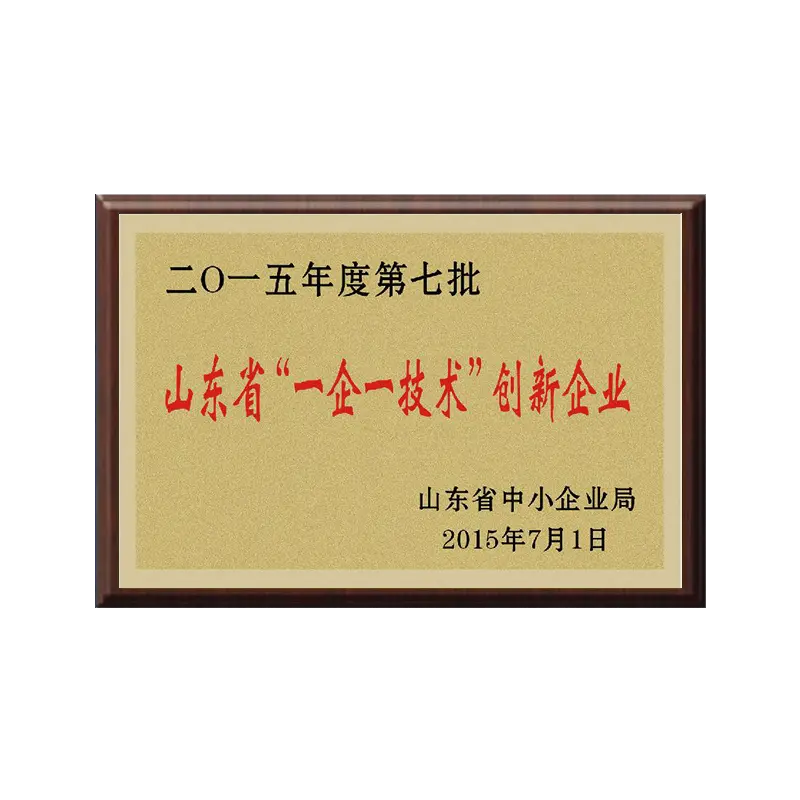
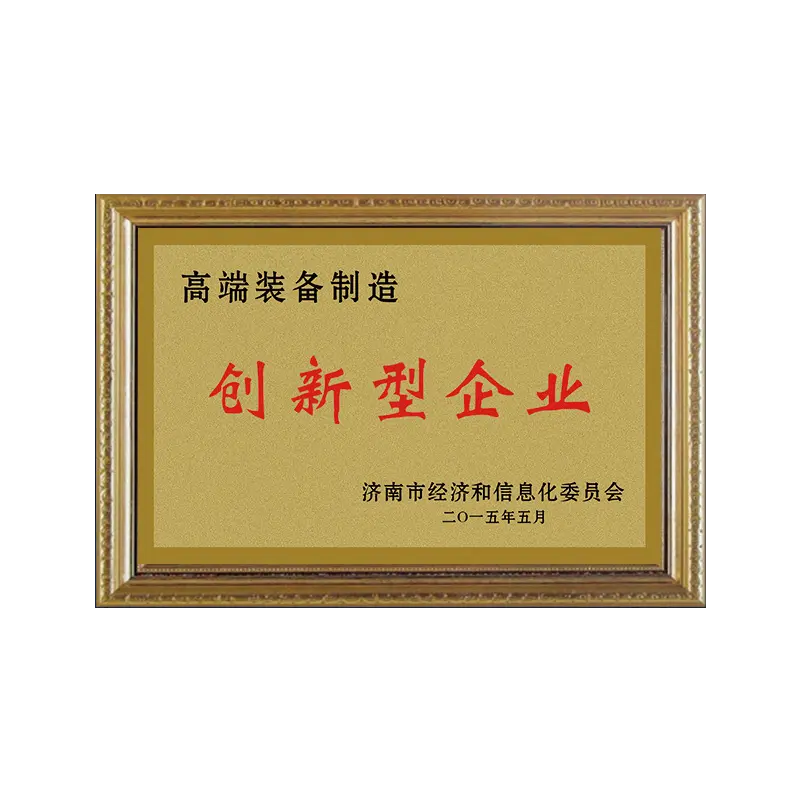
Find quick answers to common questions about fiber laser operations, maintenance, parameters, and import logistics below.
Fiber lasers utilize solid-state diodes to generate beams delivered via flexible glass fiber cables. This design operates at a 1.06-micron wavelength, which is absorbed up to 3 times more efficiently by metals than the 10.6-micron wavelength of CO2 lasers. The result is significantly faster cutting speeds on sheet metals and lower overall power consumption.
Our structural frames are fabricated using thick steel plates that undergo stress-relief annealing at over 600°C. This process removes internal tension and prevents structural warping over decades of operation. Precision guide rails and rack systems are then mounted using laser tracker systems to ensure accuracy.
For carbon steel, Oxygen (O2) is typically used to enable an exothermic reaction that speeds up cutting in thicker plates. For stainless steel and aluminum, Nitrogen (N2) is preferred to prevent edge oxidation, ensuring clean, weld-ready cut edges with minimal post-processing required.
CE certification ensures that the machine complies with EU safety, health, and environmental protection requirements. FDA certification verifies that laser enclosures and safety interlocks block harmful radiation, protecting operators during high-power cutting cycles.
Yes. We supply OEM/ODM options that integrate with automatic loading/unloading stages, robotic arms, and MES manufacturing systems. This setup enables real-time diagnostic reporting and supports unmanned night-shift operations.
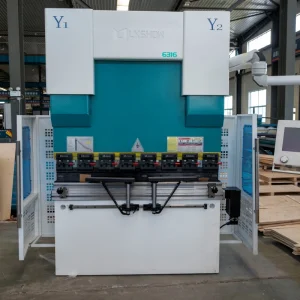
Browse our full range of heavy-duty electro-hydraulic press brakes, handheld multi-functional laser processors, and high-power table machinery optimized for high-volume operations.
 Lxshow