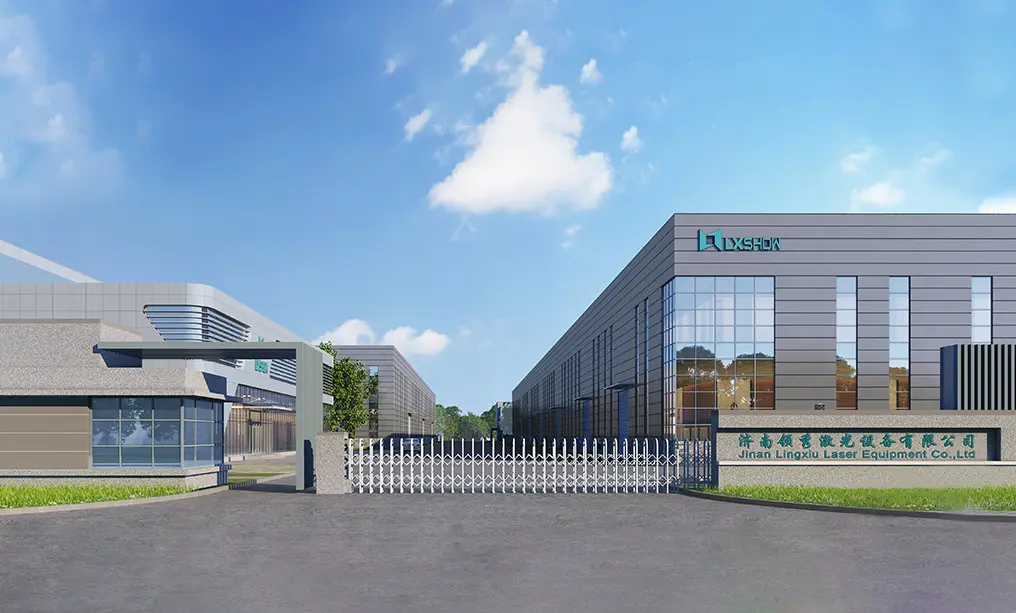
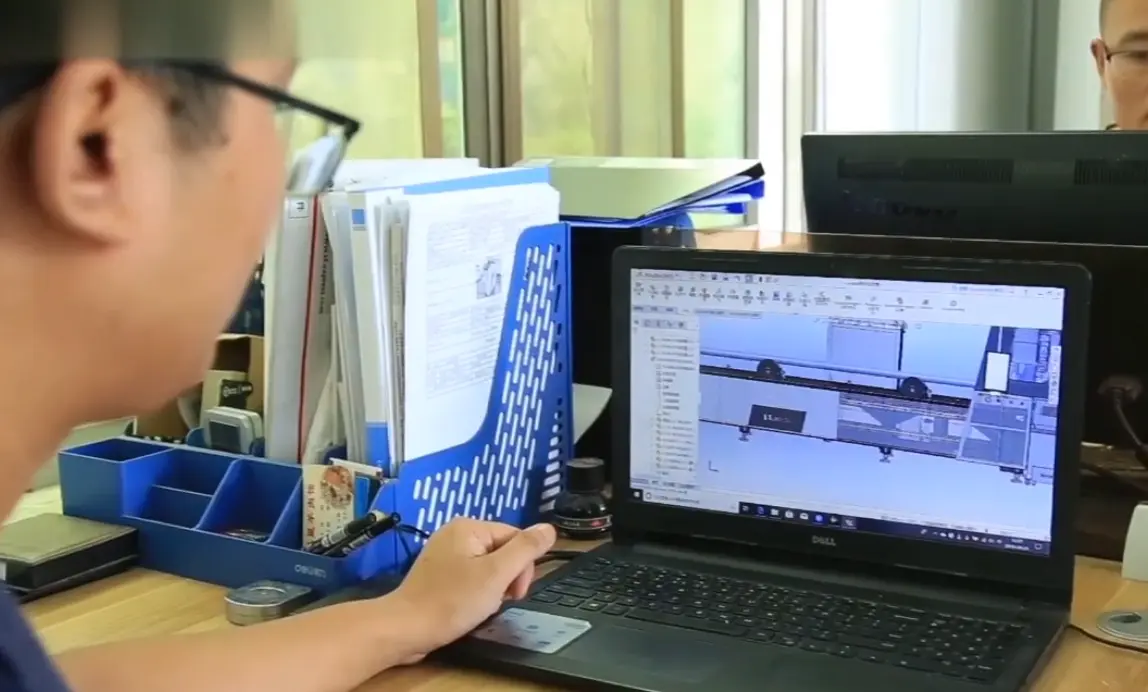
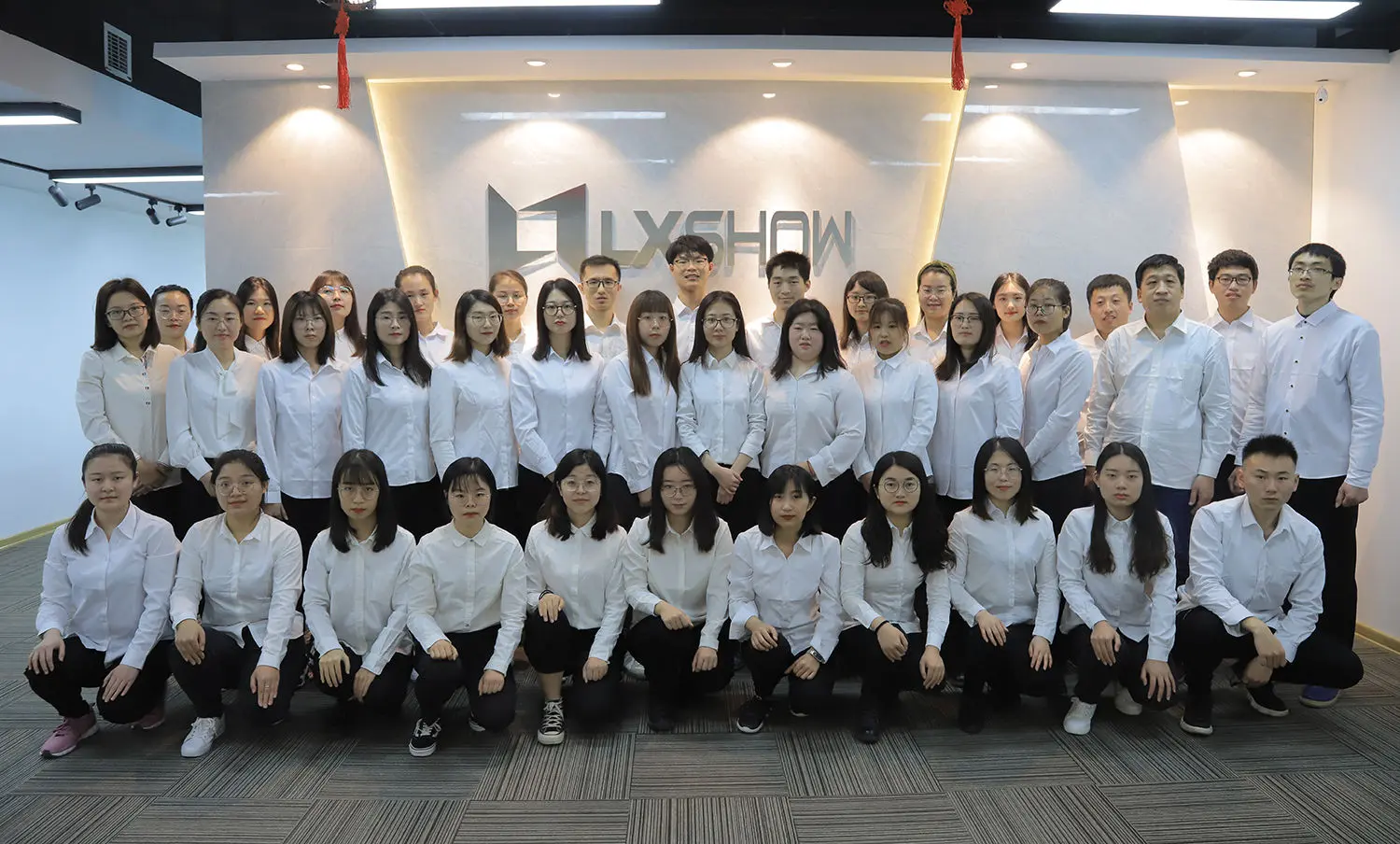
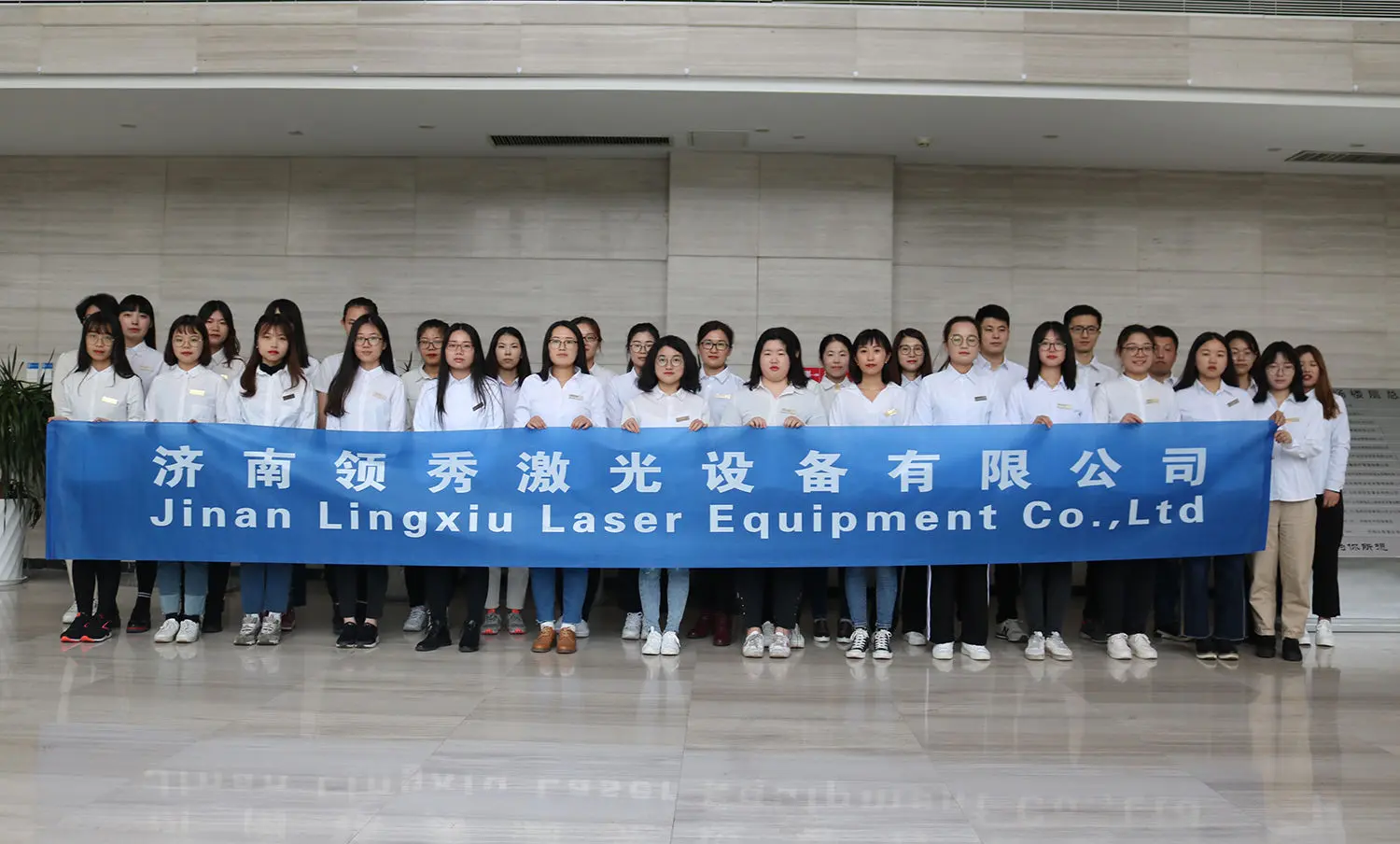
Established in July 2004, our infrastructure combines over 500 square meters of specialized optical and mechanical researching office space with large-scale smart production plants. Every machine conforms to the highest regulatory frameworks, passing European Union CE authentication, American FDA certificate guidelines, and ISO 9001 quality management processes.
Engineered for high-duty cycles, absolute mechanical accuracy, and multi-axis processing agility.
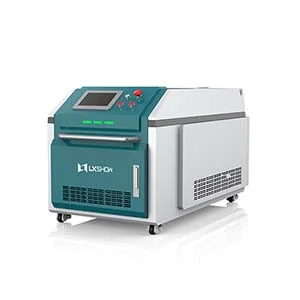
A comprehensive assessment of structural market transitions, thermal dynamics, and procurement metrics.
The global metal fabrication landscape has experienced a decisive structural shift from legacy carbon dioxide (CO2) gas discharge lasers to high-brightness, solid-state fiber laser technologies. Historically, CO2 systems dominated high-thickness carbon steel processing due to wavelength absorption profiles. However, the introduction of fiber lasers operating at approximately 1.07 microns wavelength has completely altered the economics of metal fabrication.
Fiber lasers deliver an energy delivery efficiency that is three to four times higher than CO2 equivalents. The electro-optical conversion efficiency of modern fiber systems regularly exceeds 35% to 40%, whereas CO2 systems struggle to surpass 10%. For global manufacturing facilities, this efficiency directly translates into lowered operational power bills, minimal heat generation within the resonator, and drastically reduced factory footprint requirements.
Furthermore, the delivery of the beam via a flexible glass fiber cable directly to the processing head eliminates the complex optical path of external mirrors, bellows, and beam-purge gas systems. This eliminates mechanical alignment drift, ensuring that the machine achieves consistent cutting kerf profiles across the entire workspace, irrespective of sheet size.
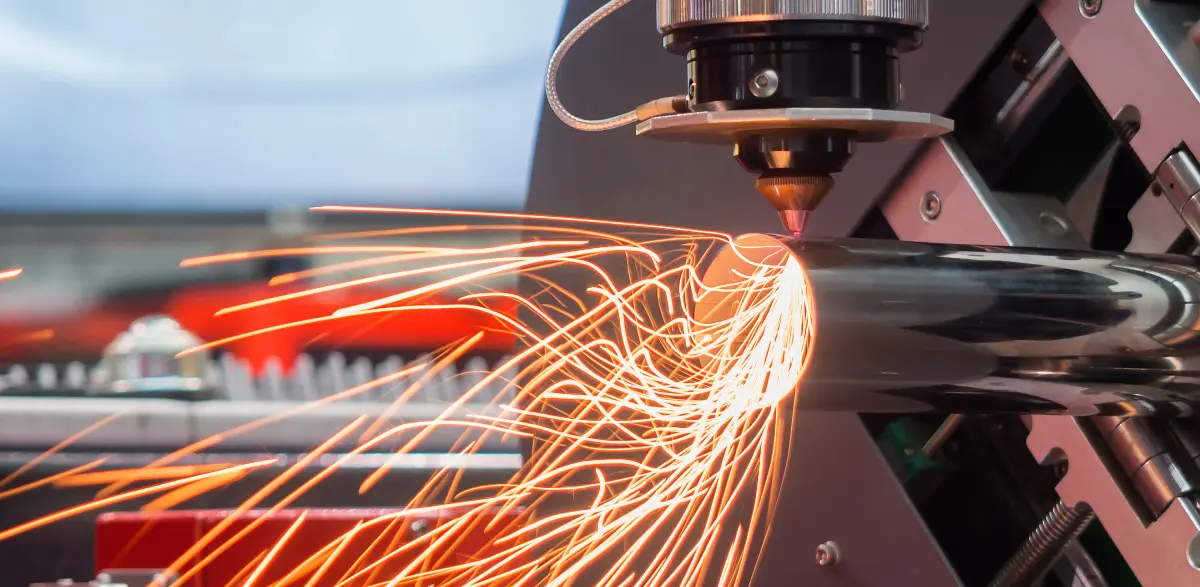
In major industrial sectors—such as automotive body-in-white (BIW), heavy structural steel detailing, commercial HVAC duct fabrication, and precision aerospace components—power demands have scaled aggressively. Five years ago, a 3kW or 4kW fiber laser source was considered the standard for general job shops. Today, power packages ranging from 12kW to 30kW have become standard selections for factories looking to maximize throughput.
High-power processing directly affects the auxiliary gas economics of cutting. When operating at levels of 12kW or above, Nitrogen or dry high-pressure compressed air acts as the principal auxiliary gas, enabling high-speed fusion cutting of stainless steel and aluminum without leaving oxidized slag layers on the cut surface. This reduces post-processing labor, allowing finished cut parts to move immediately to downstream operations such as CNC bending, automatic polishing, or robotic welding.
Understanding the mechanical and optical elements that govern fiber laser cutting accuracy.
Featuring automated internal lens positioning sensors. Real-time capacitive sensors detect slight variations in sheet metal flatness, adjusting focal point heights with micro-second responsiveness to prevent tip collisions.
Our machine structures undergo multi-stage thermal annealing processes over 24-hour cycles to eliminate residual mechanical stresses. This prevents frame warping over decades of operation, maintaining structural precision.
Using real-time control software with integrated nesting algorithms. Supports adaptive corner speed control, micro-joint placement, fly-cut paths, and real-time gas pressure regulation to minimize scrap rates.
Evaluating industrial infrastructure, scale capabilities, and supply chain efficiencies.
China’s domestic industrial laser ecosystem has achieved unparalleled completeness. From the optical fiber core components, semiconductor pump diodes, laser resonator modules to the precise mechanical design of machine frames, the supply chain is highly integrated. This cluster effect—centered primarily in advanced industrial zones—enables manufacturers to design, test, and ship specialized laser machines at significantly lower cycle times than Western competitors.
By sourcing laser sources from leading domestic brands (such as Raycus, Maxphotonics, and JPT) as well as international options (such as IPG Photonics), Chinese factories offer high configuration flexibility. Clients can custom-select components like Shimpo gear reducers, YYC racks, and Yaskawa servo drives, marrying cost efficiencies with top-tier international standards of reliability.
Furthermore, our continuous investment in researching and development allows us to keep pace with Industry 4.0 paradigms. We focus on integrating automated sorting systems, automatic loading tables, and multi-axis industrial robots, enabling our clients to transition toward unmanned "lights-out" manufacturing shifts.
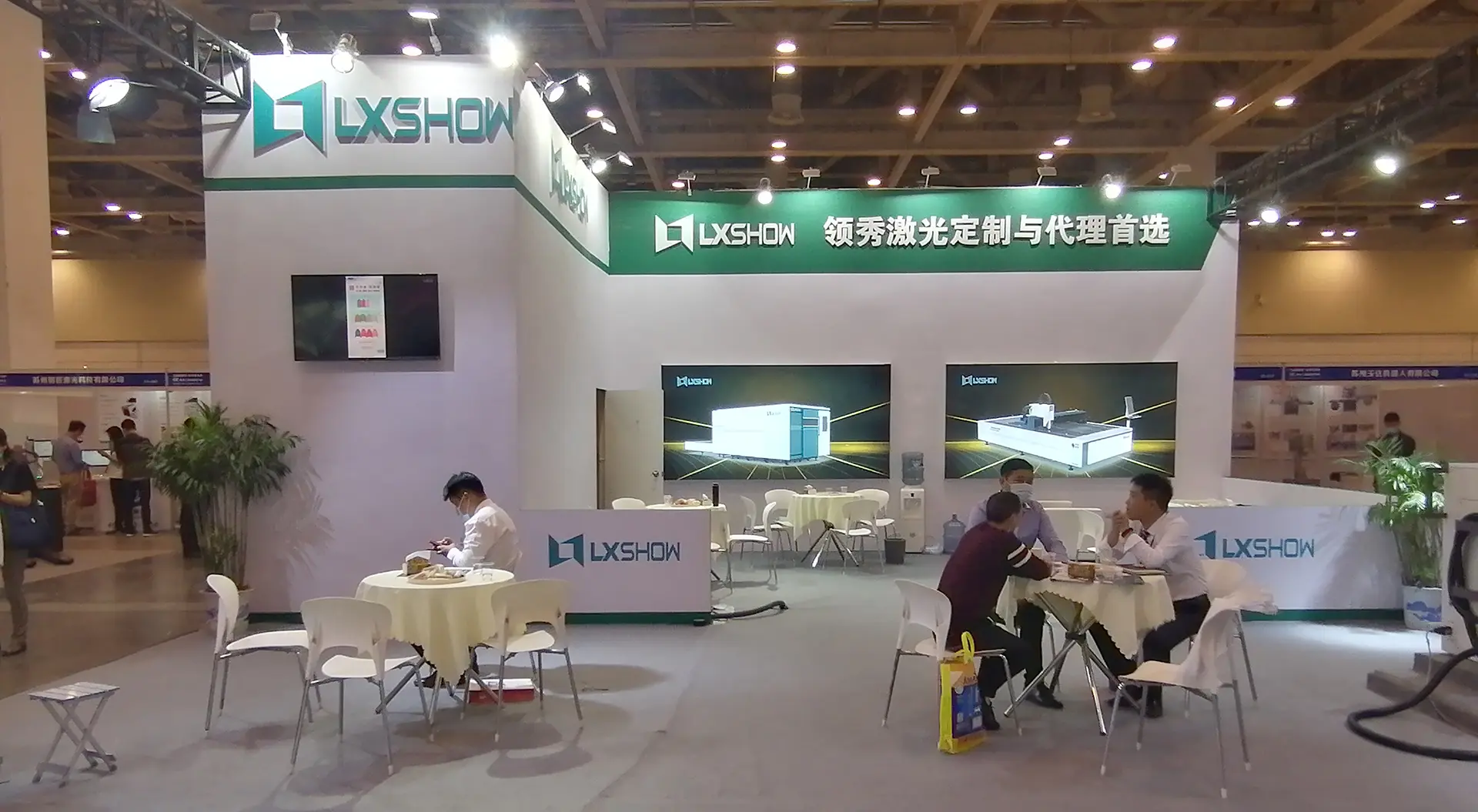
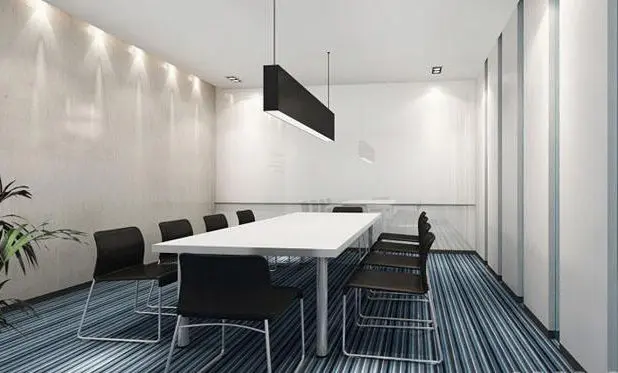
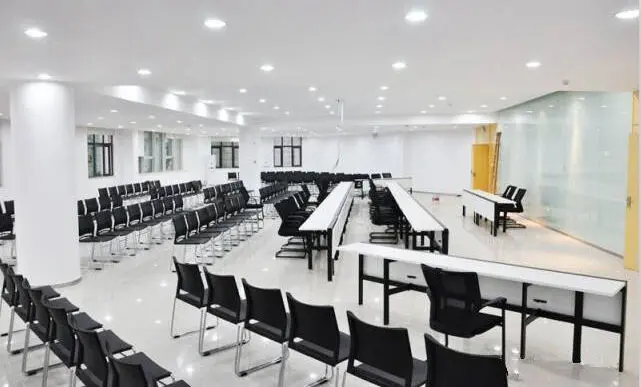
A transparent look inside our modern facilities where high-precision machinery is built.
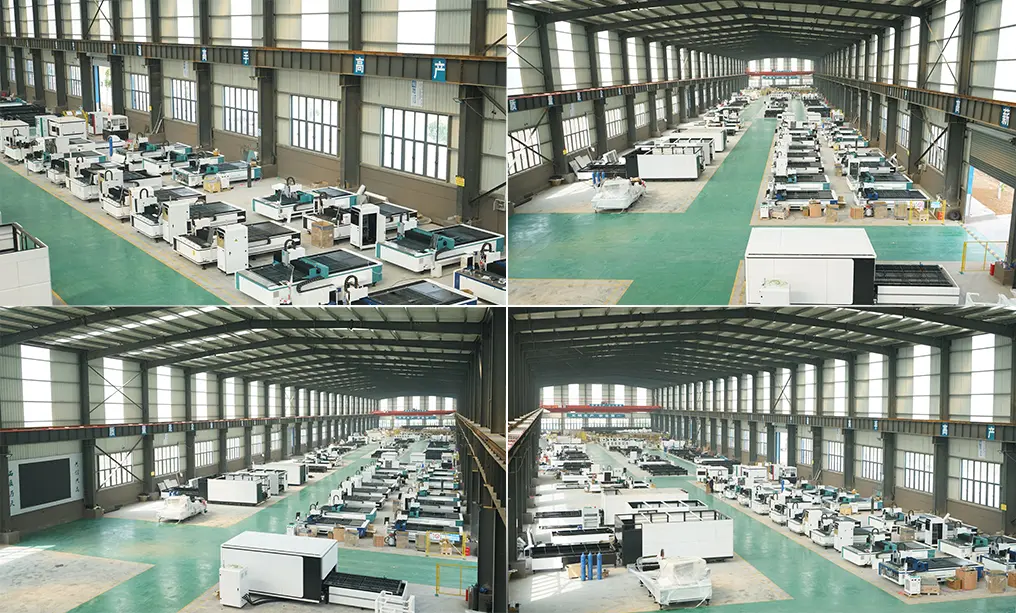

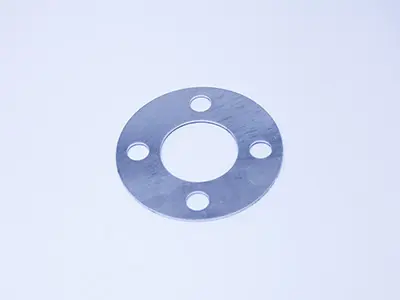
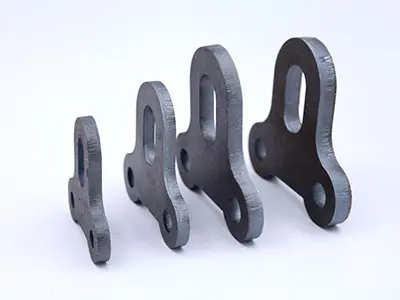
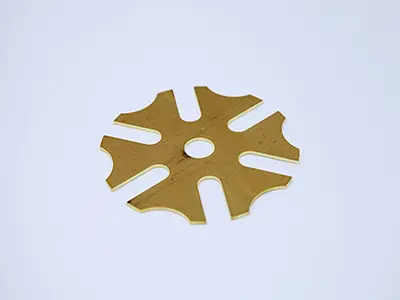
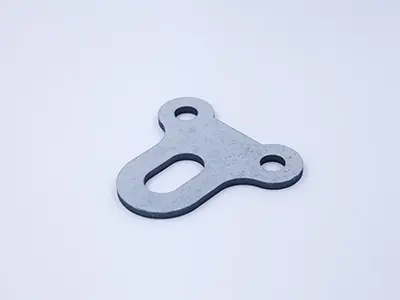
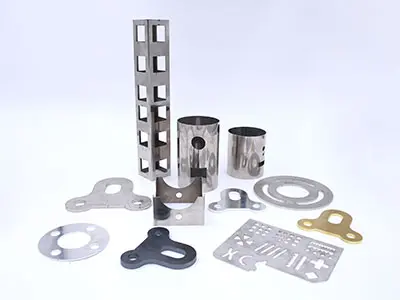
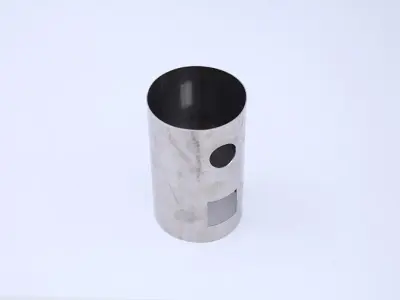
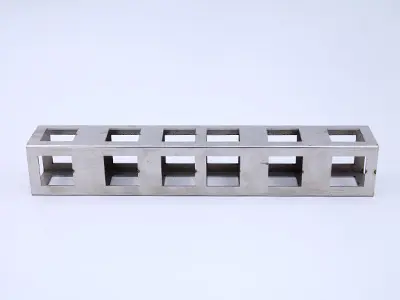
Our solutions cater to specialized metal cutting, welding, and cleaning operations across diverse industries.
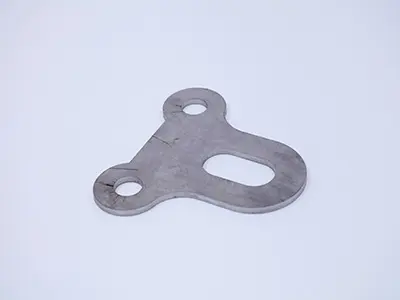
How we ensure international engineering standards and reliable support operations.
Exporting machinery globally demands rigorous adherence to compliance rules. Our quality controls ensure that every electrical cabinet layout, laser enclosure safety interlock, and auxiliary gas line conforms to the machinery directives required by importing countries.
A key concern for global procurement officers is the availability of post-sales technical support. Chinese laser machine exporters address this by establishing local service partnerships, deploying remote digital diagnostics, and storing spare parts in key regions like North America, Western Europe, and Southeast Asia.
Using remote diagnostic links integrated into controllers, factory field engineers can inspect software parameters, trace axis errors, and verify optical alignment remotely. In the event of hardware failures, standardized components (valves, nozzles, protective windows, sensors) can be dispatched quickly, minimizing machine downtime.
Detailed configurations for laser cladding, cleaning, welding, sheet cutting, and bending machinery.
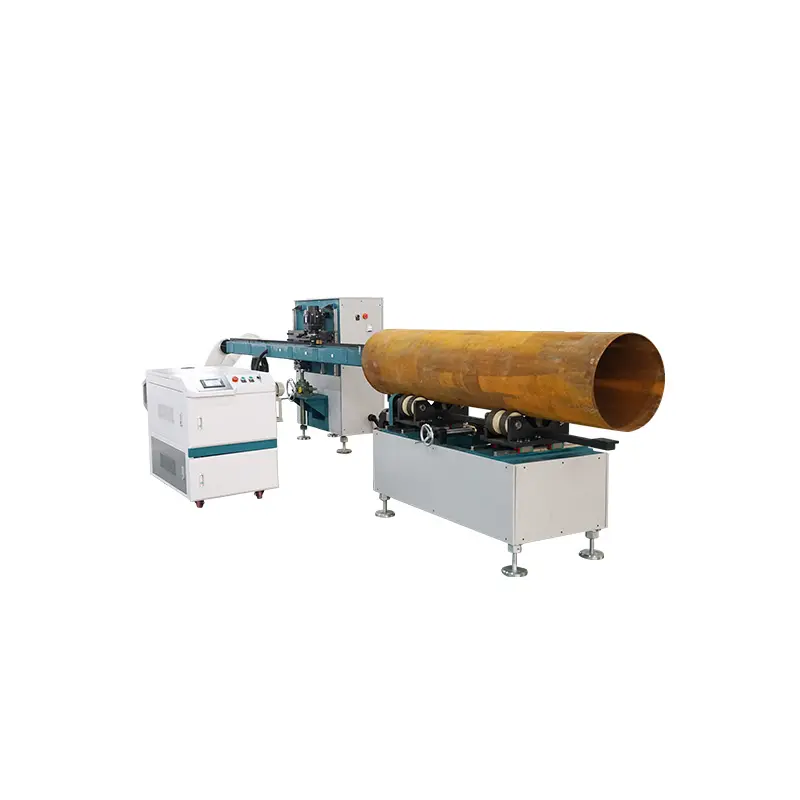
Engineered for surface cladding, structural restoration, and wear-resistant coatings using single-axis positioner modules.
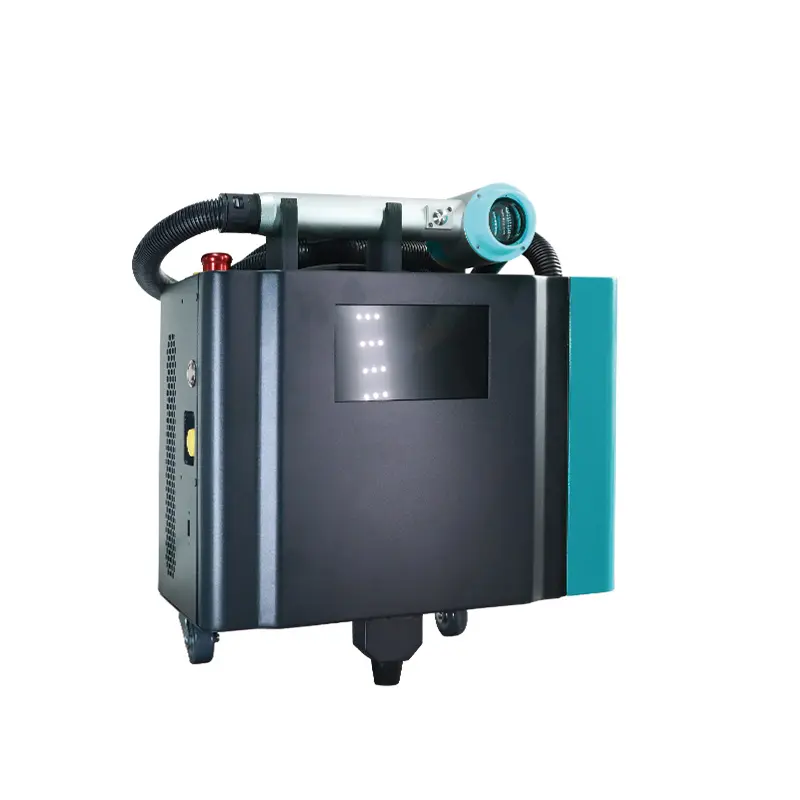
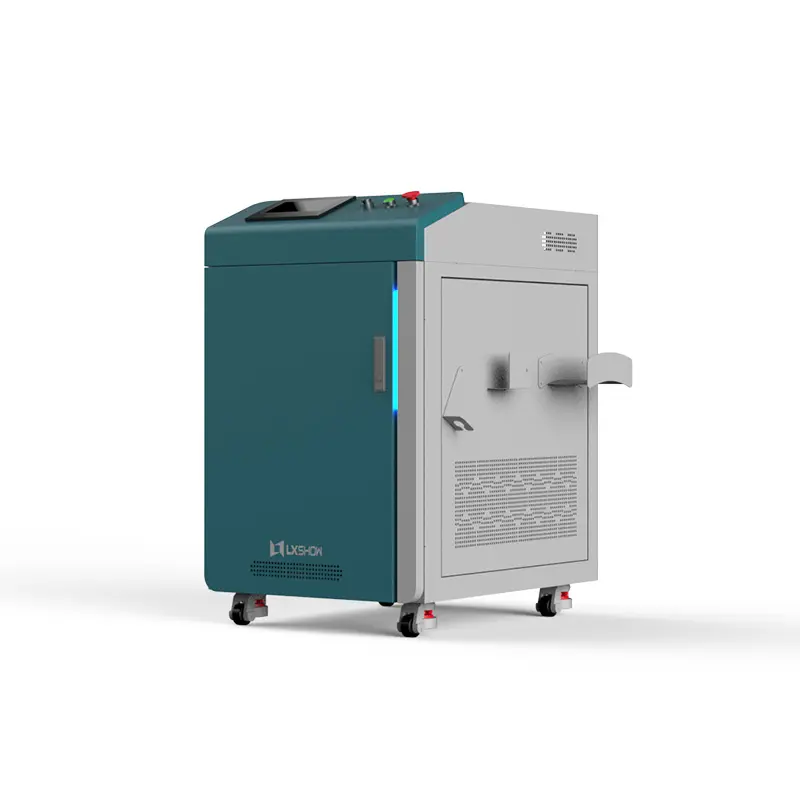
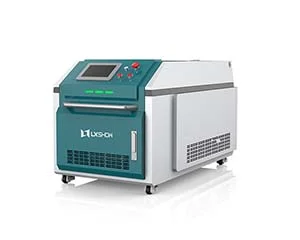
High-power pulse and continuous fiber systems for non-contact oxide, surface coating, and rust removal.
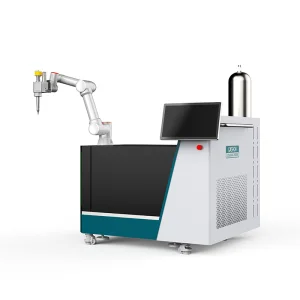
Handheld and robotic multi-axis optical welding machines for rapid assembly of stainless steel, carbon steel, and copper sheets.
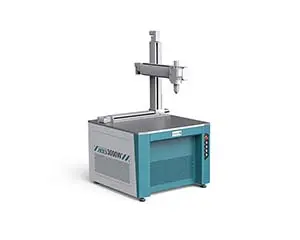
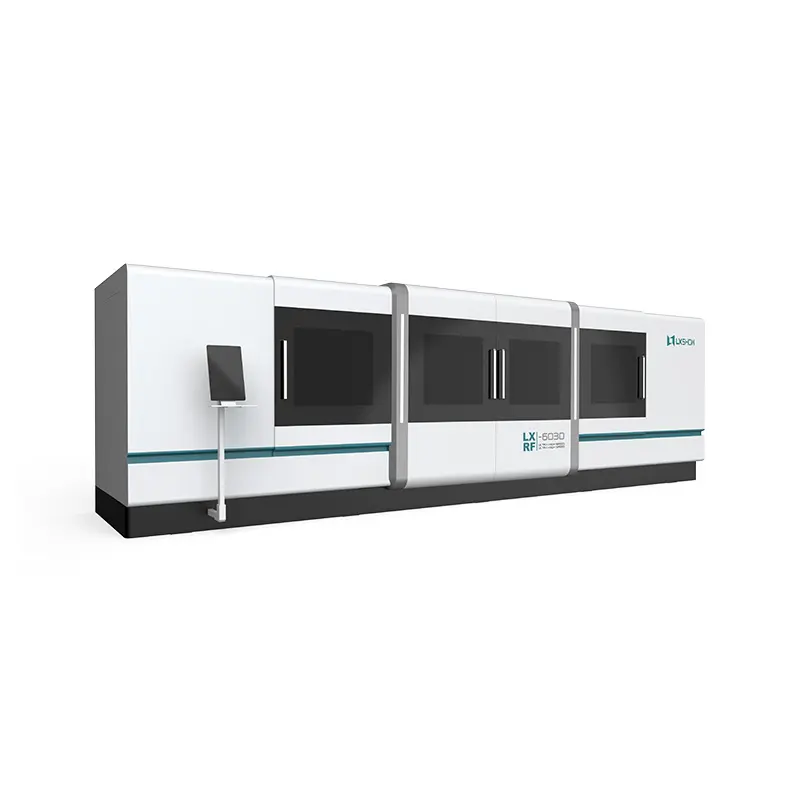
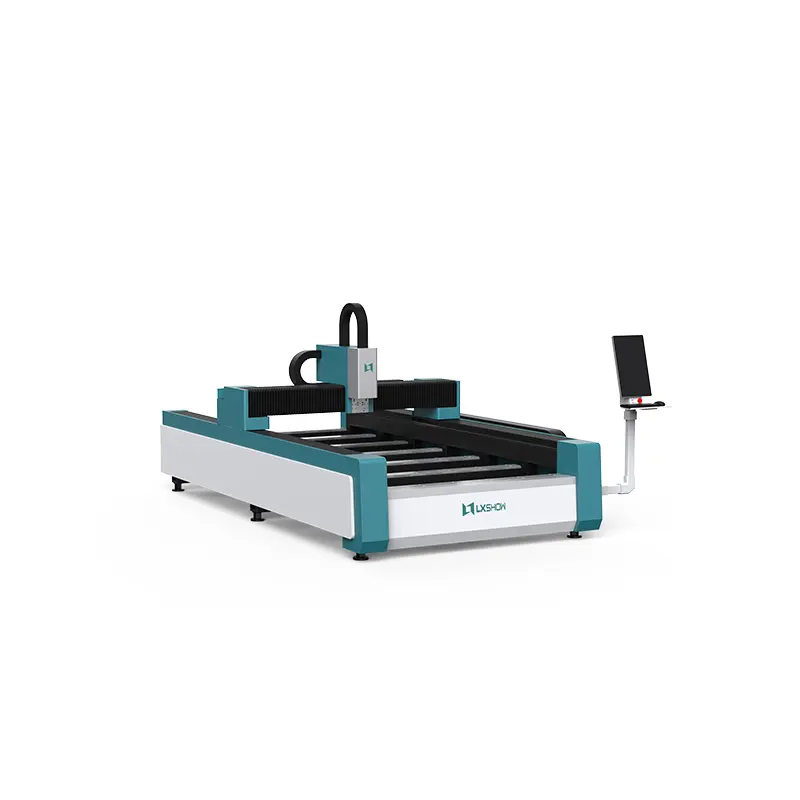
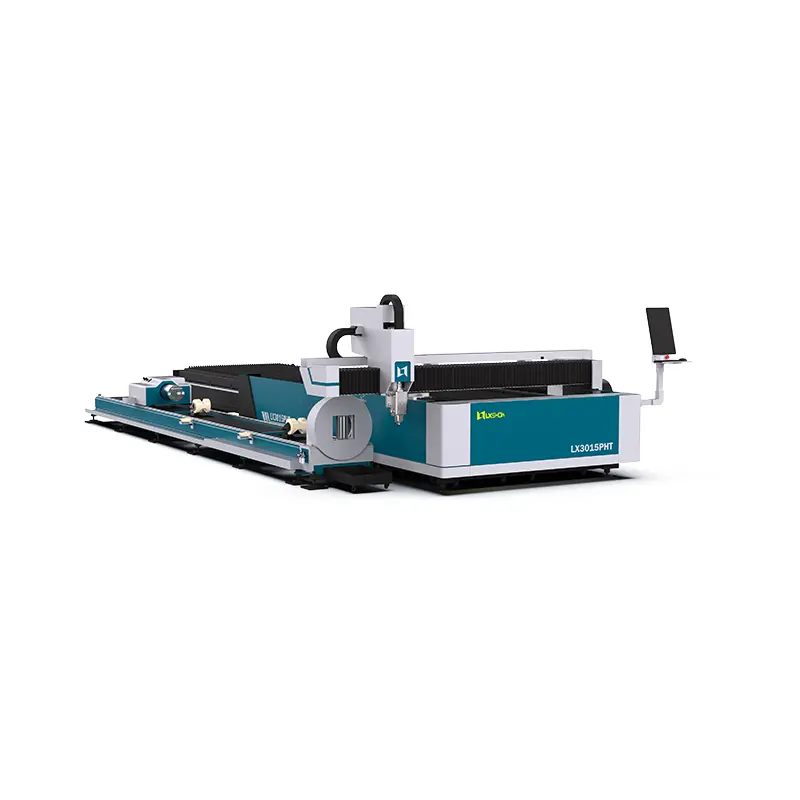
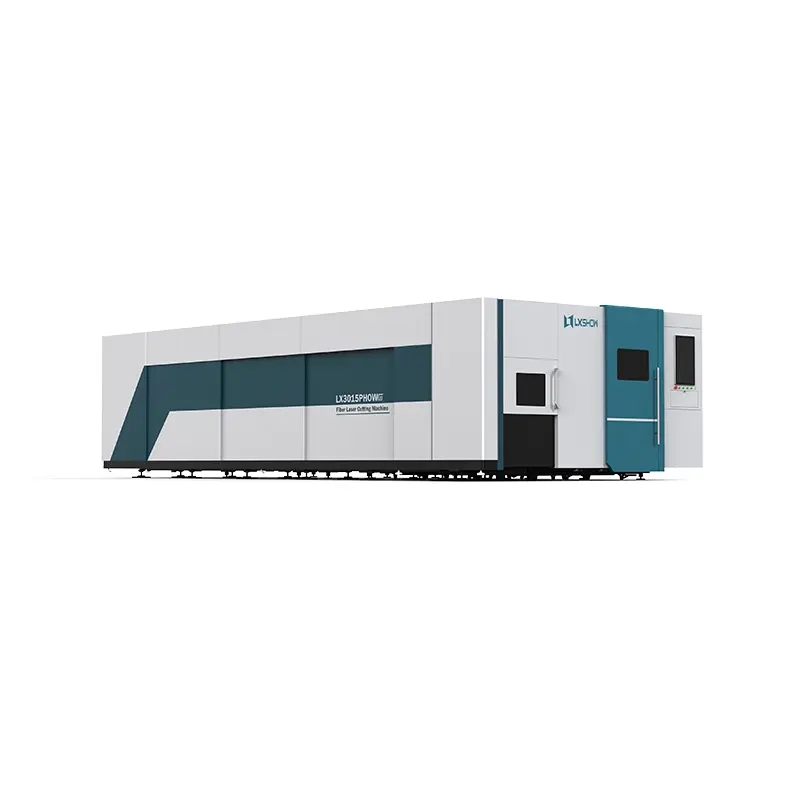
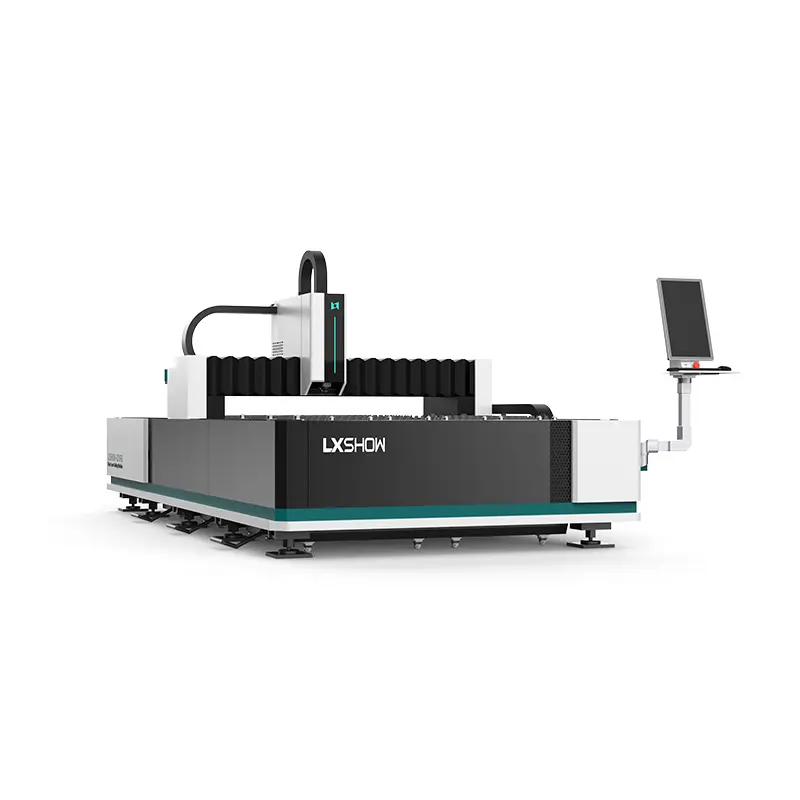
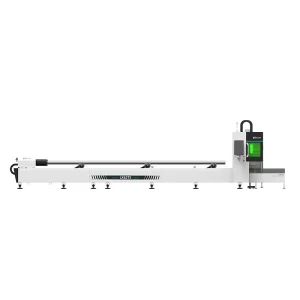
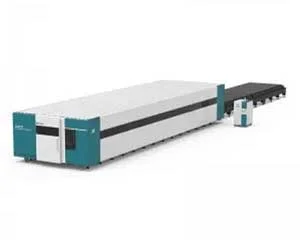
Industrial heavy-duty cutting systems equipped with exchange tables and protective enclosures for thick plate fabrication.
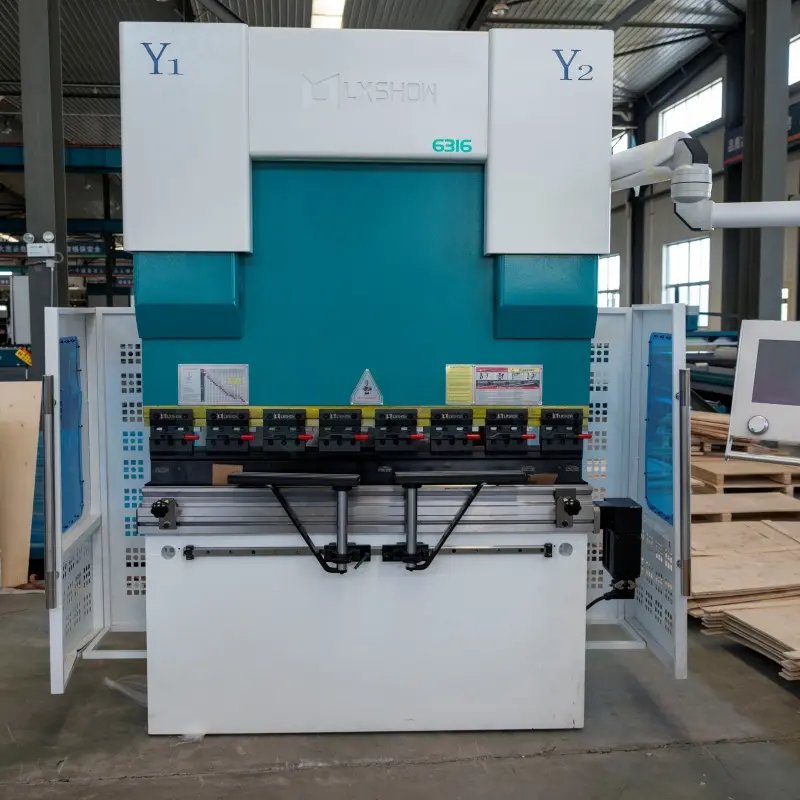
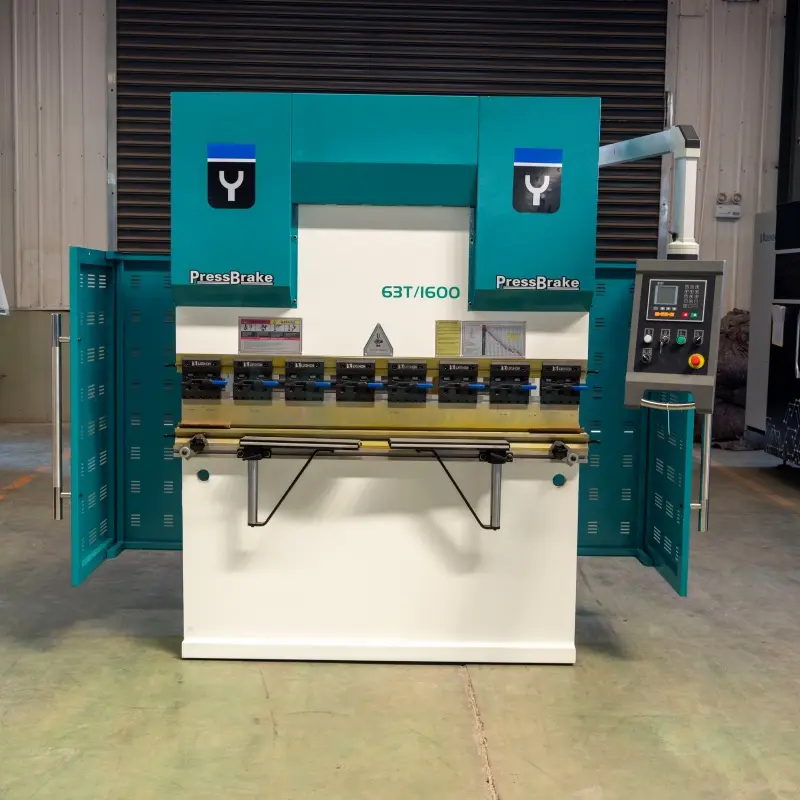
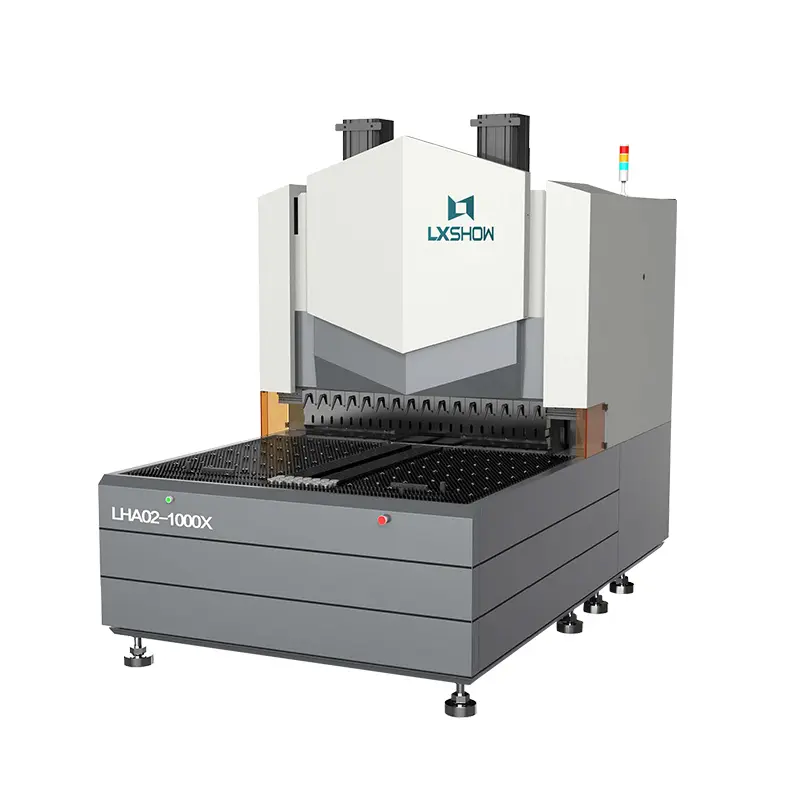
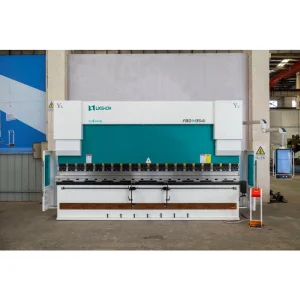
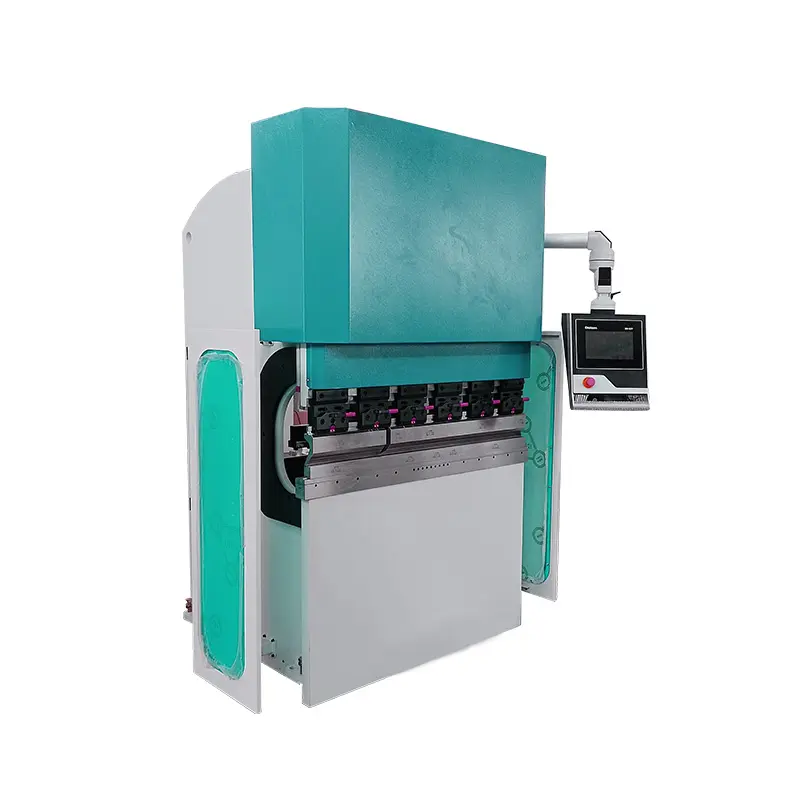
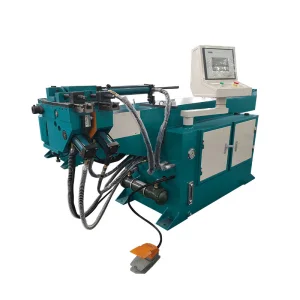
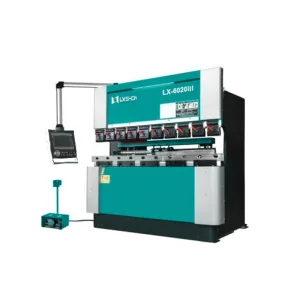
Electro-hydraulic and full electric servo bending systems designed for high repeatability and structural deflection compensation.
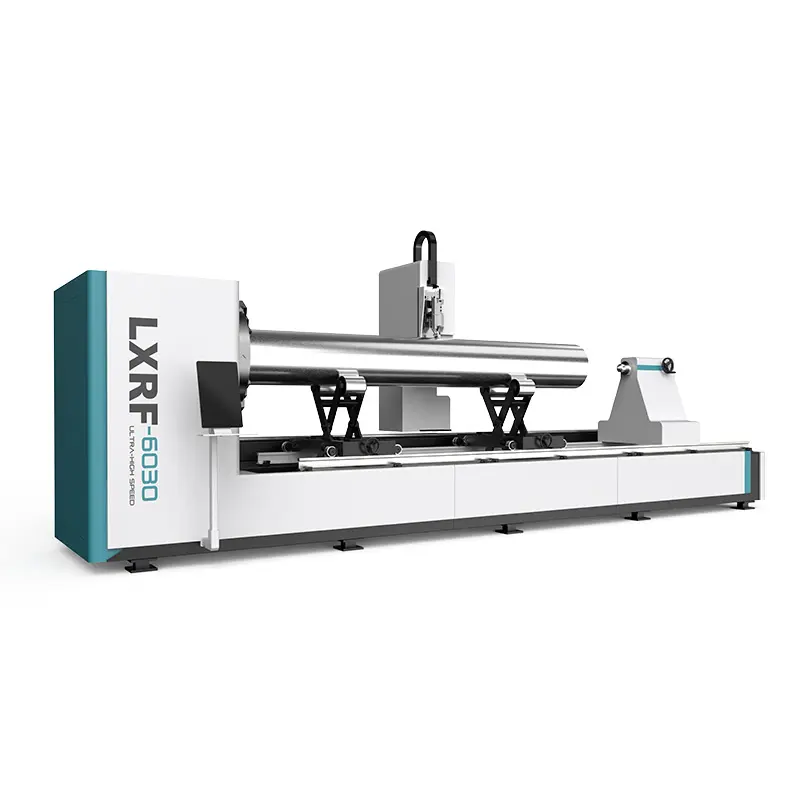
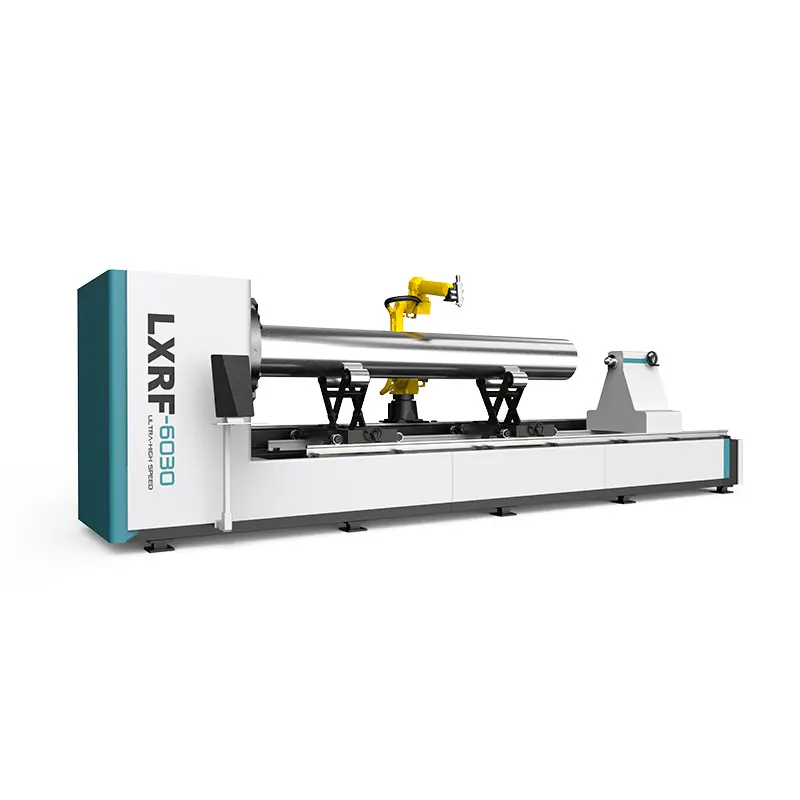
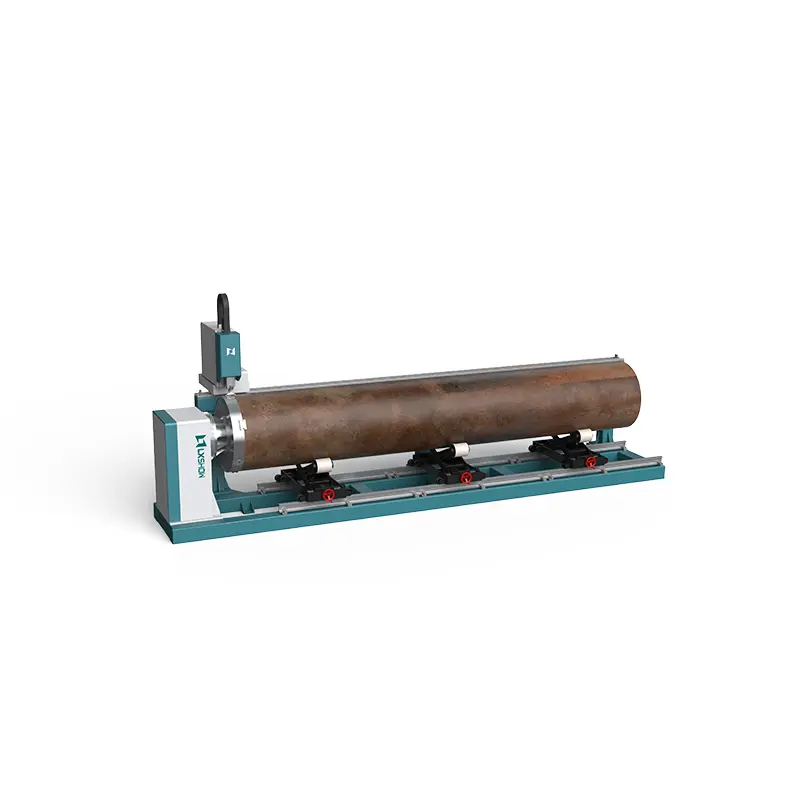
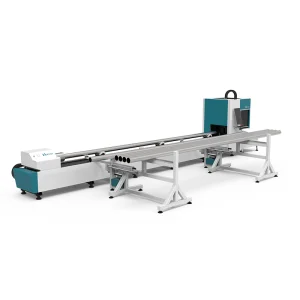
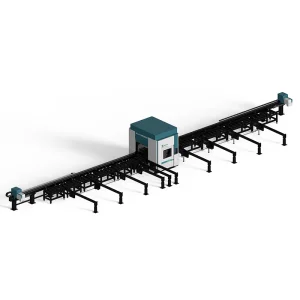
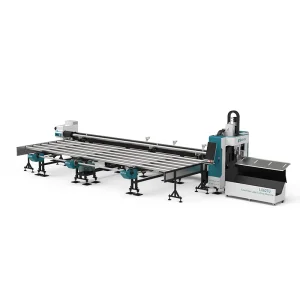
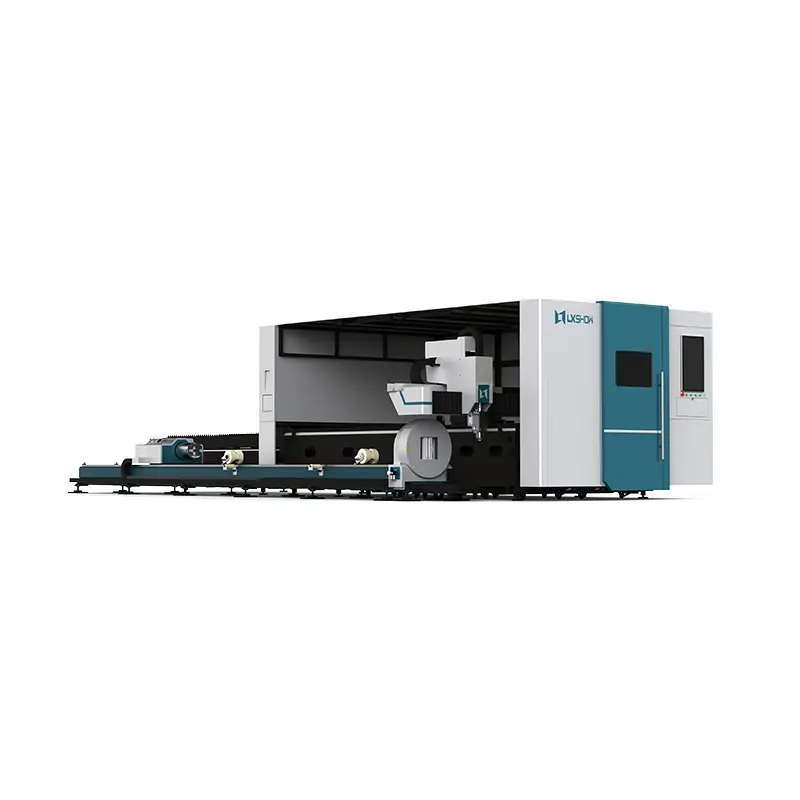
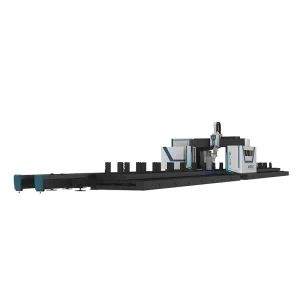
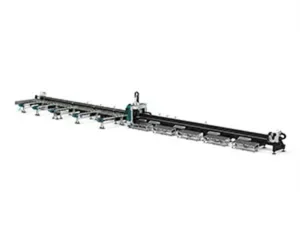
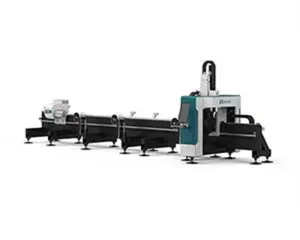
Configured for structural beam detailing, heavy-thickness sheet cutting, and high-accuracy bending operations.
Key methodologies for evaluating suppliers, assessing total cost of ownership (TCO), and managing risk.
Industrial procurement officers look beyond basic pricing metrics to analyze the long-term cost of ownership (TCO). A complete engineering audit of a Chinese fiber laser exporter should cover several core parameters:
Large-scale distributors require flexible partnerships. A manufacturer capable of providing OEM services to over 30 leading global brands demonstrates high design flexibility. ODM capabilities ensure that mechanical layouts, colors, control interfaces, and auxiliary automation structures can be tailored to meet local market preferences.
Expert technical answers to critical operational, structural, and procurement queries.
 Lxshow