High-performance CNC fiber laser cutters, cleaners, welders, and auxiliary finishing machinery built for Industry 4.0 standards.
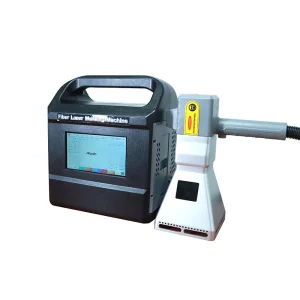
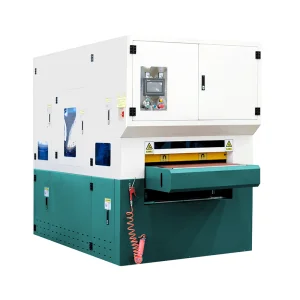
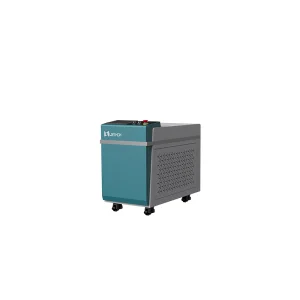
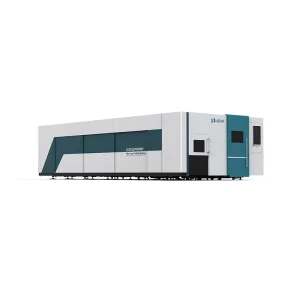
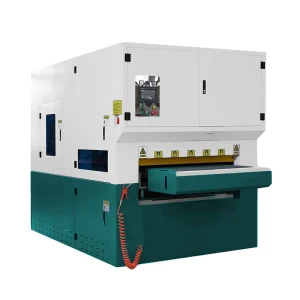
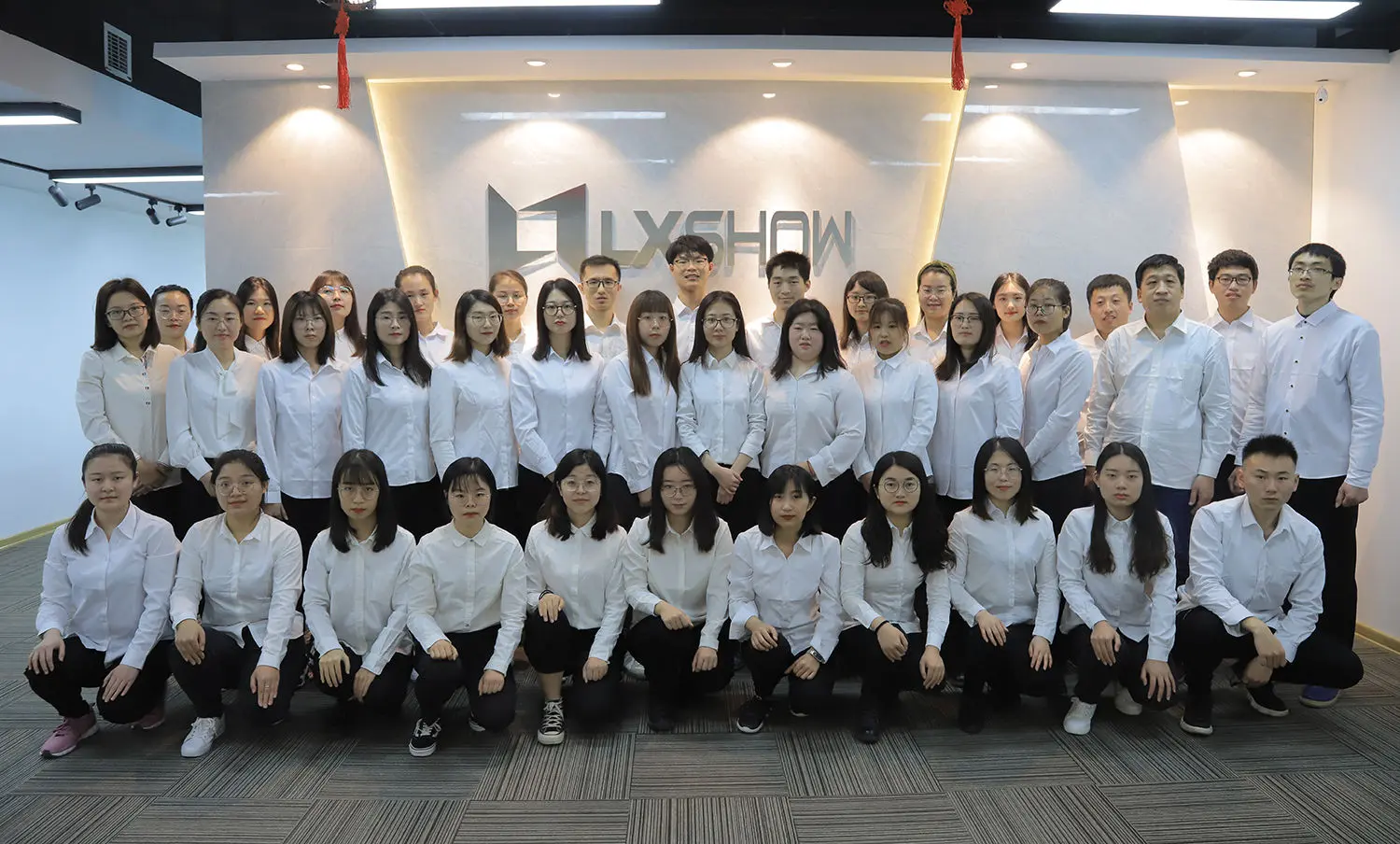
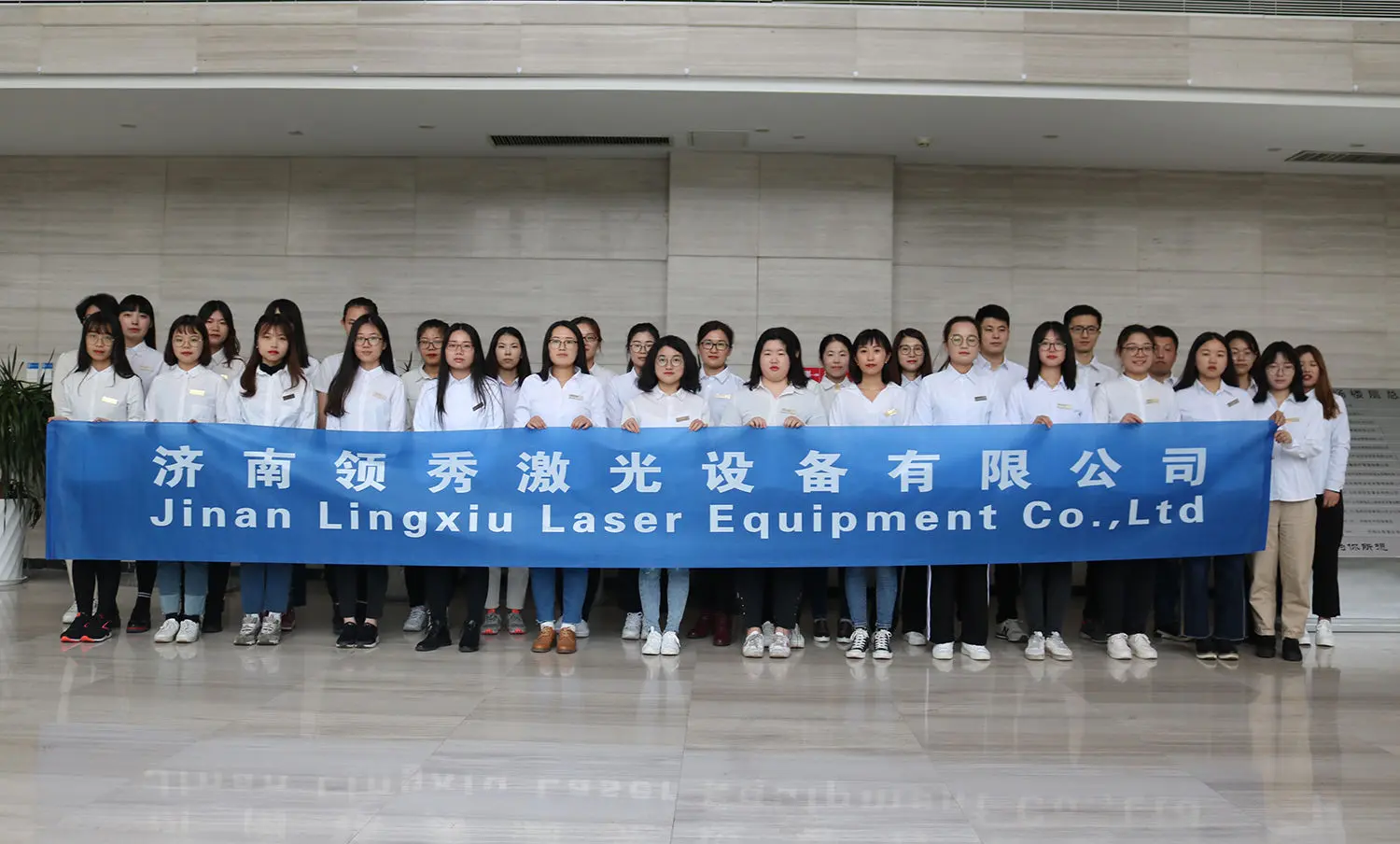
Established in July 2004, our organization has stood at the vanguard of the global industrial laser sector. Starting with a dedicated 500-square-meter R&D laboratory, we have scaled our operations to encompass a massive 32,000-square-meter state-of-the-art manufacturing facility. As a pioneer in intelligent industrial equipment, our mission is clear: to drive the implementation of Industry 4.0 and help manufacturing enterprises transition toward automated, high-precision intelligent plants.
Every piece of machinery exiting our facility meets rigorous international safety and quality protocols. Our products have successfully achieved the European Union's CE authentication, the United States FDA certificate, and are certified under the ISO 9001 Quality Management System. This strict regulatory compliance ensures that our clients in highly regulated markets—such as aerospace, medical device manufacturing, and precision engineering—receive reliable, compliant machinery.
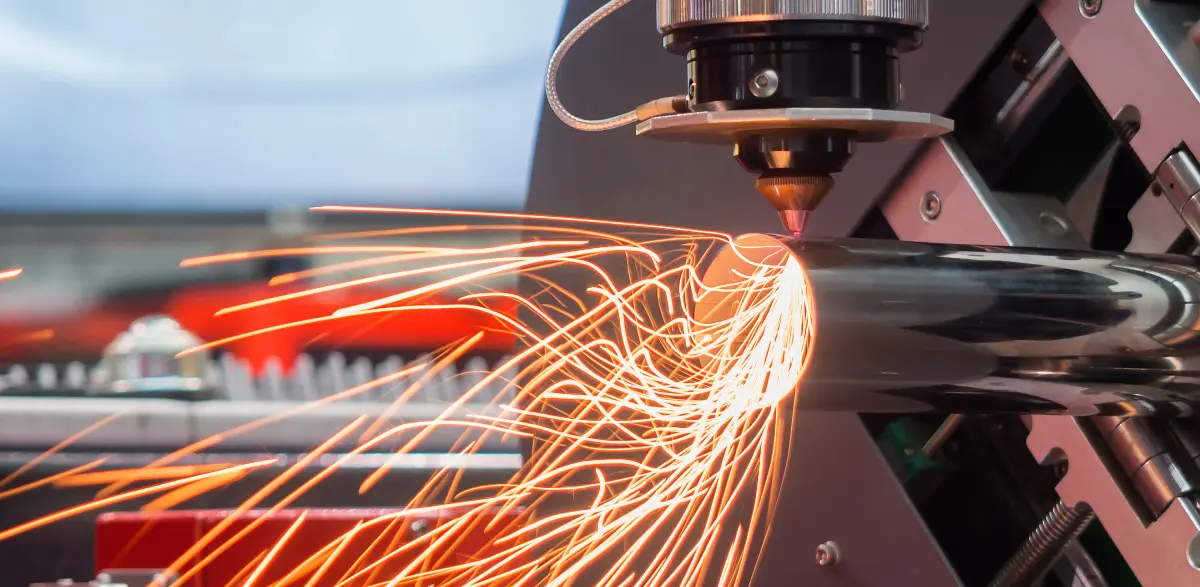
How advanced thermal technologies are reshaping material fabrication scales worldwide.
In modern industrial fabrication, stainless steel remains a cornerstone material due to its exceptional corrosion resistance, mechanical strength, and aesthetic appeal. However, processing stainless steel (particularly grading classifications such as AISI 304, 316L, and duplex steels) presents distinct challenges. Conventional shearing and mechanical milling often introduce severe tool wear, micro-cracking, and a large Heat-Affected Zone (HAZ) that can degrade the material's properties.
This is where fiber laser processing systems have revolutionized the global supply chain. By utilizing concentrated light energy within a tightly focused spot size (often down to micrometers), modern CNC fiber lasers melt and vaporize stainless steel with unparalleled accuracy. Nitrogen or Argon auxiliary gas assist technology instantly expels molten metal from the kerf, producing a clean, oxide-free edge that eliminates the need for post-processing finishing steps in over 80% of application scenarios.
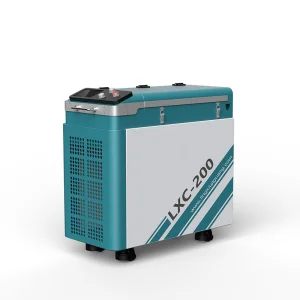
Furthermore, the diversification of fiber laser applications has expanded beyond cutting. Laser welding machines have replaced traditional TIG and MIG welding in critical applications due to their deep penetration, minimal thermal distortion, and high travel speeds. Simultaneously, laser cleaning technologies are serving as eco-friendly replacements for chemical pickling and abrasive sandblasting, removing oxidation, rust, and oil residues from stainless steel surfaces without damaging the base substrate.
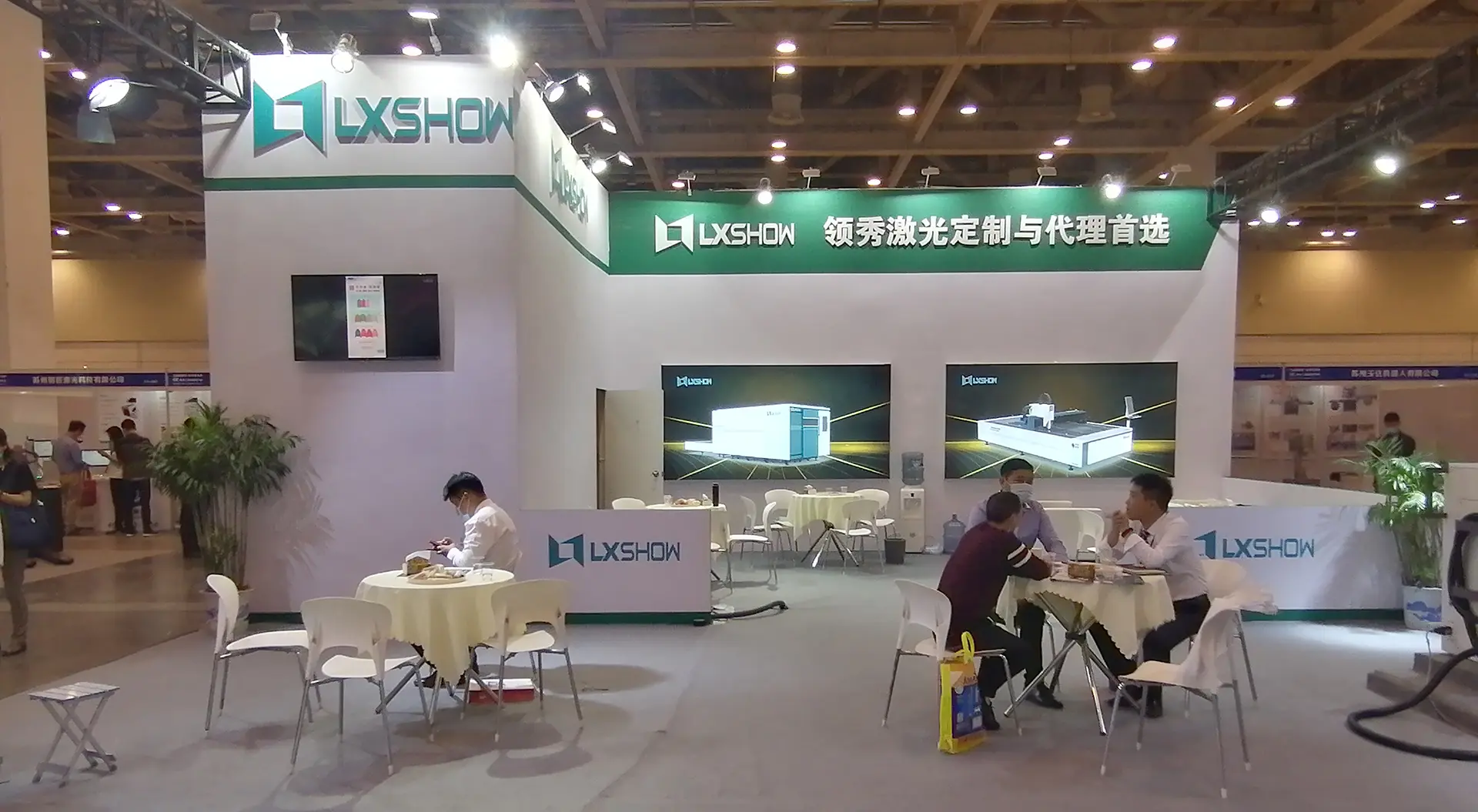
Global procurement specialists are increasingly relying on Chinese manufacturing centers for heavy industrial laser equipment. This shift is not merely driven by cost considerations; rather, it is the result of massive supply chain integration, continuous technological iteration, and unparalleled manufacturing speed.
Exploring the scientific engineering behind our industrial metal processing solutions.
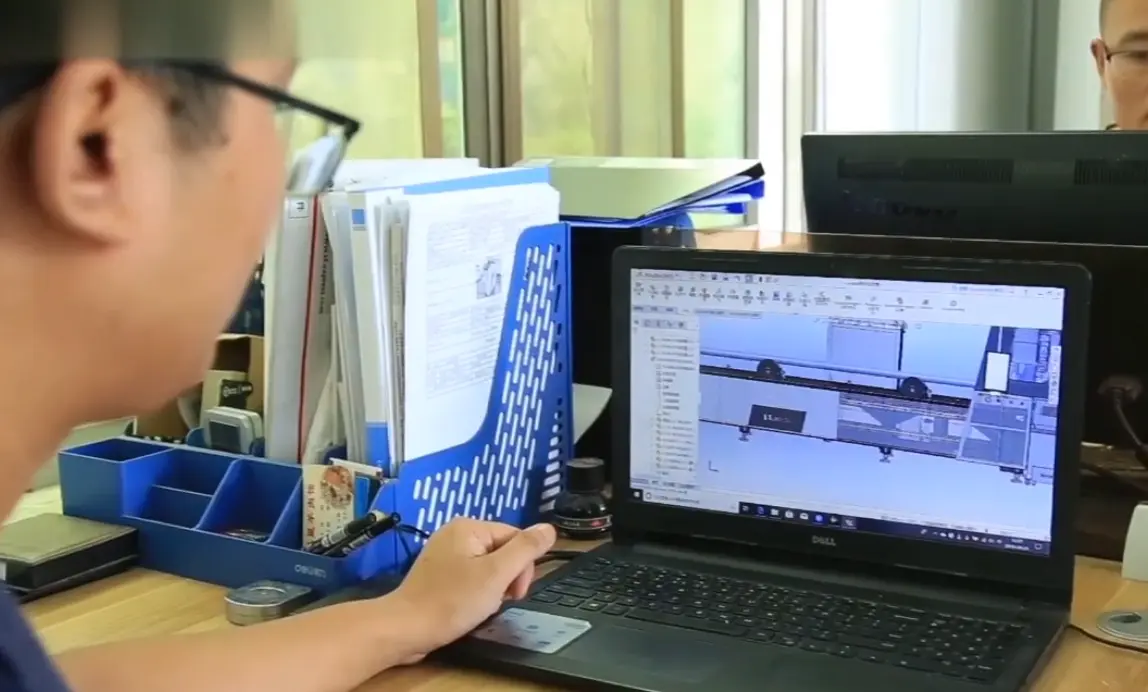
Our software integrations utilize intelligent nesting algorithms that maximize raw material utilization, reducing scrap rates on costly stainless steel alloys by up to 15% through smart path layouts.
Automated zoom optics constantly adjust the beam diameter and focal point coordinates during operation. This ensures rapid piercing cycles and pristine cutting quality across variable material thicknesses.
Sourced from industry-leading fiber optic providers (Raycus, IPG, MAX), our resonators guarantee a wall-plug efficiency exceeding 30%, keeping operating power requirements low.
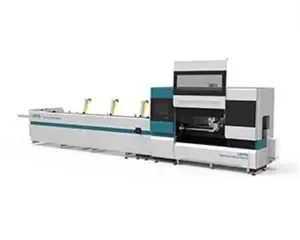
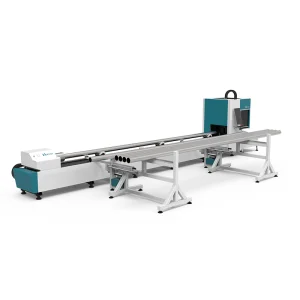
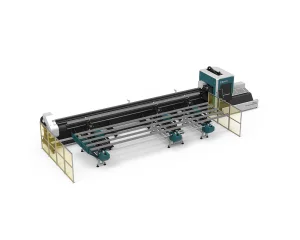
Our systems handle a diverse array of structural metals, tubes, and special profiles.
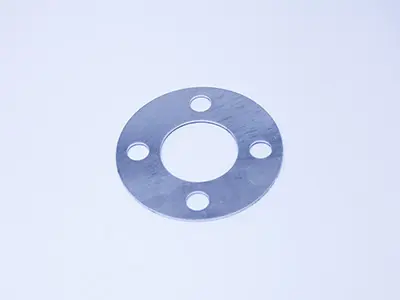
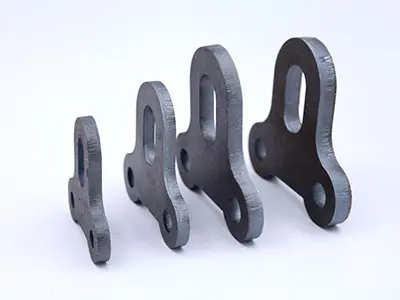
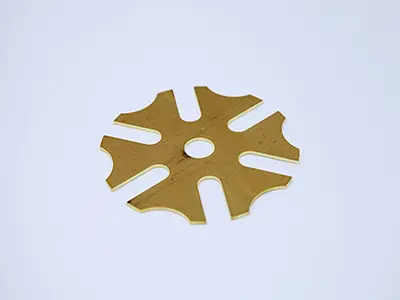
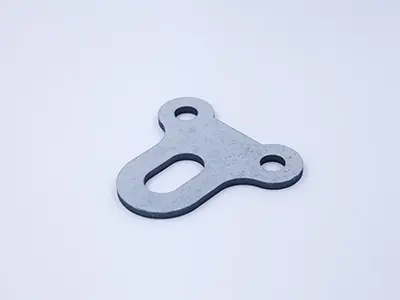
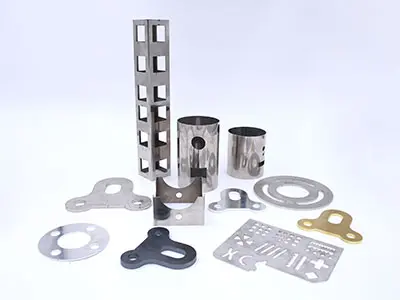
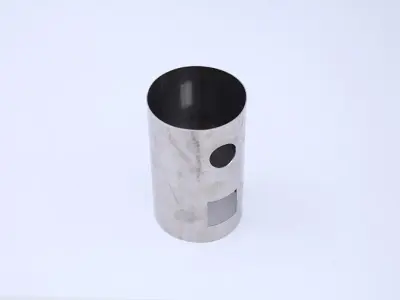
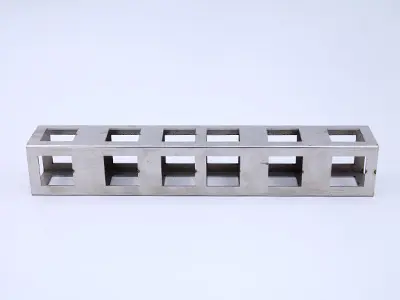
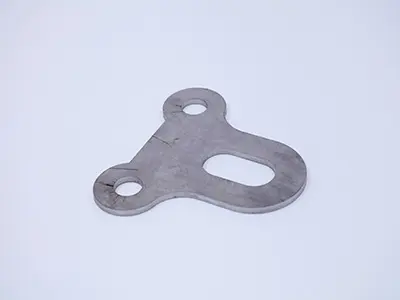
Understanding user intent means aligning machine functions with practical shop floor requirements. Our laser cutting, welding, cleaning, and bending products are highly configured for the following critical sectors:
Global procurement teams prioritize three core criteria when sourcing laser machinery: long-term mechanical reliability (minimizing down-time), total cost of ownership (TCO), and local support infrastructure. To keep pace with modern factory demands, we have focused our development on three major industrial trends:
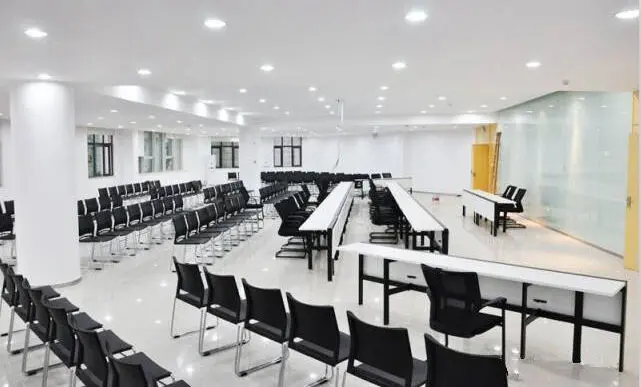
Take a virtual tour through our modern assembly halls, testing chambers, and design offices.
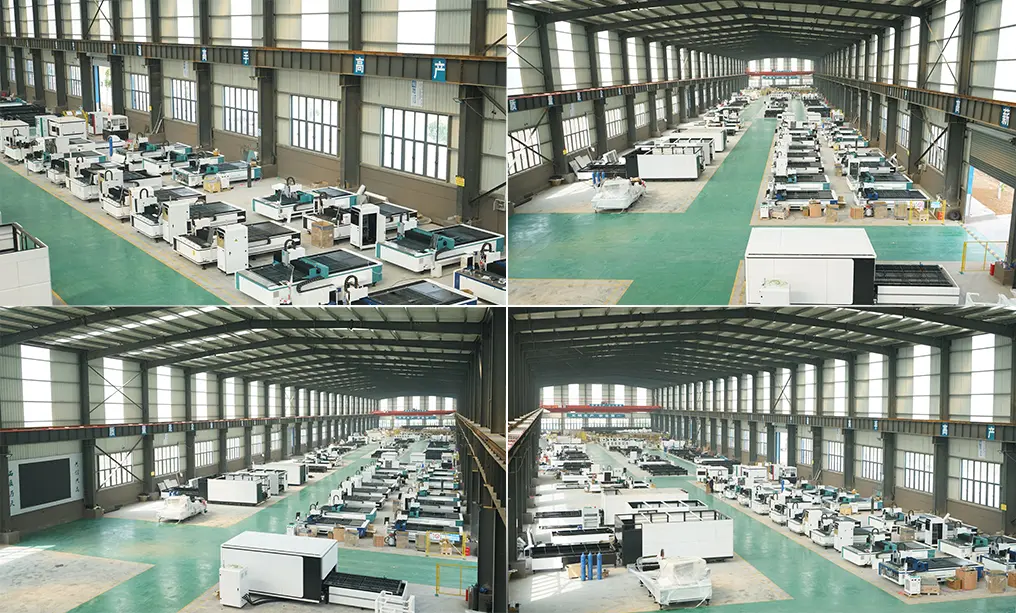
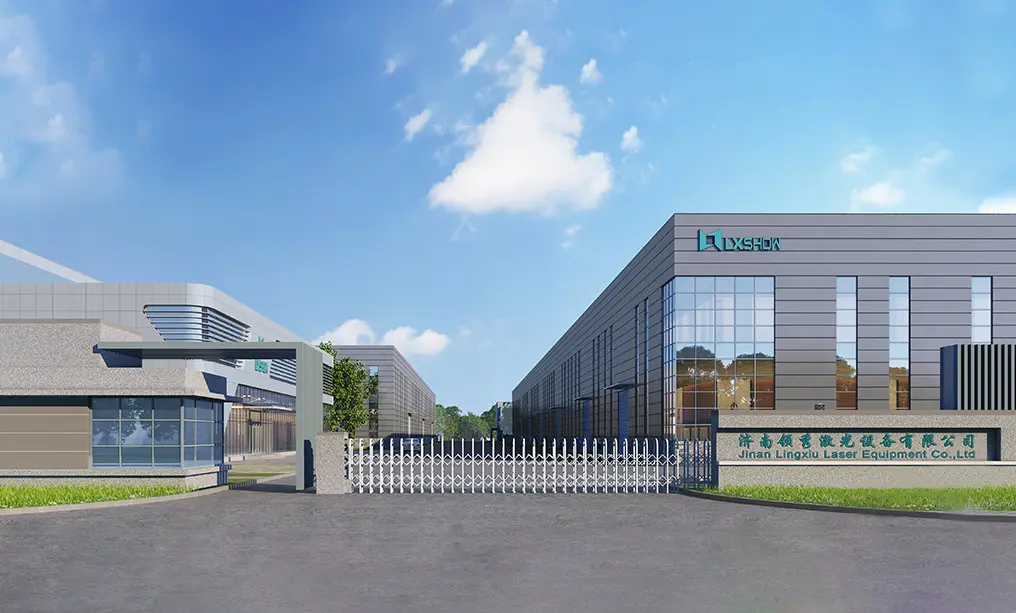

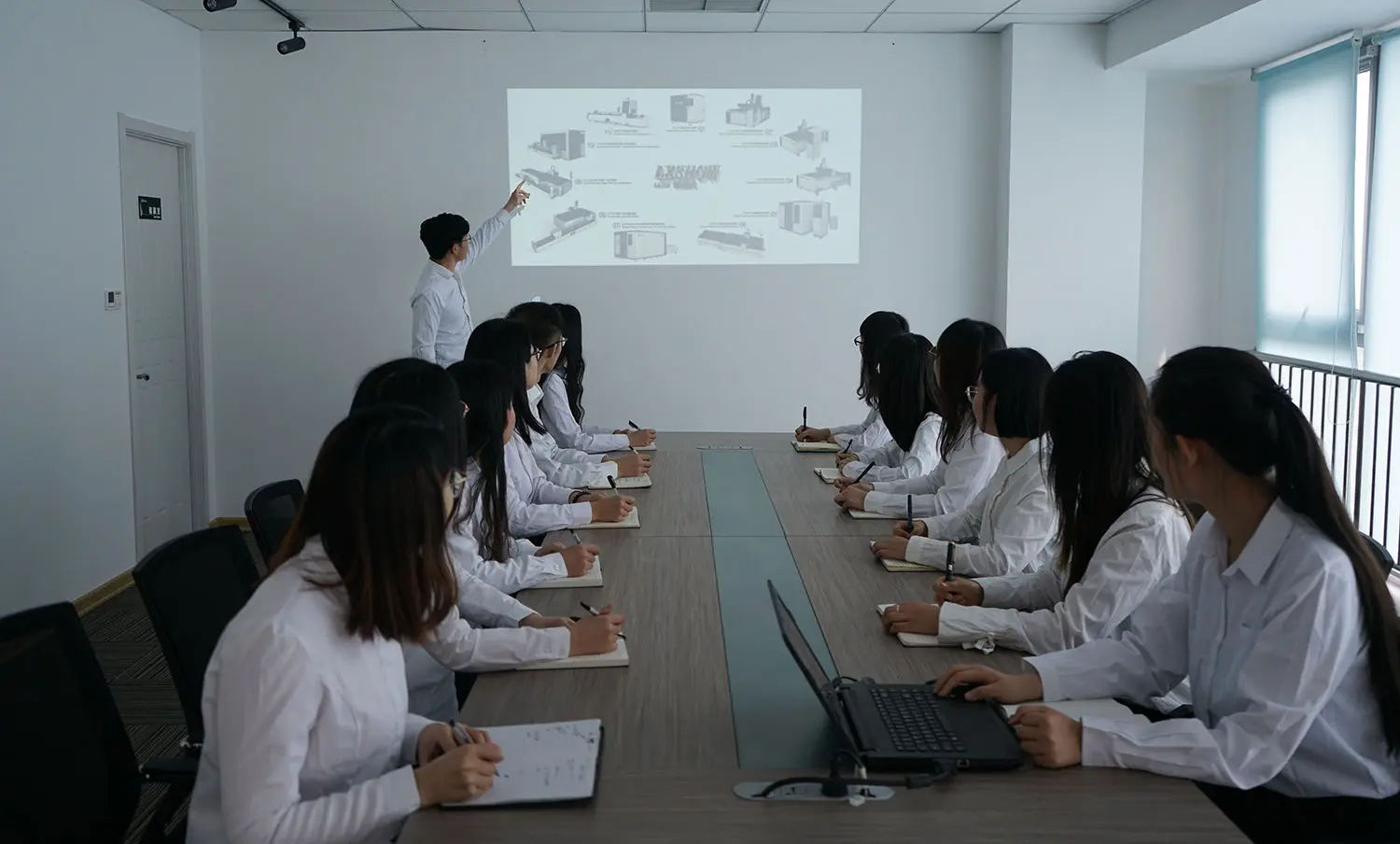
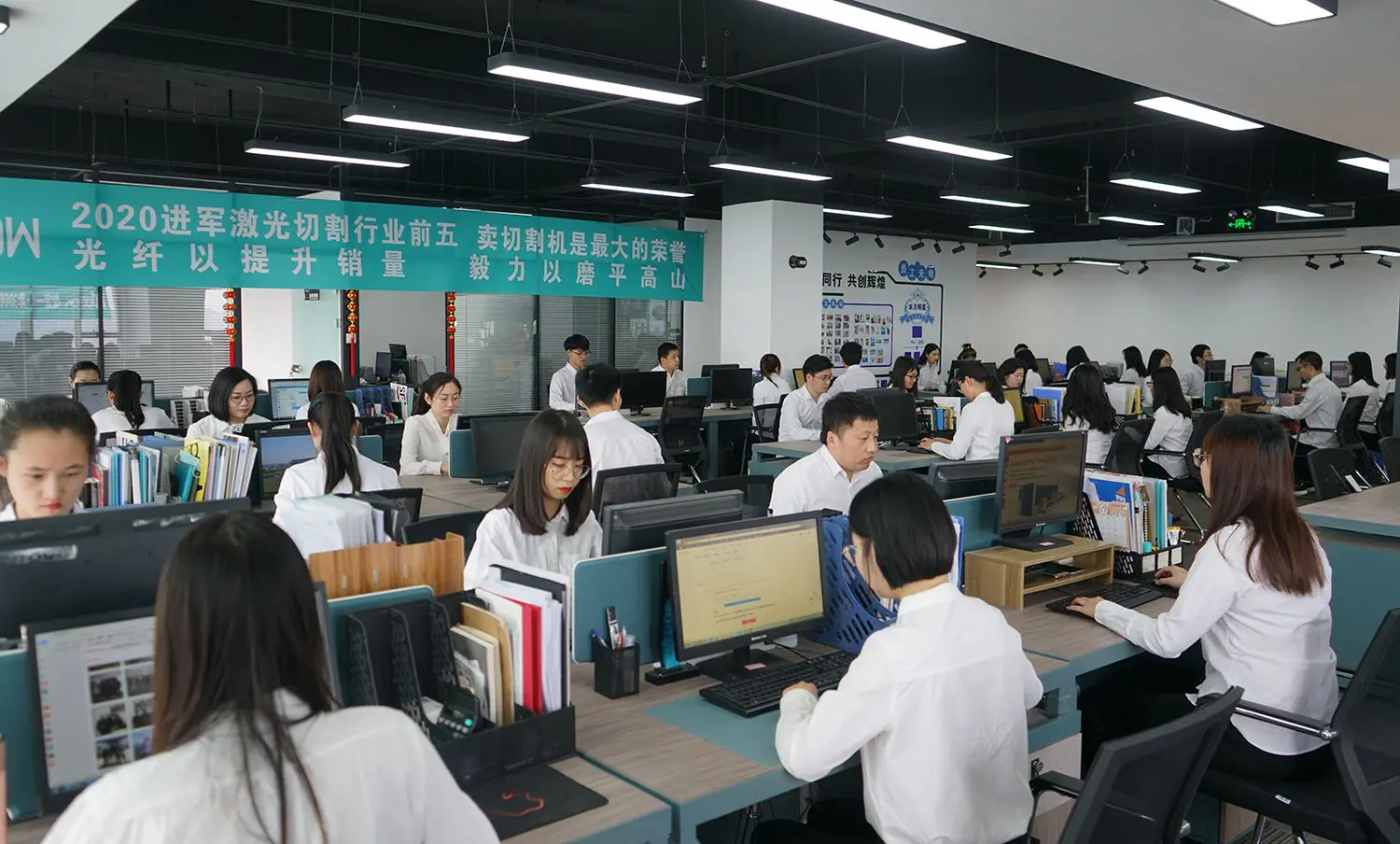
A comparative overview of cutting, welding, cleaning, and bending configurations.
| Equipment Category | Typical Resonator / Power Range | Applicable Thickness (SS) | Primary Industrial Applications |
|---|---|---|---|
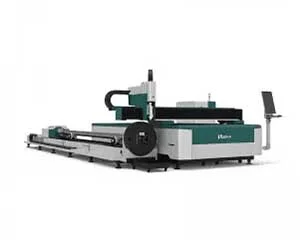
| Fiber Laser Cutters | 1,000W - 30,000W (Raycus / IPG) | 0.5mm - 50mm (dependent on wattage) | Aerospace, heavy industry machinery, chassis brackets |
| Laser Welding Systems | 1,000W - 3,000W (Continuous wave) | 0.5mm - 6mm joint penetration | Kitchen cabinets, sanitary hardware, HVAC ducting |
| Laser Cleaning Machines | 100W - 300W (Pulsed) / 1kW - 3kW (CW) | Surface oxide/rust removal | Automotive weld preps, rust removal, paint stripping |
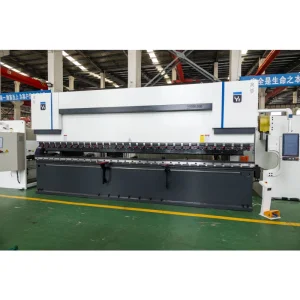
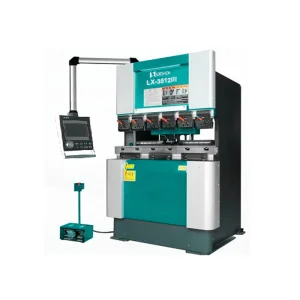
| CNC Bending Machines | Electro-hydraulic / Servo Electric | Up to 12mm plate gauge bending | Structural brackets, box enclosures, electrical boxes |
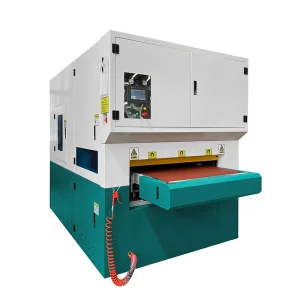
| Deburring & Polishing | Double Abrasive Belt Systems | Sheet edge roundings | Post-laser cut prep, edge smoothing, hairline polish |
Critical engineering answers for plant managers and procurement officers.
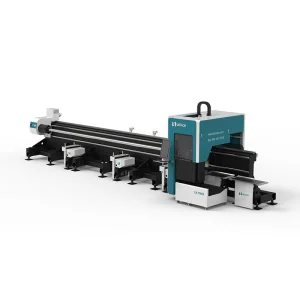
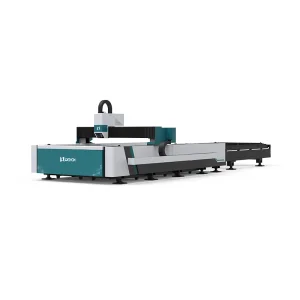
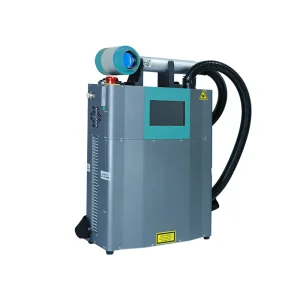
Browse our advanced tube cutters, high-power sheet cutters, cleaning kits, and bending press brakes.
 Lxshow