Explore our industry-validated fiber laser cutting and metal processing systems engineered for optimum reliability and high-speed throughput.
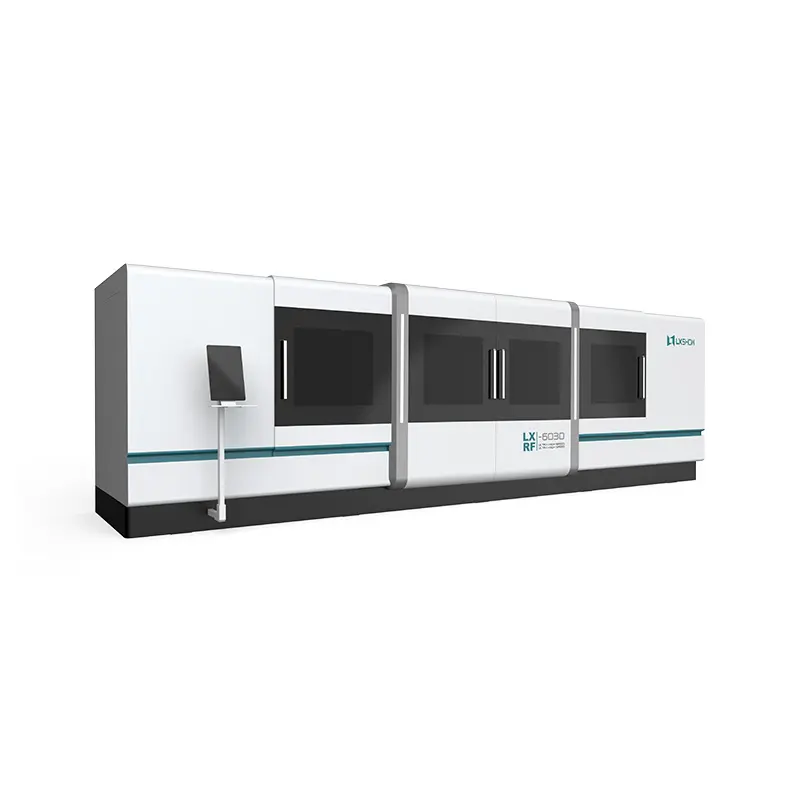
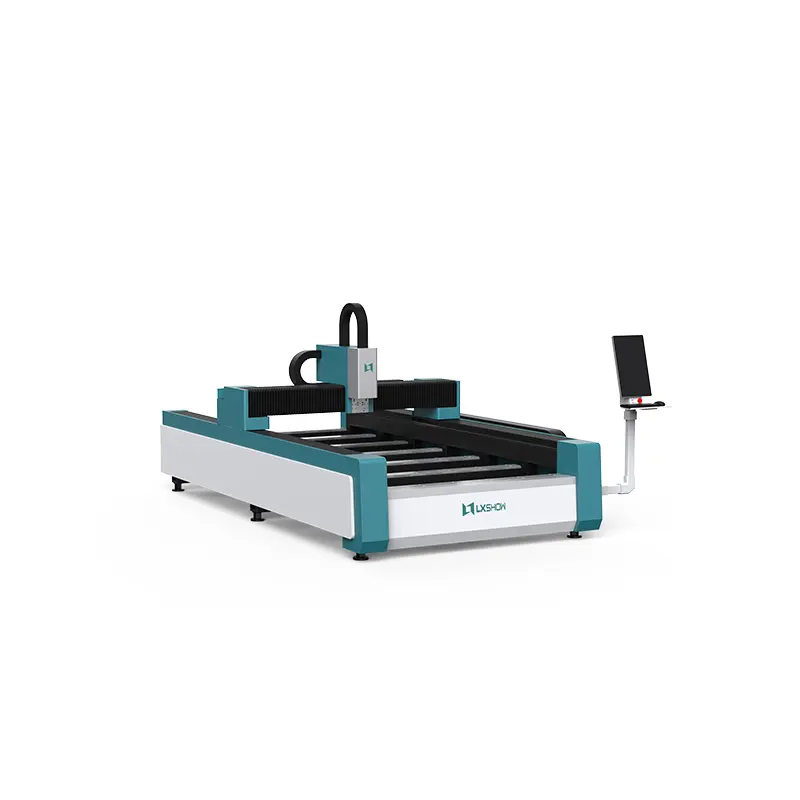
Designed for heavy-duty metal plate processing, featuring a completely enclosed structural housing to maximize operator safety and exhaust containment.
Inquire System Specs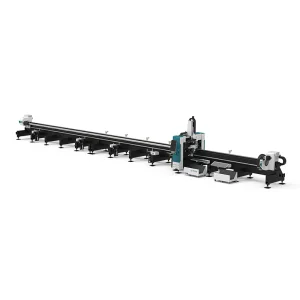
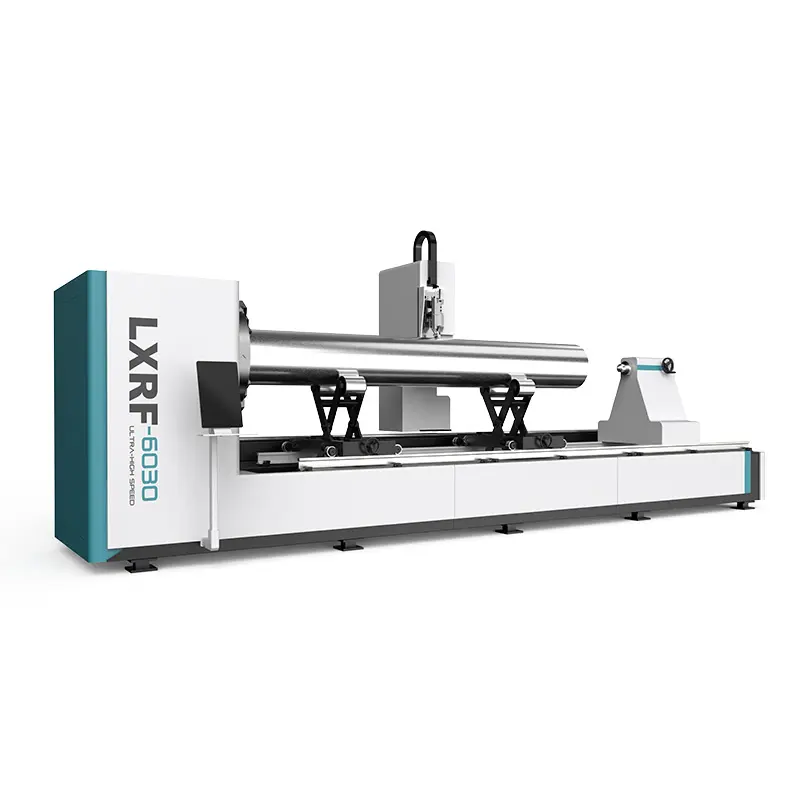
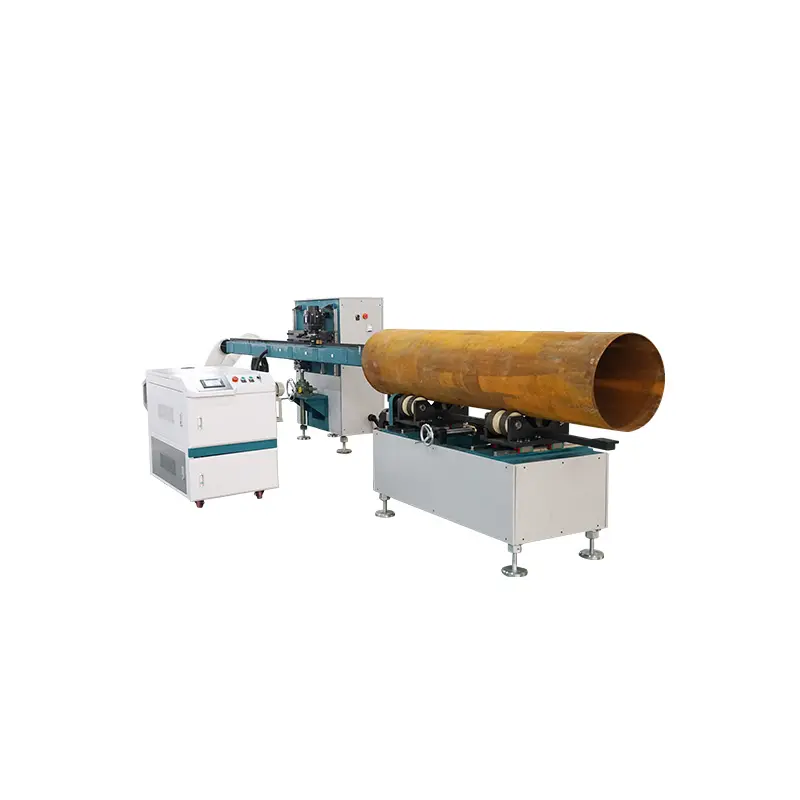
Optimized for high-speed tubular and profile cutting, delivering absolute precision for complex multi-axis slotting and joints.
Get Quotation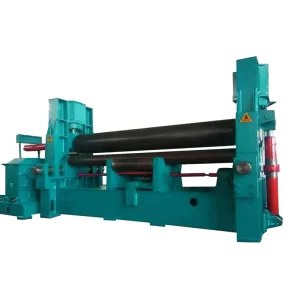
Enables seamless pre-bending and rolling of medium-to-thick plates with absolute geometrical accuracy.
View Technical Details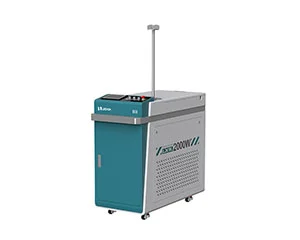
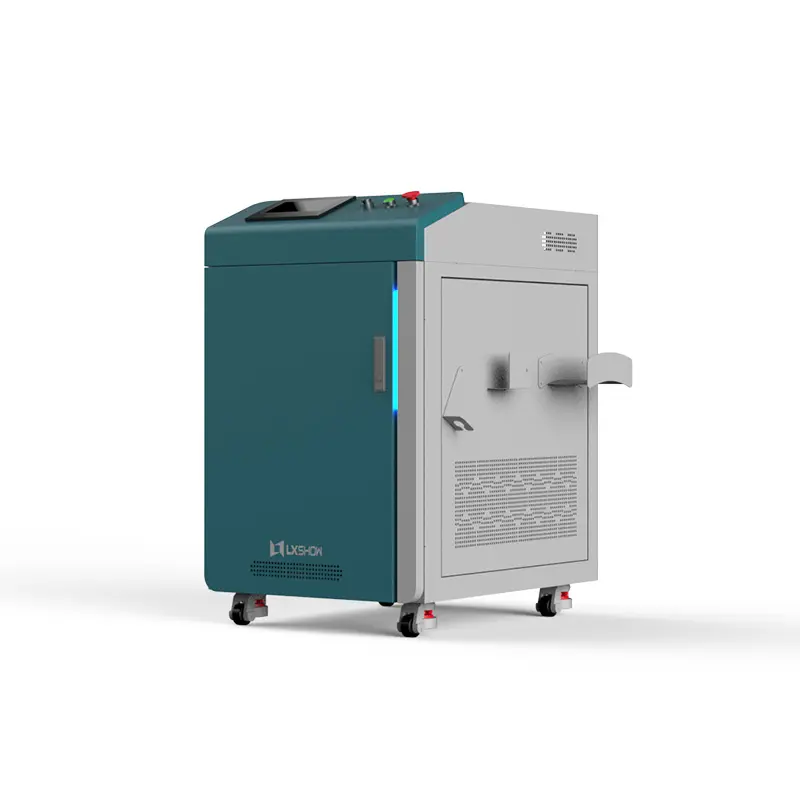
Portable laser welding system with adjustable power configurations, suited for high-strength welding of structural joints.
Compare Lasers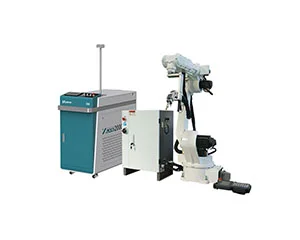
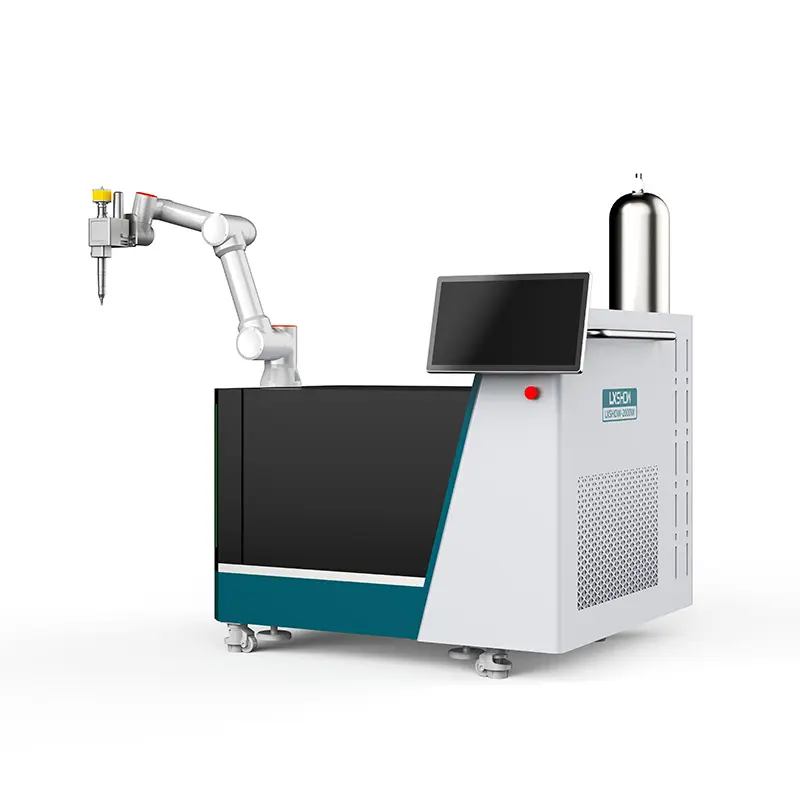
Combines the flexibility of fiber laser welding with advanced multi-axis robotics for production line integration.
Request Pricing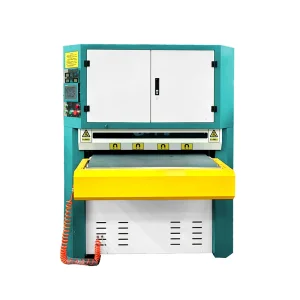
High-precision deburring and surface conditioning system ensuring clean edge quality for subsequent coating operations.
Request Demo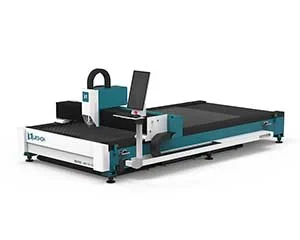
A versatile entry-to-mid level solution optimized for medium thickness stainless steel and carbon steel processing.
Select Power Level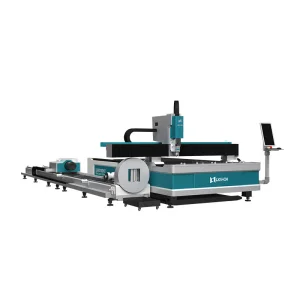
Ultra-high performance platform supporting capacities up to 30kW for heavy-duty stainless steel cutting applications.
Inquire 30kW SpecsAn engineering breakdown of market shifts, process efficiency, and technical metrics driving global metal fabrication.
The industrial landscape for stainless steel (SS) processing is undergoing a major transition. The structural properties of stainless steel—especially its high tensile strength, resistance to heat, and corrosion resistance—make it a key material in modern manufacturing. However, traditional mechanical punching and abrasive waterjet cutting methods often fall short of meeting contemporary tolerance and throughput standards.
Fiber laser technology, with wavelengths around 1.07 microns, has become the primary standard for stainless steel processing. By concentrating high energy density into a focused spot size (frequently under 100 microns), fiber lasers quickly vaporize the alloy interface. Utilizing inert assist gases like gaseous nitrogen (N₂) at high pressures prevents oxidation at the cut edge, leaving a clean, slag-free, weld-ready surface.
High-speed cutting dynamics limit heat transfer into the surrounding metal matrix. This preserves the grain boundaries of austenitic stainless steels like SUS304 and SUS316, preventing carbide precipitation and localized loss of corrosion resistance.
Modern high-power fiber lasers (12kW to 30kW) cut 10mm to 20mm stainless steel plate at feed rates that are significantly faster than CO₂ lasers or waterjet systems, lowering the processing cost per part.
Our CNC fiber laser cutters feature open bus network topologies (like EtherCAT) that integrate directly with automated storage systems, loading loaders, and CAM nesting software to minimize human error.
How laser wavelength selection, assist gas engineering, and machine structural design impact your production output.
Developing high-performance metal fabrication equipment requires balancing laser power with optical delivery and motion control. In thin-gauge stainless steel (under 3mm), high-power lasers can cut at speeds over 60 m/min. In thicker plate processing (12mm to 40mm), the challenge shifts to optical beam shaping and gas flow optimization within the kerf.
| Material Parameter | Standard Thickness | Recommended Laser Power | Assist Gas Type | Mechanical Tolerance |
|---|---|---|---|---|
| Austenitic (SUS304/SUS316) | 1.0 mm – 3.0 mm | 1.5 kW – 3.0 kW | Nitrogen (N₂) or Clean Air | ± 0.03 mm |
| Austenitic (SUS304/SUS316) | 4.0 mm – 10.0 mm | 4.0 kW – 6.0 kW | Nitrogen (N₂) (16-18 Bar) | ± 0.05 mm |
| Duplex / Thick Plate | 12.0 mm – 25.0 mm | 12.0 kW – 20.0 kW | High-Pressure Nitrogen / Mix | ± 0.10 mm |
| Ultra-Thick Specialized | 30.0 mm – 50.0 mm | 30.0 kW+ | Oxygen (O₂) or Gas Mix | ± 0.15 mm |
Note: Edge profile and mechanical quality depend on clean focal point positioning. Automatic capacitive height sensor adjustments at the cutting head help maintain stable nozzle standoff distances, even on uneven sheet surfaces.
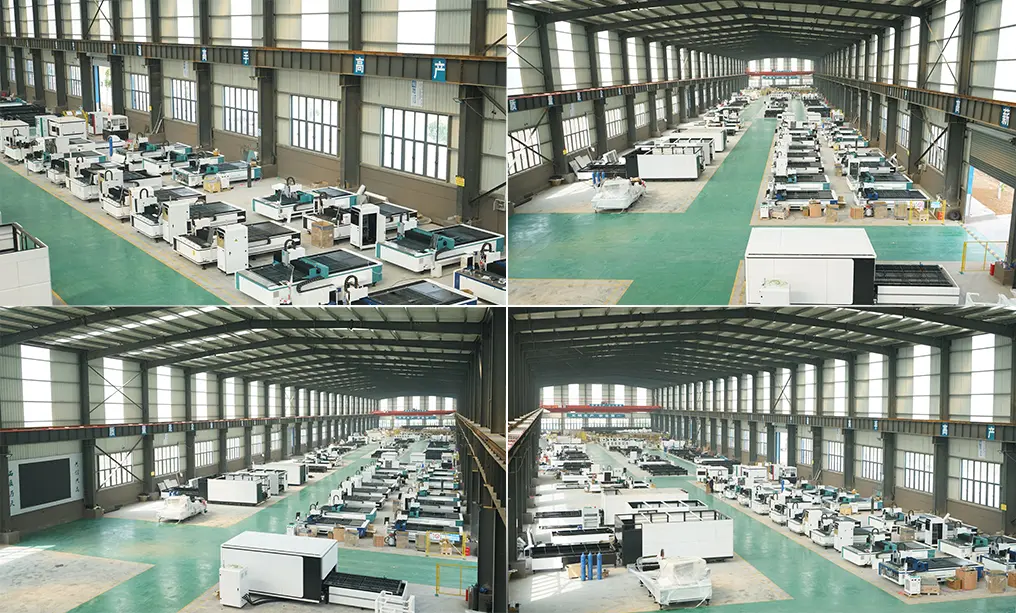
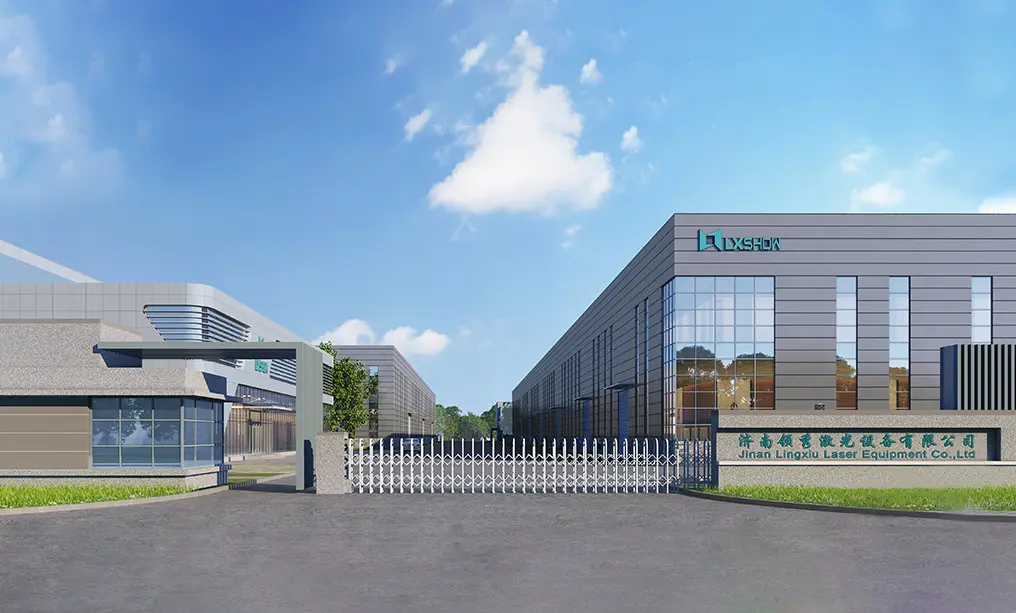
Precision-built systems from our 32,000 square meter factory designed for industrial environments worldwide.
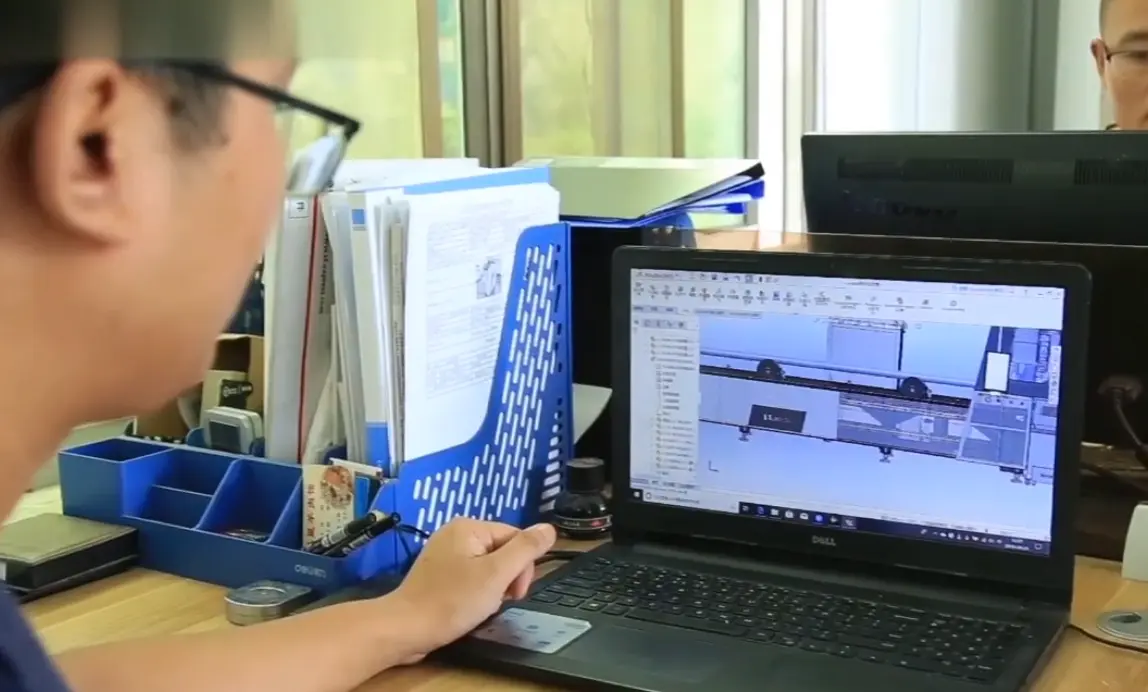
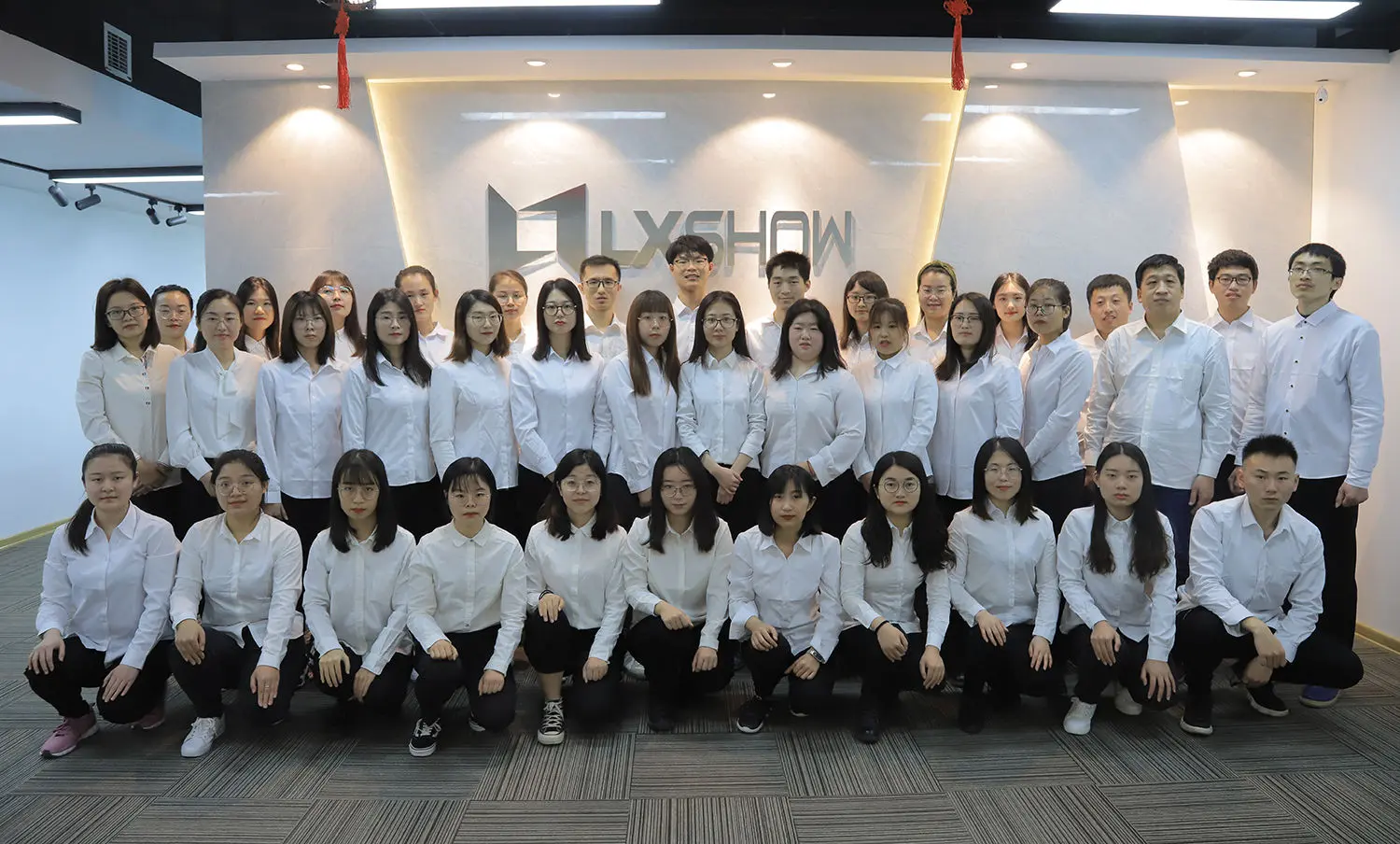
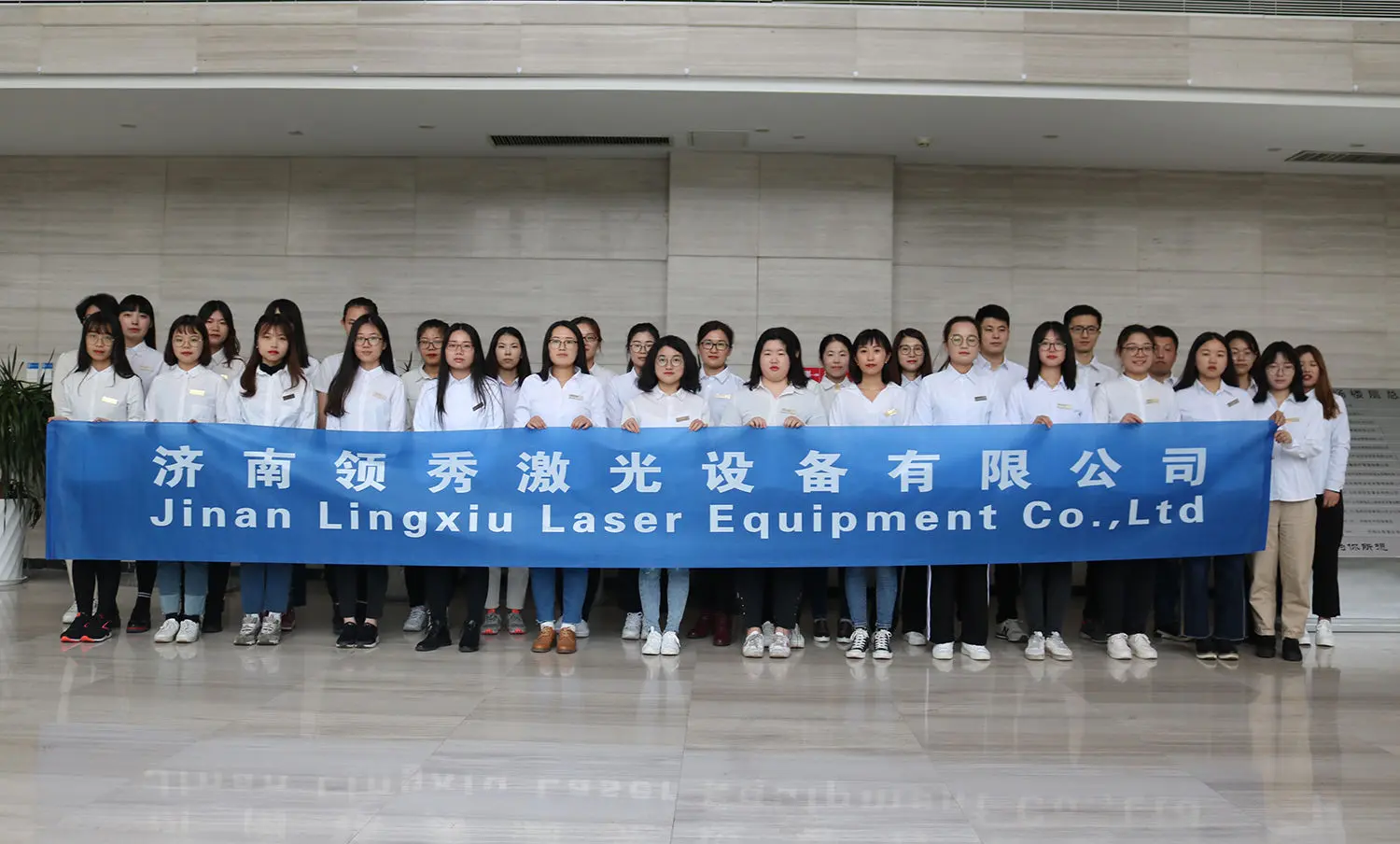
Established in July 2004, our facility has grown to include over 500 square meters of dedicated research and engineering office space alongside a 32,000 square meter manufacturing plant. We focus on developing robust metal fabrication machinery for demanding industrial environments.
All of our systems have earned European Union CE authentication, American FDA registration, and operate under ISO 9001 certified manufacturing quality protocols. This ensures that every system—from the structural welding of the machine bed to the alignment of the optical components—meets rigorous performance standards.
We export to over 120 countries, including the USA, Canada, Australia, Europe, Southeast Asia, and Africa. In addition, we provide OEM services for over 30 leading global machine tool brands.
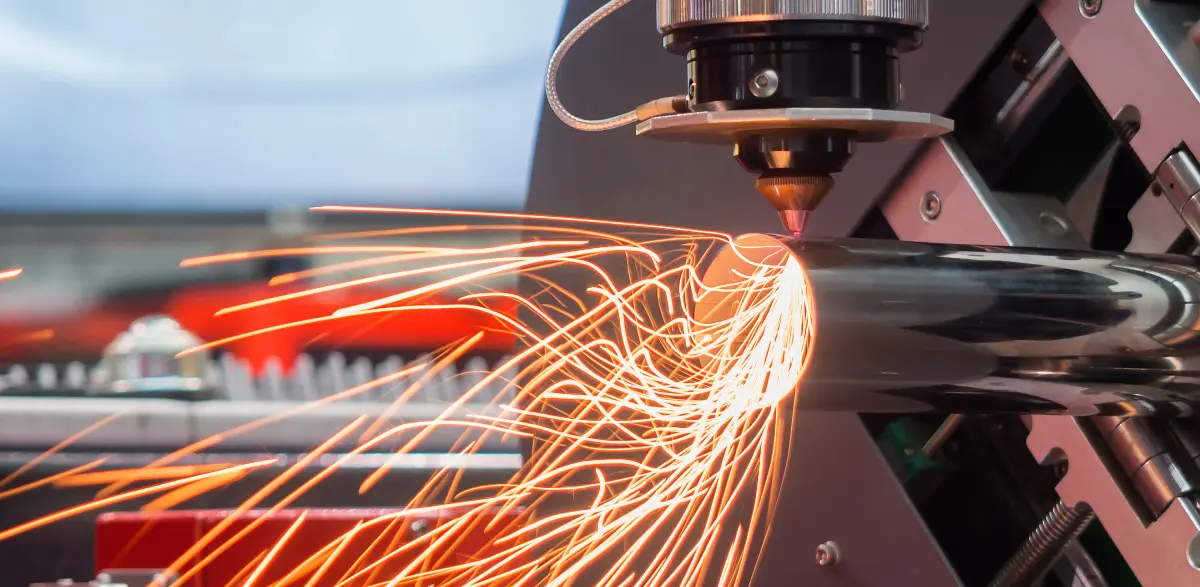

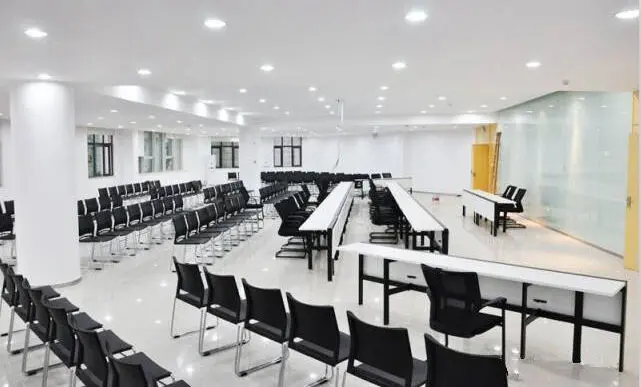
Our laser processing platforms are designed to handle a wide range of materials and industries.
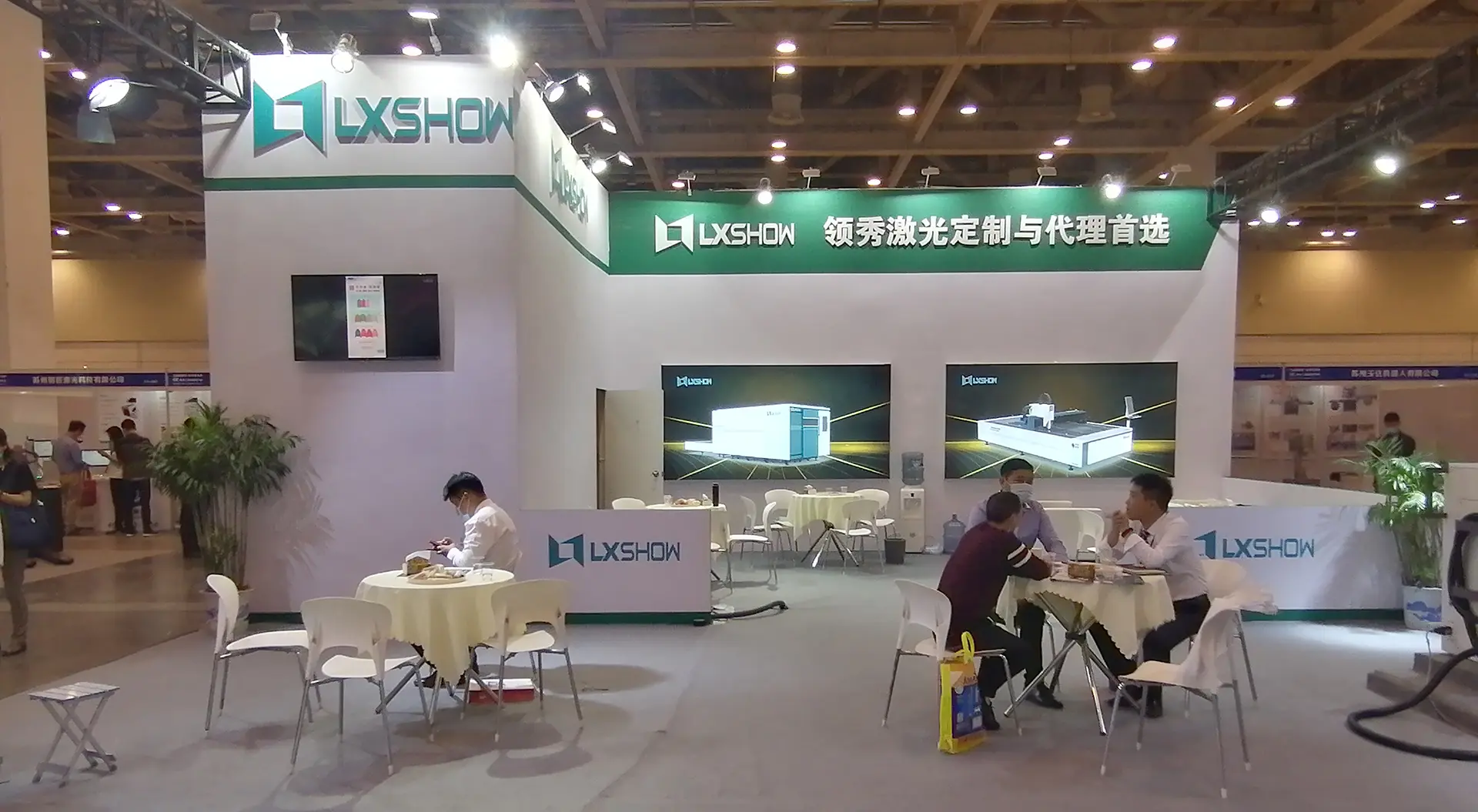
We support smart manufacturing by helping metal fabrication businesses optimize production efficiency. Our equipment range includes laser cutters, bending systems, sheet rollers, and deburring machines, allowing for integrated fabrication processes from raw sheets to finished parts.
Beyond sheet cutting, we provide specialized machinery built to the same strict industrial standards.
Designed to deposit high-performance alloys onto substrate surfaces to restore dimensions or improve wear and corrosion resistance.
Eco-friendly surface preparation technology that removes oxide layers, rust, paint, and contaminants without chemicals or abrasives.
Provides narrow weld seams and low thermal distortion, delivering high joint strength in stainless steel, carbon steel, and aluminum.
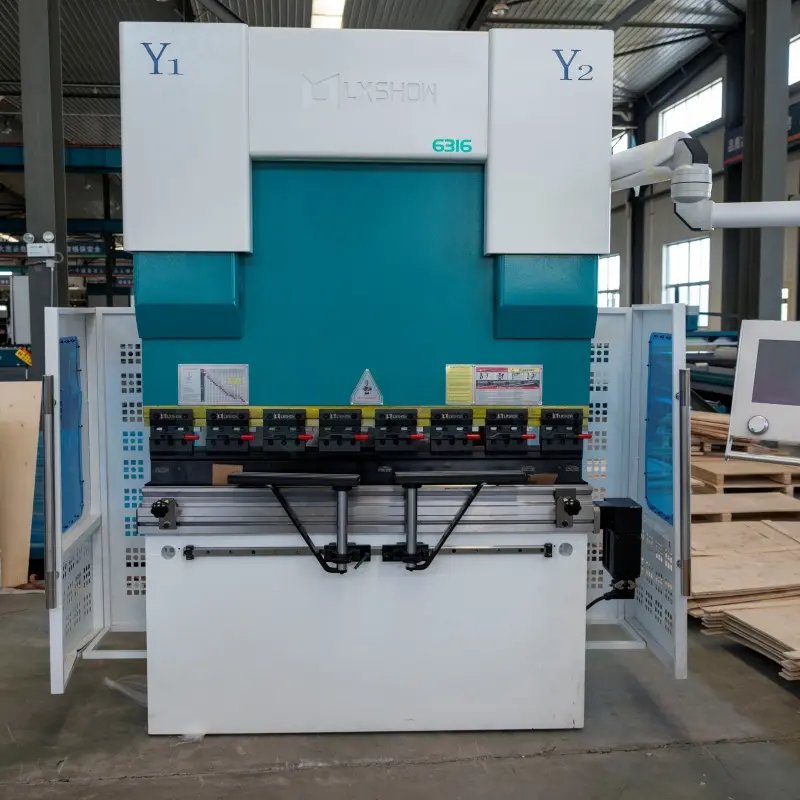
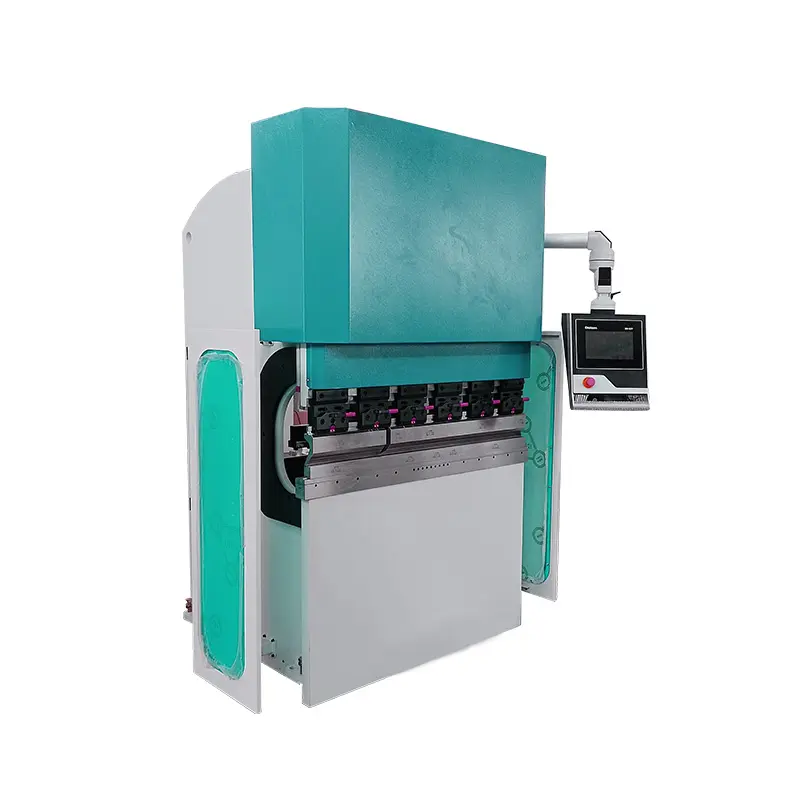
Electro-hydraulic servo press brakes that provide precise angle control and repeat positioning across a variety of sheet metal thicknesses.
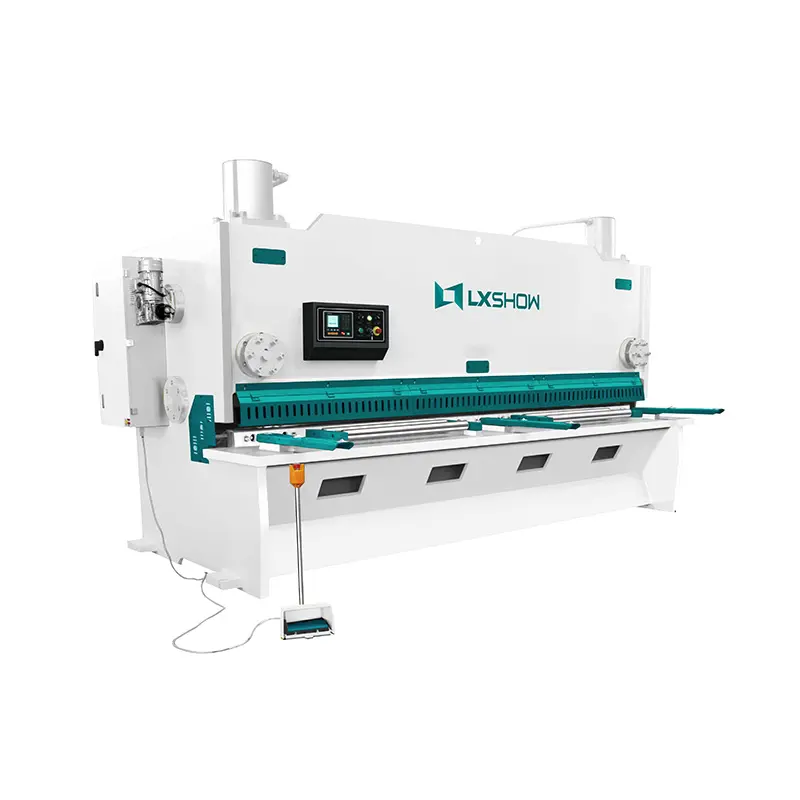
Reliable guillotine and swing beam shearing machines built for heavy-duty metal prep work.
Heavy-duty automation, edge-finishing, cleaning, and bending solutions for integrated fabrication workshops.
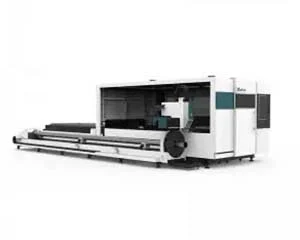
Equipped with a dual-use plate and tube rotary axis, as well as an automatic exchange table to maximize machine uptime.
Request Quote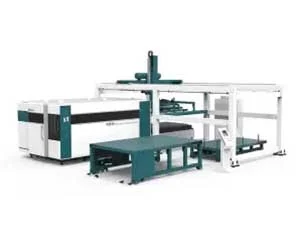
Designed for high-volume automated processing. Integrates easily with automatic raw material loading systems.
View Thickness Chart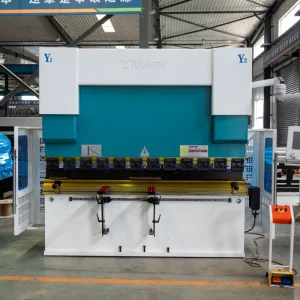
Features multi-axis backgauge positioning and dynamic hydraulic crowning to ensure consistent bending accuracy.
Compare Press Brakes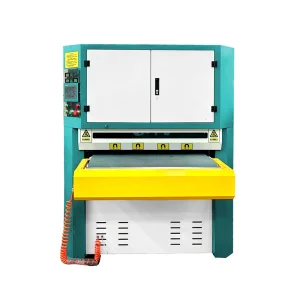
Cleans up dross and sharp edges from laser-cut metal, preparing the parts for painting or final assembly.
Inquire Machinery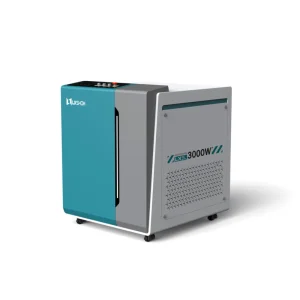
A 3000W laser cleaning system with integrated water cooling, designed for high-duty cycle oxide layer and rust removal.
Get System Catalog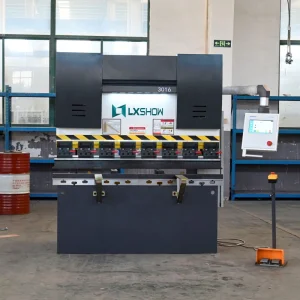
A compact and efficient press brake well-suited for processing smaller sheet metal components and brackets.
Request Quotation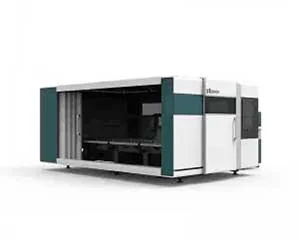
A fully enclosed, dual-exchange table fiber laser cutter that combines high safety with rapid pallet swapping.
Inquire Pricing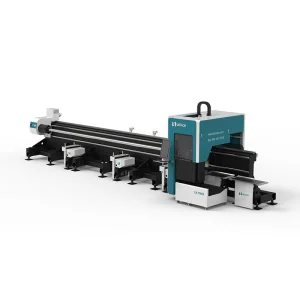
Specifically optimized for clean, high-speed profile and tube cutting of highly reflective aluminum alloys.
Request Live DemoConnecting machines, automation software, and production data to improve manufacturing efficiency.
We help fabricators transition from manual, isolated setups to connected, automated production flows. Our goal is to assist companies in designing and implementing smart factory layouts.
Our goal is to remain a leading supplier in the industrial laser and automation market by continuing to develop highly automated, energy-efficient manufacturing systems.
Modern laser processing depends as much on control software as it does on laser power. Our systems utilize real-time CNC interfaces that communicate directly with CAM nesting programs, optimizing sheet utilization and reducing raw material waste.
By connecting loading/unloading systems, fiber laser cutters, press brakes, and deburring machines, shops can minimize manual material handling. Real-time diagnostic systems also monitor nozzle wear, protective window cleanliness, and assist gas pressure, helping to prevent unplanned downtime and ensure consistent cutting quality.
We work with international logistics providers and maintain global engineering support networks. This allows us to offer installation support, operator training, and replacement parts to clients in over 120 countries.
Detailed answers to common questions about operating and optimizing fiber laser cutting systems.
Nitrogen is an inert gas that displaces oxygen in the cutting zone. This prevents oxidation, leaving a bright, clean, weld-ready edge. Oxygen, by contrast, causes an exothermic reaction that can leave a dark oxide layer on the cut edge, which often must be mechanically cleaned before welding or painting.
Higher laser power (such as 12kW to 30kW) allows for faster processing of thin sheets and is necessary for clean cuts in thick plates. While a 3kW laser can cut stainless steel up to 10mm, higher-power systems (e.g., 20kW+) handle thicker plate with less dross and smaller heat-affected zones, reducing the need for post-cut grinding.
Key maintenance tasks include inspecting and cleaning the protective lens, verifying beam alignment, cleaning and lubricating the linear guide rails and rack-and-pinion drive system, and monitoring the chiller unit's water quality. Keeping the machine bed clean of slag and dust is also important for maintaining cutting accuracy.
An exchange (or shuttle) table allows an operator to load new raw sheets and unload finished parts on one pallet while the laser cuts on the other pallet inside the enclosure. This pallet swap typically takes less than 20 seconds, keeping the laser running and improving overall machine utilization.
Yes. Modern fiber lasers are well-suited for reflective materials because their 1.07-micron wavelength is absorbed more easily by metals than the 10.6-micron wavelength of CO₂ lasers. Additionally, our cutting heads feature back-reflection isolation systems to protect the laser resonator from damage caused by reflected light.
 Lxshow