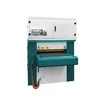
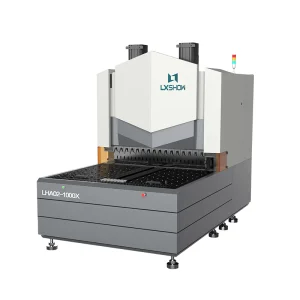
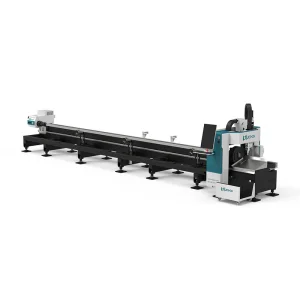
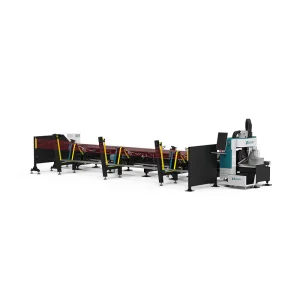
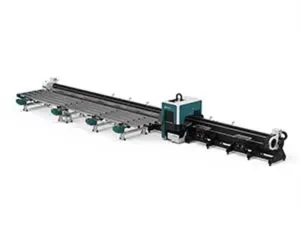
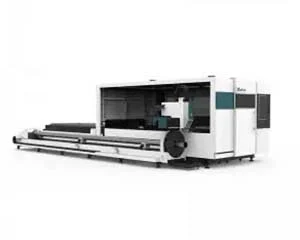
Explore our top-tier catalog of precision smart deburring systems, fiber laser cutters, high-speed tube profile processing lines, and intelligent hydraulic press brakes.
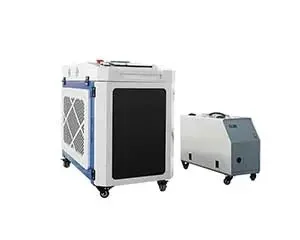
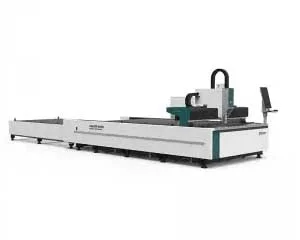
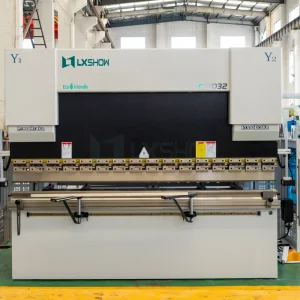
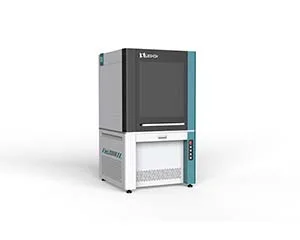
In the modern manufacturing landscape, laser-cut steel plates represent the backbone of structurally critical and aesthetically demanding projects worldwide. From structural framework in civil engineering to micron-level tolerance enclosures in medical diagnostics, selecting the right laser cutting steel plate manufacturer dictates not only the final component quality but also the entire efficiency curve of your assembly line. This comprehensive whitepaper evaluates the parameters of advanced fiber laser processing, material selection optimization, and the logistical matrices that define market-leading production facilities.
Professional engineers understand that laser cutting is a thermal process. The concentrated beam melts or vaporizes the path, leaving a minimal but distinct Heat Affected Zone (HAZ). Leading manufacturers leverage advanced CNC gas dynamics—specifically deploying ultra-high-purity nitrogen assist gas for stainless steels and oxygen assist gas for thick carbon steels—to minimize HAZ, eliminate micro-cracking, and guarantee clean edges ready for structural welding without subsequent grinding.
Traditional carbon dioxide (CO2) laser systems have largely given way to high-efficiency, solid-state Fiber Laser Cutting Machines. Operating at a wavelength of approximately 1.06 microns (ten times shorter than CO2 laser beams), fiber lasers yield high power absorption rates across ferrous and non-ferrous metals alike. This allows manufacturing facilities to deliver precise geometry profiles on carbon steels, high-alloy stainless steels, aluminum, and highly reflective copper alloys.
Our manufacturing processes utilize laser generator matrices ranging from 1kW up to 30kW ultra-high-power installations. These configurations support clean cuts on plates exceeding 50mm in thickness, with positioning accuracy parameters within ±0.03mm. By integrating dynamic focal adjustment systems and active anti-collision laser heads, our factory floors execute complex nested geometry operations with minimal material waste margins.
The global procurement landscape continues to rely heavily on Chinese manufacturing networks. This is driven not by labor arbitrage alone, but by total ecosystem integration. As an established industry leader since 2004, our facility showcases the primary advantages defining the leading edge of China's industrial output:
Enterprise buyers operate in high-liability, high-precision sectors. The requirements for laser-cut plate components vary significantly across these macro sectors:
Aerospace & Defense: Precision cutting of titanium alloy structures and high-temperature nickel alloys requires exceptional heat cycle monitoring. Our factories offer fully recorded trace lists, certified material sheets (MTRs), and compliance to AS9100 quality principles.
Automotive & Smart Electric Vehicles: Lightweight designs necessitate high-strength low-alloy (HSLA) steels and structural aluminum profiles. High-speed fiber laser machines with integrated nesting software minimize cycle times while guaranteeing part-to-part consistency for robotic welding cells.
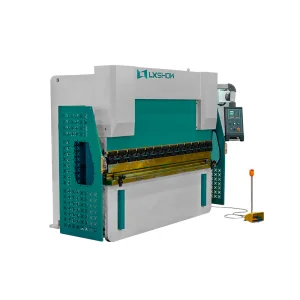
Heavy Machinery & Agriculture: Large-format structural plates for excavation, cranes, and marine platforms require heavy-duty cutting tables, advanced bevel cutting systems, and high-capacity press brakes (exceeding 300T capacities) to shape high-yield structural parts.
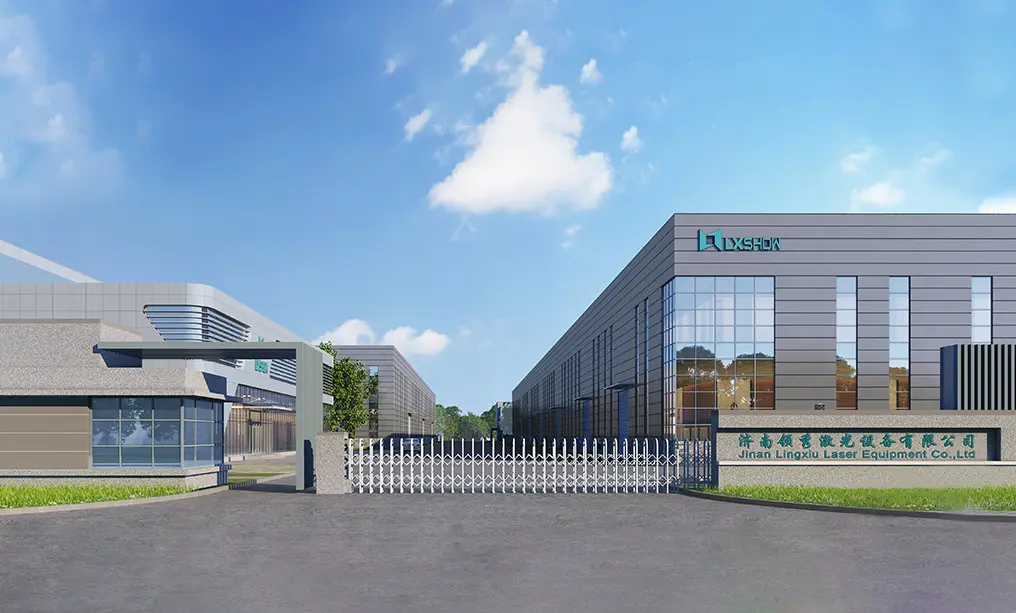
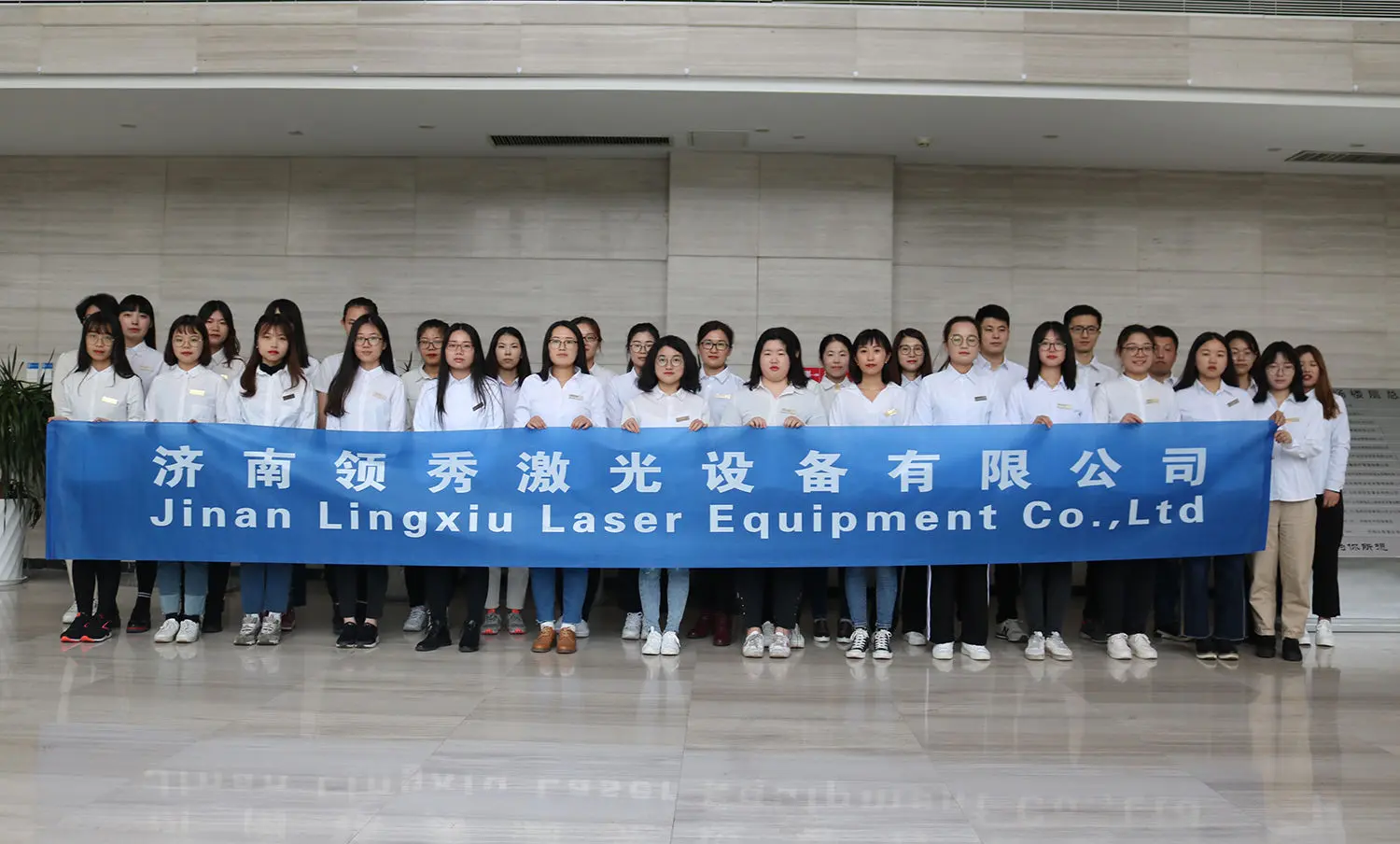
Since our establishment in July 2004, our manufacturing facility has led technological innovations in laser intelligence.
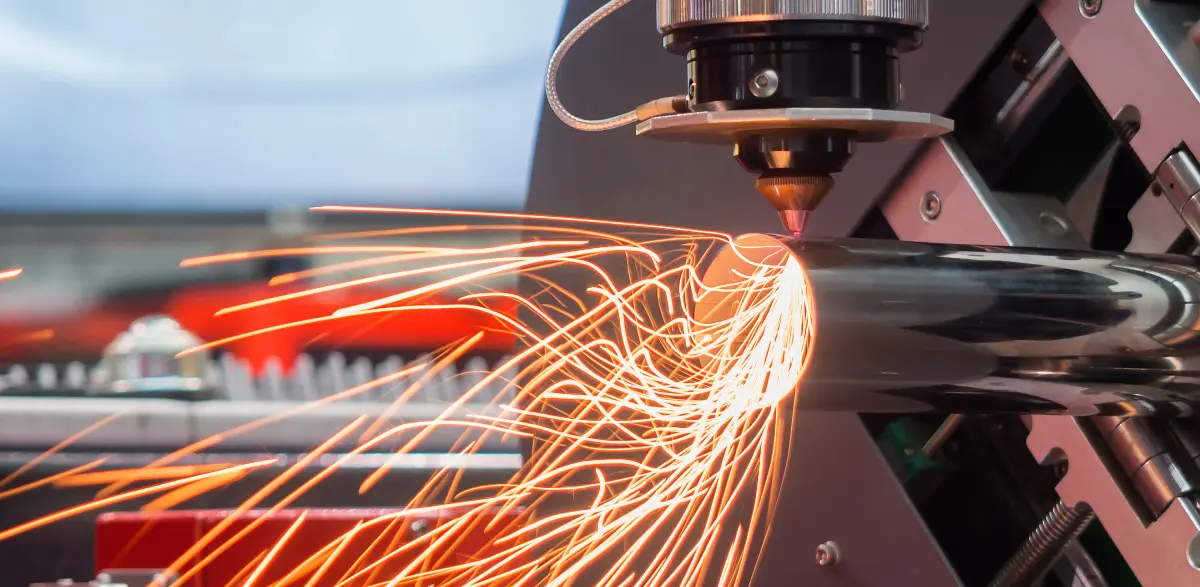
Helping World Metal Cutting Initiatives Globally
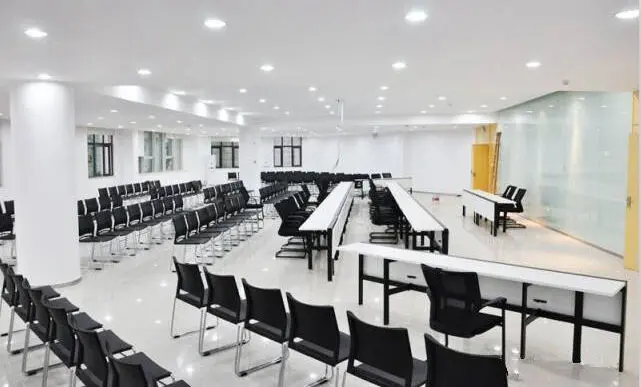
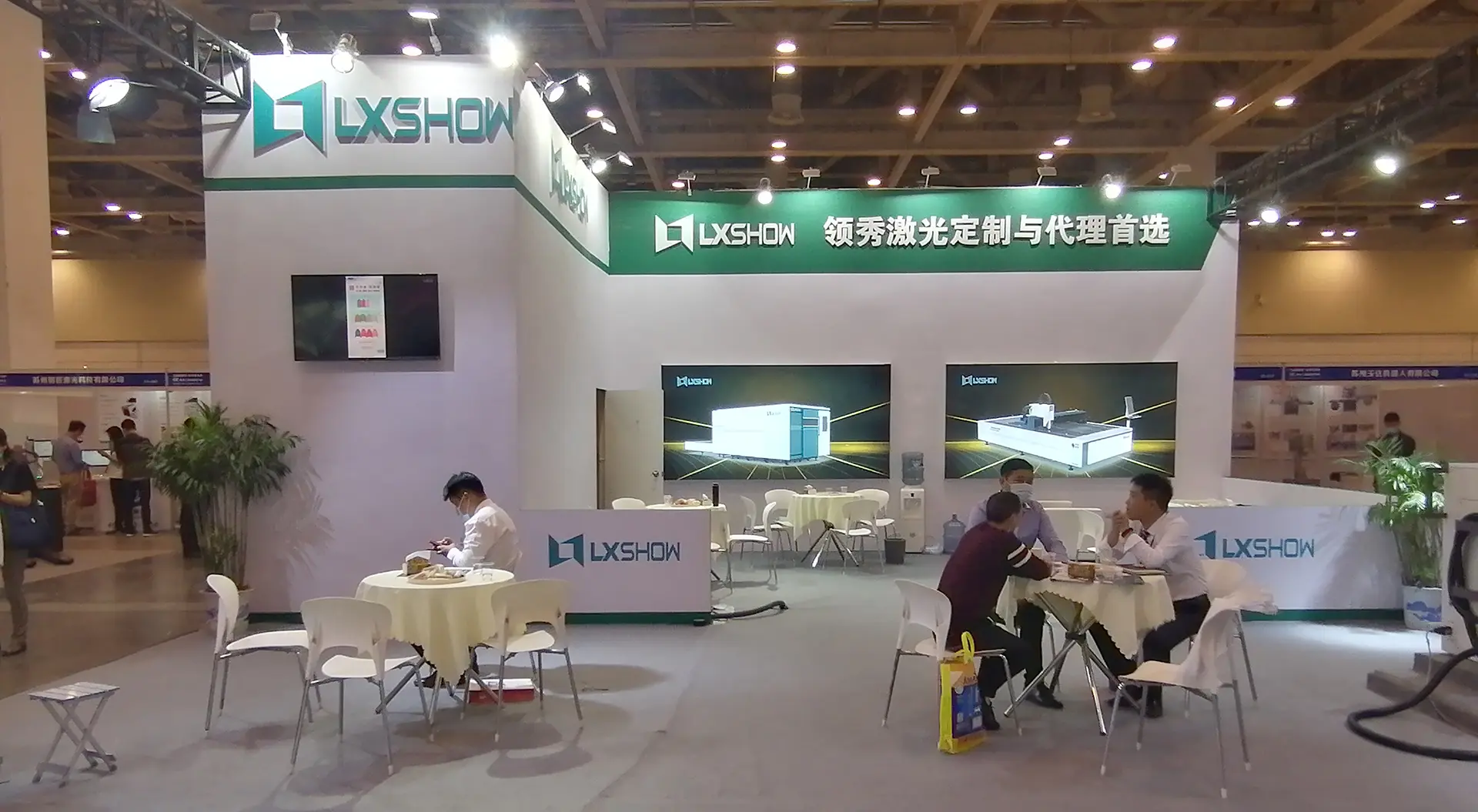
Take a look inside our 32,000 square meter intelligent machinery production center, featuring dedicated R&D zones, modern design studios, and precision assembly lines.
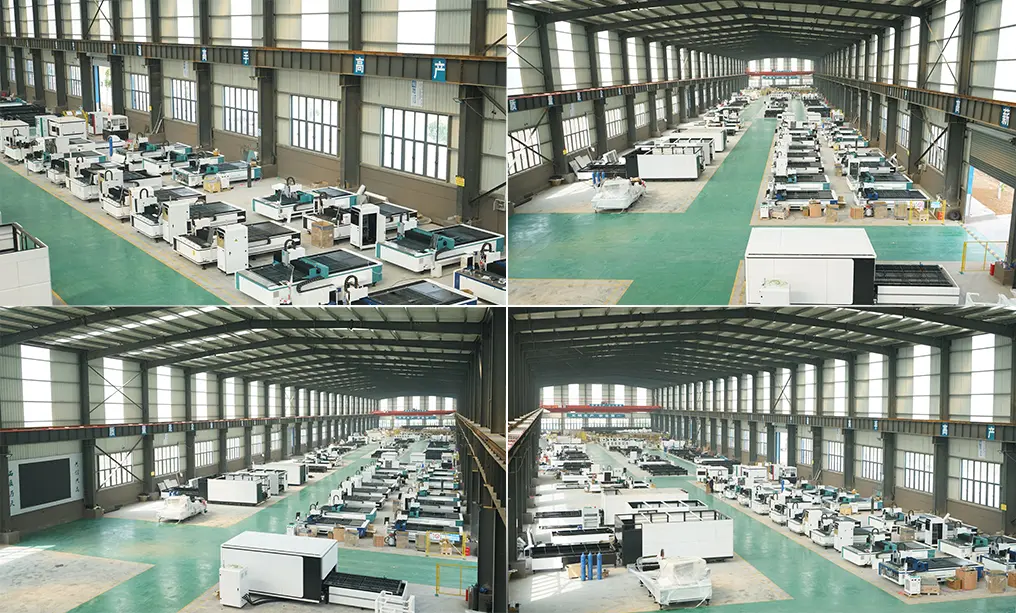

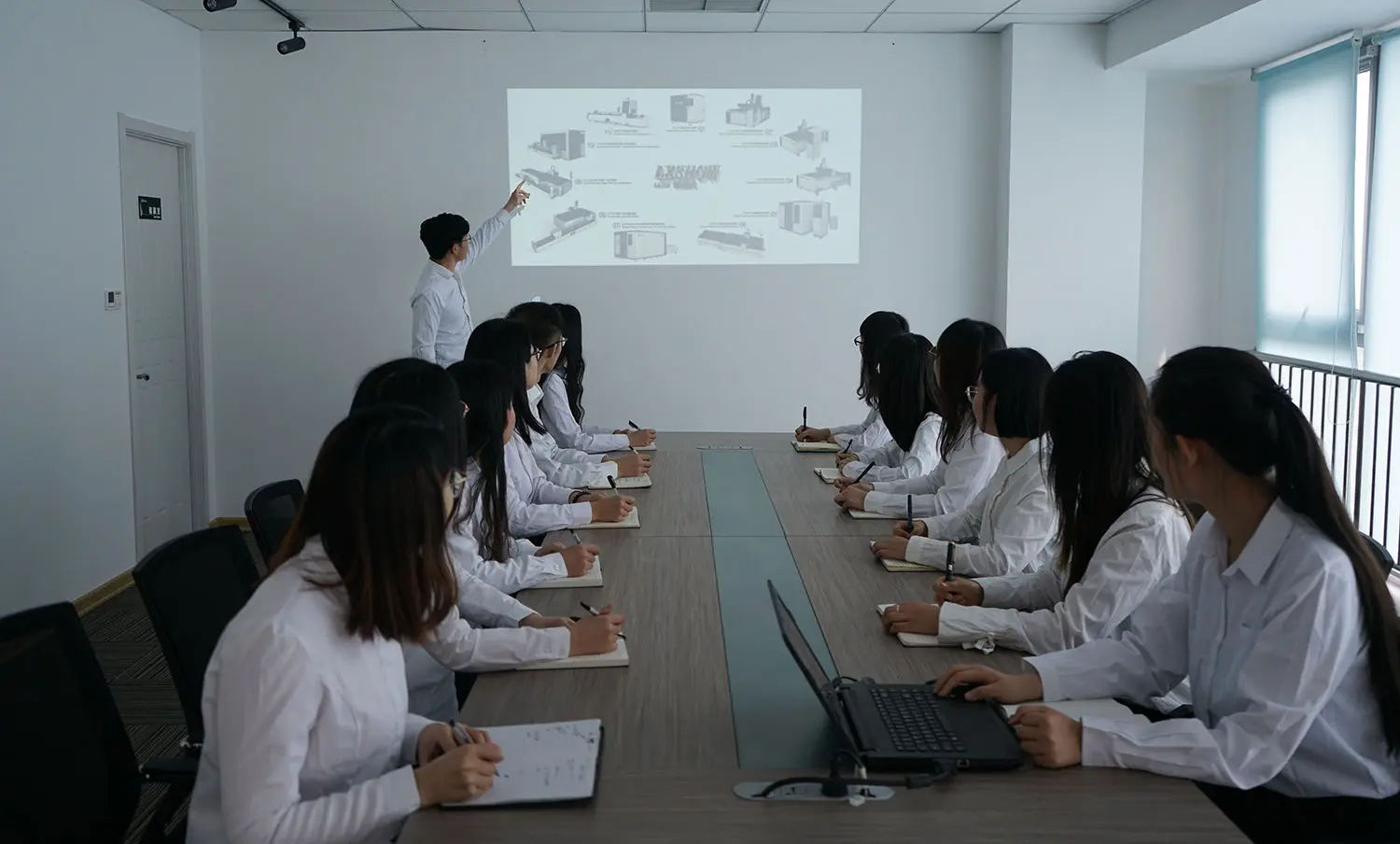
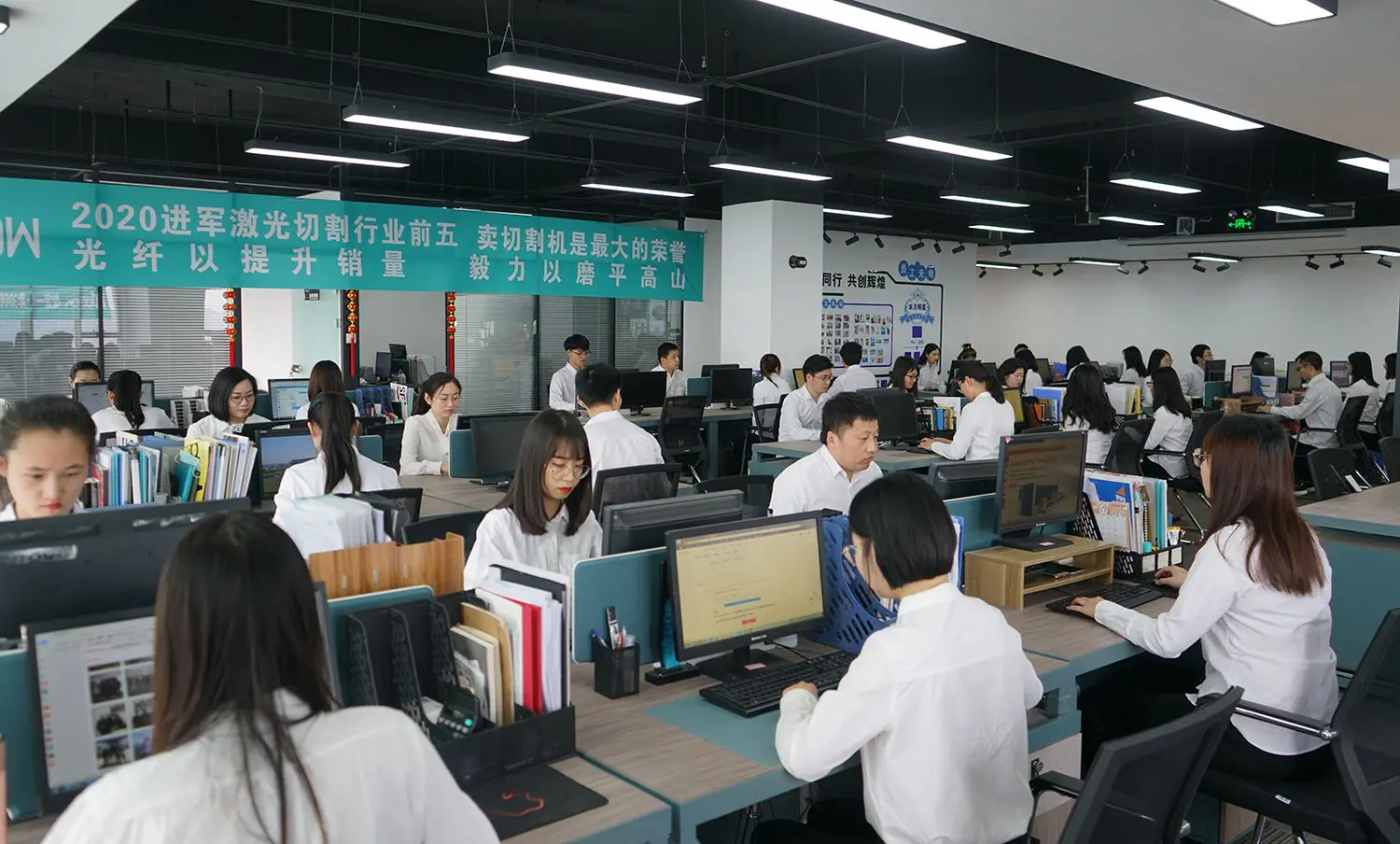
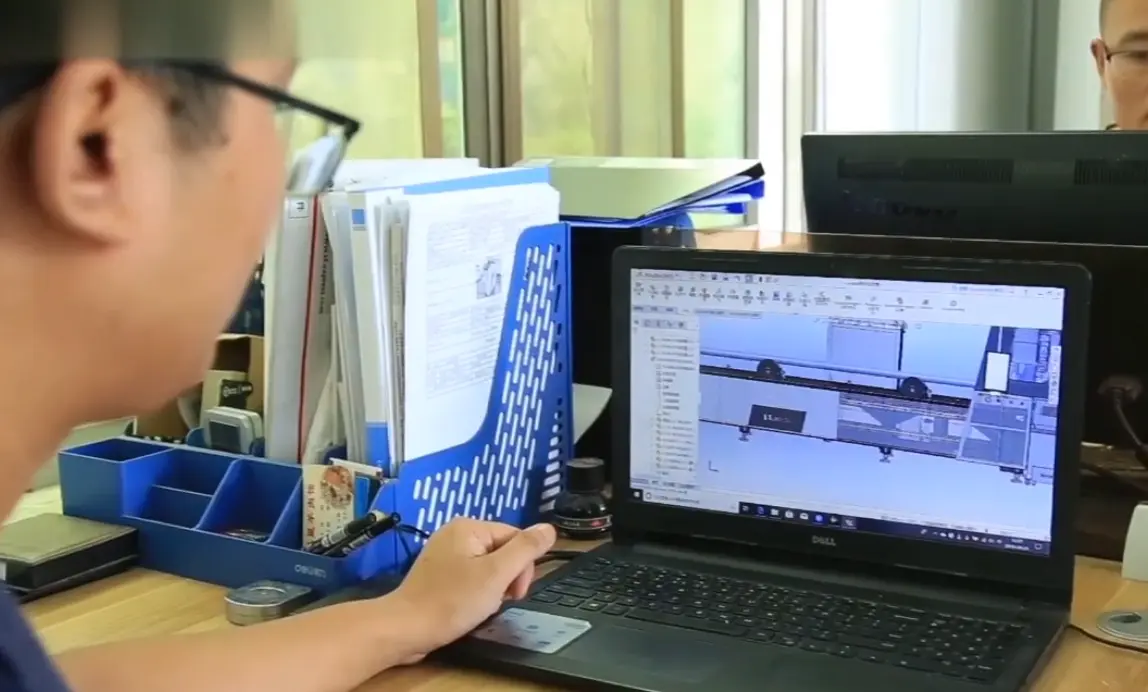
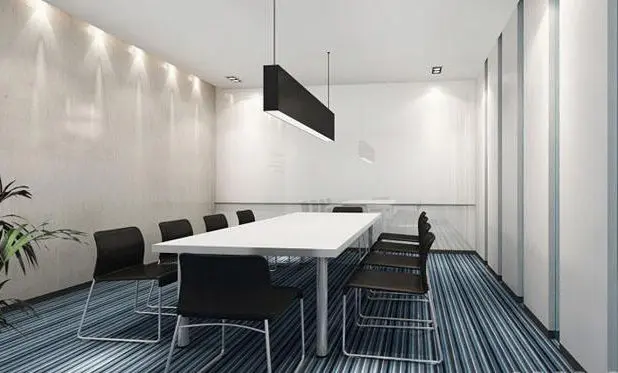
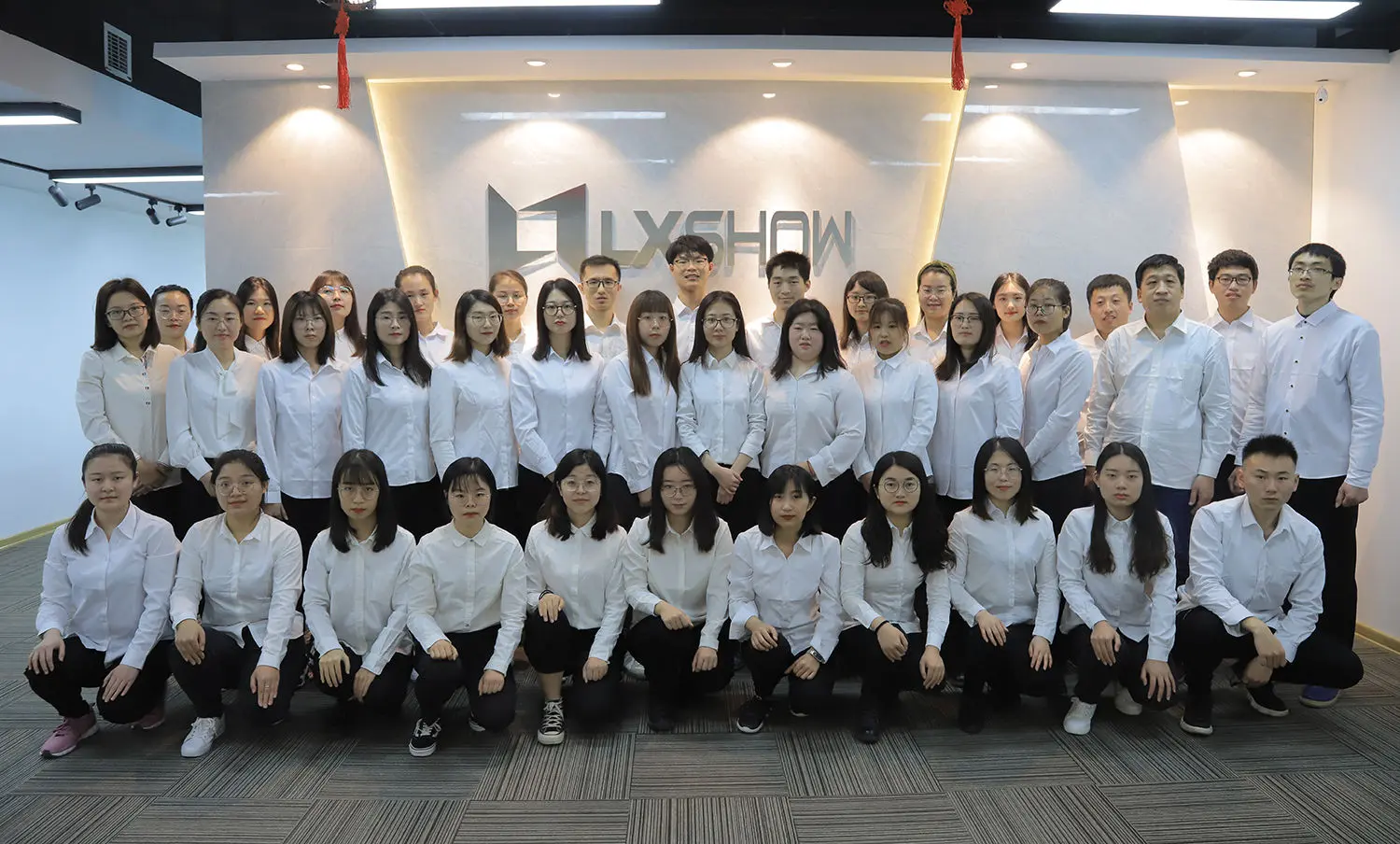
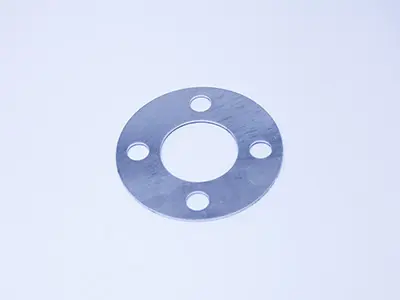
Different applications require distinct material traits and specific cutting parameters. Our manufacturing lines adapt dynamically to target substrates, ensuring perfect edge finish and geometric stability.
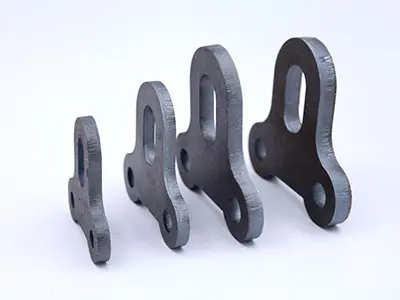
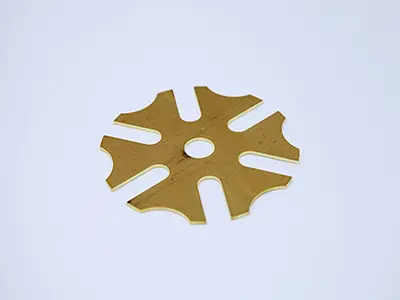
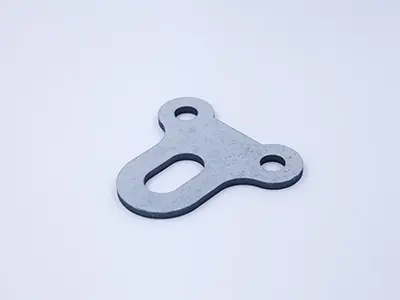
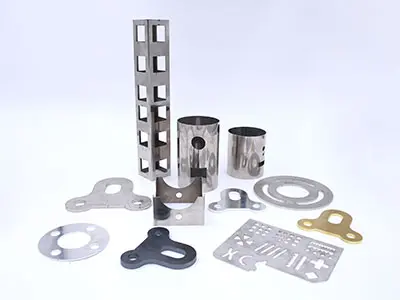
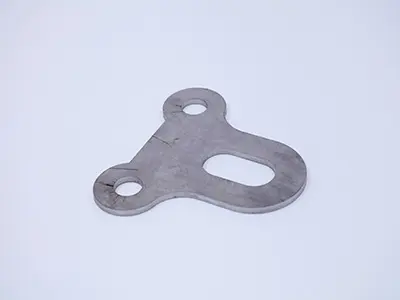
Our products and fabricated plate solutions operate reliably across the world's most critical manufacturing sectors:
Dynamic gas configuration module for processing reflective raw sheets.
Designing parts optimized for the fiber laser cutting process reduces scrap, prevents part distortion, and minimizes processing costs. Enterprise engineering teams should consider these core parameters during the CAD design phase:
When the laser initiates a cut, it must first pierce the metal plate. This piercing sequence blows out a hole larger than the normal kerf width (the slot width cut by the laser beam). Consequently, designers must avoid placing critical features too close to the initial lead-in pierce point. As a rule of thumb, holes and detailed geometries should be kept at a distance of at least the material thickness from any adjacent cuts to prevent thermal runaways and web-structure warping.
During the thermal cutting cycle, the rapid heating and subsequent cooling alter the micro-structure of the metal immediately adjacent to the kerf. In high-carbon steels, this can lead to localized hardening, which may cause premature drill wear or micro-cracks during subsequent forming operations. To mitigate this hazard, our machines employ advanced pulse wave frequency modulation, optimizing the heat input for each cut segment and ensuring that subsequent downstream fabrication stages remain unaffected by hardened edges.
Answers to critical questions regarding laser cutting parameters, supply chains, shipping logistics, and custom machine configurations.
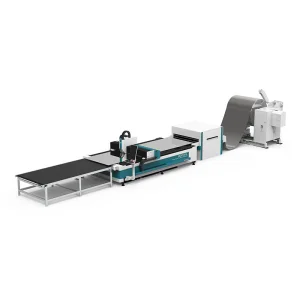
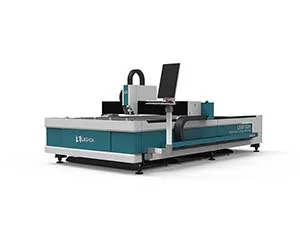
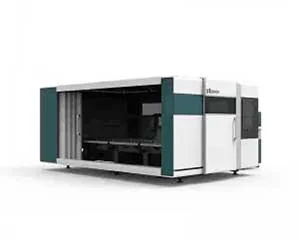
High-performance production systems designed for large-scale manufacturing operations and complex sheet metal workshops.
 Lxshow