Explore our flagship catalog of high-precision CNC cutting, tube profiling, and automation systems engineered for smart metal manufacturing.
The precision manufacturing sector is undergoing an unprecedented technological paradigm shift. Global supply chains increasingly rely on high-capacity CNC fiber laser equipment to achieve rapid design iteration, zero-tooling setup costs, and waste reduction. For many industrial enterprises, searching for a "laser cutter near me" is not merely about finding a regional showroom—it represents a critical demand for resilient aftermarket support, localized installation services, and reliable engineering consulting. However, to maintain capital efficiency, modern organizations must combine local technical support with high-performance manufacturing roots.
Today, the global market for laser cutting, welding, and cleaning technologies requires a hybridized procurement approach. While local distribution centers provide responsive dispatch teams and replacement parts, the core value, heavy structural engineering, and system design originate from advanced fabrication centers. Integrating these two worlds ensures that buyers secure state-of-the-art gantry engineering, highly efficient power sources, and robust mechanical structures without sacrificing local maintenance responsiveness.
China’s industrial manufacturing sector has optimized the fiber laser value chain. From raw heavy-gauge steel processing for structural frames to high-speed optical module alignment, Chinese facilities provide an unmatched ecosystem of technological innovation and speed. This infrastructure allows factories to run strict quality control tests, such as stress-relief annealing on machine beds, multi-axis laser interferometer calibration, and long-term vibration endurance testing, before export.
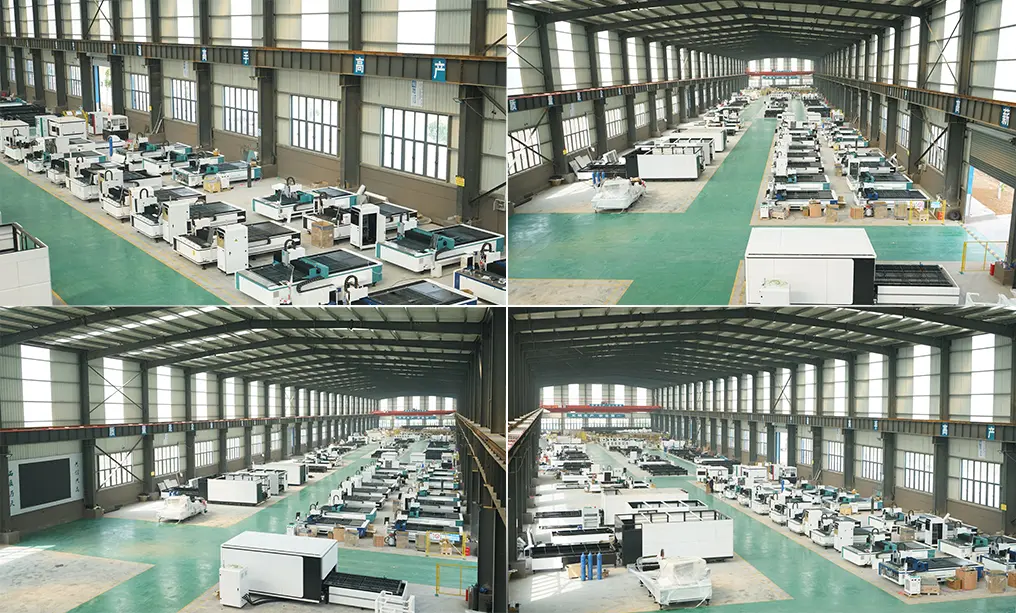
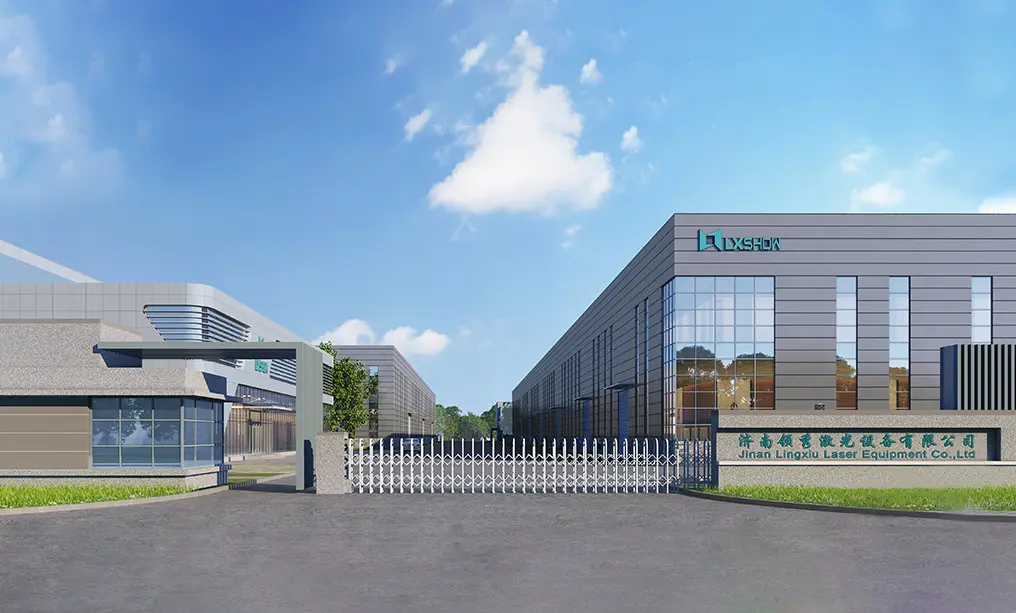
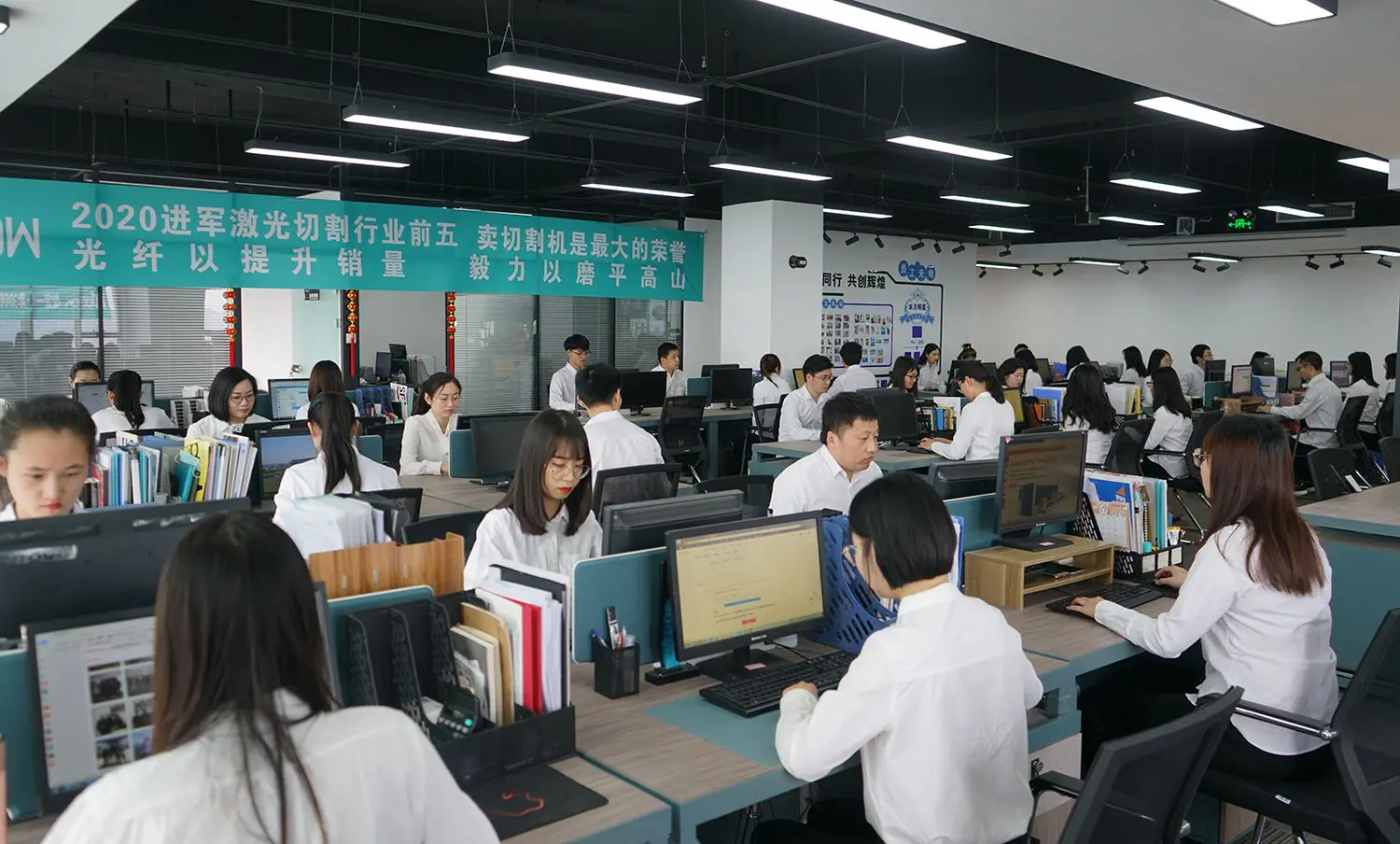
Our manufacturing facility includes a dedicated 500 square meters R&D center alongside a 32,000 square meters assembly complex. These facilities ensure that all structural beds are welded, aged, and precision-machined in-house to guarantee alignment accuracy for over a decade of continuous service. By keeping design, machining, wiring, and assembly under one roof, we achieve major production efficiencies. This allows us to supply OEM services for more than 30 global brands and maintain compliance with critical standards, including the European Union CE authentication, American FDA certificate, and ISO 9001 certification.
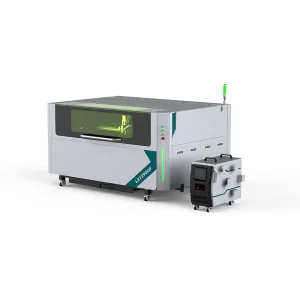
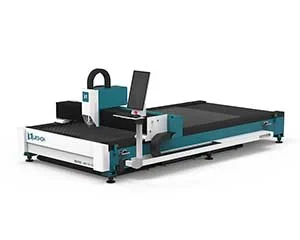
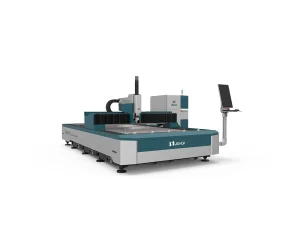
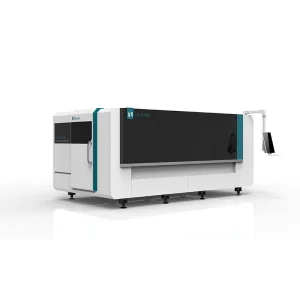
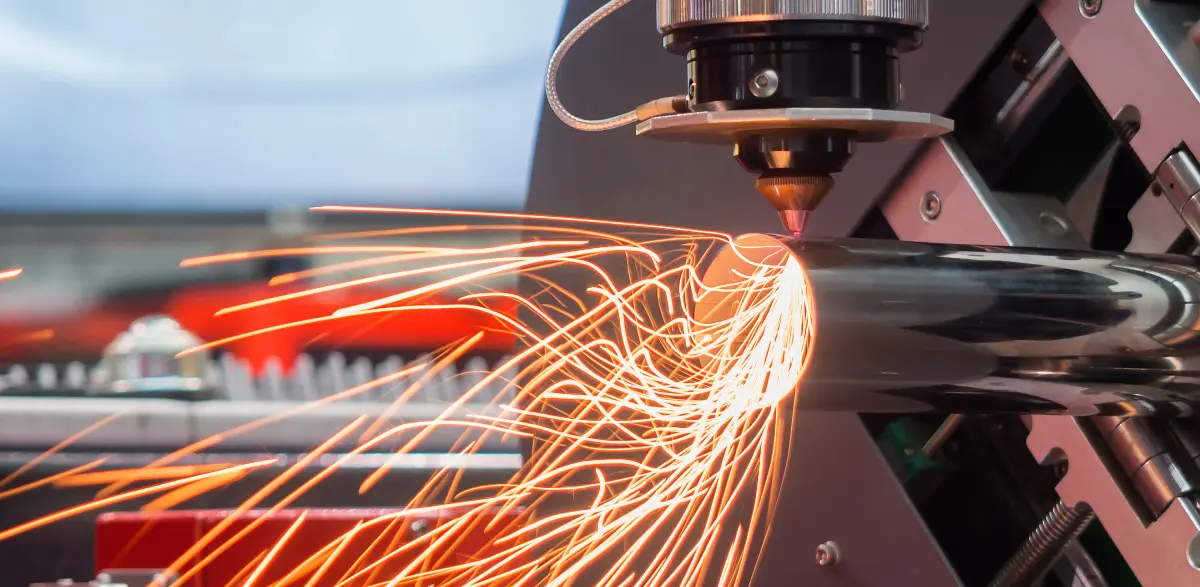
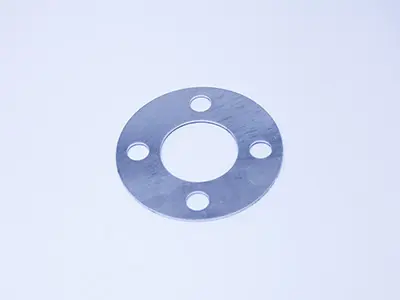
High-performance laser machinery is used in many different fields. In automotive assembly, rapid fiber laser cutters slice through high-strength galvanized steel sheets with minimal thermal distortion. In the aerospace sector, high-power fiber engines cut complex engine casing profiles with micron-level tolerances. Small businesses, architectural metal fabricators, and custom gift shops rely on smaller footprints, such as the LX3015M Desktop Laser Cutter, to process stainless steel signage, decorative screens, and complex industrial hardware.
To select the right cutting technology, engineers must evaluate how different materials react to fiber laser wavelengths. For example, highly reflective non-ferrous metals like copper and aluminum require specialized back-reflection protection systems and optimized gas flows to prevent optical damage and ensure clean cuts. Below is our comprehensive material classification guide, showing the compatibility and finish quality of our systems:
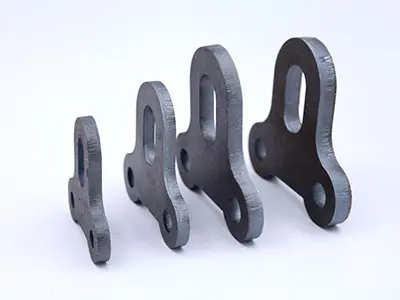
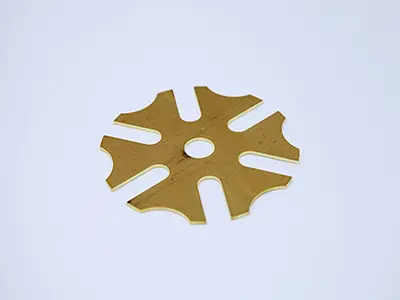
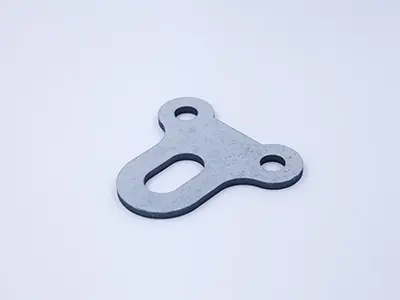
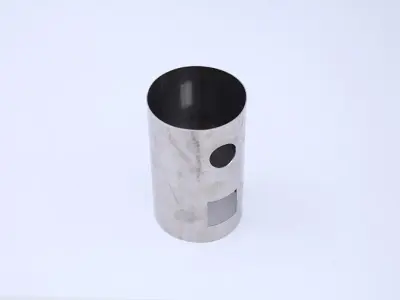
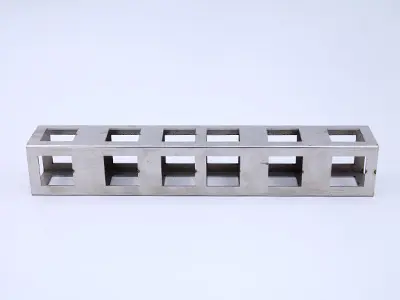
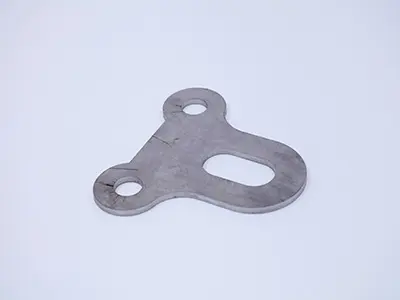
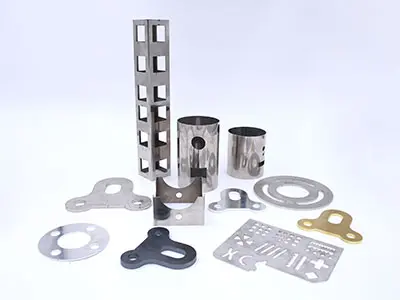
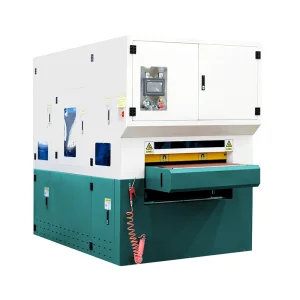
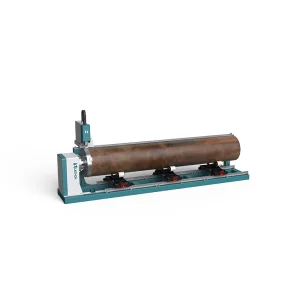
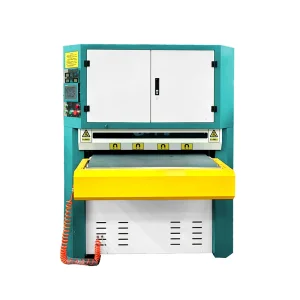
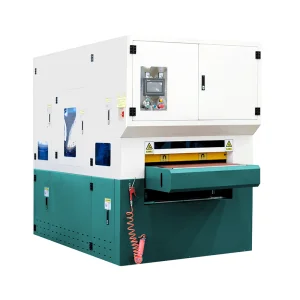
Today's fabrication shops look for complete workflows rather than standalone cutting machines. A modern production line connects laser cutting, automatic material loading/unloading, robotic welding, surface preparation, and precision bending. Our factory supports this transformation by engineering high-speed fiber laser cutters alongside downstream finishing equipment, including the LX-RRS-A-1300 Metal Surface Deburring and Polishing Machine and the LXC Metal Tube Outer Wall Laser Rust Removal System.
This integrated approach removes processing bottlenecks. After a fiber laser cuts parts with clean edges, automated sheet metal deburring machines quickly round off corners and clean up dross. Handheld laser welding systems like the LXW-1500W then assemble the parts without requiring high-skill manual TIG operations. The entire sequence is managed via network-connected CNC nesting software, minimizing sheet waste and helping operations build intelligent, connected factories.
Extend the operational life of heavy mechanical components using our high-precision single-axis surround laser cladding systems (LXRF-6030). These machines apply wear-resistant alloy coatings to metal components, helping reduce maintenance down-time.
Eliminate manual grinding with our automated sheet deburring machines. Engineered to process flat sheets and laser-cut parts, they guarantee smooth edges, paint adhesion, and overall handling safety.
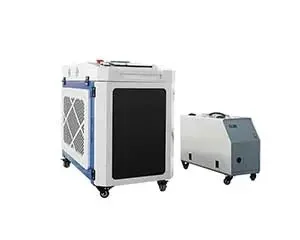
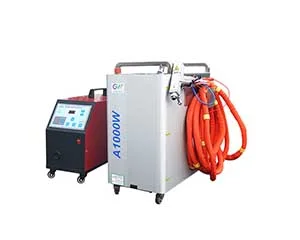
Say goodbye to chemical solvents and sandblasting. Our portable laser rust removal systems remove corrosion, scale, oxide coatings, and paint from plates and tubes without damaging the base metal.
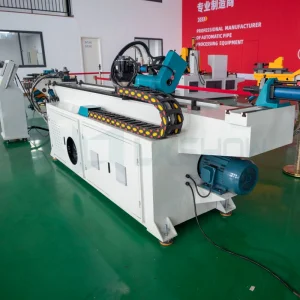
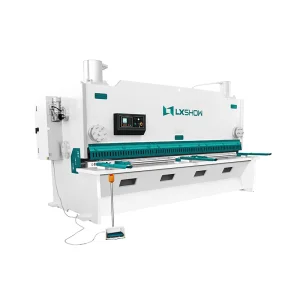
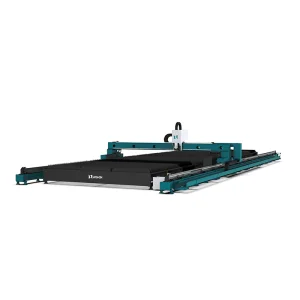
Integrate downstream technologies including automated press brakes, deburring systems, and ultra-large format gantry fiber laser cutters.
Procuring industrial laser equipment involves substantial capital allocation. Consequently, global buyers require a framework that guarantees return on investment (ROI) and eliminates import risks. Under Google’s E-E-A-T (Experience, Expertise, Authoritativeness, Trustworthiness) criteria, buyers should evaluate suppliers based on concrete factory assets, engineering history, and verification by international certification bodies.
We provide transparent access to our certifications, testing logs, and mechanical drawings. Every fiber laser system we produce has passed CE authentication, is registered under U.S. FDA Accession standards, and is constructed in an ISO 9001 certified manufacturing plant. Furthermore, our global engineering division offers installation, software training, and emergency troubleshooting support. This localized assistance gives buyers the confidence of a "near me" provider combined with the manufacturing capacity of a global production leader.
The fiber laser industry is moving toward higher wattages and greater automation. High-power systems of 12kW, 20kW, and 30kW are replacing mechanical stamping and plasma systems for thick plate cutting. These ultra-high-power systems can cut thick carbon steel and stainless steel plates rapidly and cleanly using compressed air or nitrogen, which significantly lowers operational costs.
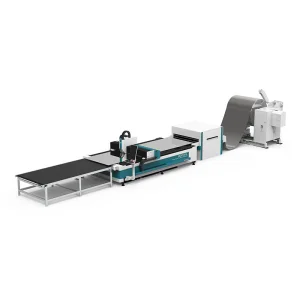
At the same time, manual processes are being replaced by automated production lines. Systems like the 3015FL Fully Automatic Coil-Fed Assembly Line combine coil decoiling, leveling, laser cutting, and parts unloading into one continuous process. This eliminates manual material handling, increases cutting speeds, and cuts down on labor costs, paving the way for fully automated "lights-out" manufacturing.
Get answers to common technical, logistics, and operation questions from our senior applications engineering team.
Sourcing directly from our advanced Chinese factory gives you access to complete supply chains, scale efficiencies, and customized mechanical configurations at a competitive price. At the same time, our localized sales networks, diagnostic field technicians, and regional spare parts hubs resolve the challenges of long-distance logistics and communication differences. This hybrid approach ensures you get high-end machinery along with reliable, nearby technical service.
Our 6-in-1 laser system (like the LX1390QF) integrates sheet cutting, tube processing, handheld welding, rust cleaning, surface deburring, and marking into a single workstation. This multifunction design reduces footprint, lowers capital costs, and eliminates the need to move heavy metal parts between separate machines. It is highly effective for custom workshops and batch manufacturing facilities looking to run diverse jobs with minimal setup times.
When importing industrial laser systems, safety compliance is essential. For the European Union, machines must have CE certification, which covers electrical safety, mechanical shielding, and electromagnetic compatibility. For North America, the laser source and housing must have an FDA accession number, certifying they comply with Class 4 laser safety standards. In addition, the factory should be ISO 9001 certified to ensure consistent manufacturing quality and traceability of key mechanical parts.
Laser power directly determines the maximum thickness you can cut and your overall processing speed. For example, a 1kW to 3kW source is ideal for sheet metal under 8mm and thin-walled tubes. High-power systems from 12kW to 30kW are designed for processing thick plates up to 50mm, using high-pressure nitrogen or air to achieve clean cuts at speed. Selecting the correct power rating ensures you balance machine purchase costs with long-term operating efficiency.
Laser cutting can sometimes leave sharp dross, slag, or micro-burrs along the cut path, especially when using oxygen gas on thick plate profiles. Deburring and polishing machines (like the LX-RR-M-1000) automate the removal of these imperfections. By running parts through specialized abrasive rollers, they create clean edge roundings, smooth surfaces, and prepare components for painting, coating, or direct assembly, replacing slow manual cleaning steps.
 Lxshow