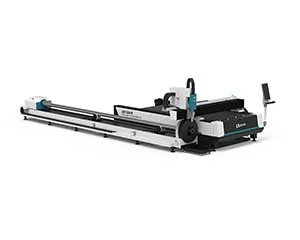
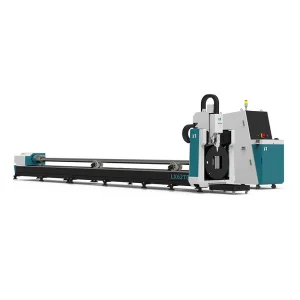
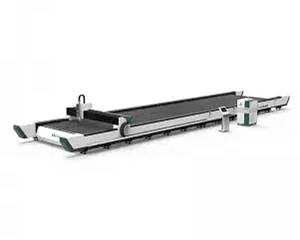
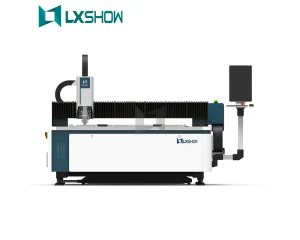
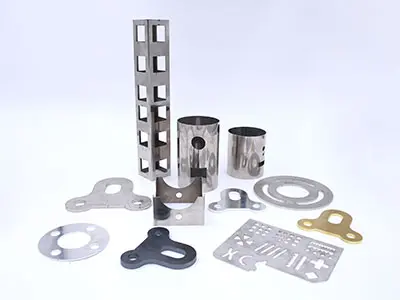
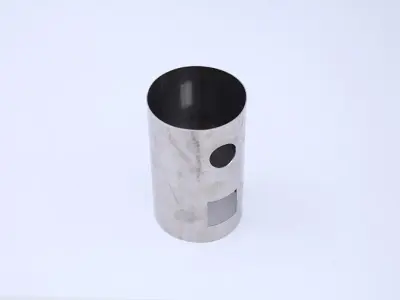
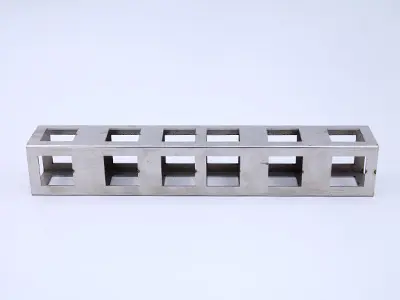
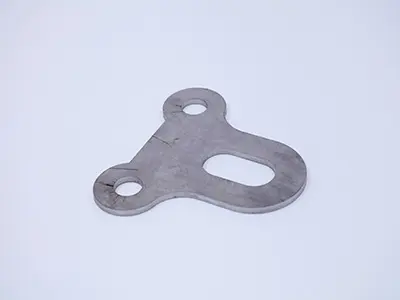
Direct from our state-of-the-art facilities. Engineered for maximum tolerance, stability, and production output.
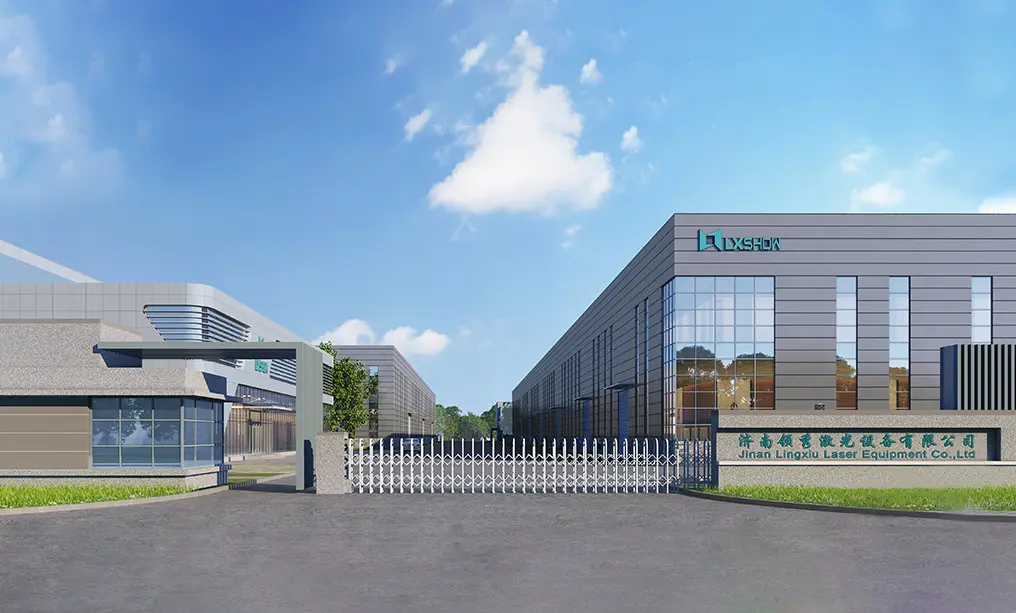
Bridging heavy manufacturing with intelligent automation since July 2004.
Every single CNC fiber laser and associated cutting system we construct passes strict regulatory checks. We are fully compliant with the European Union CE authentication, the American FDA certificate, and are strictly audited to ISO 9001 quality management metrics.
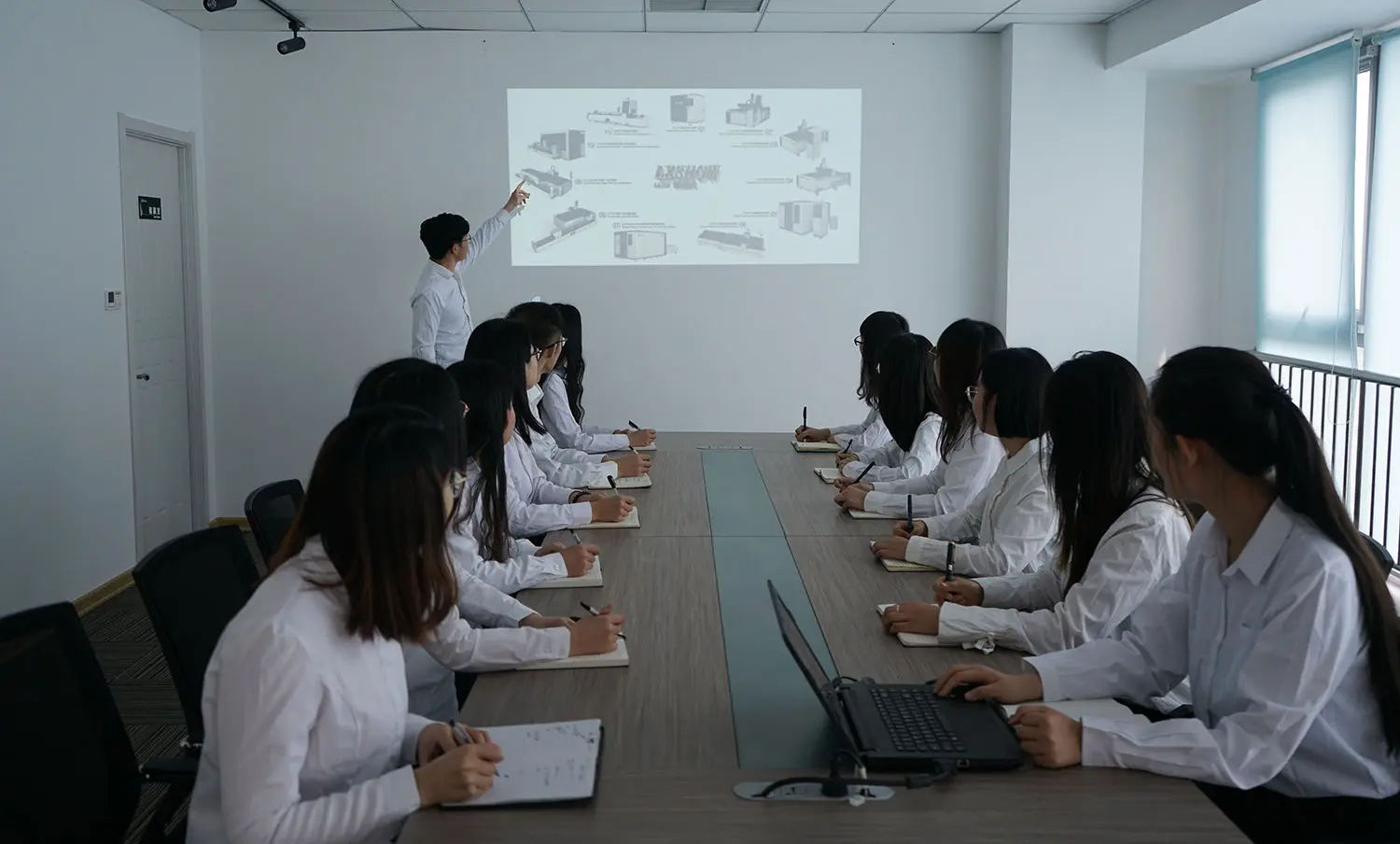
We are actively building our internal structures toward Industry 4.0 paradigms. Our engineering centers facilitate remote diagnostics, custom OEM integrations, and smart nesting configurations to enable digitized, waste-free fabrication floors worldwide.
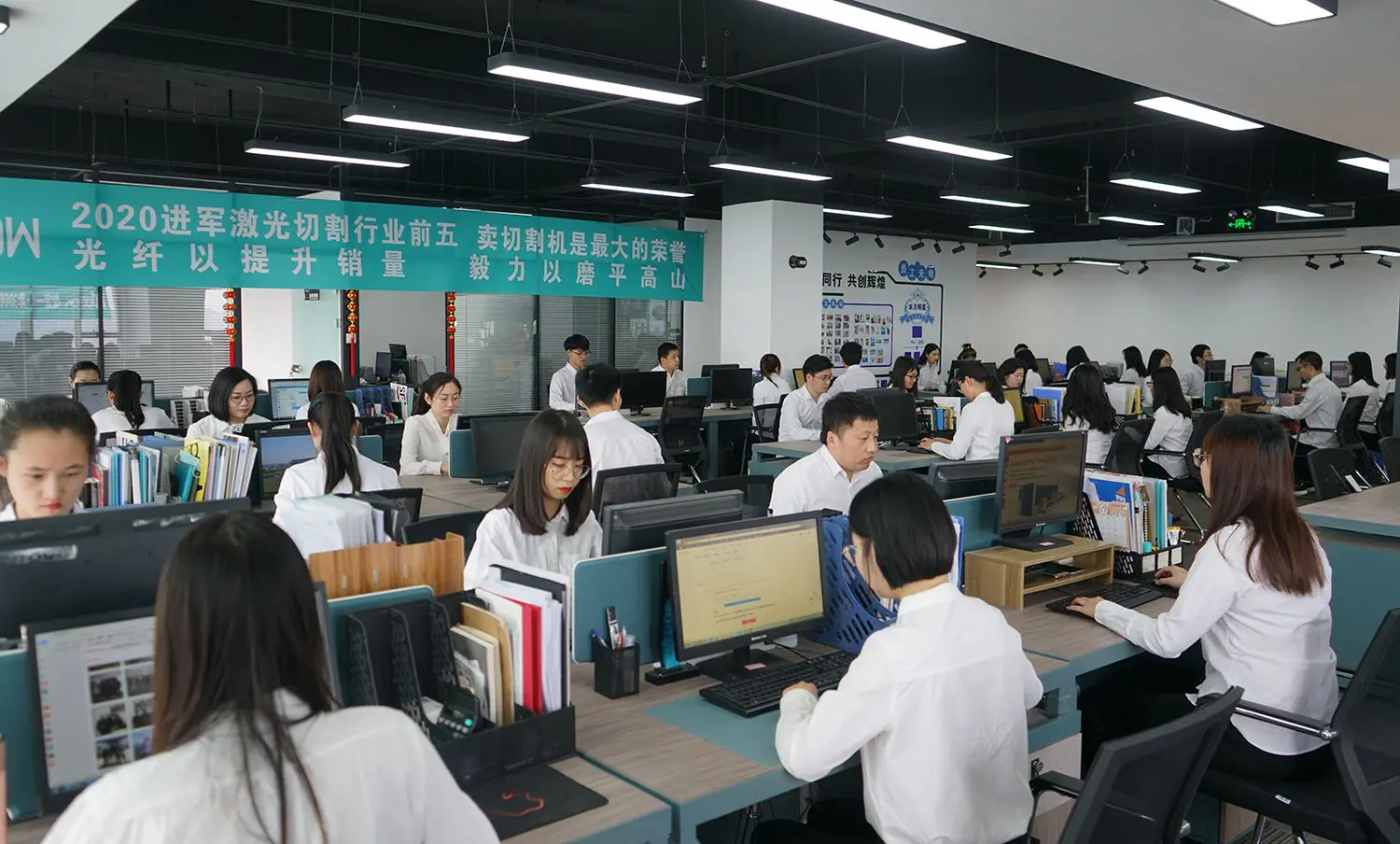
Operating a research and office footprint exceeding 500 square meters, we integrate premier optics and mechanical structures, providing robust OEM/ODM production and technical maintenance channels for over 30 external laser brands internationally.
A comprehensive procurement guide detailing market dynamics, technological clusters, and key hardware selection strategies.
Over the past decade, China has transitioned from a component assembly hub to a global epicentre of high-power laser innovation. Industrial clusters in regions like Jinan, Shandong (where our 32,000m² factory resides), benefit from vertical supply chain integration. This translates to absolute precision at competitive cost structures. From heavy-duty machine beds constructed with high-rigidity structural steel to local manufacturing of precise rack-and-pinion transmission assemblies, China’s industrial ecosystem reduces lead times and boosts customization options.
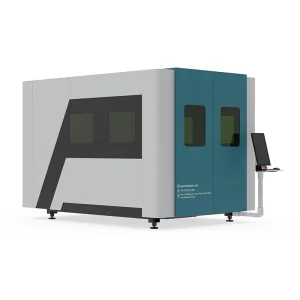
Modern metal fabrication requires extreme flexibility. Modern machinery integrates laser sources varying from 1kW up to 30kW+. The utilization of intelligent auto-focus cutting heads, state-of-the-art gas control mechanisms (Nitrogen, Oxygen, Air switching), and direct integration with CNC systems like FSCUT allows factories to achieve micron-level accuracy. High-power units process thick plates of carbon steel, copper, and stainless steel at linear speeds that legacy CO2 cutting lasers simply cannot replicate.
| Material Type | Recommended Laser Power | Optimal Cutting Speed Range | Typical Gas Medium |
|---|---|---|---|
| Carbon Steel (1-4mm) | 1.5kW - 3kW | 12 - 35 m/min | Oxygen (O2) / Compressed Air |
| Stainless Steel (2-8mm) | 3kW - 6kW | 5 - 18 m/min | Nitrogen (N2) |
| Aluminum Alloys (3-12mm) | 6kW - 12kW | 3 - 10 m/min | Nitrogen (N2) / Air |
| Heavy Sheet Plate (16mm+) | 12kW - 20kW+ | 0.8 - 3.5 m/min | Oxygen (O2) |
Purchasing capital equipment requires strict verification to mitigate operational risks. Global procurement professionals must prioritize:
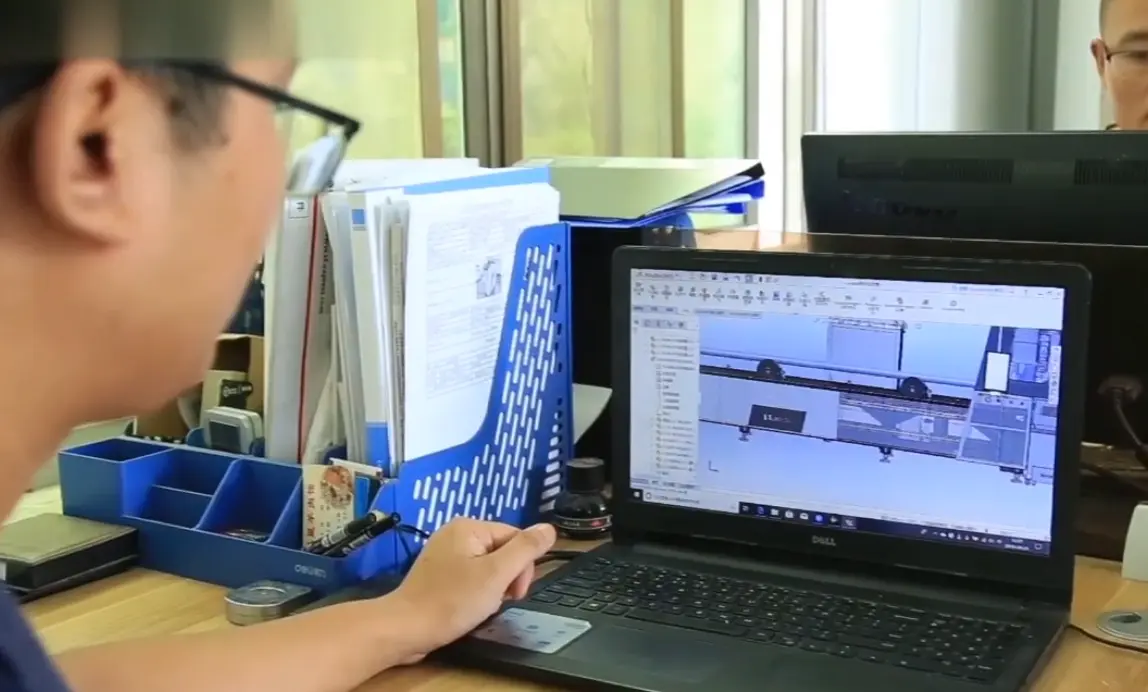
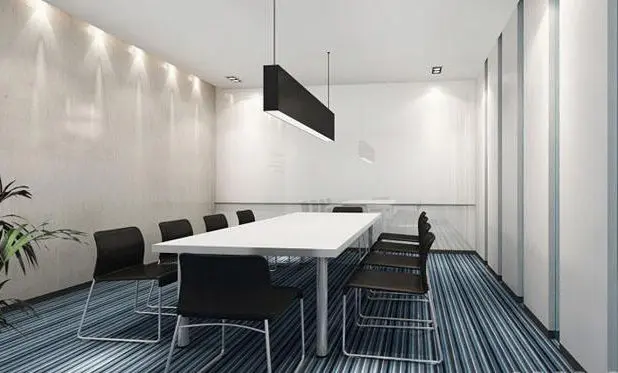
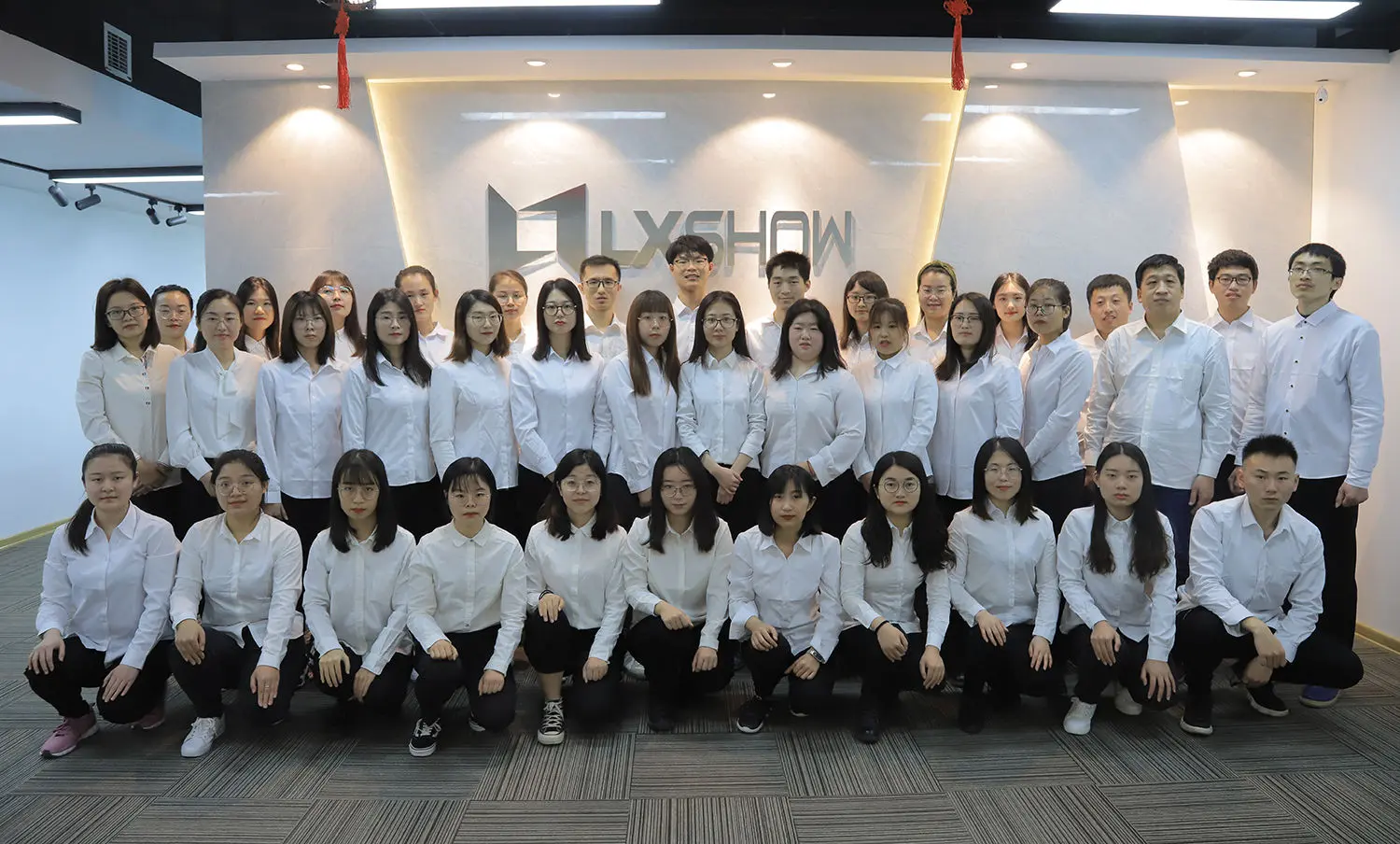
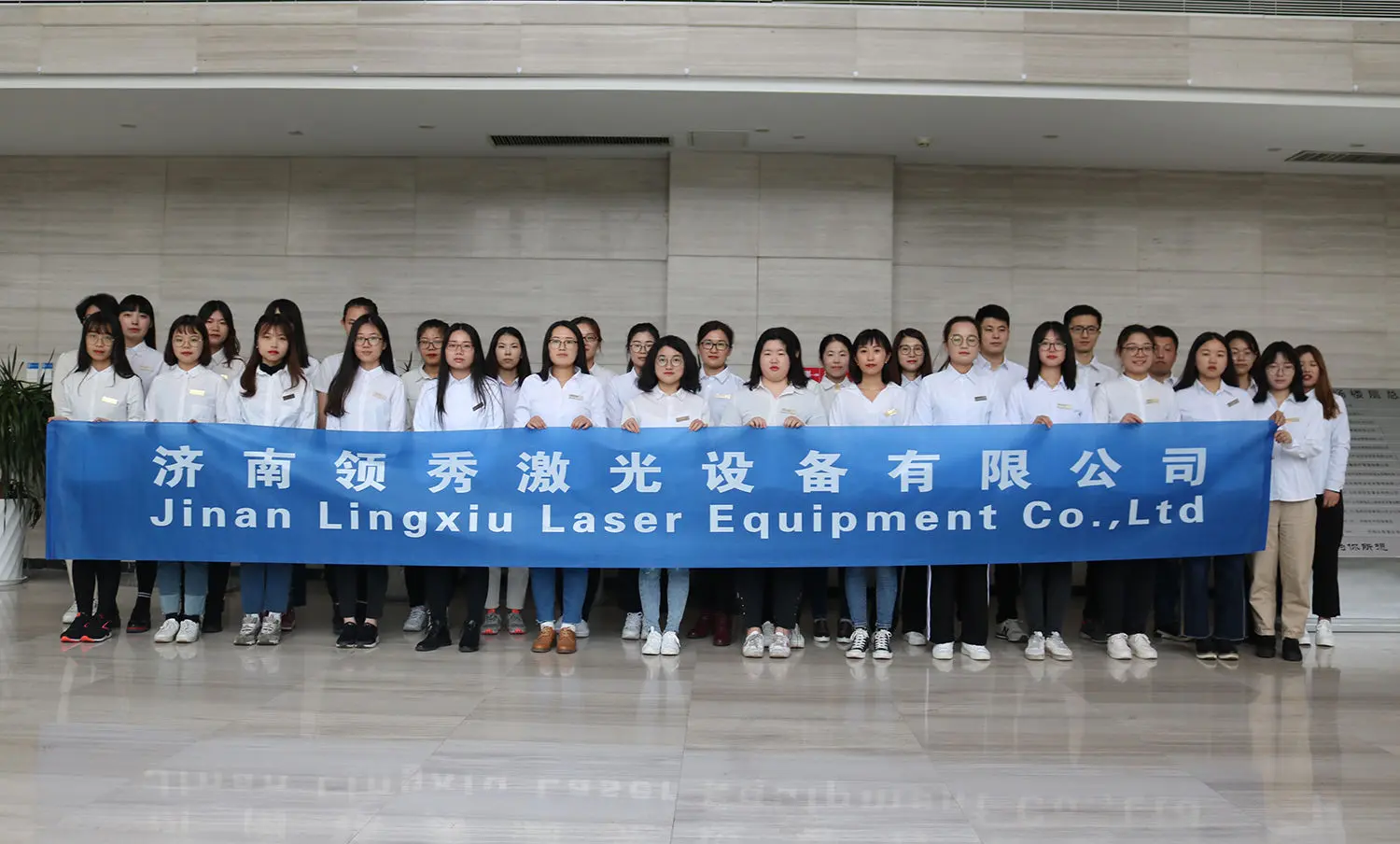
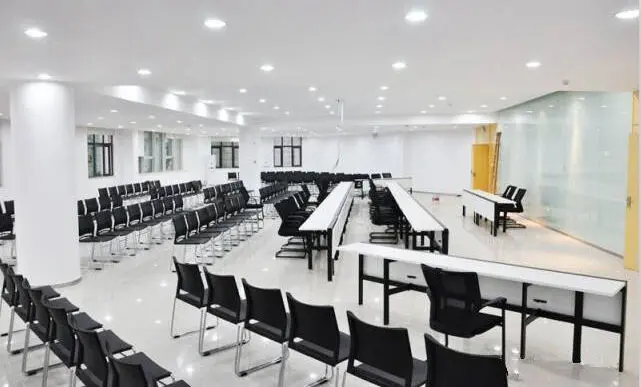
Step inside our Jinan production base to see where CNC precision engineering takes place.
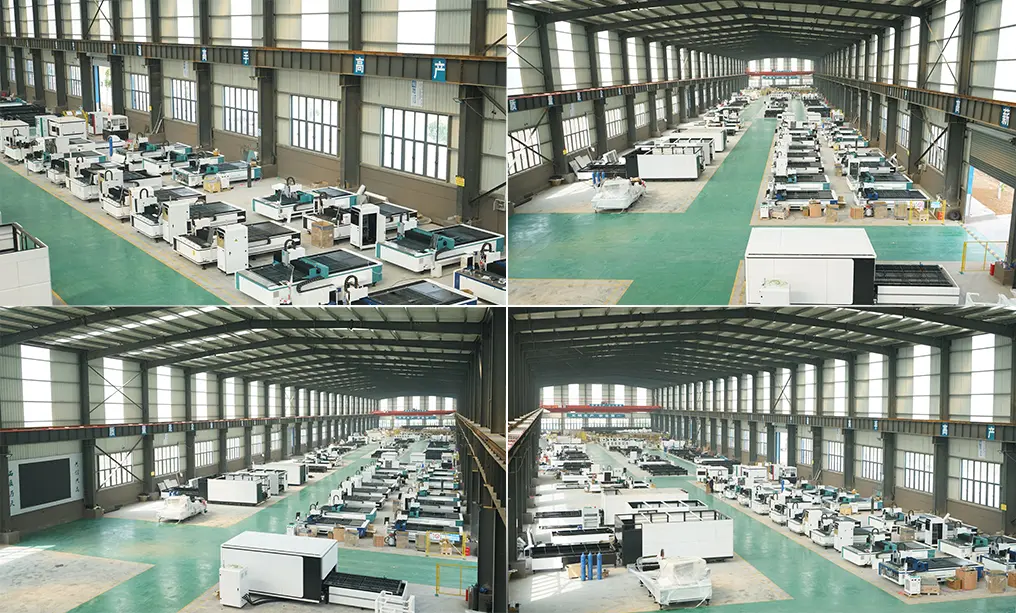

Our intelligent fiber laser machines support metal profiling requirements in these sectors:
Engineered optics settings optimized for cutting, welding, and cleaning various substrates:
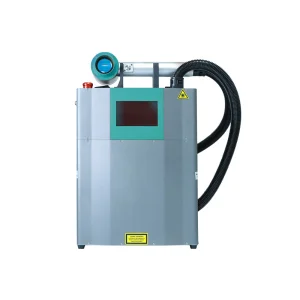
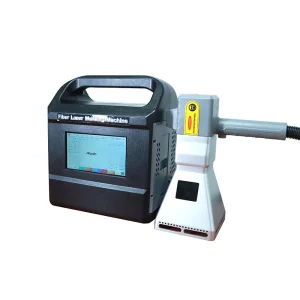
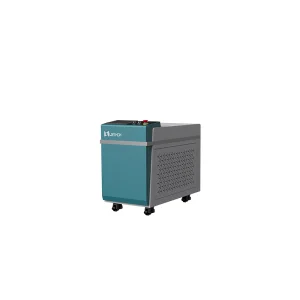
Comprehensive laser cladding, cleaning, bending, and shearing machinery supporting modern metal fabrication workshops.
Stable batch cladding and surface rebuilding for industrial shafts and rotors.
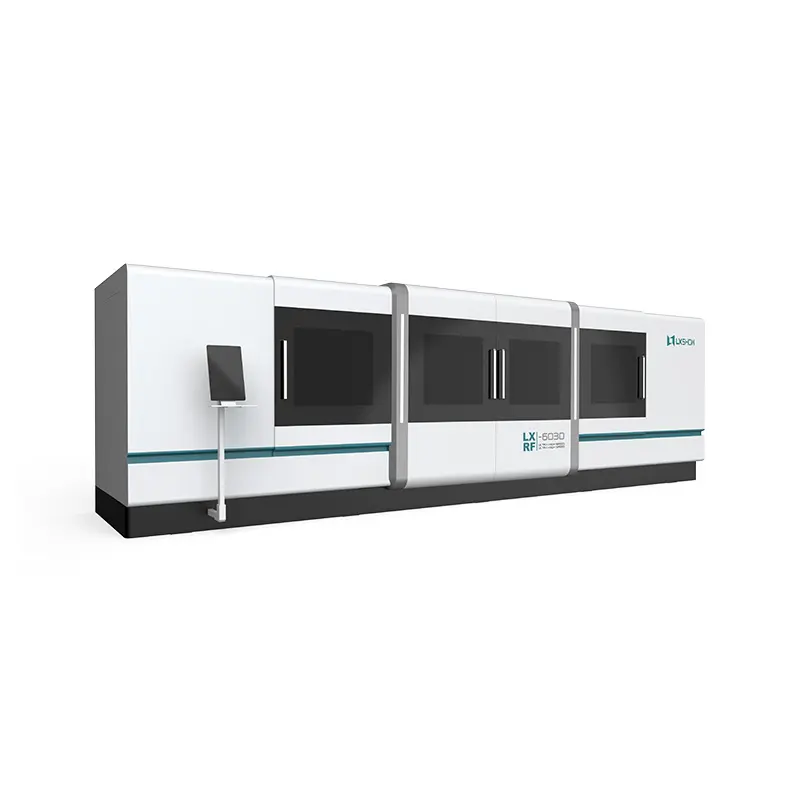
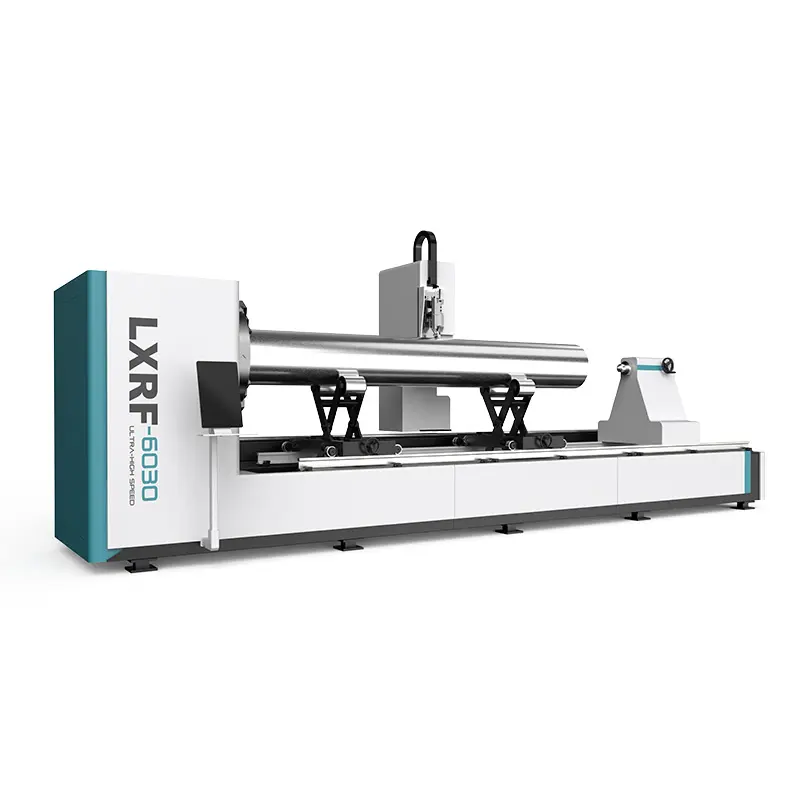
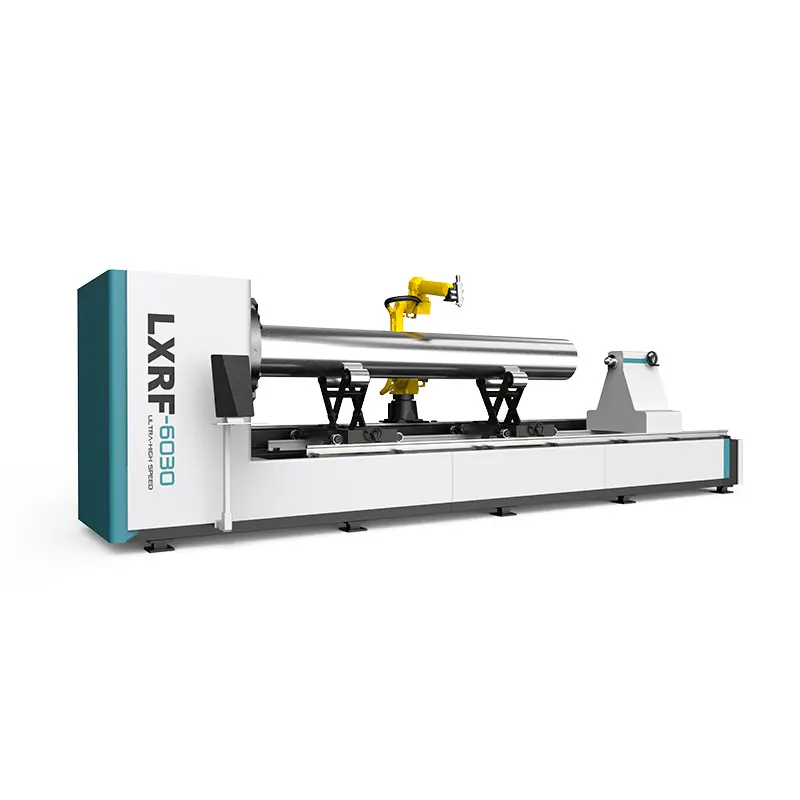
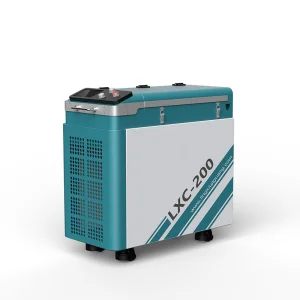
High-efficiency pulsed & continuous surface oxide and rust removal equipment.
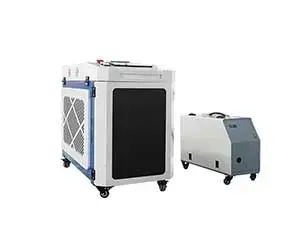
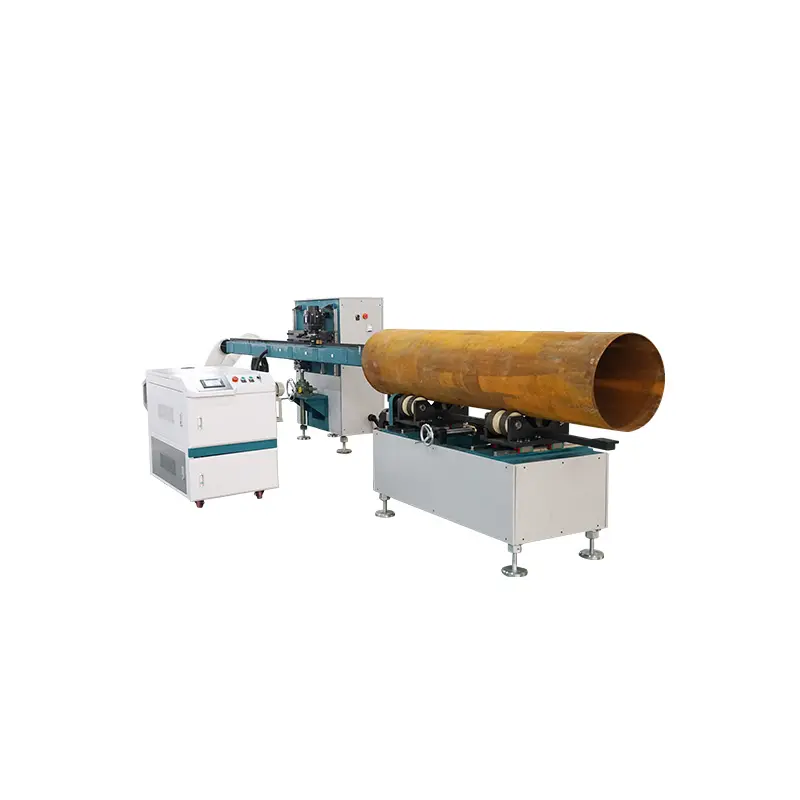
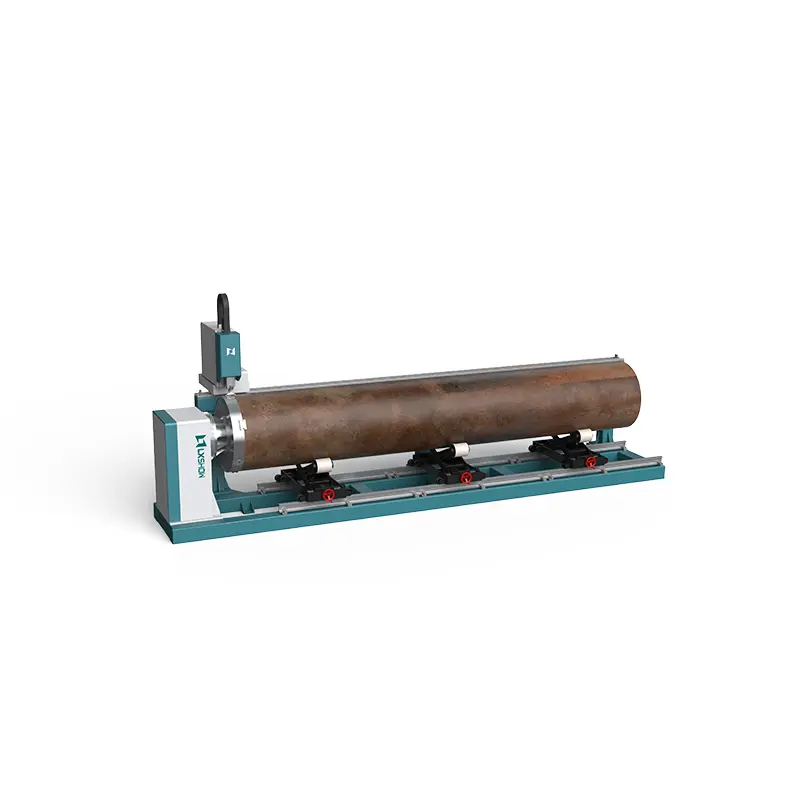
Handheld and robotic fiber optic welding setups from 1000W to 3000W.
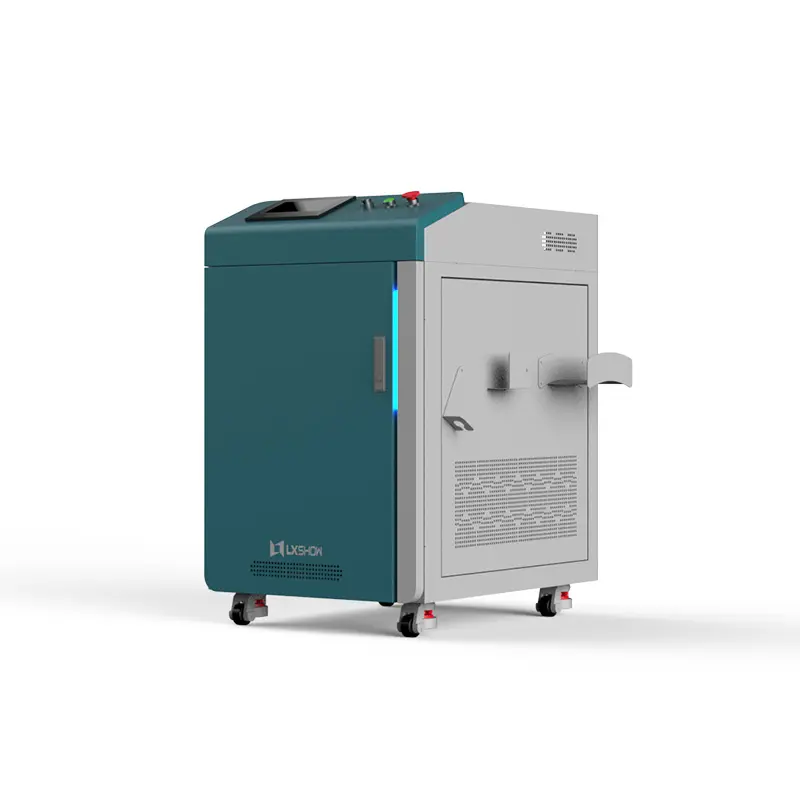
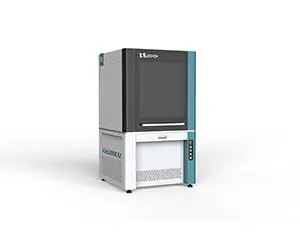
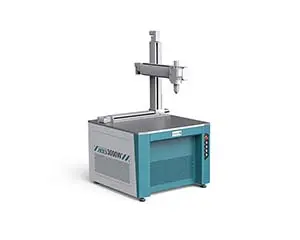
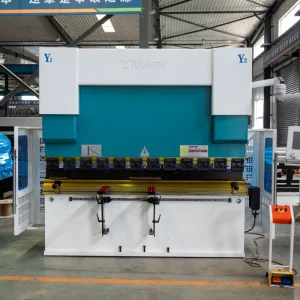
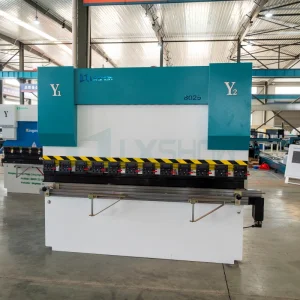
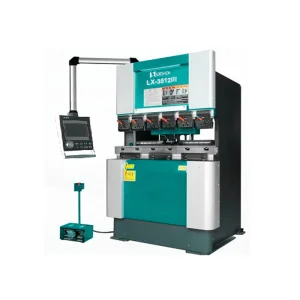
Electro-hydraulic servo press brakes and full electric servo bending cells.
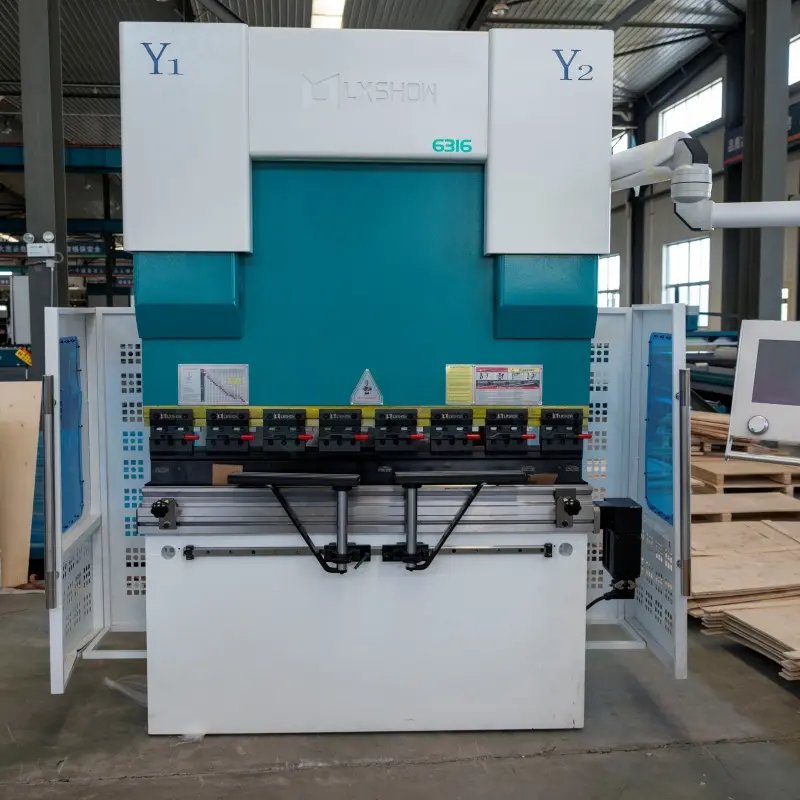
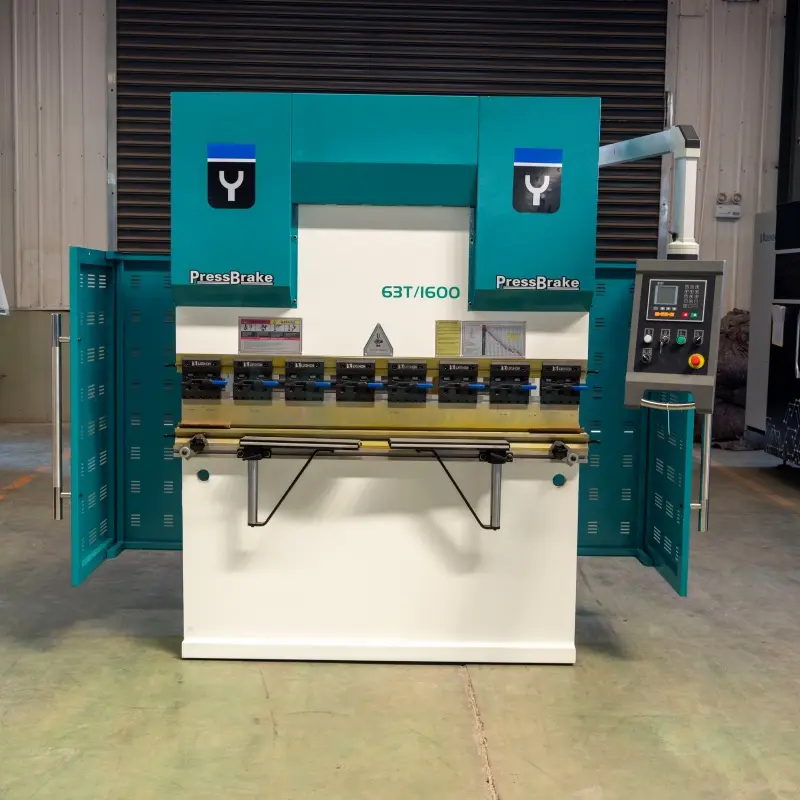
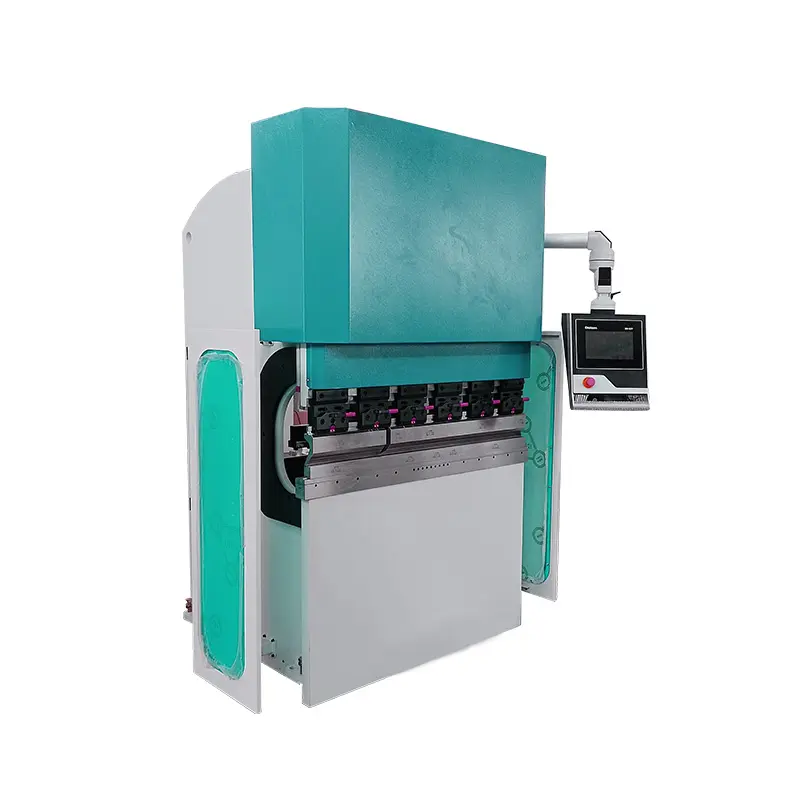
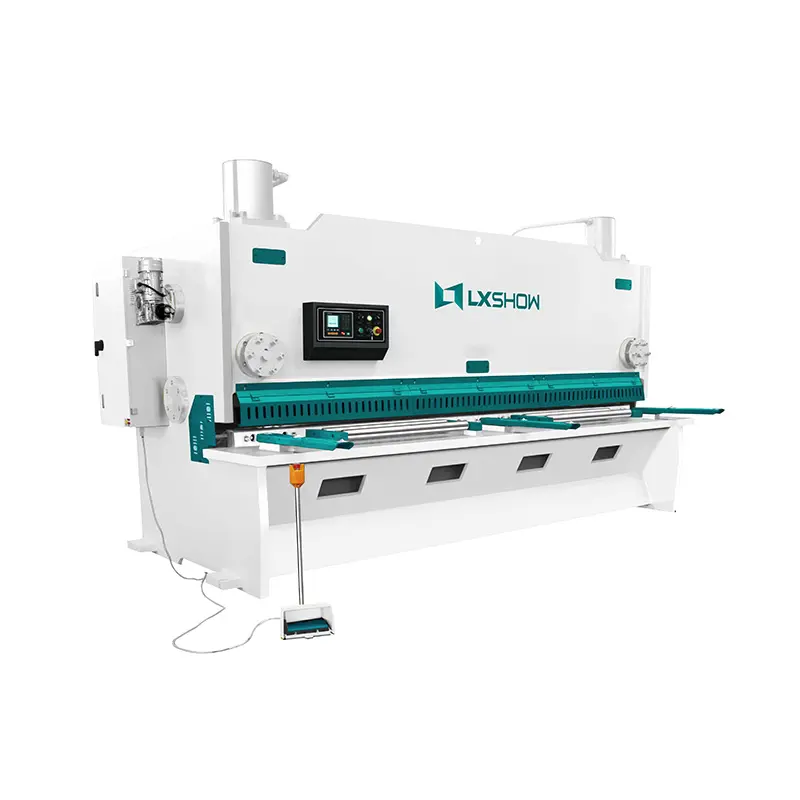
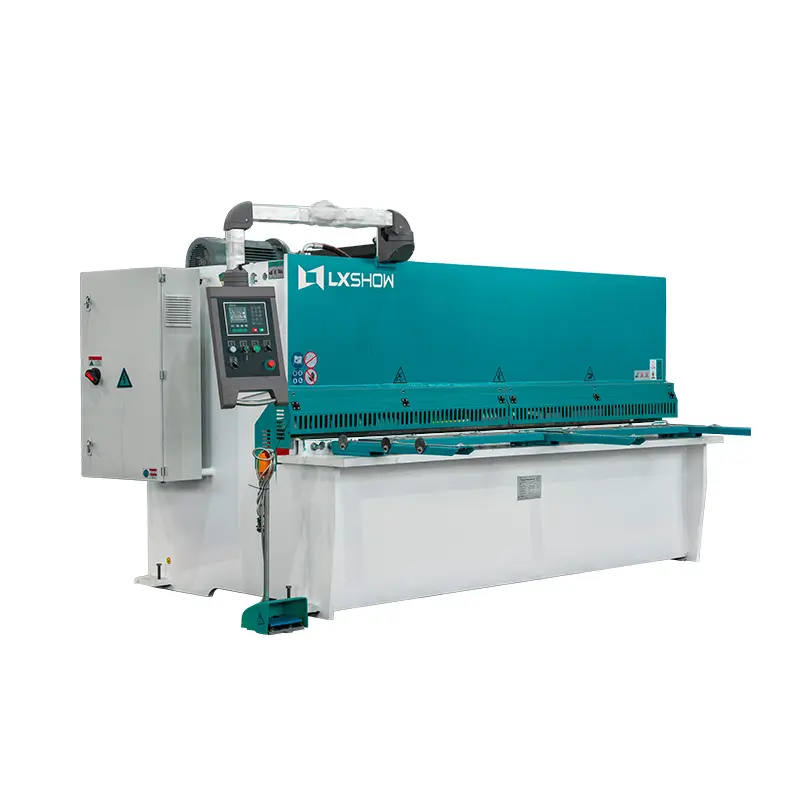
Hydraulic pendulum sheet shearing systems designed for linear sizing pre-laser cutting.
Expert answers addressing the real structural and investment questions of manufacturing buyers.
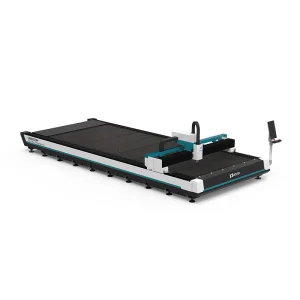
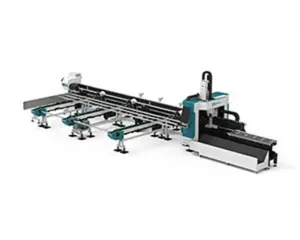
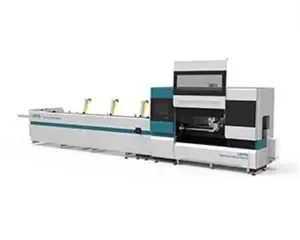
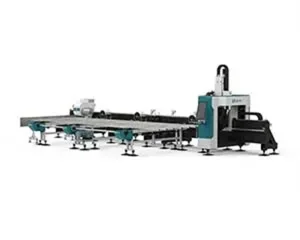
Explore specialized industrial fiber tube cutters, heavy duty plate models, and metal forming tools.
 Lxshow